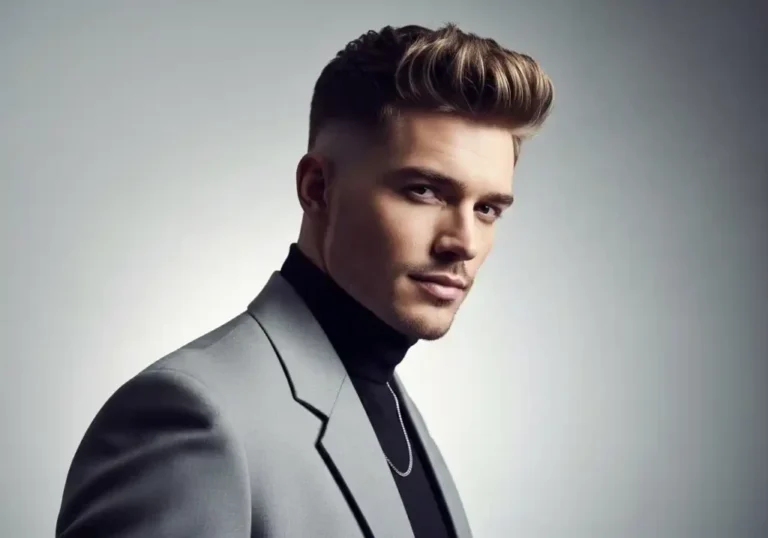
The right hairstyle can do more than change your look—it can bring attention to your eyes, soften certain features, and create a beautifully balanced appearance. Face-framing hairstyles are especially useful because they can be adapted to different lengths, textures, and personal styles without requiring a dramatic haircut. From soft curtain bangs and layered waves to polished bobs and long feathered cuts, small changes around the face can make a noticeable difference. In this guide, you’ll discover 22 stylish hairstyles designed to complement your natural features while keeping your overall look current and wearable. Each idea includes practical styling details, considerations for different hair types, and ways to personalize the cut. Whether you prefer effortless texture, sleek sophistication, romantic movement, or something more modern, there is an option worth saving for your next salon appointment. The goal is not to hide your features, but to use your hairstyle strategically so your natural face shape and personal style work beautifully together.
1. Soft Curtain Bangs With Long Layers

Soft curtain bangs create a gentle opening around the forehead while the longer pieces gradually blend into the rest of the haircut. This makes them particularly versatile because the center part can be adjusted slightly to suit different facial proportions. Ask your stylist for bangs that become longer toward the cheekbones rather than ending abruptly. The result feels light, flattering, and easy to grow out, especially when paired with long layers that preserve plenty of movement.
For everyday styling, use a round brush to direct the bangs away from the face, then finish with a lightweight texture spray. Avoid making the roots too stiff, because curtain bangs look most natural when they retain some movement. Long hair with subtle waves can emphasize the layered shape, while straighter hair creates a cleaner effect. If you have fine strands, keeping the layers concentrated around the front can maintain fullness through the lengths.
2. Chin-Length Bob With Subtle Face-Framing Pieces
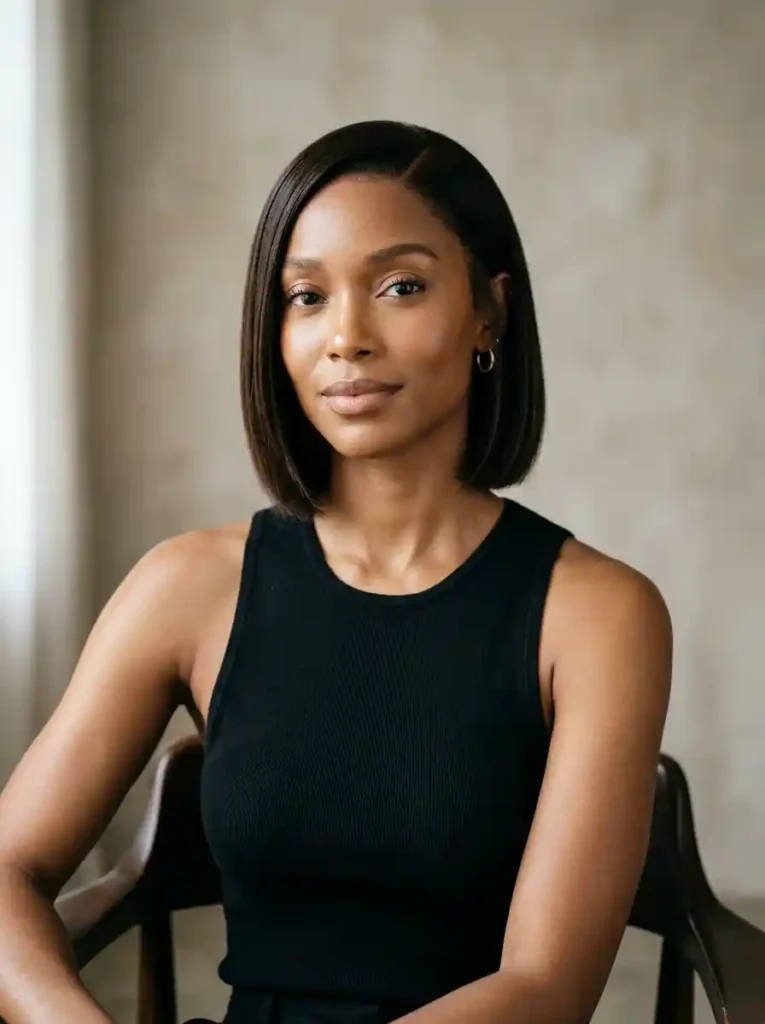
A chin-length bob naturally draws attention toward the lower half of the face, making the placement of the front sections especially important. Keeping the pieces near the cheeks slightly longer can prevent the cut from looking overly blunt while creating a soft transition toward the jaw. This style works beautifully for people who enjoy structured hair but still want movement around their features. A clean perimeter also gives the haircut a polished, modern appearance.
Straighten the bob with a flat iron only after applying heat protection, keeping the ends slightly curved rather than pin-straight. For naturally wavy hair, allow the texture to remain visible and use a small amount of styling cream to control frizz. Regular trims help preserve the crisp shape. If your hair is thick, subtle internal weight removal can make the front sections sit more naturally without sacrificing the recognizable bob silhouette.
3. Face-Framing Layers With Loose Beach Waves
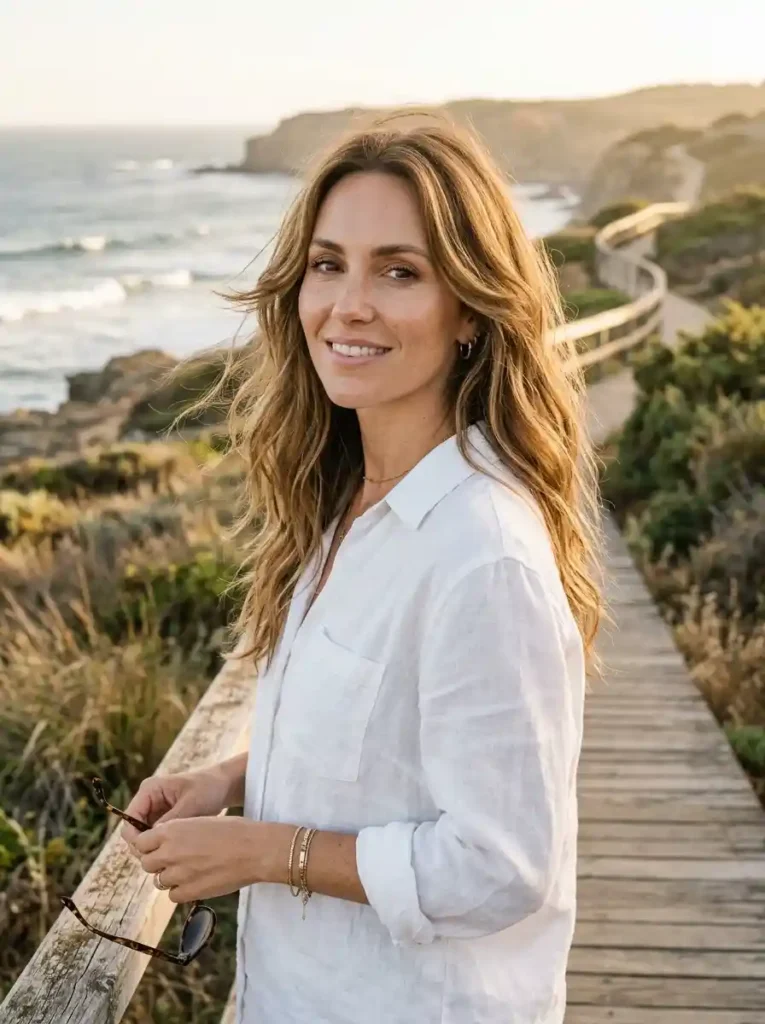
Face-framing layers become especially noticeable when combined with loose waves because the texture naturally separates each section around the cheeks and jaw. Instead of creating identical layers throughout the haircut, ask for shorter pieces near the front and longer transitions through the back. This gives the hairstyle shape without making the overall length feel thin. The approach suits medium to long hair and works particularly well when you want movement without committing to bangs.
Create the waves with a large-barrel curling iron or heatless method, alternating the direction of each section for a relaxed finish. Leave the final inch or two straighter so the result does not look overly formal. A flexible hairspray can preserve movement without making the hair crunchy. For naturally curly or wavy textures, a layered cut can enhance existing definition, but the front pieces should be shaped carefully to avoid unwanted bulk near the cheeks.
4. Side-Swept Bangs With Shoulder-Length Layers

Side-swept bangs offer a softer alternative to a straight-across fringe because they create a diagonal line across the forehead. That angle can add visual movement and draw attention toward the eyes rather than creating a strong horizontal boundary. Shoulder-length layers keep the rest of the haircut balanced, making this option practical for people who want noticeable face framing without dramatically shortening their hair. The style also transitions gracefully as the bangs grow.
For a smooth finish, blow-dry the bangs forward first, then sweep them toward the desired side while they are still slightly damp. This helps prevent a stubborn part from controlling the shape. Use a lightweight volumizing mousse at the roots and avoid heavy oils near the fringe. The shoulder-length layers can be worn straight, softly curled, or tucked behind one ear. A trim every several weeks keeps the fringe intentional and prevents it from falling into the eyes.
5. Long Feathered Layers For Soft Movement
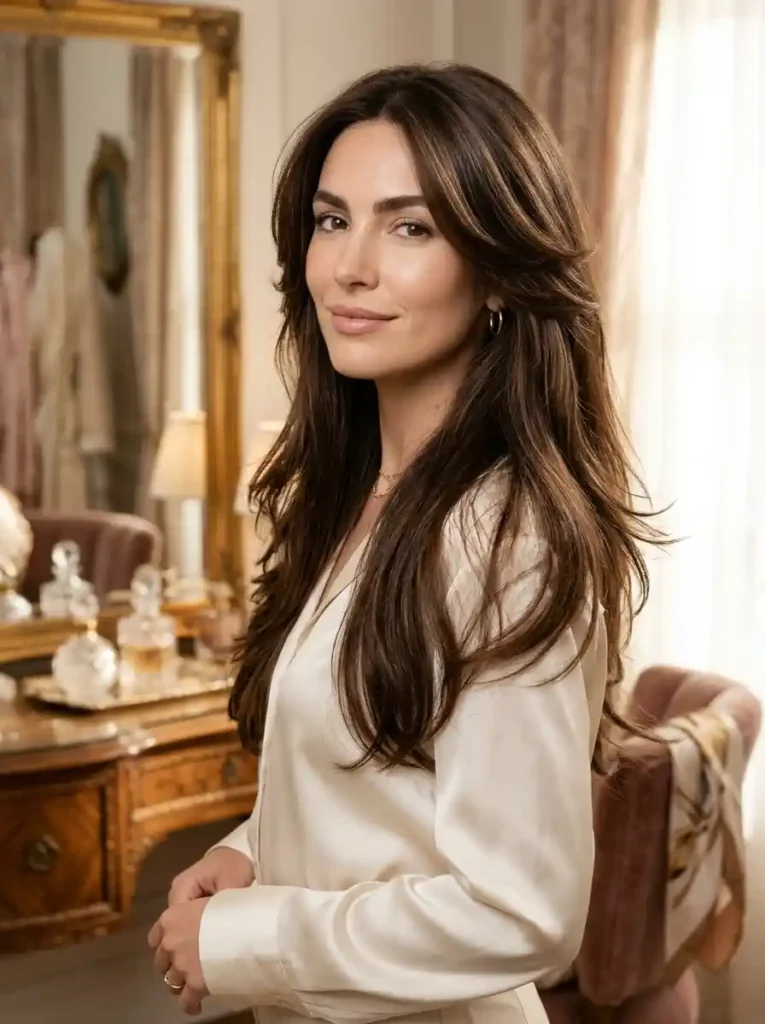
Long feathered layers create a flowing shape by directing the shorter front sections outward and backward rather than leaving them hanging heavily beside the cheeks. This technique is ideal when you want face framing that feels polished but not overly geometric. The longest lengths remain intact, while the shorter sections add dimension around the cheekbones and jaw. It can be particularly attractive on thick hair because the layering removes visual heaviness while preserving impressive length.
To style feathered layers, use a large round brush and direct the front sections away from your face as you dry them. Velcro rollers can provide additional lift if you prefer a fuller retro-inspired finish. Avoid excessive product at the roots because it can flatten the feathered movement. If your hair is naturally fine, ask for moderate layering rather than aggressive thinning. The goal is visible shape around the face while maintaining enough density through the ends.
6. Textured Lob With Wispy Front Pieces

A textured lob offers enough length to style in different ways while keeping the silhouette modern and manageable. Wispy pieces around the face prevent the collarbone-length cut from appearing too uniform. They can be customized according to where you want visual movement, with shorter sections beginning near the cheekbones or slightly lower near the jaw. This makes the style adaptable without requiring a heavily layered haircut. It is especially useful for people who want versatility with moderate maintenance.
Enhance the texture with a lightweight sea-salt spray or styling foam, concentrating product through the middle lengths rather than directly on the roots. Scrunch damp hair and let it air-dry for a relaxed finish, or use a diffuser for extra definition. If your hair is straight, a few loose bends can create similar movement. Keep the front pieces slightly longer if you frequently wear your hair tucked behind your ears, allowing them to fall naturally when released.
7. Butterfly Layers With Voluminous Face Framing
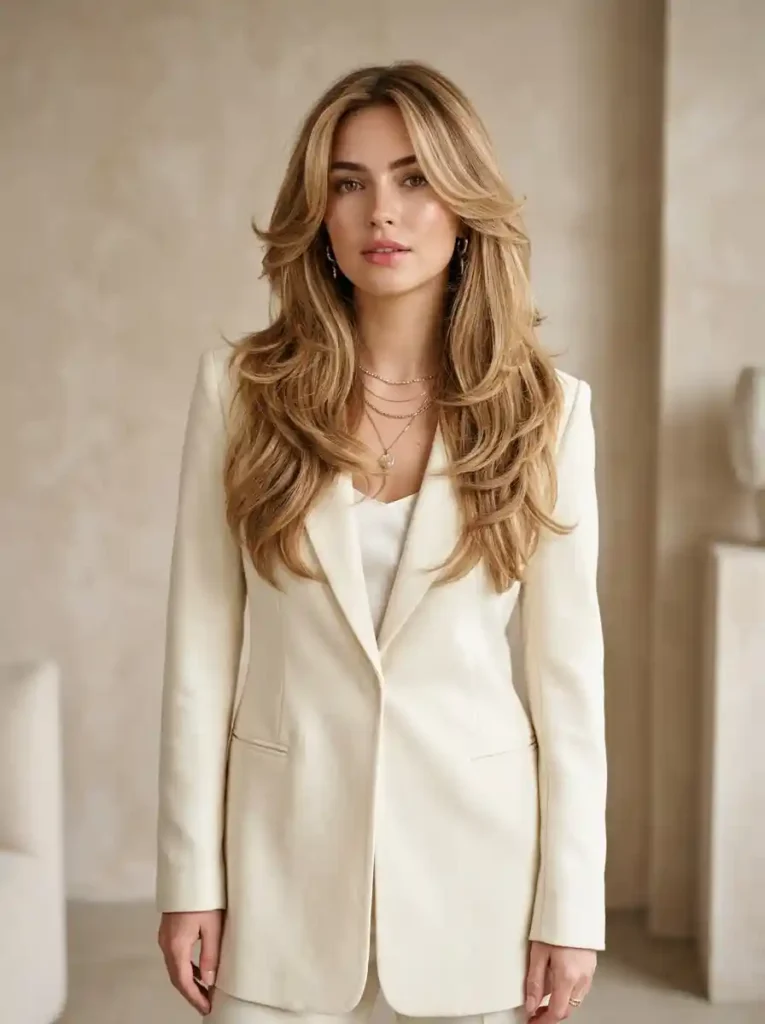
Butterfly layers create a distinctive combination of shorter, bouncy sections around the face and longer lengths underneath. The shorter layers provide visible volume near the cheekbones, while the extended lower layers preserve the impression of long hair. This makes the haircut appealing when you want a substantial transformation without losing length. The technique works especially well on medium-to-thick hair, where the layered structure has enough density to create noticeable movement.
Blow-drying with a large round brush helps reveal the characteristic outward curve of butterfly layers. Work in sections and direct the front pieces away from the face, allowing them to cool before brushing them together. Lightweight volumizing products are preferable to heavy creams that can collapse the shape. If your hair is fine, request fewer but strategically placed layers. Too many short sections can reduce fullness, while thoughtfully positioned layers can make the haircut appear much more dimensional.
8. Collarbone Cut With Curved Face-Framing Ends

A collarbone cut sits in a useful middle ground between short and long hair, making it easy to style while still offering enough length for ponytails and loose waves. Curved face-framing ends give the haircut a customized shape instead of leaving the front completely uniform. The pieces can begin around the cheekbones and gradually merge toward the shoulders. This approach creates movement close to the face without requiring a dramatic fringe or extensive layering.
For a polished everyday finish, blow-dry the front sections using a medium round brush and gently curve them inward. For a more casual result, use a curling wand to create loose bends before separating the strands with your fingers. Keep styling products lightweight, particularly if your hair is fine. A collarbone cut generally benefits from consistent trimming because the length can quickly lose its intentional shape when the ends become uneven or overly dry.
9. Wispy Curtain Fringe With Medium-Length Waves

A wispy curtain fringe is lighter than a traditional curtain bang, making it useful for anyone who wants face framing without a dense section of hair across the forehead. The delicate center pieces can highlight the eyes while the longer edges blend into medium-length layers. This style feels particularly natural when paired with waves because the fringe does not need to look perfectly symmetrical. It also provides an easier transition if you eventually decide to grow the bangs longer.
When styling, use a small round brush to lift the fringe slightly at the roots before guiding both sides outward. A tiny amount of lightweight styling cream can tame stray hairs without making the fringe look greasy. Avoid excessive heat because the shorter pieces are more vulnerable to dryness. Medium waves can be refreshed between washes with water and a small amount of curl cream, keeping the overall appearance soft and touchable.
10. Sleek Long Hair With Minimal Face-Framing Layers
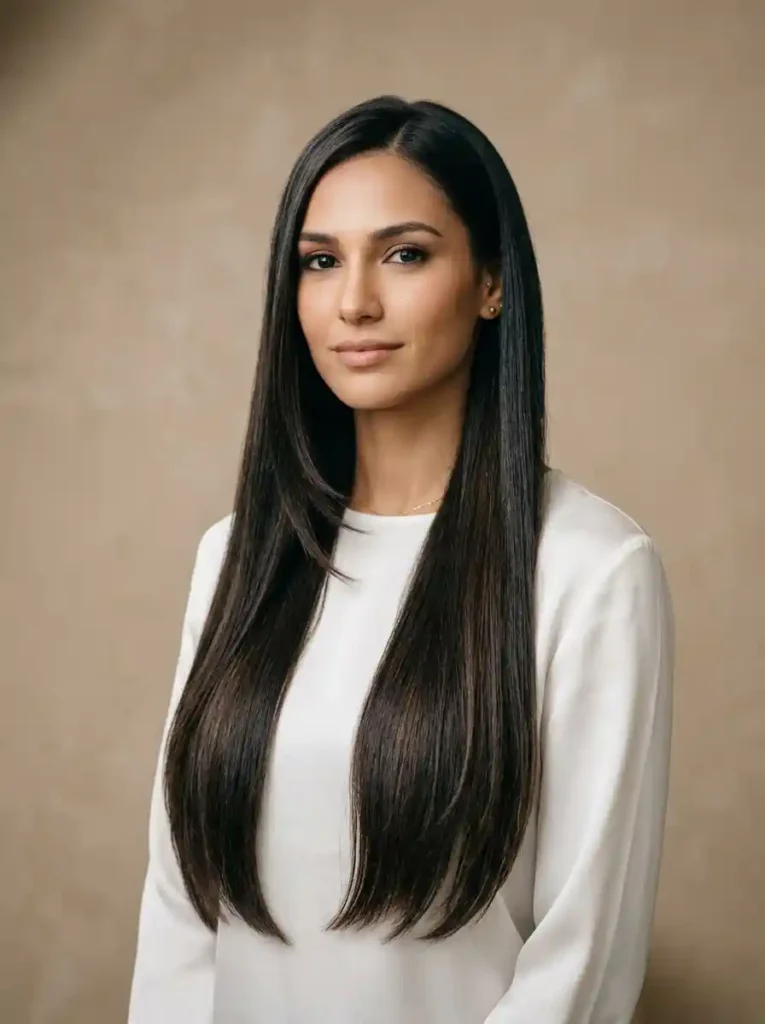
Minimal face-framing layers are ideal when you love the clean appearance of long hair but want a little movement around the face. Instead of creating many visible layers, the stylist can introduce a subtle graduation that begins lower near the cheekbones or jaw. This preserves the strong, uninterrupted length while preventing the front from looking completely flat. The understated approach suits sleek hairstyles particularly well and can complement both center and slightly offset parts.
To maintain the polished effect, apply a heat protectant before using a blow dryer or flat iron. Finish with a tiny amount of smoothing serum through the ends, avoiding the scalp. If your hair is naturally straight, this haircut may require very little daily styling. Those with wavy or curly hair can still wear it successfully, although the face-framing sections may need gentle shaping to ensure they blend smoothly with the rest of the length.
11. Curly Face-Framing Layers For Natural Texture
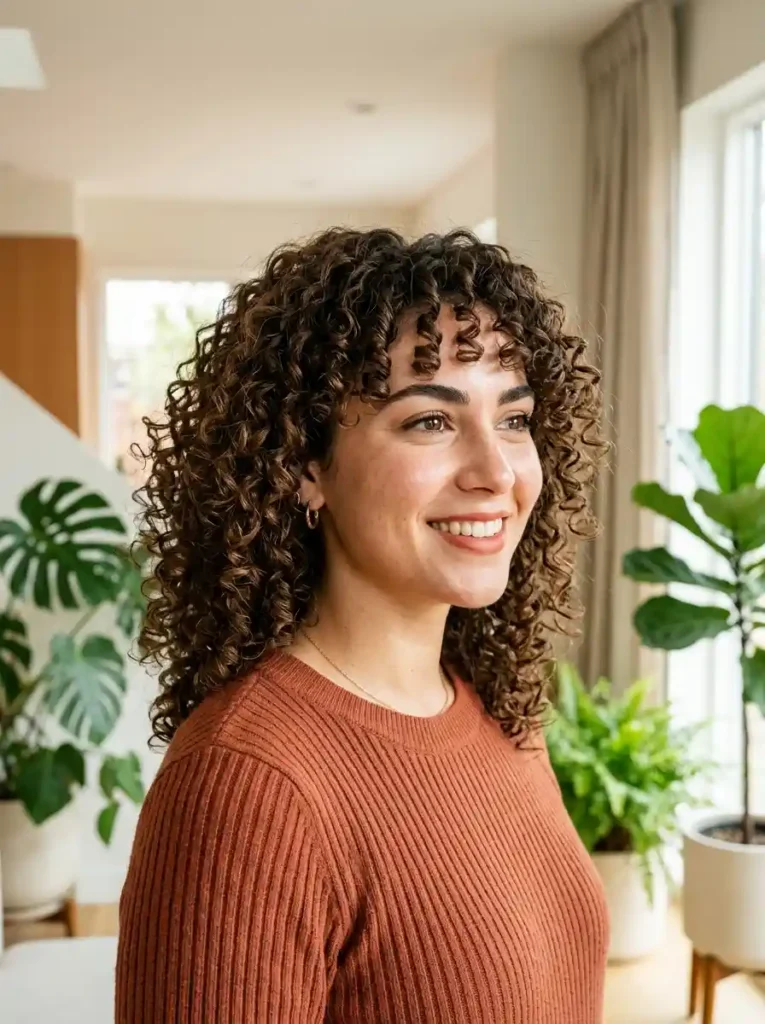
Curly hair benefits from face-framing layers that respect the natural curl pattern rather than forcing every section into a uniform length. Strategic layering can help individual curls spring upward and create a balanced outline around the cheeks and jaw. The exact placement should account for shrinkage, since curls may appear significantly shorter once dry. A stylist experienced with textured hair can shape the front while preserving the density needed for healthy, defined curls.
Apply curl cream or gel to soaking-wet hair and distribute it evenly before gently scrunching upward. Allow the curls to dry naturally or use a diffuser on low heat and low airflow. Avoid repeatedly brushing the finished style, as that can disrupt definition and create unnecessary frizz. Refresh flattened areas with water and a small amount of styling product. Regular moisture-focused care is also important because dry curls can lose the softness that makes this framing effect attractive.
12. French Bob With Soft Cheek-Length Pieces

A French bob feels distinctive because it combines a compact shape with relaxed, slightly imperfect texture. Adding soft cheek-length pieces keeps the front from becoming overly rigid, allowing the haircut to follow the natural contours of the face. The style can be especially appealing if you enjoy shorter hair but still want some softness around your features. A slightly uneven or textured finish often looks more effortless than an extremely precise, polished silhouette.
Style the bob with a small amount of texturizing cream, then use your fingers to separate the ends while the hair dries. If your hair is naturally straight, a subtle bend created with a flat iron can add movement without turning the look into formal curls. Keep the fringe or front pieces light rather than overly dense. Because shorter bobs show growth quickly, regular trims are useful for maintaining the intended jawline and overall proportions.
13. Long Shag With Feathered Cheek Layers

A long shag frames the face through a combination of shorter cheekbone layers, crown movement, and longer textured lengths. Unlike a conventional layered haircut, the shag intentionally keeps the sections more separated, giving the hairstyle a relaxed, lived-in quality. It can be particularly useful for people who like visible texture and do not want their hair to look overly smooth. The amount of layering should be adjusted according to density so the ends remain healthy.
Use a lightweight mousse or texture cream on damp hair, then scrunch the lengths and allow them to air-dry. A diffuser can add lift at the crown while keeping natural waves defined. Avoid brushing once the hair is dry if you want to preserve separation between layers. For straight hair, soft bends created with a curling iron can reproduce some of the movement, but keep the finish imperfect rather than overly uniform.
14. Blunt Lob With Front Graduation

A blunt lob creates a strong visual foundation, while subtle front graduation prevents the haircut from appearing too boxy around the face. The contrast between the crisp perimeter and softer front sections gives the style structure without sacrificing movement. It works particularly well for straight or slightly wavy hair, where the clean line remains visible. People with thick hair may benefit from discreet internal shaping so the ends do not become excessively heavy.
For a sleek result, blow-dry the hair downward using a paddle brush before smoothing the ends with a flat iron. Add a small amount of shine serum only from the mid-lengths downward. If you prefer texture, create two or three broad waves and gently brush them out. The front graduation should remain visible rather than being hidden behind the ears every day. Regular trims help maintain the crisp lower edge that defines the haircut.
15. Layered Midi Cut With Jawline Pieces

A layered midi cut provides a comfortable amount of length while allowing the front to be customized around the jaw. Pieces that begin close to the jawline can create definition and help break up a single heavy curtain of hair. The remaining layers should become progressively longer toward the shoulders, creating continuity rather than obvious steps. This option is practical for people who want a noticeable shape but still rely on ponytails, buns, or simple daily styling.
For an easy finish, apply a lightweight leave-in conditioner and let the hair dry naturally before adding a few loose bends where needed. A round brush can make the jawline pieces more pronounced during blow-drying. If your hair is thick, ask for controlled internal shaping rather than excessive shortening. Fine hair usually benefits from fewer layers, since maintaining density through the ends helps the midi cut appear fuller and more polished.
16. Wavy Lob With Side-Parted Face Framing

A side-parted wavy lob creates face framing through direction rather than relying solely on layers. The side part shifts visual weight toward one side, while the front pieces sweep diagonally across the forehead and cheek. This can make the hairstyle feel more dynamic than a centered part while retaining the easy length of a lob. The effect works especially well with natural waves because the texture softens the transition between the shorter front and longer back.
To style it, establish the side part while the hair is damp and apply a lightweight mousse through the lengths. Scrunch gently, then diffuse or air-dry depending on your natural texture. Once dry, separate the front section with your fingers instead of brushing it completely smooth. If the side part tends to collapse, use a small amount of root-lifting spray underneath the top layer. Keep the ends flexible so the waves continue to move naturally throughout the day.
17. Shoulder-Length Hair With Bottleneck Bangs

Bottleneck bangs combine a shorter center section with gradually lengthening sides, creating a shape that frames the forehead and temples without forming a completely straight fringe. When paired with shoulder-length hair, the longer sides can blend into subtle layers around the cheekbones. This makes the hairstyle visually interesting while remaining softer than a traditional blunt bang. It can work across several hair textures, although the exact width and length should be tailored carefully.
Blow-dry the center section downward with a small round brush, then direct the longer sides outward and slightly away from the face. A lightweight styling balm can control flyaways without making the fringe stiff. If your hair is naturally curly, discuss shrinkage before deciding the final length. Because bangs require more frequent shaping than the rest of the haircut, schedule trims as needed rather than waiting until the entire hairstyle becomes overgrown.
18. Romantic Long Layers With Face-Framing Waves
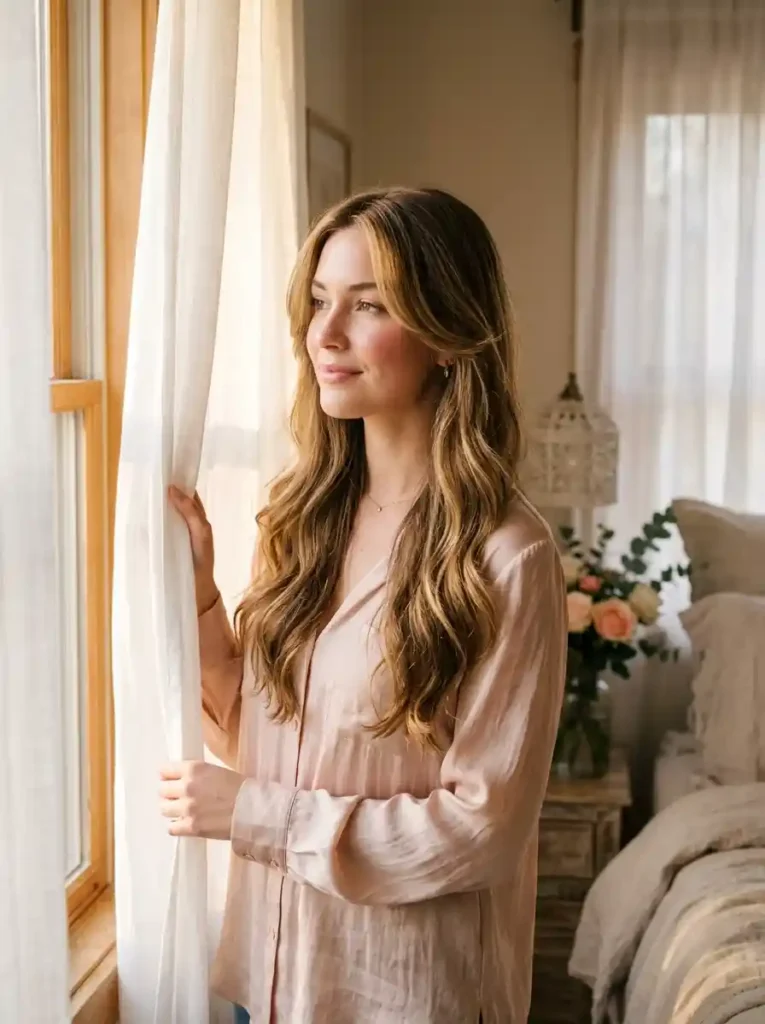
Romantic long layers are designed to create movement without sacrificing the graceful appearance of length. The face-framing sections can begin below the cheekbones and gradually blend into larger layers, producing a soft cascade rather than a dramatic change. This style is particularly suitable if you prefer feminine movement but do not want short pieces near the forehead. It also works beautifully with natural waves, large curls, or softly styled bends created with heat.
For loose waves, wrap medium sections around a large barrel while leaving the ends slightly relaxed. Once the hair cools, gently separate the curls with your fingers and finish with flexible hairspray. A small amount of smoothing cream can reduce frizz without removing movement. Keep the shortest layers long enough to blend into the cheeks and jaw. If your hair is fine, avoid excessive layering underneath, since too many short sections can make the lower lengths appear sparse.
19. Textured Pixie With Longer Temple Pieces
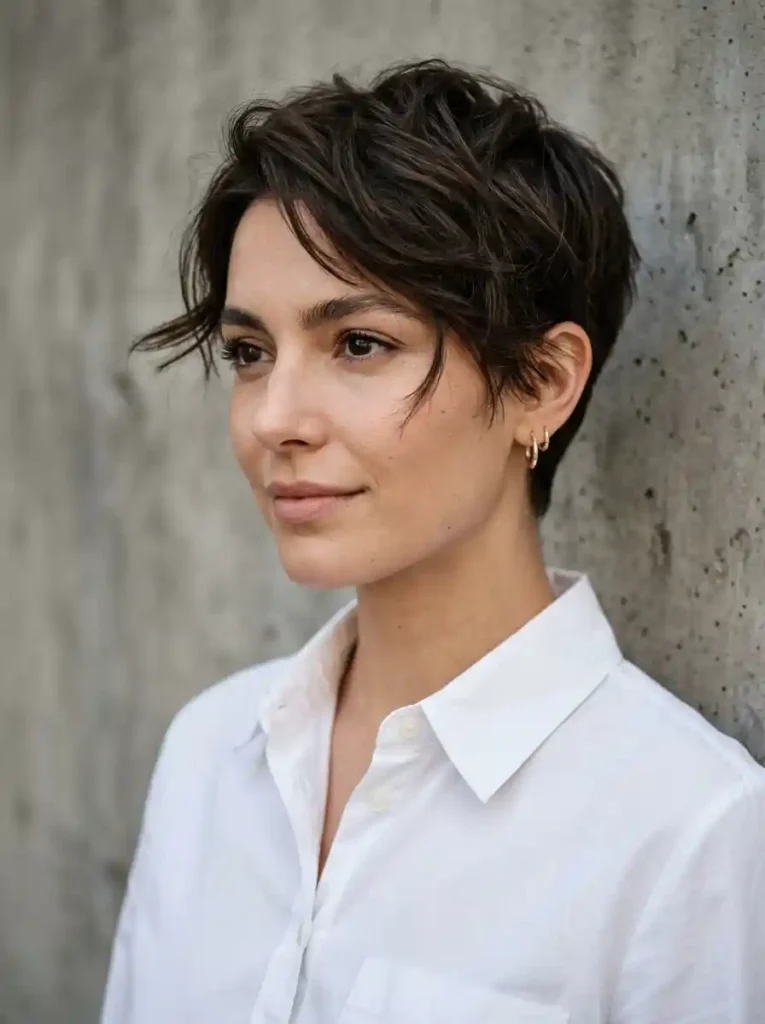
A pixie can frame the face beautifully when the cut includes longer pieces around the forehead, temples, or sideburn area. These sections soften the transition from very short hair to the facial contours and provide styling flexibility. Instead of treating every part of the haircut as equally short, the stylist can leave selected pieces longer so they can be swept, textured, or directed forward. This makes the result feel personalized rather than uniformly cropped.
Use a pea-sized amount of matte styling paste to define individual sections, warming the product between your fingers first. Work through the hair gradually so the finish remains light and touchable. If you want a softer appearance, use a small round brush while blow-drying the longer front pieces. Pixie cuts require regular maintenance because even a small amount of growth can change the silhouette. However, daily styling can be remarkably quick once the shape is established.
20. Middle-Parted Layers With Cheekbone Waves
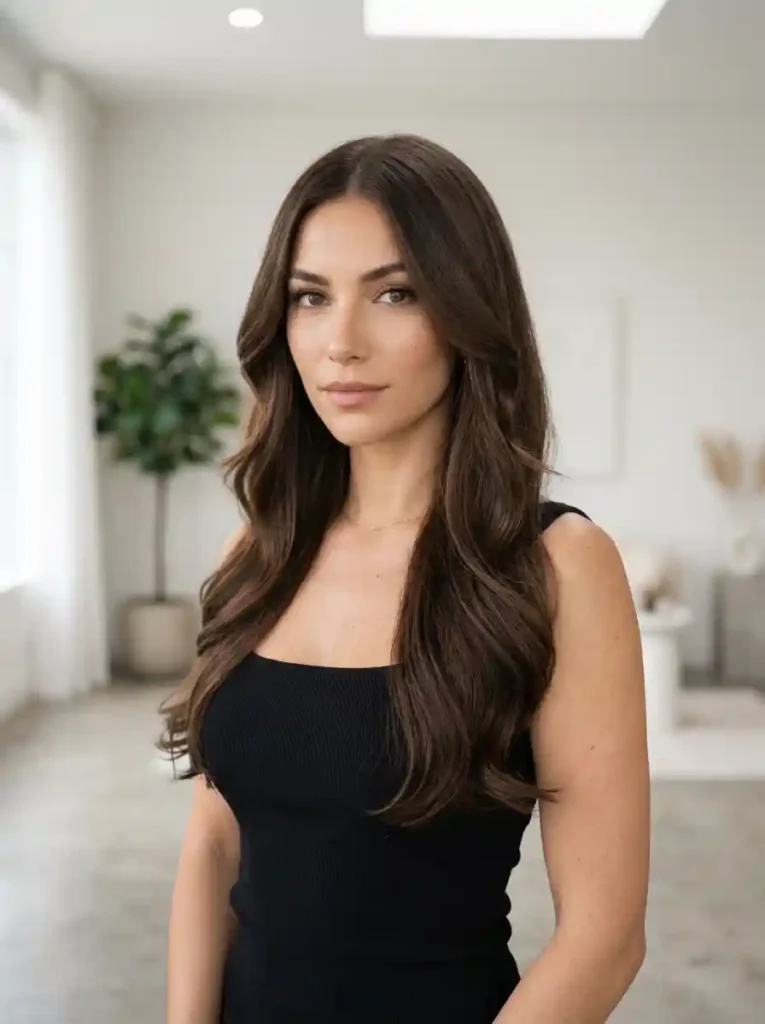
A middle part creates natural symmetry, while cheekbone-length layers introduce movement exactly where the face begins to widen. The combination can make long hair feel more intentional without adding a heavy fringe. The waves should begin around the cheekbones rather than at the roots, keeping the crown relatively smooth. This placement produces a polished contrast between a controlled upper section and softly moving lengths, making it suitable for both everyday outfits and more refined occasions.
Start by creating a clean center part while the hair is damp. Blow-dry the crown smoothly, then add loose bends from the cheekbones downward with a curling wand or large iron. Brush through the waves once they cool to make them look softer. If your hair is naturally wavy, you may only need to enhance a few front sections. Use a light finishing spray instead of heavy lacquer so the hairstyle retains natural movement around the face.
21. Shaggy Bob With Soft Jaw-Framing Texture

A shaggy bob combines the compact shape of a bob with deliberately uneven texture, making it a useful choice for anyone who dislikes overly polished hair. Soft pieces around the jaw create movement while the textured ends keep the haircut from appearing too heavy. The style can be adjusted for straight, wavy, or slightly curly hair by changing the amount of layering. Keeping enough weight near the jaw prevents the cut from becoming excessively triangular.
For styling, apply a small amount of texture cream or mousse to damp hair and scrunch the ends with your hands. Let it air-dry when possible, then use your fingers to separate the layers. Straight hair can benefit from a few irregular bends created with a flat iron, while wavy hair may need almost no heat. Avoid repeatedly combing through the finished look because the intentionally separated texture is part of the haircut’s appeal.
22. Long Layers With Subtle Money-Piece Framing
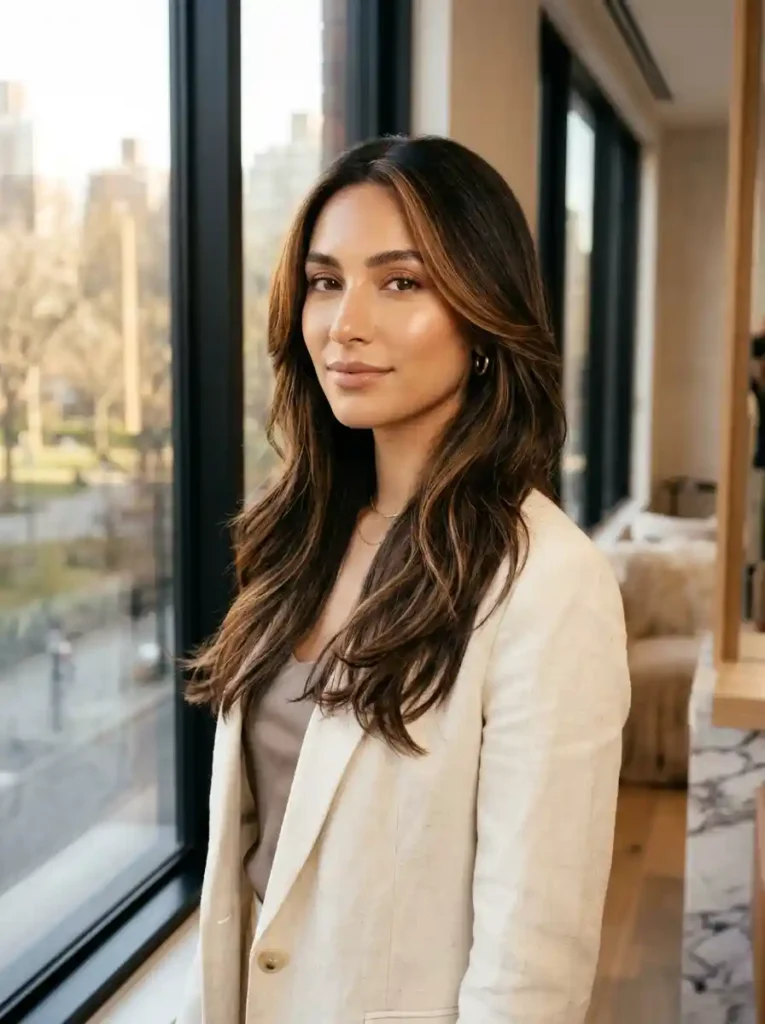
Long layers paired with subtle face-framing highlights can emphasize the front of the hairstyle without requiring a major cut. The lighter pieces should remain softly blended rather than forming a stark stripe, creating dimension around the eyes and cheekbones. This option is particularly useful if you love your existing length and want a visible refresh. The color placement can be customized according to your natural shade, with warmer or cooler tones selected to complement the overall look.
Ask your colorist for finely blended pieces that transition gradually into the surrounding hair. Keeping the lightest sections near the front can make the framing effect noticeable without overwhelming the haircut. Use color-safe shampoo and regular conditioning to protect the highlighted areas from becoming dry. When styling, loose waves can reveal the dimensional color beautifully, while a sleek finish gives a more understated appearance. The result changes subtly with different hairstyles, making it easy to personalize.
Conclusion
A face-framing hairstyle does not have to mean choosing one specific haircut or following a strict beauty rule. The most useful approach is to consider where you want movement, how your hair naturally behaves, and how much styling you realistically want to do. Curtain bangs can soften the forehead, cheekbone layers can add movement, jaw-length pieces can define shorter cuts, and strategically placed color can bring attention toward the front. Length, texture, density, and parting all influence the final result, so showing your stylist a few reference photos can make customization easier. Before your next appointment, save the ideas that match your current hair and identify the details you like most. Whether you choose a subtle adjustment or a complete change, thoughtful face framing can make your hairstyle feel more intentional while still looking naturally like you.