
Wavy hair has a beautiful way of balancing softness, movement, and natural texture, but finding the right haircut can make all the difference. The right shape can bring out your waves, create flattering volume, and make everyday styling feel much easier. Whether your hair forms loose, beachy bends or fuller, more defined S-shaped waves, there is a cut that can help your natural texture look its best.
From effortlessly tousled bobs to long, flowing layers, these gorgeous wavy hair cut ideas offer something for every length, face shape, and personal style. You’ll discover modern cuts that add dimension to fine hair, create a lighter feel for thick strands, and frame the face without requiring an elaborate styling routine. There are also versatile options for anyone who wants a noticeable change without sacrificing length.
The best part? You don’t need perfectly styled waves to make these haircuts work. With the right layering, thoughtful shaping, and a few simple styling techniques, your natural texture can become the highlight of your look. Explore these 23 inspiring ideas to find a wavy hairstyle that feels fresh, flattering, and genuinely wearable.
1. Long Wavy Layers for Effortless Movement
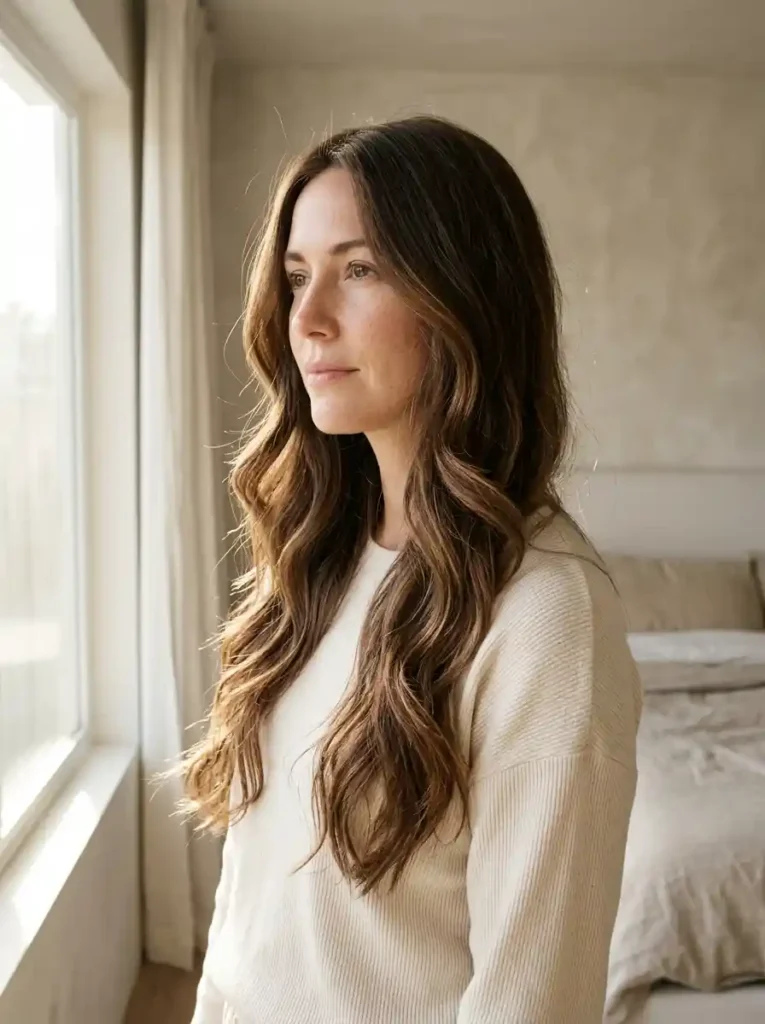
Long wavy layers are an excellent choice if you love your length but want your hair to feel lighter and more dynamic. The stylist removes weight strategically rather than shortening the overall silhouette, allowing waves to separate naturally instead of forming one heavy mass. This cut works particularly well for medium-to-thick hair, where carefully placed layers can create movement around the shoulders and prevent the ends from looking overly dense or triangular.
Ask your stylist to consider your natural wave pattern before deciding where the layers should begin. Long layers starting below the chin preserve fullness while giving the front pieces a gentle, face-framing effect. At home, apply lightweight mousse to damp hair and scrunch upward before air-drying or diffusing on low heat. Avoid excessive thinning at the ends, especially if your hair is fine, because removing too much density can make the overall shape appear sparse.
2. The Textured Wavy Bob
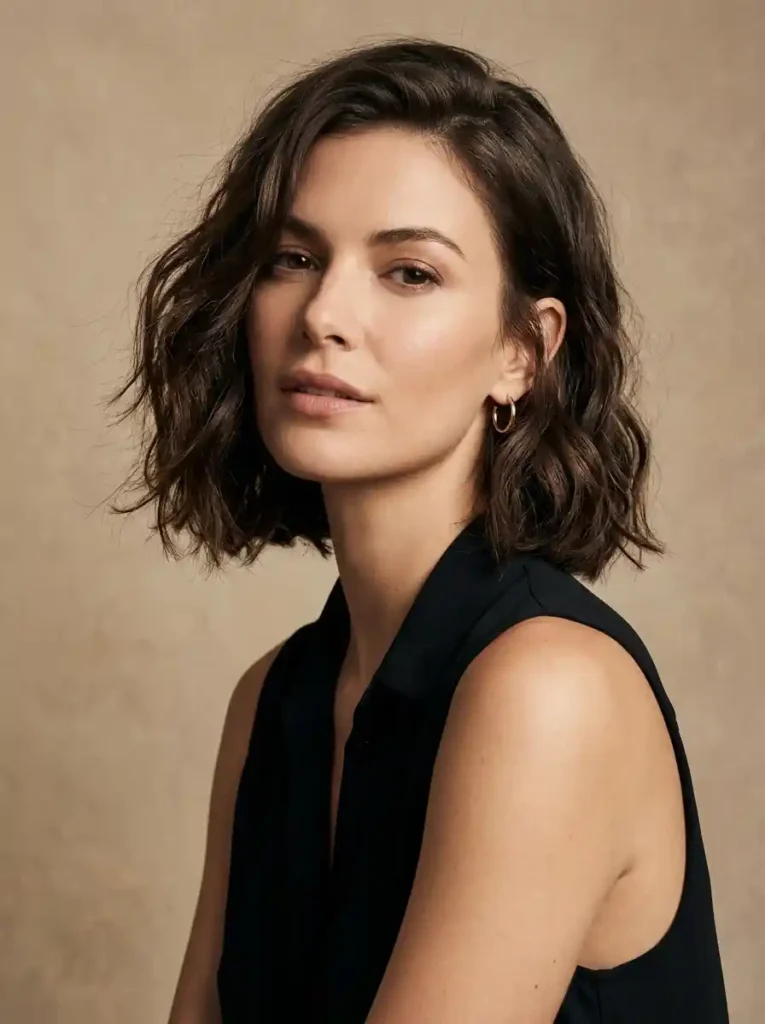
A textured wavy bob brings personality to shorter hair without requiring a perfectly polished finish. Usually cut between the jawline and the neck, it gives natural waves room to bend and creates a fuller-looking silhouette around the face. This style suits anyone who wants a fresh change from longer hair, particularly those with fine or medium-density strands. Its slightly irregular ends also make everyday styling feel relaxed rather than overly structured.
The key is choosing a bob length that works with your hair’s natural shrinkage and volume. Wavy hair can spring upward after drying, so ask your stylist to account for that movement instead of cutting everything to a rigid line. For styling, work a small amount of curl-enhancing cream through damp lengths and twist a few pieces around your fingers. A trim every six to eight weeks can help preserve the shape, although your personal growth rate will determine the ideal schedule.
3. The Modern Shag for Naturally Tousled Waves

The modern shag is ideal if you prefer a lived-in hairstyle with plenty of personality. Its defining features include shorter crown layers, choppy ends, and a shape that gradually softens around the face. Rather than forcing waves into uniform sections, the cut celebrates their natural differences. It can work beautifully on medium-density hair and is especially appealing to anyone who likes an undone, slightly rock-inspired appearance without committing to a very short haircut.
Before choosing this style, discuss how much volume you want around the crown and temples. Aggressive layering may create excessive width in some hair types, while a more restrained shag can preserve a softer outline. A lightweight texturizing spray helps emphasize separation, and diffusing upside down can encourage lift at the roots. If you have a fringe, expect to style it separately on some mornings, using a small round brush to guide it away from the forehead.
4. The Wavy Lob With Blunt Ends

A wavy lob, or long bob, offers the versatility of medium-length hair with a shape that still feels substantial. Cutting the ends relatively blunt creates a strong perimeter, which can make fine hair look denser than a heavily layered alternative. The length generally falls between the chin and collarbone, leaving enough room for natural waves while remaining easy to tie back. It’s a particularly practical option if you want a contemporary cut that works in professional and casual settings.
To keep the silhouette from looking too bulky, your stylist can introduce very subtle internal layers while maintaining the clean outer edge. Ask for the finished length to be evaluated against your natural wave pattern, since the hair may sit higher once dry. For everyday styling, create loose bends with a diffuser or a large-barrel iron, alternating directions for a less uniform finish. A lightweight shine serum on the ends adds polish without weighing down the waves.
5. Shoulder-Length Waves With Curtain Bangs

Shoulder-length waves paired with curtain bangs create a flattering frame without making the haircut feel overly formal. The bangs part near the center and gradually lengthen toward the temples, blending into the rest of the hair. This combination works well if you want to soften a prominent forehead or draw attention toward your eyes and cheekbones. The medium length also gives waves enough room to form naturally without demanding the maintenance of a shorter, precisely shaped bob.
Ask for the fringe to be cut with your natural part and wave direction in mind. A fringe that looks airy when styled straight may separate differently once it dries naturally, so a dry finishing adjustment can be helpful. In the morning, dampen the front pieces, direct them away from your face with a small brush, and let them cool before releasing. If your hair is particularly dense, subtle layering through the sides can help the bangs blend rather than sit like a separate section.
6. The Butterfly Cut for Long, Voluminous Waves
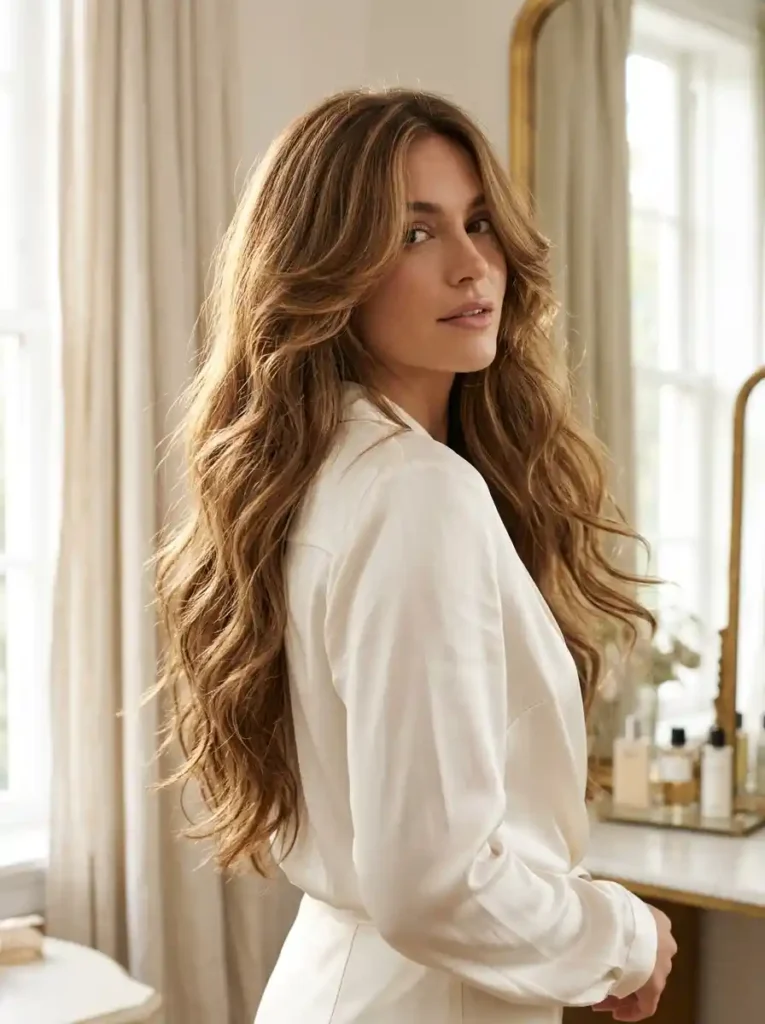
The butterfly cut creates the appearance of shorter, bouncy layers around the face while preserving substantial length at the back. For wavy hair, this combination can add lift around the crown and give the front sections a more noticeable shape. It is a strong option for anyone who wants a dramatic, layered transformation without losing the ability to wear a ponytail or maintain long, flowing hair.
Because the shorter layers are a defining feature, placement matters more than simply requesting lots of layers. Ask your stylist to establish the shortest pieces around a flattering point near your cheekbones or jawline, depending on your preference. Styling with a round brush or large rollers can emphasize the sweeping shape, but natural waves can also create a softer interpretation. If your ends are already thin, discuss how to preserve enough density at the back so the haircut retains its full, flowing appearance.
7. A Soft Wavy Pixie Cut
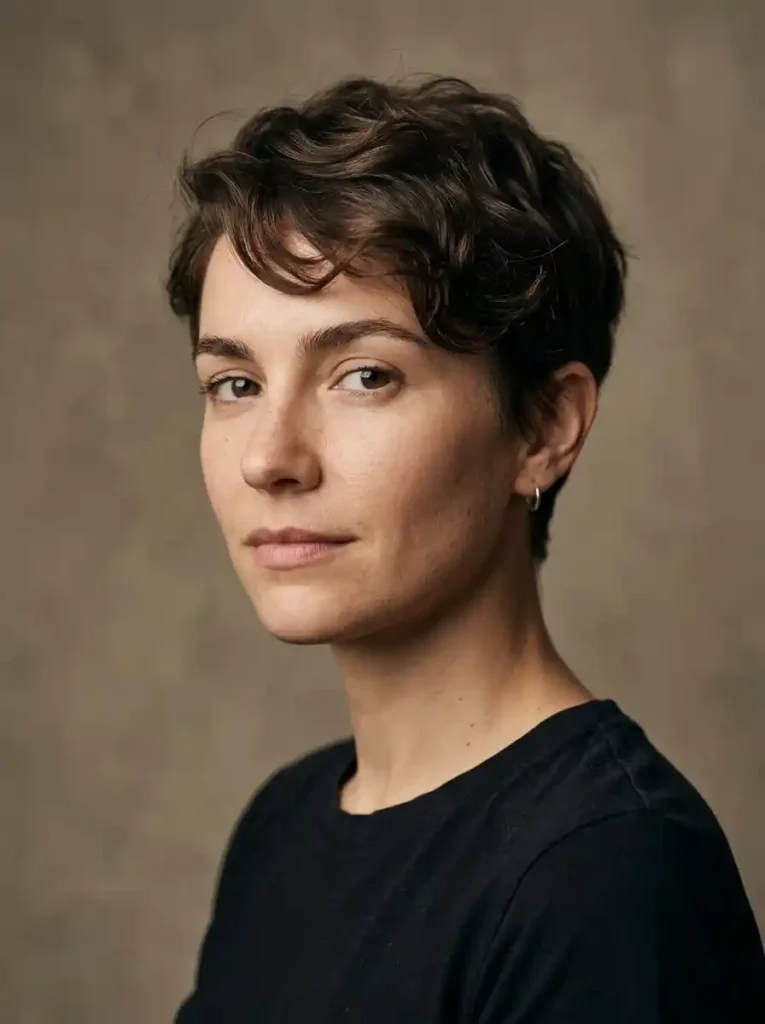
A wavy pixie is a confident choice for anyone ready to embrace a shorter silhouette while keeping some softness and movement. Leaving the top longer allows natural waves to create texture, while closely shaped sides prevent the overall style from becoming too wide. This cut can be particularly appealing for fine hair because shorter lengths are often easier to lift at the roots, although the final effect depends on density, growth direction, and the shape of the head.
The best pixie cuts are customized around your natural cowlicks and wave pattern. Ask your stylist to demonstrate how the fringe and crown will sit without extensive heat styling before committing to a particular length. A pea-sized amount of lightweight styling paste can separate the top pieces without making them stiff. Short hair also requires more frequent shape maintenance than longer styles, so consider whether regular salon appointments fit your routine before choosing this cut.
8. The A-Line Wavy Bob

The A-line bob is recognizable by its slightly shorter back and longer front sections. On wavy hair, the angled silhouette creates structure while allowing natural bends to soften the outline. The longer front pieces can frame the jaw and cheeks, making this a useful option for people who want a short haircut that still feels feminine and versatile. It also offers a more defined shape than a uniformly cut bob without relying on excessive layers.
Ask your stylist how pronounced the angle should be, because a dramatic graduation creates a different effect from a subtle slope. Hair that is thick or expands significantly as it dries may need careful internal shaping to prevent the back from appearing too bulky. Use a diffuser to encourage your natural pattern, then smooth only the front sections if you prefer a more polished finish. Regular trims help preserve the angle, particularly around the nape where the shape can grow out quickly.
9. Long Waves With Face-Framing Layers

Face-framing layers are a simple way to refresh long wavy hair without changing its overall length. The shorter front sections create movement near the cheekbones and jaw, helping the hairstyle look shaped rather than uniformly heavy. This option is especially appealing if you frequently wear your hair down and want more visual interest around your face. It also pairs well with a middle part, side part, or loosely pinned-back front pieces.
Tell your stylist where you want the shortest layer to land when your waves are dry. Starting around the chin creates a softer transition, while cheekbone-level pieces produce a more noticeable frame. Keep the remaining lengths relatively intact if you prefer a full, cascading look. When styling, apply a small amount of leave-in conditioner through the ends and twist the front sections away from your face. Avoid cutting the shortest pieces too aggressively if you often tie your hair back.
10. The Choppy Wavy Bob With Micro Fringe

A choppy bob with micro fringe is a distinctive option for anyone who likes an artistic, fashion-forward haircut. The short fringe creates a clear focal point around the eyes, while uneven ends keep the rest of the style from looking too rigid. Natural waves introduce softness that balances the sharper outline. This cut is best suited to people who enjoy a noticeable style statement and don’t mind giving their fringe a little attention between salon visits.
The fringe should be tailored to your forehead, hairline, and natural growth direction rather than copied exactly from a reference photograph. Wavy hair can lift as it dries, so starting slightly longer and refining the shape is often sensible. Style the bob with a lightweight cream to define individual bends, keeping heavier products away from the roots. If your fringe tends to split or curl unevenly, a quick morning refresh with water and a small brush may be more effective than repeatedly applying heat.
11. The Wavy Wolf Cut

The wolf cut blends the choppy energy of a shag with the longer, flowing shape of a mullet-inspired haircut. On naturally wavy hair, the contrast between a fuller crown and wispy ends creates a striking silhouette with plenty of movement. It suits people who prefer an expressive, slightly rebellious look rather than a smooth, symmetrical finish. Depending on how it is layered, the cut can be subtle enough for everyday wear or bold enough to become the centerpiece of your style.
Before choosing a wolf cut, discuss how much contrast you want between the crown and the back lengths. Strongly disconnected layers can be difficult to grow out, while a blended version offers more flexibility. Apply texturizing mousse to damp hair, then diffuse without brushing repeatedly to preserve separation. If your hair is naturally thick, strategic weight removal can prevent excessive bulk; if it’s fine, keeping the layers less aggressive helps retain the appearance of fullness.
12. A Rounded Wavy Bob for Soft Volume

A rounded bob uses carefully balanced layers to create a soft, curved outline around the head. Rather than emphasizing sharp angles or choppy ends, it gives waves a cohesive shape that feels polished but not stiff. This style can be particularly attractive for fine-to-medium hair that needs a little lift around the sides. Its compact length also makes it practical for people who want a defined hairstyle without managing long strands throughout the day.
The placement of the layers determines whether the rounded shape looks airy or overly puffy. Ask your stylist to work with your hair’s natural density and avoid creating unnecessary width at the temples if that is not your preference. A diffuser with a gentle airflow setting can help preserve the curve without flattening the roots. For a smoother finish, lightly shape the ends with a round brush, but leave a little natural irregularity so the waves retain their character.
13. The Deep Side-Part Wavy Cut
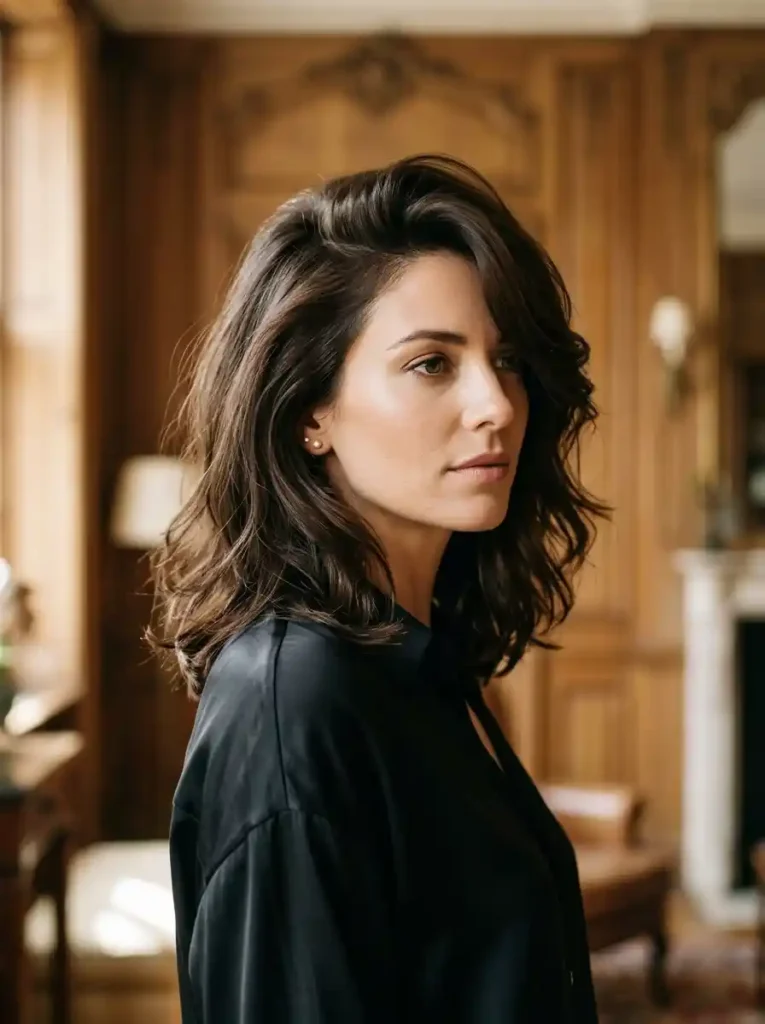
A deep side part can transform an existing wavy haircut without requiring a major change in length. Moving the part away from the center creates asymmetry and can encourage additional lift at the roots on the fuller side. It works with bobs, lobs, shoulder-length cuts, and long layers, making it a versatile choice if you want a different look between salon visits. The sweeping front section also creates a softer frame around the forehead and cheekbone.
Your natural part and cowlicks will influence how easily this style holds throughout the day. Try moving the part while your hair is damp, then direct the roots into position as they dry. A light root-lifting spray can help, but avoid applying too much product near the scalp, where it may make waves look flat. If you prefer a more relaxed appearance, allow the front section to fall loosely rather than forcing it into a perfectly smooth sweep.
14. The Collarbone Cut With Invisible Layers

Invisible layers are designed to remove selected weight from inside the haircut while keeping the outside shape relatively intact. On wavy hair, this approach can improve movement without making the ends appear choppy or thin. A collarbone-length cut with this technique offers a useful middle ground for anyone who wants natural bounce and a tidy outline. It is particularly worth considering if your waves feel heavy but you prefer a more understated haircut.
This technique requires a stylist who understands how your hair behaves when dry, because excessive internal cutting can create unwanted gaps or frizz. Explain whether your priority is reducing bulk, improving wave definition, or making the hair easier to style. At home, use a lightweight leave-in conditioner and scrunch the mid-lengths gently to encourage separation. You can wear the cut air-dried for a casual finish or use a diffuser when you want a little more root volume.
15. The Wavy French Bob

The French bob combines a short length with a slightly undone finish, giving wavy hair a chic silhouette without demanding perfect symmetry. Typically ending near the jaw, it may include a soft fringe or a few loose pieces around the temples. Natural waves make the cut feel relaxed and individual rather than overly geometric. It is a strong choice if you like classic fashion influences but want a hairstyle that still looks comfortable and modern.
Consider how your waves behave near the nape before settling on the final length. Hair that curls inward strongly may sit higher than expected, while looser waves can create a longer, softer outline. Ask for texture through the ends rather than excessive thinning throughout the haircut. A little styling cream worked between your palms and scrunched into damp hair is usually enough to enhance the shape. The fringe may need a brief refresh each morning, particularly in humid weather.
16. Long Wavy Hair With a V-Shaped Cut
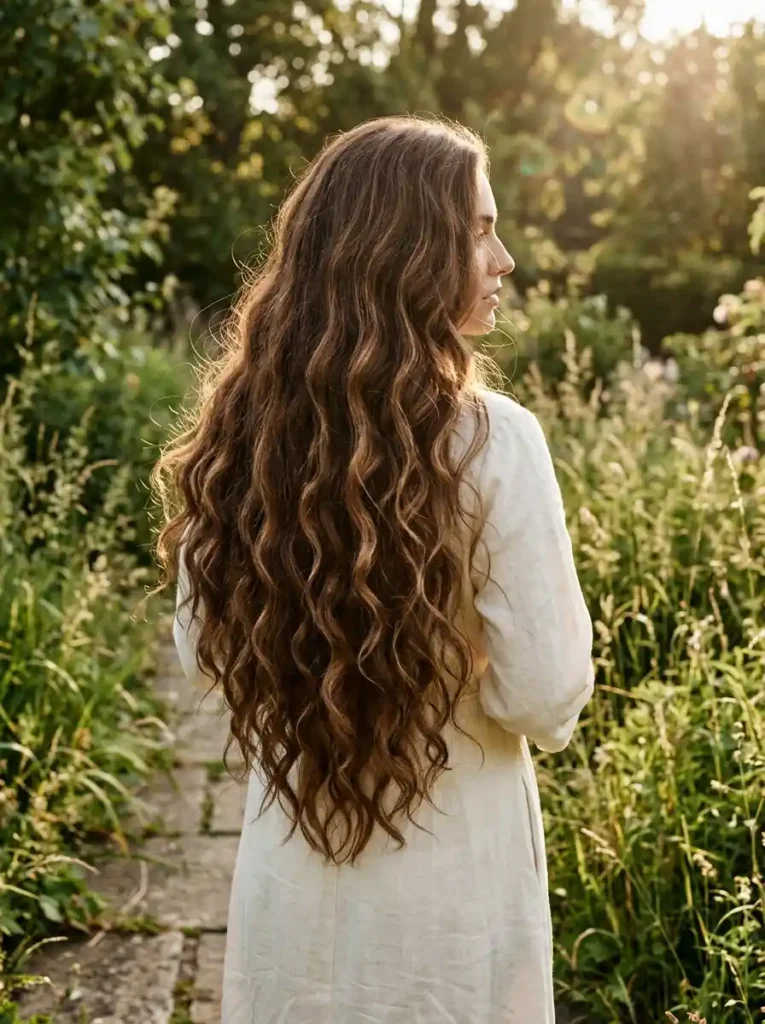
A V-shaped haircut keeps the center back longer than the sides, producing a tapered outline that looks especially striking on long, wavy hair. The angled perimeter allows the waves to cascade in a more defined shape rather than ending in a straight horizontal line. It can be a lovely option if you want to preserve substantial length while adding visual interest from behind. Subtle layers can help the shape move naturally without creating a heavily feathered appearance.
The amount of layering should reflect the density of your hair and how full you want the ends to remain. Thick hair may benefit from gentle weight removal, whereas fine hair often looks better with fewer layers and a more substantial perimeter. Ask your stylist to check the V-shape from both the back and side views. To maintain the outline, detangle carefully from the ends upward and schedule trims when the center length or side sections begin to look uneven.
17. The Wavy Bixie Cut
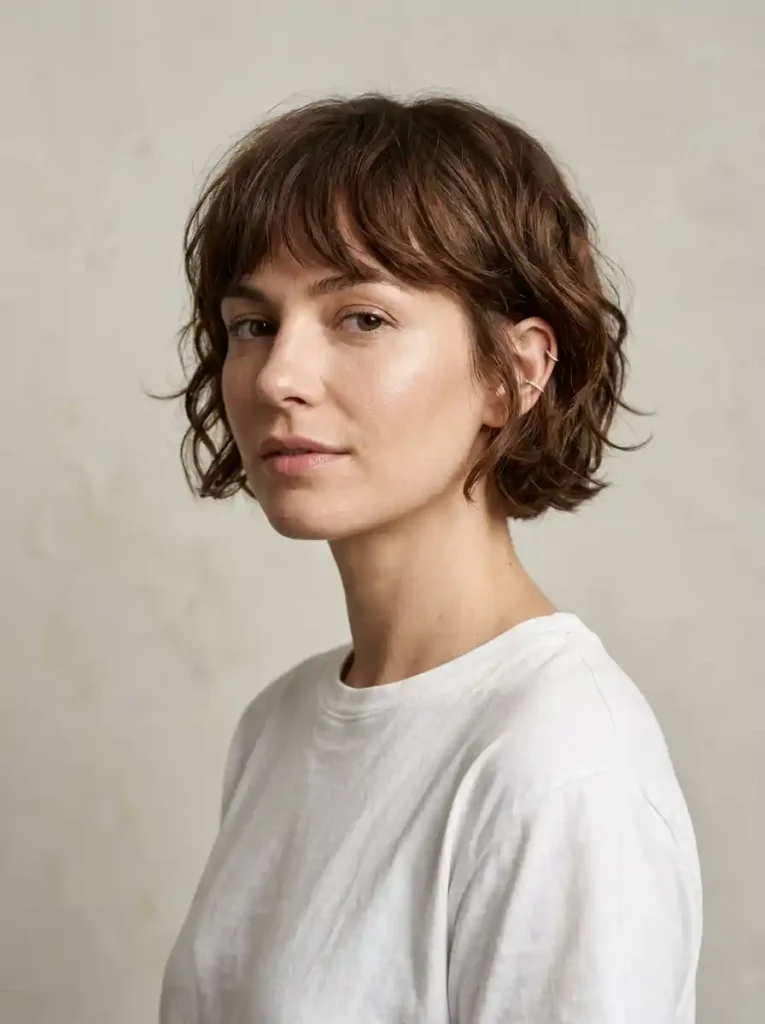
The bixie sits between a bob and a pixie, combining a shorter back with longer, more flexible sections around the sides and fringe. This shape is ideal if you want the convenience of short hair but aren’t ready for a very cropped style. Natural waves give the longer sections movement, helping the haircut feel soft around the ears and forehead. It can also provide a useful transition if you’re growing out a pixie and want a more intentional shape.
Ask for enough length around the front to accommodate your natural wave pattern, especially if the hair tends to spring up when dry. Your stylist can adjust the nape and side sections to suit your head shape rather than creating a standard template. Use a light styling cream to separate the waves and smooth any sections that stick out. Because the bixie grows through several distinct shapes, regular trims can keep it looking deliberate instead of accidentally uneven.
18. A Layered Wavy Cut With Wispy Bangs

Wispy bangs add detail around the eyes without the visual weight of a dense, blunt fringe. Combined with medium-length waves and soft layers, they create an airy hairstyle that feels approachable and easy to personalize. This option can suit people who want to experiment with bangs while keeping their overall haircut flexible. The lighter fringe also blends naturally into face-framing layers, making it easier to wear with both loose waves and simple half-up hairstyles.
Ask your stylist to assess whether your fringe should be cut dry, particularly if the front of your hair has a strong wave or curl. Keeping the pieces slightly longer initially provides room for adjustment after washing. For styling, use a small brush to guide the bangs into place while drying them gently from side to side. Avoid heavy oils or creams near the forehead, as these can separate the fringe into sections and make it look less airy.
19. The Long Wavy Butterfly Bob
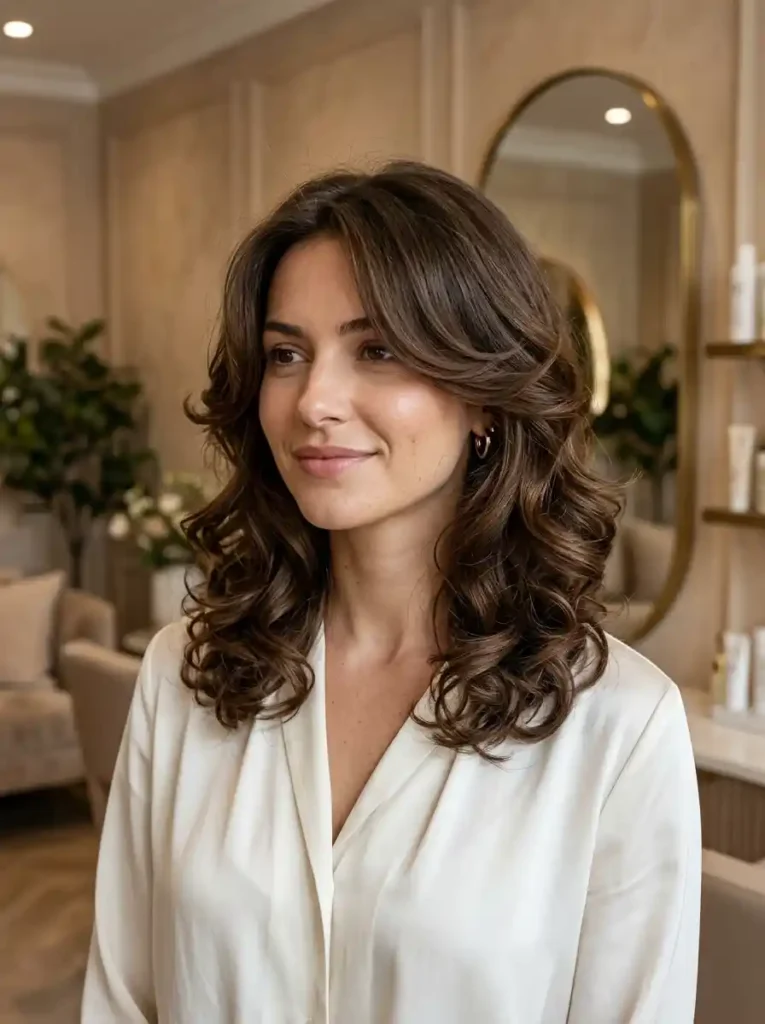
The long butterfly bob adapts the dramatic layering of a butterfly cut to a more manageable, shoulder-skimming length. Shorter pieces around the face create a sweeping effect, while the remaining hair keeps enough length to feel versatile. This haircut suits people who want more movement than a traditional lob but don’t want to maintain very long hair. On naturally wavy strands, the contrast between shorter front layers and longer back sections can add shape without relying on elaborate styling.
The front layers need to blend smoothly into the sides, so bring reference photos that show the cut from more than one angle. Ask your stylist to consider how the shortest pieces behave when air-dried, since waves may make them curve outward or toward the face. For a salon-inspired finish, use a diffuser and gently direct the front sections away from your cheeks. A lightweight heat protectant is important if you occasionally use a round brush or curling tool.
20. The Asymmetrical Wavy Bob
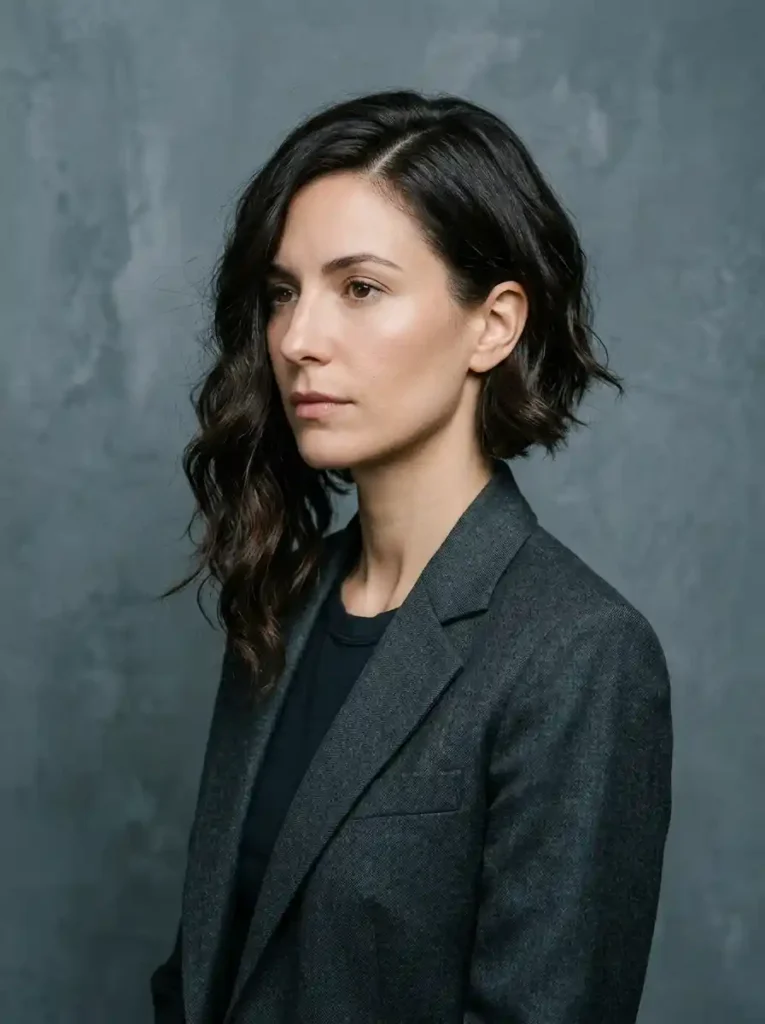
An asymmetrical bob offers a distinctive alternative to conventional short haircuts. One side is deliberately longer than the other, creating a diagonal line that becomes especially noticeable when natural waves move independently. The cut can range from a subtle difference in length to a more dramatic contrast. It’s a good option if you enjoy modern, fashion-led hairstyles and want a recognizable shape without adding bright color or complicated styling details.
Your stylist should assess how your waves sit on both sides, because one side may naturally flip outward while the other curves inward. Decide whether you want the difference to be obvious from the front or more subtle in profile. Styling with a diffuser can preserve texture while keeping the overall outline visible. If you frequently change your part, remember that a strongly asymmetrical cut is designed around a particular direction, so switching sides may alter its intended balance.
21. The Wavy Cut With a Soft Side Fringe

A soft side fringe gives a wavy haircut a little asymmetry without committing to the maintenance of a full fringe. The longer front section sweeps diagonally across the forehead and blends into the sides, making it a flexible choice for medium or long hair. It can soften the transition between the hairline and the rest of the style while adding interest around the eyes. The look works particularly well if you prefer a gentle, side-swept finish over a sharply defined center part.
Ask for the fringe to connect gradually with the surrounding layers so it doesn’t appear like a separate panel. Your natural part will determine which direction feels most comfortable, and a strong cowlick may require a slightly different length or angle. To style it, lift the roots with a brush while directing the hair sideways, then let the ends fall naturally into the waves. A small amount of flexible-hold spray can help maintain the shape without making the front feel stiff.
22. The Thick Wavy Cut With Long Layers

Thick wavy hair often benefits from layers that remove excess weight without sacrificing the full appearance of the ends. A carefully shaped long-layer cut allows waves to move more freely, making the hair easier to arrange and reducing the heavy, triangular outline that can develop when everything is cut to one length. This is a practical option for anyone who loves abundant hair but wants better definition around the sides and back.
The most important step is explaining where your hair feels too heavy and where you want to preserve volume. Internal layering can reduce bulk discreetly, while longer external layers create visible movement. Avoid aggressive thinning if your hair tends to frizz, because shorter strands can expand and make the surface look less smooth. For everyday care, apply conditioner mainly through the lengths, detangle with a wide-tooth comb, and use a diffuser or air-drying technique that allows your natural wave pattern to form without excessive manipulation.
23. The Soft Wavy Cut With a Center Part
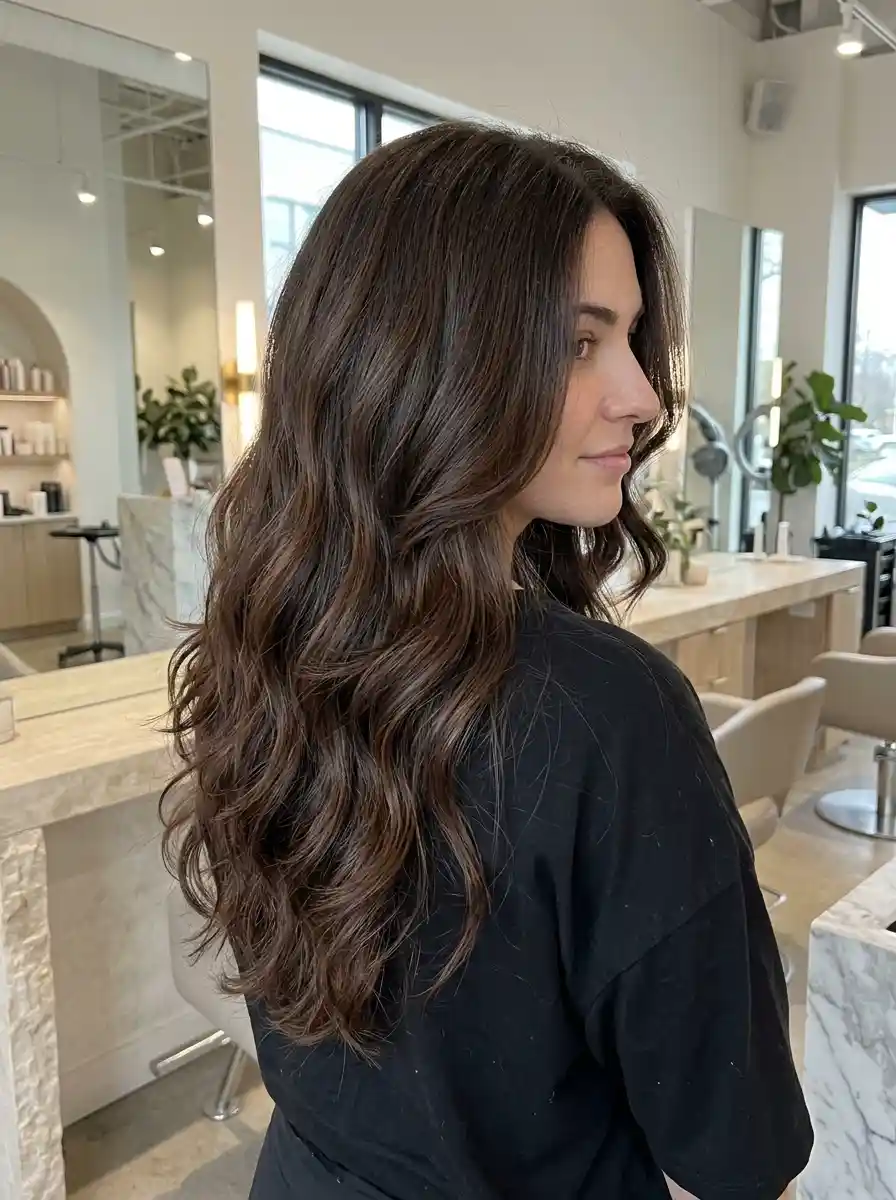
A center-parted wavy cut offers a balanced, understated look that works across several lengths. The symmetrical part allows natural waves to frame both sides of the face, while soft layers prevent the silhouette from feeling too heavy. This approach is especially useful if you prefer a timeless hairstyle that can transition easily between everyday outfits and more polished occasions. It also provides a simple way to refresh an existing haircut without changing its overall length dramatically.
For the most natural result, part your hair while it’s damp and check that both sides fall comfortably around your face. If one side consistently flips outward or looks fuller, adjust the drying direction rather than repeatedly adding heat to force symmetry. A lightweight leave-in conditioner can help keep the lengths manageable, while gentle scrunching encourages definition. Remember that a perfectly even center part isn’t necessary; a slightly relaxed separation often looks more natural with waves and requires less daily maintenance.
Conclusion
The best wavy haircut is one that complements your natural texture, fits your lifestyle, and makes you feel comfortable wearing your hair as it is. From a structured French bob to long butterfly layers, these 23 ideas show how much variety is possible without fighting the movement that makes wavy hair distinctive.
Before booking your appointment, save two or three reference photos that show your preferred length, layering, and fringe. Tell your stylist how much time you realistically spend styling your hair, whether you usually air-dry or diffuse, and which areas you’d like to emphasize or soften. These details help turn inspiration into a haircut that works beyond the salon.
Remember that your natural wave pattern, hair density, and growth direction matter just as much as the photograph you choose. Start with a shape that feels manageable, experiment with lightweight styling products, and refine the details over time. Your perfect wavy haircut doesn’t need to be complicated; it simply needs to work beautifully with you.


