
Changing your hair color can feel exciting until the shade turns out darker, brighter, or more stubborn than you expected. Maybe your at-home dye looks almost black instead of chocolate brown, your red color has become too intense, or your once-beautiful blonde has developed unwanted yellow tones. Whatever the reason, you don’t necessarily have to start over with another permanent dye.
The good news is that there are several ways to approach unwanted hair color, depending on the type of dye you used, how long it has been in your hair, and the result you hope to achieve. Some options focus on gently fading temporary color, while others involve professional color correction to remove artificial pigment more effectively. The right approach can help you work toward a softer, more natural-looking shade without putting unnecessary stress on your strands.
In this guide, you’ll discover 22 practical hair color removal ideas, from clarifying washes and color removers to salon treatments and gradual fading techniques. You’ll also learn which methods suit different situations, what to avoid, and how to care for your hair while planning your fresh start.
1. Start With a Clarifying Shampoo Wash

A clarifying shampoo can be a useful first step when freshly dyed hair looks slightly too dark or a temporary shade appears more intense than expected. These shampoos are designed to remove buildup, and repeated washing may gradually fade some artificial color, particularly direct dyes. Choose a product appropriate for your hair type, wet your hair thoroughly, and concentrate the lather on the lengths rather than aggressively scrubbing your scalp. One wash may be enough to begin softening the result.
Keep expectations realistic because clarifying shampoo will not reliably remove permanent hair dye or restore your original color. Start with one wash, condition generously, and assess the shade after your hair dries completely. If your strands already feel brittle, bleached, or unusually rough, a gentler approach is preferable. Avoid turning clarifying shampoo into a daily stripping routine; excessive washing can leave the cuticle feeling rough and increase tangling. This method is best for mild fading rather than dramatic color correction.
2. Use a Color-Safe Deep Cleansing Shampoo
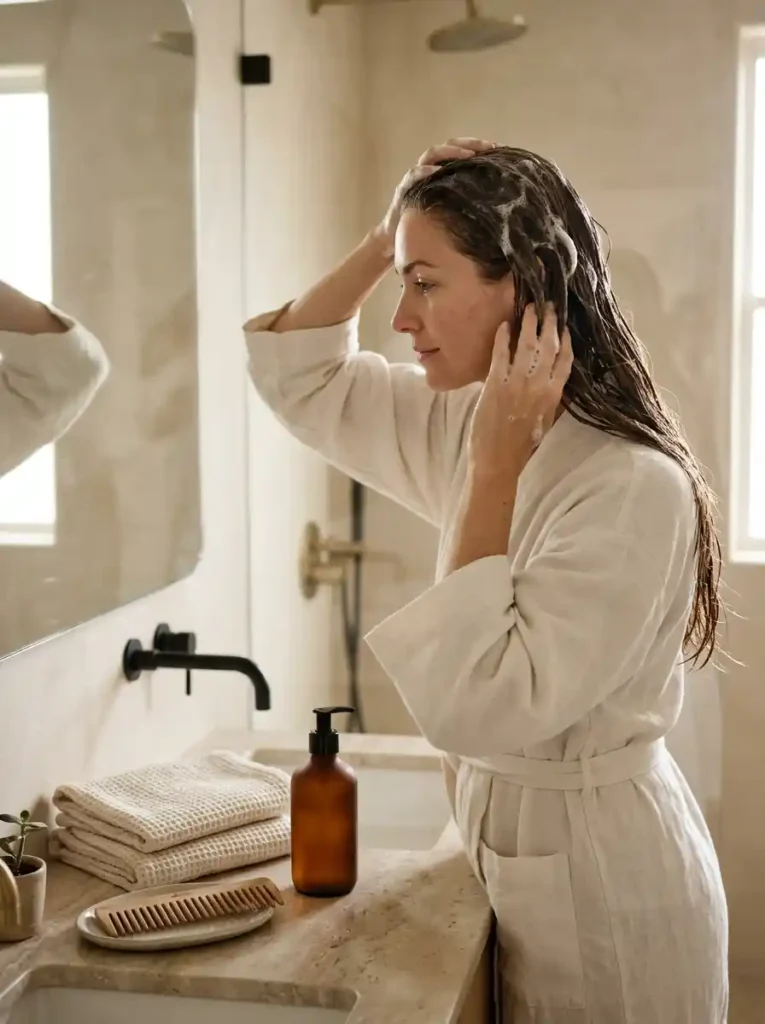
If you want to soften an overly saturated shade without immediately reaching for a chemical remover, a deep-cleansing shampoo formulated for colored hair may be worth considering. The important distinction is that cleansing strength varies between products, so read the label instead of assuming every color-safe shampoo will remove pigment. This approach can be especially useful after semi-permanent color has left your hair looking brighter than planned, although the amount of fading will depend on the dye formula.
Use the shampoo according to its directions, then follow with a nourishing conditioner or hair mask. Avoid combining several strong cleansing products in one session simply because the first wash produces little change. Permanent color generally cannot be reversed with ordinary shampoo, and excessive washing may dull healthy shine before noticeably changing the shade. Take a photograph before beginning and compare it in the same lighting afterward. That simple habit helps you distinguish genuine fading from differences caused by bathroom lighting.
3. Try a Dedicated Hair Color Remover
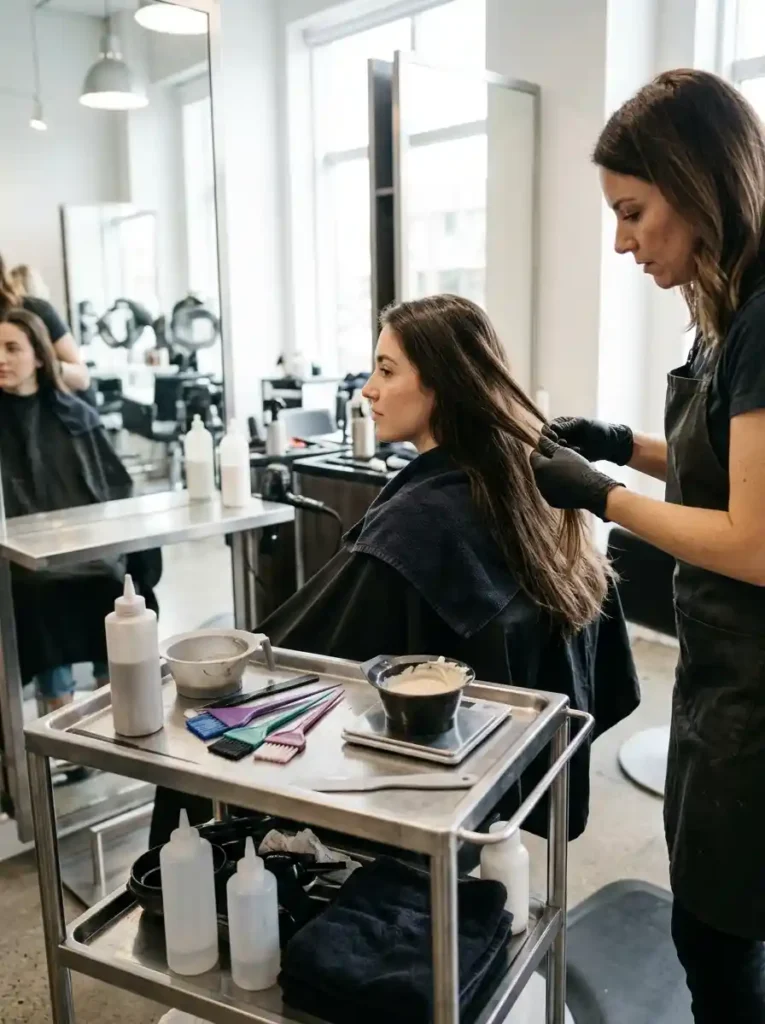
A dedicated oxidative hair color remover can be a more targeted choice when permanent artificial color has become too dark. Many products in this category work by reducing certain artificial dye molecules so they can be rinsed from the hair, rather than simply bleaching everything lighter. However, formulas differ considerably, and some removers are intended only for particular types of oxidative color. Check compatibility with your dye history and follow the manufacturer’s instructions carefully before starting.
Thorough rinsing is often essential for these products because residual artificial pigment may re-darken if the process is incomplete. Follow every specified rinsing and testing step, and do not improvise by leaving the mixture on longer. These removers generally will not restore your natural shade perfectly, especially if previous coloring or bleaching has altered it. If your hair has been heavily lightened, henna-treated, or exposed to several overlapping dyes, consult a professional colorist before choosing a remover.
4. Consider a Professional Color Correction
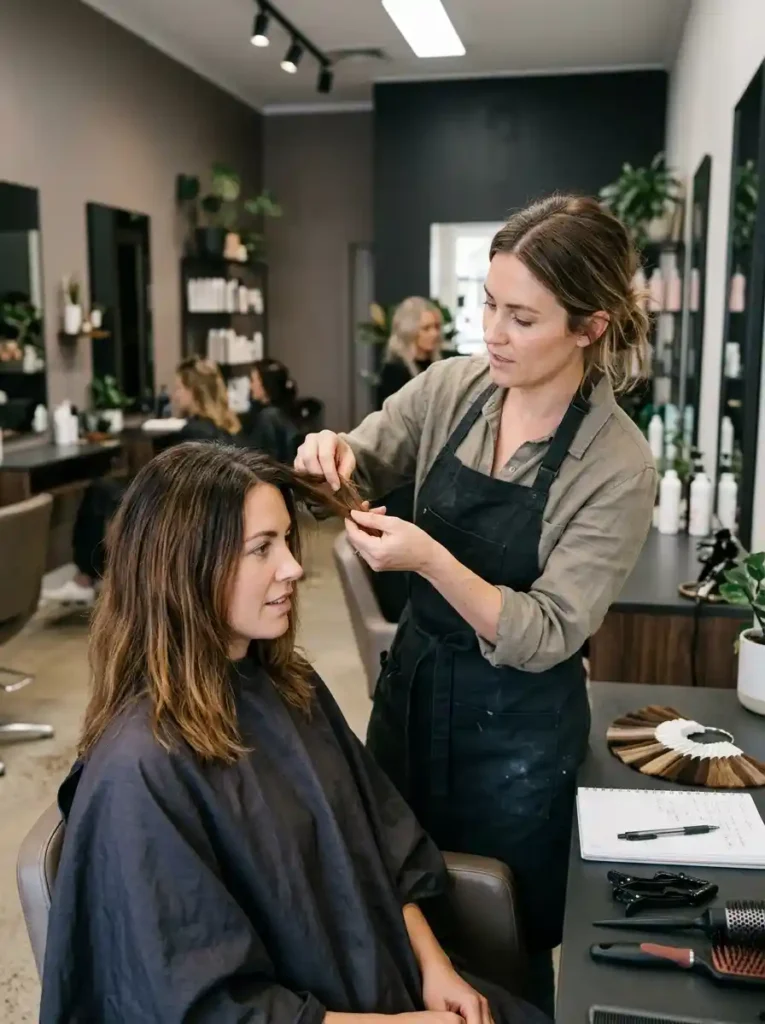
Professional color correction is particularly helpful when your hair has multiple shades, stubborn dark bands, patchy red tones, or a complicated history of home dyeing. A colorist can assess the existing pigment, identify areas that need different treatment, and recommend whether fading, color removal, controlled lightening, or strategic recoloring makes the most sense. This individualized approach can save you from applying one product over your entire head when different sections actually require different solutions.
During your consultation, explain every color treatment you remember, including box dyes, highlights, toners, and henna products. Ask whether a strand test is appropriate and discuss the condition of your hair before agreeing to a multi-step service. Corrective appointments may require several sessions rather than one dramatic transformation. Although salon work can cost more upfront, it offers professional monitoring and a clearer plan for protecting your hair’s integrity while moving toward a softer, more balanced color.
5. Fade Semi-Permanent Color Gradually
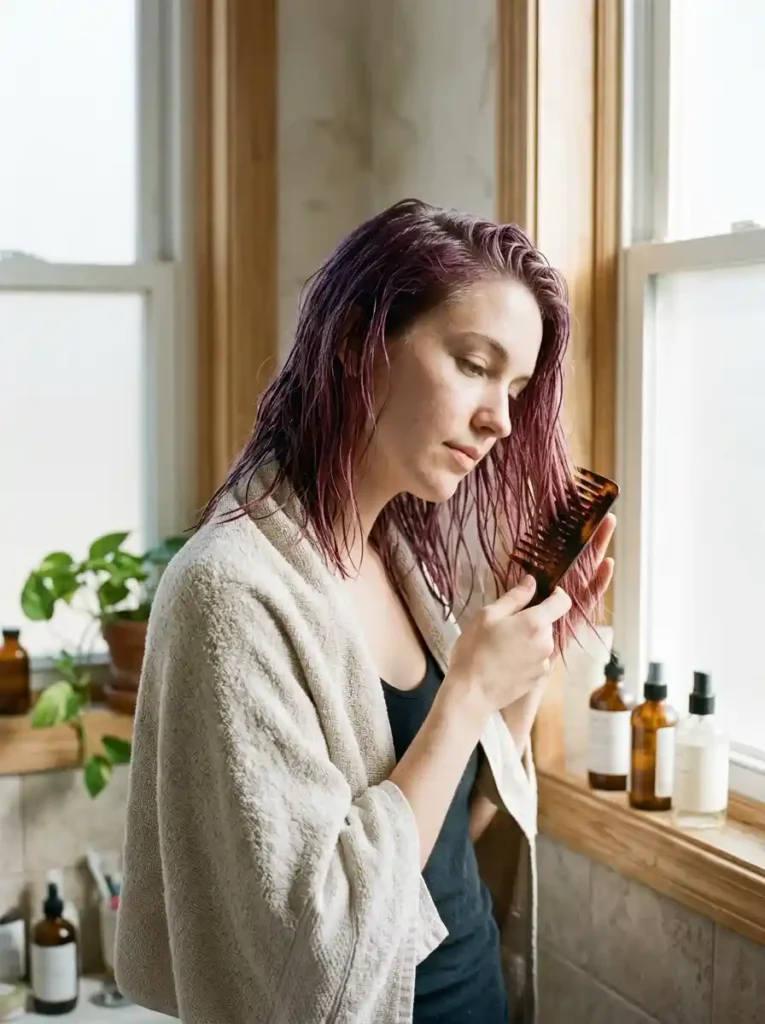
Semi-permanent dyes often coat the hair or deposit pigment without the same oxidative process used by permanent dyes, making gradual fading a practical option for many temporary color experiments. Shades such as pink, purple, and blue can change noticeably through ordinary washing, although results vary with the formula, porosity, and starting color. Instead of immediately applying another chemical treatment, allow the shade to soften over several washes while monitoring how your hair responds.
Use a suitable shampoo, condition afterward, and avoid unnecessary heat styling while the color fades. Bright direct dyes may leave lingering stains, especially on porous blonde hair, so fading does not always mean the pigment will disappear completely. If the remaining shade becomes muddy or develops an unwanted tint, a professional colorist can recommend a compatible corrective treatment. This patient method suits anyone who wants a gradual transition rather than an abrupt change in color.
6. Wash Temporary Hair Color With Warm Water
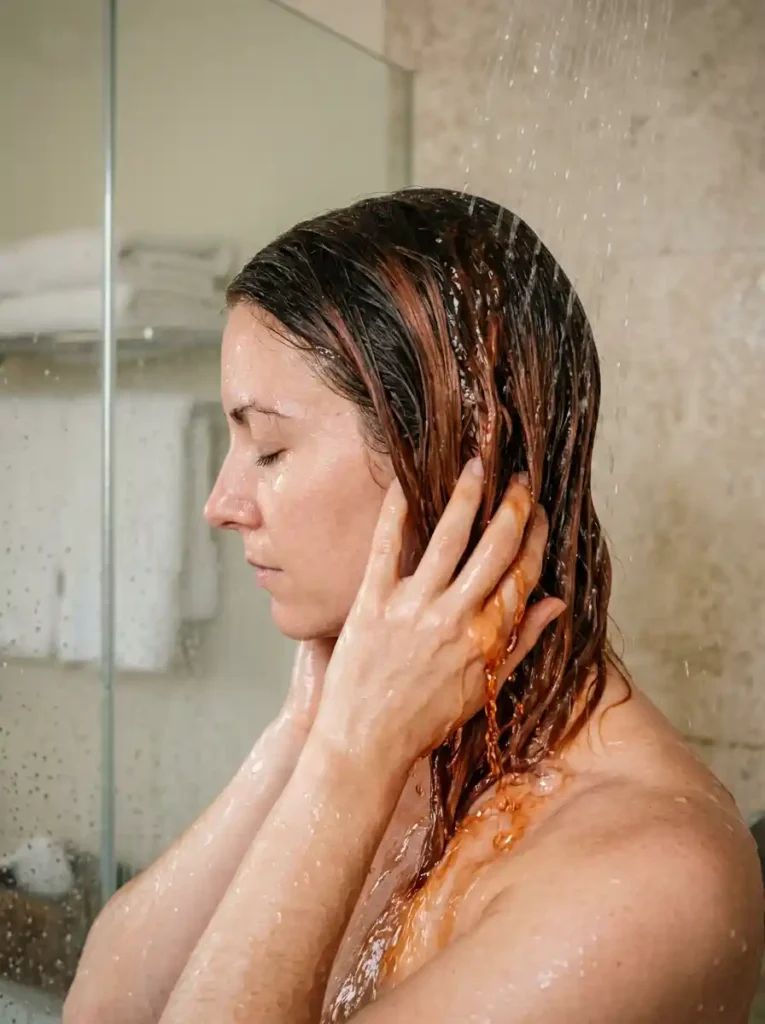
Temporary color sprays, washable hair chalks, and some color-depositing styling products are designed to release through washing rather than permanently alter the hair. If you have used one of these products, begin with a thorough rinse using comfortably warm water and a gentle shampoo appropriate for the product. Work in small sections so residue does not remain trapped around the roots, behind the ears, or along the underside of thicker hair.
Avoid using excessively hot water in an attempt to speed up removal. High temperatures can irritate the scalp and contribute to dryness, while vigorous rubbing may tangle delicate strands. Some temporary pigments cling more stubbornly to lightened or porous hair than their labels suggest, so follow the manufacturer’s removal directions if ordinary washing is insufficient. Once the color is gone, apply conditioner to restore slip and make detangling easier. This is generally the simplest starting point for genuinely washable color products.
7. Use a Direct-Dye Color Remover
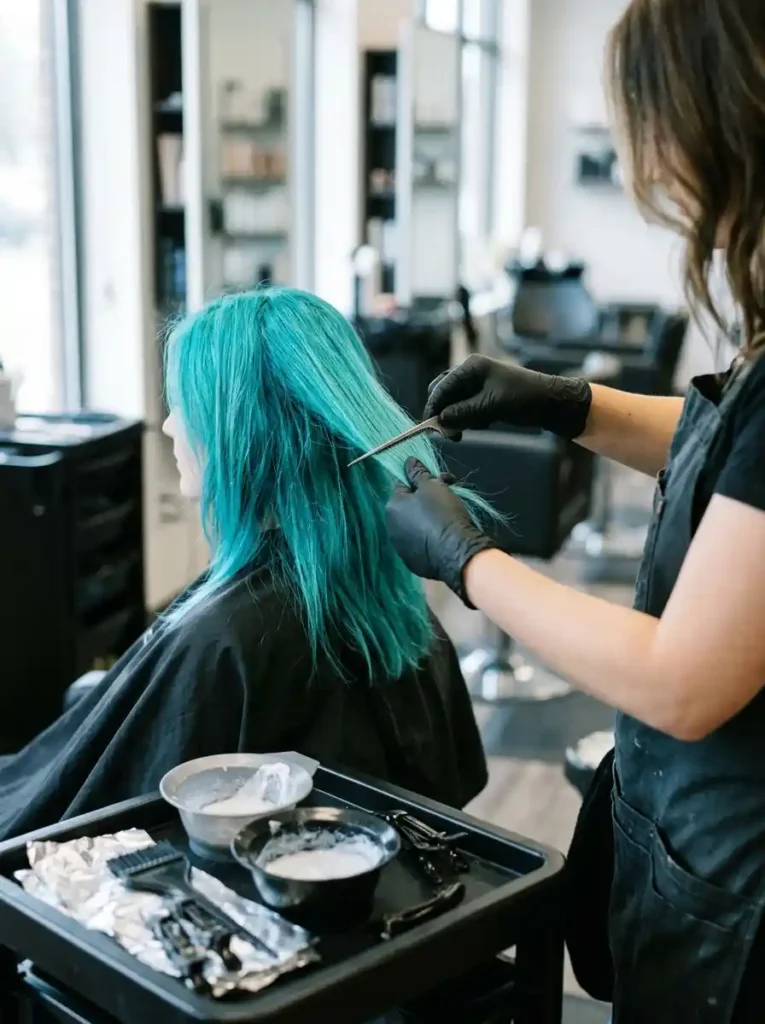
Direct dyes are commonly used for vivid shades such as teal, magenta, electric blue, and fashion purple. When one of these colors becomes difficult to fade, a remover specifically formulated for direct dyes may be more suitable than an oxidative remover designed for permanent color. The distinction matters because the two dye types behave differently, and using the wrong product may produce little improvement or leave an unexpected underlying shade.
Read the product’s compatibility instructions carefully and perform any required strand and allergy tests. A test section can reveal whether the color lifts evenly or leaves a stubborn pastel stain, particularly on previously bleached hair. Never assume that removing a vivid dye will return blonde hair to its earlier appearance. If the result is uneven, pause before applying a complementary color to neutralize it; color correction depends on the remaining pigment, and professional assessment can prevent further discoloration.
8. Apply a Hair Mask After Color Fading
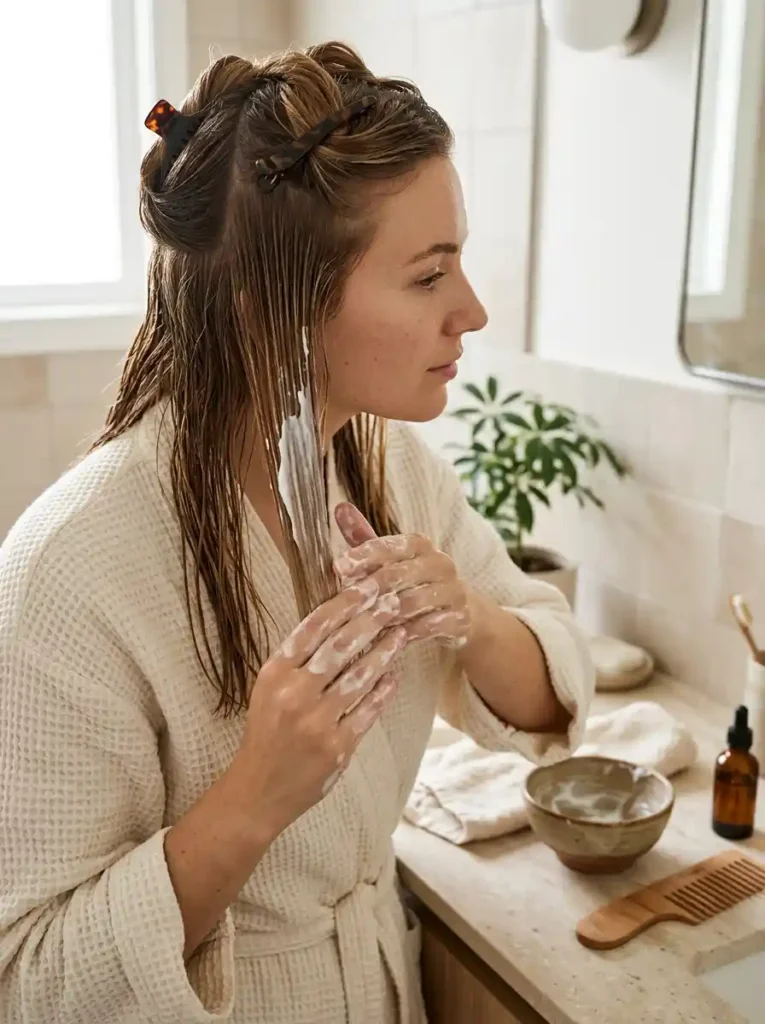
A nourishing hair mask does not remove artificial pigment directly, but it can make the color-fading process more manageable by improving softness, detangling, and the feel of dry lengths. This matters because repeated washing or chemical color removal can leave hair rougher than usual. Look for conditioning ingredients such as fatty alcohols, silicones, and suitable moisturizing agents, choosing a formula that matches your hair’s texture and styling needs.
Apply the mask as directed, usually focusing on the mid-lengths and ends rather than coating an already oily scalp. Allow the recommended processing time, then rinse thoroughly. A mask cannot repair every form of structural damage or reverse excessive bleaching, so avoid treating conditioning as permission to repeat aggressive removal methods. Instead, use it as supportive care between color assessments. Softer, more manageable hair is easier to handle while you decide whether fading has achieved enough or further professional correction is necessary.
9. Remove Product Buildup Before Recoloring
Sometimes hair color looks dull or uneven because styling products, mineral deposits, and residue are affecting its appearance. Removing buildup will not strip permanent dye from the hair shaft, but it may help reveal the shade more accurately before you decide whether color correction is necessary. This can be useful if dry shampoo, silicone-heavy styling products, or frequent leave-in treatments have accumulated over several weeks.
Choose a cleansing product appropriate for your hair and follow the directions without scrubbing aggressively. If you suspect hard-water minerals, a chelating shampoo formulated for mineral removal may be more suitable than an ordinary clarifying wash. Rinse thoroughly and condition afterward, then inspect the color in natural daylight. Clean hair may look brighter or feel lighter, but that change should not be mistaken for permanent pigment removal. Establishing the actual color problem first can help you avoid unnecessary chemical processing.
10. Use a Chelating Treatment for Mineral Buildup
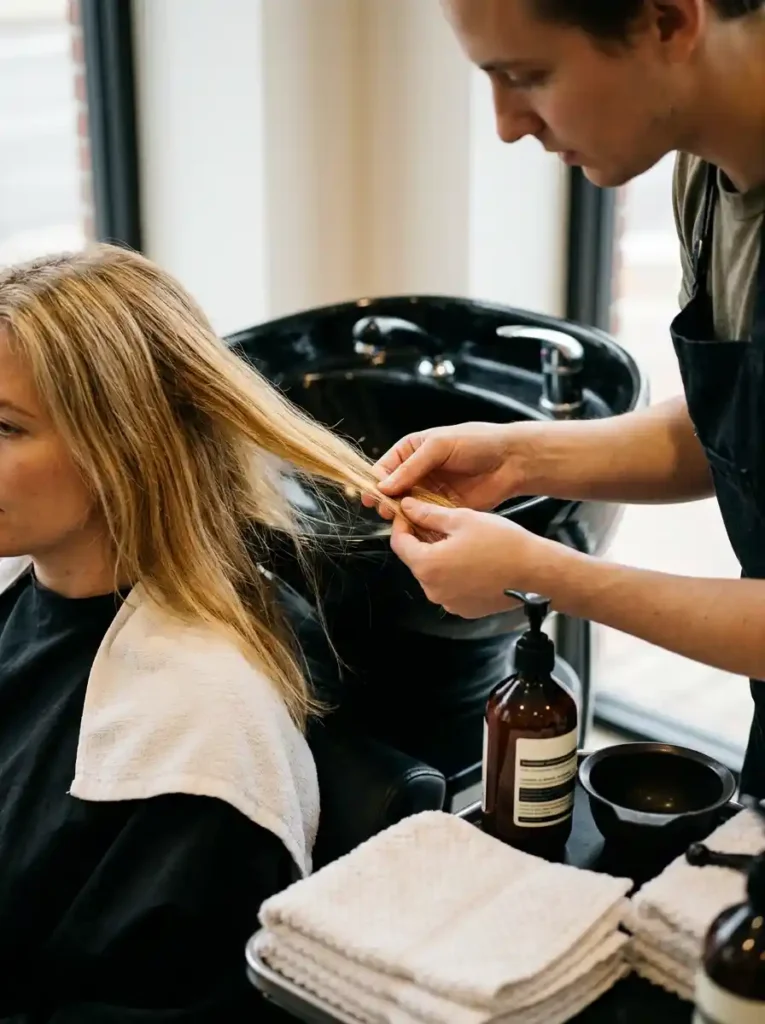
Hard water can leave mineral deposits on hair, sometimes contributing to a rough feel, reduced shine, or changes in how blonde and light-colored hair appears. A chelating treatment is formulated to help remove certain mineral deposits and may be useful when your color looks dull despite regular washing. It addresses a different problem from artificial dye removal, so the benefit depends on whether mineral buildup is actually affecting your hair.
Follow the product’s directions, especially if your hair is bleached, fragile, or chemically treated. Some treatments are stronger than ordinary shampoos and may require careful conditioning afterward. If your color is truly too dark because of permanent dye, chelation will not reverse that chemical color change. When mineral buildup and unwanted pigment appear together, a stylist can determine which issue should be addressed first and reduce the chance of unnecessary overlapping treatments.
11. Try a Gentle Vitamin C Color-Fading Treatment
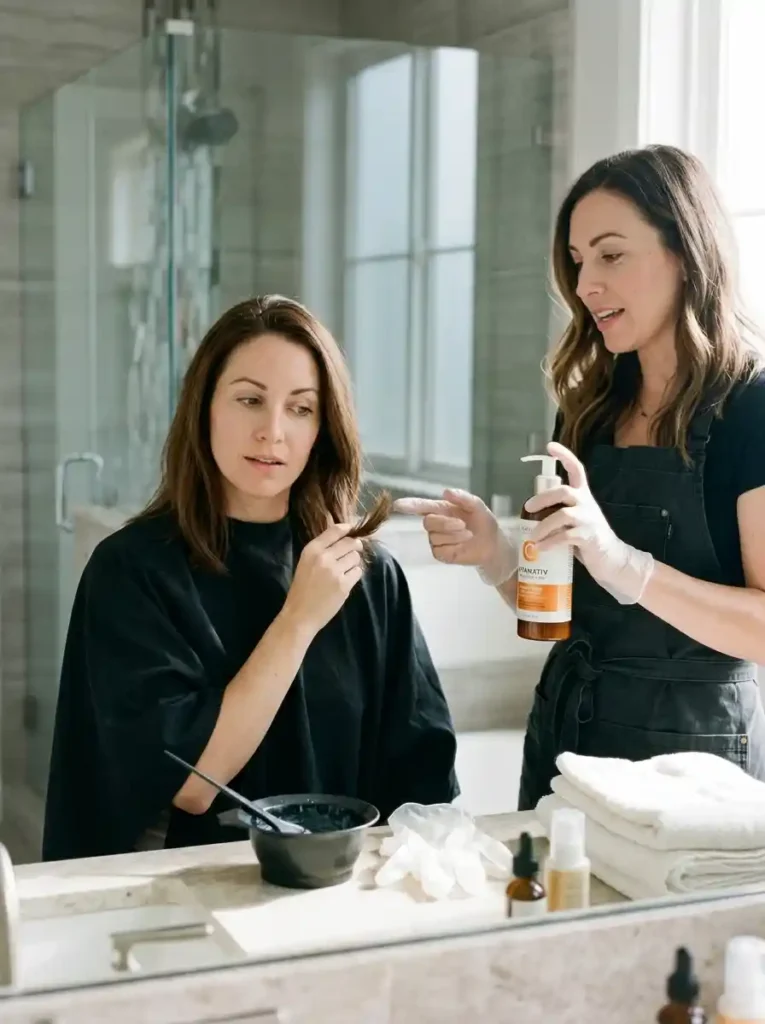
Vitamin C treatments are often discussed as a home remedy for fading unwanted hair dye, but the results are inconsistent and depend heavily on the formula, dye type, and hair condition. A commercially formulated color-fading product containing vitamin C may offer a more predictable option than experimenting with kitchen ingredients. Even then, it may fade certain artificial pigments without completely removing them, and it should not be expected to restore your natural color.
Be cautious with homemade mixtures of crushed tablets and strong shampoo, particularly if your hair is already dry, bleached, or fragile. Such mixtures can irritate the scalp and leave strands feeling rough without producing a meaningful color change. If you choose a formulated treatment, follow its instructions and assess a test section first. Stop if you experience burning or irritation. For stubborn permanent color, a dedicated remover or professional consultation is usually a more sensible next step.
12. Let Red Hair Dye Fade Before Correcting It

Red dye can be especially noticeable as it fades because warm pigments may linger in the hair even after the initial brightness softens. If your new auburn, cherry, or copper shade is stronger than expected, begin by identifying whether you used a temporary, semi-permanent, or permanent formula. Washable and semi-permanent colors may gradually release with appropriate cleansing, while permanent red often requires a more targeted correction strategy.
Resist the temptation to cover unwanted red with an arbitrary ash-brown box dye. Depending on the underlying pigment and the new formula, this can create muddy or uneven results rather than a natural brunette finish. Take photographs in daylight as the shade changes, and use conditioning care between washes. If the red remains too vivid, a colorist can determine whether controlled pigment removal, tonal adjustment, or a carefully chosen replacement shade will provide the most balanced result.
13. Soften an Overly Dark Brown or Black Dye
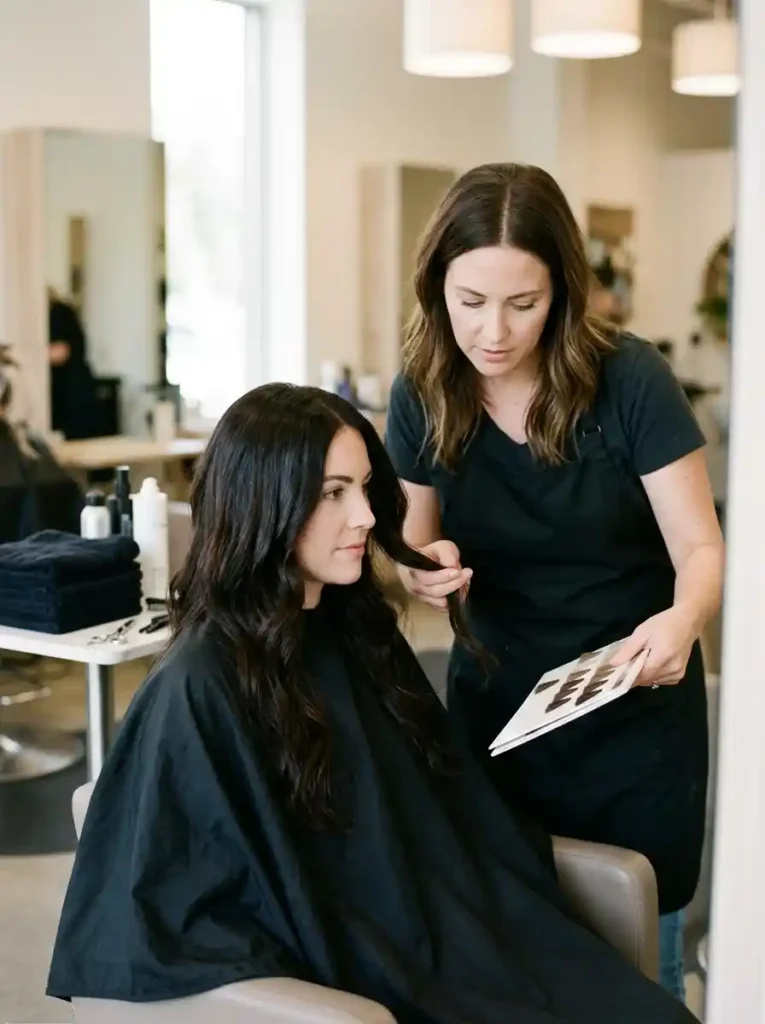
Dark brown and black dyes can look dramatically deeper than their packaging suggests, particularly when several layers of permanent color have accumulated. If your hair looks almost black after dyeing, first determine whether the color is temporary, semi-permanent, or oxidative permanent dye. A few gentle washes may soften some fresh color deposits, but repeatedly shampooing already-dry hair is unlikely to create a controlled, substantial lift from deeply established permanent pigment.
For permanent dye, a compatible color remover may reduce artificial darkness more effectively, although the final result can reveal warm brown or reddish undertones. Avoid applying bleach or a lighter box dye over the dark shade in hopes of instantly achieving caramel or light brown. Color history changes the outcome, and uneven lift can be difficult to correct. A professional assessment is particularly worthwhile when your hair has been dyed dark multiple times or previously lightened.
14. Remove Unwanted Purple or Blue Tones From Blonde Hair
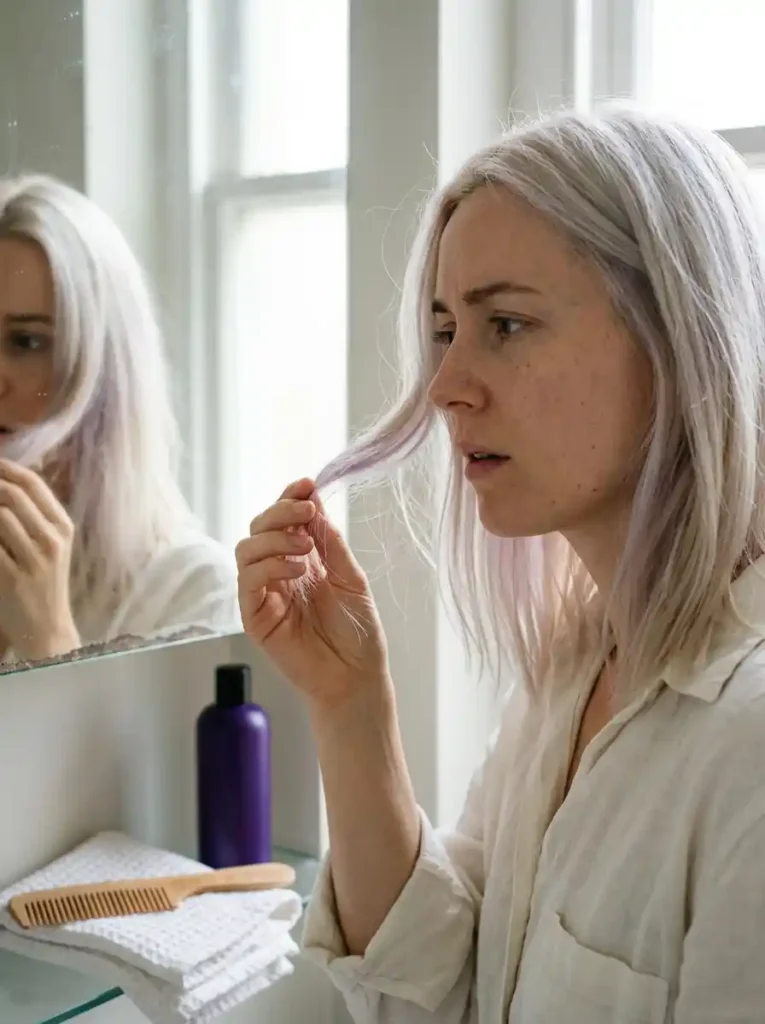
Purple and blue toning products can sometimes deposit too much pigment onto porous blonde, silver, or highlighted hair. If your blonde begins looking lavender, smoky, or unexpectedly blue, stop using the toning product temporarily and inspect the shade under neutral daylight. Depending on the formula, a gentle wash or two with an appropriate shampoo may help loosen excess surface pigment without requiring an intensive color-removal treatment.
Do not immediately counteract blue or purple with a random orange or yellow dye. Color neutralization depends on the actual undertone, the depth of the hair, and how much pigment remains. Highly porous blonde ends may hold onto toner longer than healthier roots, creating a patchy appearance. If gentle washing does not improve the shade, a colorist can assess whether a controlled cleansing treatment or carefully selected toner adjustment will bring back a balanced blonde.
15. Fade Pink or Red Fashion Colors Carefully
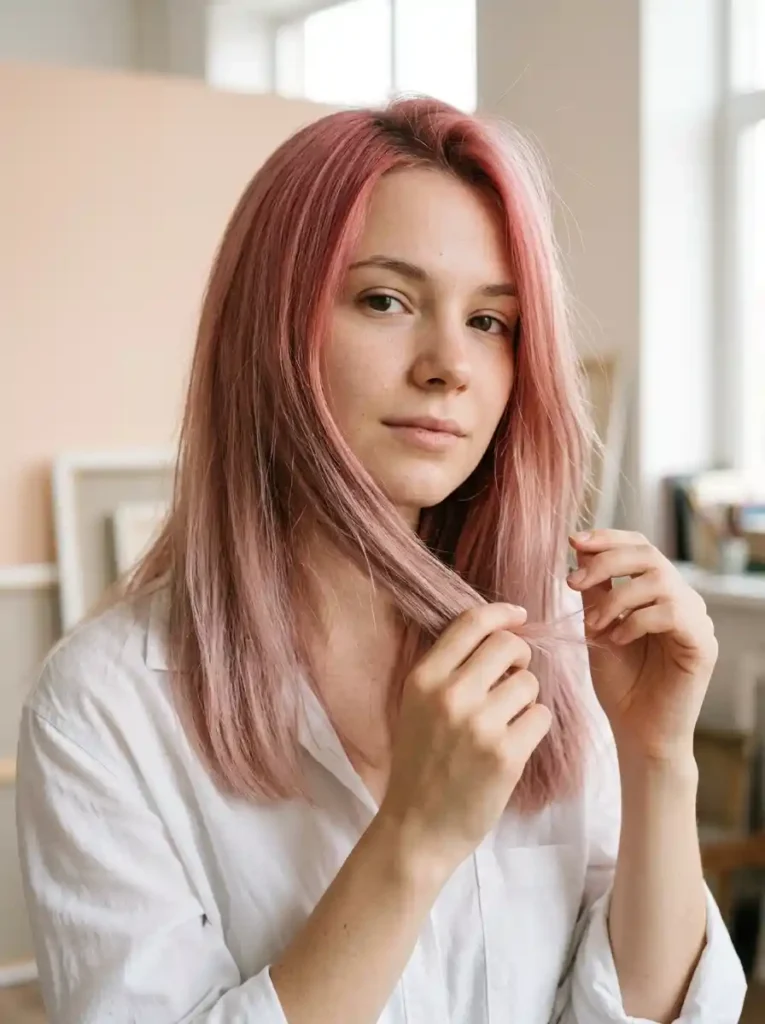
Pink, coral, and red fashion colors can be beautiful when fresh but may linger after you decide to change your look. Many of these shades use direct pigments that fade gradually, although the remaining color depends on the original blonde base and how porous the hair has become. Begin with the dye manufacturer’s recommended removal method or gentle cleansing if the formula is washable, rather than immediately applying a permanent darker color.
Watch the fading process closely because pink can leave a peachy cast, while red may reveal warmer undertones that were hidden underneath. If your eventual goal is blonde, those residual pigments may require professional correction before another lightening service. Avoid repeatedly bleaching the same sections to force the last traces out. A gradual approach, paired with conditioning care and occasional daylight photographs, helps you judge when the remaining shade is subtle enough to leave alone or ready for a new color.
16. Use a Salon Color-Stripping Service
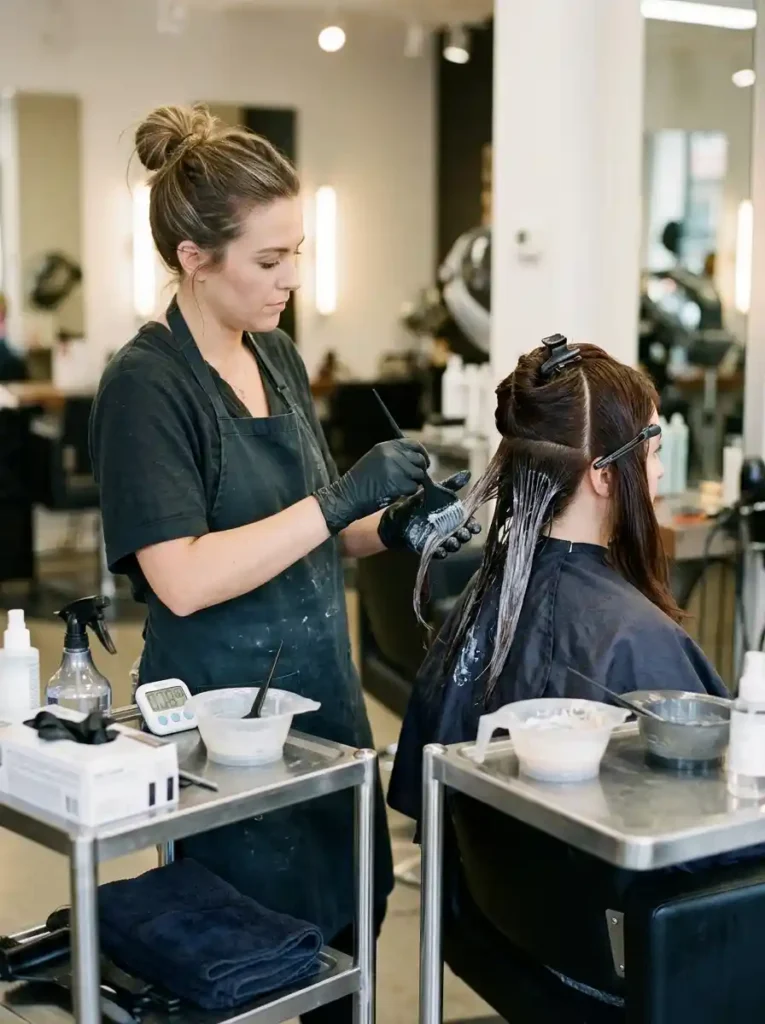
Salon color-stripping services can be useful when artificial pigment is stubborn, layered, or difficult to manage with an at-home product. The exact service may involve a dedicated color remover or another controlled technique selected for your dye history. A consultation allows the stylist to distinguish between unwanted artificial pigment, natural underlying warmth, and damage-related changes in appearance before deciding how much intervention is appropriate.
Ask what the service is expected to remove and what color may remain afterward. Color stripping does not guarantee a return to virgin hair, and some methods can leave strands feeling dry or expose uneven tones beneath previous dye layers. A strand test can help reveal the likely result before a full-head application. If your goal is several levels lighter, the stylist may recommend staged appointments rather than combining removal, bleaching, and permanent recoloring in one session.
17. Choose a Gentle Fading Routine for Damaged Hair
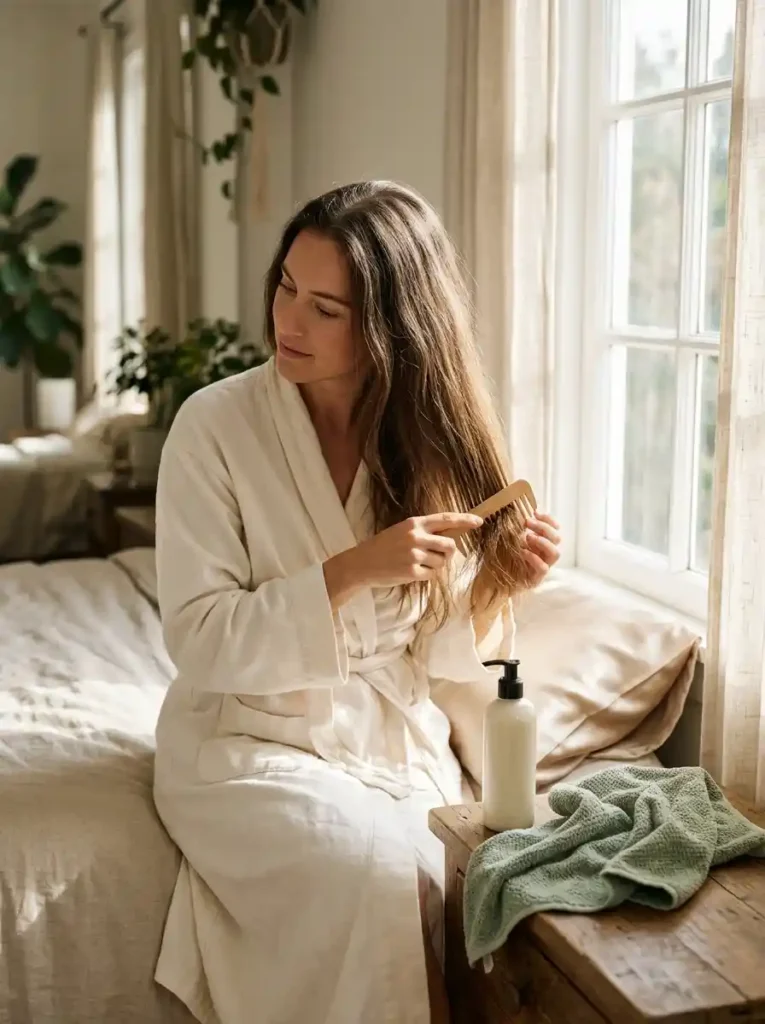
If your hair already feels brittle, stretches unusually when wet, or breaks during brushing, aggressive color removal should not be your next move. Prioritize gentle cleansing, careful detangling, and conditioning while you assess the unwanted shade. This approach may allow temporary pigments to fade slowly, but it is not a reliable way to lift deeply embedded permanent color. The immediate goal is to reduce additional stress while making an informed decision about correction.
Use a wide-tooth comb, avoid rough towel rubbing, and minimize high-heat styling until your strands feel more manageable. Bond-building products may help improve the feel and manageability of some chemically treated hair, although they cannot guarantee full structural repair. If breakage is substantial or the hair feels gummy when wet, consult a qualified stylist before attempting further chemical services. Sometimes the healthiest fresh start begins with stabilizing the hair rather than changing its shade immediately.
18. Try a Color-Removing Treatment for Stained Ends
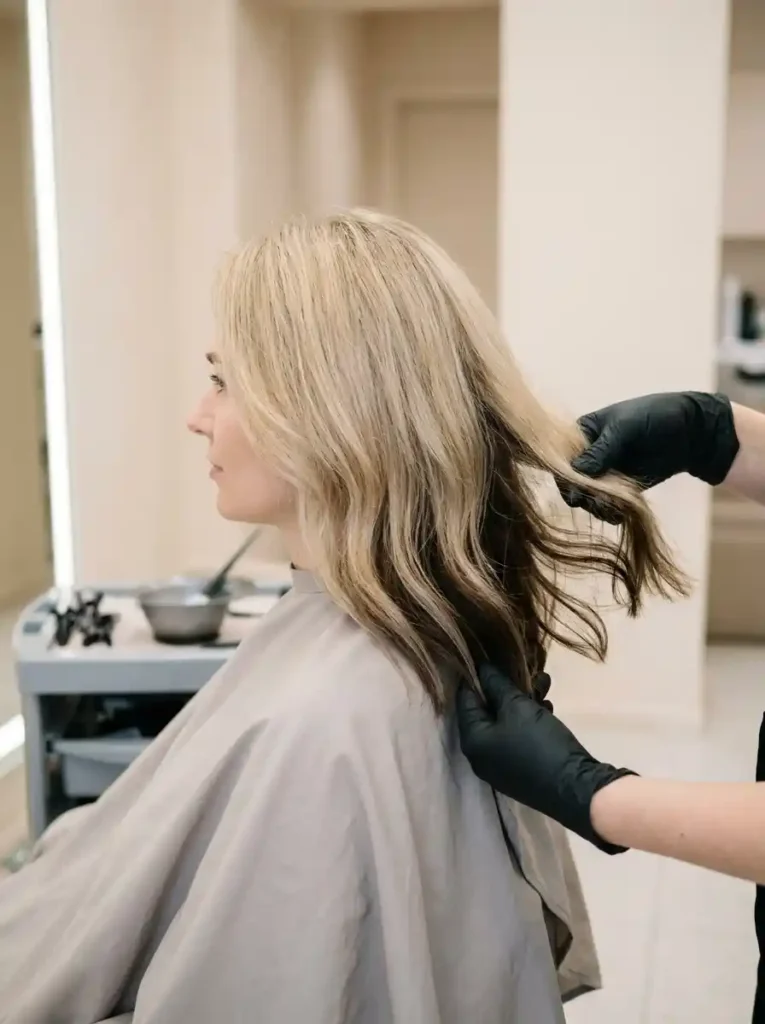
Hair ends can accumulate artificial pigment after repeated coloring, especially when permanent dye is applied over the entire head instead of being limited to new growth. The result may be darker, flatter ends that no longer match the roots. If this describes your hair, a compatible color-removing treatment may help reduce some accumulated artificial pigment, but the product must suit the type of dye and the condition of the lengths.
Do not assume the ends need the same processing as the roots. Older lengths may be more porous or damaged, while newer growth remains comparatively healthy. A professional colorist can test the ends separately and determine whether targeted removal, a blending technique, or trimming would produce the most natural result. Applying a strong remover everywhere without assessing these differences can create unevenness. For a softer finish, preserving healthy length and blending the shade may be preferable to chasing every trace of old pigment.
19. Consider a Gloss or Toner Adjustment
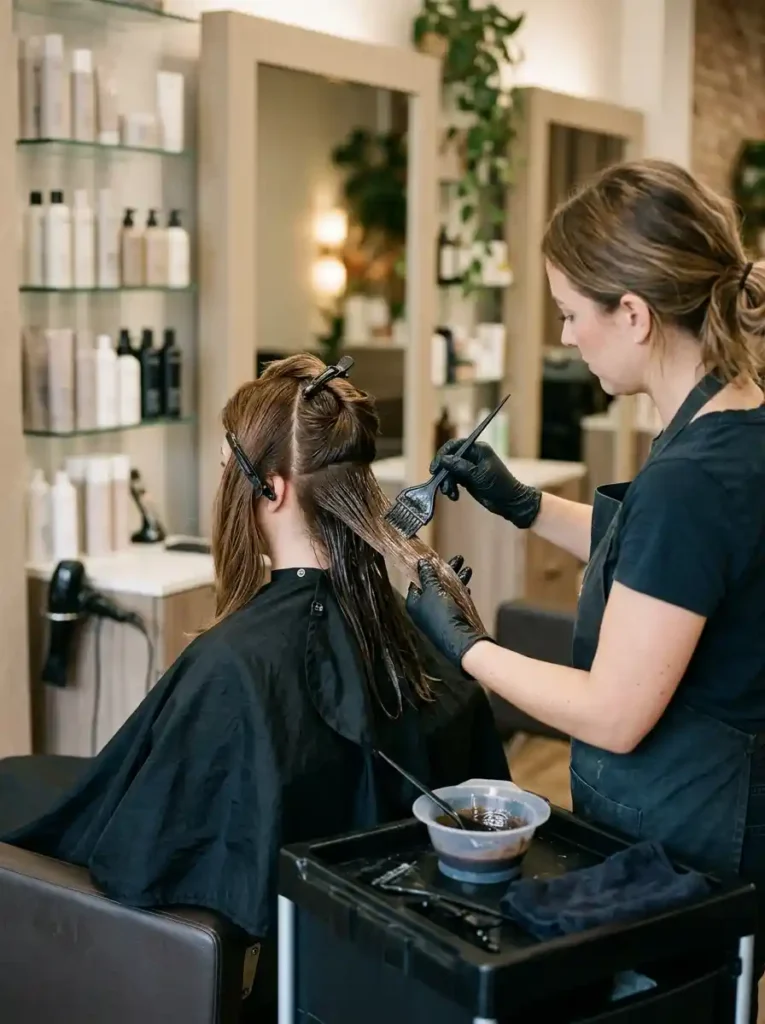
Not every unwanted hair color needs to be removed completely. Sometimes the real problem is excessive warmth, a flat-looking brown, or a shade that feels too bright against your complexion. A gloss or toner adjustment may help refine the appearance of the existing color without attempting to strip out all the artificial pigment. The appropriate formula depends on the current shade, your starting level, and whether the unwanted tone is yellow, orange, red, or overly cool.
Remember that a gloss or toner generally adjusts tone rather than dramatically lightening permanent color. Some formulas deposit additional pigment, so choosing the wrong shade can deepen the result or make porous ends appear darker. Ask your stylist whether a clear gloss, a subtle tonal adjustment, or pigment removal is more suitable. This option is particularly useful when your hair is close to the desired shade and needs refinement rather than a complete color reset.
20. Use a Strand Test Before Any Color Removal
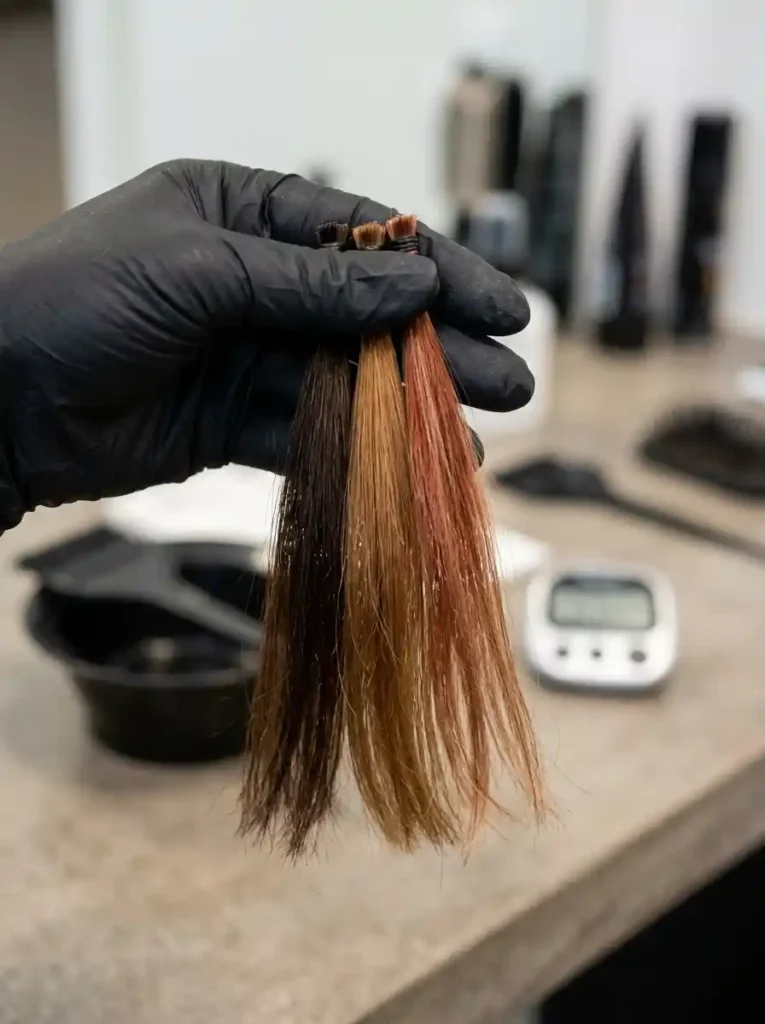
A strand test is one of the most useful precautions before attempting to remove unwanted color. It allows you to see how a specific section responds to a product before exposing your entire head to the same process. Choose a discreet section with a representative color history, particularly if the roots, mid-lengths, and ends have been dyed differently. Follow the product directions exactly and assess the result after any required rinsing and drying.
Look for uneven fading, unexpected warmth, excessive dryness, or changes in the strand’s strength and elasticity. A successful test does not guarantee identical results everywhere, but it provides valuable information about likely outcomes and potential problems. For chemical products, complete the manufacturer’s required allergy testing as well; a strand test is not a substitute. If the test reveals significant damage or an unpredictable color shift, stop and consult a professional instead of increasing processing time or trying a stronger formula.
21. Trim Away Severely Stained or Damaged Ends
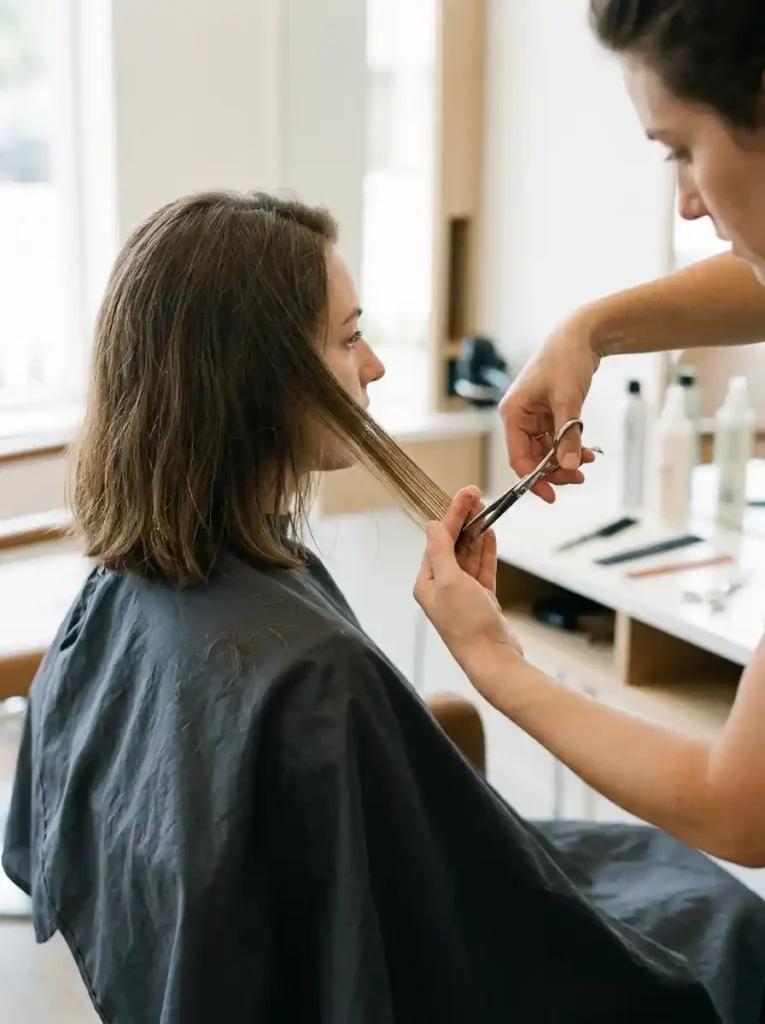
Sometimes old dye remains concentrated in the ends, and those sections may also be the most weathered from heat styling, sunlight, and repeated chemical treatments. A small trim will not remove color from the rest of your hair, but it can eliminate the most damaged tips and create a cleaner foundation for future styling. This is worth considering when the ends look noticeably darker, feel rough, or split despite careful conditioning.
You do not have to choose a dramatic haircut to benefit. Discuss a dusting trim, soft layers, or a slightly shorter shape that removes the most compromised length while preserving your preferred style. If your long-term goal is lighter hair, a trim may also reduce the amount of old pigment a stylist needs to manage. Pair the cut with a realistic correction plan rather than expecting scissors alone to solve uneven color throughout the head.
22. Plan a Gradual Return to Your Natural Hair Color

If you are tired of maintaining dyed hair, gradually returning to your natural color can be a practical alternative to removing every trace of artificial pigment at once. Depending on your current shade, you might let the roots grow, soften the contrast with carefully placed highlights, or ask a colorist to blend the existing lengths into a closer match. This strategy can be especially appealing when frequent root touch-ups have become expensive or time-consuming.
Start by identifying your natural root color and deciding how much contrast you are comfortable wearing during the transition. Regular trims, thoughtful conditioning, and occasional salon blending can make the grow-out look intentional rather than neglected. Remember that previously colored lengths may never match virgin roots perfectly because their pigment history is different. A gradual plan gives you room to adjust the length, tone, and maintenance schedule while keeping the overall look polished and manageable.
Conclusion
Removing unwanted hair color doesn’t have to mean immediately reaching for bleach or starting another round of permanent dye. The best approach depends on what you used, how deeply the pigment has settled, and how healthy your hair feels right now. Temporary shades may fade with ordinary washing, while stubborn permanent color often needs a dedicated remover or professional correction.
Before choosing a method, identify your dye type, inspect your hair’s condition, and perform the recommended tests. Remember that clarifying shampoos, conditioning masks, and mineral-removal treatments serve different purposes, so choosing the right one matters more than trying everything at once.
Most importantly, give your hair time to respond. A gradual transition may produce a more natural-looking result than an aggressive attempt to change several shades overnight. Whether you want softer brunette tones, a cleaner blonde, or a return to your natural color, a thoughtful plan can help you achieve a fresh start while protecting your hair’s long-term health.


