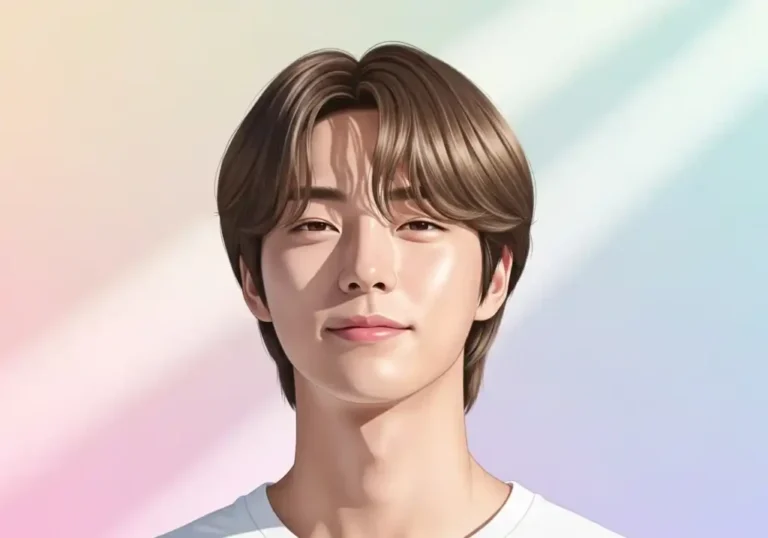
Side swept bangs have a way of changing the overall feel of a hairstyle without requiring a dramatic haircut. A soft sweep can open one side of the face, add movement around the eyes, or make an everyday cut feel more polished. The best part is how adaptable this fringe can be: it works with bobs, long layers, waves, sleek styles, ponytails, and even shorter cuts. Whether you want a subtle update or a more noticeable change, the right side swept bangs can be tailored to your hair texture and styling habits.
In these 22 ideas, you’ll find different lengths, textures, and haircut combinations designed to make side swept bangs feel fresh rather than predictable. Some options are soft and romantic, while others look modern, textured, or effortlessly undone. You’ll also find practical styling details, including which versions work well with different face shapes, how much maintenance to expect, and how to keep the fringe sitting naturally throughout the day.
1. Soft Side Swept Bangs With Long Layers
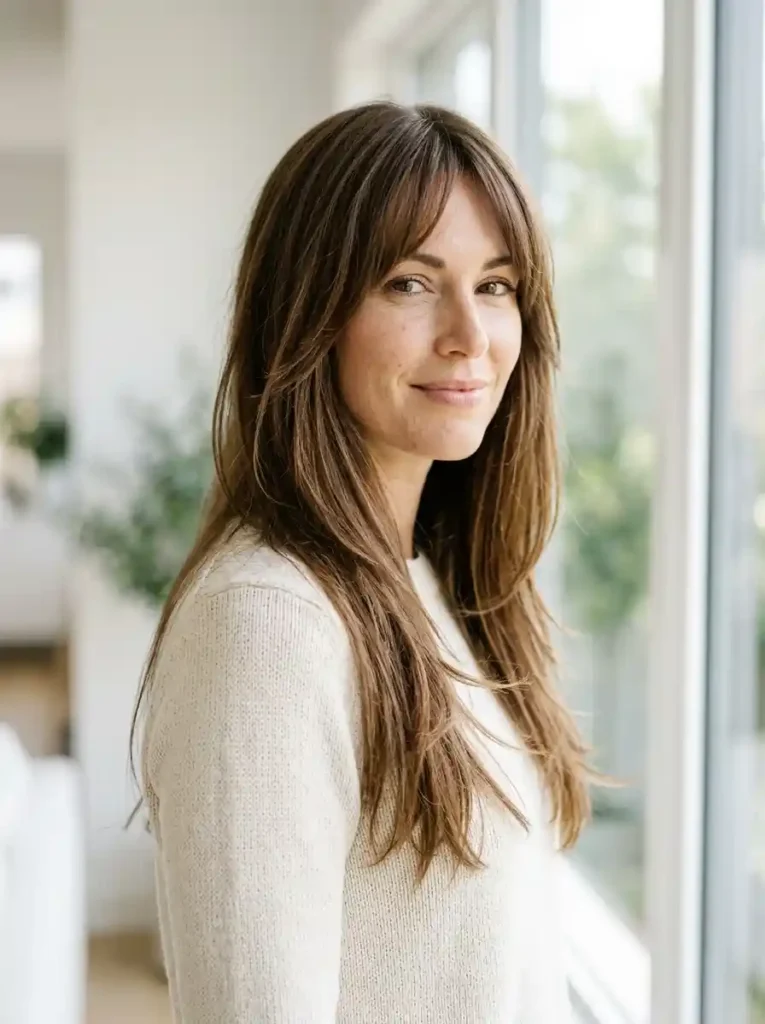
Soft side swept bangs paired with long layers create an easy transition between the fringe and the rest of the haircut. Instead of ending abruptly, the bangs gradually blend into face-framing pieces, making them particularly appealing if you prefer movement without losing length. Ask your stylist to keep the shortest section light enough to sweep rather than sit heavily across the forehead. This approach works especially well on straight or gently wavy hair that naturally follows the direction of the cut.
For everyday styling, use a round brush to direct the bangs diagonally away from the center of your forehead while blow-drying. Avoid pulling them completely flat, because a little lift at the roots keeps the sweep looking relaxed. If your hair tends to separate, a small amount of lightweight styling cream can provide control without making the fringe greasy. Regular trims will also keep the shortest section from growing awkwardly into your eyes.
2. Wispy Side Swept Bangs for a Light, Airy Look

Wispy side swept bangs are ideal when you want the shape of fringe without creating a dense block of hair across your forehead. The lighter texture allows small sections of skin to remain visible, giving the hairstyle an airy finish. This version can be especially flattering for fine or medium-density hair because it does not require a large amount of hair to create movement. A slightly uneven edge also makes the style feel intentionally relaxed rather than overly structured.
Keep wispy bangs looking fresh by using very little product around the forehead. Heavy creams and oils can cause fine strands to clump together, reducing the airy effect. A lightweight volumizing spray at the roots is usually enough before blow-drying the fringe toward one side. If you use heat tools, keep the temperature moderate and finish by separating a few strands with your fingertips. The result should look soft and touchable rather than stiff or heavily styled.
3. Side Swept Curtain Bangs With a Modern Twist
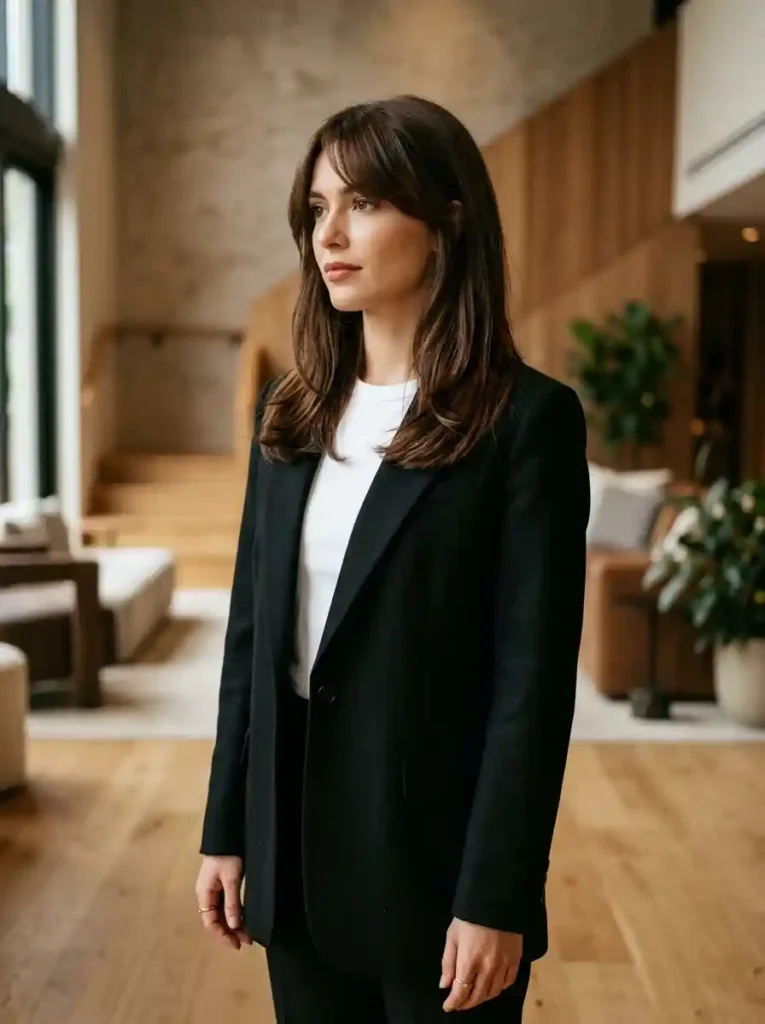
If you like the openness of curtain bangs but want a stronger side direction, combine the two ideas with an off-center part. Keep the inner section slightly shorter while allowing the outer portion to sweep diagonally along the cheekbone. This creates a modern interpretation that frames the eyes without completely closing off the forehead. It suits medium and longer hairstyles particularly well, especially when the surrounding layers have enough length to continue the curved shape.
Styling this fringe is mostly about controlling direction rather than creating excessive volume. Blow-dry the bangs forward first, then guide them toward the preferred side as they become nearly dry. This prevents the roots from becoming too flat or developing a stubborn part. A large round brush can create a gentle bend, while a flat brush produces a sleeker finish. Switch the sweeping direction occasionally if you want to avoid training the hair permanently to one side.
4. Side Swept Bangs With a Sleek Blunt Bob
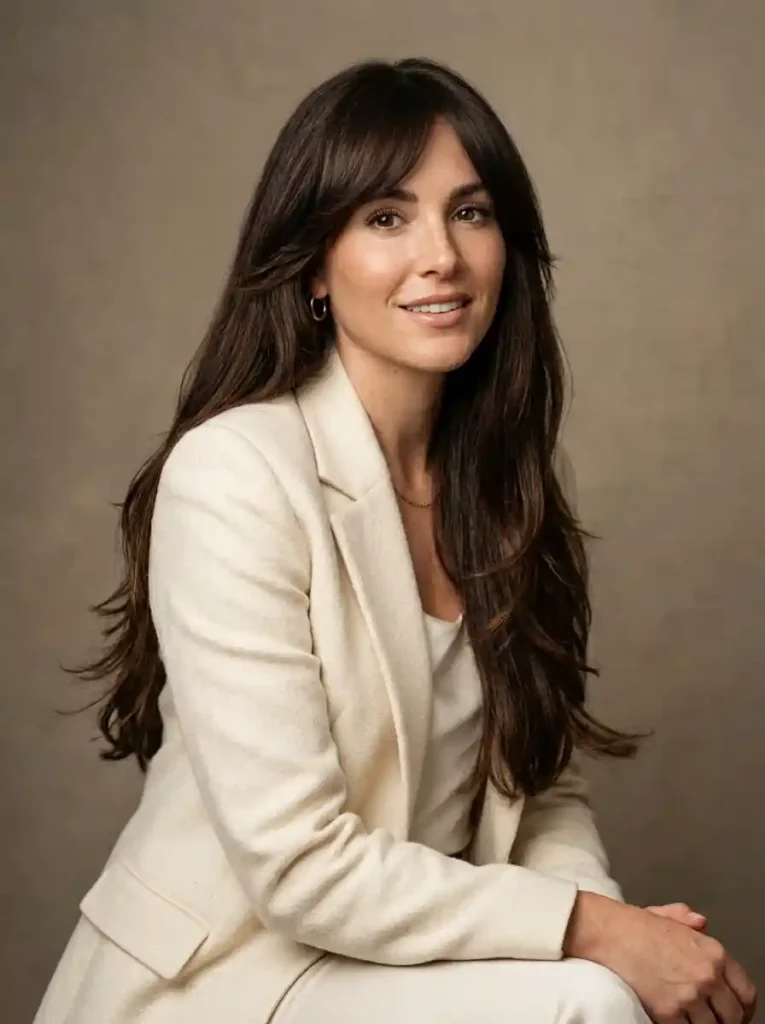
A blunt bob becomes softer and more versatile when paired with side swept bangs. The clean horizontal line of the bob contrasts beautifully with the curved movement of the fringe, creating a hairstyle that feels polished without becoming severe. For the best balance, the bangs should connect visually with the front section of the bob instead of appearing like a separate piece. This combination works particularly well with straight hair because the contrasting shapes remain clearly defined.
A sleek finish requires attention to both the fringe and the bob’s ends. Apply a heat protectant before using a flat iron, then smooth the bangs with a slight bend rather than pressing them completely straight. Keep the bob’s perimeter crisp with regular trims, especially if you want the graphic shape to remain noticeable. If your hair is naturally wavy, embracing a slightly softened version can make the style easier to maintain between salon visits.
5. Feathered Side Swept Bangs for Retro Movement

To recreate the feathered shape, direct the bangs upward and sideways with a medium round brush while blow-drying. The goal is a curved edge, not a large curl. Once dry, gently brush through the ends to separate the layers. If your hair is naturally coarse, a smoothing cream can reduce unwanted puffiness while preserving movement. Avoid applying too much product near the roots, since excess weight can flatten the very lift that gives feathered bangs their distinctive shape.
6. Long Side Swept Bangs With Beachy Waves
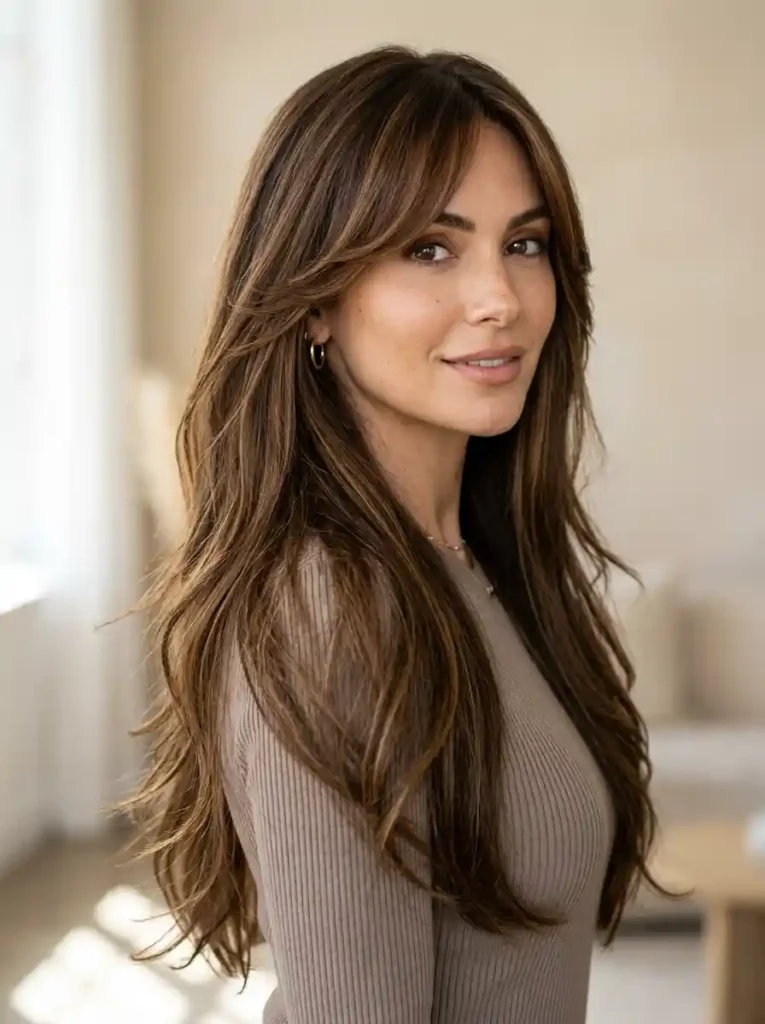
Long side swept bangs can create a particularly effortless look when they blend directly into loose waves. Rather than stopping near the eyebrows, the fringe extends toward the cheek and becomes part of the overall layered shape. This makes the style useful for anyone who wants face-framing movement without committing to very short bangs. The longer length also gives you more flexibility because you can tuck the fringe behind your ear or incorporate it into a loose hairstyle.
For beachy waves, avoid making every section perfectly uniform. Apply a lightweight texturizing product through damp hair, then allow the hair to dry naturally or use a diffuser. Once the waves form, use your fingers to guide the front pieces diagonally across the forehead. A tiny amount of smoothing serum on the ends can control frizz without removing texture. This combination is particularly appealing for casual days because it looks intentional even when the finish remains slightly undone.
7. Side Swept Bangs on a Shoulder-Length Shag

A shoulder-length shag gains extra character when its textured layers meet a side swept fringe. The bangs should have enough separation to match the haircut’s intentionally irregular movement rather than looking perfectly polished. This option is especially useful if you enjoy hairstyles with volume and texture because the fringe can be styled loosely instead of requiring a precise finish. Medium-density hair often gives the shag enough body to support the layered shape.
The easiest styling method is to work with your natural texture. Scrunch a lightweight mousse through damp hair, then direct the bangs diagonally with your fingers while drying. If the ends become too fluffy, use a small amount of styling paste only on the tips. Avoid brushing the finished shag excessively because repeated brushing can remove the separated texture. For a softer appearance, let a few shorter strands fall naturally around the eyebrow instead of forcing every piece into one direction.
8. Side Swept Bangs With a High Ponytail
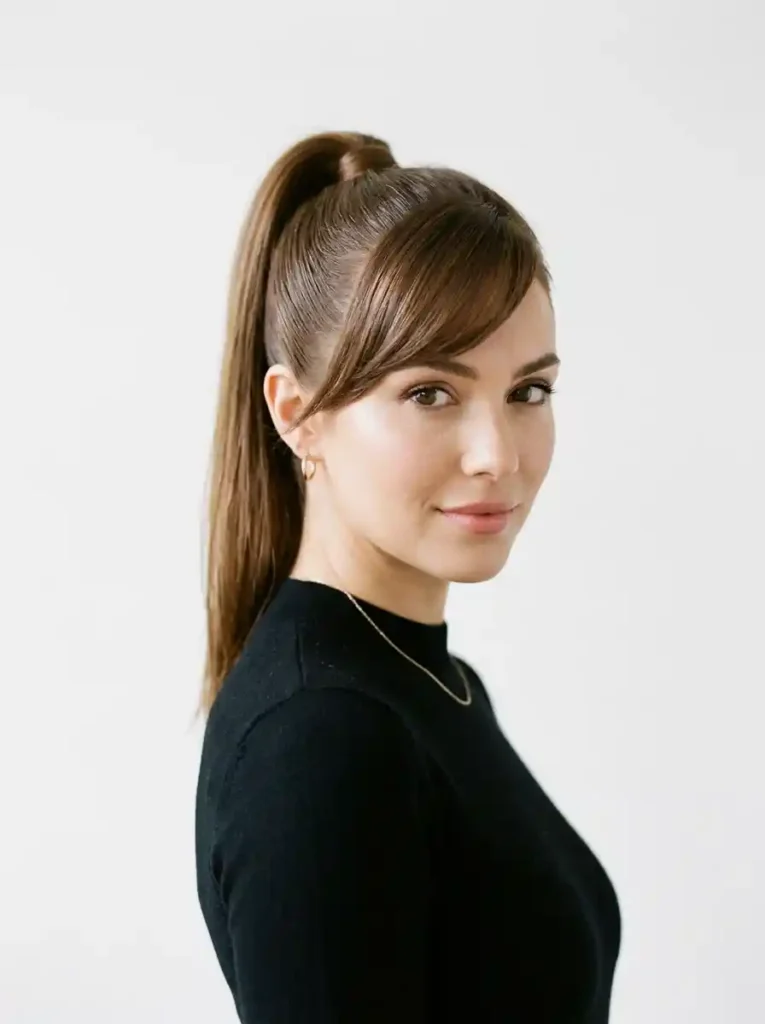
A high ponytail instantly exposes the forehead and sides of the face, so side swept bangs can provide a softer transition while keeping the hairstyle polished. The contrast between the pulled-back length and the loose fringe creates a balanced silhouette. Keep the bangs slightly longer near the temple so they connect visually with the ponytail rather than appearing disconnected. This look works particularly well for medium-to-long hair with enough length to create a secure, elevated ponytail.
For a polished result, smooth the ponytail first and then style the bangs separately. A small round brush can create the curved front shape, while a flexible hairspray helps keep stray strands controlled. Avoid making the fringe too rigid; the hairstyle looks more modern when the edge retains slight movement. If your bangs are growing out, this ponytail is also a practical way to disguise uneven lengths while gradually transitioning them into longer face-framing layers.
9. Curly Side Swept Bangs With Natural Volume
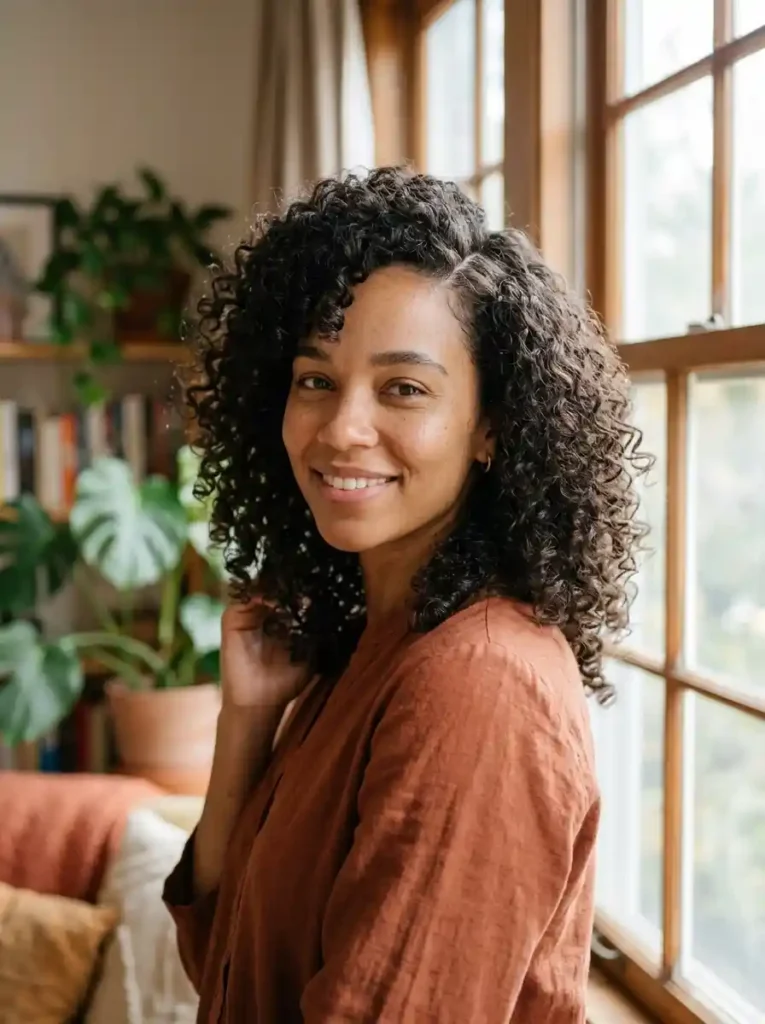
Side swept bangs do not have to be straight. Curly hair can create a beautiful diagonal fringe when the curls are cut and shaped according to their natural pattern. The key is allowing the stylist to account for shrinkage rather than cutting the bangs to their wet length. A slightly longer section can give curls room to spring upward while still creating a flattering sweep. This approach works best when the curls are healthy enough to maintain consistent definition.
Style curly bangs while the hair is damp so the curl pattern develops evenly. Apply a lightweight curl cream or gel, then gently encourage the fringe toward one side using your fingers. Diffuse with low airflow to minimize frizz and avoid repeatedly touching the curls as they dry. Once completely dry, soften any stiffness by gently scrunching. A few naturally irregular curls around the forehead are part of the charm and can make the finished hairstyle feel much more authentic.
10. Side Swept Bangs With a Layered Lob
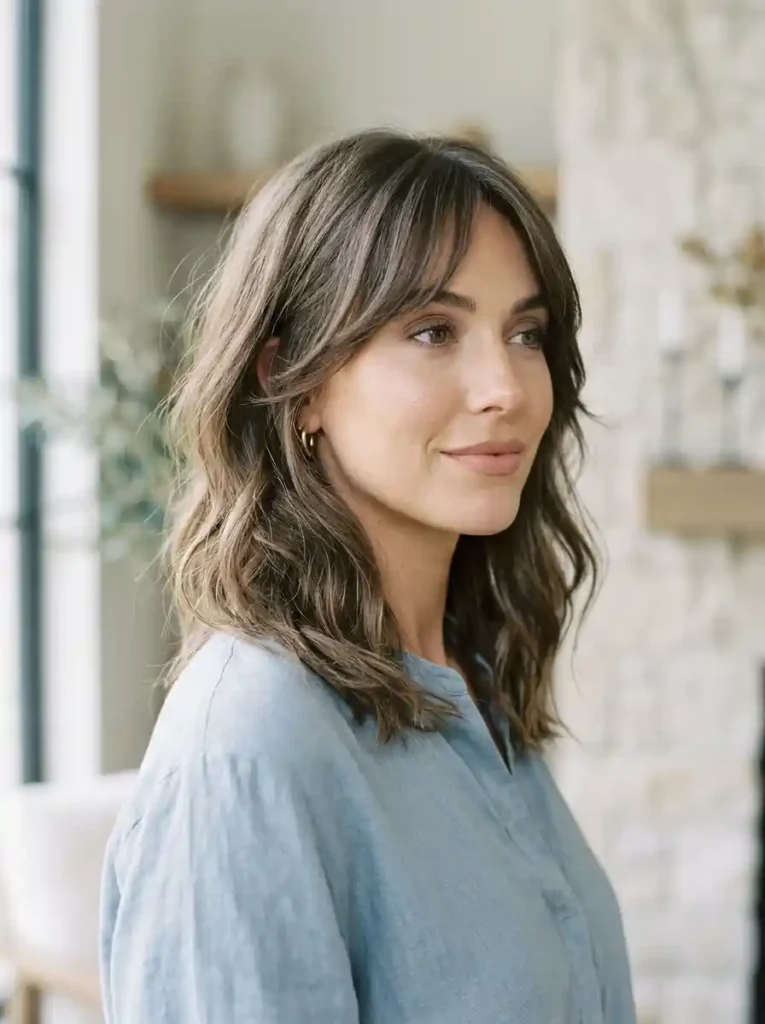
A layered lob gives side swept bangs enough surrounding length to create a seamless transition. The fringe can begin around the brow area and gradually lengthen toward the cheekbone, where it merges with the lob’s front layers. This prevents the bangs from looking overly heavy and keeps the hairstyle versatile. The collarbone length is also practical because it can be worn straight, softly waved, clipped back, or gathered into a low ponytail.
For a smooth finish, blow-dry the bangs diagonally using a medium round brush before working through the rest of the lob. If you prefer texture, twist the front section loosely while it dries and separate it afterward. Keep the ends of the lob slightly lighter if your hair is thick, since excessive weight can pull the layers downward. Regular shaping around the face will help preserve the gradual transition that makes this combination look intentional.
11. Side Swept Bangs With a Pixie Cut
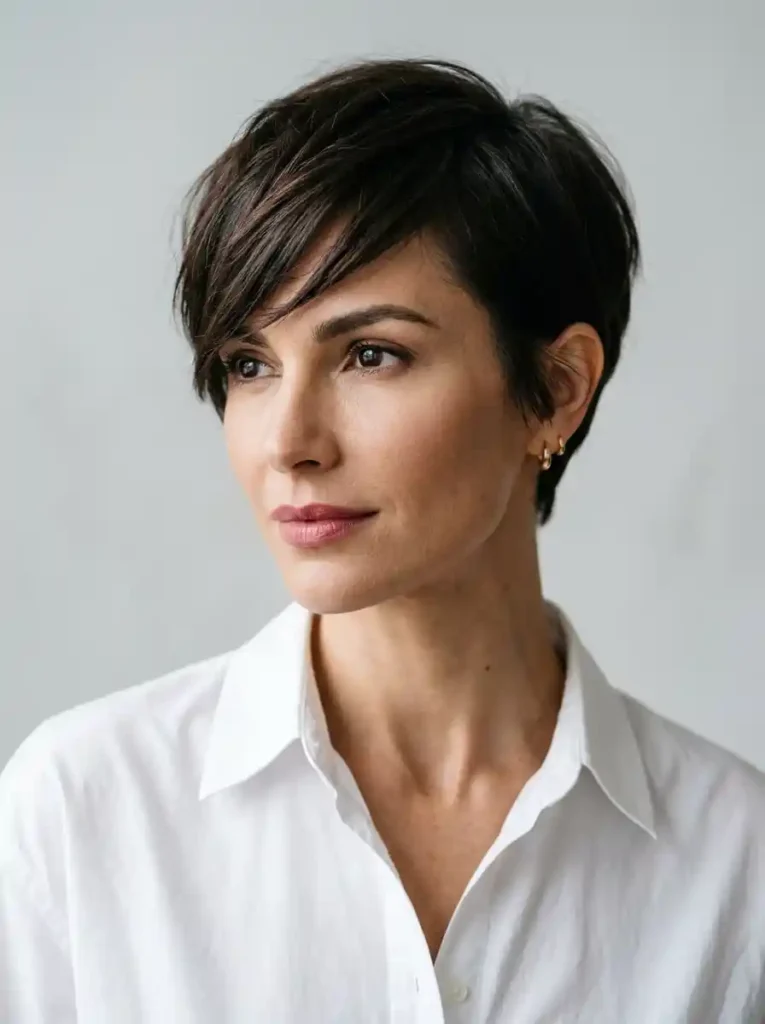
A pixie cut can look surprisingly versatile when the front is left longer for a side swept fringe. The short sides and back create a clean foundation, while the longer top section introduces softness around the forehead. This version is useful if you want a short haircut without sacrificing the ability to change your styling direction. It can look sleek and refined one day, then textured and playful with only a small adjustment.
The most important styling step is establishing direction while the hair is damp. Use your fingers or a small brush to sweep the longer front section across the forehead, then finish with a flexible styling cream. Avoid heavy wax if your hair is fine, as it may make the fringe look flat. Because pixie cuts grow noticeably quickly, expect more frequent trims than with longer hairstyles if you want the side swept shape to remain precise.
12. Side Swept Bangs With Soft Hollywood Waves
For a more glamorous interpretation, pair side swept bangs with large, structured waves. The fringe should follow the same polished curve as the front wave, creating a continuous shape around the face. This style is particularly effective for events, photographs, or occasions when you want your haircut to feel more refined. Long or medium-long hair provides enough length to create the large wave pattern, while naturally straight hair may hold the sculpted shape especially well.
Use a heat protectant before creating waves with a large-barrel iron or rollers. Allow each section to cool completely before brushing through it, because cooling helps the wave pattern settle. Style the bangs separately with a round brush so they remain smooth rather than becoming overly curled. Finish with a light flexible spray instead of a hard-hold formula. You want the waves to retain movement when you turn your head or move through the evening.
13. Side Swept Bangs for a Rounder Face Shape
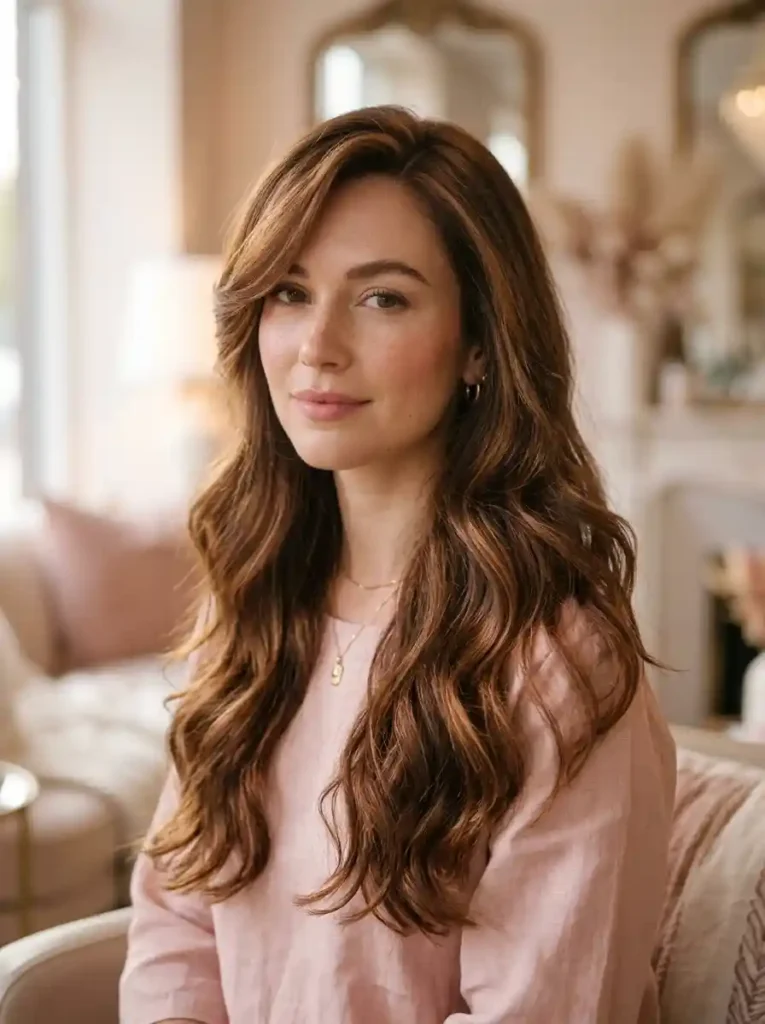
A diagonal fringe can create a useful visual direction when you want your haircut to complement a rounder facial outline. Instead of ending directly across the forehead, side swept bangs create an angled line that draws attention toward the eyes and cheekbone. Longer versions are often easier to personalize because they can be adjusted to where your face naturally has more definition. Pairing the fringe with subtle vertical layers can further maintain movement without adding unnecessary width.
Avoid creating excessive volume directly at the widest part of the cheeks if you prefer a more elongated appearance. Instead, keep the roots relatively smooth and concentrate movement lower in the hair. When styling the bangs, sweep them diagonally and slightly upward at the root before allowing them to curve toward the cheekbone. The goal is not to hide your face but to create a balanced frame that works with your natural proportions.
14. Side Swept Bangs With Fine, Straight Hair

Fine straight hair can benefit from side swept bangs because the texture naturally creates a smooth directional line. The important detail is avoiding excessive weight at the front. A lightly tapered fringe can provide enough shape while keeping the hair from looking thin or stringy. If your hair is especially fine, ask for a modest amount of fringe rather than pulling a large section forward. Keeping some length through the sides will also make the transition look fuller.
Styling fine hair requires restraint. Blow-dry the roots with a small brush, lifting them slightly before directing the bangs sideways. A lightweight volumizing spray can provide body without creating stiffness. Avoid layering several styling products around the forehead because buildup can make fine strands separate. Dry shampoo applied sparingly at the roots can help refresh the fringe between washes, but brushing through afterward is important so the bangs do not develop a powdery texture.
15. Thick Side Swept Bangs With Tapered Ends
Thick hair gives side swept bangs plenty of natural body, but that fullness needs thoughtful shaping. Tapering the ends removes some visual heaviness while preserving enough density near the roots to create a substantial fringe. This approach is particularly useful if blunt bangs tend to feel too heavy on you. The longer outer edge can blend into face-framing layers, creating a smooth transition that prevents the haircut from looking overly disconnected.
Ask your stylist about internal weight removal rather than simply making the bangs dramatically shorter. The right amount depends on your density and natural texture. During styling, use a paddle brush to control the roots before switching to a round brush for the ends. If humidity causes expansion, a lightweight anti-frizz product can help maintain direction. Avoid over-thinning the fringe, though, because excessive texturizing can make thick hair look uneven as it grows.
16. Side Swept Bangs With a High-Contrast Hair Color
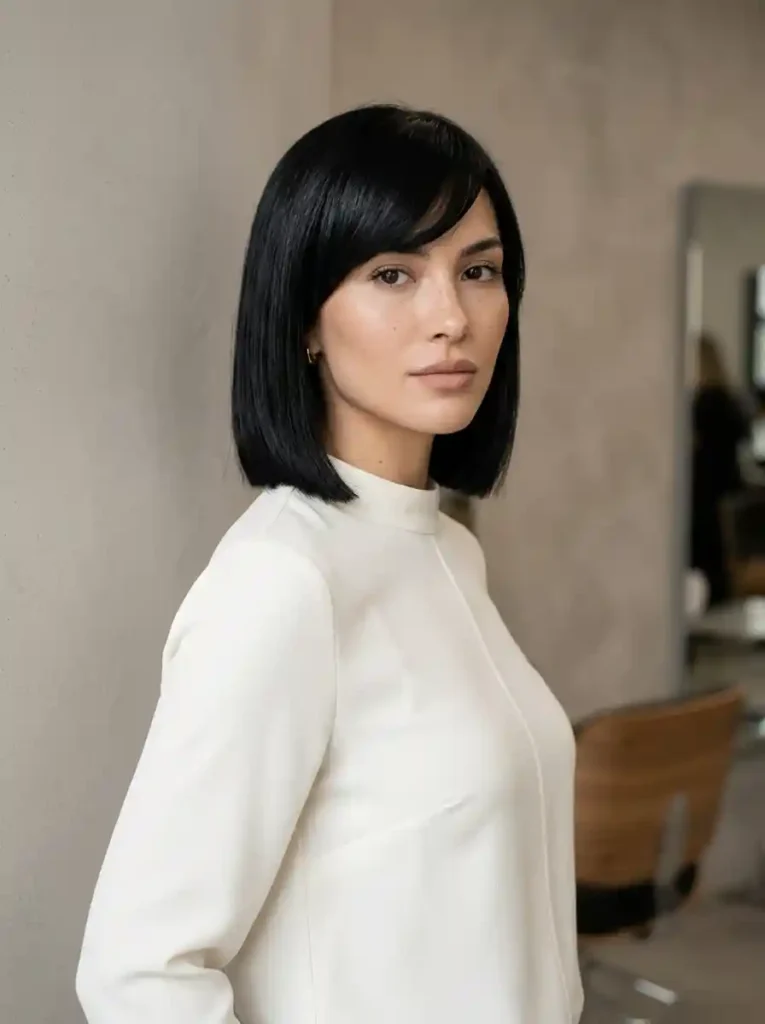
A strategically placed hair color can make side swept bangs stand out without requiring an extreme haircut. Soft highlights around the front create dimension as the fringe moves across the forehead and cheekbone. The color does not need to be dramatically different from your base shade; even a few lighter pieces can emphasize the direction of the hair. This works especially well with layered cuts because the highlights can continue naturally into the face-framing sections.
Placement matters more than intensity. Ask for color that follows the direction of your haircut instead of creating an obvious stripe directly through the fringe. Softer balayage-style pieces can grow out more naturally than sharply defined highlights. If your bangs are frequently exposed to heat from blow-drying, use a heat protectant and color-safe products to maintain shine. The finished effect should look dimensional when the fringe moves rather than appearing like a separate colored panel.
17. Side Swept Bangs With a Low Bun
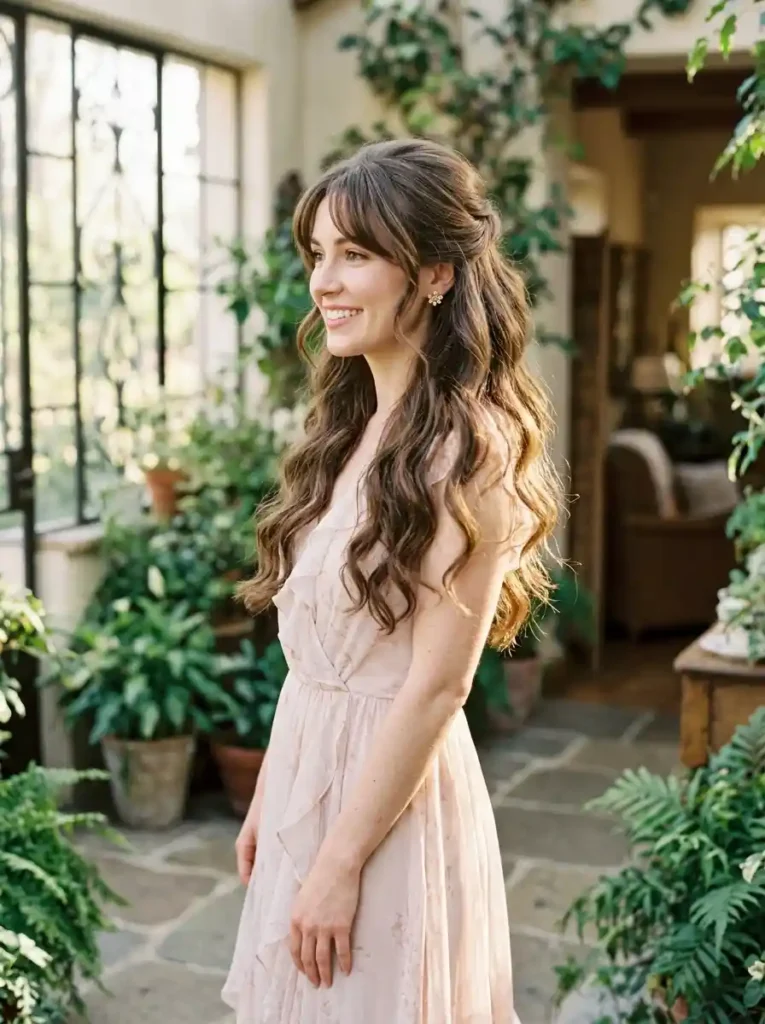
A low bun paired with side swept bangs creates an elegant balance between controlled styling and softness around the face. The bun keeps the back of the hair neat while the fringe remains loose, preventing the overall look from feeling too severe. This combination works for formal occasions but can also be adapted for everyday wear by leaving the bun slightly relaxed. Longer bangs are particularly useful because they can curve naturally toward the cheek.
Start by smoothing the longer hair toward the nape before securing the bun. Then style the fringe separately so its direction remains clear. A round brush creates a polished curve, while your fingers can produce a softer finish. Use a few discreet pins if the outer edge refuses to stay in place. Rather than coating the entire front with hairspray, mist a small amount onto a clean spoolie or brush and gently control individual flyaways.
18. Choppy Side Swept Bangs for an Edgy Finish
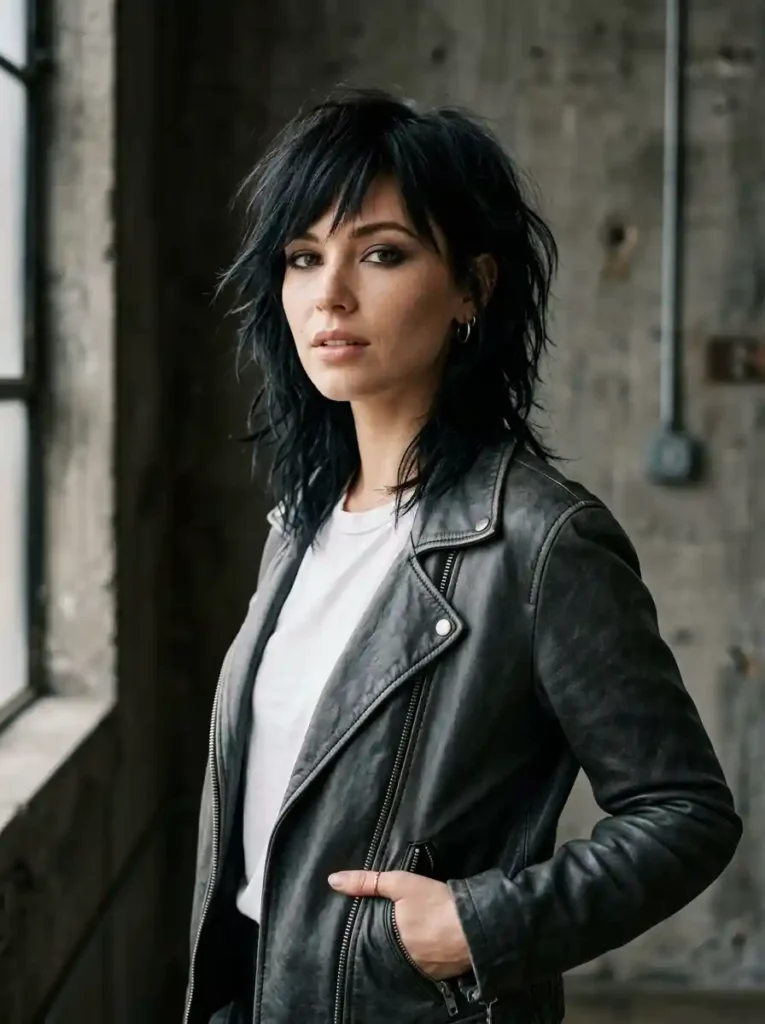
Choppy side swept bangs offer a stronger alternative to soft, polished fringe. The ends are intentionally separated and irregular, creating texture rather than a smooth curtain across the forehead. This look works particularly well with shaggy, layered, or shoulder-length cuts where the rest of the hair already has movement. Medium-to-thick hair can support the piecey effect, although fine hair can also achieve it with carefully placed layers and lightweight texturizing products.
The biggest styling mistake is trying to make choppy bangs perfectly uniform. Their appeal comes from controlled irregularity. After drying the fringe diagonally, pinch a few ends with a tiny amount of matte styling paste. Keep product concentrated on the tips rather than the roots. If your hair becomes oily quickly, choose a dry texture spray instead. Regular trims are helpful because uneven bangs can lose their intentional shape once the shortest pieces grow past the surrounding layers.
19. Side Swept Bangs With a Romantic Half-Up Style
A half-up hairstyle gives side swept bangs room to become part of the overall romantic shape. The pulled-back crown exposes some of the face while the fringe and loose front pieces maintain softness. This is especially effective when the rest of the hair has gentle waves, because the diagonal fringe can transition into longer pieces around the cheek. It is also a useful option for special occasions when you want something more styled than everyday loose hair.
Begin by creating soft texture through the lengths before securing the upper section. Keep the half-up portion comfortable rather than tightly pulled, especially around the crown. Style the bangs with a slight curve and allow one or two longer strands to connect them to the waves. A flexible hairspray can hold the shape while keeping the hairstyle touchable. If you prefer a more polished finish, tuck the longer side pieces neatly behind the ear before securing the crown.
20. Side Swept Bangs With a Textured French Bob
A textured French bob becomes less rigid when combined with a side swept fringe. The shorter length keeps the haircut distinctive, while the diagonal bangs introduce a softer line around the eyes. A slightly imperfect finish suits this combination better than an ultra-smooth blowout. It is particularly attractive on naturally straight or lightly wavy hair, although stronger waves may require more shaping to keep the short silhouette balanced.
Use a small amount of texturizing cream through the bob before directing the bangs across the forehead. Scrunch or twist a few sections to encourage natural movement, then leave them to dry or use a diffuser. The fringe should remain flexible enough to separate slightly during the day. Because French bobs rely heavily on their perimeter and proportions, schedule regular shaping appointments if you want the jaw-length silhouette and side swept front to stay crisp.
21. Side Swept Bangs With Long Face-Framing Layers
Long face-framing layers allow side swept bangs to become part of a continuous cascade rather than a separate fringe. The shortest section can sit around the brow while the outer edge gradually lengthens toward the jaw and beyond. This creates movement around the face without sacrificing the length of the overall hairstyle. It is a flexible choice for anyone who enjoys changing between loose hair, braids, ponytails, and other longer styles.
To keep the transition smooth, style the fringe and front layers together rather than treating them as completely separate sections. Use a round brush to create a gentle curve away from the forehead, then continue that movement through the cheekbone area. If you want more volume, lift the roots slightly while drying. For a sleeker finish, use a flat brush and finish with a small amount of lightweight serum on the longer ends.
22. Soft Side Swept Bangs With a Modern Blowout

A modern blowout gives side swept bangs a polished finish while keeping them soft enough for everyday wear. The fringe should have gentle root lift and a curved end rather than a dramatic curl. Medium-length layered hair works especially well because the blowout can carry the same rounded movement from the bangs through the rest of the haircut. This option is ideal when you want a hairstyle that feels refined but not overly formal or complicated.
Begin with damp, towel-dried hair and apply a lightweight heat protectant. Blow-dry the bangs forward first, then sweep them toward the chosen side using a round brush. Allow the hair to cool briefly before releasing the brush so the curve has time to settle. Finish the lengths with a small amount of smoothing serum, keeping the roots product-free. For longer-lasting volume, avoid brushing the fringe repeatedly after styling and use your fingers for minor adjustments instead.
Conclusion
Side swept bangs can be surprisingly versatile when the length, texture, and surrounding haircut are chosen with intention. A wispy fringe can create a delicate change, while a thick tapered version makes a stronger statement. Curly, feathered, choppy, sleek, and softly layered options all offer different ways to refresh your appearance without completely changing your haircut. The most important consideration is how the bangs behave with your natural texture and how much daily styling you realistically want to do.
Before booking your haircut, save a few reference photos that show both the front and side profile of the fringe you like. Discuss your usual part, hair density, texture, and styling routine with your stylist. A small adjustment in length or angle can make the difference between bangs you constantly fight and bangs that naturally fall into place.