
A fresh haircut can completely change the way you feel about your everyday style, whether you want something shorter, more polished, effortlessly textured, or beautifully low-maintenance. The right cut should complement your face shape, work with your natural hair texture, and fit your lifestyle without requiring hours of styling. From modern bobs and flattering layers to playful shags and elegant longer cuts, these 22 fresh haircut ideas offer plenty of inspiration for your next salon appointment.
1. The Chic Italian Bob
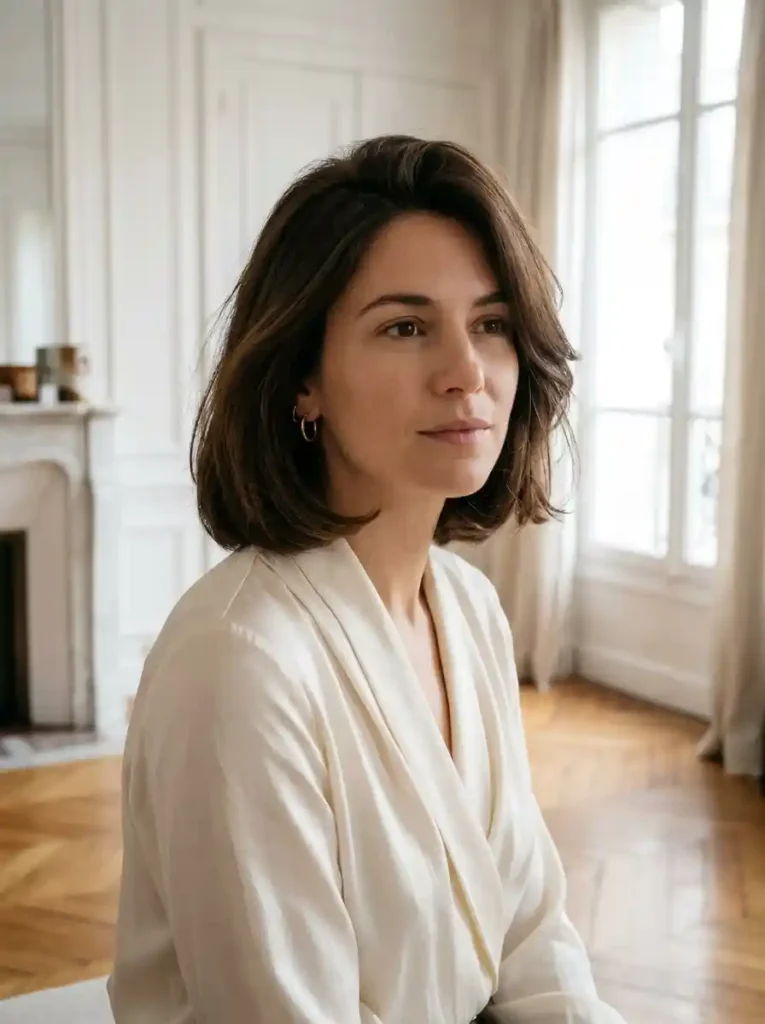
The Italian bob is perfect if you love short hair that feels sophisticated without looking overly structured. Its defining feature is the slightly fuller shape, which creates natural volume around the jawline while keeping the ends soft and beautifully blended. This haircut works particularly well for straight and slightly wavy hair, although thicker textures may benefit from subtle internal layering to prevent the silhouette from becoming too bulky.
For everyday styling, apply a lightweight volumizing mousse before blow-drying with a round brush. Curve the ends inward slightly to achieve that signature polished finish without making the haircut look stiff. Ask your stylist to customize the length around your chin or just below it, depending on your face shape. Regular trims every six to eight weeks will help maintain its rounded outline and fresh appearance.
2. Long Butterfly Layers

If you want to keep your length while giving your hairstyle a noticeable transformation, butterfly layers are an excellent option. This cut combines shorter face-framing pieces with longer layers throughout the back, creating the appearance of a bouncy, voluminous hairstyle. The shorter sections add movement around the face, while the remaining length keeps the overall look feminine and versatile. It is especially attractive on medium-thick and thick hair.
The secret to making butterfly layers look their best is styling the shorter sections separately from the longer lengths. Use a large round brush or blowout brush to create lift around the cheekbones, then curl the ends away from your face. A heat protectant is essential when using hot tools regularly. Before booking, ask your stylist to preserve enough length in the back so the finished haircut still feels full rather than excessively thinned.
3. The Modern French Bob
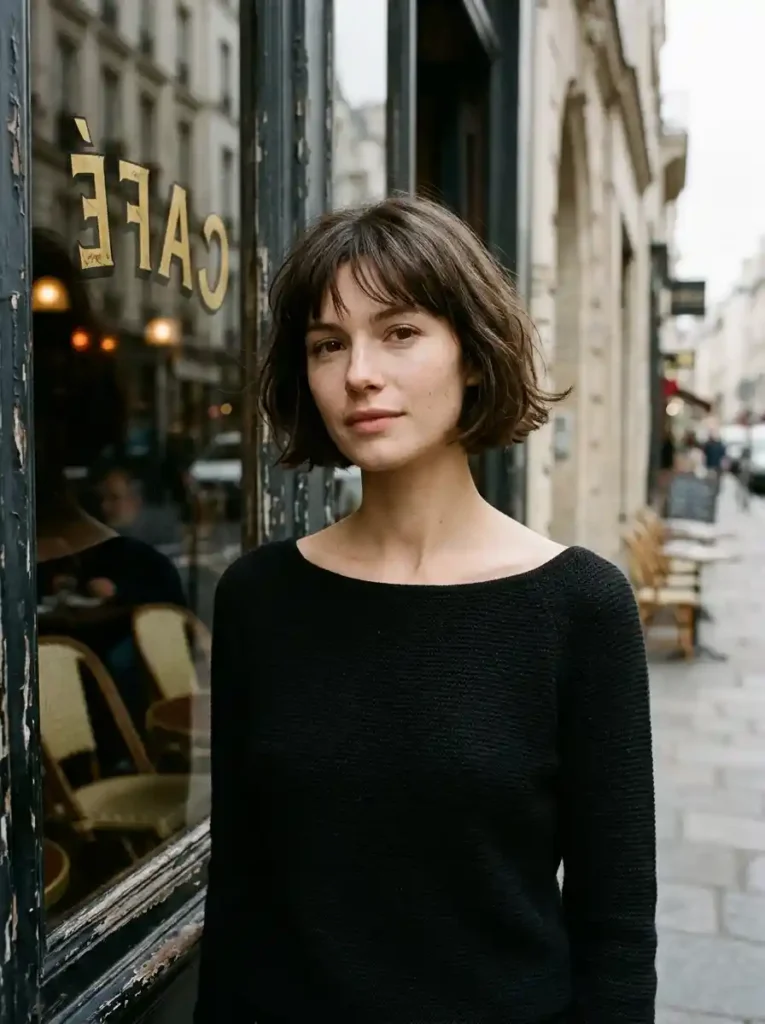
The French bob brings effortless personality to short hair through its compact length, soft texture, and often accompanying fringe. Usually sitting between the cheekbones and jawline, this haircut creates a distinctive silhouette without needing elaborate styling. It is a particularly appealing choice for anyone who enjoys an artistic, slightly undone appearance. Fine hair can look fuller with this shape, while naturally wavy hair adds beautiful texture.
Unlike a perfectly polished bob, the French version looks lovely with a little natural imperfection. Apply a small amount of texturizing cream to damp hair and let it air-dry, occasionally scrunching the ends with your fingers. If you prefer bangs, discuss their length and density with your stylist before cutting. A lighter fringe is generally easier to maintain and can be adjusted as it grows, making the overall style more adaptable.
4. The Soft Shag Haircut.
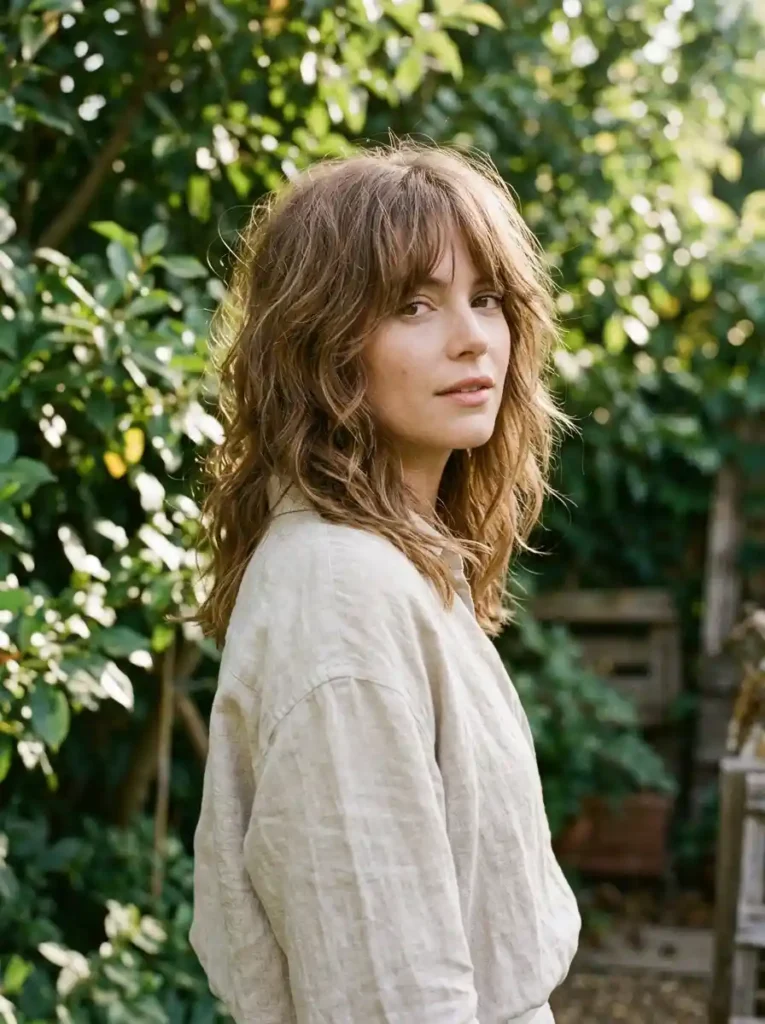
A soft shag is a wonderful choice when you want movement, texture, and personality without sacrificing too much length. It combines graduated layers around the crown with lighter ends and optional fringe, creating a relaxed shape that does not feel overly formal. This haircut is particularly flattering on naturally wavy hair because the texture helps the layers fall into place. Straight hair can also work beautifully with added styling texture.
One advantage of the modern shag is that it does not need to look perfectly arranged. A lightweight curl cream or texturizing spray can help define natural movement while keeping the layers separated. Avoid using heavy conditioners or styling products near the roots, as they may flatten the crown. When discussing this haircut with your stylist, bring reference photographs showing the amount of layering you prefer, since an excessively choppy shag may be difficult to style.
5. The Collarbone-Length Lob

The collarbone-length lob offers an appealing middle ground between short and long hairstyles. Its length typically falls around the shoulders or collarbone, making it easy to wear down, tuck behind the ears, or gather into a small ponytail. Because the ends remain relatively full, this haircut can make fine hair appear thicker. It also provides enough length for loose waves, straight styling, and simple everyday updos.
To personalize the lob, consider whether you prefer a blunt perimeter or softly textured ends. A blunt finish creates a cleaner, more substantial appearance, while delicate layering adds movement without dramatically changing the shape. This haircut is particularly practical if you are transitioning from long hair and want a noticeable change without going extremely short. Schedule regular trims to prevent the ends from becoming uneven and losing their intentional shape.
6. The Textured Pixie Cut

A textured pixie is ideal for anyone ready to embrace a shorter, more expressive hairstyle. The cut keeps the sides and back relatively close while leaving additional length on top for movement and styling flexibility. Unlike an extremely sleek pixie, its textured finish creates a softer, more relaxed appearance. It can work on different hair types, although the amount of layering should be adjusted to suit natural density and growth patterns.
Styling takes very little time once you understand how your hair naturally falls. Work a pea-sized amount of matte styling paste through dry hair, lifting the crown and separating individual sections with your fingertips. You can also smooth the fringe forward or sweep it sideways for a different effect. Remember that short haircuts often require more frequent salon visits, typically every four to six weeks, to maintain their proportions.
7. Long Layers with Face-Framing Pieces
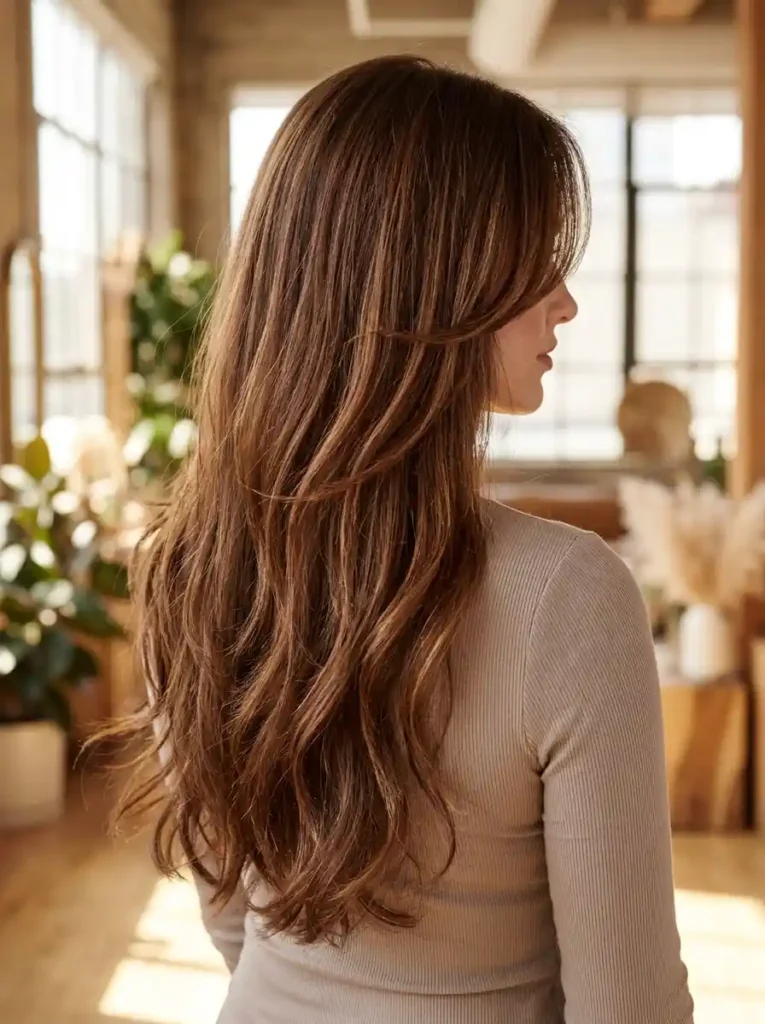
Sometimes the best haircut is one that enhances what you already have rather than dramatically changing your length. Long layers provide dimension and movement while preserving the overall fullness of your hairstyle. Adding face-framing sections creates a softer appearance around the cheeks and jawline, helping long hair feel more intentional. This combination works particularly well for medium-thick and thick hair that can otherwise appear heavy.
When requesting this haircut, explain how much length you are comfortable losing and where you want the shortest layers to begin. If your hair is fine, avoid excessive thinning because removing too much weight can make the ends appear sparse. A large curling iron can emphasize the different layers, but loose natural waves also look beautiful. A nourishing leave-in conditioner helps keep longer sections manageable and reduces the appearance of dry ends.
8. The Blunt Shoulder-Length Cut
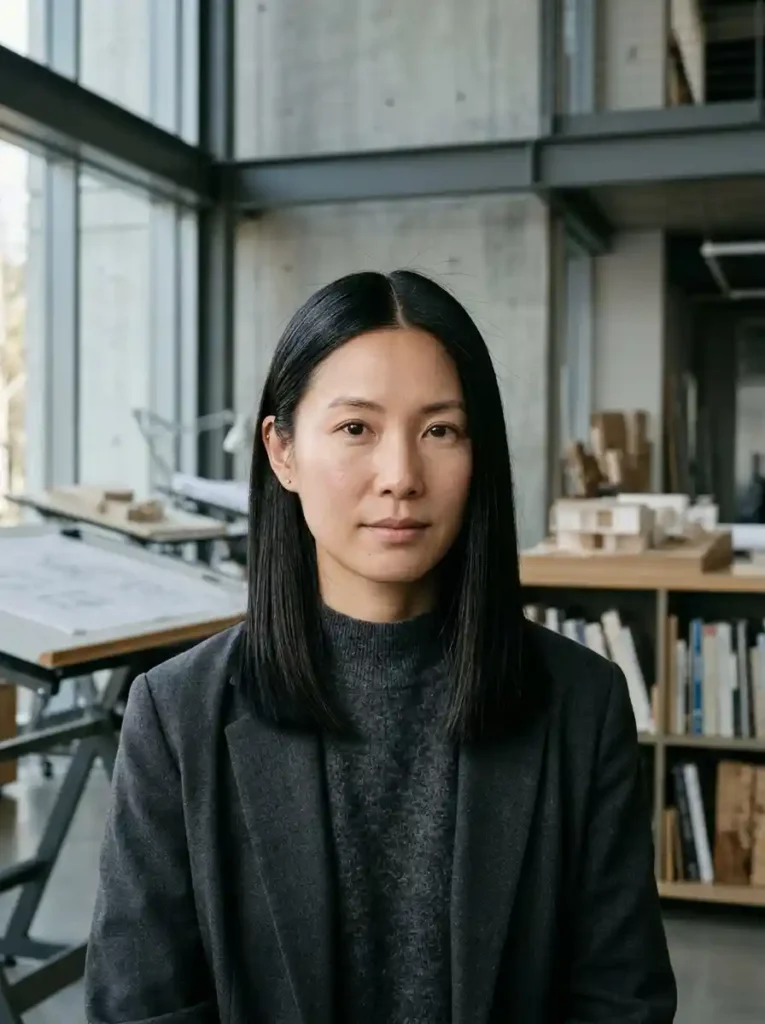
For a clean, modern hairstyle that never feels overly complicated, consider a blunt shoulder-length cut. Its defining characteristic is the even perimeter, which creates a strong horizontal line and gives the hair a deliberately structured appearance. This shape can be particularly beneficial for fine or medium-density hair because it keeps the ends looking substantial. It also suits people who prefer a polished hairstyle that works equally well with casual and professional outfits.
The haircut looks especially striking when worn straight, although a gentle bend through the mid-lengths can soften its appearance. Use a smoothing serum sparingly and finish with a flat iron if you want a glass-like effect. Avoid excessive layering around the perimeter because it can remove the fullness that makes this cut distinctive. Discuss your natural hair growth and shoulder position with your stylist to determine the most flattering final length.
9. The Wispy Bangs Haircut

Wispy bangs are an easy way to refresh an existing haircut without committing to a dramatic transformation. Their lightweight appearance creates interest around the forehead while allowing some natural movement and visibility through the fringe. They can complement long layers, shoulder-length cuts, and shorter hairstyles alike. This option is especially useful if you like the look of bangs but are hesitant about a thick, blunt fringe.
The most important consideration is how much daily styling you are willing to do. Even lightweight bangs may need a quick blow-dry to prevent unwanted separation or changes in direction. Use a small round brush and direct the airflow downward while shaping the fringe gently. Ask your stylist to begin with slightly longer pieces, allowing you to adjust the shape after seeing how your hair behaves. This gradual approach makes the change easier to manage.
10. The Wavy Chin-Length Bob

A wavy chin-length bob brings softness and movement to a classic short haircut. Instead of creating a perfectly uniform shape, the natural bends in the hair give the style a relaxed finish that feels modern and wearable. It is a lovely option for people with naturally wavy hair who want a shorter routine without losing texture. The chin-level length also highlights the jawline and creates an attractive frame around the face.
The key is to have the cut shaped according to your natural wave pattern rather than relying entirely on how it looks when straightened. Ask your stylist whether dry cutting or a customized wet-and-dry approach would suit your texture. After washing, apply a lightweight curl-enhancing product and allow the hair to dry naturally or use a diffuser. Avoid brushing the waves once dry, as this can create unwanted frizz and reduce definition.
11. The Modern Wolf Cut
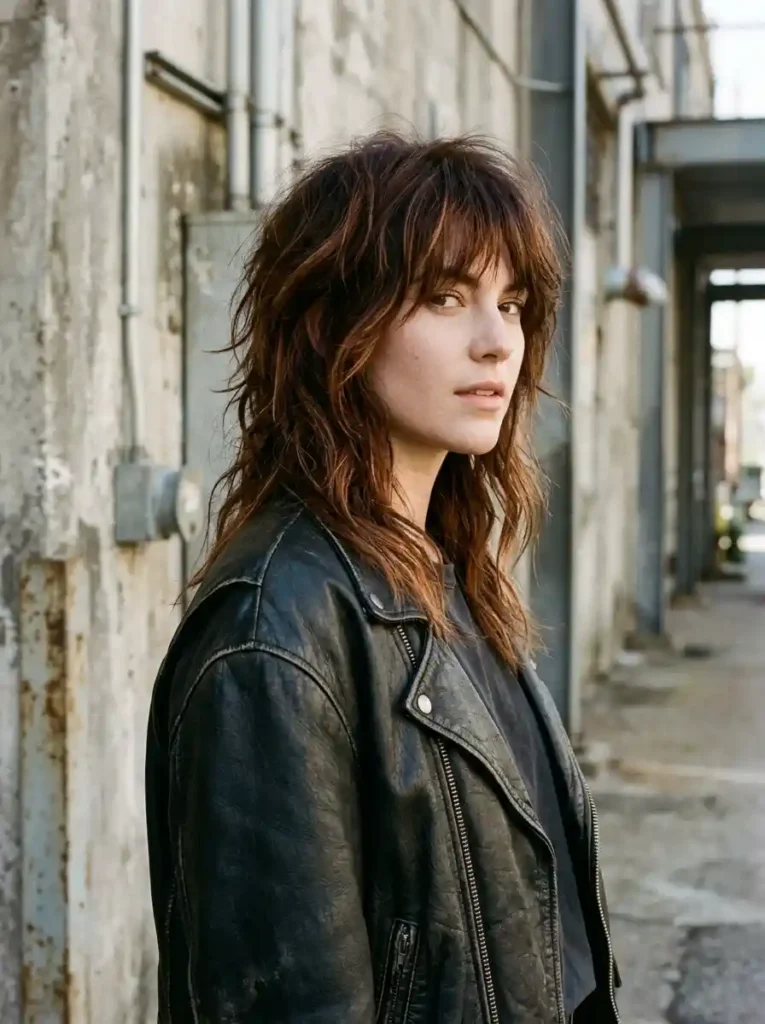
The wolf cut combines elements of the shag and mullet, producing a distinctive hairstyle with noticeable crown volume and heavily textured lengths. Its silhouette is intentionally more dramatic than traditional layered haircuts, with shorter sections around the top and longer pieces through the back. This makes it a strong choice if you enjoy expressive styling and want your haircut to have visible personality rather than a conventional finish.
Before choosing this look, consider how much natural volume your hair already has. Thick or wavy hair can create a fuller wolf-cut silhouette, while fine hair may require more carefully placed layers to avoid looking thin. Styling products such as lightweight mousse and texture spray help emphasize the shape. Show your stylist photographs of the front, sides, and back, since the balance between crown length and back length determines the overall result.
12. The Sleek A-Line Bob

The A-line bob is an elegant haircut defined by its gradually angled shape, with the back sitting shorter than the front. This creates a refined silhouette that feels structured without requiring an extremely short hairstyle. It is especially appealing if you want to emphasize the jawline and create a visually elongated outline. Fine to medium hair often displays the angled shape particularly well because the ends remain relatively defined.
For a polished result, ask your stylist to customize the angle rather than choosing an extremely dramatic graduation automatically. The difference between the front and back lengths can be subtle or pronounced, depending on your preference. Blow-dry the hair using a paddle brush and direct the airflow downward for a smooth finish. If your hair naturally curls underneath, a lightweight smoothing cream can help preserve the clean outline throughout the day.
13. The Feathered Medium-Length Cut

Feathered layers offer a softer alternative to heavily defined modern cuts. The hair is shaped so that individual sections flow away from the face and blend into the remaining length, creating movement without making the overall silhouette look choppy. This style is particularly attractive on medium-length hair and works well if you enjoy a slightly glamorous finish. It can also help dense hair feel lighter and more manageable.
A round brush is useful for recreating the characteristic feathered movement. During blow-drying, lift the front sections away from your face and gently turn the ends outward. You do not need to curl every piece individually; focusing on the front and outer layers is usually enough. To avoid a dated appearance, ask for softer blending and less exaggerated flips. The result should feel airy and modern rather than excessively styled.
14. The Asymmetrical Bob
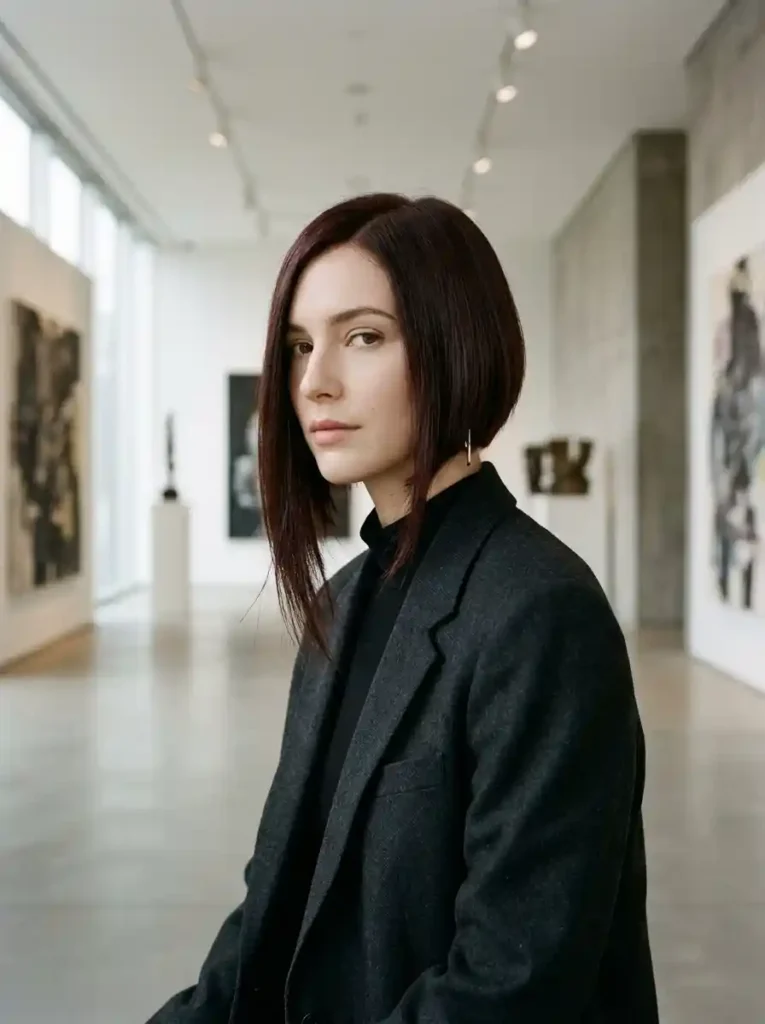
If you enjoy hairstyles that feel distinctive without relying on complicated styling, the asymmetrical bob deserves consideration. Its uneven lengths create visual interest and give a familiar bob a more contemporary personality. The contrast can be subtle, with only a small difference between the sides, or more noticeable for a stronger fashion-inspired finish. This cut works particularly well on straight or slightly wavy hair because the angled outline remains visible.
The most important step is choosing an asymmetry that complements your everyday styling habits. A dramatic side difference may need regular reshaping, especially if you wear your hair tucked behind one ear. Ask your stylist to show you the silhouette from the front and side before finalizing the length. A smoothing cream and quick blow-dry can help keep the longer section looking defined while maintaining a natural finish.
15. The Curly Layered Haircut

A curly layered haircut is designed to work with your natural curl pattern rather than forcing every section into one length. Carefully positioned layers help distribute volume throughout the hairstyle, reducing the heavy triangular shape that can develop when curly hair is cut without sufficient structure. The finished look can be rounded, slightly elongated, or more face-framing, depending on your curl type and preferred overall silhouette.
For the best results, choose a stylist who understands how curls shrink and change shape as they dry. Bring your hair in its natural state so the stylist can assess its pattern, density, and existing layers. At home, use a moisturizing leave-in conditioner followed by curl cream or gel to encourage definition. Dry with a diffuser on low heat or allow your curls to air-dry, avoiding unnecessary brushing that can disrupt their natural formation.
16. The Long Curtain Bangs Cut
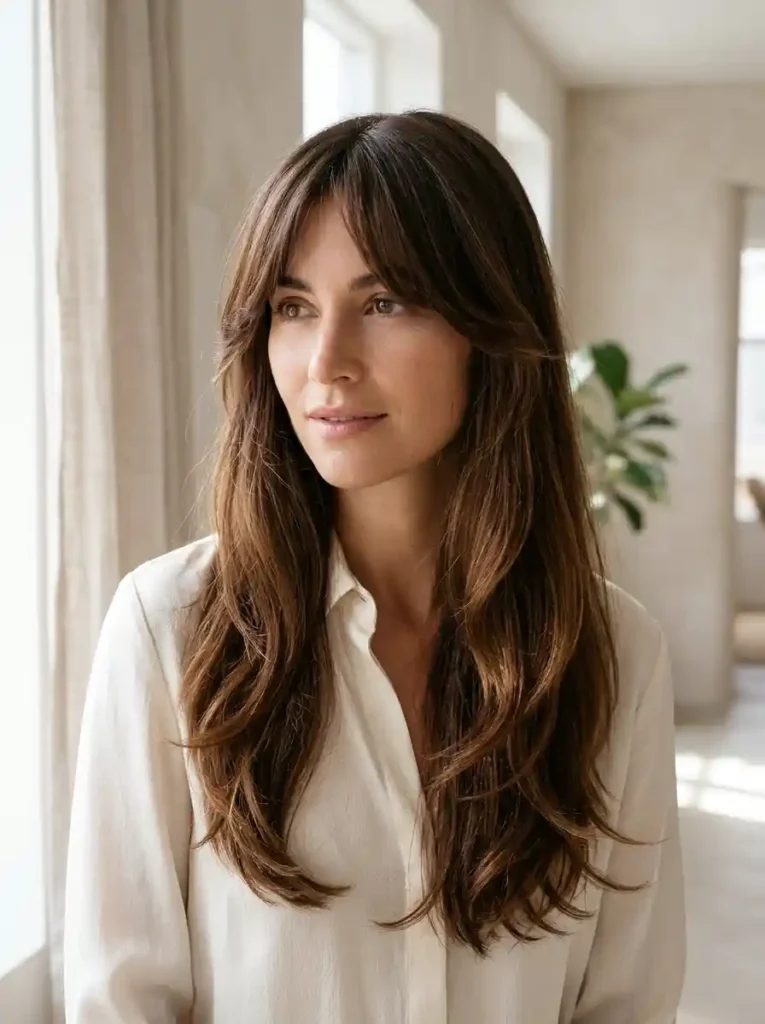
Long curtain bangs are a beautiful option if you want to change the appearance of your hairstyle while keeping most of your existing length. They frame the forehead and cheeks with two softly separated sections, creating a flattering transition into the rest of the hair. Unlike shorter bangs, they can be tucked behind the ears or blended into face-framing layers as they grow, offering considerable styling flexibility.
To maintain their shape, blow-dry the fringe immediately after washing before it has time to settle into its natural parting pattern. Use a medium round brush to guide each side away from the center, creating a gentle curved finish. Avoid making the shortest sections too short if you prefer a low-maintenance routine. Regular fringe trims can preserve the shape while allowing the longer lengths to remain untouched.
17. The Short Tapered Crop

A short tapered crop is a practical yet stylish haircut for anyone who enjoys a neat silhouette and minimal daily maintenance. The sides and nape are carefully shortened, while the top retains enough length to create texture and a little styling variation. This combination gives the haircut a balanced appearance that can feel sporty, elegant, or fashion-forward depending on how the upper sections are finished.
Although styling is relatively simple, the proportions deserve careful attention. Ask your stylist to choose a taper that complements your natural hairline and does not expose more of the scalp than you prefer. A little styling cream can add separation and definition to the top without making it look stiff. Because the sides grow out visibly, regular maintenance appointments will help preserve the clean shape and prevent the haircut from becoming uneven.
18. The U-Shaped Long Haircut

The U-shaped haircut is a lovely way to maintain long hair while giving the ends a more intentional appearance. Viewed from behind, the center section remains longer while the sides gradually curve upward, forming a gentle U outline. Unlike dramatic V-shaped cuts, this silhouette maintains a softer, fuller-looking perimeter. It is particularly useful for people who want some shape without sacrificing the appearance of overall hair density.
This haircut works beautifully on straight, wavy, and moderately thick hair. If your ends are already thin or damaged, ask your stylist to remove only the necessary amount of length to create a healthy outline. A lightweight hair oil can add shine and improve the appearance of the longer ends. The U shape also pairs nicely with subtle long layers, provided they are blended carefully and do not make the perimeter look sparse.
19. The Choppy Shoulder-Length Cut

A choppy shoulder-length haircut offers more personality than a traditional even-length style. The ends are intentionally textured, with varying lengths creating movement and a slightly undone finish. It is a good option if you find your current hairstyle too heavy or flat and want something that feels more relaxed. Medium-density hair often works particularly well because the layers provide definition without removing excessive fullness.
For styling, concentrate on creating separation rather than making every strand perfectly smooth. A small amount of texturizing cream applied to the ends can emphasize the haircut’s irregular finish. If your hair is naturally straight, use a curling wand to create a few loose bends instead of uniform curls. Be specific about how choppy you want the ends, since too much thinning can make the haircut difficult to grow out gracefully.
20. The Side-Swept Layered Haircut
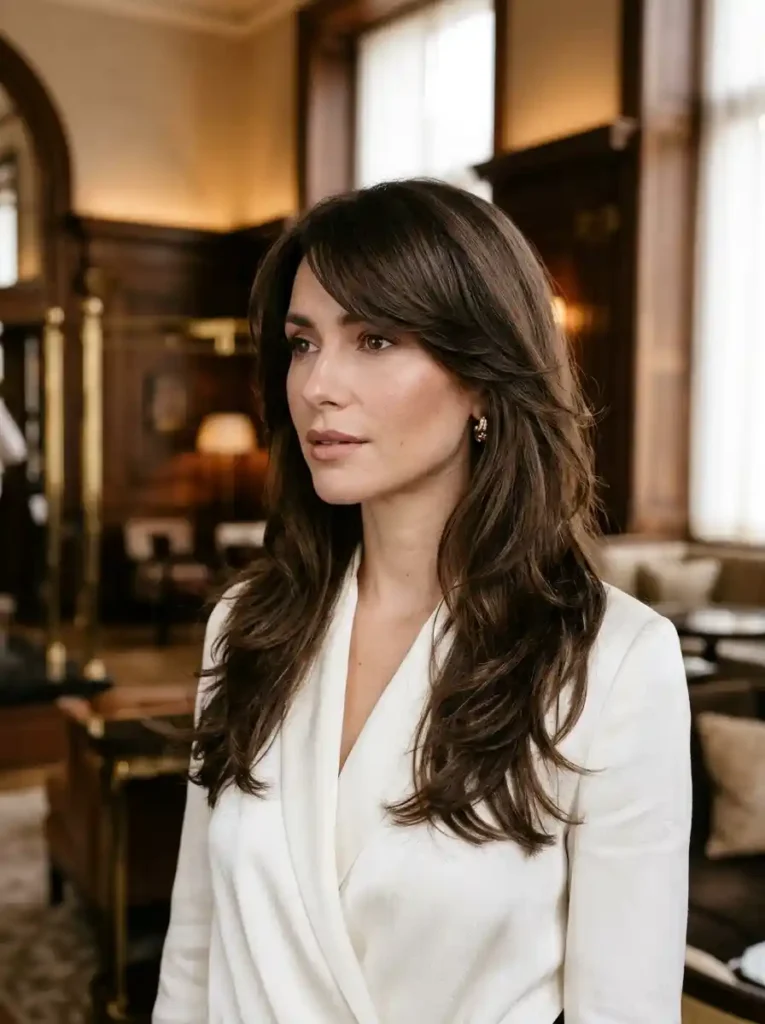
A side-swept layered haircut is a versatile option for anyone who wants movement around the face without committing to a full fringe. The diagonal front section creates an attractive focal point, while the surrounding layers help the hairstyle feel blended rather than disconnected. It works on different lengths, making it easy to adapt whether you currently have a shoulder-length cut or longer hair.
The style is especially useful if you like changing your parting occasionally. A deep side part can create additional crown volume, while a softer side part offers a more understated appearance. Blow-dry the front section using a round brush, directing it across your forehead and toward the opposite side. Ask for enough length to tuck the fringe behind your ear when desired, which makes everyday styling considerably more flexible.
21. The Graduated Bob

The graduated bob is a structured haircut that creates fullness through carefully stacked layers at the back of the head. The front can remain relatively long, producing a flattering transition from the shorter nape to the longer sides. This shape is particularly useful for people who want their hair to appear fuller at the back without choosing an extremely short overall length. It can also provide a polished alternative to a conventional bob.
The amount of graduation makes a significant difference to the finished look. Subtle stacking creates a gentle curve, while stronger graduation produces more noticeable volume and a rounded silhouette. Ask your stylist to assess your natural hair density before choosing the angle. For daily styling, use a round brush to lift the back sections while keeping the front smooth. Regular trims are important because the stacked layers can lose their definition as they grow.
22. The Soft Layered Butterfly Bob
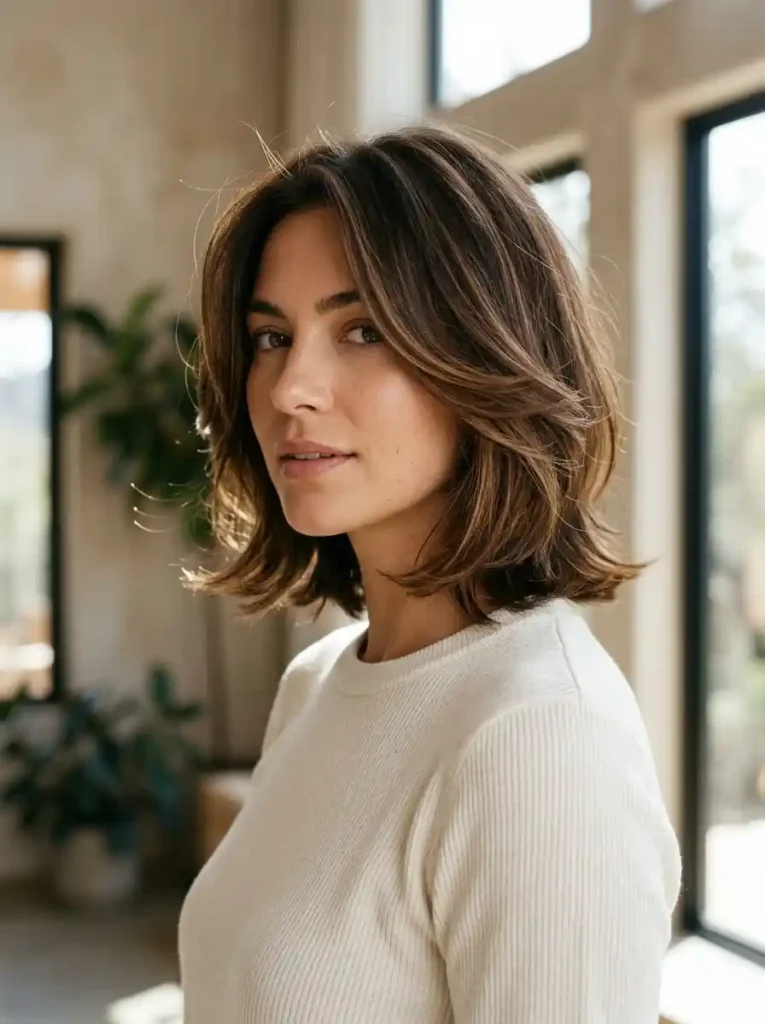
The butterfly bob combines the face-framing appeal of butterfly layers with the manageable length of a shorter bob. Its defining feature is the contrast between shorter front sections and longer layers that maintain movement around the back and sides. This creates a fuller, softly rounded appearance without making the haircut feel heavy. It is a particularly interesting choice if you love the butterfly haircut but want something easier to manage.
For the most flattering result, ask your stylist to preserve enough length around the back while shaping the front pieces to complement your cheekbones. This is especially important if you plan to wear your hair naturally rather than styling it with a blowout every day. A round brush can create additional lift around the face, while a lightweight texturizing spray keeps the layers separated. The haircut also grows out gracefully when the layers are blended rather than sharply disconnected.
Conclusion
Choosing a fresh haircut is about more than following the latest hairstyle trends. The best look is one that makes you feel confident while working naturally with your hair texture, face shape, and everyday routine. Whether you are drawn to a sophisticated Italian bob, playful wolf cut, beautiful butterfly layers, or a practical shoulder-length style, there are plenty of ways to refresh your appearance without choosing a haircut that feels difficult to maintain.
Before visiting your stylist, save a few inspiration pictures and think about the amount of length you are comfortable removing. Discuss your styling habits, desired maintenance schedule, and natural hair movement so your stylist can personalize the final shape. Remember, a beautiful haircut should look just as appealing during ordinary everyday moments as it does in salon photographs. Sometimes, a thoughtful change in length, layering, or fringe is all you need to fall in love with your hair again.