
Changing your hair color can be one of the easiest ways to refresh your personal style, whether you want a subtle change that catches the light or a bold shade that makes you feel like a completely different person. The best hair dye ideas do more than look beautiful in a photo; they also suit your natural coloring, complement your haircut, and fit the amount of maintenance you’re comfortable with.
From soft caramel ribbons and dimensional chocolate brown to dreamy pastel pink, fiery copper, and unexpected color combinations, there are so many ways to make your next hair transformation feel uniquely yours. You don’t have to commit to an all-over color to create something eye-catching, either. Strategic highlights, peekaboo panels, and face-framing pieces can make a noticeable difference while keeping your natural shade part of the look.
In this collection, you’ll discover 25 creative hair color ideas for different styles, personalities, and preferences. Each one includes inspiration for the finished look, along with practical considerations to help you discuss your options with a colorist. Whether you’re planning a salon appointment or simply saving ideas to your Pinterest boards, you’ll find plenty of possibilities worth exploring.
1. Rich Chocolate Brown With Caramel Highlights
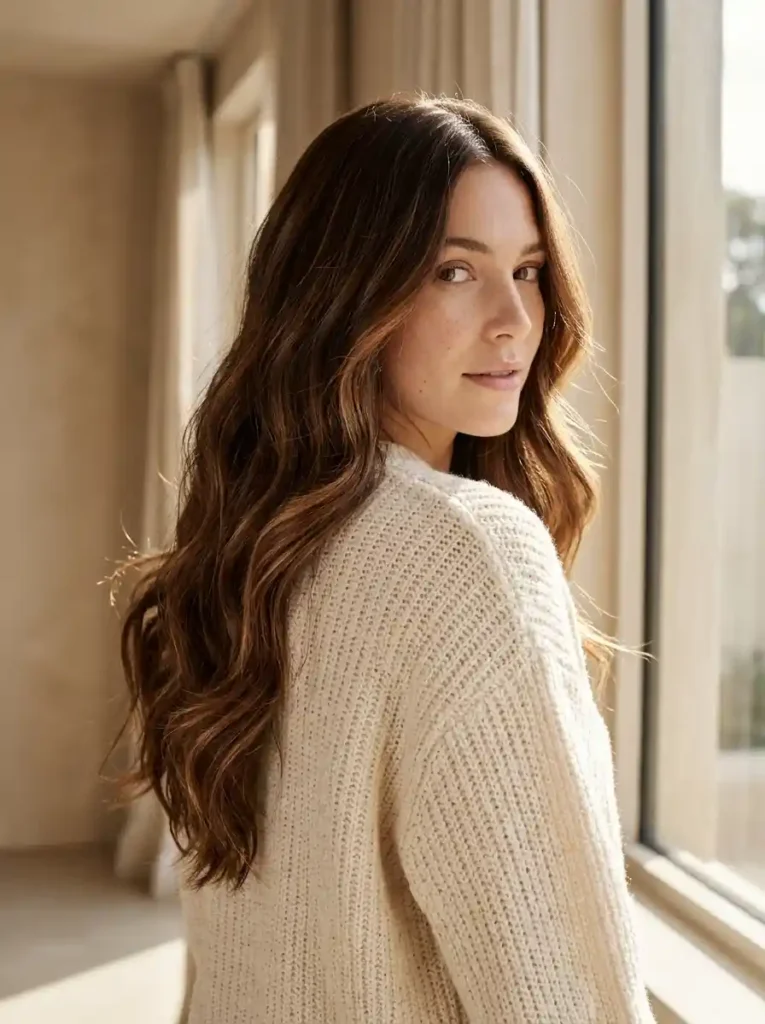
Rich chocolate brown with caramel highlights is a beautiful choice if you want dimension without moving too far from brunette territory. The deeper base keeps the overall color sophisticated, while caramel ribbons create warmth and movement whenever your hair catches the light. This combination works particularly well on long layers, loose curls, and shoulder-length cuts. Ask your colorist for blended highlights rather than thick, sharply defined streaks to achieve a natural, sunlit finish.
One advantage of this brunette hair color is its versatility. You can customize the caramel tones to look golden, honeyed, or slightly neutral depending on your preferences and natural coloring. Keep the highlights concentrated around the face and through the mid-lengths for a brighter effect without coloring every strand. Use a color-safe shampoo and a nourishing conditioner to preserve shine, and schedule touch-ups according to how noticeable your regrowth becomes.
2. Copper Red for a Fiery Transformation
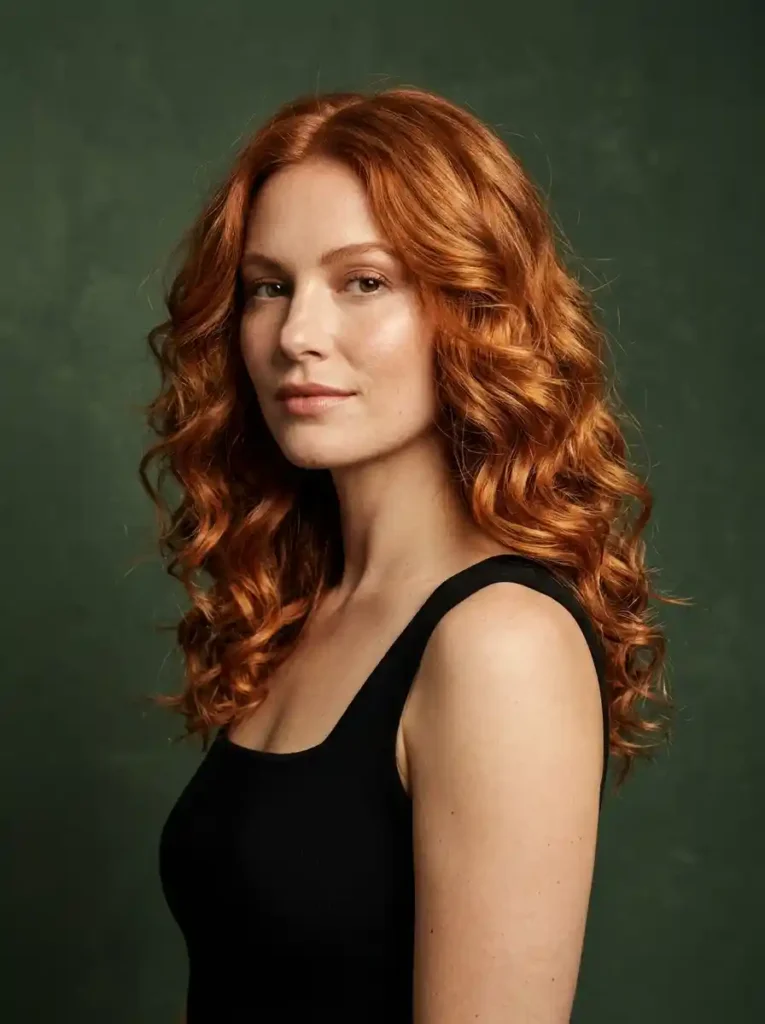
Copper red brings warmth and personality to a hairstyle without requiring an unconventional fashion color. Its mix of orange, gold, and reddish undertones can make layered cuts and natural waves look especially dimensional. If you’re nervous about going bright, ask for a softer copper auburn; if you prefer a more noticeable transformation, a vivid penny-copper shade offers plenty of impact. Your colorist can adjust the intensity and depth to complement your starting hair color.
Red and copper pigments can fade relatively quickly, so maintaining this look requires a little planning. Wash with lukewarm water and a color-safe shampoo, and avoid frequent clarifying treatments unless your stylist recommends them. A copper-depositing conditioner may help refresh the shade between appointments. Before committing, discuss whether your existing color needs lightening and how often you’ll need glossing services. Saving a few reference photographs can help your stylist distinguish the copper tone you love from brighter orange-red alternatives.
3. Soft Rose Gold Hair

Rose gold hair offers a delicate balance between blonde and pink, making it an appealing option for anyone who likes creative color but prefers a softer finish. The shade can lean peachy, champagne-toned, or muted pink depending on the formula. A sleek bob highlights its polished quality, while loose waves reveal the different tones more clearly. For the most predictable result, ask your colorist to assess your existing base before selecting the final rose-gold formula.
This shade usually looks most vibrant on a sufficiently light base, so darker hair may need a lightening session before the pink tones can show accurately. Because pastel pigments tend to wash out, plan for gentle cleansing and occasional color-refreshing treatments. Rose gold can also be introduced through balayage or face-framing pieces if you don’t want to color your entire head. If you’re experimenting for the first time, a temporary pink gloss can help you explore the look before making a longer commitment.
4. Honey Blonde Balayage
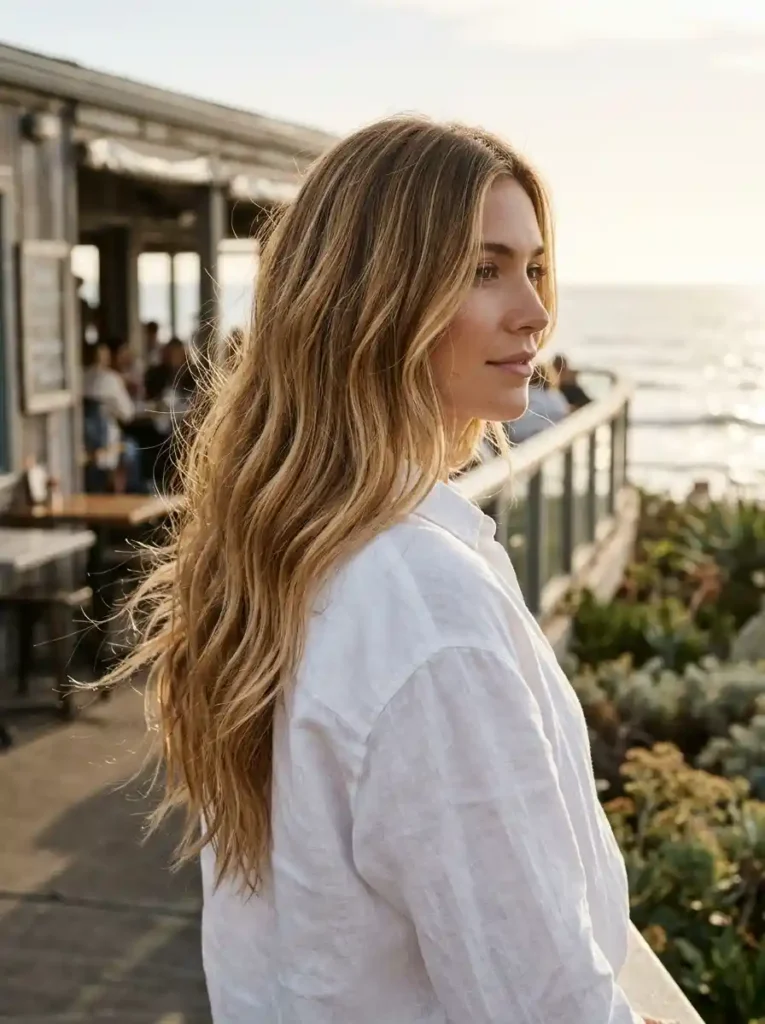
Honey-blonde balayage creates a softly illuminated look without the uniform appearance of traditional all-over blonde. The hand-painted color typically concentrates lighter pieces through the mid-lengths and ends, allowing the roots to remain closer to your natural shade. This makes the result particularly appealing if you want warmth, movement, and a more gradual grow-out. It looks lovely on long waves, textured lobs, and layered haircuts where the different shades can catch the light.
When choosing honey blonde, discuss how much warmth you want rather than simply asking for lighter hair. Golden honey tones can look rich and sunny, while a more neutral honey shade offers a quieter finish. Balayage often requires less frequent root maintenance than a solid blonde, although the lightened ends still need conditioning and occasional toning. Ask your stylist to preserve some depth between the highlights, especially if you want your hair to look dimensional instead of uniformly yellow or pale.
5. Midnight Blue-Black Hair
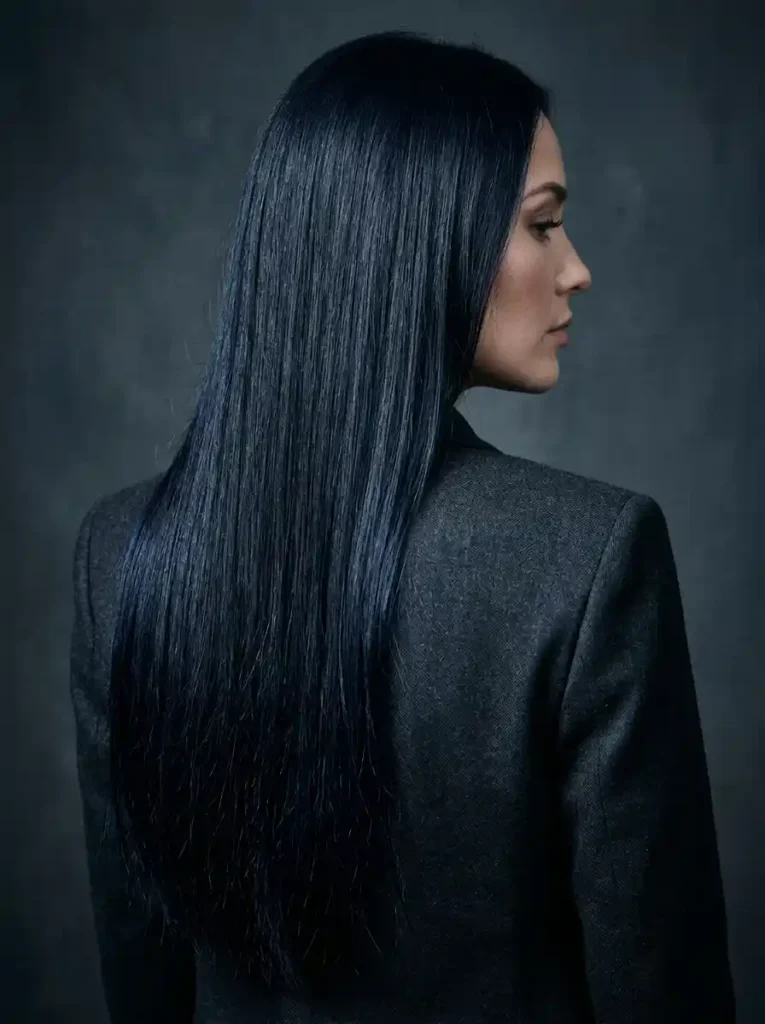
Midnight blue-black is ideal if you love dark hair but want something more distinctive than standard black. The base remains almost black indoors, while blue reflections become visible under brighter lighting. This makes the shade dramatic without being overtly colorful. It suits sleek bobs, long straight styles, and polished curls, although the final effect depends on your starting color and the formula your colorist chooses.
Before applying blue-black dye, think carefully about future color changes. Dark permanent pigments can be difficult to remove, especially if you later decide to become blonde or try a pastel shade. If you want to experiment without a long-term commitment, ask about a demi-permanent gloss or a blue-black tint that gradually softens. To maintain the reflective finish, use gentle cleansing products, limit excessive heat styling, and apply a lightweight shine serum sparingly through the lengths rather than directly onto the roots.
6. Peekaboo Purple Underneath
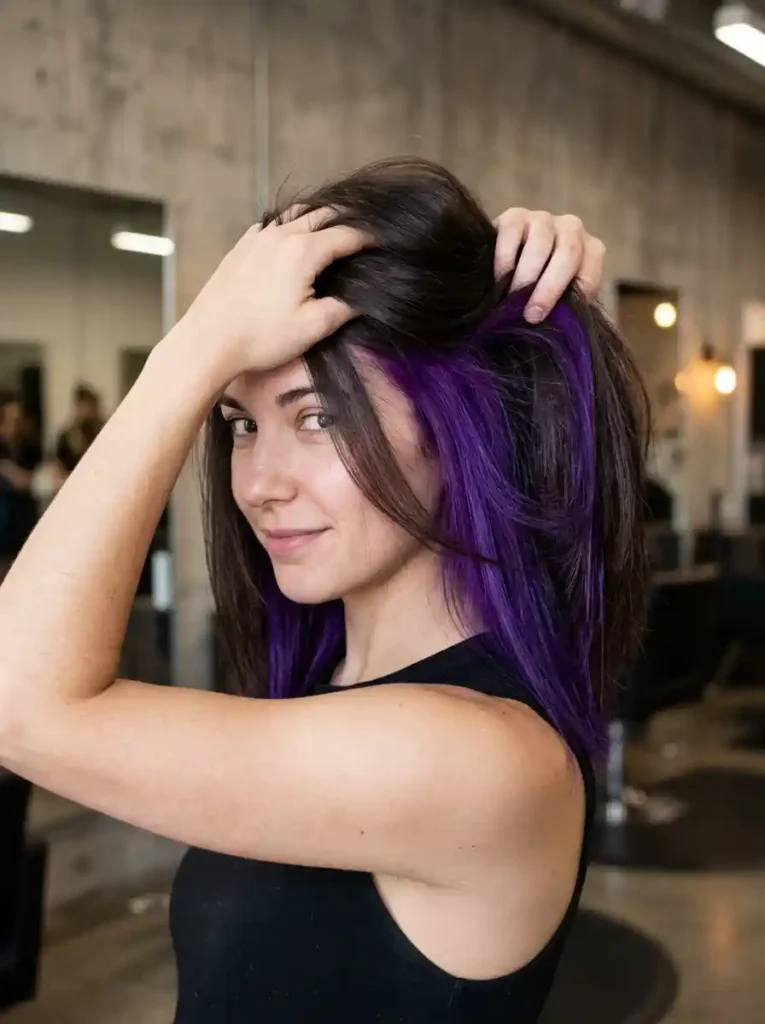
Peekaboo purple is a clever way to introduce fantasy color while keeping most of your hairstyle understated. The vivid sections sit beneath the top layer, appearing when you tuck your hair behind your ear, tie it up, or move your head. Deep violet works beautifully against dark brown or black hair, while brighter purple can create stronger contrast on lighter bases. This technique is especially appealing if your workplace or everyday wardrobe favors more conventional styling.
Placement matters more than simply choosing a purple shade. Ask your stylist to position the colored panels where they will be visible in your usual hairstyles, particularly around the sides and lower back of the head. Dark hair may require pre-lightening for a vivid violet result, which can affect maintenance and hair condition. Since the color is partially concealed, you can experiment with creative tones without committing to a full-head transformation. Use color-safe products to help the purple remain saturated between appointments.
7. Icy Platinum Blonde
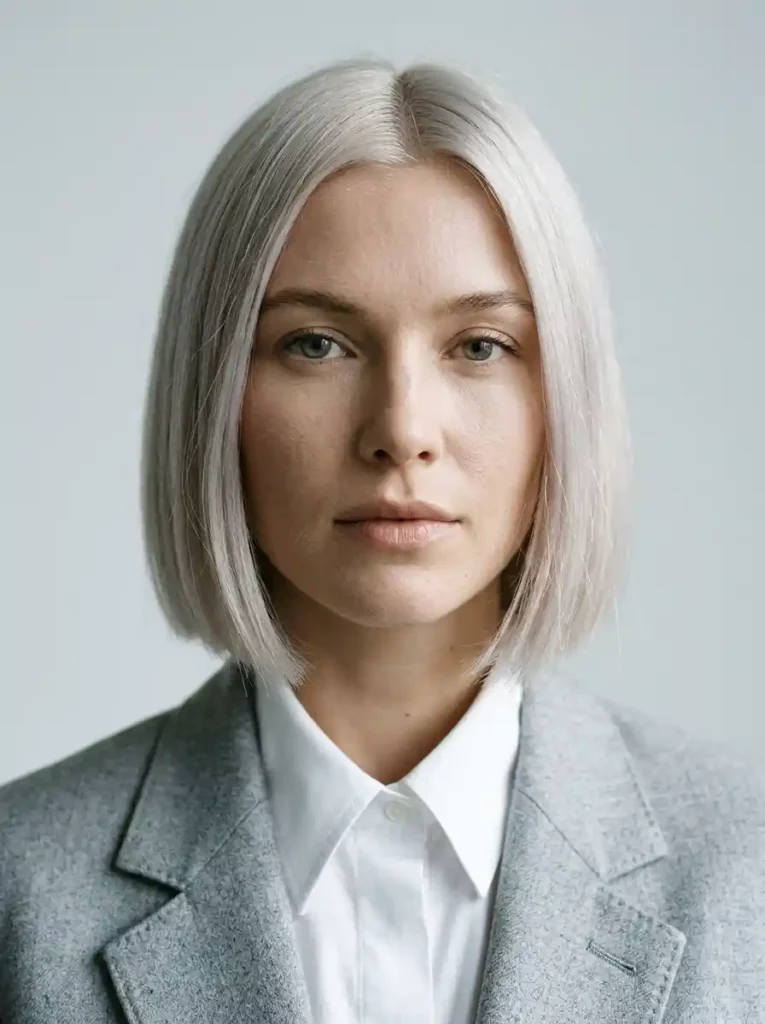
Icy platinum blonde makes a striking statement because its pale, cool finish emphasizes the shape and movement of a haircut. A blunt bob looks especially graphic in this shade, while longer hair creates a softer, almost luminous effect. Platinum can range from creamy ivory to near-white silver, so bring reference photographs to clarify the exact undertone you prefer. Your natural base color, previous dye history, and hair condition will determine how achievable the desired result is.
Reaching platinum often requires substantial lightening, particularly if your hair is naturally dark or previously colored. Multiple sessions may be safer than trying to achieve a dramatic transformation in one appointment. Ask about a strand test and realistic maintenance expectations before beginning. Root regrowth becomes visible relatively quickly with a pale all-over shade, and purple shampoo may help counter unwanted yellow tones when used appropriately. Deep conditioning, heat protection, and regular professional assessments are important for keeping lightened hair manageable.
8. Burgundy Wine Hair
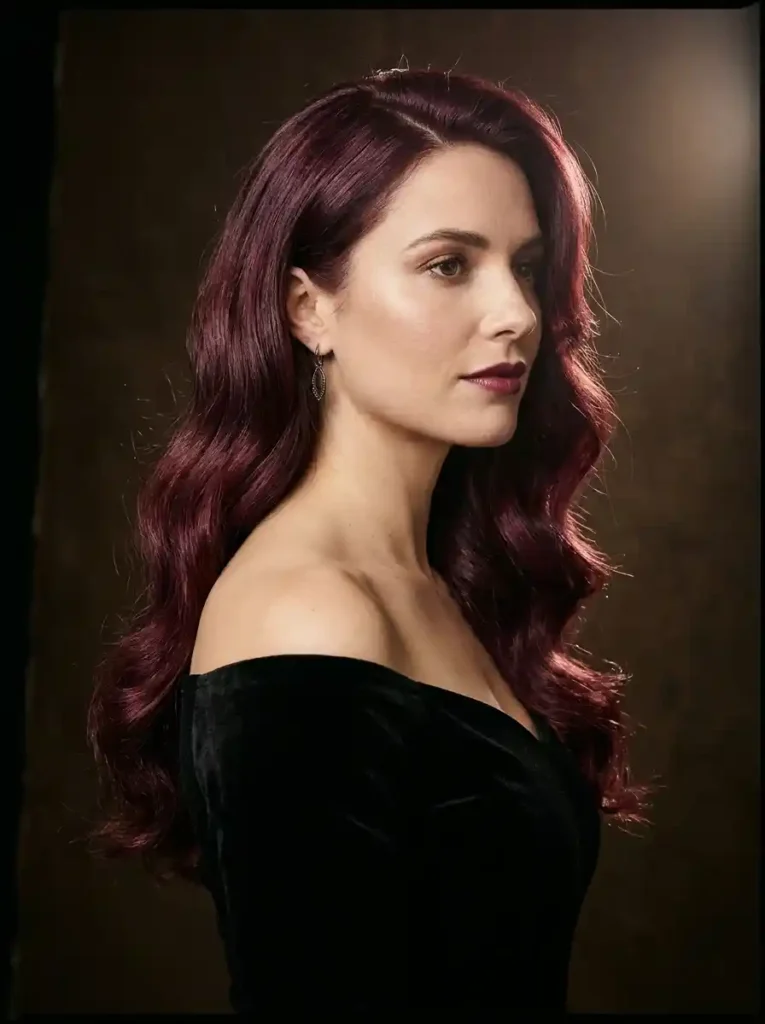
Burgundy wine hair is a rich option for anyone who wants a noticeable color change without choosing a bright, unconventional shade. Its deep red and violet undertones create a luxurious finish that can appear almost brunette in low light and more berry-toned in sunlight. The color pairs beautifully with long waves, layered cuts, and sleek shoulder-length hairstyles. Depending on your preference, you can choose a subtle burgundy glaze or a more saturated merlot finish.
The starting hair color influences how vibrant burgundy will appear. A darker base may produce a subtle red reflection, while a lighter base can show more obvious berry tones. If you want to avoid a dramatic commitment, ask for a gloss or demi-permanent option before choosing permanent dye. Red-violet pigments can fade unevenly if hair is washed frequently, so gentle cleansing and occasional salon refreshes help maintain the depth. Burgundy also works well as a seasonal change without requiring a completely different haircut.
9. Peach Pastel Hair
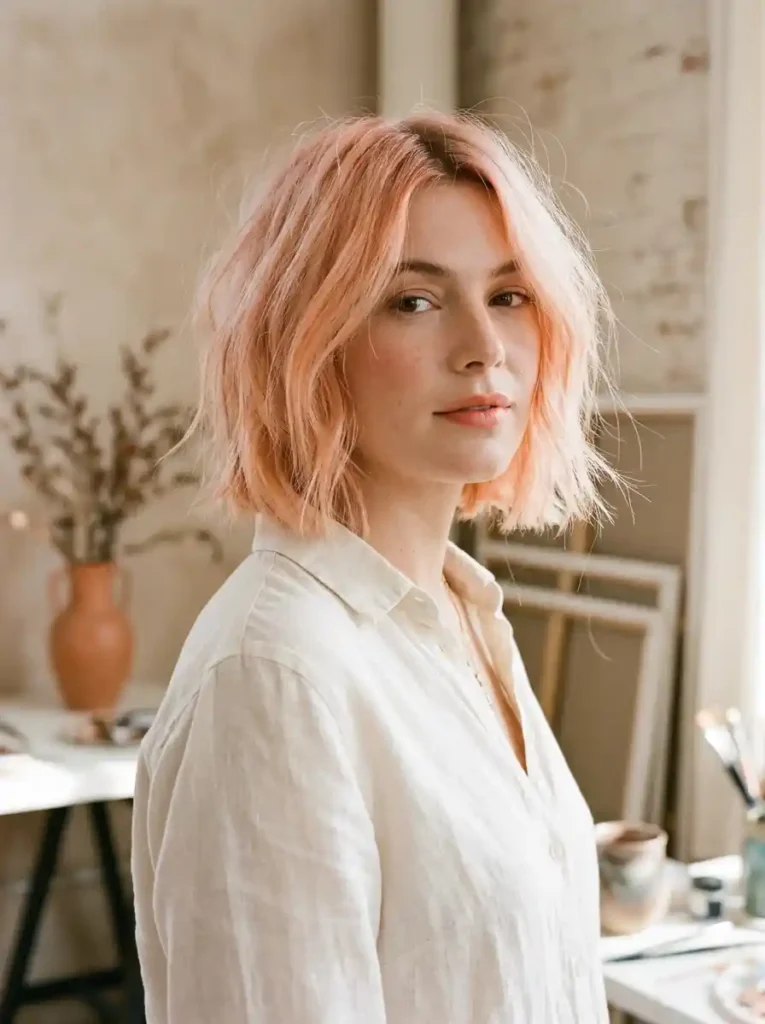
Pastel peach is a playful alternative to traditional blonde or pink. Its gentle mix of apricot and coral creates warmth without the intensity of a vivid orange. The shade looks especially charming on short bobs, airy layers, and soft curls, where its delicate color variations remain visible. If you prefer a subtle effect, peach can be applied to selected sections or blended into a blonde base instead of covering your entire head.
Achieving a clean pastel usually requires a light blonde canvas, meaning darker hair may need professional lightening first. Because pastel pigments are relatively delicate, expect the shade to soften with washing and sun exposure. A color-depositing conditioner formulated for peach tones may help extend the result, but test it carefully to avoid unwanted orange patches. Before booking, ask your stylist whether your hair can tolerate the required lightening and whether a peach gloss over existing blonde would provide a gentler introduction to creative color.
10. Mushroom Brown With Cool Ash Tones
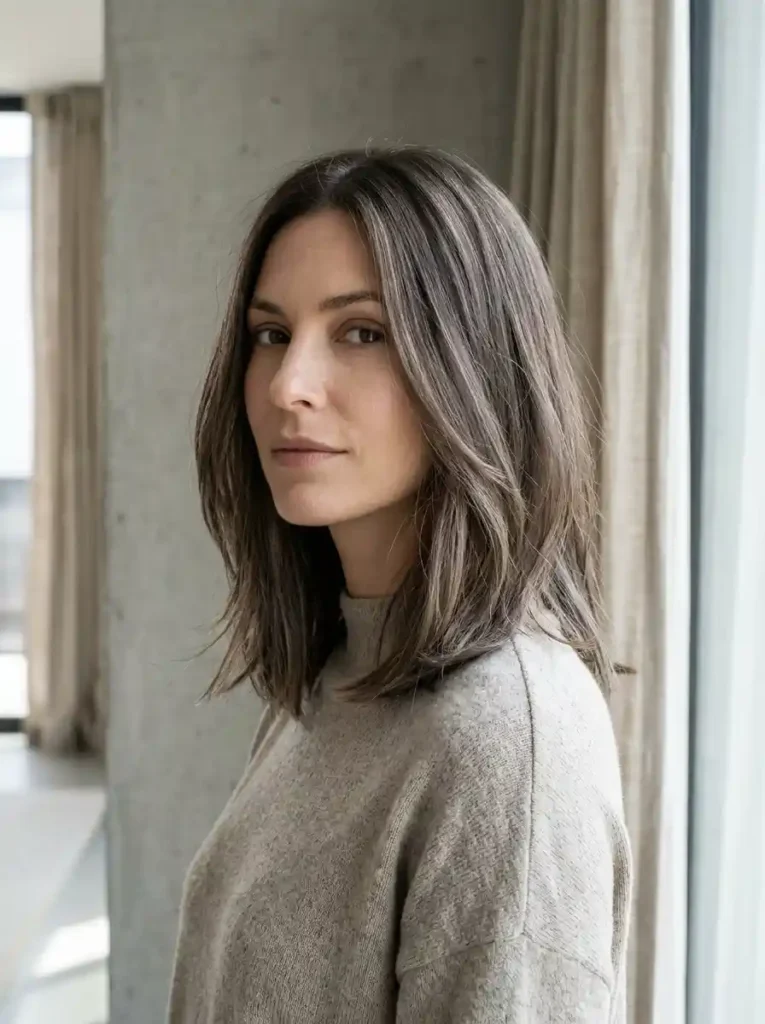
Mushroom brown is a sophisticated option for anyone who prefers cooler brunette shades over golden or reddish tones. Its mixture of taupe, beige, and ash creates a muted, multidimensional result that feels modern without looking overly dramatic. The shade works well on medium-length layers, long curtain bangs, and softly textured bobs. If you already have brown hair, your stylist may be able to create the effect with strategic highlights and toning rather than a complete color transformation.
The key to mushroom brown is keeping the color balanced rather than excessively gray. Your natural undertones and existing color will influence how the ash tones develop, so ask your colorist to assess your hair in natural light. Cool shades may require occasional toning as warmth becomes visible over time. Use a moisturizing conditioner after highlighting, and avoid overusing purple or blue shampoo, which can make the result look dull. A few brighter taupe ribbons around the face can add dimension without losing the smoky brunette character.
11. Cherry Cola Hair
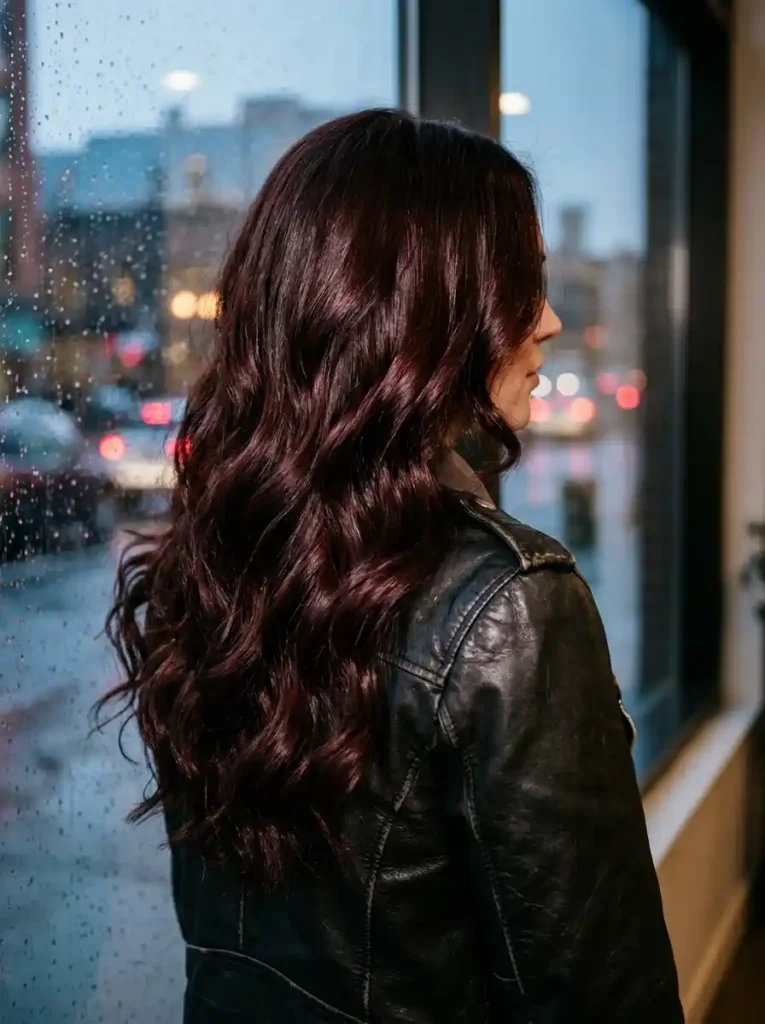
Cherry cola hair blends the richness of dark brown with a subtle red glow, making it a great choice if you want color that feels noticeable without appearing extremely bright. The shade can look like a sophisticated brunette indoors, then reveal cherry and burgundy tones when sunlight or warm lighting hits the hair. It suits glossy waves, long layers, and blunt bobs. Ask for a balanced red-brown formula if you want depth rather than a vivid cherry-red result.
This color is particularly appealing for brunettes who want to experiment with red without moving immediately into copper or bright crimson. Your stylist can adjust the red intensity to suit your existing base, although previously colored hair may need additional planning. To maintain the reflective finish, minimize excessive heat and use products designed for color-treated hair. A tinted gloss can refresh fading red tones between full appointments. If you prefer a low-maintenance approach, keeping the roots darker creates a softer grow-out and preserves the overall depth.
12. Money-Piece Blonde Highlights
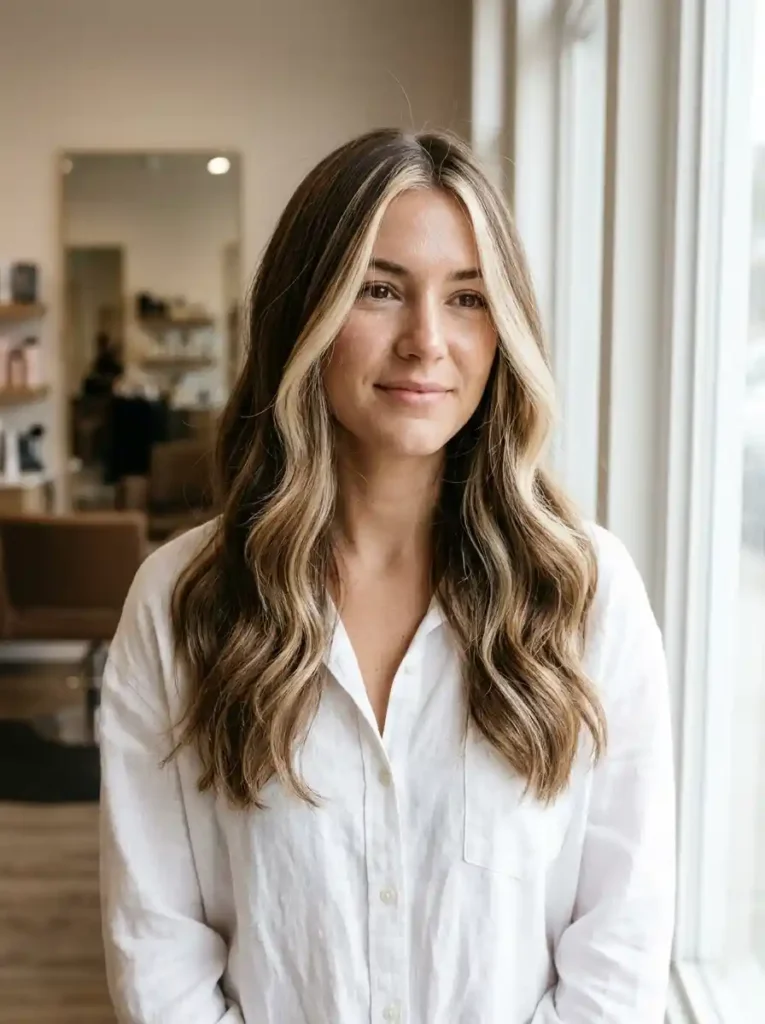
Money-piece highlights brighten the hairline with lighter sections that frame the face, creating a noticeable change without requiring a full head of highlights. The contrast can be soft and blended or deliberately bold, depending on how wide and light the front pieces are. This technique works across many hair lengths, from shoulder-grazing lobs to long layered styles. For a wearable everyday look, ask your stylist to blend the lighter strands into a few finer highlights around the crown.
Placement is essential because the front sections are among the most visible parts of your hairstyle. If you wear your hair tied back often, explain that to your colorist so the highlights still look intentional when pulled into a ponytail. Darker hair may need pre-lightening to reach a creamy blonde, and the lightened pieces can require extra conditioning. You can also choose beige, caramel, or honey tones instead of icy blonde to soften the contrast. Regular toning helps keep the front pieces from becoming too warm.
13. Emerald Green Hair

Emerald green hair offers a bold, jewel-toned alternative to conventional brunette, blonde, and red shades. Its saturated color creates a striking visual effect, especially when paired with a simple haircut that lets the color take center stage. A shoulder-length wave pattern shows off the shade’s reflective quality, while a dark root blend adds depth and makes regrowth less obvious. If full-head green feels too adventurous, consider colored ends or a concealed panel underneath your natural shade.
Vivid green generally shows most accurately on a lightened base, although darker hair can support more subtle green-black reflections. Your colorist should consider your existing dye history before selecting a lightening process, particularly if your hair has previously been colored red or copper. Fashion shades can transfer onto light fabrics when wet, so dry your hair thoroughly and use a dark towel during early washes. A color-depositing conditioner may help preserve the saturation. Before choosing emerald, ask about fading patterns and whether the shade may become more teal or muted over time.
14. Bronde: The Perfect Blonde-Brunette Blend
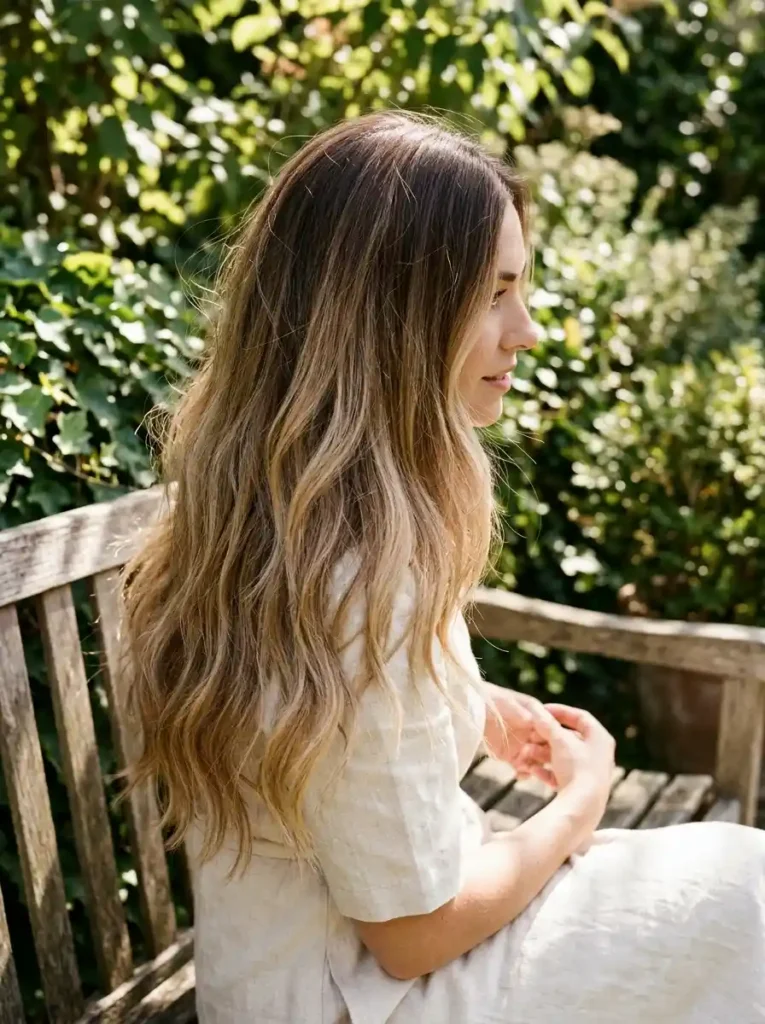
Bronde combines brunette depth with blonde brightness, creating a balanced result for people who cannot decide between staying dark and going lighter. Rather than relying on one uniform shade, it uses a mixture of brown, beige, and blonde tones to give the hair a naturally dimensional appearance. The technique suits long waves, layered cuts, and shoulder-length styles. It can be customized toward a cooler beige finish or a warmer golden result, depending on your preferences and existing hair color.
One of bronde’s biggest practical advantages is that it can be designed around your natural roots, helping the color grow out more softly than an all-over blonde. Ask your stylist to preserve depth near the scalp and distribute lighter pieces through the mid-lengths. If you already have brunette hair, a partial highlighting session may be enough to achieve the look gradually. Maintain the lighter sections with regular conditioning and occasional glossing, rather than assuming every visit requires another full round of highlights.
15. Silver Gray Hair
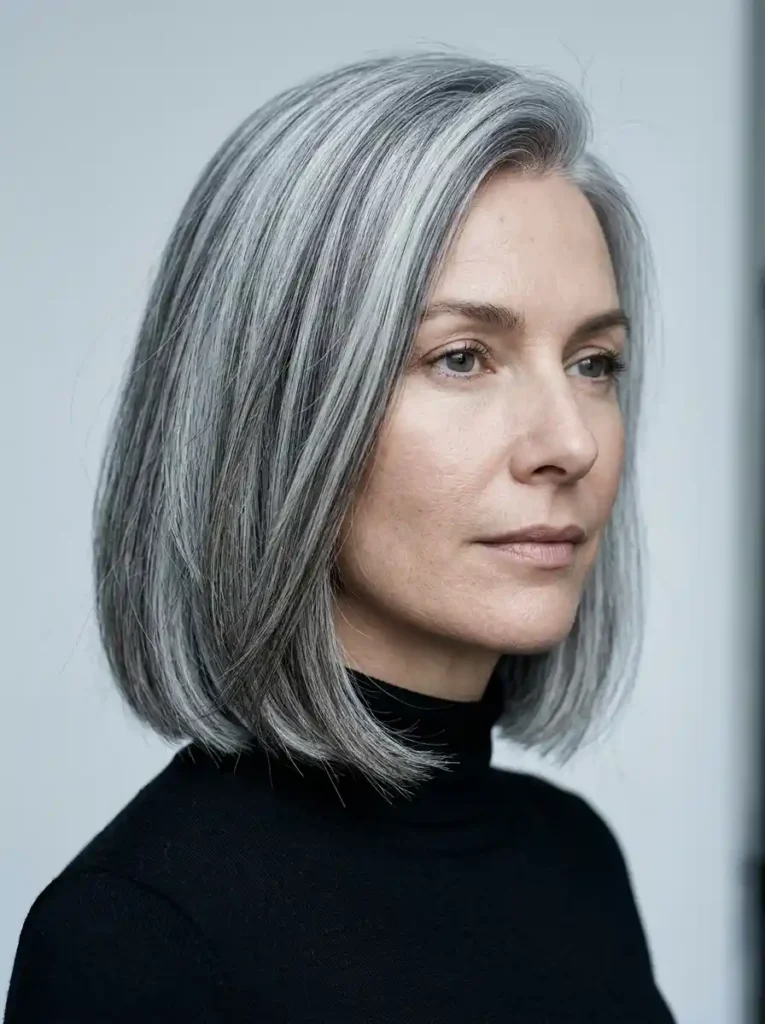
Silver-gray hair can look elegant, contemporary, and surprisingly versatile when the shade is balanced with enough depth. A short bob highlights the precision of the cut, while longer silver layers create flowing movement. You can choose a bright metallic silver, a softer pewter gray, or a charcoal-rooted blend for a more dimensional result. If you are transitioning from naturally gray hair, strategic toning or highlights may create a cohesive silver effect without completely covering your existing color.
Achieving artificial silver often involves extensive lightening, especially when starting with dark or previously dyed hair. Your stylist may recommend several sessions to protect the integrity of the hair rather than pursuing the lightest possible result immediately. Silver tones can lose their cool appearance as they fade, so occasional toning and gentle cleansing are useful. If your natural hair is already gray, ask whether a clear gloss or targeted highlights could provide enough shine and contrast. A realistic maintenance plan matters more than achieving a perfect silver in one appointment.
16. Lavender Lilac Hair

Lavender lilac is a dreamy choice for anyone drawn to pastel hair colors but looking for something cooler than pink or peach. Its soft violet tones can feel delicate and understated, especially when paired with a textured shag or loose waves. A silvery lavender finish creates a cool, airy effect, while a deeper lilac shade gives the hair more visible color. If you want a less dramatic change, try lavender highlights on a blonde base instead of coloring every strand.
Most pastel lavender formulas require a light blonde starting point for the color to appear clean rather than muddy. Ask your colorist whether your current hair can be lightened safely and how the shade is likely to fade. Depending on the formula, lavender may gradually become pale pink, silvery beige, or a softer purple. Wash less frequently when practical and use products formulated for colored hair. A professional color-refreshing treatment can restore the violet tone without repeating the entire lightening process.
17. Golden Blonde With Strawberry Undertones
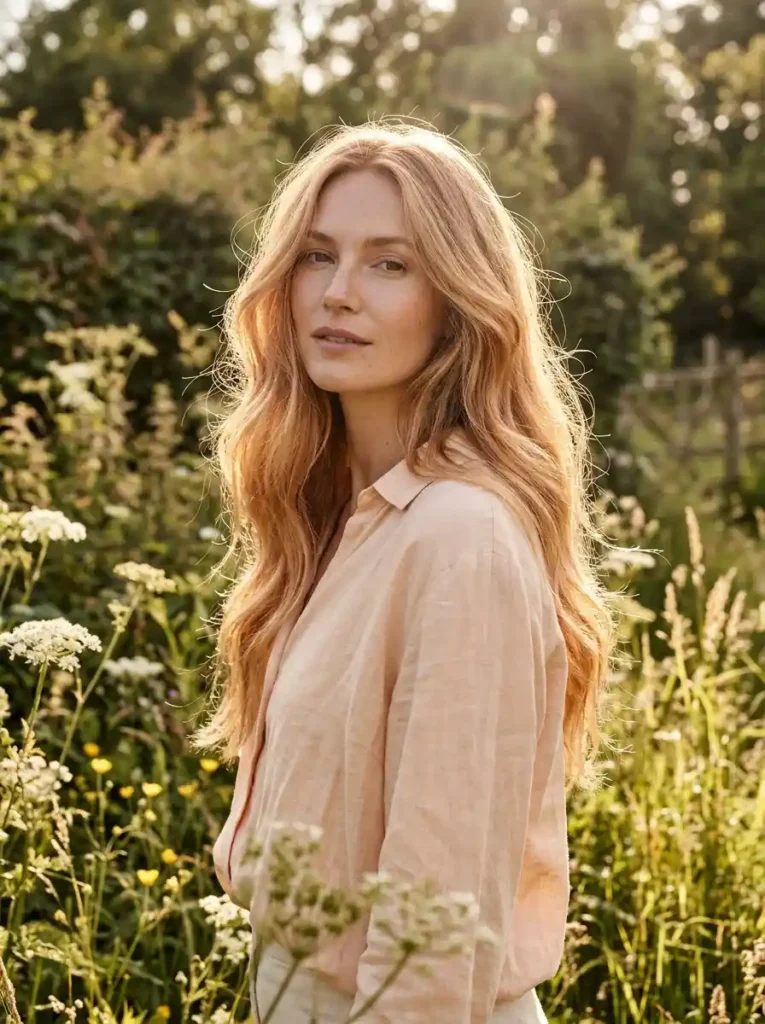
Strawberry-kissed golden blonde is an attractive middle ground between classic blonde and copper. The golden base keeps the look bright, while gentle pink-red undertones add warmth and individuality. Unlike a vivid strawberry-red transformation, this version can remain subtle enough for everyday styling. It works especially well on long layers, curtain bangs, and soft waves, which reveal the mixture of tones as the hair moves. Ask your stylist for a strawberry gloss if you want warmth without strong red pigmentation.
This color can often be adapted to existing blonde hair with a carefully chosen gloss, although darker hair may require lightening first. Because red-toned pigments can fade faster than some blonde tones, your strawberry finish may become more golden over time. A color-depositing conditioner can help maintain the rosy undertone between salon appointments. When selecting a reference photo, look closely at whether you prefer peachy gold, muted strawberry, or a more obvious copper-blonde result. These subtle differences can significantly change the finished appearance.
18. Split-Dye Hair: Half Black, Half Pink
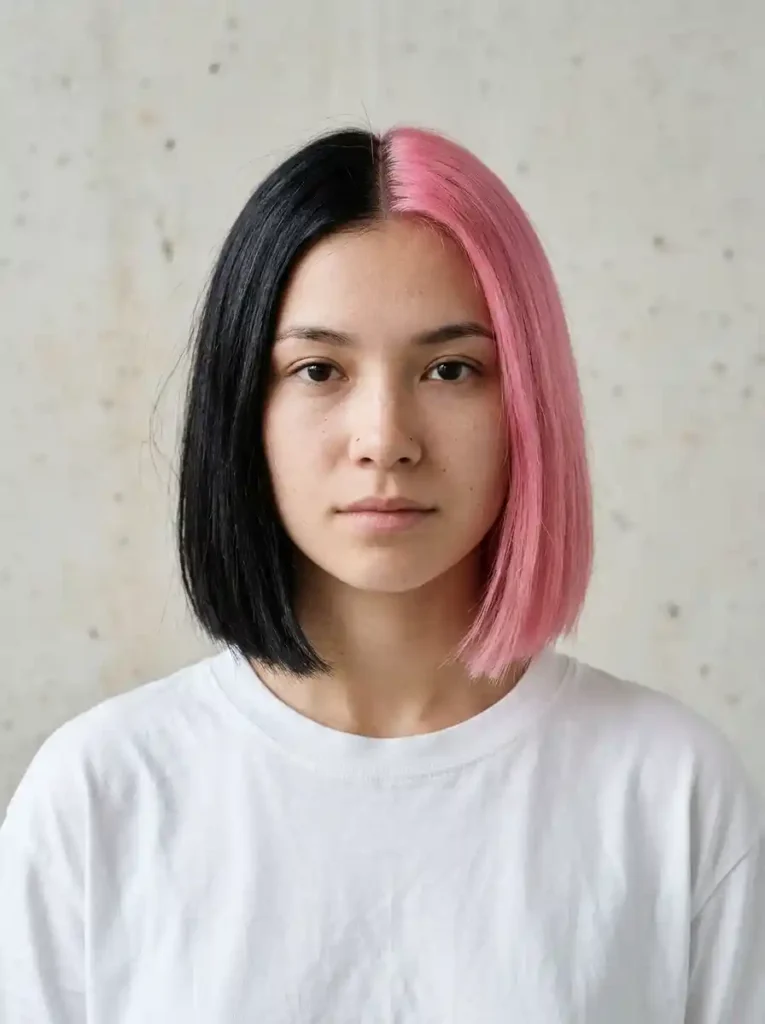
Split-dye hair is perfect for someone who wants two contrasting colors to become the defining feature of their look. Combining black and pink creates a strong graphic effect, while the precise center part makes the contrast easy to see in photographs. A blunt bob gives the style a deliberate, polished finish, although long straight hair can create an equally dramatic result. You can personalize the concept with other pairings, such as brown and copper, blonde and violet, or black and emerald.
Because the two sides require different color treatments, split dye works best with careful sectioning and a clear plan for maintenance. The pink side may need lightening, while the black side might require a darker permanent or semi-permanent formula. Ask your stylist how they will prevent the colors from bleeding into one another during washing. Use separate color-depositing products where appropriate, and rinse with care. If you prefer a softer version, choose a muted rose paired with dark brown rather than a high-contrast bubblegum pink.
19. Toffee Brown With Golden Ribbons

Toffee brown offers a warm, inviting alternative to very dark brunette hair, with golden ribbons adding depth without overwhelming the base color. The combination is particularly flattering on layered hairstyles because the lighter pieces emphasize movement and texture. Unlike chunky highlights, fine ribbons create a more blended finish that can look natural as the hair grows. Ask your stylist to vary the placement and brightness of the highlights so the final result has dimension rather than a uniform golden cast.
This shade can be tailored to suit both naturally brown hair and hair that has already been colored. If your hair is dark, subtle toffee ribbons may be more realistic than attempting a much lighter golden blonde in one appointment. A gloss can help unify the different tones and improve the overall finish. To keep the warm brown from looking brassy, discuss the right balance of golden and neutral pigments with your colorist. Conditioning treatments and heat protection are particularly useful if the ribbons require lightening.
20. Smoky Blue Hair

Smoky blue hair provides a creative alternative to bright electric blue, using muted slate and denim tones for a more understated finish. The shade works beautifully with textured lobs, shag cuts, and layered styles because the movement reveals different levels of blue and gray. Dark roots can make the color feel more grounded and reduce the visibility of regrowth. If you want an especially subtle effect, ask for a smoky blue balayage rather than applying the color from roots to ends.
The finished shade depends heavily on your starting color. A lightened base generally allows smoky blue pigments to appear more clearly, while dark hair may show only a subdued blue reflection. Ask your stylist about how the formula will fade, since some blue shades can shift toward greenish or gray tones over time. Use color-safe shampoo and minimize frequent washing to help preserve the intended hue. If you’re unsure about committing, try a temporary color treatment or a few blue panels before choosing a full-head application.
21. Natural Black With Subtle Espresso Balayage
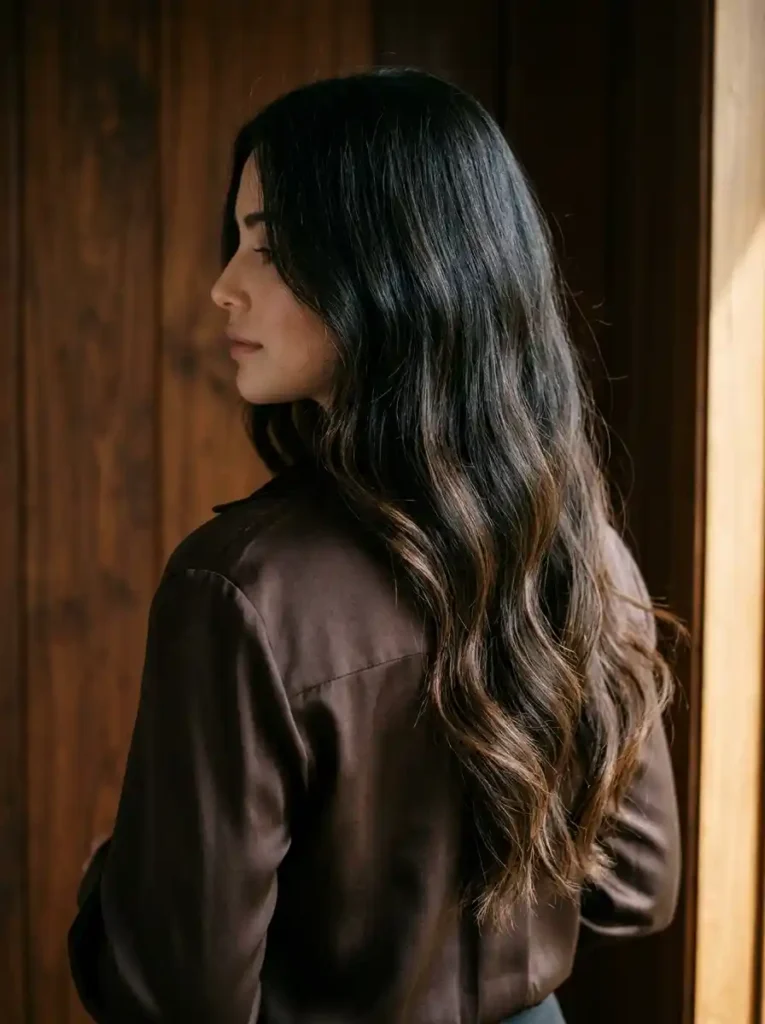
If you love dark hair but want more dimension, espresso balayage adds subtle brown ribbons without changing the overall depth dramatically. The contrast is deliberately restrained, creating movement that becomes more noticeable in sunlight or under warm indoor lighting. This makes the technique suitable for people who prefer understated hair color rather than obvious highlights. It looks especially elegant on long waves, layered cuts, and thick hair, where the different shades can be distributed throughout the lengths.
Ask your colorist to keep the lighter pieces close to your natural black or espresso tone if you want a believable, low-contrast result. Depending on your hair history, the stylist may use gentle lightening or a color technique that works with your existing shade. Because the balayage starts away from the roots, regrowth can be relatively easy to manage. Focus your maintenance routine on keeping the lengths moisturized and glossy, and consider an occasional brunette gloss if the lighter ribbons become too warm or faded.
22. Neon Pink for a Bold Statement
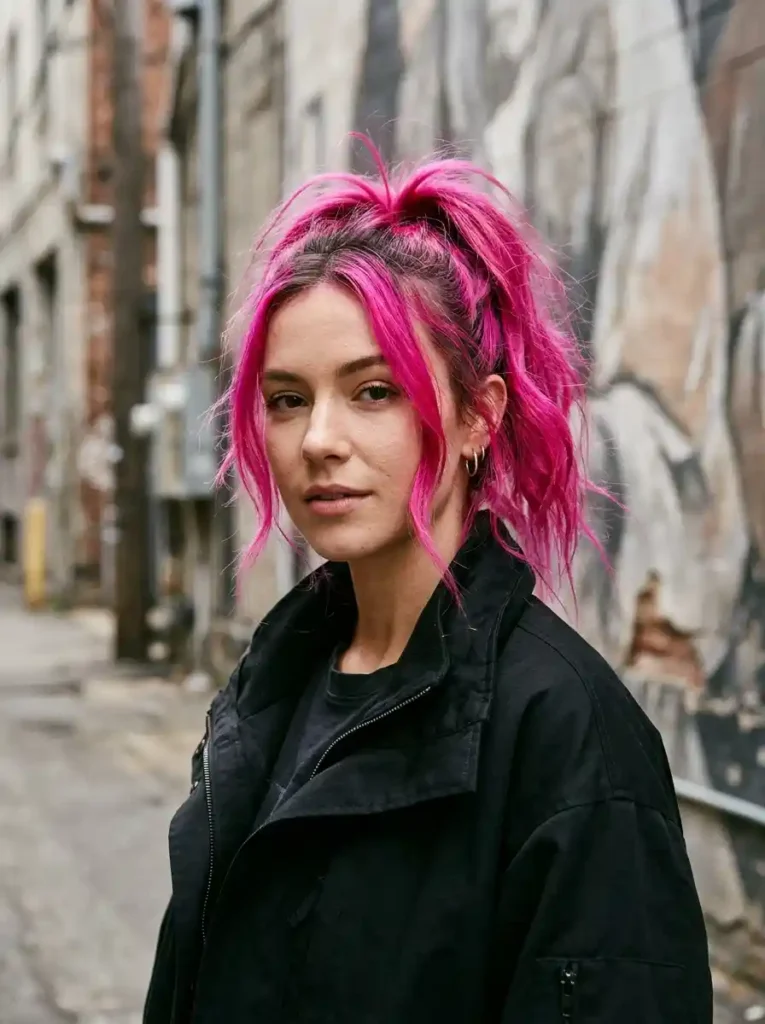
Neon pink is a confident choice for anyone who wants their hair color to become the centerpiece of their personal style. The vivid magenta shade looks striking in a ponytail, on a sharp bob, or across long, straight lengths. Darker roots can add depth, while a uniform bright finish creates a more graphic effect. If you’re drawn to statement color but uncertain about a full transformation, try neon-pink money pieces or a concealed underlayer first.
For a saturated result, neon pink usually needs a sufficiently light base, which may require professional bleaching on naturally dark hair. Discuss your hair’s condition before scheduling a major lightening session, and ask about the likely fading pattern. Bright pink can transfer onto towels, pillowcases, and light clothing while wet, so take extra care during the first few washes. A color-depositing conditioner can extend the vivid effect between appointments. If you enjoy changing shades frequently, consider a semi-permanent formula rather than a permanent commitment.
23. Mocha Brown With Beige Highlights

Mocha brown with beige highlights is a balanced choice for anyone who wants a refined brunette color with noticeable but restrained dimension. The mocha base creates richness, while beige ribbons brighten the lengths without the strong golden appearance of traditional caramel highlights. This combination works especially well on shoulder-length layers, long bobs, and softly curled hairstyles. It can also be customized with more neutral or slightly cooler beige tones to suit the finish you prefer.
For the most natural result, ask your colorist to vary the thickness and placement of the highlights rather than making every section equally bright. This keeps the color from looking striped and allows the mocha base to remain visually dominant. Beige highlights may need occasional toning if unwanted warmth appears, particularly after repeated washing or sun exposure. Use a nourishing conditioner and heat protection to preserve the smooth finish. If your hair is already brown, a partial highlighting appointment can create dimension without requiring a complete color overhaul.
24. Rainbow Peekaboo Hair
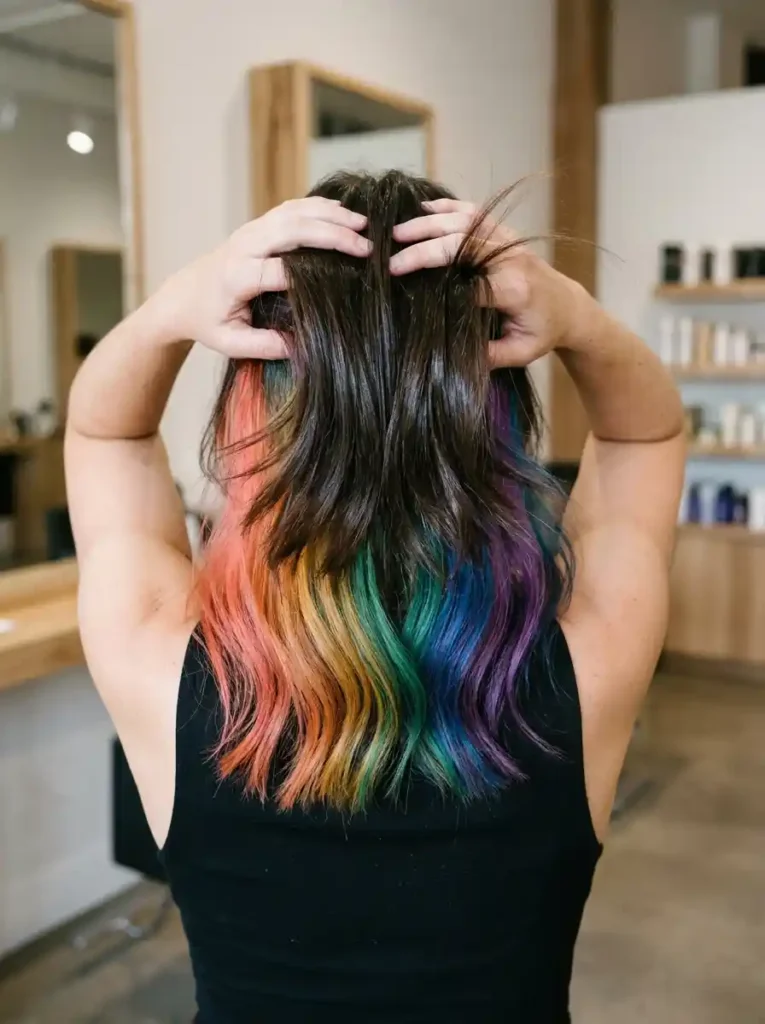
Rainbow peekaboo hair brings multiple fantasy shades into one hairstyle while allowing your natural color to remain visible on top. Hidden panels can incorporate a complete rainbow or a smaller palette of complementary colors, depending on how bold you want the result to be. The colors become visible when you braid your hair, create an updo, or lift the upper layers. This makes the style appealing to creative personalities who want versatility without committing to a fully rainbow-colored head.
A rainbow effect requires thoughtful planning because different pigments may fade at different rates. Your colorist should select the placement, lightening level, and order of application carefully to keep the colors distinct. Darker hair may need pre-lightening, and maintaining several bright shades can involve more upkeep than a single fashion color. Ask for a realistic refresh schedule before choosing the full rainbow. To simplify maintenance, use fewer colors in a coordinated palette, such as pink, purple, and blue, rather than six separate shades.
25. Root Melt Blonde With Soft Shadow Roots
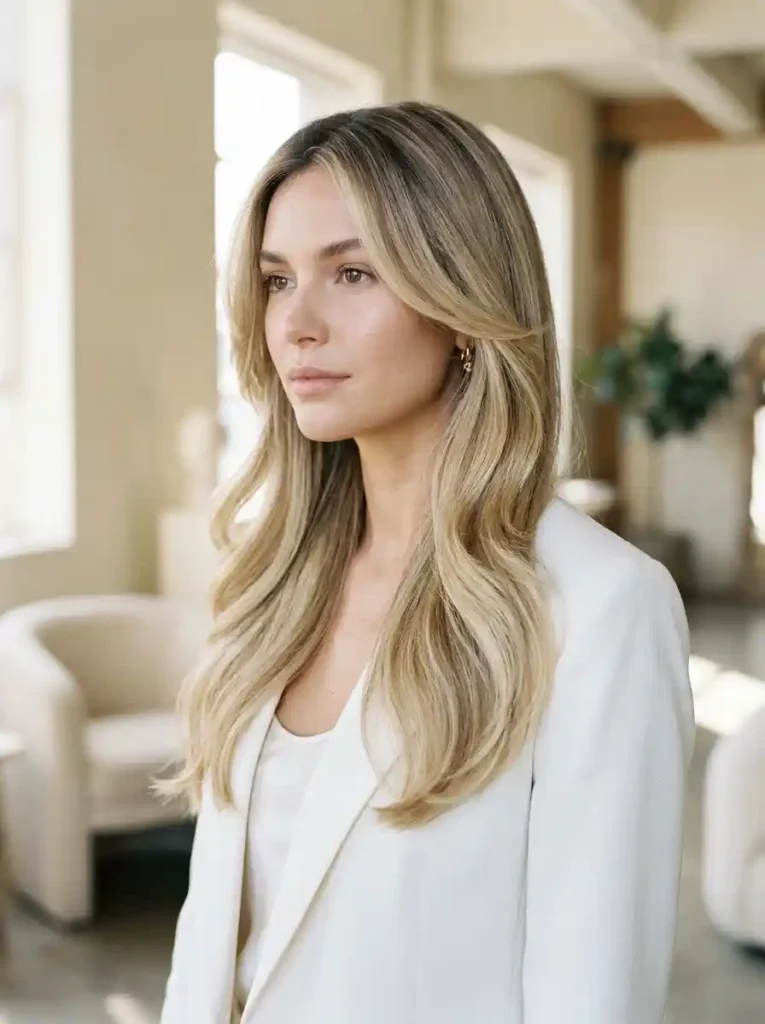
Root-melt blonde is a practical choice if you love lighter hair but dislike the sharp regrowth line that can appear with traditional all-over blonde. The technique blends a deeper root shade gradually into lighter lengths, creating a soft transition rather than an obvious boundary. It works beautifully on long waves, shoulder-length cuts, and layered hairstyles. Your colorist can customize the depth of the shadow root to match your natural color or create a slightly deeper contrast for a more dimensional finish.
The main advantage is that regrowth tends to look more blended, although maintenance still depends on how light the ends are and how quickly your roots grow. Ask for a root melt that complements your natural base instead of choosing an unnecessarily dark shade. Beige, creamy, and cool blonde lengths can all work with this technique. Use purple shampoo only when needed to manage unwanted yellow tones, and prioritize conditioning for the lightened sections. Regular gloss appointments can refresh the blonde without requiring a complete root-to-end coloring service.
Conclusion
The best hair color is the one that makes you feel comfortable, confident, and excited to see your reflection. Whether you’re drawn to the subtle warmth of caramel balayage, the richness of cherry cola, the softness of rose gold, or the bold contrast of split-dye hair, there’s no single formula for creating a beautiful transformation. Your natural hair color, haircut, personal style, and maintenance preferences can all help guide your decision.
Before booking your appointment, save two or three inspiration photos and identify the details you love most, such as the tone, brightness, placement, or contrast. Ask your stylist what is realistically achievable with your current hair and whether the process requires lightening or multiple sessions. If you’re unsure, start with highlights, a gloss, or a temporary fashion shade.
Your next look doesn’t have to be a dramatic change. Sometimes, a few thoughtfully placed highlights or a fresh brunette tone are all you need to make your hairstyle feel new again.


