
A pixie cut can be playful, polished, edgy, or effortlessly chic, depending on how you choose to wear it. Whether you’re ready for a dramatic haircut or simply looking for inspiration to refresh your current short hairstyle, the right pixie can make getting dressed and styling your hair feel exciting again. The secret is finding a version that complements your features, fits your lifestyle, and gives you the look you genuinely love.
From soft, textured layers and elegant side-swept bangs to bold undercuts and sophisticated silver pixies, there are more ways to wear short hair than you might expect. Small details, including the length around your ears, the shape of your fringe, and the amount of volume at the crown, can completely change the final result.
Ahead, you’ll discover 22 trendy pixie hair ideas, each with its own personality and styling possibilities. You’ll also find practical tips to help you discuss your preferred look with your hairstylist, understand the upkeep involved, and decide which cut deserves a place on your inspiration board. Save your favorites, compare the silhouettes, and find a pixie that feels like you.
1. Classic French Pixie Cut
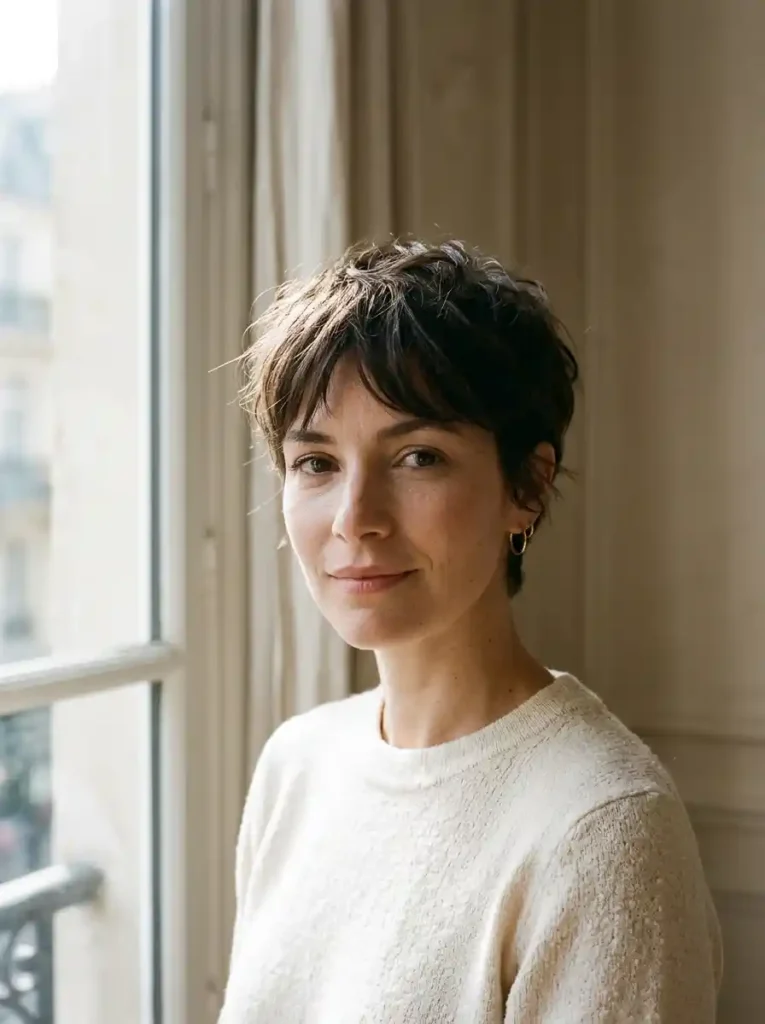
The classic French pixie is ideal if you love understated elegance with a little personality. Its short sides, softly shaped nape, and wispy fringe create a relaxed silhouette that looks intentional without feeling overly styled. The cut works particularly well for straight or slightly wavy hair, although a stylist can adapt the layers for different textures. Ask for a shape that follows your head naturally rather than relying on heavy product or excessive thinning.
For everyday styling, work a pea-sized amount of lightweight styling cream through towel-dried hair, then use your fingers to direct the fringe slightly across your forehead. Let a few pieces fall naturally instead of creating a perfectly uniform finish. This haircut pairs beautifully with simple jewelry, tailored jackets, and casual knitwear. Schedule trims roughly every four to six weeks if you want to maintain the crisp outline and prevent the nape from becoming bulky.
2. Textured Pixie with Choppy Layers
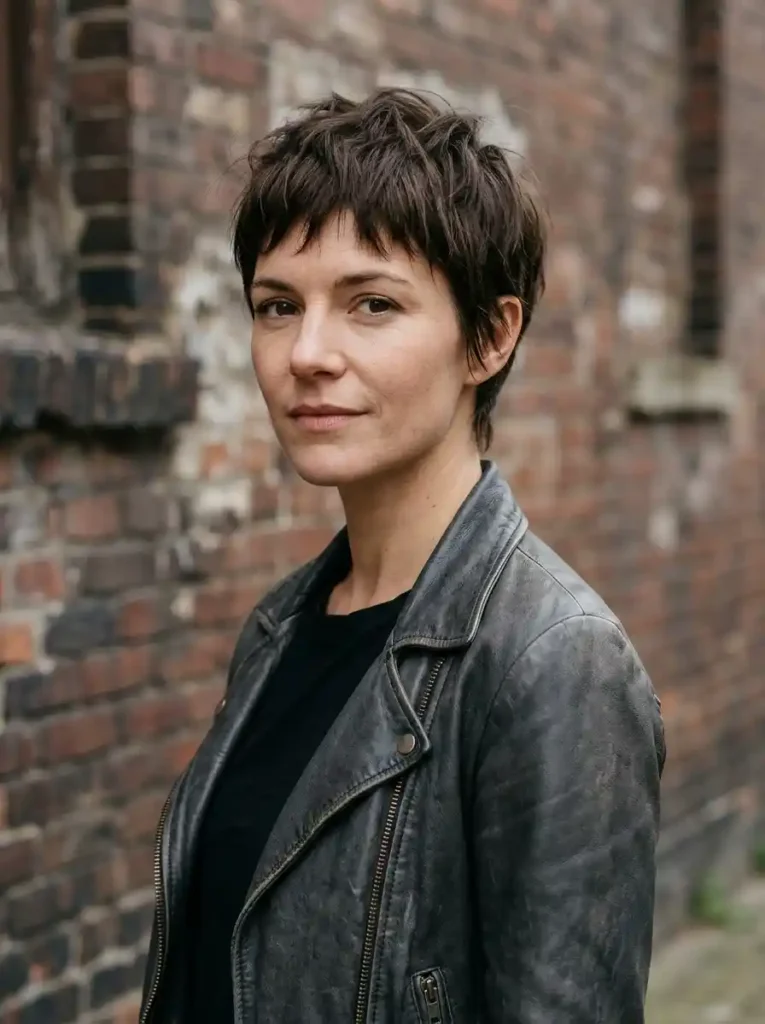
Choppy layers give a pixie cut movement and definition without requiring extra length. The stylist cuts varied pieces through the crown and fringe, creating a deliberately imperfect finish that feels modern rather than rigid. This option is especially appealing for fine to medium hair because strategic layering can create the impression of fullness. If your hair is very thick, ask for carefully placed internal texture instead of excessive thinning, which can leave the ends looking sparse or difficult to control.
To style the cut, distribute a small amount of matte paste through dry hair and pinch selected sections between your fingertips. Lift the crown gently while allowing the fringe to fall in its natural direction. Avoid applying too much wax near the roots, since heavy product can flatten the texture you want to highlight. The finished look works with denim, leather, oversized shirts, or minimalist clothing, making it a useful choice if you enjoy casual outfits with a little edge.
3. Long Pixie with Side-Swept Bangs
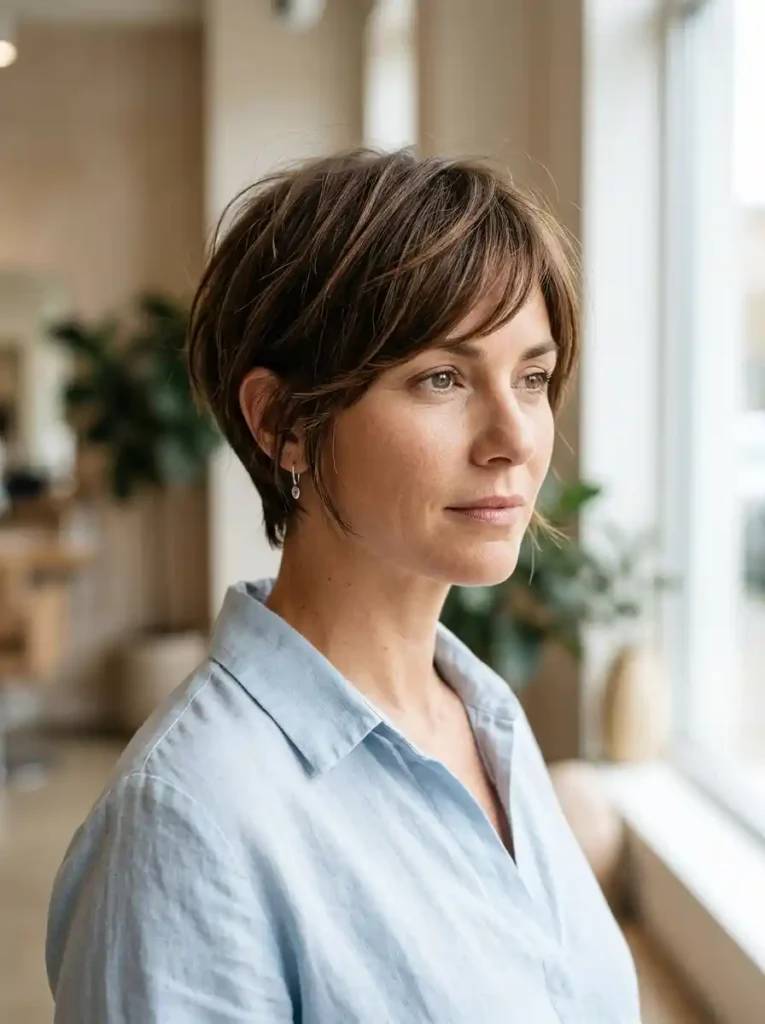
A long pixie with side-swept bangs offers a gentle transition into short hair because the front retains enough length to frame the face. The diagonal fringe introduces movement and can visually soften a strong forehead or angular features, depending on how the stylist shapes it. It is a versatile option for straight and wavy hair, especially if you prefer a feminine silhouette without committing to a very cropped fringe. Bring reference photographs showing your preferred bang length and side profile.
Styling is straightforward when the fringe is cut to work with your natural part. Blow-dry the front section across your forehead using a small round brush, directing the roots for lift rather than pulling the hair completely flat. A light smoothing cream can control flyaways while preserving movement. This style is particularly convenient if you occasionally tuck one side behind your ear or want enough length to pin back the front. Keep the fringe trimmed between full haircuts so it doesn’t obstruct your vision.
4. Undercut Pixie with a Bold Finish
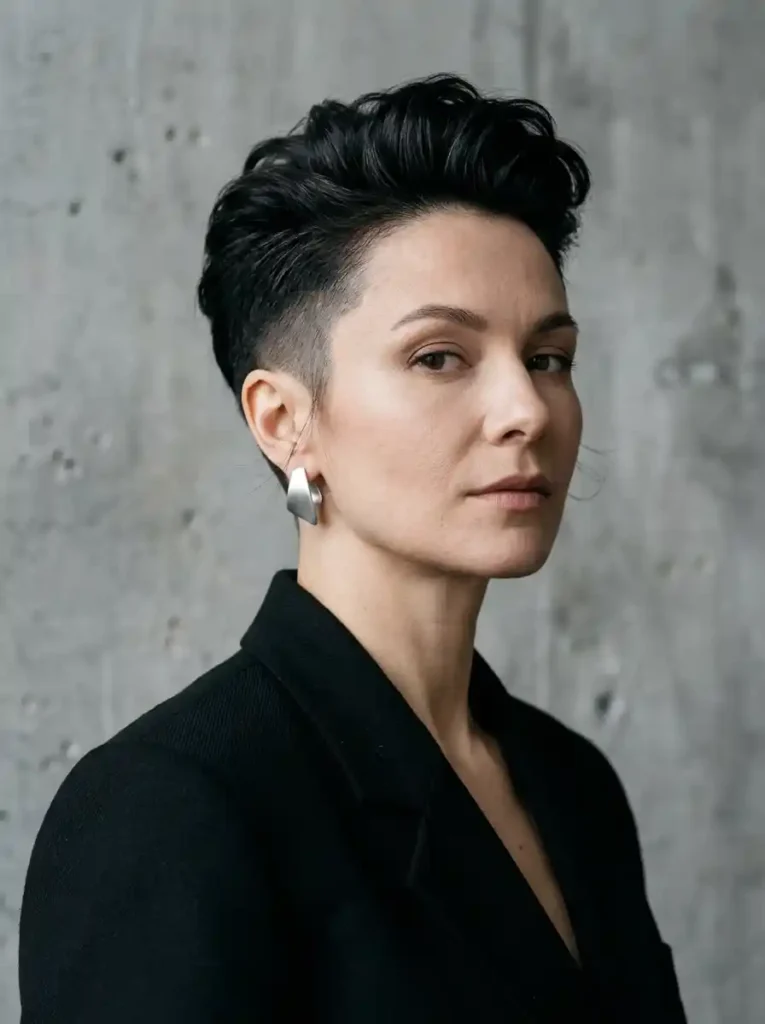
An undercut pixie creates a striking contrast between closely cropped sides and a longer top. It suits anyone who enjoys a confident, architectural haircut and wants less bulk around the ears and nape. The top can remain softly textured or be shaped into a more dramatic sweep, depending on your preferences. Before committing, discuss how short the clipped sections should be and whether you want the undercut visible from every angle or concealed beneath longer hair.
The main styling advantage is that you can change the top without changing the sides. Use a blow-dryer to create lift, then apply a flexible styling paste for definition or a small amount of pomade for a sleeker finish. Clippers usually need more frequent attention than longer pixie shapes, often every two to four weeks to preserve the contrast. If you want to grow the haircut out later, ask your stylist to plan the transition before removing too much length at the crown.
5. Soft Curly Pixie Cut
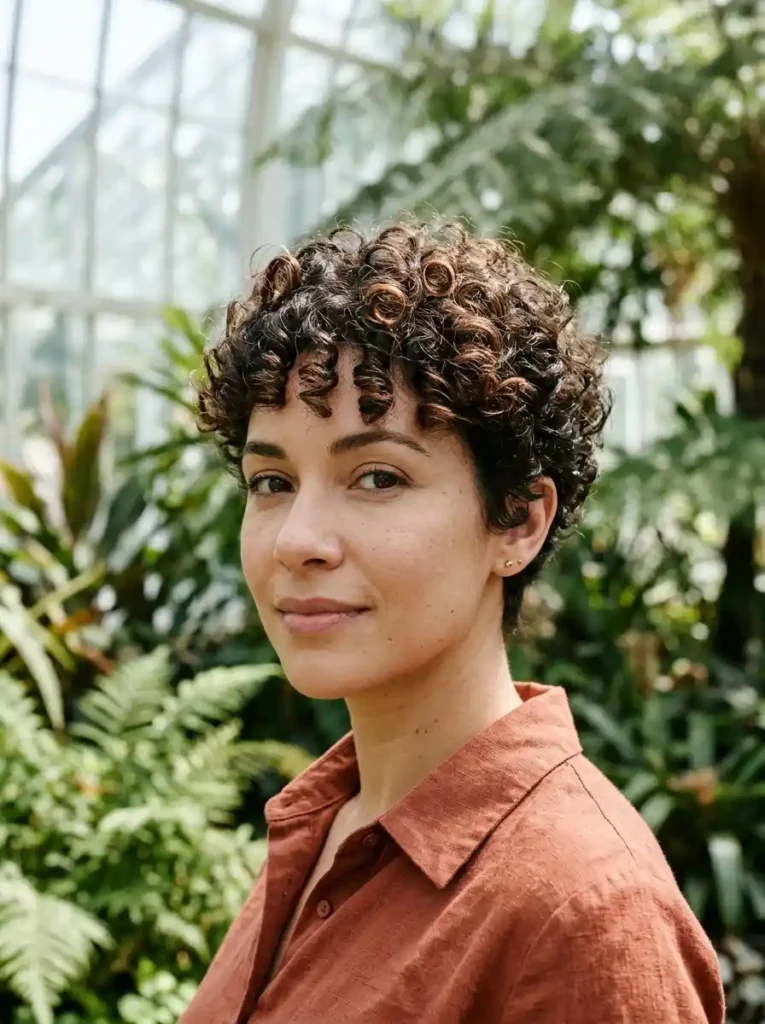
A curly pixie celebrates natural texture instead of trying to smooth it into submission. The right cut allows curls to form a balanced shape, with enough length at the crown for definition and carefully controlled sides for a neat outline. It can work with loose waves, springy curls, or tighter coils, but the cutting technique should match your curl pattern and shrinkage. Ask your stylist to assess how your hair behaves when dry, since wet curls can appear considerably longer than they will once styled.
After washing, apply a lightweight leave-in conditioner followed by a curl cream or gel suited to your hair’s needs. Scrunch gently and allow the curls to air-dry, or use a diffuser on low heat to preserve their shape. Avoid brushing the finished cut when dry, as that can disrupt definition and create unwanted frizz. Refresh flattened curls with a little water and styling product between wash days. Regular shaping keeps the silhouette balanced while allowing your natural curl pattern to remain the focus.
6. Wispy Pixie with Feathered Bangs
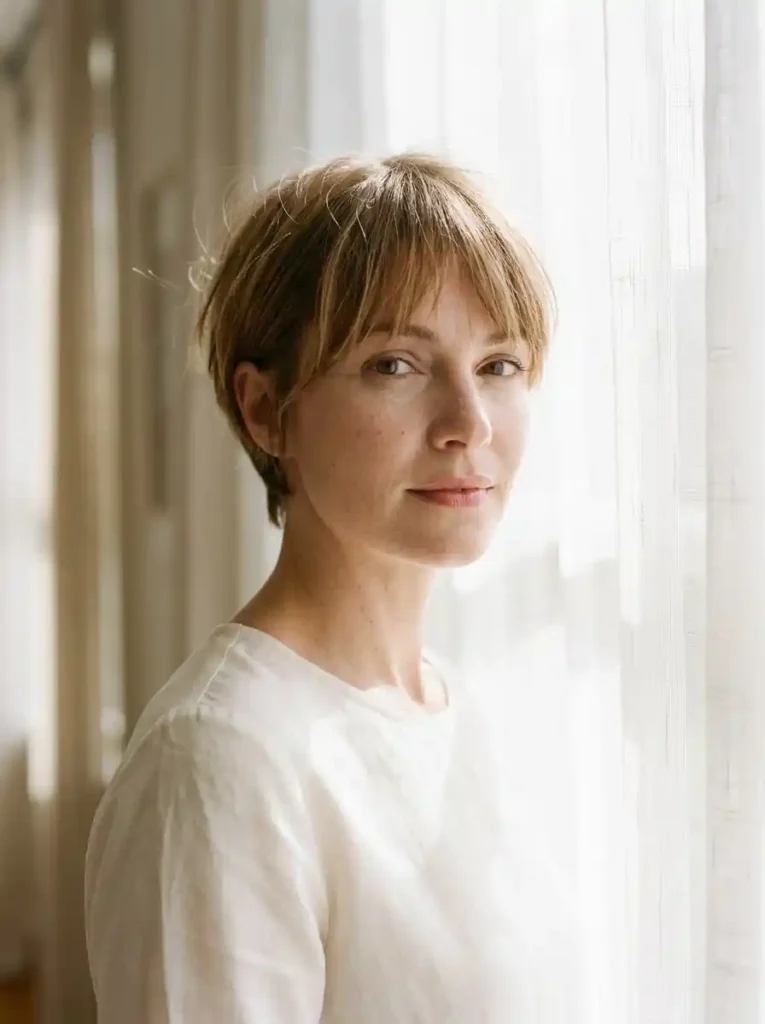
Wispy bangs bring softness to a short haircut without creating a heavy fringe. The feathered ends blend into the rest of the pixie, making this shape especially appealing if you prefer a light, delicate finish. It can be customized for straight or slightly wavy hair, with the stylist adjusting the fringe density to suit your hairline and forehead. If your hair naturally separates into a strong part, ask for a fringe that accommodates that pattern instead of fighting it every morning.
A small round brush and a low-heat blow-dryer are usually enough to shape the front. Direct the bangs forward, then sweep them gently to either side to encourage natural movement. Finish with a light mist of flexible hairspray if individual pieces need extra control. Skip heavy waxes that can make fine strands clump together and lose their airy appearance. This pixie pairs beautifully with delicate earrings and soft makeup, although its subtle texture also balances more structured outfits.
7. Platinum Blonde Pixie
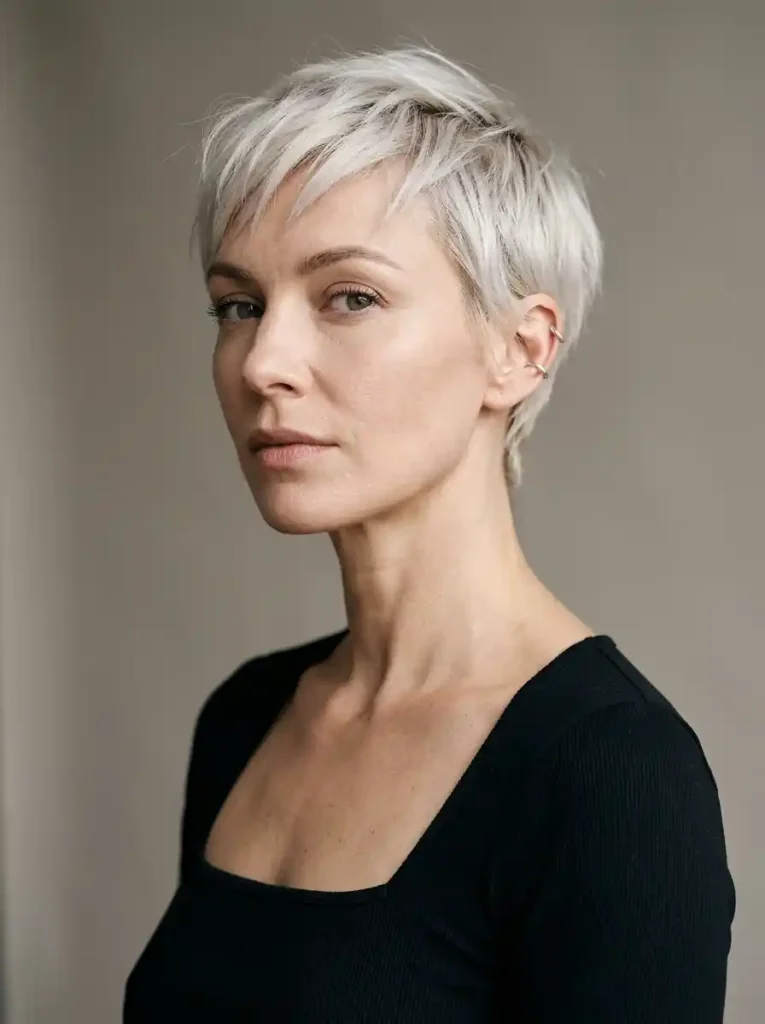
A platinum blonde pixie makes a statement through color as much as shape. The short silhouette emphasizes the haircut’s structure, while the cool, pale shade creates a striking contrast with darker clothing and accessories. This look can suit many complexions when the blonde tone is customized; icy platinum is only one option, and a softer pearl or neutral blonde may feel more harmonious. Consult a colorist about your starting shade, hair history, and the lightening process before choosing your target result.
Keeping platinum hair healthy requires more planning than maintaining an uncolored pixie. Depending on your natural color and regrowth, salon appointments may be needed every four to eight weeks, while a purple shampoo can help manage unwanted yellow tones when used appropriately. Alternate toning products with moisturizing treatments, and use heat protection before blow-drying. For styling, a small amount of texturizing cream creates separation without hiding the color. If your hair is already fragile, consider a darker blonde variation that requires less intensive lightening.
8. Asymmetrical Pixie Cut
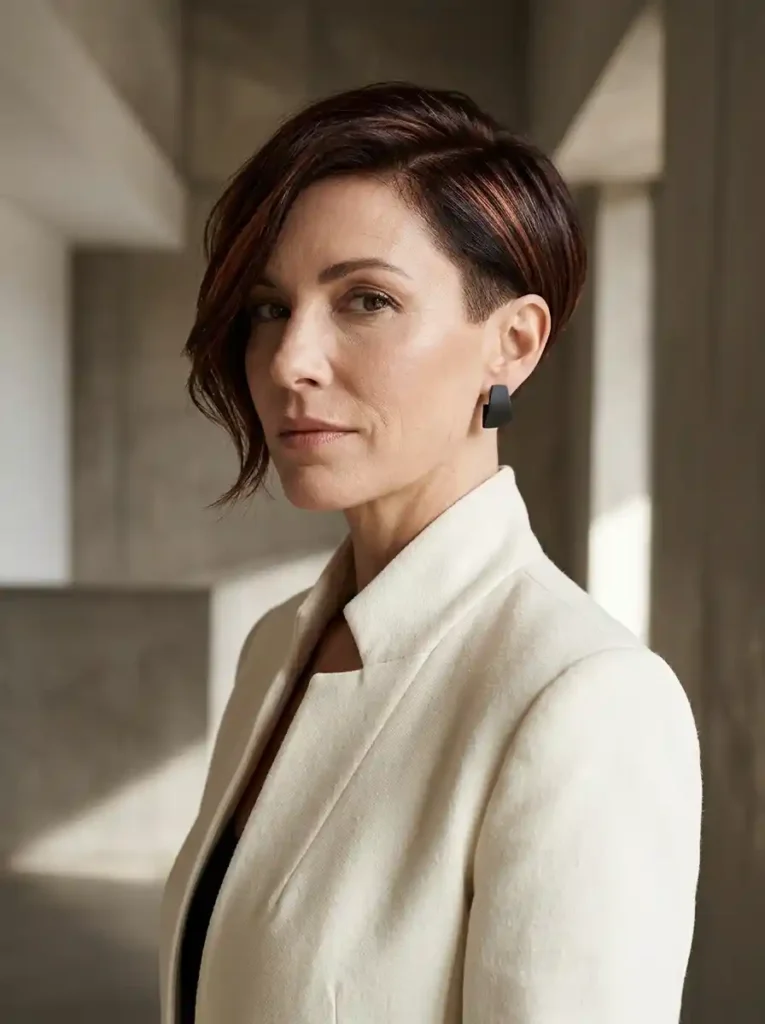
An asymmetrical pixie is a great choice if you want short hair with an unmistakable shape. One side stays shorter while the opposite side carries extra length, creating movement and visual interest without relying on vivid color or elaborate styling. The longer section can soften the cheek area, while the cropped side reveals the ear and jawline. Ask your stylist to show you how the cut looks from the front, profile, and back, since the balance between these angles determines whether the asymmetry feels deliberate.
The longer section can be blow-dried smooth for a refined finish or separated into loose pieces for a more relaxed effect. A lightweight styling lotion helps control flyaways, while a small flat iron can refine the fringe when necessary. Because the two sides grow out differently, maintenance appointments are important if you want to preserve the original contrast. This cut is especially appealing to people who like experimenting with earrings, bold collars, or clean-lined outfits that complement its directional silhouette.
9. Shaggy Pixie with Rock-Chic Texture
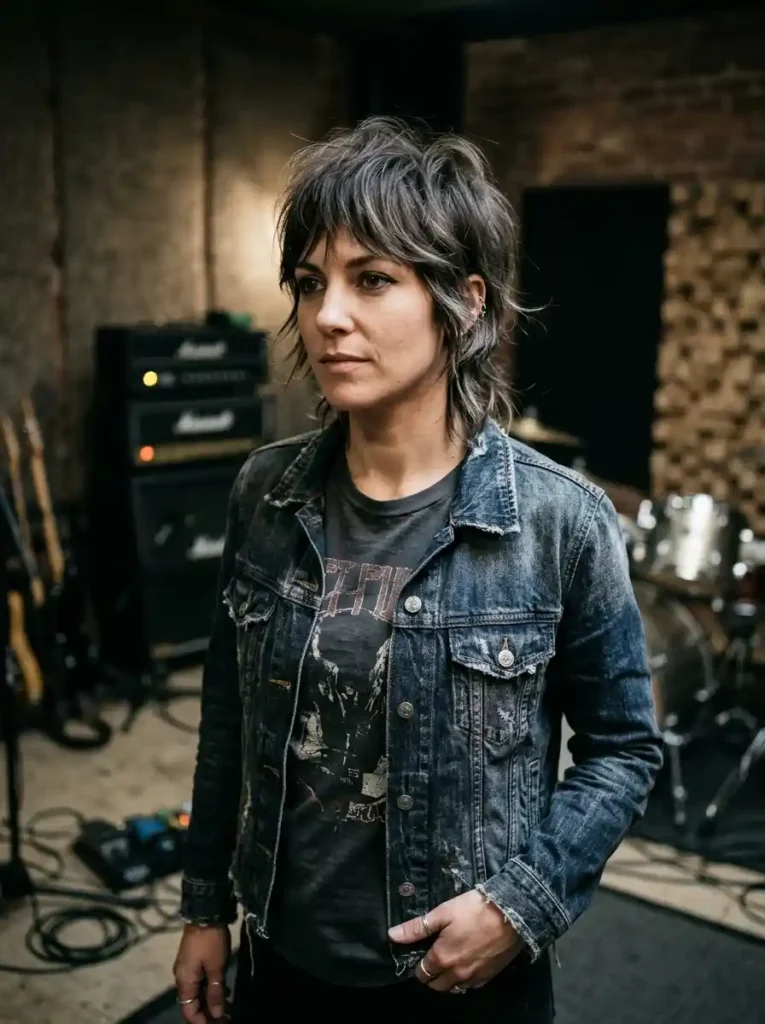
A shaggy pixie borrows the relaxed layering of a shag haircut and adapts it to a shorter silhouette. Uneven ends, a slightly longer nape, and movement through the crown give it a carefree finish that works especially well with naturally wavy or textured hair. Straight hair can also wear this look with carefully cut layers and styling product. The key is preserving enough length in selected sections to create movement rather than removing so much weight that the hairstyle becomes difficult to shape.
To style it, rough-dry your hair while lifting the roots with your fingers, then add a small amount of texturizing paste through the ends. Scrunch wavy sections rather than brushing them smooth, and allow a few pieces to fall out of place. This haircut is forgiving when you prefer an undone appearance, although the outline still needs periodic reshaping. It pairs naturally with denim, boots, oversized knits, and other casual pieces, giving everyday outfits a slightly rebellious edge without requiring complicated styling.
10. Tapered Pixie for Fine Hair
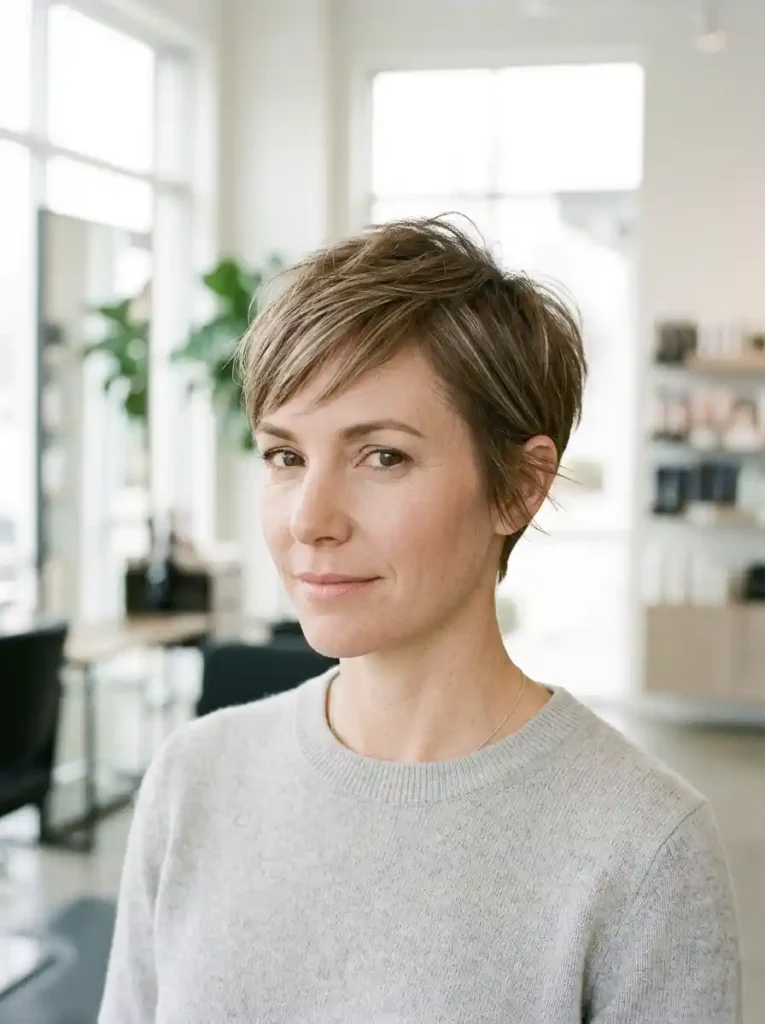
Fine hair can look beautifully polished in a tapered pixie when the cut preserves enough density at the ends. Rather than adding lots of short layers everywhere, a stylist can keep the crown slightly longer and graduate the sides for a fuller-looking outline. This creates definition without sacrificing too much substance. If your hair tends to lie flat, discuss where you want lift and whether a side part or a softly raised fringe would complement your natural growth pattern.
For styling, begin with a lightweight volumizing mousse at the roots and blow-dry with your head tilted slightly forward. Lift small sections with your fingers or a vent brush, directing the airflow toward the roots before shaping the top. Heavy oils and rich waxes can weigh fine strands down, so use finishing products sparingly. A tapered pixie is convenient for busy mornings because it takes little time to dry, but frequent trims help prevent the outline from losing its shape as the hair grows.
11. Silver Pixie with a Natural Finish

A silver pixie can make natural gray hair feel intentional and beautifully modern. Short layers help different shades of silver, white, and charcoal blend together, while a gentle side part gives the shape a polished finish. This option is especially appealing if you are transitioning away from regular hair coloring and want a haircut that makes the growing-out process feel more cohesive. Your stylist can adjust the length around the temples and crown to accommodate your natural density and the distribution of gray.
Gray hair can have a different texture from your previous color, sometimes feeling coarser or drier. Use a gentle shampoo and a moisturizing conditioner, adding a purple-toning product occasionally if yellowing becomes noticeable. Keep the styling light so the natural color variations remain visible, and avoid excessive heat that can make the ends feel rough. A silver pixie looks equally lovely with jewel-toned clothing, neutral tailoring, or casual denim. Regular shaping maintains the silhouette while allowing your natural color to remain the main attraction.
12. Pixie Bob with Longer Front Pieces
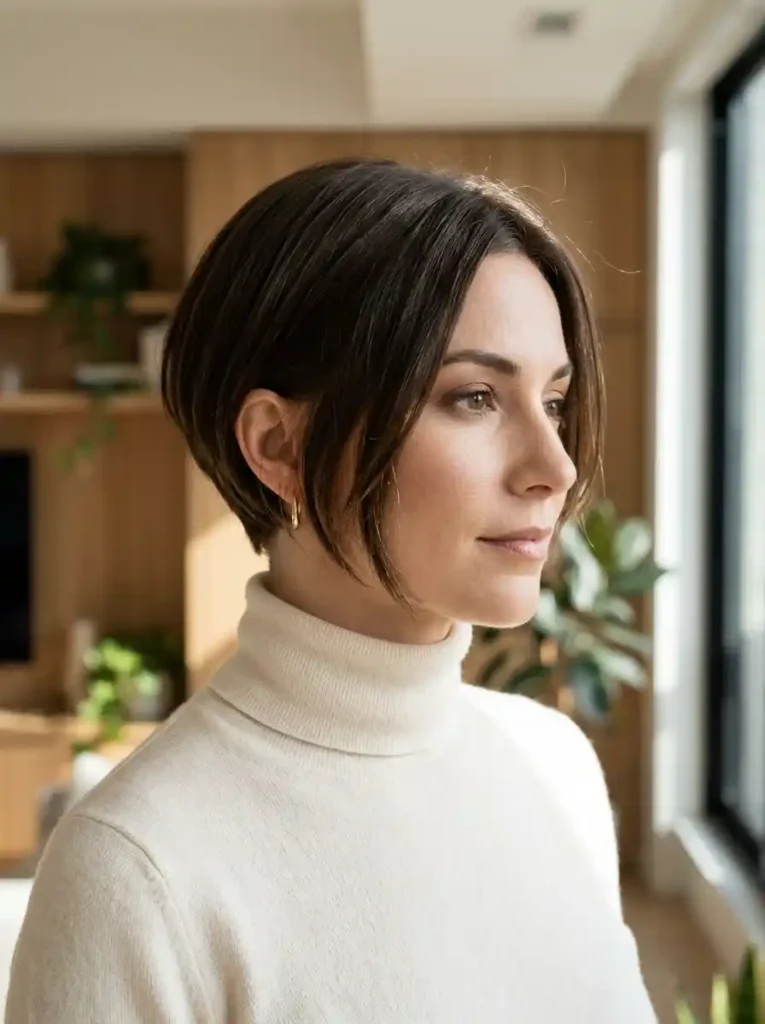
A pixie bob combines the convenience of short hair with the face-framing effect of a longer bob. The back is cropped and graduated, while the front sections extend toward the jaw or cheekbones, creating a distinctive silhouette. This is a useful option if you like the idea of a pixie but worry that a very short fringe or exposed sides might feel unfamiliar. The longer front can be tucked behind one ear or left forward, giving you several looks without changing the cut.
Smooth styling emphasizes the shape, but a slight bend through the front creates a softer, more casual finish. Use a heat protectant before blow-drying, then direct the front pieces toward the face or away from it depending on your preferred effect. Fine hair often benefits from a clean outline, while thicker hair may need internal weight removal to avoid excessive fullness at the sides. Book regular trims to preserve the graduated back, particularly if you want the longer front sections to remain visually balanced.
13. Spiky Pixie with Piecey Definition
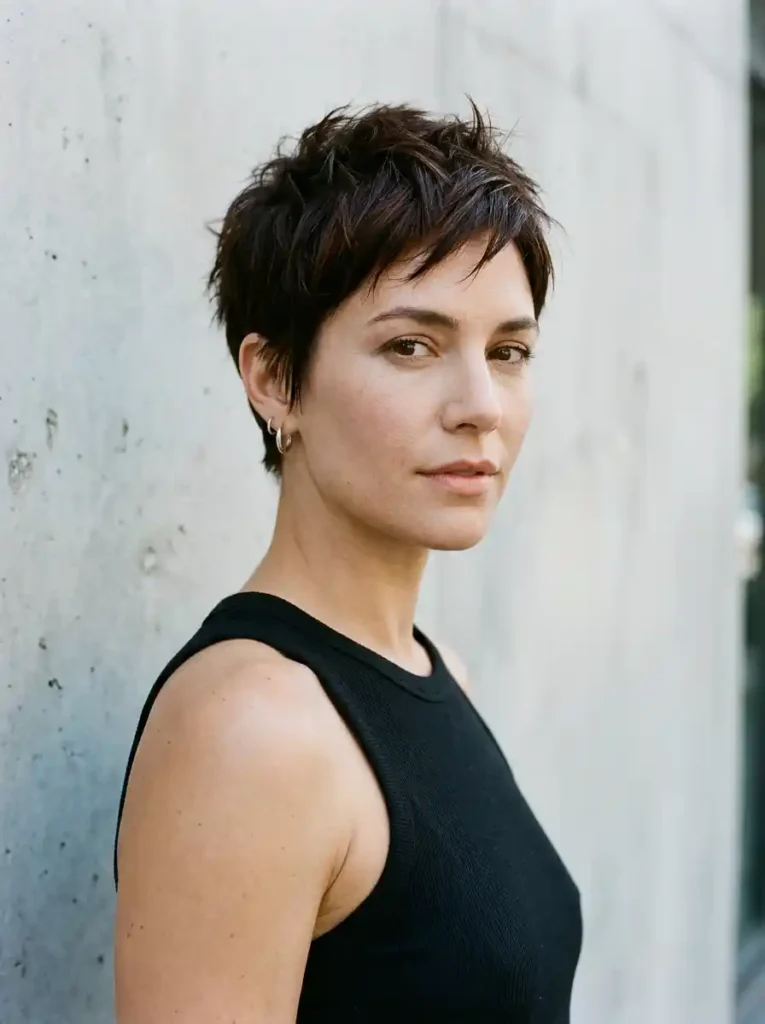
A spiky pixie is a playful choice if you enjoy a short haircut that can be restyled in minutes. The crown and upper sections are left long enough to lift into defined pieces, while the sides and nape stay neatly cropped. The result can feel bold without needing bright color or a dramatic undercut. It works particularly well for straight to slightly wavy hair, though curlier textures can achieve a softer variation with a stylist who understands their natural spring and direction.
To create the spikes, rub a small amount of matte wax between your palms and work it into dry hair, lifting individual sections at the roots. Pinch the ends into shape rather than coating the entire head, which can make the style stiff or greasy. For a more subtle daytime look, smooth the same sections sideways instead of upward. The cut suits casual streetwear and sharper tailored outfits alike, but plan regular trims to keep the sides short enough for the textured crown to stand out.
14. Side-Parted Elegant Pixie
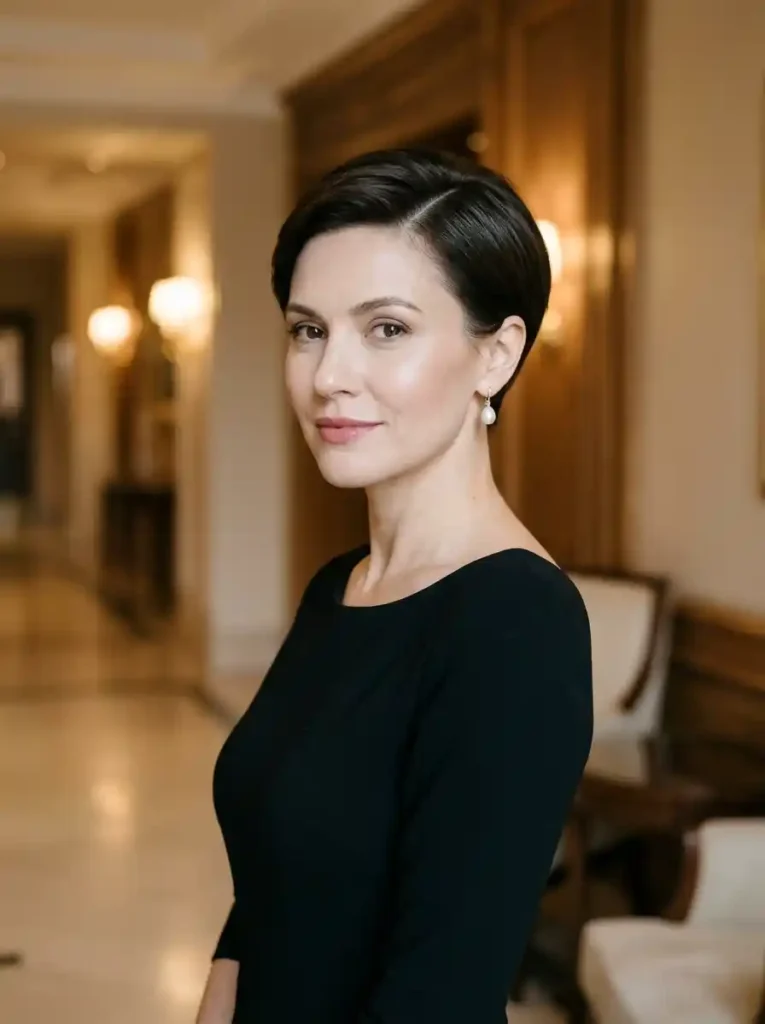
An elegant side-parted pixie proves that short hair can feel just as refined as a longer formal hairstyle. The distinct part creates structure, while the smooth crown and tidy sides give the cut a sophisticated finish. It is a lovely option for professional settings, evening events, or anyone who prefers a classic look over deliberately messy texture. Ask your stylist to place the part where your hair naturally separates most comfortably, since forcing a resistant growth pattern can make daily styling unnecessarily difficult.
Use a lightweight smoothing lotion before blow-drying, then guide the top into place with a fine-tooth comb. A small amount of flexible pomade can define the part without making the hair look wet. For special occasions, add a decorative barrette above one ear or choose statement earrings that complement the clean outline. This pixie is relatively easy to style, but it benefits from regular neckline maintenance. Avoid overloading the crown with product, which can flatten its shape and diminish the polished effect.
15. Tousled Beachy Pixie
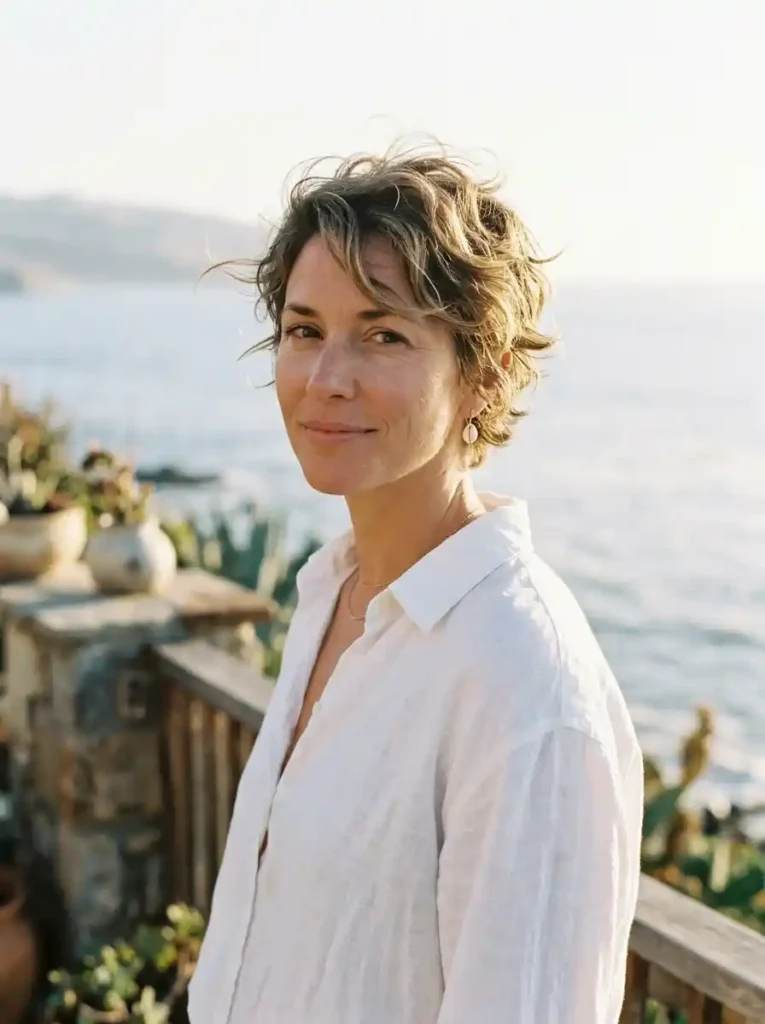
A beachy pixie brings relaxed, vacation-inspired texture to short hair without requiring an actual trip to the coast. Soft waves, subtle separation, and a little crown volume create an easygoing finish that feels less structured than a classic cropped cut. It is especially suitable for naturally wavy hair, although straight hair can achieve a similar effect with a small styling tool. Ask for layers that encourage movement while keeping enough length for the waves to form rather than sticking out unpredictably.
After washing, apply a light sea-salt spray or texturizing mist, then scrunch your hair while it dries. If your hair is naturally straight, create a few loose bends with a small-barrel iron, leaving the ends relatively relaxed. Use heat protection and avoid excessive salt-based products if your hair becomes dry or brittle. This pixie looks effortless with linen, denim, sundresses, and simple sandals. Its appeal lies in the imperfect finish, so resist the urge to make every strand sit in exactly the same place.
16. Bold Pixie with Micro Bangs
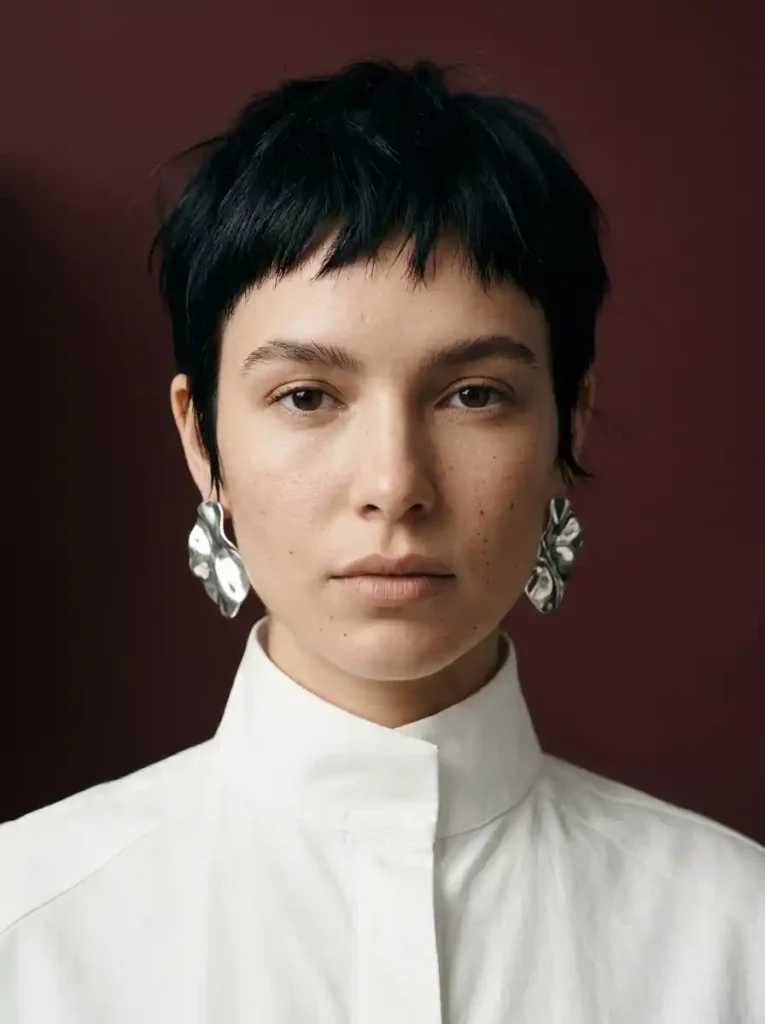
Micro bangs give a pixie an unmistakably fashion-forward appearance. The very short fringe exposes more of the forehead, while the cropped sides and textured crown keep the overall shape cohesive. This style can highlight the eyes and eyebrows, making it appealing if you enjoy distinctive proportions and clean, graphic lines. Because the fringe is intentionally short, ask your stylist to demonstrate the proposed length before cutting. Cowlicks, hairline patterns, and natural texture can all influence how the bangs settle.
Daily styling usually takes little time: blow-dry the fringe gently in the direction you want it to sit, then separate the crown with your fingertips. A light styling cream provides control without making the short front pieces look stiff. Micro bangs grow out noticeably, so more frequent fringe trims may be necessary than with longer, side-swept styles. Pair this haircut with simple necklines and carefully chosen accessories to let the shape speak for itself. If you prefer flexibility, leave the crown slightly longer for additional styling options.
17. Bixie Cut with Soft Volume
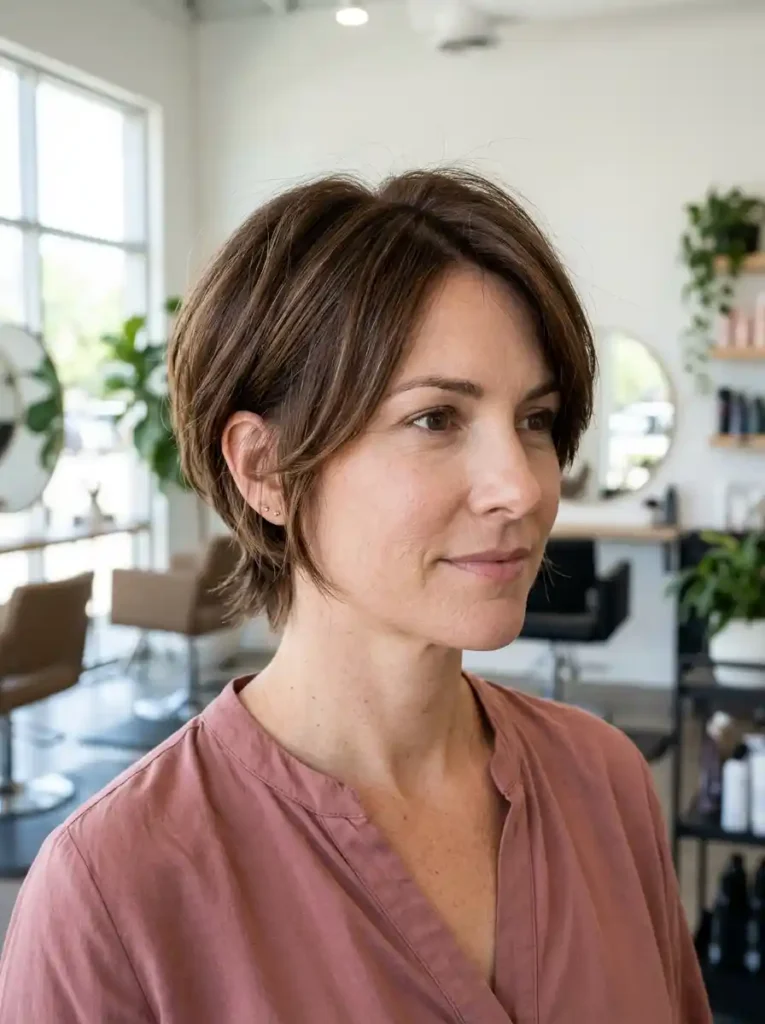
The bixie sits between a pixie and a bob, making it an appealing choice if you want short hair without the compact shape of a traditional pixie. It generally keeps more length around the ears, crown, and nape, allowing the haircut to move and frame the face. This flexibility can make the transition from longer hair feel less dramatic. Ask your stylist to explain where the shortest layers will sit and how much length will remain around your ears and neckline.
To maintain its soft volume, apply a lightweight mousse to damp roots and blow-dry with a round brush or your fingers. Turn the ends slightly inward or outward for different effects, depending on your hair’s natural movement. Unlike a very short crop, a bixie can often be tucked behind the ears, which gives you extra versatility between appointments. It works well with both casual and polished clothing. Keep the layers shaped regularly so the silhouette does not become unintentionally triangular as the hair grows.
18. Auburn Pixie with Warm Dimension
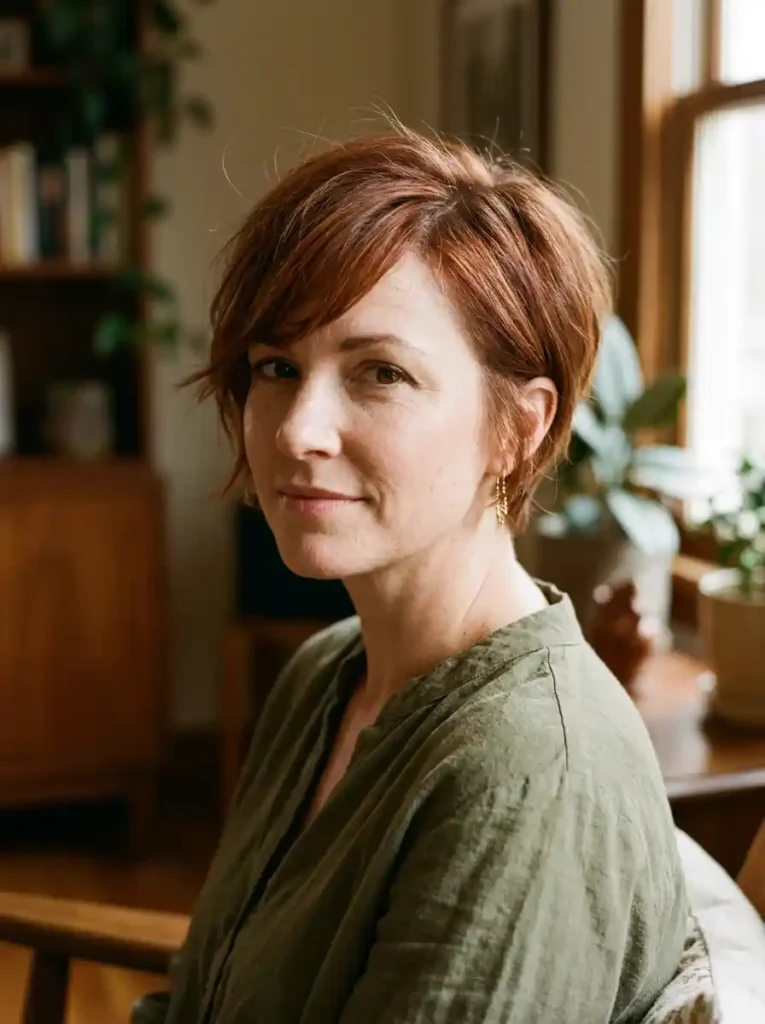
Auburn adds warmth and dimension to a pixie without requiring an extreme cut or highly contrasting color. Copper, cinnamon, and reddish-brown shades can be blended to create depth, with the final tone chosen to complement your natural coloring and personal preference. Short layers help the different shades catch the light, especially around the fringe and crown. Before coloring, discuss your existing hair color, previous chemical treatments, and maintenance expectations with your stylist so you can choose a realistic shade and process.
To keep auburn looking vibrant, use color-safe shampoo and conditioner and avoid unnecessarily frequent hot-water washing. A weekly moisturizing treatment can help maintain softness, particularly if your hair has been lightened before applying the red tones. Styling can stay simple: a little cream through the ends brings out the haircut’s texture while allowing the color to remain visible. Auburn pixies pair beautifully with olive, cream, navy, and chocolate clothing. If you want a lower-maintenance option, consider a deeper auburn close to your natural base rather than a brighter copper.
19. Sleek Wet-Look Pixie
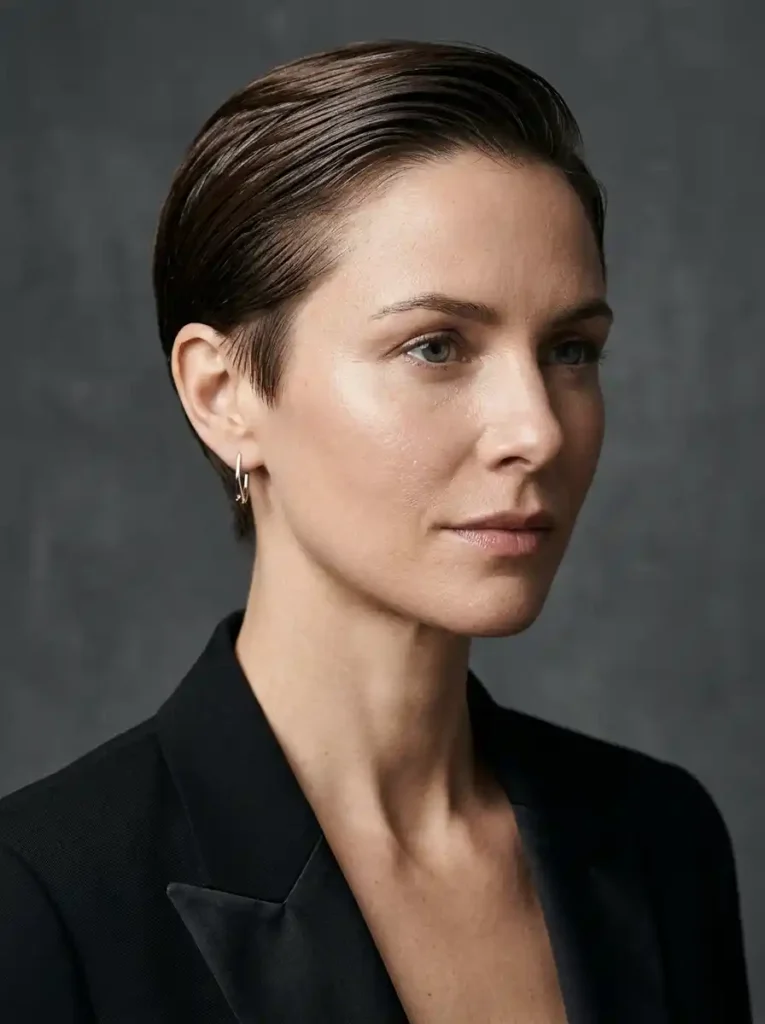
A wet-look pixie transforms a simple short haircut into something suitable for an evening event or a fashion-inspired outfit. The hair is directed close to the head, creating a smooth finish that emphasizes the haircut’s outline and facial features. This styling approach works best when the top has enough length to lie backward or diagonally without springing out of place. Ask your stylist how your natural hairline and growth pattern will affect the finish before deciding whether a fully slicked-back shape is right for you.
Start with slightly damp hair and distribute a small amount of styling gel or a glossy cream evenly through the top. Use a comb to direct the hair backward or toward one side, keeping the sides tidy. Avoid applying excessive product near the roots, as buildup can leave the finish sticky rather than sleek. This look is particularly effective with eveningwear, structured blazers, and statement earrings. If you want the shine without the stiffness, finish with a lightweight gloss product and choose flexible hold over a rigid gel.
20. Pixie with a Deep Side Sweep
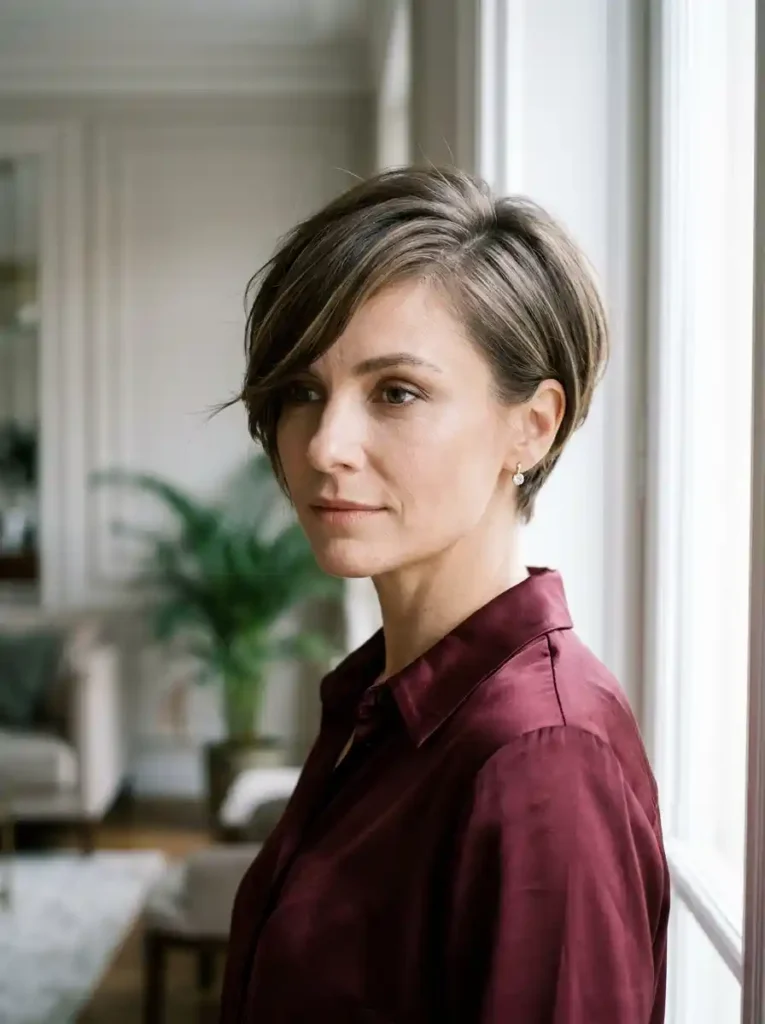
A deep side sweep adds drama without requiring an undercut or unusually short fringe. The longer front section creates a sweeping line across the forehead, while the shorter opposite side keeps the haircut lightweight and balanced. This version is useful if you want to experiment with a directional style while retaining some softness around the face. Ask your stylist to consider your natural part, hairline, and crown growth so the longer section falls naturally rather than requiring constant correction.
For styling, apply a light volumizing product to damp roots and blow-dry the longer section across the forehead with a small round brush. A gentle lift at the roots prevents the fringe from appearing flat, while a touch of flexible hairspray can help it stay in position. You can wear the sweep smooth for a formal occasion or separate it into softer pieces for everyday use. Because the longer front section is the defining feature, keep it shaped between appointments and avoid trimming it too aggressively at home.
21. Natural Textured Pixie for Coily Hair
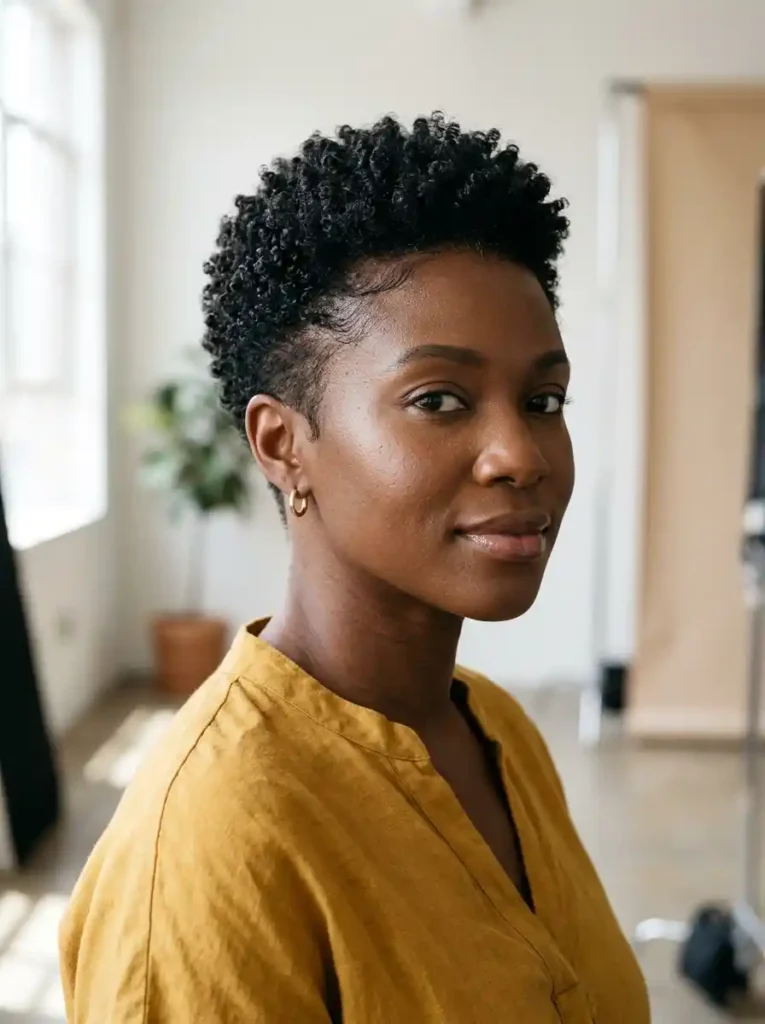
A natural coily pixie celebrates tightly curled hair while creating a deliberate, sculpted silhouette. The crown can retain enough length to show the coils clearly, while the temples and nape are shaped to provide definition around the head. The best result depends on understanding shrinkage, density, and the way your coils naturally group together. Choose a stylist experienced with coily textures, and discuss whether you prefer a rounded outline, a slightly elongated top, or a more closely tapered finish.
Moisture and gentle handling are more important than forcing every coil into identical formation. Apply a leave-in conditioner and a suitable curl-defining cream to damp hair, then use your fingers to encourage natural clumping. Allow the cut to dry fully before fluffing the roots lightly if you want extra volume. Avoid repeatedly brushing the coils, which can disrupt definition and create frizz. A satin pillowcase or bonnet can help protect the style overnight, while periodic shaping preserves the outline without sacrificing the texture that makes the haircut distinctive.
22. Layered Pixie with a Voluminous Crown
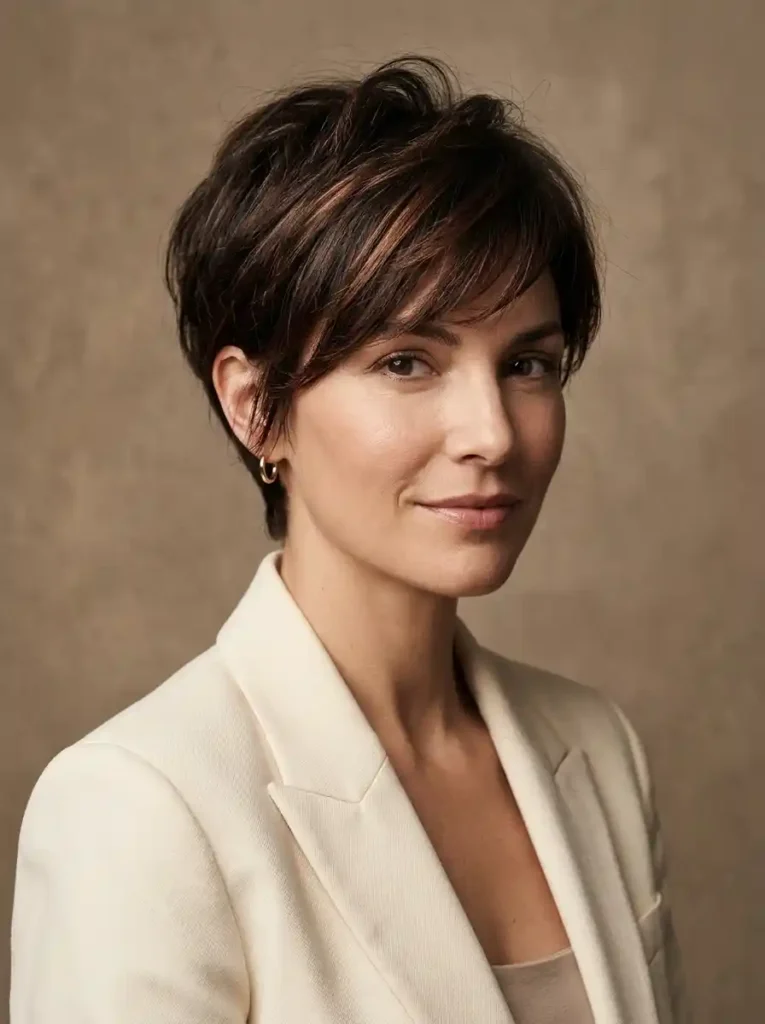
A voluminous crown changes the proportions of a pixie by adding height and movement through the top while keeping the sides relatively close to the head. It is a useful option if you prefer a fuller silhouette or want to make fine hair appear more lifted. Strategic layering can create movement, but the stylist should leave enough length and density at the crown to support the shape. Explain whether you want a softly rounded finish or more pronounced height, since those goals require different cutting and styling approaches.
For lasting lift, apply a lightweight root-lifting mousse to damp hair and blow-dry small sections upward using your fingers or a round brush. Direct the airflow toward the roots, then allow each section to cool before arranging the finished shape. A little texturizing powder can provide additional grip, but use it sparingly to avoid a dry or gritty feel. The style pairs well with high-neck tops, tailored jackets, and simple earrings. Regular trims help maintain the contrast between the lifted crown and the more closely shaped sides.
Conclusion
Choosing a pixie becomes easier when you focus on how you want your hair to behave rather than simply choosing the prettiest photograph. Think about your natural texture, the amount of time you want to spend styling, and how often you can visit the salon. A textured or curly pixie may celebrate your natural movement, while a sleek or tapered version offers a more controlled finish.
Bring two or three reference pictures to your appointment and point out the specific details you like, such as the fringe length, crown volume, or shape around the ears. Remember that your stylist can adapt the inspiration to your hair density, growth pattern, and personal preferences.
Most importantly, choose a cut that makes you feel comfortable and confident. Whether you love a bold undercut, a soft French pixie, or a dimensional auburn style, short hair offers plenty of room for individuality. Save your favorite ideas, discuss the practical details, and embrace the version that feels right for you.


