
A great haircut can change the way you feel about your everyday style, and the shaggy bob is one of those versatile cuts that makes looking effortlessly put together feel much easier. With its choppy layers, airy movement, and relaxed texture, this modern bob offers a refreshing alternative to blunt, perfectly polished hairstyles. Whether you love a tousled French-inspired look, a softly layered chin-length cut, or a longer bob with curtain bangs, there is a shaggy variation worth considering.
What makes this haircut especially appealing is how easily it can be personalized. Fine hair can benefit from carefully placed layers that create the appearance of fullness, while thick hair often looks lighter and more manageable with strategic texturizing. Natural waves add beautiful movement, and even straight hair can achieve that signature undone finish with the right styling technique.
In this collection, you’ll discover 25 trendy shaggy bob haircut ideas, each with its own distinctive shape, texture, and personality. From understated everyday cuts to bold, fashion-forward styles, these looks will help you find inspiration for your next salon appointment. You’ll also find practical tips for choosing a flattering variation and maintaining its naturally tousled finish.
1. Classic Textured Shaggy Bob
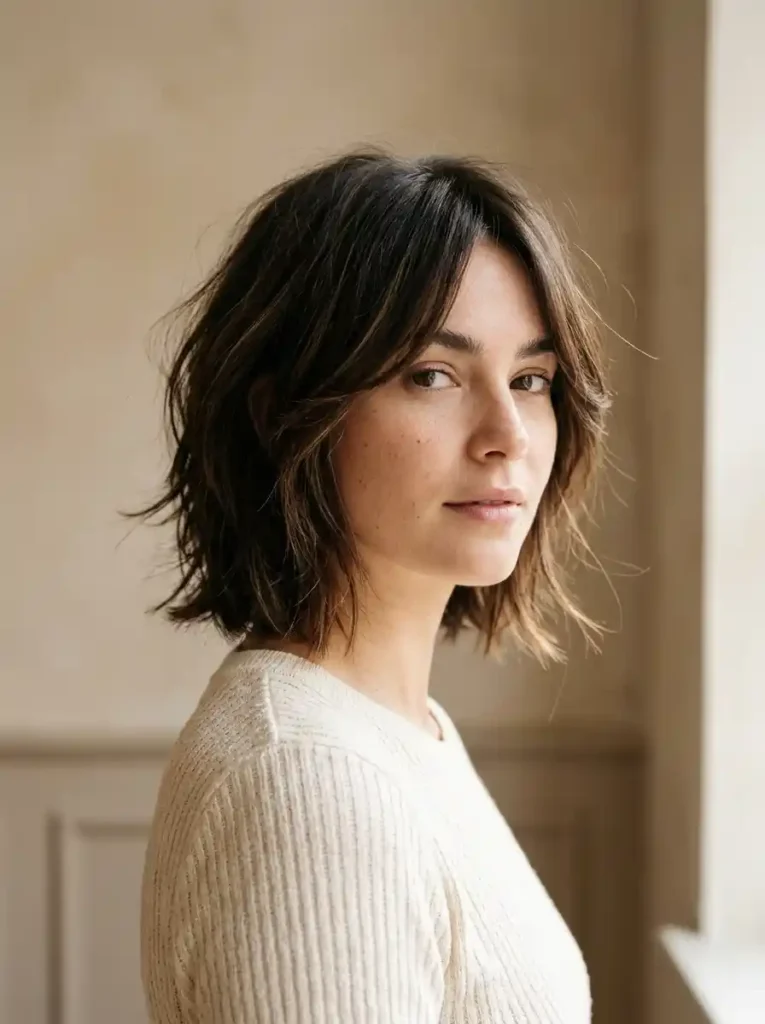
The classic textured shaggy bob is an excellent starting point if you want a haircut that feels modern without looking overly dramatic. Its chin-length shape frames the face, while irregular layers prevent the ends from appearing heavy or rigid. Ask your stylist for soft, piecey sections throughout the crown and sides, keeping enough length around the perimeter to preserve the recognizable bob silhouette. This balance creates movement without making the haircut look excessively choppy.
For everyday styling, apply a small amount of lightweight texturizing cream to damp hair, then blow-dry using your fingers instead of a round brush. If your hair has a natural bend, let it air-dry partially to encourage relaxed texture. Straight-haired readers can create a few loose bends with a flat iron, alternating directions for a less uniform finish. A trim every six to eight weeks can help maintain the shape while allowing the layers to grow naturally.
2. Shaggy Bob with Curtain Bangs

Curtain bangs give a shaggy bob a flattering focal point without creating the heavier appearance of a full, straight fringe. The center part opens the forehead, while the longer sides blend into the layers around the cheeks. This combination can work particularly well if you want to soften angular features or add interest around the eyes. Ask your stylist to customize the shortest pieces to your face shape and ensure the fringe connects smoothly with the rest of the haircut.
The secret to styling curtain bangs is directing them away from the face before they cool into place. Use a small round brush or a blow-dryer with a concentrator nozzle, lifting at the roots and sweeping each side outward. Avoid applying heavy oils near the fringe because they can make delicate pieces separate and lose volume. If you prefer a relaxed finish, allow the ends to fall naturally rather than creating an exaggerated curl. A little dry shampoo can refresh the roots between washes.
3. Wavy Shaggy Bob

Natural waves pair beautifully with a shaggy bob because the haircut works with the hair’s existing movement instead of forcing every strand into a uniform shape. Soft layers remove some visual weight around the sides, while slightly uneven ends help the waves separate naturally. If your hair already forms loose bends, ask your stylist to shape the cut around your natural pattern. This approach can reduce the need for daily heat styling and make your morning routine feel considerably simpler.
After washing, scrunch a lightweight curl-enhancing mousse into damp hair and allow it to air-dry or use a diffuser on low heat. Avoid brushing the finished style, which can disrupt the wave pattern and create unwanted frizz. Instead, separate individual sections gently with your fingertips once the hair is dry. If the waves fall flat at the crown, lift the roots while diffusing. A small amount of flexible-hold spray can preserve movement without leaving the hair stiff or crunchy.
4. French-Inspired Shaggy Bob

The French-inspired shaggy bob is ideal if you prefer a haircut that looks stylish without appearing meticulously arranged. It typically combines a loose silhouette, lightly separated ends, and a fringe that feels soft rather than perfectly symmetrical. The length can sit around the jaw or just below the chin, depending on your preferences. Ask your stylist for a shape that moves naturally when you turn your head, avoiding excessive thinning that could leave the ends looking sparse.
Keep the styling uncomplicated by working a pea-sized amount of styling paste through dry ends and allowing a few sections to fall wherever they naturally settle. A center or slightly off-center part both suit this look, so experiment before committing to one. The haircut also pairs well with simple accessories, such as small hoops, a striped shirt, or a tailored jacket. Its appeal comes from the overall balance of texture and ease, not from achieving perfectly controlled waves or immaculate fringe placement.
5. Shaggy Bob for Fine Hair
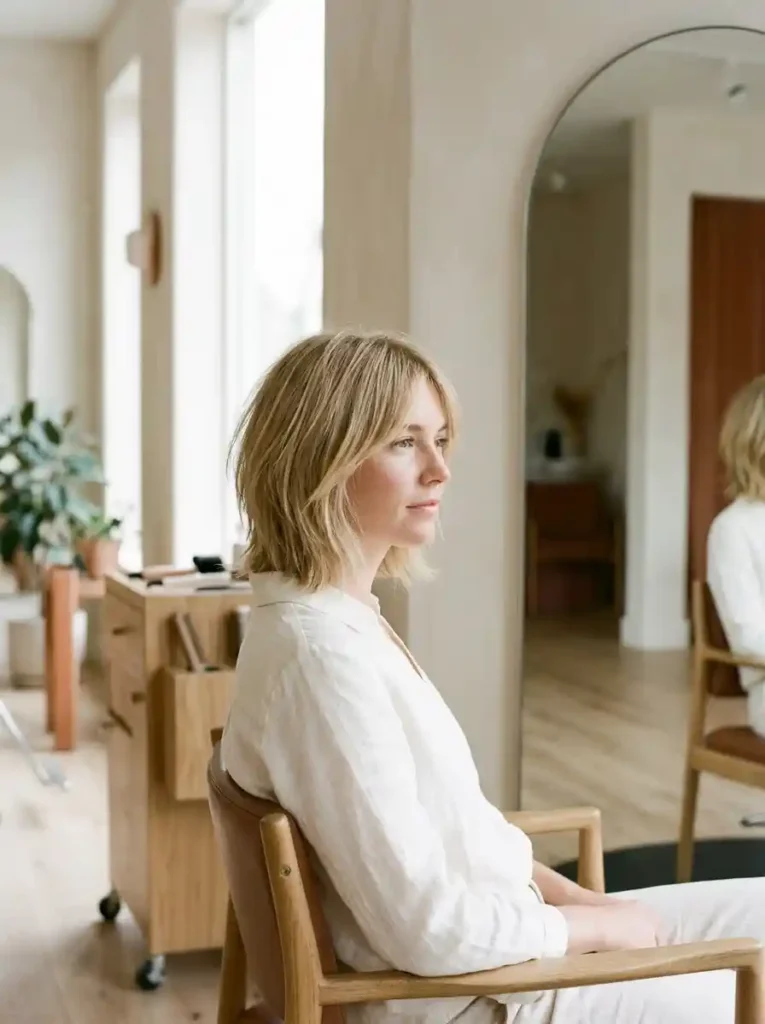
Fine hair can benefit from a shaggy bob when the layers are placed carefully rather than cut excessively throughout the entire head. A shorter shape helps reduce the weight pulling on the roots, while modest crown layering introduces lift and movement. Keeping the perimeter reasonably full can make the hair appear denser, especially around the jawline. Tell your stylist that maintaining the appearance of thickness is a priority, and discuss whether subtle internal layers will achieve your desired texture without sacrificing too much density.
Choose lightweight styling products that build volume without coating the strands. A root-lifting spray applied sparingly before blow-drying can provide support, while a dry texturizing mist adds separation through the ends. Avoid repeatedly running your fingers through the finished hairstyle, as this can flatten the roots. For additional fullness, change your part slightly from day to day. Regular trims help preserve the silhouette, but your stylist should adjust the schedule to your hair’s growth and how quickly the ends lose their shape.
6. Shaggy Bob for Thick Hair
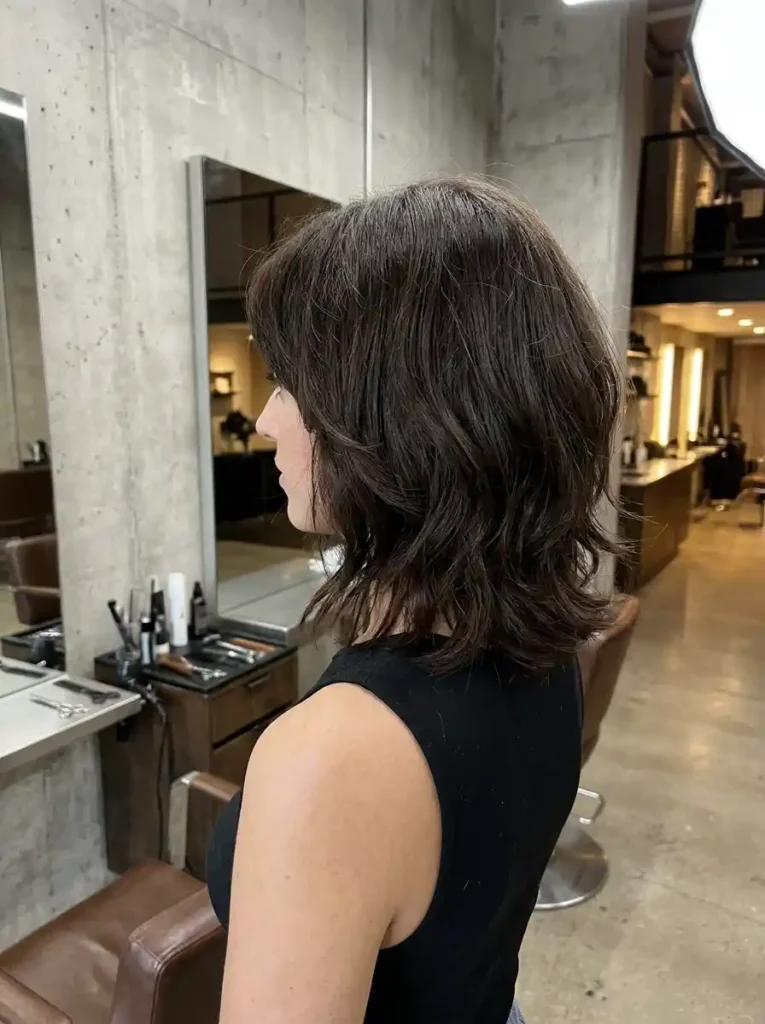
Thick hair can make a bob feel bulky around the cheeks or triangular near the ends, but thoughtful layering helps distribute that volume. A shaggy shape introduces separation through the mid-lengths while allowing the outline to remain soft and intentional. Ask your stylist about removing weight internally rather than aggressively thinning every section. This distinction matters because over-texturizing can create frizz, uneven ends, or unwanted volume in areas where your hair naturally expands.
At home, work with your hair’s natural direction instead of trying to flatten it completely. Apply a smoothing lotion before drying, then use a paddle brush to control the overall shape while leaving the ends slightly undone. If you enjoy waves, add a few loose bends rather than curling every section. Humidity-resistant finishing products can help maintain definition, particularly if your hair tends to swell in damp weather. Your stylist can also personalize the layer placement according to your hair’s density and natural growth patterns.
7. Shaggy Bob with Micro Bangs

Micro bangs bring a distinctive, fashion-forward edge to a shaggy bob. Because the fringe sits above the eyebrows, it exposes more of the forehead and draws attention to the eyes. Pairing it with textured sides prevents the haircut from looking too geometric or severe. This option is worth considering if you enjoy a noticeable style change and are comfortable with a fringe that becomes a defining part of your appearance.
Before choosing very short bangs, discuss your natural hairline, cowlicks, and forehead proportions with your stylist. Hair that grows forward or separates easily may require more daily styling than you expect. A small round brush and low-heat blow-dryer can help direct the fringe into place, while a tiny amount of lightweight styling paste controls stray strands. Micro bangs generally need more frequent trims than longer fringe, so consider the upkeep before making the commitment. The rest of the bob can remain relatively relaxed to balance the bold front.
8. Long Shaggy Bob, or the Shaggy Lob

If you like the texture of a shaggy bob but feel hesitant about shorter hair, the shaggy lob offers a comfortable middle ground. Its length usually reaches somewhere between the shoulders and collarbone, giving the layers room to move while retaining enough hair for small ponytails or half-up styles. This makes it practical for people who alternate between wearing their hair loose and securing it during work, exercise, or busy mornings.
Ask your stylist to concentrate the movement around the cheekbones, jaw, and lower lengths without removing too much weight from the bottom. For styling, wrap selected sections loosely around a medium-barrel curling iron, leaving the final inch straighter for a relaxed finish. You can also twist damp sections away from your face and let them dry naturally. Because the lob is longer, pay attention to the back perimeter: regular shaping prevents the ends from becoming uneven as the layers grow out.
9. Shaggy Bob with Side-Swept Bangs

Side-swept bangs provide a softer alternative to a center-parted fringe and can make a shaggy bob feel elegant without losing its relaxed character. The diagonal shape introduces movement across the forehead, while longer pieces blend into the surrounding layers. This option is especially useful if you prefer some coverage around the hairline or want a fringe that can be tucked behind one ear as it grows.
For a natural result, ask for a fringe that connects gradually to the sides rather than ending in a separate, heavy block. Blow-dry the bangs in the direction you want them to fall, briefly directing them across the forehead before sweeping them back. This technique can help create lift and reduce an obvious parting line. If your hair has a strong cowlick, your stylist may recommend a slightly longer fringe that accommodates its natural growth pattern. The rest of the bob looks best with light, flexible movement rather than stiff curls.
10. Choppy Shaggy Bob

A choppy shaggy bob is a strong choice if you want visible texture rather than a smooth, rounded outline. Its deliberately separated layers create a more expressive silhouette, especially when the hair is styled with a slightly messy finish. The cut can work at different lengths, but jaw-level versions often make the contrast between the shorter layers and the perimeter especially noticeable. Bring reference photos to your appointment to clarify how dramatic you want the texture to look.
Styling depends on creating separation without making the hair feel rough or overly product-heavy. Start with a light texturizing spray, then pinch small sections between your fingertips to define the ends. A matte styling paste can add extra definition to thicker hair, while a lighter cream may be more appropriate for finer strands. Avoid applying too much product near the roots, which can make the crown collapse. Ask your stylist to preserve enough structure around the outline so the finished cut looks intentionally choppy rather than simply uneven.
11. Soft Layered Shaggy Bob

Not every shaggy bob needs dramatic layers or an intentionally messy finish. A softly layered version creates movement through gradual transitions, making it a good choice for readers who want something fresh but relatively understated. The silhouette remains recognizable as a bob, while shorter pieces around the face prevent the style from appearing flat. This approach is especially appealing if you work in a setting where you prefer a neat hairstyle that still feels contemporary.
When discussing the cut, ask for blended layers rather than pronounced steps or disconnected sections. Styling can be as simple as blow-drying with a medium round brush, directing the front pieces away from your face and leaving the ends slightly relaxed. A lightweight smoothing serum can add shine, but use only a small amount to avoid flattening the texture. This variation also grows out gracefully when the layers are kept proportionate, making it a sensible option if frequent salon appointments are difficult to schedule.
12. Curly Shaggy Bob

A curly shaggy bob celebrates natural curl patterns while giving the hair a more intentional shape. Carefully placed layers can reduce the heavy appearance that sometimes develops when curls accumulate around the sides. The goal is not to remove as much bulk as possible, but to distribute it so the curls form a balanced silhouette. A stylist experienced with curly hair can account for shrinkage, since dry curls may sit considerably higher than their wet length suggests.
Use a moisturizing leave-in conditioner followed by a curl-defining gel or mousse, choosing the combination that suits your hair’s texture and porosity. Scrunch upward gently and diffuse on low heat, or let the curls dry without disturbing them. Avoid cutting every layer too short if your curls expand significantly after drying. Once the style is finished, separate only the curls that need extra definition. Occasional reshaping helps maintain the silhouette, but excessive trimming can remove the length needed for your preferred curl pattern.
13. Shaggy Bob with Wispy Bangs

Wispy bangs are a lovely way to introduce fringe without making it the dominant feature of your haircut. Their lighter density allows small sections of the forehead to remain visible, creating a soft, airy effect. Paired with a shaggy bob, they complement feathered ends and face-framing layers without adding too much visual weight. This variation can suit readers who like the idea of bangs but feel uncertain about committing to a thick, blunt fringe.
Ask your stylist to keep the fringe light and irregular, with slightly longer pieces near the temples to connect it to the sides. After washing, dry the bangs first while the roots are still damp, using your fingers to guide the strands into place. This helps prevent them from drying in an awkward direction. If the fringe separates during the day, a quick brush-through or a touch of dry shampoo can restore its shape. Avoid heavy conditioners directly at the roots, where they can make fine bangs look stringy.
14. Shaggy Bob with Money-Piece Highlights
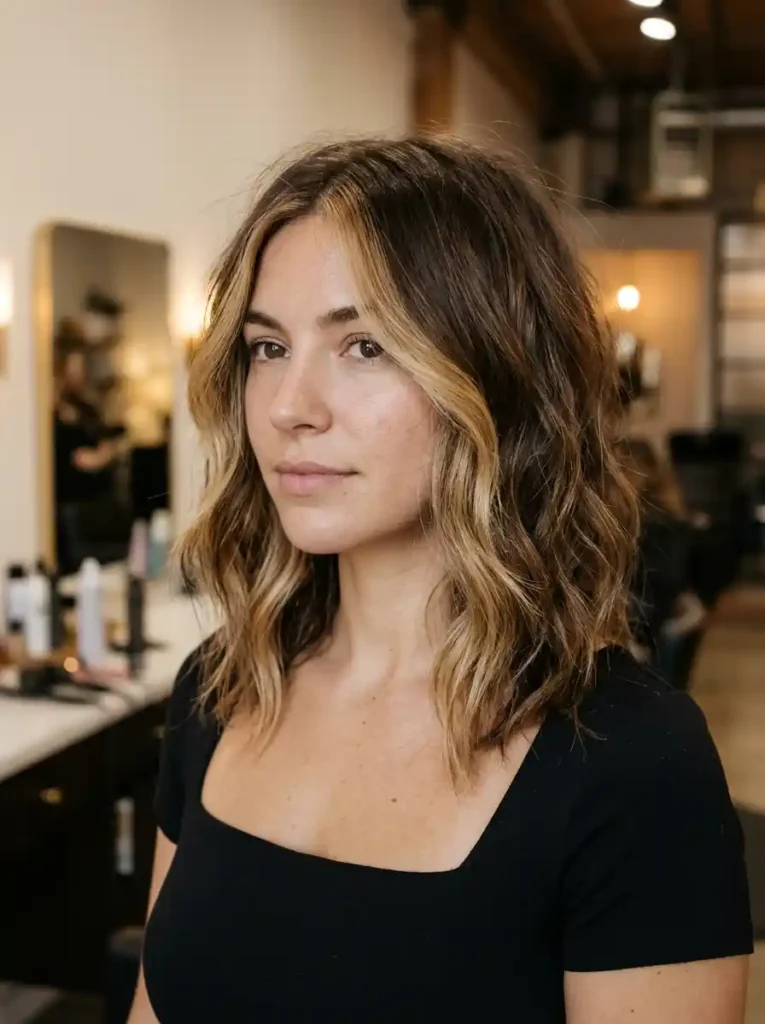
Money-piece highlights bring brightness to the front sections of a shaggy bob, emphasizing the fringe, cheekbones, and layered outline. The contrast can be subtle, with caramel ribbons against a brunette base, or more noticeable with lighter blonde pieces. Because the color is concentrated near the face, it can refresh your look without requiring an all-over color change. Ask your colorist to select a shade that complements your base color and blends naturally into the surrounding layers.
Placement matters just as much as the shade. Thick, sharply contrasting sections create a bolder effect, while finer ribbons look softer and more blended. If your hair is already lightened, discuss how additional processing may affect the ends, especially if they are heavily layered. Use a color-safe shampoo and conditioner, and follow your stylist’s advice about toning or gloss treatments. For styling, loose bends reveal the color transitions beautifully, but the haircut should still look attractive when worn straight or air-dried.
15. Shaggy Bob with Copper Tones

Copper tones give a shaggy bob a warm, expressive finish that pairs beautifully with its textured silhouette. Depending on your preference, you can choose a subtle auburn glaze, a balanced copper brown, or a brighter ginger shade. Layering helps reveal variations in the color as the hair moves, particularly around the fringe and ends. When consulting your colorist, discuss your starting shade and maintenance preferences before choosing how vivid you want the final result to be.
Red and copper pigments can fade with repeated washing and heat exposure, so a little color care makes a difference. Use a shampoo formulated for color-treated hair and wash with lukewarm water when practical. A heat protectant is helpful before blow-drying or using hot tools. If you want a lower-maintenance option, ask about a copper gloss or a shade close to your natural base rather than a dramatic lightening process. The cut itself remains versatile, allowing you to enjoy the color with waves, straight styling, or a natural tousled finish.
16. Shaggy Bob with Platinum Blonde Layers
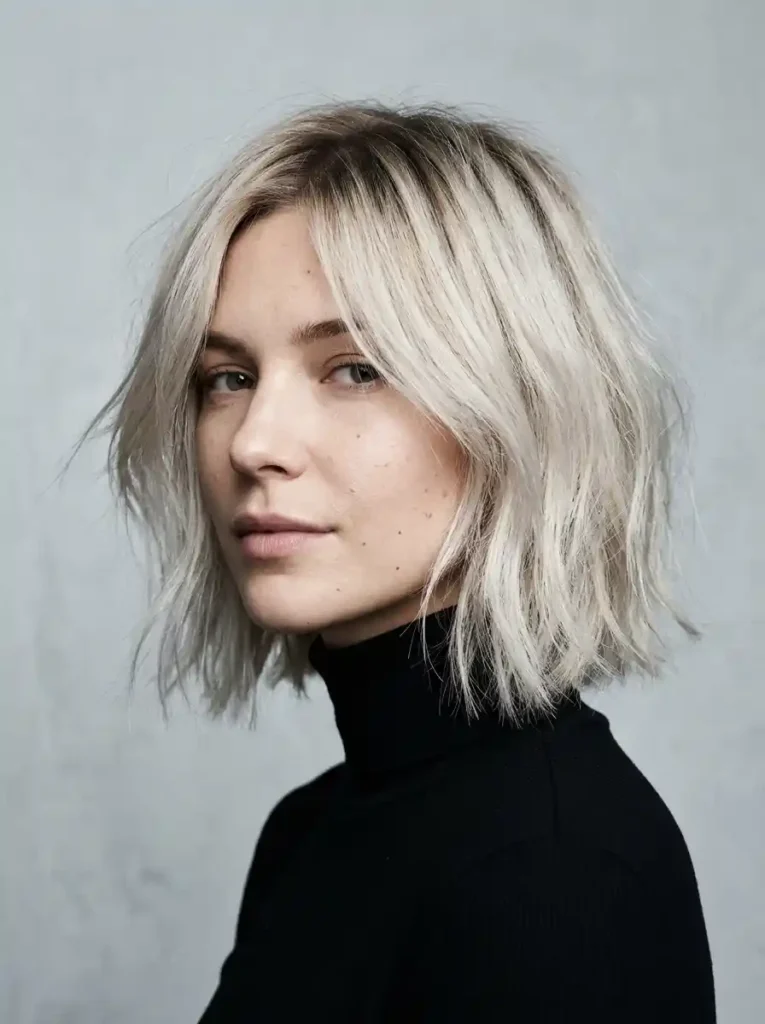
Platinum blonde gives a shaggy bob a striking, modern appearance, especially when the layers are separated enough to show the haircut’s shape. A softly shadowed root can make the color transition look more natural and reduce the urgency of root maintenance. This is a more involved option than simply reshaping your hair, since achieving a very light blonde may require significant lifting. Your stylist should evaluate your hair’s condition, existing color, and processing history before recommending a plan.
Maintaining healthy-looking platinum hair requires attention to both moisture and tone. Use products designed for lightened hair, and introduce purple shampoo only as often as needed to counter unwanted yellow tones. Excessive use can leave some shades looking dull or overly cool. Apply heat protectant before styling, and limit high-temperature tools if your ends feel fragile. If you want the visual impact without frequent root appointments, ask about a blended root shadow or a softer beige-platinum shade that works with your natural color.
17. Shaggy Bob with Deep Side Part
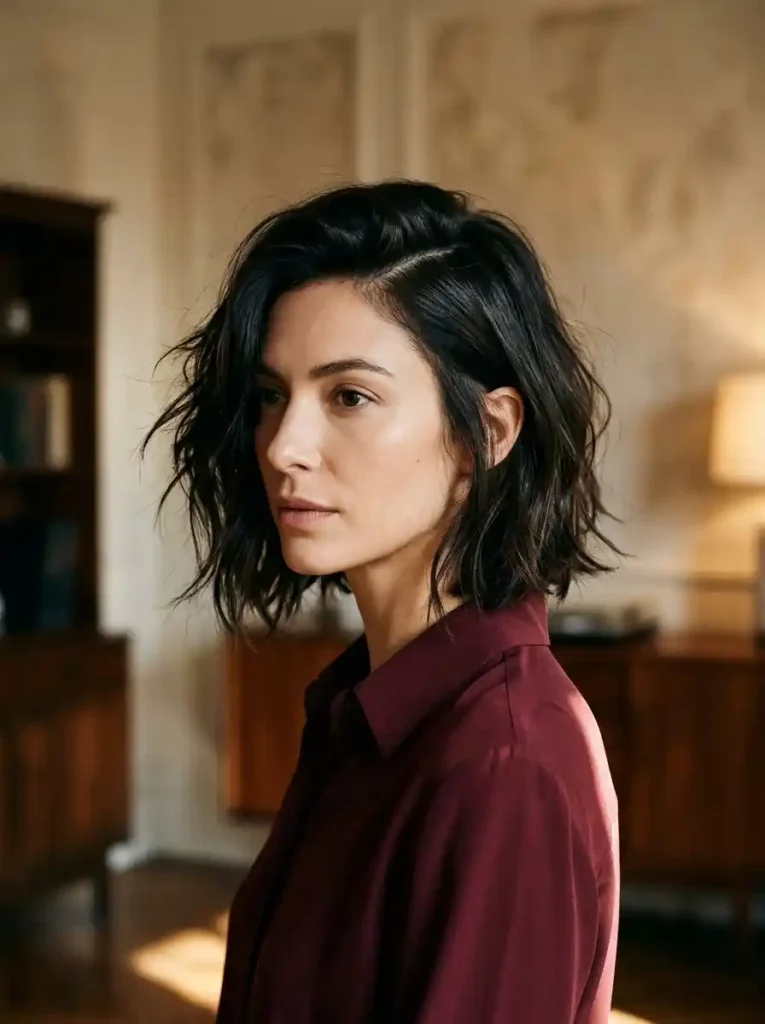
A deep side part changes the balance of a shaggy bob without requiring a completely different haircut. Sweeping more hair to one side creates a fuller-looking front section and gives the layers a naturally asymmetrical appearance. This can be a useful styling option if you want additional lift at the roots or prefer a less symmetrical frame around your face. It also lets you experiment with a new look before committing to a permanent change in length or fringe.
Start with damp hair and establish the part before blow-drying so the roots dry in the intended direction. A small amount of root-lifting spray can help, particularly if your hair tends to fall flat. Once dry, separate the layers with your fingers rather than brushing everything into a smooth sheet. If the part feels too dramatic for everyday wear, shift it slightly toward the center. This small adjustment preserves the volume while making the hairstyle look more relaxed and less deliberately styled.
18. Shaggy Bob with Flipped-Out Ends

Flipped-out ends add a playful touch to a shaggy bob, creating movement that differs from the loose waves often associated with the cut. The shape works particularly well when the layers around the face remain soft and the ends flick outward in different directions. It can give a simple outfit a slightly retro feel without requiring an elaborate hairstyle. A neck-length bob provides enough length for the flipped sections to be visible while remaining easy to style.
To create the look, dry the hair until it is almost completely smooth, then use a round brush or flat iron to direct selected ends outward. Work with small sections and keep the bend gentle; a sharp, uniform flip can make the style feel stiff. Finish with a flexible hairspray that allows the ends to move. If your hair is naturally curly or very thick, smoothing the mid-lengths first may help the outward flick look more deliberate. You can also flip only a few pieces for a subtler everyday variation.
19. Shaggy Bob with Beachy Texture

Beachy texture gives a shaggy bob a casual, lived-in finish that works especially well for weekends, holidays, and relaxed everyday outfits. Instead of creating identical curls, the styling emphasizes uneven bends, separated ends, and natural movement. A little variation between sections is part of the appeal. If your hair already has a slight wave, this look may require very little effort, making it an appealing option for anyone who prefers a low-fuss styling routine.
Apply a lightweight texturizing spray to damp hair, scrunch gently, and allow it to air-dry or use a diffuser. If your hair is straight, create a few loose bends with a curling iron, leaving some sections untouched for contrast. Avoid using too much salt spray if your hair is already dry or prone to frizz, since some formulas can leave the ends feeling rough. A small amount of leave-in conditioner can help maintain softness while preserving the relaxed, windswept finish.
20. Asymmetrical Shaggy Bob
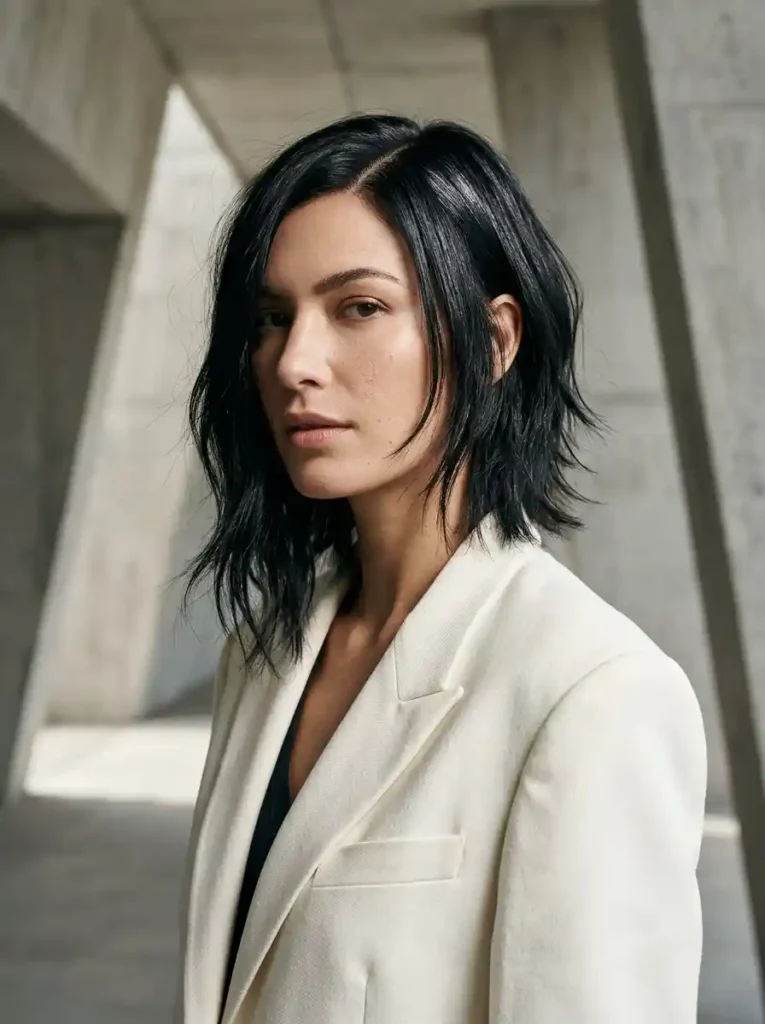
An asymmetrical shaggy bob offers a more distinctive silhouette for anyone who enjoys a haircut with a little extra personality. One side sits longer than the other, while textured layers soften the difference and prevent the style from looking overly rigid. The contrast can be subtle, with only a small variation in length, or more pronounced for a stronger fashion statement. Choosing the degree of asymmetry with your stylist helps ensure the result suits your comfort level and daily routine.
Consider how you normally part your hair and which side you prefer to show when discussing the design. The longer section can be styled forward to frame the face, tucked behind the ear, or given a slight wave for movement. Because the lengths are intentionally different, regular reshaping helps maintain the balance as the hair grows. If you often switch your part, tell your stylist beforehand so the layers can be designed to look attractive from more than one direction.
21. Shaggy Bob for Round Faces

If you have a round face and want a shaggy bob, the key is choosing proportions that make you feel comfortable rather than following rigid rules about what you can wear. A length that falls just below the chin, combined with softly elongated face-framing layers, can introduce vertical movement around the cheeks. Some lift at the crown may also create a more elongated overall silhouette. Your natural features, hair density, and personal preferences matter more than any single face-shape guideline.
Ask your stylist to avoid excessive width directly at the fullest part of your cheeks if that is an effect you prefer to minimize. A slightly off-center part and loose bends starting below the cheekbones can help direct attention toward the length of the haircut. Keep the styling flexible instead of forcing the hair into a narrow shape. If you enjoy volume around your face, you can absolutely retain it; the goal is to adapt the proportions to your preferred look rather than conceal your features.
22. Shaggy Bob for Oval Faces

An oval face offers plenty of flexibility when choosing a shaggy bob, so you can experiment with different lengths, fringe styles, and amounts of texture. A chin-length cut with curtain bangs creates a soft frame, while a longer, collarbone-skimming version feels more relaxed. If you enjoy a bolder look, choppy layers or micro bangs can add definition without requiring a dramatic change to the overall length. The most useful starting point is deciding which features you want your haircut to emphasize.
Think about your styling habits before selecting a specific variation. If you enjoy a quick morning routine, choose layers that fall naturally into place and fringe that does not demand constant adjustment. If you like experimenting with blowouts and waves, a slightly more structured shape offers additional styling possibilities. Bring two or three reference photos to your appointment and explain what you like about each one. Your stylist can combine those details into a personalized cut instead of copying a picture that may have a different texture or density.
23. Shaggy Bob with Natural Gray Hair

A shaggy bob can be a beautiful way to showcase natural gray or silver hair without making the overall style feel severe. Layered ends allow different tones to catch the light, while a soft fringe can create movement around the eyes. Whether your hair is predominantly silver, a mixture of gray and dark strands, or fully white, the cut can be adapted to your existing color pattern. There is no need to add highlights unless you specifically want extra contrast or dimension.
Gray hair can have a different texture from your previous color, sometimes feeling coarser, drier, or more resistant to styling. A moisturizing conditioner and a lightweight leave-in product can help improve manageability without flattening the layers. If yellowing is a concern, a violet-toned product may help neutralize unwanted warmth when used according to its instructions. Choose a haircut length that suits your daily routine and comfort level, then ask your stylist to shape the layers around your natural growth pattern.
24. Shaggy Bob with a Soft Wolf-Cut Influence
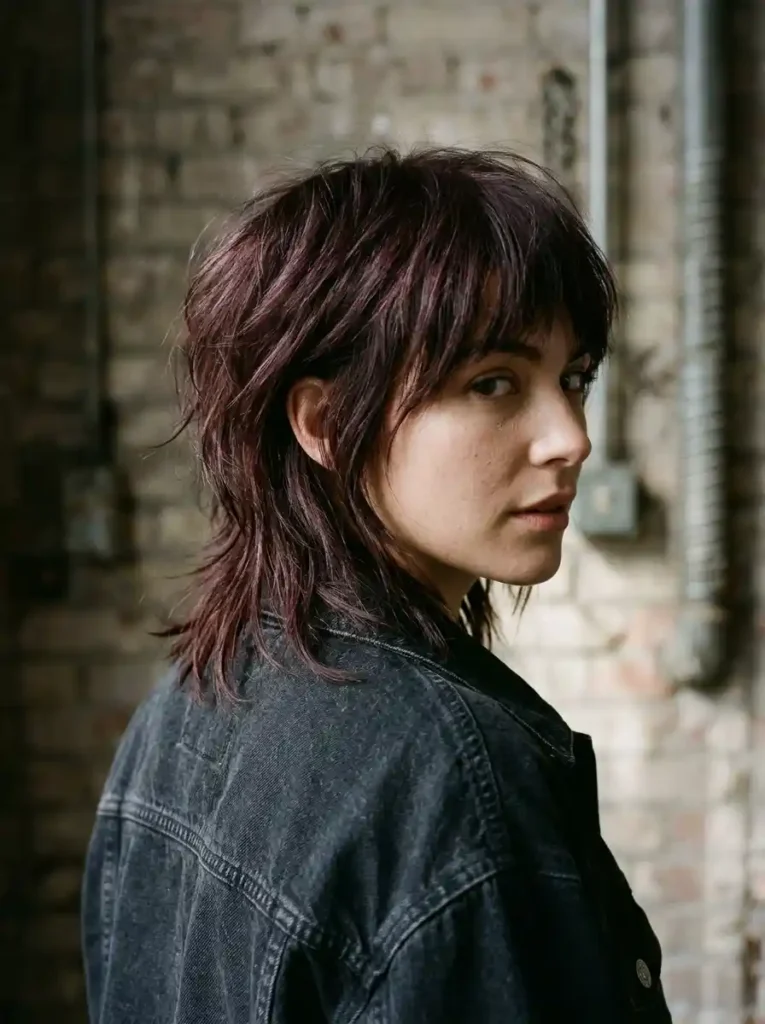
A shaggy bob with wolf-cut influences offers more contrast between the shorter crown and the longer pieces around the sides and nape. It feels a little more rebellious than a softly layered bob, yet the shorter overall length keeps it manageable. This variation works particularly well if you enjoy visible texture and want your haircut to retain movement even when it is not perfectly styled. The degree of layering can be adjusted so the silhouette feels subtle or more dramatic.
When asking for this cut, explain how much crown volume and length at the nape you want to keep. Too many short layers can make the hair expand outward, particularly if it is thick or naturally wavy. For styling, apply a lightweight mousse at the roots and scrunch a flexible cream through the ends. Let a few sections fall naturally rather than trying to make both sides identical. This haircut also grows into an interesting, softer shape, although occasional trims help prevent the back and crown from losing their intended balance.
25. Effortless Air-Dried Shaggy Bob

An air-dried shaggy bob is ideal if you want a haircut that looks good without depending on a full blowout every morning. Its success starts with the shape: layers should support your natural texture instead of requiring extensive heat styling to create movement. Ask your stylist how the cut will behave when left to dry on its own, particularly if you have cowlicks, uneven wave patterns, or areas that naturally puff up. A haircut designed around your usual routine is often more practical than one that only works after styling.
After washing, gently squeeze excess water from your hair with a microfiber towel or soft cotton T-shirt. Apply a leave-in conditioner or lightweight styling cream, then arrange the fringe and face-framing pieces while the hair is damp. Let it dry without repeatedly touching it, which can disrupt the texture. If a few sections dry awkwardly, reshape them with slightly damp fingers instead of restyling the entire head. The result should feel comfortable, individual, and easy to maintain rather than perfectly uniform.
Conclusion
The best shaggy bob is the one that works with your hair’s natural texture, your preferred length, and the amount of styling you realistically want to do. Fine hair often benefits from restrained layering and a fuller outline, while thick hair may need carefully placed internal layers. If you love a softer appearance, curtain bangs and blended ends are excellent starting points. For something more expressive, consider choppy layers, copper color, or a subtle wolf-cut influence.
Before your salon appointment, save two or three inspiration photos and identify the specific details you like, such as the fringe, length, or texture. Ask your stylist how those features would translate to your hair rather than focusing on the photograph alone. Finally, choose styling products that support your natural texture without weighing it down. A well-planned shaggy bob should feel like an extension of your personal style, not another complicated task in your morning routine.