
Purple hair is a beautiful way to change your look without settling for an ordinary color. From soft lavender and dusty lilac to deep plum, electric violet, and rich blackberry, this versatile shade offers something for almost every personal style. You can choose a subtle hint of purple that catches the light, a dimensional blend that looks different from every angle, or a vivid, head-turning color that makes your hair the centerpiece of your outfit.
The best part is that purple hair doesn’t have to mean committing to one all-over shade. Highlights, balayage, peekaboo panels, ombré, and creative color combinations let you experiment with purple at a level that feels comfortable for you. Your natural hair color, current haircut, skin undertone, and willingness to maintain the shade can all help you find the right match.
In this collection, you’ll discover 23 bold purple hair color ideas, along with practical inspiration for choosing a shade, planning your color placement, and keeping your hair looking vibrant. Whether you’re considering your first colorful transformation or searching for a fresh twist on your signature look, there’s a purple hairstyle here worth saving for your next salon appointment.
1. Vibrant Electric Violet Hair
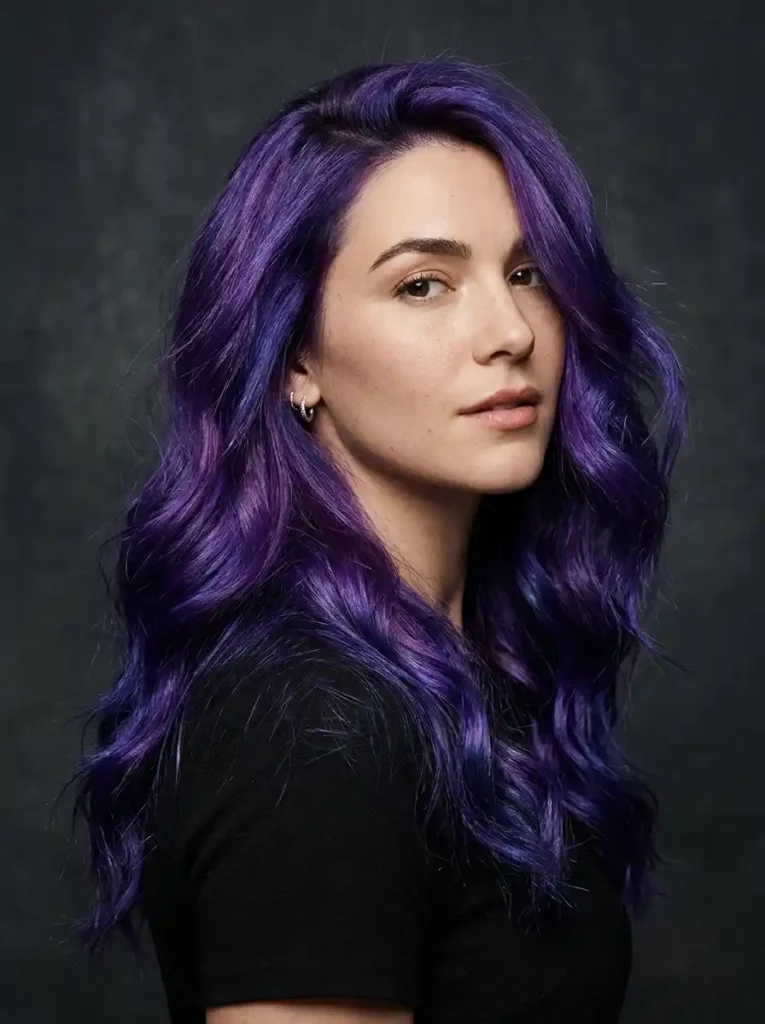
Electric violet is ideal if you want purple hair that feels fearless, modern, and unmistakably bold. Its saturated finish looks especially striking on long waves, layered cuts, and sleek bobs because the movement reveals different tones throughout the hair. Blue-based violet can create a cooler overall effect, while warmer violet formulas lean slightly toward magenta. Bring reference photos to your colorist so you can agree on the exact intensity before beginning the transformation.
For the most vibrant result, your starting hair color matters. Dark hair generally needs lightening before a bright violet shade can show clearly, and previously colored hair may require a more customized approach. Ask your stylist about strand testing, bond-building treatments, and a realistic maintenance schedule. Wash with lukewarm water and color-safe products, and reduce frequent heat styling to help preserve shine. Electric violet can fade gradually, so a matching color-depositing conditioner may help refresh the tone between appointments.
2. Soft Lavender Hair
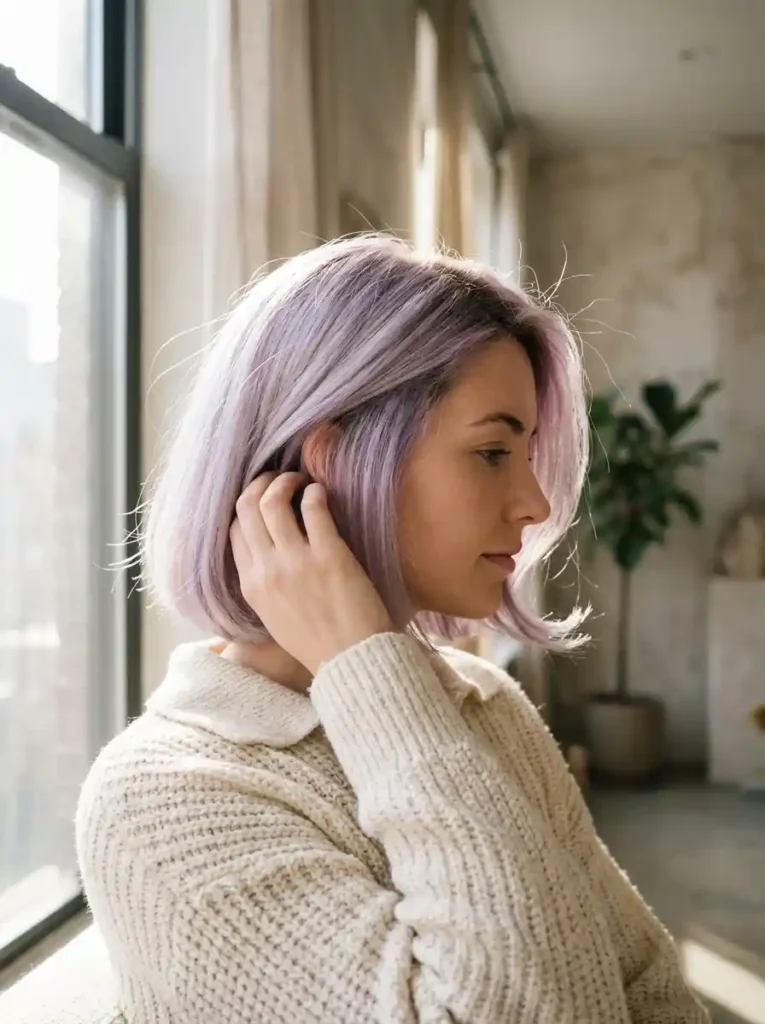
Soft lavender offers a gentler interpretation of purple, making it appealing if you love pastel colors but prefer an understated finish. Its pale, powdery appearance works beautifully with French bobs, wispy bangs, and shoulder-length hair with light movement. A shadow root adds depth and makes the transition from natural hair color look more intentional. Lavender can lean pink or blue, so discuss the desired undertone with your colorist rather than relying on shade names alone.
Achieving a clean pastel lavender usually requires a very light blonde base, which may involve substantial pre-lightening on naturally dark hair. Ask for a strand test and an honest assessment of your hair’s condition before committing. Because pastel pigment washes out relatively quickly, use a gentle shampoo, limit unnecessary washing, and follow your stylist’s conditioning recommendations. A custom lavender toner or color-depositing mask can help maintain the softness without turning the shade unexpectedly gray, blue, or overly pink.
3. Deep Plum Purple Hair
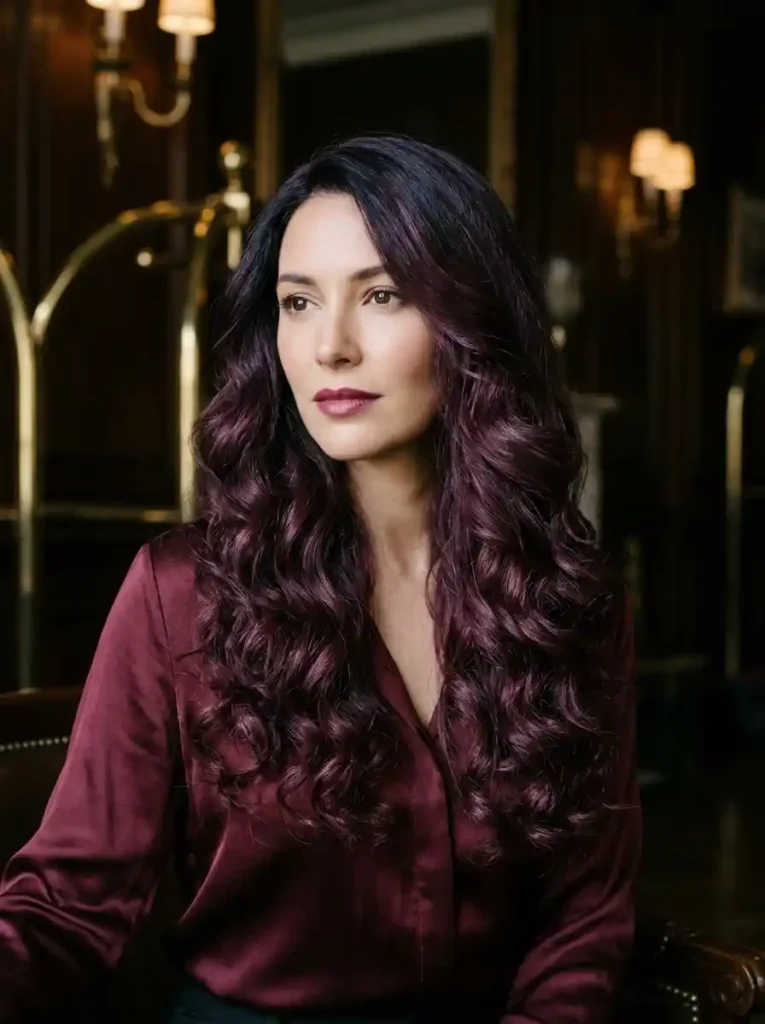
Deep plum is a sophisticated option for anyone who wants a purple hair color that looks rich rather than neon. Its dark, wine-inspired finish can appear almost brunette indoors, then reveal violet and burgundy reflections under brighter light. This makes it particularly appealing for people who prefer dramatic color without an extremely bright overall result. Long curls, layered cuts, and blunt shoulder-length styles all showcase the shade differently, depending on how much movement you want.
One advantage of plum is that it can sometimes be achieved on darker hair with less lightening than pastel or electric shades, although the final result depends on your starting color and chosen formula. Ask for a consultation if your hair has previous dye buildup. To maintain its depth, use color-safe shampoo and protect your hair from excessive heat. If you want more dimension, request subtle violet ribbons rather than a completely uniform finish.
4. Purple Balayage on Dark Hair
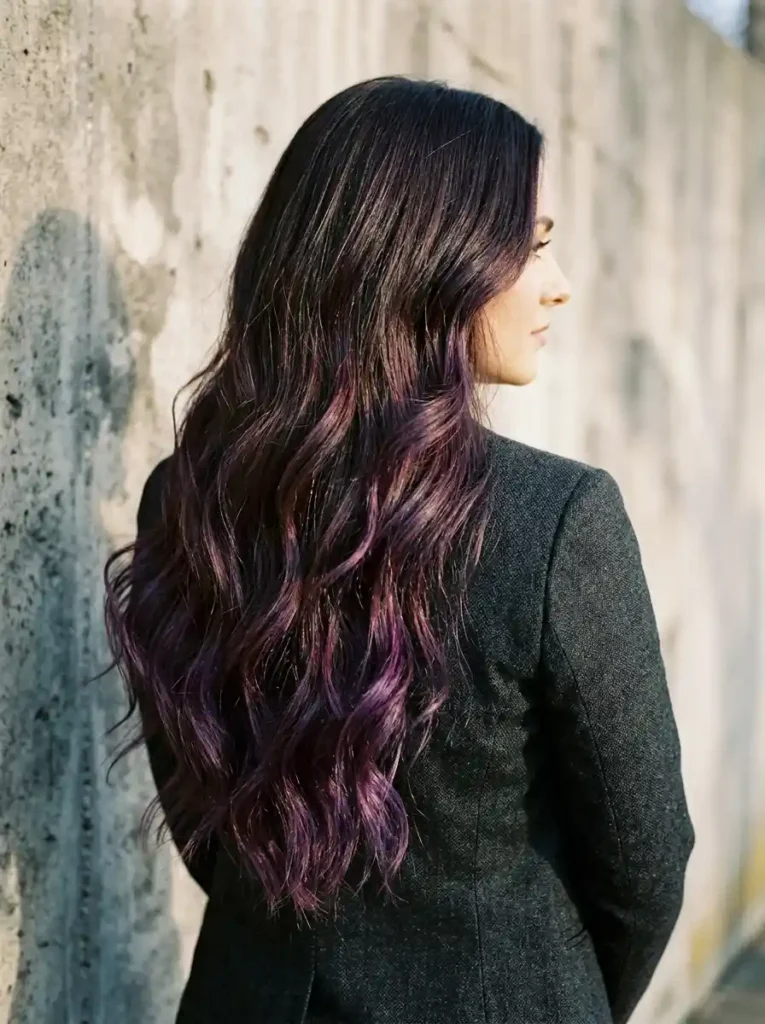
Purple balayage is a great introduction to colorful hair because it leaves plenty of your natural base visible. Instead of coloring every strand, a stylist paints purple through selected sections to create movement and contrast. Deep violet against dark brown or black hair gives a moody finish, while brighter purple ends create a more noticeable transformation. The placement can be customized around your haircut, making this technique suitable for long layers, textured waves, and medium-length styles.
Before booking, explain whether you want the purple to appear mainly in sunlight or remain obvious indoors. That distinction helps your colorist decide how much lightening and pigment intensity are needed. Balayage often creates a softer grow-out than solid color, although vivid purple sections still need refreshing as they fade. Use a color-safe routine and consider occasional glossing appointments to restore shine. Ask for a few face-framing pieces if you want the color to be more visible from the front.
5. Black Cherry and Purple Hair
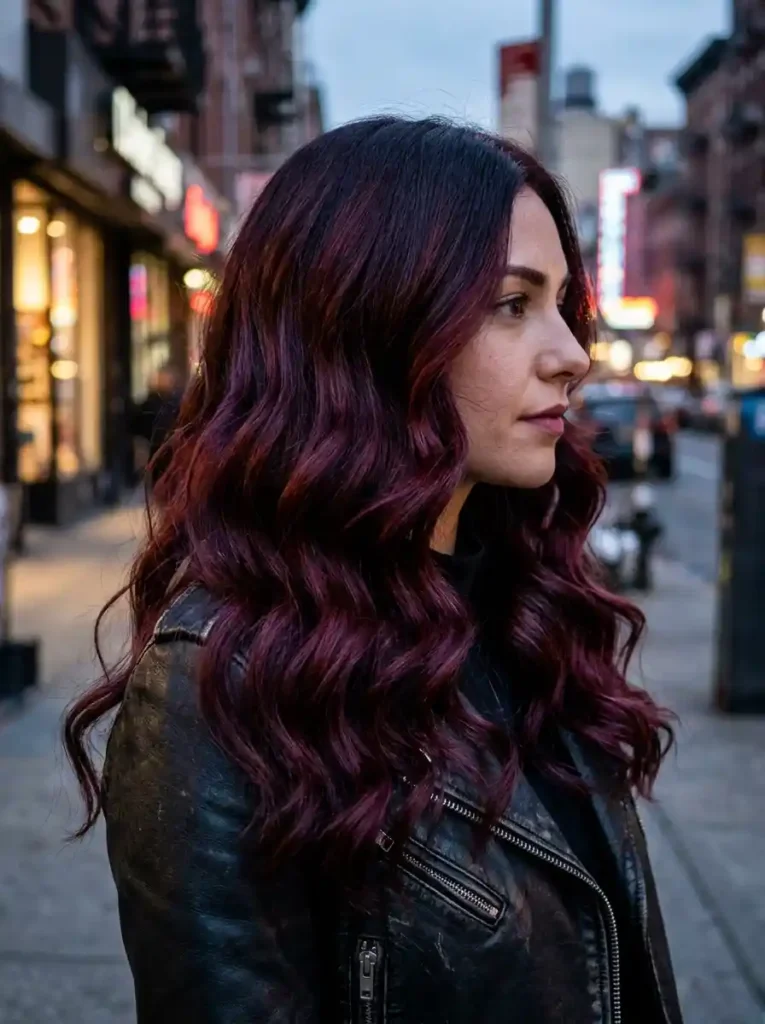
Black cherry and purple combine the richness of dark red with the cool drama of violet. The result is a multidimensional color that looks almost black in low light but reveals plum, berry, and cherry reflections as the hair moves. It’s an appealing choice if you enjoy alternative fashion, gothic-inspired styling, or darker colors with a little extra personality. The combination looks especially effective on long waves, layered shags, and sleek cuts with reflective surfaces.
Ask your stylist to determine whether the red or purple should dominate, since the balance changes the overall effect. Cherry-forward formulas feel warmer, while violet-heavy blends create a cooler, moodier appearance. Existing red or dark dye can influence the final result, so a strand test is particularly useful. Maintain the shade with gentle cleansing and reduced heat exposure. When refreshing the color, your stylist can adjust the red-to-violet balance instead of repeating the original formula automatically.
6. Purple Peekaboo Highlights
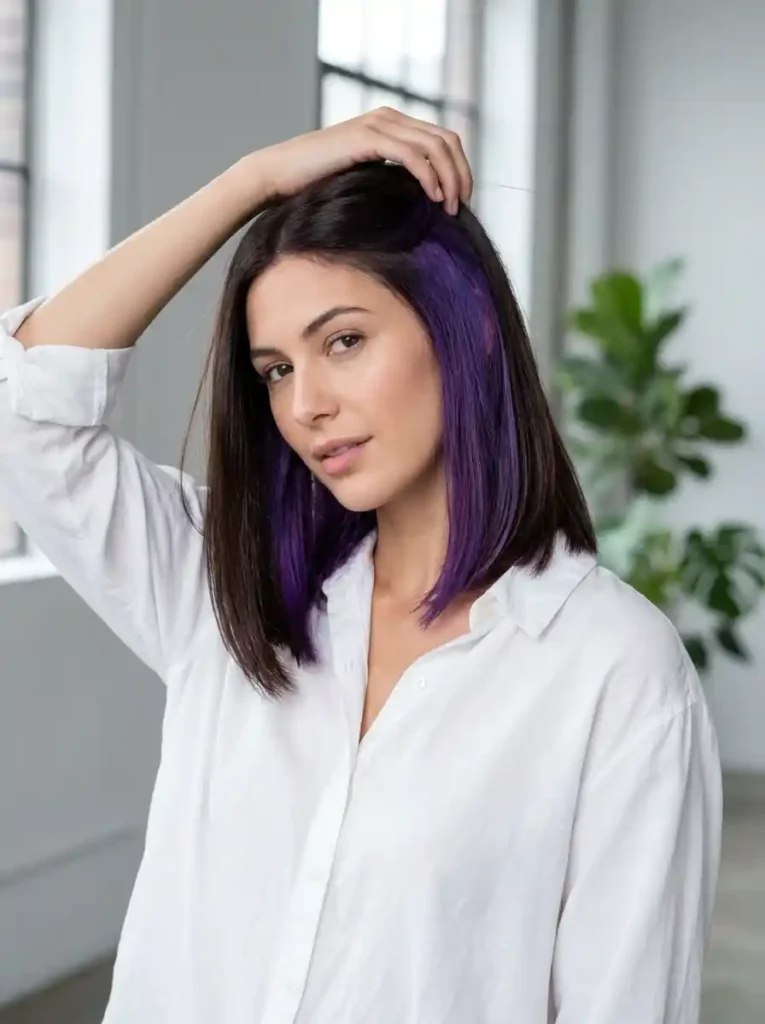
Purple peekaboo highlights give you a playful color change without making purple the first thing everyone notices. The stylist places vivid sections underneath your natural top layer, allowing the color to appear when you move, tie your hair up, or tuck it behind your ears. This placement works particularly well with dark brown, black, or blonde hair because the hidden panels create contrast. It’s a practical option if you want colorful hair while keeping a more conventional appearance for work.
Think about how you usually wear your hair before choosing the placement. A low ponytail, half-up style, or short bob may reveal different amounts of purple, so show your stylist your everyday hairstyles. Hidden sections still require appropriate lightening when necessary, and their upkeep depends on how bright you want them to remain. Avoid placing every colored panel too close to the hairline if subtlety is your priority. A few strategically positioned pieces can deliver movement without overwhelming your natural base.
7. Lilac and Silver Hair
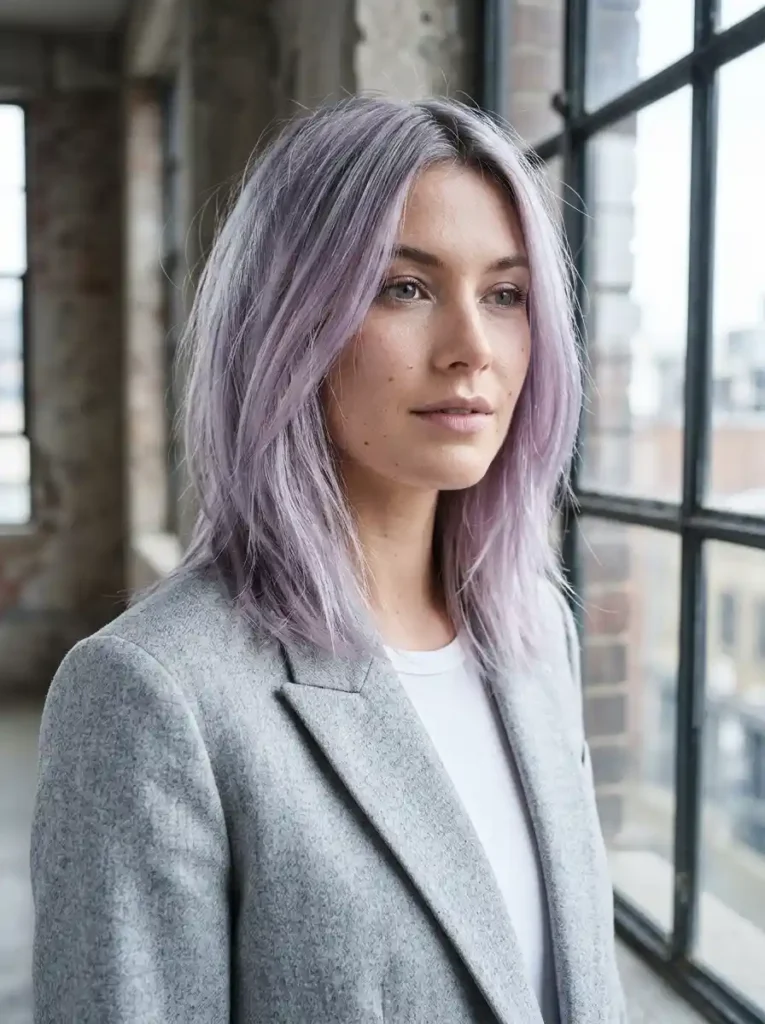
Lilac and silver create a cool, contemporary look that feels more nuanced than a single pastel shade. Smoky roots transition into pale lavender lengths, while silvery highlights add a reflective finish. This combination can be beautiful on straight hair, loose waves, and softly layered bobs because the tonal differences become visible across the surface. If you like minimalist clothing, metallic accessories, or cool-toned makeup, the color can complement that aesthetic without requiring an elaborate hairstyle.
The main challenge is achieving the pale base needed for both silver and lilac to look clean. Warm yellow undertones can influence the result, so your colorist may need to lighten and tone your hair carefully over multiple appointments. Silver and pastel pigments also tend to fade noticeably, making gentle washing and regular conditioning important. Ask whether a custom toner is appropriate for your hair. Avoid repeatedly applying purple shampoo without guidance, because too much pigment can make the silver look dull or overly violet.
8. Neon Purple Hair
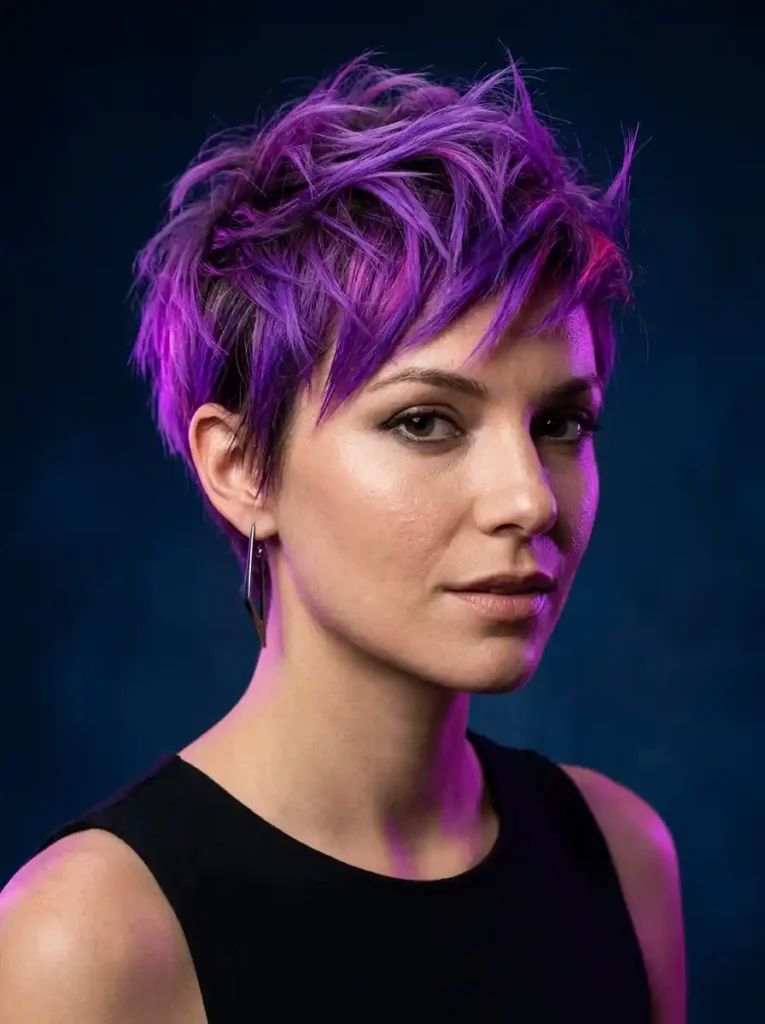
Neon purple is made for people who want a high-impact color that feels energetic and unapologetic. Its vivid saturation looks especially striking on pixie cuts, choppy layers, and short bobs because the color remains easy to see without requiring long, flowing hair. A slightly pinker neon violet feels playful, while a bluer purple creates a cooler, more futuristic effect. This shade can also work as a statement fringe or concentrated panel if a full head feels too dramatic.
Bright neon formulas usually need a sufficiently light base to achieve their intended appearance, particularly on naturally dark hair. Discuss the condition of your hair before bleaching, and consider a staged transformation if it has already undergone chemical processing. Vivid shades may transfer onto light towels or pillowcases when freshly colored or wet, so follow your colorist’s washing instructions. Choose color-safe products and minimize unnecessary washing. If you want to preserve the intense finish, plan for periodic pigment refreshes rather than waiting until the shade disappears.
9. Purple Ombre with Black Roots
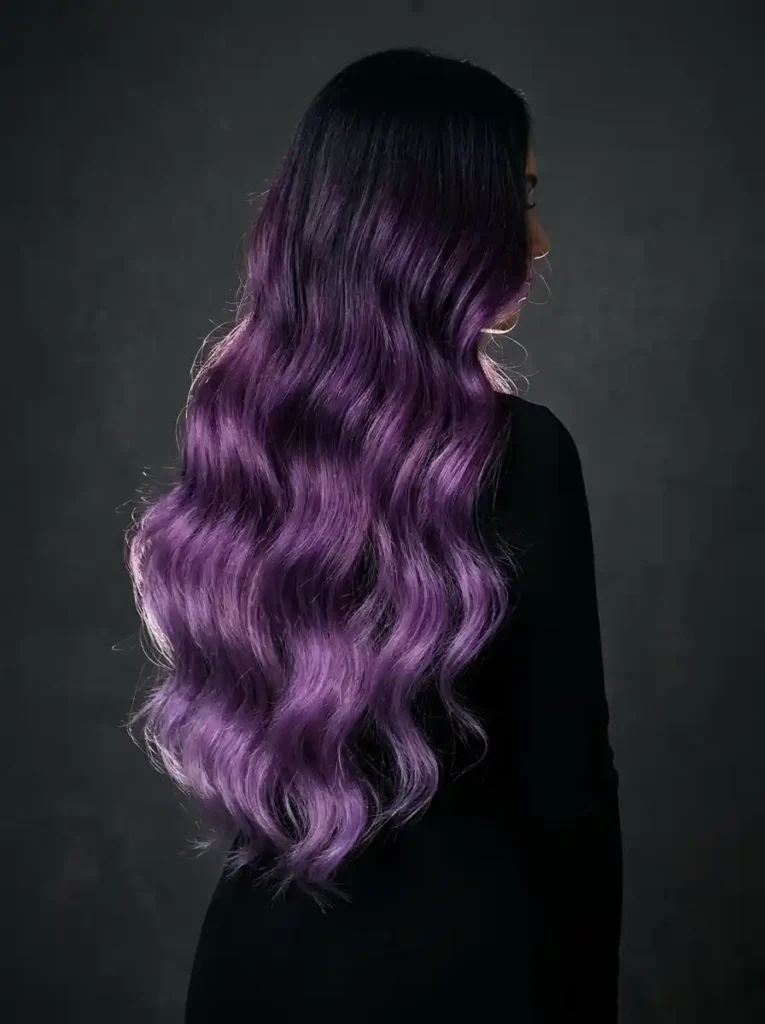
Purple ombré creates a dramatic gradient without requiring the entire head to be one uniform color. Keeping the roots black or naturally dark gives the hairstyle visual depth, while violet lengths and brighter ends introduce movement. It’s especially attractive on long hair, where there is enough space for the transition to develop gradually. If you prefer a more alternative appearance, ask for a stronger contrast between the dark roots and vivid ends rather than a very subtle blend.
The key to a successful ombré is a smooth transition between shades, not simply placing purple over the bottom half of your hair. Your stylist may need to lighten the lengths before applying the chosen violet, depending on your starting color. Bring photos that show where you want the purple to begin. Dark roots generally offer easier grow-out than a solid all-over color, but lightened ends need extra conditioning. Trim damaged ends regularly and use heat protection before styling.
10. Pastel Purple and Pink Hair
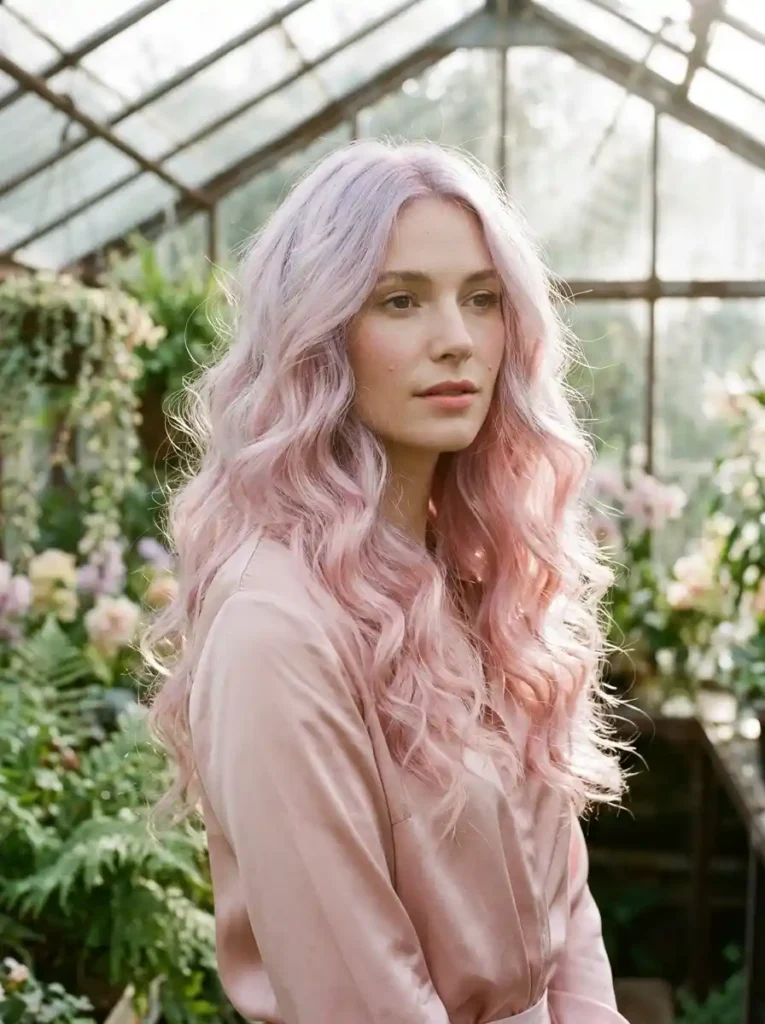
Pastel purple and pink make a soft, expressive combination that feels romantic without losing its colorful personality. A lilac-to-rose blend looks lovely on long curls, layered hair, and shoulder-length waves because the two colors mix visually as the hair moves. You can place lavender near the face for a cooler effect or make pink the dominant shade for a warmer finish. Keeping the transition gradual creates a polished result, while clearly separated panels give the hairstyle a more playful edge.
Both colors generally require a light blonde foundation, and pastel pigment tends to fade faster than deeper shades. Ask your stylist to explain how the two tones may change over time, particularly if your hair has uneven porosity. A custom color-depositing mask can help refresh the blend, but use the recommended formula to avoid creating unwanted patches. Wash less frequently when practical, protect your hair from high heat, and remember that refreshing pink and purple together may require slightly different pigment balances.
11. Rich Eggplant Purple Hair
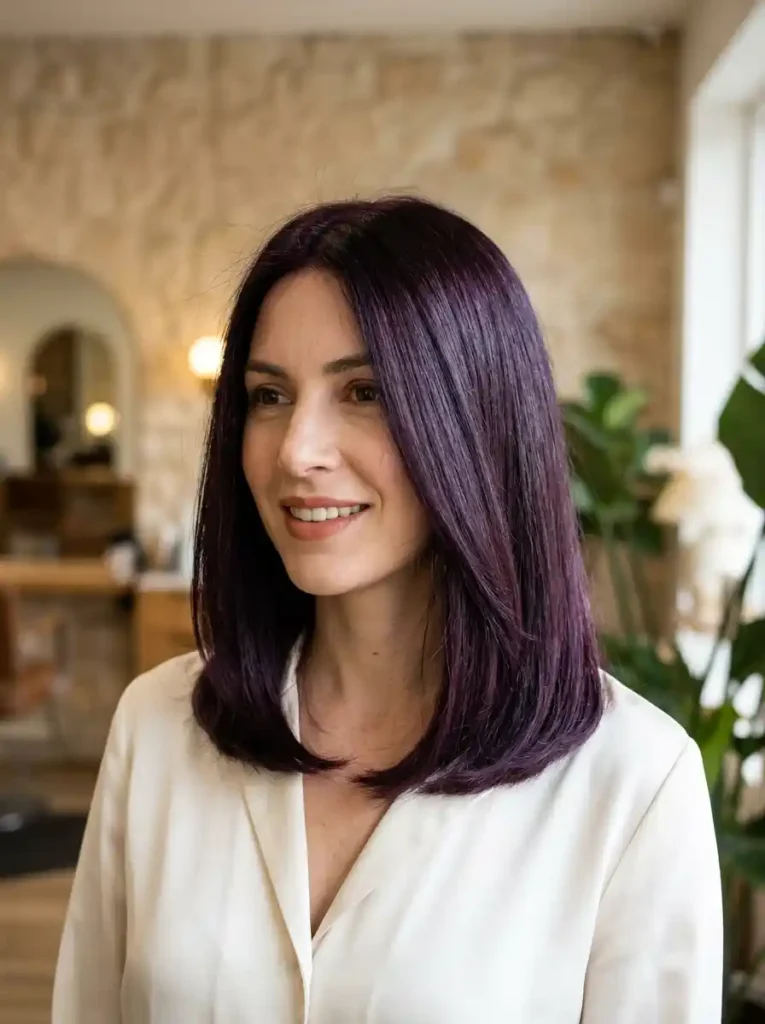
Eggplant purple offers a deep, elegant alternative to brighter violet shades. Its blend of dark purple and subtle reddish undertones gives hair a rich finish that can appear almost brown or black until the light reveals its color. This makes it a useful choice for someone who wants a noticeable change without committing to a neon result. A blunt bob emphasizes its glossy surface, while longer layers allow the aubergine tones to shift gently with movement.
Because eggplant is relatively dark, it may be easier to achieve on some brunette bases than a pale or electric purple, although the exact process depends on your existing color. Ask whether a gloss or permanent formula better suits your desired longevity and gray coverage needs. Keep the finish reflective by conditioning regularly and limiting high-temperature styling. If the shade fades toward red or brown, your colorist can adjust the next refresh to restore the cooler purple dimension rather than automatically choosing a darker formula.
12. Purple Money Piece Highlights
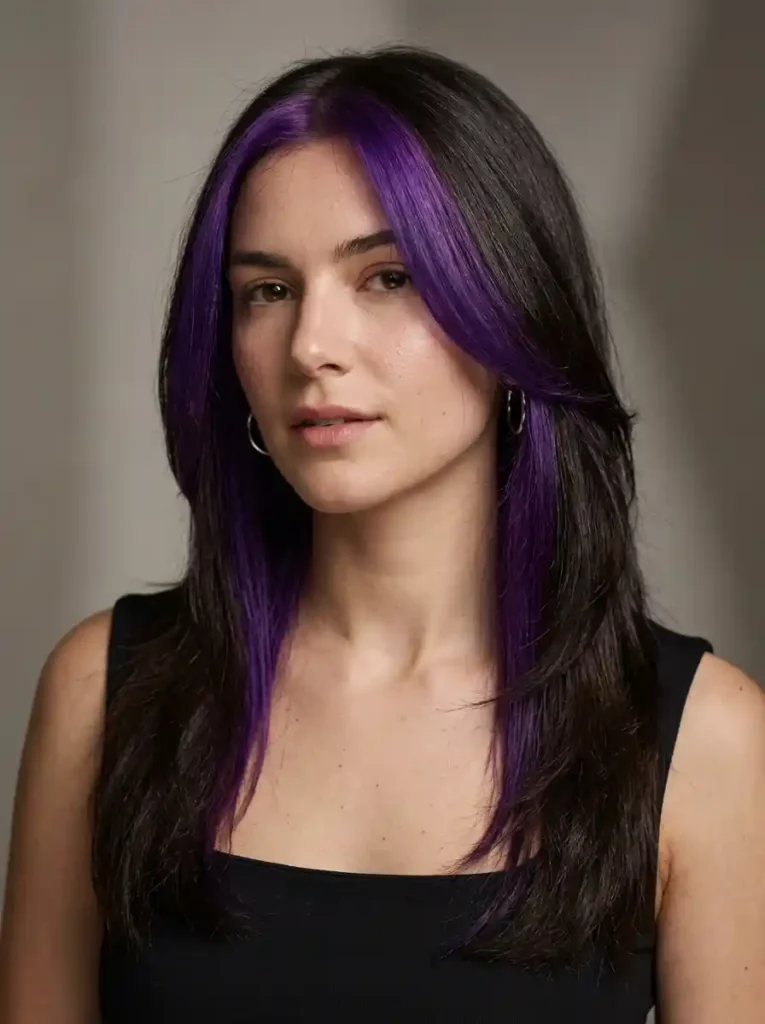
Purple money pieces bring color directly to the front of your hairstyle, where it becomes visible even when the rest of your hair remains dark. The contrast can brighten the overall look and emphasize layers around the face without requiring full-head color. Thick violet panels create a statement effect, while narrower ribbons look more understated. This technique suits long hair, curtain bangs, shoulder-length cuts, and layered bobs, especially when the front pieces have enough length to frame your features.
Placement matters because the lightened sections sit near your face and are often more noticeable as they grow out. Ask your stylist to choose a width that complements your haircut and the amount of contrast you want. If your base is very dark, the front sections may need careful lightening before violet pigment can appear vivid. Use conditioner on the lightened pieces and avoid excessive hot-tool contact around the hairline. A toner refresh can keep the purple coordinated with your natural base.
13. Blue-Purple Galaxy Hair
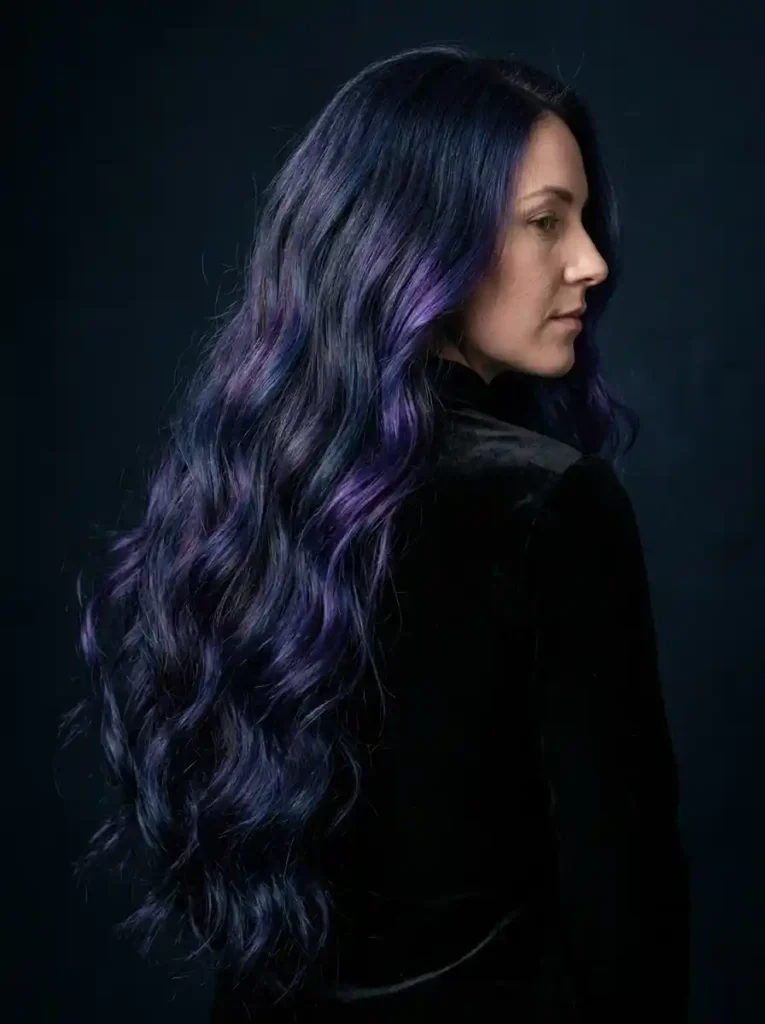
Galaxy hair combines blue and purple in a layered, celestial-inspired palette. Midnight blue creates depth, indigo bridges the colors, and brighter violet sections add visual energy. Rather than scattering unrelated colors throughout the hair, ask your stylist to build a coordinated placement that follows your haircut. Long waves make the combination especially visible, while a shoulder-length cut can offer a more wearable version. The overall effect can feel artistic and dramatic without needing glitter or decorative accessories.
Because blue and purple pigments can fade differently, the initial color plan should account for how the hairstyle will look several washes later. Your stylist may recommend a customized blend and separate refresh products to maintain the balance. Lightening requirements depend on your base color and the brightness you want, so a consultation is worthwhile. Wash gently, protect your hair from sun exposure when practical, and avoid assuming that blue shampoo will maintain the purple sections. Use products specifically suited to your chosen shades.
14. Dusty Mauve Purple Hair
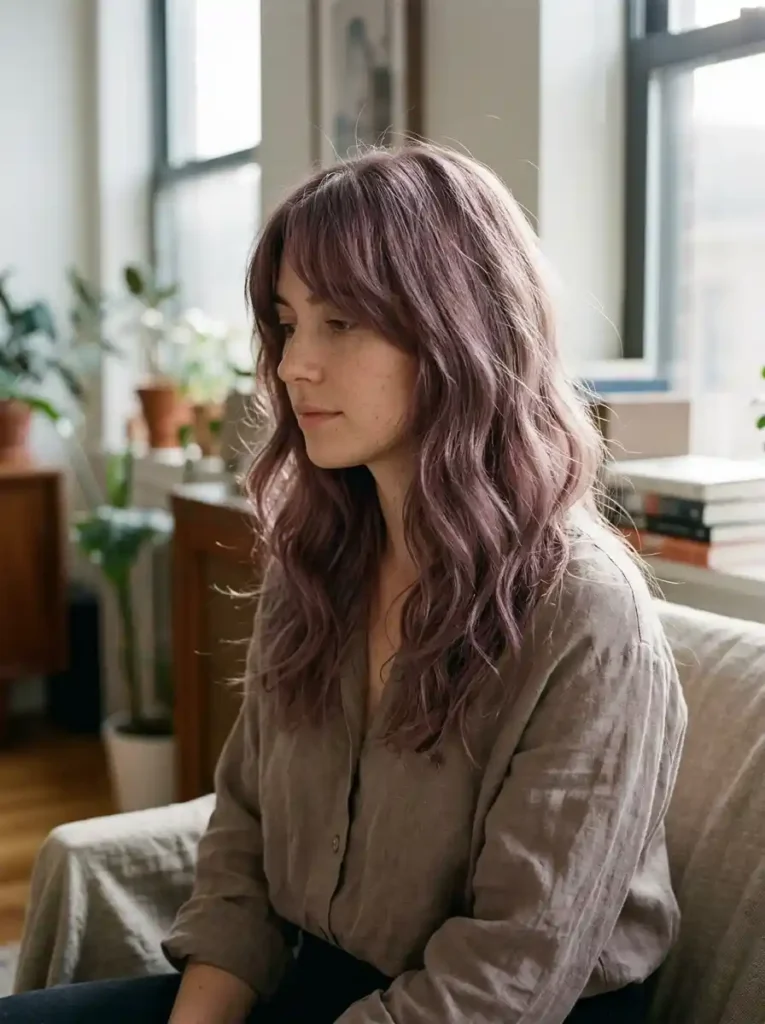
Dusty mauve is a beautiful choice if vivid purple feels too intense but ordinary brunette no longer excites you. Its muted combination of violet, rose, and brown creates a soft, sophisticated color that pairs naturally with relaxed waves, curtain bangs, and textured shoulder-length cuts. Unlike icy lavender, mauve does not need to look almost white to feel distinctive. You can also adjust the balance toward pink or smoky purple, depending on your preferred makeup, wardrobe, and overall aesthetic.
Your starting hair color will influence how much lightening is needed to reveal the muted tones. On lighter brown or blonde hair, your colorist may have more flexibility, while darker hair could require pre-lightening for a visible result. Explain that you want a dusty finish rather than a highly saturated violet. To keep the shade balanced, use gentle color-safe products and avoid repeatedly applying strong purple toners without advice. Regular gloss appointments can restore softness if the mauve gradually loses its distinctive undertone.
15. Purple Highlights on Curly Hair
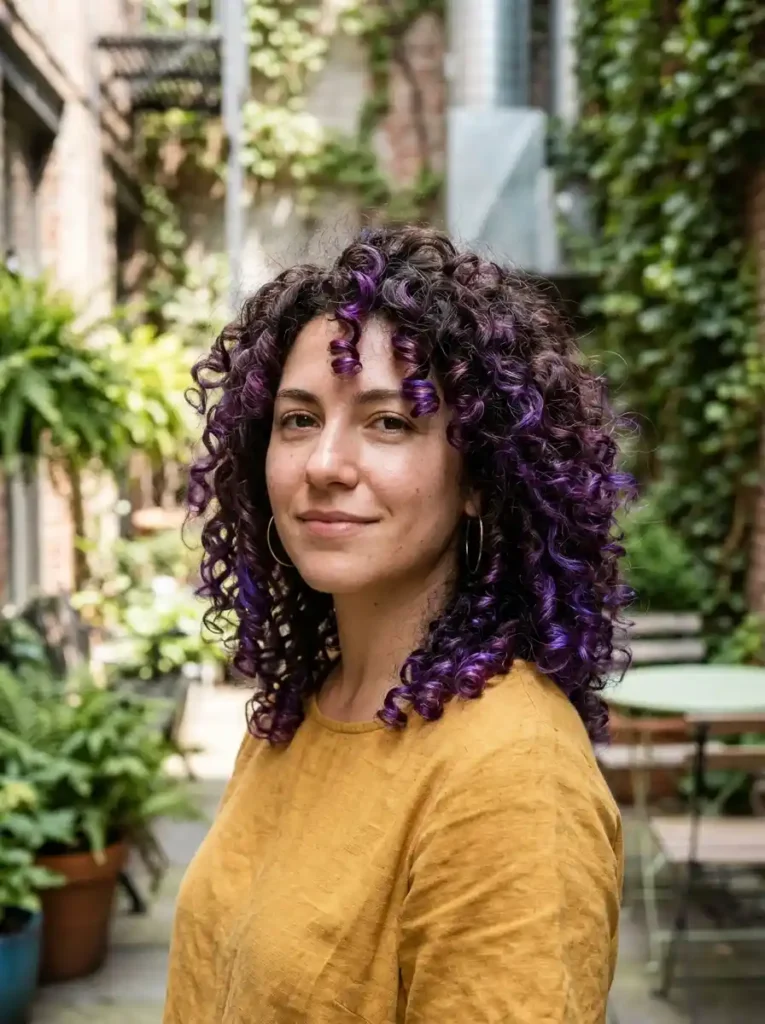
Purple highlights can make naturally curly hair look beautifully dimensional by drawing attention to the shape and movement of individual curls. Instead of placing color in uniform straight lines, a stylist can select curls or small sections so violet appears throughout the hairstyle. Bright purple contrasts dramatically with dark brown hair, while softer plum tones create a subtler result. This approach suits tight coils, loose spirals, and textured curly bobs, provided the placement complements your natural curl pattern.
Curly hair often benefits from a careful assessment of dryness, elasticity, and previous chemical treatments before lightening. Ask your stylist how the process may affect your curl definition and whether a gradual color transformation would be safer for your hair. Maintain moisture with a conditioning routine appropriate for your texture, and detangle gently to minimize breakage. Choose styling products that support your usual curl pattern rather than weighing it down. For the most balanced finish, evaluate the color when your hair is styled naturally.
16. Purple Underlayer on Blonde Hair
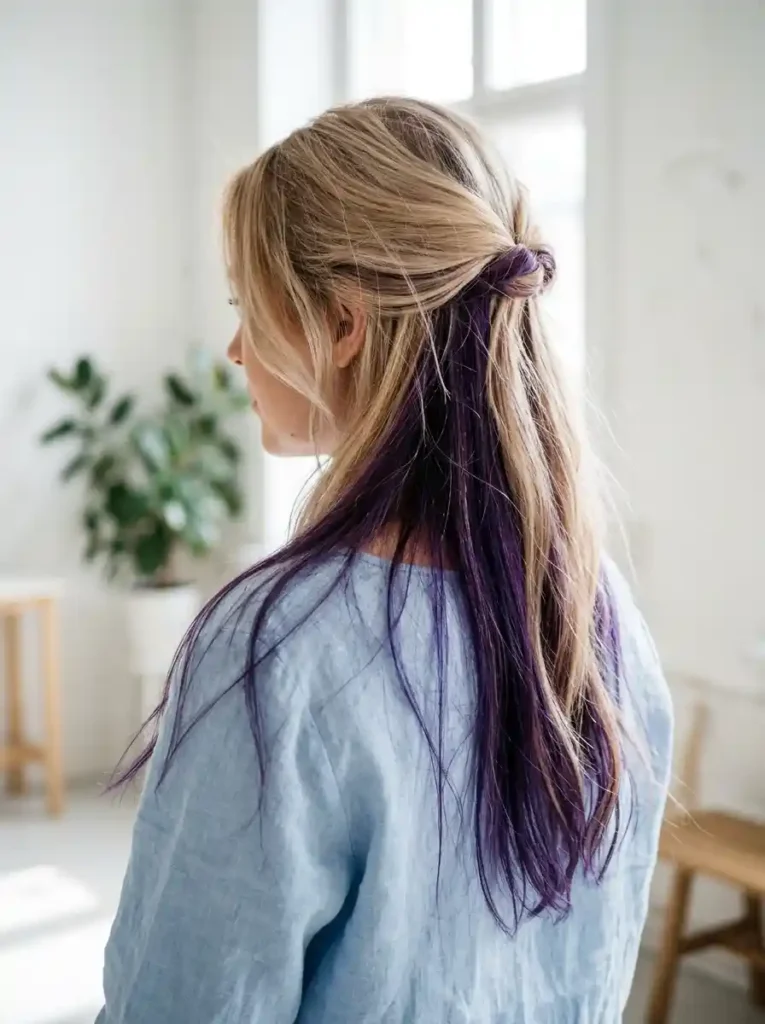
A purple underlayer on blonde hair creates contrast in a slightly different way from traditional highlights. The top remains light and relatively neutral, while a concentrated violet section underneath adds depth whenever the hair moves. A half-up hairstyle makes the contrast especially visible, but a ponytail or loose braid can reveal it too. This idea is particularly useful if you want to experiment with fantasy colors while keeping blonde as the dominant shade in everyday styling.
Ask your colorist how much of the underneath section should be colored based on your haircut and usual parting. A narrow panel feels discreet, while a wider section creates a stronger visual statement. Blonde hair can show purple pigment clearly, so choose the intensity carefully to avoid a result that overwhelms the rest of your color. Because violet can stain light hair as it fades, discuss the expected fading pattern and appropriate cleansing products before your appointment. Gentle maintenance helps preserve the contrast.
17. Blackberry Purple Hair
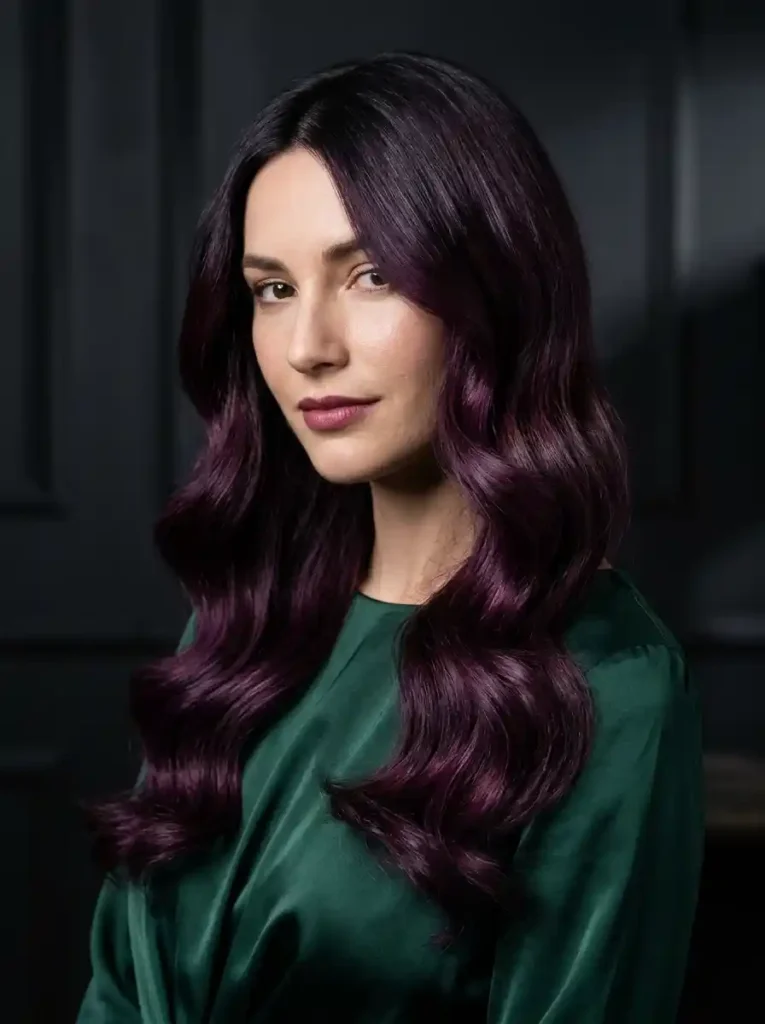
Blackberry purple is a moody, dark shade inspired by the depth of ripe berries. It combines a nearly black base appearance with cool violet and subtle blue-purple reflections, making it a strong option for anyone who loves dramatic color but doesn’t want a bright result. The shade looks particularly elegant on polished waves, long layers, and sleek blunt cuts. Its restrained intensity also makes it easier to pair with everyday clothing than a highly saturated neon purple.
Discuss whether your stylist can achieve the desired berry tone directly over your current color or whether some lightening is necessary. The result will vary with your natural undertone, previous dye, and chosen formula. To prevent the color from looking flat, ask for a subtle violet gloss or carefully placed tonal variation. Use a gentle shampoo and avoid excessive hot-water washing. If your hair is naturally dark, blackberry purple can be a practical starting point for exploring richer purple shades without immediately pursuing a pastel transformation.
18. Purple and Teal Split-Dye Hair
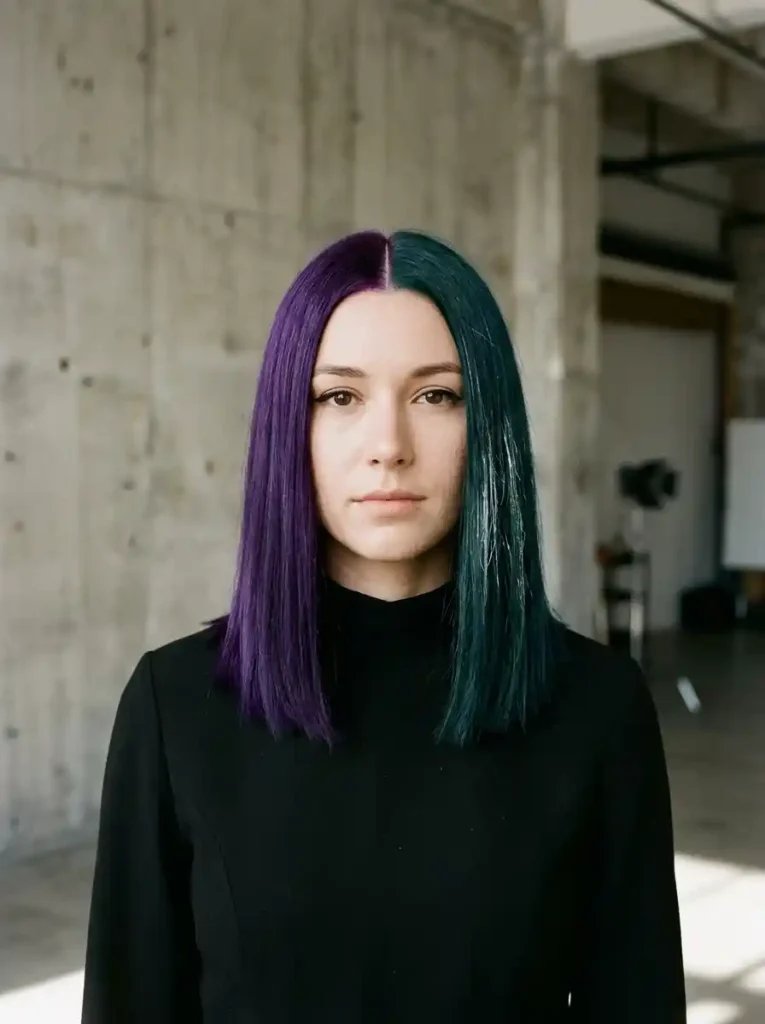
Purple and teal create a bold complementary contrast for people who enjoy unconventional hair color. A classic split dye divides the hairstyle into two distinct halves, allowing each shade to remain clearly visible. You can choose vivid violet with jewel-toned teal for maximum contrast or darker versions for a moodier appearance. Straight bobs make the division especially crisp, while loose waves soften the boundary slightly. This style works best when you deliberately want the colors to become a defining feature of your look.
Precise sectioning and careful color placement are essential because the two shades should remain distinct rather than bleed into one another. Ask your stylist how to protect the lighter sections during washing and how to manage different fading rates. Both colors may require pre-lightening, depending on your starting shade. Use separate color-refresh products only when recommended, and avoid overlapping strongly pigmented formulas casually. If you prefer an easier grow-out, a split-dye style with darker roots can provide a little more flexibility between appointments.
19. Purple Foil Highlights on Brunette Hair
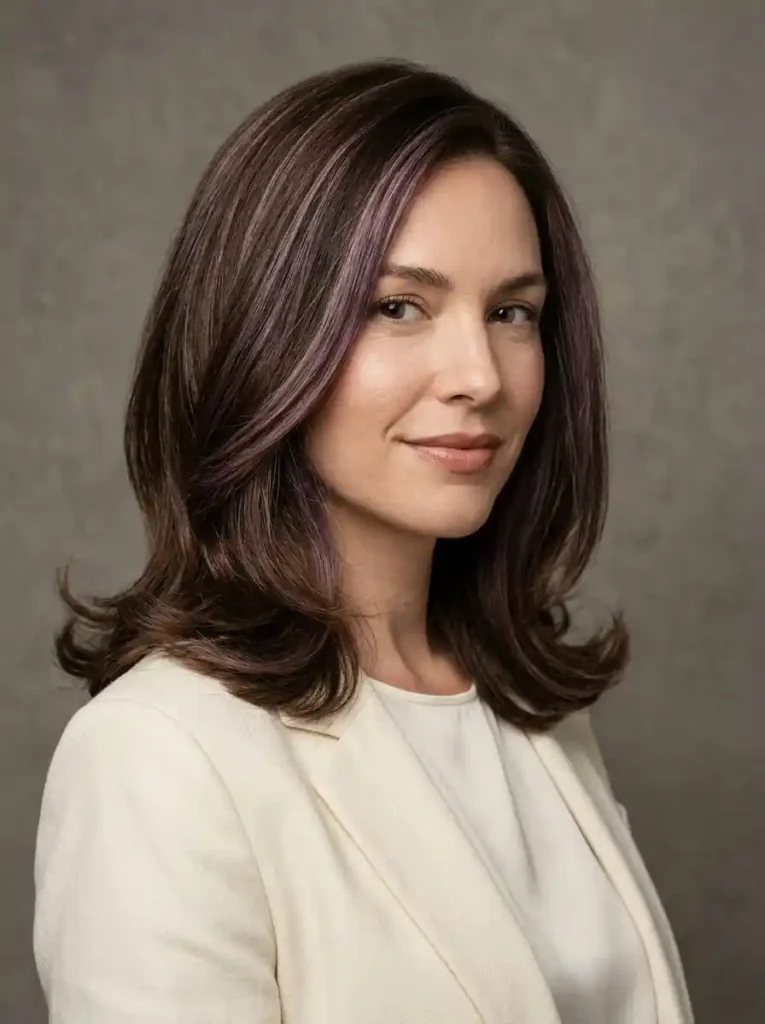
Fine purple foil highlights offer a more controlled, structured alternative to balayage. Your colorist can place selected sections to create consistent ribbons of violet throughout the brunette base, giving the hair visible dimension without turning every strand purple. The effect can be delicate or bold depending on the thickness and spacing of the highlights. This approach suits straight hair and soft waves particularly well because the contrasting strands remain easy to see after styling.
If you want a sophisticated finish, choose a shade of violet that contrasts with your brunette base without creating an overly harsh pattern. Ask your stylist to consider your existing highlights and previous color, since these can affect the final result. Foil placement may require lightening selected sections, so maintaining their condition matters. Use a color-safe shampoo and conditioner, and schedule refreshes according to the visibility of your roots and the fading of the purple. A gloss can help unify the overall tone between appointments.
20. Smoky Purple Gray Hair
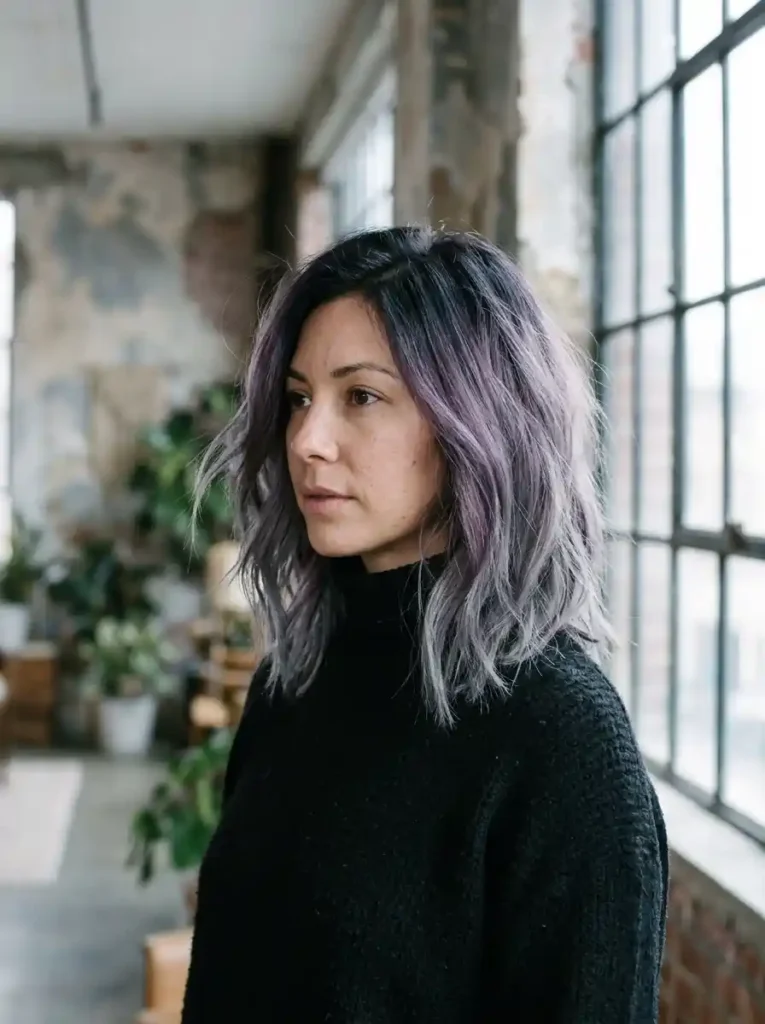
Smoky purple-gray hair combines muted violet with charcoal and silver-gray tones for an understated alternative to bright fantasy color. Its softened appearance makes it especially attractive for textured lobs, shag haircuts, and layered styles where different tones can blend naturally. Darker roots add depth, while smoky lengths keep the purple visible without making the entire hairstyle look intensely saturated. If you enjoy neutral clothing and modern, minimalist styling, this combination offers an interesting balance of color and restraint.
The final result depends heavily on the underlying hair color because silver-gray and smoky violet can look different over warm versus cool bases. Ask your colorist whether your hair can reach the required lightness without compromising its condition. Gray and muted purple pigments may fade unevenly, so a tailored toner or gloss can be helpful. Use a gentle cleansing routine and avoid excessive heat. Bring reference photos showing both fresh color and faded versions, so you can discuss which stage you would feel comfortable wearing.
21. Purple Mermaid Hair
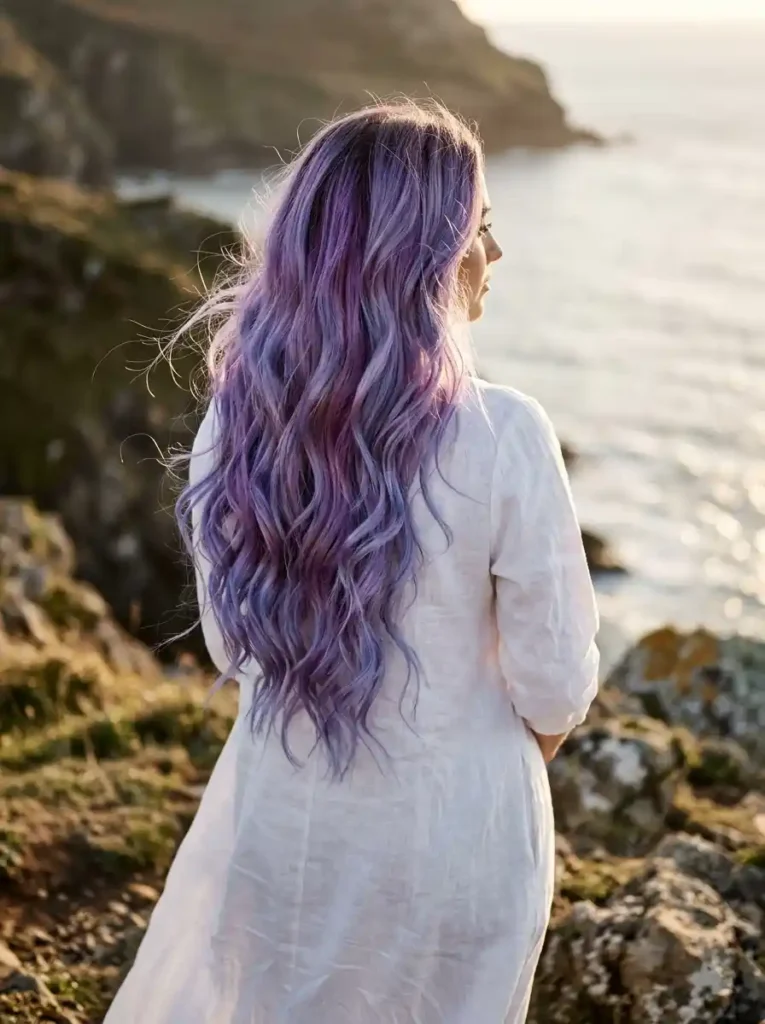
Purple mermaid hair is ideal if you love long, flowing styles and want multiple purple tones rather than a single flat shade. A base of saturated violet can be softened with lavender sections and a few periwinkle accents, creating a layered appearance that changes as the waves move. This combination looks especially striking on long hair because the different colors have room to develop. If you have medium-length hair, the same palette can work in wider panels with fewer transitions.
Planning the color placement is important because several shades can become muddy if they are applied without a clear design. Ask your stylist to identify the dominant color, secondary accents, and areas that need the most contrast. Long, lightened hair also needs consistent conditioning and careful detangling to maintain its shape. Use a heat protectant before curling, and avoid excessive hot-tool temperatures. If your hair is already fragile, consider starting with fewer colored sections and building toward the full mermaid effect over time.
22. Purple Root Melt with Blonde Ends
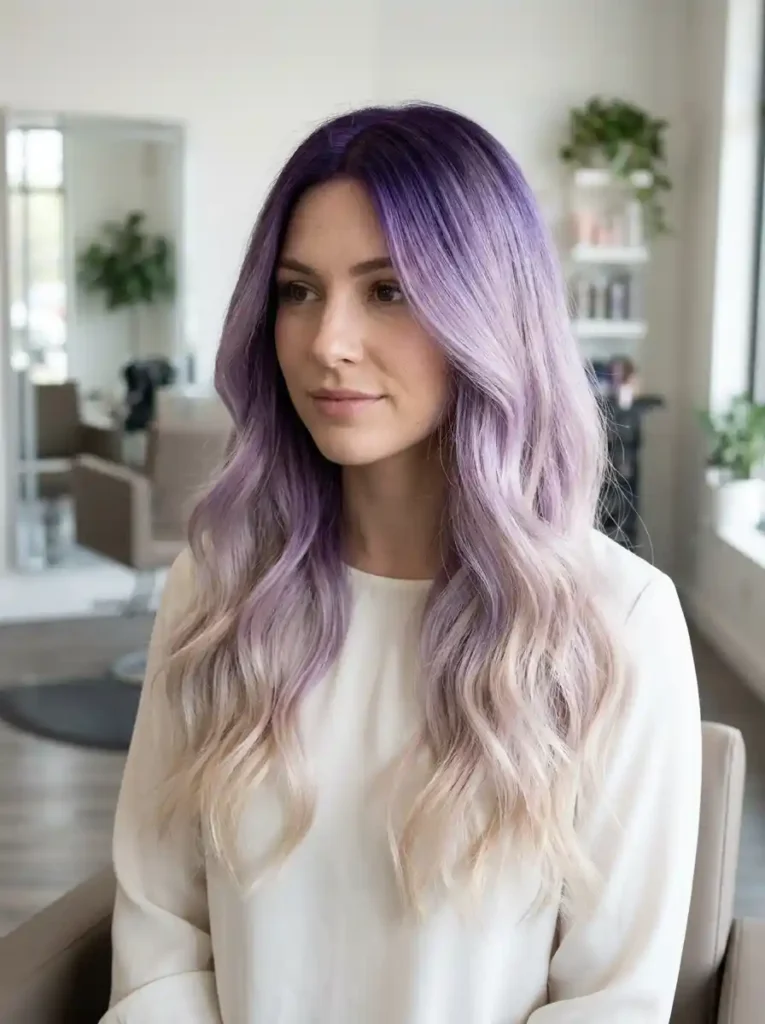
A purple root melt gives blonde hair an unexpected twist by introducing violet at the roots and blending it gradually into lighter lengths. The effect can be subtle when the root color is dusty lilac or dramatic when it begins with deep purple. Unlike a conventional ombré, a root melt emphasizes the transition near the scalp and allows the blonde ends to remain a major part of the look. It works beautifully on long layers, soft waves, and shoulder-length cuts.
Your stylist should consider your natural root color and the existing condition of your blonde lengths before choosing a formula. If the ends are already porous or heavily lightened, they may absorb purple pigment differently from healthier sections. A strand test helps reveal how the gradient may develop. To maintain the intended contrast, use products recommended for colored blonde hair and avoid applying dark purple pigment indiscriminately over the ends. Regular glossing can refresh the roots while keeping the blonde portions bright and balanced.
23. Rich Purple Wine Hair
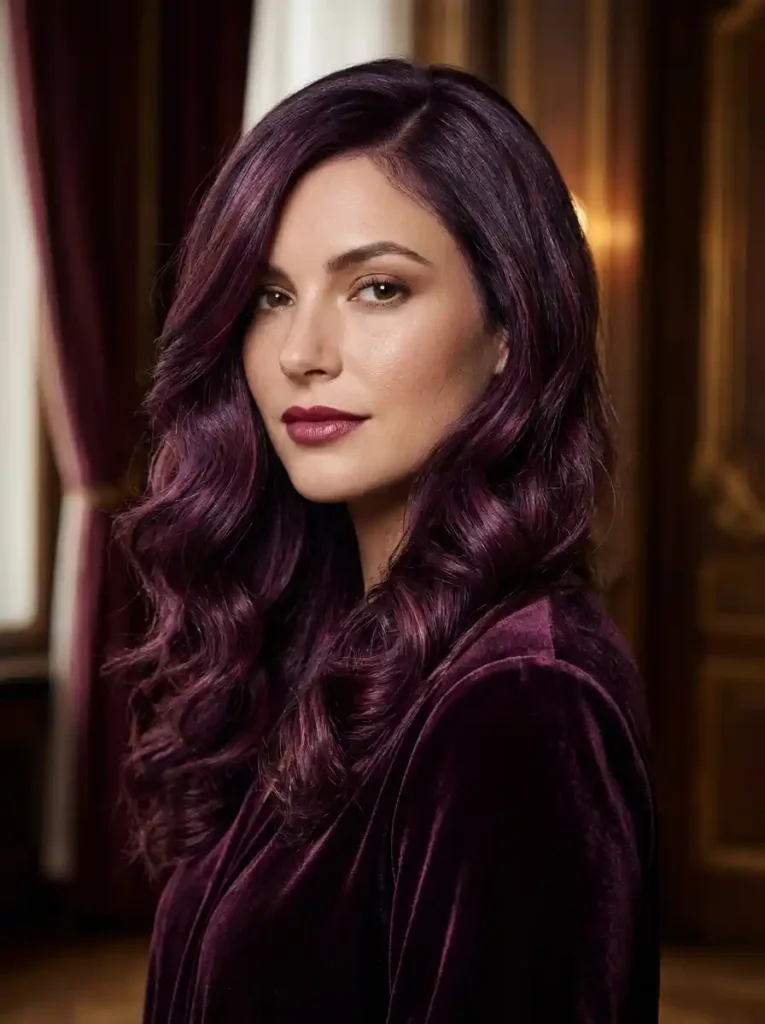
Purple wine hair blends the richness of burgundy with the cool depth of violet, creating a color that feels dramatic, polished, and wearable. Its red-purple balance can be customized to suit your preferences: more burgundy gives the hair a warmer, berry-inspired finish, while additional violet makes it cooler and moodier. Voluminous curls reveal the different tones beautifully, but a sleek bob or straight layered cut can make the color look equally refined.
Before coloring, decide whether you want a deep wine shade that appears subtle indoors or a brighter berry-violet that remains noticeable in ordinary daylight. Your stylist can adjust the formula according to your natural base and previous dye history. Maintain the reflective finish with gentle cleansing, regular conditioning, and heat protection. If the shade fades toward red, a carefully selected violet gloss may help restore balance. Save photos of the original color and the preferred fading stage so your next salon refresh can be tailored to your actual experience.
Conclusion
Choosing a purple shade becomes easier when you consider your starting hair color, preferred level of contrast, and maintenance routine together. Dark plum, blackberry, and eggplant can offer a subtle transformation, while electric violet, neon purple, and pastel lavender create a more noticeable change. Balayage, peekaboo highlights, and money pieces let you experiment with placement before committing to an all-over color.
Before your appointment, save two or three reference photos that show your preferred shade in different lighting. Tell your stylist about previous coloring, chemical treatments, and how often you realistically want to refresh your hair. If lightening is necessary, prioritize hair condition over achieving the brightest possible result in one session.
Finally, choose a shade that feels exciting to wear, not simply beautiful in a photograph. With thoughtful color placement, realistic maintenance, and a cut that complements your choice, purple hair can become a distinctive part of your personal style. Your next fresh look might be a subtle violet shimmer or a completely bold transformation—the best option is the one that makes you feel confident.


