
Some hairstyles look expensive without needing dramatic color, elaborate styling, or constant salon appointments. That effortless polish is the appeal behind old money hair ideas, which focus on healthy-looking lengths, refined shapes, soft movement, and timeless details. Whether you prefer a sleek bob, long layers, or a relaxed chignon, the right finish can make your everyday style feel more intentional. This guide shares 25 distinct looks, plus practical styling advice to help you find a version that suits your hair.
1. The Polished Collarbone Cut
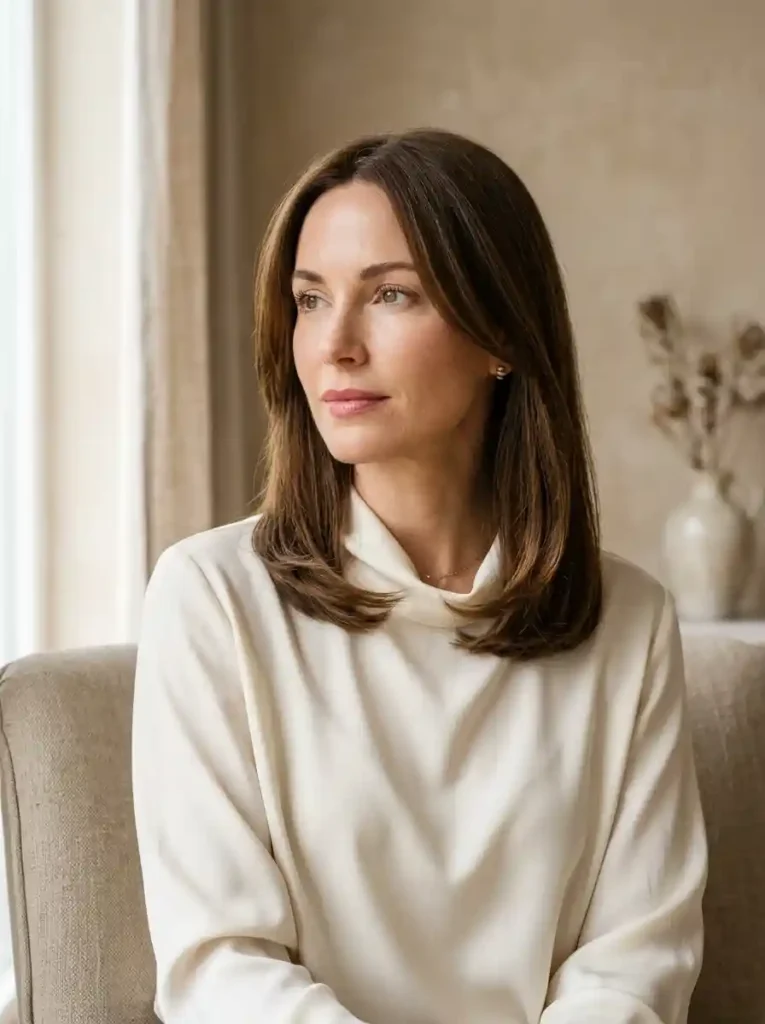
The collarbone cut feels polished without looking overly styled. Its medium length creates a balanced silhouette around the shoulders and neckline. Softly curved ends give the haircut structure while preserving natural movement. This look suits straight and gently wavy hair particularly well. It also works beautifully for anyone who wants an elegant change without committing to a short bob. The neutral length makes this style adaptable for offices, dinners, weekend outfits, and formal occasions.
For styling, use a smoothing cream before blow-drying with a medium round brush. Direct the ends slightly inward for a refined finish. Avoid making the roots completely flat, because gentle lift keeps the silhouette fresh. Stylist Tip: Ask for clean perimeter lines with very subtle internal layers. This keeps medium-length hair looking substantial rather than overly feathered or thin.
2. The Classic Voluminous Blowout
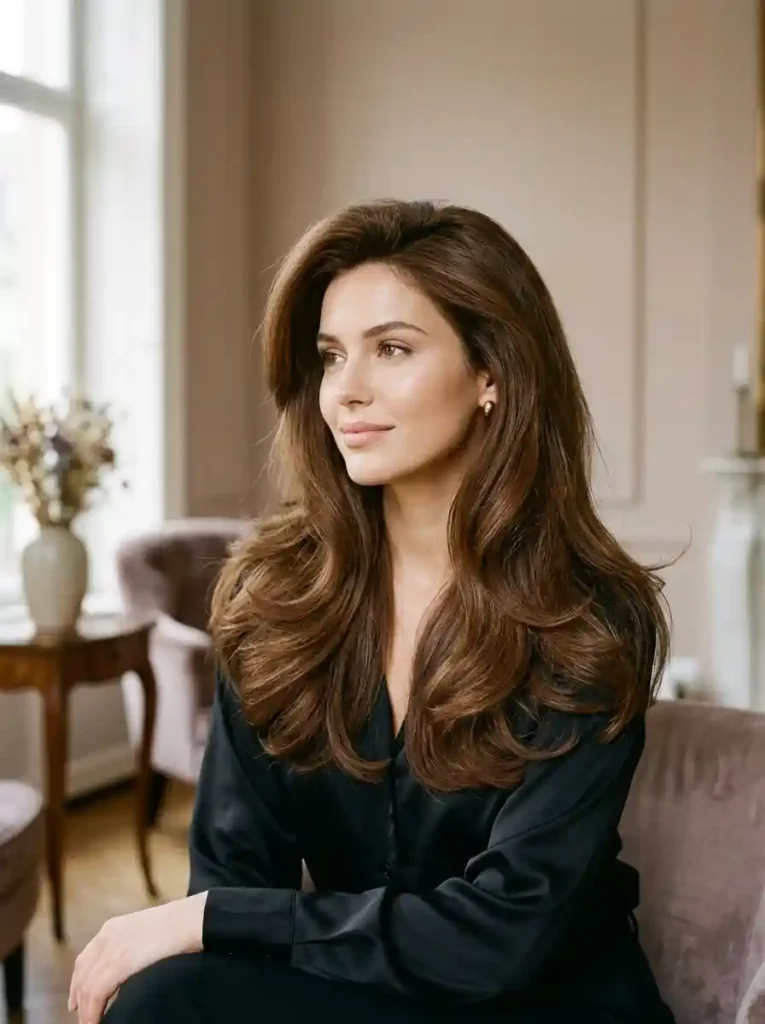
A classic blowout captures the polished side of old money hair ideas through movement rather than complicated styling. Rounded layers create body while the ends maintain a soft, controlled curve. The finish looks especially elegant on medium to thick hair with enough length for visible movement. Brunette, blonde, and dimensional natural shades can all complement this shape. The result feels luxurious while remaining appropriate for everyday outfits and professional settings.
Start with damp hair and apply lightweight volumizing mousse near the roots. Use a round brush in sections, directing each section away from the face. Let cooled sections settle before brushing them together. Pro Tip: Cooling the hair while it remains wrapped around the brush helps the shape last longer. Finish with a light flexible spray instead of a heavy, stiff formula.
3. The Silk Press Bob
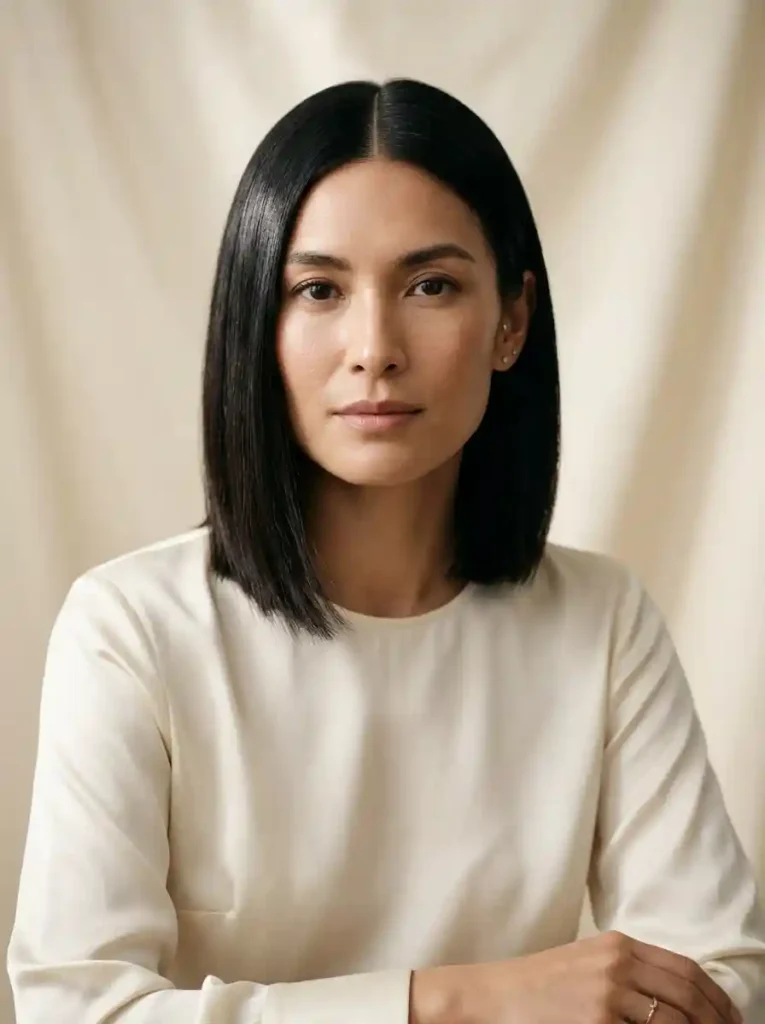
The silk press bob delivers a crisp, sophisticated shape with very little visual clutter. Its precise perimeter makes the haircut feel intentional and refined. A center part adds symmetry, while the short length keeps the overall appearance modern. This option can suit naturally straight hair or temporarily straightened textured hair. The glossy finish becomes especially striking with deep brunette or black shades, although softer brown tones create a gentler interpretation.
Heat protection is essential when creating this smooth finish. Blow-dry the hair thoroughly before using a flat iron on small sections. Keep the temperature appropriate for the hair’s condition and texture. Common Mistake: Repeatedly passing the iron over the same section can cause unnecessary heat exposure. One controlled pass usually creates a cleaner result than several rushed passes.
4. Soft Side-Parted Waves
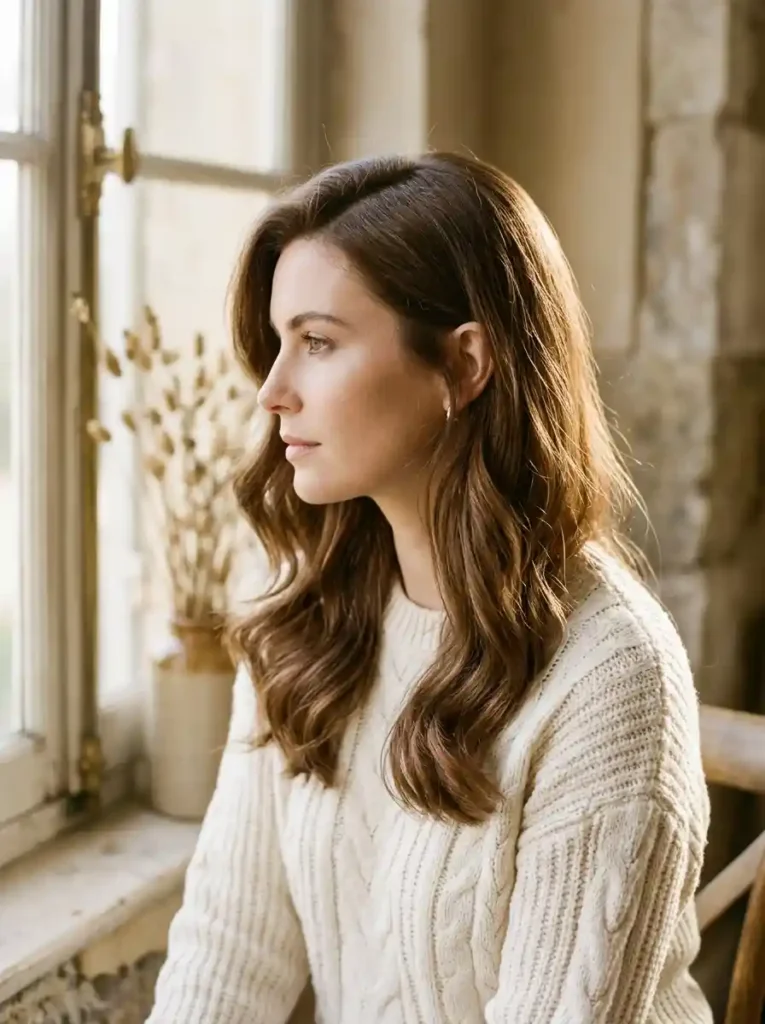
Side-parted waves offer a softer alternative to perfectly symmetrical hairstyles. The deeper part creates natural height and lets the waves fall across one side of the face. Medium-length hair provides enough space for movement without becoming difficult to manage. This look works well for naturally wavy hair and can also be created with heat styling. Warm brown, dark blonde, and chestnut shades complement the relaxed sophistication particularly well.
Create loose bends with a large curling iron, alternating the direction of each section. Brush through the curls once they cool to soften their shape. Keep the roots relatively natural rather than heavily teased. Stylist Tip: A side part can shift the visual balance of a haircut, so ask your stylist to place face-framing layers where you naturally prefer your part.
5. The Refined Low Ponytail
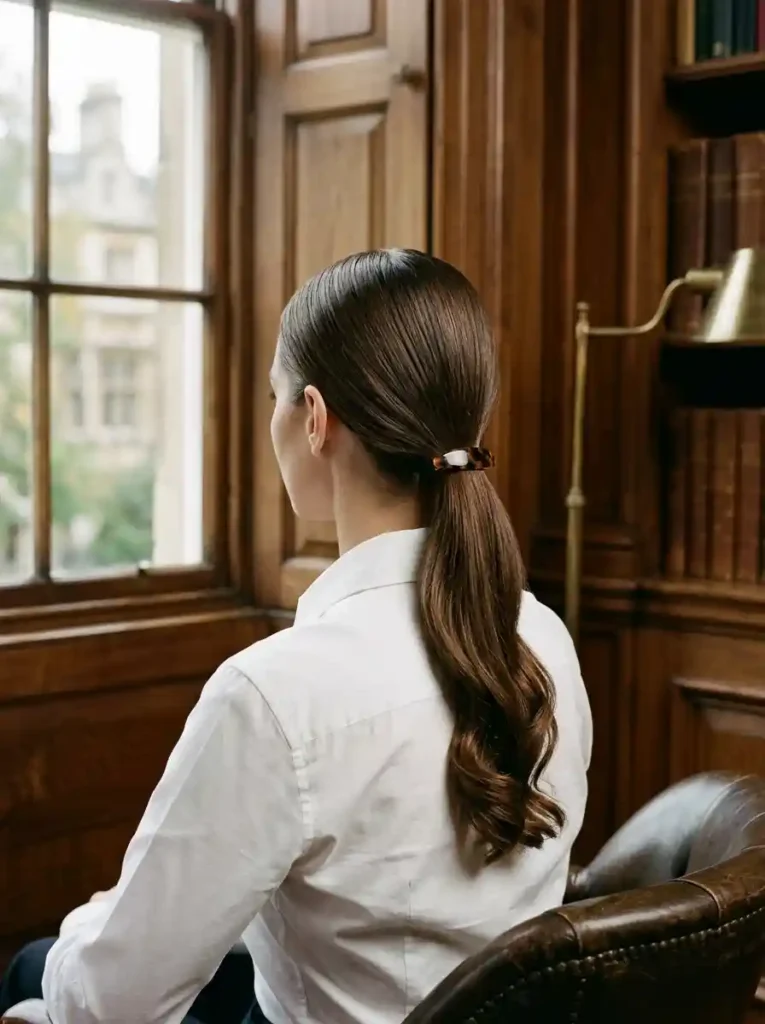
A refined low ponytail proves that simplicity can create a sophisticated result. The clean center part keeps the crown controlled, while the gathered length creates a graceful vertical line. Softly curled ends prevent the style from appearing too severe. It suits long, medium, and dense hair, although shorter hair can use a compact version. This hairstyle pairs especially well with tailored clothing, simple jewelry, and understated makeup.
Smooth the crown with a fine brush before securing the ponytail close to the nape. Wrap a small strand around the elastic for a polished finish. Use a tiny amount of serum only on the lengths. Pro Tip: Keep the ponytail secure without pulling excessively at the hairline. A comfortable foundation looks more elegant and protects delicate edges from unnecessary tension.
6. Long Layers With Curtain Bangs
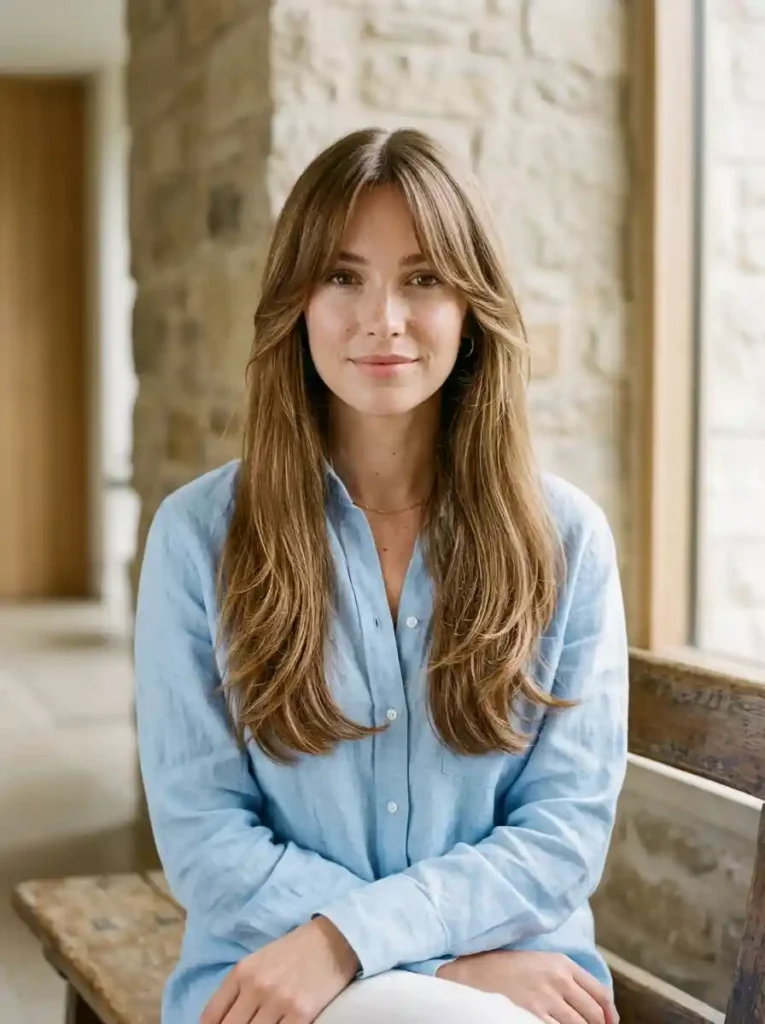
Long layers with curtain bangs create movement while preserving the visual weight of lengthy hair. The bangs open around the face instead of forming a heavy horizontal line. This makes the style feel softer and more adaptable than traditional full bangs. It suits medium to thick hair particularly well, especially when the lengths already have natural body. The shape can look equally polished with warm brunette, dark blonde, or subtle dimensional color.
Style the bangs first while the hair remains damp. Use a round brush to direct each side outward and slightly backward. Blow-dry the layers afterward so the movement remains cohesive. Stylist Tip: Ask for blended transitions instead of sharply separated layers. This creates a seamless silhouette and makes the haircut easier to maintain between salon appointments.
7. The Sculpted French Bob
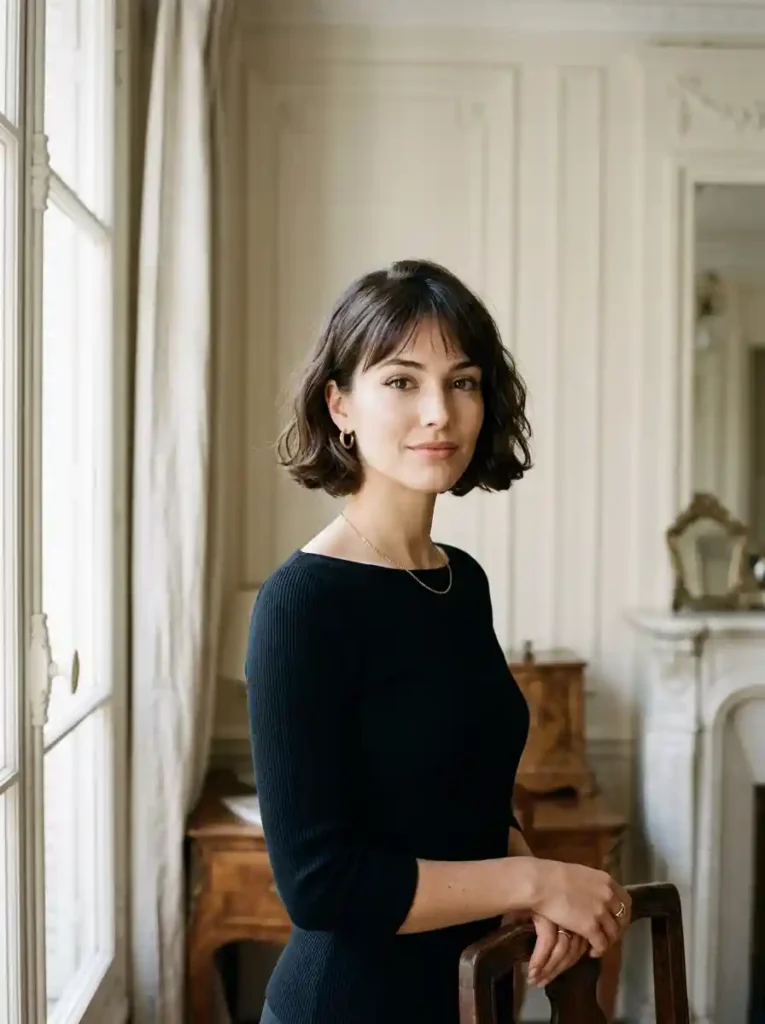
The French bob feels elegant because its shape is compact, intentional, and slightly relaxed. A softly curved perimeter gives the haircut structure, while a wispy fringe prevents it from looking overly formal. Natural bends add character without creating a heavily textured appearance. This cut works especially well for fine to medium-density hair because the shorter length can make the ends appear fuller. It is an appealing choice for someone wanting sophistication with personality.
Use a small amount of styling cream to encourage natural movement. Avoid over-brushing the finished shape, especially when working with naturally wavy hair. Common Mistake: Making every strand perfectly straight can remove the charm of this haircut. Ask your stylist to preserve subtle texture around the fringe and perimeter for a more effortless finish.
8. The Brushed-Out Hollywood Waves
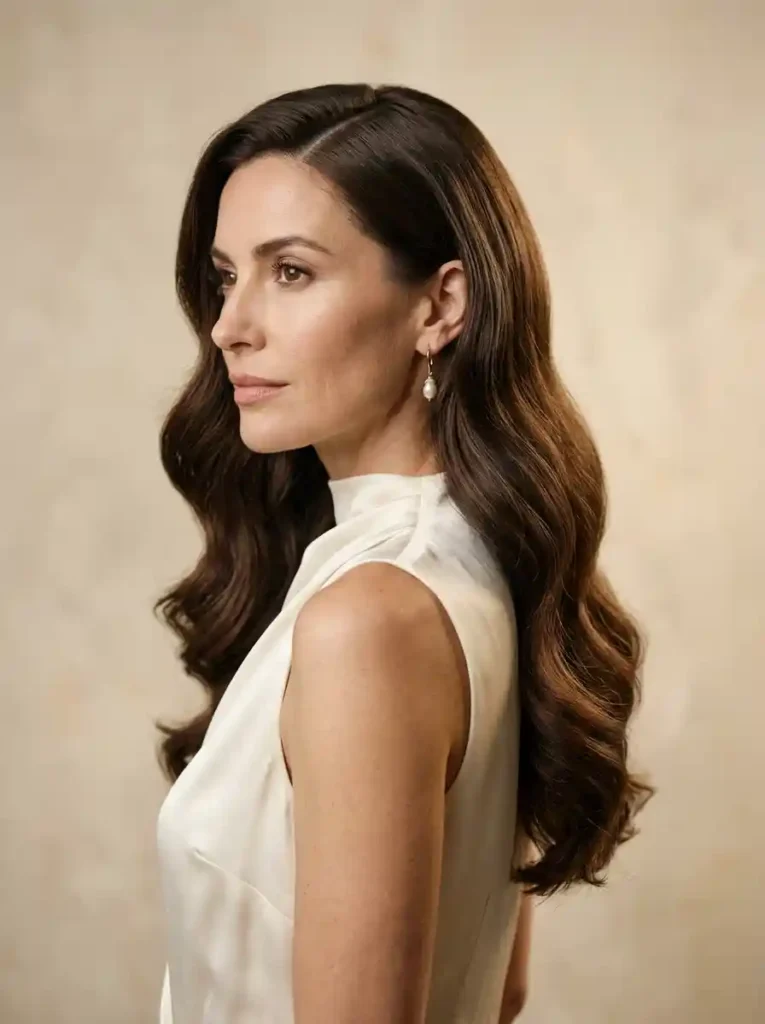
Brushed-out waves bring a formal touch while retaining the softness associated with classic styling. The large curves create a continuous shape rather than separate curls. Long hair gives these waves enough length to develop a graceful rhythm from the cheekbones downward. This look works particularly well for evening events, celebrations, portraits, and occasions where you want more glamour. A defined side part enhances the traditional character without requiring elaborate accessories.
Begin with fully dry hair and create large curls using a wide barrel. Let each section cool completely before brushing. Use a soft-bristle brush to merge the curls into broad waves. Pro Tip: Work with smaller sections than you think you need when curling. Large sections may produce uneven heat distribution and cause the finished wave pattern to fall apart quickly.
9. The Straight Mid-Length Cut
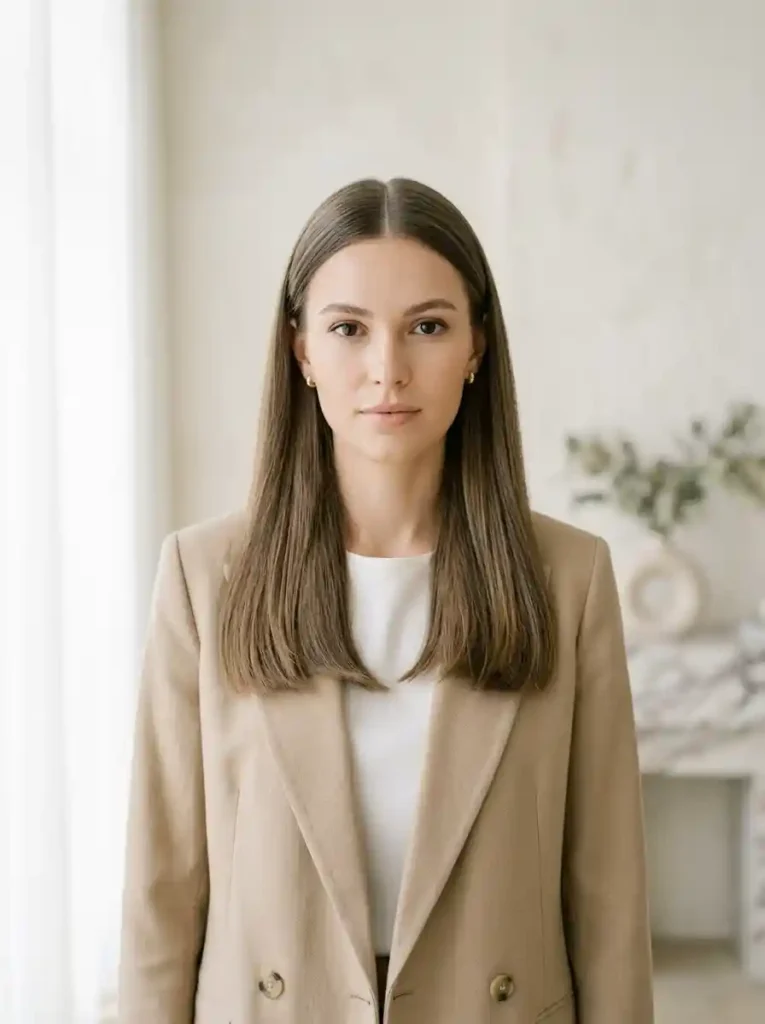
A straight mid-length cut offers clean lines without the commitment of a short haircut. The ends sit around the upper chest, creating enough length for ponytails and simple updos. A center part reinforces the symmetrical, polished appearance. The style is particularly useful for straight or lightly wavy hair because its simple perimeter remains visible. Fine hair can also benefit when the ends are kept relatively blunt rather than heavily layered.
Keep the perimeter tidy with regular trims, especially if you prefer a crisp outline. Apply a lightweight smoothing product to damp lengths before blow-drying. Stylist Tip: If your hair is fine, request minimal layering through the lower half. Excessive layers can reduce the solid appearance that makes this cut look particularly polished.
10. The Elegant Half-Up Twist
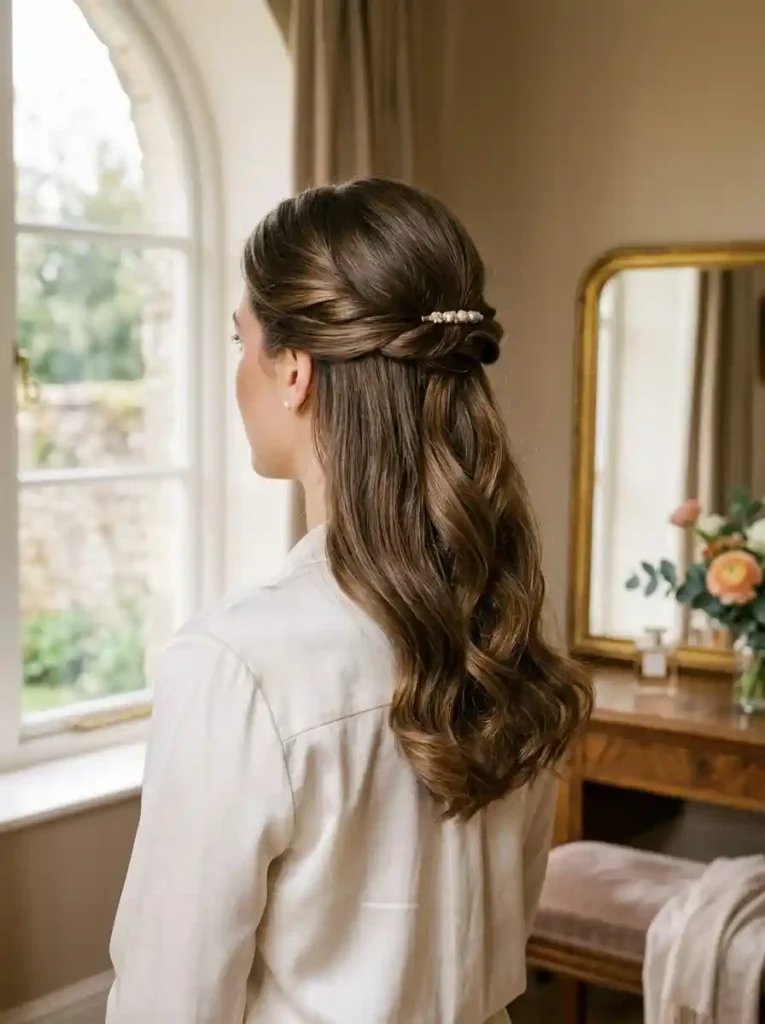
The half-up twist balances relaxed hair with the structure of an updo. Twisting the upper sections exposes the face while leaving the lower lengths loose and soft. It works especially well with long hair that has enough density to create visible fullness. A simple neutral barrette can add detail without dominating the hairstyle. This makes the look suitable for brunches, ceremonies, dinners, and polished everyday outfits.
Separate the hair above the temples and gently twist each side backward. Secure both sections discreetly at the back of the head. Loosen a few pieces around the temples if desired. Pro Tip: Add texture to the lower lengths before creating the twist. Slightly waved hair gives the finished style more body and prevents the loose section from looking completely flat.
11. The Feathered Shoulder Cut
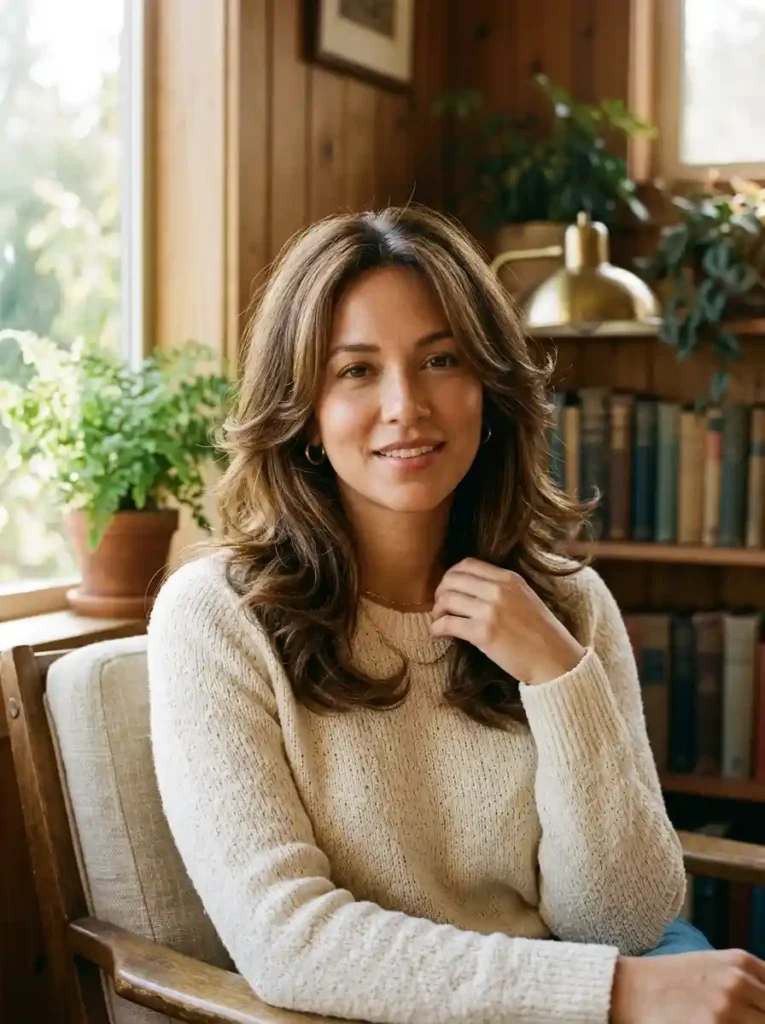
The feathered shoulder cut adds movement without becoming dramatically shaggy. Layers begin around the face and continue through the shoulders, creating a softly lifted outline. The ends curve outward gently, giving the style a graceful retro quality. It can work well for medium-density hair that needs movement without losing too much weight. The result feels lively while remaining polished enough for professional and formal settings.
A round brush works best for emphasizing the feathered shape during blow-drying. Direct the front layers away from the face, then lightly curve the ends. Avoid excessive backcombing because it can make the finish look dated. Common Mistake: Removing too much weight from the ends can make the haircut appear wispy. Keep the lower perimeter substantial for a more refined silhouette.
12. The Deep Side-Parted Lob
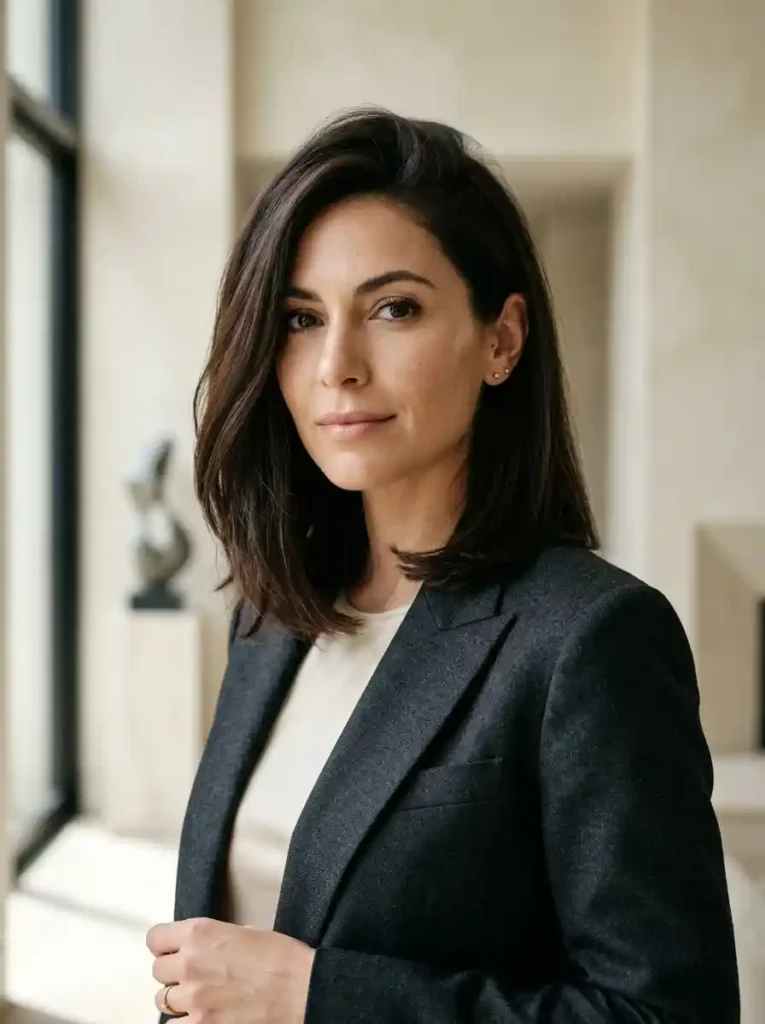
A deep side-parted lob creates shape through asymmetry rather than heavy layering. The longer bob sits above the shoulders, keeping the silhouette structured and easy to style. Root lift on the heavier side gives the haircut gentle volume without obvious teasing. This option suits straight, smooth, and softly wavy textures. It can also provide a polished transition for someone growing out a shorter bob while wanting a distinctly styled appearance.
Part the hair while damp so the roots dry in the intended direction. Use a round brush to create a subtle bend through the ends. Finish with a lightweight cream rather than an oily serum. Stylist Tip: Keep the back slightly shorter than the front if you want stronger structure. A nearly even perimeter creates a softer, more casual version.
13. The Low Chignon With Face-Framing Pieces
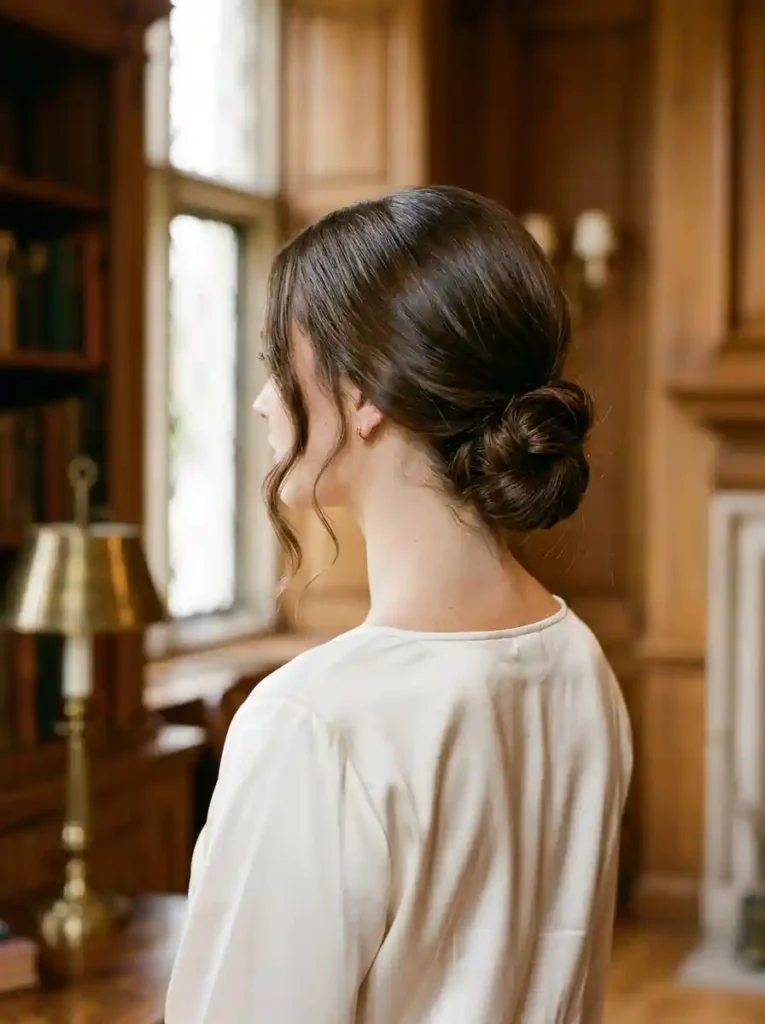
A low chignon is one of the most timeless ways to make long hair look intentional. The bun sits close to the nape, creating a graceful shape without excessive height. A few controlled face-framing pieces soften the result and keep it from feeling overly severe. This style suits straight, wavy, and carefully smoothed textured hair. It works particularly well for formal dinners, weddings, professional events, and elegant evening outfits.
Brush the crown smoothly before gathering the hair low at the nape. Twist the ponytail loosely and secure it with pins that match the hair color. Leave the front pieces slightly longer for flexibility. Pro Tip: Do not pull every strand tightly. Gentle tension creates a softer finish and reduces unnecessary stress around the hairline.
14. The Natural Wave With Clean Ends
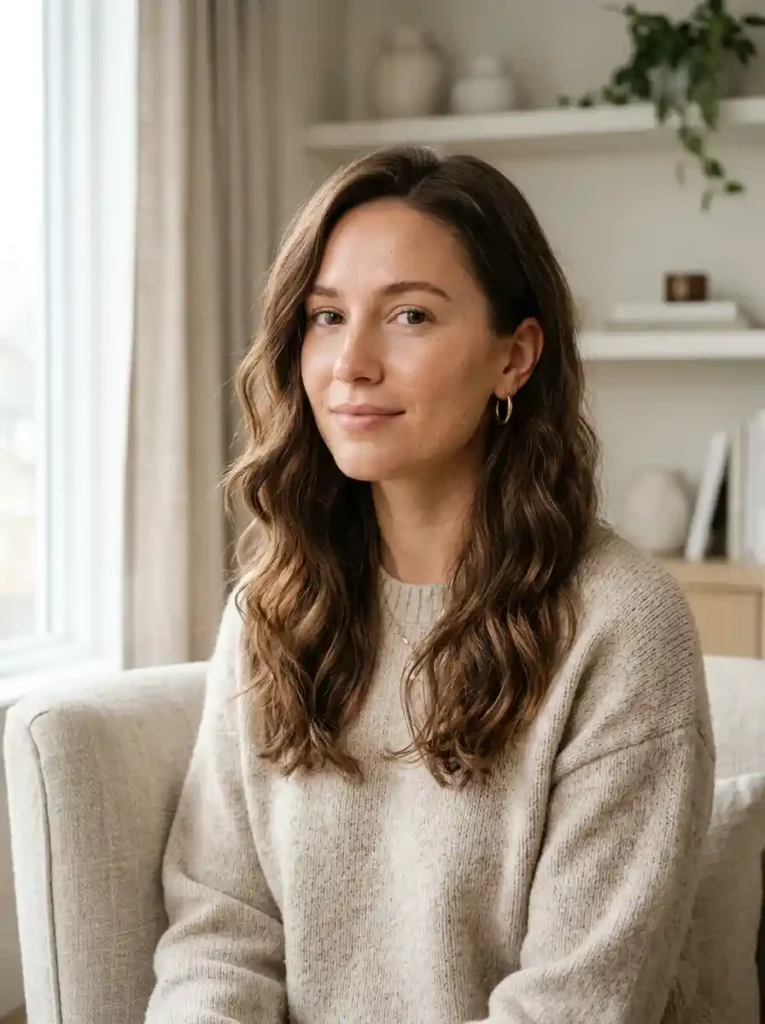
Natural waves can look remarkably polished when the haircut supports their existing pattern. This version keeps the ends clean while allowing the waves to form naturally through the middle lengths. Minimal layering preserves enough weight for the wave pattern to remain cohesive. It suits people who prefer low-effort styling and want their natural texture to remain visible. The finished appearance feels relaxed, healthy, and refined rather than heavily constructed.
Apply a lightweight curl cream or leave-in conditioner to damp hair. Scrunch gently, then allow the hair to air-dry or use a diffuser on low airflow. Avoid brushing once the waves have formed. Stylist Tip: Ask for dry-cutting or texture-aware shaping when appropriate for your curl pattern. Your stylist can better see how the natural waves actually sit.
15. The Polished Pony With Wrapped Base
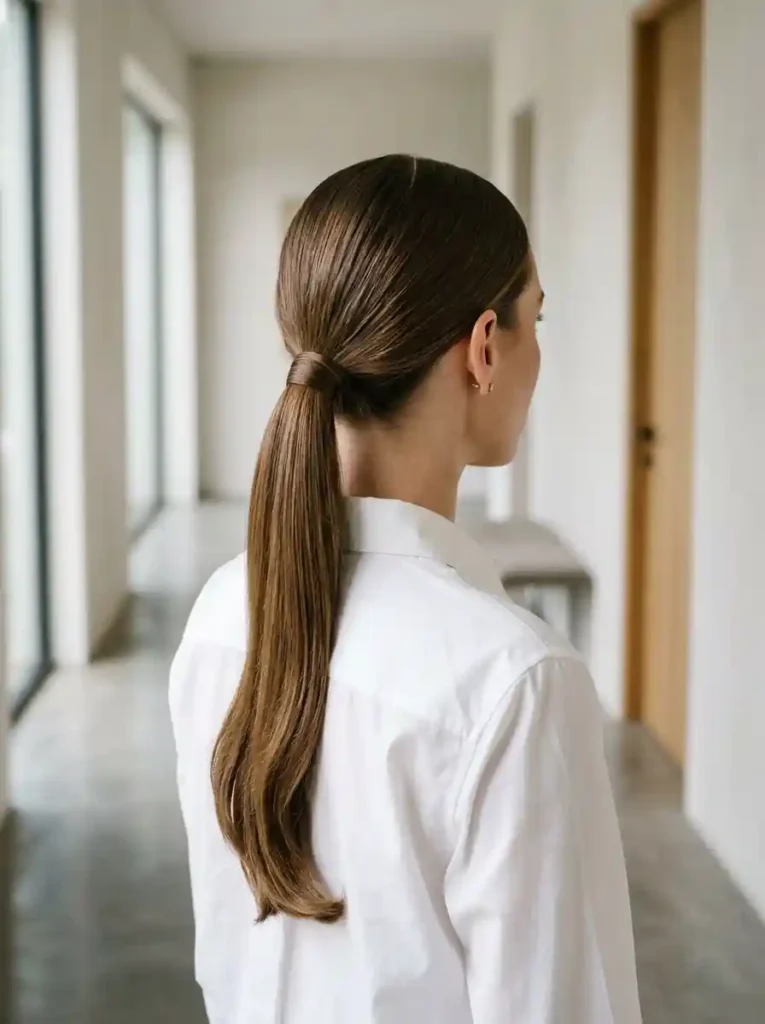
A wrapped-base ponytail turns a familiar hairstyle into something more polished. The clean crown provides structure, while the wrapped section hides the elastic for a finished appearance. Setting the ponytail at mid-height keeps it practical without looking overly sporty. This style suits long straight or gently wavy hair, especially when the lengths have enough density to create a substantial tail. It transitions easily from workwear to evening clothing.
Brush the crown with a smoothing brush before securing the ponytail. Take a narrow piece from underneath and wrap it around the elastic, securing it with a small pin. Common Mistake: Using too much oil before styling can make the crown appear greasy. Start with a tiny amount of smoothing product and add more only where needed.
16. The Soft Layered Brunette
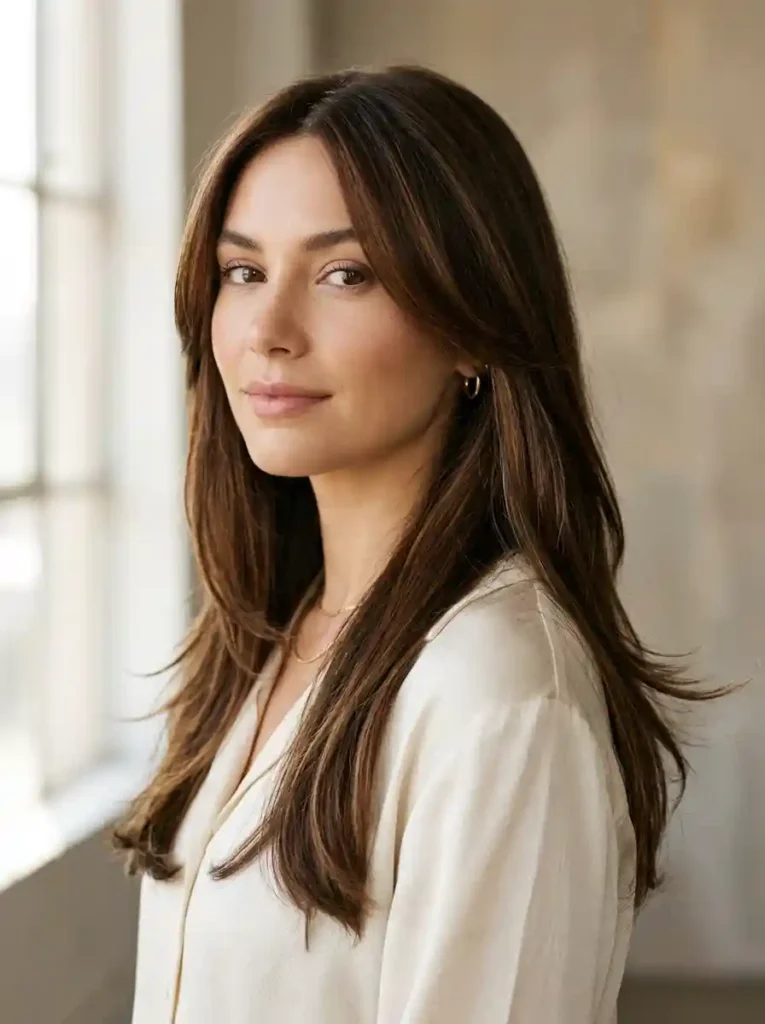
Soft layers add movement while preserving the richness of long brunette hair. Instead of obvious steps, the layers blend quietly through the lengths. Face-framing pieces begin gently around the lower cheek or jaw area, depending on the desired shape. This approach works well for medium to thick hair that feels heavy when left completely one length. Warm chocolate tones enhance the depth without requiring dramatic highlights or strong contrast.
Style the layers with a large round brush or broad curling tool. Focus movement around the face and keep the lower lengths relatively smooth. Pro Tip: If your hair is dense, internal layers can remove bulk without making the outer perimeter look thin. Ask your stylist where weight should be removed before requesting extensive layering.
17. The Tucked-Behind-Ears Bob
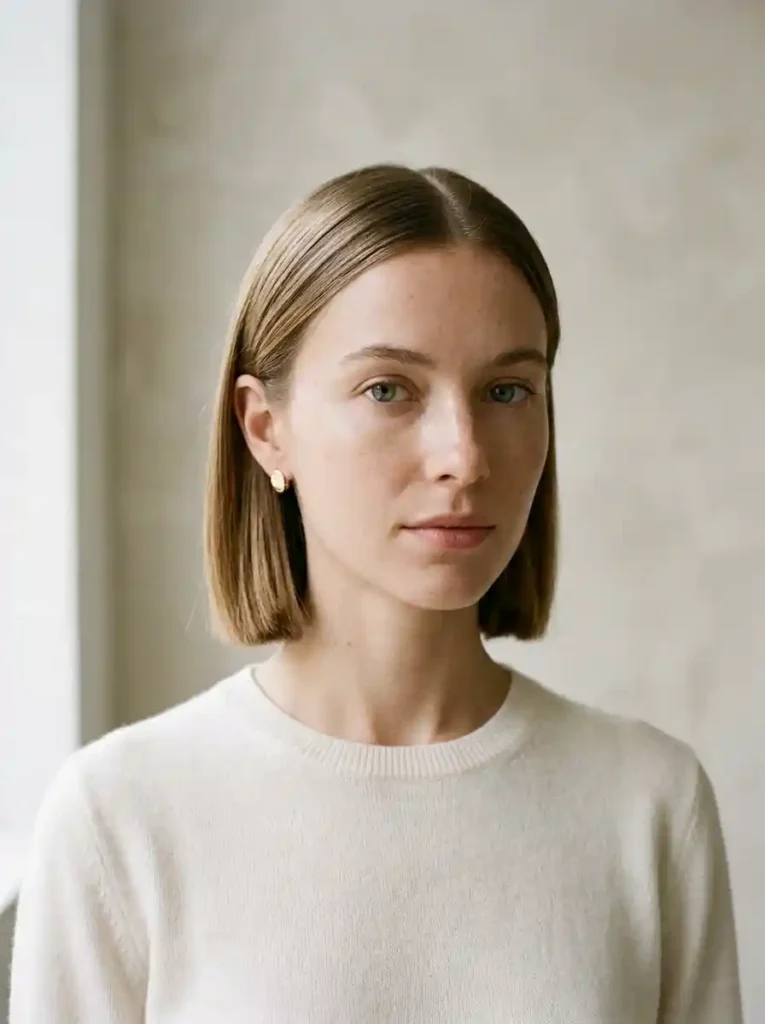
Tucking the front sections behind the ears gives a bob an instantly composed appearance. The clean perimeter remains visible while the face becomes more open. This makes the style useful for anyone who wants short hair without a complicated styling routine. Straight and slightly wavy textures are especially easy to manage in this shape. Small earrings can add subtle detail without competing with the haircut’s strong outline.
Create a clean center or slightly off-center part before smoothing the front sections. Tuck them behind the ears while the hair is still warm from blow-drying. Stylist Tip: A small amount of flexible styling cream can help the tucked sections stay neat without creating a stiff, helmet-like effect. Keep the ends natural rather than forcing them completely flat.
18. The Loose Ribbon Ponytail
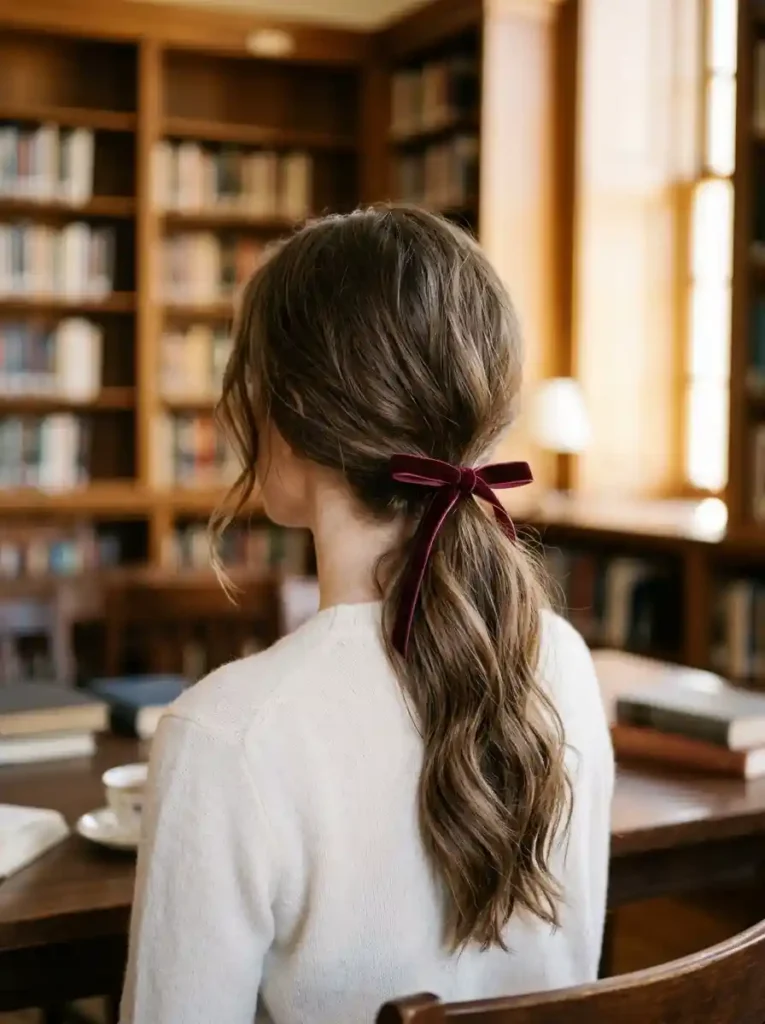
A simple ribbon adds personality to a low ponytail without overwhelming its refined shape. The ponytail remains relaxed, with gentle texture through the lengths and slight softness around the crown. A narrow velvet or grosgrain ribbon works particularly well because its finish feels understated. This hairstyle suits long hair and can be adapted for naturally wavy textures. It is ideal for casual gatherings, seasonal outfits, and occasions that call for subtle detail.
Create a loose wave before gathering the hair at the nape. Secure it gently, then tie the ribbon over the elastic. Keep the bow relatively small for a sophisticated result. Pro Tip: Choose a ribbon close to the outfit’s neutral or accent palette. Cream, chocolate, navy, burgundy, and muted green can add interest without making the accessory dominate.
19. The Long Hair With Invisible Layers
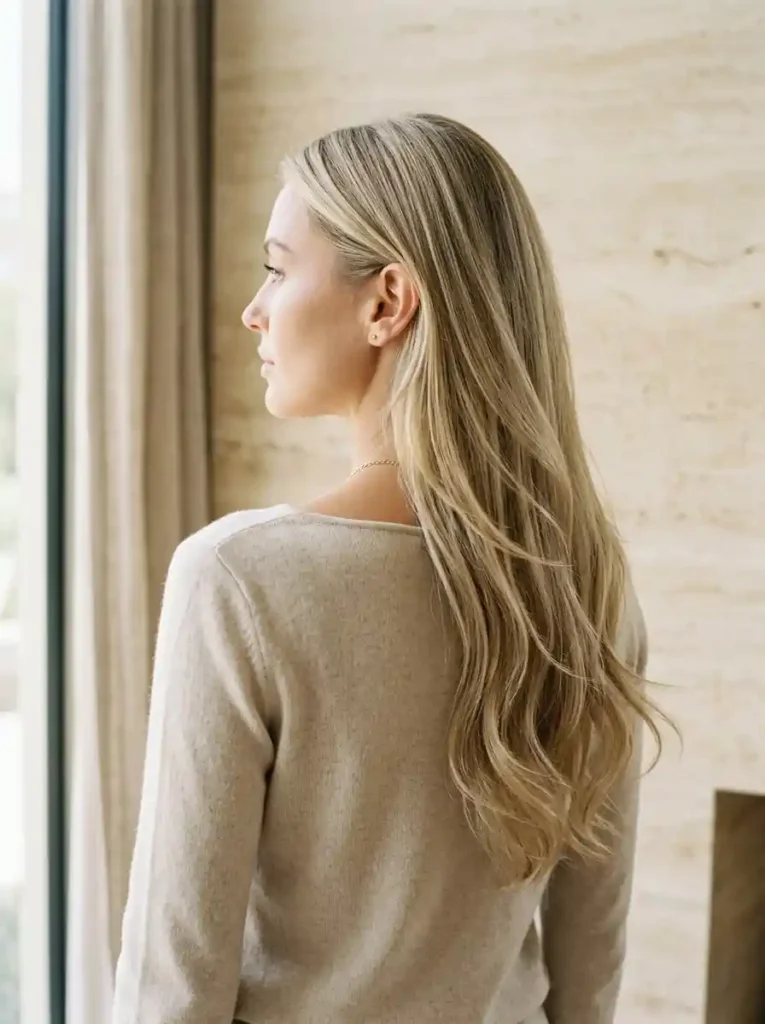
Invisible layers create movement while keeping long hair visually full. The technique places subtle shorter sections beneath the surface rather than producing obvious tiered lines. This makes it useful for long, dense hair that needs movement without losing its substantial appearance. Straight and gently wavy textures can both benefit. The result looks particularly elegant when the ends remain clean and the natural color has depth.
Ask your stylist to preserve the outer perimeter while reducing internal weight where necessary. Style with a large brush or broad waves to reveal the hidden movement. Common Mistake: Requesting too many visible layers can change the goal entirely. Explain that you want movement beneath the surface while maintaining a strong outer line.
20. The Side-Swept Soft Bang
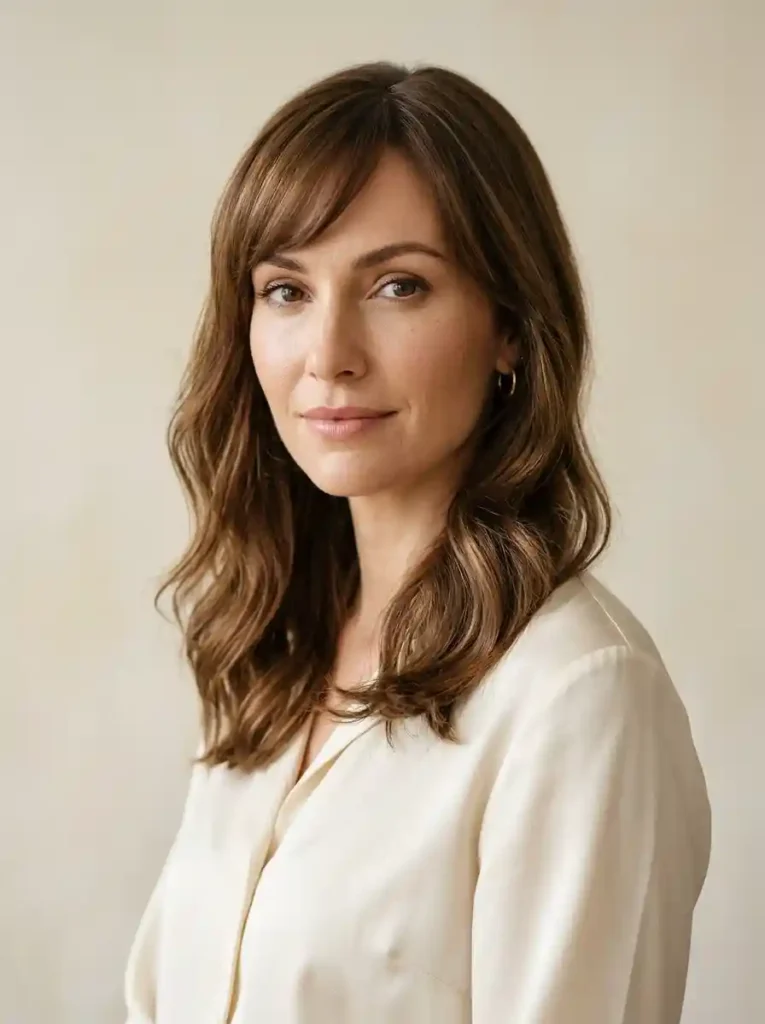
A side-swept bang offers a softer alternative to a center-parted fringe. The diagonal direction adds movement across the forehead while blending naturally into face-framing layers. It works with short, medium, and longer hair when the surrounding layers are shaped appropriately. This option can suit people who want a fringe but prefer flexibility. The bang can also be pinned back or parted differently as it grows.
Blow-dry the fringe from side to side first, then direct it toward the preferred side. This reduces a strong parting line and creates softer movement. Stylist Tip: Keep the shortest section long enough to sweep rather than forcing it into a rigid fringe. This gives you more styling options between appointments and during different stages of growth.
21. The Sleek Low Bun
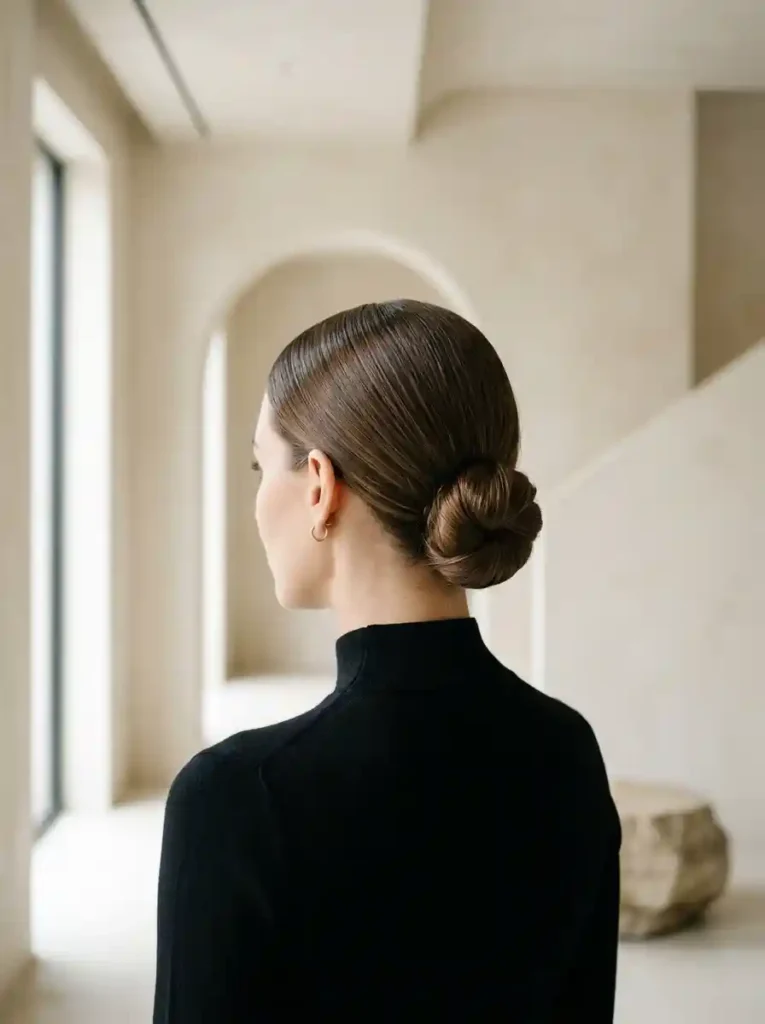
The sleek low bun creates a clean silhouette with almost no visual distraction. A precise center part gives the crown symmetry, while the compact bun keeps the back of the head tidy. This hairstyle suits medium and long hair and works particularly well for formal occasions. It can also become an everyday option when you want your hair away from your face. The refined shape pairs naturally with tailored clothing and simple accessories.
Smooth damp or dry hair into a low ponytail before twisting it into the bun. Use a fine brush to refine the crown and secure the shape with discreet pins. Pro Tip: Use a small amount of edge-control or styling cream only where necessary. Too much product can make the hair look wet instead of sleek.
22. The Rounded Shoulder-Length Layers
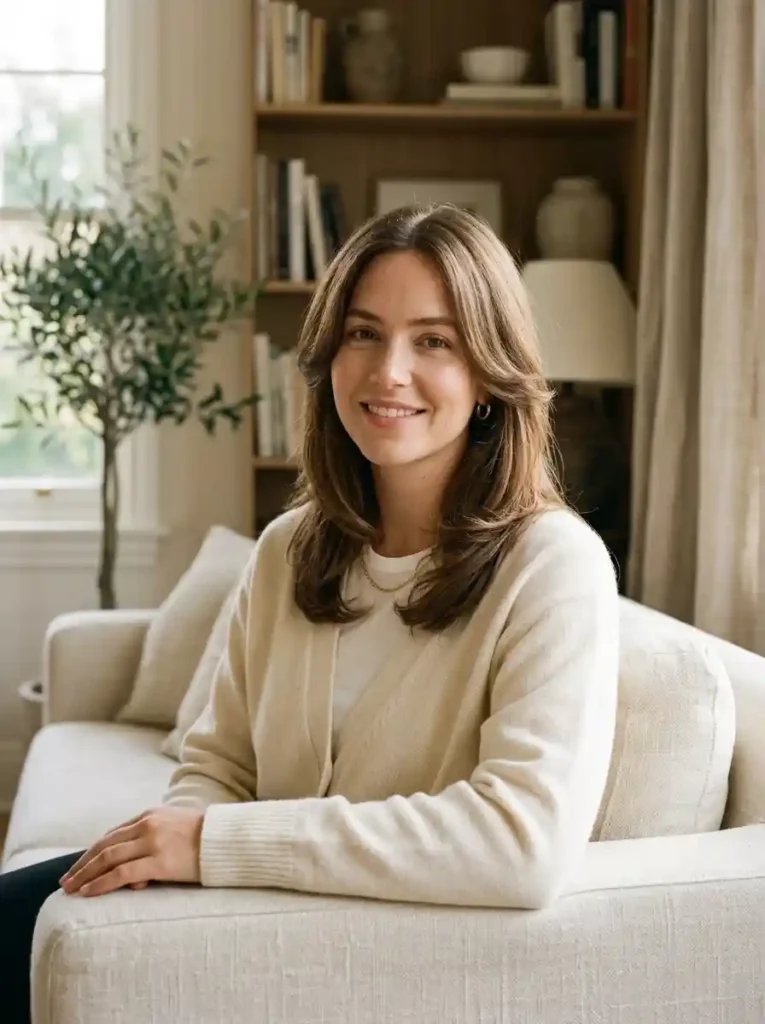
Rounded layers give shoulder-length hair a soft, balanced silhouette. The shape creates fullness around the face while allowing the ends to move naturally. It is a useful option for medium-density hair that looks flat when cut into a simple blunt line. The layers remain controlled rather than dramatically choppy. This makes the haircut suitable for readers who want visible movement but still prefer a classic appearance.
Blow-dry the layers with a medium round brush, directing the ends slightly inward. If your hair is naturally wavy, use a diffuser to preserve texture instead. Stylist Tip: Ask for the shortest layer to begin where you want visual movement. Starting too high can create unwanted volume, while starting lower keeps the silhouette more understated.
23. The Classic Side-Swept Updo
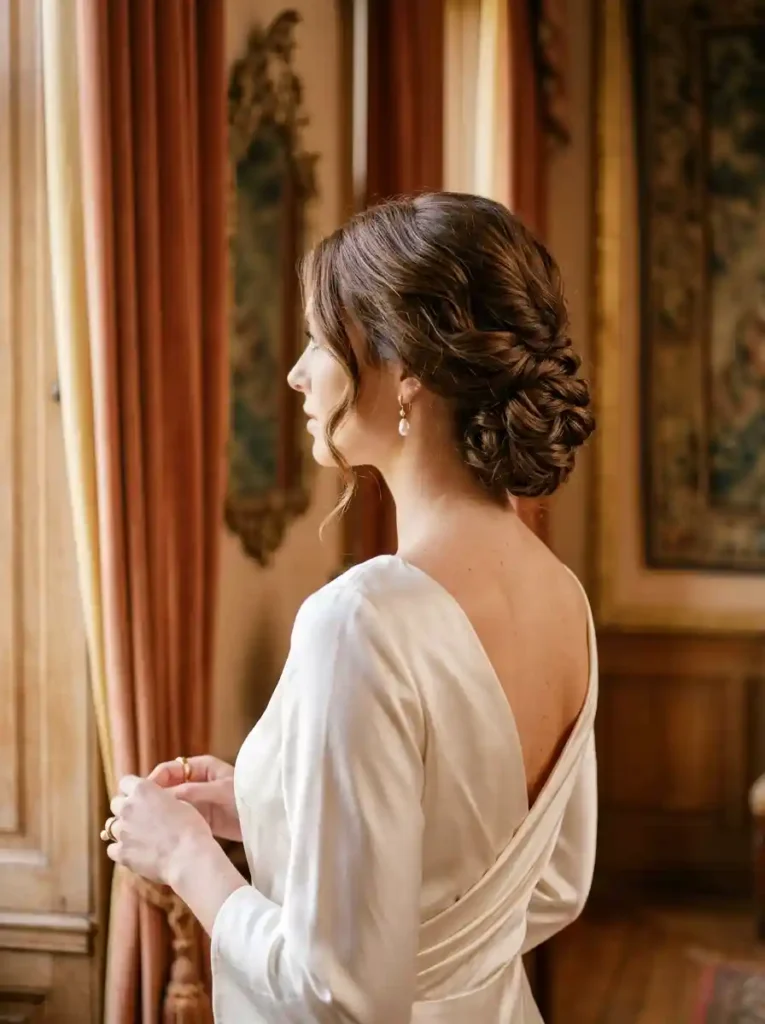
A side-swept updo creates a graceful formal silhouette without requiring an elaborate sculpted structure. The hair gathers slightly off-center, while controlled volume at the crown adds height. Soft pieces around the temples prevent the style from looking rigid. This option suits medium and long hair and works beautifully for weddings, celebrations, formal dinners, and photographs. It offers more visual interest than a simple bun while retaining a classic character.
Create loose waves before gathering the hair so the updo has natural body. Pin the sections gradually rather than twisting the entire style at once. Common Mistake: Making the crown too tall can shift the style toward a dramatic evening look. Keep the volume moderate if your goal is understated elegance and timeless proportions.
24. The Natural Blonde With Soft Ends
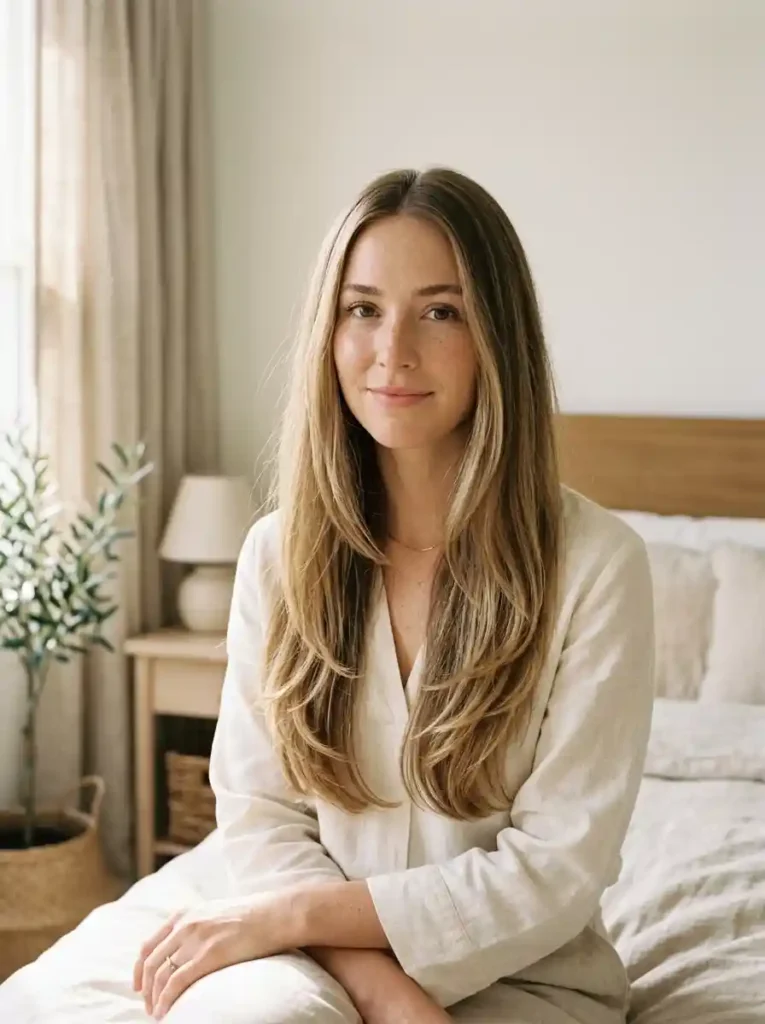
Softly colored blonde hair can look refined when the tone remains natural and the haircut stays simple. Long layers create gentle movement without distracting from the color. Beige and honey undertones add dimension while avoiding an overly bright appearance. This option suits people who prefer subtle color rather than dramatic contrast. The clean shape also allows natural regrowth to appear less abrupt, depending on the starting hair color.
Discuss your natural base color with your colorist before choosing a blonde tone. Ask for soft dimension rather than highly contrasted highlights if you prefer understated results. Pro Tip: Hair condition matters more than extreme brightness for this aesthetic. A slightly deeper blonde with smooth, healthy-looking ends can appear more polished than a lighter shade with excessive dryness.
25. The Timeless Long Layered Cut
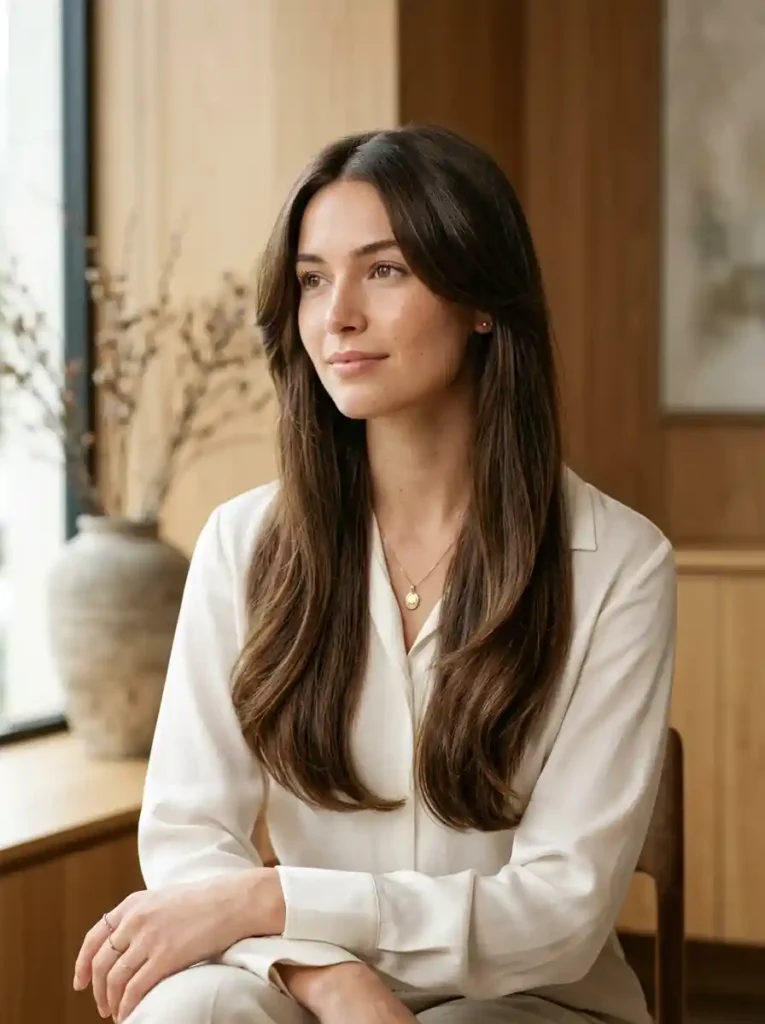
The timeless long layered cut brings together the defining qualities of polished hair without relying on one dramatic feature. Its layers create movement while the overall length remains substantial. Face framing adds shape around the front, and softly rounded ends prevent the silhouette from appearing harsh. This option works across many straight and wavy textures. It is especially useful for someone who wants a classic haircut that can support many styling variations.
Bring reference photos that show both the desired layers and overall length. Ask your stylist to explain where the shortest layers will begin before cutting. Stylist Tip: Maintenance depends on how precise you want the shape to remain. Regular trims can preserve the face framing, while slightly longer intervals allow the style to become softer and more relaxed.
Frequently Asked Questions
What makes a hairstyle look old money?
Old money hairstyles usually emphasize polished shapes, healthy-looking texture, subtle volume, and timeless styling. They generally avoid excessive embellishment and dramatic, high-maintenance details.
What hair length works best for old money styles?
There is no single ideal length. Bobs, lobs, shoulder-length cuts, and long layered hairstyles can all create a refined appearance when the shape is intentional.
Are old money hairstyles suitable for fine hair?
Yes. Fine hair often benefits from blunt perimeters, restrained layering, and styles that preserve visual density. A stylist can adjust the shape to avoid removing too much weight.
Can naturally wavy hair have an old money look?
Absolutely. Natural waves can look polished when the haircut supports the existing wave pattern. Clean ends, controlled volume, and lightweight styling products help maintain refinement.
How can I make my hairstyle look more polished?
Focus on the basics first. Keep the ends maintained, control unwanted frizz, choose a flattering part, and use simple styling techniques that enhance your natural texture.
Are old money hairstyles high maintenance?
Not necessarily. Many refined styles are relatively simple to maintain. A sleek bob may need regular trims, while long layered hair can offer more flexibility between appointments.
Conclusion
The best old money hair ideas are not about copying one exact aesthetic. They are about creating a polished shape that still feels natural to you. Consider your hair texture, density, preferred length, styling routine, and maintenance schedule before choosing a cut. Small details can make a major difference, especially clean ends, balanced layers, controlled volume, and thoughtful face framing. Save your favorite look before your next salon visit, then use it as inspiration for a personalized version.


