
A great beard can completely change your appearance, adding definition, personality, and confidence to your everyday style. Whether you prefer a clean, professional finish or a fuller, more rugged look, the right beard style can complement your face shape and personal aesthetic. From sharp fades to naturally textured facial hair, these 20 modern men’s beard styles offer fresh inspiration, practical grooming ideas, and easy ways to upgrade your look without losing your individuality.
1. The Classic Short Boxed Beard
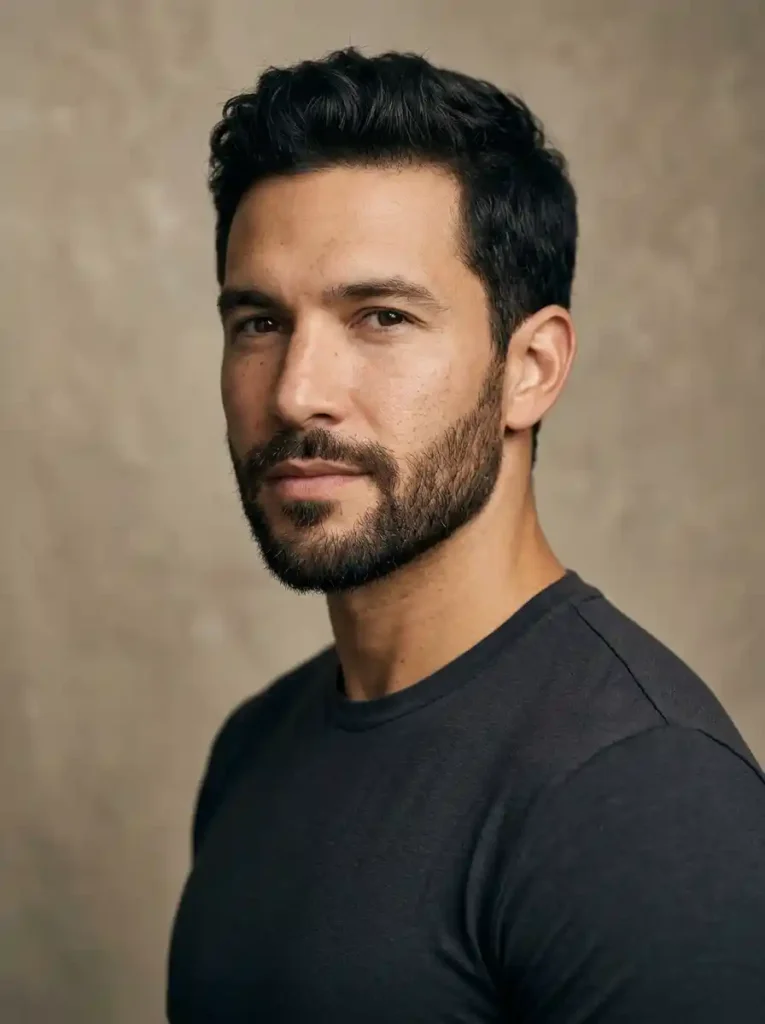
The short boxed beard is an excellent choice for men who want a polished appearance without committing to significant beard length. Its defining feature is the carefully shaped outline around the cheeks, jaw, and chin, creating a balanced frame for the face. This style works particularly well for oval, square, and round face shapes because its clean edges add structure without making facial hair look overly heavy or distracting.
For the best results, maintain a consistent length of approximately 5–10 millimeters, adjusting it according to your natural growth pattern. Keep the neckline tidy and avoid trimming the cheek line excessively low, as this can make the beard appear unnatural. A quality beard trimmer, moisturizing beard oil, and occasional professional shaping will help maintain its crisp appearance. Pair it with a neat haircut for an effortlessly sophisticated everyday look.
2. The Modern Faded Beard
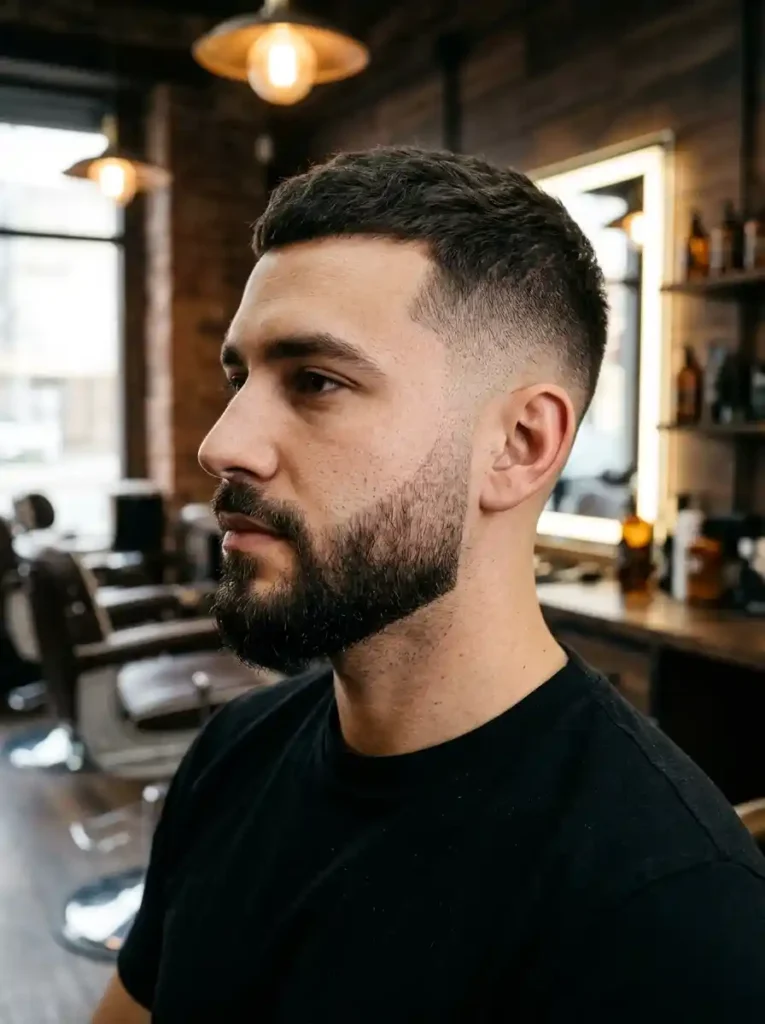
The modern faded beard brings a fresh, contemporary edge to traditional facial hair. Its signature detail is the gradual transition between the haircut and beard, with shorter growth near the sideburns blending into fuller facial hair around the cheeks and jaw. This combination creates a connected, seamless appearance that looks especially impressive with low fades, mid fades, and textured hairstyles. It is a particularly attractive option for men who enjoy clean, fashionable grooming.
Achieving a convincing fade requires precision, so visiting an experienced barber is often worthwhile, especially for the first shaping session. The transition should look gradual rather than sharply disconnected, while the beard itself should retain enough length to complement your jawline. Between appointments, use a trimmer with adjustable guards to maintain the overall shape. Regular brushing and light beard oil application will keep the facial hair looking healthy rather than dry or uneven.
3. The Heavy Stubble Beard
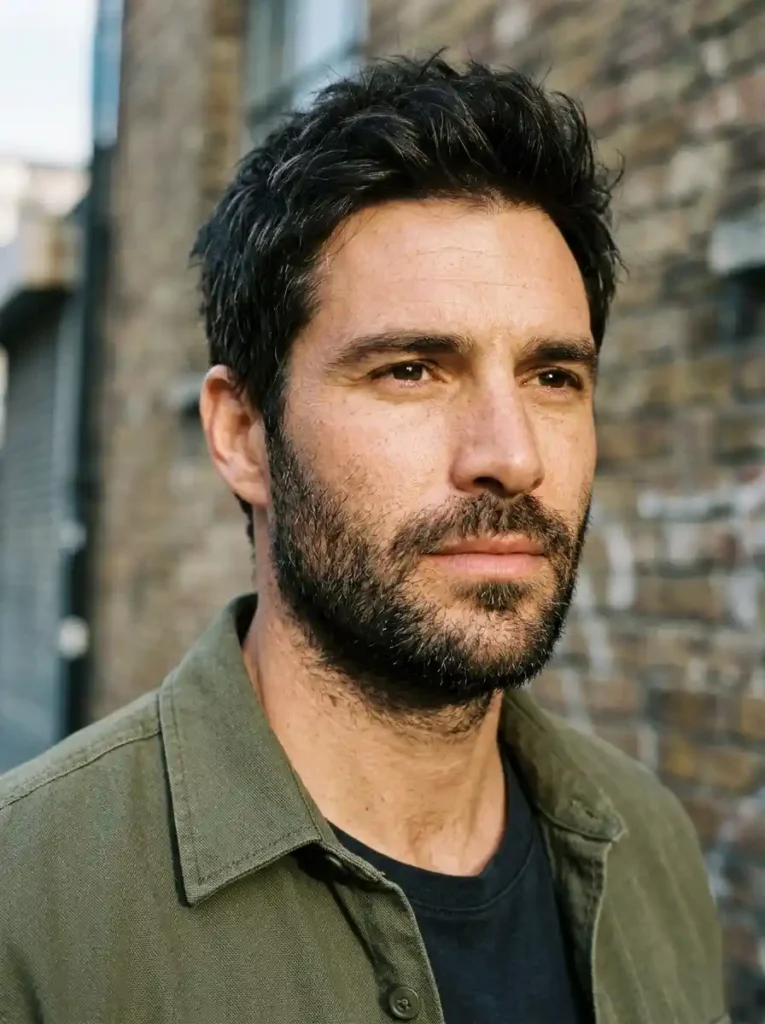
Heavy stubble offers an attractive middle ground between a clean-shaven face and a full beard. Usually maintained around 3–5 millimeters, it creates noticeable facial definition while preserving a relatively effortless appearance. This style can work particularly well for men with naturally dense facial hair who prefer shorter grooming routines. It also adds visual depth around the chin and jaw, making it a practical option for casual outfits, smart-casual clothing, and everyday professional settings.
The secret to good-looking heavy stubble is consistency rather than simply allowing facial hair to grow. Trim every few days using the same guard length, and pay attention to the neckline so the result looks intentional. If your growth is patchy, keeping the length slightly shorter can create a more even appearance. Apply a lightweight moisturizer after trimming to prevent irritation, and avoid drawing overly sharp cheek lines that make natural stubble look artificial.
4. The Full Natural Beard

A full natural beard is ideal for men who enjoy a more substantial, masculine appearance. Rather than emphasizing sharp geometric lines, this style celebrates natural density and length while maintaining enough structure to look intentional. It can complement longer faces by adding visual width and suits men whose facial hair grows relatively evenly across the cheeks, chin, and jaw. Its relaxed appearance also makes it versatile enough to pair with casual, vintage-inspired, or contemporary clothing.
Growing a full beard requires patience because uneven growth can become noticeable during the early stages. Allow several weeks for the hair to develop before making major shaping decisions. Once sufficient length appears, ask your barber to remove excess bulk without sacrificing natural fullness. Wash with a gentle beard cleanser, condition regularly, and comb downward to prevent tangles. A small amount of beard balm can help control flyaways while preserving the beard’s natural texture.
5. The Corporate Beard

The corporate beard proves that facial hair can look professional without appearing overly formal or conservative. Typically short to medium in length, it features controlled volume, clean borders, and a neatly maintained mustache. This style is particularly suitable for men working in business environments who want to express personal style while maintaining a polished appearance. Its structured shape frames the face beautifully and works with everything from tailored suits to simple office-casual outfits.
To keep this look workplace-ready, establish a regular trimming schedule rather than waiting until the beard becomes noticeably untidy. Maintain balanced cheek lines, remove stray hairs around the mouth, and keep the neckline comfortably above the Adam’s apple. A subtle beard balm can help manage unruly sections without leaving a greasy finish. Choose a length that complements your facial proportions, and coordinate your haircut with the beard for a cohesive, well-groomed appearance.
6. The Van Dyke Beard
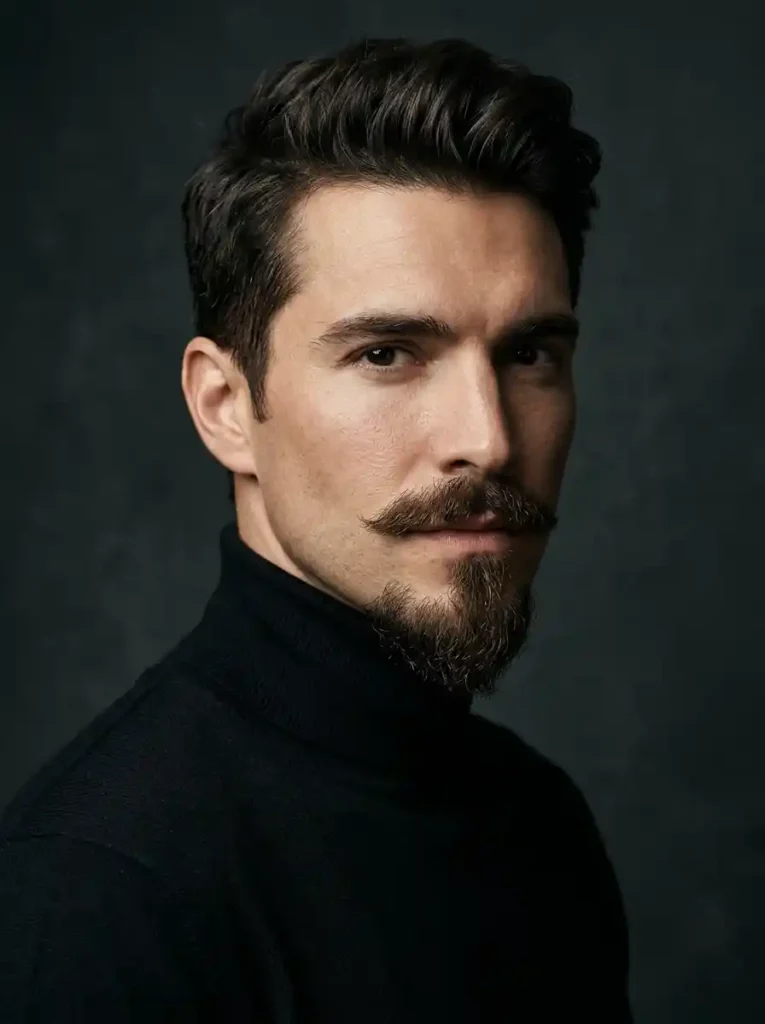
The Van Dyke is a distinctive beard style that combines a separate mustache with a pointed goatee while keeping the cheeks clean-shaven. Its vintage character has found a place in modern grooming because it creates a noticeable focal point around the mouth and chin. Men with oval, round, or slightly fuller faces may appreciate how its vertical shape adds definition. It is also a compelling choice for anyone who enjoys expressive grooming rather than conventional full-beard styles.
Precision is essential when maintaining a Van Dyke because the separation between the mustache and chin beard defines its appearance. Trim the chin section into a balanced point without making it excessively narrow, and keep the surrounding cheeks smooth. The mustache should look intentional rather than oversized compared with the goatee. Use a small detail trimmer for shaping and a precision razor for clean areas. Regular maintenance prevents the individual sections from losing their distinctive definition.
7. The Short Rounded Beard

The short rounded beard offers a softer alternative to sharply squared facial hair. Its lower outline follows a gentle curve around the chin, creating a balanced silhouette that feels approachable and modern. This shape can be particularly flattering for men with square or angular facial features who want to soften their overall appearance. It also works well for oval faces and men who prefer a manageable beard that looks equally appropriate in social and professional situations.
Ask your barber to follow the natural shape of your chin rather than forcing an exaggerated curve. Keep the beard relatively even in length, usually around 6–12 millimeters, and make sure both sides look balanced from the front. A common mistake is trimming the bottom too high, which can shorten the appearance of the chin. Comb the beard regularly and remove isolated longer hairs to preserve its smooth, rounded outline.
8. The Beardstache
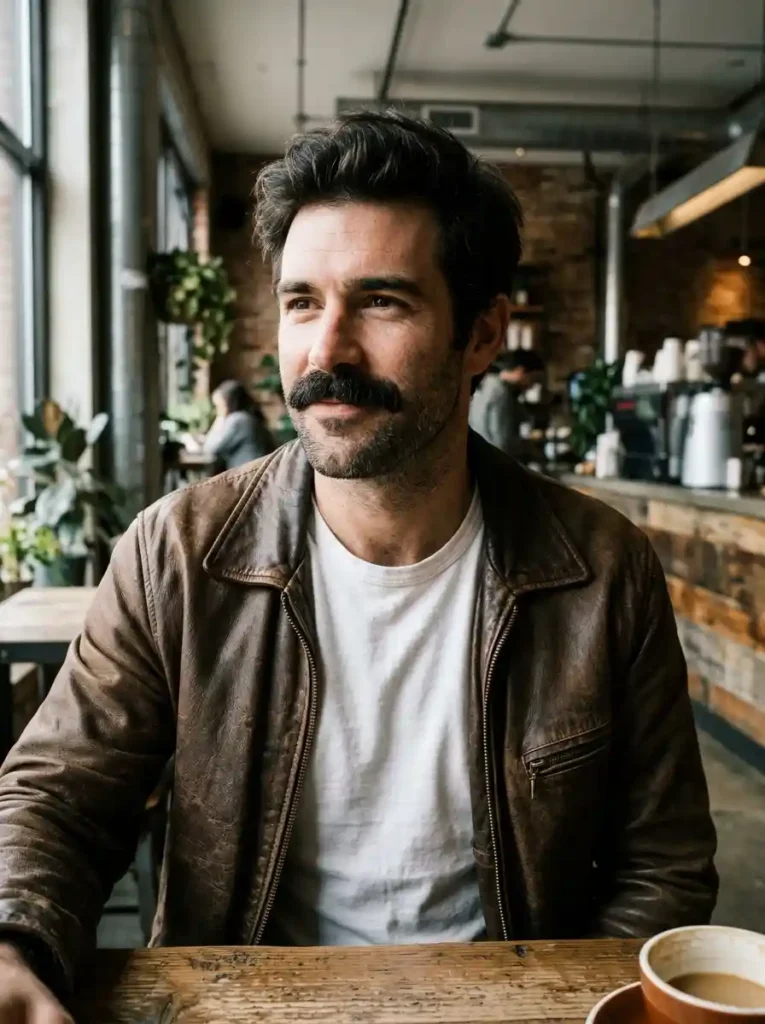
The beardstache combines a strong, noticeable mustache with much shorter beard growth across the cheeks and chin. The contrast between the two lengths creates a distinctive look without requiring a long or particularly dense beard. It suits men who naturally grow a full mustache and enjoy slightly unconventional grooming. The style has a relaxed, vintage-inspired personality, yet it can feel surprisingly contemporary when paired with modern clothing and a carefully styled haircut.
For a balanced result, keep the mustache thick enough to stand out while maintaining the surrounding beard at approximately 2–4 millimeters. Trim hairs that hang over the upper lip so eating and speaking remain comfortable. A small mustache comb and a touch of styling wax can help maintain the desired shape. Avoid allowing the chin area to become too long, since excessive growth can reduce the visual contrast that makes this style recognizable.
9. The Anchor Beard
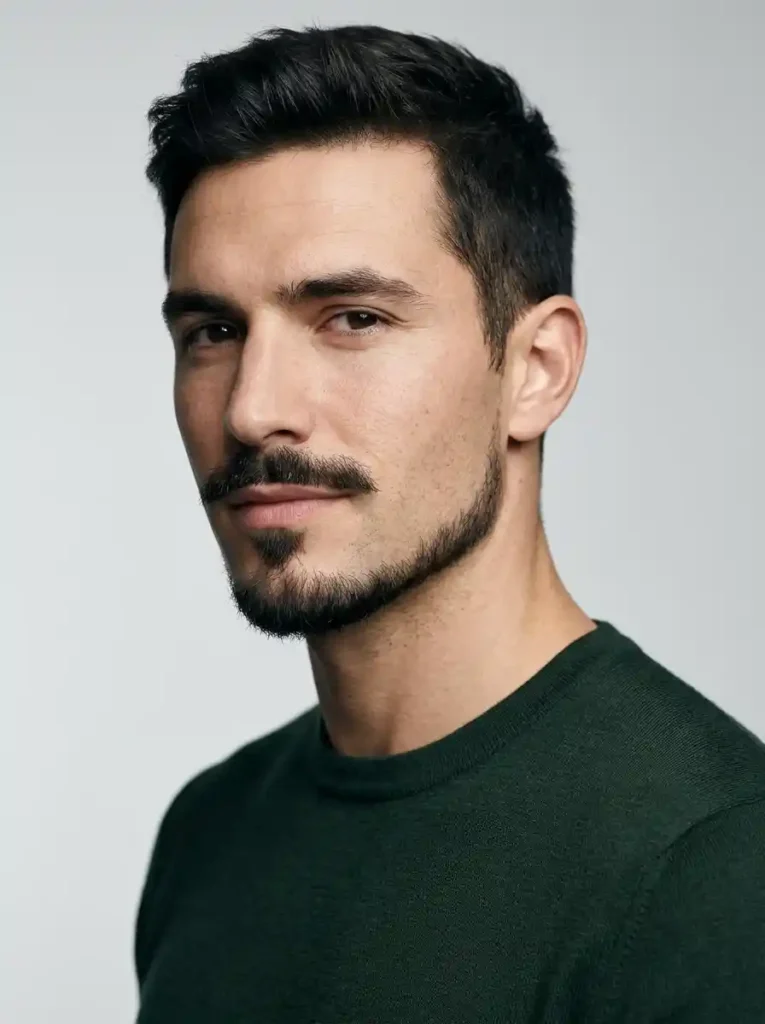
The anchor beard gets its name from the shape created by facial hair extending from the chin along the jawline, combined with a mustache and small soul patch. Its clean cheeks and carefully defined lower outline make it an excellent option for men who want a detailed grooming style without a full beard. It often works particularly well on oval and square faces, adding visual emphasis to the chin while keeping the upper cheeks uncluttered.
This style requires more attention than simple stubble because its separate sections must remain proportionate. Start by establishing the chin shape, then carefully define the jawline extensions and mustache. A precision trimmer is especially useful for maintaining the narrow outlines. Shave the cheeks regularly to preserve contrast, and avoid making the chin section disproportionately long. If you are attempting the style for the first time, a barber can establish the original shape before you maintain it at home.
10. The Garibaldi Beard
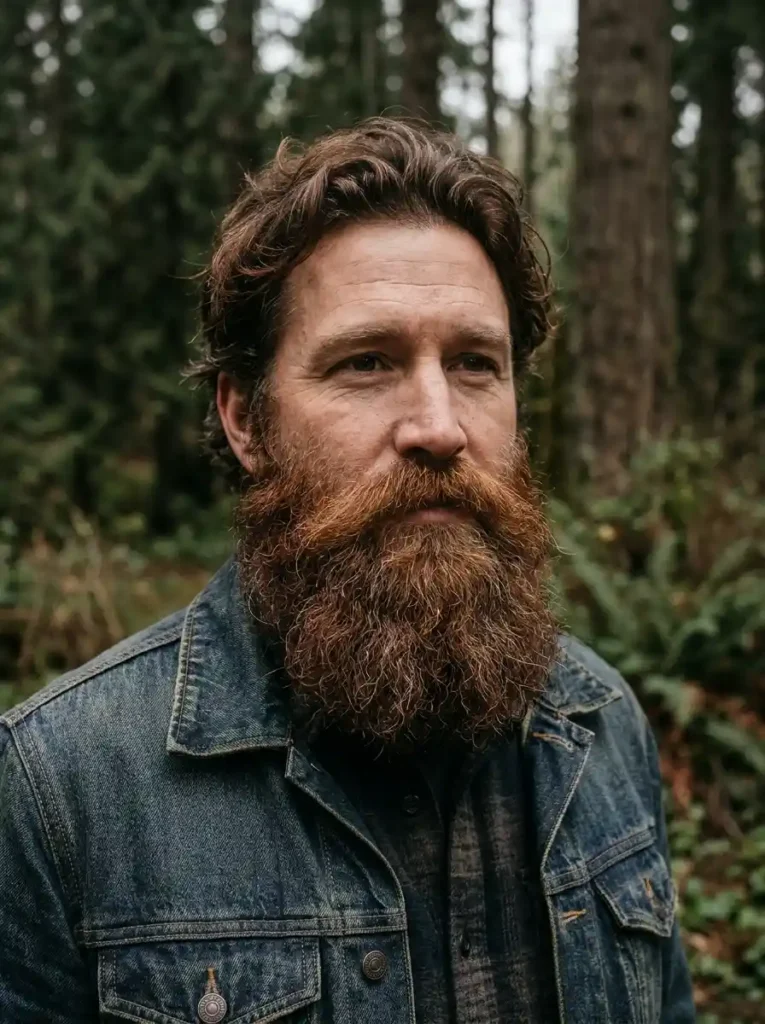
The Garibaldi beard is a bold choice for men who enjoy longer facial hair with a naturally rounded finish. It combines substantial beard length with a broad, full shape that creates a distinctive silhouette around the lower face. Unlike heavily sculpted long beards, the Garibaldi maintains a relatively relaxed appearance. It is particularly suitable for men with thick facial hair who want noticeable volume without constantly maintaining sharp, geometric edges.
Although the Garibaldi looks natural, it still needs regular grooming to prevent excessive bulk and uneven growth. Allow the beard to develop before trimming the bottom into a soft rounded shape, generally keeping its length within approximately 15–20 centimeters. Wash and condition it consistently because longer facial hair can collect dirt and become dry. Use a wide-tooth beard comb to remove tangles, and ask your barber to preserve fullness while tidying the overall outline.
11. The Designer Stubble Beard
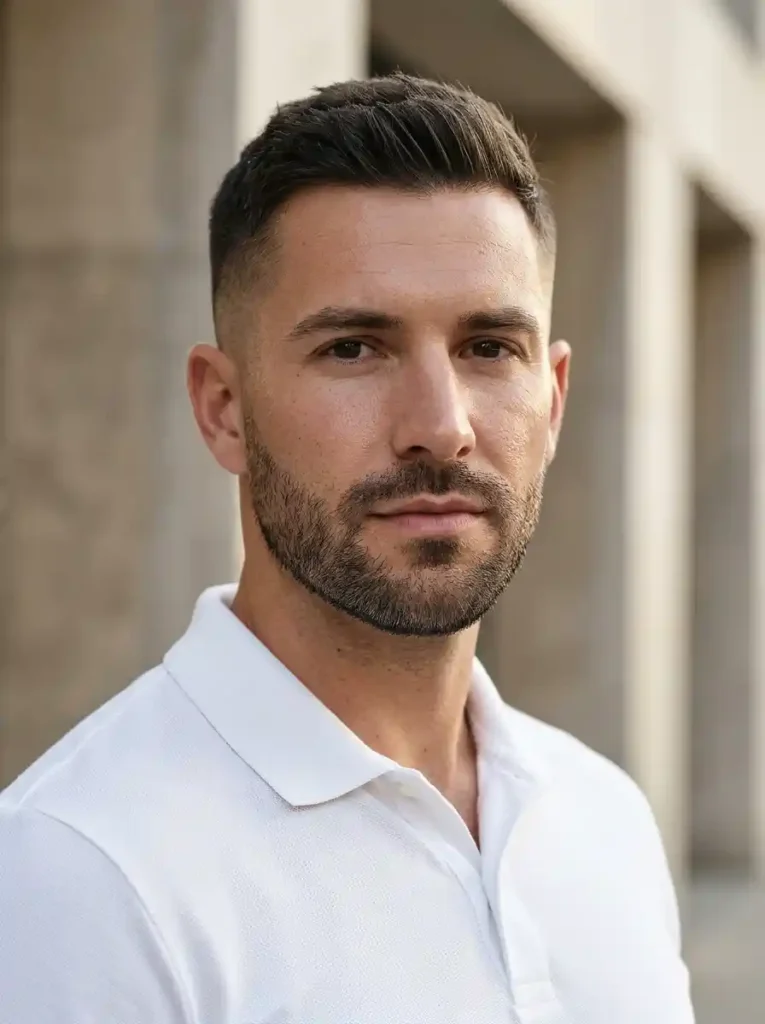
Designer stubble is a refined version of everyday facial hair, offering more definition than a clean shave without the commitment of a traditional beard. Usually maintained between 1–3 millimeters, it creates a subtle shadow across the lower face. This style is particularly attractive for men who prefer minimalist grooming and want their facial features to remain prominent. It also provides a convenient option for busy professionals who appreciate a consistently neat appearance.
The key is choosing a length that suits your natural hair density and skin tone. Trim the entire beard evenly, then carefully clean the neckline and remove stray hairs around the upper cheeks. Avoid shaving too frequently if your skin becomes irritated, and use a gentle moisturizer after grooming. Because short facial hair can emphasize dry skin, regular exfoliation and hydration help maintain a healthy appearance. A reliable adjustable trimmer makes this style simple to manage.
12. The Tapered Beard
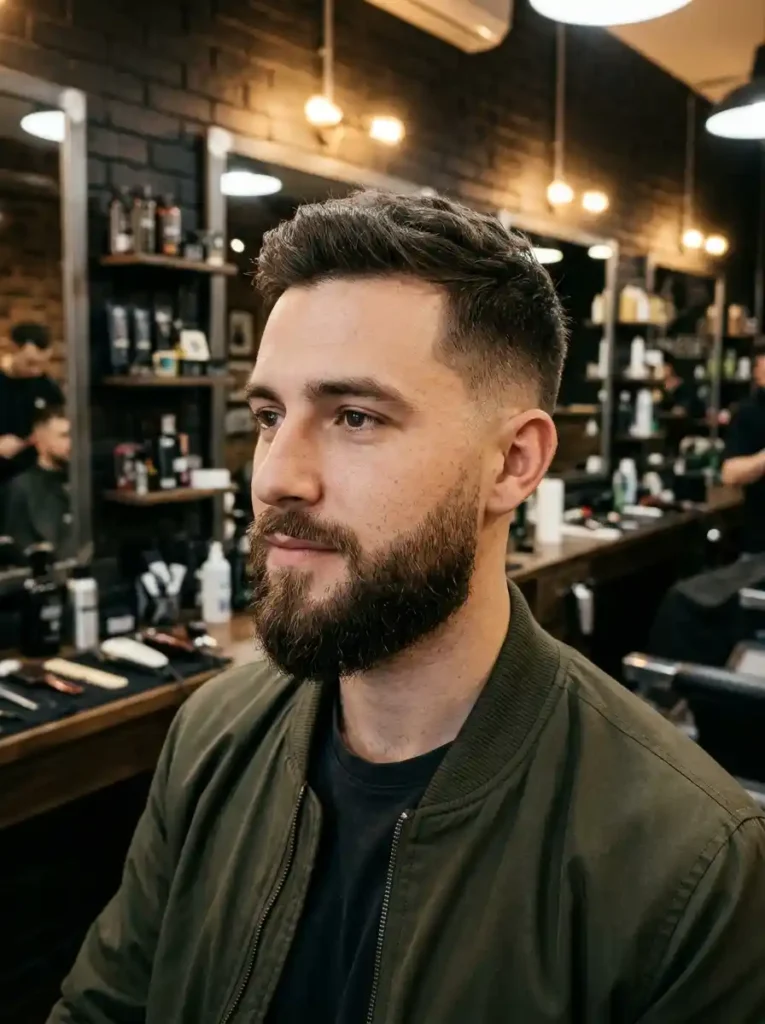
The tapered beard is a versatile modern style that gradually changes in length from the sideburns toward the lower face. This creates a smooth transition between the haircut and beard while allowing more volume to remain around the chin. It is particularly appealing for men who want a structured appearance without the obvious contrast of a dramatic fade. The style also works with different beard lengths, making it easy to personalize.
A successful taper depends on gradual blending rather than abrupt changes between lengths. Ask your barber to reduce the sideburn area carefully while maintaining enough fullness around the jaw and chin. This approach can help create a more balanced appearance, especially when coordinated with a tapered haircut. Between visits, avoid trimming the sides too aggressively, as removing too much hair can disrupt the intended shape. Regular brushing keeps the beard looking neat and naturally blended.
13. The Extended Goatee
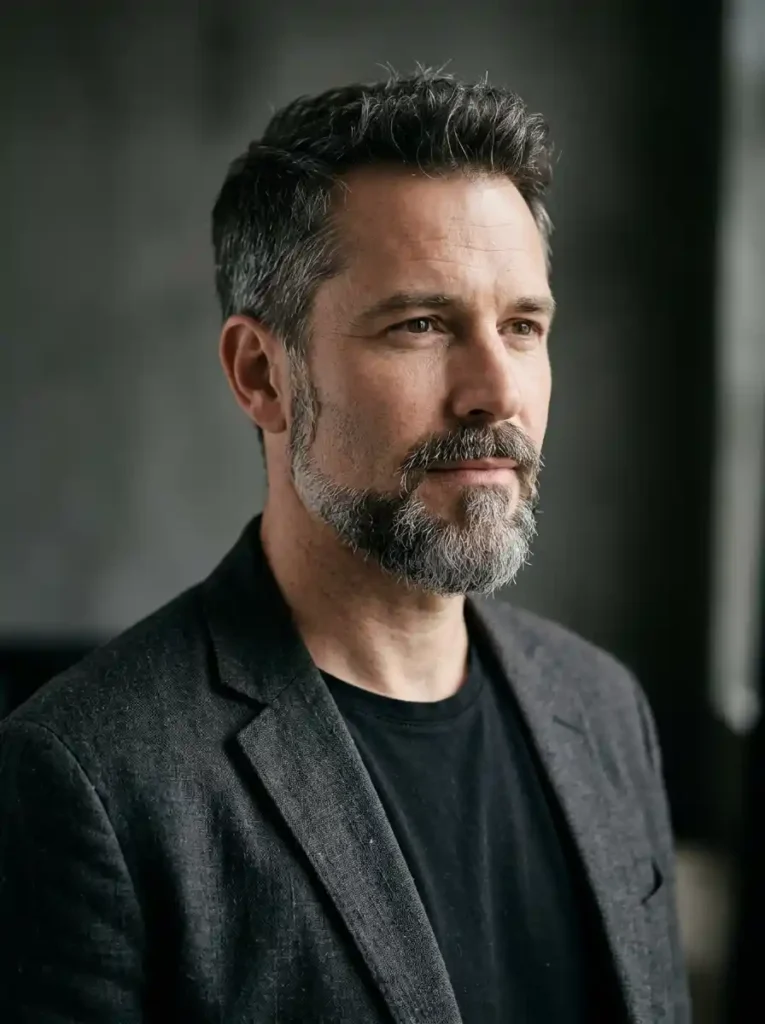
The extended goatee offers more coverage than a traditional goatee while avoiding the fullness of a complete beard. Its mustache connects to facial hair around the chin and extends along parts of the jawline, creating a distinctive lower-face frame. This style can be a good option for men whose cheek growth is naturally sparse or uneven. It also suits those who want facial hair that highlights the chin without covering their entire face.
When shaping an extended goatee, concentrate on creating smooth connections between the mustache, chin, and jawline. Keep the cheek area clean and make sure the lower outline follows your natural facial proportions. A slightly wider shape can complement a narrow chin, while a more compact version may suit broader faces. Trim the mustache away from the lip and use a precision detailer to maintain the connecting sections without creating overly thin lines.
14. The Salt-and-Pepper Beard

A salt-and-pepper beard embraces the natural mixture of darker and gray facial hairs, creating a sophisticated appearance with plenty of character. Rather than hiding changing hair color, this style makes it part of the overall look. It works beautifully in short, medium, and full beard lengths, depending on personal preference and facial hair density. Men with naturally graying hair can use this style to create a coordinated, mature appearance without relying on artificial coloring.
The best approach is to focus on shape, texture, and healthy grooming rather than trying to make every strand look identical. Keep the cheek lines and neckline tidy, and trim uneven ends when necessary. Gray facial hair can sometimes feel coarser or drier, so a moisturizing beard conditioner may improve manageability. Choose a length that distributes lighter and darker hairs naturally. A professional barber can also help shape the beard to complement your haircut and facial structure.
15. The Ducktail Beard
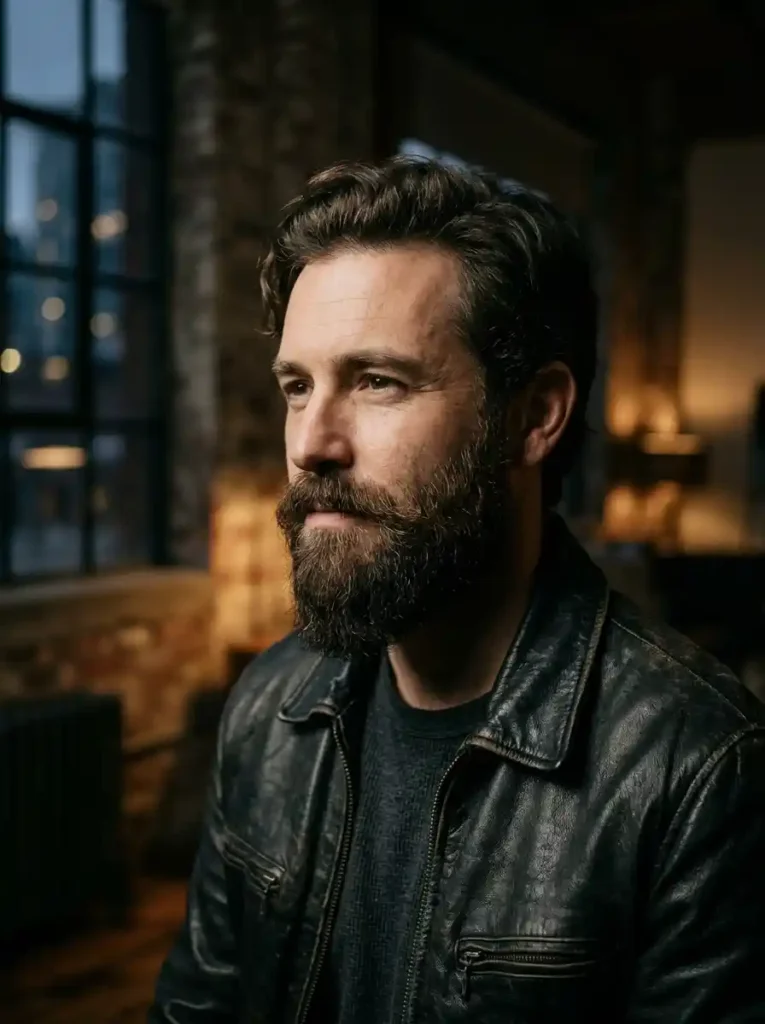
The ducktail beard is recognizable for its fuller upper and middle sections that gradually narrow into a pointed chin. It creates a strong vertical line, making it an interesting option for men who enjoy longer facial hair with a more sculpted finish. This style can complement rounder and broader face shapes by visually elongating the lower face. Its distinctive outline also gives traditional full-beard grooming a more fashionable, intentional character.
Growing a ducktail takes time because the chin needs sufficient length to create the tapered point. Keep the cheek and jaw sections fuller while gradually shaping the lower section toward the center. Avoid making the point excessively narrow, as this can look disproportionate against a thick beard. Regular combing helps maintain the direction of growth, while beard balm can control loose hairs. Visit a barber periodically to preserve the overall silhouette without sacrificing length.
16. The Balbo Beard

The Balbo beard is a distinctive grooming option featuring a carefully shaped chin beard and a separate mustache, with clean-shaven cheeks. Unlike a traditional goatee, its lower facial hair extends more broadly around the chin, creating a more structured silhouette. It can suit men with round, square, or oval faces who want a defined appearance without committing to a full beard. The separation between its sections gives the style a contemporary, fashion-conscious personality.
The most important detail is maintaining the distinction between the mustache and chin beard. Keep the cheek area smooth, shape the chin section evenly, and make sure the mustache sits naturally above the upper lip. A narrow precision trimmer will help create clean borders without removing too much facial hair. Because the Balbo relies on symmetry, check both sides from a straight-on mirror angle. Occasional professional shaping can help preserve its distinctive outline.
17. The Low-Maintenance Natural Stubble
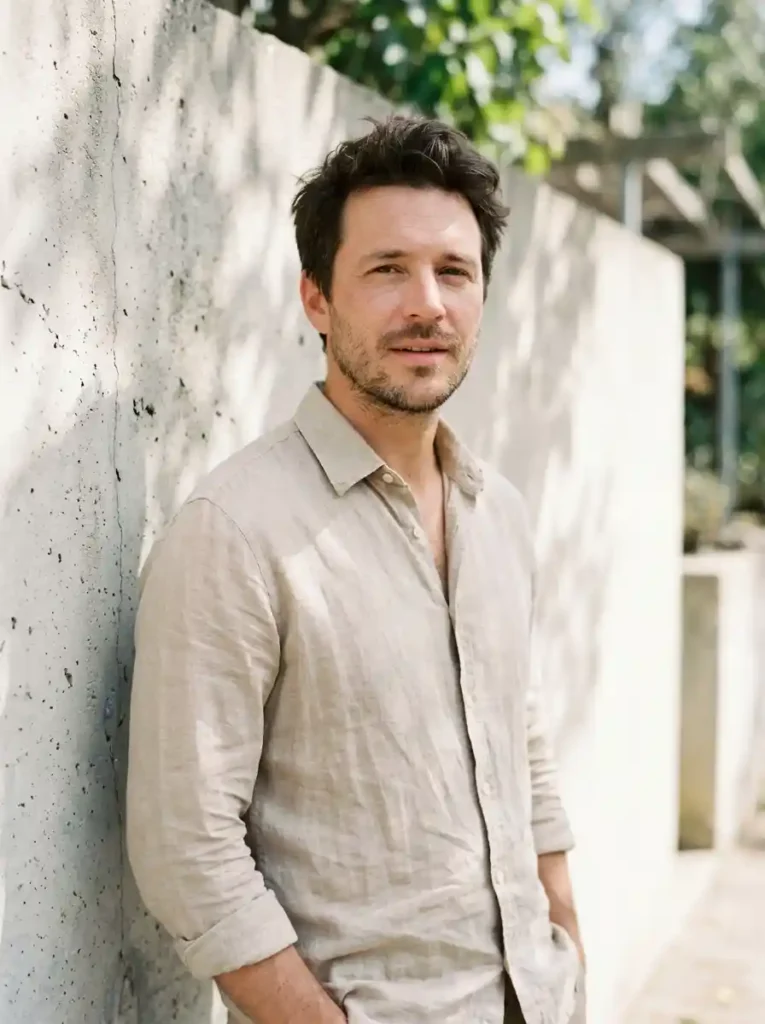
Not every modern beard needs elaborate shaping or perfectly defined borders. Low-maintenance natural stubble celebrates the way your facial hair grows, creating a relaxed appearance that feels effortless rather than overly styled. It is ideal for men with busy schedules who prefer simple grooming routines and do not want to spend time maintaining a precise beard outline. The short length also makes it practical for casual environments and everyday activities.
Let your facial hair grow naturally for several days, then trim only when it becomes uncomfortable or noticeably uneven. You can remove stray neck hairs while leaving the cheek line relatively untouched for a softer result. Choose a guard length that preserves your natural density instead of forcing a uniform appearance that does not suit your growth pattern. A gentle face cleanser and moisturizer are usually enough to keep the skin underneath comfortable and healthy.
18. The Medium-Length Sculpted Beard
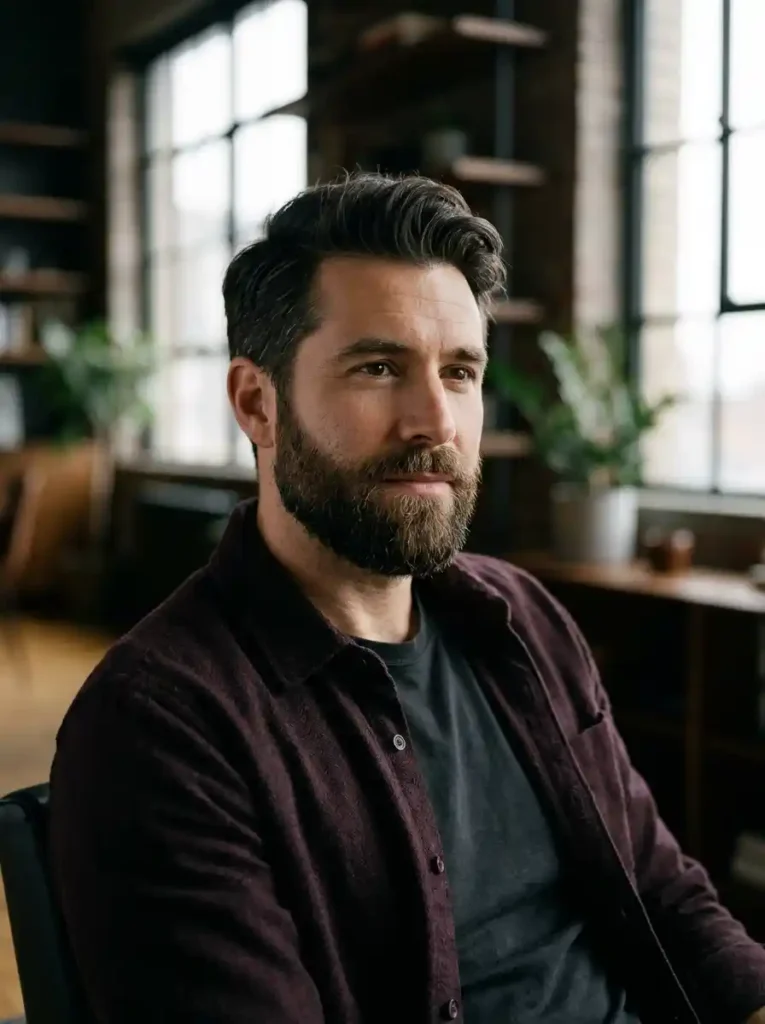
The medium-length sculpted beard provides a noticeable amount of facial hair without the maintenance demands of an extra-long beard. Its shape combines natural fullness with controlled edges, giving the face a stronger frame while preserving a clean overall appearance. This style is especially suitable for men with reasonably even growth who want something more substantial than stubble. It also transitions easily between relaxed weekend outfits and polished smart-casual clothing.
A length of approximately 15–25 millimeters offers a useful starting point, although your ideal measurement will depend on hair density and facial proportions. Trim around the cheeks and jaw without removing too much volume, and keep the bottom line balanced. Wash the beard regularly and use conditioner to prevent coarse strands from becoming difficult to manage. A medium-toothed comb and a small amount of beard balm can help maintain shape throughout the day.
19. The Curly Beard
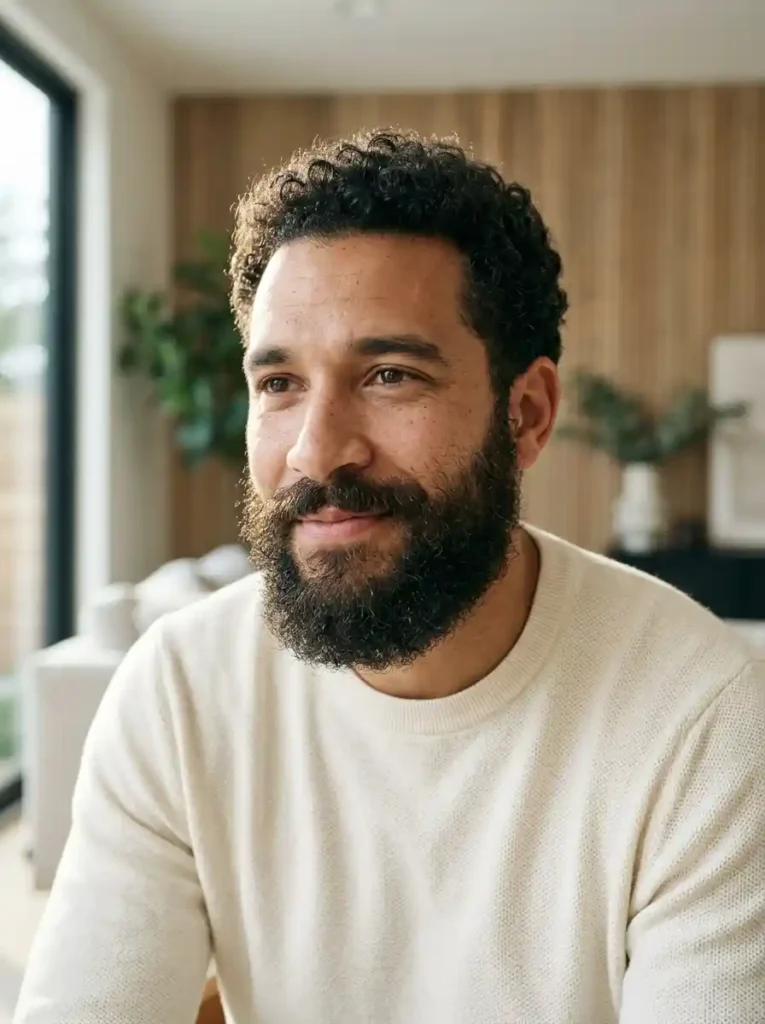
A curly beard has a distinctive texture that makes it stand out from straighter facial hair styles. Its natural bends and coils create additional volume, giving the lower face a fuller appearance even when the beard is not particularly long. This style is an excellent option for men whose facial hair naturally grows curly or wavy. Rather than fighting the texture, modern grooming focuses on defining curls and creating a balanced shape.
Curly facial hair can become dry or tangled, so gentle conditioning is especially important. Use a beard-specific conditioner after washing and comb carefully with a wide-tooth comb when the hair is slightly damp. Avoid aggressive brushing, which can disrupt the natural curl pattern and create unnecessary frizz. Keep the outer shape controlled while allowing the texture to remain visible. A lightweight beard balm can provide definition without making the curls feel stiff or excessively heavy.
20. The Long Viking-Inspired Beard
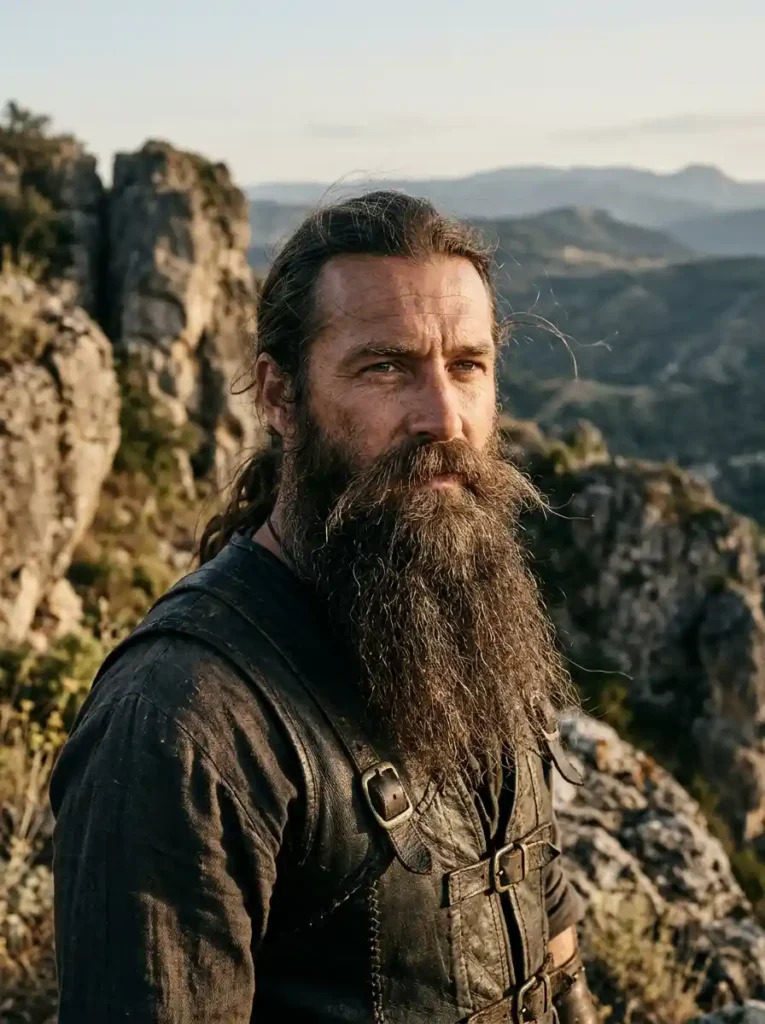
The Viking-inspired beard is a bold option for men who enjoy long facial hair and a rugged, adventurous aesthetic. Its defining feature is substantial length combined with natural fullness, often paired with longer hairstyles or tied-back hair. Although inspired by historical grooming traditions, modern versions can be personalized with cleaner cheek lines, a shaped mustache, or subtle tapering. It is particularly suitable for men with dense facial hair who enjoy making their beard a central part of their appearance.
Long beard growth requires patience and a consistent care routine. Allow enough time for the hair to reach your preferred length before making major shaping changes, and trim damaged or split ends when needed. Use a nourishing beard wash, conditioner, and lightweight oil to maintain softness. A wide-tooth comb helps remove tangles, while a beard tie can keep longer sections controlled during daily activities. Regular trimming around the mouth and neckline prevents the overall style from looking neglected.
Conclusion
Choosing the right beard style is about more than following the latest men’s grooming trends. It is about finding a shape, length, and level of maintenance that complement your facial features and fit naturally into your lifestyle. Whether you prefer the sharp appearance of a faded beard, the simplicity of heavy stubble, or the bold personality of a long Viking-inspired beard, there is plenty of room to experiment.
Before making a change, consider your face shape, natural beard density, hair texture, and daily grooming routine. Save a few inspiration pictures, discuss your preferred look with a skilled barber, and start with a manageable length before trying more dramatic shaping.
Remember, the best modern beard is one that looks healthy, feels comfortable, and reflects your personal style. A few thoughtful grooming adjustments can give your appearance a fresh direction without changing who you are.


