
Some days, your hair looks fine but still feels a little too ordinary. A small change in texture, shape, bangs, or styling can make the whole look feel fresh. These cute hairstyle ideas are designed for real life, from quick morning routines to polished weekend plans. You’ll find soft layers, playful braids, elegant updos, and easy looks for different hair types. Save the ideas that match your style, then use the details when planning your next salon visit.
1. Soft Face-Framing Layers
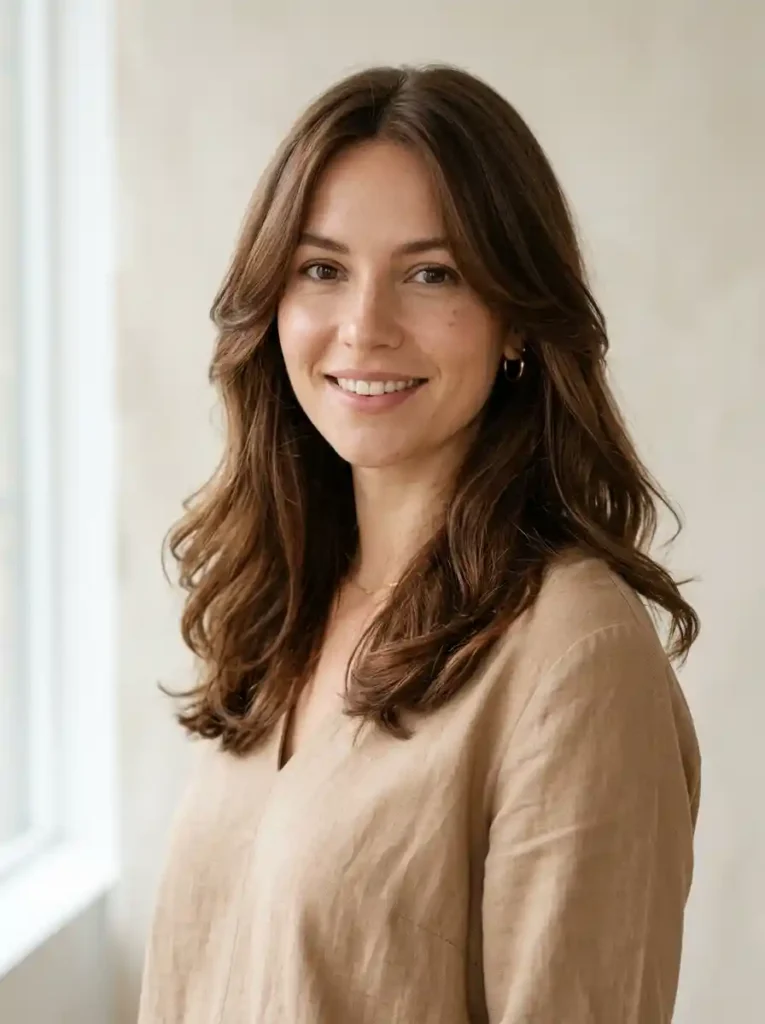
Face-framing layers give medium-length hair a gentle shape without making it look overly styled. The shorter pieces curve toward the cheeks, while the remaining length keeps the silhouette balanced. This option suits people who want movement around the face but still enjoy longer hair. Soft waves make the layers especially noticeable. Straight hair can also show the shape clearly. The overall effect feels polished, feminine, and easygoing without looking too formal or dramatic.
For an everyday version, ask for blended layers rather than sharp steps. This keeps the ends looking connected when the hair is worn straight. Use a round brush to turn the front pieces slightly inward, or let them dry naturally for softer movement. Stylist Tip: Bring a reference photo showing the desired starting point of the layers. Face-framing pieces can vary greatly depending on cheekbone placement and the way your hair naturally falls.
2. Airy Curtain Bangs
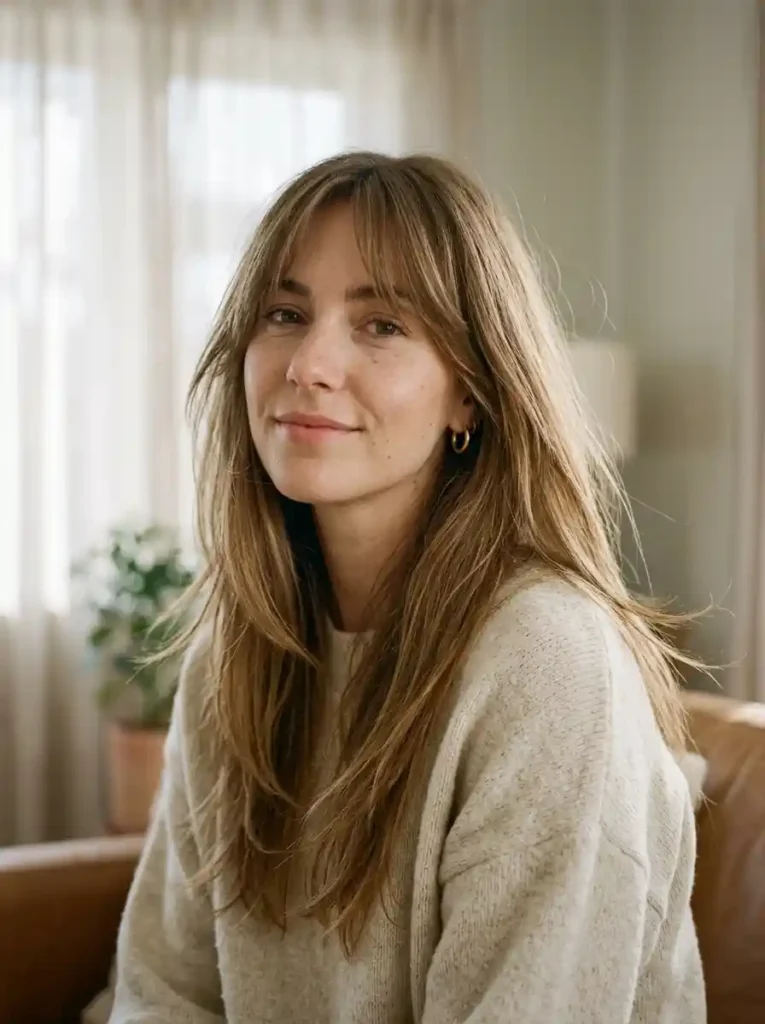
Curtain bangs create a soft focal point without covering the entire forehead. They usually part near the center and sweep outward toward the temples. This shape works especially well with medium or long hair because the fringe can blend into surrounding layers. Fine, wispy texture keeps the style light. The result feels relaxed rather than heavily sculpted. It is a useful choice for anyone wanting a noticeable update without losing much overall length.
Curtain bangs usually need some daily shaping, especially when the hair is naturally straight or stubborn. A small round brush can direct each side away from the face while a light styling cream controls flyaways. Avoid trimming the shortest pieces too aggressively at first. Pro Tip: Ask your stylist to begin with slightly longer bangs. You can always shorten them later, but growing out an overly short fringe takes more patience.
3. Tousled Shoulder-Length Waves
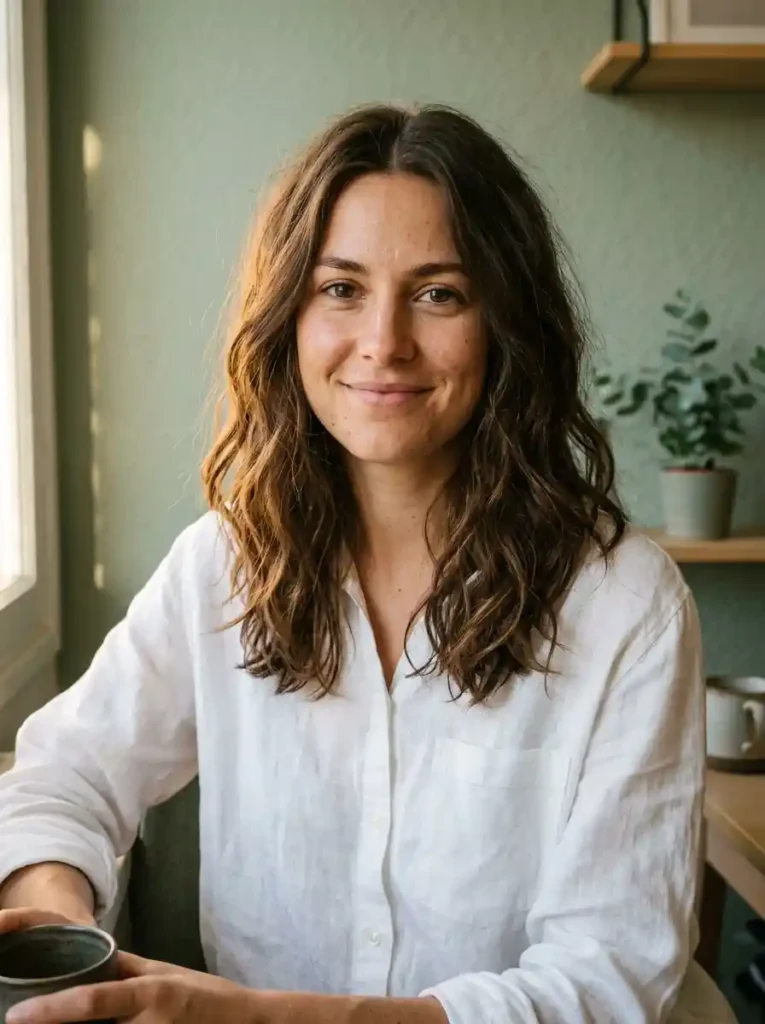
Shoulder-length waves offer a useful middle ground between short and long hair. The length feels fresh while still providing enough hair for ponytails and half-up styles. Loose waves add body without creating a heavily curled appearance. This look works nicely on medium-density hair because the waves create visual fullness through the middle and ends. It also suits casual wardrobes, making it easy to wear for errands, workdays, lunches, or relaxed evening plans.
To recreate the texture, dry the hair until almost completely smooth, then add loose bends with a wide curling iron or overnight braids. Alternate the direction of a few sections so the waves do not form one uniform pattern. Finish by gently separating the bends with your fingers. Common Mistake: Using too much heat can make shoulder-length waves look stiff. Keep the temperature moderate and allow each section to cool before brushing it through.
4. Low Textured Ponytail
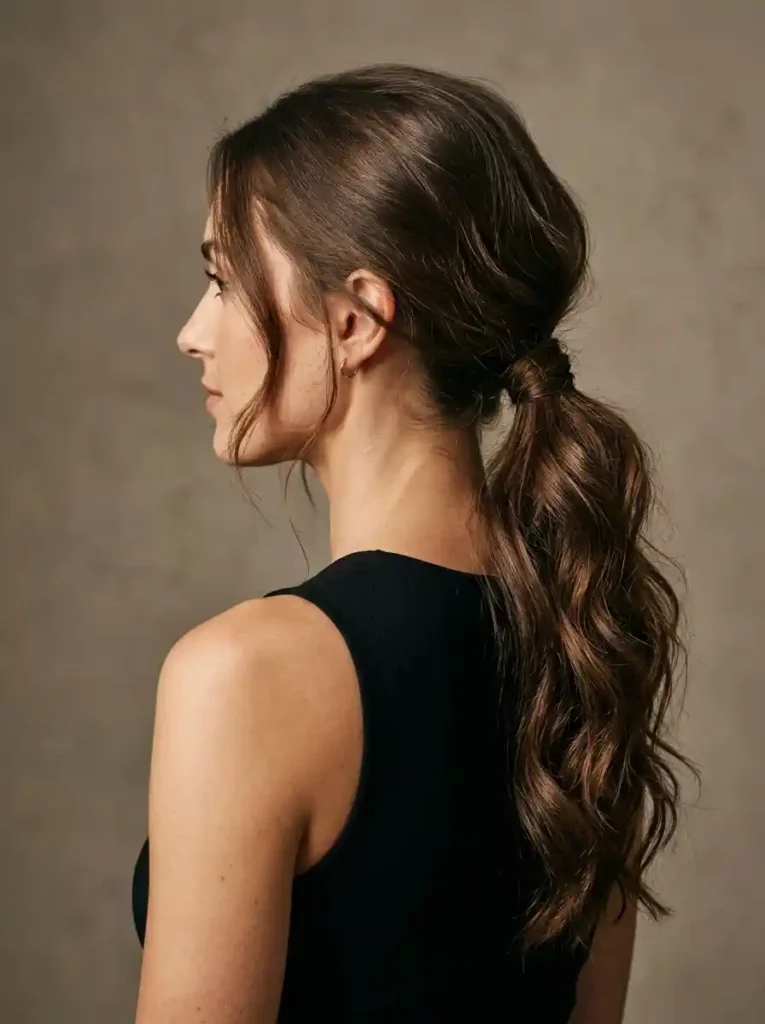
A low textured ponytail can make a simple hairstyle feel intentionally polished. The ponytail sits near the nape rather than high on the head, creating a relaxed silhouette. Gentle texture through the lengths prevents the style from appearing flat. A few loose strands around the face add softness without making the look messy. This option is especially practical for long hair when you want it secured while keeping a graceful, understated appearance.
Start by adding light texture before gathering the hair. Secure the ponytail loosely, then pull a few sections near the crown to create comfortable volume. Wrap a small strand around the elastic for a cleaner finish. Stylist Tip: Avoid pulling the hair extremely tight if you plan to wear the ponytail for several hours. A slightly relaxed base often looks more natural and allows the textured lengths to become the main feature.
5. Half-Up Ribbon Hairstyle
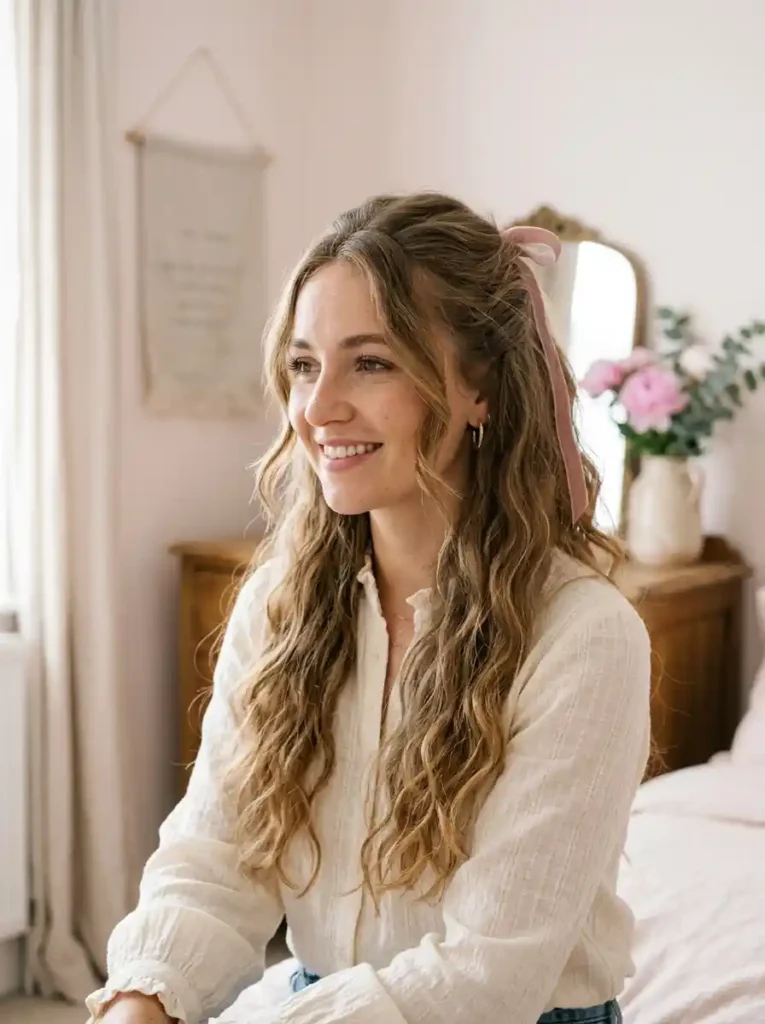
A half-up ribbon hairstyle adds a playful detail without requiring complicated styling. The upper section is gathered away from the face, while the remaining hair stays loose. A ribbon creates the visual focal point and can change the mood depending on its color and material. Velvet feels romantic, while cotton or satin can look more casual. Long waves provide extra softness and make the style especially photogenic from the back and sides.
For better hold, gather the upper section after adding a small amount of texturizing product. Tie the ribbon over a secure elastic instead of relying on the ribbon alone. This prevents slipping throughout the day. Pro Tip: Match the ribbon to one small color detail in your outfit rather than making it identical to your clothing. That creates coordination without making the accessory feel too deliberate or costume-like.
6. Sleek Claw-Clip Twist
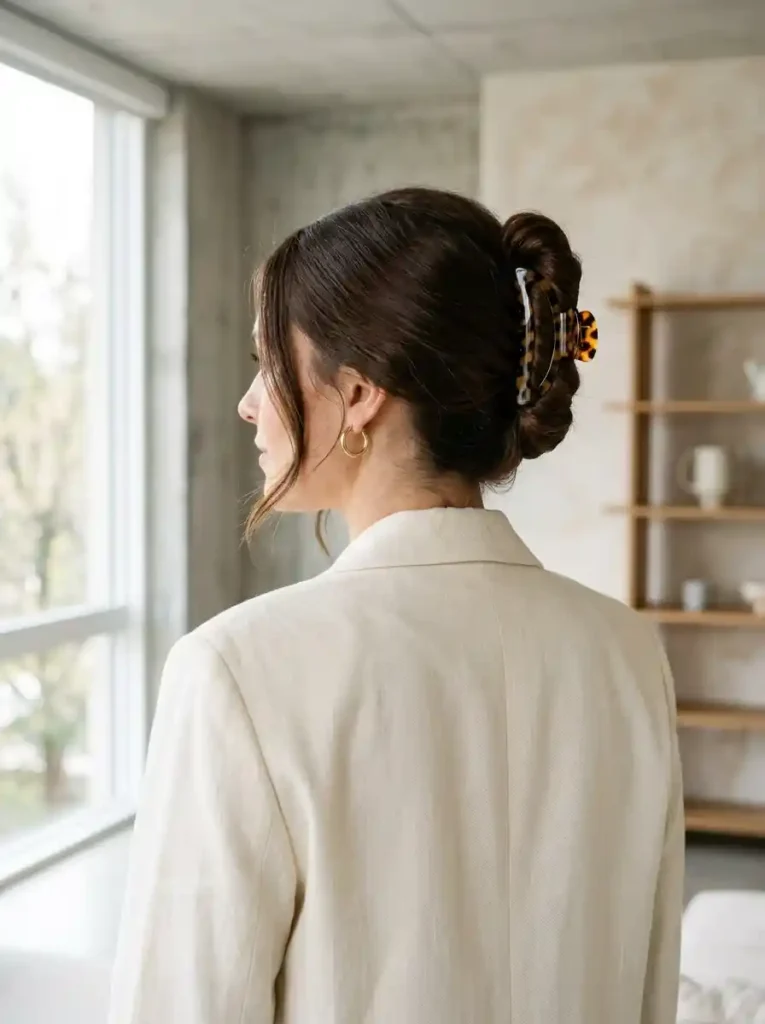
A claw-clip twist is one of the easiest ways to turn loose hair into a tidy updo. The hair is gathered vertically, twisted upward, and secured with a sturdy clip. The finished shape can look sleek or intentionally relaxed. It works particularly well for medium-long hair that is difficult to keep in a traditional bun. The accessory also adds personality, especially when you choose tortoiseshell, matte neutral, or softly colored hardware.
Brush the sides gently before twisting if you want a cleaner finish. For a looser look, leave a few pieces around the ears and hairline. Choose a clip large enough to hold your hair without forcing the teeth apart. Common Mistake: A clip that is too small may slide downward or create uncomfortable tension. Test the size at home before buying several colors or decorative versions.
7. Wispy Chin-Length Bob
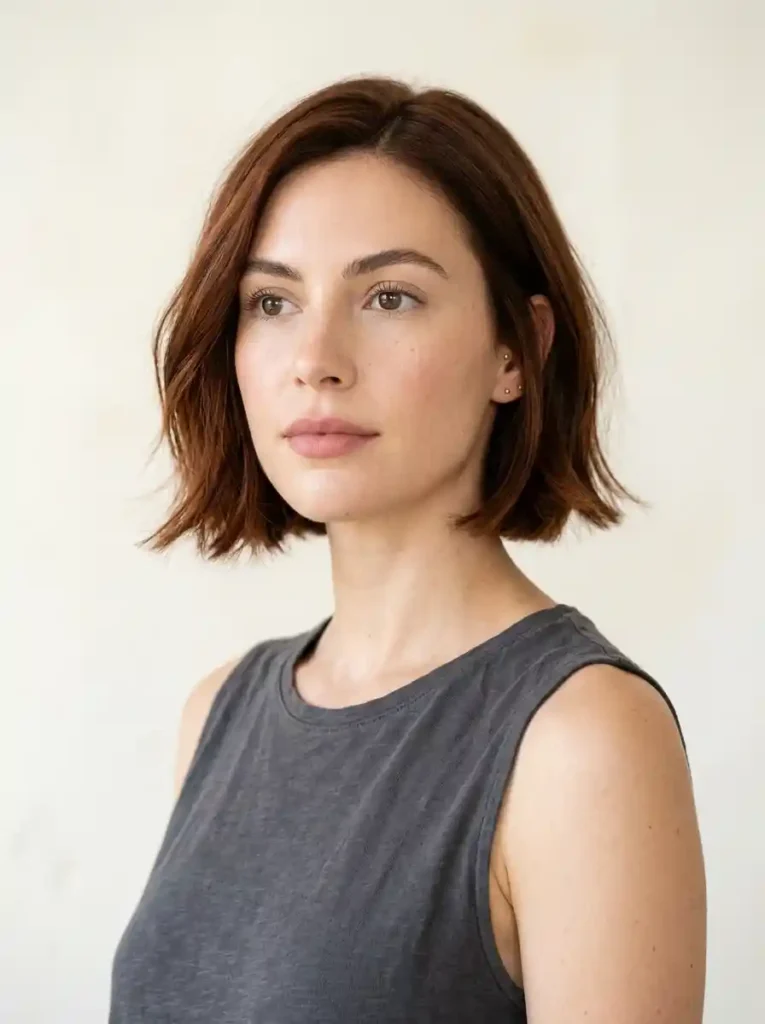
A chin-length bob feels fresh because the shorter shape draws attention toward the jaw and neck. Wispy ends keep the haircut from looking too heavy or blunt. A slight bend through the hair can add movement without turning the bob into a full wave style. This option suits people who want a noticeable change while keeping the overall haircut simple. It can look especially striking with naturally straight or lightly textured hair.
A clean perimeter is important for this style, so regular trims help preserve its shape. Ask for light internal texture if your hair tends to feel bulky at the ends. Stylist Tip: If your hair is very thick, removing some internal weight can help the bob sit closer to the head. If your hair is fine, excessive texturizing may make the ends appear thinner, so a stronger perimeter can work better.
8. Messy French Braid
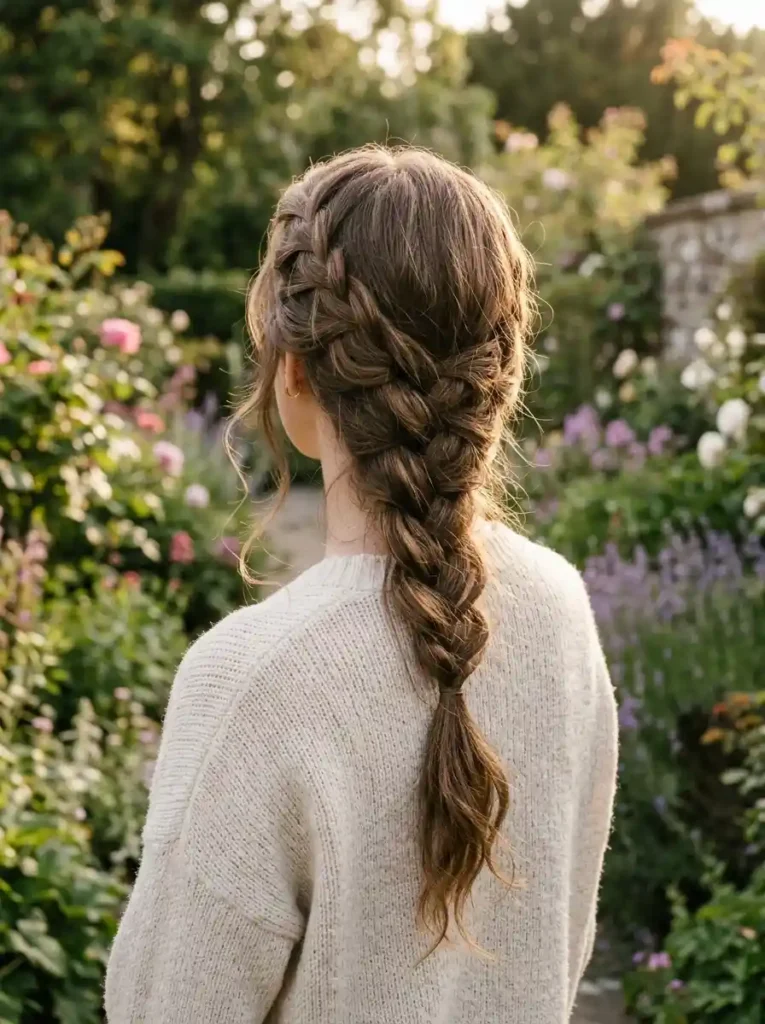
A messy French braid gives long hair structure while keeping the overall mood relaxed. The braid begins near the crown and gradually incorporates hair toward the nape. Pulling the woven sections slightly apart creates a fuller appearance. Loose pieces around the face make the style feel less formal. This is a practical choice for busy days, outdoor plans, or anyone who wants a hairstyle that looks intentionally imperfect rather than highly polished.
Start with slightly textured hair because freshly washed hair can be slippery. Divide the crown into three sections, then add small pieces as you braid downward. Once secured, gently loosen the braid with your fingertips. Pro Tip: Keep the added sections similar in size. Uneven additions can make the braid twist awkwardly and create unwanted gaps, especially when the hair is fine or layered.
9. High Ponytail With Face-Framing Pieces
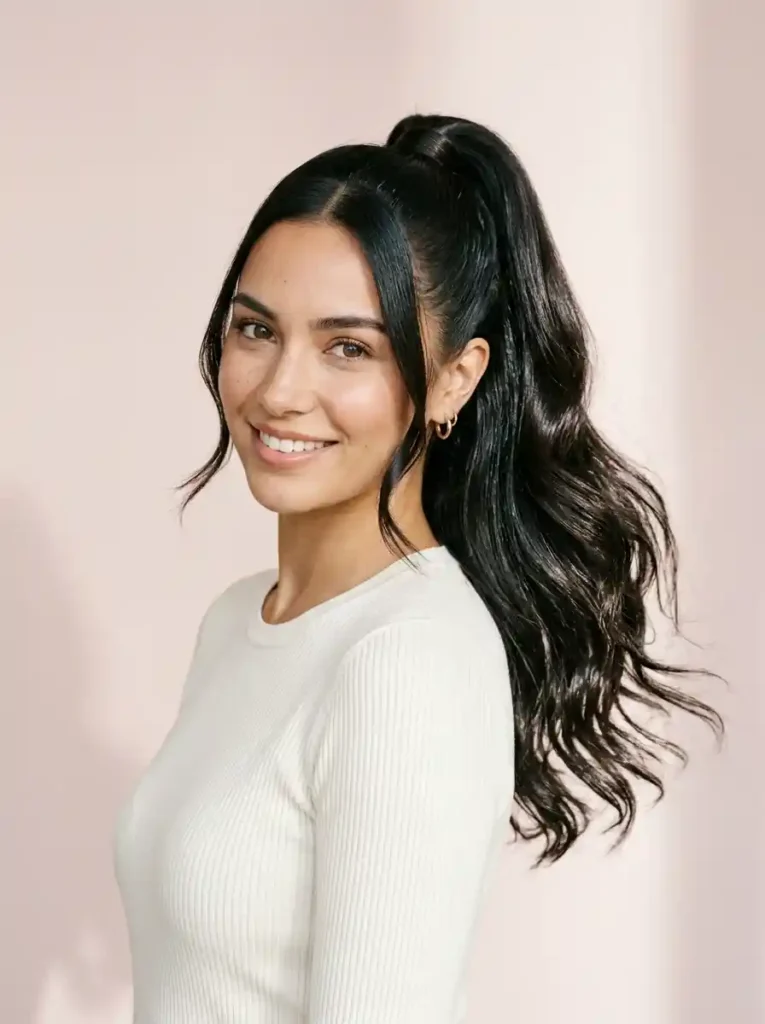
A high ponytail creates a lively silhouette and keeps long hair away from the shoulders. The lifted position gives the style energy, while softly curled lengths add movement. Small face-framing pieces prevent the look from feeling overly severe. This combination works for casual outfits, active days, and dressed-up occasions. It is particularly useful when you want your hair to feel styled but do not want to spend time creating a complicated updo.
Secure the ponytail after smoothing the crown, then curl only the lengths if you want visible movement. Use a strong but comfortable elastic and avoid placing it so tightly that the scalp feels strained. Stylist Tip: If your hair is layered, use a few discreet pins beneath the ponytail to keep shorter pieces contained. This gives the high shape a cleaner finish without excessive product.
10. Soft Butterfly Layers
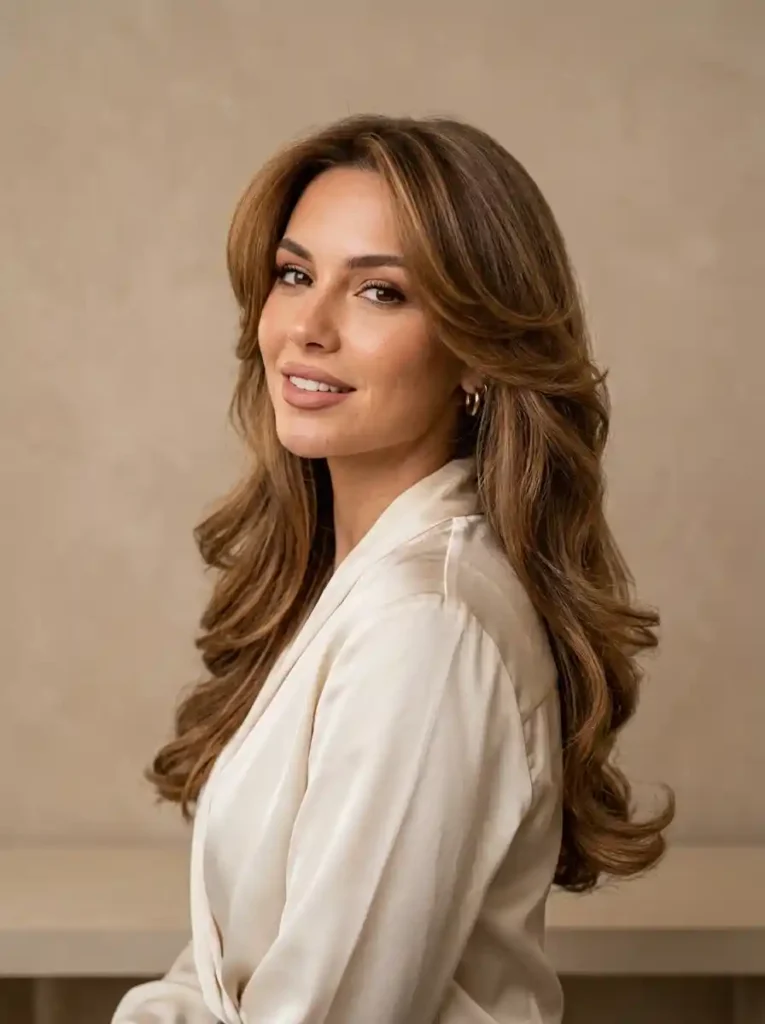
Butterfly layers create movement through both the front and lower lengths. The shorter top sections add lift, while the longer layers preserve an overall long-haired appearance. This makes the style useful for someone who wants visible shape without giving up length. A soft blowout emphasizes the feathered effect. The finished look feels glamorous but can still be adapted to everyday styling with less volume and more natural texture.
This haircut benefits from proper sectioning during the cut because the transitions need to blend smoothly. Use a round brush on the front layers to encourage outward movement. Common Mistake: Creating too much separation between layers can make the haircut appear choppy. Ask for connected transitions if you prefer a softer, more wearable version that still shows the butterfly-inspired shape.
11. Textured Pixie With Long Fringe
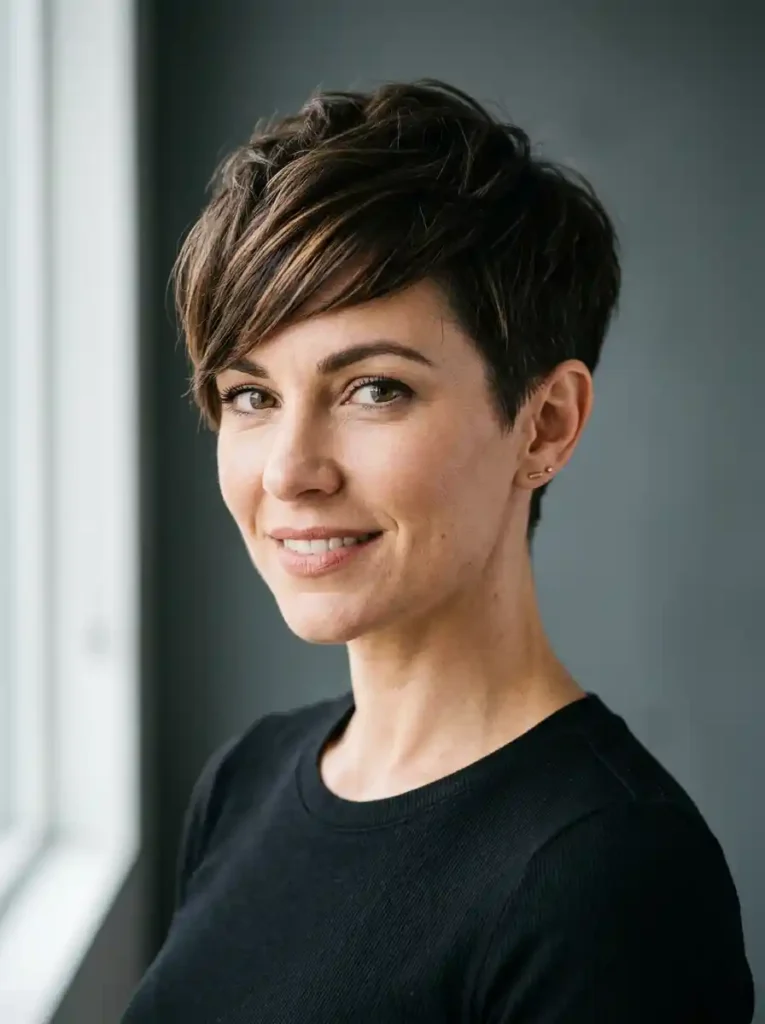
A textured pixie with a longer fringe offers short-hair convenience with enough length for styling variety. The sides and nape stay close to the head, while the top and front retain movement. The fringe can sweep across the forehead or lift slightly for a different mood. This option works well for people who enjoy expressive hair but prefer less weight and shorter drying time.
Use a small amount of styling paste to separate the crown and define individual pieces. Avoid heavy creams that flatten short layers. Stylist Tip: Tell your stylist how you normally wear your fringe before the cut begins. A fringe designed for a natural side part will behave differently from one designed to fall forward or sweep diagonally.
12. Braided Low Bun
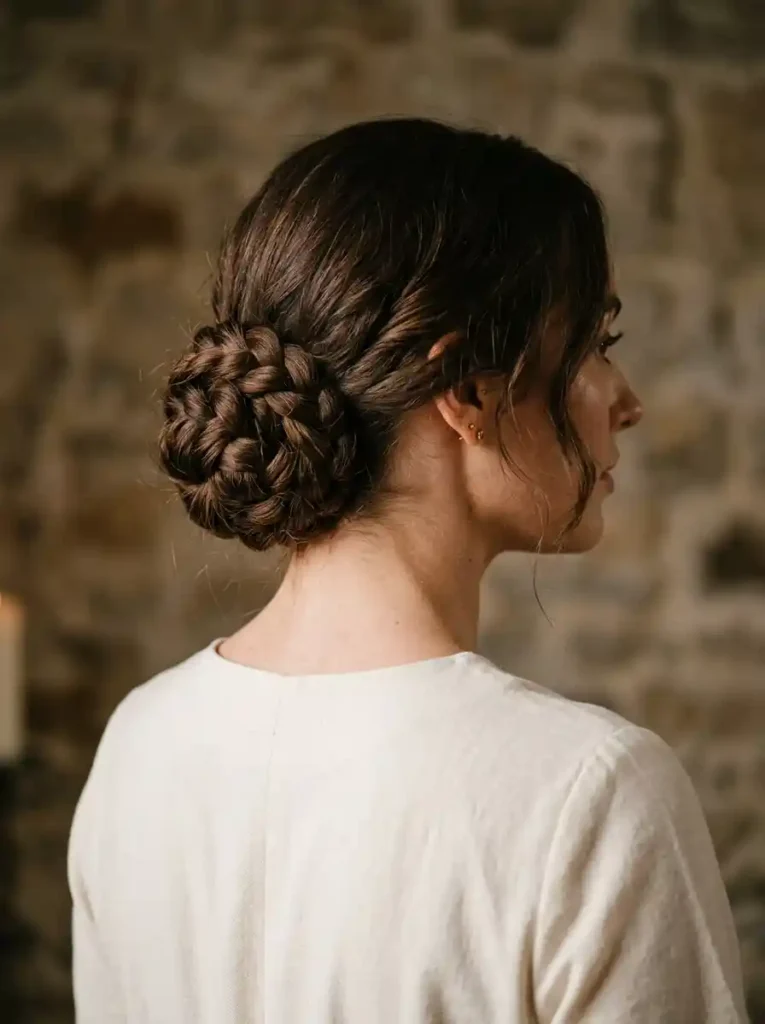
A braided low bun combines the structure of a braid with the neat shape of an updo. The braid gives the bun visible detail, while the low placement keeps the style understated. Loose tendrils can soften the edges if you prefer a less formal finish. This hairstyle works well for dinners, celebrations, weddings, or days when you want your hair completely secured without choosing a traditional smooth bun.
Begin with a low ponytail and braid the gathered length before wrapping it around the base. Secure the bun with small pins placed underneath rather than across the visible surface. Pro Tip: Slightly loosen the braid before wrapping it. A rigid braid can make the final bun look smaller and more compact than intended, while gentle expansion creates a fuller silhouette.
13. Wavy Lob With Side Part
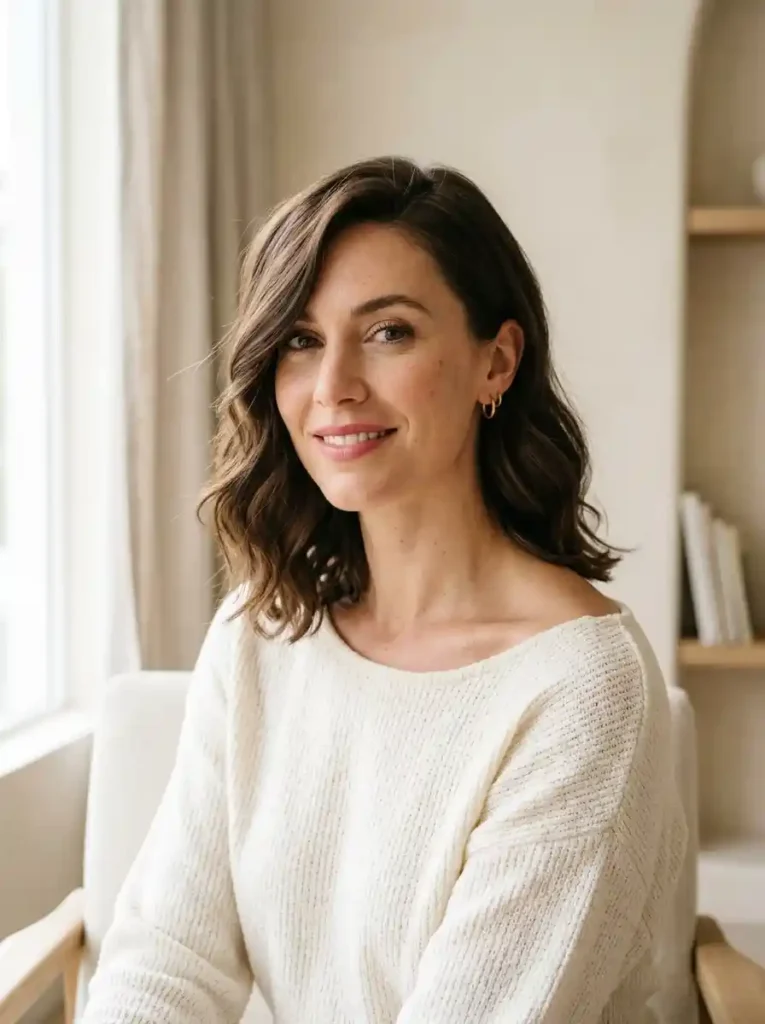
A wavy lob sits around the collarbone and offers more styling flexibility than a shorter bob. A side part changes the balance of the haircut and can create a fuller-looking sweep on one side. Loose waves add movement while keeping the length practical. This style is a strong choice for someone transitioning from longer hair but not ready for a chin-length cut. It also works beautifully with naturally wavy textures.
To encourage a relaxed wave, use larger sections and leave the final inch of each end slightly straighter. Change the part occasionally to avoid styling the same section repeatedly. Stylist Tip: Ask for a strong enough perimeter to preserve the lob shape. Too much layering can make the ends look disconnected, especially when the hair is worn naturally wavy.
14. Bubble Ponytail
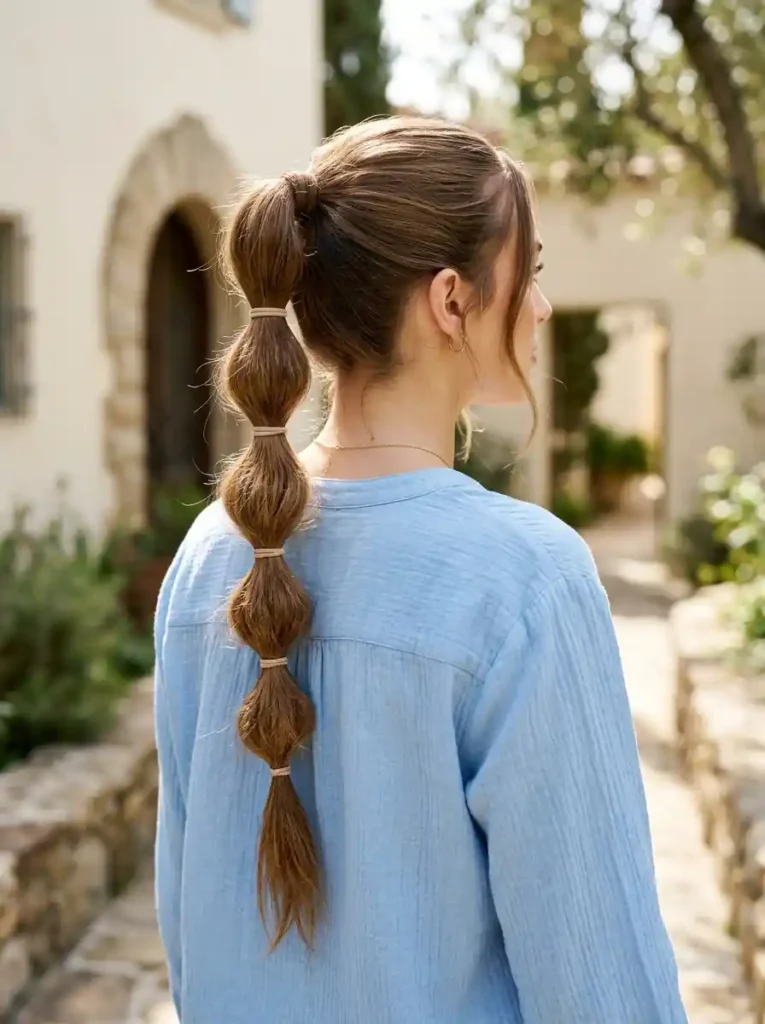
A bubble ponytail turns a familiar ponytail into a more playful statement. Small elastics divide the length into rounded sections, creating the signature bubble effect. The spacing can be even for a polished appearance or slightly varied for a relaxed style. Long, thick hair naturally creates fuller bubbles, but extensions are not necessary. This look is especially useful when you want something memorable without learning a complex braiding technique.
Start with a secure ponytail and place elastics at regular intervals down the length. Gently pull each section outward to create rounded volume. Common Mistake: Pulling too hard can create uneven bubbles or make the elastics visible. Use small clear or color-matched bands and expand each section gradually until the proportions look balanced.
15. Sleek Straight Hair With Middle Part
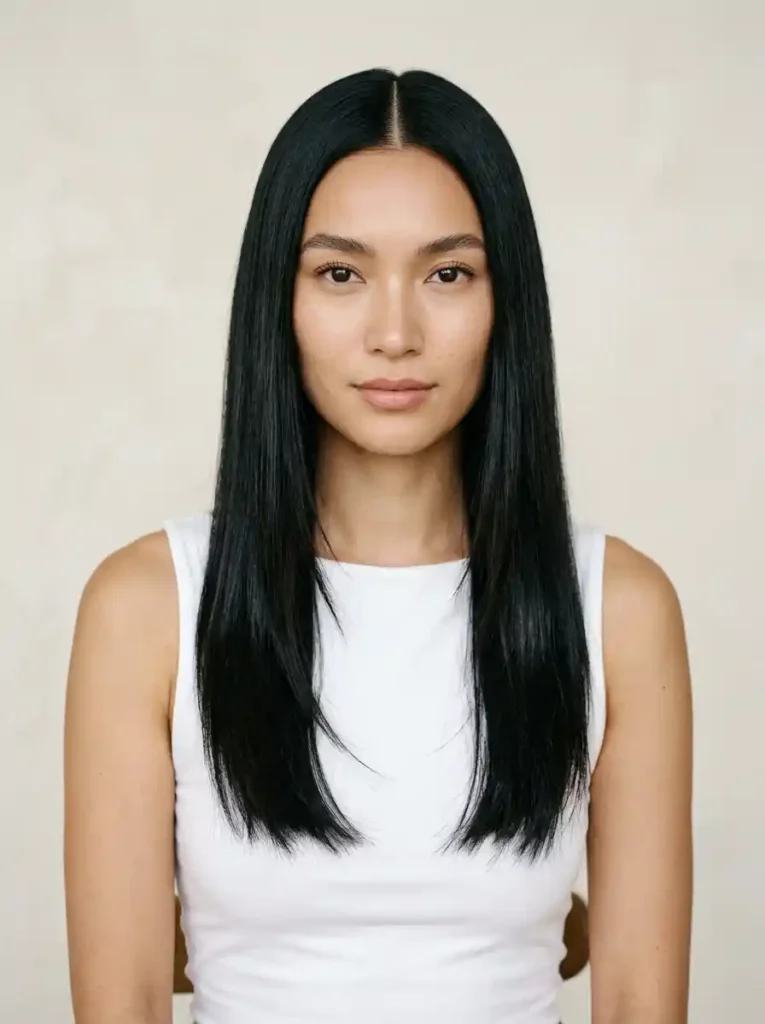
Sleek straight hair proves that a simple shape can still feel highly intentional. A centered part creates symmetry, while smooth lengths give the hairstyle a clean visual line. This look is particularly effective when the ends are healthy and neatly shaped. It can suit casual clothing as easily as tailored outfits. The simplicity also makes it a useful reference for anyone who prefers polished hair without curls, braids, or accessories.
Apply heat protectant before using a straightener and work in narrow sections for an even finish. Keep the tool moving instead of repeatedly pressing the same area. Stylist Tip: The ends should not be excessively thinned for this look. A fuller perimeter usually creates the cleanest appearance, especially on medium or thick hair.
16. Romantic Loose Updo
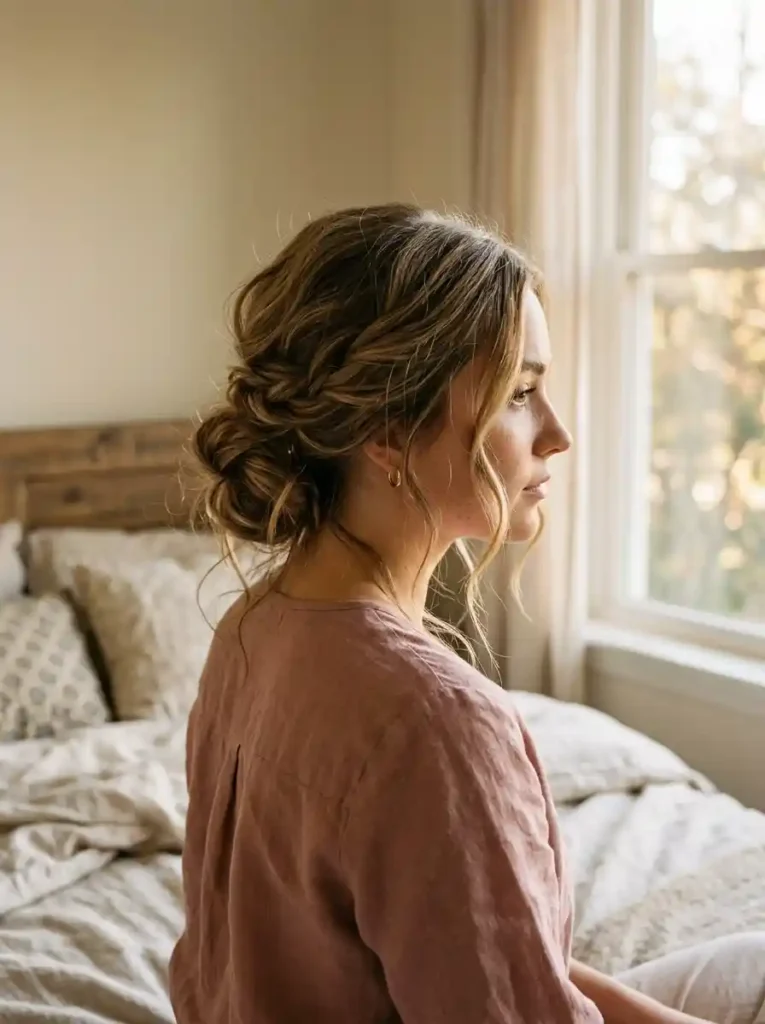
A romantic loose updo creates softness without requiring a perfectly smooth finish. Twisted sections gather the hair near the nape, while gentle volume at the crown prevents the style from appearing flat. Face-framing strands make the silhouette lighter. This option suits celebrations and photos, but it can also work for an elevated everyday look. Natural waves provide helpful texture and make the twists easier to secure.
Create the style on hair with light texture rather than freshly conditioned, slippery lengths. Pin each twist from underneath so the fasteners remain hidden. Pro Tip: Keep the crown slightly fuller than the sides. Too much volume everywhere can make a loose updo look bulky, while focused lift at the top gives it a more balanced shape.
17. Curly Shoulder-Length Shag
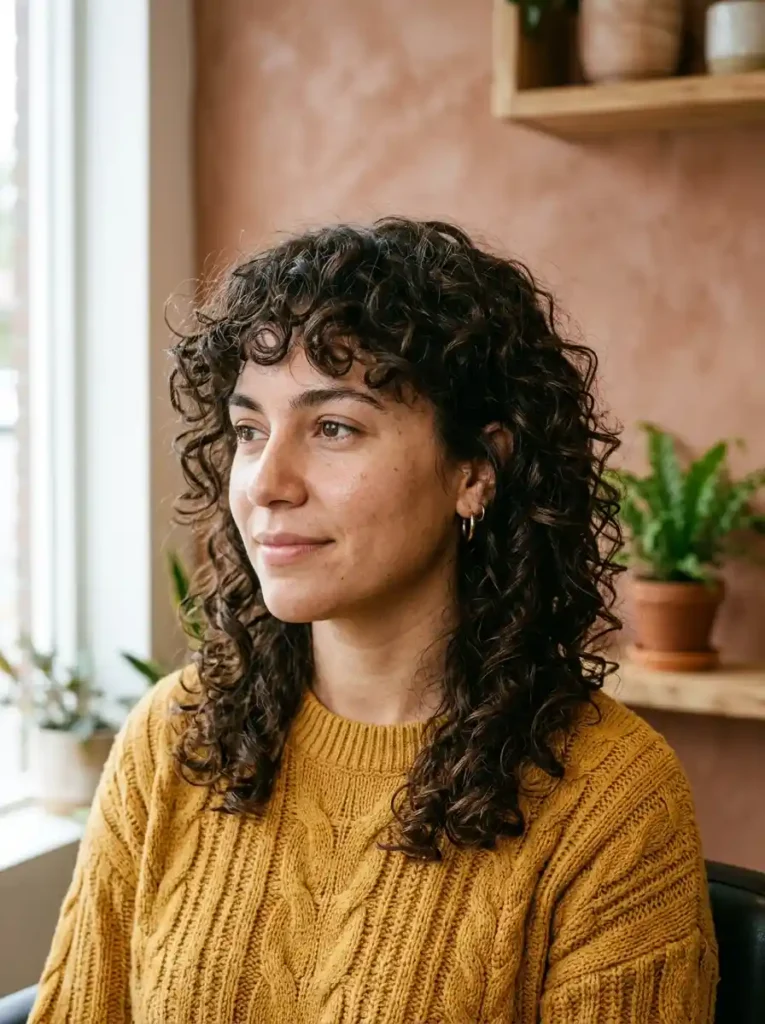
A curly shoulder-length shag celebrates natural texture by building shape around the crown and sides. The layers help curls form separate sections instead of creating one heavy block of volume. A softly blended fringe can add personality while remaining connected to the rest of the haircut. This option works especially well for people who want their curls to feel more expressive and structured without straightening them.
Curly hair should usually be shaped with shrinkage in mind because dry curls can appear shorter than wet strands. Use a curl-friendly styling product and scrunch gently after washing. Stylist Tip: Ask your stylist whether they prefer cutting your curl pattern dry, wet, or with a hybrid method. The best approach depends on curl behavior, density, and the haircut shape you want.
18. Double Dutch Braids
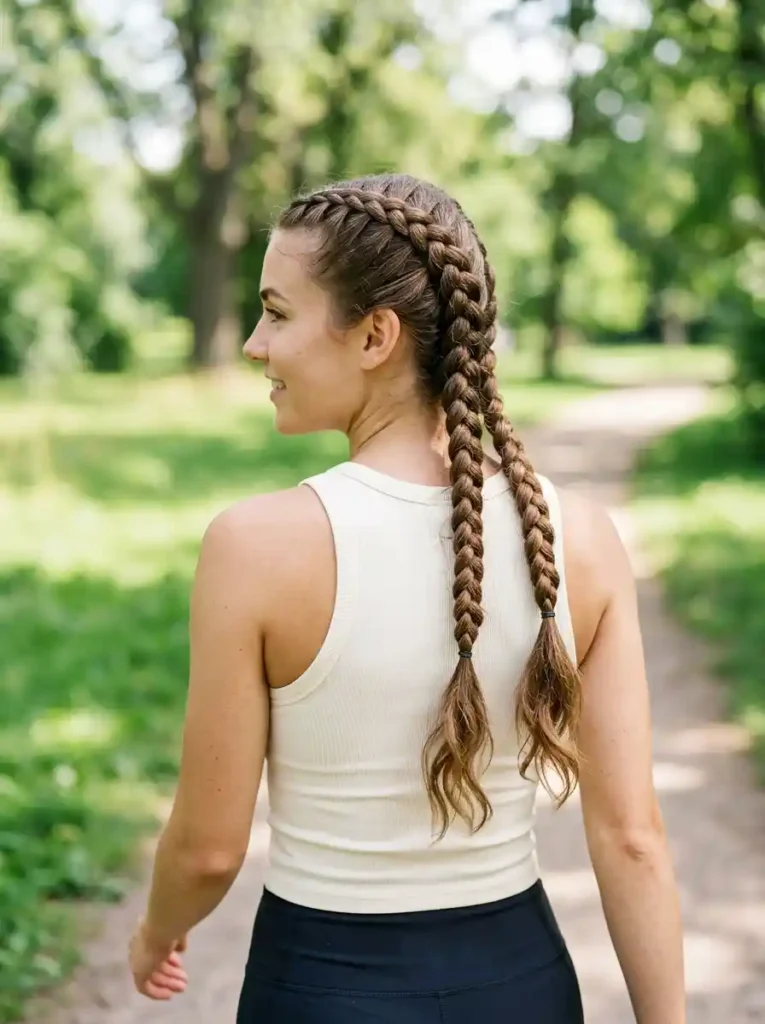
Double Dutch braids create a neat, energetic look while keeping the hair contained. Unlike French braids, the sections are woven underneath, which makes the braid appear more raised from the scalp. The symmetrical design gives the hairstyle a strong visual structure. It works well for active days, travel, outdoor plans, or anyone who enjoys a hairstyle that stays organized while still feeling youthful.
Start with a precise center part so both braids remain balanced. Add similar-sized sections as you work toward the nape, then continue braiding the remaining lengths. Common Mistake: Making the first sections too large can cause the braids to lose their defined shape. Smaller, consistent sections create a cleaner pattern and make the raised braid structure easier to see.
19. Feathered 1970s-Inspired Blowout
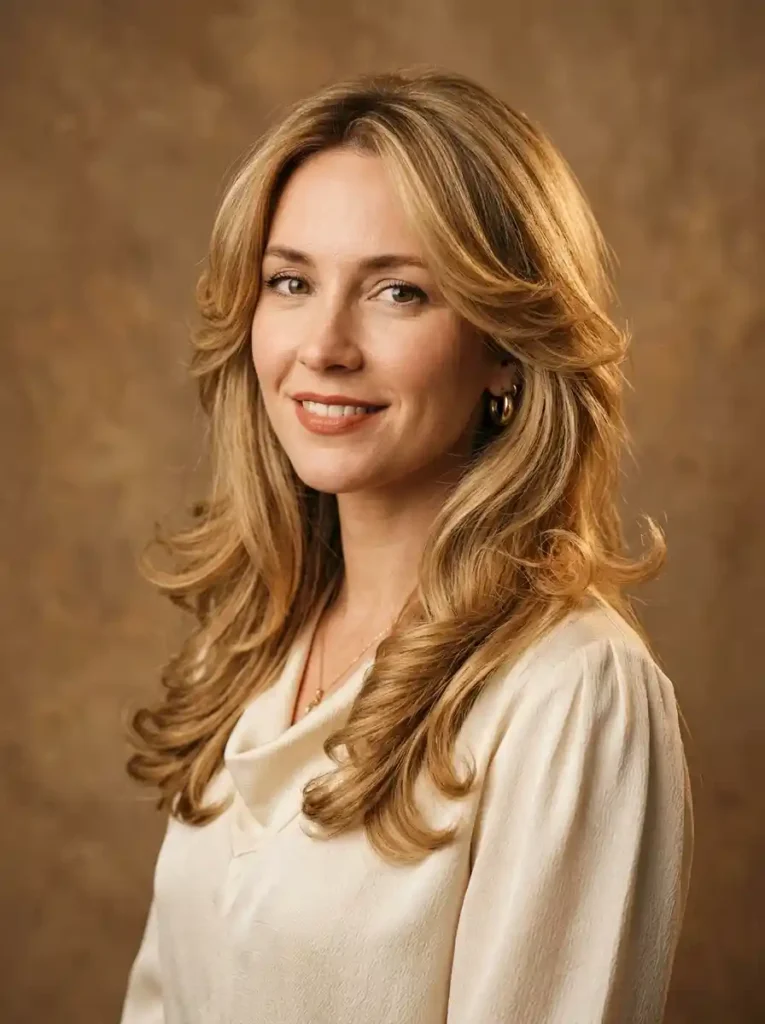
A feathered blowout brings retro movement into a modern hairstyle. Rounded layers create volume around the face, while the ends sweep outward instead of falling completely straight. The shape looks especially expressive on medium or long hair. It suits people who enjoy visible styling and a little glamour. The look can be softened by using less volume or made more dramatic with larger rollers and stronger directional brushing.
Use a round brush to direct the front layers away from the face, then allow them to cool before separating them. Velcro rollers can help hold the rounded shape with less repeated heat. Stylist Tip: Volume should be concentrated near the crown and front rather than everywhere. This keeps the blowout airy and prevents the lower lengths from appearing excessively wide.
20. Mini Top Knot
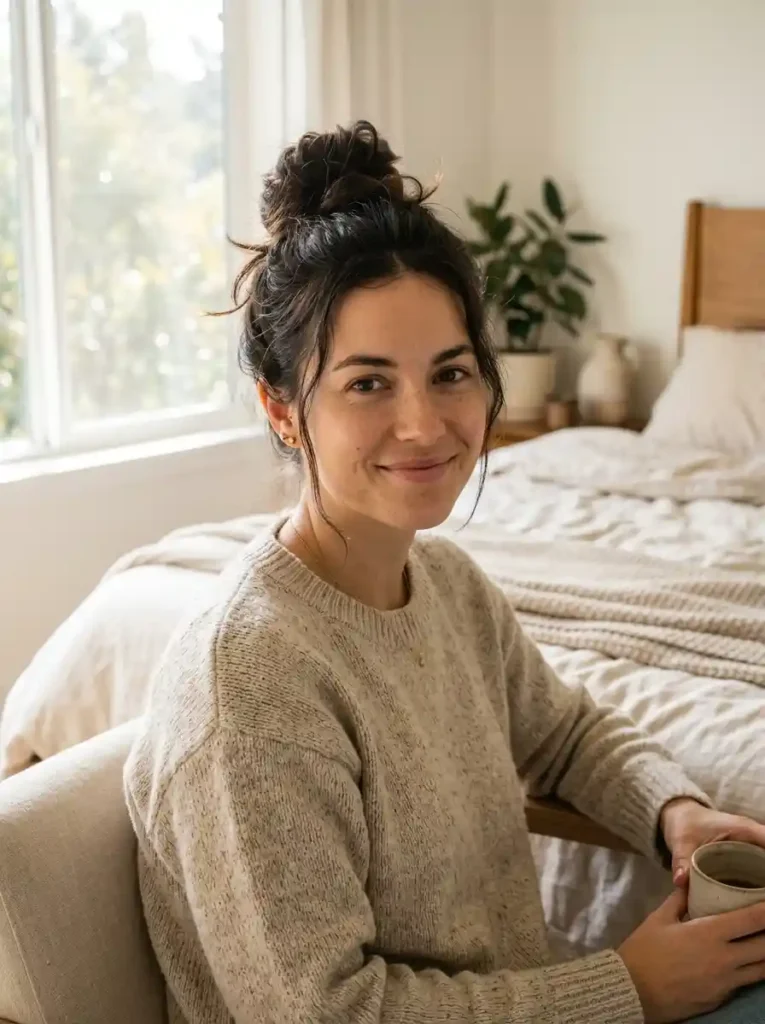
A mini top knot is a useful option when you want hair off your face without creating a full updo. Only part of the hair needs to be gathered, leaving the lower lengths loose. This creates a playful contrast between the small bun and the remaining hair. It works particularly well on medium-length styles and can make second-day hair look more intentional with very little effort.
Gather the upper section loosely and twist it into a compact bun. Secure it with a small elastic and one or two pins if needed. Pro Tip: Do not pull the crown completely flat unless you want a very sleek appearance. A little natural volume makes the top knot look softer and reduces the contrast between the bun and the loose hair.
21. Side-Swept Hollywood Waves
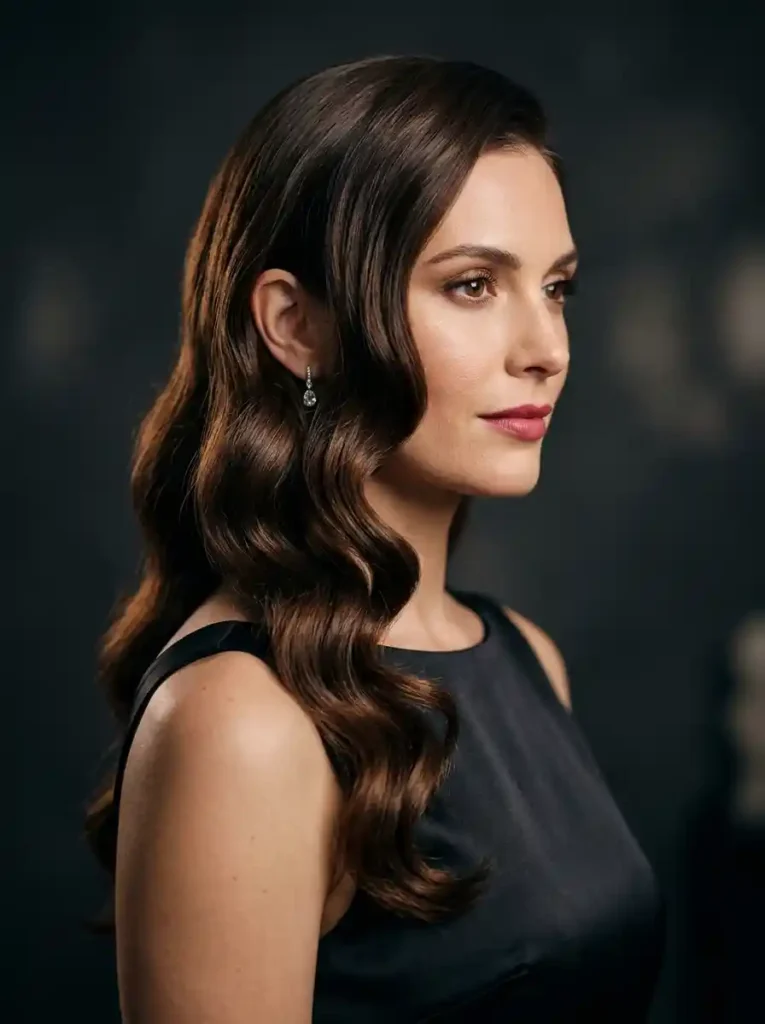
Side-swept Hollywood waves create a polished, glamorous silhouette through controlled S-shaped movement. The deep side part sends most of the hair toward one shoulder, making the wave pattern easy to see. This style suits long hair with enough length to hold large bends. It is particularly fitting for formal dinners, celebrations, photographs, and occasions where a more refined hairstyle feels appropriate.
Use a large-barrel iron or rollers to create broad waves, then allow the hair to cool fully. Brush through gently with a soft-bristle brush to connect the sections. Common Mistake: Curling every section in different directions can destroy the continuous wave pattern. For this style, consistent direction and careful brushing are more important than creating individual curls.
22. Playful Space Buns
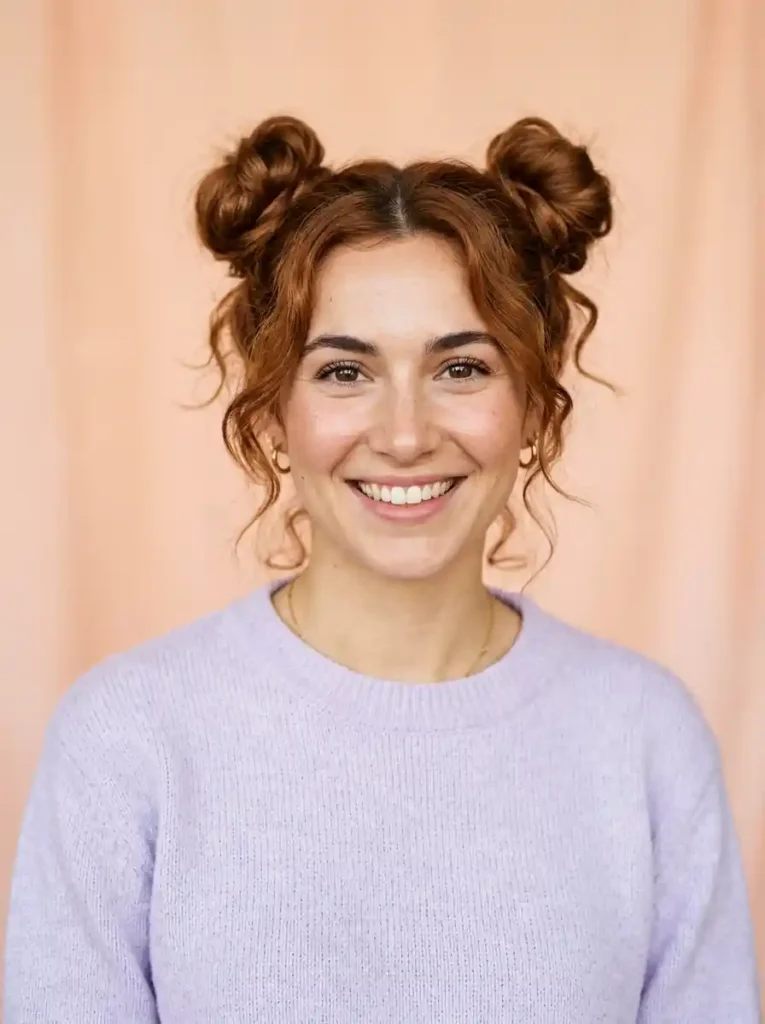
Space buns create an upbeat hairstyle with a strong sense of symmetry. Two rounded buns sit high on opposite sides of the head, while loose strands can make the look feel softer. The style works well with medium-length hair because shorter sections are easier to gather into compact shapes. It is a fun choice for casual outings, concerts, creative events, or days when you want your hairstyle to feel noticeably different.
Divide the hair carefully down the center before creating the buns. Keep the placement similar on both sides so the finished style feels balanced. Stylist Tip: Add dry texture spray before securing the buns if your hair is very smooth. Texture gives the sections more grip and helps the buns hold their shape without requiring excessive tension.
23. Long Layers With Wispy Ends
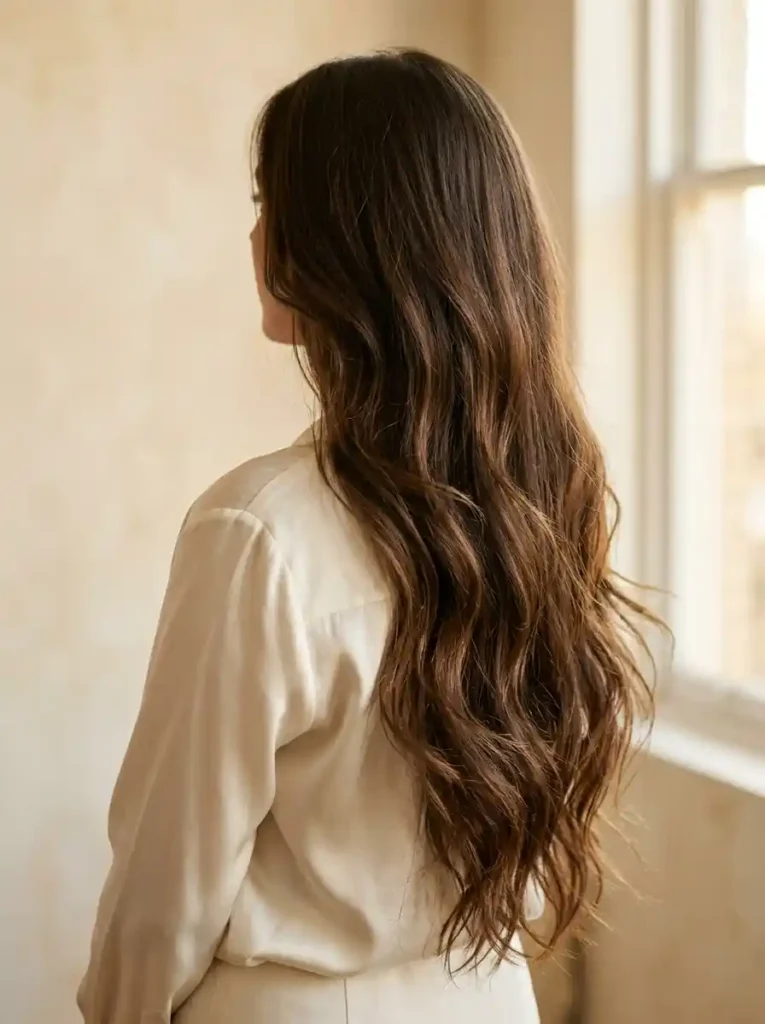
Long layers add movement while preserving most of the hair’s length. Wispy ends keep the lower silhouette from looking overly dense, especially when the hair is thick. Subtle face-framing pieces can add interest near the front without changing the overall long shape. This option suits people who love long hair but want more motion when they walk, wave, or style the lengths.
Ask for gradual layers if you want a soft result rather than obvious steps. A small amount of texturizing can help thick hair move more easily, but fine hair usually benefits from restraint. Common Mistake: Over-thinning the ends can make long hair look sparse. The goal is controlled movement, not removing so much weight that the perimeter loses its fullness.
24. Braided Half-Up Crown
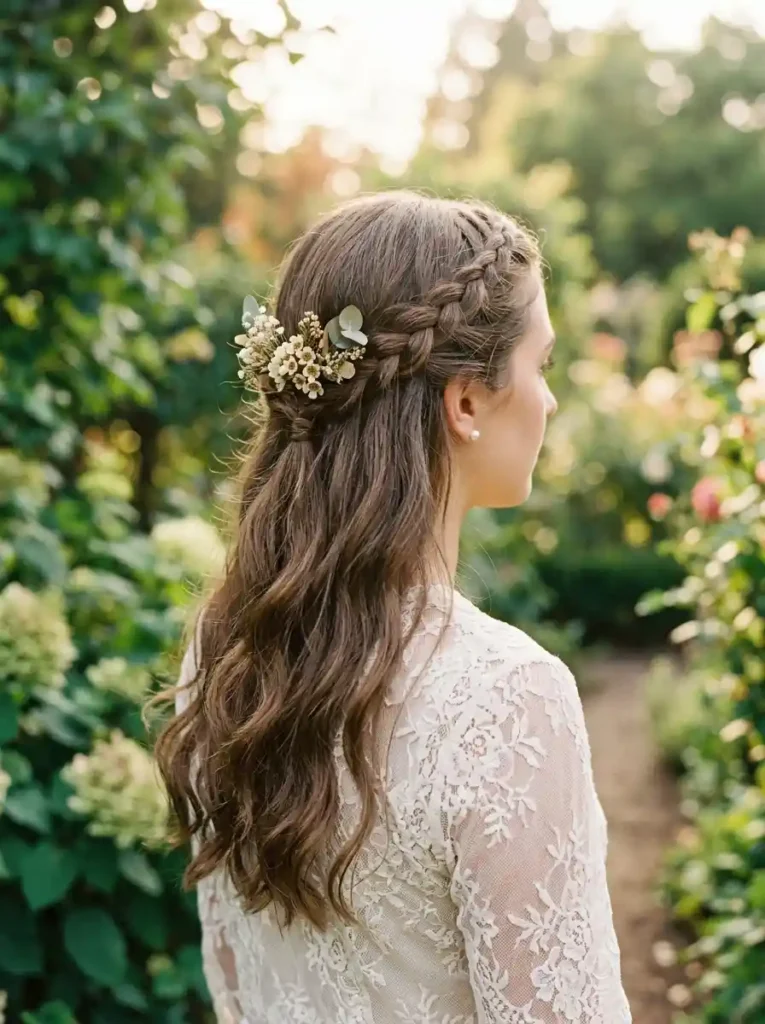
A braided half-up crown creates a romantic shape while leaving most of the hair loose. Two small braids frame the sides and meet at the back, forming a simple crown effect. The open lengths keep the hairstyle relaxed rather than formal. Loose waves make the braids blend naturally into the rest of the hair. This option works well for celebrations, outdoor gatherings, photos, and anyone who enjoys delicate details.
Create the braids with relatively small sections so they remain light and flexible. Secure them together at the back with a discreet elastic or pins hidden beneath the loose hair. Pro Tip: Gently loosen the outer edges of each braid after securing it. This creates a softer, fuller appearance and prevents the braids from looking overly tight against the scalp.
Frequently Asked Questions
What hairstyle is easiest to maintain?
Simple layered cuts, low ponytails, claw-clip twists, and shoulder-length styles are usually easy to manage. Choose a shape that works with your natural texture.
Are curtain bangs high maintenance?
Curtain bangs need some shaping to keep their sweep, but they are often easier to grow out than shorter, heavier fringe styles.
What hairstyle works well for naturally wavy hair?
Long layers, textured lobs, soft shags, and relaxed half-up styles often work well with natural waves because they support movement instead of fighting it.
How can I make a simple hairstyle look more polished?
Focus on one finishing detail. Smooth the crown, define the ends, add a neat accessory, or carefully shape the front pieces.
How often should layered hair be trimmed?
The timing depends on the haircut and how quickly your hair grows. Regular trims help maintain the intended shape, especially around bangs and shorter layers.
Can these styles work on fine hair?
Yes. Fine hair can suit many of these looks, but heavy texturizing may reduce visible fullness. A stronger perimeter and strategic layers can preserve body.
Conclusion
The best hairstyle is not always the most complicated one. Small changes can create a completely different mood, whether you add soft layers, change your part, braid the sides, or reshape your ponytail. Think about your natural texture, preferred length, styling time, and comfort before choosing your next look. These cute hairstyle ideas can also be adapted to suit different occasions and personal preferences. Save your favorites before your next salon visit, and keep this guide nearby when you want fresh inspiration.


