
Curly hair has a personality of its own, and the right haircut can make that personality even more beautiful. Whether your curls are loose and romantic, tightly coiled, thick and dramatic, or somewhere between, a thoughtfully shaped cut can improve definition, movement, and everyday manageability. The best curly haircuts are not simply about taking off length; they are designed around your curl pattern, density, face shape, and preferred styling routine. In this collection, you’ll find everything from soft layered cuts and playful bobs to modern shags, shoulder-length shapes, and longer styles that let your natural texture take center stage. Each idea offers a different way to personalize your curls while keeping their natural character intact. If you have been considering a haircut but are unsure which shape will work best, these ideas can help you identify details worth discussing with your stylist. Save your favorites and look for the cut that fits both your curls and your lifestyle.
1. Long Layered Curls With Natural Movement
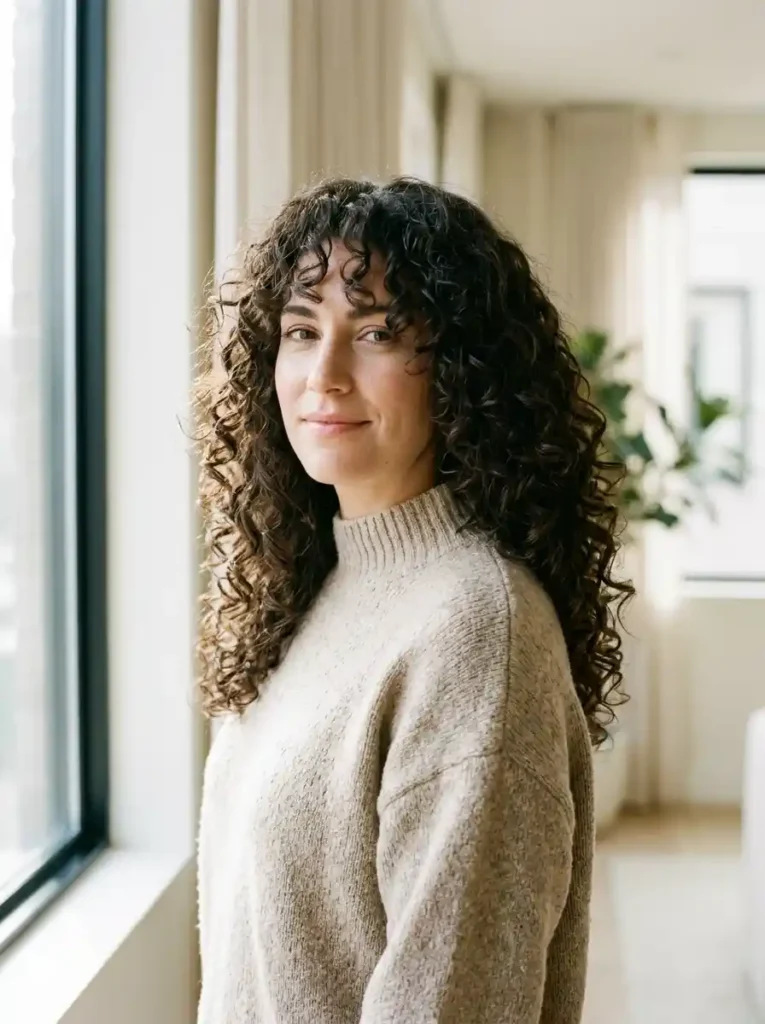
Long layers are an excellent choice when you want to preserve substantial length without allowing thick curls to become visually heavy. Removing strategic weight through the mid-lengths creates movement while helping individual curl groups form more naturally. Ask your stylist to work with your curl pattern rather than treating your hair like straight hair. Keeping the shortest layers long enough can also prevent unwanted bulk around the crown or excessive triangle-shaped volume through the ends.
This haircut works particularly well for medium-to-dense curls that need shape without sacrificing their dramatic length. For styling, apply leave-in conditioner and curl cream to soaking-wet hair, then gently scrunch before diffusing or air-drying. Avoid repeatedly brushing the finished curls because that can separate curl clumps and increase frizz. A lightweight oil applied only to the ends can add softness once the hair is completely dry.
2. Rounded Curly Bob
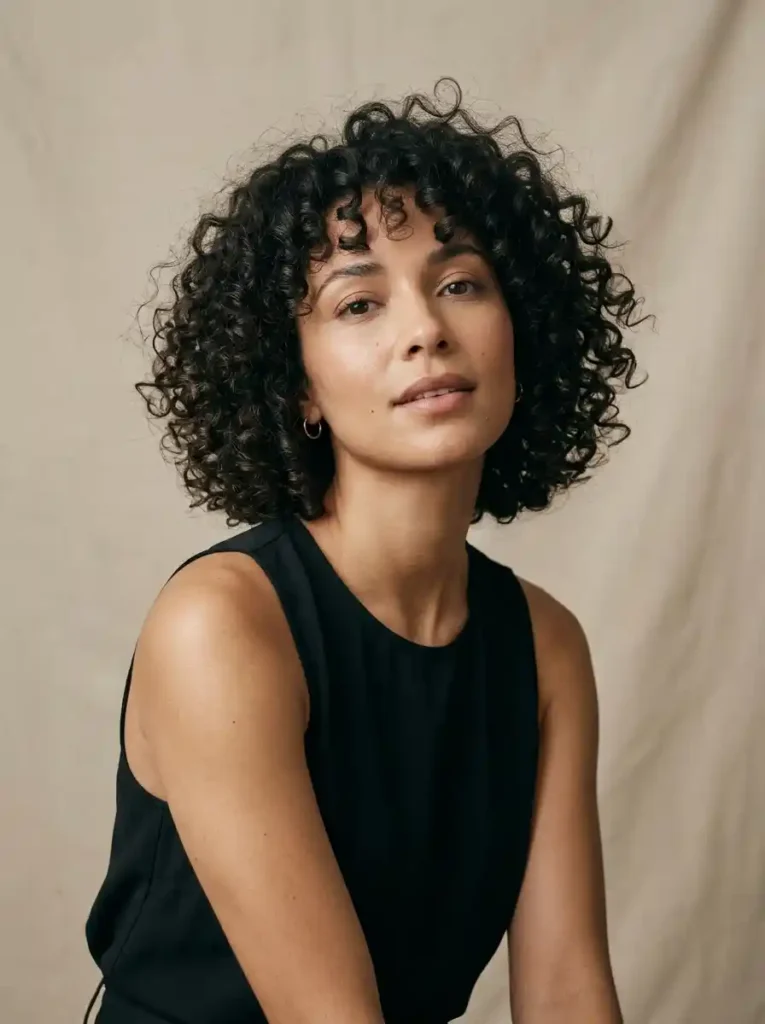
A rounded curly bob gives shorter hair a lively silhouette while maintaining enough length for curls to retain softness and bounce. The rounded shape is especially appealing on dense hair because the cut distributes volume throughout the style instead of concentrating weight at the bottom. If your curls shrink considerably after drying, discuss the finished length with your stylist so the haircut is designed around your actual curl behavior rather than its wet appearance.
This style can be adapted to different curl patterns by changing the length and layering technique. A curl-defining mousse can provide flexible hold without making the shape stiff, while diffusing upside down can encourage extra lift at the roots. If you prefer a more controlled appearance, gently separate only a few curl groups around the front. Regular trims help the rounded outline stay intentional as the curls grow.
3. Shoulder-Length Curly Layers
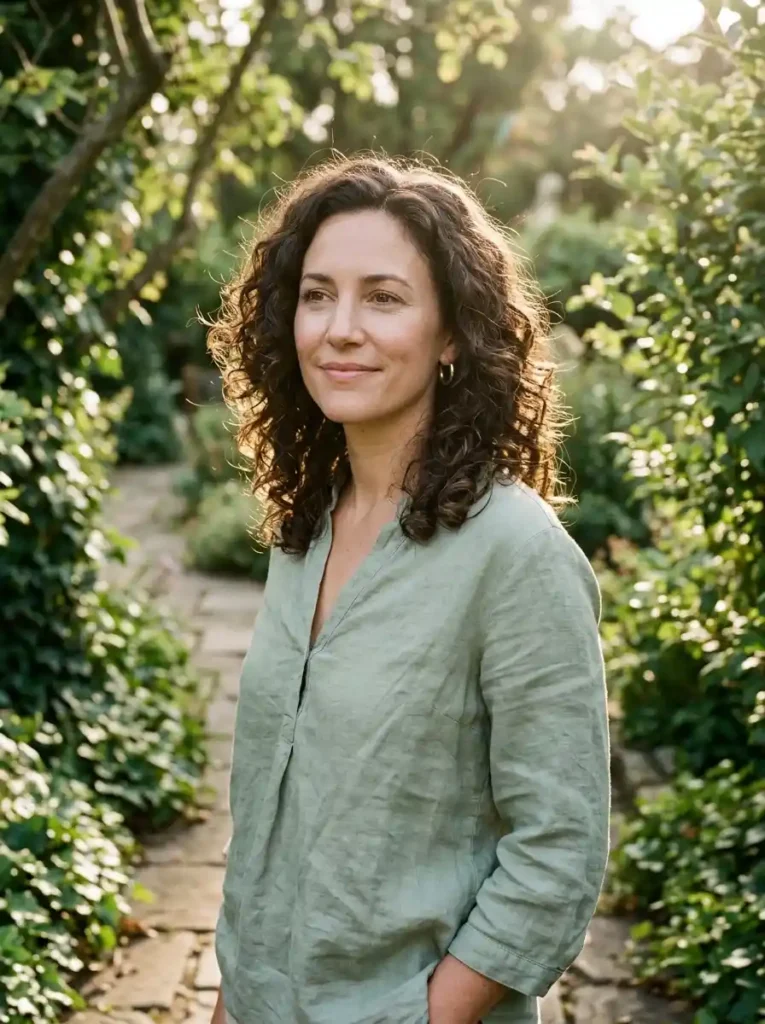
Shoulder-length curls offer a useful middle ground if you want noticeable length without the maintenance of very long hair. Adding layers prevents the shape from looking overly dense and allows curls to move independently around the shoulders. This length can flatter many face shapes because the stylist can adjust where the shortest layers begin. Face-framing pieces around the cheekbones or jaw can also personalize the haircut without dramatically changing the overall silhouette.
For everyday styling, distribute products evenly before scrunching rather than applying a large amount to one section. A lightweight gel can help maintain curl structure while reducing the need for frequent touch-ups. When refreshing the next day, mist the hair with water and smooth a small amount of curl cream over flattened sections. Avoid piling on fresh product repeatedly, which can leave curls heavy and reduce their natural bounce.
4. Curly Shag With Wispy Layers
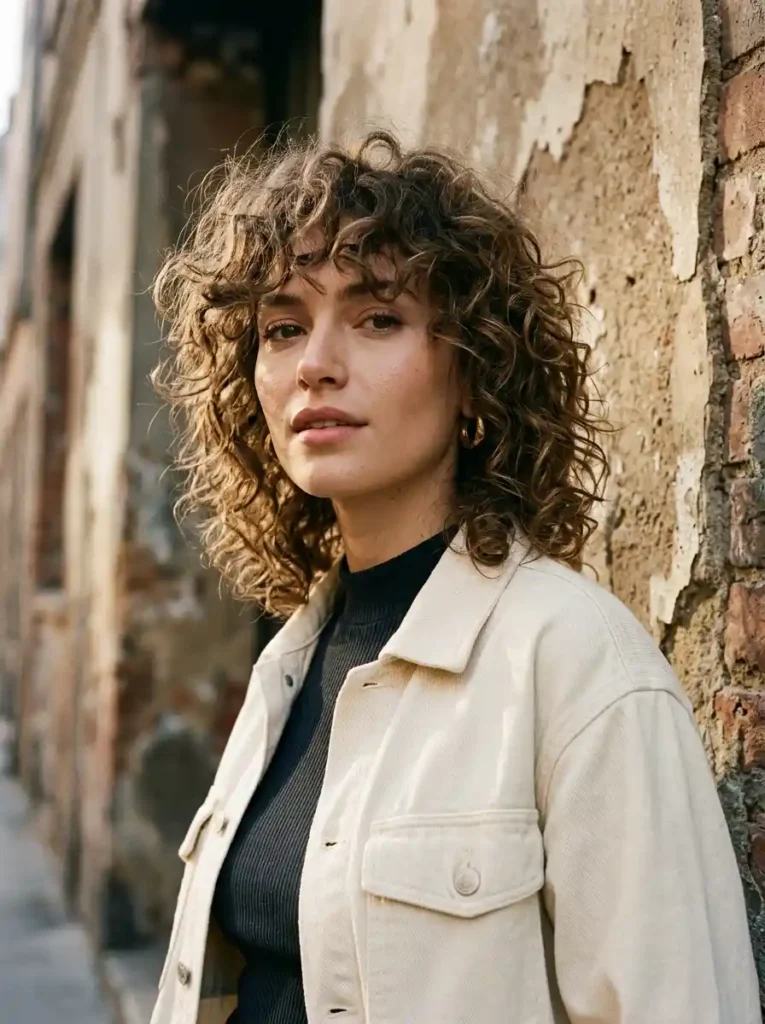
A curly shag brings texture and personality to natural curls by concentrating shorter layers toward the crown and creating a deliberately relaxed outline. It can work beautifully when you want more volume around the upper part of your hairstyle instead of having most of the fullness near the ends. The key is controlled layering: overly aggressive thinning can disrupt curl patterns, so explain whether you want airy movement or a deliberately bold, voluminous result.
The style is particularly easy to personalize with different fringe lengths and face-framing pieces. For definition, use a curl foam or lightweight gel and scrunch upward from the ends. Diffuse the roots while lifting sections gently with your fingers for extra height. If your curls tend to become dry, choose moisturizing products and avoid excessive heat. A shag looks naturally textured, so minor flyaways usually complement rather than undermine the style.
5. Curly Pixie Cut
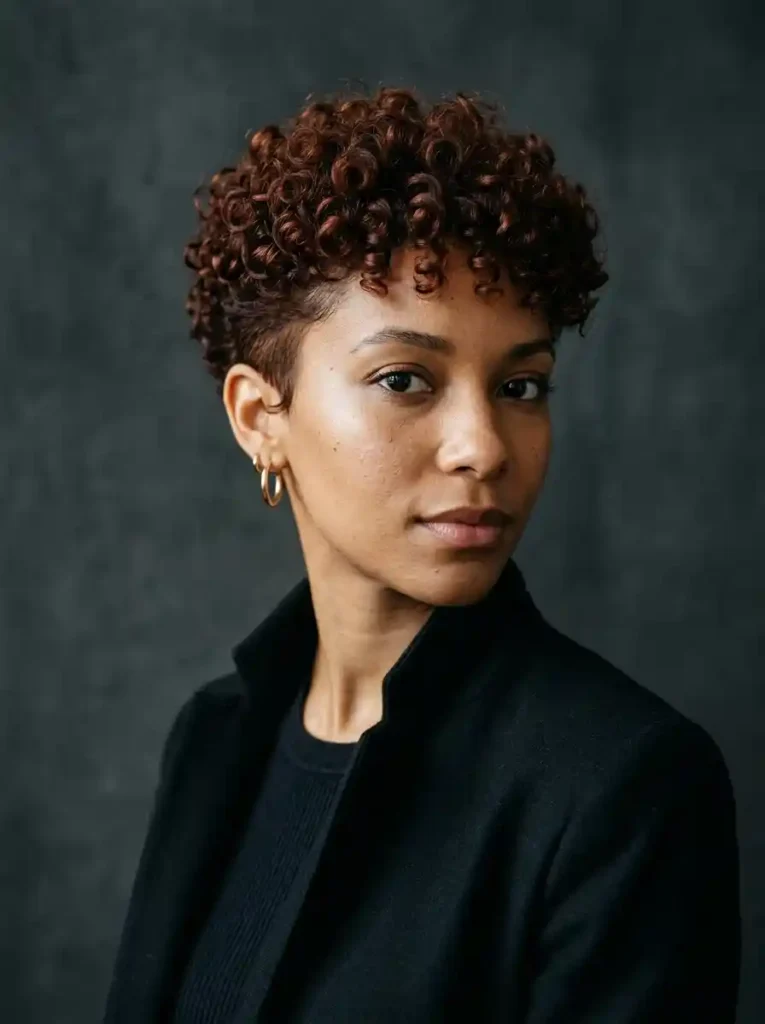
A curly pixie is a bold way to make natural texture the main feature of your look. Keeping the sides and back shorter creates a clean foundation while leaving enough length on top for curls to form visibly. The amount of contrast can be adjusted depending on your preference. A softer version keeps more length around the ears, while a stronger shape uses a closer taper for a sharper contemporary appearance.
Short curls usually require less washing and detangling time, but regular trims become important because small amounts of growth can quickly change the silhouette. Use a lightweight styling cream to encourage definition without flattening the curl pattern. For extra texture, gently twist a few top curls while damp and allow them to dry naturally. Sleep protection, such as a satin bonnet or pillowcase, can also help preserve the shape between styling days.
6. Curly Bob With Curtain Bangs
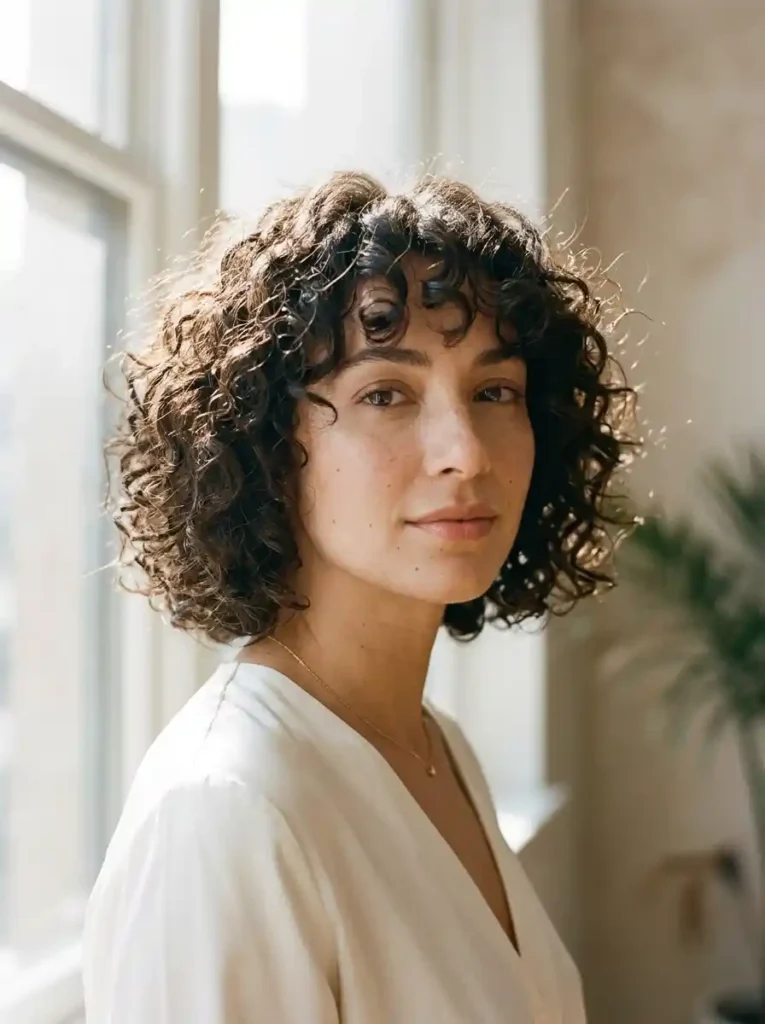
Combining a curly bob with curtain bangs creates a soft frame around the face while keeping the overall haircut compact. The bangs can be cut longer than traditional fringe so they blend into the front layers as they curl. This is useful if you want a face-framing effect without committing to a very short fringe. Your stylist should account for shrinkage and curl direction before deciding where the bangs should sit.
The style suits people who enjoy a defined shape but still want movement around the forehead and cheekbones. Style the bangs separately while they are wet, gently encouraging the curls away from the center part. A small amount of foam can provide flexible definition without creating a crunchy finish. If your curls are particularly tight, consider leaving the fringe slightly longer initially because it can contract significantly as it dries.
7. Voluminous Curly Lob
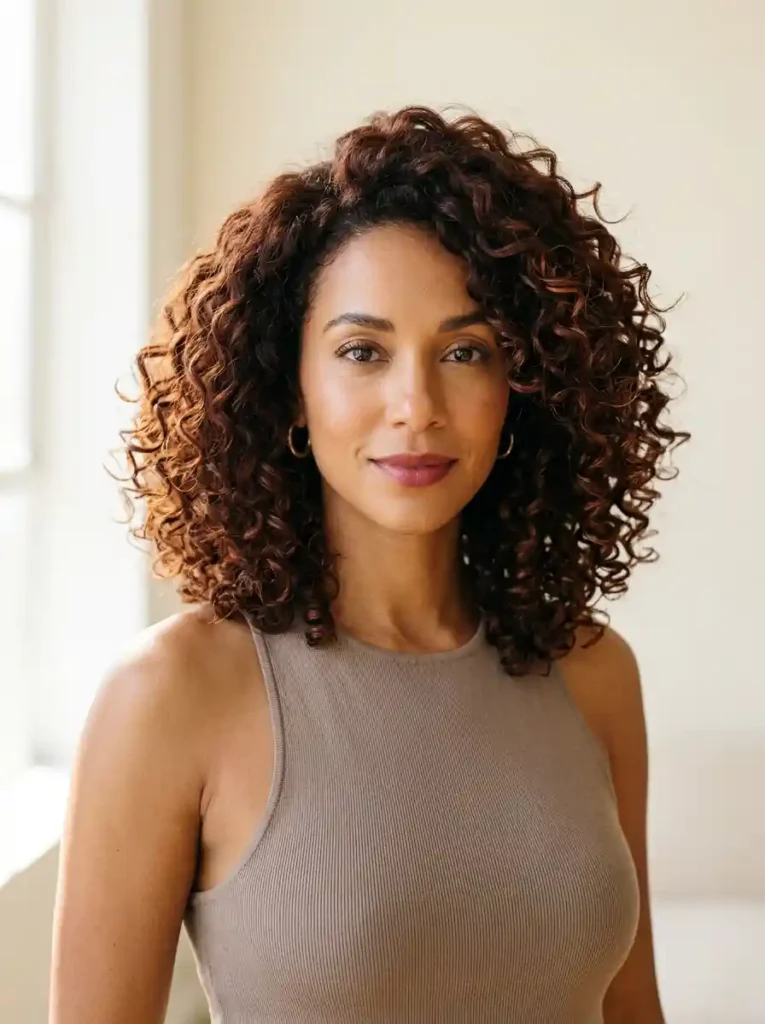
A curly lob is ideal when you want the sophistication of a shorter haircut while keeping enough length for versatility. Ending around the collarbone or slightly above the shoulders gives curls room to bounce without becoming overwhelmingly heavy. For dense hair, carefully placed internal layers can reduce weight while preserving the outside shape. If your hair is fine, fewer layers may be preferable because excessive removal can make the ends appear thin.
This haircut transitions easily between casual and polished styling. Define your curls with a moisturizing cream followed by a small amount of gel if stronger hold is needed. Once dry, gently shake the roots rather than brushing through the lengths. For special occasions, pinning one side behind the ear can reveal the shape of the cut while maintaining volume. Regular conditioning is especially helpful when curls are exposed to frequent styling.
8. Curly Wolf Cut
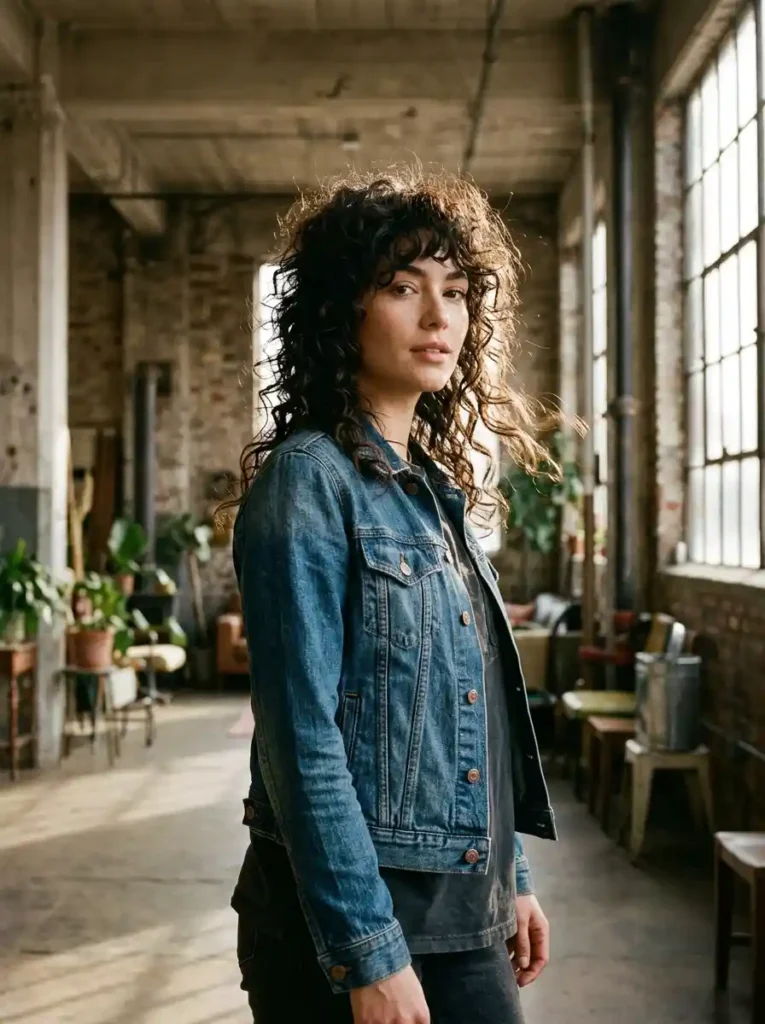
A curly wolf cut combines shag-inspired layering with a longer, more noticeable back section. The result feels energetic without requiring perfectly uniform curls. It works especially well for people who want substantial volume at the crown and a more elongated shape through the lower lengths. Because the haircut relies heavily on layering, it is worth showing your stylist examples of the desired silhouette rather than simply requesting a wolf cut by name.
Styling should emphasize the natural separation between the layers. Apply curl foam or gel while the hair is wet, scrunch upward, then diffuse the roots for lift. Avoid brushing the hair once it begins drying because this can disrupt the deliberately textured finish. If the top becomes too bulky, ask for targeted shaping at your next appointment rather than aggressively thinning the entire haircut, which may weaken the curl pattern.
9. Chin-Length Curly Cut
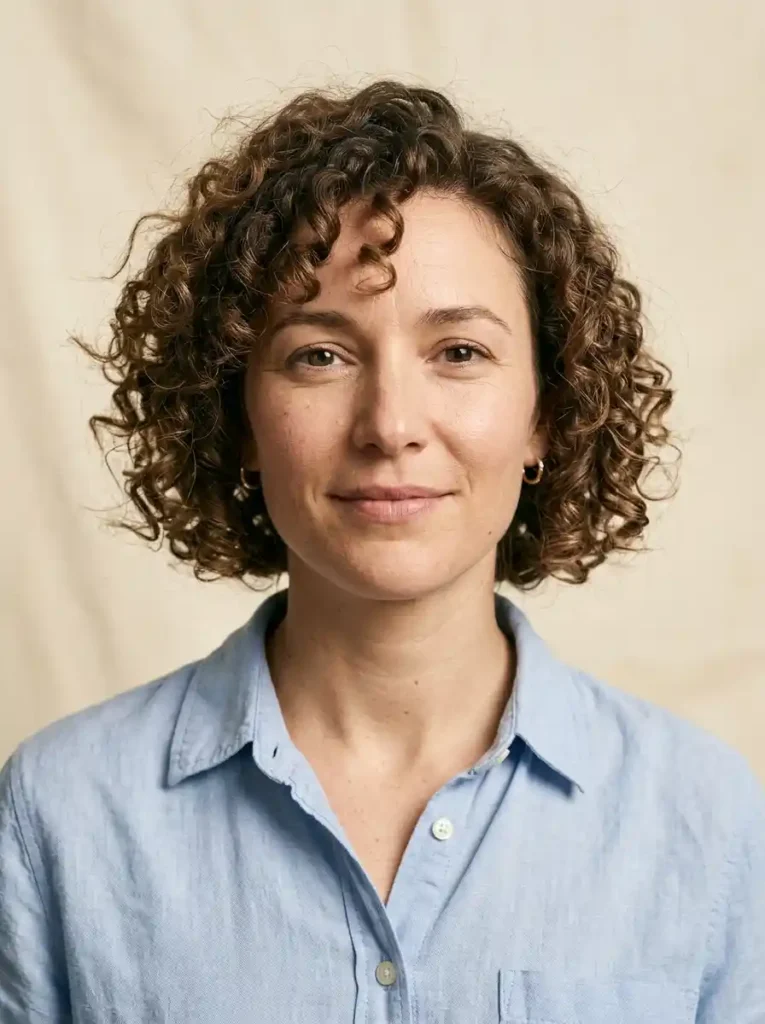
A chin-length curly haircut creates a noticeable frame around the face and can make a shorter style feel fresh without going all the way to a pixie. The cut is particularly striking when curls have plenty of spring because the ends naturally form a soft outline around the jaw. If you have significant shrinkage, ask your stylist to account for your dry curl length before cutting so the finished shape lands where you expect.
This haircut can be styled with a center part, side part, or slightly irregular natural part depending on how your curls grow. For a softer finish, use curl cream and allow the hair to air-dry. For additional volume, diffuse while gently lifting the roots. Keep the ends conditioned because shorter curly cuts expose the tips more prominently. A tiny amount of lightweight oil can smooth dryness without eliminating the haircut’s natural texture.
10. Curly Cut With Face-Framing Layers
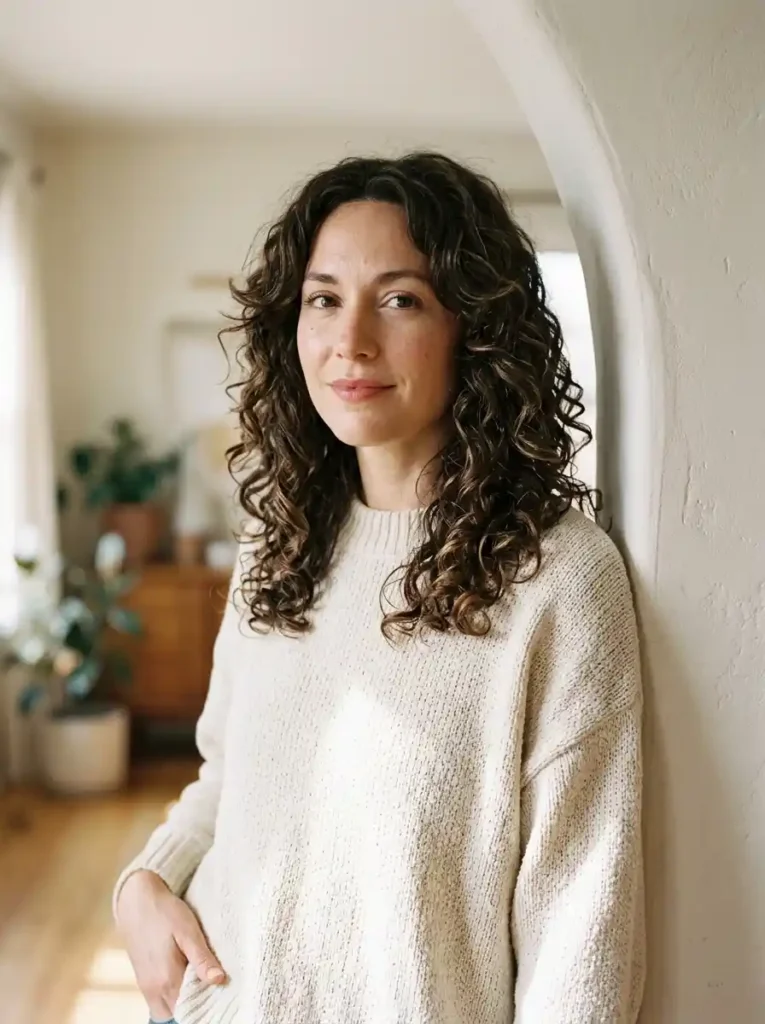
Face-framing layers are a simple way to customize a curly haircut without dramatically reducing overall length. The shortest pieces can be positioned near the cheekbones, jaw, or chin depending on the effect you want. Because curls naturally contract, the stylist should consider your dry texture before selecting the starting point. Properly placed layers can direct attention toward the face while allowing the rest of the hair to remain long and full.
This option is especially useful if you enjoy wearing your hair loose but occasionally tie it back. The shorter front sections add shape when the rest is gathered into a ponytail or bun. Style them with a small amount of curl cream and encourage individual curls with your fingers. Avoid cutting every front curl to exactly the same length, as varied lengths generally create a softer and more natural transition.
11. Curly French Bob
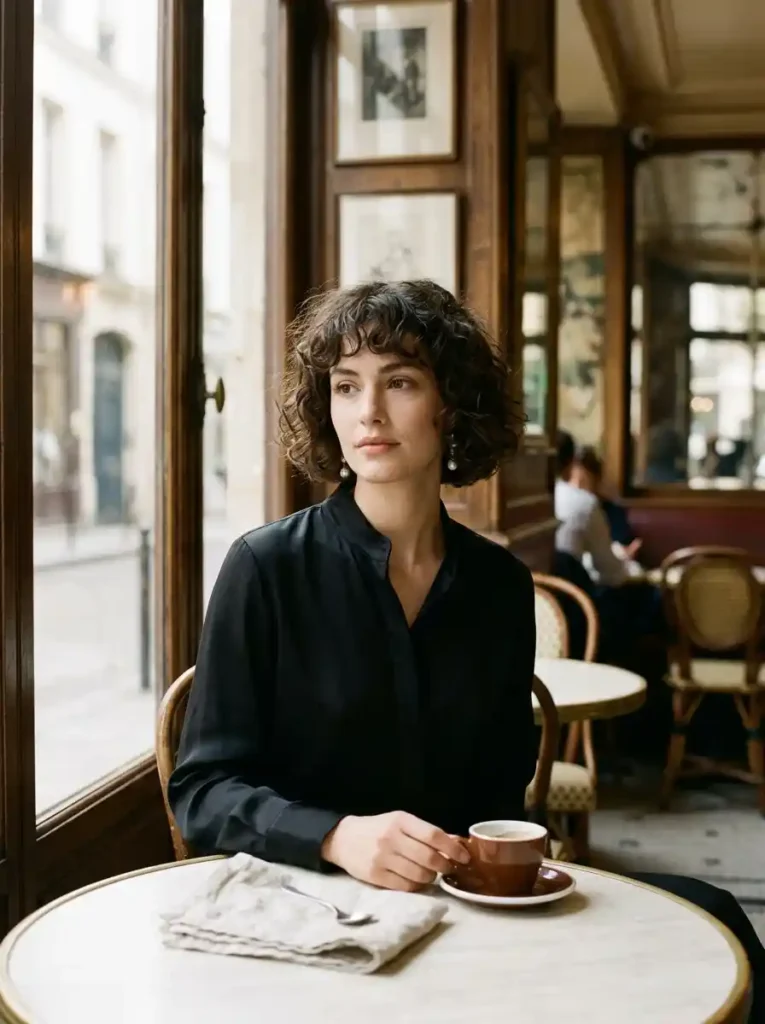
A curly French bob gives a classic short silhouette a softer, more textured personality. Typically sitting around the jawline, the shape can be paired with a short fringe or left open around the forehead. The haircut looks particularly distinctive when the ends retain their natural curl rather than being straightened. Discuss the desired level of fullness with your stylist because a tightly rounded bob and a more relaxed French shape require different layering approaches.
For styling, a small amount of curl cream followed by flexible mousse can enhance definition while maintaining softness. Let the curls form naturally instead of forcing them into identical spirals. A side part creates a slightly asymmetrical appearance, while a center part feels more traditional. Because the style is relatively short, trims every several weeks can help maintain the recognizable jaw-length outline.
12. Layered Curly Hair With Side Part
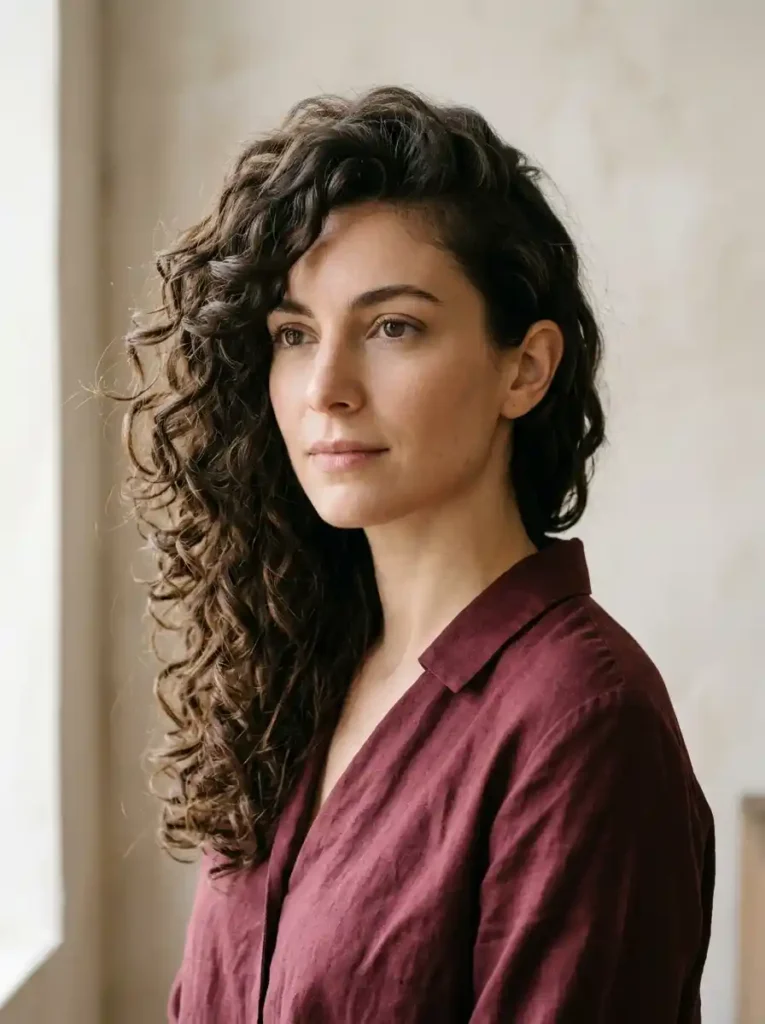
A side part can completely change the visual balance of a curly haircut without requiring a dramatic cut. When combined with layers, it creates asymmetrical volume that can make the style appear fuller on one side. This is a practical choice if your natural part already favors one direction. Layer placement should remain balanced underneath so the haircut still looks intentional when you switch sides or allow the curls to move naturally.
To emphasize the shape, style the hair while wet and gently direct the roots toward your chosen part. Diffusing with the head tilted slightly can encourage additional lift without disturbing the curls. If the front becomes too heavy, a small amount of face-framing layering can keep the eye area visible. Avoid using excessive hairspray because stiff roots can make naturally curly hair appear less flexible and touchable.
13. Collarbone Curly Cut With Soft Layers
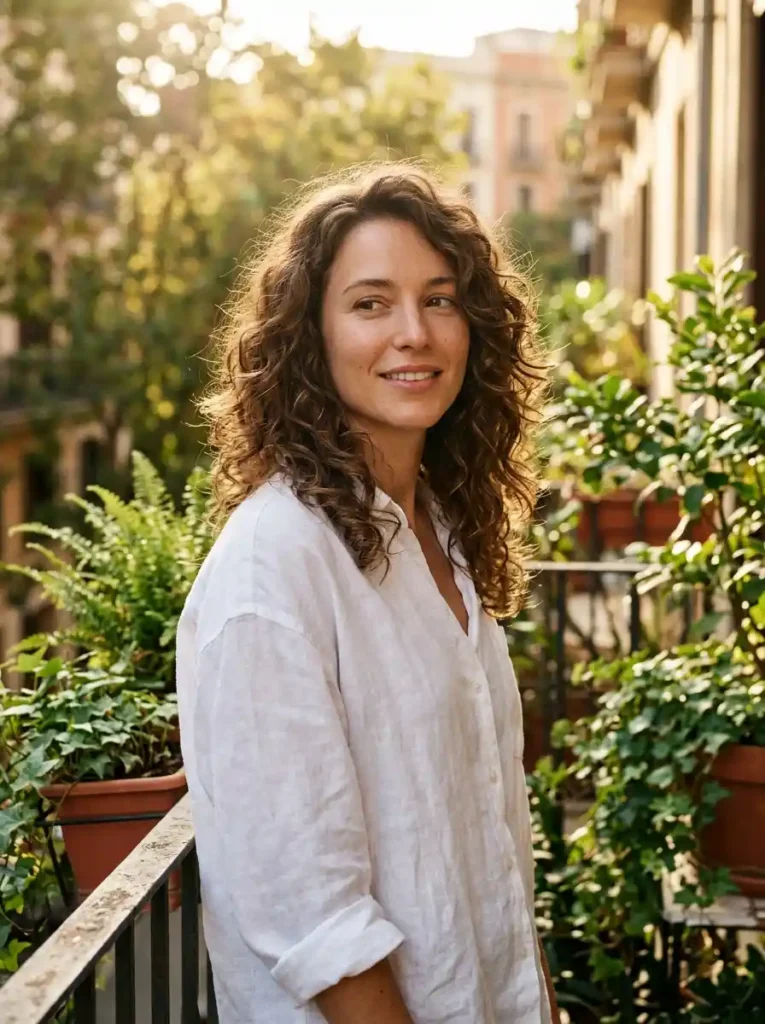
A collarbone-length curly cut offers enough length for ponytails and half-up styles while remaining noticeably lighter than very long hair. Soft layers prevent the ends from forming one heavy block and help curls move around the shoulders. This shape is particularly practical for medium-density hair because it provides structure without requiring extensive removal. If your curls are fine, ask for subtle layering rather than aggressive texturizing.
The haircut also works well for people who alternate between natural curls and occasional heat styling. When wearing curls, use a moisturizing leave-in product followed by gel for hold. When changing the texture, always use suitable heat protection and avoid excessive temperatures. A loose half-up style can showcase the layers while keeping hair away from the face. Trimming the ends regularly helps maintain the clean collarbone outline as the hair grows.
14. Curly Bixie Cut
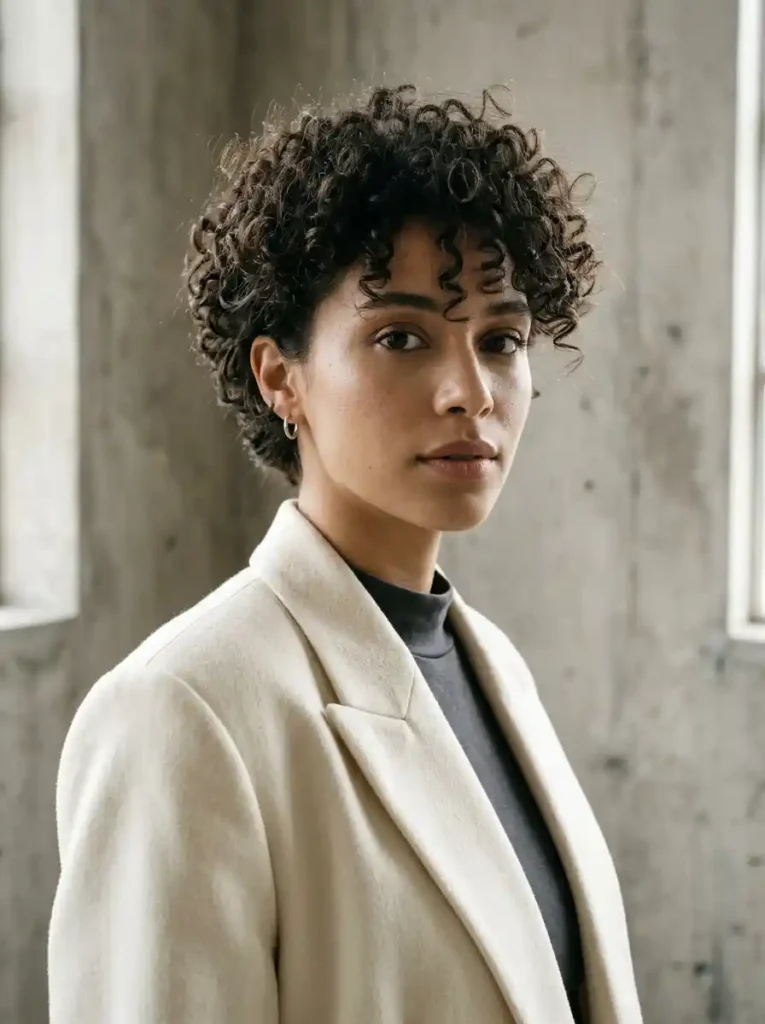
The curly bixie sits between a bob and pixie, making it a useful option if you want a short haircut without committing to an ultra-short silhouette. Longer sections around the ears and nape can soften the transition, while shorter crown layers create lift. This shape is especially interesting for curls because the natural texture prevents the cut from looking overly rigid. Your stylist can adjust the perimeter depending on how much softness you prefer.
Because the haircut is short, styling can be remarkably quick once you understand how your curls respond to moisture. Apply a small amount of styling cream to damp hair and scrunch the crown upward. Letting some curls dry in different directions can create a deliberately effortless finish. If you want more polish, define selected curls around the face with your fingers. Frequent trims will keep the bob-pixie balance intact.
15. Long Curly Hair With Curtain Layers
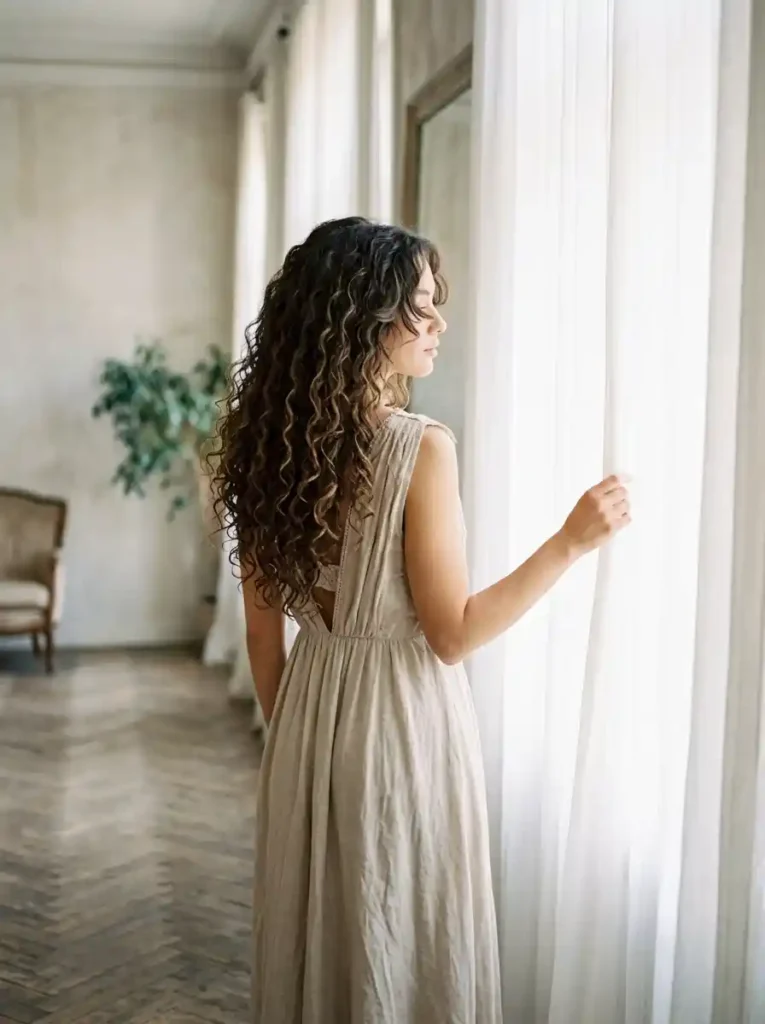
Long curls can sometimes feel visually uniform when all the hair is cut to one length. Long curtain layers solve that problem by creating a gradual transition around the face while preserving the dramatic length behind it. The front pieces can begin near the cheekbones or jaw and continue seamlessly into the longer layers. This approach adds movement without producing the abrupt volume changes associated with shorter, heavily layered cuts.
Styling is easiest when the face-framing curls are encouraged away from the face while wet. Use your fingers to separate a few sections and allow them to dry in their natural direction. A diffuser can increase root volume, while air-drying often produces a softer finish. If your ends are dry, concentrate conditioner and leave-in treatment there rather than applying heavy products directly to the roots.
16. Curly Shaggy Bob

A shaggy bob combines the compact shape of a bob with the relaxed texture of a shag. The result has movement throughout the haircut rather than a single solid perimeter. It can be especially effective for curls that naturally vary in size because the layers allow different curl groups to settle independently. If your hair is very dense, your stylist may use internal shaping to control weight without visibly thinning the outer layer.
This haircut works nicely with slightly undone styling, making it suitable for people who do not want a perfectly polished routine every morning. Apply mousse to wet curls and scrunch firmly before diffusing. Once dry, gently loosen the roots with your fingertips. A small amount of styling paste can define individual pieces around the face, but use it sparingly because too much product can make the textured layers appear greasy.
17. Curly Shoulder-Length Cut With Bangs
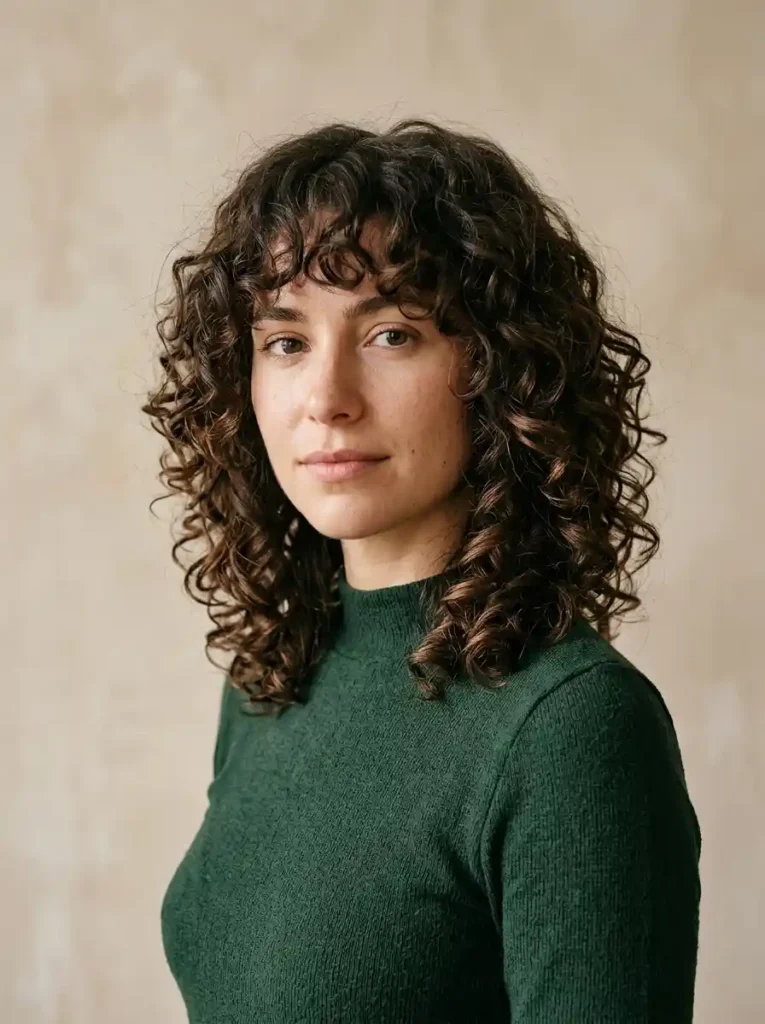
Curly bangs can transform a shoulder-length haircut by bringing attention toward the eyes and creating a stronger overall frame. They can be customized from light, wispy curls to fuller fringe depending on density and curl tightness. The biggest consideration is shrinkage: curly bangs often appear much shorter once completely dry. A stylist experienced with textured hair can help determine a starting length that leaves room for natural contraction.
Keep the fringe moisturized but avoid saturating it with heavy products. A small amount of foam can encourage soft definition while preserving movement. When drying, gently shape the bangs with your fingertips instead of repeatedly combing them. If you are uncertain about committing to a full fringe, longer curly bangs that blend into the front layers offer a more forgiving transition as they grow.
18. Tapered Curly Cut
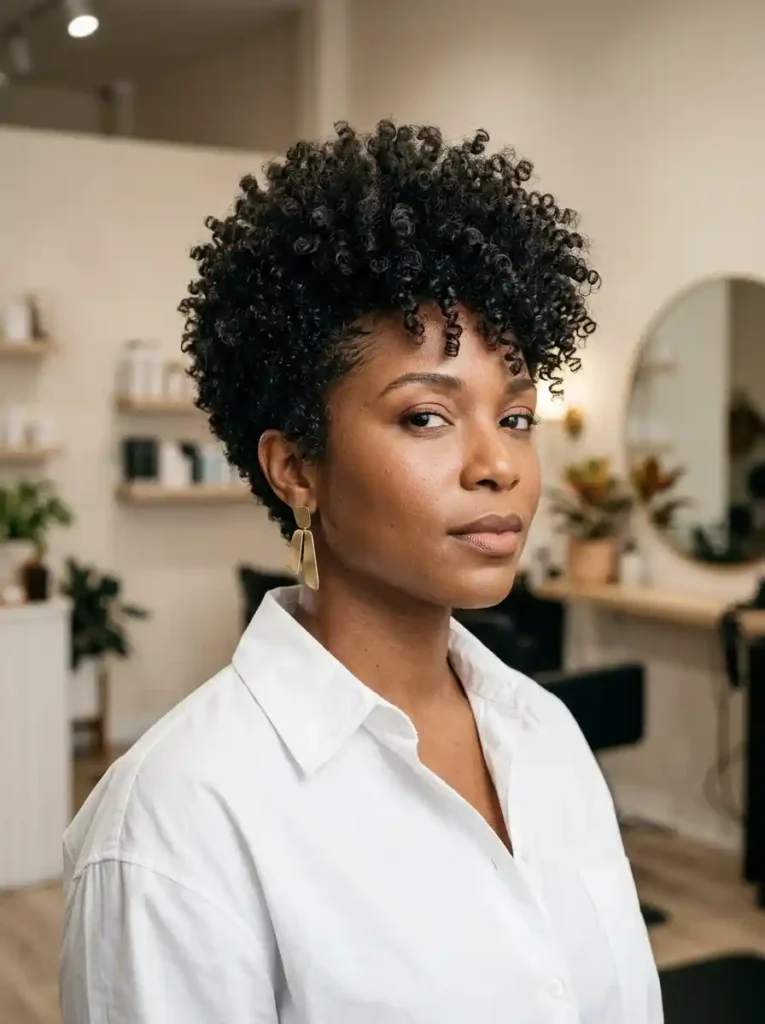
A tapered curly cut creates contrast by keeping the sides and back shorter while allowing more texture to remain through the crown. This can make dense curls feel lighter around the neck while giving the top a strong, expressive silhouette. The taper can be subtle or pronounced, depending on how much contrast you want. It is also an effective way to highlight earrings, necklines, and facial features.
The shape requires more frequent maintenance than a longer layered cut because the tapered areas become noticeable as they grow. For daily styling, focus your curl product primarily on the longer crown sections. A small amount of gel can provide definition and control without weighing down the shape. If you want maximum volume, diffuse the crown while gently lifting the roots. Satin protection at night can help reduce friction and preserve curl definition.
19. U-Shaped Long Curly Cut
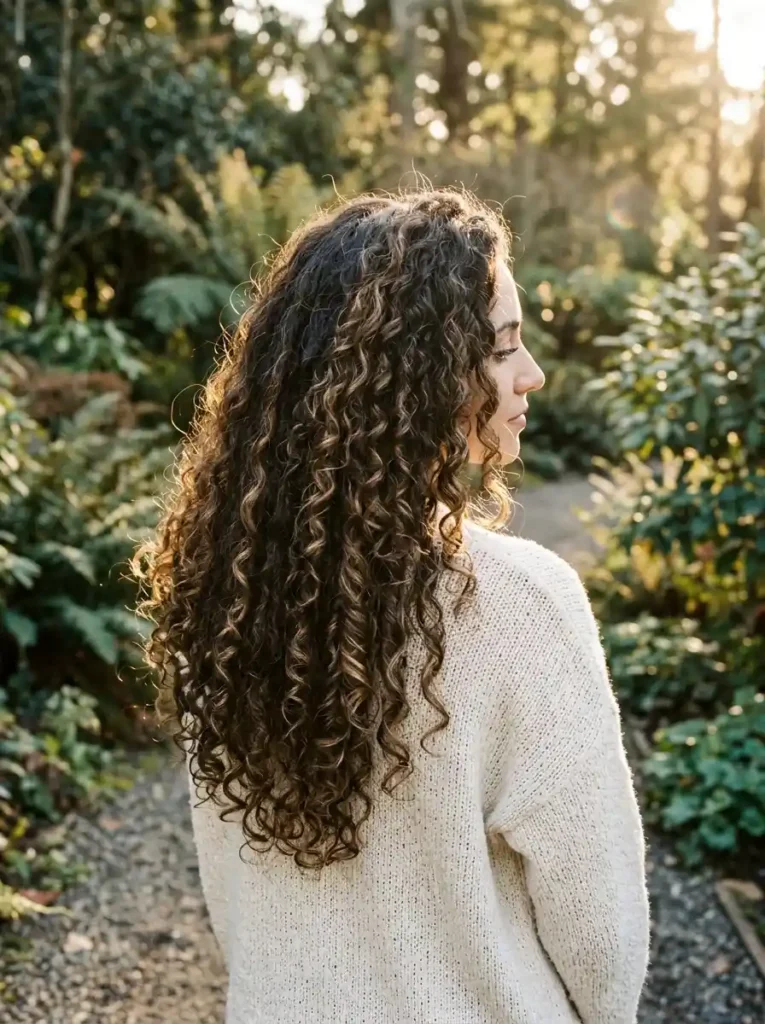
A U-shaped cut preserves long curly hair while giving the perimeter a softer, more intentional outline. Instead of ending in a straight horizontal line, the center remains slightly longer while the sides gradually rise. This shape works particularly well when you want to keep significant length but dislike a blunt appearance. Minimal long layers can be added if your curls need more movement without dramatically reducing density.
The haircut is also practical for people who frequently wear their hair down because the curved perimeter creates visual flow from the sides toward the center. Keep the ends hydrated with conditioner and a lightweight leave-in treatment. When styling, separate curls into larger clumps for a smoother finish or smaller sections for more definition. Avoid excessive thinning at the ends, which can make long curly hair appear sparse after shrinkage.
20. Rounded Afro-Inspired Curly Shape
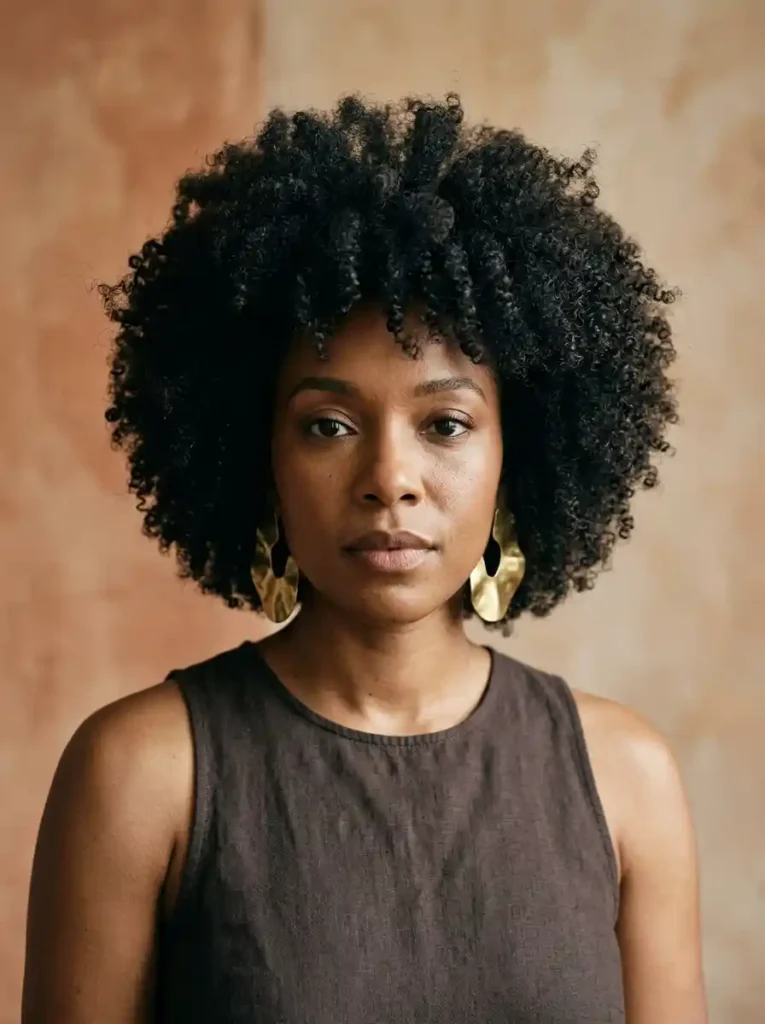
A rounded natural curly shape celebrates density and volume rather than trying to minimize them. The haircut creates a balanced silhouette that follows the natural fullness of tightly coiled or densely textured hair. Shape can be customized according to face proportions and desired height, with carefully considered trimming helping the curls form an even outline. This approach works best when the stylist understands shrinkage and the behavior of tightly coiled textures.
Moisture and gentle handling are central to maintaining the shape. Use a hydrating cleanser, conditioner, and leave-in product suited to your hair’s needs, then style in sections to distribute moisture evenly. Avoid excessive manipulation while the curls are drying because repeated touching can increase frizz. At night, protect the shape with a satin or silk covering. Regular shaping appointments can maintain the rounded outline without removing unnecessary length.
21. Curly Inverted Bob
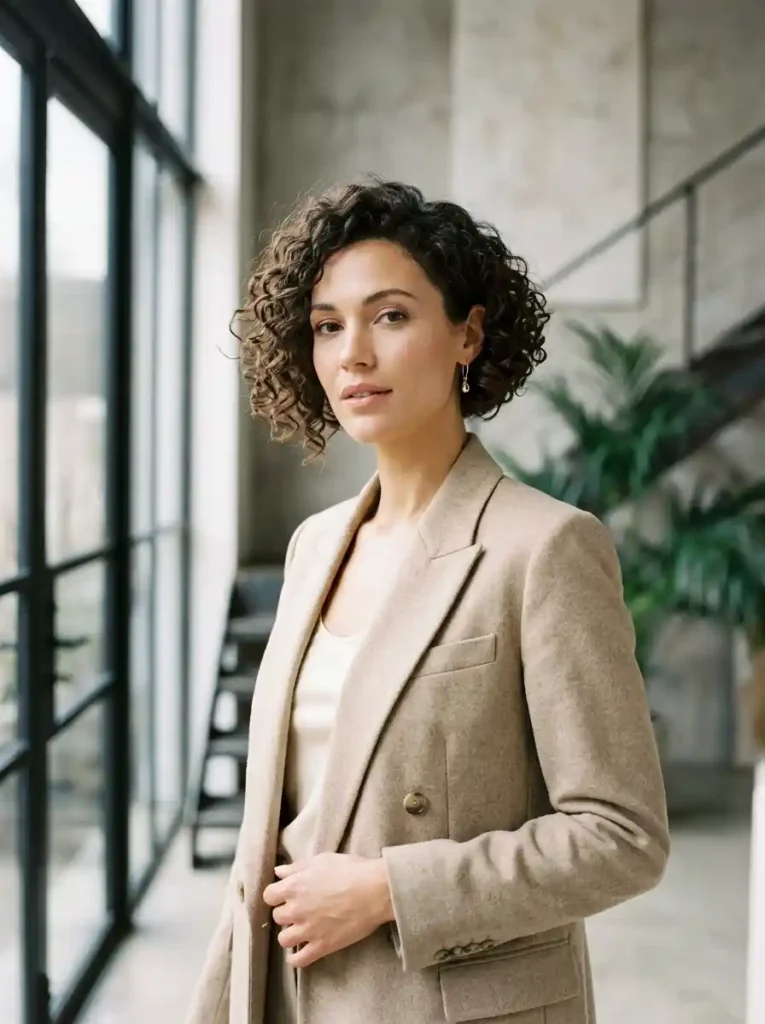
An inverted curly bob creates a subtle angle, with the back slightly shorter than the front. The shape gives the haircut structure while allowing curls to maintain their natural softness. It can be particularly useful for thick hair because the shorter back reduces heaviness around the neck while the longer front sections frame the face. The angle should be adjusted according to curl shrinkage so the finished silhouette does not become unexpectedly uneven.
For styling, encourage the shorter back curls to form naturally rather than forcing them flat. A lightweight gel can improve definition and help the angled outline remain visible. Diffusing from underneath can add lift at the back, while gentle root shaking after the hair is dry prevents a compressed appearance. If your curls are highly springy, schedule trims based on shape maintenance rather than simply waiting for split ends.
22. Layered Curly Cut With Micro Bangs
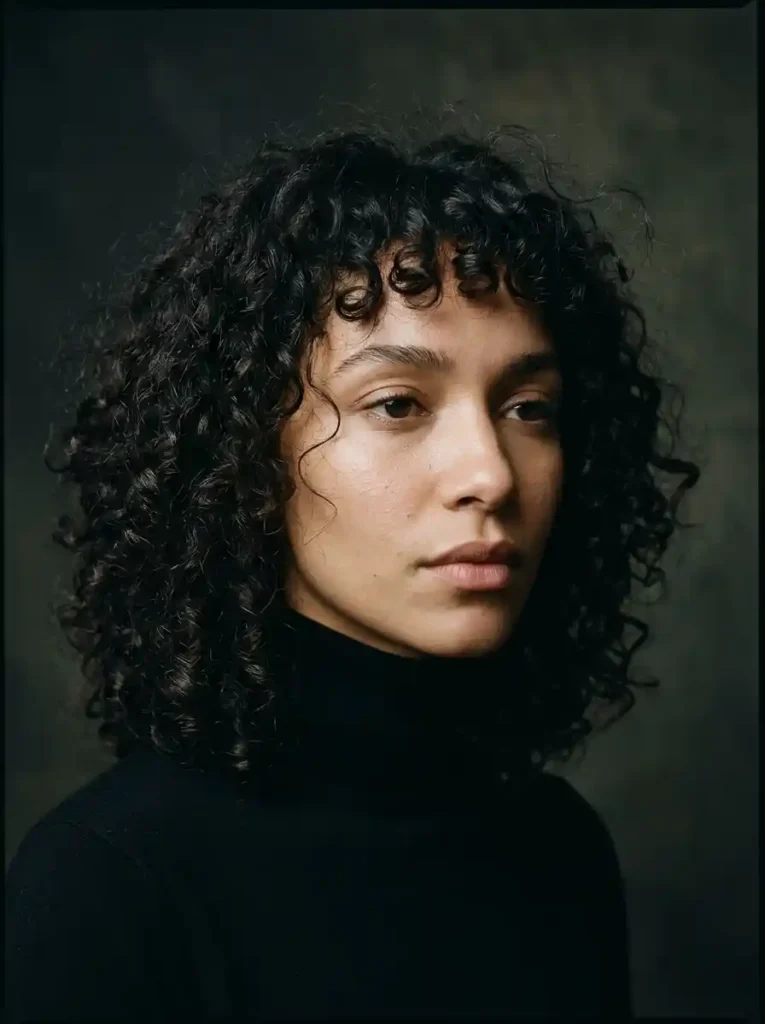
Micro bangs make a curly haircut instantly distinctive by placing the strongest visual emphasis around the eyes and upper face. They work particularly well when the surrounding curls are layered because the short fringe contrasts with the softer volume around it. This is a commitment style, so consider your natural curl shrinkage carefully. The fringe can be cut conservatively first, then shortened further after the curls settle if necessary.
Styling the bangs requires a light touch. Apply only a small amount of product and use your fingers to encourage the natural curl pattern without creating excessive weight. Allowing the fringe to dry naturally can preserve its irregular, textured character. If you frequently change your hairstyle, remember that micro bangs need time to grow out, so discuss a transition plan with your stylist before choosing this shape.
23. Soft Curly Butterfly Layers
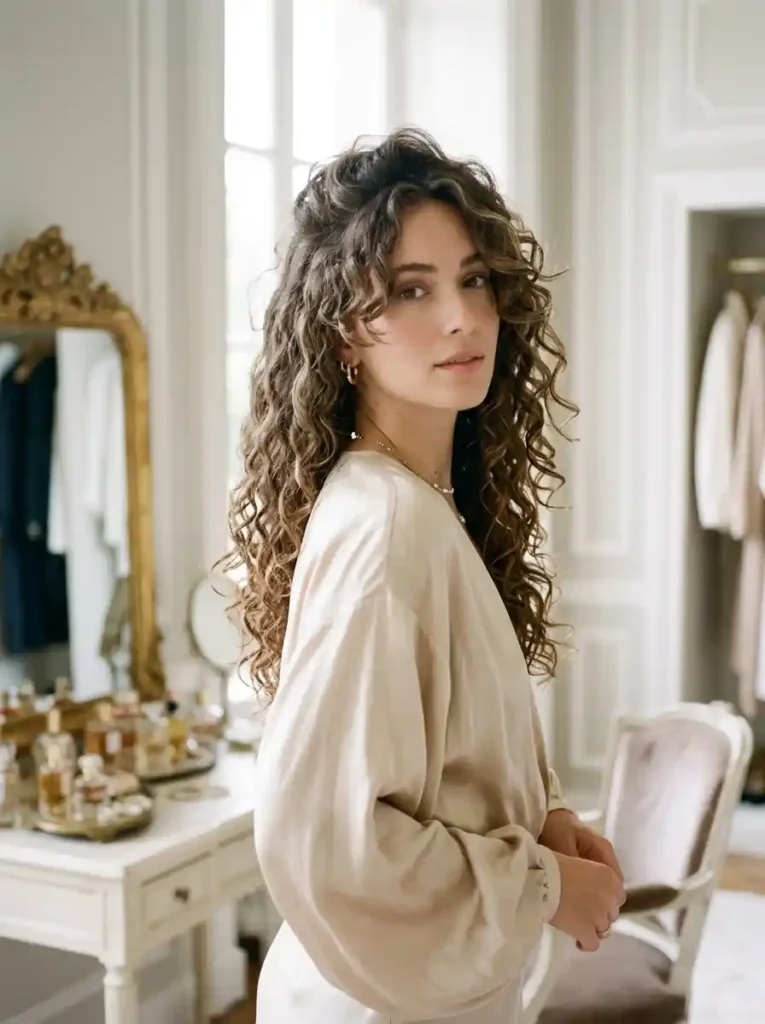
Butterfly-inspired layers give long curls a sense of movement by combining shorter face-framing sections with longer lengths underneath. Unlike heavily layered cuts, the goal is to preserve fullness while creating visible separation between sections. This makes the style appealing when you want your curls to look abundant rather than overly thinned. The transition should be gradual, especially for tightly curled hair, because aggressive length differences can become exaggerated after shrinkage.
Style the shorter layers separately from the lower lengths so each section can form its own curl pattern. A lightweight mousse can provide volume, while a small amount of cream adds softness. Diffuse with the head upright if you prefer controlled volume, or gently flip sections forward for a fuller effect. Regular conditioning is important because the shorter layers receive more exposure to styling and environmental friction.
24. Defined Curly Cut With Long Layers and Bangs
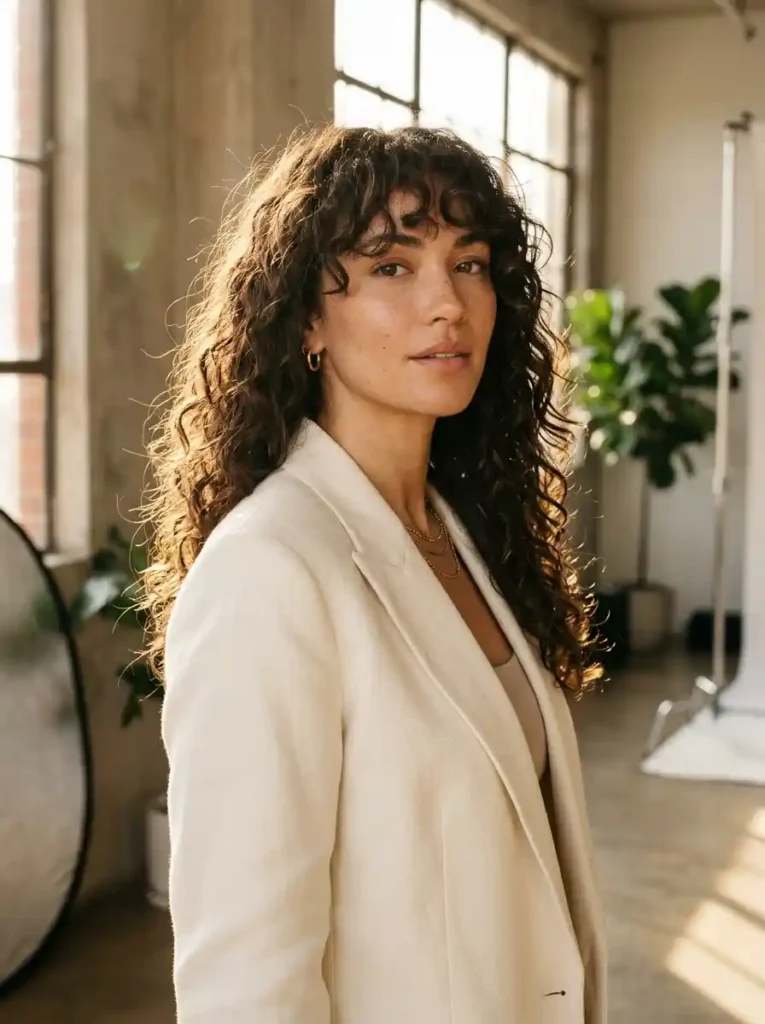
A long layered curly cut with bangs offers a balanced combination of length, movement, and face framing. The bangs create interest around the forehead while the longer layers prevent the rest of the hair from becoming visually heavy. This style can be customized extensively: softer bangs create a romantic effect, while fuller fringe gives the haircut stronger definition. The layers should follow the natural curl pattern rather than creating abrupt, disconnected sections.
For the best results, style this haircut while the hair is thoroughly wet so products distribute evenly through every curl group. Use a leave-in conditioner for moisture, followed by gel or mousse according to your desired hold. Scrunch gently and diffuse until fully dry before separating curls. At night, loosely gather the hair on top of your head or use a satin covering to reduce friction and help preserve definition.
Conclusion
The right curly haircut should work with your natural texture rather than forcing your curls into a shape they do not naturally want to hold. From short pixies and bixies to rounded bobs, modern shags, shoulder-length layers, and long flowing cuts, there are plenty of ways to adjust volume, movement, length, and face framing. Before your appointment, consider how much styling time you realistically want to spend, how your curls behave when completely dry, and which features you would like the haircut to emphasize. Bringing a few reference photos can also help your stylist understand the silhouette and level of layering you prefer. Most importantly, choose a shape that makes your natural curls feel easy to wear and enjoyable to style. Save the ideas that catch your eye, compare their details, and use your favorites as inspiration for a haircut tailored specifically to your curl pattern and everyday routine.


