
A ponytail can look polished in seconds, yet the same basic tie can quickly feel predictable. The secret is changing the height, texture, part, finish, or small details around the face. These cute ponytail hairstyles make that simple style feel fresh without requiring complicated techniques. You will find soft everyday looks, sleek options, romantic variations, and playful ideas for different hair lengths. Each style includes practical tips to help you recreate the look or explain it clearly at your next salon appointment.
1. Soft High Ponytail
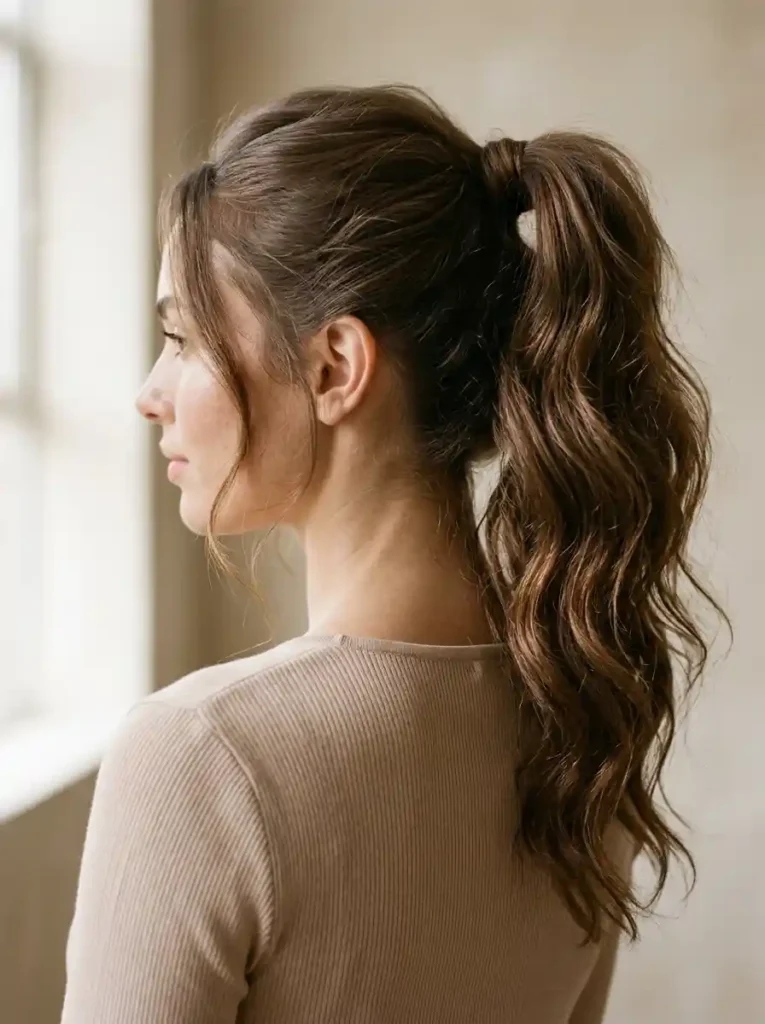
A soft high ponytail brings energy without looking overly severe. The height lifts the overall silhouette and keeps the face open. Gentle waves make the ponytail appear fuller and less rigid. A few loose strands around the temples create a relaxed finish. This option suits medium to long hair particularly well. It works beautifully for casual outfits, brunch plans, and simple daytime events. Brunette, blonde, copper, and highlighted hair can all show the shape clearly.
Start by adding light volume at the roots before gathering the hair. Avoid pulling every strand tightly if you want softness. Secure the ponytail with a strong elastic, then wrap a small section around the base. Stylist Tip: place the ponytail slightly behind the crown instead of directly on top. This gives height while keeping the profile balanced. A lightweight texture spray can also help waves hold without making the hair feel stiff.
2. Sleek Low Ponytail
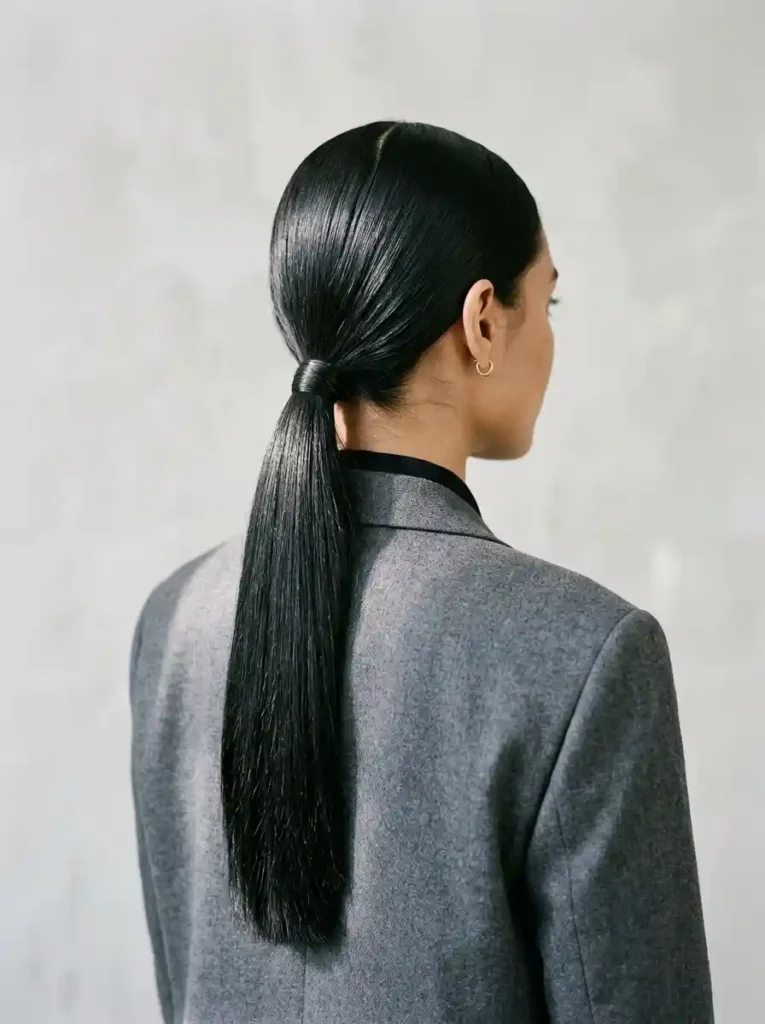
A sleek low ponytail offers a clean look that feels sophisticated without appearing complicated. The center part adds structure, while straight lengths emphasize the smooth shape. This style works especially well when the hair has enough length to form a neat tail. It can suit office outfits, evening clothing, and minimalist wardrobes. Dark shades show the polished effect strongly, but lighter colors also look elegant when the surface is smooth.
Use a fine-tooth comb and a small amount of smoothing product before securing the ponytail. Keep the elastic close to the nape for a refined silhouette. If your ends look dry, apply a tiny amount of lightweight serum only to the final few inches. Common Mistake: using too much product near the roots can make the hair appear greasy. A clean center part and controlled shine usually create enough visual impact without extra decoration.
3. Bubble Ponytail
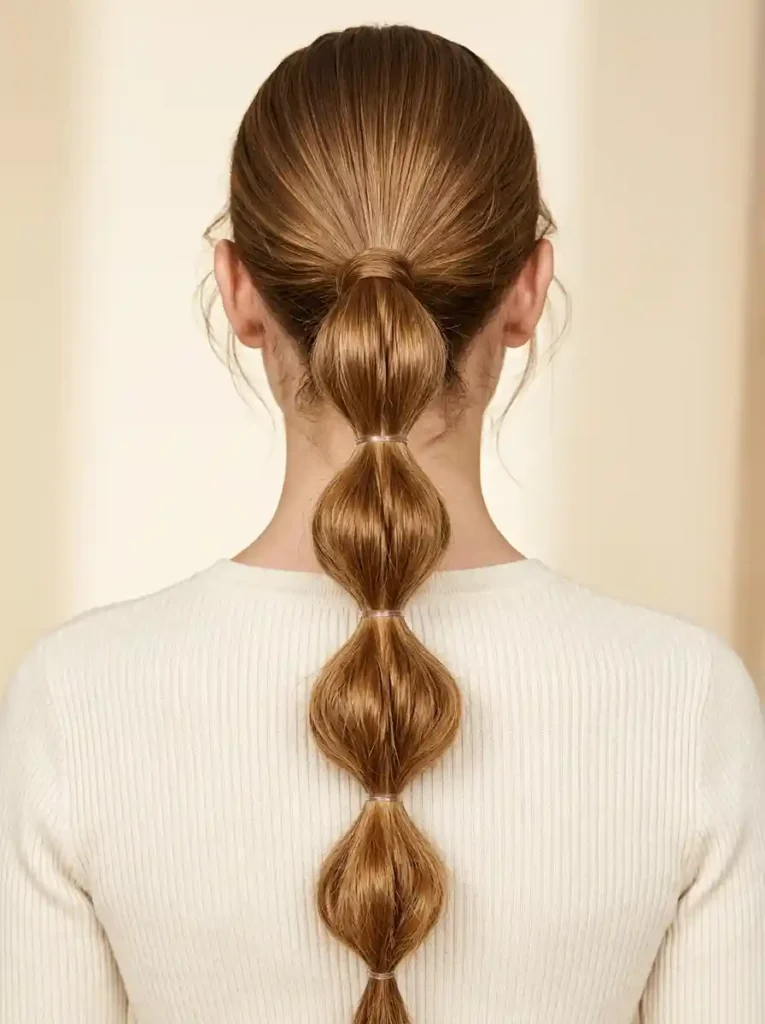
A bubble ponytail turns a familiar shape into something playful and graphic. Small elastics divide the length into rounded sections, creating visible pockets of volume. The style looks especially striking on long hair because each bubble has room to form. It can feel youthful with casual clothing or more fashion-forward with structured outfits. A warm brown, blonde, or copper shade can make the individual sections easier to see.
Begin with a secure mid or high ponytail, depending on your preferred silhouette. Add small elastics every few inches down the length. Gently pull each section outward until the bubbles look even. Pro Tip: leave enough space between elastics for the hair to expand naturally. Over-tightening can create narrow sections that lose the rounded effect. This style also works with colored elastics when you want a playful finish, though neutral bands create a more polished appearance.
4. Romantic Wavy Ponytail
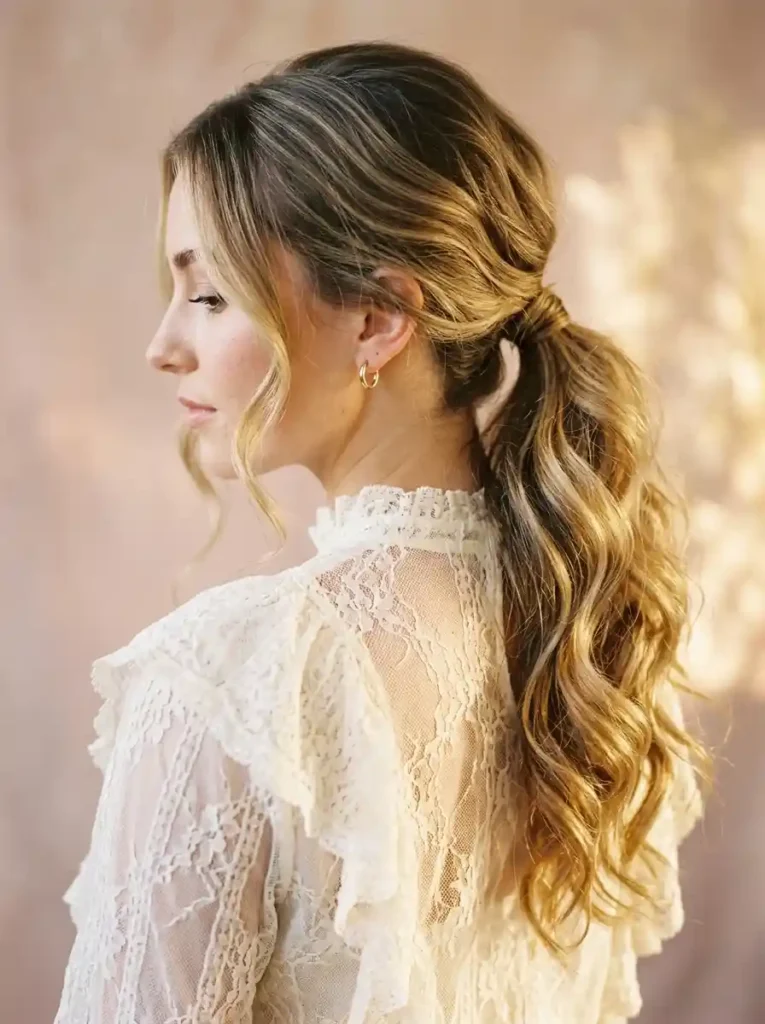
Loose waves give a ponytail a softer, romantic personality. This version feels fuller because the texture breaks up the straight length. Subtle highlights can emphasize the movement when the hair catches light. It suits dates, weddings, dinners, and relaxed celebrations. The low-to-mid placement keeps the look graceful rather than sporty. Fine to medium hair can benefit from waves because texture often creates the appearance of additional body.
Curl the lengths before gathering the ponytail, then let the curls cool before loosening them. Secure the hair gently so the waves remain visible. Pull two narrow pieces forward around the face if you prefer a softer frame. Stylist Tip: curl sections in alternating directions for less uniform movement. Finish with flexible hairspray instead of a heavy formula. The goal is touchable texture that still allows the ponytail to move naturally.
5. High Ponytail With Curtain Pieces
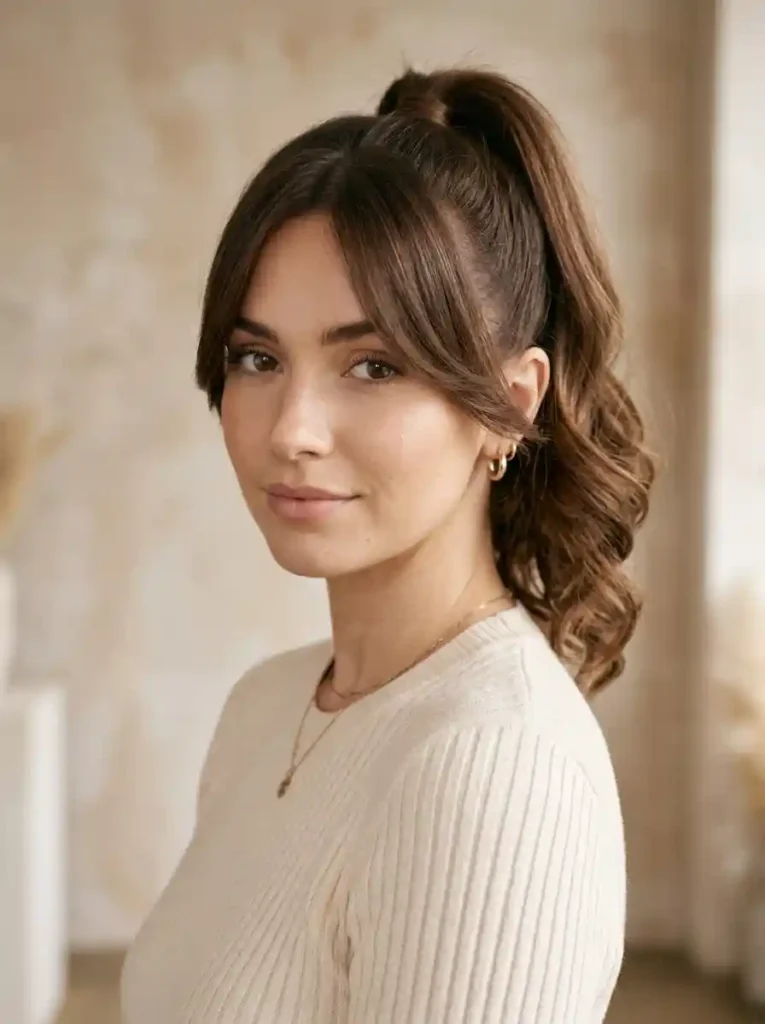
Curtain-style pieces change the character of a high ponytail without altering the ponytail itself. The center part keeps the front balanced, while longer strands curve gently beside the face. This combination works well for people who like an elevated ponytail but dislike an entirely pulled-back look. It can suit medium and long hair, especially when the front layers already have enough length to fall naturally.
Ask for face-framing pieces that blend gradually rather than stopping at one obvious point. When styling, use a round brush to direct the front sections away from the face. Keep the ponytail smooth or lightly textured according to your outfit. Common Mistake: making the front pieces too short can create an abrupt effect. Longer sections offer more flexibility because you can tuck, curl, or straighten them depending on the occasion.
6. Wrapped-Base Ponytail
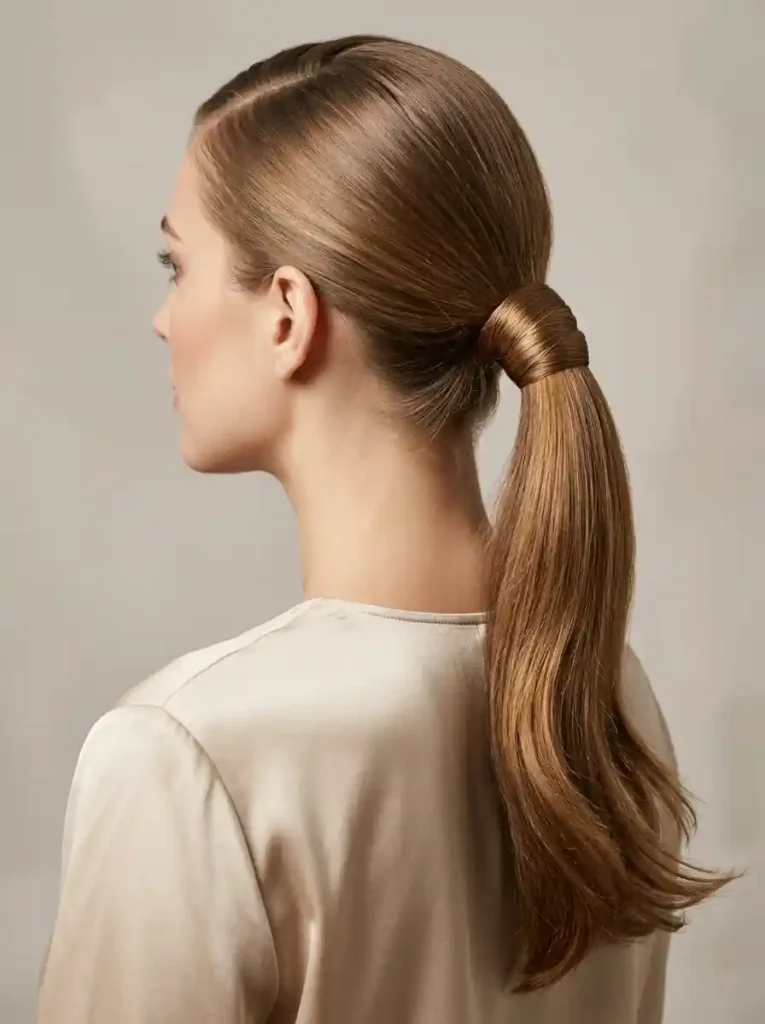
A wrapped base makes a simple ponytail look more finished. One section of the ponytail circles around the elastic, hiding it beneath the hair. The detail is small, but it creates a noticeably cleaner appearance. Straight hair makes the wrap especially crisp, while softly wavy hair creates a more relaxed version. This style works for workdays, dinners, photographs, and occasions when you want understated polish.
Secure the ponytail first, then separate a narrow piece from underneath. Wrap it firmly around the elastic and pin the end beneath the base. Pro Tip: choose a section with enough length to make one complete turn without creating a bulky knot. A discreet bobby pin works best when inserted underneath the ponytail rather than directly across its surface. Finish with a small amount of smoothing spray if stray hairs need control.
7. Low Ponytail With a Side Part
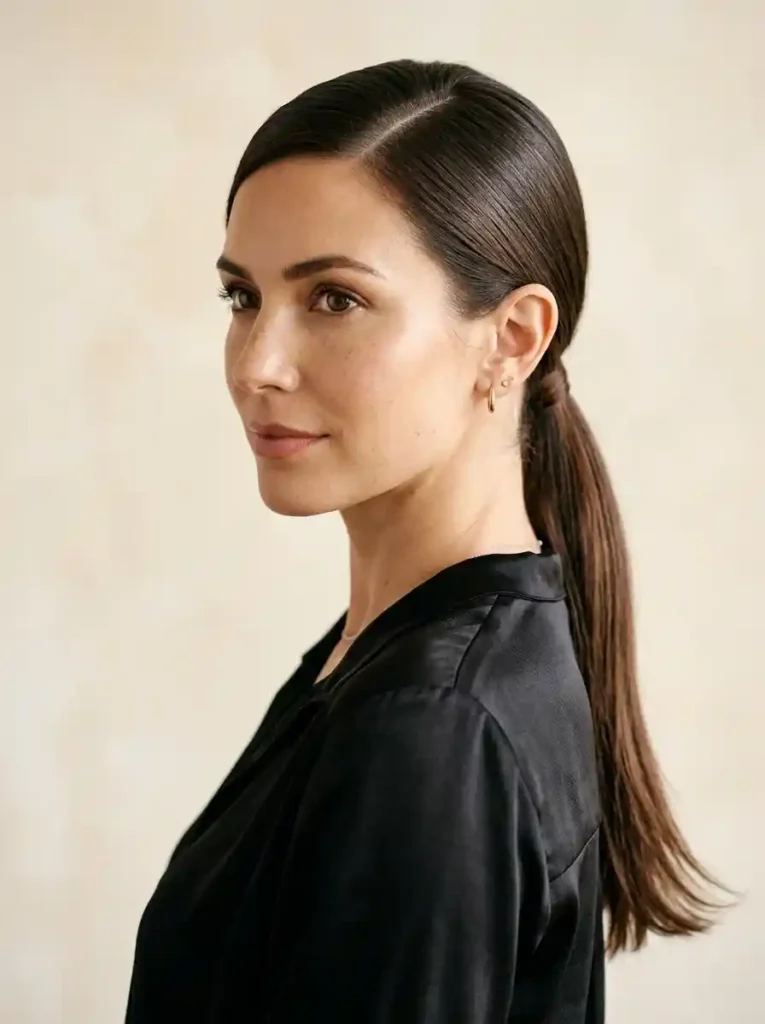
A side part gives the low ponytail a different balance from the classic center part. The deeper line creates a slightly dramatic front while the back remains simple. Smooth lengths keep the look refined, making it suitable for professional settings and evening outfits. This variation can also work well when a center part feels too symmetrical for your preferred styling. Longer hair provides the strongest silhouette, although medium lengths can create a neat version.
Create the side part before gathering the hair so the front remains controlled. Keep the ponytail close to the nape and slightly toward the heavier side if needed for balance. Stylist Tip: avoid flattening the entire crown if your hair naturally lacks volume. A tiny amount of lift near the part can prevent the style from appearing too severe. Use a soft brush to smooth the surface without removing all natural movement.
8. Textured Mid-Height Ponytail
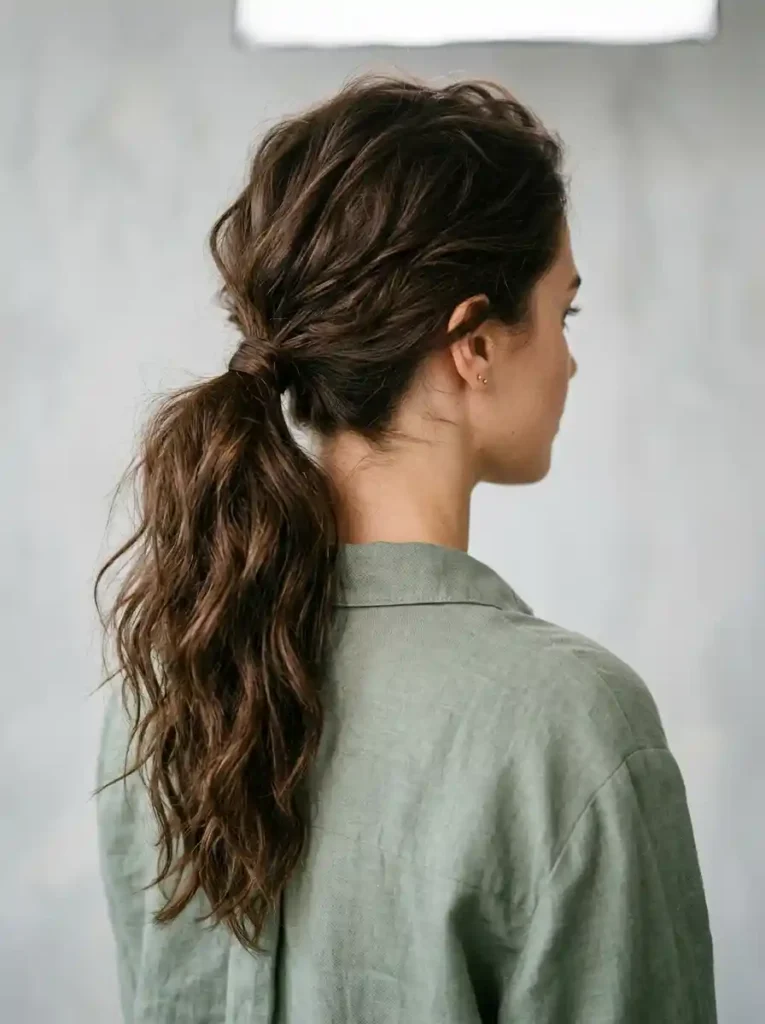
A textured mid-height ponytail sits between polished and casual. Its moderate height keeps the style practical, while separated strands create movement. This option is useful for naturally wavy or slightly coarse hair because the existing texture becomes part of the design. It feels relaxed enough for weekends but can still look intentional with simple accessories. The medium placement also avoids the strong lift associated with very high ponytails.
Apply a small amount of texturizing product through the lengths before gathering the hair. Use your fingers instead of a brush if you want to preserve natural separation. Pro Tip: secure the ponytail after the texture has been established, not before. This prevents the product from concentrating only around the base. If the ends feel too dry, smooth a tiny amount of cream through them while keeping the roots airy.
9. Braided Ponytail
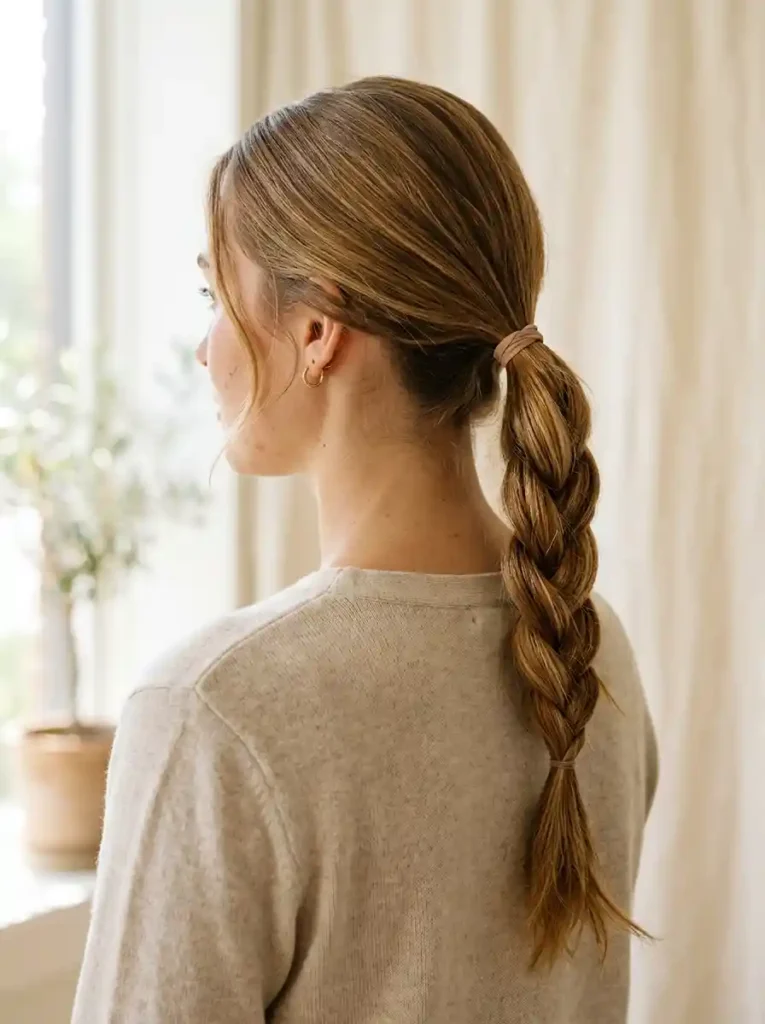
A braided ponytail combines two familiar styles into one practical look. The ponytail keeps the shape lifted, while the braid controls the length and adds visible structure. A loose braid feels casual, whereas a tighter braid looks cleaner and more athletic. Long hair gives the braid enough room to show its pattern clearly. This style is useful when you want your hair contained without choosing a completely sleek finish.
Create a secure ponytail before dividing the length into three equal sections. Keep the braid relaxed if you want softness, or maintain even tension for a sharper result. Common Mistake: pulling every braid section too tightly can make the ponytail look narrow. Gently widening the braid afterward can add dimension. A small clear elastic at the end keeps the finish discreet and lets the main ponytail remain the visual focus.
10. Ribbon-Tied Ponytail
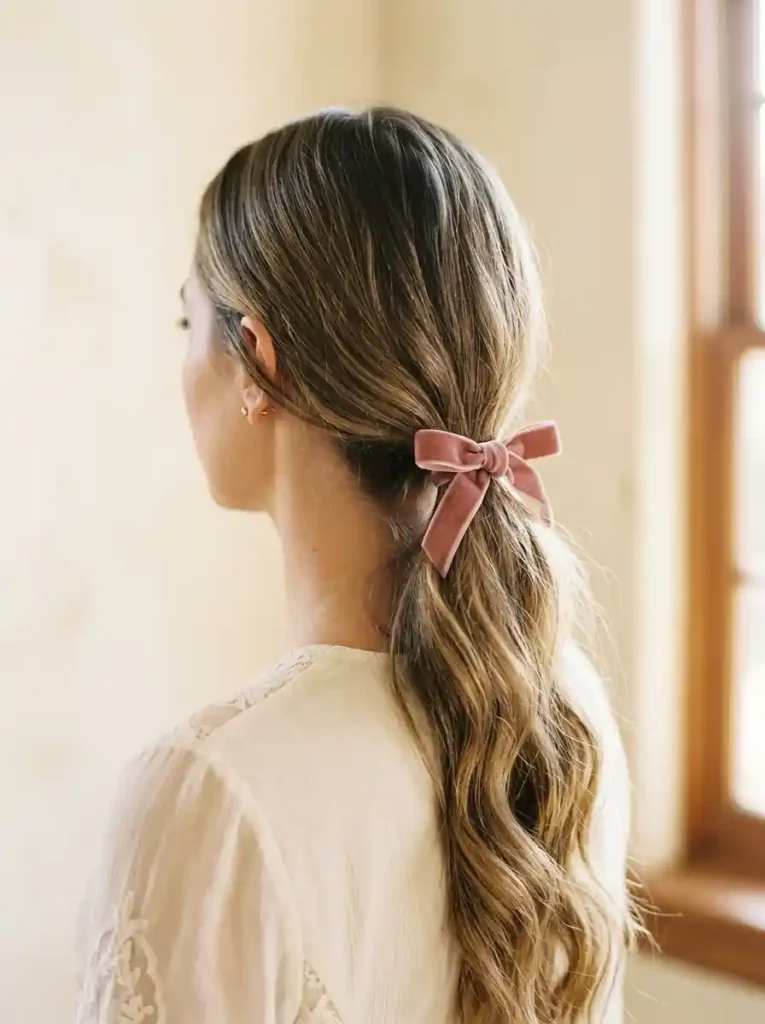
A ribbon adds softness and personality without changing the ponytail’s basic structure. Velvet creates a romantic mood, while cotton or satin can feel lighter and more casual. A low ponytail works particularly well with this detail because the ribbon remains visible without competing with the face. The idea suits dinners, celebrations, photos, and everyday outfits when you want one charming finishing touch.
Choose a ribbon that contrasts gently with your hair rather than disappearing into it. Tie it around the completed ponytail base, keeping the bow proportionate to the hair volume. Stylist Tip: use a narrow ribbon for fine hair and a wider one for thick hair. If the ribbon slips, secure the ponytail with an elastic first and tie the ribbon over it. This keeps the accessory decorative instead of functional.
11. Voluminous Ponytail With Lifted Crown
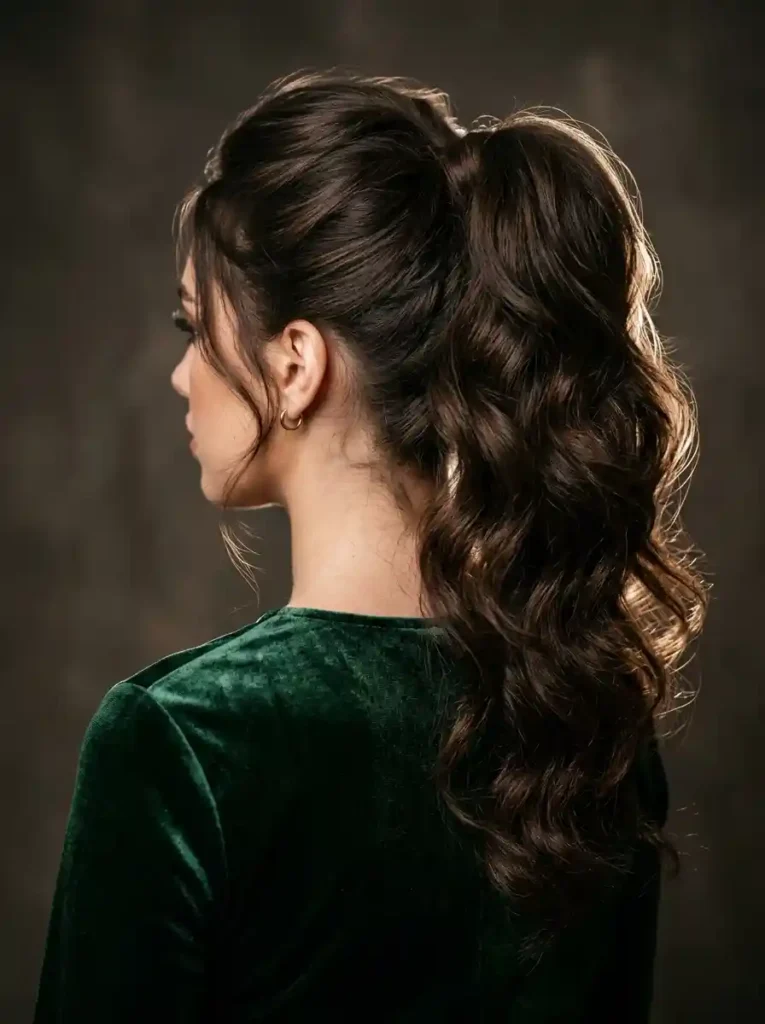
A lifted crown creates a glamorous ponytail with noticeable height and volume. The effect works particularly well on thick or naturally dense hair because the ponytail already has visual weight. Loose waves make the length look abundant rather than stiff. This version is ideal for evening events, photographs, and outfits with strong necklines. It can also suit medium-density hair when volume is built carefully.
Tease the crown lightly rather than aggressively backcombing the entire top. Gather the hair once the desired lift is established, then shape the ponytail with a large curling iron if needed. Pro Tip: concentrate volume near the crown and upper ponytail, while keeping the sides smoother. This creates a deliberate silhouette instead of overall puffiness. Use flexible hairspray in short bursts so the finished style remains movable.
12. Half-Wrapped Ponytail
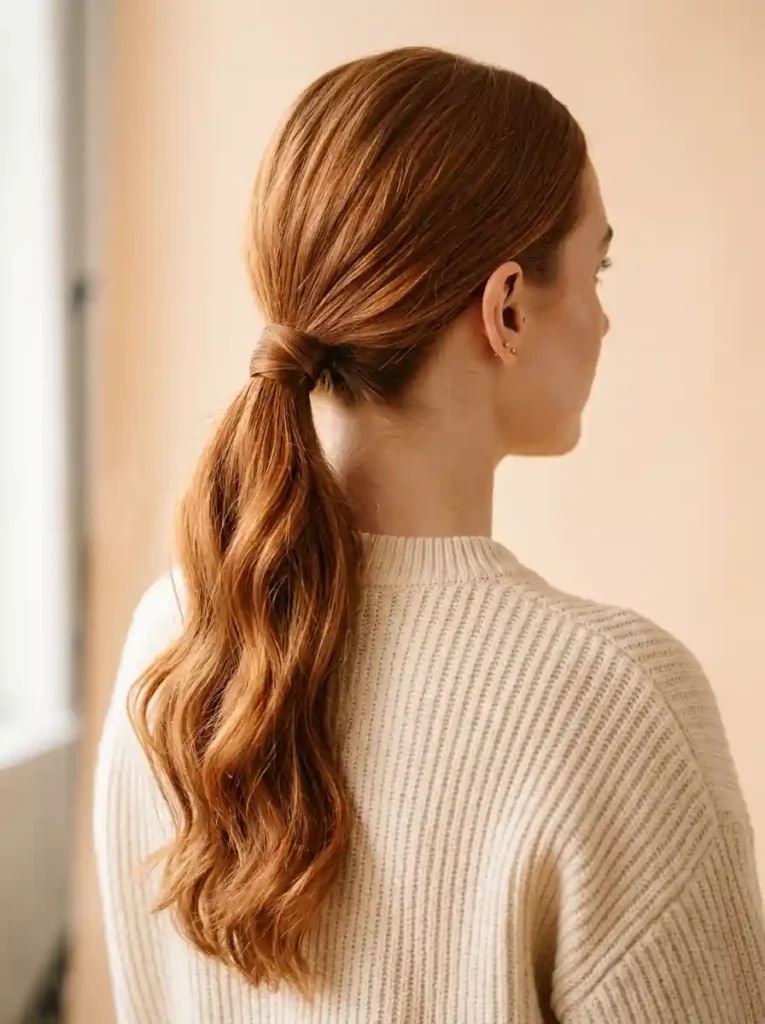
A half-wrapped ponytail adds a handmade detail while keeping the style relaxed. Instead of covering the entire elastic, the hair section crosses only part of the base. That slight asymmetry gives the hairstyle a modern feel. It works beautifully with wavy or lightly textured hair because the imperfect finish feels intentional. Copper, auburn, and highlighted shades can make the wrapped section especially noticeable.
Start with a loose ponytail and choose a narrow section from one side. Wrap it across the base and pin it underneath without tightening the whole style. Stylist Tip: leave a little natural texture at the crown so the wrapped detail does not look overly formal. If your hair is slippery, add dry texture spray before pinning. This creates grip and helps the small section stay in place without requiring several visible pins.
13. Ponytail With Wispy Bangs
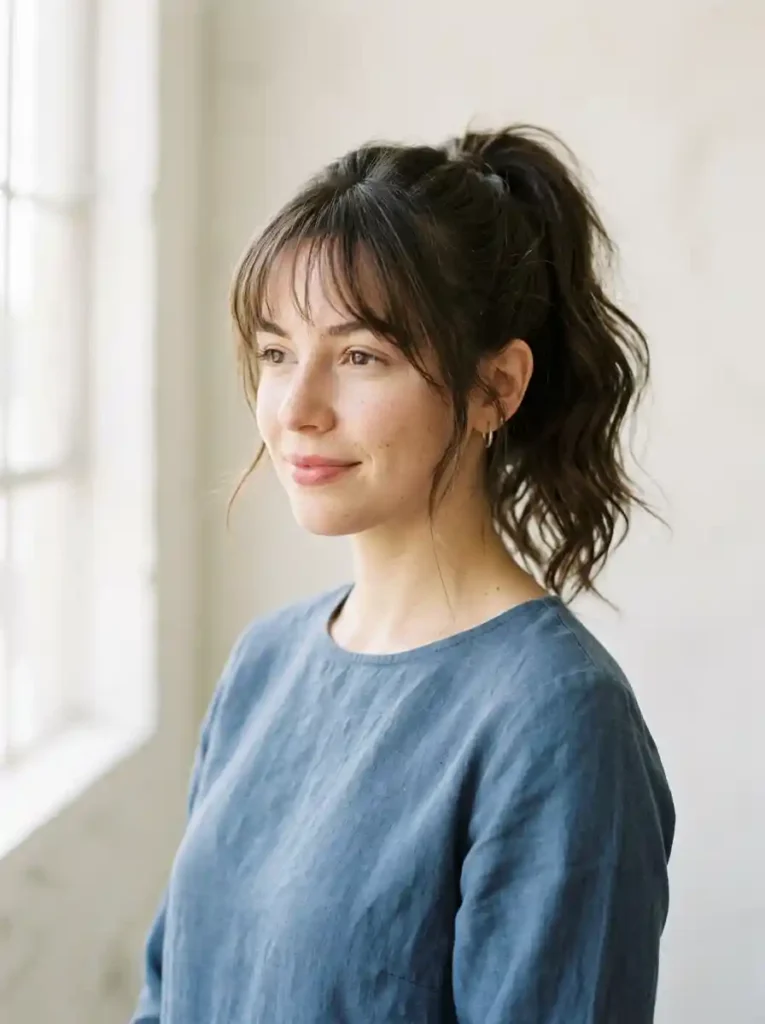
Wispy bangs soften the front of a ponytail while keeping the overall style light. The fringe is separated into fine pieces instead of forming a heavy solid line. This creates an airy appearance that works nicely with a textured ponytail. The look can suit people who enjoy a little forehead coverage without committing to a dense blunt fringe. It is especially effective when the bangs already have natural movement.
Style the bangs separately from the ponytail using a small round brush or your fingers. Keep the ends light so they do not merge into one heavy section. Common Mistake: applying too much oil or serum to wispy bangs can make them clump together. Use a minimal amount of product and finish with light hairspray if needed. Regular trims also help maintain the delicate shape without letting the fringe become visually heavy.
14. Polished Ponytail With Blunt Ends
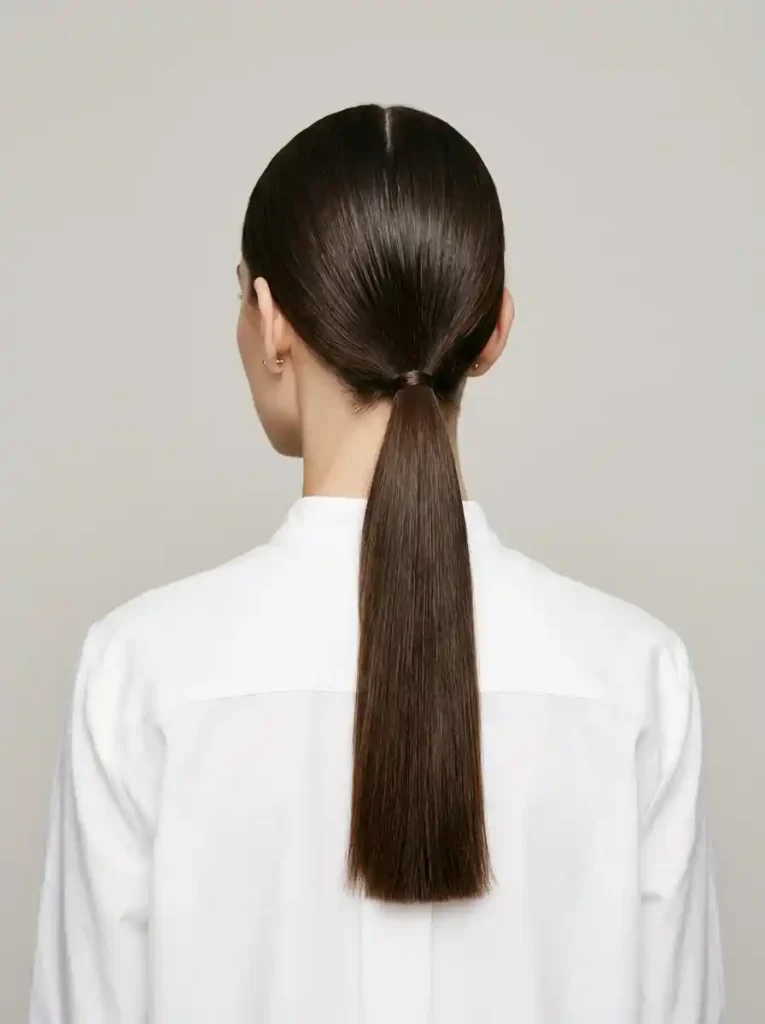
Blunt ends give a ponytail a strong, graphic appearance. The straight finish contrasts nicely with softer facial features and simple clothing. This style works best when the lengths are relatively even and smooth. It can be especially striking on dark hair because the clean outline is easy to see. Medium and long hair both work, although longer lengths create a more dramatic vertical shape.
Use a flat iron only if your hair needs additional smoothing, and always prepare the strands appropriately. Gather the ponytail at a comfortable height, then check the ends for uneven pieces. Pro Tip: a tiny amount of finishing cream can improve definition without weighing down the whole ponytail. If your ends naturally curl, embrace that movement instead of forcing a perfectly blunt effect. The goal is a clear shape that still suits your natural texture.
15. Low Ponytail With Face-Framing Layers
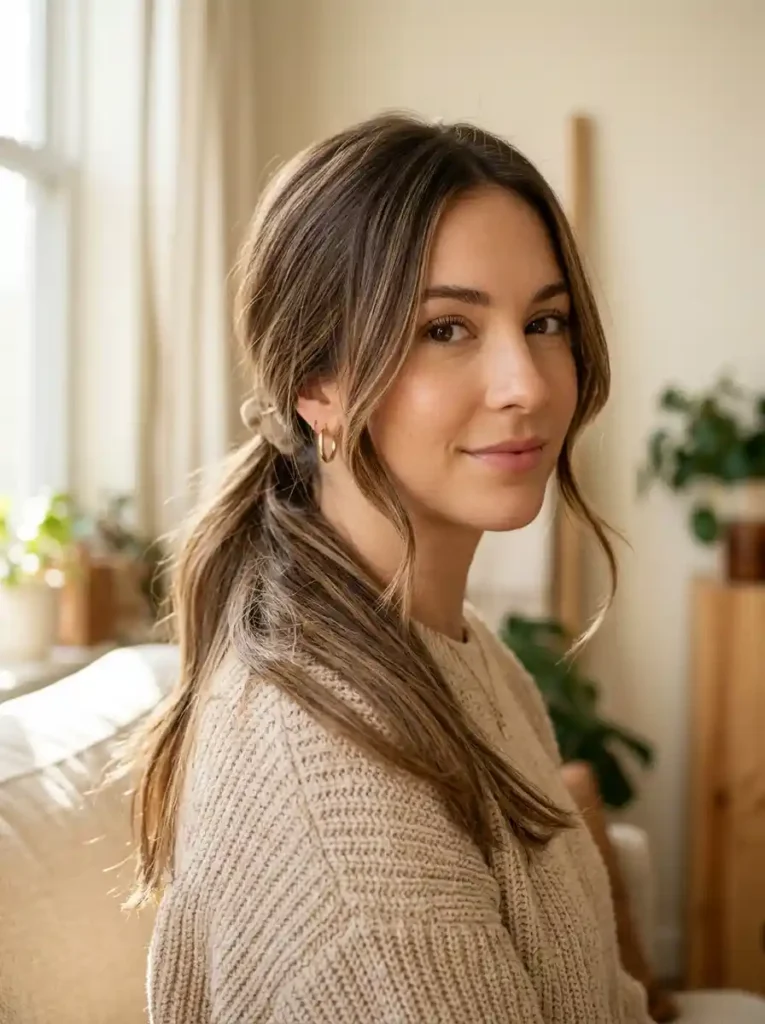
Face-framing layers make a low ponytail feel less severe and more personalized. The longer front pieces create movement around the cheeks and jaw while the back remains neatly contained. This approach suits people who want their hair tied back without losing all softness around the face. It also works across many colors because dimensional layers naturally catch light. Medium to long hair provides the most flexibility.
Style the ponytail first, then shape the front layers with a round brush or curling tool. Keep both sides similar, but avoid forcing perfect symmetry if your natural growth pattern differs. Stylist Tip: ask for face-framing layers that blend into the existing length. Abrupt short pieces can be difficult to control when the hair is tied back. Longer transitions offer more options for straight, wavy, or curled styling.
16. Messy Ponytail With Loose Tendrils
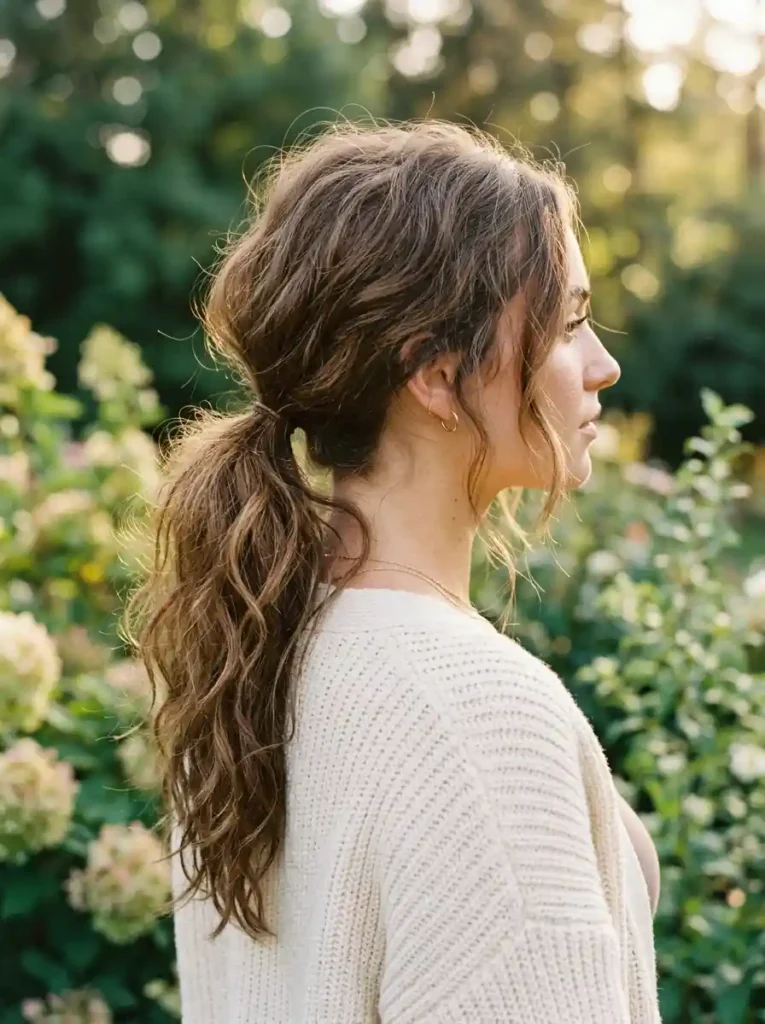
A messy ponytail works when polished styling feels too formal. Loose tendrils, uneven texture, and gentle volume make the look intentionally relaxed. The key is controlled imperfection rather than simply tying up unbrushed hair. This version suits casual gatherings, outdoor events, weekend outfits, and relaxed photos. Naturally wavy hair can make the effect easier to achieve because the existing texture already provides movement.
Apply dry texture spray before gathering the hair, then loosen a few sections after securing it. Pull small pieces near the temples and nape instead of creating many loose strands. Common Mistake: making every section equally messy can make the style look unfinished. Keep one area controlled, such as the crown or ponytail base, to provide structure. A light mist of flexible spray can preserve the relaxed texture without making it crunchy.
17. Ponytail With Mini Side Braid
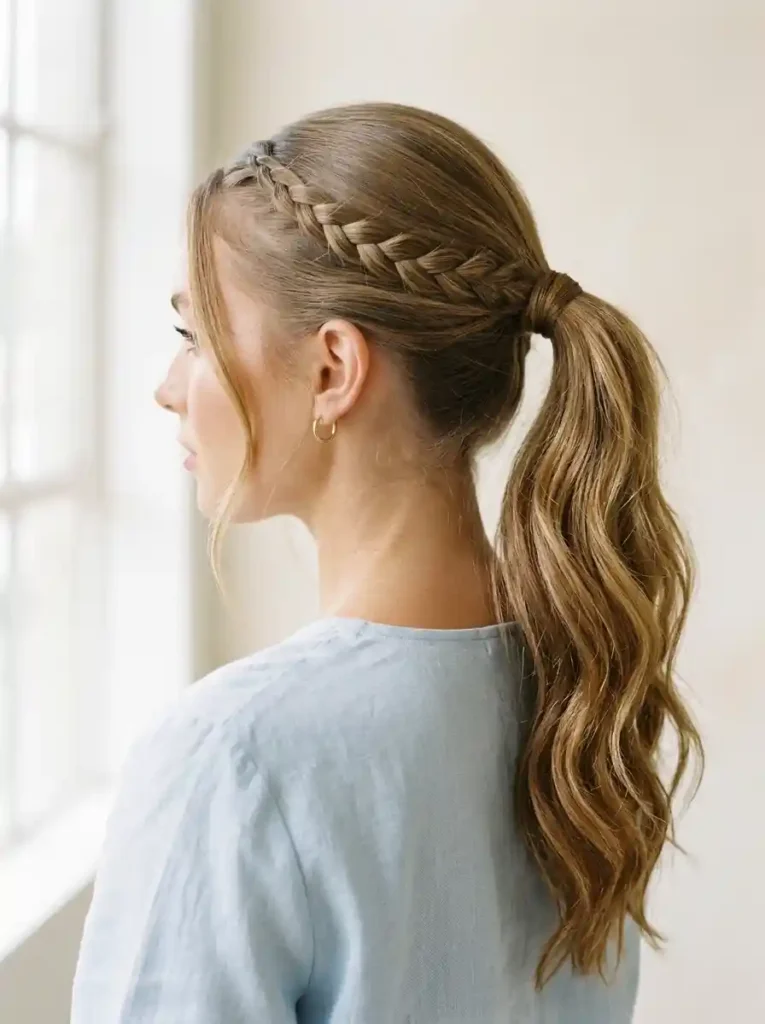
A tiny side braid adds detail without turning the entire hairstyle into a braid. One narrow section begins near the temple and travels toward the ponytail base. The contrast between the small braid and loose length makes the style visually interesting. It works well for medium to long hair and can suit casual outfits, festivals, daytime events, or playful weekend looks.
Braid a small section before gathering the remaining hair into the ponytail. Keep the braid narrow enough to remain an accent rather than the main feature. Pro Tip: gently pull the braid wider after securing it if you want more texture. Use a small clear elastic near the base so it disappears into the larger ponytail. This technique also allows you to change the ponytail height without rebuilding the braid from scratch.
18. High Ponytail With Curled Ends
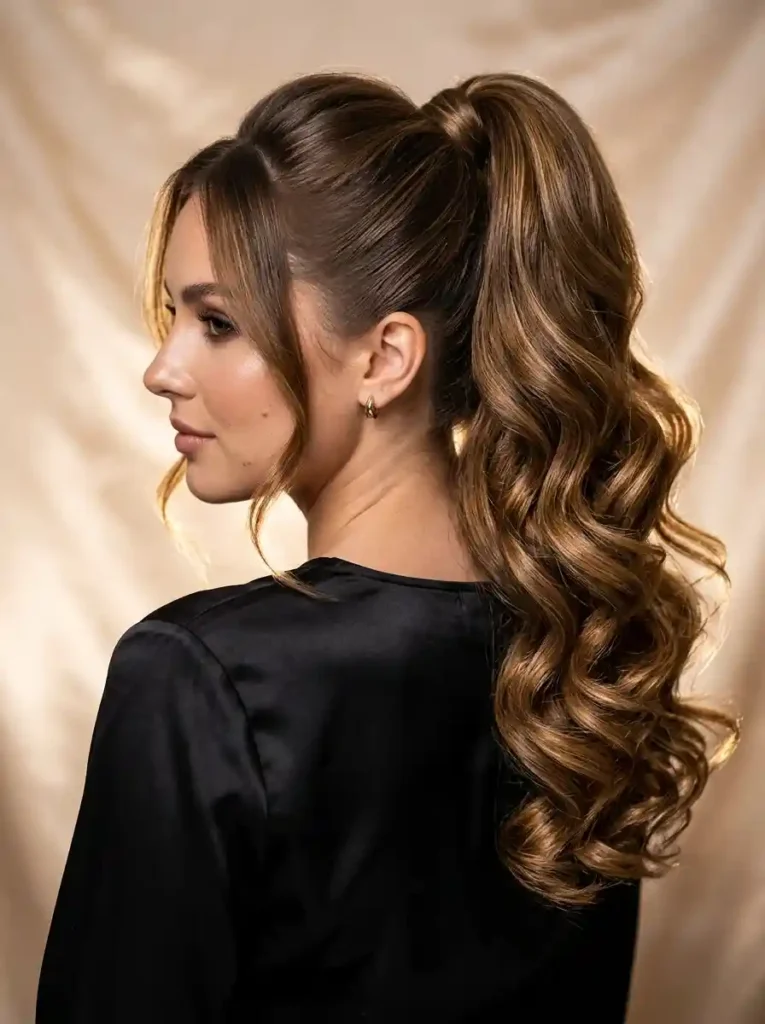
Curled ends transform a high ponytail into a polished evening style. The roots stay relatively smooth, while the lower lengths carry rounded movement. This creates contrast and makes the ponytail look intentionally styled. It works particularly well for celebrations, dinners, photographs, and formal outfits. Medium to long hair can support the shape, with longer lengths producing larger, more visible curls.
Curl the ponytail after securing it so the base stays smooth. Use larger sections for broad curls and smaller sections for more defined movement. Stylist Tip: allow each curl to cool before brushing it gently. Cooling helps the shape settle before you loosen the strands. Finish with flexible hairspray rather than a heavy coating. The curls should remain soft enough to move when you turn your head.
19. Ponytail With a Soft Scrunchie
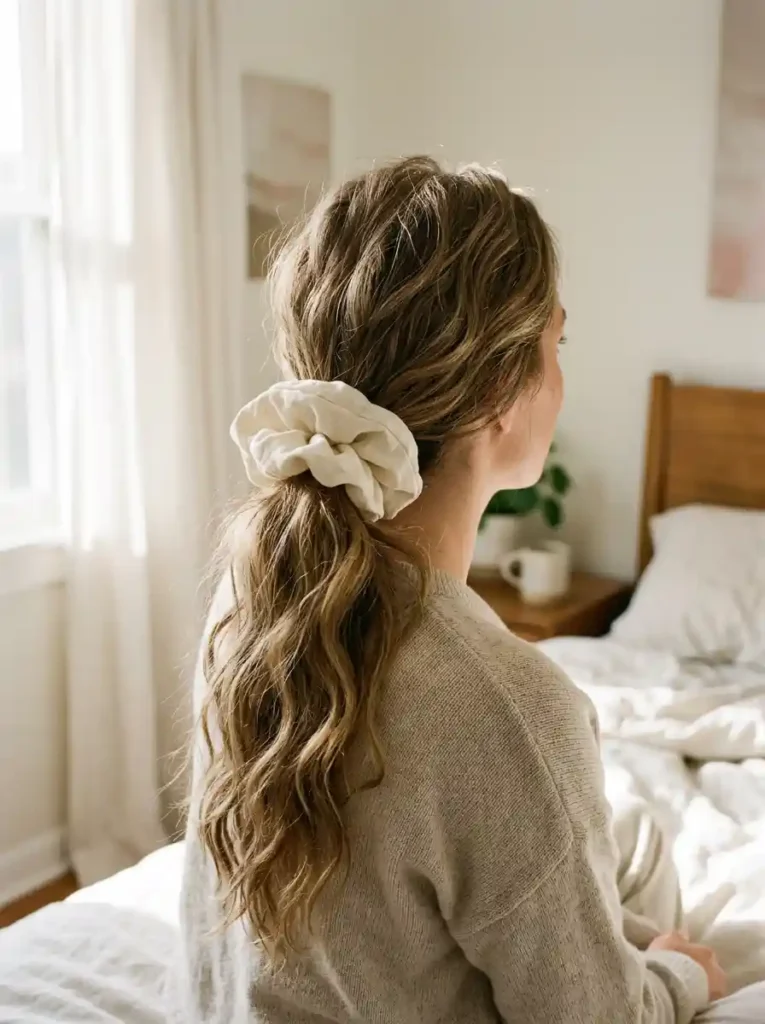
A soft scrunchie can make a ponytail feel comfortable and intentionally casual. The fabric accessory adds visible texture while reducing the hard appearance of a narrow elastic. A mid-height ponytail keeps the look practical for everyday routines. This idea suits relaxed clothing, errands, study days, and casual gatherings. Neutral scrunchies create a subtle finish, while soft colors can add a playful accent.
Gather the hair without pulling it excessively tight, then wrap the scrunchie securely around the base. If your hair is fine, avoid choosing an oversized scrunchie that overwhelms the ponytail. Common Mistake: wrapping a loose accessory too many times can create unnecessary tension. Choose a size that holds the hair comfortably with minimal pulling. A slightly textured ponytail also helps the fabric accessory stay visually integrated rather than appearing oversized.
20. Side-Swept Ponytail
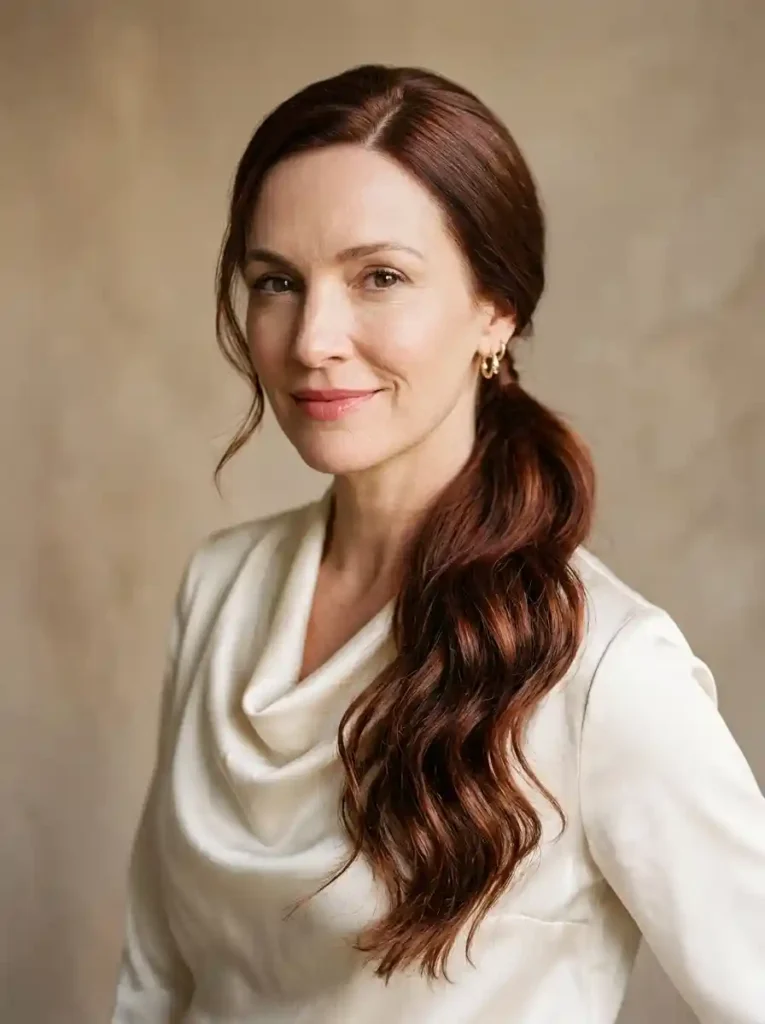
A side-swept ponytail changes the silhouette by moving the length across one shoulder. The asymmetry feels romantic while remaining easy to understand and recreate. Soft waves enhance the movement, but straight hair can create a sleeker version. This style works especially well with one-shoulder clothing, dresses, and evening tops. It also provides a useful option when you want a ponytail that feels different from standard centered placement.
Create a side part and gather the hair low behind one ear before bringing it over the opposite shoulder. Keep the base secure but comfortable. Pro Tip: use a few discreet pins near the nape if your hair naturally slides toward the center. For a softer finish, loosen the ponytail slightly after securing it. The final shape should rest naturally over the shoulder instead of being pulled sharply across it.
21. Ponytail With a Scarf Accent
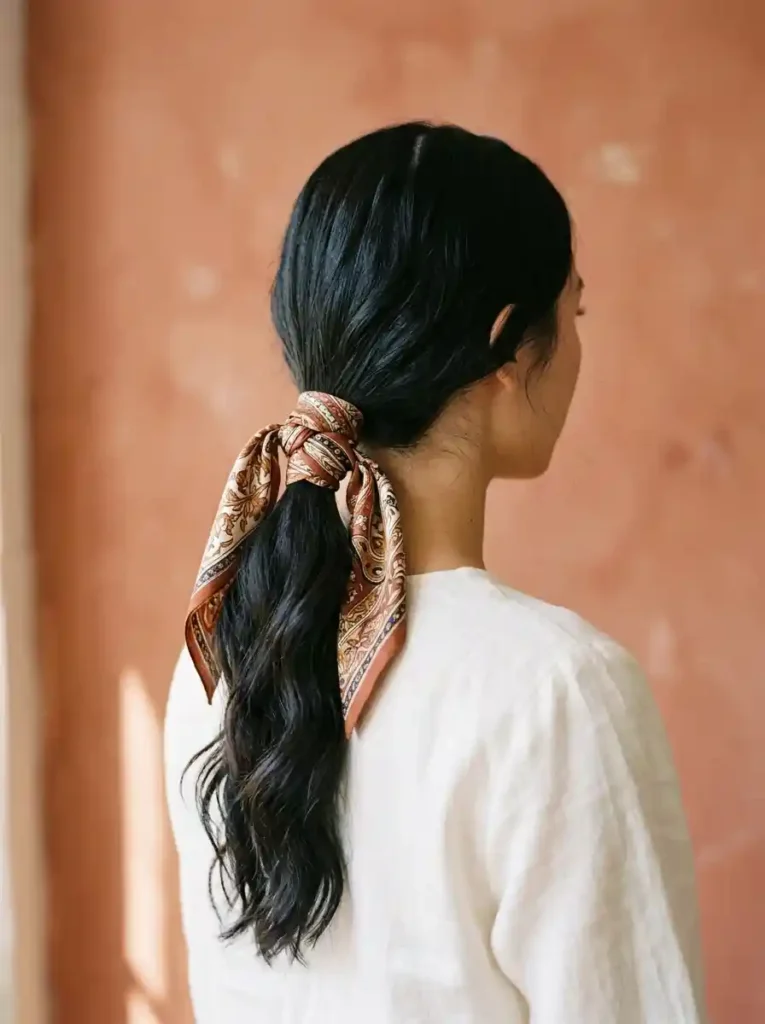
A scarf can turn a basic ponytail into a distinctive accessory-focused look. The fabric adds color, pattern, and movement without changing the haircut. A narrow scarf works well with low ponytails because it sits neatly around the base. This option is useful for people who enjoy changing accessories rather than restyling their hair completely. Floral, geometric, striped, and solid scarves can create very different moods.
Tie the scarf around the finished ponytail base, then adjust the knot until it sits securely. Avoid choosing fabric that is so long it hides the ponytail. Stylist Tip: coordinate the scarf with one color in your outfit for a deliberate appearance. If the hair is slippery, secure the ponytail first with a standard elastic. The scarf should provide decoration, not the main structural support.
22. Braided Crown Into Ponytail
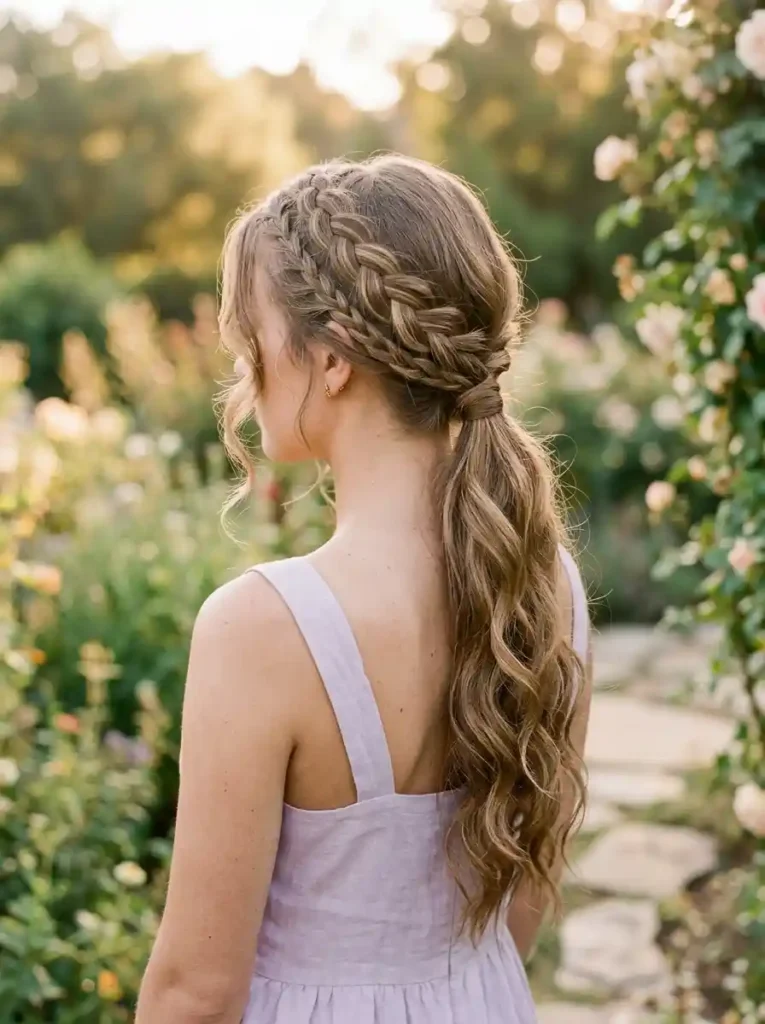
A braided crown creates more structure around the head while keeping the ponytail relaxed. Two narrow braids can travel from the sides toward the back before joining the gathered hair. The contrast between defined braids and loose waves makes the style visually rich. It suits weddings, outdoor celebrations, photoshoots, and anyone who enjoys detailed hairstyles without wearing a full updo.
Part the hair according to where you want the braids to begin, then braid each side toward the back. Secure the braids before gathering the remaining hair into a low ponytail. Pro Tip: gently loosen the outer braid edges to make them appear fuller. Keep the ponytail texture soft so the crown remains the main detail. This style usually takes more preparation than a basic ponytail, so practice the braid placement before an important event.
23. Short Ponytail With Flipped Ends
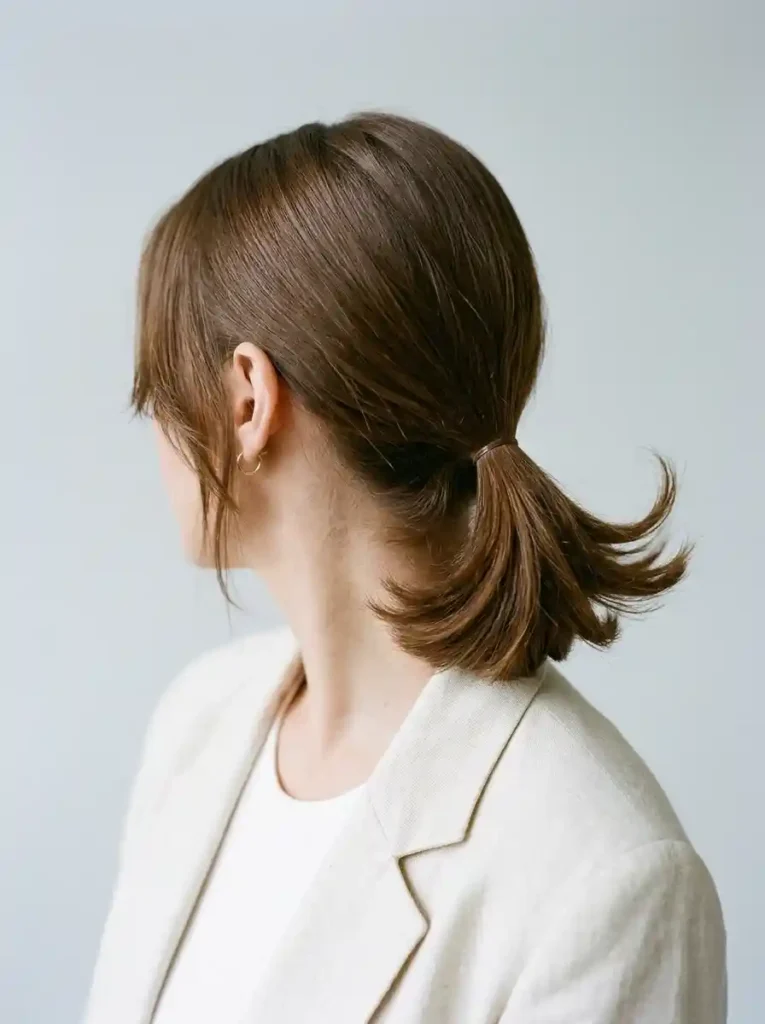
A short ponytail can still feel stylish when the ends have a deliberate shape. Flipped-out tips add movement and make shorter lengths look more playful. The low-mid placement helps prevent the ponytail from appearing too small or tight. This option suits shoulder-length hair and can work particularly well when you want to keep most of your haircut visible rather than gathering every strand.
Smooth the crown first, then use a round brush or small styling tool to direct the ends outward. Secure the ponytail where the hair naturally gathers instead of forcing it higher. Stylist Tip: leave a few shorter layers free if they naturally fall around the face. They can connect the ponytail to the haircut and make the transition look intentional. A lightweight styling cream can control flyaways without flattening the flipped ends.
24. Double Ponytail For Extra Fullness
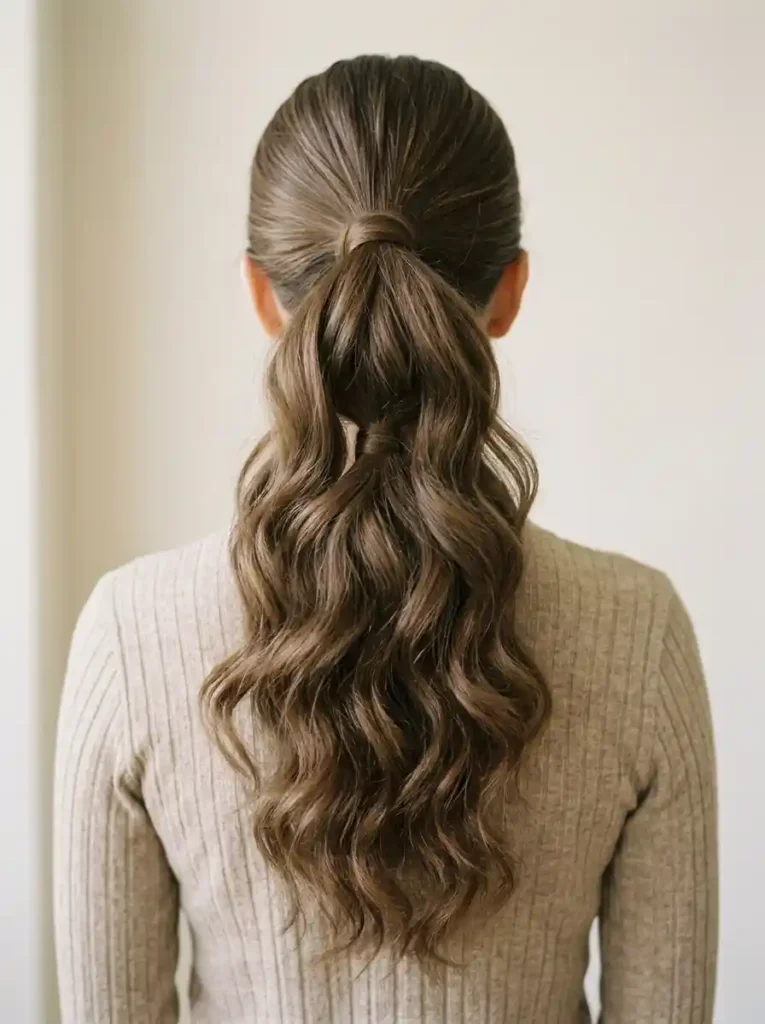
A double ponytail can create a fuller-looking silhouette without relying entirely on teasing. The upper ponytail sits above a second one, allowing the two sections to blend visually. This technique can be useful when the hair is long but appears narrow when gathered into one tail. Soft waves help disguise the separation. The result feels playful while remaining practical enough for casual styling.
Divide the hair horizontally and secure the upper section first. Gather the lower section directly beneath it, then blend both tails with your fingers or a soft brush. Common Mistake: placing the two ponytails too far apart can make the separation obvious. Keep them close enough that the upper section naturally overlaps the lower one. A little texture through the lengths can also help the two sections merge into one fuller shape.
25. Elegant Low Ponytail With Pearl Pins
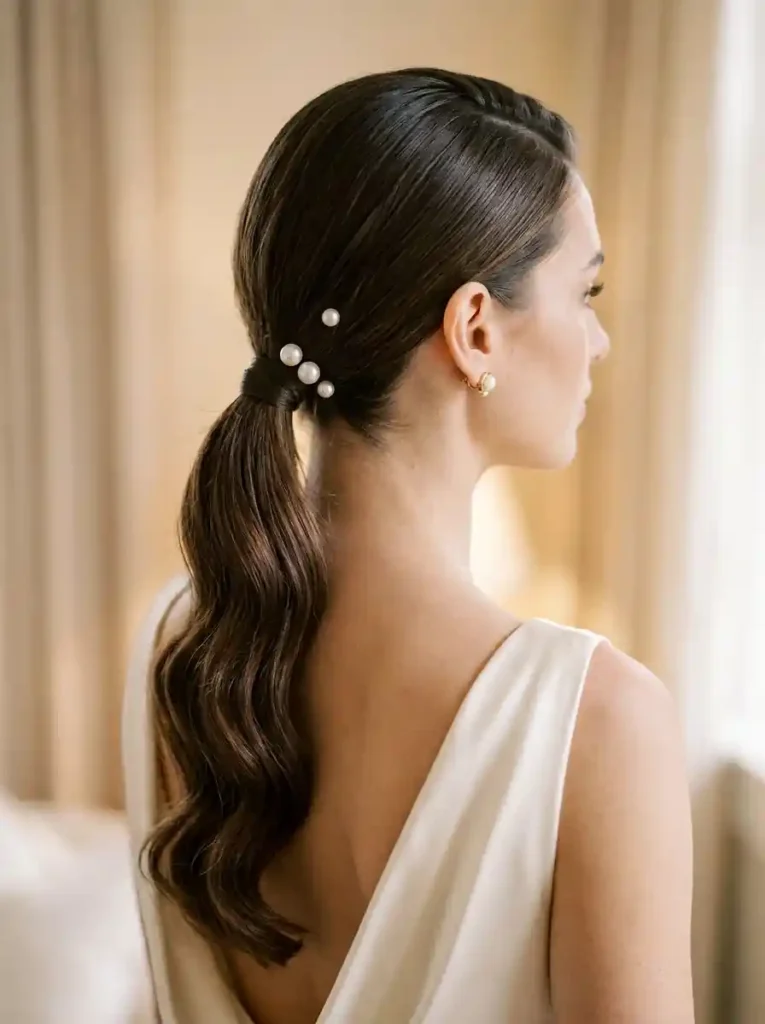
Pearl pins add a refined finishing detail to a simple low ponytail. The accessories work especially well with smooth waves because the hair provides a soft background for the small points of shine. This style feels appropriate for weddings, formal dinners, celebrations, and elegant photographs. Three pins create a more modern arrangement than a symmetrical row. The look can also be adapted with crystal, gold, or matte clips.
Secure the ponytail first, then place the pins slightly above and beside the base. Test their positions before pressing them fully into the hair. Stylist Tip: use lightweight pins so they do not pull on fine sections. Keep the accessories clustered rather than scattering them across the entire head. This preserves the clean shape of the ponytail and makes the decorative detail feel intentional instead of busy.
Frequently Asked Questions
Which ponytail is best for everyday wear?
A mid-height or low ponytail is usually practical for everyday wear. These placements offer secure styling without requiring excessive tension.
Can cute ponytail hairstyles work with short hair?
Yes. Shoulder-length hair can support several ponytails, including flipped-end, low, and textured versions. Shorter layers may need pins or styling cream.
How can I make a ponytail look fuller?
Texture, gentle waves, and careful placement can create more visual fullness. A double ponytail can also make long hair appear more substantial.
Which ponytail works best for fine hair?
Soft texture, moderate volume, and smaller accessories often work well for fine hair. Avoid heavy products that flatten the roots.
Can I wear a ponytail with naturally curly hair?
Yes. Curly hair can create beautiful volume and definition in ponytails. Preserve the natural curl pattern instead of brushing it completely smooth.
How can I make a ponytail look more polished?
Focus on a clean part, controlled flyaways, and a neat base. Wrapping the elastic with hair is another simple way to create a finished appearance.
Conclusion
A ponytail does not need complicated techniques to feel fresh. Small changes can completely shift its personality, from sleek and professional to soft and romantic. Consider your hair length, natural texture, density, and daily routine before choosing a variation. Then customize the height, part, texture, accessories, and face-framing pieces to suit you. Save your favorite cute ponytail hairstyles before your next styling session, and use the details here as inspiration for creating your own version.


