
A haircut can look exciting in photos but feel difficult to wear every morning. The wolf cut solves that problem with flexible layers, movement, and plenty of personality. It blends shaggy texture with a softer mullet-inspired shape, creating a look that can feel edgy without always looking extreme. These wolf cut hairstyle ideas cover different lengths, textures, colors, and styling preferences. You will find wearable options for everyday hair, dramatic transformations, and easy salon inspiration.
1. Soft Collarbone Wolf Cut

A collarbone wolf cut offers an approachable introduction to this layered style. The length gives the haircut enough weight to feel polished and balanced. Soft crown layers create movement without making the shape overly dramatic. Face-framing pieces add definition around the cheeks and jawline. This option suits people who want visible texture while keeping enough length for ponytails, clips, and simple everyday hairstyles.
For easier maintenance, ask your stylist for blended layers rather than extremely disconnected sections. Use a lightweight mousse before air-drying to encourage natural movement. A round brush can create smoother ends when you want a polished finish. Pro Tip: Keeping the bottom perimeter slightly fuller prevents a medium-length wolf cut from appearing too thin or stringy.
2. Long Wolf Cut With Curtain Bangs
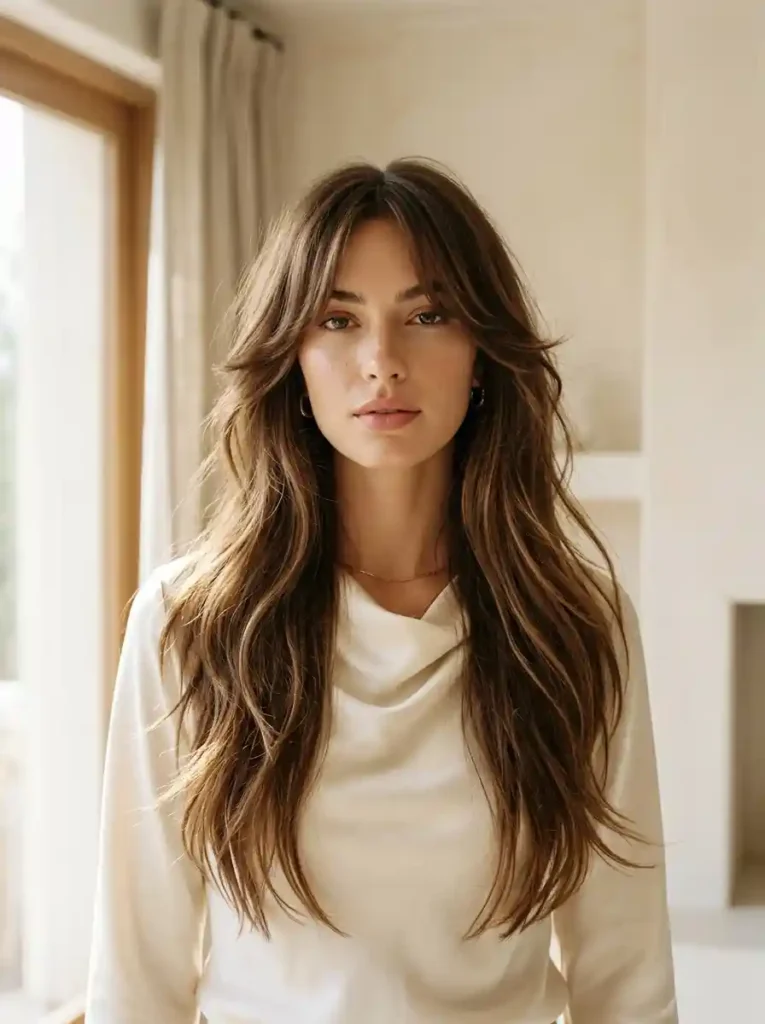
Long hair can support a dramatic wolf cut while retaining a generous amount of length. Curtain bangs soften the front and connect naturally with longer face-framing layers. The result has movement around the crown but still feels flowing through the ends. This version works especially well for people who love layered haircut inspiration but do not want to sacrifice their long hair.
Styling becomes easier when the layers have clear direction. Blow-dry curtain bangs away from the face using a medium round brush, then let the longer layers settle naturally. A small amount of texturizing spray can separate the ends. Stylist Tip: Long wolf cuts benefit from strategic layering because removing too much weight throughout can make the ends look sparse.
3. Short Shaggy Wolf Cut
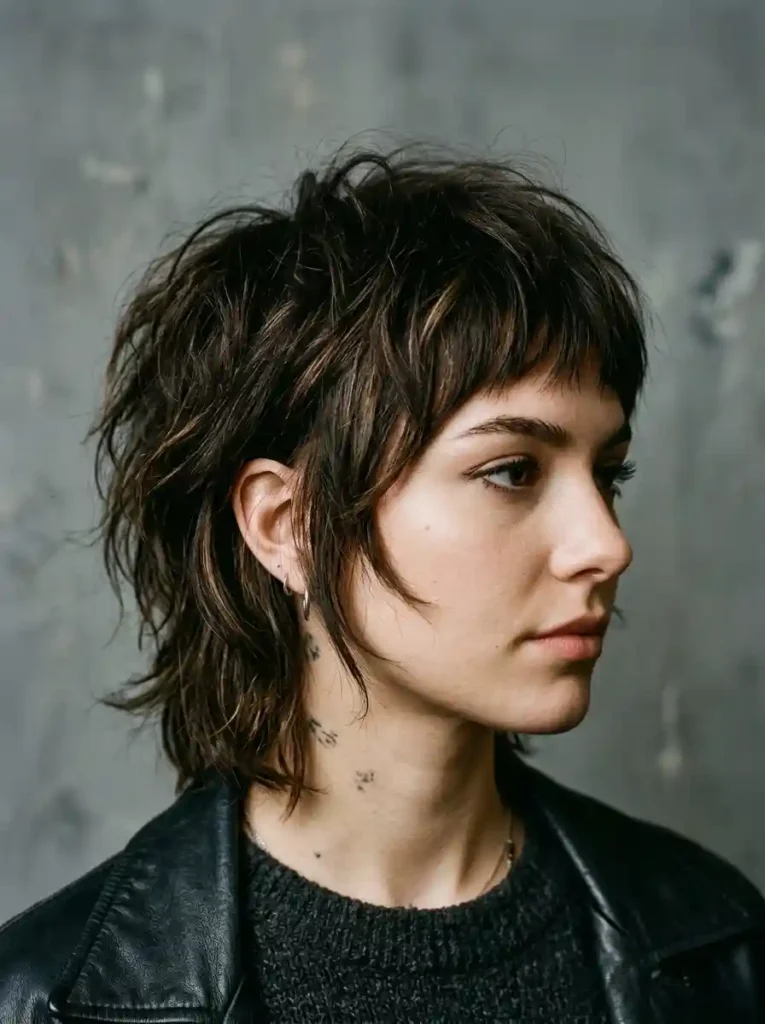
A short shaggy wolf cut creates a noticeably bolder silhouette. Its shorter length lets the crown layers stand out and gives the haircut a lively, undone character. Wispy fringe adds softness across the forehead without creating a heavy block. This look appeals to anyone who wants a low-length transformation with strong texture and an expressive, slightly rebellious finish.
To style it, work a small amount of lightweight styling cream through damp hair. Scrunch the ends instead of brushing them completely smooth. A diffuser can enhance natural bends without flattening the crown. Common Mistake: Applying heavy oil near the roots can reduce the lift that gives this shorter haircut its distinctive shape.
4. Curly Wolf Cut
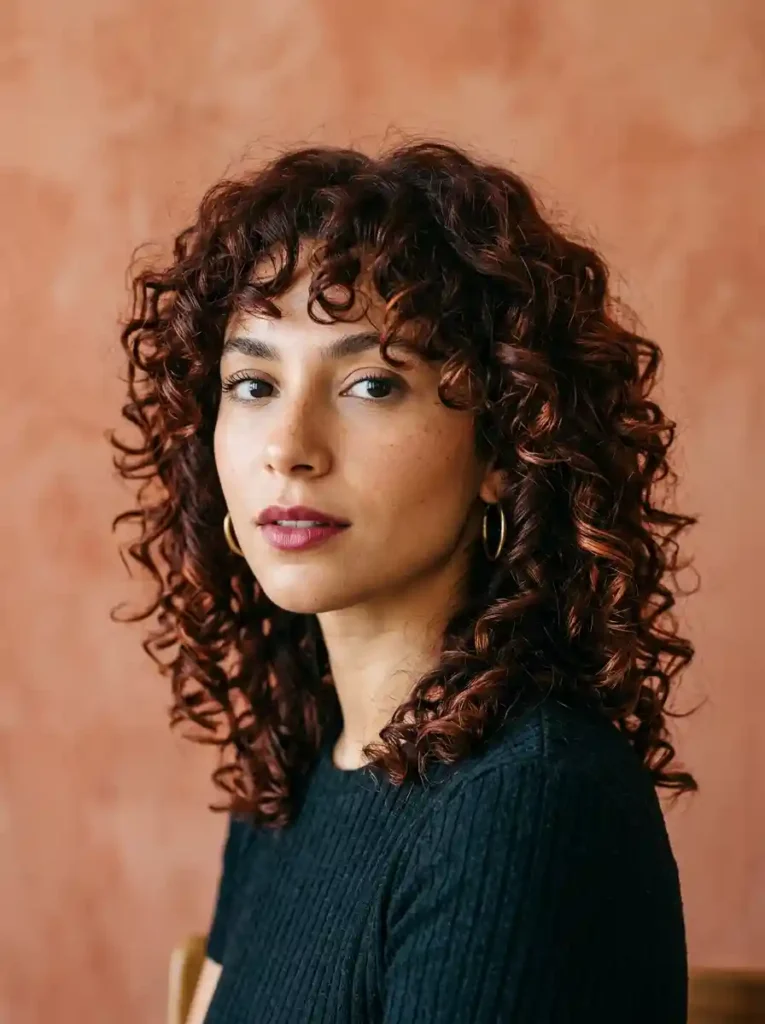
A curly wolf cut works with natural curl patterns rather than forcing every strand into a straight shape. Rounded layers help distribute volume while preserving the lively character of curls. Curly bangs can create a soft frame across the forehead. This version is particularly appealing to people who want their natural texture to become the main feature of the haircut.
Curl-friendly cutting requires careful attention to shrinkage and curl placement. Ask for layers based on your natural curl pattern, preferably with your usual texture visible during consultation. Apply leave-in conditioner and curl cream to soaking-wet hair, then diffuse gently. Pro Tip: Cutting curly hair too aggressively around the crown can create unexpected volume, so gradual layering often offers better control.
5. Wolf Cut With Wispy Bangs
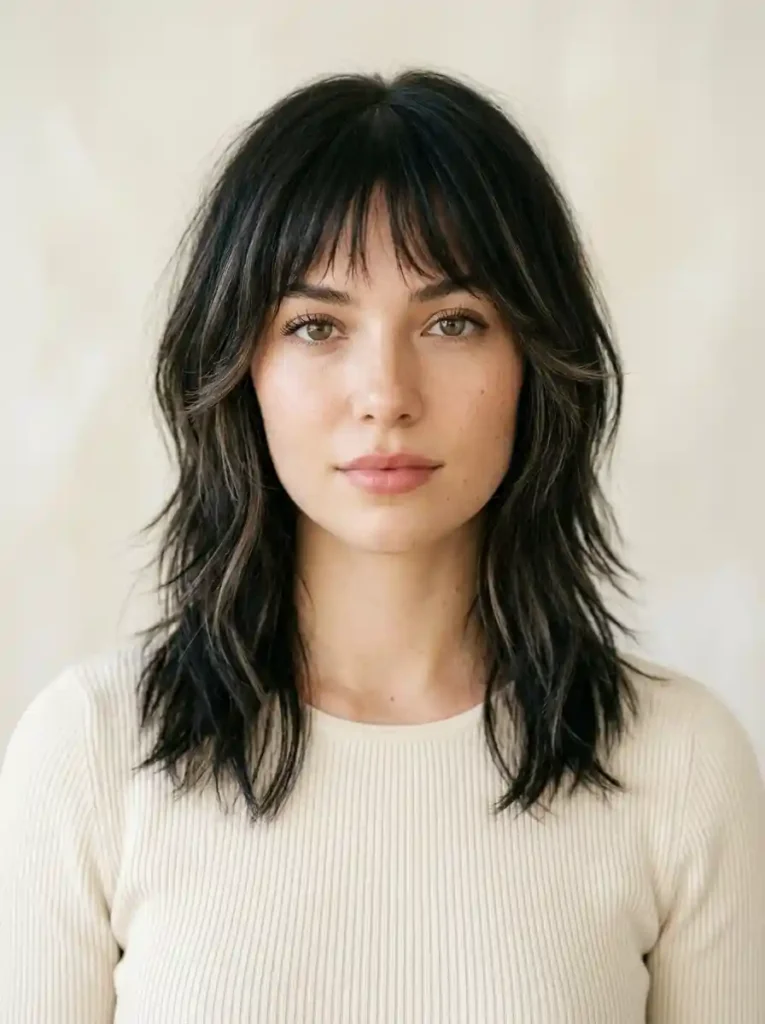
Wispy bangs make a wolf cut feel lighter and less intense around the forehead. The fine fringe separates naturally, allowing small spaces between strands. Feathered layers continue that airy feeling through the sides and ends. This design suits people who want texture but prefer a delicate appearance rather than a strongly chopped fringe.
Wispy bangs usually need minimal product because excessive styling can make them clump together. Blow-dry them forward first, then direct them slightly apart with your fingers. Trim the fringe regularly if you want its light shape to remain consistent. Stylist Tip: Ask for point-cutting at the ends when appropriate, as it can create a softer transition than a blunt fringe.
6. Copper Wolf Cut
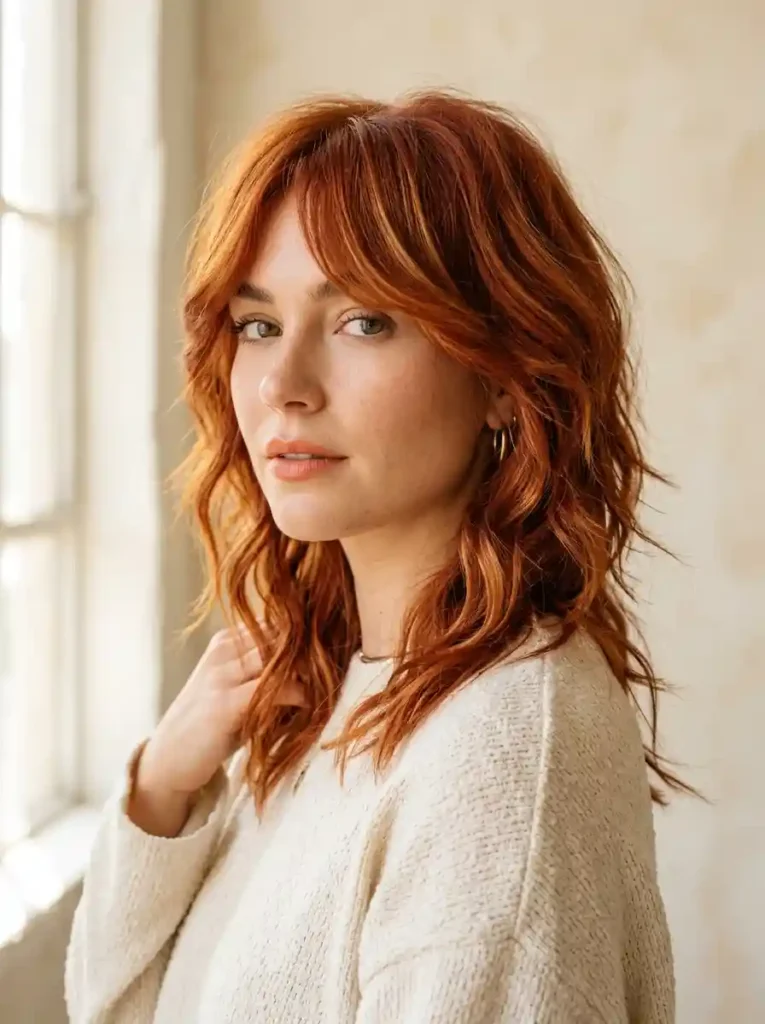
A copper wolf cut combines a textured silhouette with a warm, attention-catching color. The layered shape gives copper tones multiple surfaces to reflect light. Feathered ends keep the color from looking visually heavy. This option suits anyone who wants a noticeable transformation while keeping the overall haircut wearable at shoulder length.
Vivid copper shades can require thoughtful color maintenance because tone may change as the hair is washed. Ask your colorist about a shade that works with your natural base and desired upkeep. Use products designed for color-treated hair and avoid unnecessarily hot water. Pro Tip: Dimensional copper usually appears more natural than one flat shade because the layers reveal subtle tonal variation.
7. Wolf Cut For Fine Hair
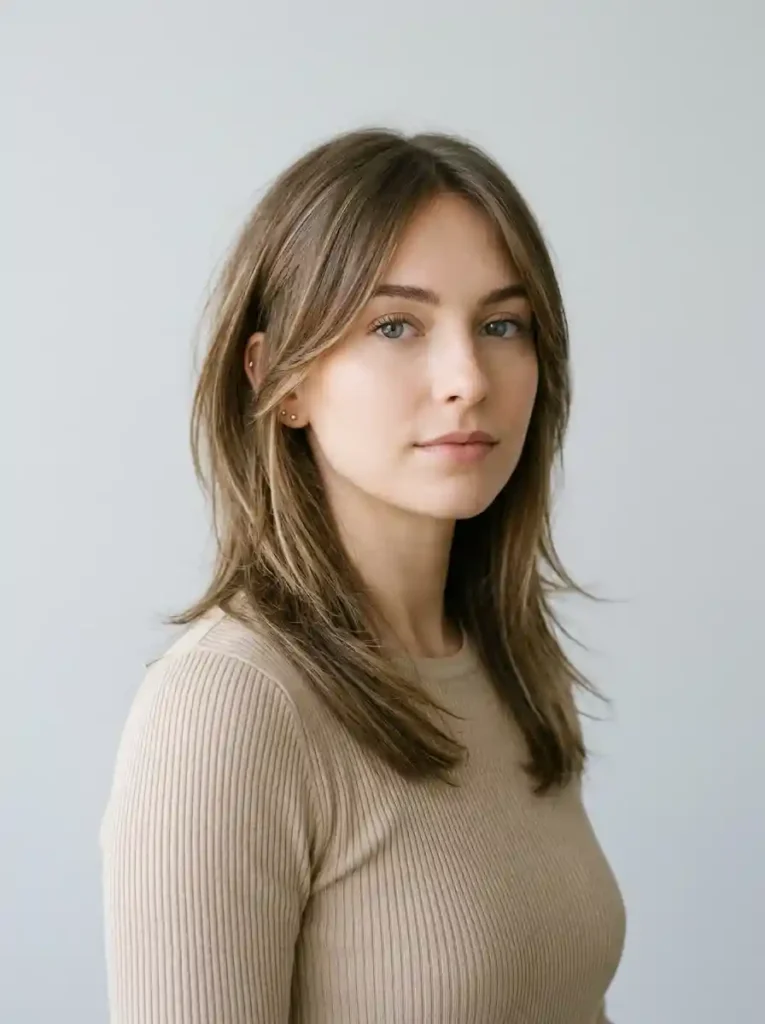
Fine hair can benefit from movement, but excessive layering may remove too much visible density. This softer wolf cut keeps strategic layers near the crown and face while maintaining fuller-looking ends. The result feels textured without becoming overly wispy. It works well for people who want a modern layered shape while still prioritizing a substantial-looking perimeter.
Tell your stylist that maintaining fullness is important before requesting heavy layers. Lightweight volumizing mousse can add body without coating the hair. Blow-drying the roots upward may create temporary lift. Common Mistake: Asking for every section to be heavily layered can make fine hair appear thinner, so controlled layering is usually more practical.
8. Wolf Cut For Thick Hair
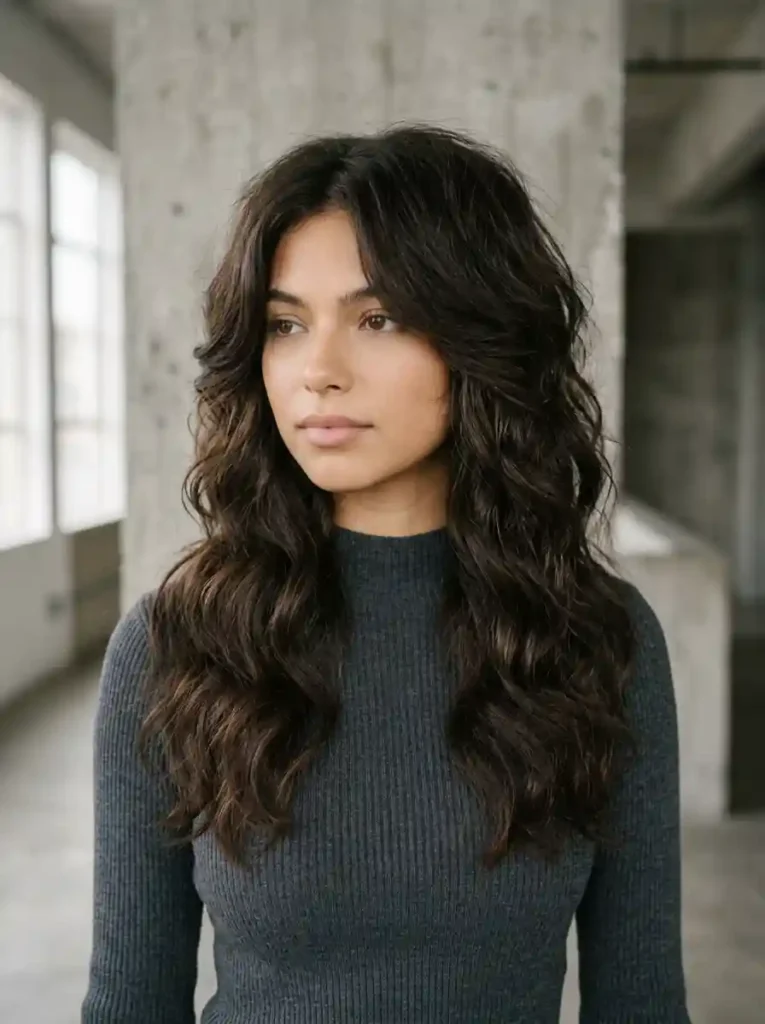
Thick hair can create impressive volume in a wolf cut, especially through the crown and upper sides. Strategic internal texture helps manage bulk while preserving the haircut’s strong silhouette. Longer face-framing sections prevent the style from becoming too compact. This variation suits people who enjoy volume but want their dense hair to feel lighter and more mobile.
A stylist can remove weight internally without dramatically shortening the outer shape. This distinction matters because aggressive thinning can affect how thick hair behaves later. Use a smoothing cream on damp lengths when you want controlled movement. Pro Tip: Ask where weight will be removed before cutting, especially if your hair becomes significantly larger after drying.
9. Black Wolf Cut With Micro Bangs
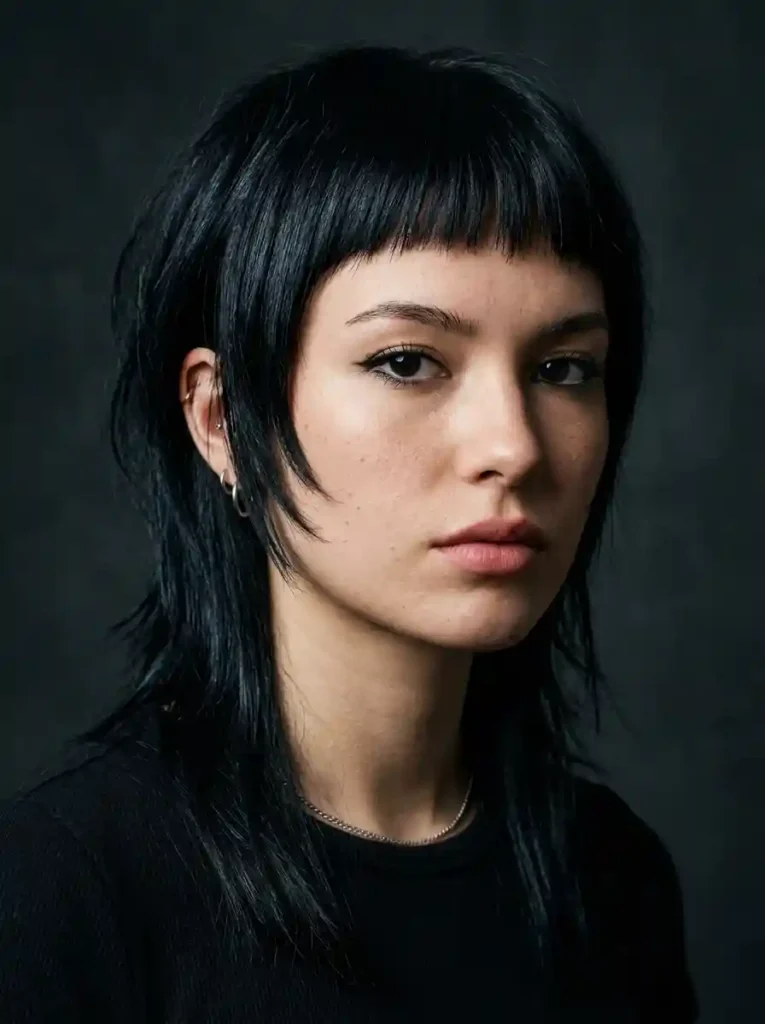
Micro bangs give a wolf cut a distinctive fashion-forward character. Their short length exposes more of the forehead and contrasts with the softer layers around the sides. Deep black color strengthens that contrast and creates a clean visual focus. This option appeals to people who enjoy expressive haircuts and do not mind giving their fringe a prominent role.
Micro bangs require more frequent shaping than longer fringe because small changes are easy to notice. Ask your stylist to consider your natural hairline and growth pattern before cutting them short. Keep styling simple with a small flat brush or fingers. Stylist Tip: Discuss the finished dry length carefully because hair can shift noticeably as it settles after cutting.
10. Wavy Beach Wolf Cut
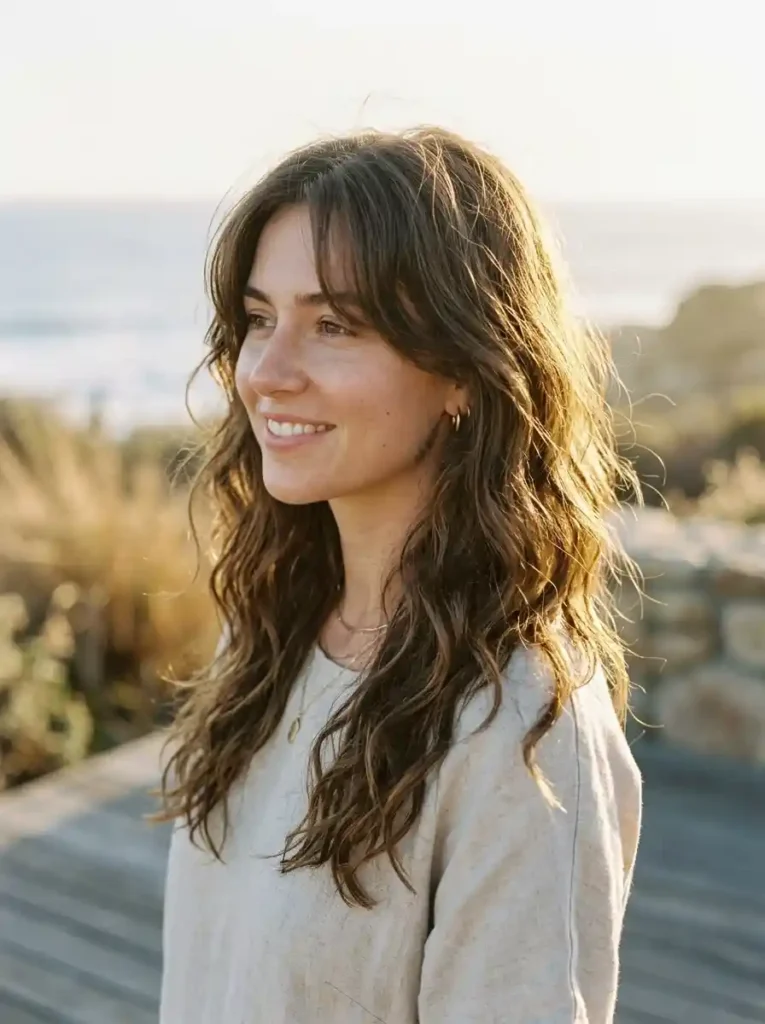
Loose waves naturally complement the uneven movement of a wolf cut. This version uses relaxed layers rather than sharp transitions, creating an effortless coastal feeling. Sunlit highlights add dimension without overwhelming the haircut. It is a good choice for people who want a casual look that still has noticeable structure and shape.
Enhance natural waves with a lightweight sea-salt or texture product when appropriate for your hair. Scrunch damp lengths, then air-dry or diffuse on low heat. Avoid repeatedly brushing the finished waves, which can disrupt their pattern. Pro Tip: Hair that already forms loose waves often needs less styling product than completely straight hair.
11. Blonde Wolf Cut With Face-Framing Layers

Face-framing layers can make a wolf cut feel more customized and visually balanced. This blonde version places brighter pieces around the front while keeping slightly deeper roots for dimension. The longer fringe blends into the sides rather than stopping abruptly. It suits people who want a noticeable haircut but prefer the face area to remain soft and refined.
Ask your stylist to place the shortest face-framing layer where you want attention directed. Styling the front away from the face can reveal the layered shape. Blonde color may require additional care, especially if the hair has been lightened. Stylist Tip: Prioritize hair condition before adding aggressive layers to heavily processed blonde hair.
12. Shoulder-Length Wolf Cut With Side Bangs
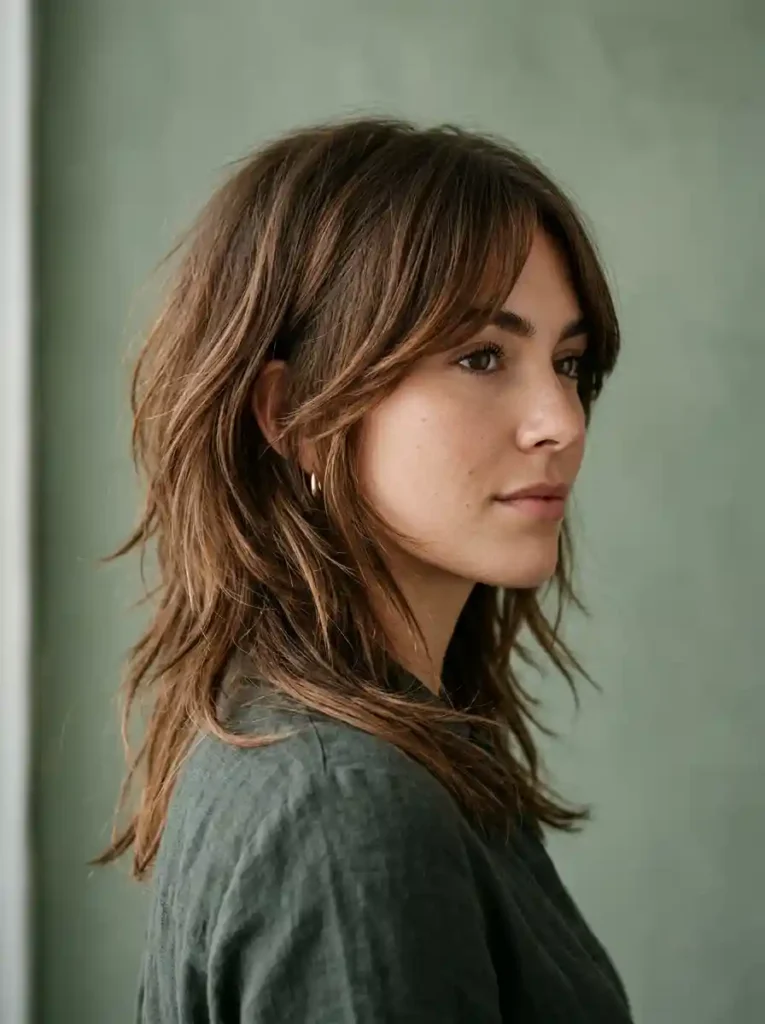
Side bangs create a different mood from the familiar center-parted curtain fringe. They sweep diagonally across the forehead and connect with layered sections near one cheek. The shoulder-length shape keeps the look practical while still offering movement. This variation can suit people who prefer asymmetry or naturally wear their part slightly off-center.
Style the fringe while the hair is still damp so it learns the desired direction. A small round brush can smooth the roots without flattening the crown. If your part changes often, tell your stylist before cutting. Pro Tip: A side fringe usually looks more natural when its shortest point connects gradually into the surrounding face-framing layers.
13. Textured Wolf Cut With Choppy Ends
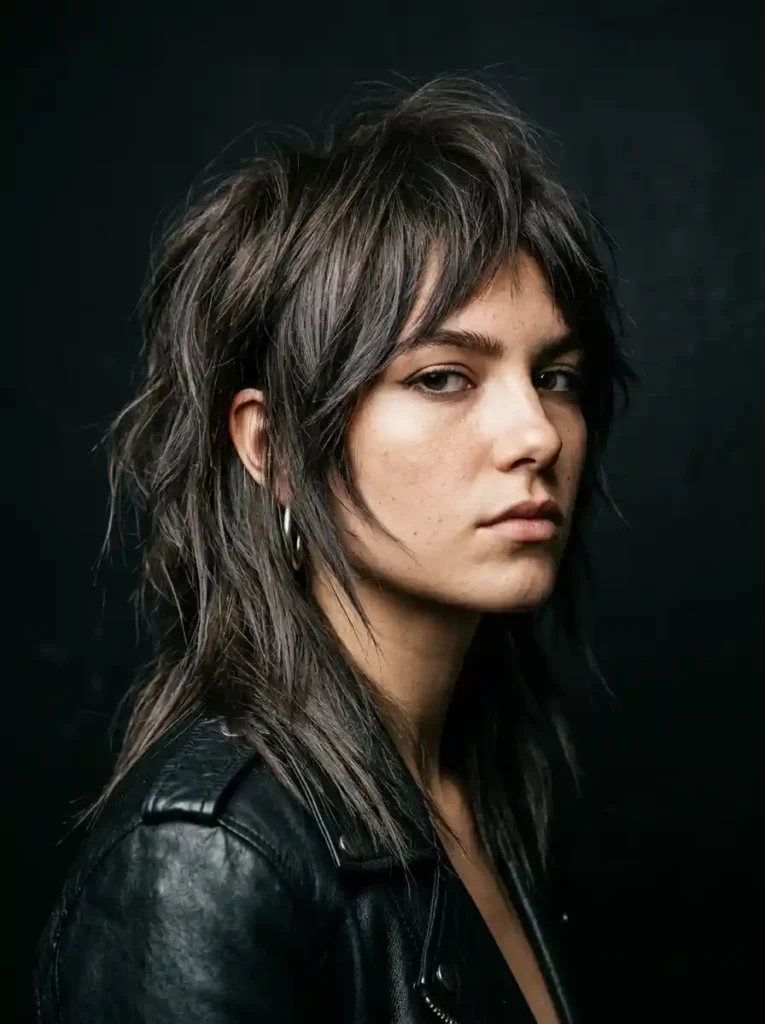
Choppy ends give this wolf cut a stronger, more deliberate edge. The sections look separated rather than softly blended, creating visible texture throughout the silhouette. Dark brown color keeps attention on the haircut’s structure. This version works for people who enjoy alternative fashion and want their haircut to remain expressive even without elaborate styling.
Texture spray or styling paste can emphasize individual pieces after drying. Start with a small amount and build gradually because too much product can make the hair appear greasy. Regular trims help maintain the intentional shape. Common Mistake: Randomly chopping layers at home can create uneven weight distribution that is difficult for a stylist to correct.
14. Soft Wolf Cut With Long Layers
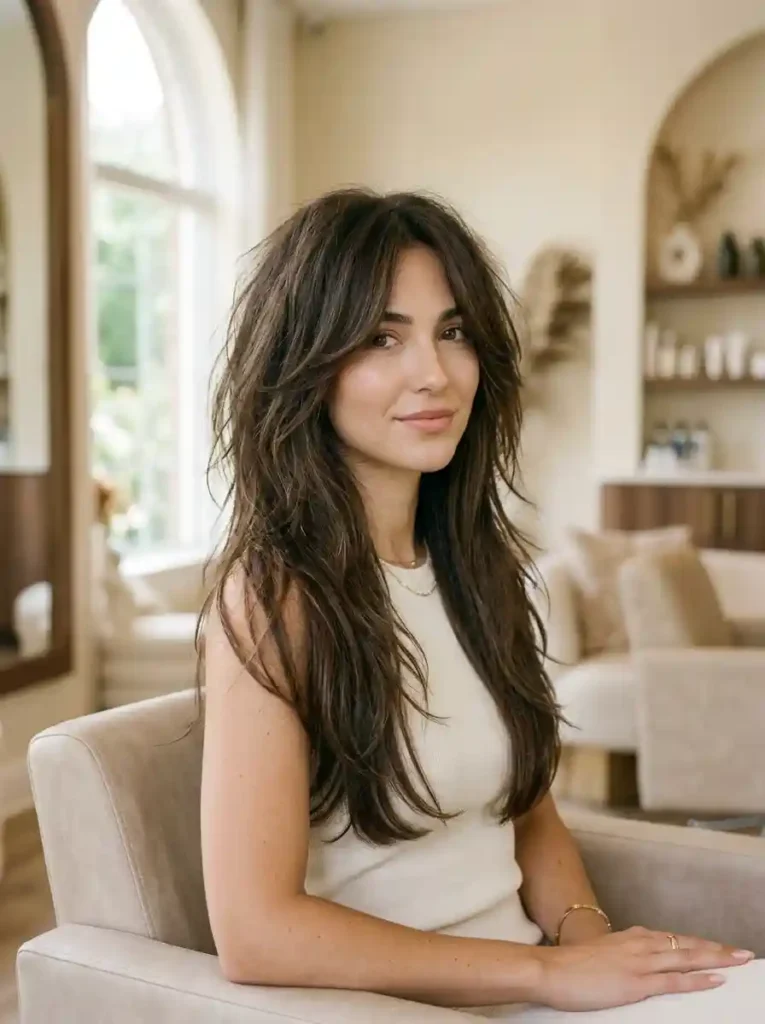
Long layers create one of the most understated ways to wear a wolf cut. The shape has movement around the crown and face without a sharply shortened back. This makes it appealing to people who want the layered character of a wolf cut but prefer an elegant, flowing silhouette. It can also transition easily between casual and polished styling.
Ask for gradual layers if you want the haircut to remain long and versatile. Large rollers or a round brush can create soft bends through the face-framing sections. Air-drying may reveal a more relaxed finish. Pro Tip: Keeping the longest layer close to your existing length can make a major haircut feel less intimidating.
15. Wolf Cut With Red Peekaboo Color
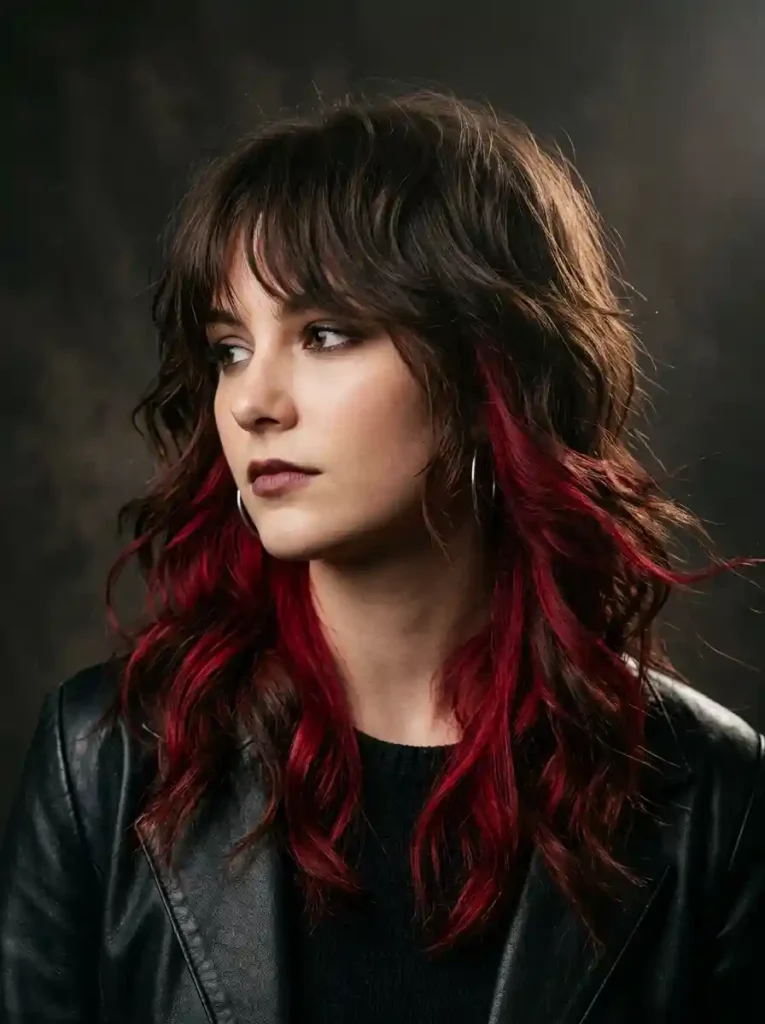
Peekaboo color turns the layered construction into part of the visual design. Dark outer hair keeps the overall look wearable, while ruby-red sections appear when the layers move. The contrast is especially effective around the sides and underneath the crown. This idea suits anyone who wants colorful hair without committing to an entirely bright head of color.
Discuss placement carefully with your colorist because hidden sections can be customized for subtlety or drama. Bright shades may need separate maintenance from the natural-looking top layer. Use gentle washing habits to preserve the contrast. Stylist Tip: Color placement should follow the haircut’s movement so the brighter sections reveal themselves naturally.
16. Wolf Cut With Curved Curtain Fringe

A curved curtain fringe creates a gentle opening across the forehead and blends smoothly into the cheekbone layers. Unlike a short straight fringe, it keeps the front airy and adaptable. The medium length balances the crown volume with softer ends. This version is a strong choice for readers who want a classic-looking fringe within a modern textured haircut.
Use a round brush to sweep each side outward while drying from the roots. Let the ends cool before separating them with your fingers. If your hair tends to fall forward, a light styling spray can improve hold. Pro Tip: Curtain fringe usually benefits from a little lift at the root rather than heavy product through the ends.
17. Mullet-Inspired Wolf Cut
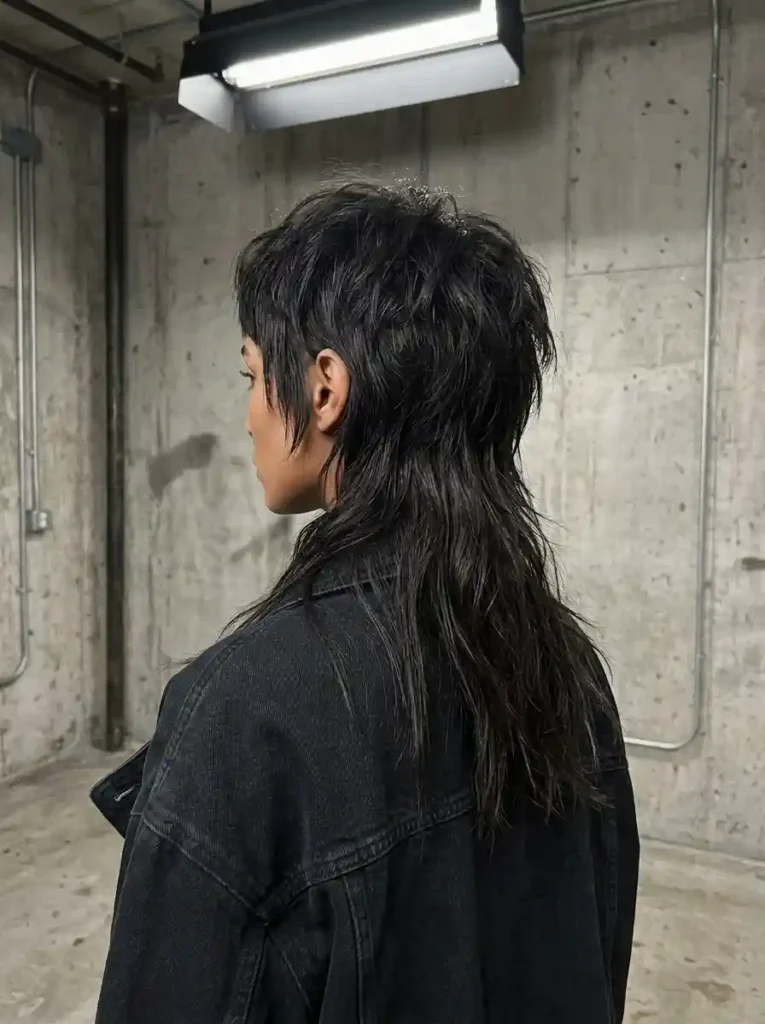
This version pushes the wolf cut closer to its mullet-inspired roots. The crown is shorter and more textured, while the back retains a noticeably longer section. That contrast creates a strong silhouette from side and rear views. It suits adventurous wearers who want a haircut with visible attitude rather than a softly blended everyday shape.
Because the back length defines this style, explain how much contrast you want before the cut begins. Styling paste can emphasize separation through the crown and sides. Regular shaping keeps the transition intentional. Stylist Tip: Bring reference photos showing the side profile because the back-to-front balance can be difficult to explain using only a front-facing image.
18. Pastel Pink Wolf Cut
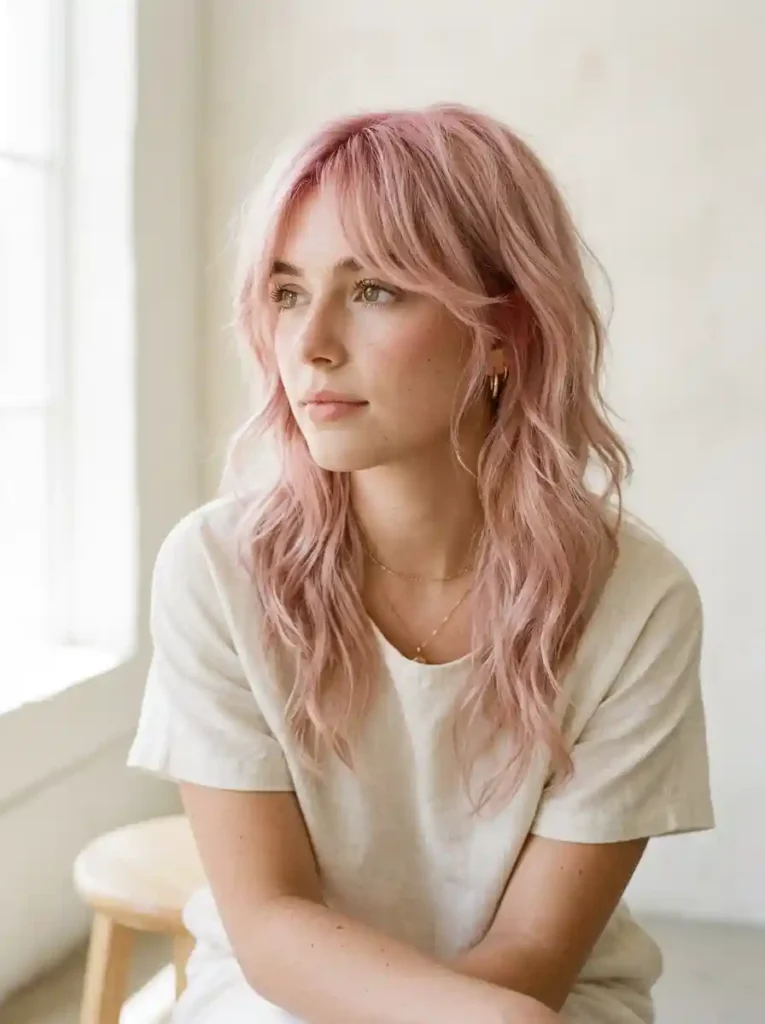
Pastel pink gives a soft wolf cut an entirely different personality. The delicate color contrasts with the haircut’s layered movement, creating a romantic alternative look. Keeping the layers airy prevents the overall design from feeling visually heavy. This option appeals to people who enjoy expressive color but want the haircut itself to remain soft and approachable.
Pastel shades generally require careful color upkeep because light tones can shift as they fade. Ask your colorist whether your existing hair needs lightening before applying the desired shade. Use gentle washing and cooler water where practical. Pro Tip: A slightly deeper root can make pastel color easier to grow out and can add useful visual depth.
19. Wolf Cut With Bottleneck Bangs
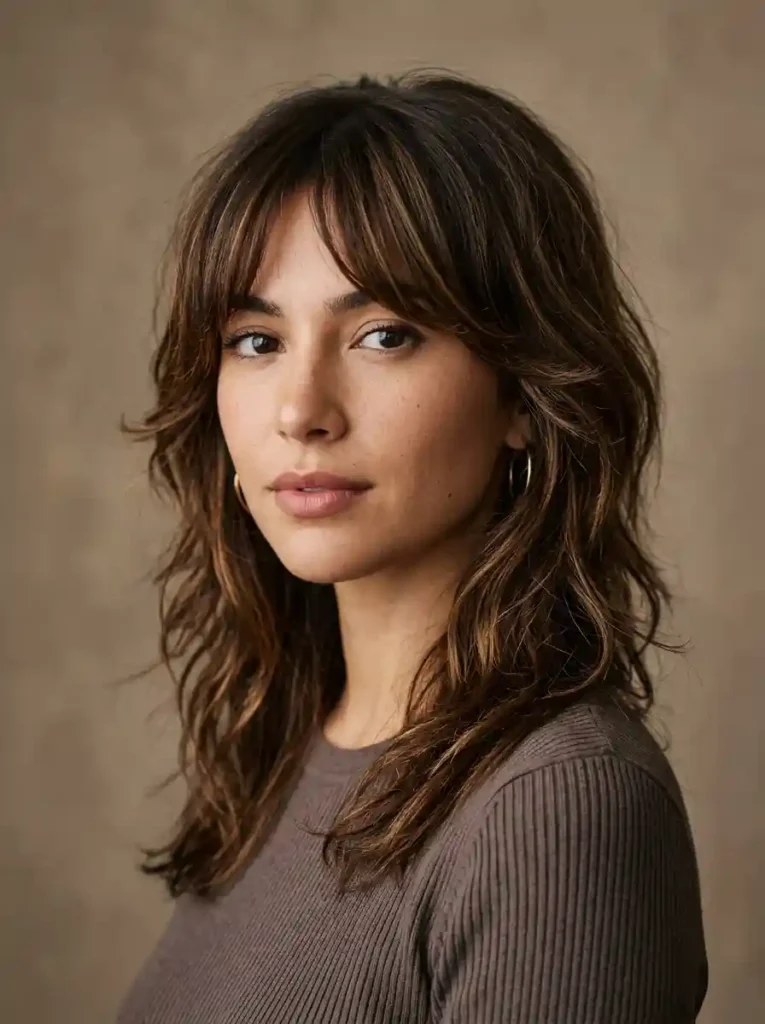
Bottleneck bangs offer a structured alternative to classic curtain fringe. They begin narrower near the center and gradually widen toward the temples, creating a curved transition into the layered sides. Paired with a wolf cut, they add definition without forming a heavy straight line. This option suits people who want noticeable bangs with a softer growing-out shape.
Style the center section lightly forward, then direct the outer portions toward the temples. Avoid loading the fringe with thick creams that may separate the shape unevenly. Regular trims help preserve the distinctive curve. Stylist Tip: Ask for the fringe to connect into your face-framing layers so it does not look like a separate haircut.
20. Wolf Cut For Straight Hair
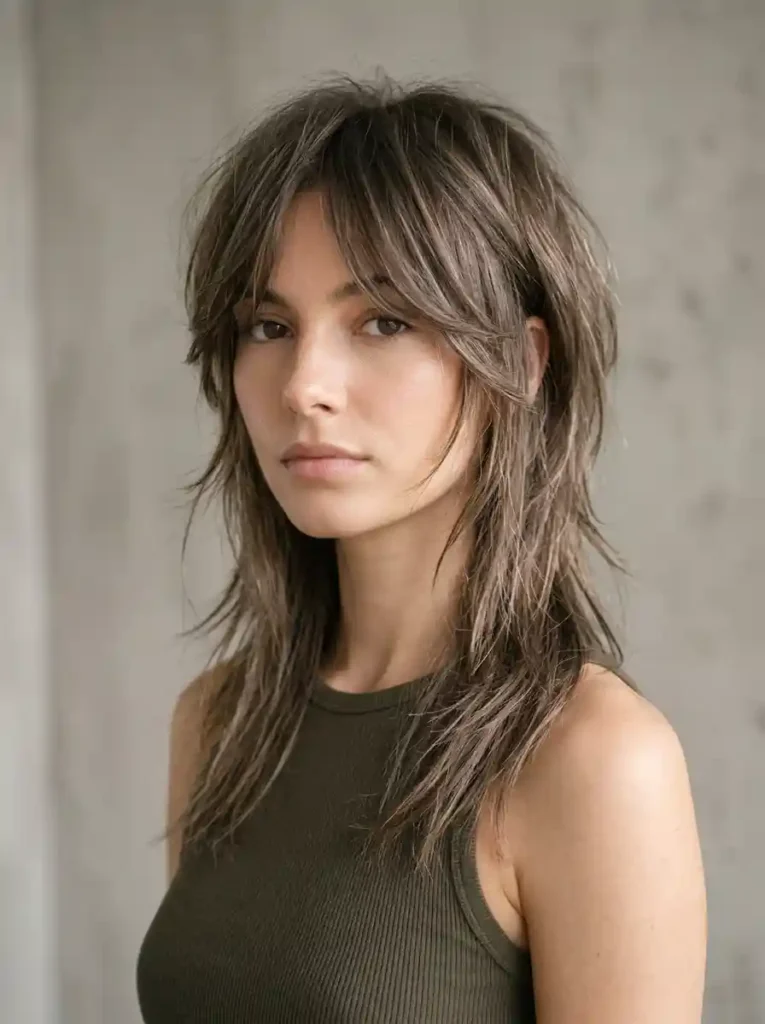
Straight hair makes the architecture of a wolf cut especially visible. Layers show clearly because there is less natural wave to soften their transitions. This version uses controlled texture around the crown and ends while keeping the main lengths smooth. It suits people who like a cleaner interpretation of the trend and prefer polished hair over deliberately messy styling.
Use a heat protectant whenever applying hot tools. A flat iron can refine the lengths, while a small round brush can shape the face-framing sections. Finish with minimal serum on the ends. Pro Tip: Straight hair reveals uneven layering quickly, so choose a stylist who is comfortable creating balanced textured shapes.
21. Wolf Cut With Natural Gray Blending
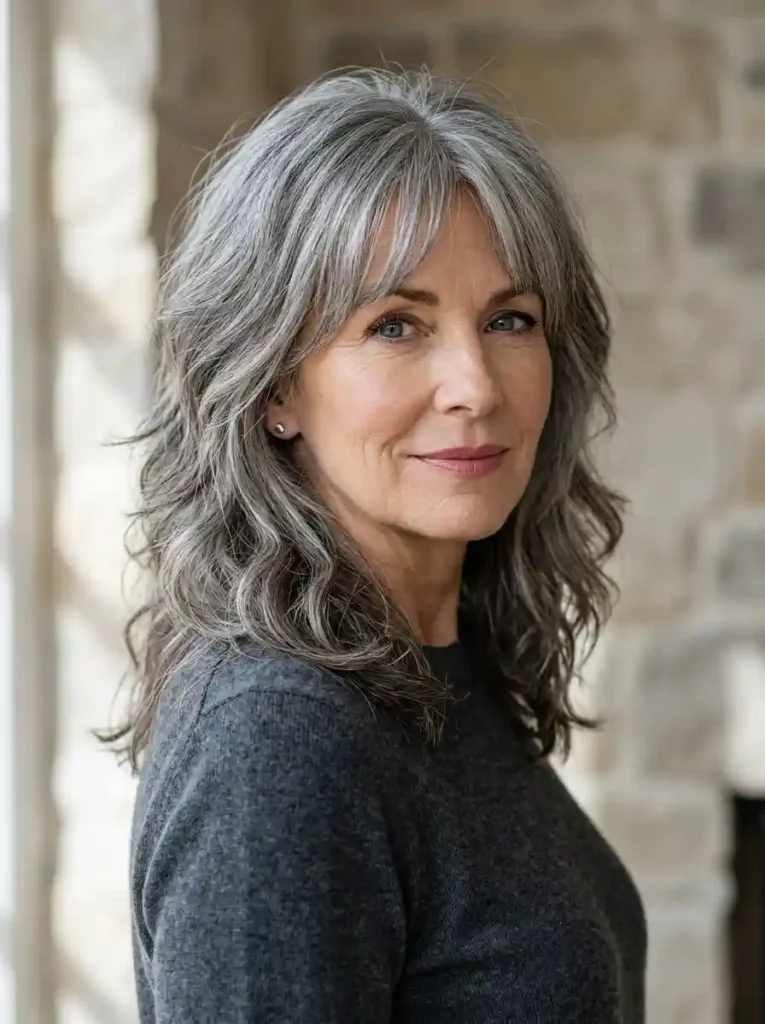
Natural gray variation can add beautiful dimension to a wolf cut without requiring a single uniform color. Silver and darker strands catch light differently across the layers, emphasizing movement. Soft bangs and feathered sections keep the overall shape relaxed. This style works for anyone who wants their natural color variation to become part of their haircut rather than something to hide.
Ask your stylist to work with your existing gray pattern instead of automatically covering it. Purple shampoo may be useful for some gray or silver hair, but overuse can create unwanted cool tones. Pro Tip: Gray hair can have a different texture from pigmented strands, so product choice may need to change across the head.
22. Wolf Cut With Soft Face-Framing Layers
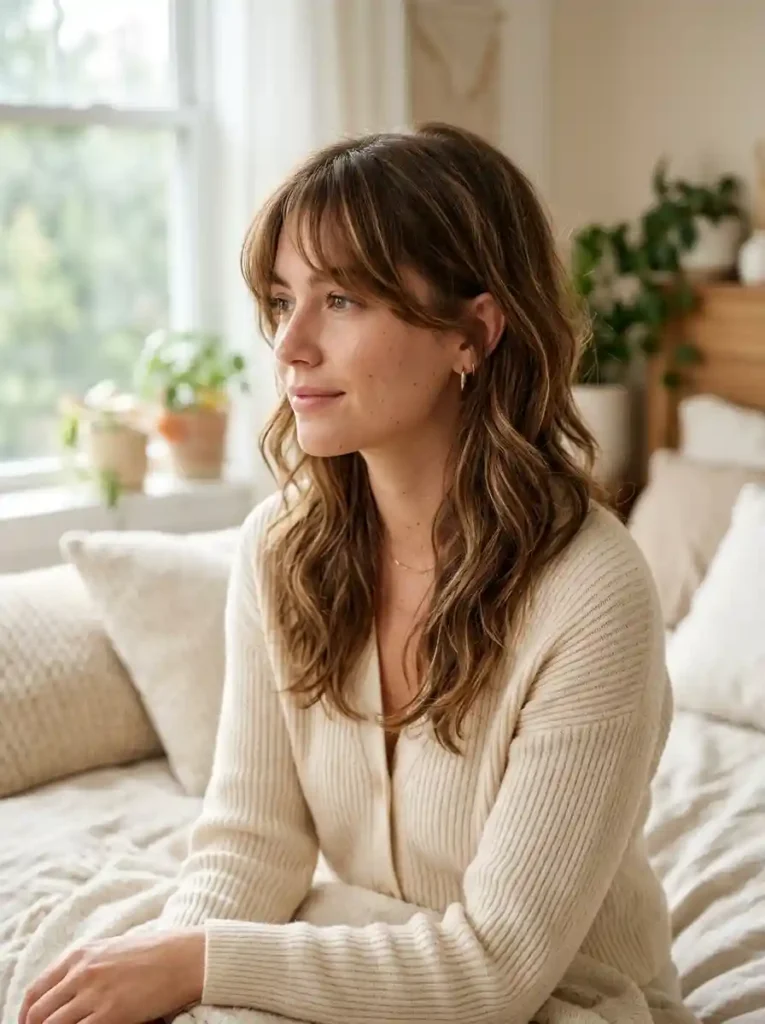
Soft face-framing layers create a wearable version of the wolf cut without relying on extreme chopping. The layers begin around the face and gradually merge into the sides and back. Loose waves make the transitions appear even softer. This idea suits people who want movement near the face but prefer a restrained overall silhouette.
Tell your stylist exactly where you want the shortest front layer to sit. Cheekbone, jawline, and chin lengths create different visual effects and styling needs. Use a round brush or large rollers for gentle movement. Stylist Tip: Face-framing layers should complement your natural part because changing the part can alter how the shortest sections sit.
23. Voluminous 70s-Inspired Wolf Cut
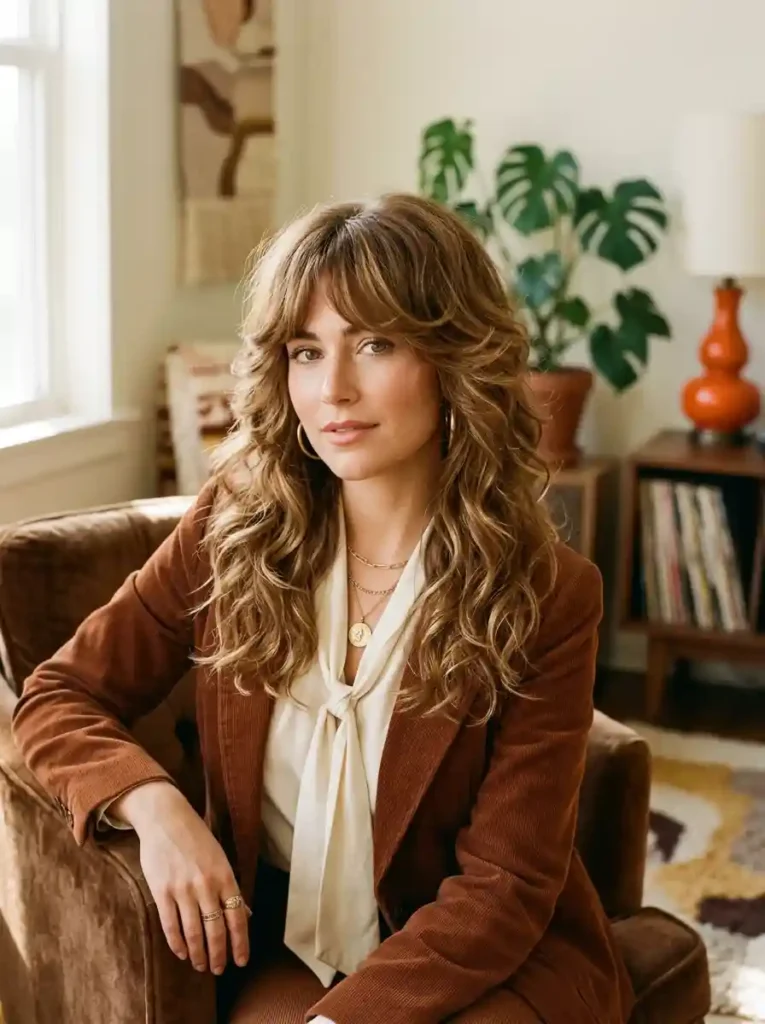
A 70s-inspired wolf cut emphasizes volume, sweeping layers, and feathered movement. The rounded crown creates fullness, while curtain bangs flow into the longer side sections. Warm brunette and golden highlights reinforce the retro feeling without making the haircut look costume-like. This version is ideal for people who enjoy classic blowouts and want a richer, more glamorous interpretation.
For maximum volume, apply mousse at the roots before blow-drying with a round brush. Roll the front sections away from the face and allow them to cool before brushing through. Pro Tip: Volume lasts longer when the hair cools in its lifted shape, so avoid immediately flattening freshly styled sections.
Frequently Asked Questions
What is a wolf cut hairstyle?
A wolf cut is a layered haircut that combines shag-inspired texture with a mullet-like silhouette. It usually features shorter layers around the crown and longer sections toward the back.
Is a wolf cut good for fine hair?
Yes, but fine hair usually benefits from controlled layering. Keeping more weight through the ends can help the haircut look fuller and prevent excessive wispy texture.
Can a wolf cut work with curly hair?
Yes. Curly hair can work beautifully with a wolf cut when the layers account for natural curl pattern and shrinkage. A stylist should assess the hair in its natural texture.
How often should a wolf cut be trimmed?
Many people can maintain the general shape with trims every few months. Bangs and highly textured versions may need more frequent shaping if you want a precise silhouette.
Is a wolf cut high maintenance?
Maintenance depends on the length, texture, bangs, and styling method. A soft, naturally wavy wolf cut can be relatively easy, while bold fringe or heavily textured shapes require more regular styling.
How do I ask my stylist for a wolf cut?
Bring several reference photos showing the front, side, and back. Explain your usual styling routine, natural texture, preferred length, and how much volume you want around the crown.
Conclusion
The best wolf cut is not necessarily the most dramatic one. Your ideal version should match your hair texture, preferred length, styling routine, and comfort level with maintenance. Soft layers can make the trend approachable, while bold bangs, vivid color, or stronger mullet-inspired shaping can create a more expressive result. Save the ideas that match your personal style, then show your favorites to your stylist before your next appointment.


