
A layered lob is one of those haircuts that manages to feel polished, modern, and effortlessly stylish without requiring a dramatic change in length. Falling somewhere between the chin and collarbone, the long bob offers enough versatility to wear sleek and straight, tousled and textured, or beautifully curled. Add layers, and the possibilities become even more exciting.
Whether you’re looking for extra volume, softer movement, a face-framing shape, or a low-maintenance hairstyle that works with your natural texture, there’s a layered lob worth considering. The right cut can make fine hair appear fuller, give thick hair a lighter feel, and bring definition to waves that sometimes look weighed down by a blunt shape.
In this collection, you’ll discover 25 stylish lob with layers ideas, from sophisticated cuts with subtle internal layers to shaggy, beachy styles with plenty of personality. Each look offers a different way to personalize this versatile haircut, along with practical styling advice to help you decide what might work best for your hair type, face shape, and everyday routine.
1. Classic Shoulder-Length Lob With Soft Layers
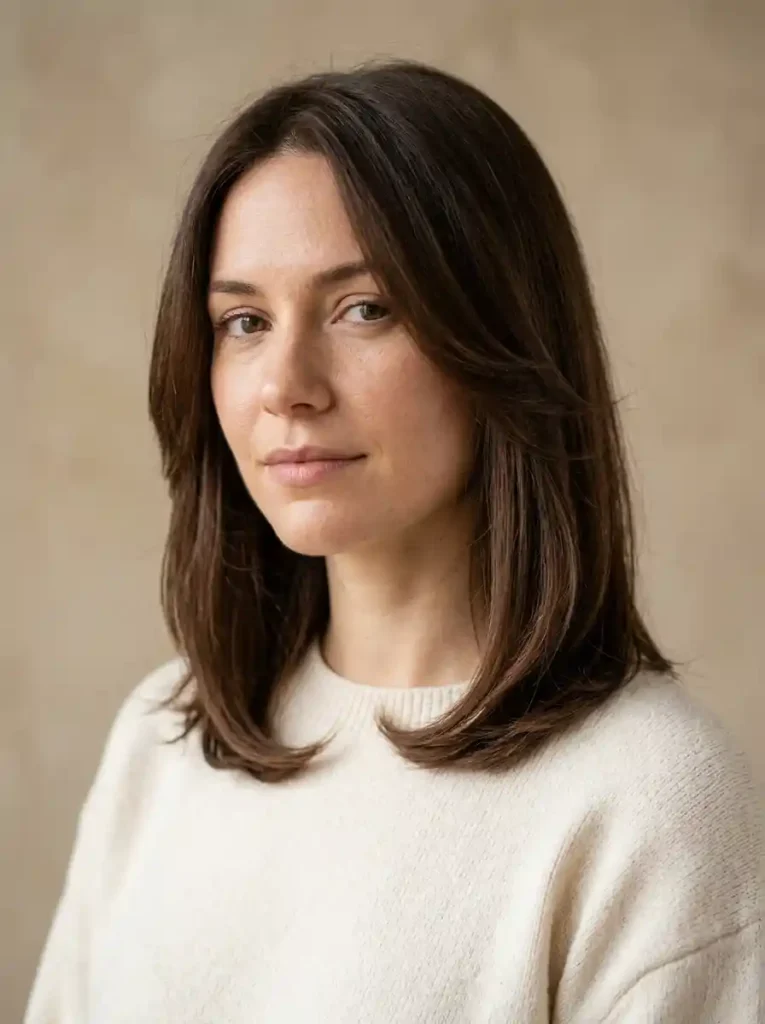
The classic shoulder-length lob with soft layers is an excellent starting point if you want a haircut that feels fresh without looking overly styled. The length rests around the shoulders, while gentle layers prevent the ends from appearing heavy or stiff. This shape works particularly well for straight and slightly wavy hair, offering enough structure to look neat while retaining natural movement. Ask your stylist for blended layers rather than dramatic steps to keep the silhouette smooth and flattering.
Styling this lob is wonderfully straightforward. Apply a lightweight heat protectant, then blow-dry with a medium round brush, directing the ends slightly inward for a refined finish. If your hair has a natural wave, let it air-dry with a smoothing cream for a softer appearance. Regular trims every six to eight weeks can help maintain the shape, especially around the perimeter. This versatile cut transitions easily from office outfits to relaxed weekend clothing without requiring a completely different styling routine.
2. Textured Lob With Choppy Layers

If a perfectly smooth bob feels too conservative, a textured lob with choppy layers brings personality and movement to the haircut. The ends are deliberately less uniform, creating a relaxed finish that looks especially appealing on naturally wavy hair. This style can also work on straight hair when a stylist adds carefully placed texture. The key is balance: enough separation to create an effortless appearance, but not so much thinning that the ends become wispy or difficult to manage.
To style it, work a small amount of texturizing cream or lightweight paste through dry hair, concentrating on the mid-lengths and ends. Twist a few sections between your fingers to emphasize the layers, then loosen everything with your hands rather than brushing it smooth. Fine hair usually benefits from minimal product, while thicker hair can handle a slightly richer formula. If you prefer a lived-in look that still feels intentional, this layered lob offers an easy alternative to a traditional polished bob.
3. Long Lob With Face-Framing Layers
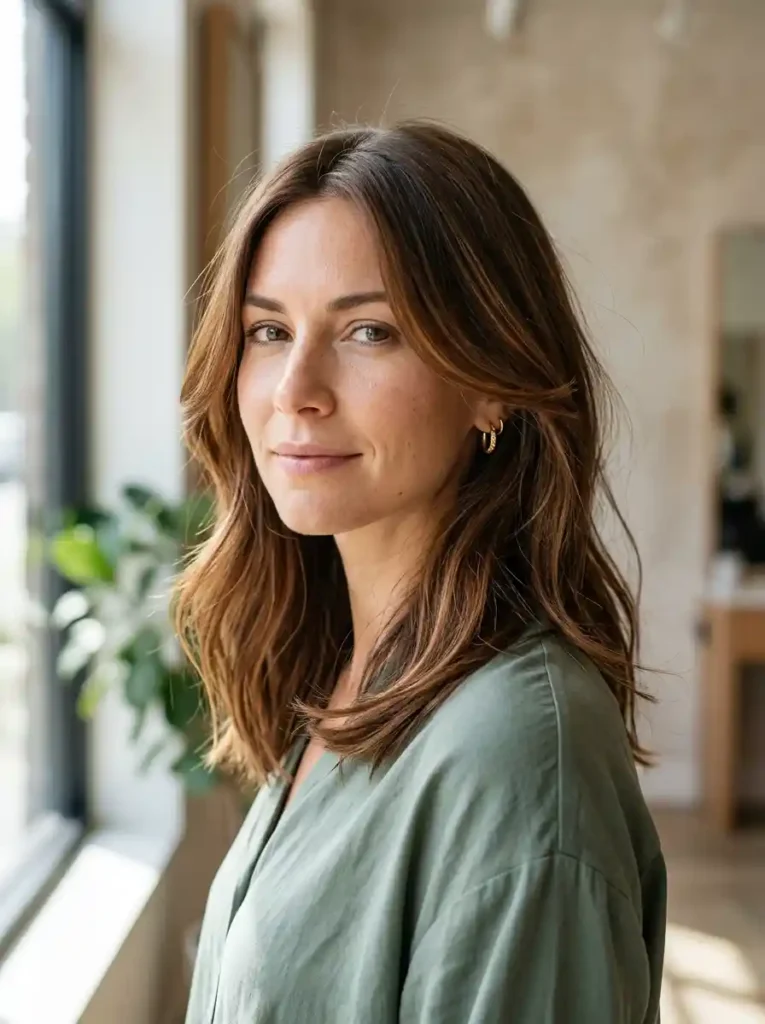
Face-framing layers offer a subtle way to personalize a long lob without sacrificing its overall length. Shorter pieces around the front create movement near the cheekbones, jawline, and chin, depending on where your stylist begins the graduation. This option suits anyone who wants a softer outline or finds that one-length hair hangs too heavily around the face. Bring reference photographs to your appointment and discuss how the shortest pieces will behave when your hair is tucked behind your ears.
For everyday styling, direct the front sections away from your face with a round brush or a medium-barrel curling iron. Alternate the direction of longer bends through the remaining hair to avoid an overly uniform finish. If you wear glasses, mention their frame shape during your consultation so the layers complement rather than crowd them. These pieces may need a little extra attention as they grow, but they can make even a simple ponytail or half-up hairstyle look more thoughtfully styled.
4. Wavy Lob With Loose, Beachy Layers

A wavy lob with beachy layers captures that relaxed, slightly windswept finish without requiring genuinely salty ocean air. The layers help separate waves so they appear more defined instead of forming one bulky shape. This haircut is particularly appealing for naturally wavy hair, although straight hair can achieve a similar effect with a curling wand. Ask for layers that enhance your existing pattern rather than removing too much weight, which can sometimes make waves expand unpredictably.
After washing, scrunch a lightweight curl-enhancing mousse into damp hair and allow it to air-dry or use a diffuser on low heat. Once dry, separate a few sections with your fingers instead of brushing out the texture. A tiny amount of finishing oil can soften dry-looking ends, but avoid applying heavy products near the roots. The beauty of this style lies in its irregularity, so don’t worry about making every wave identical. A slightly imperfect finish is what keeps the haircut feeling fresh and relaxed.
5. Sleek Lob With Invisible Layers
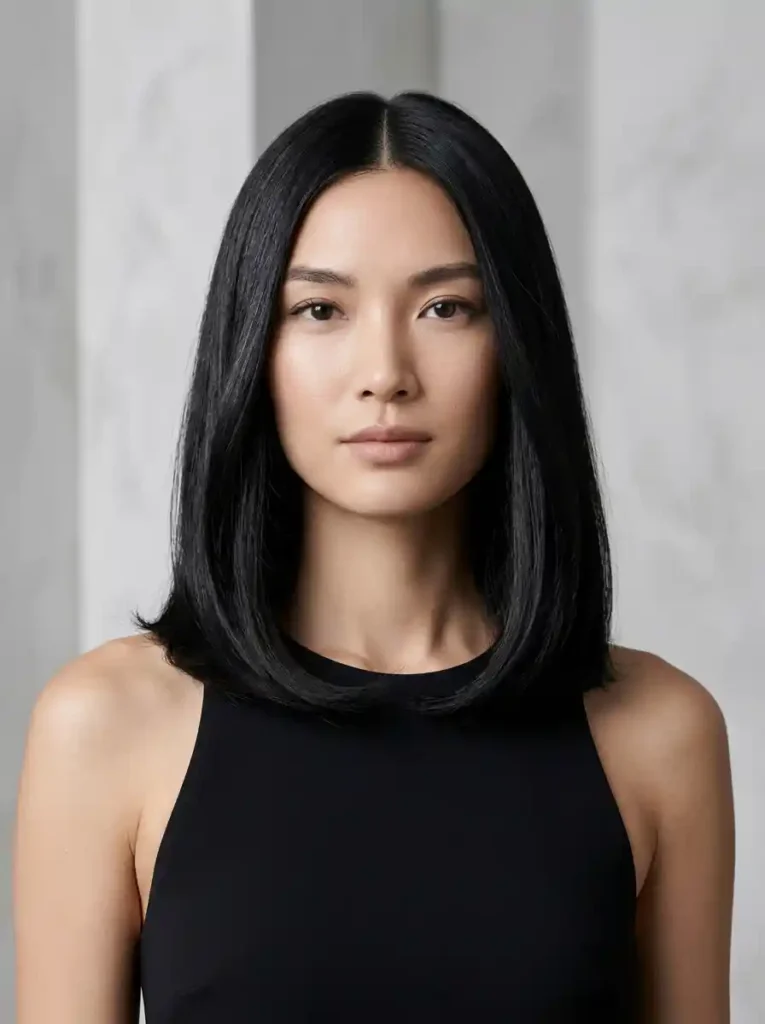
Invisible layers are ideal when you want the clean appearance of a sleek lob but don’t want your hair to feel excessively heavy. Rather than creating obvious shorter pieces, the stylist removes small amounts of weight internally to encourage movement and make the haircut easier to shape. This technique can suit thick hair particularly well, although the placement must be carefully adjusted for finer strands. The outside silhouette stays smooth, making the style an appealing choice for minimalist wardrobes and polished professional looks.
A sleek finish depends as much on preparation as on the haircut itself. Apply heat protectant and a smoothing product sparingly, then blow-dry in controlled sections with a paddle brush. A flat iron can refine stubborn bends, but repeated passes may damage the cuticle, so use moderate heat suited to your hair’s condition. Finish with a tiny amount of lightweight serum on the ends. Ask your stylist to preserve enough density around the perimeter so the lob maintains a healthy, substantial appearance.
6. Layered Lob With Curtain Bangs

Curtain bangs bring extra softness to a layered lob while creating a noticeable change around the face. The fringe separates near the center and sweeps outward, connecting with the longer front layers instead of forming a heavy, straight line across the forehead. This combination works with many hair lengths and can be adapted for straight, wavy, or lightly curly textures. Your stylist should consider your natural growth pattern, because a strong cowlick can affect how the bangs sit without daily styling.
The fringe is the part that usually needs the most attention. Blow-dry the roots from side to side while the hair is damp, then use a small round brush to direct each side outward. Keep the rest of the lob relatively relaxed with a few loose bends or a smooth finish. If you’re new to bangs, ask for a slightly longer version initially, allowing you to adjust the length after experiencing the daily routine. A quick morning refresh can make the entire haircut look more intentional.
7. Feathered Lob With Airy Layers

Feathered layers create a lighter, flowing effect than blunt or heavily textured ends. The stylist shapes individual sections so they blend smoothly and move away from the face, giving the lob a graceful outline. This approach can be especially attractive on medium-density hair that needs movement without looking deliberately messy. It can also soften thick hair, provided the feathering is controlled. If your hair is very fine, request restrained layering to prevent the ends from appearing too sparse.
To recreate the feathered finish, blow-dry small sections with a round brush, lifting slightly at the roots and turning the brush away from the face near the ends. A large curling iron can help define a few pieces, but keep the bends loose rather than tightly curled. Lightweight volumizing spray adds lift without making the hair stiff. Feathered layers can lose their shape as they grow, so schedule maintenance according to how quickly your hair changes and how precise you want the outline to remain.
8. Shaggy Lob With Modern Layers

A modern shaggy lob is a strong option for anyone who prefers movement and individuality over a perfectly symmetrical haircut. Its defining features include shorter layers around the crown, textured mid-lengths, and ends that appear deliberately relaxed. Depending on your preference, the style can include fringe or remain open around the forehead. It often works beautifully with naturally wavy hair, but straight hair can also carry the shape when the layers are cut to support the desired texture.
Styling should enhance the haircut’s natural separation rather than force every strand into place. Scrunch mousse into damp hair, diffuse gently, and use your fingertips to lift the roots once the hair is nearly dry. A small amount of texture spray can emphasize individual pieces, particularly around the crown and ends. Avoid excessive brushing if you want to preserve the shag’s definition. Before committing, discuss how much layering you want, because a heavily layered shag can require a different styling routine from a softer, more blended lob.
9. Layered Lob for Fine Hair

Fine hair can benefit from a layered lob when the layers are placed carefully and the overall outline retains enough density. The goal is not to remove as much weight as possible; it is to create movement while preserving the impression of fuller ends. A long bob that sits near the collarbone often provides useful versatility, and a subtle graduation near the front can keep the shape from looking flat. Tell your stylist if your hair becomes transparent at the ends when cut too short.
For styling, begin with a lightweight root-lifting spray and blow-dry the roots in the opposite direction from their natural fall before setting them into place. Use a medium round brush to add a little bend through the ends, then allow the hair to cool before touching it. Heavy oils, rich creams, and excessive conditioner near the roots can flatten fine strands. If your hair loses volume during the day, a small amount of dry shampoo at the roots can refresh the shape without requiring a complete restyle.
10. Layered Lob for Thick Hair
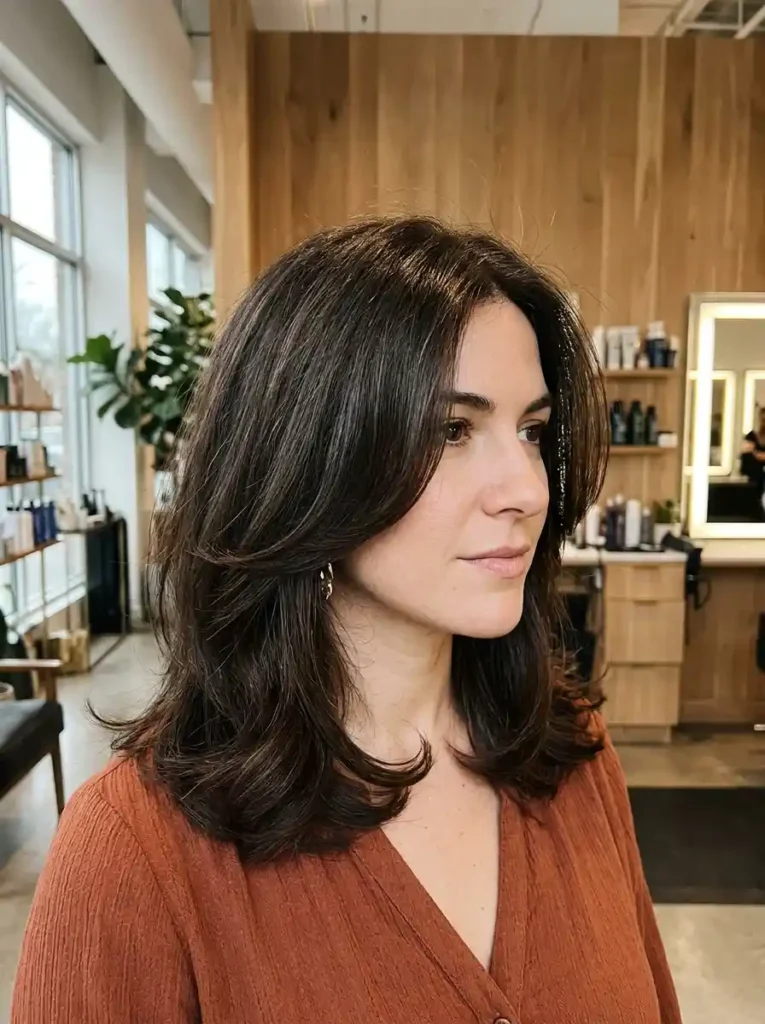
Thick hair can make a lob look luxurious, but without thoughtful shaping, the ends may feel bulky or spread outward. Blended internal layers reduce excess weight while allowing the outside shape to remain cohesive. Longer face-framing pieces can further distribute volume, especially if your hair tends to puff around the jawline. The best layering pattern depends on whether your strands are straight, wavy, or curly, so your stylist should assess how the hair naturally settles instead of cutting solely from a reference photo.
At home, section the hair before blow-drying so the roots and underneath layers dry properly. A smoothing cream can improve manageability, while a large round brush helps shape the ends without flattening everything against the head. If your hair is naturally wavy, consider enhancing that texture rather than trying to eliminate it completely. Ask your stylist to avoid excessive thinning at the ends, which can create uneven, fluffy sections as the haircut grows. The aim is lighter movement, not loss of the hair’s natural fullness.
11. Inverted Lob With Soft Graduation
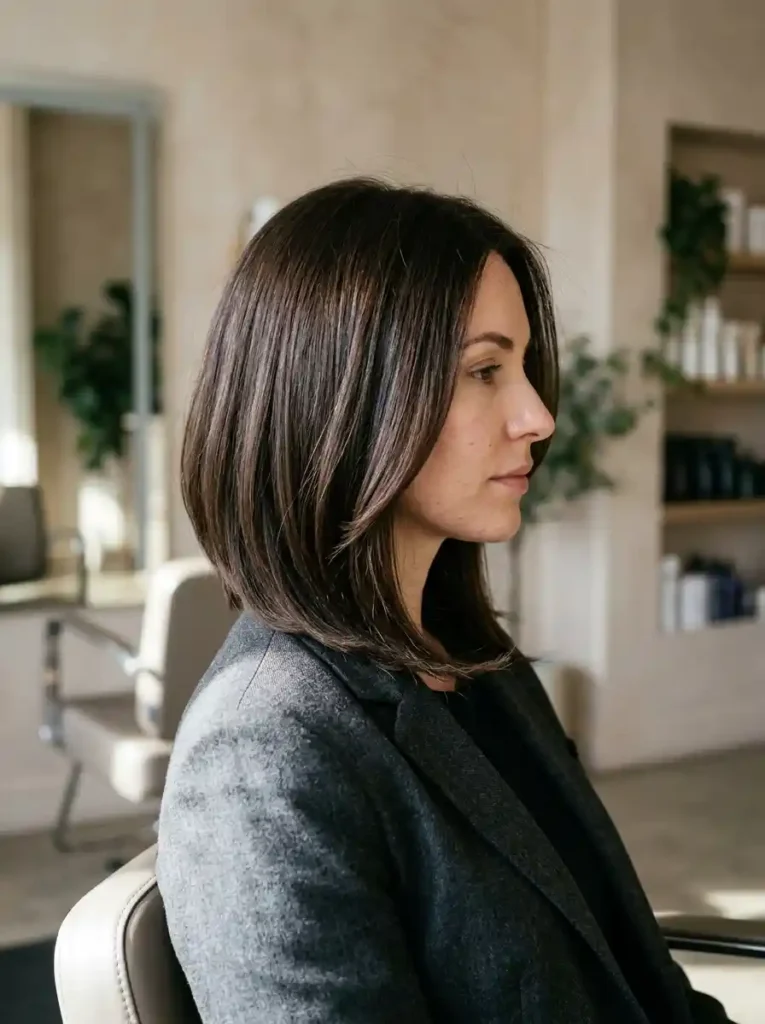
An inverted lob introduces a more architectural shape by keeping the back slightly shorter than the front. Soft graduation adds lift near the nape, while the longer front pieces create an elegant line toward the collarbone. This style is especially effective if you enjoy a structured haircut with a little more personality than a traditional long bob. The angle can be subtle or pronounced, depending on your comfort level and how much styling time you’re willing to spend maintaining the shape.
To preserve the silhouette, blow-dry the back sections close to the head with a paddle brush, then shape the longer front pieces with a round brush. Straight or gently wavy hair tends to show the graduation clearly, although textured hair can also work with customized shaping. Because the back can lose definition as it grows, regular salon visits may be helpful. If you frequently tie your hair up, tell your stylist so the front length and nape shape remain practical for your routine.
12. Curly Lob With Rounded Layers
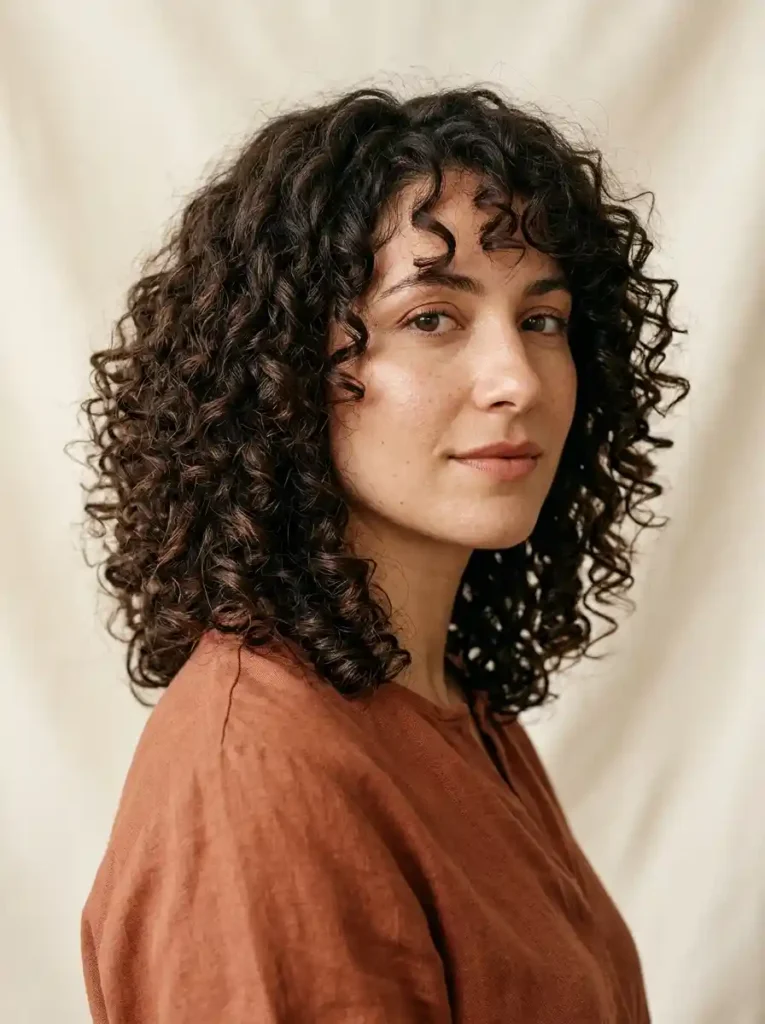
A curly lob needs layers that respect the natural spring and shrinkage of each curl. Rounded shaping distributes volume around the head, allowing the haircut to feel balanced instead of wide at the bottom. The finished length may appear shorter once the curls dry, so discuss your preferred dry length with a stylist experienced in cutting textured hair. This approach can suit loose curls as well as tighter patterns, provided the layering technique is tailored to the curl’s density and behavior.
Apply a leave-in conditioner or curl cream to soaking-wet or damp hair, depending on what your texture responds to best. Use your fingers to distribute the product evenly, scrunch gently, and diffuse on low heat or allow the curls to dry naturally. Avoid brushing the finished hair, since that can disrupt curl definition and create unwanted frizz. A well-shaped curly lob should work with your texture rather than require constant straightening, making it a practical choice for embracing your natural pattern.
13. Lob With Wispy Bangs and Layers
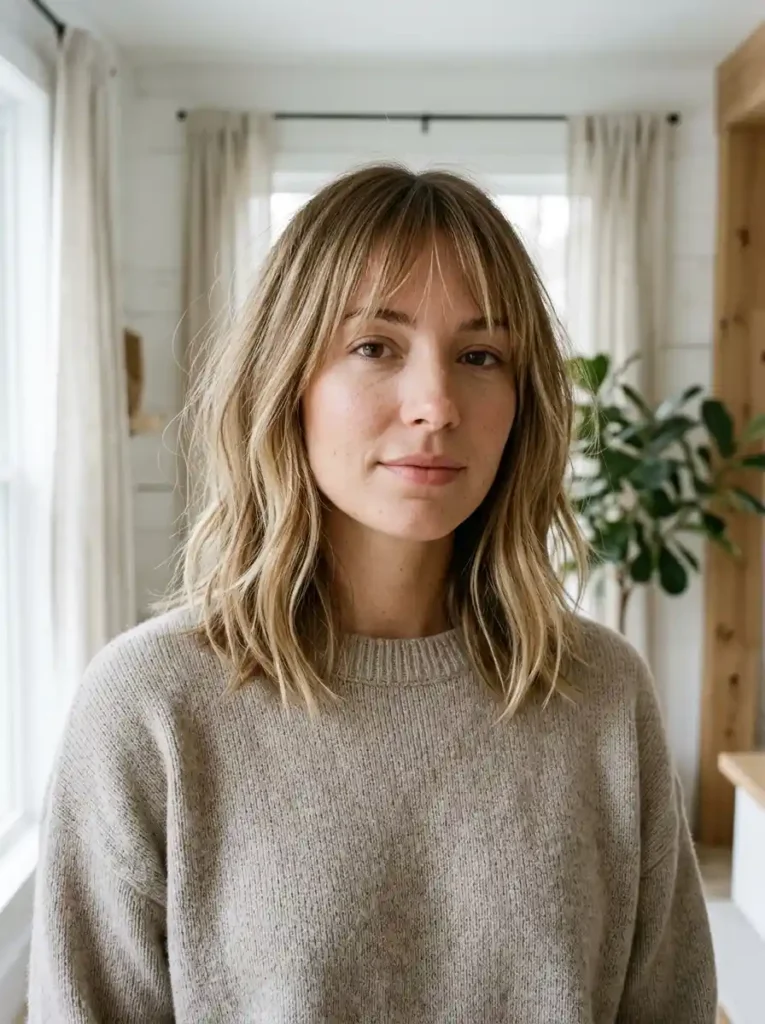
Wispy bangs offer a lighter alternative to full fringe, making them an appealing addition to a layered lob when you want a little change without covering the forehead completely. Their airy texture blends naturally with face-framing layers and works particularly well with softly waved or straight hair. The fringe should be tailored to your hairline and density; very fine hair may need a restrained amount of bang to avoid sacrificing fullness elsewhere. Ask for a shape that can also be swept aside when you want variety.
Keep wispy bangs looking fresh by drying them soon after washing, before they have time to settle into their natural parting. Use a small brush and gentle airflow, directing the fringe from side to side for a more flexible finish. The rest of the lob can be styled with a loose bend or worn straight. Because bangs grow out visibly faster than the rest of the haircut, occasional fringe trims can help preserve their airy shape between full salon appointments.
14. Layered Lob With Caramel Balayage
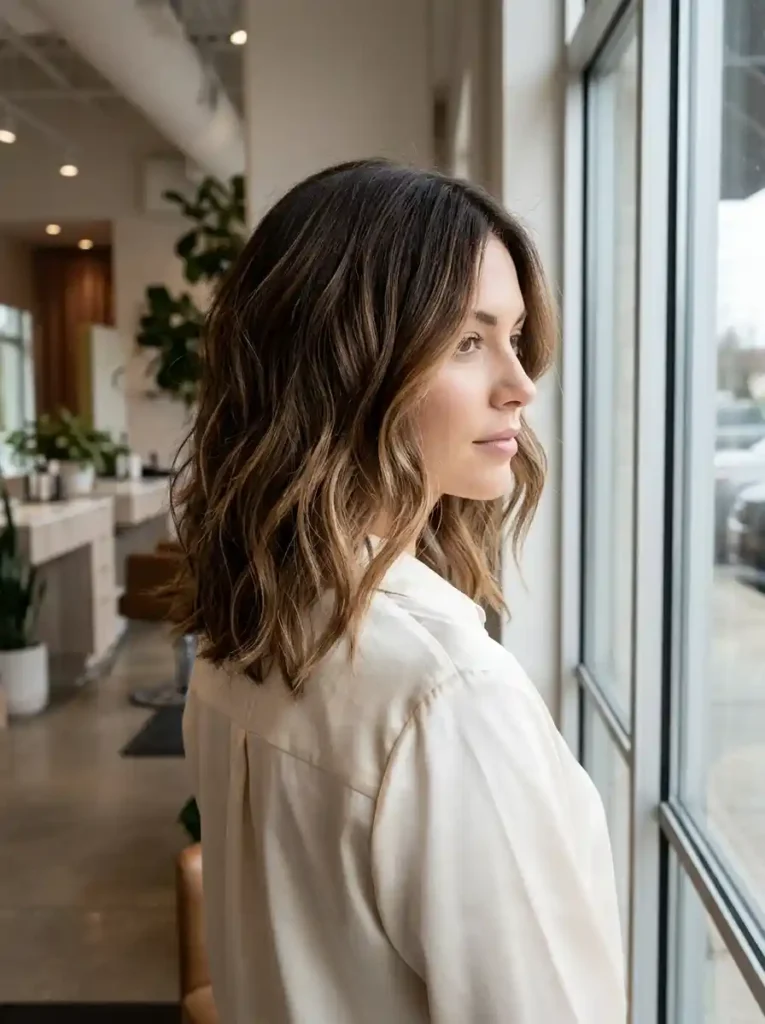
Caramel balayage adds visual dimension to a layered lob without requiring a uniform highlight pattern from root to tip. The lighter pieces catch the light as the hair moves, helping individual layers stand out. This combination can be adapted to dark brown, medium brown, or warmer brunette bases, with the exact caramel shade selected to complement your natural coloring and maintenance preferences. Ask your colorist to place the brightest sections where they will enhance the haircut rather than simply applying highlights evenly throughout.
To keep the color looking polished, use a shampoo formulated for color-treated hair and condition the mid-lengths and ends regularly. Heat protection matters because repeated high-temperature styling can affect both hair condition and color appearance. Soft waves are a particularly effective styling choice when you want to show the balayage’s dimension, but the color also looks attractive on a smooth blowout. Discuss root blending and glossing appointments with your colorist so you understand the upkeep before choosing your preferred level of contrast.
15. Blunt Lob With Subtle Layers
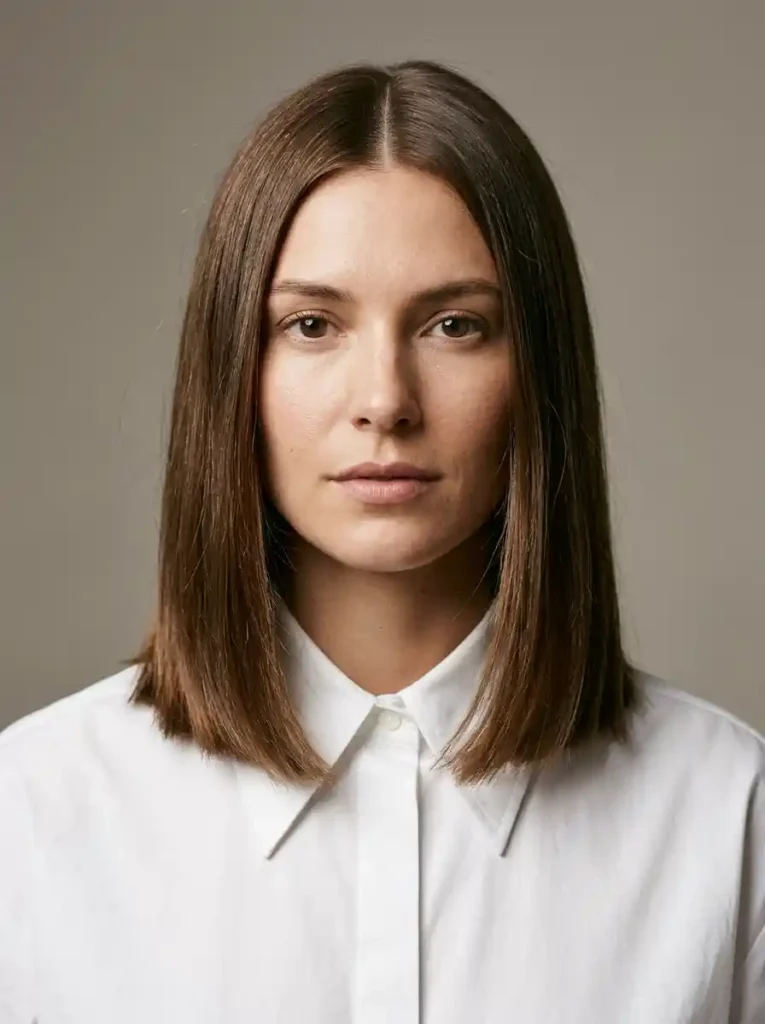
A blunt lob with subtle layers is ideal if you love a strong outline but don’t want your hair to look stiff. The perimeter remains the visual focus, creating a clean line that can make the haircut appear dense and intentional. Minimal internal shaping helps the hair move more naturally without introducing obvious shorter sections. This combination often suits fine to medium hair particularly well, while thicker hair may need carefully placed internal weight removal to avoid excessive bulk beneath the smooth exterior.
The most effective styling approach is simple: blow-dry in sections, keep the ends aligned, and use a flat iron only where necessary. A small amount of lightweight smoothing serum can reduce flyaways without making the roots greasy. This haircut also works nicely with a deep side part, which introduces asymmetry without changing the actual cut. Schedule trims when the perimeter starts looking uneven, because a blunt finish makes small differences in length more noticeable than they would be in a heavily textured style.
16. Side-Parted Layered Lob
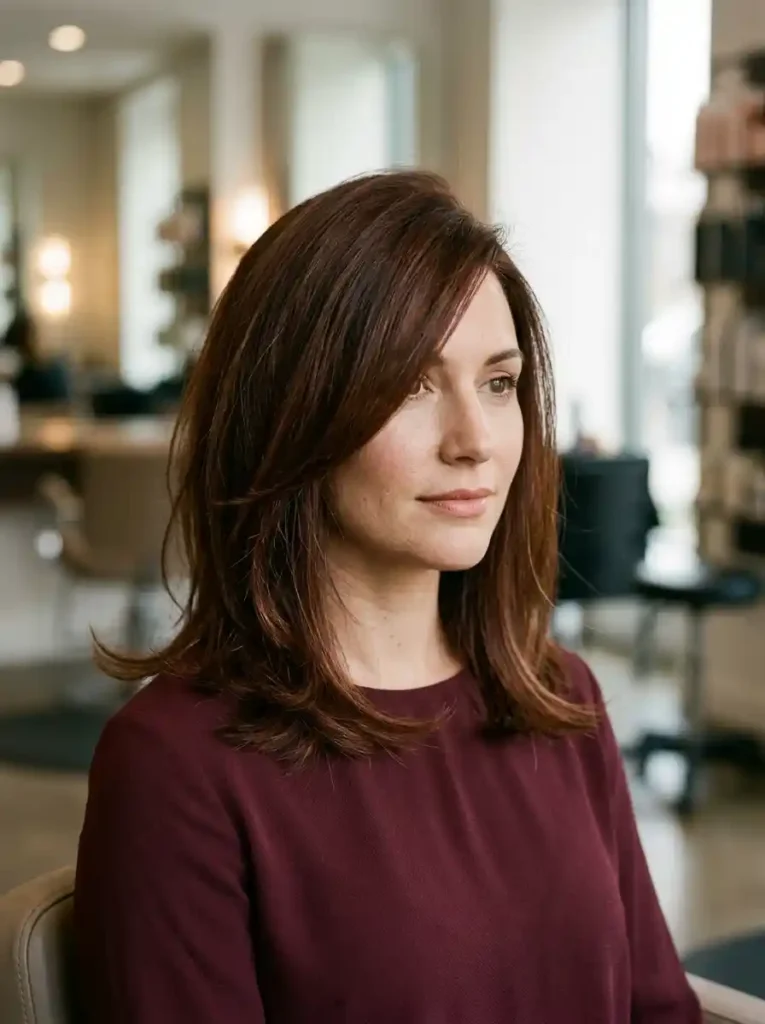
A side-parted layered lob creates a different mood from a center-parted cut without requiring a dramatic change in length. Moving the part to one side can give the crown a little extra lift and allow the front layers to sweep diagonally across the face. This works well for anyone who prefers asymmetry or wants a softer alternative to a sharply centered hairstyle. Your natural parting and growth direction should guide the placement, since forcing hair against a strong growth pattern can make it difficult to control.
To style the look, create the part while your hair is damp and blow-dry the roots in the direction you want them to fall. Use a round brush to shape the front pieces, then add a loose bend through the lengths if desired. A flexible-hold spray can help maintain the sweep without making the hair rigid. If you like changing your part regularly, ask your stylist to keep the layers versatile enough to work from both sides rather than relying on one fixed direction.
17. Tousled Lob With Lived-In Layers

Lived-in layers are designed to make a lob look good without demanding a precise blowout every morning. The shape combines gentle graduation with a relaxed perimeter, allowing natural bends and small imperfections to become part of the style. It is particularly suitable for people who prefer an easygoing appearance and don’t want their haircut to look overly formal. Straight hair can carry the look with a little texture, while naturally wavy hair often needs very little intervention beyond a suitable styling product.
Start with a lightweight leave-in product, then allow the hair to air-dry or diffuse until mostly dry. If you want extra movement, wrap a few random sections around a curling wand, leaving the ends out for a more relaxed result. Shake the hair gently at the roots instead of brushing it into a uniform shape. The cut should still look balanced on days when you do very little, so ask your stylist to create movement that complements your natural hair rather than depending on extensive daily styling.
18. Asymmetrical Lob With Soft Layers
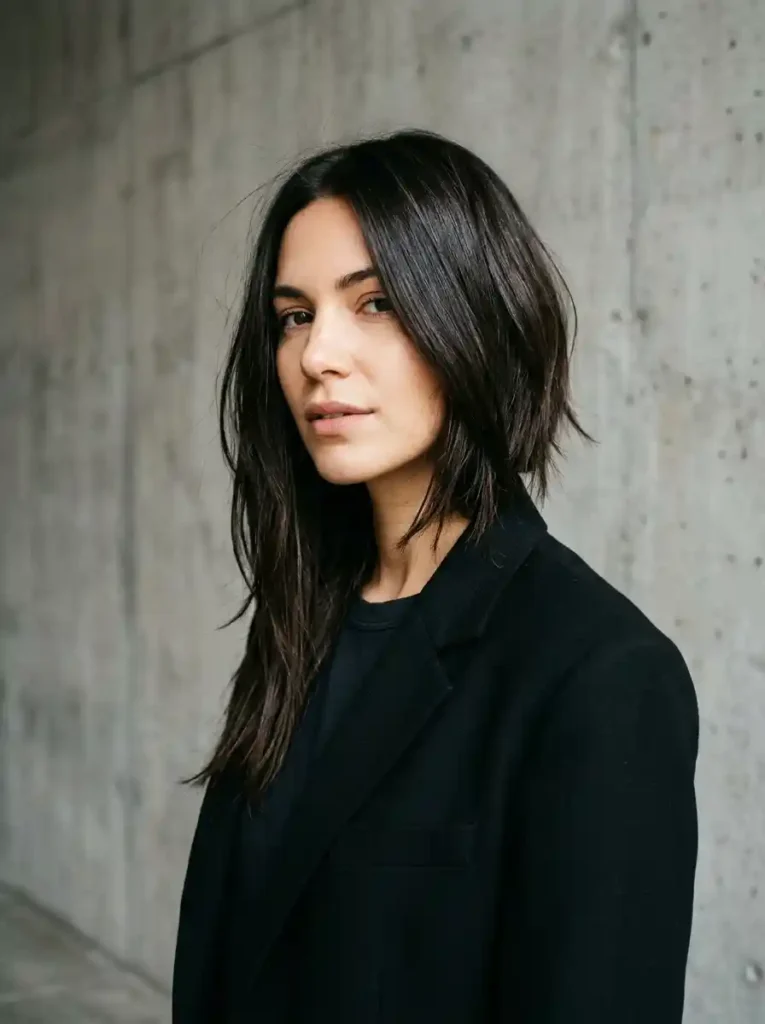
An asymmetrical lob offers a more distinctive silhouette while remaining practical enough for everyday wear. One side is cut slightly longer than the other, creating a directional line that looks especially striking on straight or gently wavy hair. Soft layers prevent the longer section from appearing too heavy and help the haircut move naturally. The difference in length can be subtle for a restrained effect or more pronounced if you enjoy a bolder style. Discuss how the shape will look from both the front and back before cutting.
Styling should emphasize the intentional imbalance without making the hair appear uneven by accident. A smooth blowout highlights the shape, while a few loose bends introduce softness and prevent the look from feeling severe. Use a comb to establish your preferred part, then direct the longer front section into place with a brush. Because asymmetrical cuts depend on their proportions, regular maintenance may be more noticeable than with a relaxed, uniform lob. This is a good option if you want your haircut itself to become a defining part of your personal style.
19. Voluminous Layered Lob With Root Lift
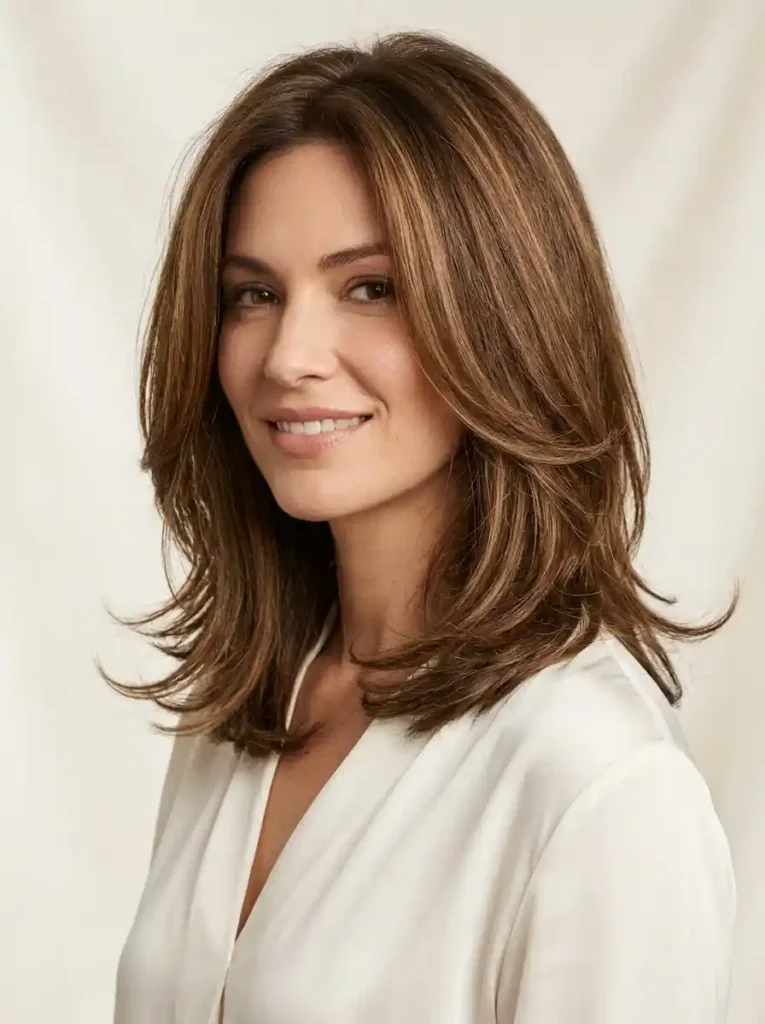
A voluminous layered lob is a useful choice if your hair tends to sit flat at the crown or lacks movement through the mid-lengths. The right layer placement can encourage lift while keeping the ends connected, creating a rounded shape that feels full rather than frizzy. This style can work on fine or medium hair, although the amount of layering should reflect your density. Avoid requesting excessive short layers if your hair is difficult to style, since too much graduation may create unwanted separation.
For lasting volume, apply a lightweight mousse or root-lifting spray before blow-drying. Lift small sections at the crown and direct the airflow toward the roots, allowing each section to cool before releasing it. Velcro rollers can provide additional lift without requiring high heat throughout the styling process. Finish with flexible-hold hairspray rather than a heavy wax or oil. If your hair becomes flat quickly, keep conditioning products away from the scalp and focus richer formulas on the ends where moisture is most useful.
20. Layered Lob With Flipped-Out Ends
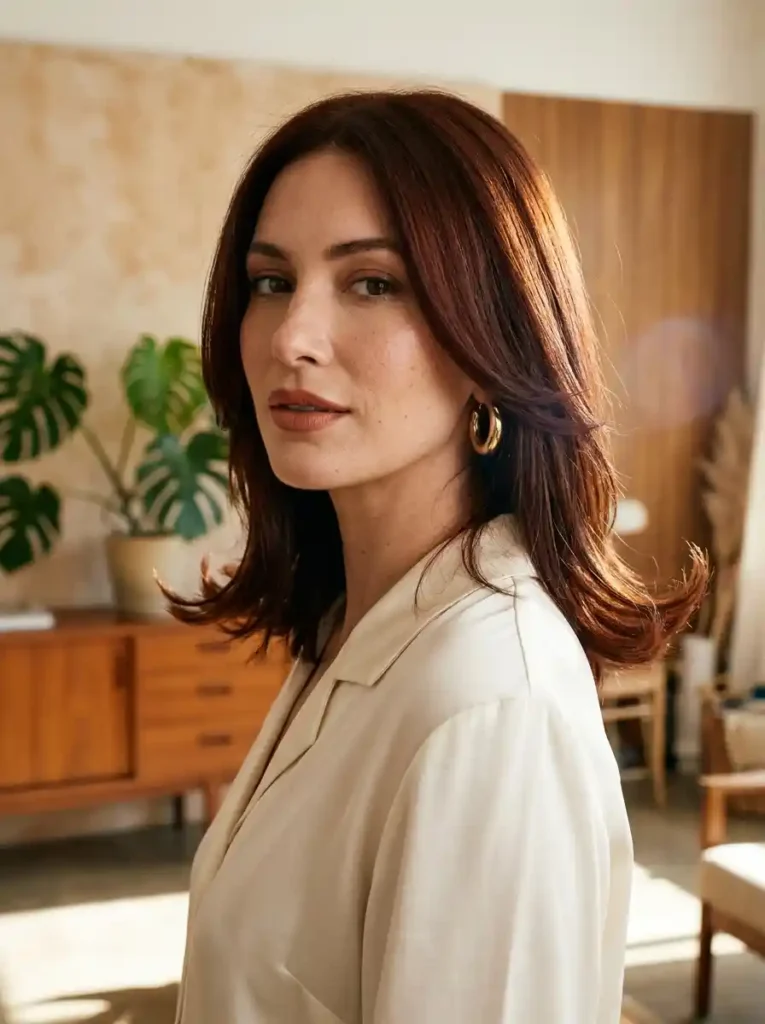
Flipped-out ends give a layered lob a playful finish that feels different from the usual inward-curving bob. The style works especially well when the haircut includes layers that naturally encourage the ends to move away from the neck. It can create a subtle retro reference without requiring a vintage costume or exaggerated volume. Medium-length straight hair often shows the flip clearly, while wavy hair can produce a softer, more irregular version that feels relaxed rather than deliberately sculpted.
To achieve the shape, blow-dry the ends outward with a round brush or use a flat iron to create a gentle outward bend. Keep the movement concentrated at the tips so the overall silhouette stays smooth. A light styling spray can help the flip last, but avoid stiff products that make the ends look brittle. If your hair naturally curves inward, ask your stylist to consider how the layers fall when dry. The haircut should support the styling direction instead of requiring constant effort to fight your natural texture.
21. Soft Layered Lob for a Round Face
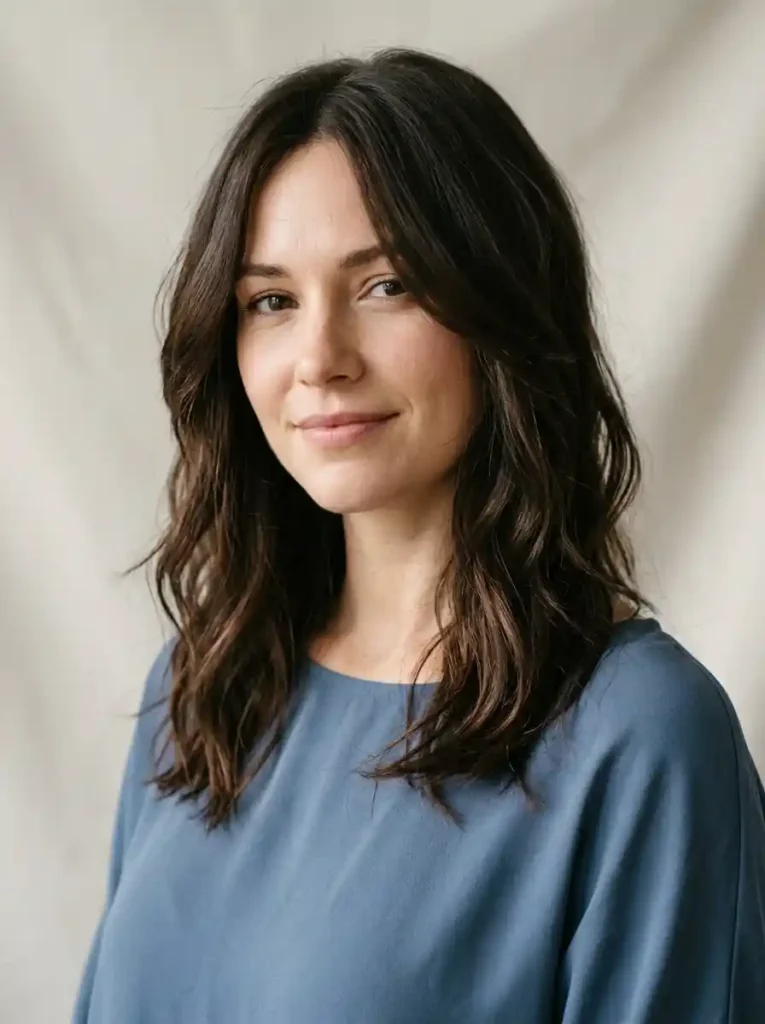
If you have a round face and prefer a more elongated visual line, a collarbone-length lob with longer face-framing layers is one option worth discussing with your stylist. The longer silhouette and gentle bends can create vertical movement, while a slightly off-center part adds asymmetry. These are styling choices rather than strict rules about what a round face should wear. Your personal preferences, natural texture, and comfort with daily styling matter more than following a fixed formula for facial proportions.
For an easy finish, create loose waves that begin below the cheekbones instead of adding maximum volume directly beside them. Keep the crown naturally lifted and allow the front sections to fall softly along the face. A lightweight styling cream can control flyaways while preserving movement. If you prefer straight hair, the same cut can work beautifully with a smooth blowout and curved front pieces. Ask for a shape that also looks good when tucked behind your ears, so you have more than one way to wear it.
22. Soft Layered Lob for an Oval Face
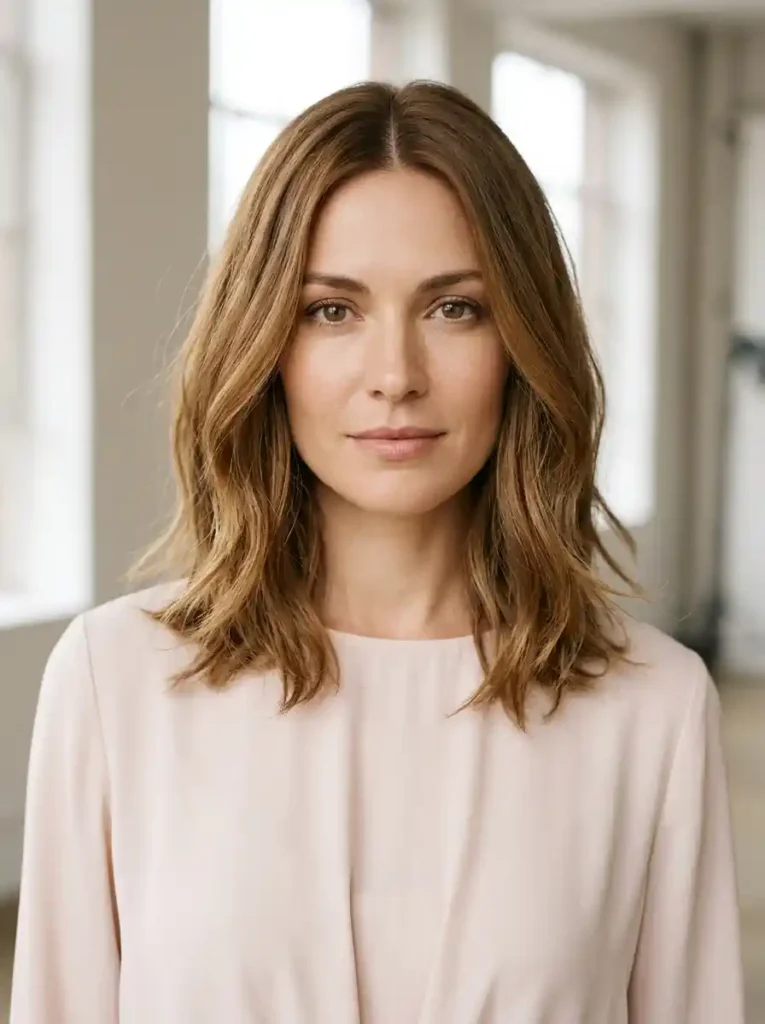
An oval face offers plenty of flexibility when choosing a layered lob, so the main decision is often which features you want to emphasize. Soft waves can add width around the cheeks, while a sleek finish highlights the haircut’s outline. Curtain bangs, subtle face-framing pieces, and a center part can all work depending on your hairline and personal taste. Rather than choosing a style solely because it is recommended for oval faces, consider how the cut will fit your wardrobe and everyday routine.
To maintain a balanced shape, ask your stylist to distribute the layers according to your hair’s natural density and movement. If you like volume, use a round brush at the crown and create loose bends through the mid-lengths. For a more understated finish, let the hair air-dry with a smoothing or wave-enhancing product. The versatility of this face shape means you can experiment with different parts and fringe lengths without committing to a completely new haircut each time.
23. Layered Lob With Subtle Copper Highlights

Subtle copper highlights can add warmth and dimension to a layered lob without making the color feel dramatically different. Fine ribbons of copper or cinnamon through a brunette base catch the light as the hair moves, helping the layers appear more defined. This approach can be tailored to deep brown, medium brown, or auburn hair, depending on the final tone you prefer. Bring inspiration photos that show the color in natural light, since warm highlights can look different under salon lighting and outdoor conditions.
Loose bends are an effective way to reveal the variation between the base color and the highlighted pieces. Use heat protectant before styling and avoid repeatedly applying high heat to the same sections. Color-safe shampoo and regular conditioning help maintain the hair’s appearance, while your colorist can advise whether a gloss or refresh is appropriate between appointments. If you want the least noticeable regrowth, request blended placement rather than strong highlights beginning in a solid line at the roots.
24. Low-Maintenance Layered Lob With Natural Texture

A low-maintenance layered lob is ideal if you want a haircut that looks intentional without needing a full blowout every day. The most important step is choosing layers that cooperate with your natural texture. Straight hair may need minimal internal shaping and a slight bend at the ends, while wavy hair often benefits from a cut that allows the waves to settle without creating bulky sections. Tell your stylist how much time you realistically spend on your hair so the finished shape suits your schedule.
At home, use a lightweight leave-in conditioner or styling cream, then let your hair air-dry when convenient. If your natural texture needs definition, twist a few damp sections or scrunch gently rather than applying several products at once. You can refresh the next day with a little water and a small amount of styling product on the ends. Although this cut may need less daily effort, occasional trims are still useful to prevent the perimeter from losing its shape as the hair grows.
25. Glamorous Layered Lob With Hollywood Waves
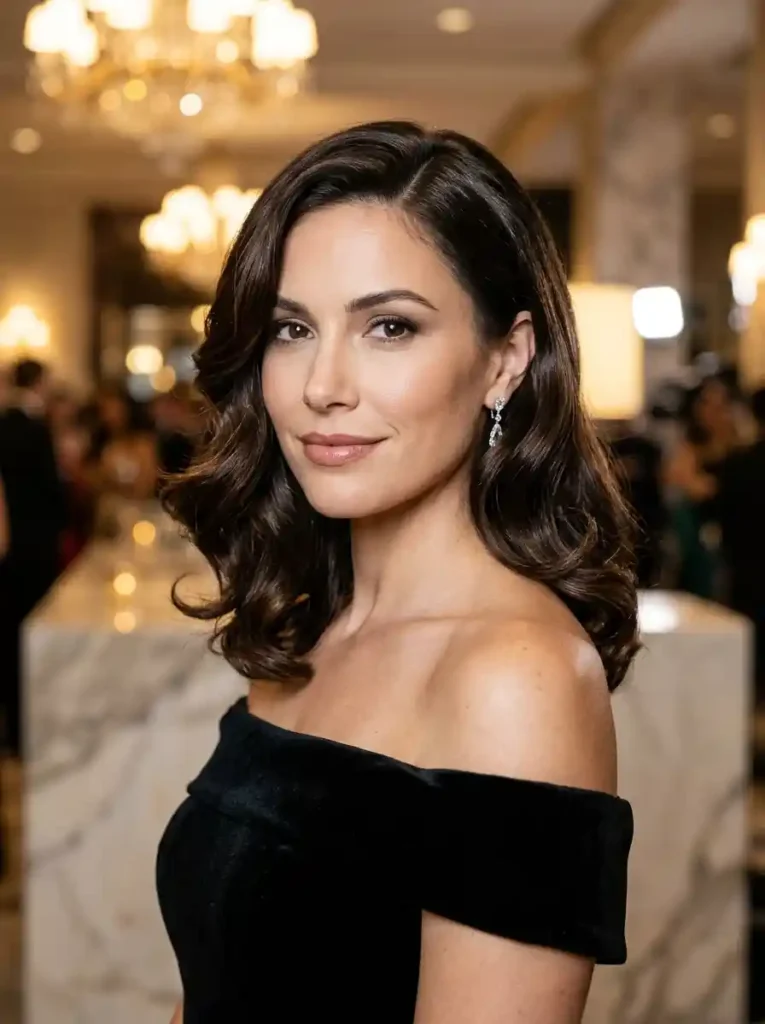
A glamorous layered lob proves that a shorter haircut can still feel elegant enough for weddings, parties, and formal evenings. The layers help the waves flow around the shoulders rather than forming a heavy, uniform mass. A deep side part creates a classic silhouette, while a smooth finish keeps the style refined. This look is particularly effective on straight to wavy hair that can hold a shaped bend, although the technique may need adjustment for naturally curly or very fine strands.
Start with dry hair and apply a suitable heat protectant before creating uniform waves with a curling iron. Allow each curl to cool completely, then gently brush through the sections to form a continuous wave pattern. A flexible finishing spray can help preserve the shape without making the hair crunchy. For a special occasion, consider a salon blowout or professional styling session, especially if you want the waves to remain polished for several hours. Keep accessories simple so the haircut and its sculpted texture remain the main focus.
Conclusion
A layered lob offers far more possibilities than a single shoulder-length haircut might suggest. From sleek, invisible layers to beachy waves, curly shapes, curtain bangs, and glamorous Hollywood finishes, the right variation can complement your natural texture while reflecting your personal style.
Before choosing your favorite, think about three practical details: how much time you want to spend styling, how your hair behaves when it air-dries, and how often you’re comfortable visiting the salon. Bring a few reference photos to your appointment, but also explain what you like about each look so your stylist can adapt the cut to your hair density, face shape, and lifestyle.
If you’re unsure where to start, a softly layered lob with subtle face-framing pieces is a versatile first choice. It offers movement without an extreme change and leaves plenty of room to experiment with different parts, waves, colors, and fringe styles as your preferences evolve.


