
Long hair can feel beautiful and frustrating at the same time. Without the right shape, it may look flat, heavy, or difficult to style. Layers can change that by adding movement while keeping the length you love. These layered hairstyles for long hair cover soft, polished, casual, romantic, and textured options. Each idea includes a visual concept and practical styling advice, so you can save your favorites and discuss the details with your stylist.
1. Soft Butterfly Layers
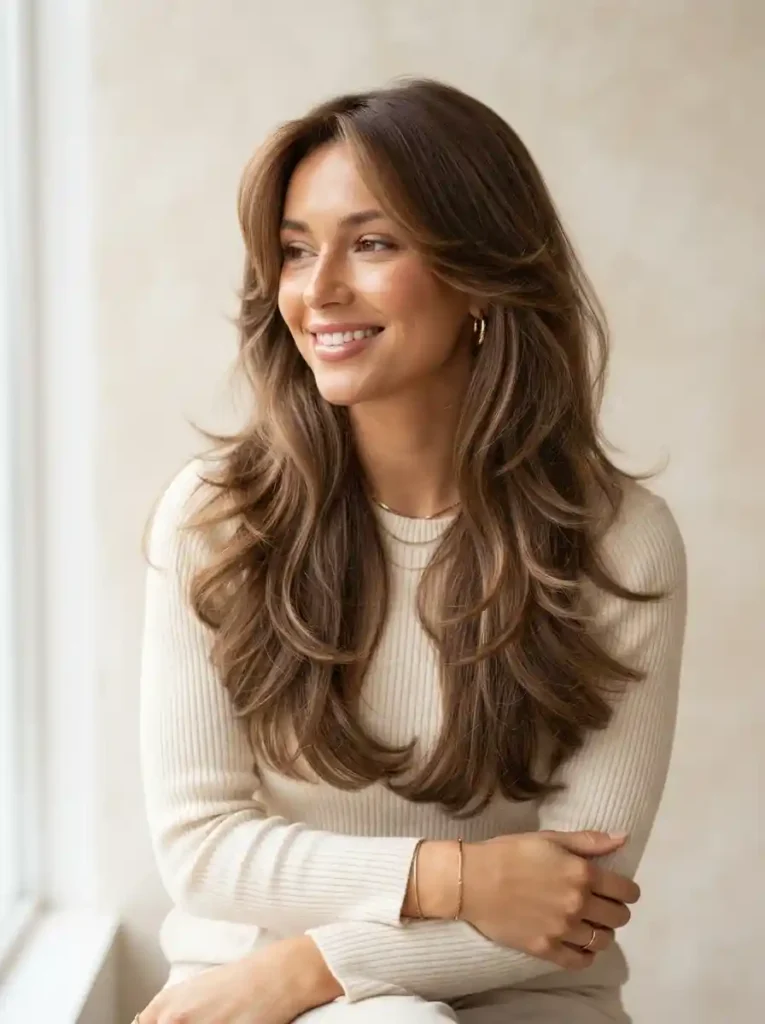
Soft butterfly layers create a glamorous shape without sacrificing the drama of long hair. The shortest sections gently frame the face, while longer layers create movement through the lower lengths. This cut suits people who want noticeable volume with a polished finish. It works especially well on medium to thick hair because the layers can remove some visual heaviness. The result feels bouncy and elegant, yet the overall length remains unmistakably long.
Styling works best with a round brush, large rollers, or a blow-dry brush. Direct the front sections away from the face to create that signature sweeping shape. Ask your stylist for blended transitions rather than harsh steps between layers. Pro Tip: Keep the longest perimeter fairly full if you want your hair to retain a luxurious, substantial appearance. A lightweight smoothing cream can control flyaways without flattening the movement.
2. Long Face-Framing Layers
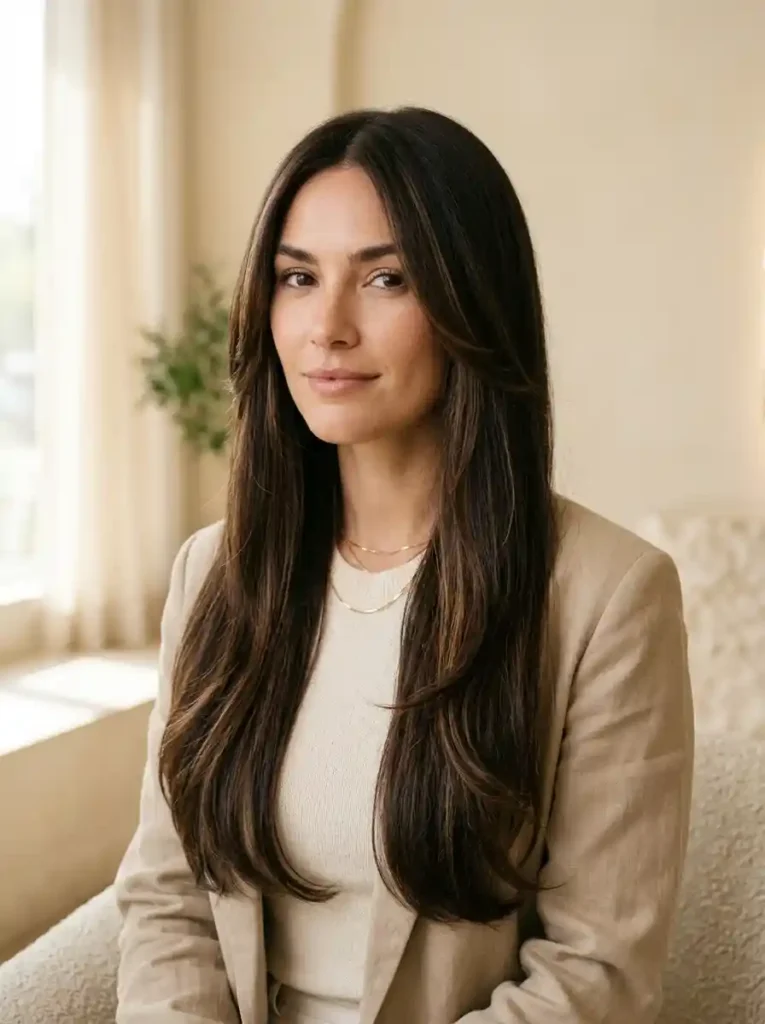
Long face-framing layers are ideal when you want shape around your features without committing to short pieces. The front sections gradually blend into the rest of the haircut, creating a gentle visual pathway from the face toward the ends. This approach works beautifully on straight or slightly wavy hair. It also offers a subtle update for someone who loves long hair but wants more definition around the front.
For a low-maintenance result, ask for layers that begin below the chin rather than near the cheekbones. This keeps the shortest pieces long enough to tuck behind the ears. Straighten the hair for a sleek finish, or add loose bends for softer movement. Stylist Tip: Bring a reference photo showing the exact starting point you prefer. Small changes in layer placement can noticeably change the overall shape.
3. Long Layers With Curtain Bangs
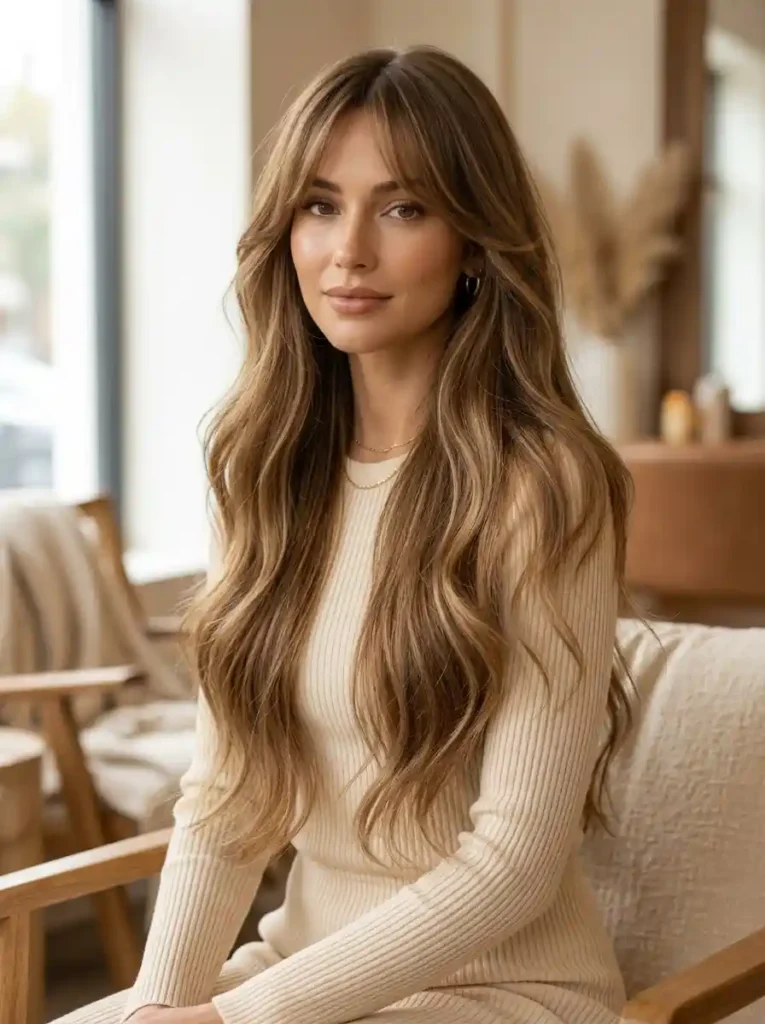
Curtain bangs give long layered hair a softer focal point around the eyes and cheekbones. The center-parted fringe gradually lengthens toward the sides, making it easy to blend into longer layers. This combination feels romantic without looking overly formal. It can work particularly well for people who want a visible change while keeping most of their hair long. Loose waves make the transitions appear especially soft and effortless.
Curtain bangs need more daily attention than long face-framing pieces. Use a small round brush to direct each side outward while drying the roots. Let the lengths remain naturally textured if you prefer an undone finish. Common Mistake: Cutting the bangs too short can make them harder to blend with very long layers. Ask for a length that can still be swept aside when you want a lower-maintenance day.
4. Feathered Ends With Glossy Length
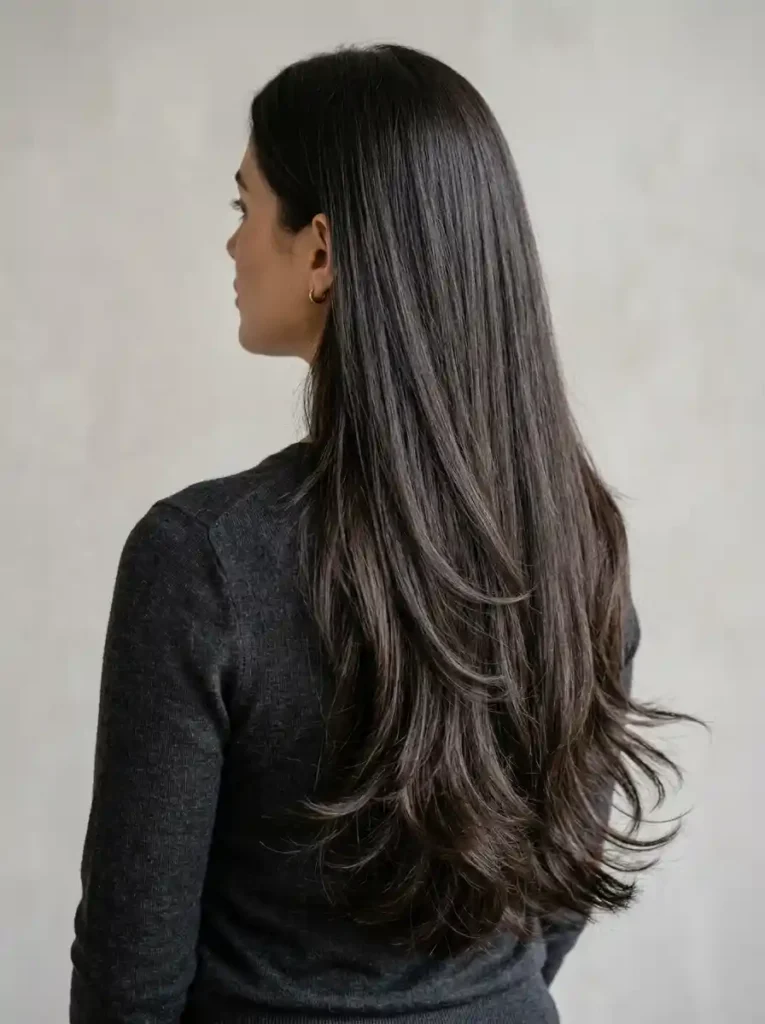
Feathered ends bring lightness to very long hair while preserving a sleek silhouette. Instead of creating strong horizontal steps, the ends taper into fine, airy sections that move when the hair shifts. This look works especially well for straight or softly wavy hair. It can also make dense hair feel visually lighter without creating an aggressively thinned appearance. The polished finish makes this option suitable for everyday wear and dressier occasions.
A flat iron can emphasize the feathered shape, but excessive heat may make the ends look dry. Apply heat protection before using any hot tool, then bend the tips slightly outward. Request internal shaping if your hair feels bulky through the middle. Pro Tip: Feathered ends look best when they remain healthy and flexible. Regular trims can help preserve the delicate outline and prevent split ends from making the finish appear uneven.
5. Voluminous U-Shaped Layers
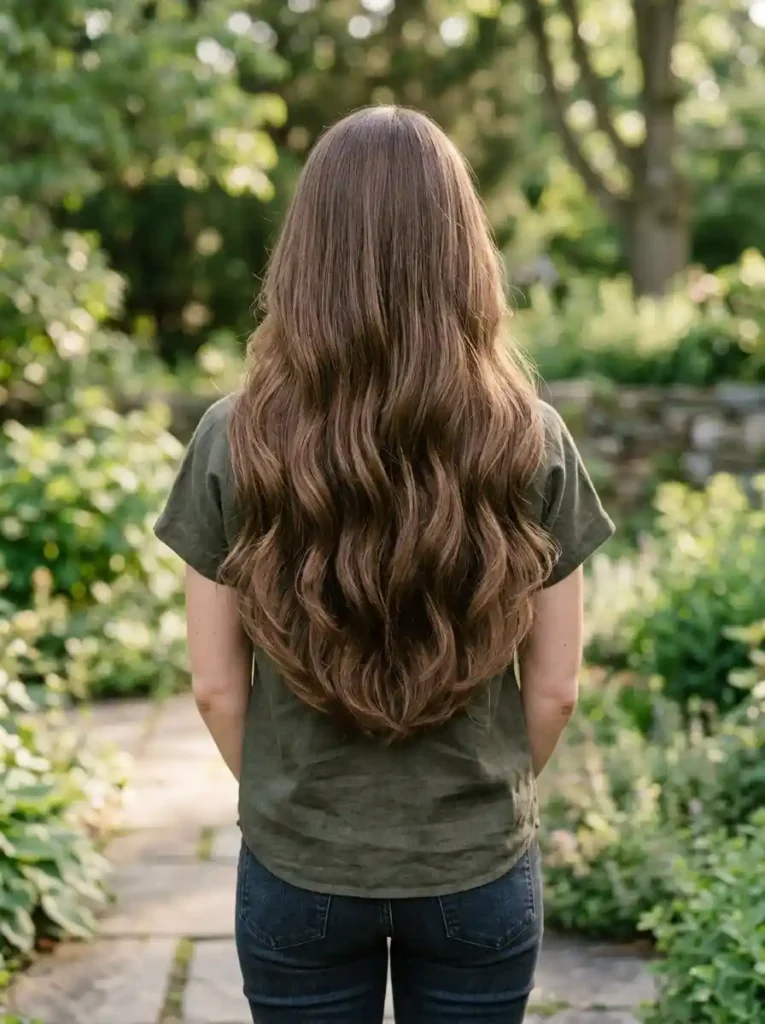
A U-shaped haircut creates a rounded outline across the back while maintaining plenty of length. Long layers add movement without disrupting that full perimeter. This combination suits people who want volume and softness rather than a sharply tapered finish. It is particularly attractive on medium to thick hair because the rounded shape gives dense lengths a controlled silhouette. Gentle waves can make the U shape even more noticeable.
Tell your stylist whether you want the U shape shallow or strongly curved. A subtle curve preserves more fullness at the sides, while a deeper U creates a more noticeable flowing outline. Style with a large round brush or large rollers for extra lift. Stylist Tip: Avoid excessive thinning near the perimeter if fullness is important to you. Removing too much weight can make the ends look sparse instead of rounded and healthy.
6. Beachy Layers With Sun-Kissed Highlights
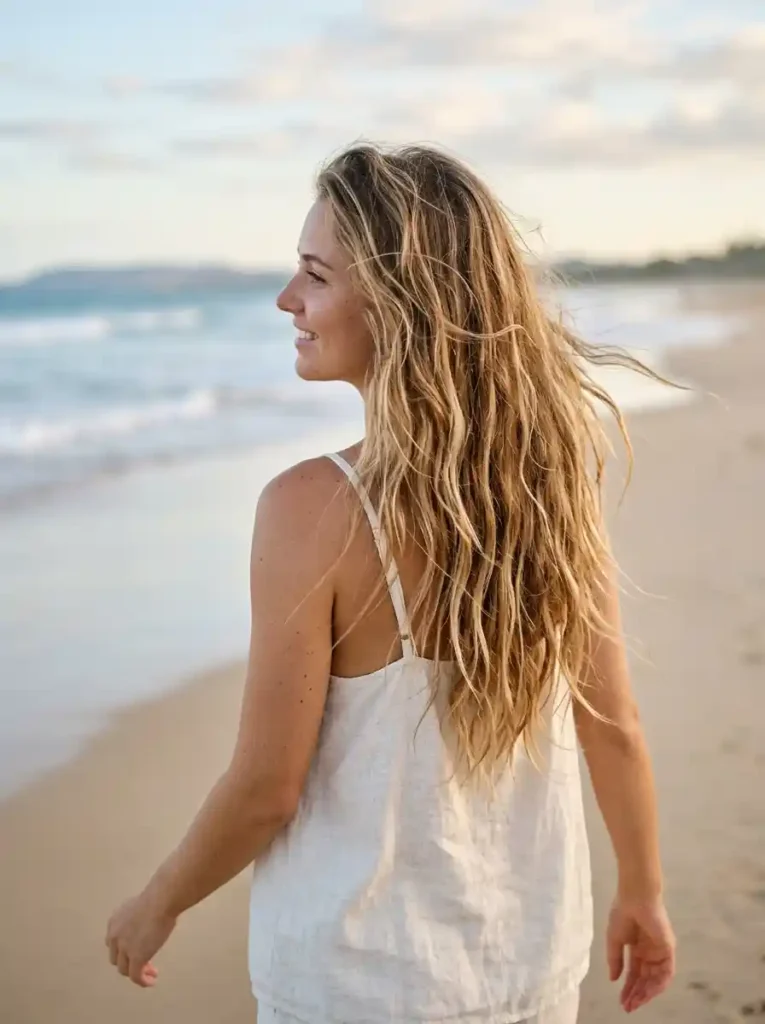
Beachy layers create movement that feels relaxed rather than highly structured. The lengths feature uneven-looking waves, while the layers encourage the hair to separate naturally. Sun-kissed highlights can emphasize the different sections and make the texture more visible. This look is a strong choice for people who prefer casual styling and want their long hair to feel lighter, softer, and more relaxed.
Enhance the texture with a lightweight wave cream or salt-free texturizing spray, depending on your hair needs. Scrunch damp hair and let it air-dry, or use a diffuser for faster results. Common Mistake: Applying too much styling product can make long waves feel stiff. Start with a small amount and add more only where the hair needs definition. Keep the ends flexible for the most natural beach-inspired appearance.
7. Long Shag With Curtain Fringe
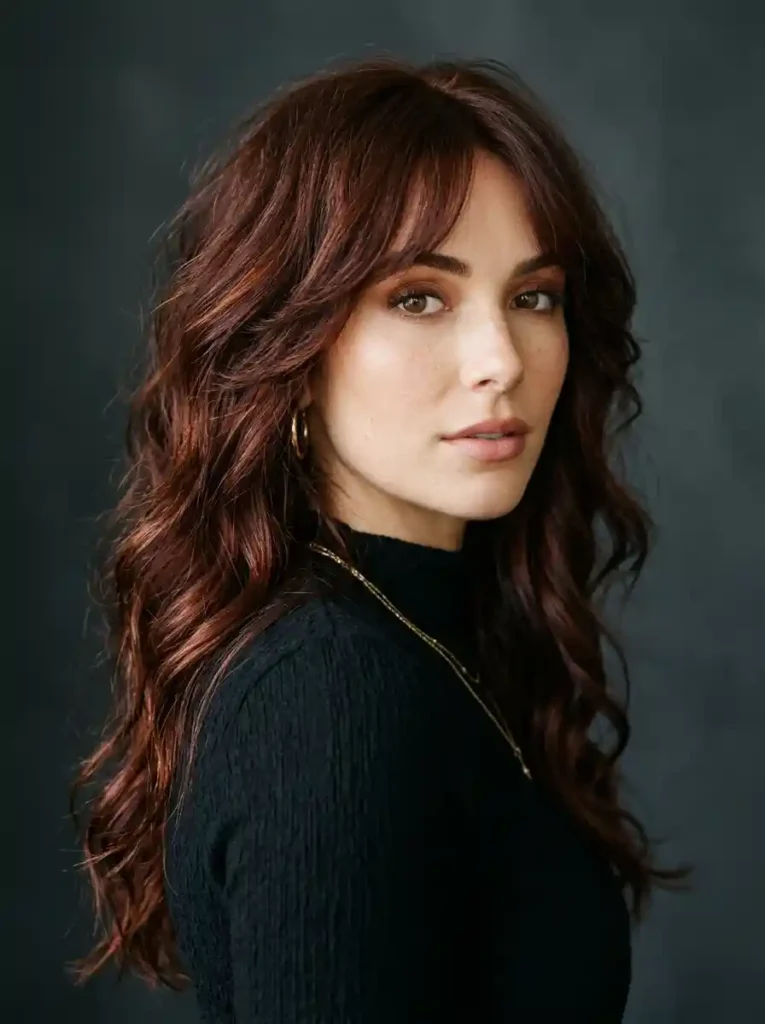
A long shag brings a distinctly textured personality to otherwise traditional long hair. Layers begin higher around the crown and continue through the lengths, creating a fuller, more tousled shape. Curtain fringe adds softness around the forehead while the ends remain long. This option suits people who enjoy visible texture and a slightly rebellious look. Naturally wavy hair can make the shaggy structure especially easy to wear.
Ask your stylist to preserve enough length if you want the cut to remain distinctly long. The crown layers can be customized based on how much volume you naturally have. Scrunching with mousse can emphasize the texture without requiring a precise blowout. Stylist Tip: Fine hair may need fewer, carefully placed layers than thick hair. Too many short sections can reduce the appearance of density instead of creating attractive volume.
8. Invisible Layers for Fine Hair
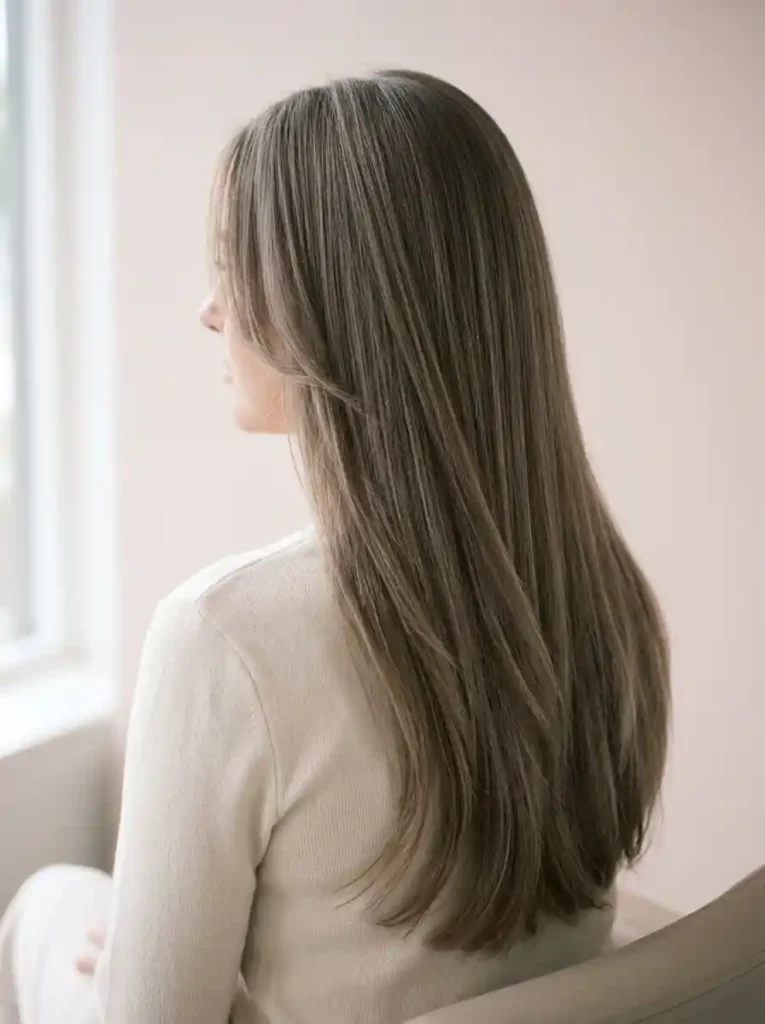
Invisible layers create movement without making the haircut look heavily layered. The technique uses subtle internal shaping that is difficult to see as separate steps. This can be useful for fine hair because the outer silhouette can remain relatively full. The style works best when the goal is gentle movement rather than dramatic volume. Straight and softly wavy textures can both showcase the understated structure.
Tell your stylist that maintaining the appearance of fullness is a priority. Ask for subtle internal movement instead of aggressive thinning throughout the ends. A lightweight volumizing mousse can add lift before blow-drying. Pro Tip: Fine hair often benefits from keeping the perimeter strong. If the ends already feel delicate, excessive layering may make them appear thinner. Small, strategic changes usually create a more flattering result.
9. Voluminous Curly Layers
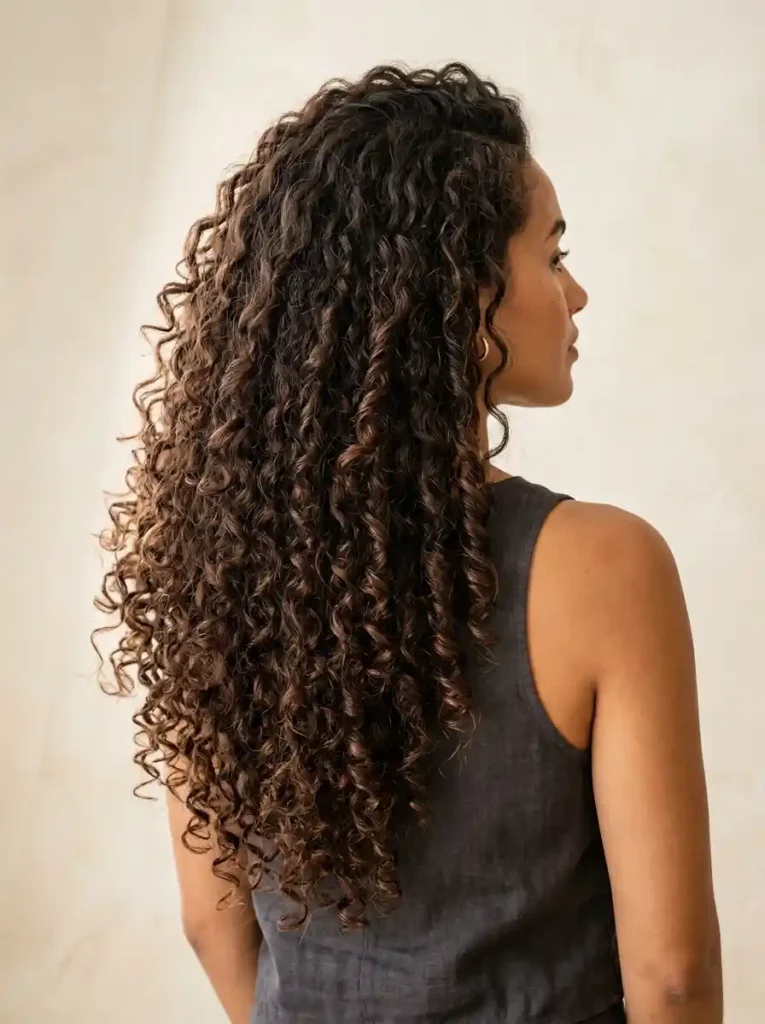
Long curly hair often benefits from layers because one uniform length can feel heavy and reduce visible curl movement. Carefully placed layers allow curls to form more freely while maintaining substantial length. The shape can range from rounded to softly tapered depending on density and curl pattern. This version emphasizes volume through the crown and middle sections while keeping the lower lengths generous.
Curly hair should be shaped with its natural pattern in mind. Discuss shrinkage with your stylist before choosing the shortest layer. Style with conditioner, curl cream, or mousse suited to your texture, then diffuse or air-dry. Stylist Tip: Avoid judging the final length only from wet hair. Curly hair can contract significantly as it dries, so a dry-cutting approach may help with precise shape and balance.
10. Sleek Long Layers With Center Part
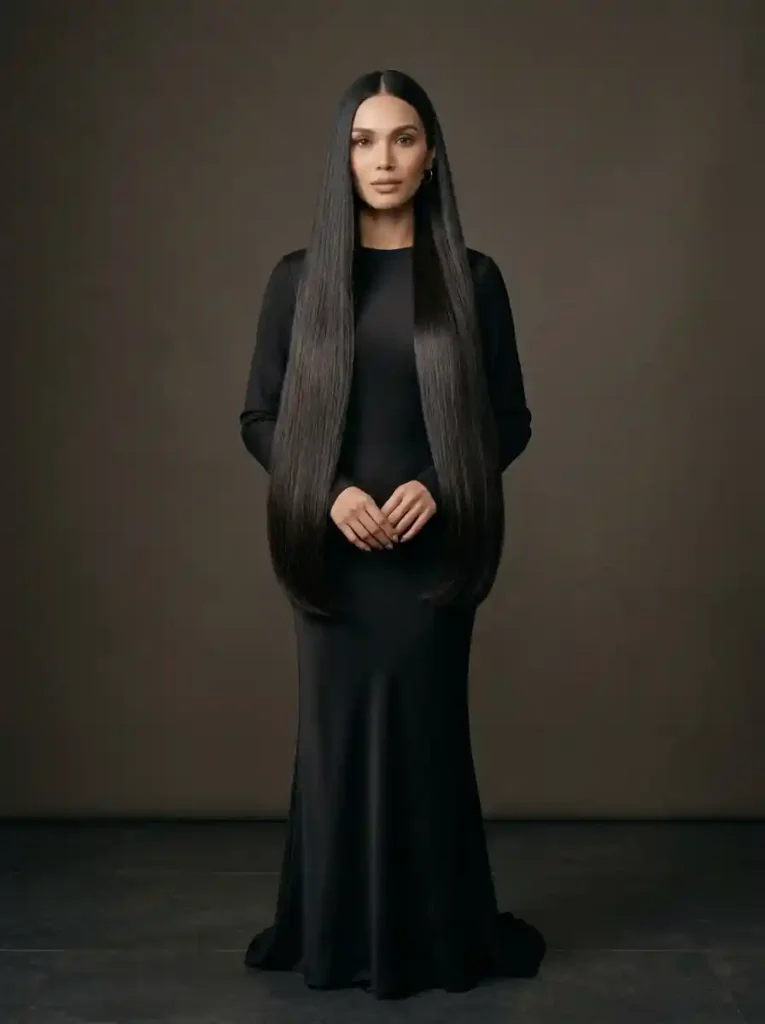
Sleek long layers offer movement without losing a clean, polished appearance. The layers remain subtle, so the hair keeps a smooth outer shape from the front and back. A center part reinforces the symmetry and modern feel. This option suits straight hair particularly well, especially when the wearer prefers refined styling over a deliberately messy finish.
Use a smoothing serum sparingly on the mid-lengths and ends before styling. A flat iron can create a crisp finish, but always use appropriate heat protection. Ask for long, blended layers if you rarely style your hair. Common Mistake: Creating too many short layers can interrupt the sleek silhouette. The goal is controlled movement, not a highly textured haircut. Keep the shortest pieces long enough to integrate naturally with the overall length.
11. Wispy Layers With Airy Bangs
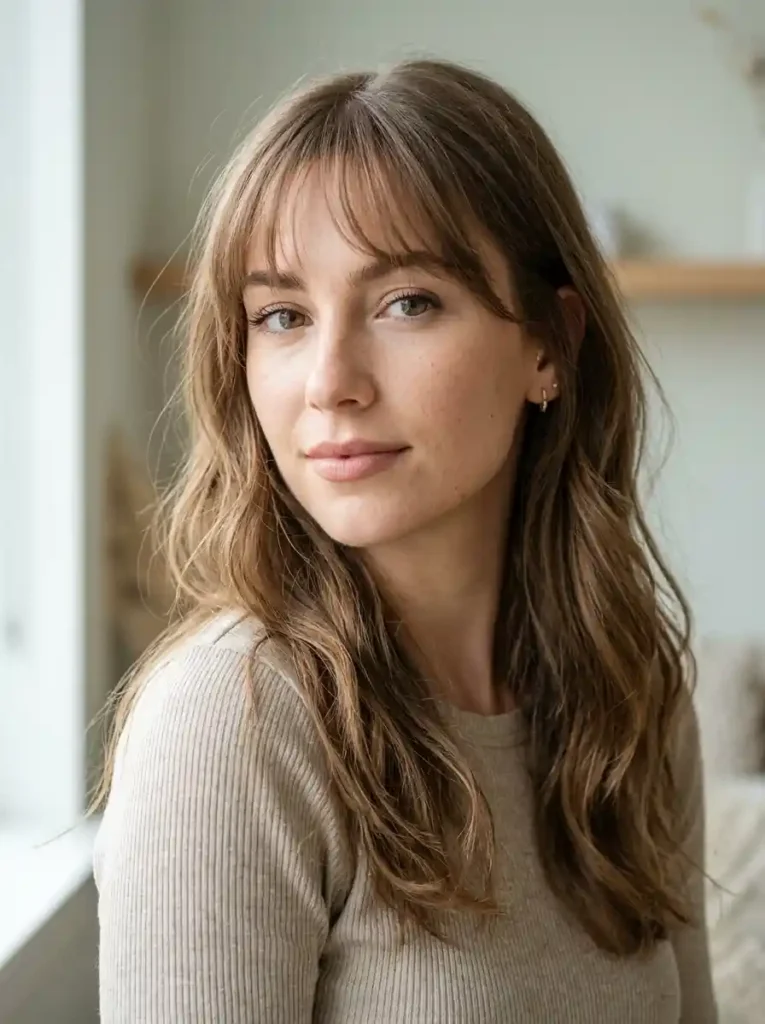
Wispy layers create a lighter appearance without the stronger separation seen in choppy cuts. Paired with airy bangs, they give long hair a soft, delicate character. The fringe is less dense than a traditional full bang, allowing some forehead visibility. This can suit people who want a noticeable change but prefer an understated finish. Loose waves make the wispy sections blend naturally.
Wispy bangs usually require regular shaping because their delicate ends can lose definition as they grow. Blow-dry the fringe forward first, then sweep it slightly to either side. Use minimal product near the roots to prevent separation. Pro Tip: If your hair is naturally coarse or very thick, ask for controlled texture rather than simply removing large amounts of density. Precision matters when creating a light-looking fringe without making it uneven.
12. Chocolate Brown Layers With Caramel Ribbons
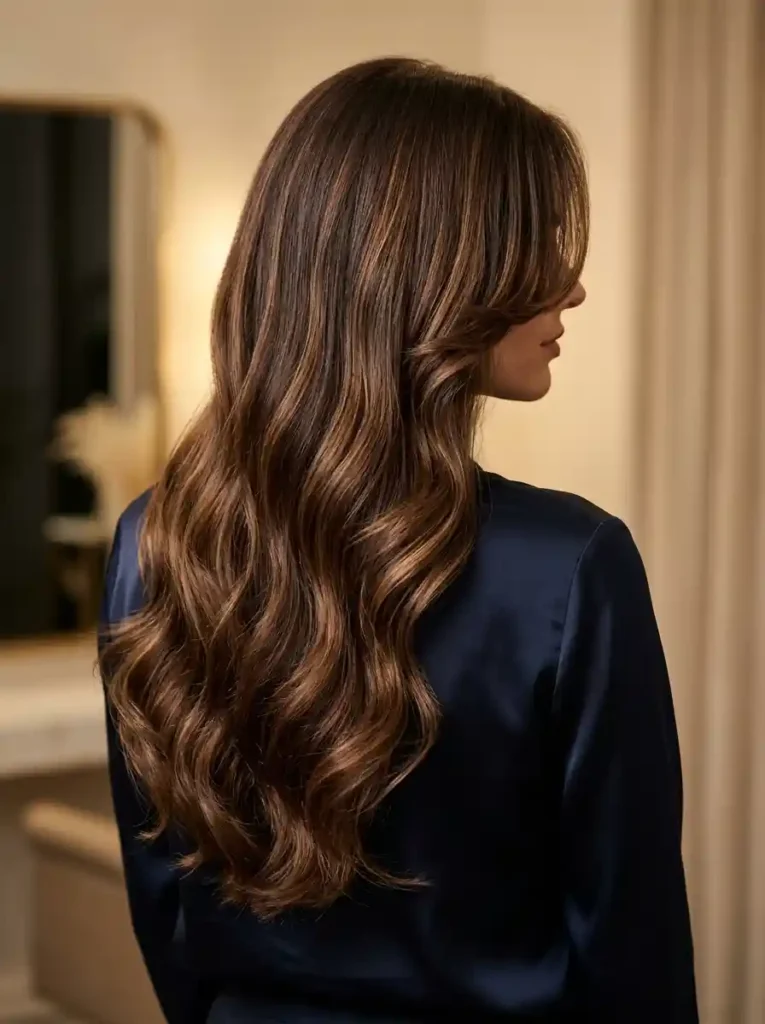
Color can make layered shapes easier to see, especially when highlights follow the direction of the haircut. Chocolate brown with caramel ribbons creates depth without requiring an extremely light overall color. The layered structure remains soft and blended, giving the hair a rich appearance. This option works well for someone who wants visual dimension while keeping a brunette base.
Ask your colorist to place lighter pieces where the layers naturally catch light. Strategic placement often looks more seamless than evenly distributed highlights. Use a color-safe shampoo and avoid excessive heat when possible. Stylist Tip: Tell your stylist whether you prefer noticeable contrast or subtle brightness. The same layered cut can look dramatically different depending on highlight placement, tone, and saturation.
13. Long Layers With Bottleneck Bangs
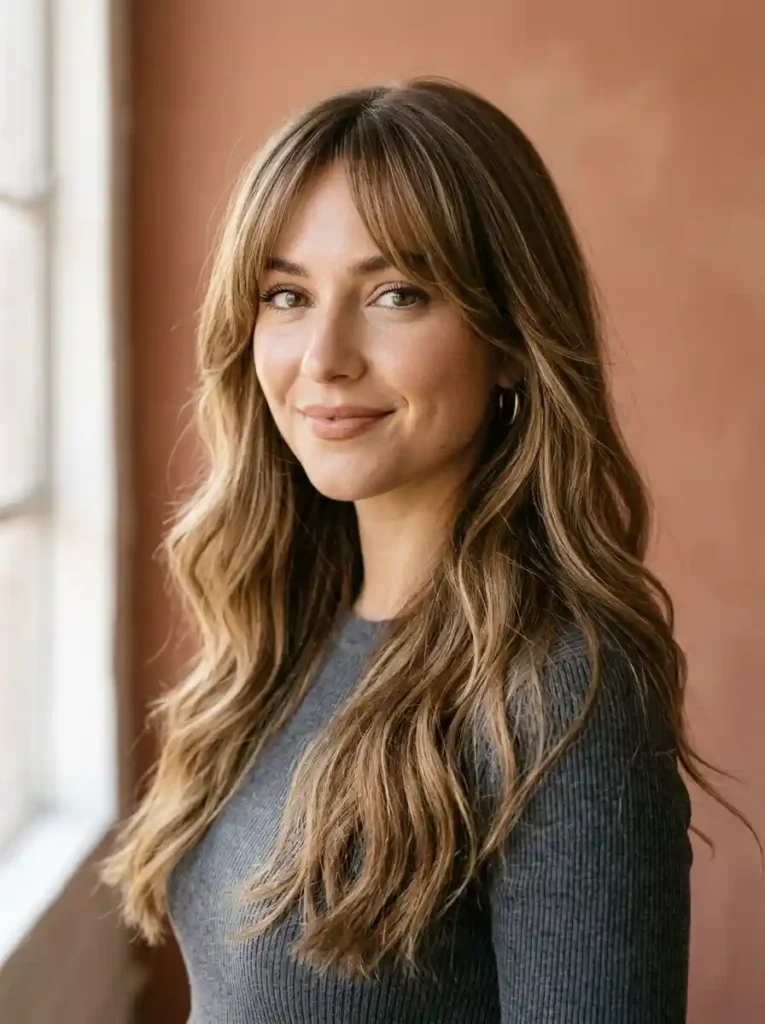
Bottleneck bangs offer a softer alternative to a straight-across fringe. They are narrower near the center and gradually widen toward the temples, where they blend into face-framing layers. This shape creates an easy transition into long hair. It suits people who want fringe detail without a very blunt visual line. Loose waves can make the transition particularly seamless.
Ask for enough length at the sides to tuck the bangs behind your ears. This gives you more styling flexibility between appointments. Use a small round brush to shape the center and sweep the outer sections outward. Common Mistake: Treating bottleneck bangs like a traditional blunt fringe can remove too much width. The gradual expansion toward the temples is important for achieving the intended shape.
14. Long Choppy Layers
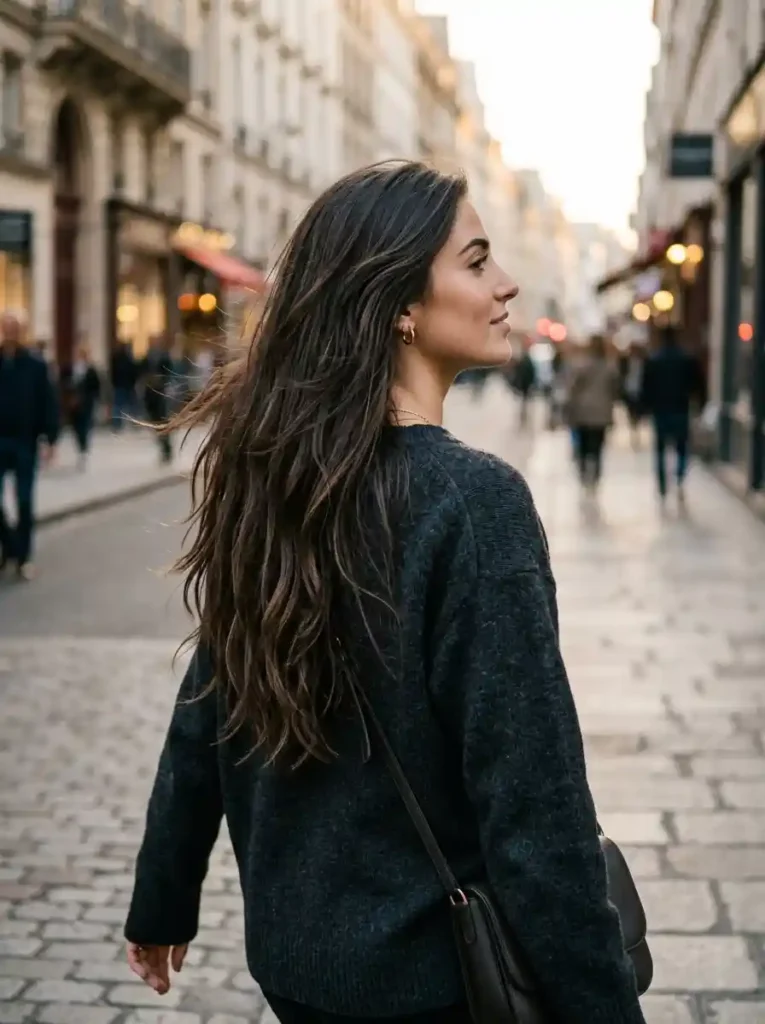
Choppy layers create stronger movement than a traditional long layered cut. The lengths vary more noticeably, giving the hair a casual, textured appearance. This style suits people who dislike overly polished shapes and enjoy a slightly undone finish. It can also help dense hair feel less visually heavy when the texture is carefully controlled.
Styling does not need to be complicated. Apply a lightweight texturizing cream to damp hair, then twist a few sections while drying. Ask your stylist to soften the transitions if you want the cut to remain wearable for professional settings. Stylist Tip: Choppy does not have to mean damaged-looking. Healthy ends and deliberate section placement keep the style modern rather than ragged.
15. Romantic Wavy Layers
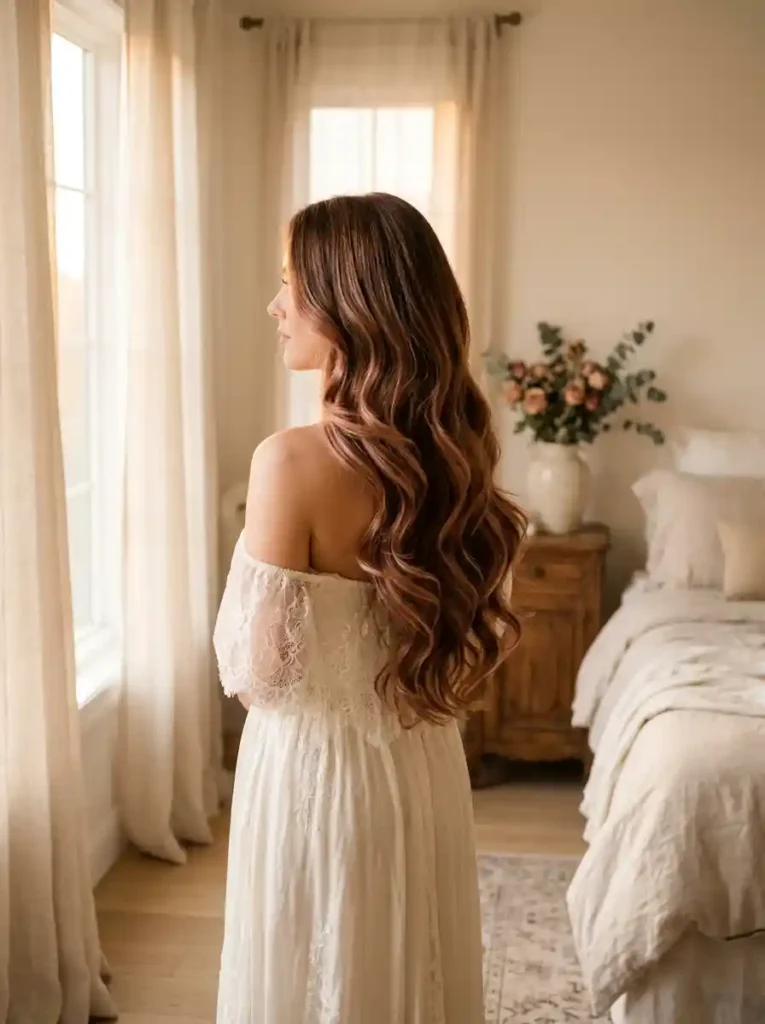
Romantic wavy layers create a graceful silhouette with movement from the cheekbones through the ends. The waves are larger and softer than beach waves, so the finish feels polished without becoming rigid. This style can work for celebrations, date nights, photographs, or anyone who enjoys a feminine finish. Long layers help the waves fall naturally instead of forming one heavy block.
Use a large curling iron or large rollers for broad waves rather than tight curls. Curl away from the face around the front, then brush through the sections after they cool. Pro Tip: Let the hair cool completely before brushing it out. This helps the wave pattern hold longer and creates softer, more consistent movement through the layered lengths.
16. Boho Layers With Natural Texture
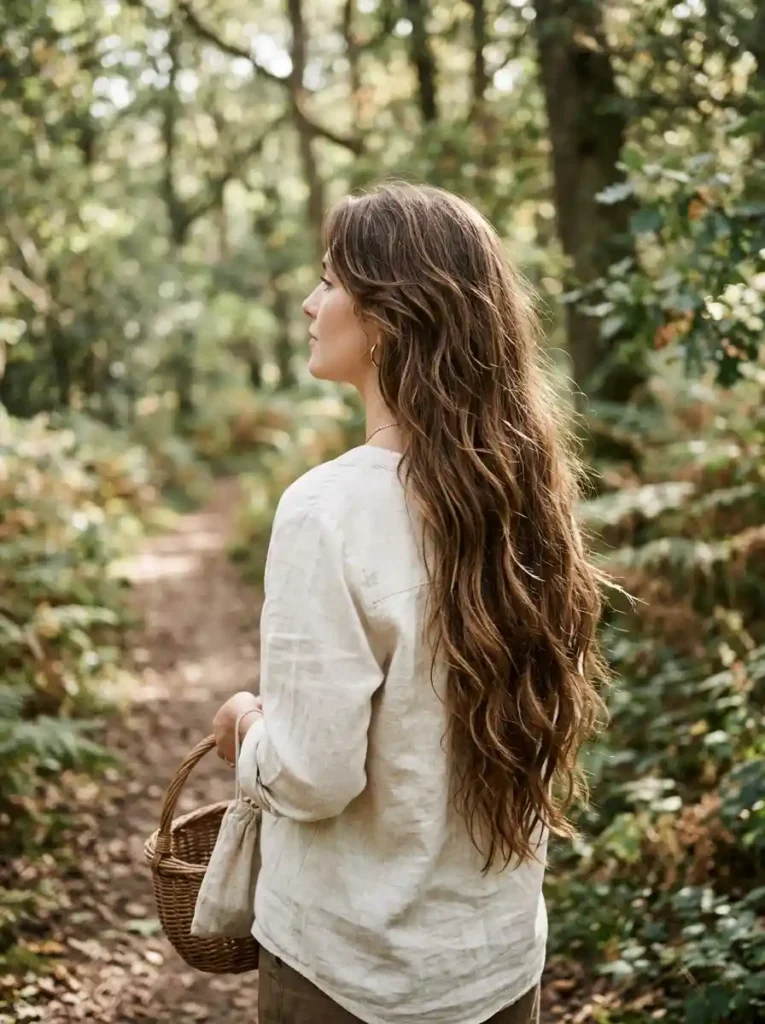
Boho layers work beautifully when you want long hair to feel relaxed and expressive. The shape combines long lengths with irregular movement, allowing the natural texture to become part of the style. Soft waves, imperfect ends, and subtle highlights reinforce the carefree character. This option is particularly appealing for people who prefer air-drying and dislike highly structured styling.
Enhance natural texture with a lightweight leave-in conditioner followed by a flexible styling cream. Twist a few sections while damp if certain areas need extra definition. Common Mistake: Overworking every strand can remove the effortless quality. Let some natural variation remain. Ask for face-framing pieces that blend gradually rather than creating a highly precise geometric outline.
17. Long Layers With Money-Piece Highlights
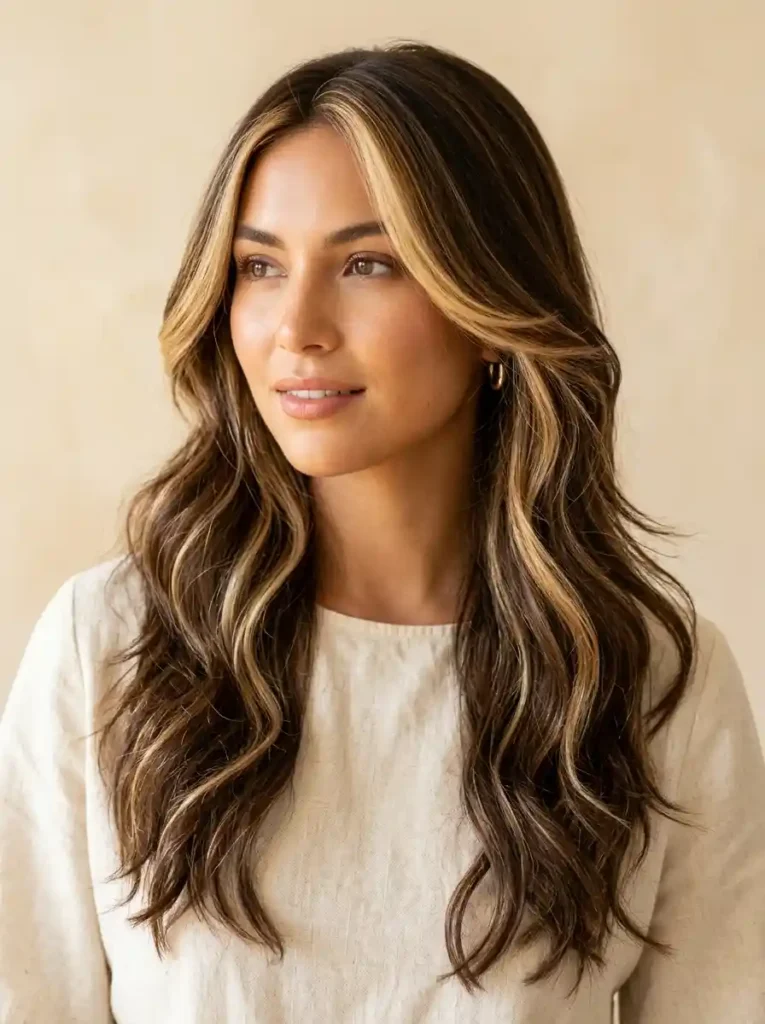
Brighter face-framing highlights can draw attention toward the front of a layered haircut. The contrast makes the face-framing pieces easier to notice while the longer layers continue into the darker lengths. This idea works for someone who wants a stronger color change without fully lightening the hair. The effect can range from subtle and blended to noticeably brighter depending on the chosen contrast.
Discuss maintenance before choosing a high-contrast front section. Brighter pieces may require more frequent toning or refreshing than a natural brunette base. Stylist Tip: Ask your colorist to soften the transition near the roots if you want easier grow-out. Pairing the highlights with long face-framing layers can make the color placement look intentional as it grows.
18. V-Cut Layers With Dramatic Length
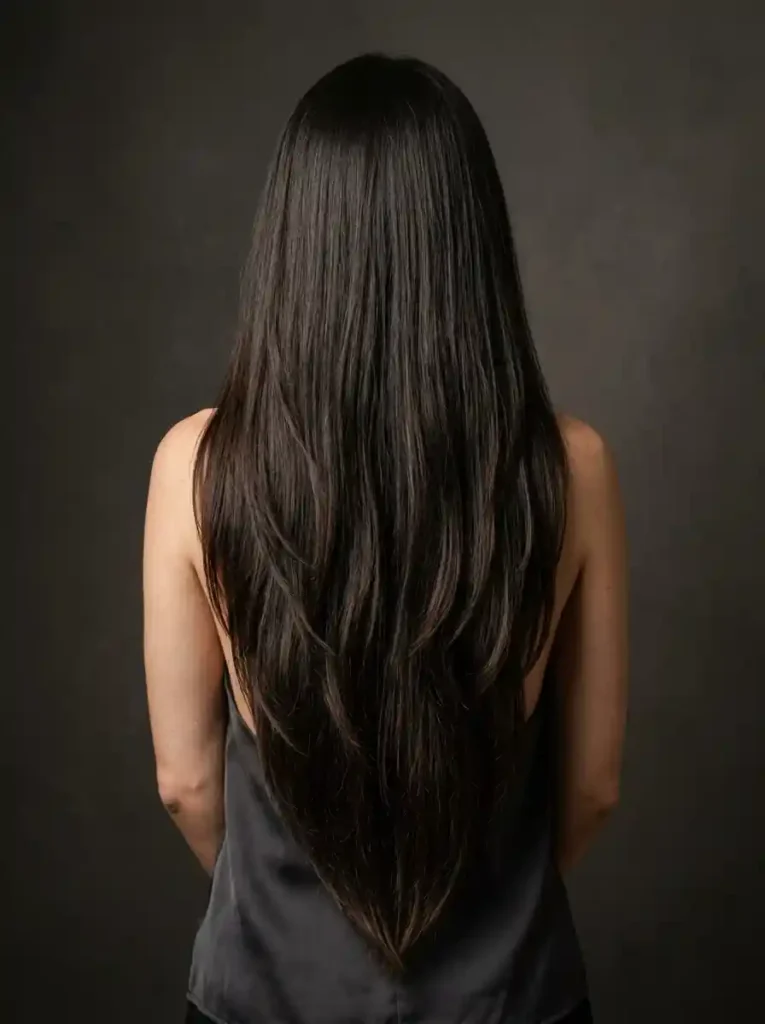
A V-shaped cut creates a distinctive point at the center of the back while preserving significant length. Long graduated layers support the shape and add movement around the lower sections. This can suit someone who wants their hair to appear especially long and dramatic. Straight hair makes the V outline easy to see, while loose waves soften the point.
Ask your stylist how deep you want the V before cutting. A shallow V looks more subtle, while a deeper shape creates stronger tapering. If you have thin ends, discuss preserving enough density at the perimeter. Pro Tip: The V shape is easiest to maintain when the longest center section remains healthy. Regular small trims can preserve the point without requiring a major reduction in length.
19. Face-Framing Layers for Thick Hair
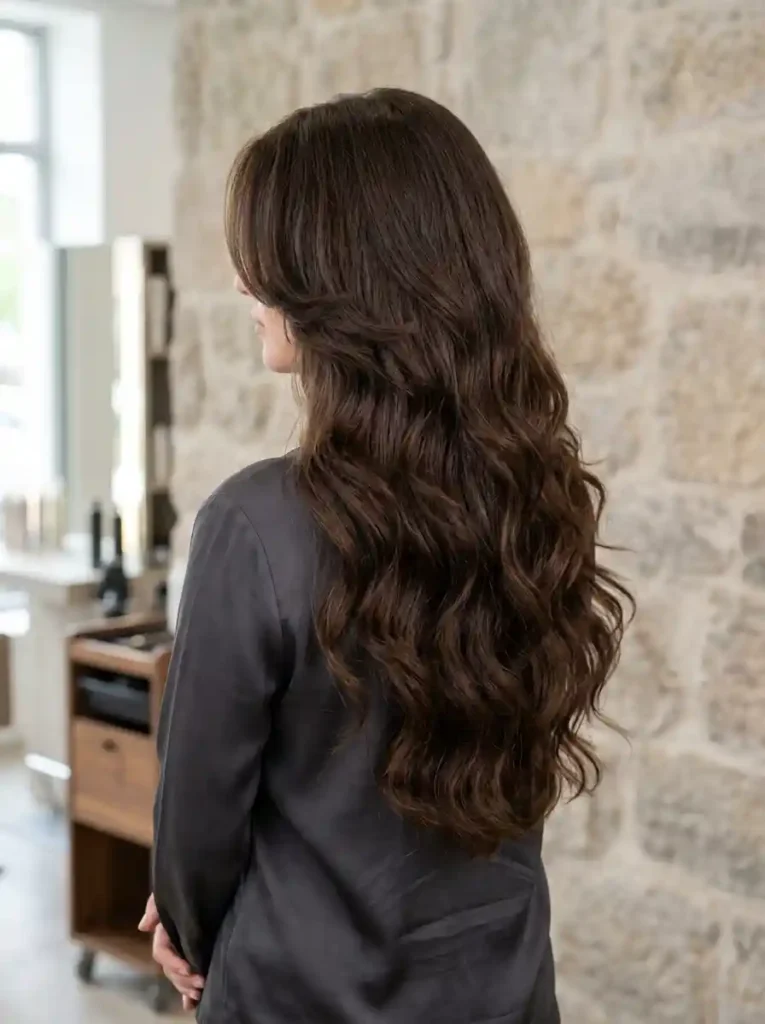
Thick long hair can benefit from strategic layering because a single-length shape may feel bulky. Face-framing sections create definition near the front, while longer internal layers distribute weight through the body. The goal is movement without making the ends look thin. This option works especially well for people who want their hair to feel more manageable while retaining a full, substantial appearance.
Tell your stylist where the bulk feels uncomfortable. That information can guide internal layering more effectively than simply requesting thinner hair. Stylist Tip: Avoid excessive razor work if your ends become frizzy or rough easily. Controlled scissor layering can provide movement while keeping the outer perimeter stronger and more polished.
20. Long Layers With Soft Side Bangs
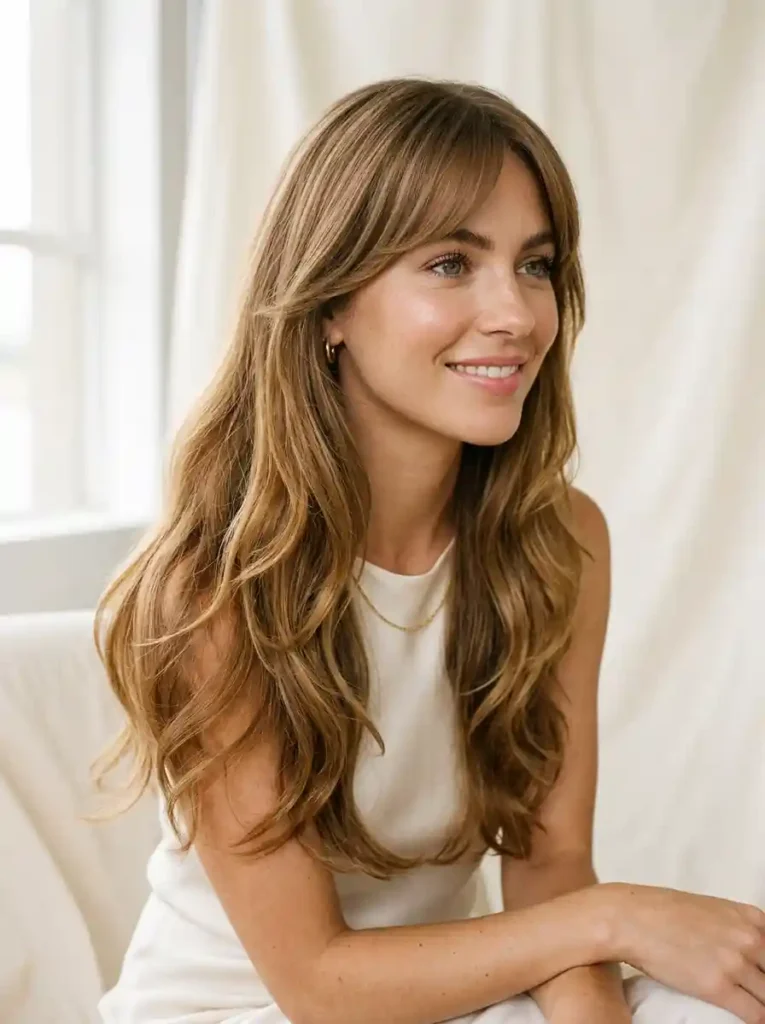
Soft side bangs offer a classic way to change the front of long hair without committing to a full fringe. They sweep diagonally across the forehead and merge into face-framing layers. This creates a gentle transition between the shorter front section and the longer lengths. The style can feel polished, romantic, or casual depending on how the waves are styled.
Blow-dry the fringe toward the opposite side first, then sweep it into place as it cools. This can encourage a softer curve at the roots. Common Mistake: Cutting side bangs too heavily can make them look disconnected from the rest of the haircut. Ask for a gradual blend that continues into the cheek and jaw area.
21. Textured Layers With Copper Gloss
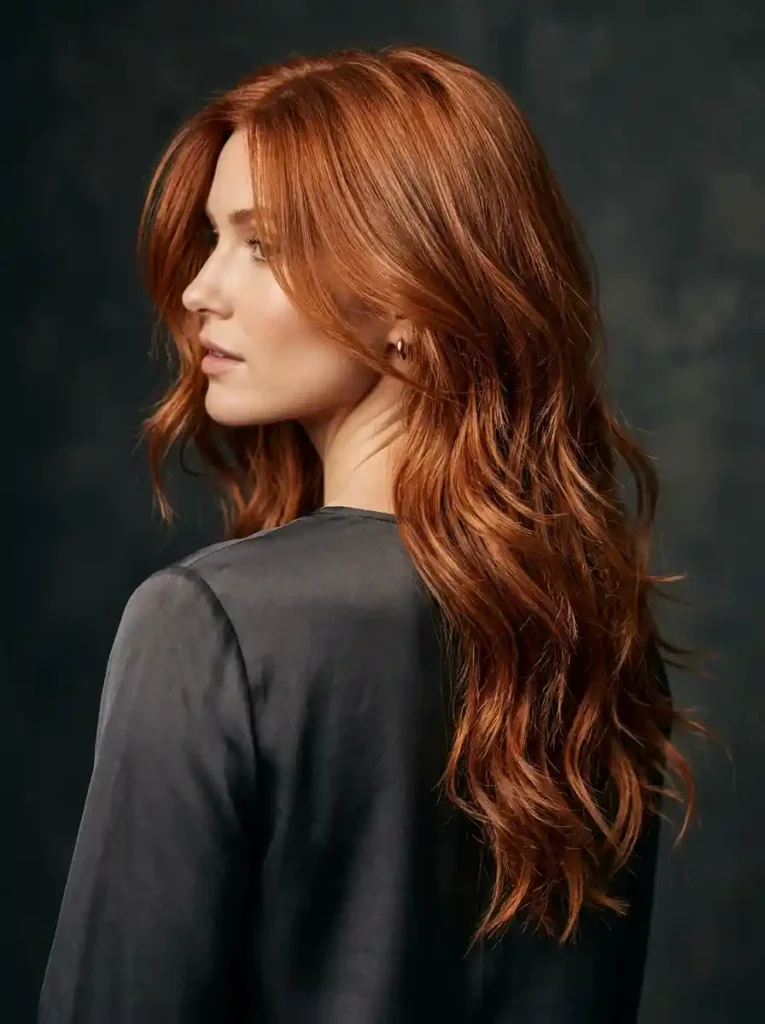
Copper color can make textured layers especially striking because warm tones reflect light across the changing lengths. This version uses soft piecey layers rather than dramatic steps, giving the hair movement without losing elegance. It suits someone who wants a noticeable color and haircut combination while keeping the overall silhouette long. Loose waves help reveal the different copper tones.
Copper shades can require careful color maintenance because vibrancy may fade with frequent washing. Ask your colorist whether a gloss or demi-permanent refresh suits your routine. Pro Tip: Use cooler water when washing if your stylist recommends it, and limit unnecessary heat exposure. Keeping the hair conditioned helps the layered ends look smooth and reflective.
22. Layered Ends With Soft Flicks
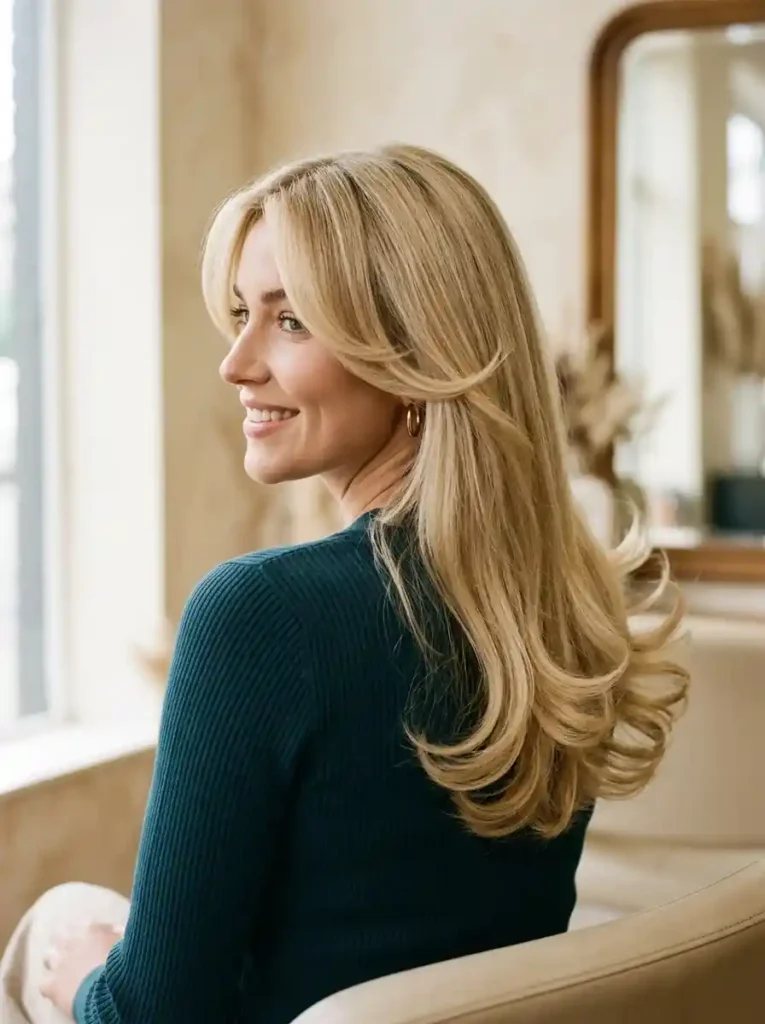
Soft flicks give long layered hair a playful shape without creating a heavily retro haircut. The ends bend outward slightly, making the lower layers visible and adding movement around the shoulders and back. This style works well for straight or gently wavy hair. It is a good choice when you want your layers to look intentional rather than simply textured.
Use a medium or large round brush and direct the ends outward while the hair is almost dry. Let each section cool in its shape before brushing lightly. Stylist Tip: Keep the flick subtle for an updated appearance. Too much outward curl can overwhelm long layers and make the haircut appear more theatrical than intended.
23. Long Layers With Natural Waves
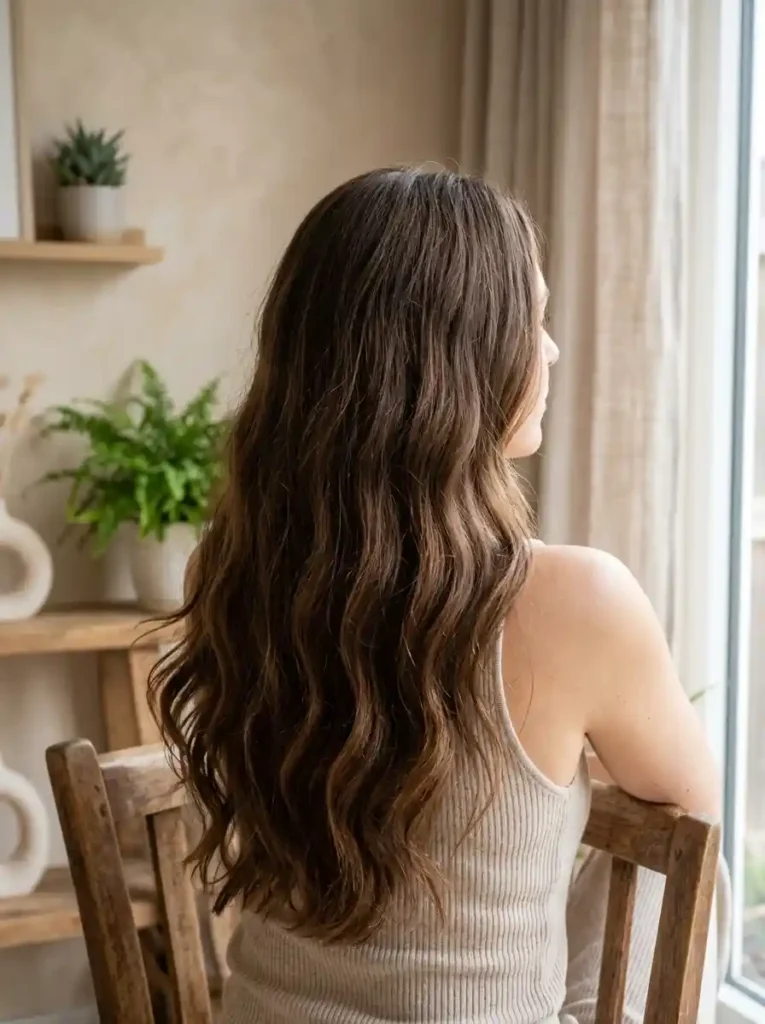
Long blended layers are a reliable choice for naturally wavy hair because they encourage movement without requiring a highly structured cut. The waves can separate into softer sections instead of forming one dense shape. This version keeps the face framing subtle and lets the natural texture remain the main feature. It suits people who want an attractive haircut that does not demand daily heat styling.
Apply styling product while the hair is soaking wet or very damp, depending on your texture. Scrunch gently, then allow the waves to dry without repeatedly touching them. Pro Tip: Ask your stylist to account for your natural wave pattern rather than copying a straight-hair reference exactly. Layer placement should support how your hair actually moves.
24. Polished Layers With Subtle Blonde Balayage
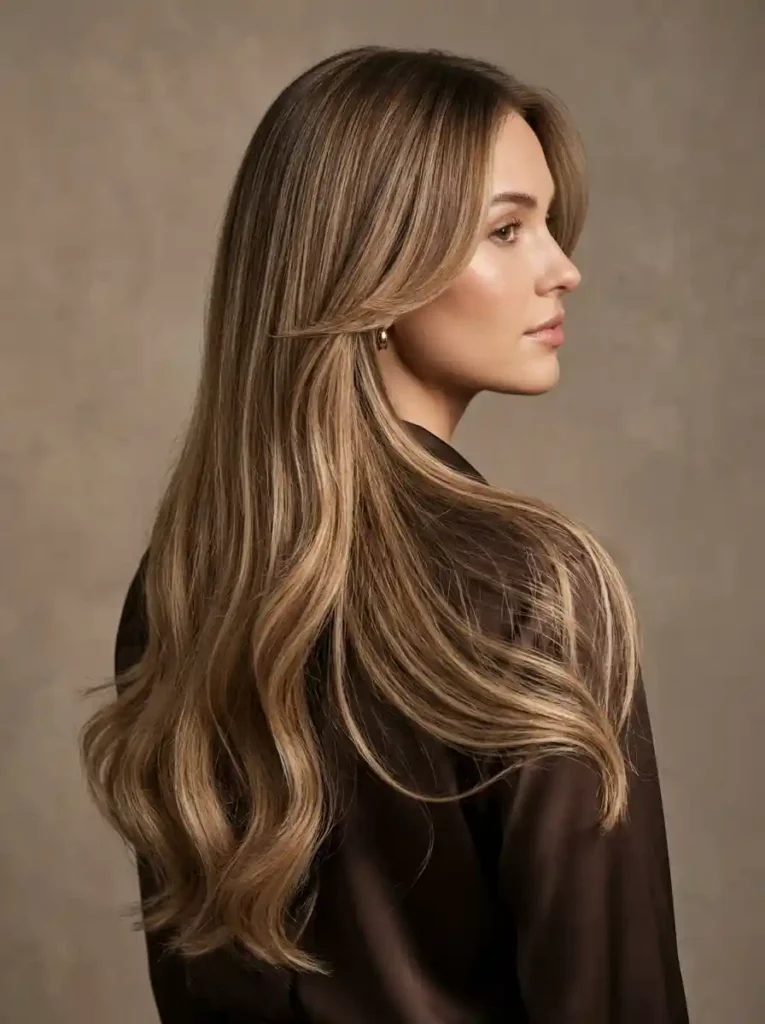
Subtle balayage can highlight layered movement without creating a dramatic contrast. The lighter pieces are blended through the lengths, giving the hair dimension while keeping the overall color sophisticated. Polished layers add shape and prevent the long hair from appearing visually flat. This option works well for someone who wants an elegant finish that remains appropriate for everyday settings.
Ask for the lighter pieces to follow the haircut rather than appearing as evenly spaced stripes. This creates a more natural relationship between color and movement. Common Mistake: Over-lightening every layer can reduce the contrast that makes balayage dimensional. Keeping some darker sections helps the lighter pieces stand out naturally.
25. Soft Wolf-Inspired Long Layers
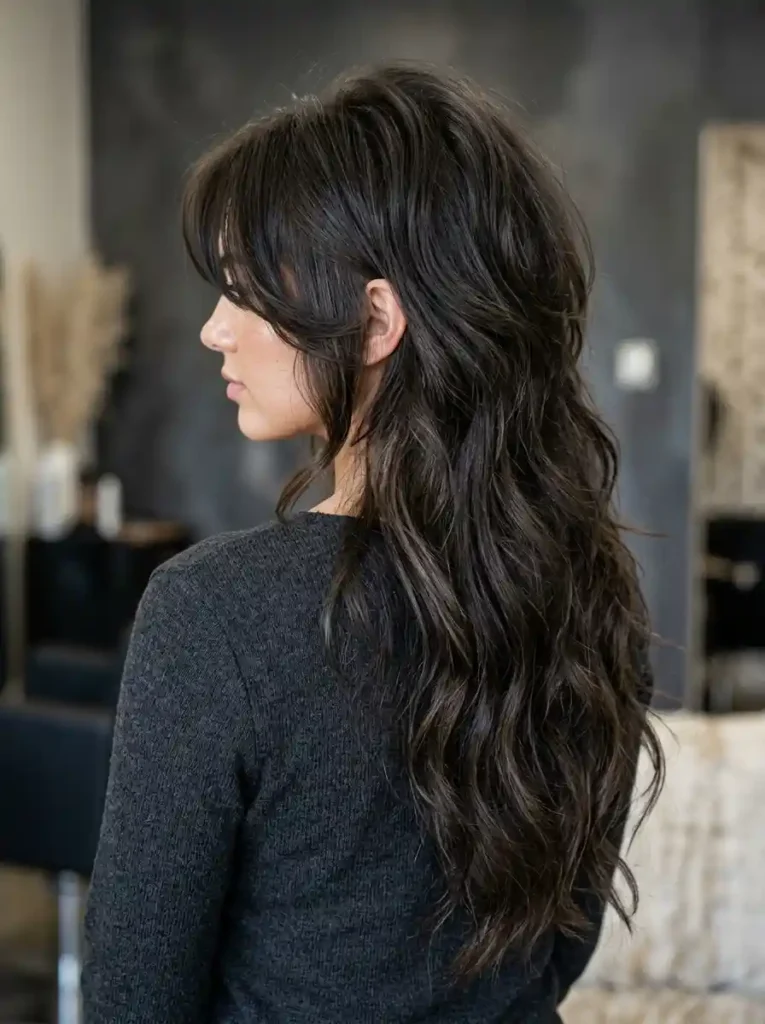
A soft wolf-inspired cut combines higher texture with a long, flowing perimeter. It offers more crown movement than a conventional long-layered haircut while keeping substantial length underneath. This version is intentionally softer than an extreme wolf cut, making it easier to wear in everyday settings. It suits people who enjoy texture, volume, and a slightly edgy silhouette without wanting a very short overall shape.
Ask your stylist to adjust the crown layers according to your natural density. Thick hair can support more visible separation, while fine hair may need fewer strategic sections. Use mousse at the roots and a flexible cream through the ends. Stylist Tip: Bring a photo showing both the front and back of the desired cut. The balance between crown volume and long perimeter is what keeps this shape intentional.
Frequently Asked Questions
Are layered hairstyles good for long hair?
Yes. Layers can add movement, shape, and visual dimension while preserving overall length. The best placement depends on hair texture, density, and styling habits.
Which layers work best for fine long hair?
Subtle or invisible layers often work well for fine hair. They can add movement while helping the ends retain a fuller appearance.
Can layered hair work with naturally curly hair?
Yes. Curly hair can benefit from carefully placed layers that support curl movement. The stylist should account for shrinkage and the natural curl pattern.
How often should long layers be trimmed?
Many people schedule trims every few months, but the ideal timing depends on growth, hair condition, and the precision of the haircut.
Do layers make long hair look thinner?
They can if too much weight is removed. Strategic layering can instead create movement while preserving a fuller-looking perimeter.
Are long layers easy to style?
Many long-layered cuts are easy to style, especially when the layers complement natural texture. Straight, wavy, and curly hair may need different techniques.
Conclusion
Long hair does not need to look flat or heavy to stay beautifully long. The right layers can add movement, shape, texture, and personality without removing the length you value. Soft face-framing pieces offer an easy refresh, while shags, curls, choppy layers, and bold color create stronger transformations. Consider your natural texture, density, styling routine, and preferred maintenance level before choosing a cut. Save your favorite inspiration before your next salon visit, and use the details to explain exactly what you want.


