
Hot tools can create beautiful curls, but they can also make styling feel like a chore. Heatless curls offer a gentler way to change your look while you sleep, relax, or get ready. The best part is the variety. You can create loose waves, defined spirals, polished curls, or soft volume with simple techniques. These heatless curls ideas cover different hair lengths, textures, and styling preferences, so you can find an approach that feels easy and genuinely wearable.
1. Classic Overnight Robe-Tie Curls
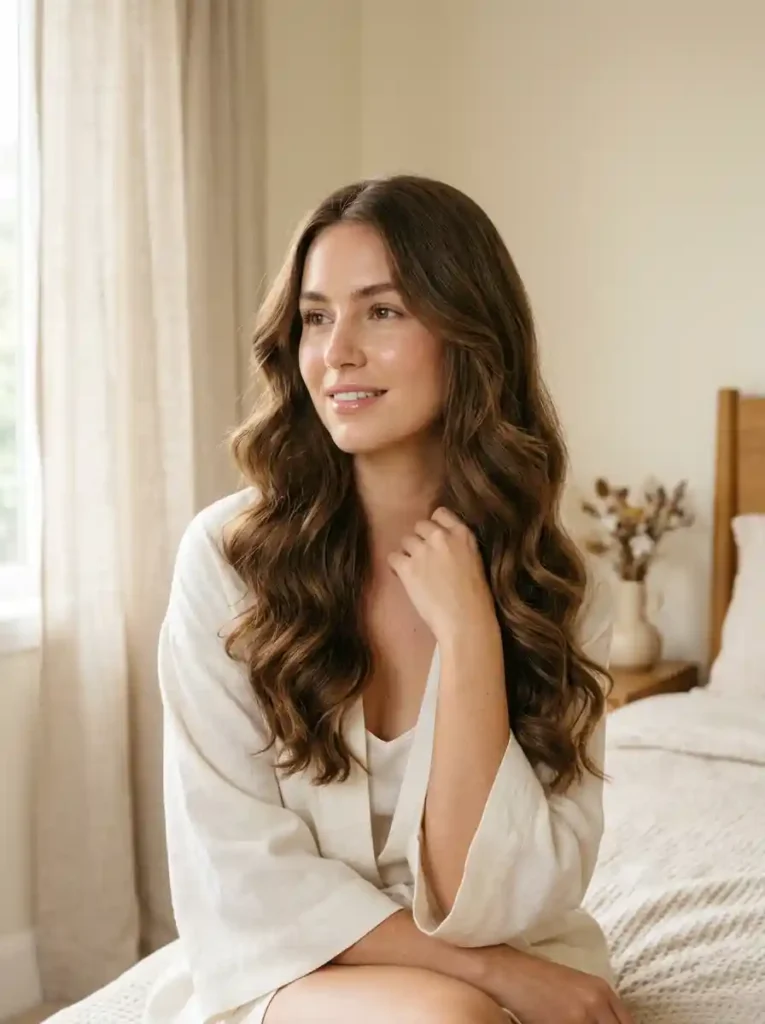
This classic method creates soft curls with a naturally polished finish. The curls begin around the cheekbones and loosen toward the ends. It works especially well on medium to long hair because the extra length gives the hair room to wrap around the tie. Straight hair can gain noticeable movement, while naturally wavy hair may develop more uniform bends. The finished shape feels feminine without looking overly styled, making it suitable for everyday outfits, casual events, or simple office looks.
Start with hair that is slightly damp, not wet enough to stay moist overnight. Divide the hair into two sections and wrap each side evenly around the robe tie. Secure the ends gently with soft scrunchies. Pro Tip: Keep the wrapping firm but comfortable. Extremely tight sections can create sharper bends instead of soft curls. Allow the hair to dry completely before removing the tie, then separate the curls with your fingers.
2. Soft Headband Waves
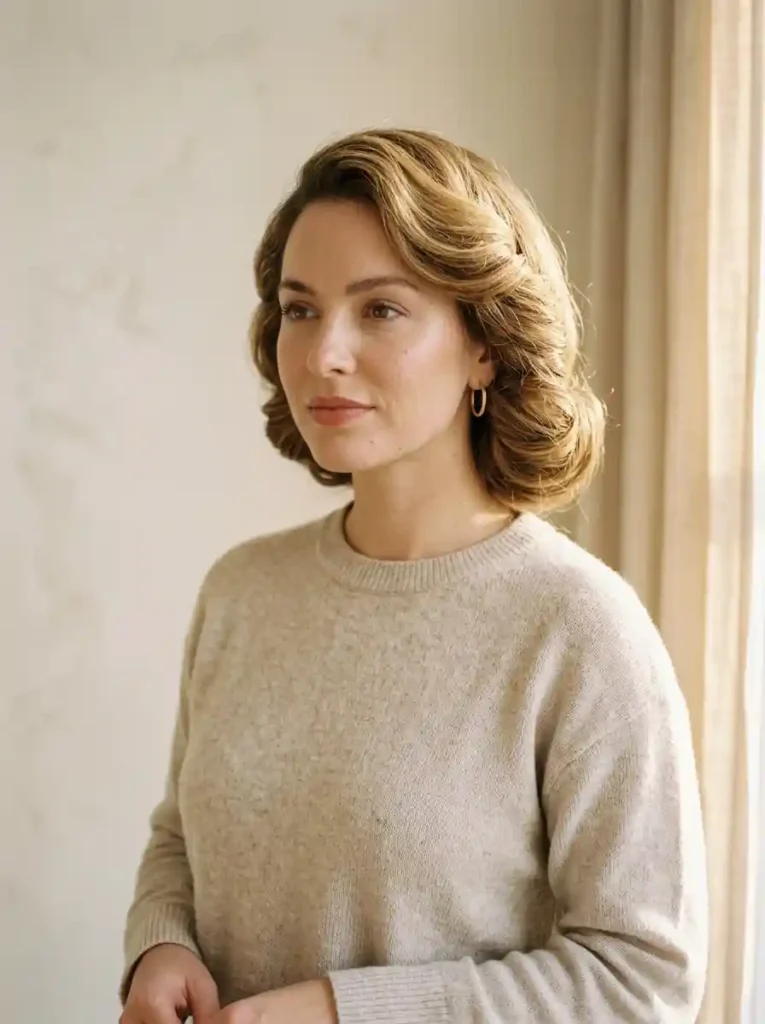
Soft headband waves are ideal when you want movement rather than tightly defined curls. The method creates a relaxed pattern that begins near the roots and gradually opens toward the ends. Shoulder-length hair looks particularly attractive with this technique because the waves add fullness without making the overall shape appear heavy. Fine hair may also benefit from the added visual texture. The result has a slightly romantic appearance that works beautifully with sweaters, dresses, or relaxed weekend outfits.
Choose a wide, comfortable headband with enough flexibility to hold the wrapped sections. Place it over the hair, then tuck small sections underneath while moving around the head. Keep the sections similar in size for an even finish. Stylist Tip: If your hair is naturally straight, use a lightweight mousse before wrapping. Let everything dry fully, then gently pull apart the waves instead of brushing them aggressively.
3. Sock Curls for Defined Spirals
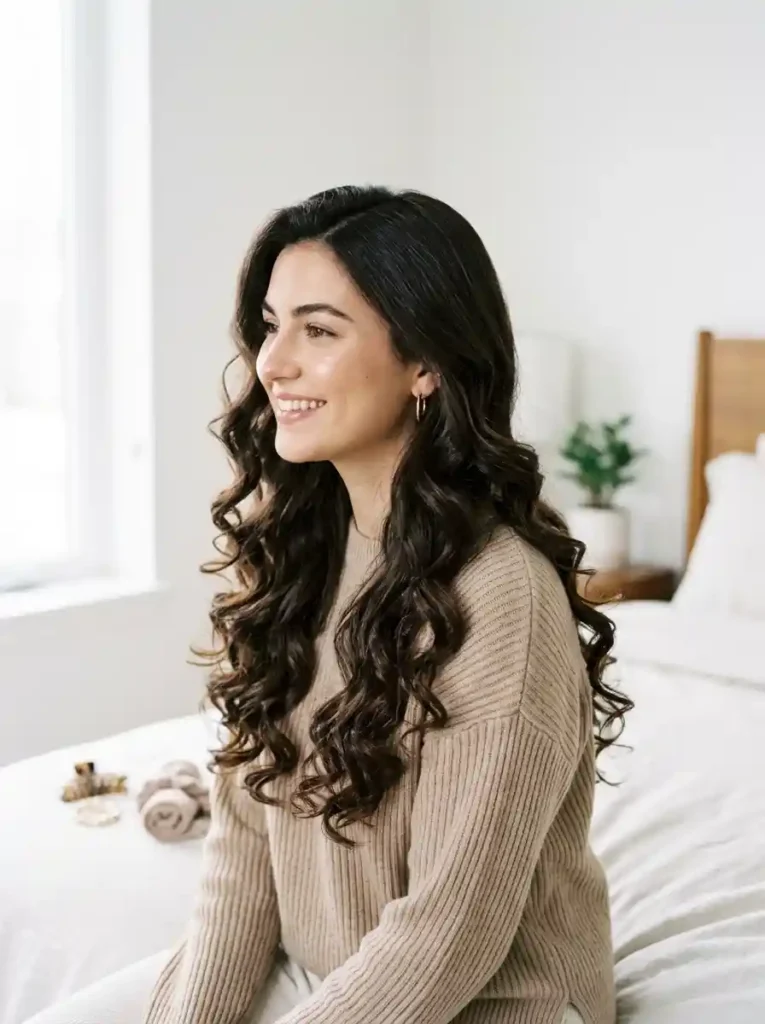
Sock curls can create more visible definition than broad wrapping techniques. They are especially useful for long hair that tends to fall flat after traditional overnight methods. The curls have a rounded spiral shape, but they can still look soft when separated carefully. This technique suits medium to thick hair because larger sections can be wrapped around the fabric. It also gives straight hair a stronger transformation than loose overnight braiding.
Use clean, soft socks with enough length to wrap comfortably around each section. Split the hair into four or more sections when you want smaller curls. Common Mistake: Wrapping very wet hair can leave the center damp by morning. Instead, begin when the hair feels nearly dry. After removing the socks, wait a few minutes before separating the curls. This allows the shape to settle naturally and reduces unnecessary frizz.
4. Chunky French-Braid Waves
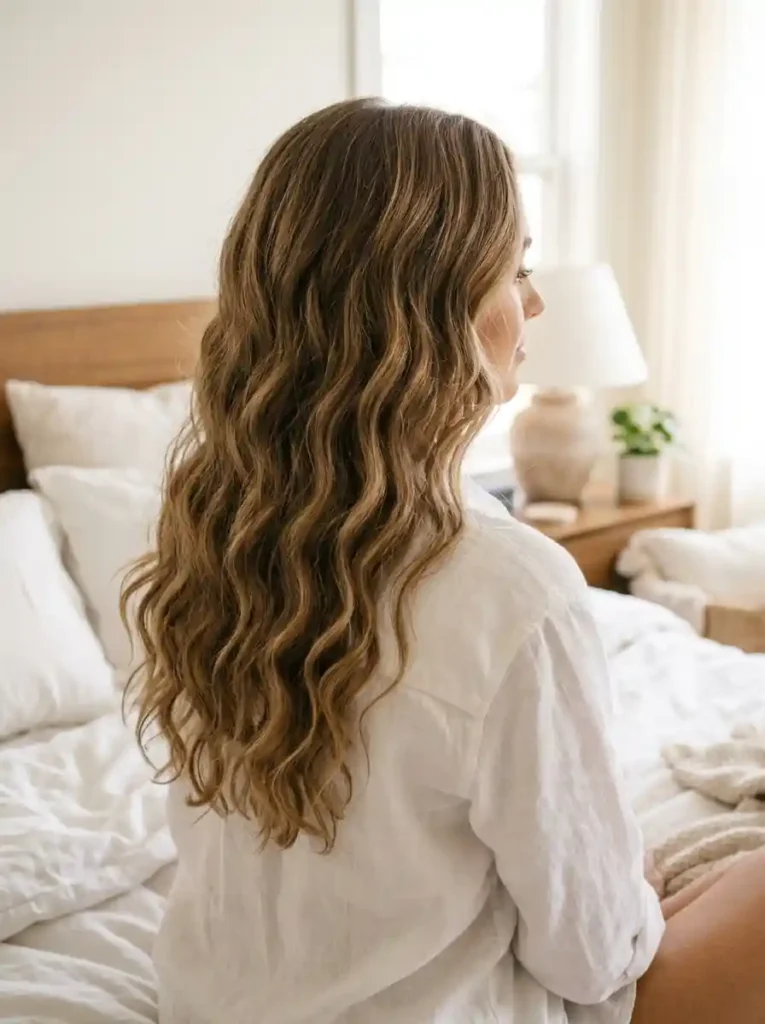
A chunky French braid produces broad waves with a distinctive texture. The pattern usually begins higher on the head, giving the finished style more volume than methods focused only on the ends. Medium-length hair works particularly well because the braid creates visible bends without overwhelming the haircut. This look is perfect for people who prefer relaxed texture instead of round curls. It also pairs nicely with layered hair because the different lengths create subtle variation.
Create one loose French braid while the hair is slightly damp. Avoid pulling every section tightly because excessive tension can create uneven ridges. Secure the end with a soft elastic and let the braid dry completely. Stylist Tip: Keep the braid looser around the crown and slightly firmer through the lower lengths. This creates a more natural transition from volume to wave. Once released, shake the roots gently and use your fingers to shape the ends.
5. Twin Dutch-Braid Waves
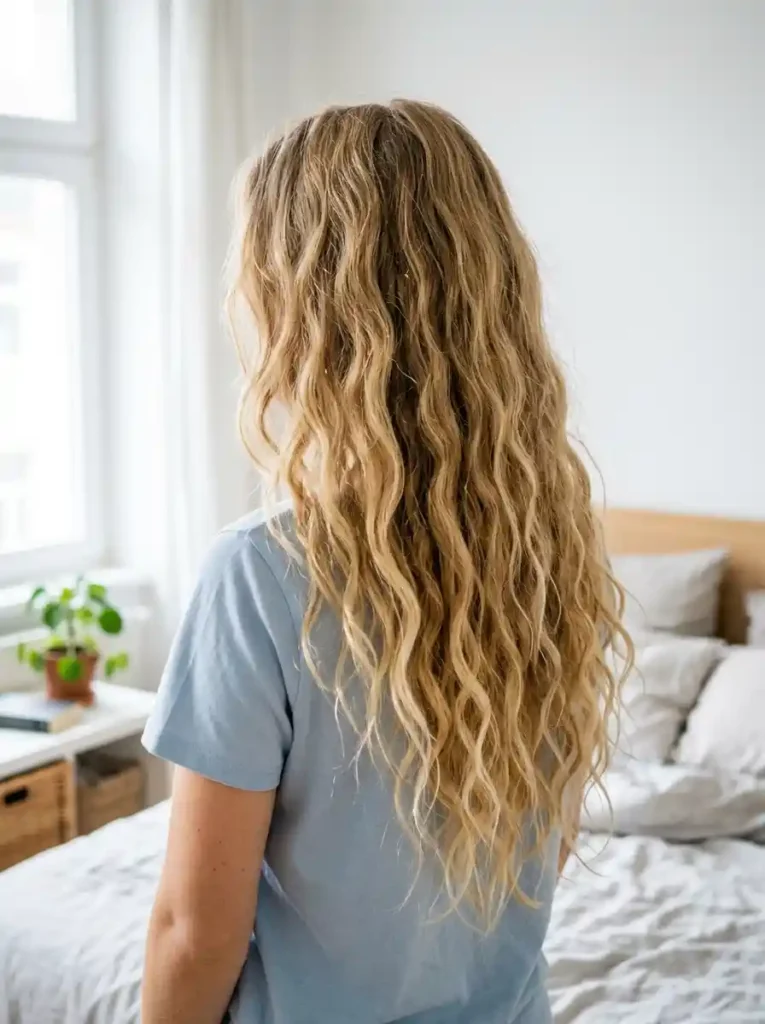
Two Dutch braids create a balanced wave pattern with slightly more texture than traditional loose braids. The method distributes the bends across both sides, which can make the final hairstyle look even and intentional. It suits long and medium hair, especially when the goal is a casual beach-inspired appearance. Layered hair can look particularly lively because shorter pieces form smaller bends around the face and crown.
Part the hair down the center before creating two Dutch braids. Keep both braids similar in size if you want symmetrical waves. Pro Tip: Do not braid immediately after washing if your hair is very slippery. A small amount of texturizing mousse can improve grip. Once dry, release each braid slowly and separate the waves with your fingertips. A tiny amount of lightweight serum on the ends can help control unwanted frizz.
6. Flexible Rod Spiral Curls
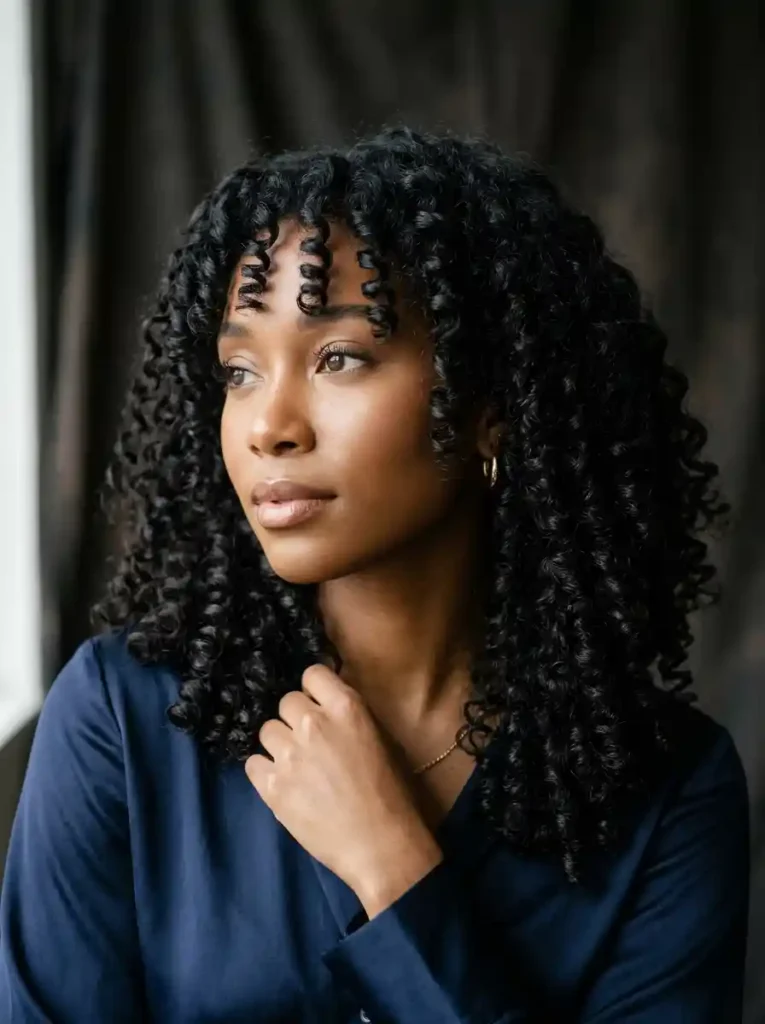
Flexible rods are useful when you want curls with a consistent shape. They allow you to control the diameter by choosing thicker or thinner rods. Smaller rods produce tighter curls, while larger rods create fuller bends. This makes the method adaptable for different hair lengths and textures. Medium-to-long hair often provides enough length for several complete wraps, creating a defined finish that can later be softened with gentle finger separation.
Begin with mostly dry hair and lightly dampen only if needed. Wrap each section smoothly around the rod, keeping the ends tucked neatly. Stylist Tip: Use larger rods around the face if you prefer softer framing. Smaller rods can be placed toward the back for added definition. Let the hair dry fully before bending the rods open. Never pull the curls straight from the rods because that can disturb their shape.
7. Loose Scarf Curls
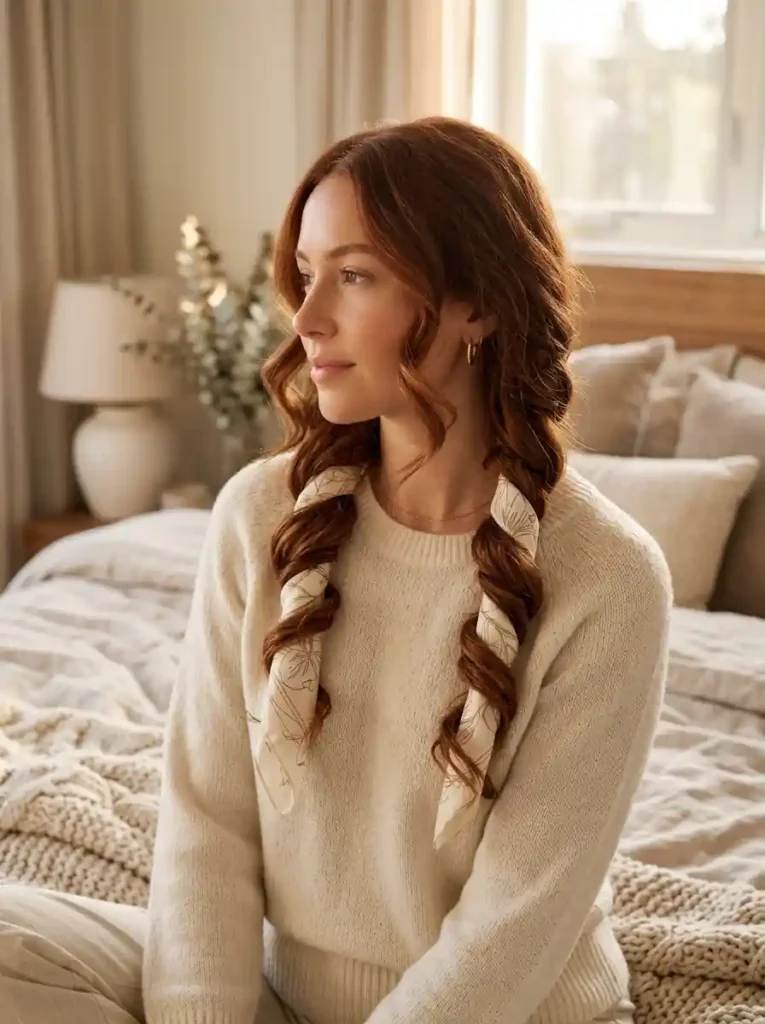
A soft scarf can create generous curls while feeling comfortable enough for an overnight routine. This method works especially well for long hair because the scarf provides a broad surface for wrapping. The finished curls tend to look larger and softer than curls made with narrow rods. The technique suits people who want noticeable movement without a tightly coiled appearance. It also creates a lovely base for half-up hairstyles.
Choose a long, smooth scarf that will not snag the hair. Position it centrally, then wrap sections around each side with even tension. Secure the ends loosely so they do not leave harsh marks. Common Mistake: Using sections that are dramatically different in thickness can produce an uneven result. Keep them reasonably consistent. After releasing the scarf, let the curls fall naturally for several minutes before shaping them with your fingers.
8. Two-Strand Twist Waves
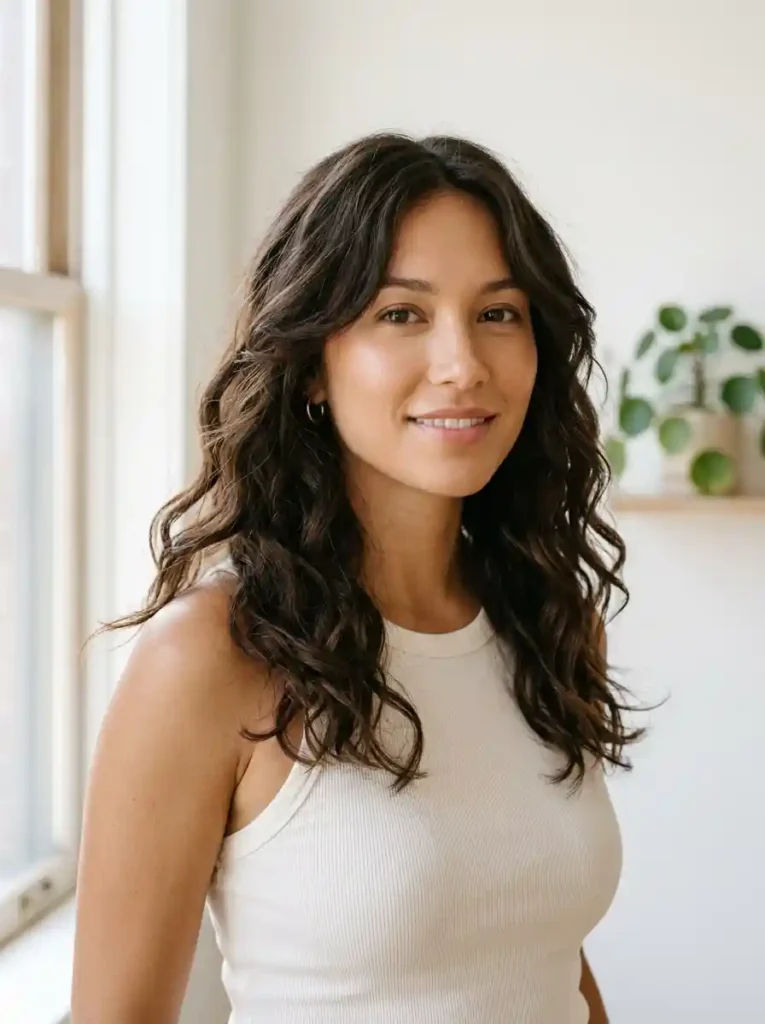
Two-strand twists are simple when you want texture without complicated tools. They create a more irregular wave pattern than rollers, which gives the finished hair a relaxed appearance. This method is particularly appealing for shoulder-length and medium hair. It can also work nicely with naturally wavy textures because the twists encourage existing movement. The result looks casual and touchable rather than perfectly uniform.
Separate the hair into several sections and twist each one away from the face. Secure the ends with small fabric ties. Use slightly damp hair for a stronger pattern, or nearly dry hair for softer waves. Pro Tip: Twist smaller sections when your hair is thick or resistant to styling. Larger sections work better for fine hair because they create broader bends without making the style look overly busy.
9. Satin-Ribbon Curls
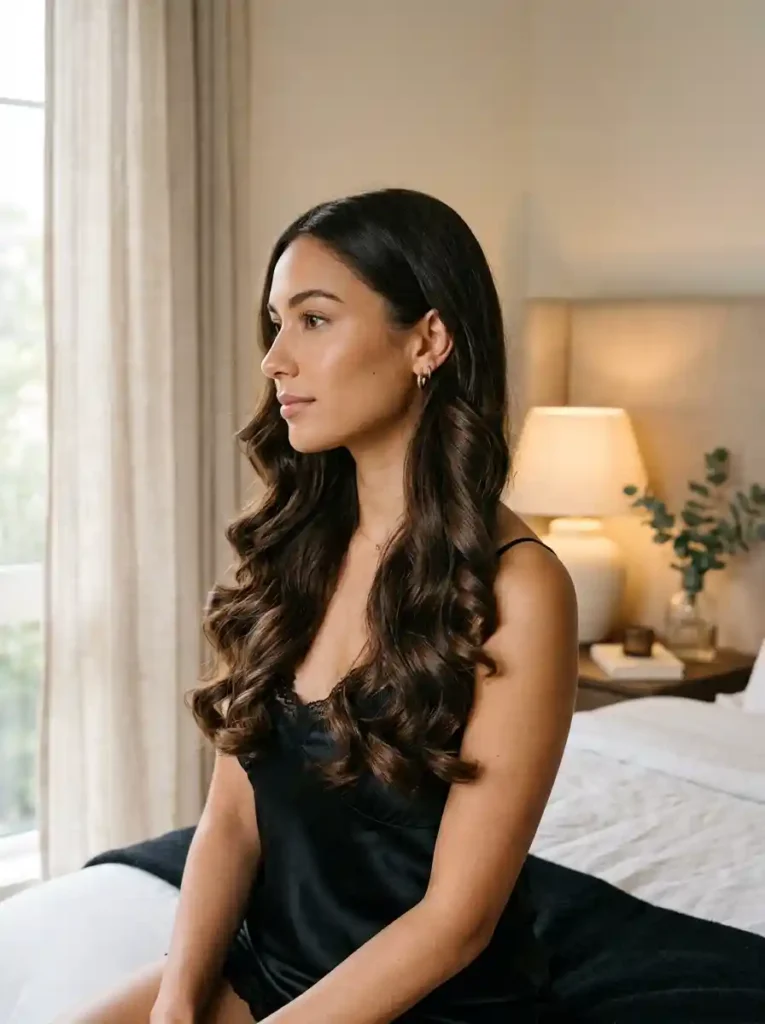
Satin ribbon curls offer a polished alternative to rougher fabric methods. The smooth ribbon helps create rounded curls while adding a pretty visual detail to an overnight routine. Long hair can produce graceful, flowing curls, while medium hair develops a bouncier shape. This technique suits people who enjoy a neat finish but do not want extremely tight spirals. The curls can be brushed lightly for a glamorous blowout-inspired effect.
Use a ribbon that is soft and wide enough to support the hair without creating pressure. Wrap each section smoothly, paying attention to the ends. Stylist Tip: Curl the front sections away from the face for a more open appearance around the eyes and cheeks. After removal, avoid immediately brushing from roots to ends. First separate the larger curls with your fingers, then gently loosen them if needed.
10. Mini-Braid Defined Waves
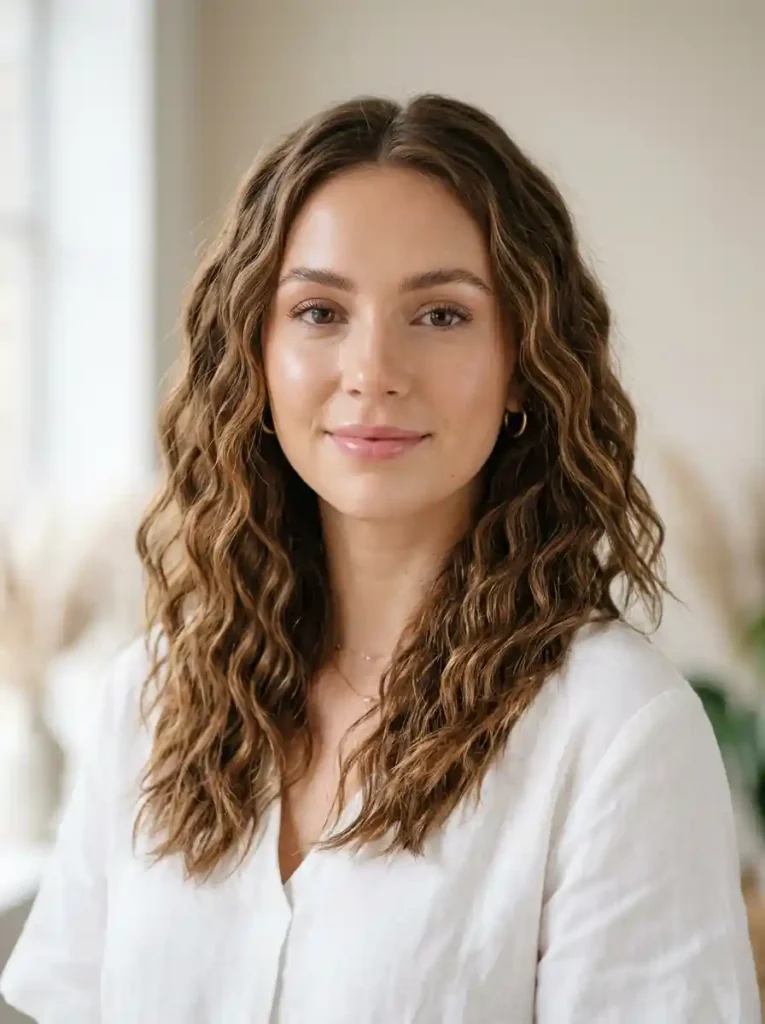
Small braids create a stronger wave pattern than one or two chunky braids. They are useful when you want visible texture across the entire hairstyle. Medium-length hair can look fuller after the braids are released, while longer hair develops a more dramatic crimped-wave effect. This approach works particularly well for casual outfits and creative styling days when a little extra texture is welcome.
Divide the hair into several narrow sections and braid each one loosely. The number of braids determines the final texture. Common Mistake: Making every braid extremely tight can create sharp ridges and uncomfortable scalp tension. Keep the roots relaxed and focus definition through the lengths. Once dry, undo the braids carefully. Use your fingertips to break up the pattern slightly while keeping enough texture for the hairstyle to hold.
11. Heatless Hollywood Waves
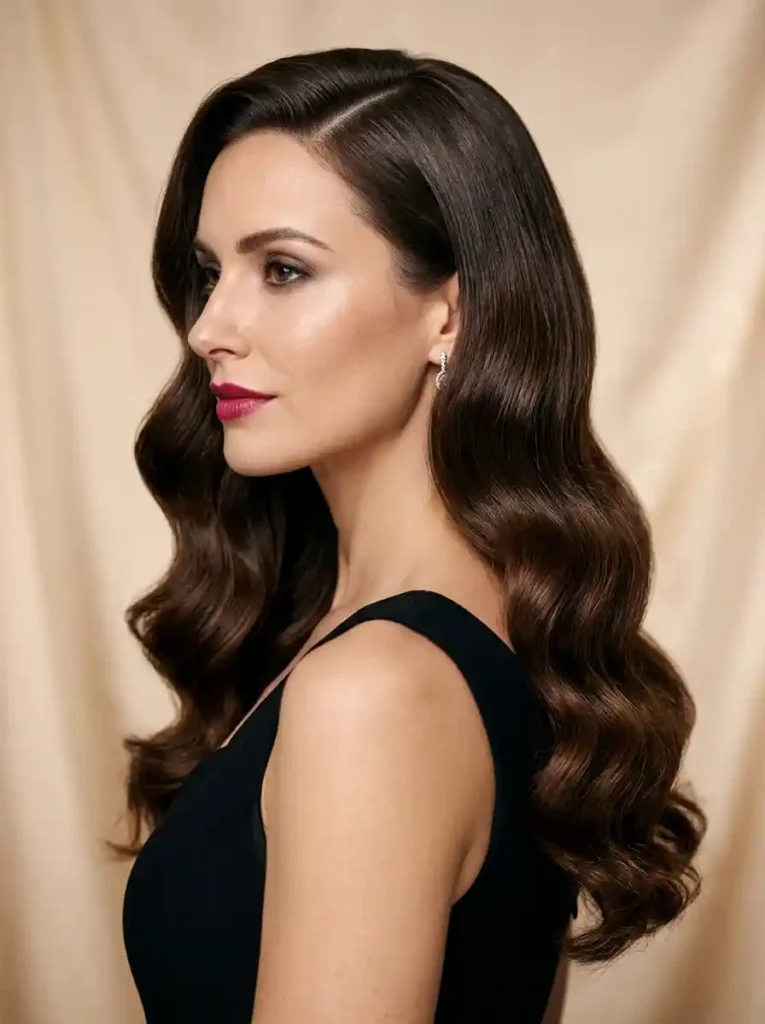
Large overnight rollers or a broad curling ribbon can create the foundation for glamorous Hollywood waves. The defining feature is the smooth S-shaped pattern rather than individual ringlets. This style works beautifully on long or medium hair with enough length to form broad curves. A deep side part adds drama, while a center part creates a softer modern interpretation. The polished shape makes this option especially suitable for dinners, celebrations, and formal occasions.
Use larger sections to prevent the curls from becoming too tight. Wrap each section in the same direction, then release and arrange the waves together. Stylist Tip: Let the hair cool or settle completely before shaping it. Brush very gently with a wide-tooth comb if you need a continuous wave pattern. Finish with a light flexible spray rather than a heavy coating, which can make the movement look stiff.
12. Face-Framing Ribbon Curls
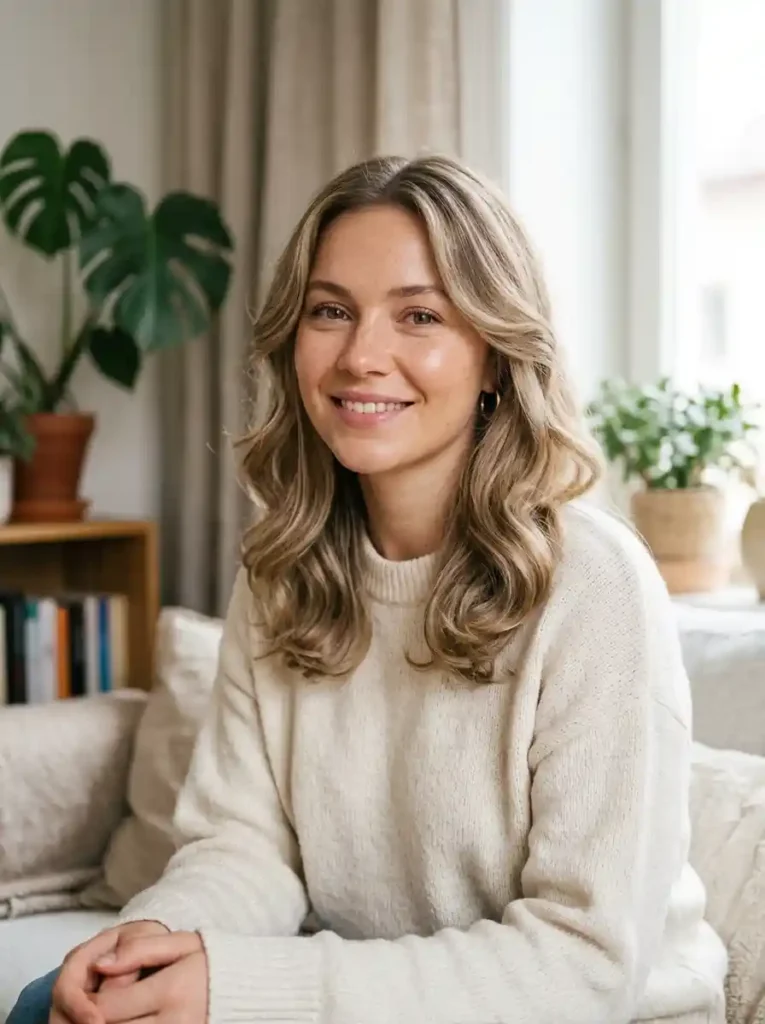
Face-framing curls focus attention on the front sections while keeping the rest of the hair relaxed. This is a useful option when you want a visible change without curling your entire head. Collarbone-length hair works especially well because the curls can curve outward around the face. The result feels light and modern. It also suits people who prefer low-effort styling and want the hairstyle to remain relatively natural.
Separate the two front sections before wrapping them around a ribbon or soft roller. Curl both sides away from the face for an open effect. Leave the back mostly natural or add a few loose bends. Pro Tip: Use slightly larger wrapping sections near the temples. This prevents the curls from becoming too narrow around the face. If your hair is fine, a small amount of lightweight mousse can help the front pieces retain their shape.
13. Mermaid Braid Waves
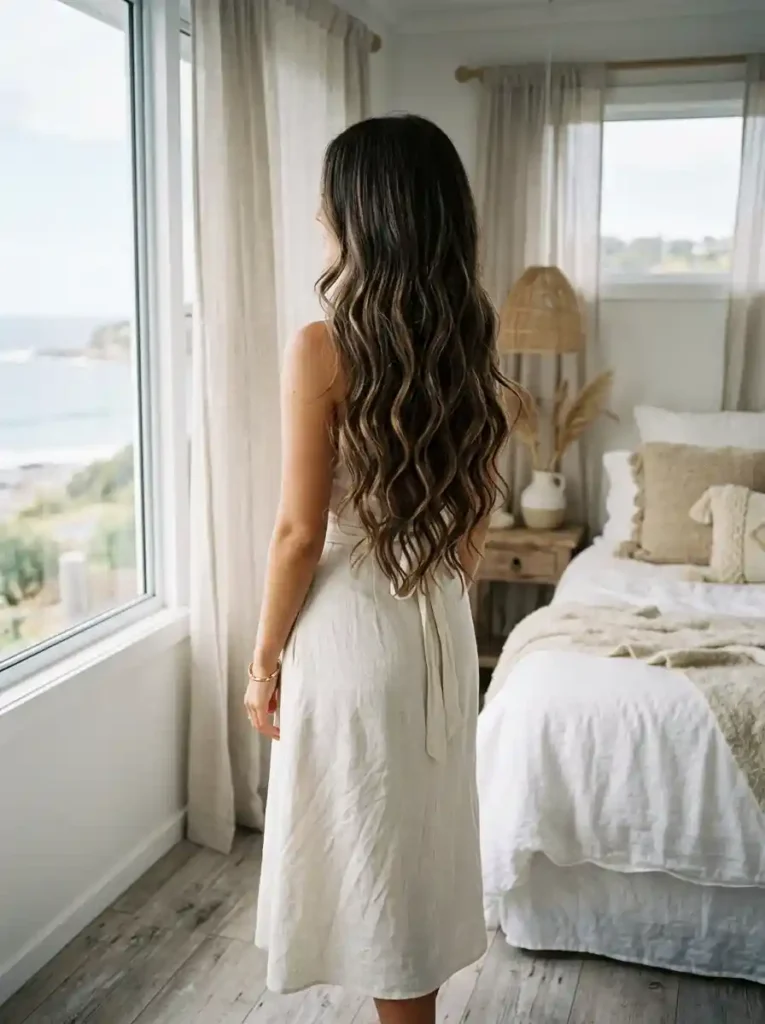
Mermaid waves are long, flowing bends that look more elongated than traditional braid waves. They work especially well on long hair because the extra length allows the pattern to stretch naturally. Several loose braids can create the effect without heat. The style has a relaxed, beach-inspired character, but it can look polished when the waves are evenly formed. It is a strong choice for anyone who wants texture without obvious ringlets.
Create three or more loose braids while the hair is slightly damp. Use fewer braids for larger waves and more braids for stronger texture. Stylist Tip: Keep the lower ends tucked or lightly secured to prevent straight tips from becoming too obvious. Once dry, undo the braids and shake the hair gently. Avoid brushing the waves heavily because that can turn defined bends into unnecessary frizz.
14. Short Hair Pillowcase Waves
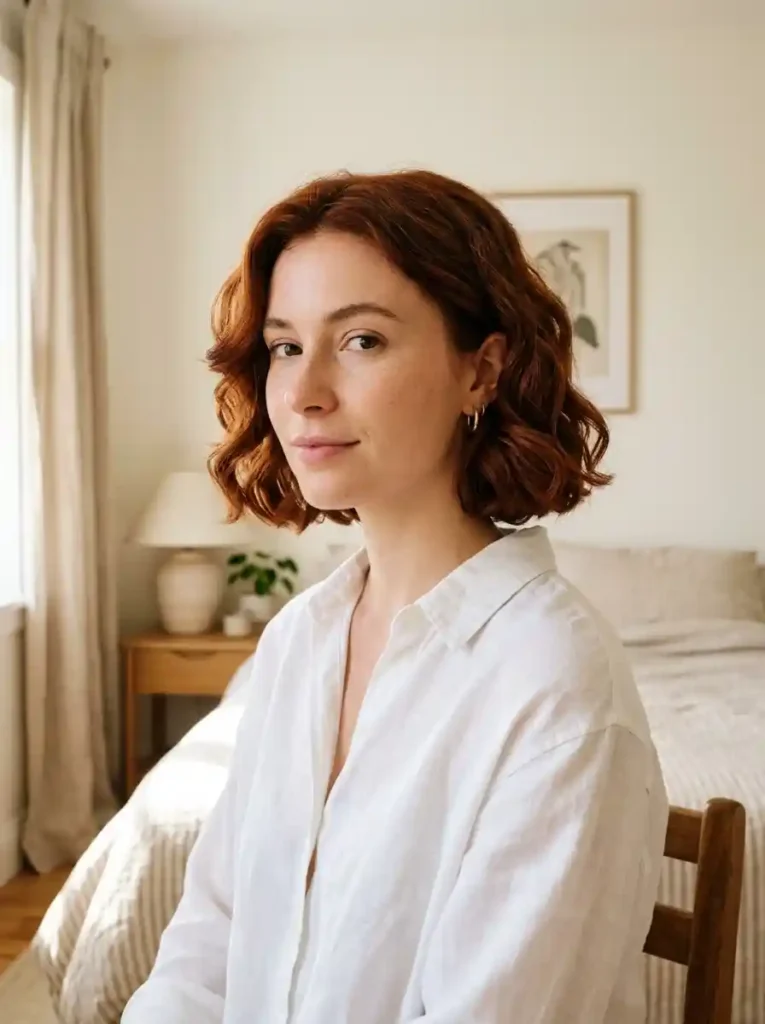
Short hair can be challenging to wrap around long curling tools, so smaller fabric sections make the process easier. This approach creates soft bends through a bob or short layered cut without adding bulky curls. The result can give a chin-length style more movement and dimension. It suits straight or slightly wavy hair that needs a little extra shape. The finished texture remains wearable and avoids the overly curled appearance that smaller tools can sometimes create.
Use short fabric strips or narrow soft curlers that fit the length of the haircut. Wrap small sections from the ends upward, then secure gently. Common Mistake: Trying to wrap large sections of short hair can produce uneven bends. Smaller sections usually give better control. Let the hair dry completely before releasing it. Finish by lifting the roots with your fingertips rather than brushing through the entire style.
15. Voluminous Crown Curls
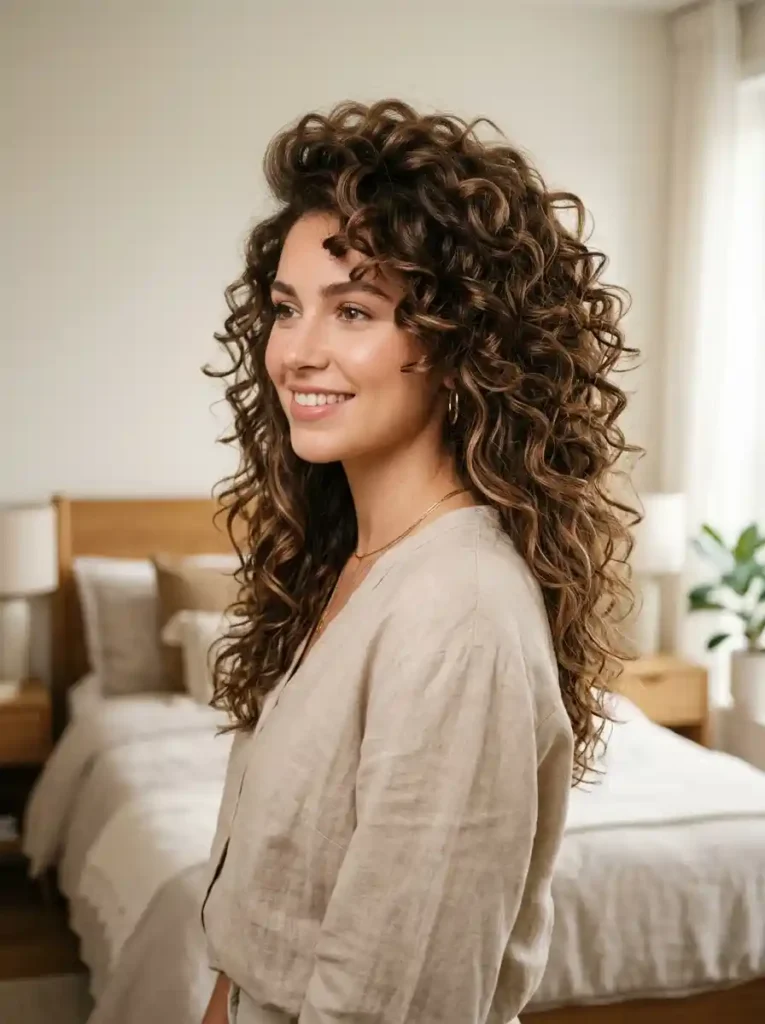
Some people want curls mainly for volume rather than dramatic definition. This method focuses wrapping around the crown while leaving the lower lengths loosely waved. The result creates lift near the roots and a fuller overall silhouette. It works particularly well for medium-density hair that looks flat after washing. Longer hair can also benefit when the goal is a lifted shape without tightly curled ends.
Use larger soft rollers or a broad fabric wrap around the crown and upper sections. Keep the lower lengths in loose twists if you want gentle movement. Pro Tip: Position the rollers slightly away from the scalp rather than pressing them flat. This encourages a lifted root shape. Once the hair is dry, remove the wraps carefully and massage the roots with your fingertips. Avoid heavy oils near the scalp because they can reduce volume.
16. Loose Low-Pony Waves
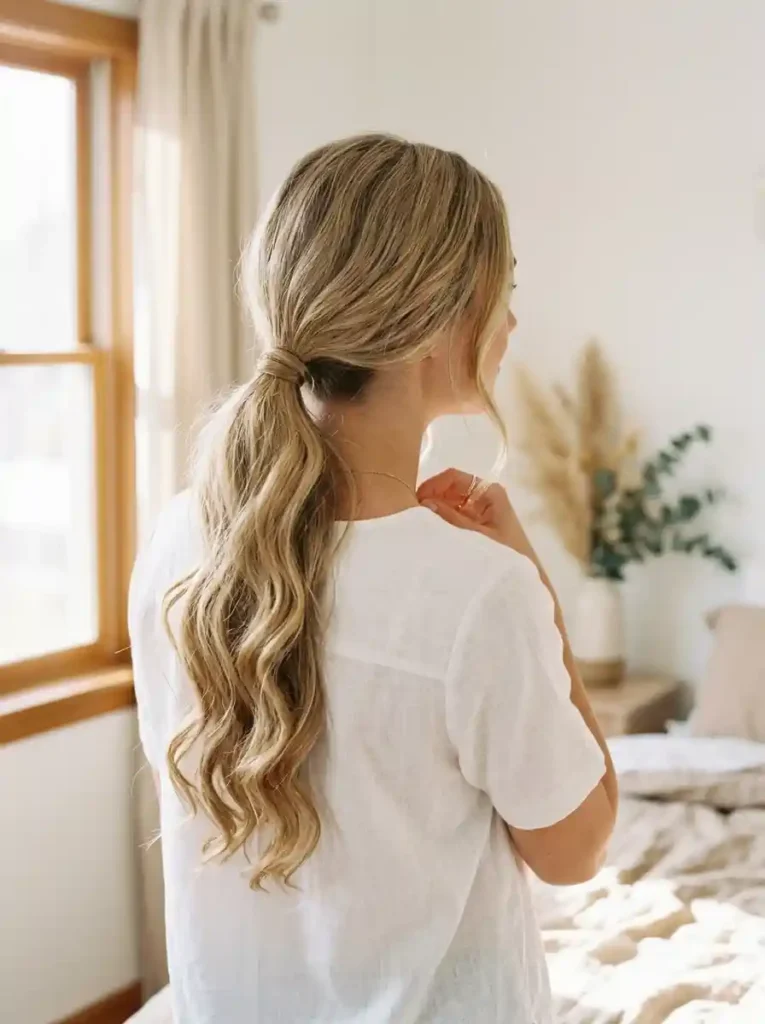
A low ponytail method simplifies heatless styling by reducing the number of sections. It creates relaxed bends mostly through the mid-lengths and ends, leaving the upper hair smoother. This makes the result useful when you want an understated hairstyle rather than full-volume curls. Long hair gives the method enough length to form attractive waves. It can also complement layered cuts because shorter pieces remain softly blended around the crown.
Gather nearly dry hair into a loose low ponytail and divide the length into two or three sections. Twist or braid those sections before securing the ends. Stylist Tip: Use a fabric scrunchie at the base to avoid a deep elastic crease. Keep the ponytail loose enough to prevent unwanted tension. After releasing it, separate the waves gently and smooth the top with your palms instead of brushing everything flat.
17. Half-Up Heatless Curls
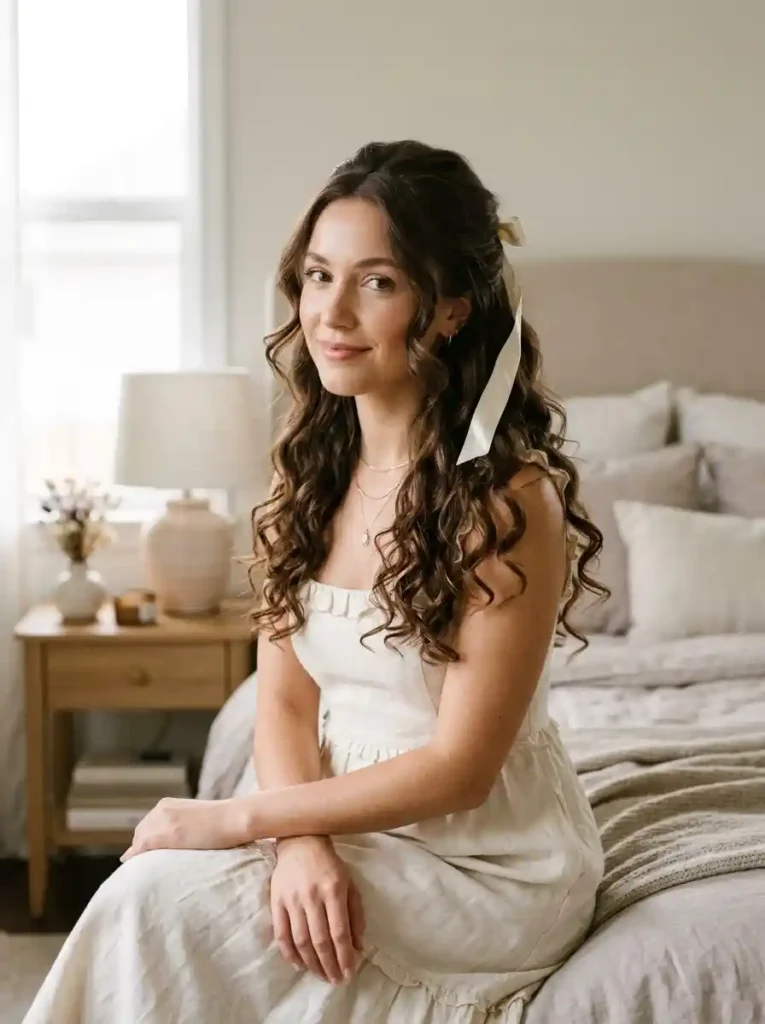
A half-up approach gives you the benefits of heatless curls while keeping the crown relatively controlled. The lower hair carries most of the movement, which creates a pretty contrast between smooth roots and curled lengths. This works well for medium and long hair. It is also useful when you want a hairstyle that looks intentional but does not require every section to be perfectly curled.
Divide the hair horizontally and secure the upper section loosely before styling the lower lengths. Use larger wraps for soft curls or smaller ones for more definition. Pro Tip: Release the upper section only after the lower curls are fully dry. Then blend a few front pieces into the curled lengths. This creates a smoother transition and prevents the half-up shape from looking disconnected from the rest of the hairstyle.
18. Soft Waves for Fine Hair
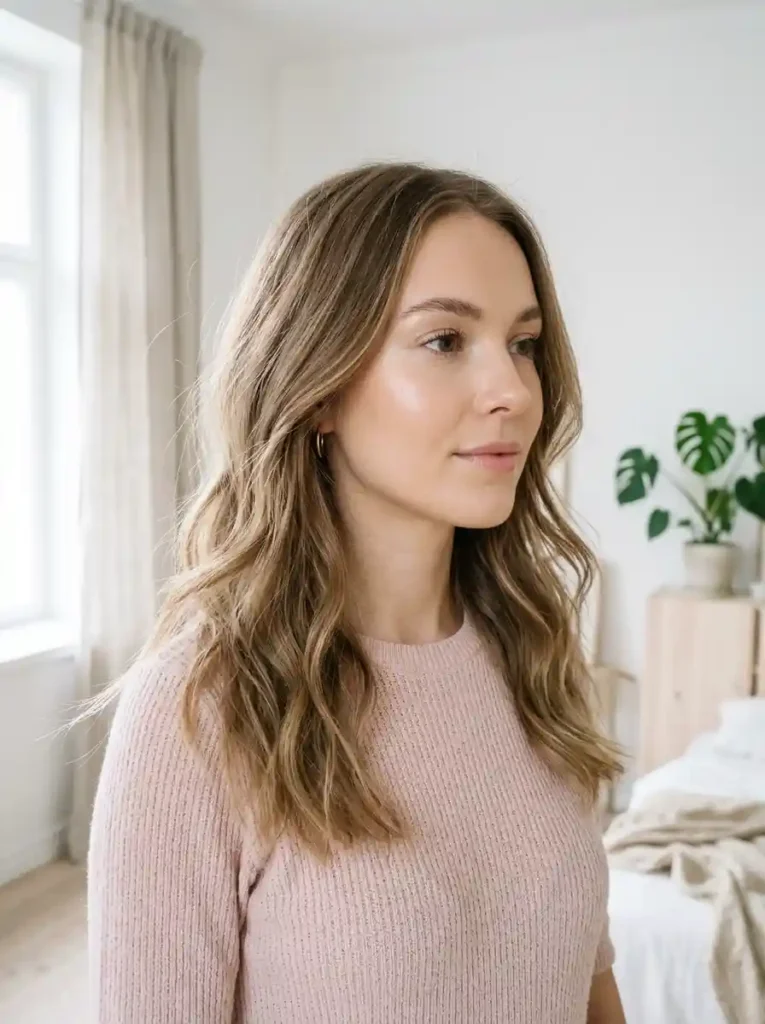
Fine hair can lose curl shape quickly, so broad but defined waves often provide a better balance. The goal is movement without weighing the hair down with heavy products. Shoulder-length hair is especially suitable because the shorter length helps the bends remain visible. A soft texture can make the hair appear more dimensional while keeping the silhouette light and natural.
Use a small amount of lightweight mousse before wrapping the hair around a thin ribbon or flexible roller. Avoid rich creams that can flatten fine strands. Common Mistake: Starting with very wet hair can make fine hair stay damp too long. Begin with nearly dry hair instead. Release the curls only when completely dry, then separate them gently. A light mist of flexible hairspray can help preserve movement without creating stiffness.
19. Heatless Curls for Thick Hair
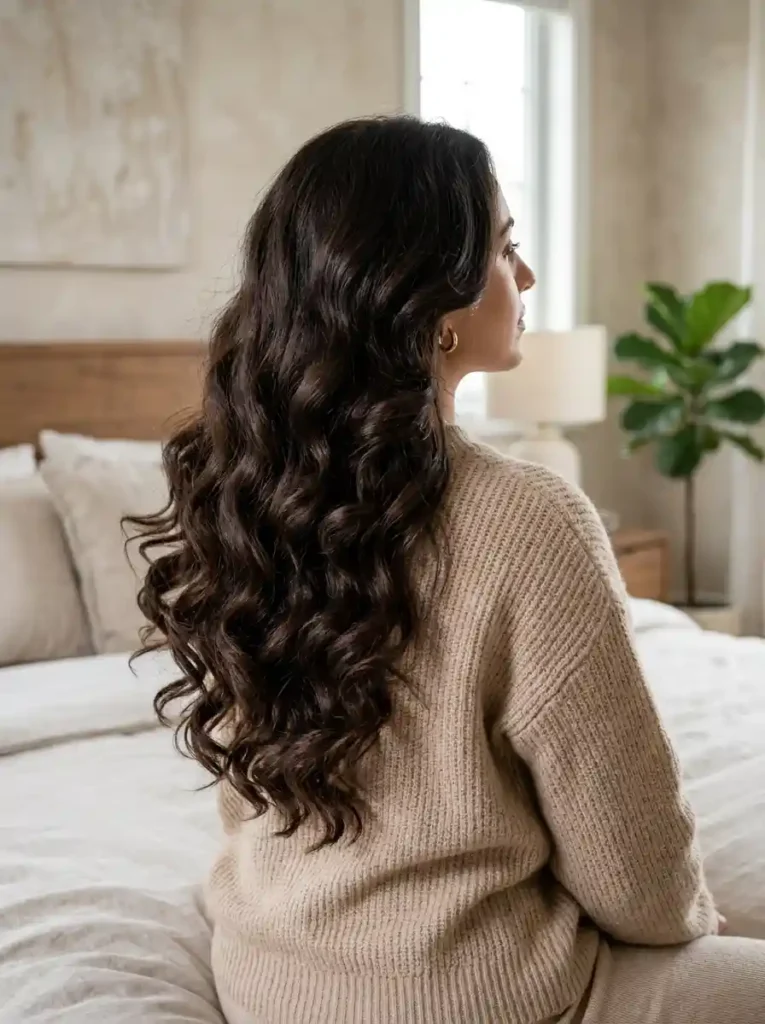
Thick hair needs enough space for each section to wrap without becoming too bulky. Larger sections and wider curling tools can help create controlled movement without producing an overly dense pattern. Long, thick hair often looks especially attractive with large curls that begin around the middle lengths. This approach keeps the overall silhouette generous while avoiding dozens of tiny curls that can make thick hair appear excessively compact.
Divide thick hair into more sections than you might expect, even when creating large curls. Smaller working sections help the hair dry evenly and form a consistent shape. Stylist Tip: Use wider ribbons, larger flexible rods, or several soft rollers rather than one oversized wrap. If the interior remains damp, the curls may collapse quickly. Check the thickest sections before releasing them and give them additional drying time when necessary.
20. Overnight Curls for Wavy Hair
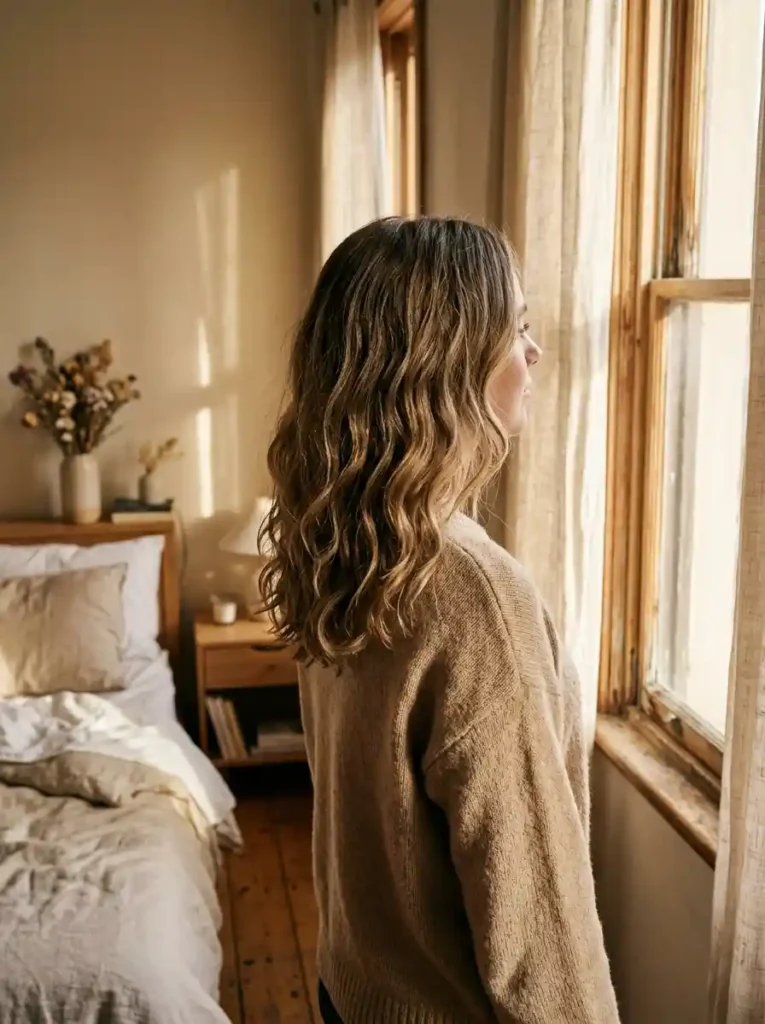
Naturally wavy hair does not always need a dramatic curling method. A gentle overnight wrap can refine existing movement and make the pattern more consistent. The result can look especially natural because the heatless curls blend with the hair’s original texture. Medium and long wavy hair both work well. This option is useful when you want definition while preserving the relaxed character of your natural texture.
Start with hair that is mostly dry and lightly mist only the areas that need reshaping. Wrap larger sections instead of forcing every strand into a precise curl. Pro Tip: Follow the direction your natural waves already take when possible. Working with the existing pattern can create a smoother result. Once released, use your fingers to blend the new curls with the natural waves rather than separating every section individually.
21. Romantic Ringlets With Small Strips
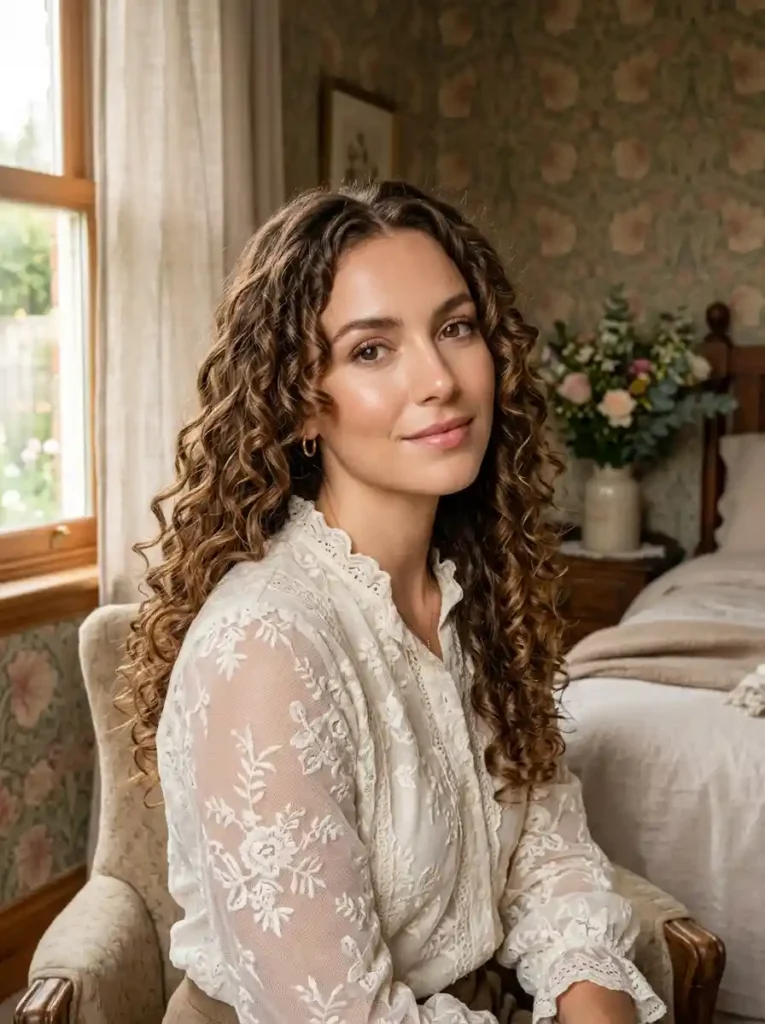
Narrow fabric strips can create small ringlets without requiring heated tools. This technique is ideal when you want a more defined transformation for an evening or special occasion. Medium-length hair can develop bouncy curls, while longer hair creates a fuller cascade. The style can look romantic without appearing artificial when the curls are separated slightly after release.
Choose narrow fabric strips and keep each section relatively small. Wrap from the ends upward, then secure the strip gently. Stylist Tip: Alternate the wrapping direction between sections for a softer, less uniform appearance. Let the hair dry fully before removing the fabric. Afterward, separate only a few curls at a time. Too much brushing can turn defined ringlets into frizz, especially when the hair has a naturally dry or porous texture.
22. Relaxed Beach Waves With Twisted Buns
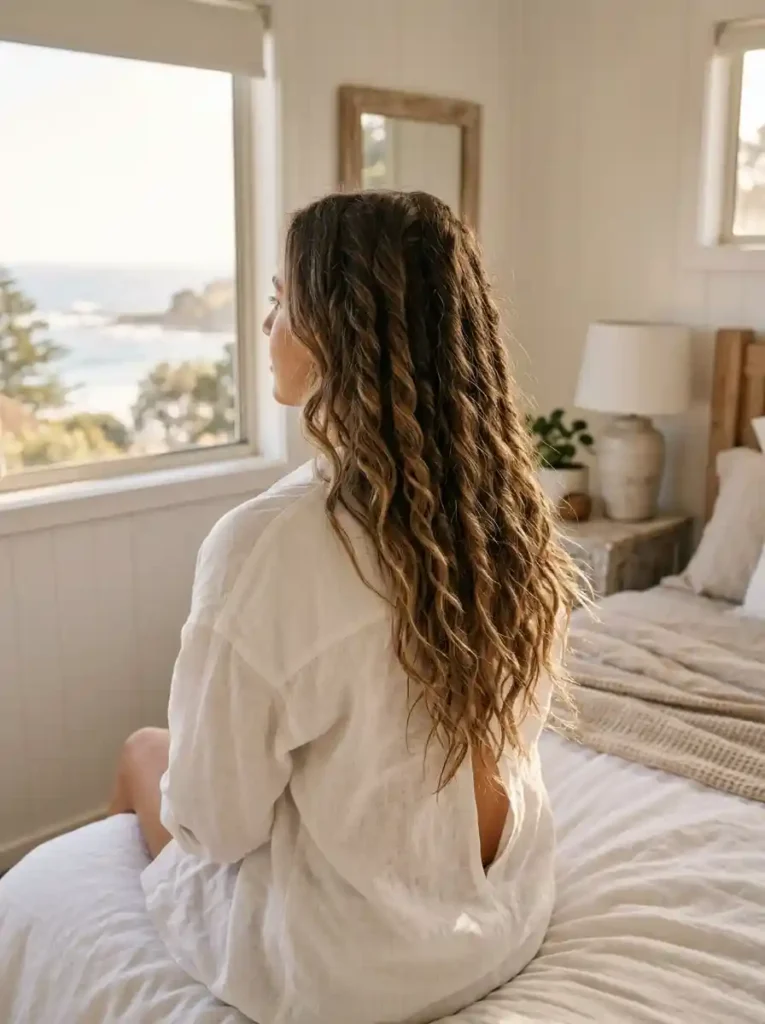
Twisted buns are a quick choice when you want loose, imperfect waves. Two larger buns create broad bends, while several smaller buns produce more texture. The finished style has a casual quality that works particularly well with long hair. It can make straight hair look more relaxed without creating obvious ringlets. The slightly irregular shape also feels natural and forgiving when every section does not curl identically.
Separate mostly dry hair into two or four sections depending on the desired texture. Twist each section and coil it into a loose bun. Secure with soft scrunchies rather than tight elastics. Common Mistake: Making the buns too tight can create sharp bends and unnecessary tension. Keep them relaxed and comfortable. After releasing them, shake the hair gently at the roots and reshape the ends with your fingertips for an easy beach-wave finish.
23. Polished Low-Maintenance Curls
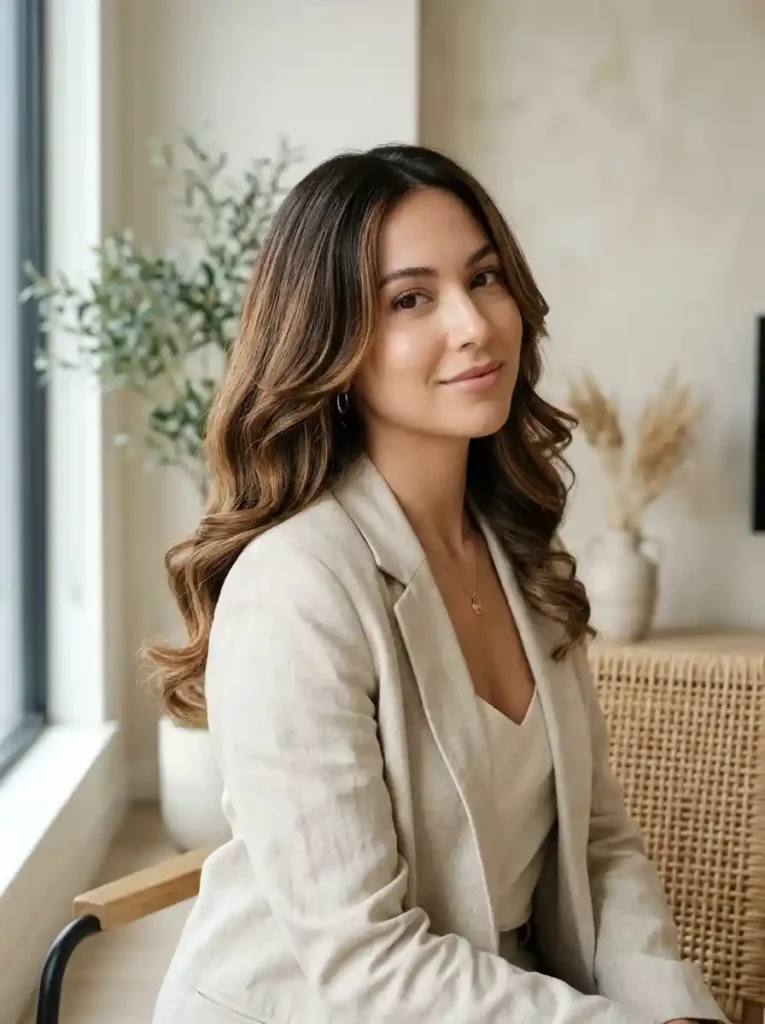
Polished heatless curls are ideal when you want a hairstyle that can transition from work to evening plans. Medium-sized curls create enough definition to look intentional while remaining soft enough for everyday wear. Medium-length hair offers a balanced silhouette, especially when the ends are shaped neatly. This option suits people who prefer classic styling rather than beachy texture or highly defined ringlets.
Use medium-sized rollers, a smooth ribbon, or flexible rods on mostly dry hair. Keep the sections consistent to create a more polished pattern. Stylist Tip: Curl the front pieces away from the face and keep the back sections slightly looser. This creates visual movement without making the entire hairstyle look overly uniform. Finish with a light smoothing product on the ends if needed, but avoid heavy formulas that can reduce bounce.
24. Mixed-Size Curl Routine
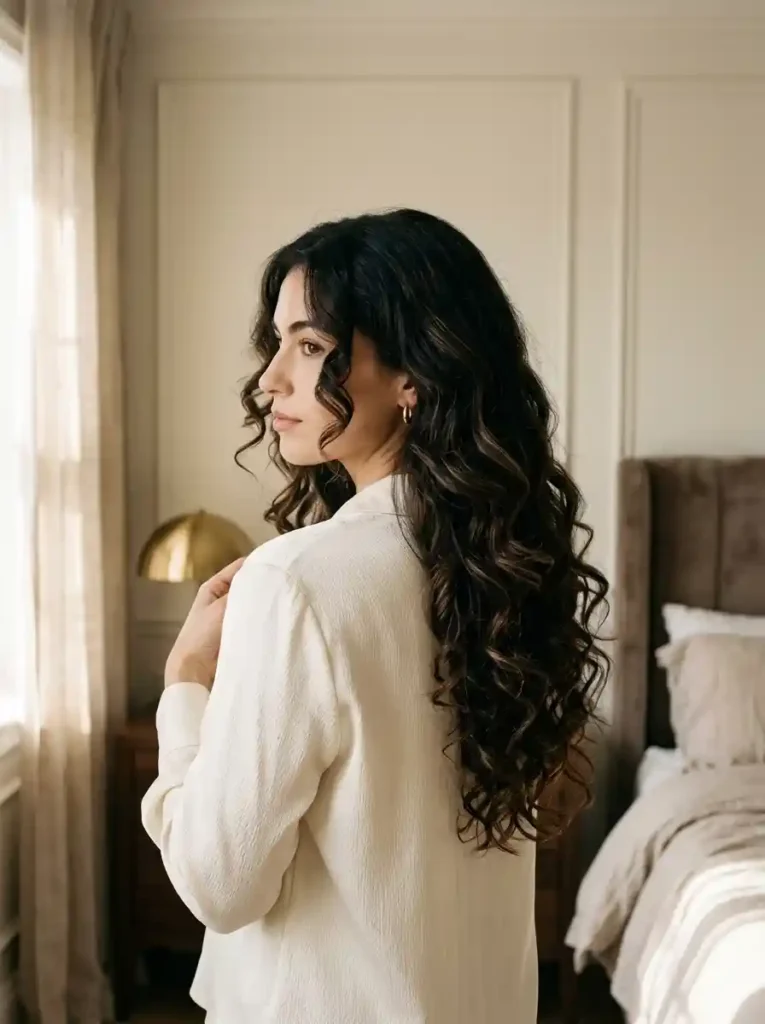
Mixed-size curls create a more dimensional hairstyle by combining different curl diameters. Larger waves through the back keep the style relaxed, while medium curls near the face add definition. This technique works well for layered or long hair because different lengths naturally respond differently to each wrapping size. The result feels customized rather than uniform, making it a strong choice for anyone who wants a more editorial version of everyday curls.
Choose larger wrapping tools for the longest sections and smaller ones around the face. Keep the direction consistent near the front so the framing remains intentional. Pro Tip: Do not create dramatically different curl sizes unless you want a highly styled result. A subtle difference is usually more wearable. Once everything is dry, blend the sections with your fingers. This helps the different patterns look like one cohesive hairstyle.
Frequently Asked Questions
How long do heatless curls usually take to set?
Most overnight methods need several hours to dry and set. The exact time depends on hair density, moisture level, length, and the wrapping technique.
Are heatless curls better for your hair?
Heatless methods avoid direct heat exposure, which can be useful for people who frequently style their hair. Gentle handling still matters because tight wrapping can cause unnecessary tension or breakage.
Can heatless curls work on completely dry hair?
Yes. Dry hair can work well for looser results, especially when using ribbons, rollers, or flexible rods. Slightly damp hair may hold some patterns more strongly.
How can I make heatless curls last longer?
Start with clean, mostly dry hair, use a lightweight styling product, and allow the hair to dry completely. Avoid brushing the finished curls aggressively.
Which heatless method is best for short hair?
Short hair often works best with small fabric strips, narrow flexible rods, or small sections of soft twists. These methods fit shorter lengths more easily.
Why did my heatless curls turn out frizzy?
Frizz can come from excess moisture, rough handling, or releasing the curls before they dry completely. Smoothing the hair before wrapping and separating curls gently can help.
Conclusion
The best heatless curls are not necessarily the most complicated ones. A simple braid can create relaxed waves, while ribbons, rods, scarves, and fabric wraps can produce more defined shapes. Hair length, density, natural texture, and the amount of definition you want should guide your choice. Start with one method and adjust the section size or wrapping direction after seeing the result. Save your favorite look before your next styling day, and experiment until you find your easiest signature curl.


