
A great hairstyle can feel surprisingly difficult to choose when every cut looks appealing. The right shape should fit your hair texture, daily routine, and personal style. These beautiful hairstyles for women offer a mix of polished, relaxed, modern, and timeless options. You will find ideas for short, medium, and long hair, plus styles for different textures and maintenance preferences. Save the looks that catch your eye, then use the details to explain your favorite idea at your next salon appointment.
1. Soft Face-Framing Layers
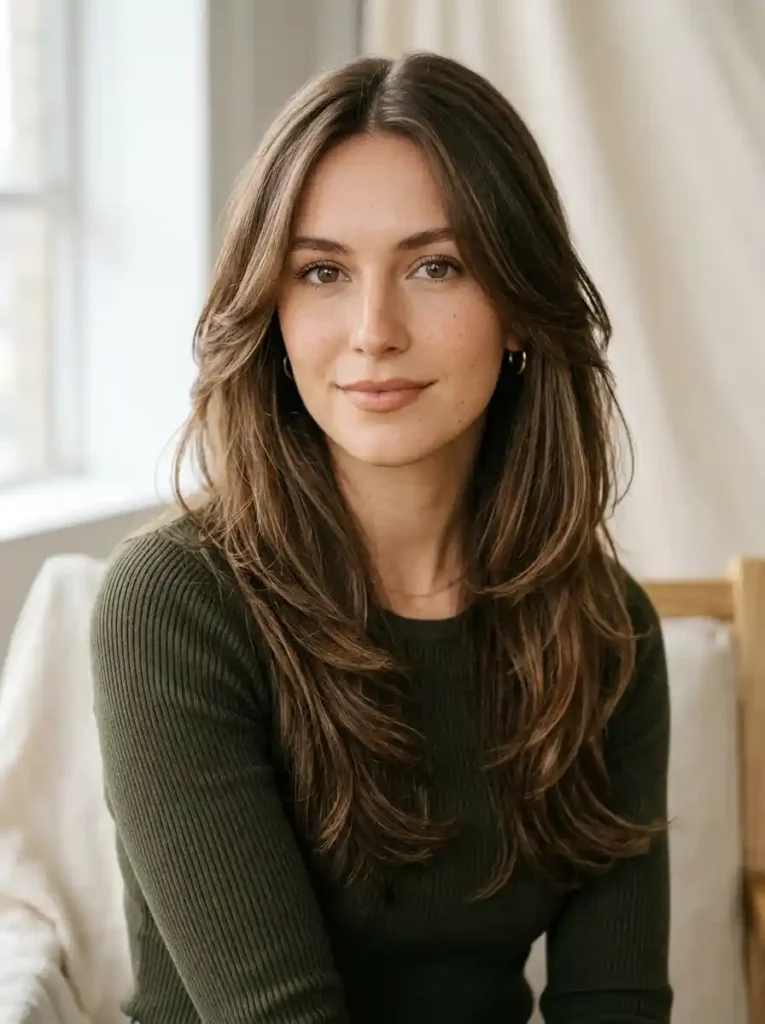
Soft face-framing layers add movement without making long hair feel dramatically shorter. The shortest pieces can begin near the cheekbones or jaw, depending on the desired effect. This shape works especially well for medium to thick hair because subtle layering can remove visual heaviness. Straight hair shows the clean transitions clearly, while waves create a softer finish. The result feels polished but approachable. It is also easy to wear down when you want natural movement around the face.
Ask your stylist to keep the perimeter relatively full if you like substantial ends. For a softer appearance, request blended layers rather than sharply disconnected sections. A round brush can emphasize the face-framing pieces, while air-drying creates a more relaxed result. Stylist Tip: Bring a reference photo showing the front and side view. Layer placement can change the overall shape considerably, even when the final length remains nearly identical.
2. Textured Chin-Length Bob
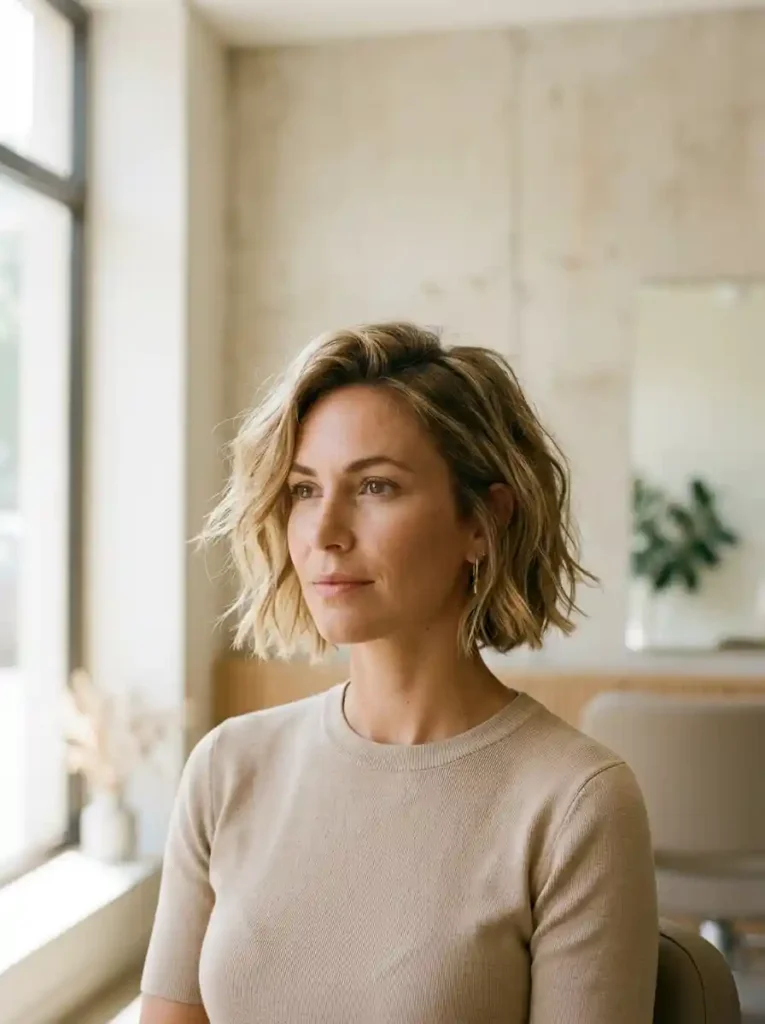
A textured chin-length bob creates a crisp silhouette while keeping the finish relaxed. Its shorter length draws attention toward the jaw and neck, giving the haircut a confident, modern character. Light internal texture prevents the shape from appearing overly heavy. This version suits straight and lightly wavy hair particularly well. Fine hair can appear fuller when the ends remain fairly compact. The style also works for anyone who wants a noticeable change without committing to an ultra-short haircut.
Styling does not need to be complicated. Apply a lightweight styling cream, then use a diffuser or let the hair dry naturally. A small amount of texture spray can separate the ends without making them stiff. Common Mistake: Removing too much weight can make a bob lose its clean shape. Ask for selective texture instead of excessive thinning. Regular trims help preserve the chin-level outline and keep the ends looking intentional.
3. Long Curtain Bangs
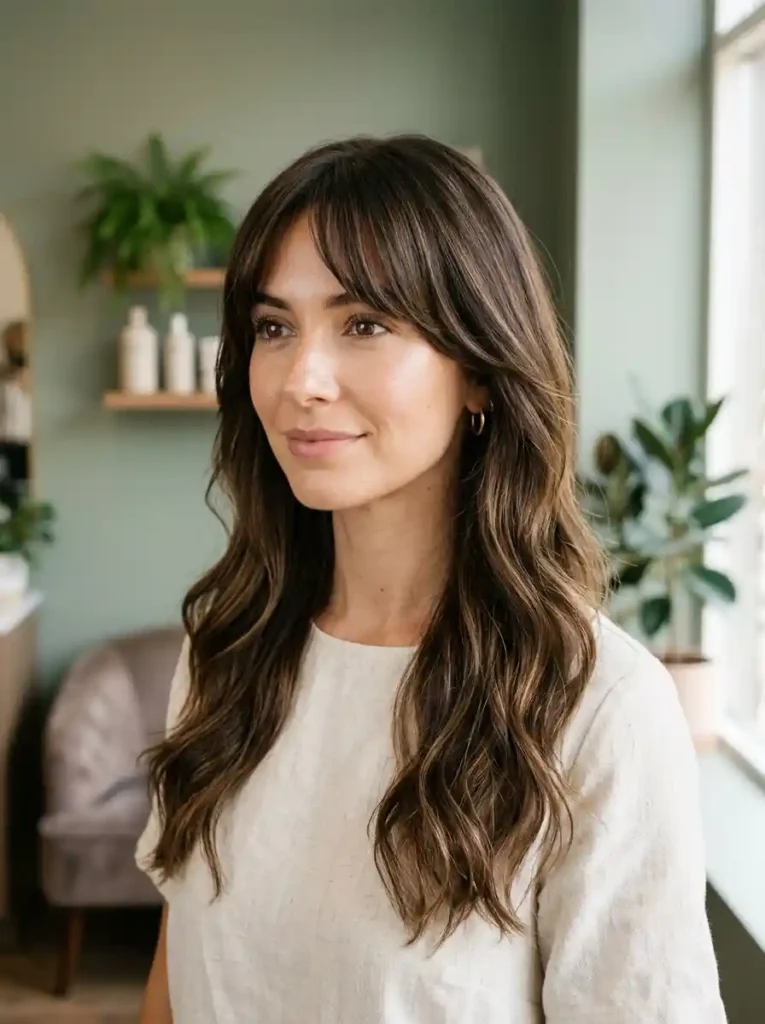
Long curtain bangs offer a gentle way to change the front of a hairstyle without losing much overall length. The center part creates an open shape, while the longer sides blend into surrounding layers. This option can complement straight, wavy, or softly curled hair. It also provides flexibility because the fringe can be styled forward, swept aside, or tucked behind the ears. The result feels current without looking overly dramatic, making it appealing for everyday hairstyles.
Use a round brush to direct each side away from the face while drying. If your hair naturally separates differently, follow its growth pattern instead of forcing a perfect center part. Pro Tip: Longer curtain bangs are easier to grow out than short, blunt fringe. Ask your stylist to connect them gradually with the cheekbone layers. That transition keeps the haircut cohesive and gives you more styling options between appointments.
4. Shoulder-Length Butterfly Layers
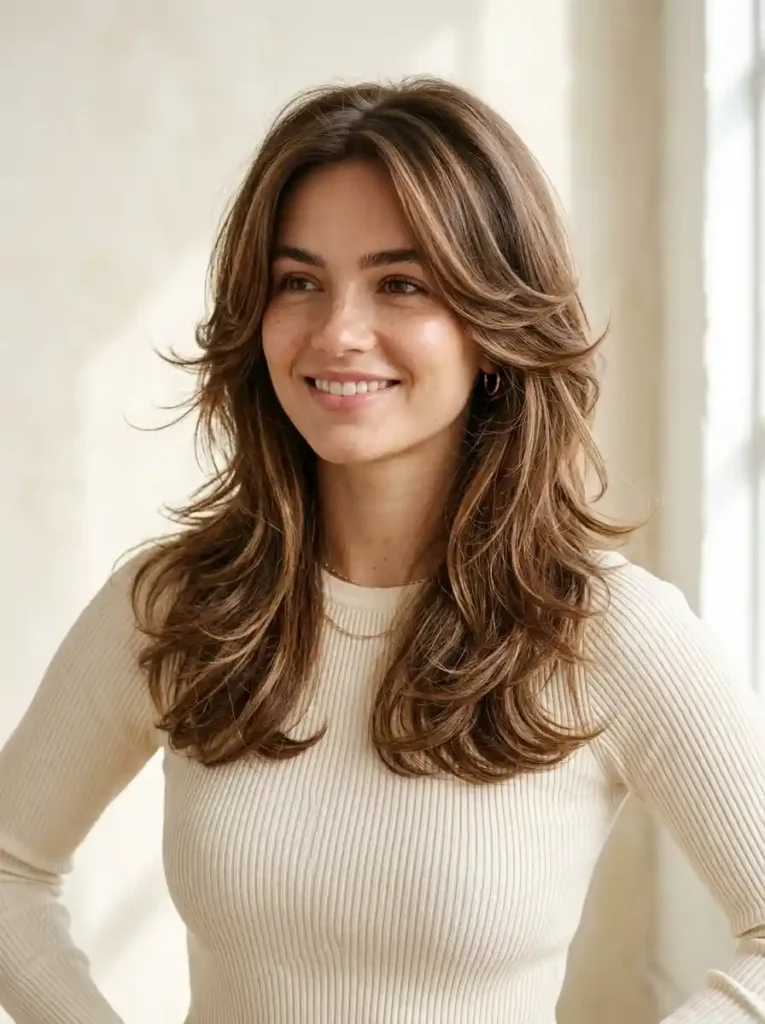
Butterfly-inspired layers create a fuller silhouette while preserving useful length around the shoulders. The shorter upper layers provide lift, while longer sections maintain movement through the ends. This combination works well when you want volume without a short haircut. Medium to thick hair can carry the layered shape especially well. Soft waves make the feathered sections more visible, while a smooth blowout creates a polished finish. The style feels glamorous but remains adaptable for everyday wear.
The haircut looks best when the layers are blended rather than stacked abruptly. A large round brush can lift the upper sections and curve the ends outward. For natural waves, use a diffuser and gently separate the layers afterward. Stylist Tip: Ask where the shortest layer will sit before cutting. A few centimeters can change whether the shape feels subtle or highly voluminous. Keeping enough length underneath also helps the style remain versatile.
5. Sleek Collarbone Lob
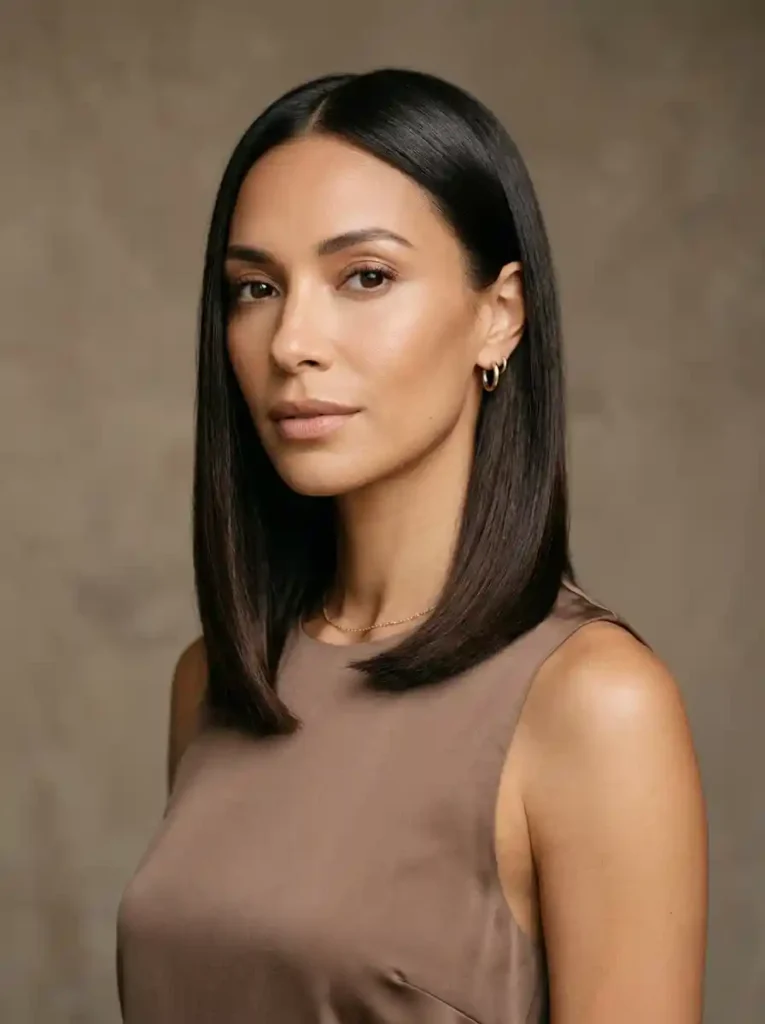
A collarbone lob sits between a bob and longer hair, offering a balanced choice for someone unsure about going shorter. Its clean perimeter gives the haircut a polished appearance, while the length remains practical for ponytails and low buns. Straight hair highlights the precise outline beautifully. Wavy hair gives the same cut a softer personality. This is one of the most adaptable beautiful hairstyles for women because it can look professional, casual, sleek, or softly textured.
For a sharper finish, use a smoothing cream and flat iron only where needed. Avoid repeatedly passing over the same section because excessive heat can affect the ends. If your hair is naturally wavy, scrunching with lightweight mousse creates an entirely different look. Common Mistake: Asking for heavy layers can weaken the defining line of a lob. If fullness at the ends matters, keep most of the perimeter intact and add only subtle internal movement.
6. Wispy Fringe With Long Layers
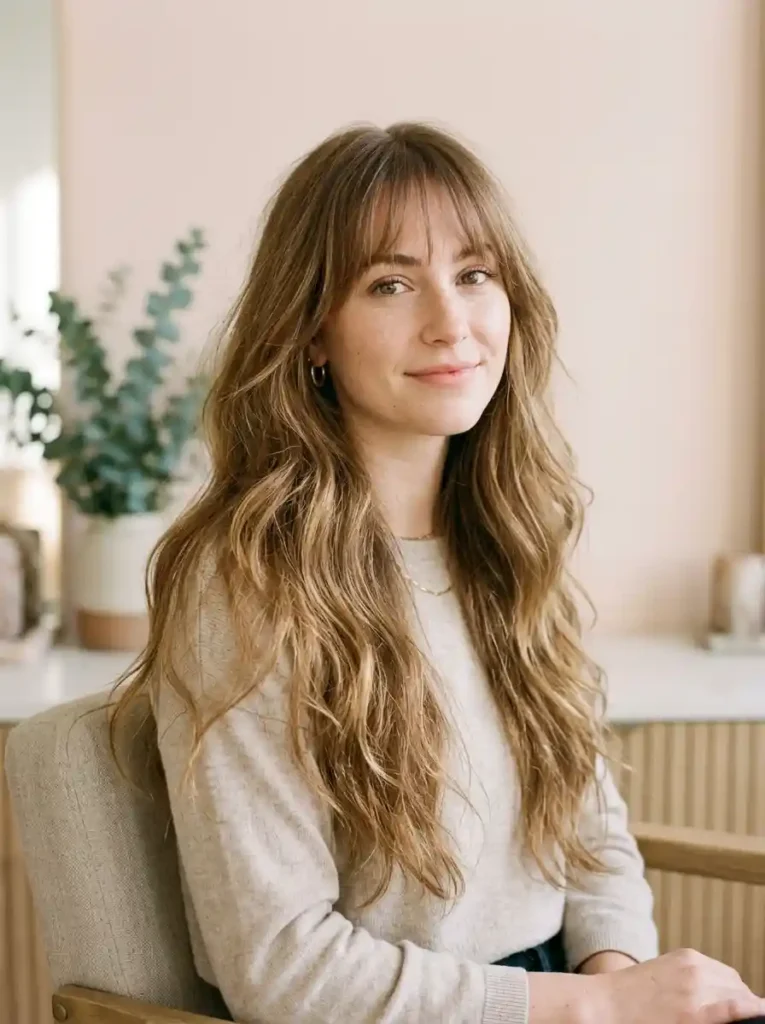
A wispy fringe gives long hair a softer focal point without the weight of a dense blunt bang. The delicate pieces allow some forehead to remain visible, creating a light and relaxed appearance. Long layers maintain movement through the rest of the haircut. This option can work particularly well for fine to medium hair when the fringe is kept airy. Loose waves enhance the softness, while straight styling creates a cleaner, more graphic contrast.
Wispy bangs usually require some daily shaping because shorter pieces can change direction easily. A small round brush works well for directing them, followed by a cool air setting to help maintain the shape. Pro Tip: Ask for a conservative amount of fringe at first. It is easier to add density later than to immediately correct an overly thick bang. Keeping the outer pieces longer also makes the fringe easier to blend as it grows.
7. Modern Shag With Soft Waves
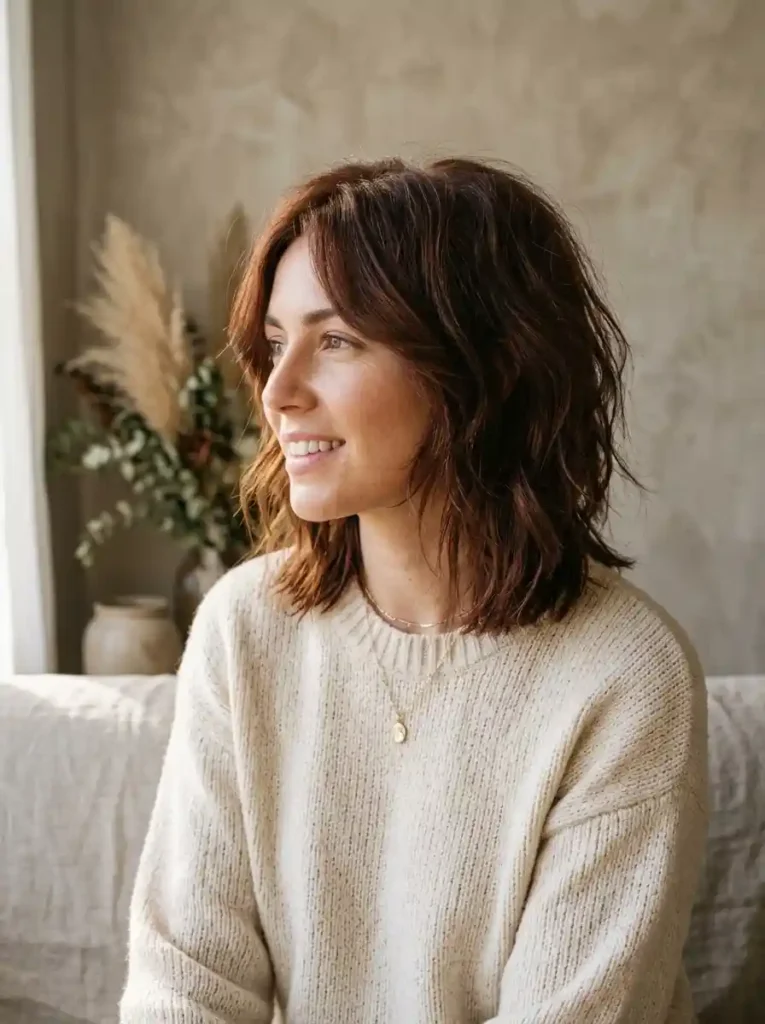
A modern shag combines layered movement with a deliberately relaxed finish. The shape usually has more texture around the crown than a traditional layered cut. Soft waves make the different sections visible without requiring a highly polished blowout. This style suits people who enjoy movement and do not want perfectly uniform ends. Medium-length hair gives the layers enough room to create shape. Natural texture can also make the haircut look more effortless.
Ask for controlled layers rather than an extremely choppy shape if you want everyday versatility. A curl-enhancing cream can bring out natural bends, while a diffuser helps preserve volume. Stylist Tip: The haircut should follow your natural texture rather than fight it. If your waves are uneven, your stylist can adjust individual sections so the finished silhouette remains balanced. Avoid heavy brushing after drying because it can reduce the definition that gives this style its character.
8. Polished Long Layers
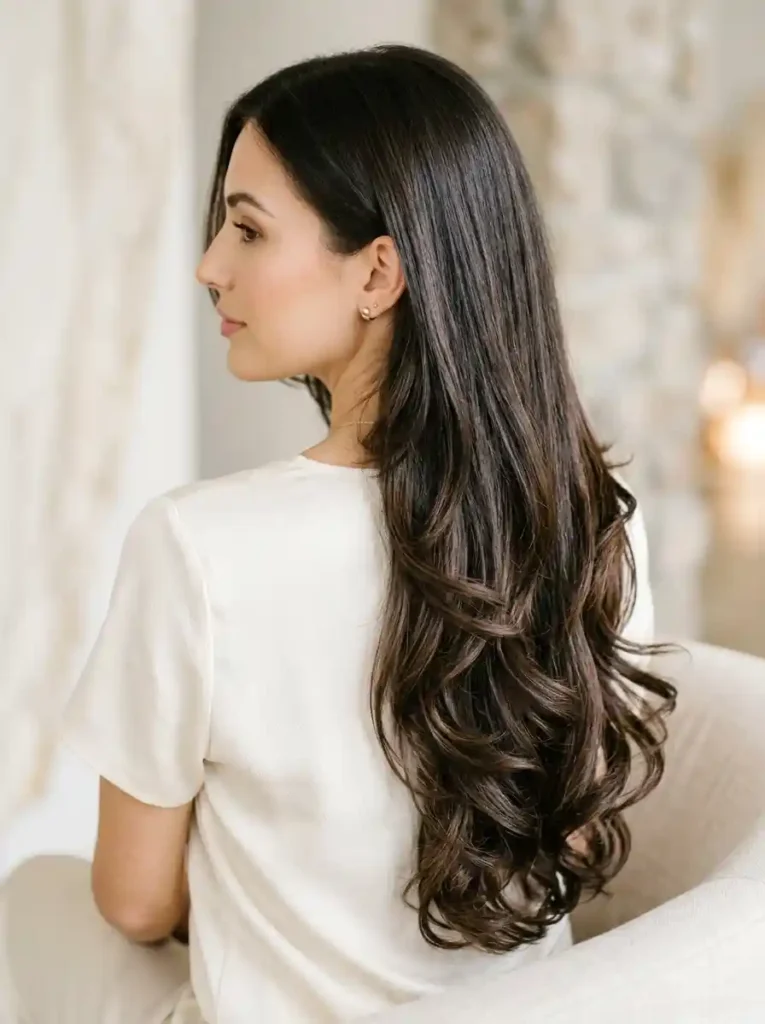
Long layered hair can preserve substantial length while preventing the silhouette from looking flat. Polished layers are especially useful when the hair feels heavy but the wearer does not want a shorter cut. The lower sections remain long, while gradual changes create movement through the middle and ends. A smooth blowout makes the transitions obvious. Large waves add softness and dimension. This option works well for medium to thick hair with enough length to support several blended sections.
Maintenance depends more on styling habits than the haircut itself. Long layers can air-dry beautifully when the natural texture has enough movement, but a round brush creates a more polished result. Common Mistake: Cutting too many short layers can remove the visual weight that makes long hair look luxurious. Ask for gradual layering if length retention is your priority. Regular dusting can also help maintain healthier-looking ends without significantly changing the haircut.
9. Curly Shoulder-Length Shape

A shoulder-length curly shape gives curls enough room to move while keeping the overall silhouette manageable. Rounded layering can prevent dense curls from forming one heavy block. The ideal structure depends on curl size, density, and shrinkage. Medium and tight curls may appear considerably shorter when dry. This makes dry-cutting techniques or curl-aware consultation useful for some people. The finished look can feel lively, balanced, and full without requiring extreme length.
Moisture and definition are often more important than aggressive styling. Apply curl cream or gel to wet hair, then diffuse gently or allow it to dry naturally. Stylist Tip: Discuss how your curls behave when completely dry before deciding on length. Shrinkage can make a shoulder-length cut appear much shorter. Ask for a shape that supports your natural curl pattern rather than forcing every section into identical layers.
10. Side-Swept Midi Haircut
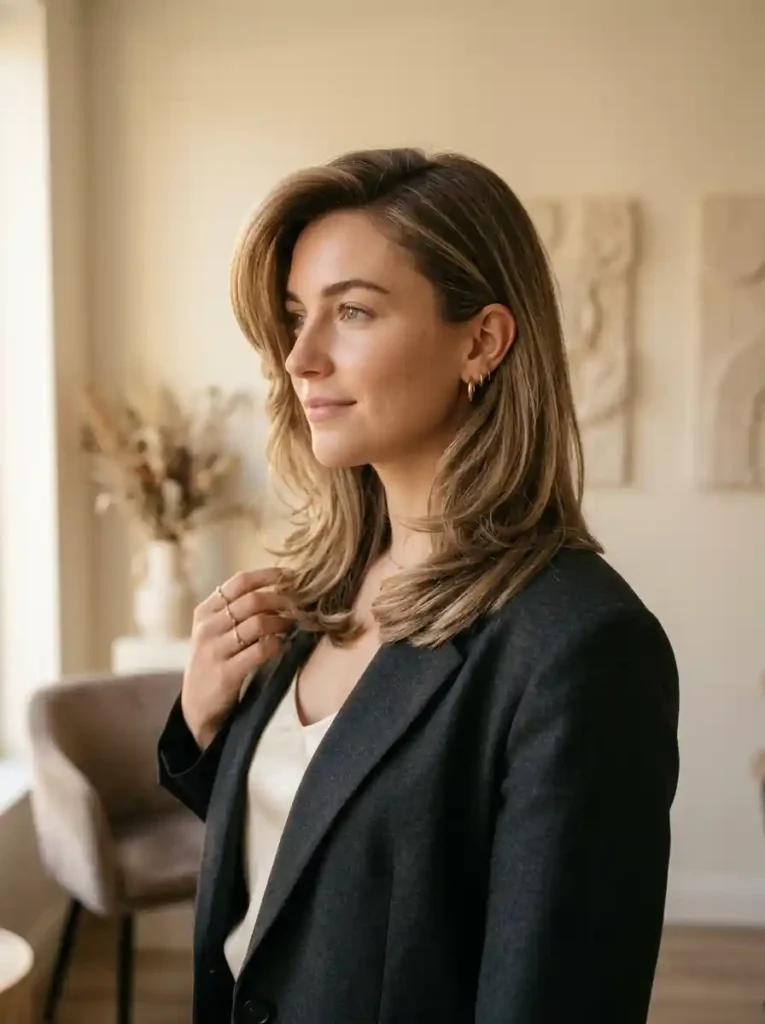
A side-swept midi haircut changes the visual balance of medium-length hair without requiring a major length reduction. The deeper part creates asymmetry, while sweeping front layers frame one side of the face. Soft bends through the ends keep the shape relaxed rather than severe. This option works with straight, wavy, and loosely curled textures. It can also suit people who prefer a side part and want an alternative to center-parted styles.
Use a lightweight volumizing mousse near the roots before drying the hair away from the part. A large round brush can encourage the front sections to sweep naturally. Pro Tip: Let your stylist know where you normally part your hair. Cutting the front sections according to your natural part can make everyday styling considerably easier. If you change your part often, request longer front layers so the haircut remains flexible.
11. Blunt Shoulder Cut
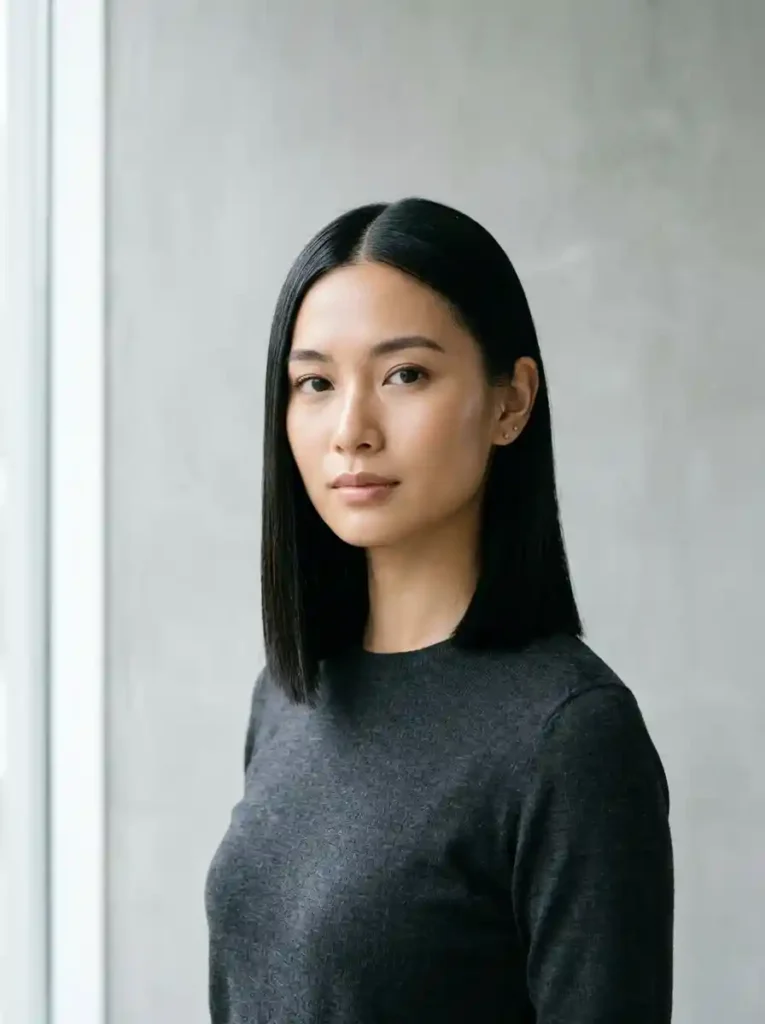
A blunt shoulder cut creates a strong, uncomplicated outline. The ends are kept nearly even, giving the hair a dense appearance and a distinctly polished finish. This shape can be especially useful for fine or medium-density hair because a compact perimeter may make the ends appear fuller. Straight hair emphasizes the clean geometry. Wavy hair softens the line and creates a more casual result. The style suits anyone who prefers minimal layering.
Keeping the ends healthy helps preserve the haircut’s defining feature. Use a smoothing product before heat styling and concentrate on the perimeter when checking for uneven sections. Common Mistake: Removing too much weight from the ends can weaken the blunt effect. Tell your stylist if fullness is more important than movement. If you want versatility, keep enough length to create a low ponytail or simple tucked style.
12. Face-Framing Wavy Midi
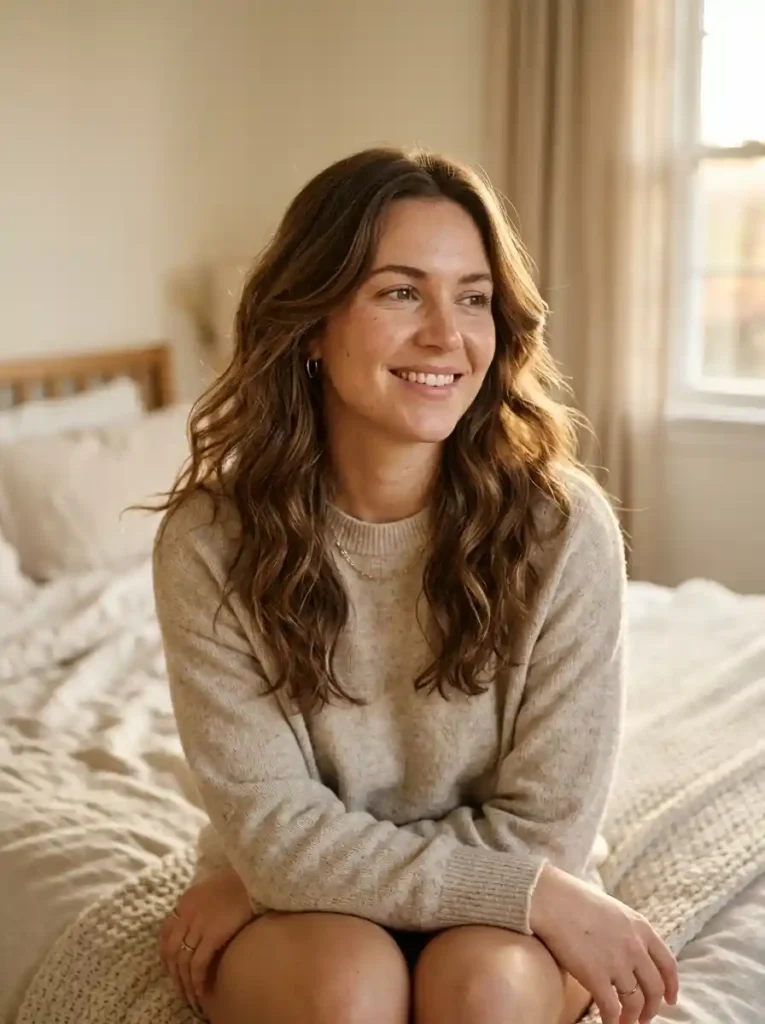
A wavy midi haircut balances movement with manageable length. The hair falls around the shoulders or slightly below them, while face-framing pieces give the front more shape. Natural S-waves make the layers look soft instead of sharply defined. This option works particularly well for people who want an attractive wash-and-wear silhouette. Medium-density hair can maintain enough fullness while still showing the movement created by selective layering.
Style this cut on damp hair with a lightweight mousse or wave cream. Scrunch gently, then allow the hair to dry or use a diffuser on low heat. Stylist Tip: Avoid placing every layer at the same height. Slightly staggered face-framing sections create more natural movement and prevent the front from looking bulky. If your waves tend to flatten at the crown, ask for subtle shape near the upper sections rather than removing excessive length.
13. Feathered 1970s-Inspired Layers
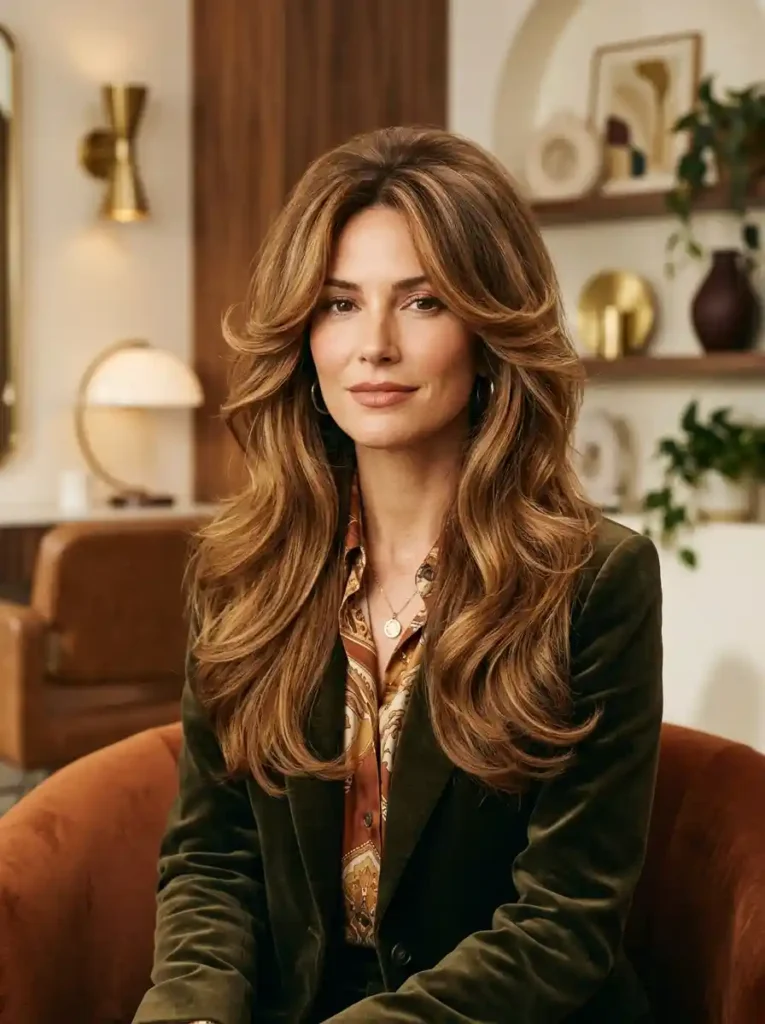
Feathered layers bring a retro influence to modern long hair. The defining feature is the way the front sections curve away from the face and connect into longer layers. Large waves emphasize this movement and create a fuller silhouette. This look suits people who enjoy noticeable volume and a glamorous finish. Medium to thick hair usually has enough density to support the shape. Straight hair can also work when styled with a round brush.
A large round brush is the easiest way to recreate the signature feathered movement. Dry each section away from the face, then let it cool before gently separating the hair. Pro Tip: Direction matters more than excessive product. Too much hairspray can make the layers stiff and reduce their natural bounce. Ask for blended feathering if you want the retro influence without creating a heavily layered or costume-like effect.
14. Soft Micro Bob
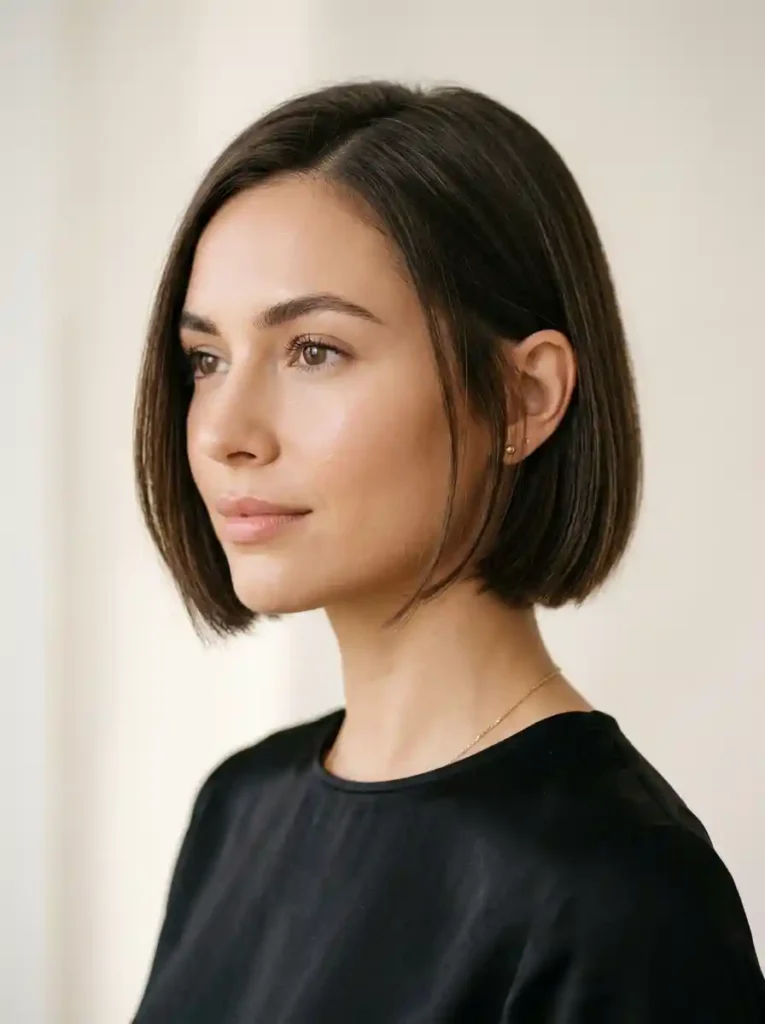
A soft micro bob offers a confident shorter shape without the severe geometry of an ultra-blunt bob. The length sits around the jaw or slightly above it, creating a clean frame for the face and neck. Gentle rounding keeps the style approachable. Fine to medium hair can benefit from the compact silhouette. Straight texture makes the shape especially easy to see, while slight waves give it a more relaxed finish.
Short hair generally reveals uneven growth faster, so consistent trimming helps preserve the outline. Use a small amount of smoothing cream before styling, especially around the ends and side sections. Common Mistake: Choosing an extremely short length without discussing your natural hair direction. Cowlicks and strong growth patterns can affect how the bob sits. Ask your stylist to leave strategic length where needed for easier daily control.
15. Long Hair With Bottleneck Bangs
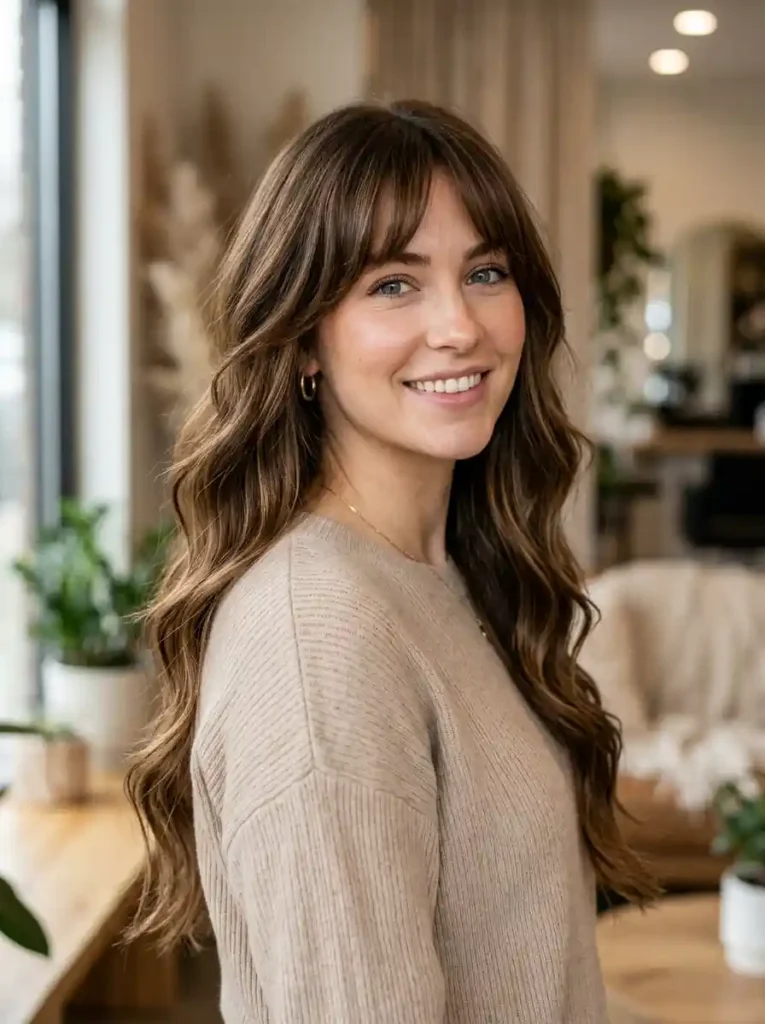
Bottleneck bangs create a graduated fringe that begins narrower in the center and becomes longer toward the temples. The shape combines elements of classic bangs and face-framing layers. Long surrounding hair keeps the overall look balanced, while the fringe adds definition around the eyes and upper face. This option can suit straight or wavy textures. It is useful for someone who wants a noticeable front change without committing to a dense, full-width bang.
Blow-dry the shorter center section first, directing it gently from side to side to prevent a rigid part. Then shape the longer pieces outward and into the surrounding layers. Stylist Tip: Ask how the bangs will transition into your existing haircut. A smooth connection reduces the chance of a disconnected fringe. If you are unsure about the length, start slightly longer. The stylist can refine the shape after seeing how your hair naturally falls.
16. Low-Maintenance Textured Lob
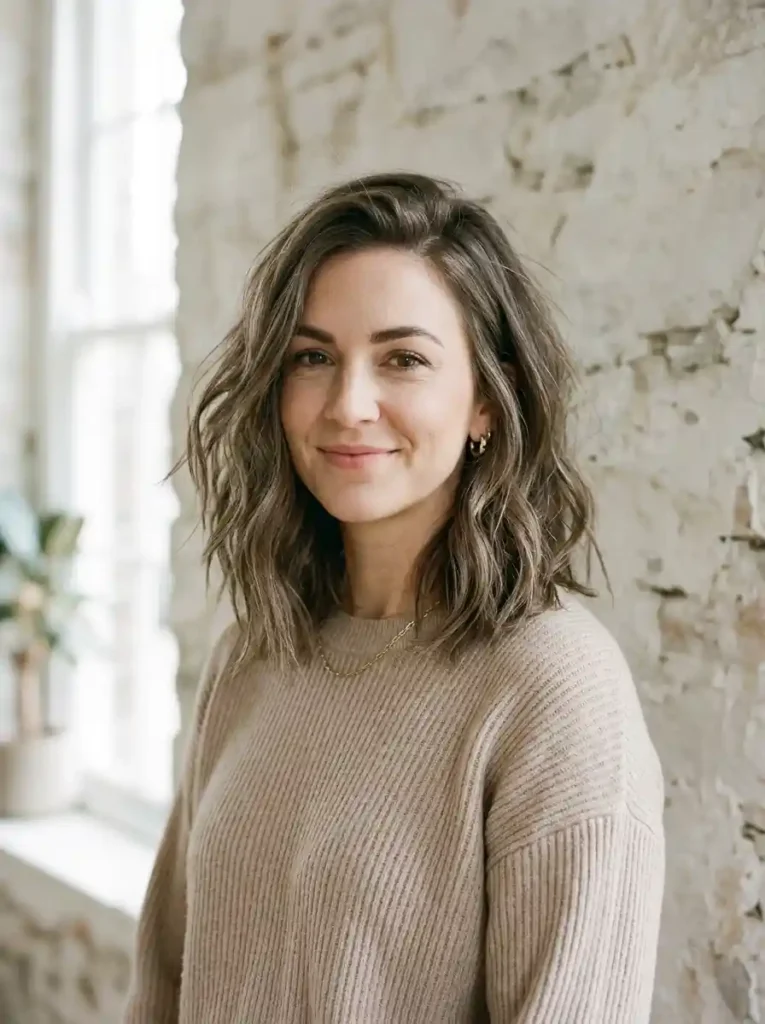
A textured lob offers movement without requiring a complicated daily routine. Its shoulder-grazing length remains practical, while subtle texture keeps the shape from appearing overly uniform. This makes it useful for people who prefer air-drying or quick styling. Straight hair can gain visual movement from the cut, while natural waves make the texture even more pronounced. The style feels contemporary but does not depend on a highly polished finish.
For an easy routine, apply a lightweight styling cream to damp hair and twist a few sections with your fingers. Let the hair dry naturally or use a diffuser. Pro Tip: Ask for texture concentrated toward the ends rather than throughout every section. This preserves fullness near the roots and keeps the haircut from becoming too wispy. A trim every few months can refresh the perimeter while retaining the low-maintenance character.
17. Voluminous Curly Layers
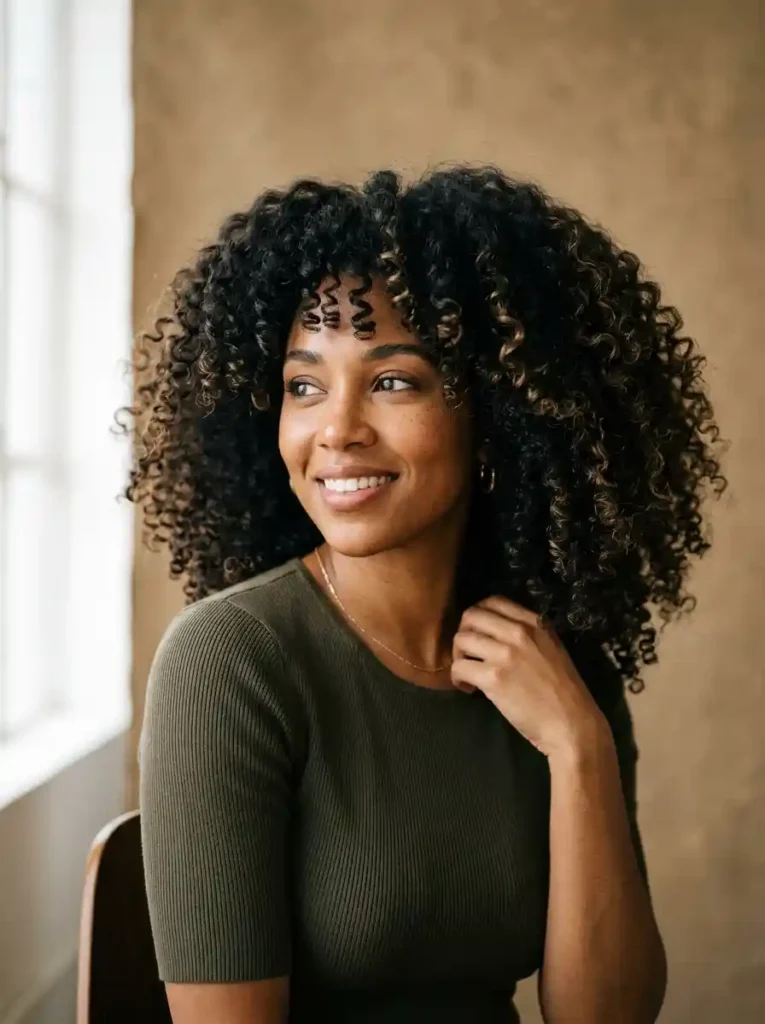
Voluminous curly layers are designed to distribute density rather than flatten it. Rounded sections allow curls to expand naturally while maintaining a deliberate overall shape. This approach can work especially well for dense curls that feel heavy when cut with minimal layering. The finished silhouette can look expressive, soft, and full of movement. Curl pattern, density, and shrinkage should all guide the final length and placement of the layers.
Use products while the hair is very wet to encourage consistent curl formation. Avoid rough towel drying because it can disturb curl clumps and increase frizz. Stylist Tip: Discuss your preferred volume level before cutting. A highly rounded shape can create dramatic fullness, while longer outer layers produce a more elongated silhouette. Your stylist can adjust the balance according to how your curls behave naturally after drying.
18. Sleek Long Hair With Center Part
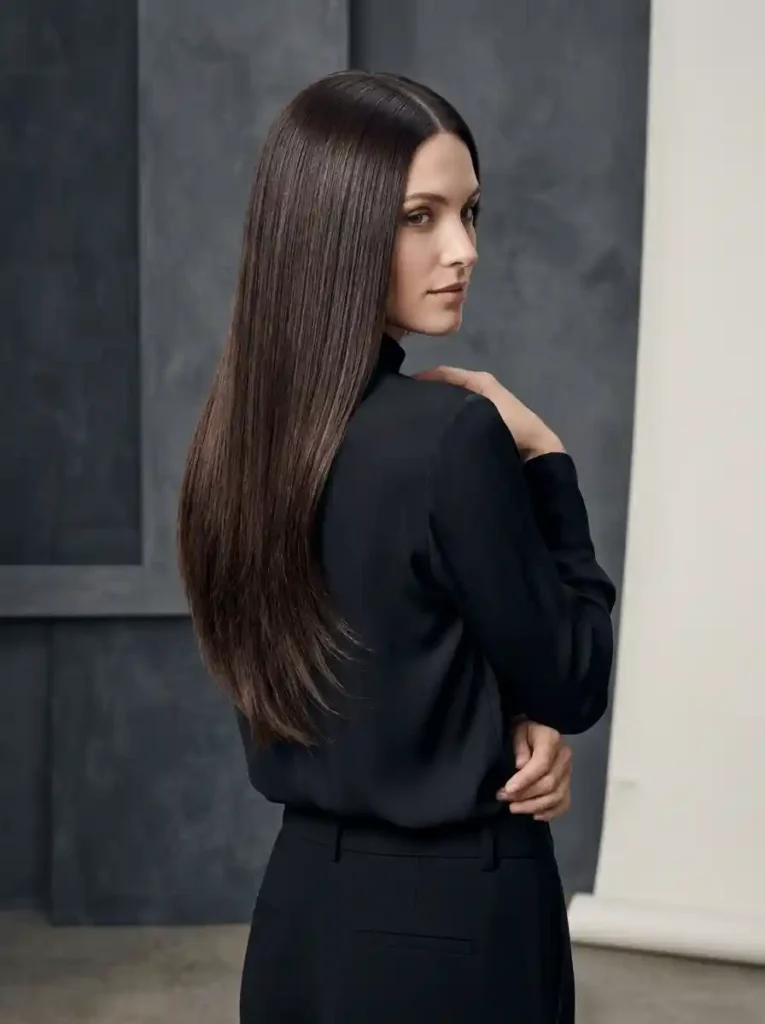
Sleek long hair creates impact through simplicity rather than complicated layering. A clean center part and straight lengths give the style a deliberate, refined silhouette. This option suits people who enjoy polished finishes and have enough length to create a strong vertical shape. Naturally straight hair requires less preparation, while wavy hair can achieve the look with careful smoothing. Subtle tapering at the ends prevents the silhouette from appearing overly heavy.
Heat protection is important whenever repeated smoothing is part of the routine. Use a blow-dryer with directional airflow first, then a flat iron only where necessary. Common Mistake: Applying heavy oils before heat styling can weigh the hair down and create a greasy finish. Use a small amount of lightweight serum after styling instead. If your ends feel dry, ask for a small trim rather than repeatedly increasing smoothing products.
19. Short Layered Pixie
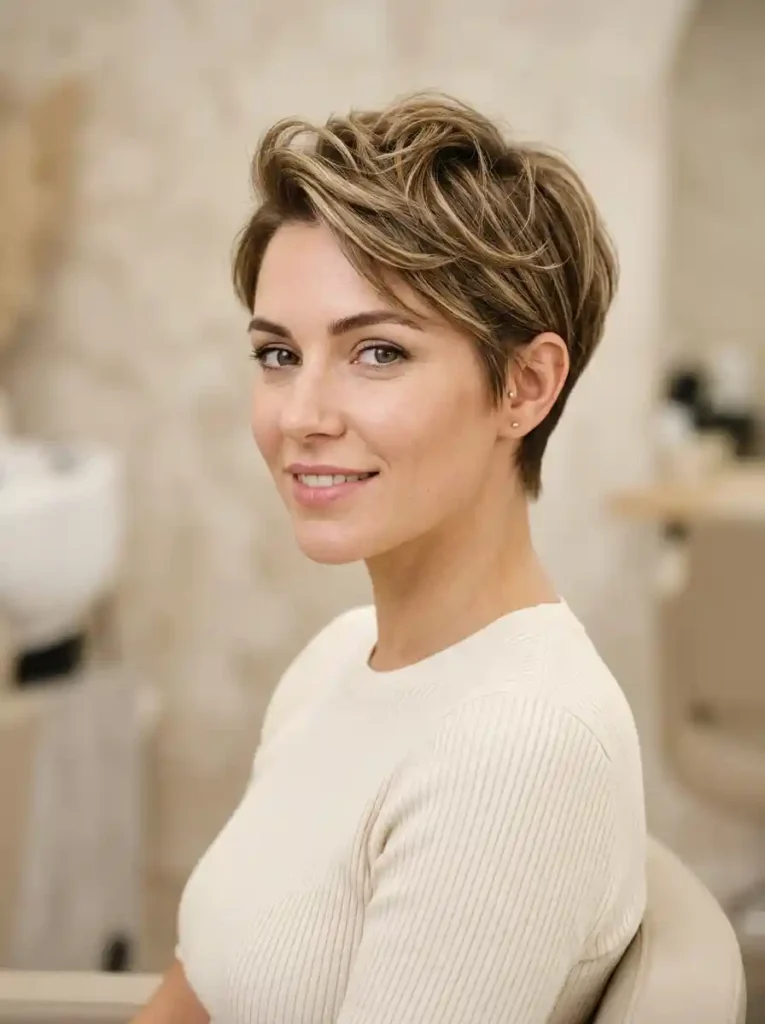
A short layered pixie creates a strong change while keeping styling surprisingly flexible. The sides and back remain compact, while extra length on top provides texture and direction. Fine hair can benefit from the lifted silhouette, while thicker hair may need careful weight removal. The look can be polished with a smooth finish or made more casual with separated texture. It is especially appealing for someone ready for a genuinely shorter hairstyle.
Short cuts need regular shaping because growth changes the silhouette quickly. A small amount of styling paste can define the top without making the hair rigid. Pro Tip: Ask your stylist to explain how the haircut will grow between appointments. A well-planned pixie can transition gracefully instead of becoming awkward after several weeks. Bring photos showing the desired top length, because the difference between a soft and highly textured pixie can be substantial.
20. Romantic Long Waves
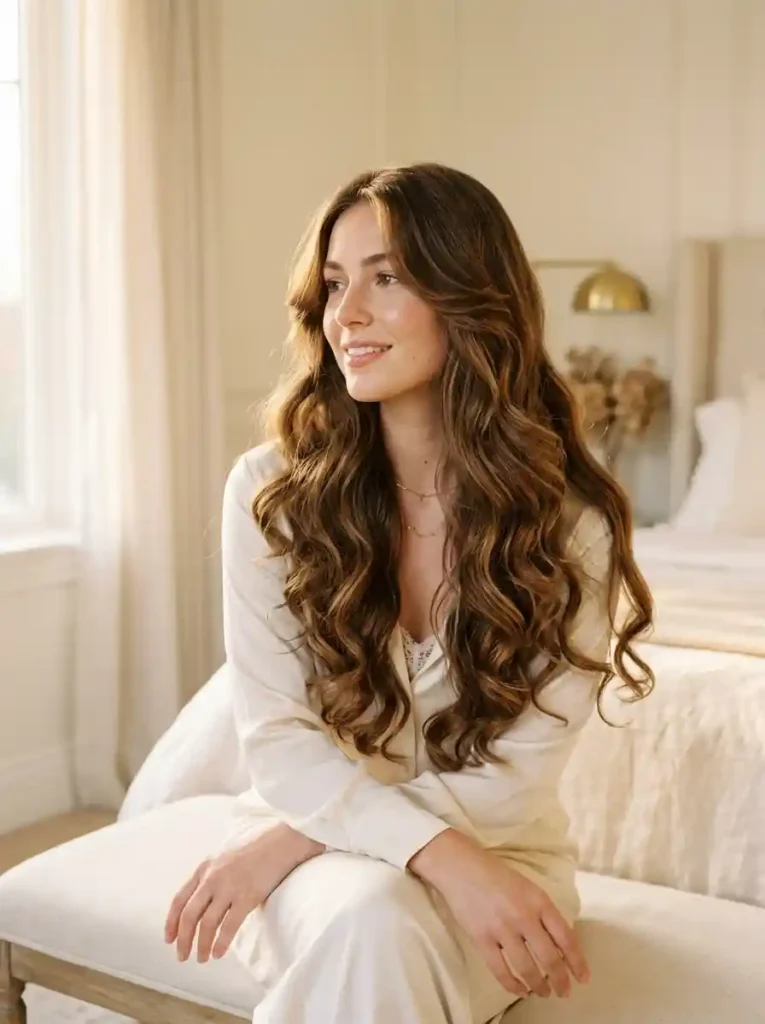
Romantic long waves add softness without changing the overall length dramatically. Large, loose bends create movement from the middle of the hair toward the ends. Face-framing sections can add extra definition around the front. This look works well for medium to thick hair with enough length to hold a gentle wave. It can feel elegant for special occasions but still relaxed when the curls are brushed through.
Use a large-barrel curling tool or heatless method, depending on your routine and hair needs. Curl sections away from the face near the front, then alternate directions farther back for a less uniform finish. Stylist Tip: Let curls cool completely before brushing them. Cooling allows the shape to settle, while gentle brushing softens the result. Finish with a flexible product rather than a stiff spray if you want natural movement.
21. Choppy Mid-Length Cut
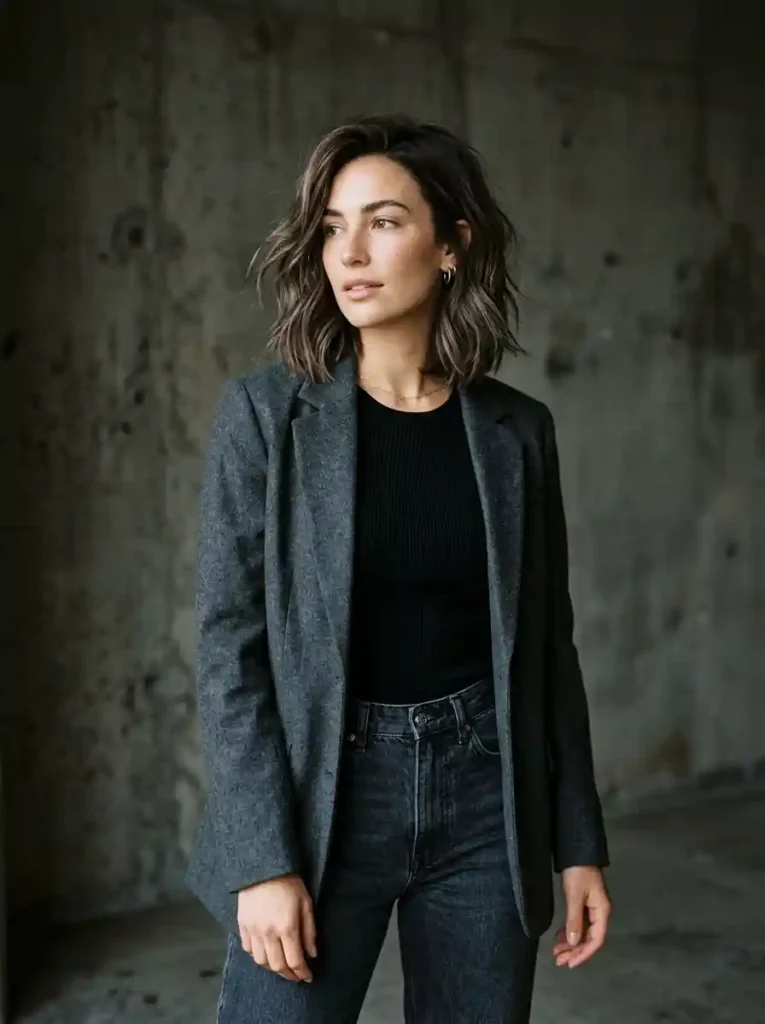
A choppy mid-length cut gives shoulder-length hair a more energetic personality. The layers are visibly textured, and the ends have an intentionally irregular finish. This creates movement without relying on large curls or a polished blowout. It can work well for straight, wavy, or lightly curly hair when the texture is adjusted carefully. The style suits anyone who wants their haircut to feel casual, modern, and slightly unconventional.
Styling can be as simple as applying texture cream to damp hair and scrunching the ends. A flat iron can create a few loose bends if the natural texture needs more definition. Common Mistake: Over-thinning can make choppy ends look sparse rather than textured. Ask your stylist to create movement through cutting techniques instead of removing too much density. Keeping some weight around the perimeter helps the haircut remain intentional and balanced.
22. Classic Side-Parted Layers
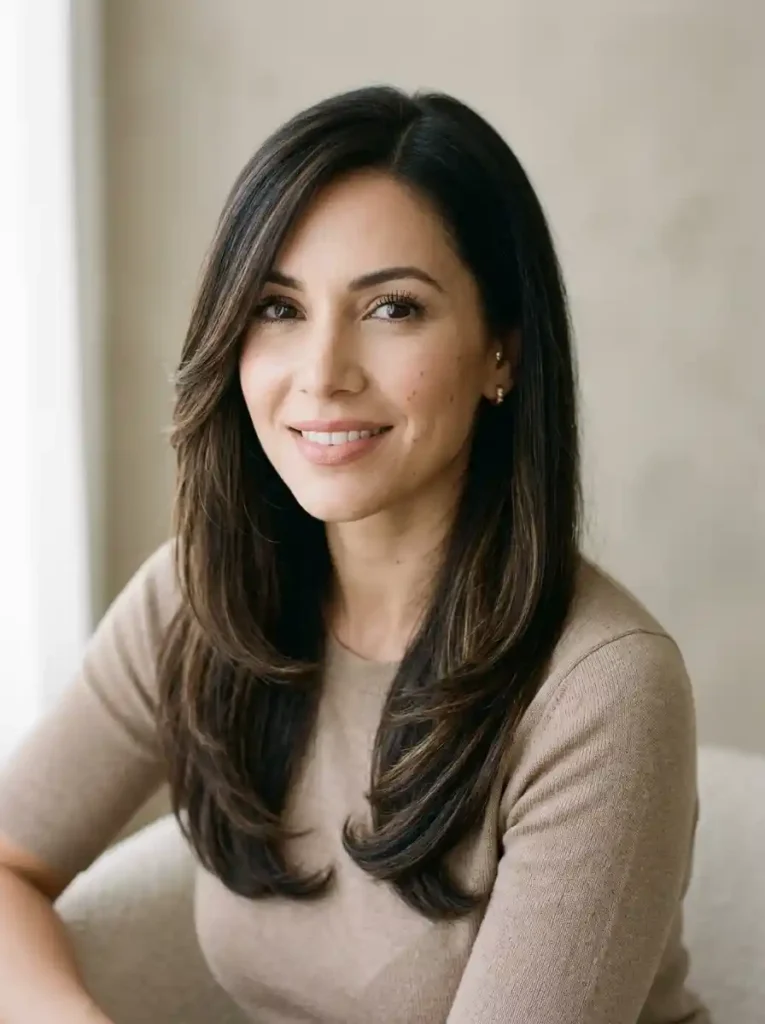
Classic side-parted layers offer a dependable shape for someone who wants movement without chasing a dramatic trend. The side part adds gentle asymmetry, while blended layers create body through the lengths. Softly curved ends make the style look polished without requiring tight curls. This haircut can work across several hair textures and lengths. It is particularly useful for people who prefer a traditional silhouette with enough movement to prevent the hair from appearing flat.
A round brush can create lift near the roots and a gentle bend through the ends. For a faster routine, use a large roller or brush only around the front and crown. Pro Tip: Keep the shortest layer long enough to blend naturally when the hair is tied back. This small adjustment makes the haircut more practical for work, exercise, and busy days. A flexible finishing spray can preserve shape without making the hair feel stiff.
23. Soft Tapered Bob

A soft tapered bob gives the classic bob shape a gentler, more flexible finish. The back is slightly shorter, while the front remains longer around the jaw. This creates a clean silhouette without looking overly rigid. Straight hair emphasizes the taper, while natural waves add softness. The style works well for people who want a shorter haircut that still has enough length around the face for styling and tucking behind the ear.
Ask your stylist to show you the intended front and side lengths before cutting. The angle can be subtle or more noticeable depending on your preference. Stylist Tip: A modest taper is usually easier to style than a dramatic one because the shape remains balanced as it grows. Use a smoothing cream for sleekness or a small amount of texture product to emphasize the individual layers.
24. Natural Texture With Long Bangs
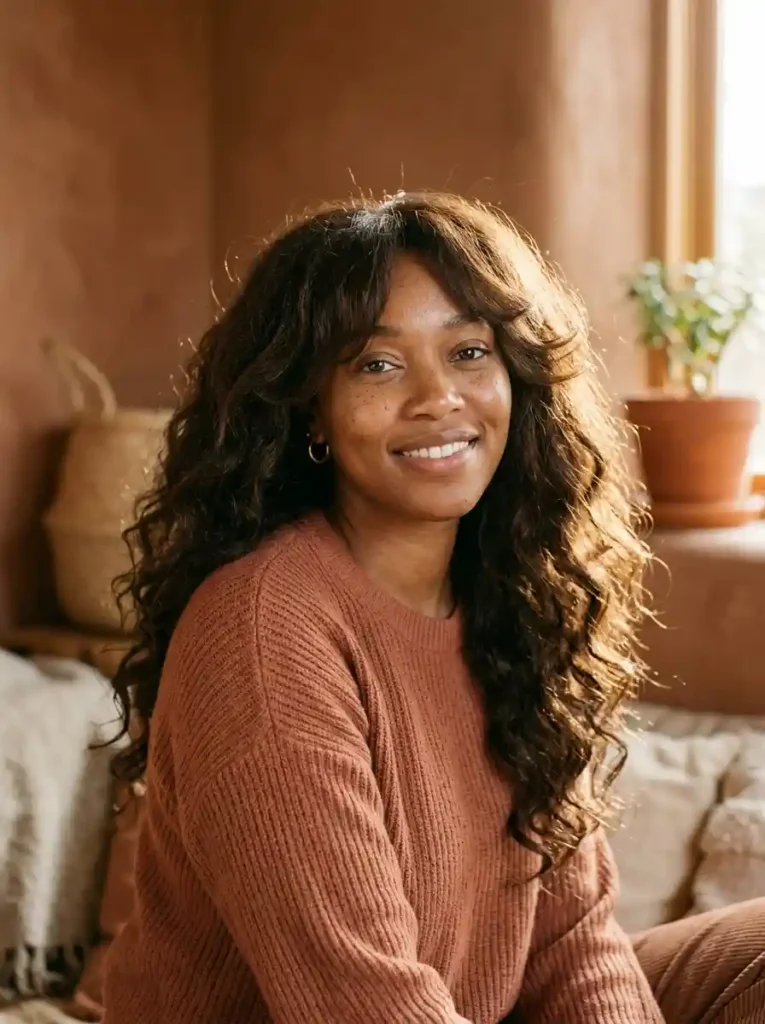
Natural texture looks especially beautiful when the haircut supports the hair instead of forcing it into a uniform pattern. Long bangs can blend into surrounding layers while preserving the movement of waves and curls. This approach creates softness around the face without requiring a perfectly styled finish. It suits people who prefer their natural texture and want a haircut that remains attractive between wash days. The varied pattern also gives the style an authentic, relaxed character.
Work with the hair while it is damp, using products that support your natural pattern rather than adding unnecessary weight. Letting sections dry in their natural direction can reveal where the haircut needs adjustment. Pro Tip: Show your stylist photos of your hair on several different days. Texture can change with humidity, washing, and styling. A haircut designed around your normal texture is usually easier to maintain than one requiring daily reshaping.
25. Elegant Low-Maintenance Layers
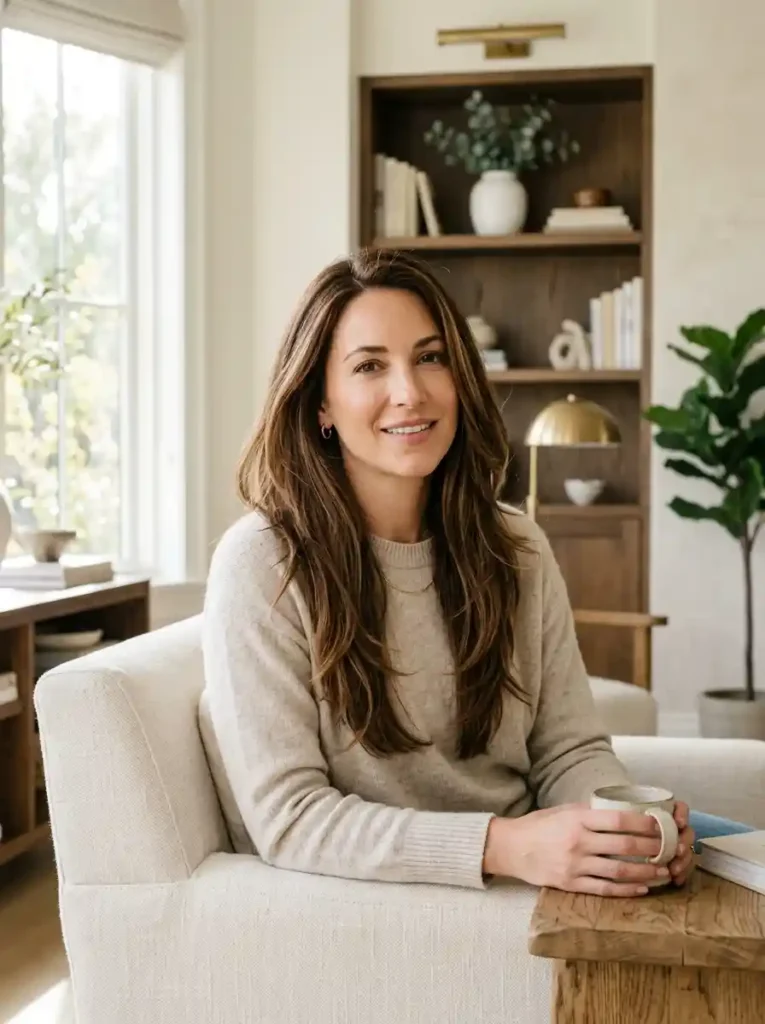
Low-maintenance layers provide movement while keeping the haircut easy to manage. The layers begin lower in the hair, so the overall shape remains relatively full and predictable. This is useful for people who prefer simple routines but do not want completely one-length hair. Straight hair gains subtle motion, while waves become more defined through the ends. The understated silhouette also works across casual and professional settings without needing extensive styling.
Ask for long, blended layers if preserving your everyday routine is important. A lightweight leave-in product can smooth the ends, while air-drying allows natural texture to appear. Common Mistake: Adding many short layers in the hope of creating volume can increase styling demands. A few strategically placed sections often provide enough movement. If your mornings are busy, tell your stylist exactly how much time you usually spend styling your hair.
Frequently Asked Questions
What hairstyle is easiest to maintain?
A shoulder-length lob, long blended layers, or a low-maintenance textured cut can be easy to manage. Your natural texture should guide the choice.
Which hairstyle works well for fine hair?
Blunt bobs and compact lobs can make fine ends appear visually fuller. Avoid excessive thinning if maintaining density is important.
Can layered hairstyles work with naturally curly hair?
Yes. Curly hair can benefit from carefully placed layers that distribute weight and support the natural curl pattern.
Are curtain bangs difficult to maintain?
They require some shaping, but longer curtain bangs are generally flexible. They can be styled away from the face or blended into layers.
How often should a haircut be refreshed?
The ideal schedule depends on length and shape. Short bobs and pixies usually need more frequent shaping than long layered styles.
How do I choose between short and long hair?
Consider your styling routine, natural texture, desired maintenance level, and how much length you want to keep. Reference photos can help communicate your preference clearly.
Conclusion
The best haircut is not always the most dramatic one. It is the style that fits your texture, routine, and personal taste. These 25 beautiful hairstyles for women offer options ranging from polished bobs to relaxed layers, natural curls, modern bangs, and long waves. Use the details that appeal to you when discussing your next haircut. Save your favorite looks before your next salon visit, and keep this guide nearby for inspiration.


