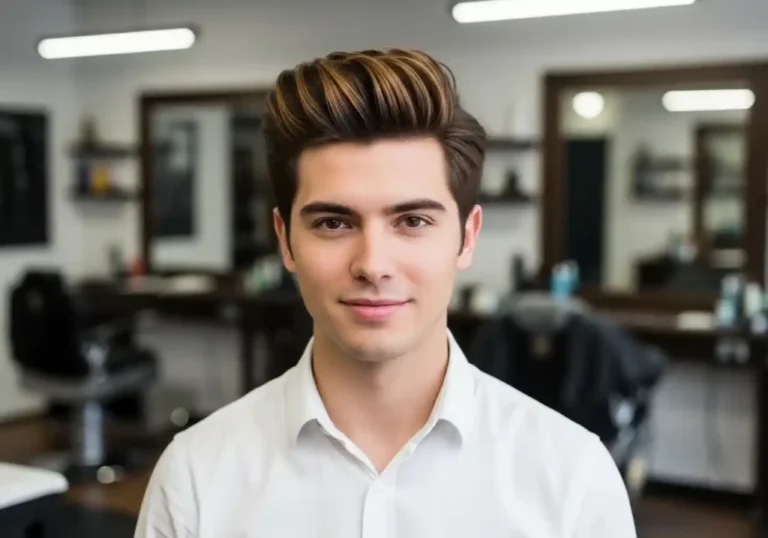
A sleek blunt cut is one of those hairstyles that can make your entire look feel more polished without requiring an elaborate styling routine. With its clean edges, precise shape, and endless variations, this haircut works beautifully on everything from short bobs to long, flowing hair. Whether you prefer a dramatic chin-length crop, a glossy shoulder-grazing style, or a modern cut with subtle personalization, these 20 blunt cut hair ideas will help you find a look that suits your features, lifestyle, and personal style.
1. Classic Sleek Blunt Bob
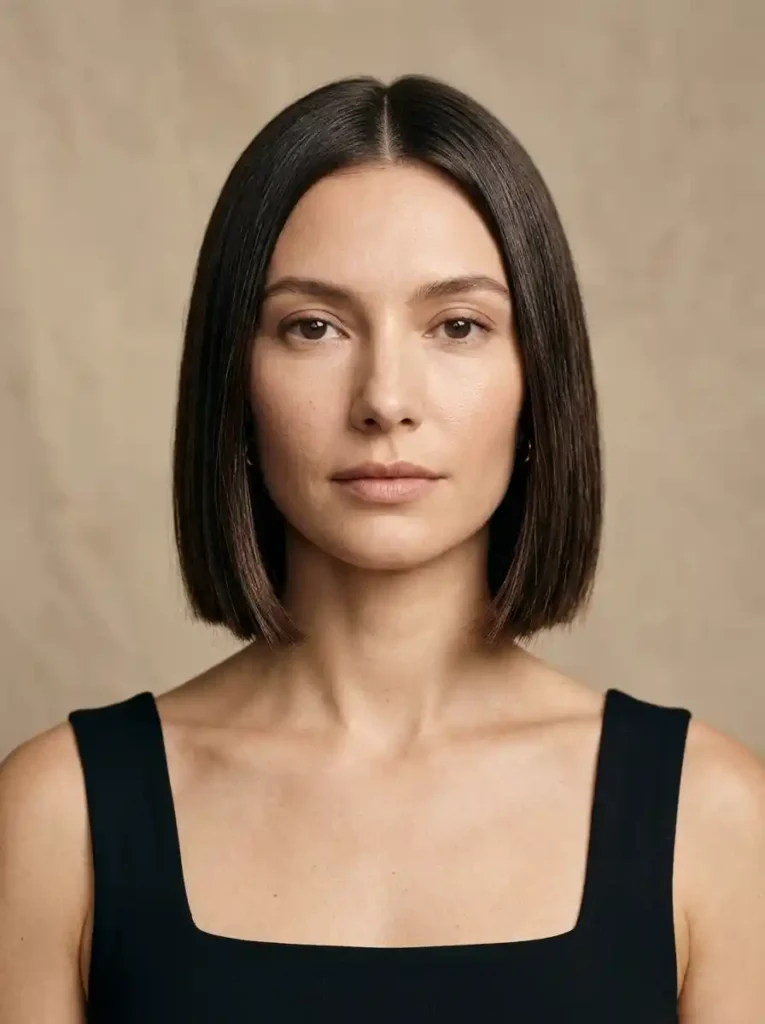
The classic sleek blunt bob is ideal if you love a haircut that looks intentional, sophisticated, and easy to dress up or down. Its straight, even ends create a defined silhouette that works particularly well on straight or slightly wavy hair. A center part gives the style a symmetrical, contemporary feel, while a side part introduces softness. Ask your stylist to customize the length around your jawline so the finished shape complements your facial proportions rather than following a one-length formula.
To achieve that smooth salon finish, apply a heat protectant before blow-drying with a paddle brush. Use a flat iron in small sections if your hair needs extra refinement, then finish with a lightweight shine serum concentrated on the ends. Avoid heavy oils near the roots, especially if your hair is fine. Blunt bobs need regular trims, usually every six to eight weeks, to preserve their sharp outline. Between appointments, a quick morning refresh can restore the polished appearance.
2. Shoulder-Length Blunt Cut

A shoulder-length blunt cut offers a useful middle ground between a short bob and long hair. It provides enough length for low ponytails, half-up styles, and simple tucked-behind-the-ear looks while maintaining the structured finish that makes blunt ends appealing. This version is particularly practical for anyone growing out a shorter haircut or wanting a noticeable change without losing too much length. The straight perimeter can also make fine hair appear more substantial because the ends retain a fuller-looking outline.
For everyday styling, blow-dry your hair downward to encourage a smooth finish, then turn the ends slightly inward only if you prefer a softer silhouette. Keeping the hemline near the shoulders can create occasional flipping, so a small round brush or flat iron may help control the shape. If your hair is naturally wavy, embrace a little texture instead of chasing perfect straightness every day. Ask your stylist to check the cut with your hair in its natural fall, particularly if your strands have uneven growth patterns.
3. Long Blunt Cut With Glossy Ends
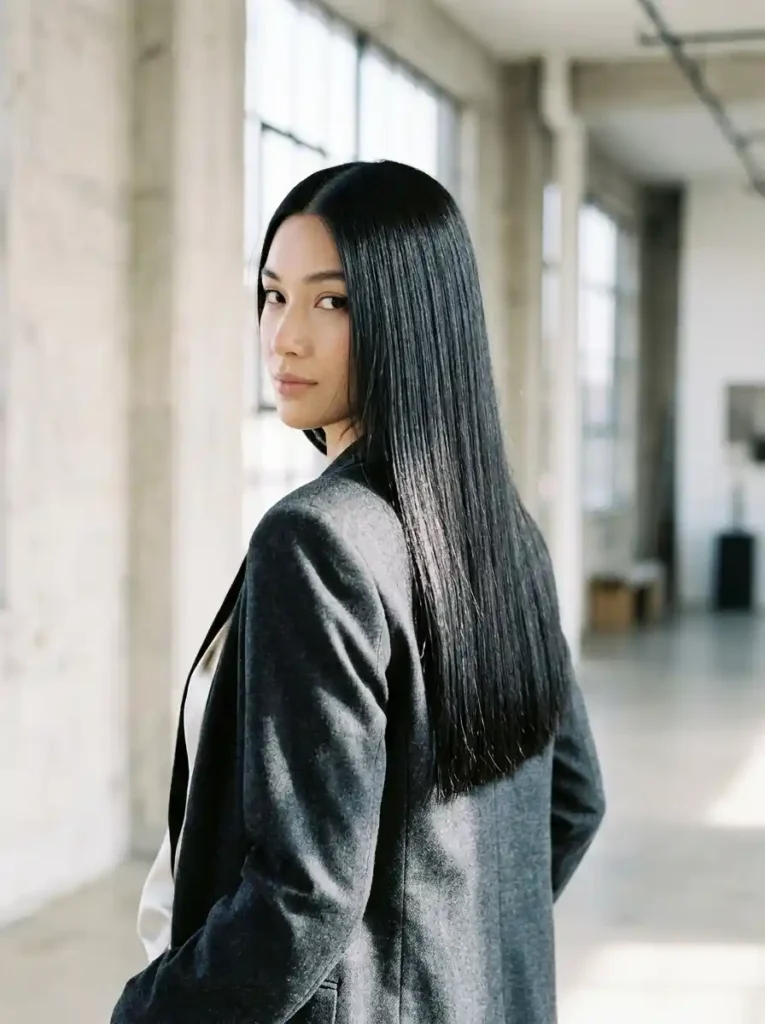
Long hair can look especially striking when its ends form one clean, uninterrupted line. A long blunt cut preserves length while removing the wispy appearance that can develop when the bottom becomes uneven or damaged. It is a strong option for people who enjoy wearing their hair loose and want the finished style to look deliberate without relying on layers or elaborate shaping. The result is understated rather than dramatic, making it suitable for professional outfits, casual clothing, and evening occasions alike.
The key to keeping long blunt hair attractive is maintaining the condition of the ends. Use a moisturizing conditioner after washing, detangle gently from the bottom upward, and limit unnecessary heat exposure. A smoothing cream can help control frizz without making the length look greasy. If your hair is very thick, ask your stylist how to balance the weight without disrupting the visible perimeter. Schedule trims according to split ends and your preferred outline, remembering that healthy-looking length depends more on consistent care than on frequent styling.
4. Blunt Cut With a Deep Side Part
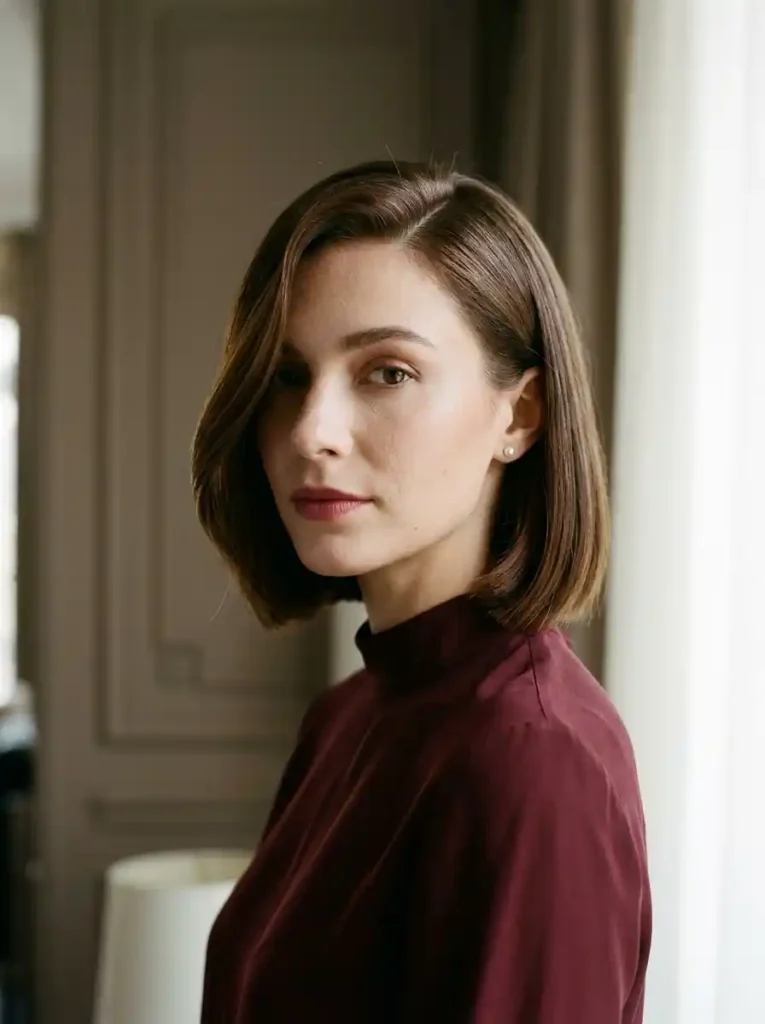
A deep side part changes the personality of a blunt haircut without requiring a different length. The diagonal sweep creates movement around the forehead and can make a simple bob feel more glamorous or dramatic. It is particularly useful if you enjoy a little asymmetry or want a styling option that differs from your everyday center part. The cut itself can remain perfectly even; the visual variation comes from how the hair is distributed across the head and how the front sections frame your features.
To make the part hold, create it while your hair is damp and direct the roots into position during blow-drying. A lightweight root-lifting product can add support if your hair tends to fall flat, while a small amount of smoothing cream keeps the lengths sleek. Avoid forcing the part too far over if it creates uncomfortable tension or exposes areas where your hair naturally separates. For a softer finish, tuck the lighter side behind one ear and let the fuller side fall freely.
5. French-Inspired Blunt Bob

A French-inspired blunt bob combines a clean perimeter with a more relaxed finish. Rather than looking perfectly pressed into place, the hair has a little natural movement, often paired with a soft fringe or brow-skimming bangs. This makes the haircut feel expressive and wearable instead of overly formal. It can suit people who appreciate vintage-inspired fashion, understated makeup, and hairstyles that look attractive even when a few strands fall out of place. The exact length and fringe shape should be adapted to your hair density and forehead proportions.
For styling, use a small round brush at the fringe and a paddle brush through the remaining lengths. Finish with a flexible styling cream or light texturizing product rather than a heavy, high-shine formula. If your hair is naturally wavy, allowing a hint of movement can reinforce the relaxed character of this cut. Fringe maintenance requires extra attention because bangs may need trimming before the rest of the haircut. Discuss how the fringe will sit when air-dried so your daily routine remains manageable.
6. Sleek Blunt Cut With Curtain Bangs
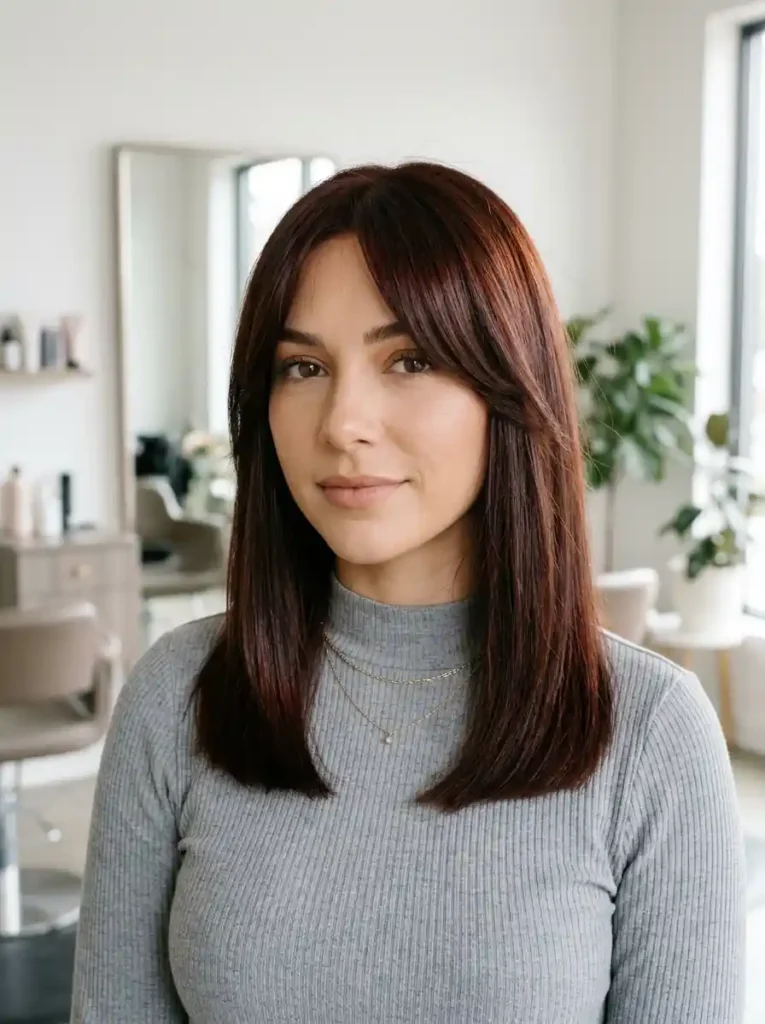
Curtain bangs offer a flattering way to personalize a blunt cut without losing its clean shape. Their center opening and sweeping sides create a frame around the eyes and cheekbones, while the straight ends maintain a strong outline through the rest of the hair. This combination is especially appealing if you want a change around your face but are hesitant about committing to a full, heavy fringe. The bangs can also grow out more gradually than short, straight-across styles, giving you additional flexibility between salon visits.
Styling the front sections separately makes the biggest difference. Use a medium round brush to direct each side away from the face, lifting gently at the roots before allowing the hair to cool. Keep the remaining lengths smooth with a paddle brush or flat iron when necessary. Curtain bangs can separate in humid weather, so a light, flexible hairspray may help preserve their shape. Before booking the cut, discuss your natural part and cowlicks with your stylist to ensure the fringe falls in a direction that works with your hair.
7. Blunt Lob With a Middle Part

The blunt lob, or long bob, is an excellent choice if you want a defined haircut that still feels versatile. Falling between the chin and collarbone, it gives the impression of shorter hair while retaining enough length for small ponytails, clips, and half-up styles. A middle part emphasizes the symmetry of the shape and creates a modern, streamlined appearance. This cut works across many personal styles, from minimalist workwear to relaxed weekend outfits, because its silhouette is simple without looking unfinished.
Ask your stylist to position the ends according to how your hair sits around your shoulders and collarbones. A length that looks perfect when freshly cut may behave differently once it touches clothing, particularly if your hair is thick or naturally bends outward. For a smooth finish, blow-dry in sections and direct the airflow downward. If you prefer an air-dried routine, apply a smoothing leave-in product and gently comb the hair into place. The lob’s manageable length also makes it a practical transition from longer hair.
8. Blunt Cut for Fine Hair
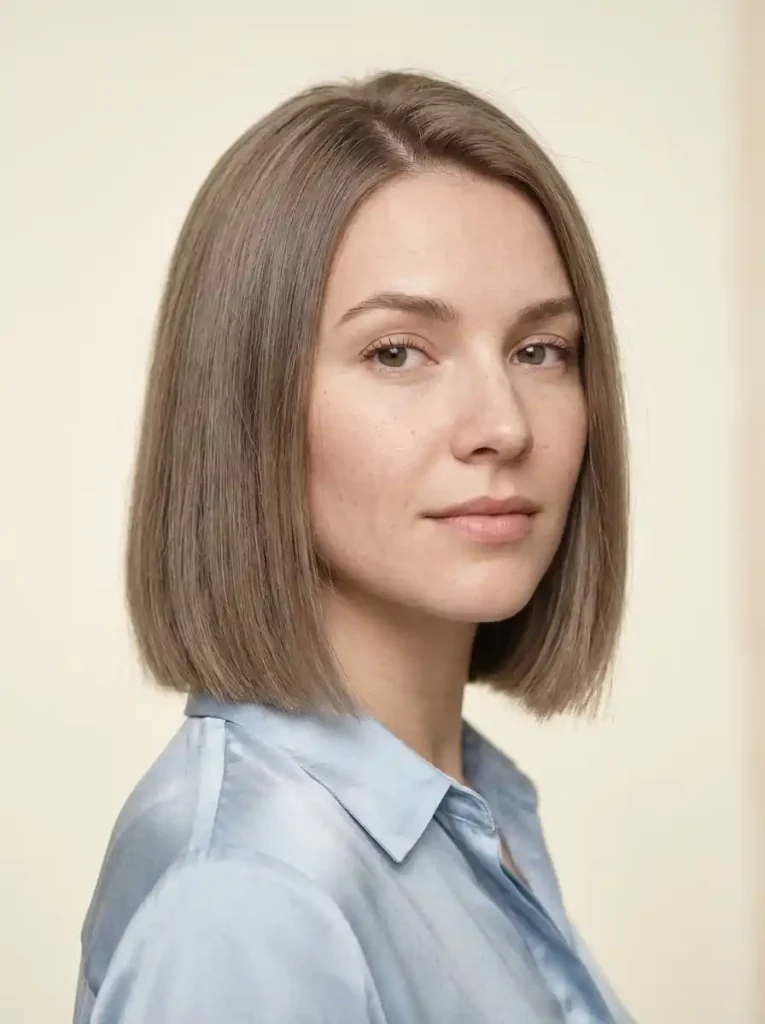
Fine hair can benefit from a blunt haircut because a solid perimeter preserves the appearance of fullness at the ends. Instead of thinning the bottom through multiple layers, a carefully shaped bob creates a compact silhouette that can look more substantial. Chin-length and slightly longer versions are both worth considering, depending on your face shape and preferred styling routine. If your hair tends to separate into sparse-looking sections, keeping the ends relatively short can also reduce the visual contrast between the lengths and the tips.
Choose lightweight products that support movement without coating delicate strands. A small amount of volumizing mousse at the roots, followed by a careful blow-dry, can add lift while allowing the ends to remain smooth. Avoid excessive texturizing shears, which may remove the density you are trying to preserve. A blunt cut will not change the actual thickness of your hair, but the right shape can make it appear fuller. Ask your stylist to evaluate your natural density before deciding how short the haircut should be.
9. Blunt Cut for Thick Hair.
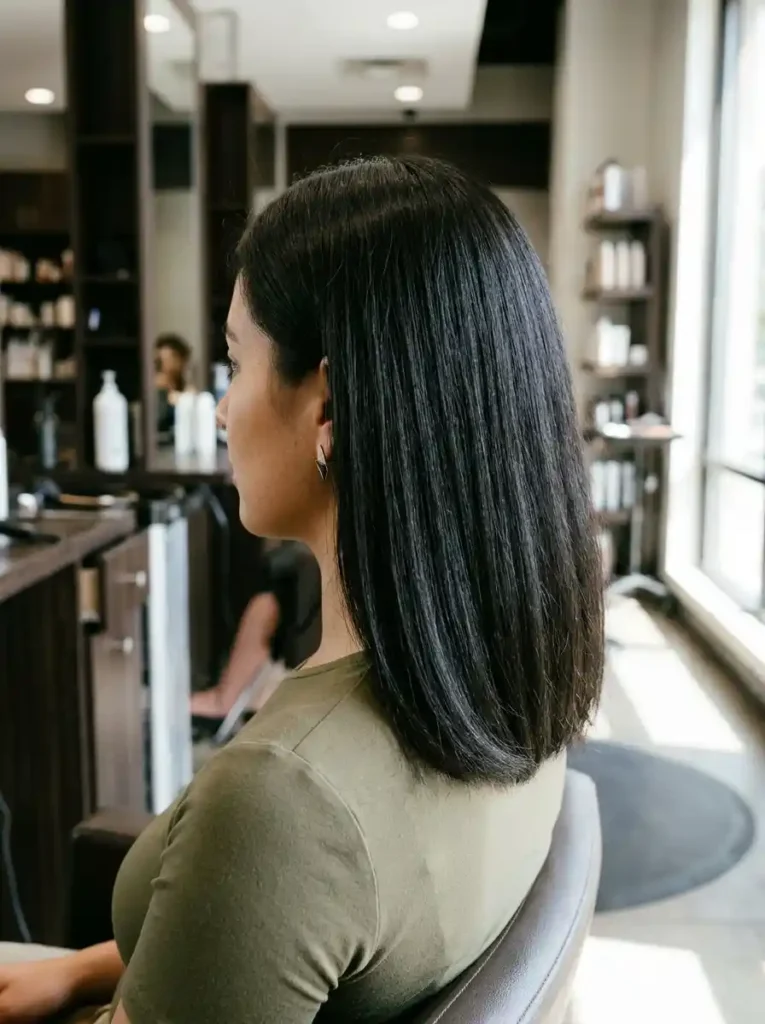
Thick hair can create a beautifully bold blunt silhouette, but the haircut needs thoughtful shaping to avoid becoming excessively heavy. A collarbone-length bob or longer lob allows the ends to sit in a strong line while giving the stylist enough room to distribute bulk discreetly. If your hair expands outward or forms a triangular shape, ask about internal weight removal that does not compromise the visible perimeter. The goal is to preserve the sleek exterior while making the cut comfortable, balanced, and easier to style.
A section-by-section blow-dry helps thick hair dry evenly and reduces the temptation to repeatedly pass a flat iron over the same area. Use heat protectant generously but avoid applying excessive product close to the scalp. If your hair has a natural wave, a smoothing brush and controlled airflow may be enough to achieve a refined finish. Discuss how much time you are willing to spend styling before choosing a length. A slightly longer blunt cut may be easier to manage if your hair is especially dense.
10. Blunt Bob With Tucked-Behind-the-Ear Styling
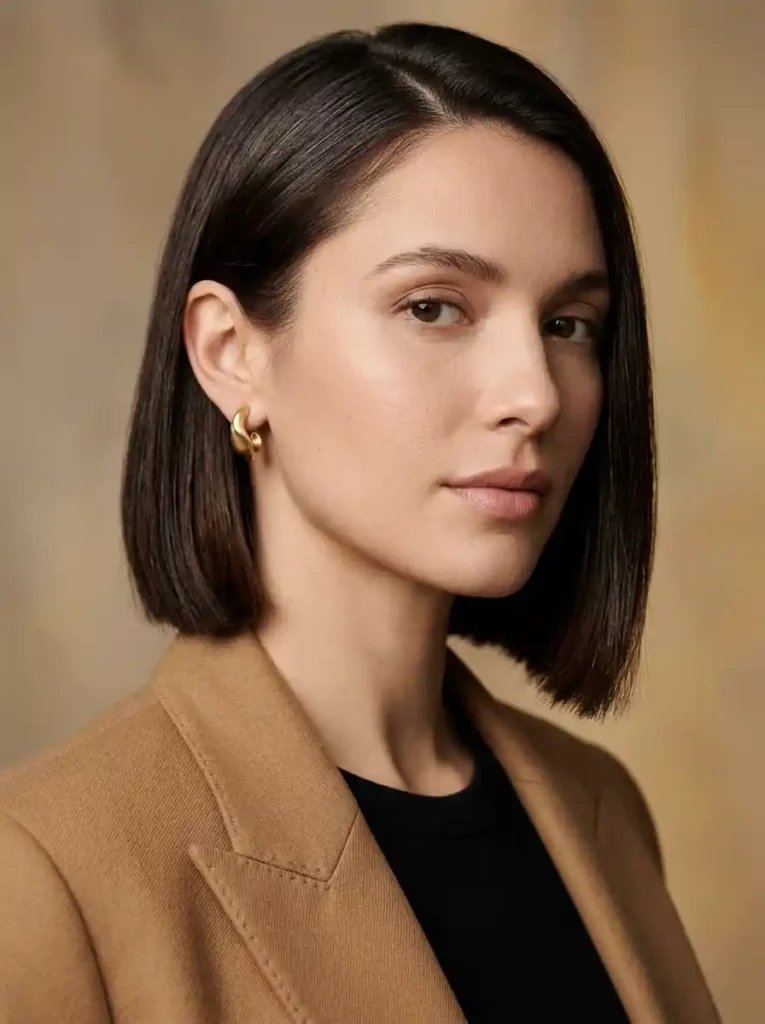
Tucking one side of a blunt bob behind the ear is a simple styling choice that makes the haircut feel fresh without changing its shape. It reveals the jawline, draws attention to earrings, and introduces an understated asymmetry that works especially well with structured clothing. This option is ideal when you want a polished appearance for work, dinner, or photographs but do not have time for an elaborate hairstyle. The contrast between the exposed ear and the smooth opposite side creates interest through styling rather than added layers.
For a secure tuck, apply a small amount of lightweight styling cream and guide the hair behind the ear while it is still slightly damp. Once dry, a discreet bobby pin can hold slippery strands in place if necessary. Avoid using too much product, which can flatten the roots and make the tucked section look greasy. You can switch sides depending on your part or the accessories you want to highlight. If your hair springs forward, ask your stylist to check how the front sections naturally fall before cutting.
11. Blunt Cut With a Soft Inward Bend

A soft inward bend gives a blunt haircut a more rounded, feminine finish without sacrificing its precise outline. Instead of leaving the ends completely straight, the hair curves subtly toward the neck, creating a controlled shape that works particularly well with shoulder-length cuts and classic bobs. This approach suits people who prefer polished hairstyles but find pin-straight hair too severe. It also pairs naturally with tailored jackets, knitwear, and other outfits where a neat silhouette complements the overall look.
You can create the bend with a round brush during blow-drying or with a flat iron using a gentle inward movement near the ends. Keep the curve subtle; an exaggerated curl can make the haircut appear shorter and more rounded than intended. A lightweight smoothing product helps reduce flyaways while allowing the ends to move naturally. If your hair already curls inward at the neckline, ask your stylist to account for that tendency when cutting. The right length prevents the finished shape from looking overly tucked or bulky.
12. Blunt Cut With Flipped-Out Ends

Flipped-out ends bring a playful, retro-inspired character to a blunt haircut. The technique works especially well on bobs and lobs because the shorter length makes the outward movement visible without requiring elaborate curls. It is a good choice if you enjoy experimenting with your appearance or want a change from the smooth, inward-curving finish. The contrast between the sleek upper sections and the flipped tips creates movement, giving a familiar haircut a distinctly different personality.
To style this look, dry the hair straight first, then use a flat iron or round brush to direct only the final inch or two outward. Keep the movement consistent on both sides for a symmetrical finish, or vary it slightly for a relaxed effect. A flexible-hold hairspray can help the ends retain their direction without becoming stiff. This style is particularly easy to refresh on second-day hair, provided the lengths remain smooth. Avoid flipping the ends too aggressively if you want to preserve the haircut’s clean, modern feel.
13. Blunt Cut With a Glossy Glass-Hair Finish
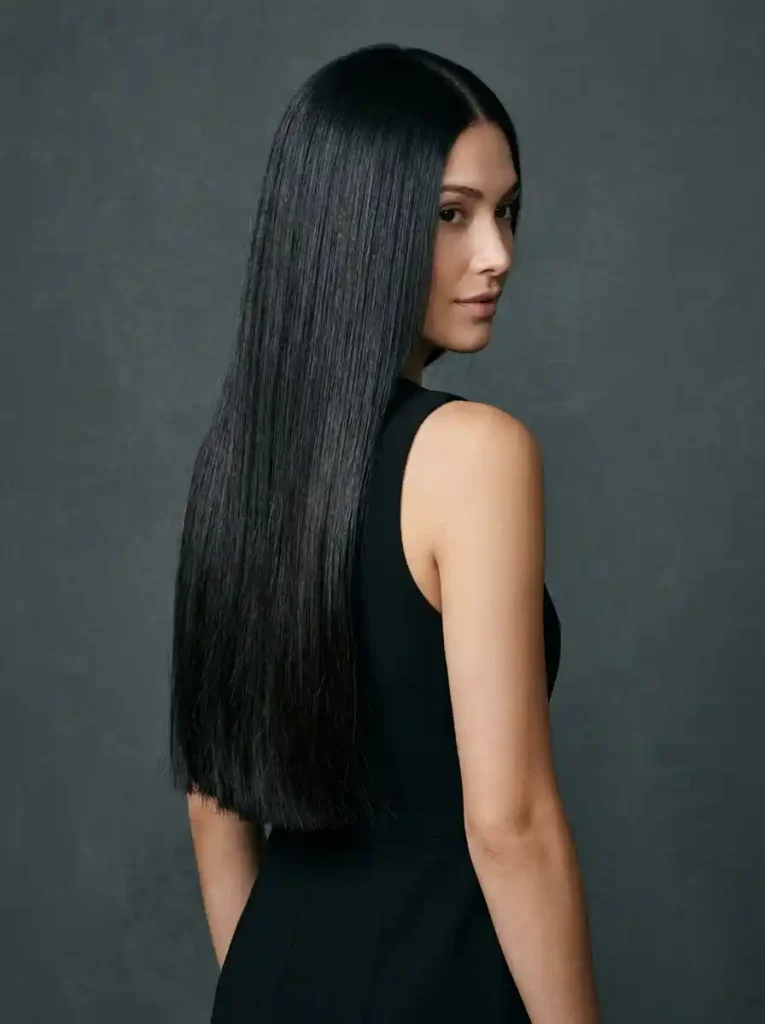
Glass hair is all about a smooth surface, controlled reflections, and exceptionally tidy ends. Applying this finish to a blunt cut emphasizes the haircut’s precision, making even a simple bob or long style look carefully styled. It is particularly appealing for events, professional portraits, or occasions when you want a sleek statement without adding curls or accessories. The reflective finish should still look like real hair, however, rather than a rigid, artificial sheet. A clean cut and healthy-looking lengths provide the foundation for the effect.
Begin with a smoothing shampoo and conditioner suited to your hair type, then apply heat protectant before drying in small, controlled sections. A flat iron can refine the surface, but excessive passes may increase damage and reduce the quality of the ends over time. Finish with a tiny amount of lightweight serum, distributing it through the lengths rather than concentrating it at the roots. If your hair is naturally frizzy, realistic expectations matter: humidity and texture can affect the finish, so a flexible routine is more sustainable than constant heat styling.
14. Blunt Cut With Subtle Face-Framing Pieces
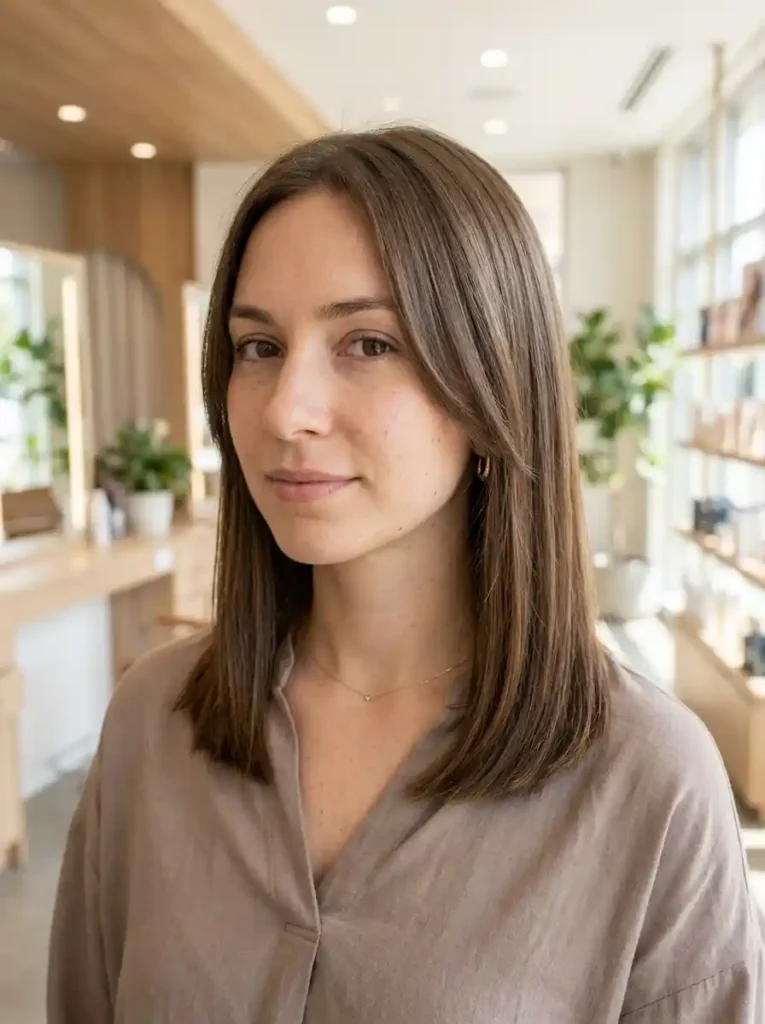
Subtle face-framing pieces offer a little softness around the front while preserving the strong line that defines a blunt cut. This variation is useful if you love the fullness of an even perimeter but feel that one uniform length makes your hairstyle look too severe. The shorter front sections can help the hair sit more naturally around the cheeks and jawline. The difference should remain understated: dramatic layers throughout the haircut would change the overall effect and reduce the visual simplicity of the blunt shape.
Ask your stylist to make the front pieces only as short as you are comfortable styling every day. Their placement should reflect your natural part, hair texture, and the features you want to emphasize. For a sleek finish, direct the front sections slightly away from the face with a round brush while keeping the main lengths straight. If you wear your hair tied back regularly, make sure the shorter pieces are long enough to tuck behind your ears or secure with a clip. This small adjustment improves everyday versatility.
15. Blunt Cut With a Warm Brunette Gloss

A warm brunette gloss can make a blunt cut feel richer without introducing dramatic highlights or a high-maintenance color pattern. Chocolate, chestnut, and espresso shades provide depth that becomes especially noticeable when the hair is smooth and the ends form a clear line. This combination is suitable if you prefer a refined, natural-looking finish that works with neutral clothing and understated makeup. The result relies on healthy-looking shine and subtle tonal variation rather than obvious color contrast, keeping the haircut itself at the center.
If you color your hair, ask your stylist which brunette tone complements your skin’s undertones and your natural base color. A gloss or toner may refresh the appearance of existing color, although the exact service depends on your hair history and desired result. At home, use a color-safe shampoo if recommended and avoid unnecessarily hot water. Protecting your hair from heat helps maintain both the smooth texture and the look of the color. Schedule color appointments according to fading and regrowth rather than following a rigid timetable.
16. Blunt Cut With Caramel Balayage
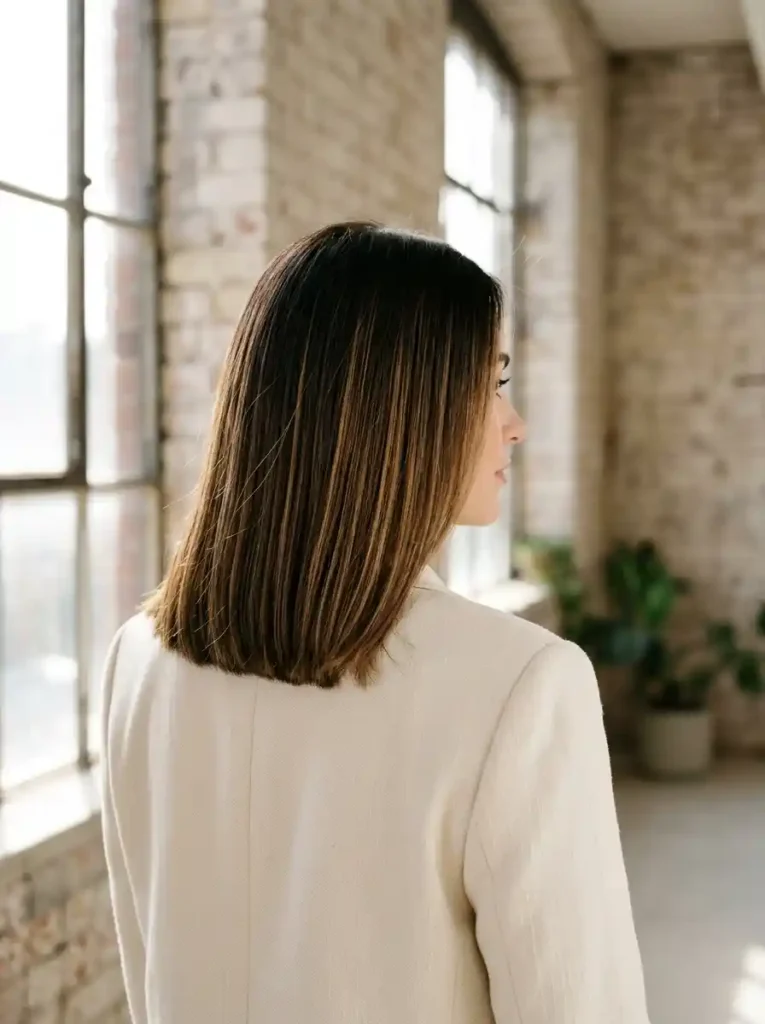
Caramel balayage adds dimension to a blunt haircut without requiring an all-over color change. The lighter ribbons create visual movement along the smooth surface, while the solid ends maintain the cut’s strong outline. This is an appealing option for brunettes who want a brighter appearance but prefer a gradual, blended effect over sharply contrasting highlights. Placement matters: a few carefully positioned pieces around the face and through the lengths can provide interest without making the haircut look overly striped or busy.
Because balayage involves lightening selected sections, discuss the condition of your hair with a colorist before booking the service. The degree of lift needed, your existing color, and your hair’s porosity will influence the final result and maintenance schedule. Use products recommended for color-treated hair and apply heat protectant whenever you style. To preserve the blunt silhouette, keep the cut and color appointments coordinated when practical. Even beautifully blended color looks more intentional when the ends are healthy and the overall shape remains balanced.
17. Blunt Cut With a Sleek Low Ponytail
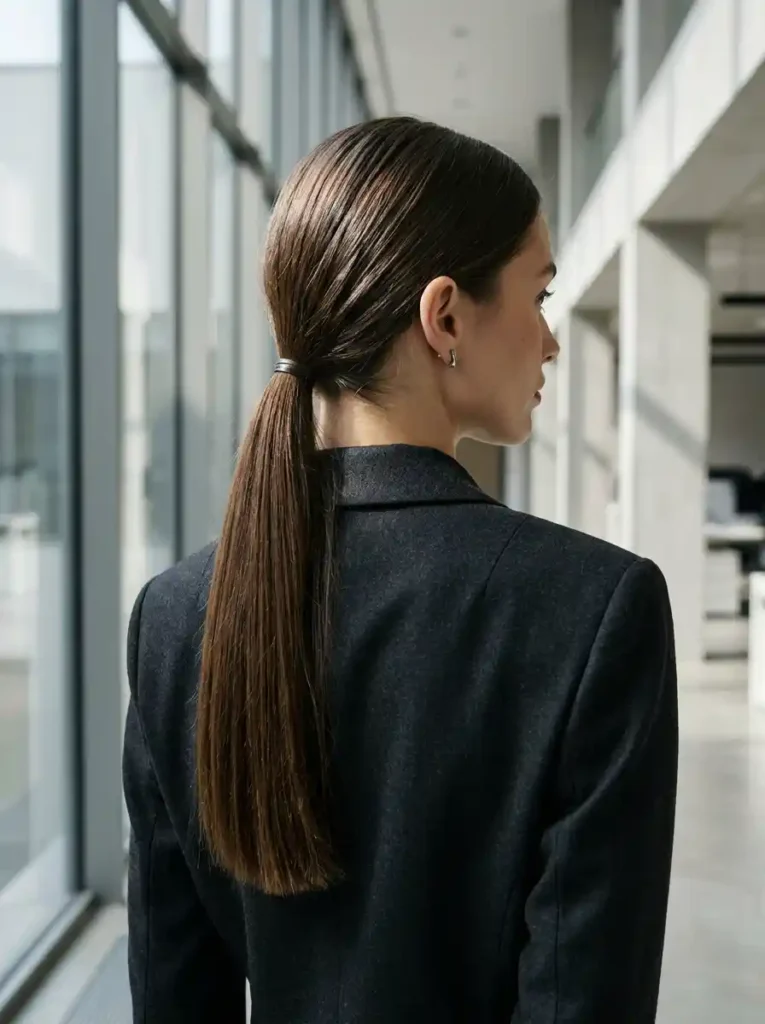
A sleek low ponytail is a practical way to show off the clean ends of a blunt haircut while keeping hair away from your face. The style feels polished enough for the office yet simple enough for everyday errands, travel, or casual evenings. It works best when the hair is long enough to gather comfortably, although shoulder-length blunt cuts may also fit into a low tie. Because the ponytail keeps the lengths together, the even perimeter becomes particularly noticeable when the hair falls straight down the back.
Use a soft brush to direct the hair toward the nape, then secure it with a snag-free elastic that holds firmly without excessive tension. A small amount of styling cream can smooth flyaways around the crown, while a thin section wrapped around the elastic creates a more finished appearance. Avoid tying the ponytail too tightly every day, since repeated tension can stress the hairline. If your ends look uneven when gathered, ask your stylist to assess the perimeter with the hair both loose and tied back.
18. Blunt Cut With a Minimalist Hair Clip
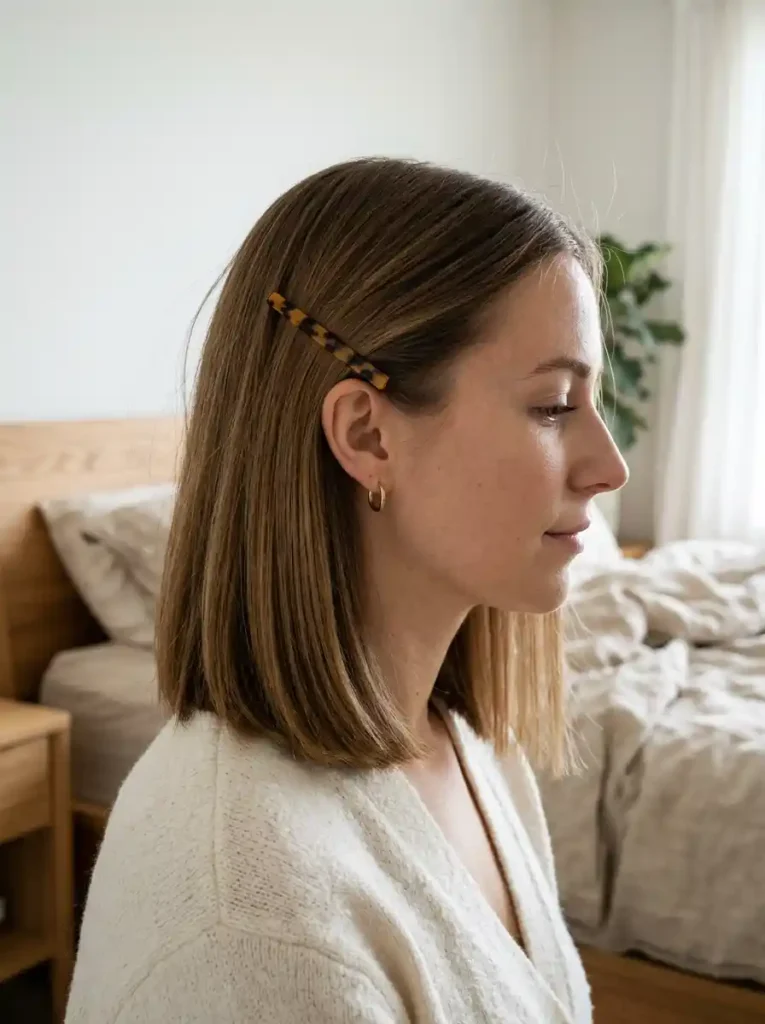
A minimalist hair clip introduces personality to a blunt cut without competing with its clean shape. A tortoiseshell barrette, matte metal pin, or simple geometric accessory can hold one side back while allowing the rest of the hair to remain loose. This is particularly useful if you want to keep strands away from your face without committing to a ponytail. The combination works across different lengths, although the clip should be sized to hold your hair securely rather than slide out during the day.
For the neatest result, place the clip over a small section of hair that has been smoothed into position, then check that it does not pull at the roots. Fine hair may hold better with a lightly textured section, while thick hair often needs a stronger clasp. Keep the accessory proportional to the haircut: an oversized clip can overwhelm a compact bob, whereas a longer lob offers more room for statement pieces. Changing the clip’s finish or placement can make the same haircut feel entirely different.
19. Blunt Cut With a Natural Wavy Texture

A blunt cut does not have to be perfectly straight to look polished. On naturally wavy hair, the even perimeter creates structure while the loose bends add softness and movement. This variation is ideal if you want a modern haircut that respects your natural texture instead of requiring daily straightening. The final outline may look slightly irregular when individual waves curl at different angles, but that variation can be part of the appeal. Choosing the right length helps the waves fall attractively without making the ends appear overly bulky.
Apply a lightweight leave-in conditioner or wave cream to damp hair, then scrunch gently and allow it to air-dry or use a diffuser on a low setting. Avoid brushing the hair repeatedly once it has dried, as this can disrupt the wave pattern and create frizz. Tell your stylist how you normally wear your hair before the cut begins. Cutting wavy hair while accounting for its natural shrinkage helps prevent the finished style from becoming shorter than expected when dry.
20. Ultra-Short Blunt Micro Bob

The micro bob is the boldest option in this collection, placing the ends well above the jawline for a compact, graphic silhouette. Its short length draws attention to the eyes, cheekbones, and neck, making it a strong choice for anyone who enjoys distinctive, fashion-forward styling. A straight fringe can intensify the geometric appearance, while a fringe-free version feels cleaner and more minimal. Because the cut is so precise, the placement should be customized carefully rather than copied directly from a photograph.
Before choosing a micro bob, consider how comfortable you are with frequent salon visits and daily styling. Small changes in length can noticeably affect the proportions of a very short cut, so maintenance trims are often needed more regularly than with a longer bob. Ask your stylist to discuss how the haircut will work with your hairline, growth direction, and natural texture. If you are unsure about going very short, a longer jaw-skimming bob can be a useful stepping stone before committing to the micro length.
Conclusion
A sleek blunt cut can be tailored to almost any personal style, whether you gravitate toward a classic chin-length bob, a practical shoulder-grazing lob, or long hair with a clean, dramatic perimeter. The best choice depends on more than appearance alone. Your hair’s natural density, texture, growth pattern, styling habits, and willingness to schedule regular trims all influence how well a particular cut will work for you.
Before your next salon appointment, save two or three reference photos that show your preferred length, parting, and finish. Tell your stylist how much time you realistically spend styling your hair and whether you prefer to wear it straight, wavy, or tied back. These details help turn inspiration into a haircut that fits your everyday life.
Most importantly, remember that sleek hair does not have to mean perfectly flat or heavily styled hair. A carefully shaped blunt cut can look equally appealing with a glossy finish, soft waves, a simple clip, or a relaxed ponytail. Choose the version that makes you feel confident, comfortable, and excited to wear your hair every day.