
Warm auburn hair sits beautifully between rich red and warm brown, making it an appealing choice for anyone who wants noticeable color without going dramatically bright. Depending on the shade, it can look softly coppery in sunlight, deeply brunette indoors, or beautifully balanced somewhere between the two. That versatility makes auburn especially easy to personalize for different complexions, hair lengths, and styling preferences.
In this collection, you’ll find 20 warm auburn hair color ideas ranging from subtle dimensional blends to richer all-over shades. Some are polished and understated, while others bring more copper, cinnamon, or reddish warmth into the look. You’ll also find practical details about choosing the right intensity, maintaining vibrancy, and making the color work with your natural hair. If you’re saving inspiration before your next salon appointment, these ideas can help you identify the exact direction you want to explore.
1. Classic Warm Auburn
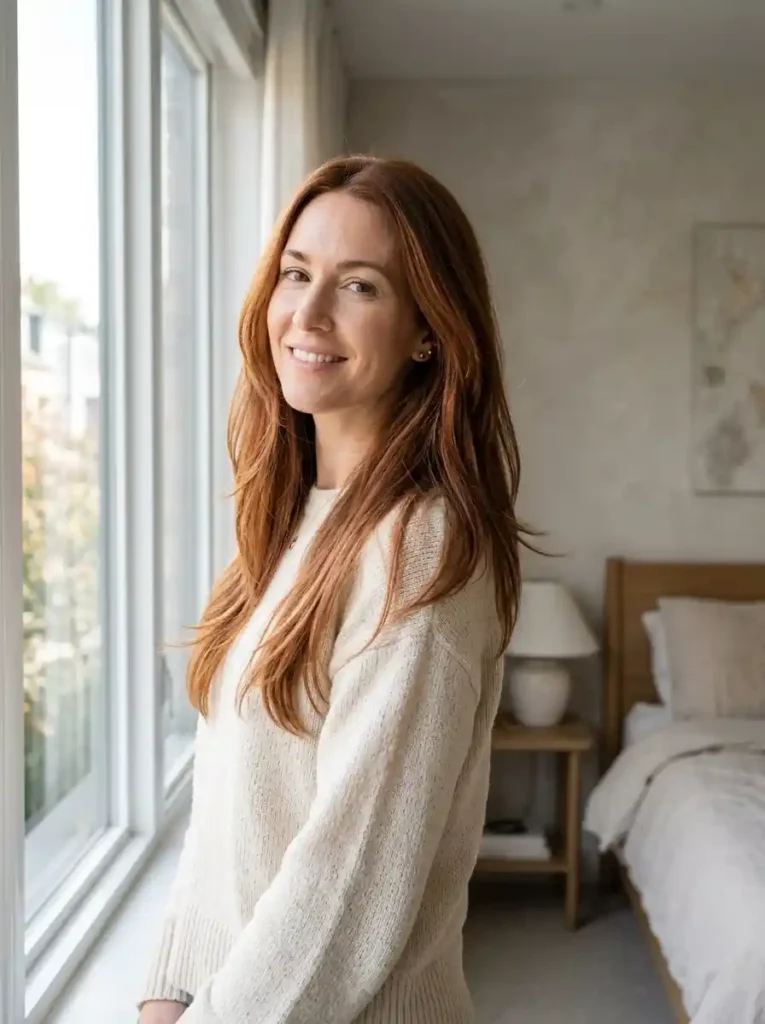
Classic warm auburn is an excellent starting point if you want a recognizable red-brown shade without leaning too heavily toward orange or burgundy. The balanced mixture of warm red and medium brown gives the hair depth while remaining wearable for everyday settings. Ask your stylist for a natural-looking auburn base with controlled copper warmth rather than an intensely vivid red. This approach is particularly attractive on medium-length cuts where movement allows the color variation to become visible.
For maintenance, use a color-safe shampoo and avoid washing with very hot water, which can accelerate fading. A lightweight gloss between coloring appointments can refresh warmth without completely changing your base. Classic auburn also pairs beautifully with loose waves because the bends catch light differently across the reddish and brown tones. If your natural hair is already medium brown, your stylist may achieve this shade with less dramatic lightening than brighter copper colors require.
2. Copper Auburn Glow
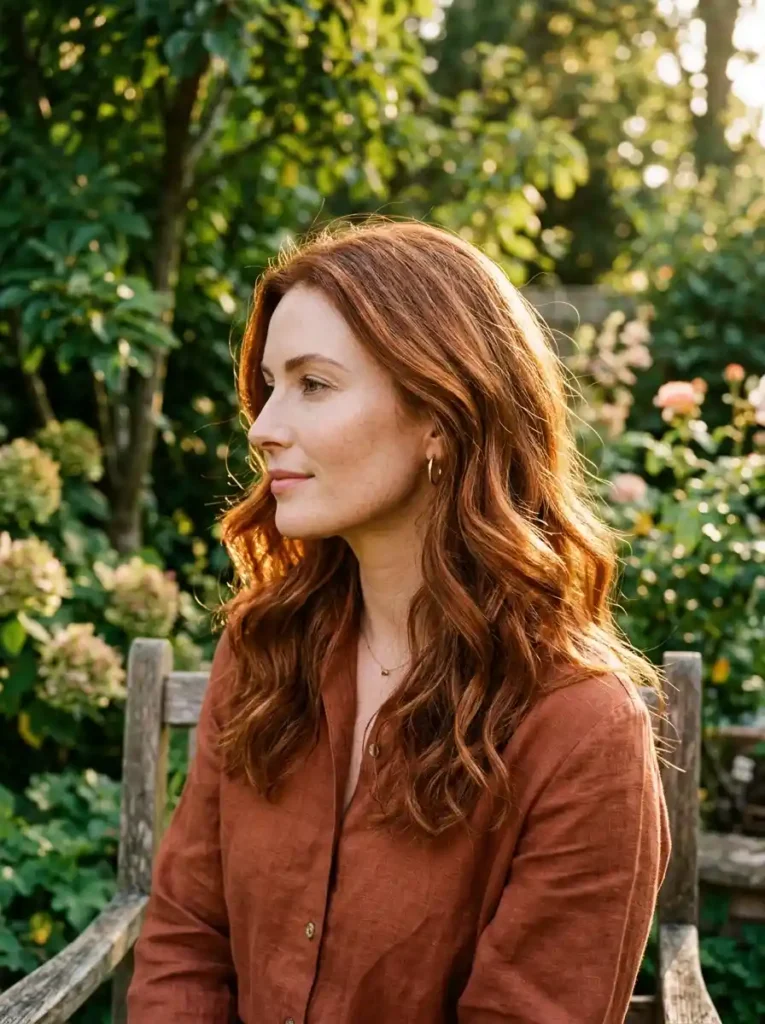
Copper auburn brings extra brightness to the traditional auburn palette, making it a good option when you want your color to appear noticeably warmer. Instead of choosing a flat orange-red, consider a brown-based auburn with copper woven throughout the lengths. That combination keeps the result sophisticated while allowing the copper tones to become more visible under natural light. Shoulder-length waves are especially effective because the texture creates changing highlights as the hair moves.
Because copper pigments can fade quickly, this shade benefits from thoughtful aftercare. Wash less frequently when possible and choose products designed for color-treated hair. A tinted conditioner can help maintain warmth between salon visits, although the exact formula should match your stylist’s recommendation. If your current hair is very dark, reaching bright copper auburn may require gradual lightening. Building the color over multiple appointments can help protect the hair’s condition while creating a more even result.
3. Deep Cinnamon Auburn
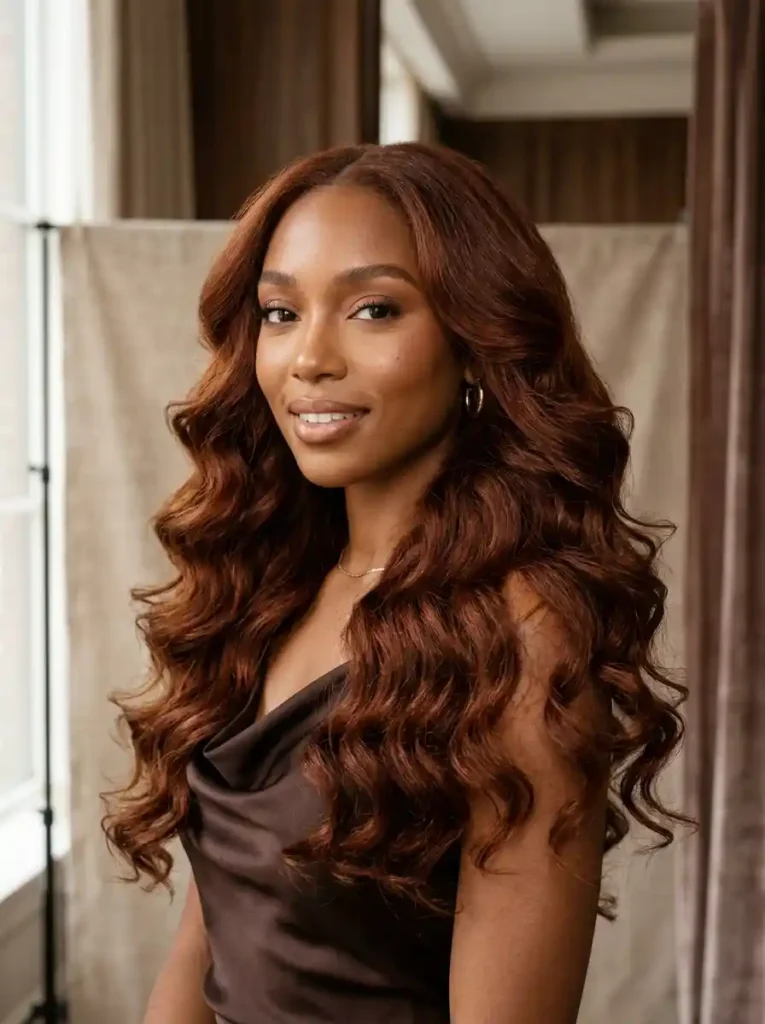
Deep cinnamon auburn is ideal for someone who prefers a darker, richer interpretation of red hair. The shade combines warm brown with spicy cinnamon and restrained red undertones, creating dimension without appearing neon or overly orange. It works particularly well on thick hair because the deeper base gives the overall color visual weight while cinnamon reflections appear between the layers. Long curls or polished waves can emphasize those subtle variations without making the result look overly dramatic.
This shade is also a practical choice for brunettes who want warmth without moving into a very light color. During a consultation, bring photographs showing the depth you prefer because “cinnamon” can range from brown-heavy to copper-heavy depending on the formula. Keep styling products lightweight so the darker auburn remains glossy rather than dull. Regular conditioning is especially helpful on long hair, where dry ends can make warm shades appear less polished.
4. Auburn Balayage on Brunette Hair
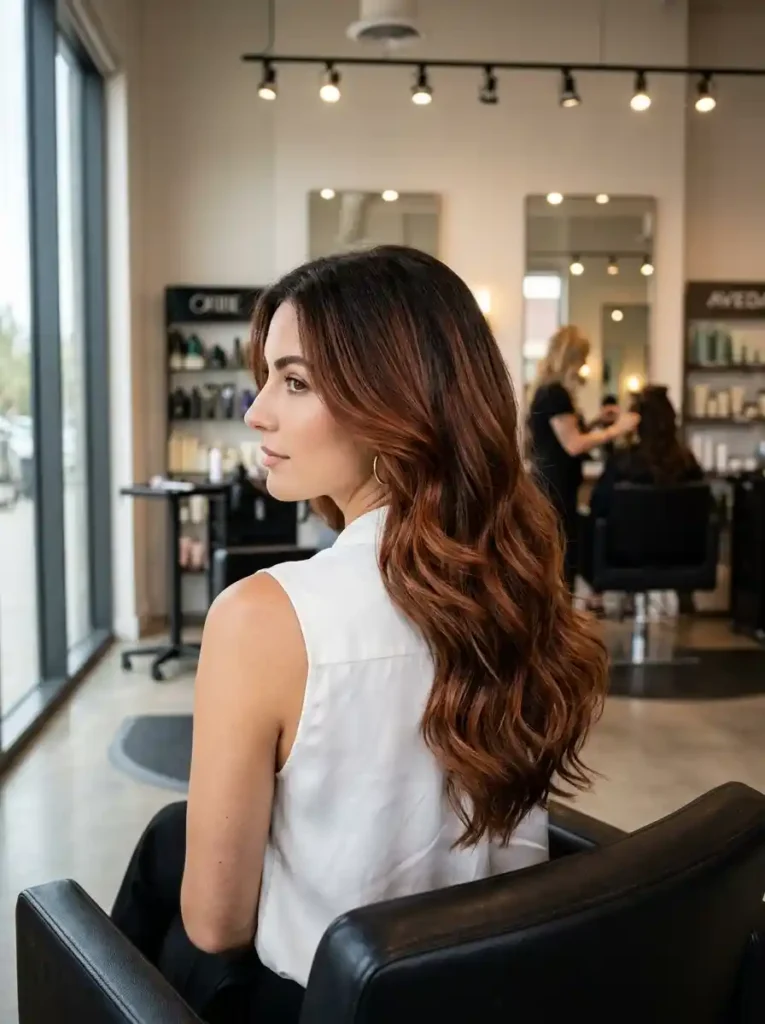
Auburn balayage offers a lower-commitment way to introduce warmth while preserving a darker natural-looking root. Instead of coloring every strand evenly, your stylist can place auburn pieces where they naturally catch light, particularly around the mid-lengths and face. This creates a gradual transition from brunette to warm reddish brown. It is especially useful if you want dimension rather than a complete color transformation or prefer a softer grow-out as the hair lengthens.
Placement matters more than simply choosing the right auburn shade. Ask your stylist to consider your haircut, natural part, and areas where sunlight naturally hits your hair. A few brighter pieces near the face can make the color feel more noticeable without requiring a full head of highlights. Because the roots remain deeper, maintenance can often focus on refreshing the warmer lengths and keeping the overall blend seamless as the color gradually fades.
5. Soft Auburn for Medium-Length Hair

Medium-length hair gives soft auburn enough movement to look dimensional without requiring dramatic contrast. A muted reddish-brown formula works particularly well if you want warmth that remains understated in professional environments. Ask for slightly lighter pieces through the ends if your hair tends to look visually heavy. The result can create a gentle gradient while keeping the overall color cohesive. A collarbone cut with subtle layers also helps prevent the shade from appearing visually flat.
When styling this length, a smooth blowout highlights the polished side of auburn, while loose bends reveal more tonal variation. Avoid applying heavy oils throughout the hair because excessive product buildup can reduce the reflective quality that makes warm colors look vibrant. If your natural hair is lighter, your stylist may focus more on depositing the desired red-brown tone. A consultation patch test may also be appropriate when using new professional color products.
6. Golden Auburn Highlights
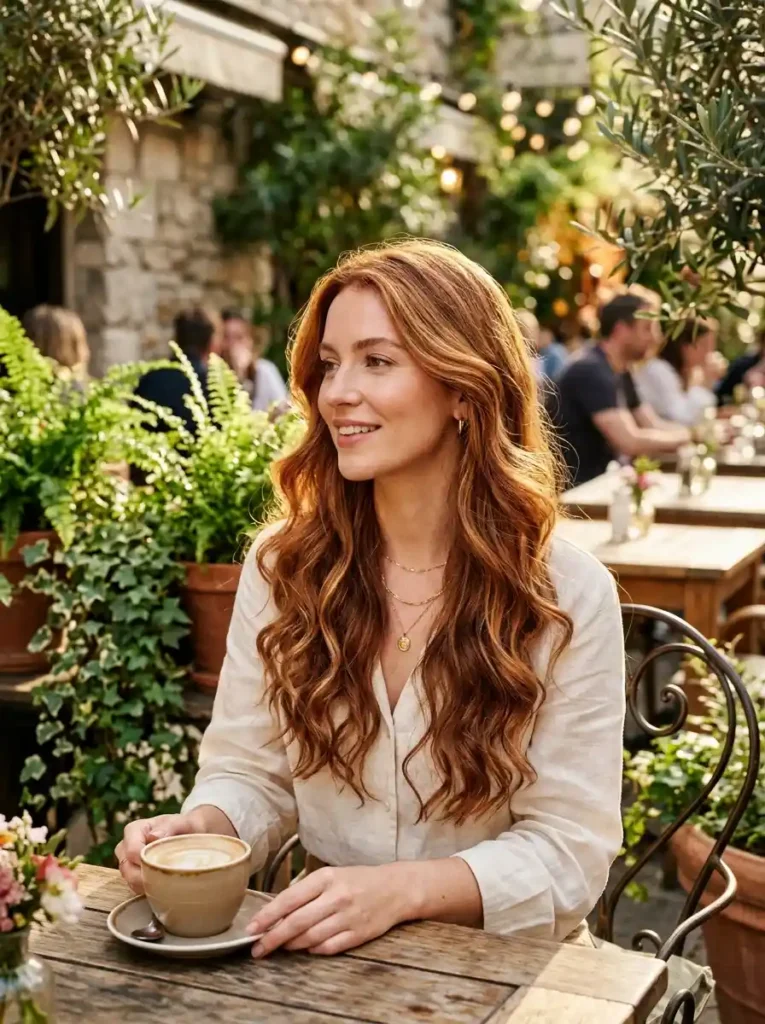
Golden auburn highlights are a softer option for people who love reddish warmth but also want a touch of golden brightness. The underlying auburn keeps the hair grounded, while carefully placed golden-copper ribbons prevent the overall shade from looking too dark. This combination can be especially attractive on layered hair because the lighter pieces appear and disappear as the layers move. Face-framing placement can make the color feel brighter without requiring extensive highlighting throughout the head.
Ask your stylist to keep the highlights warm and integrated rather than creating stark blonde stripes. A fine, blended technique generally produces a more natural result, particularly when the base color is medium brown. Golden tones can become brassy if the formula is not properly balanced, so professional consultation is valuable. At home, protect the hair from excessive heat and use a moisturizing mask regularly to preserve softness and shine across highlighted sections.
7. Dark Auburn With Subtle Red Tones
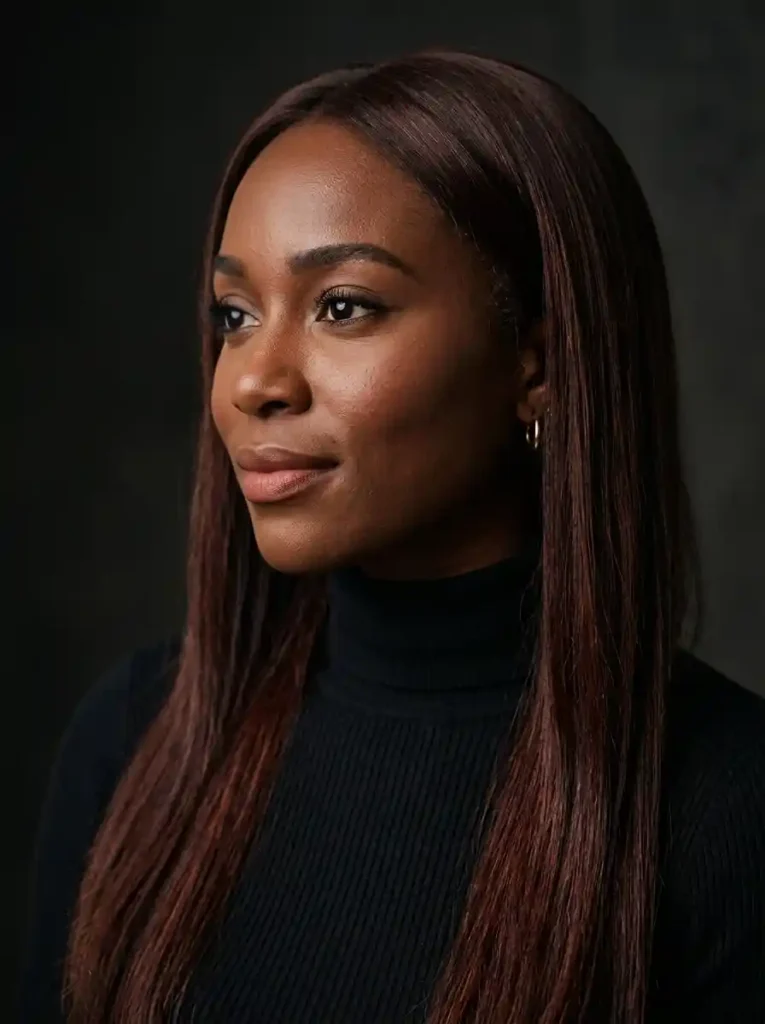
Dark auburn works beautifully when you want the warmth of red without giving up the depth of brunette hair. The color can appear almost brown indoors while revealing subtle red tones when it catches natural or directional light. This makes it a particularly versatile choice for people who prefer understated color. It also provides a sophisticated base for sleek styles, where the glossy surface allows the reddish undertones to become visible without relying on bright highlights.
If you are starting with very dark hair, ask your stylist whether a warm gloss or carefully formulated color deposit can provide the effect you want without unnecessary lightening. Dark auburn does not need to be highly saturated to look intentional. Keep the finish glossy with regular conditioning and heat protection, especially if you frequently straighten your hair. A precise haircut can further enhance the polished appearance by keeping the ends smooth and visually dense.
8. Auburn With Face-Framing Highlights

Face-framing auburn highlights concentrate warmth around the front of the hairstyle, creating a brighter appearance without requiring every section to be equally light. This technique can be adjusted according to your haircut and preferred intensity. Subtle copper pieces may suit someone wanting a barely noticeable refresh, while broader auburn ribbons create a more visible transformation. Curtain bangs and layered cuts can make the transition especially attractive because the lighter color follows the movement around the face.
Placement should be customized rather than copied exactly from an inspiration photograph. Your stylist can determine how far the lighter pieces should extend based on your part, hair density, and haircut. Keep the highlights blended into the surrounding auburn so there is no obvious stripe separating the colors. If your front sections become dry from repeated lightening, prioritize conditioning and minimize unnecessary heat styling to keep the framing pieces healthy and flexible.
9. Warm Auburn Bob
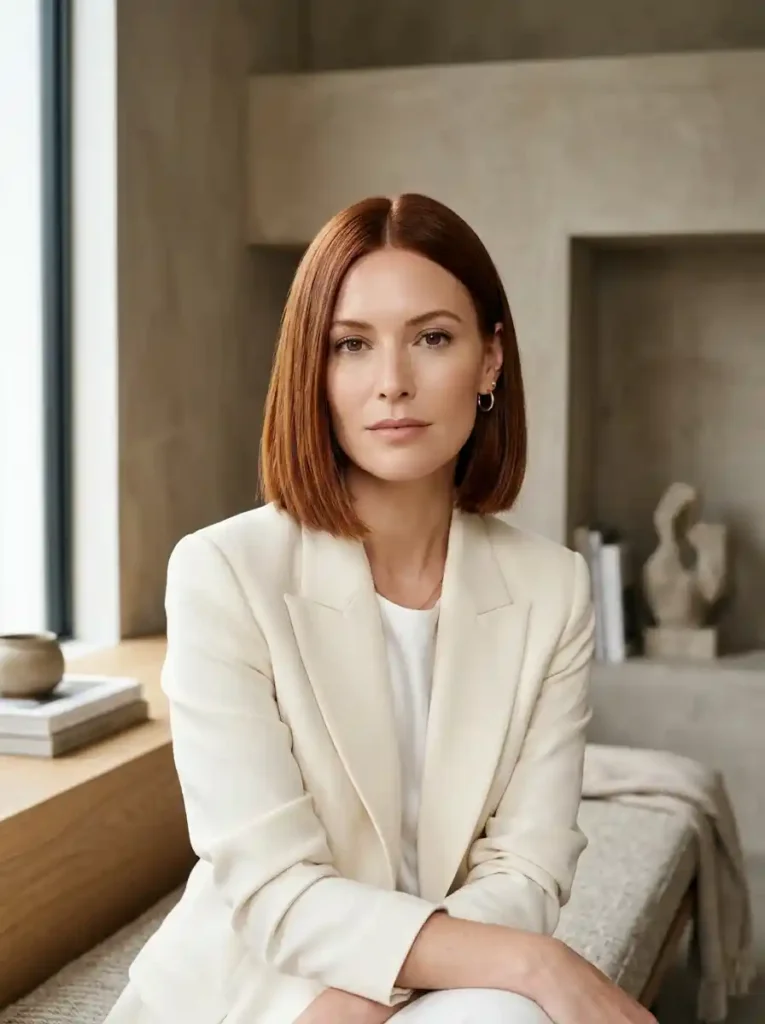
A warm auburn bob feels polished because the compact haircut gives the color a strong, uninterrupted shape. A medium reddish-brown shade works particularly well with a blunt or softly graduated bob because the dense ends reflect light evenly. If you prefer a more understated appearance, keep the auburn closer to brown. For a brighter effect, incorporate subtle copper warmth through the surface. The best choice depends on how noticeable you want the red tones to appear.
A bob also makes maintenance more visible because uneven fading or dry ends can affect the clean silhouette. Schedule trims as needed to preserve the shape and use a lightweight smoothing product to keep the surface sleek. If you regularly use a flat iron, apply heat protection every time. For naturally wavy hair, a soft air-dried finish can make the auburn appear more relaxed while showing small variations in color across the bends.
10. Auburn With Copper Ends
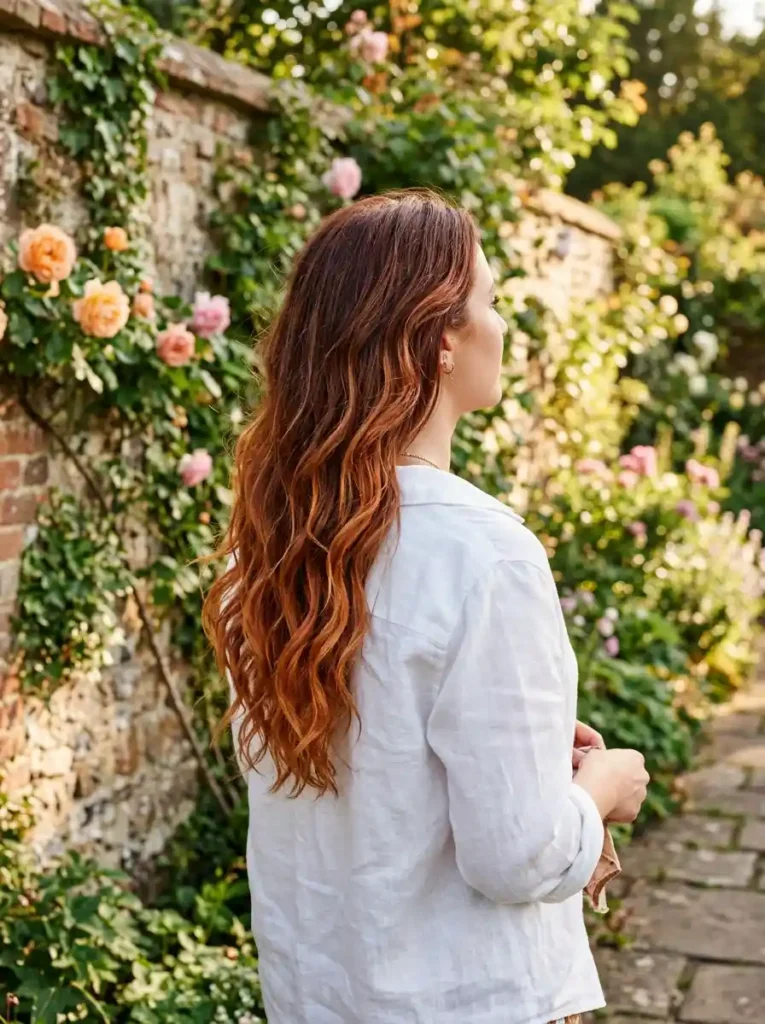
Auburn with copper ends creates a gentle ombré effect by keeping the upper sections deeper and allowing the lower lengths to become progressively warmer. This is a useful option when you want a visible color transition but do not want bright copper close to the roots. The technique looks particularly attractive on long hair because there is enough length for the tones to transition gradually. Loose waves can make the color movement even more noticeable.
The ends generally require more attention because they are older and may already be lightened or porous. Before choosing this look, discuss your hair’s current condition with your stylist, particularly if the ends have been previously bleached. A gradual transition usually looks more natural than an abrupt line between colors. Use a nourishing conditioner and reduce excessive heat to prevent the copper ends from becoming rough, which can make the color appear uneven.
11. Rich Auburn With Chocolate Brown Depth
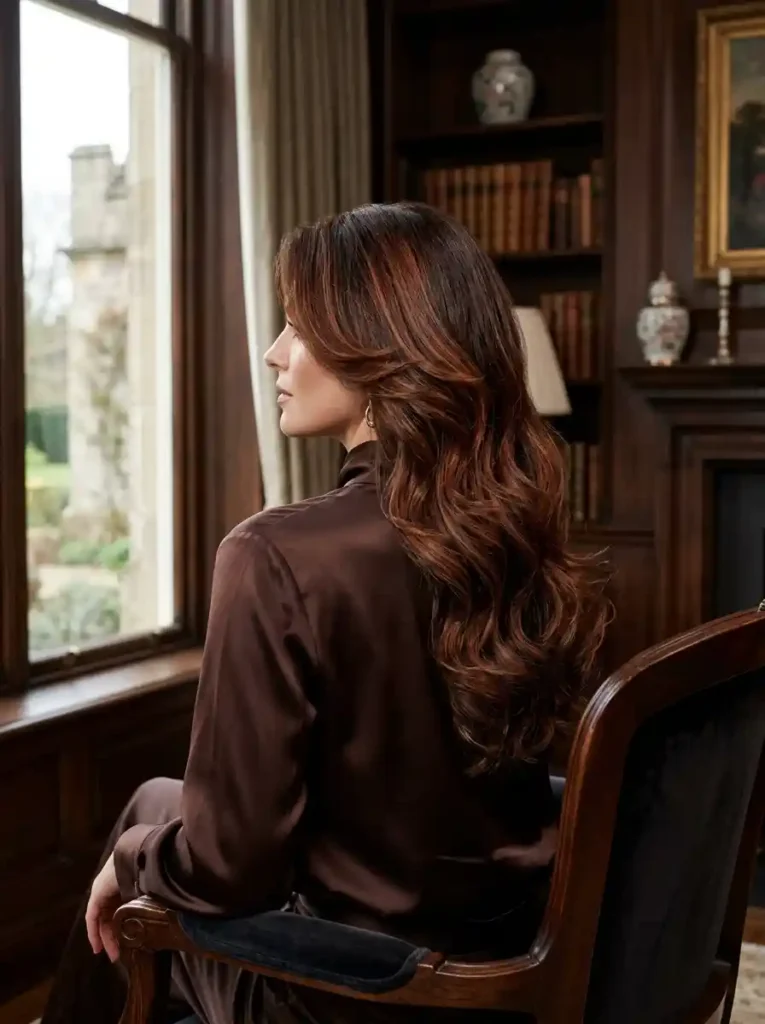
Combining auburn with chocolate brown creates a deep, dimensional color that feels warmer than traditional brunette while remaining relatively subdued. Instead of treating red as the dominant shade, the chocolate foundation provides depth underneath, while auburn appears through selected sections. This approach is particularly effective for thick or naturally dark hair because the darker tones prevent the warm color from becoming visually overwhelming. Long layers can reveal the different shades naturally as the hair moves.
To keep this combination balanced, ask your stylist for a cohesive tonal blend rather than high-contrast streaks. The difference between the brown and auburn should be visible but softly connected. This color can be especially flattering when the hair has natural movement because the darker interior sections create dimension underneath the warmer surface. Gloss treatments can enhance shine, although frequent treatments should be selected according to your hair’s condition and professional advice.
12. Light Warm Auburn
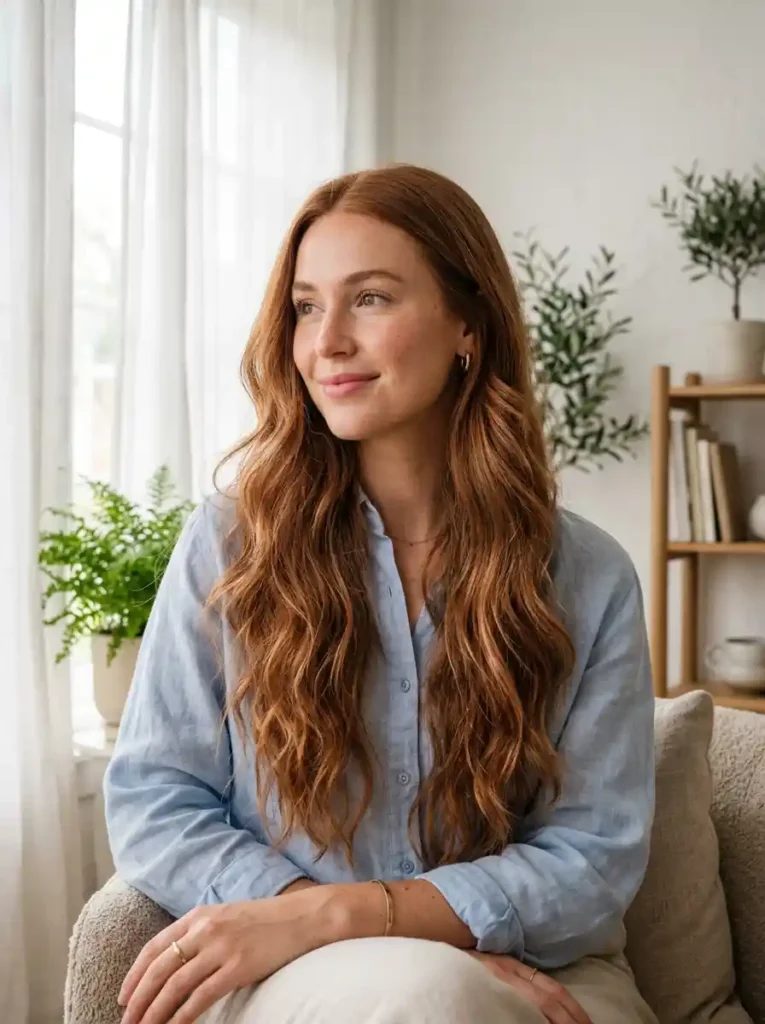
Light warm auburn offers a brighter interpretation that sits comfortably between light brown and copper-red. It can be particularly appealing if your natural hair is already light brown, dark blonde, or previously lightened. Rather than choosing an intensely orange shade, ask for a balanced mixture of warm red, copper, and brown. The result should have enough depth to look natural while remaining noticeably lighter and warmer than a classic medium auburn.
Fine hair can benefit visually from dimensional color because subtle tonal changes help the hairstyle appear more textured. However, if lightening is necessary, protecting the hair’s condition should remain a priority. Avoid trying to achieve a very pale auburn in one aggressive session when the starting color is significantly darker. A professional can determine the safest process and whether multiple appointments are appropriate. Soft waves are an easy styling choice for revealing the lighter and warmer tones.
13. Auburn Money Piece

An auburn money piece focuses brighter warmth on the sections closest to the face, creating a modern contrast while leaving most of the hair in a deeper auburn shade. The technique can be subtle if the front pieces are only one or two levels lighter, or more noticeable when copper is introduced. It works especially well with layered cuts, curtain bangs, and hairstyles where the front sections naturally fall forward.
Because the face-framing pieces are highly visible, precision is important. Ask your stylist to keep the transition soft if you want a sophisticated result rather than a sharply defined block of color. Consider how the pieces will look with your usual part and whether you normally wear your hair straight or wavy. Since the front strands can be more exposed to heat and styling, use heat protection and avoid repeatedly applying high temperatures to the same sections.
14. Auburn Waves With Cinnamon Ribbons
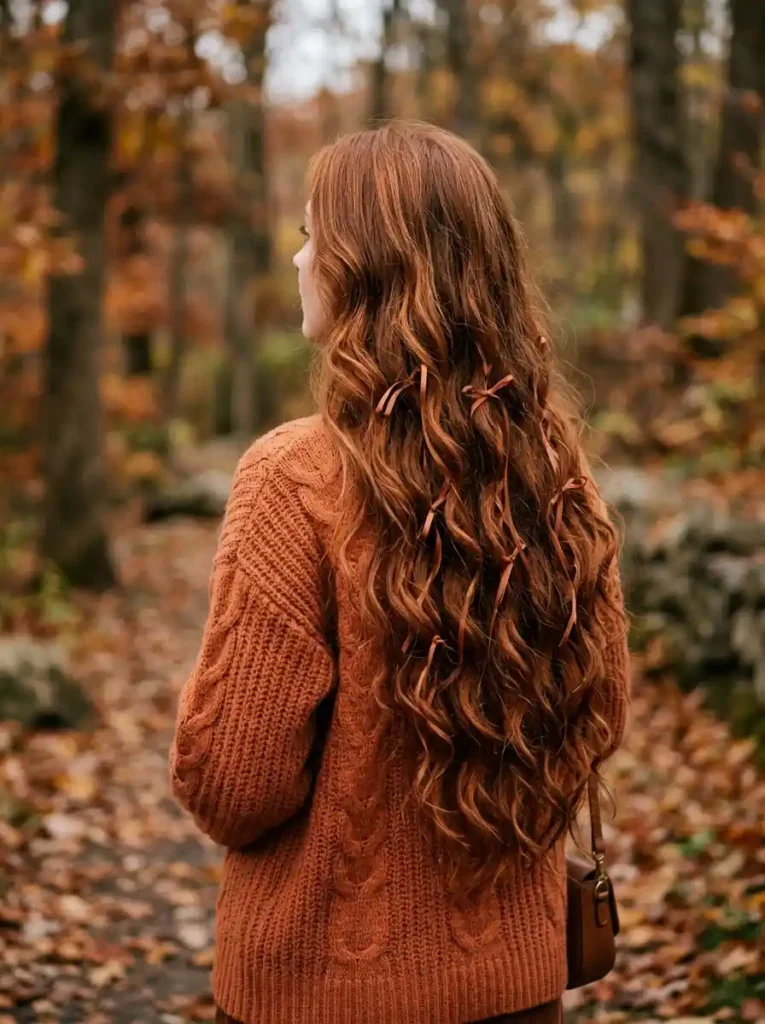
Cinnamon ribbons add delicate warmth through an auburn base without turning the entire hairstyle into a single flat color. The technique is particularly effective on naturally wavy or layered hair because individual sections catch light at different angles. Fine ribbons can create a refined result, while slightly wider pieces provide more visible dimension. If you already have medium auburn hair, this can be a useful way to refresh the look without completely changing the foundation.
The key is keeping the ribbons close enough in tone to feel connected. Extremely pale highlights can compete with the warmth of the auburn base and make the color look less cohesive. Discuss the desired level of contrast before coloring, especially if your hair already contains previous highlights. To show the dimension after your appointment, try loose waves rather than very tight curls. The larger bends allow the cinnamon sections to remain visible without overwhelming the base color.
15. Auburn on Naturally Curly Hair
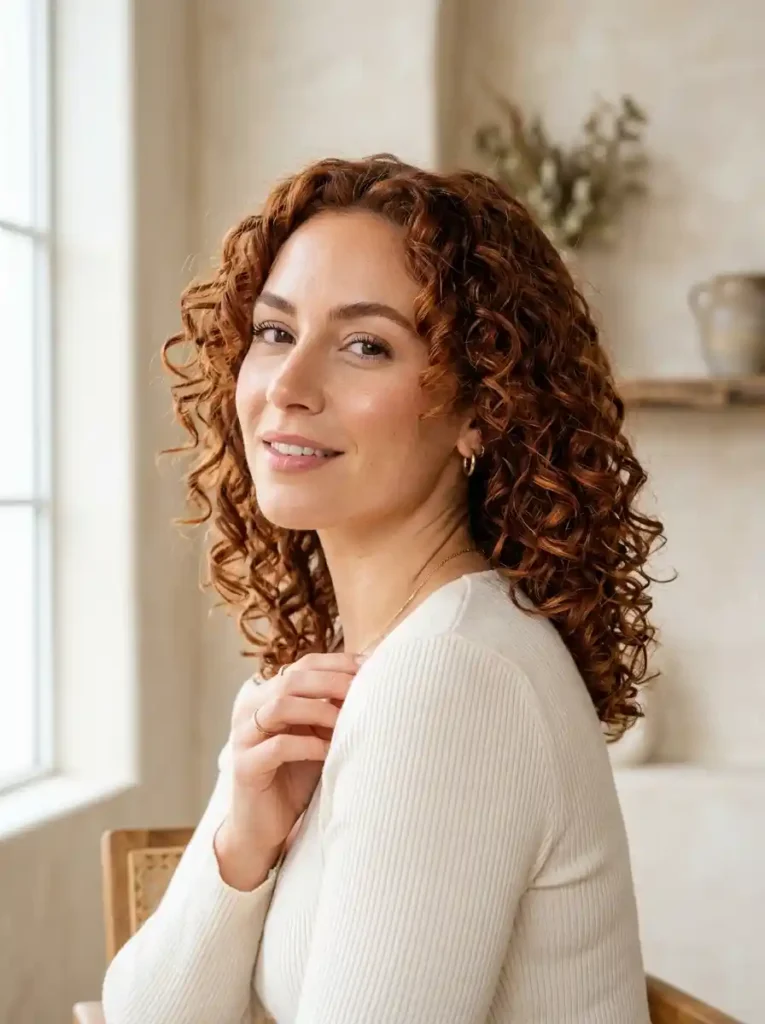
Warm auburn can look especially dimensional on naturally curly hair because each curl reflects light from multiple angles. Instead of aiming for one perfectly uniform shade, a slightly varied auburn formula can create depth across the curl pattern. A medium warm base with subtle copper undertones is a versatile starting point. Before coloring, tell your stylist how you normally wear your curls because shrinkage and curl placement can influence where brighter pieces become visible.
Curly hair can require extra moisture after chemical coloring, particularly when lightening is involved. Use the conditioning routine recommended for your specific curl pattern and avoid excessive manipulation while the hair is dry. If you want highlights, consider strategic placement rather than coloring every curl evenly. This preserves depth and can reduce unnecessary processing. A curl-friendly styling cream can help define the shape while allowing the warm auburn tones to remain visible through the finished hairstyle.
16. Muted Auburn for an Understated Look

Muted auburn is a strong choice for anyone who likes the idea of red hair but does not want an obviously fiery finish. The shade uses a restrained amount of red warmth within a brown foundation, producing a sophisticated result that can look quite natural indoors. It is particularly suitable for someone transitioning from brunette who wants a noticeable change without moving immediately into bright copper or vivid red.
When discussing muted auburn with your stylist, show examples that match both the desired depth and warmth because photographs can appear different depending on lighting. You may prefer a neutral reddish brown or a slightly warmer version with more copper. Keeping the finish smooth can emphasize the refined character of the color, while natural texture gives it a softer appearance. A clear gloss may also enhance shine, but it should complement rather than dramatically alter the chosen tone.
17. Warm Auburn With Subtle Burgundy Depth
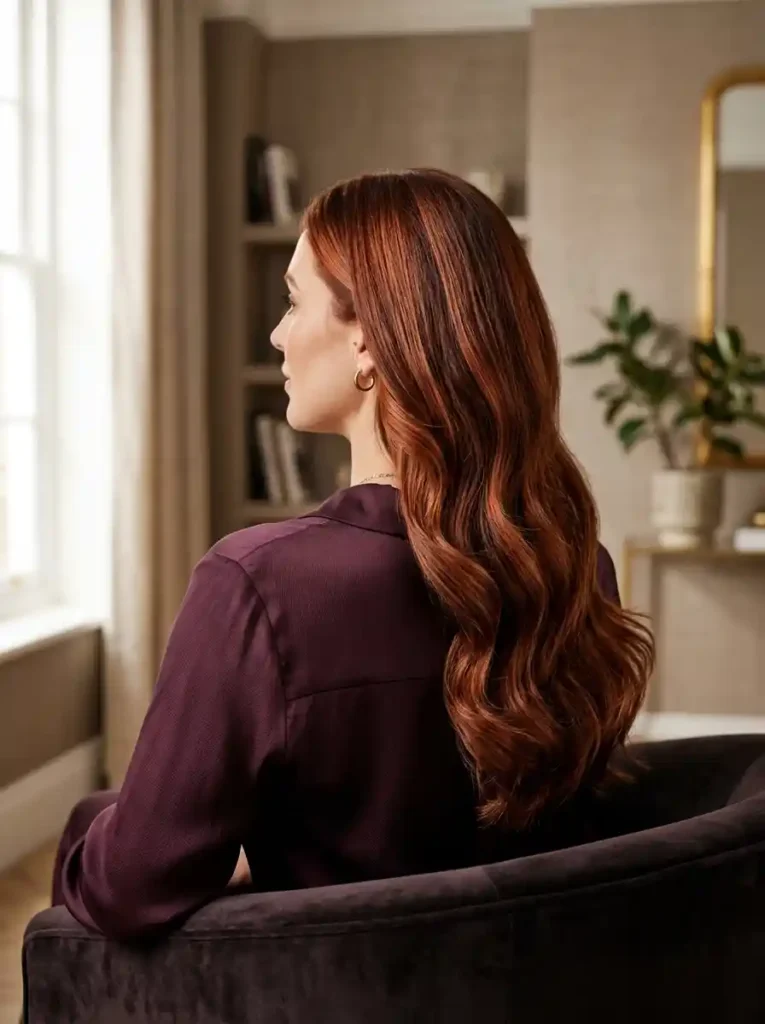
Adding a hint of burgundy depth to warm auburn creates a richer color without turning the entire hairstyle cool or wine-colored. The warm auburn remains the primary impression, while deeper reddish-brown tones appear underneath or within selected layers. This approach works particularly well on long, thick hair because the darker sections create contrast and make the surface color appear more dimensional. It can also give simple waves a more sophisticated finish.
Balance is important because too much burgundy can shift the overall result away from warm auburn. Tell your stylist that you want the red depth to support the warmth rather than dominate it. This shade may look especially different under indoor and outdoor lighting, so evaluate inspiration photographs in several conditions. Use color-safe products and avoid frequent clarifying treatments unless necessary, as they can gradually reduce the richness of deposited warm tones.
18. Auburn With Subtle Blonde Threads
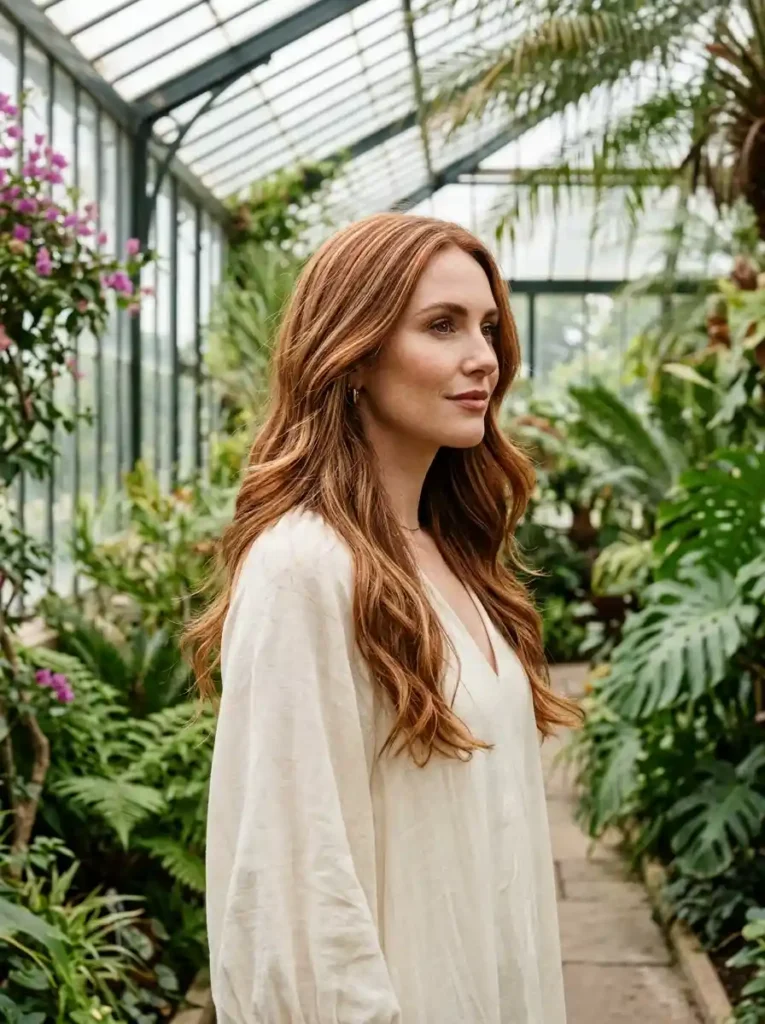
Fine blonde threads can brighten warm auburn without turning the hairstyle into conventional highlighted hair. The most natural result comes from using very delicate pieces rather than thick blonde sections. Honey or warm beige tones can work alongside auburn when they are carefully balanced, especially through the upper layers and around areas that naturally catch light. The technique is ideal for someone who wants their auburn color to look lighter and more multidimensional in bright surroundings.
Because blonde sections involve more processing than simple color deposits, hair condition should be considered before choosing this option. Your stylist may recommend fewer, strategically placed pieces if your hair is fragile or previously colored. Keep the highlights fine enough that the auburn remains the dominant color. At home, prioritize moisture and heat protection, and consider wearing your hair in loose waves when you want the fine lighter threads to become more noticeable.
19. Warm Auburn Shag

A warm auburn shag combines color with a haircut designed to create movement, so the shade can appear different across the many layers. A copper-leaning auburn works well here because shorter pieces around the crown and face catch light easily. If you prefer a softer appearance, choose a brown-heavy auburn instead. The layered structure gives even a relatively uniform color formula more visual variation as different sections overlap.
The shag is naturally more relaxed than a sleek bob, so styling does not need to be perfectly controlled. Use a lightweight texturizing product to separate the layers without making the hair stiff. If you have naturally fine hair, avoid heavy creams that flatten the crown. For thicker hair, strategic internal layers can help distribute volume. Regular trims are useful for keeping the fringe and shorter sections intentional rather than allowing the haircut to lose its shape.
20. Glossy Auburn With Soft Copper Shine
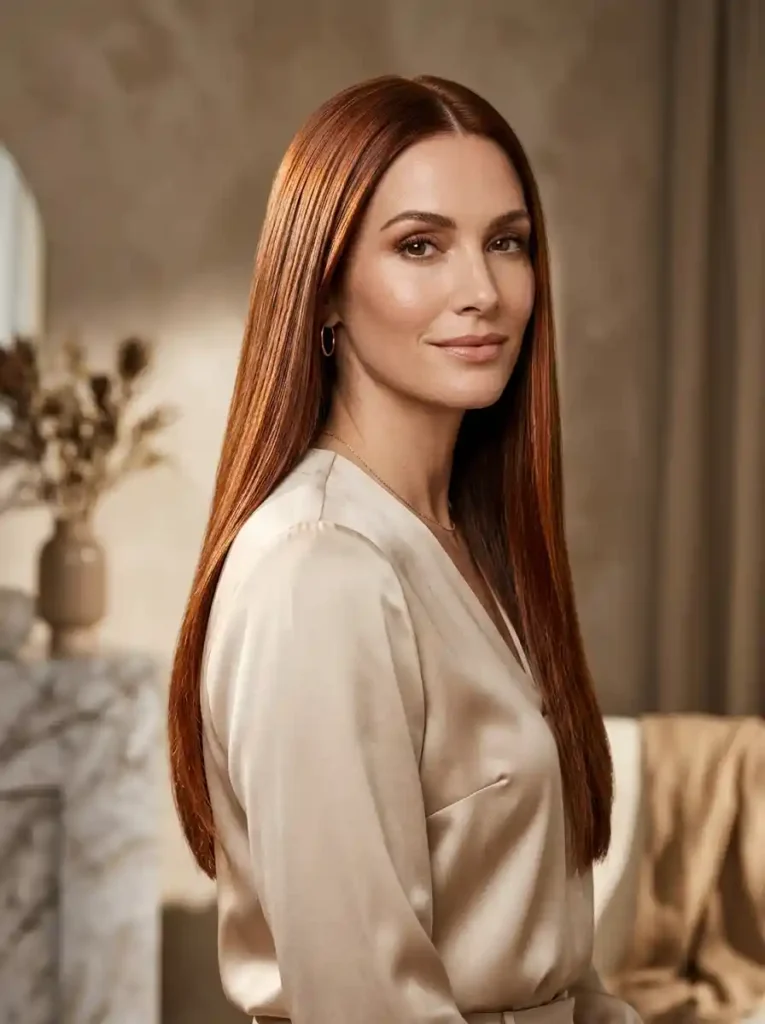
A glossy auburn finish is less about adding multiple obvious colors and more about making a rich warm shade look exceptionally polished. A reddish-brown base with restrained copper reflection can create a luxurious appearance while remaining wearable. This approach suits straight hair particularly well because the smooth surface reflects light consistently. If your hair is naturally textured, you can still achieve the effect with a smooth blowout or carefully defined waves.
Shine begins with healthy-looking hair, so color alone cannot create the entire effect. Ask your stylist about a gloss or conditioning treatment that is compatible with your existing color and hair condition. At home, avoid excessive heat and use a heat protectant before styling. Lightweight serum can add surface shine, but apply only a small amount through the lengths and ends. Regular trims also help the color appear cleaner by keeping dry, uneven ends under control.
Conclusion
Warm auburn gives you plenty of room to personalize your color without committing to a single definition of red hair. You can keep the shade deep and brunette-inspired, brighten it with copper, soften it with golden ribbons, or create dimension through balayage and face-framing pieces. Your natural color, hair condition, texture, haircut, and maintenance routine should all influence the final choice.
Before your appointment, save two or three inspiration photos that show both the color and the level of brightness you actually want. Also tell your stylist how often you wash, heat-style, and refresh your hair, since those habits can affect maintenance. Whether you prefer a subtle dark auburn or a luminous copper blend, the best result is one that fits naturally into your everyday style and feels easy to maintain.


