Introduction
Your hair can feel flat when every layer sits in the same predictable place. A wolf cut brings movement, texture, and personality without demanding one fixed look. The best part is its flexibility. You can keep the shape soft, dramatic, polished, or deliberately messy. This guide shares 23 fresh wolf cut ideas for different lengths, textures, colors, and styling preferences. Each option includes practical details you can discuss with your stylist before your next haircut.
1. Soft Collarbone Wolf Cut
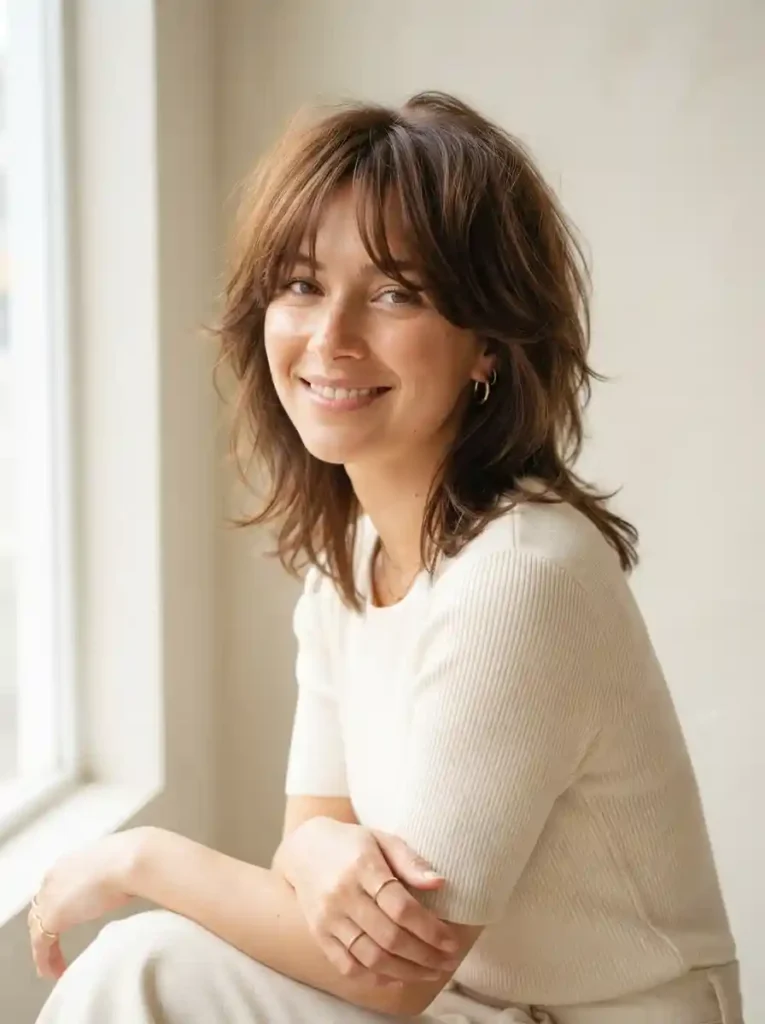
This collarbone version offers movement without making the haircut feel extremely dramatic. The layers begin softly near the crown and flow into longer ends. Wispy curtain bangs frame the forehead without dominating the face. Warm brown color makes the texture easy to see. This option suits people who want noticeable shape with moderate visual contrast. It also works well for medium-density hair because the layers create movement without removing too much overall fullness.
Styling this look can stay simple on busy mornings. Apply lightweight mousse to damp hair, then scrunch gently while drying. A round brush can create smoother volume around the crown. Ask your stylist to keep enough length through the bottom for easy ponytails. Pro Tip: Bring a reference showing the exact collarbone length you prefer. Small changes around the shoulders can significantly alter how the layers fall.
2. Choppy Micro-Bang Wolf Cut
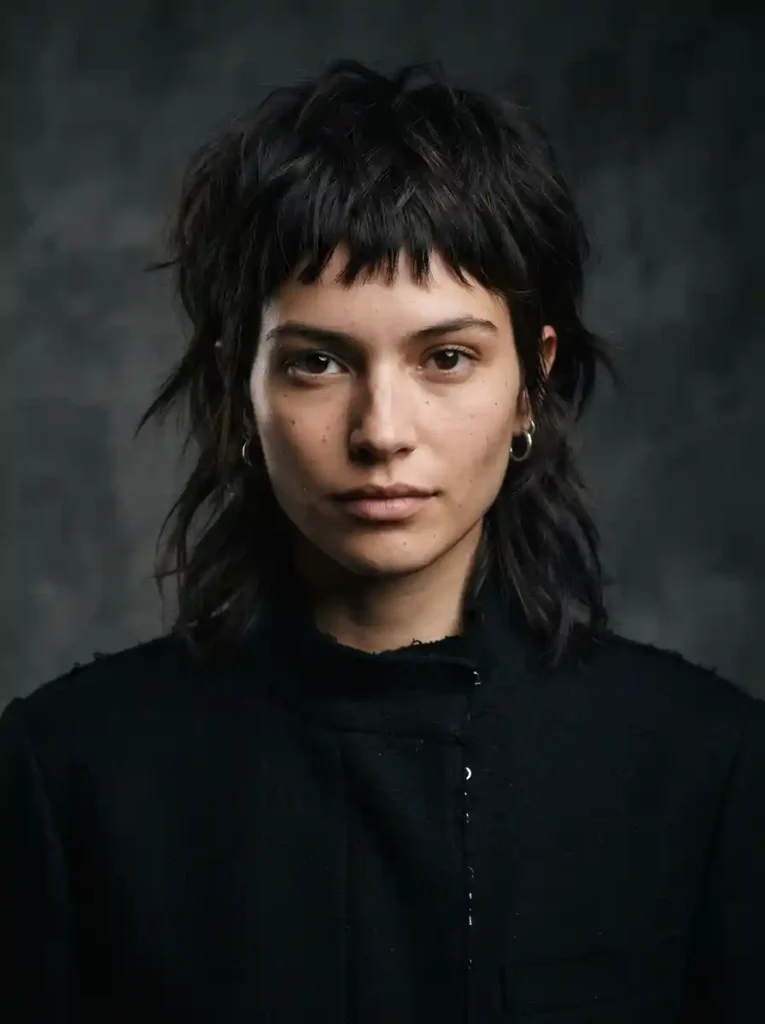
Micro bangs give this haircut a sharper and more unconventional personality. The short fringe creates a strong focal point above heavily textured layers. Shoulder-length ends keep the overall shape wearable rather than extremely cropped. Deep black hair emphasizes every uneven layer and creates visual depth. This variation may appeal to people who enjoy alternative fashion and expressive hairstyles. It also gives naturally straight hair a more deliberately piecey appearance.
Micro bangs require more commitment than longer fringe because small growth changes are noticeable. Use a tiny amount of styling paste to separate individual pieces. Avoid heavy oils near the roots because they can flatten the crown. Ask for the bangs to be cut slightly longer than your final target. Common Mistake: Requesting extremely short bangs without discussing your natural hairline or cowlicks can create unwanted gaps.
3. Long Shaggy Wolf Cut
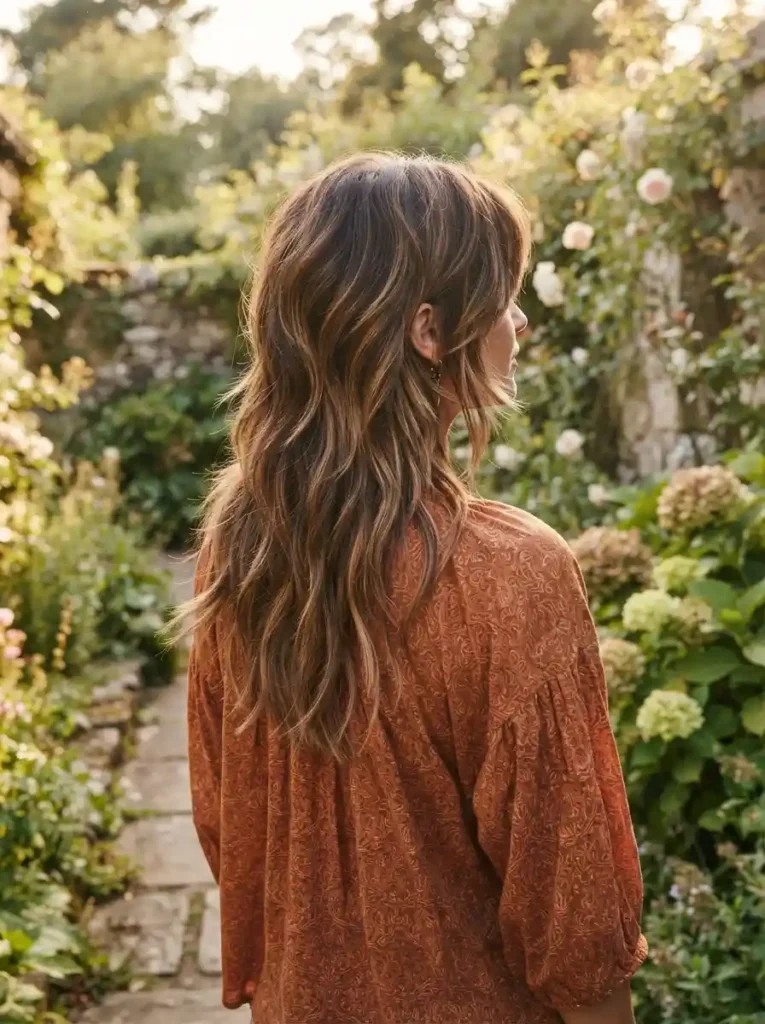
Long hair can sometimes feel heavy when it lacks internal movement. This version preserves substantial length while adding layers throughout the upper sections. The result feels relaxed, airy, and distinctly shaggy. Long feathered ends prevent the haircut from becoming visually bulky. Natural honey-brown highlights further emphasize the different lengths. This idea suits someone who loves long hair but wants more personality. It can also complement naturally wavy hair because existing bends help separate the layers.
Long layered cuts need thoughtful weight distribution. Ask your stylist to remove bulk where your hair naturally feels heavy. Keep the perimeter relatively strong if you want to preserve length. For styling, twist damp sections away from the face and let them dry naturally. Stylist Tip: Long hair can hide uneven layering until it moves. Ask for a dry check before leaving the salon.
4. Curly Wolf Cut With Rounded Layers
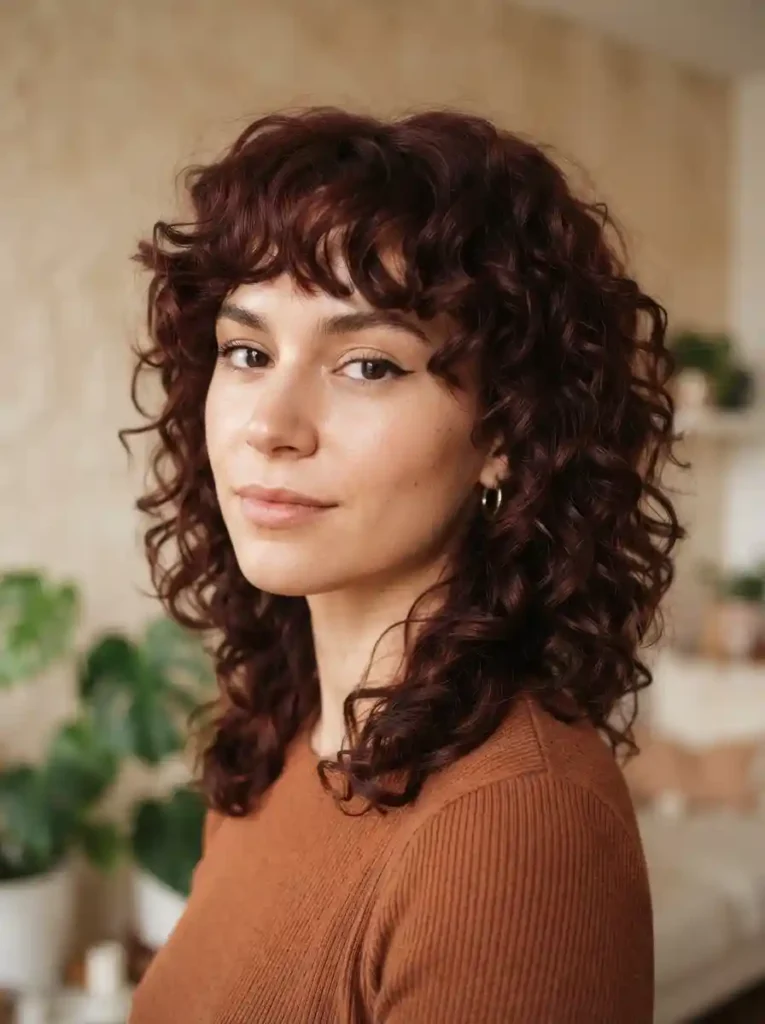
Curly hair creates a naturally expressive version of this layered shape. Rounded crown layers help distribute volume instead of leaving a heavy block at the top. Defined curls create movement without requiring excessive styling. The auburn shade adds warmth and makes individual curls visually distinct. This option suits people who want to celebrate natural texture rather than straighten it. Curl patterns can also make the haircut appear different from day to day.
Shrinkage should be considered before cutting curly hair into short layers. Your stylist should understand how your curls behave after drying. Use curl cream followed by a light gel if you need longer-lasting definition. Diffusing upside down can increase crown volume. Pro Tip: Ask your stylist to shape the haircut with your dry curl pattern in mind. Wet length can make short layers appear longer than they actually become.
5. Sleek Straight Wolf Cut
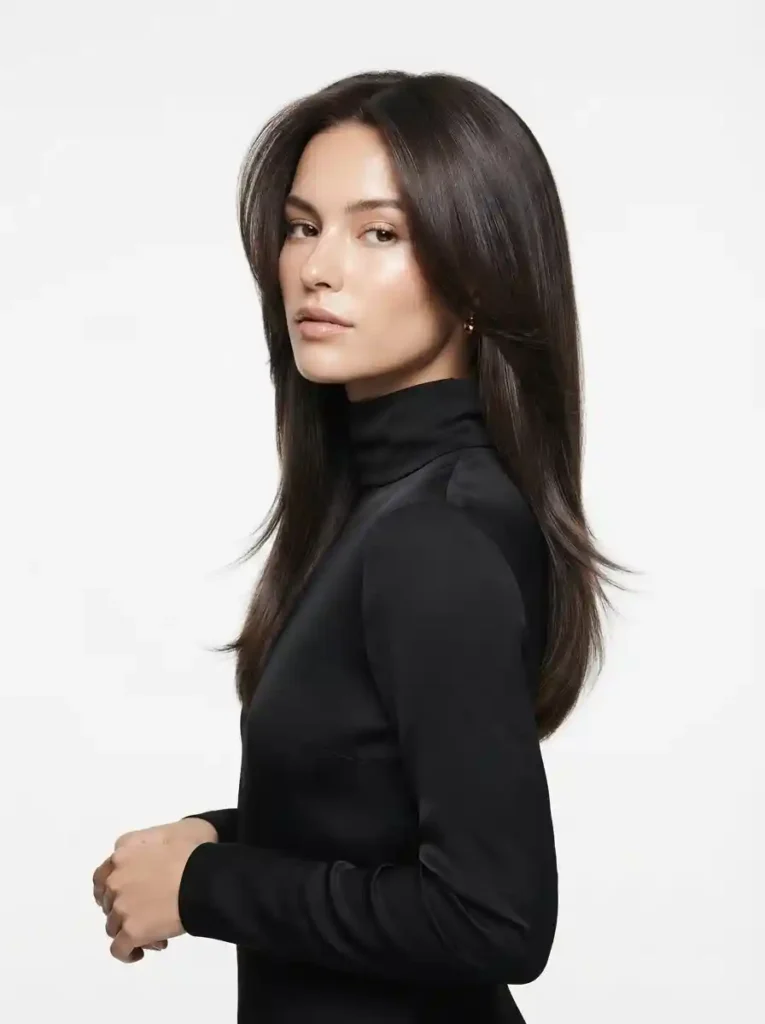
Straight hair reveals the structure of layered cuts especially clearly. This version keeps the upper layers controlled while allowing longer pieces to create a sleek cascade. Feathered ends soften the silhouette without producing excessive fluff. Dark chocolate color enhances the polished finish and makes the haircut feel refined. This idea works well for people who prefer movement without a deliberately messy appearance. It offers a useful bridge between a shaggy haircut and a smoother salon finish.
Straight hair often needs lightweight products because heavy formulas reduce visible movement. Blow-dry the crown upward, then smooth the lengths with a paddle brush. Use a small amount of serum only on the ends. Ask for subtle internal layers if you want a professional appearance. Common Mistake: Adding too many short layers to very straight hair can make the shape look thinner than intended.
6. Copper Wolf Cut With Curtain Bangs
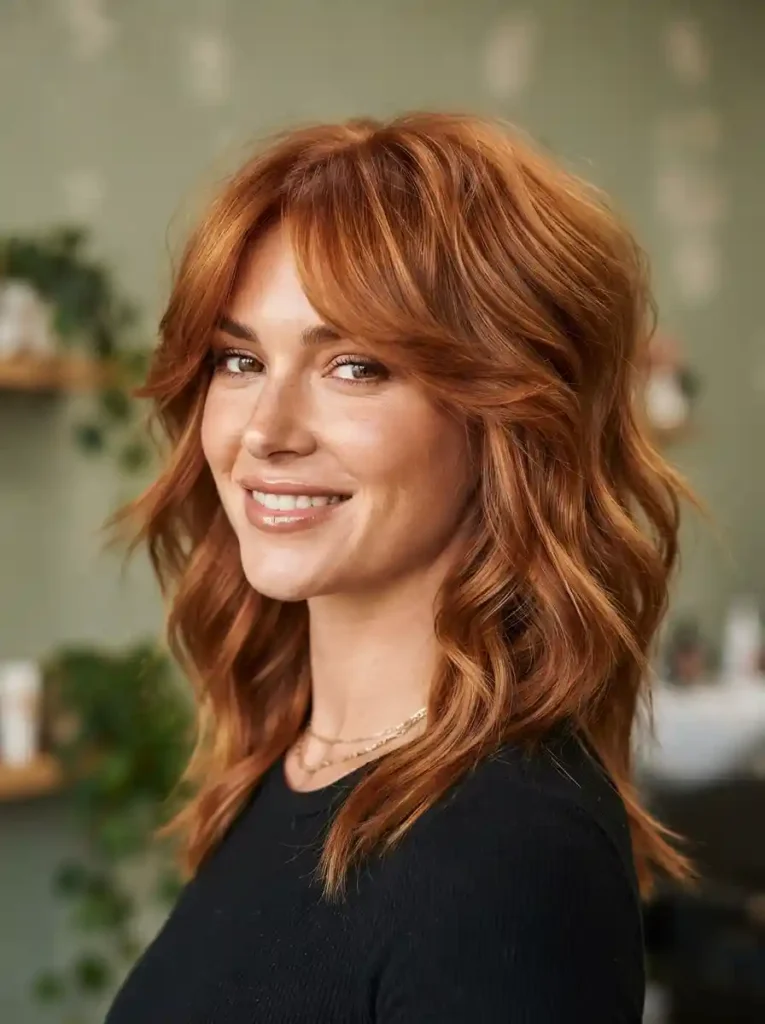
Copper color transforms this haircut into a warm statement style. Curtain bangs soften the forehead while blending naturally into cheekbone-length layers. Loose waves create separation between the copper tones and make the cut feel energetic. Golden undertones add dimension without requiring multiple dramatic colors. This variation suits people who want their haircut and color to share equal attention. The medium length keeps the overall style flexible for casual and dressed-up settings.
Bright copper shades often look best when the haircut has visible movement. Use color-safe shampoo and reduce frequent high-heat styling to help preserve vibrancy. A lightweight leave-in conditioner can maintain softness through the ends. Stylist Tip: Discuss your natural base color before choosing copper. The same formula can appear very different on light, medium, and dark starting shades.
7. Wispy Wolf Cut for Fine Hair
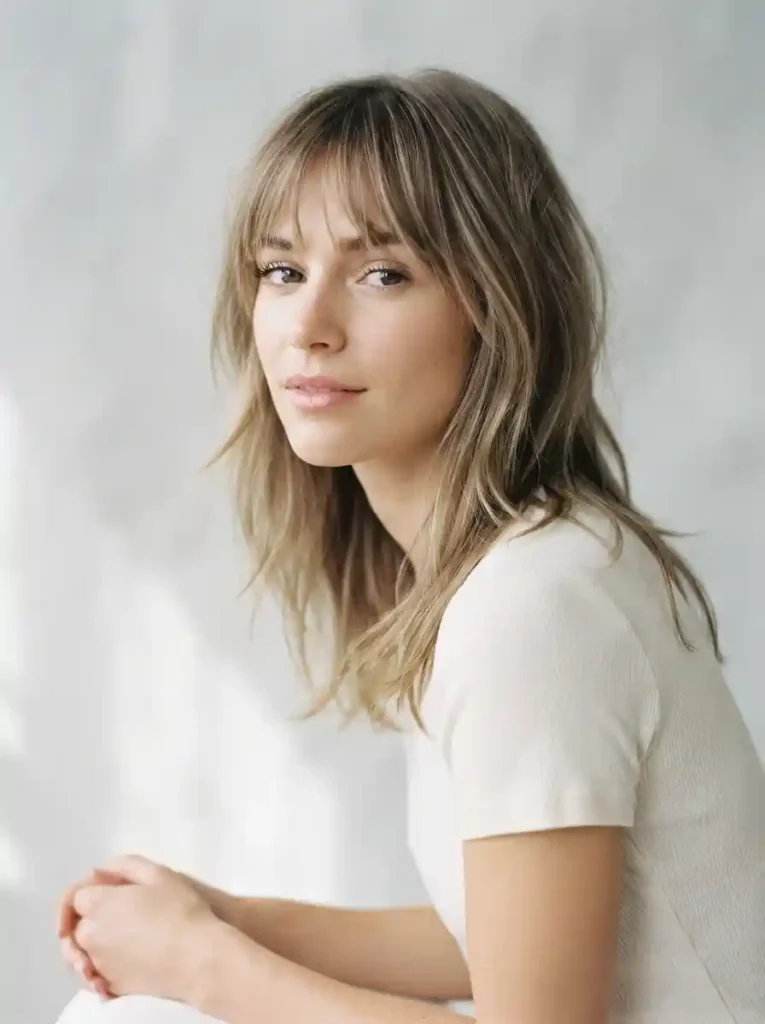
Fine hair can lose visual fullness when too many layers are removed. This variation uses fewer, strategically placed layers to create movement while protecting density. Wispy fringe adds softness without taking a large section from the front. Beige highlights subtly separate the layers and provide dimension. The shape suits people who want a modern haircut without an aggressively thinned appearance. It also works well for those who prefer a lighter, airy finish.
Ask your stylist to preserve weight through the lower perimeter. Shorter layers should be concentrated where movement is most useful. Use volumizing mousse at the roots and avoid heavy creams near the scalp. Blow-drying with your head tilted forward can create gentle lift. Pro Tip: Fine hair often benefits more from strategic layering than extensive texturizing. Excessive thinning can make the ends look sparse.
8. Thick Hair Wolf Cut With Heavy Texture
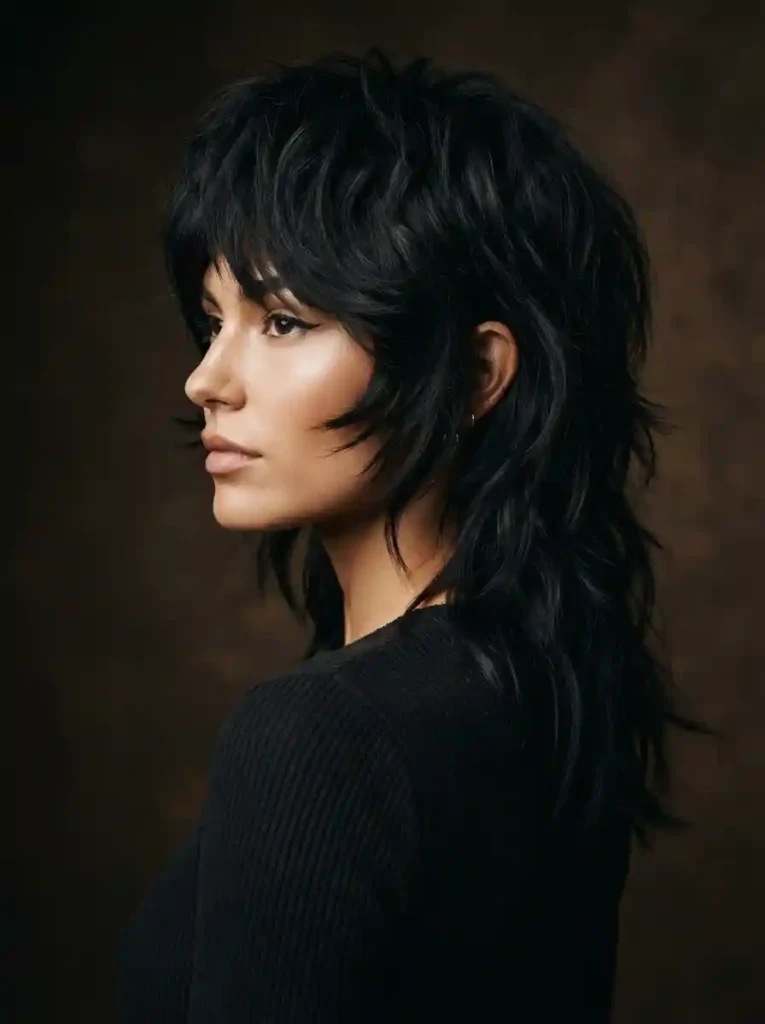
Thick hair can make layered cuts look powerful when weight is controlled carefully. This version uses deeper internal texture to reduce heaviness without destroying the overall silhouette. Chunkier ends preserve a bold appearance while face-framing layers prevent the front from feeling dense. Black hair creates strong contrast and highlights the haircut’s shape. This style suits people who enjoy noticeable volume and a more dramatic interpretation of layered hair.
Thick hair usually needs a different layering strategy from fine hair. Your stylist can remove internal bulk while preserving the perimeter. Use a lightweight smoothing cream before blow-drying. For natural texture, scrunch the lengths instead of brushing them repeatedly. Stylist Tip: Ask where bulk will be removed before the scissors begin. Controlled weight removal creates movement while keeping the haircut substantial.
9. Soft Blonde Wolf Cut

Soft blonde coloring gives this haircut a lighter and more delicate visual identity. The rounded crown provides gentle volume without making the silhouette overly dramatic. Curtain fringe connects the forehead area with longer cheekbone layers. Subtle darker roots add depth and make the style feel less flat. This variation suits people who prefer a romantic interpretation of a textured haircut. Loose bends also help the blonde layers catch light naturally.
Blonde hair can be more vulnerable to dryness, especially after lightening. Use a moisturizing conditioner and limit repeated high-temperature passes. A large-barrel brush can create soft movement without tight curls. Ask for slightly longer face-framing pieces if you want easier grow-out. Common Mistake: Over-layering lightened hair can make fragile ends appear thinner. Preserve enough perimeter density for a healthy-looking finish.
10. Short Wolf Cut With Tapered Nape
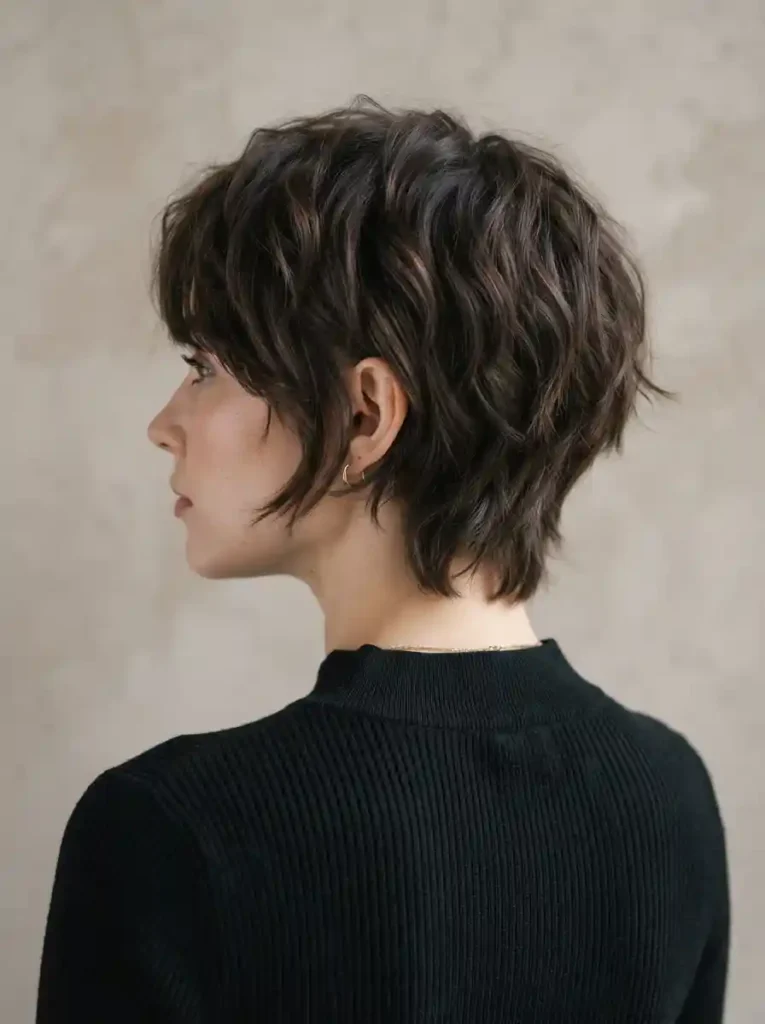
A tapered nape makes this short version feel especially clean from the back. The crown remains textured, while the neckline gradually becomes lighter and more defined. Wispy fringe prevents the shorter length from looking too severe around the face. Cool brown coloring keeps the overall appearance understated. This idea works for people who want a cropped haircut but still enjoy shag-inspired movement. It also creates a distinctive silhouette when viewed from behind.
Short cuts reveal the neckline more than longer styles. Ask your stylist to assess your natural growth pattern before tapering the nape. Style the crown with a small amount of matte cream for separation. Avoid applying product heavily near the neckline. Pro Tip: A tapered nape can make short hair feel cleaner without sacrificing texture above it. Regular trims help preserve that precise shape.
11. Pink-Tipped Wolf Cut
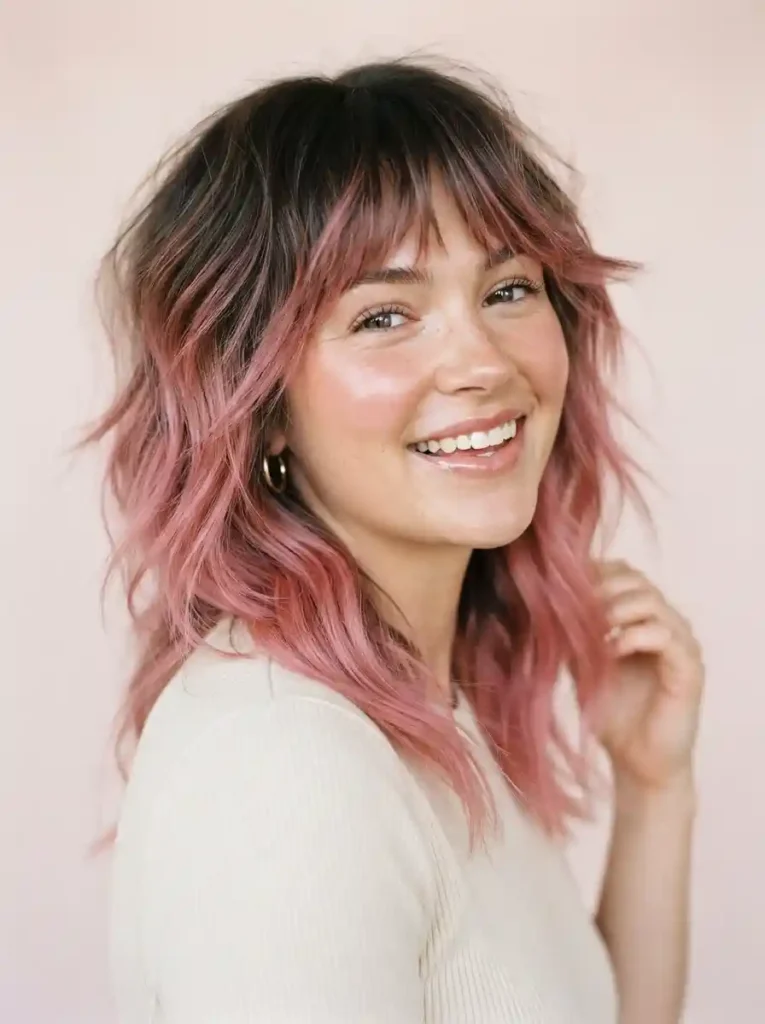
Pink-tipped ends add personality without requiring a completely colorful haircut. Keeping the roots natural creates visual balance and makes the color placement easier to customize. Dusty rose works especially well with soft waves because each bend reveals another hint of color. The layered ends become the main visual feature. This idea suits people who want an expressive change while keeping their everyday appearance relatively grounded.
Color placement can be adjusted according to how visible you want the pink. Ask for concentrated color on the lower layers if you prefer a subtle effect. Use products designed for colored hair and wash with cooler water when possible. Stylist Tip: Show your stylist whether you want the color visible from the front, back, or both. Placement changes the entire impression.
12. Wolf Cut With Bottleneck Bangs
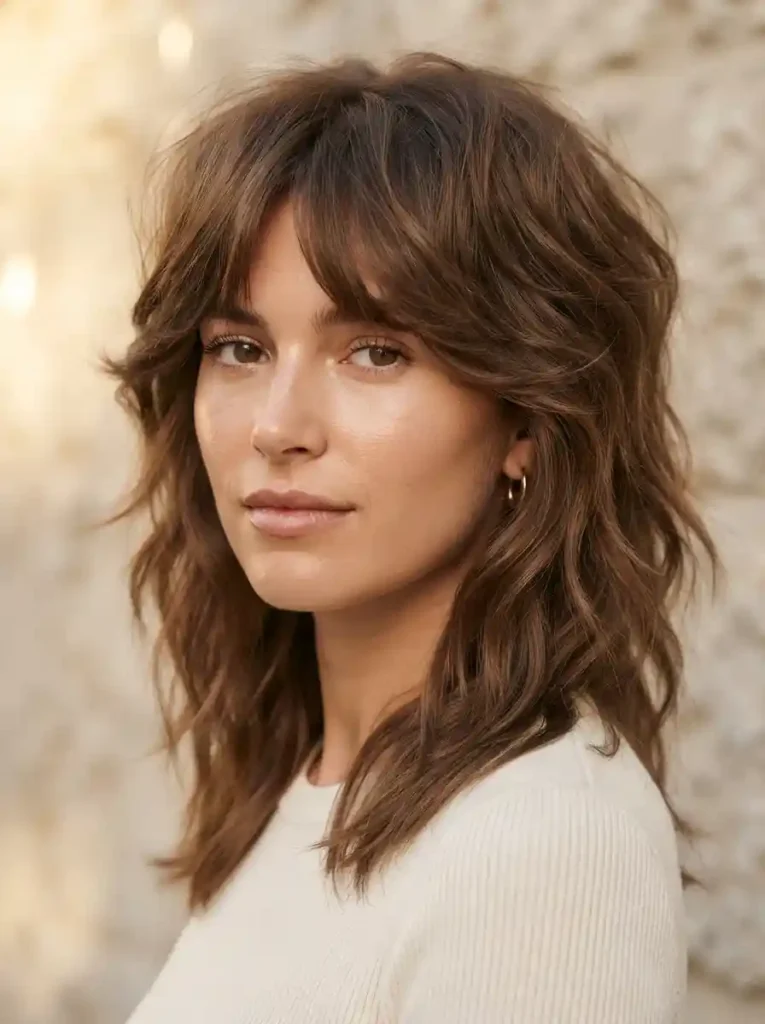
Bottleneck bangs create a distinctive alternative to classic curtain fringe. They start shorter near the center and gradually become longer toward the temples. This shape blends naturally into the layered sides of a wolf cut. Medium brown color keeps the style approachable while soft waves provide movement. The result feels fashionable without looking overly rigid. This variation can suit people who want a noticeable fringe but prefer a gradual transition into the rest of their haircut.
Bottleneck bangs need regular shaping because the center grows into the eyes quickly. Use a small round brush to direct the shorter center upward and outward. Let the longer sides curve toward the cheekbones. Pro Tip: Ask your stylist to connect the outer bang sections directly into your face-framing layers. That connection creates a smoother grow-out and avoids a disconnected fringe.
13. Beachy Wolf Cut With Sun-Kissed Layers
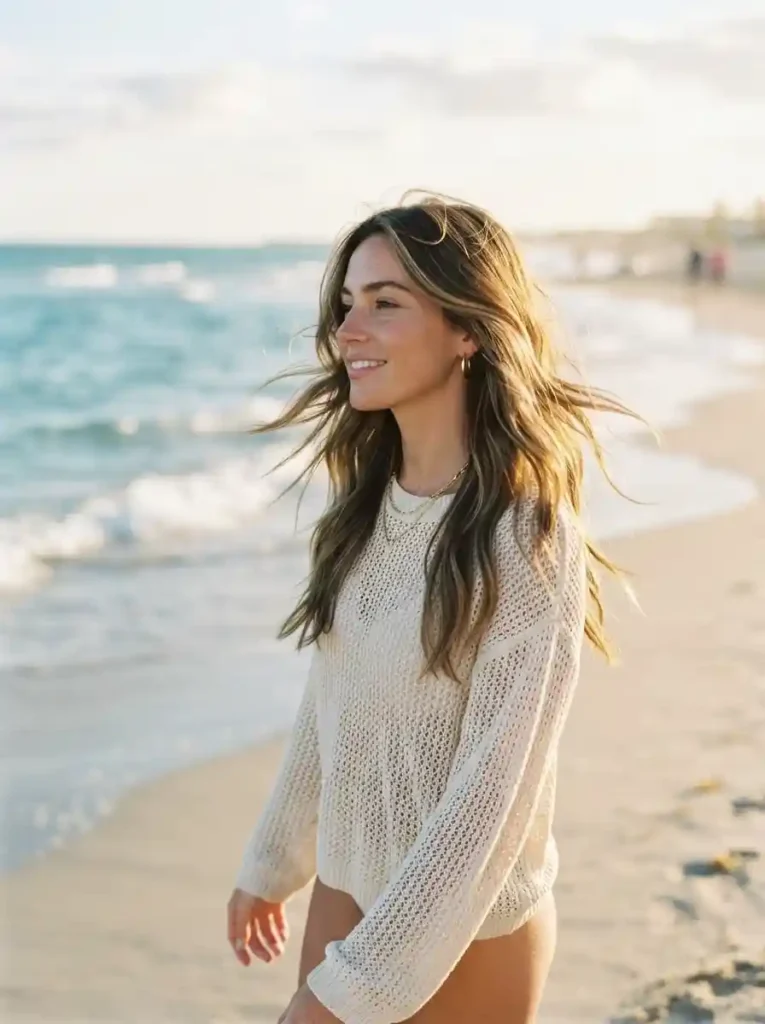
Beachy waves make layered hair look naturally relaxed and full of movement. This version uses long layers rather than extremely short crown sections. Caramel ribbons imitate the visual dimension created by natural sun exposure. The wind-blown finish gives the haircut a casual vacation mood. It suits people who want texture without a heavily styled appearance. Longer curtain pieces keep the front soft and prevent the beachy texture from becoming too wild.
Salt sprays can enhance waves, but they may feel drying on already dry hair. Use a lightweight leave-in conditioner before adding texture spray. Scrunch from the ends upward instead of roughing up the roots. Common Mistake: Applying too much salt spray can make layered ends stiff. Start with a small amount and build gradually until the waves separate naturally.
14. Midnight Blue Wolf Cut
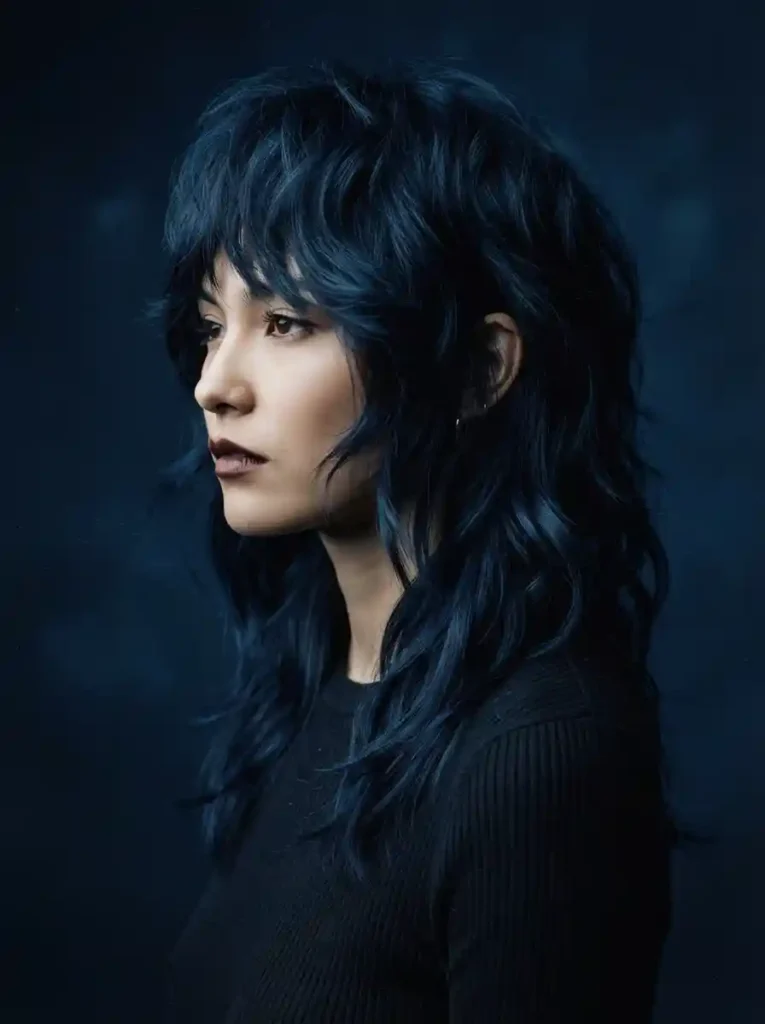
Midnight blue creates a bold effect while remaining darker and more understated than bright fashion colors. The layered shape gives the deep shade multiple surfaces to reflect light. Long face-framing pieces keep the dramatic color balanced around the face. Soft waves reveal subtle blue tones instead of making the entire style look flat. This idea suits people who enjoy alternative color but want something wearable in different settings.
Deep blue shades can fade unevenly depending on the underlying color. Ask your stylist how much lightening is needed for your desired result. Use gentle cleansing products and avoid frequent hot-water washing. Stylist Tip: Bring an image showing your preferred blue intensity. Midnight blue can range from nearly black to visibly vivid under different lighting.
15. Low-Maintenance Natural Wolf Cut

Not everyone wants a haircut that requires daily styling. This low-maintenance version relies on natural texture and blended layers for its shape. The crown is lifted gently, while the ends remain long enough to settle naturally. Medium brown coloring keeps attention on the haircut rather than dramatic color. This option suits busy people who prefer air-drying and minimal product. Natural bends can provide enough movement without curling every section.
Ask for layers that complement your natural pattern rather than fight it. After washing, apply a small amount of lightweight leave-in conditioner. Let the hair air-dry, then reshape a few pieces with your fingers. Pro Tip: Your natural part matters when choosing low-maintenance layers. A haircut that follows your usual part often requires less daily correction.
16. Razor-Shaped Editorial Wolf Cut
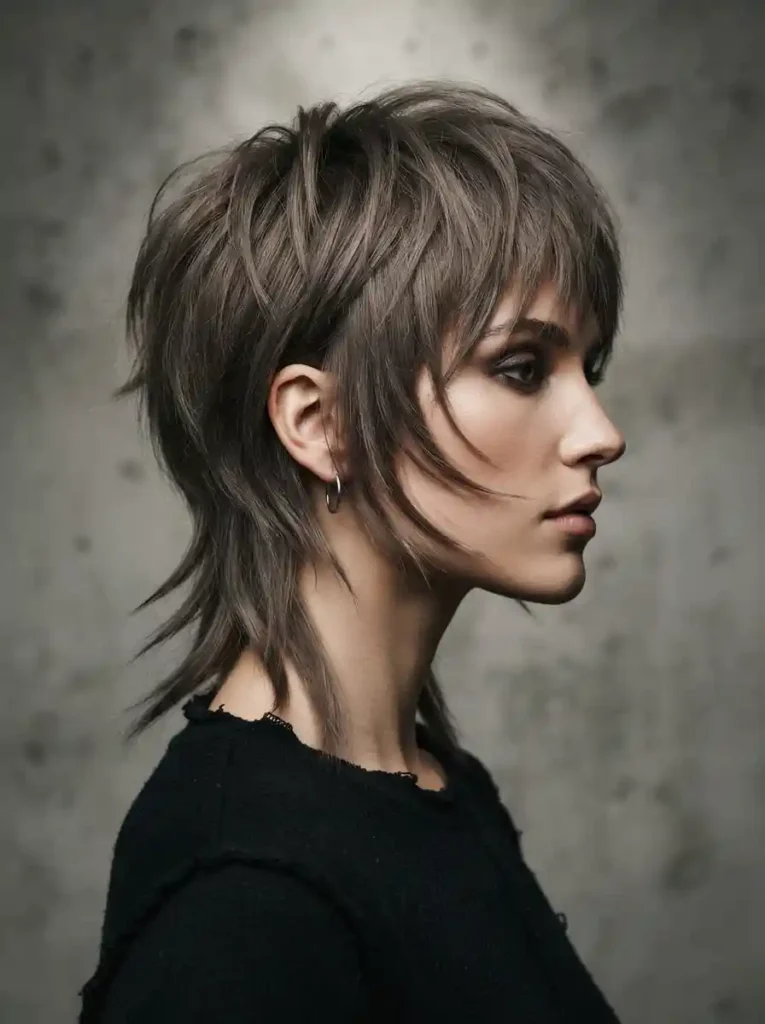
Razor-shaped layers create a more deliberately textured and edgy silhouette. The ends appear feathered and separated instead of blunt and heavy. Ash-brown coloring supports the cool editorial mood without overpowering the shape. Short crown layers provide lift, while elongated side pieces preserve a strong outline. This idea suits people who enjoy fashion-forward hair and visible texture. It can also make naturally straight hair look more dynamic.
Razor techniques should be chosen according to hair condition and texture. Very fragile ends may need gentler cutting methods to preserve strength. Ask your stylist how they plan to create texture before requesting a razor finish. Use a lightweight texturizing cream to separate the ends. Common Mistake: Over-texturizing the perimeter can make the haircut look uneven rather than intentionally feathered.
17. Two-Tone Black and Blonde Wolf Cut
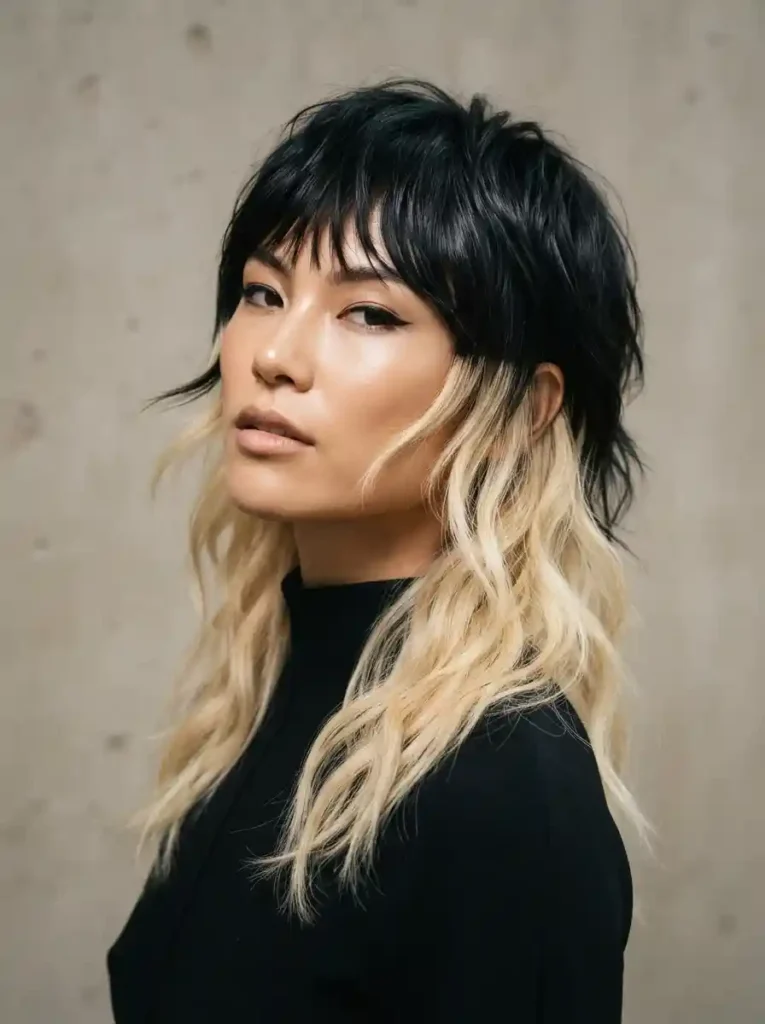
Two-tone color makes the layered structure immediately noticeable. Dark upper sections create a strong frame, while blonde lower pieces reveal the movement through the ends. The contrast works especially well with a textured haircut because each layer exposes a different color zone. Soft waves keep the transition visually interesting. This style suits adventurous readers who want their haircut to feel like a complete fashion statement.
Color placement should be planned around the haircut’s actual layers. Ask your stylist whether the contrast should follow horizontal sections or individual pieces. Use color-safe products for both shades, especially if the blonde requires lightening. Stylist Tip: Take photographs under natural light before finalizing the color. Strong salon lighting can make contrast appear softer than it looks outdoors.
18. Voluminous Retro Wolf Cut
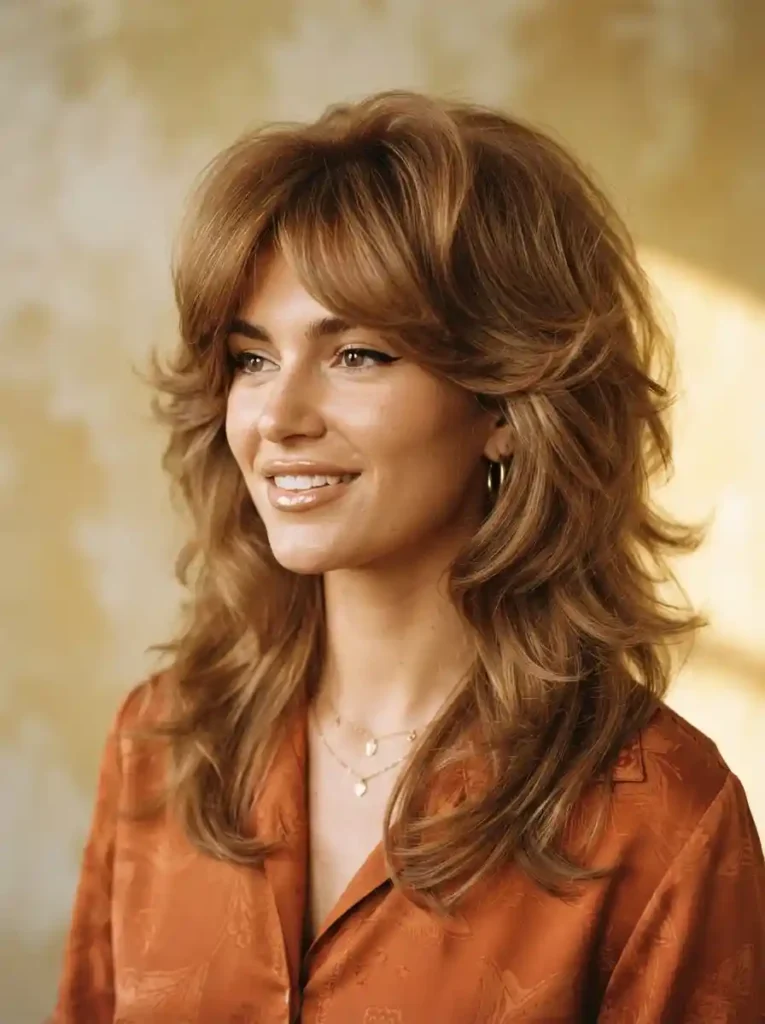
A retro interpretation gives the wolf cut a fuller and more polished personality. Rounded layers build volume around the crown and sides. Sweeping curtain bangs connect the forehead with the feathered shape. Caramel brown adds warmth and emphasizes the blowout finish. This option suits people who love vintage-inspired hair but want a modern layered silhouette. It feels especially striking when paired with simple clothing and understated makeup.
Volume styling works best when the roots receive attention before the ends. Apply mousse at the crown and blow-dry upward using a medium round brush. Roll the front sections away from the face, then let them cool before brushing. Pro Tip: Cooling the hair while it holds its shape helps the blowout last longer. Finish with flexible spray rather than a stiff formula.
19. Wavy Wolf Cut With Long Curtain Layers

Long curtain layers create a softer transition around the face than shorter bangs. Loose waves naturally separate the layers and give the haircut relaxed movement. Honey-brown coloring adds subtle dimension without demanding frequent salon color appointments. This version suits people who want a recognizable layered shape with a gentle front. It can feel especially natural on hair that already develops waves after washing.
Encourage the wave pattern by styling while the hair is still damp. Apply curl cream from mid-lengths to ends, then scrunch gently. Avoid brushing once the hair begins drying because it can disrupt wave definition. Stylist Tip: Ask for face-framing layers that follow your natural wave direction. Cutting against the pattern may create unexpected gaps when the hair dries.
20. Shoulder-Length Wolf Cut With Wispy Ends

Wispy ends make a shoulder-length haircut feel lighter and less bulky. The crown layers provide movement while keeping the overall length easy to manage. Soft cheekbone pieces create definition around the face without a heavy fringe. Neutral brown color lets the layered silhouette remain the main focus. This option suits readers who want an updated haircut that feels noticeable but not extreme. It also offers a useful middle ground between polished and tousled styling.
Ask your stylist to keep the ends airy without removing too much density. A lightweight cream can define separated pieces without making them greasy. Use a low-heat blow-dry setting when smoothing the shape. Common Mistake: Cutting every end into extremely thin pieces can make shoulder-length hair appear stringy. Texture should support the silhouette, not erase it.
21. Dramatic Black Wolf Cut With Long Bangs
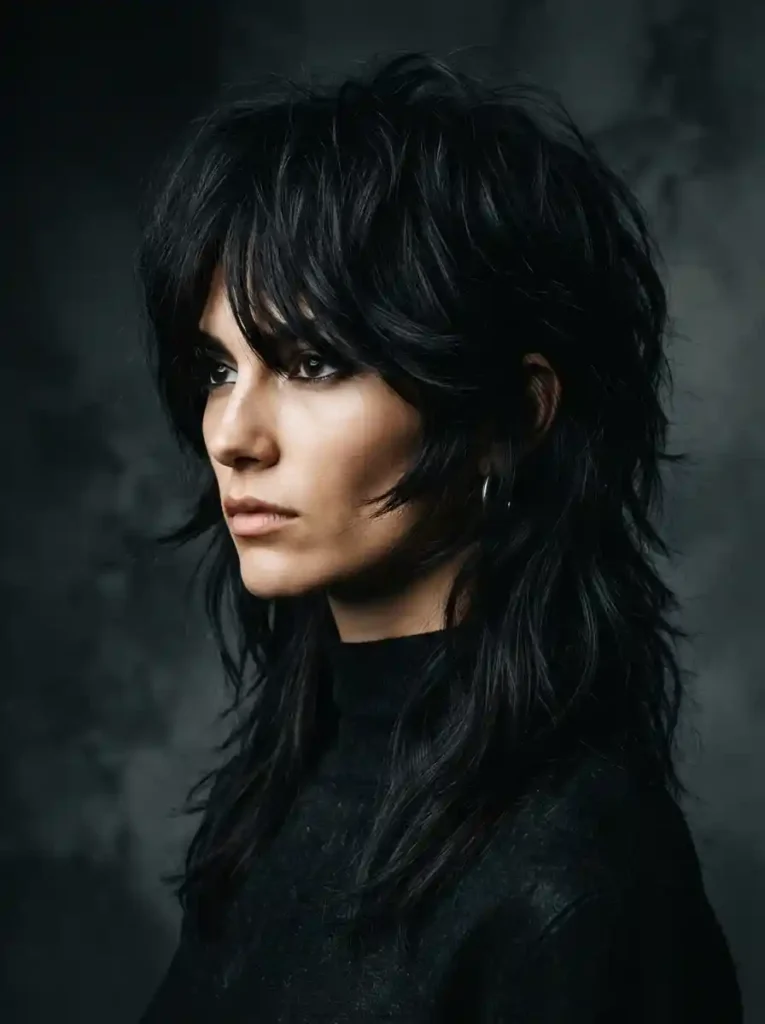
Long bangs create a more mysterious and dramatic version of the layered silhouette. They sweep across the forehead and connect with the cheekbone layers. Deep black hair strengthens the overall visual impact while keeping the palette simple. Textured crown sections add volume without competing with the fringe. This idea suits people who prefer expressive hair with a darker, more editorial personality. It can also make naturally thick hair look especially substantial.
Long bangs need enough length to move naturally without becoming difficult to manage. Blow-dry them from side to side before directing them toward your preferred part. Use a light styling cream to reduce flyaways. Stylist Tip: Tell your stylist whether you part your hair centrally or to one side. Bang placement should follow your daily styling habit for easier maintenance.
22. Pastel Lavender Wolf Cut
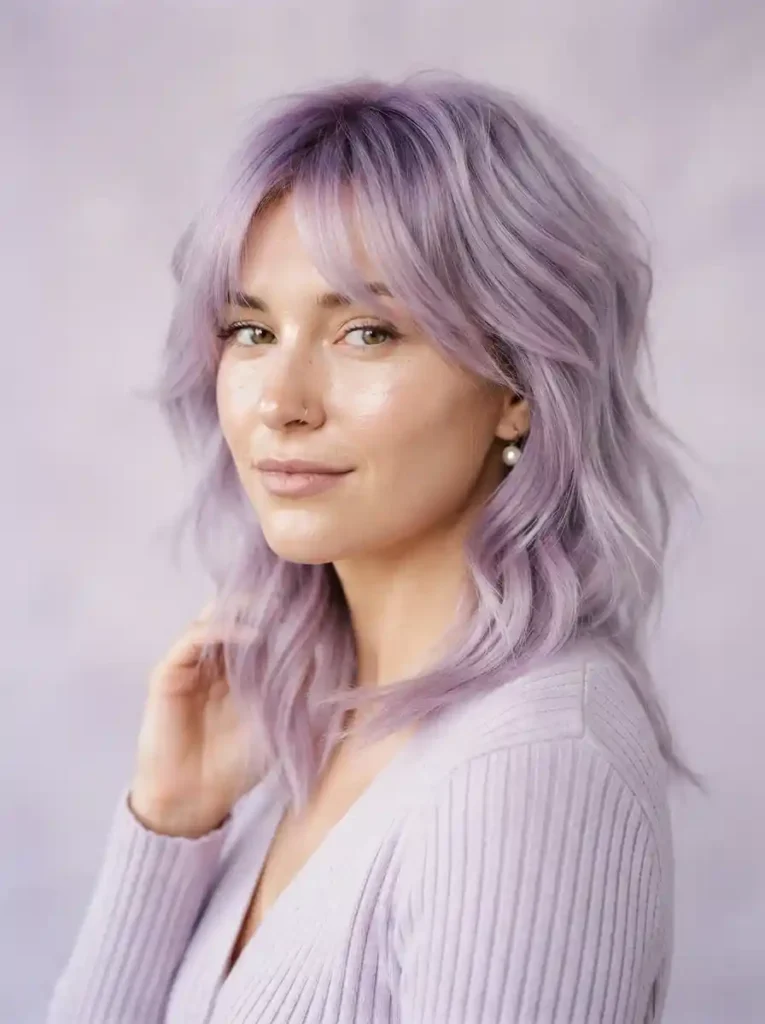
Pastel lavender gives the haircut a playful appearance while keeping the overall color soft. Airy waves help the layered structure remain visible through the pale shade. Slightly deeper roots create subtle dimension and make the color feel less uniform. Wispy curtain fringe keeps the front delicate rather than severe. This idea suits people who enjoy creative color and want a softer alternative to neon shades.
Pastel colors usually require careful color maintenance because pale tones can fade quickly. Ask your stylist about the lightening process before choosing lavender. Use gentle cleansing products and minimize frequent heat styling. Pro Tip: Consider a slightly deeper pastel shade if you want a longer-lasting visual effect. Very pale lavender can become subtle after only a few washes.
23. Polished Office-Friendly Wolf Cut
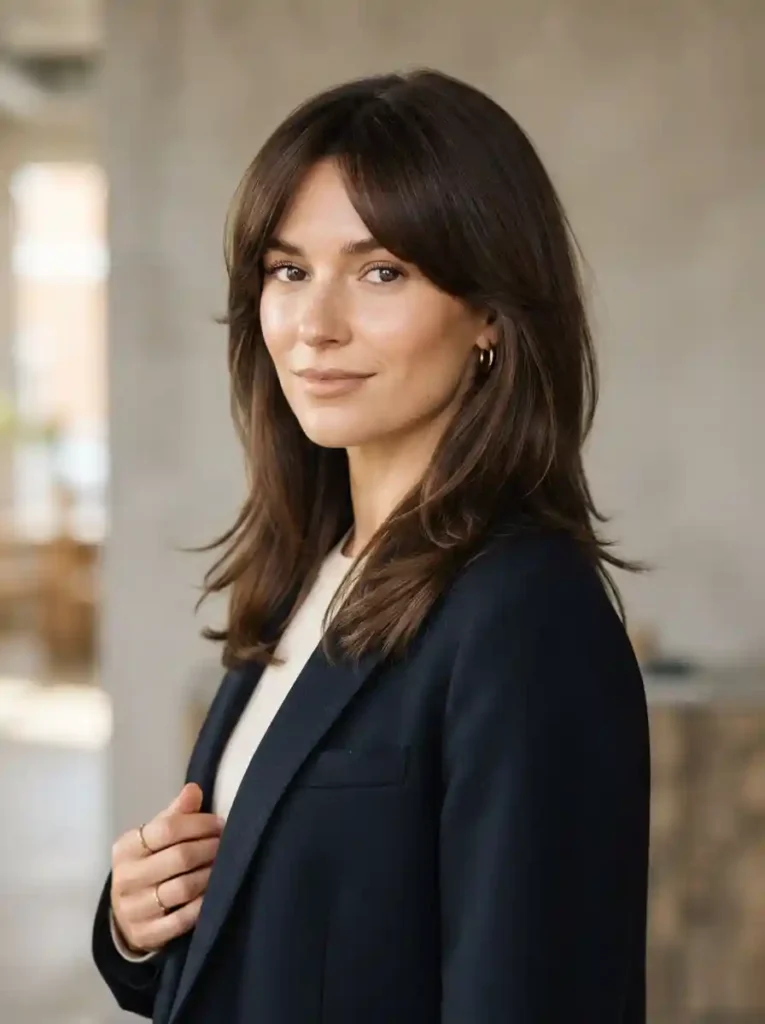
A polished wolf cut proves that textured hair does not have to look overly casual. Blended layers provide movement while the smoother ends create a controlled outline. A side-swept fringe keeps the forehead area refined and easy to style. Rich dark brown color reinforces the professional mood. This version suits people who want personality without an extremely dramatic silhouette. It can transition easily from work settings to relaxed evenings.
Use a smoothing cream before blow-drying to control flyaways and maintain movement. A paddle brush works well for creating a sleek finish without flattening the crown completely. Ask for blended layers instead of highly separated chunks. Stylist Tip: Tell your stylist about your workplace expectations. They can keep the haircut expressive while making the silhouette easier to polish.
Frequently Asked Questions
What hair type works best for a wolf cut?
A wolf cut can work with straight, wavy, curly, thick, or fine hair. The layering method should change according to density, texture, and natural movement.
Is a wolf cut high maintenance?
Maintenance depends on the length, bangs, texture, and styling method. Longer blended versions often need less daily styling than short, heavily textured versions.
Can a wolf cut work on fine hair?
Yes. Fine hair can benefit from strategic layers, but excessive thinning may reduce the appearance of fullness. Keeping weight through the ends usually creates a stronger shape.
Can curly hair have a wolf cut?
Yes. Curly hair can create beautiful movement through layered shaping. The cut should account for shrinkage and the curl pattern after drying.
How often should you trim this haircut?
Many people can refresh the shape every six to twelve weeks. Bangs and short layers may need earlier attention if precise styling matters.
How do you ask a stylist for this haircut?
Bring two or three reference photos showing your preferred length, layers, and fringe. Explain your natural texture and how much styling time you have each day.
Conclusion
The right wolf cut can add movement without forcing you into one specific aesthetic. Soft layers work for understated looks, while bold colors and dramatic fringes create stronger statements. Your natural texture, density, preferred length, and daily routine should guide the final shape. A good reference photo helps your stylist understand the result you want. Save your favorite ideas before your next salon visit, then adapt the details to your own hair.