
Warm blonde hair has a way of making a hairstyle feel fresh, dimensional, and effortlessly beautiful. From buttery golden strands to rich honey highlights and soft caramel-blonde blends, these shades bring warmth and depth without requiring an all-over platinum transformation. Whether you prefer a subtle change or a noticeably brighter look, there is a warm blonde hair color that can complement your natural base, haircut, and personal style.
The best part is that warm blonde is incredibly versatile. You can choose delicate highlights that brighten your face, a seamless balayage that grows out gracefully, or a glossy golden blonde that makes every layer stand out. The right technique can also make a difference in how much maintenance your color needs between salon visits.
In this collection, you will discover 21 warm blonde hair ideas worth saving for your next appointment. Each look offers something different, from understated brunette-to-blonde transitions to luminous shades that capture the feeling of sunshine. You will also find practical tips for choosing your shade, preserving its richness, and explaining your preferred look to your colorist. If you have been searching for blonde inspiration that feels wearable rather than overly dramatic, these ideas are an excellent place to start.
1. Classic Honey Blonde

Honey blonde is an excellent starting point if you want a warm blonde hair color that looks rich, luminous, and easy to wear. Its golden undertones create dimension without the pale appearance of icy blonde shades. This color works beautifully on naturally dark blonde or light brown hair, especially when a colorist blends several honey and beige tones together. Ask for a soft root transition if you prefer a more natural finish as your hair grows.
To keep honey blonde looking glossy instead of brassy, use a color-safe shampoo and conditioner designed for treated hair. A nourishing mask once a week can help maintain softness, particularly if your ends have been lightened. Loose waves showcase the different tones beautifully, but straight styling can make the color look sleek and sophisticated. Bring photographs showing your preferred level of warmth to your appointment, since honey blonde can range from subtle beige-gold to noticeably golden.
2. Golden Blonde Balayage
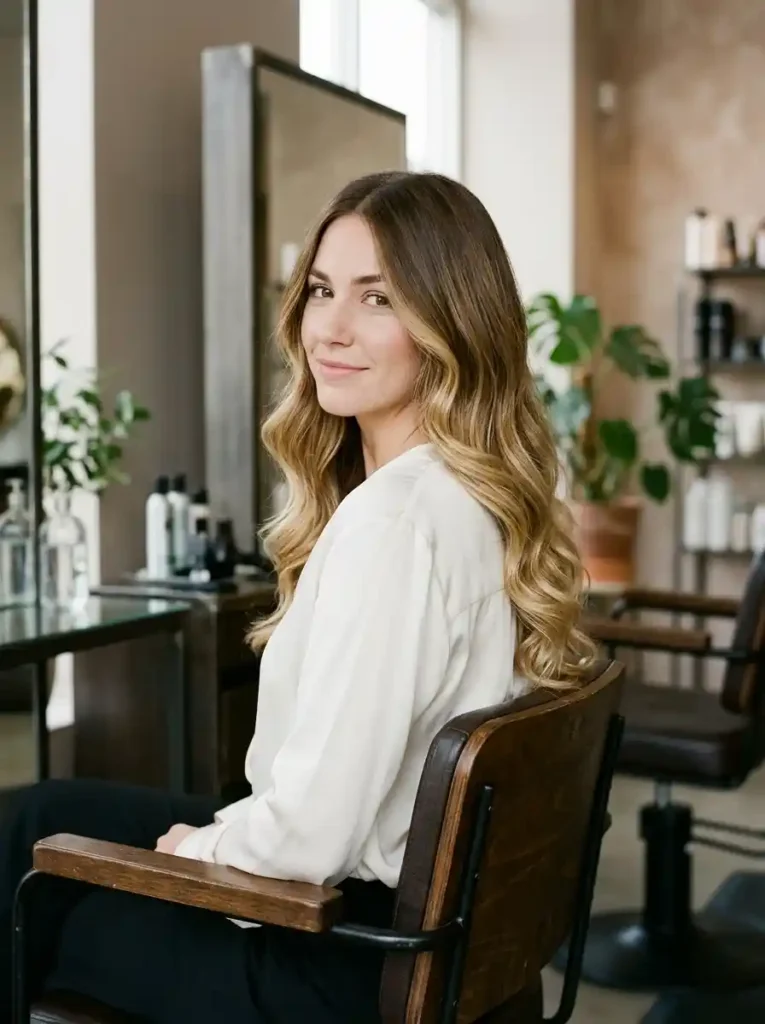
Golden blonde balayage is ideal when you want brightness without committing to a uniform blonde shade from root to tip. The hand-painted placement creates a gradual blend, leaving the roots deeper while the mid-lengths and ends catch more light. This technique is particularly useful for brunettes who want a softer transition into blonde. Your colorist can concentrate the lightest pieces around the face and lower lengths to create movement without overwhelming your natural base.
Because balayage usually leaves some natural color visible, regrowth can look softer than with traditional full-head highlights. The timing of refresh appointments depends on your starting color, desired brightness, and how quickly your hair grows. Golden balayage looks especially striking with long layers, loose curls, or a relaxed blowout. If you prefer a subtle result, request fine, blended ribbons rather than thick streaks, and ask your stylist to preserve enough depth near the roots for contrast.
3. Creamy Warm Blonde

Creamy warm blonde offers a balanced alternative to both icy platinum and strongly yellow blonde. Its beige-vanilla foundation looks soft and refined, while subtle golden undertones prevent the finish from feeling too cool. This shade is particularly appealing if you want a polished blonde that works with tailored clothing, neutral wardrobes, and understated makeup. Ask your colorist for a blend of creamy beige and gentle gold rather than a single flat shade.
This color can be achieved through carefully placed highlights, a blonde base with a warm gloss, or a combination of lightening and toning, depending on your starting hair color. Keep in mind that reaching a creamy blonde from dark hair may require multiple appointments to protect hair condition. A shoulder-length bob or lob makes the color feel modern, while smooth styling highlights its reflective finish. Use heat protection before blow-drying, and avoid excessive high temperatures that can leave lightened ends looking dry.
4. Caramel Blonde Highlights

Caramel blonde highlights are a beautiful choice if you want to brighten brown hair while preserving its richness. Rather than transforming the entire head, this technique adds warm golden-brown ribbons that reflect light through the upper layers and around the face. The result feels dimensional and natural, making it especially appealing for brunettes who are hesitant about going fully blonde. Your stylist can adjust the highlight thickness to create anything from delicate shimmer to a more noticeable sunlit effect.
For a cohesive finish, keep the underlying brunette shade visible and avoid lifting every section to the same brightness. A warm toner can help the caramel pieces blend smoothly with the base, while strategic placement prevents the overall color from looking striped. This combination works particularly well with medium-length layers and loose curls. If your hair is naturally dark, discuss realistic lightening goals with your colorist and consider building brightness gradually instead of forcing a dramatic change in one appointment.
5. Buttery Blonde Waves

Buttery blonde combines soft golden warmth with a creamy finish, creating a bright color that does not look as stark as platinum. It is especially attractive on hair with enough length to show the subtle variation between the base and lighter strands. If you love blonde hair that looks luminous in photographs, ask for a butter-gold tone with a beige component to keep the overall result balanced rather than intensely yellow.
This shade usually needs thoughtful toning because the desired finish depends on the relationship between the lightened hair and the final gloss. Purple shampoo may help neutralize unwanted yellow tones, but using it too frequently can make a warm blonde look duller or cooler than intended. Alternate it with a gentle color-safe shampoo according to your stylist’s advice. Large-barrel curls or a loose blowout reveal the dimensional color, while a lightweight finishing oil can smooth flyaways without weighing down the waves.
6. Warm Blonde Face-Framing Highlights

Face-framing highlights are a smart option when you want a visible change without lightening every section of your hair. A few warm blonde pieces around the temples and front hairline can brighten the overall appearance while allowing your natural color to remain dominant. The placement can be tailored to your haircut, whether you have a long layered style, a collarbone-length lob, or a shorter bob. Ask your colorist to blend the highlights rather than creating two sharply defined front streaks.
This technique can also be a useful introduction to blonde if you are unsure how much contrast you want. Finer ribbons create a delicate effect, while slightly wider sections produce a brighter, more noticeable frame. Because these strands sit close to the face, they may show regrowth sooner than highlights hidden underneath. A root-smudging technique can soften that line, and a gloss appointment can refresh warmth between larger coloring sessions. Style the front pieces away from your face to show the color clearly.
7. Golden Beige Blonde

Golden beige blonde sits between sandy beige and classic gold, making it a versatile option for anyone who finds strongly yellow blonde too intense. The beige tones provide softness, while the golden elements keep the color from looking flat or overly cool. It works well on a variety of natural bases, although the exact balance should be adjusted to your starting color and desired brightness. Ask your stylist for a warm-neutral blonde with visible depth rather than a single uniform shade.
One advantage of this color is its flexibility across different hairstyles. A smooth lob gives it a clean, modern appearance, while textured layers create more visible contrast between the golden ribbons and beige sections. Maintenance depends on how light your overall color is and whether your roots are naturally darker. If you want fewer salon visits, request a blended root area and focus brightness around the mid-lengths. Bring reference photos taken in natural daylight, since indoor lighting can make beige blonde appear much warmer or cooler.
8. Strawberry Blonde

Strawberry blonde brings a delicate coppery warmth to blonde hair, offering something different from the more familiar honey and beige shades. Its combination of golden blonde and soft red undertones creates a peachy finish that can range from barely copper-tinted to noticeably rosy. If you want this color to remain blonde rather than shift toward auburn, ask your stylist to keep the gold dominant and introduce copper sparingly. The result can be particularly beautiful with natural waves and soft, airy layers.
Because red-based tones can fade noticeably, strawberry blonde often benefits from regular glossing and careful home care. A color-depositing conditioner chosen specifically for your shade may help refresh warmth between salon appointments, but test it according to the manufacturer’s instructions before applying it throughout your hair. Avoid assuming that every strawberry blonde formula will suit every complexion or natural base. Bring examples of the exact copper-to-gold balance you prefer, and discuss how the shade will look as your roots grow.
9. Warm Blonde on a Bob Haircut

A warm blonde bob feels fresh because the shorter length makes the color and haircut work together. Golden-beige highlights can emphasize the shape of the cut, while a slightly deeper root adds definition around the part and crown. This combination is particularly effective if you like a structured hairstyle but want to avoid a flat, one-dimensional blonde. Ask your stylist to place lighter pieces where they enhance the movement of your bob instead of distributing highlights evenly everywhere.
Shorter hair does not automatically mean lower color maintenance, especially if your natural roots contrast strongly with the blonde. However, a softly blended root can help the color remain attractive as it grows. The cut itself will need regular trims to preserve its silhouette, particularly around the neckline and ends. For styling, apply a heat protectant and use a round brush to create a gentle curve. A small amount of texturizing cream can separate the ends and reveal the different golden tones without making the hair stiff.
10. Dark Blonde with Golden Ribbons

Dark blonde with golden ribbons is a practical choice if you want warmth and dimension while keeping your overall appearance close to your natural color. Rather than creating a dramatic transformation, your stylist can weave fine golden strands through a darker blonde base. This makes the hair look more dimensional in different lighting and helps emphasize layers without requiring a very light overall shade. It is particularly suitable for people who prefer understated color changes and want their roots to remain relatively discreet.
For the most natural result, ask for highlights only a few levels lighter than your base, adjusted to the condition and history of your hair. Too much contrast can make delicate ribbons look more like stripes, especially when the hair is worn straight. A gloss can unite the different tones and add shine after lightening. This color looks lovely with a simple blowout or loose bends created with a curling iron. Keeping the ends trimmed and conditioned will help the subtle highlights appear smooth and polished.
11. Warm Blonde Ombre

Warm blonde ombre creates a more noticeable color transition than traditional blended highlights. The roots remain dark, the middle sections shift through caramel or golden brown, and the ends become progressively lighter. This makes it a strong option for people who want a distinct brunette-to-blonde look without lightening the entire head. It works especially well on long hair, where there is enough space for a gradual gradient rather than an abrupt change between colors.
The key to a flattering ombre is a transition that looks intentional rather than like grown-out, uneven color. Ask your stylist to soften the boundary between the dark base and the lighter lengths, using intermediate caramel tones where needed. The ends may require additional conditioning because they usually receive the most lightening. Loose waves make the gradient easy to see, while straight styling creates a sleeker, more graphic effect. If your hair is already colored dark, discuss realistic lifting expectations before booking a major transformation.
12. Champagne Gold Blonde

Champagne gold blonde combines a sophisticated beige foundation with gentle golden warmth. It is brighter than many dark blonde shades but less stark than icy platinum, making it a good choice if you want an elegant, polished result. The blend of tones can help prevent the color from appearing too yellow or too ashy. Tell your colorist whether you prefer more champagne beige or more golden reflect, because even small adjustments can noticeably change the overall impression.
This shade looks especially beautiful in a smooth blowout, where the curved layers reflect light and reveal the variation between highlights. It can also be worn in loose curls for a softer, more romantic finish. To preserve its balanced tone, use products designed for color-treated hair and protect the lengths from prolonged sun exposure. If your natural hair is dark, reaching a bright champagne blonde may take several sessions. Prioritize hair condition over achieving the lightest possible shade in a single visit.
13. Sandy Warm Blonde

Sandy warm blonde has a relaxed, beach-inspired quality without relying on an exaggerated yellow finish. Its blend of beige and soft gold gives the hair a natural-looking brightness that pairs beautifully with casual clothing and effortless hairstyles. If you want blonde that feels understated rather than highly polished, this shade is worth considering. It works well with natural roots and fine highlights, especially when the goal is a soft, sunlit appearance instead of a dramatic transformation.
For a believable sandy finish, ask your stylist to retain some neutral beige alongside the golden pieces. This prevents the color from becoming too brassy while preserving the warmth that makes it appealing. A slightly textured cut can enhance the effect, but you do not need long hair to wear it successfully. On shorter styles, a few lighter pieces around the crown and fringe can create movement. Use a leave-in conditioner before styling to keep the ends flexible and reduce the roughness that can develop after lightening.
14. Warm Blonde with Root Shadow
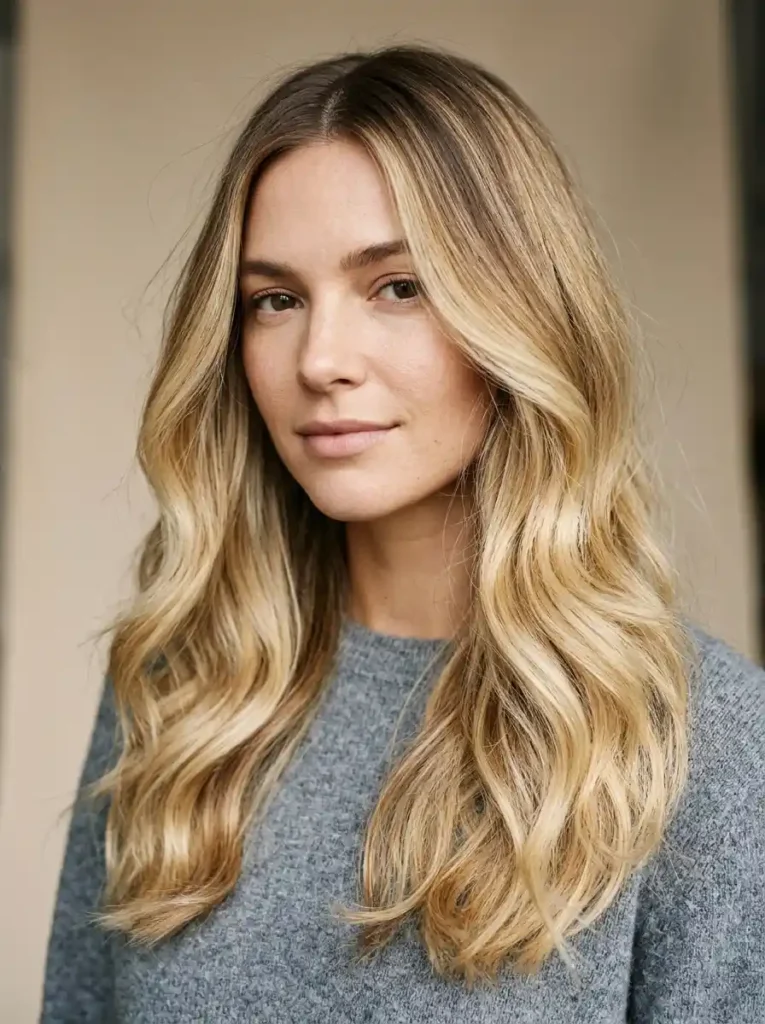
A root shadow adds depth at the crown by keeping the roots slightly darker than the blonde lengths. This creates a softer transition as natural regrowth appears and can make bright blonde hair feel more dimensional. It is particularly useful if you love golden or creamy blonde but dislike the sharp line that can form between freshly colored roots and lighter lengths. Your colorist can choose a shade close to your natural root color or a slightly warmer tone that blends into the blonde.
The technique works with many blonde variations, from buttery gold to warm beige, and can be adjusted to suit your preferred contrast. A very dark shadow may look striking but can create a more noticeable gradient, so discuss how much depth you want before coloring. Root shadows generally do not eliminate salon maintenance, but they may allow you to space out some root-focused appointments. Keep the lighter lengths conditioned, and ask your stylist whether a gloss between lightening sessions would help maintain the color’s shine.
15. Copper-Kissed Warm Blonde

Copper-kissed warm blonde is an appealing way to introduce a little extra richness without moving fully into red hair. Fine copper or apricot-gold accents add complexity to a blonde base and can make the overall shade feel more individual. This is a good option if you find traditional golden blonde too familiar but still want to keep the majority of your hair visibly blonde. Ask your stylist for restrained copper reflect rather than strong red pigment if you prefer a subtle result.
Because copper tones can fade differently from the underlying blonde, maintaining this look requires a little planning. A suitable color-safe routine and occasional salon gloss can help the warm accents remain cohesive. If you use a color-depositing product at home, choose one intended for your particular copper-blonde shade to avoid turning the entire head too orange or too red. Soft curls help reveal the mixed tones, while a smooth style makes the copper accents appear more understated. Bring reference photos to clarify how much copper you want.
16. Warm Blonde on Long Layers
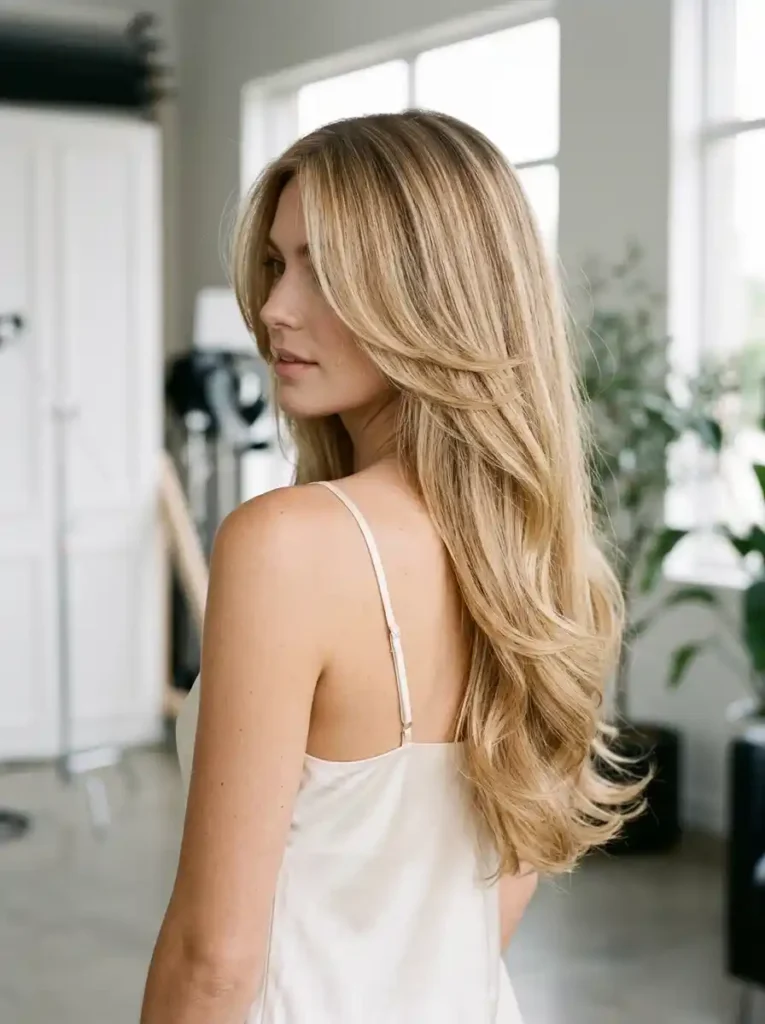
Long layers provide plenty of space for warm blonde tones to interact, creating movement that is difficult to achieve with a uniform color. Golden highlights can be placed along the outer layers, while deeper blonde sections underneath help preserve richness. This approach is especially useful if you want hair that looks dimensional when it moves, rather than a solid mass of blonde. Ask your stylist to consider the direction of your layers before deciding where the brightest pieces should sit.
A layered cut can also help distribute visual brightness around the face without requiring an equally light shade throughout the back. However, very heavy layering may make already fine hair appear thinner at the ends, so the haircut should suit your natural density. For styling, use a round brush to lift the roots and direct the layers away from the face. A lightweight smoothing cream can control flyaways, while a flexible hairspray helps maintain movement. Regular trims preserve the shape and keep lightened ends looking healthy.
17. Warm Blonde Babylights

Babylights are exceptionally fine highlights designed to create a delicate, blended effect. When paired with warm blonde tones, they can brighten the hair without making the color appear heavily striped or dramatically different from the natural base. This technique is ideal if you prefer understated dimension or want to introduce blonde gradually. Your stylist can concentrate the finest pieces around the hairline and upper layers, creating a subtle glow while retaining depth throughout the rest of the hair.
Although babylights look natural, the process can take time because the sections are so small. The final maintenance schedule depends on how much contrast you choose and how closely the highlights sit to the roots. If low maintenance is important, ask for a softly blended placement rather than highlights extending uniformly from the scalp. Babylights work beautifully on straight hair, where their fine detail is visible, but they also add sparkle to waves. A gentle shampoo and regular conditioning will help preserve the delicate, lightened strands.
18. Honey Blonde Money Piece

A honey blonde money piece creates a brighter frame at the front while allowing the rest of your hair to remain darker. This makes it a good choice if you want a noticeable update without the time or cost of lightening your entire head. The golden sections can be subtle and narrow or more pronounced, depending on how much contrast you enjoy. Ask your stylist to connect the front highlights with a few finer pieces nearby so the result looks intentional from every angle.
Because the money piece sits near the hairline, it can be especially visible as your roots grow. A blended transition may soften the regrowth, while occasional glossing can help maintain a cohesive honey tone. This look works on both long and short hair, including lobs and layered cuts. For a softer effect, style the front pieces away from your face; for a sharper finish, wear your hair smooth and straight. Be clear about the desired brightness, since overly pale front sections can contrast strongly with a dark base.
19. Warm Blonde with Curtain Bangs

Curtain bangs pair beautifully with warm blonde hair because the shorter front sections draw attention to the eyes and cheekbones. Golden highlights through the fringe and surrounding layers help the cut feel connected to the rest of the color rather than looking like a separate block of blonde. This combination suits many lengths, from collarbone-grazing lobs to long layered styles. Ask your stylist to tailor the bang length and density to your hair texture and the way your fringe naturally falls.
Styling curtain bangs takes a little daily attention, particularly if your hair has a strong growth pattern or tends to separate unevenly. A small round brush and low-to-moderate heat can help direct the fringe away from the face without flattening it. Use a lightweight product sparingly, since heavy creams can make the shorter sections look greasy. The warm blonde color itself can be maintained with occasional glossing and color-safe products. If you prefer less upkeep, choose longer curtain bangs that blend into your layers as they grow.
20. Golden Blonde with a Glossy Finish

A glossy golden blonde is a great option if you love a polished, salon-fresh appearance. The color can be achieved through a combination of carefully selected blonde tones and a gloss that refines the final result. Rather than aiming for the lightest possible blonde, focus on a balanced gold with enough beige or deeper blonde dimension to keep it looking rich. This approach can suit both medium blonde bases and lighter hair, although the exact process depends on your existing color.
Glossy hair is not just about color; condition and styling also influence the finish. A nourishing conditioner, periodic deep-conditioning treatment, and heat protectant can help reduce dryness and improve the way light reflects from the surface. Use a flat iron only when needed, and avoid repeatedly passing it over the same section. If the blonde begins to look dull or uneven, ask your colorist whether a gloss refresh is appropriate. A smooth blowout or straight style showcases the reflective finish particularly well.
21. Soft Golden Blonde Balayage on Brunette Hair

Soft golden blonde balayage on brunette hair is an excellent choice if you want a visible transformation while keeping the depth that makes brown hair distinctive. The color moves gradually from a darker root into caramel and golden blonde, creating a sunlit effect through the lengths. This technique is particularly appealing if you want blonde accents without losing your natural brunette identity. Your colorist can adjust the brightness to suit your starting shade, hair condition, and preference for subtle or noticeable contrast.
The most successful results rely on a gradual blend rather than lifting every section to the same lightness. Golden ribbons through the ends create movement, while a few carefully placed highlights around the face can keep the overall look balanced. Because the roots remain darker, maintenance may be more manageable than with a solid blonde color, although toning and conditioning are still important. If your hair has previous dark dye, tell your stylist before the appointment. Existing color can affect how much lift is possible and whether multiple sessions are advisable.
Conclusion
Warm blonde hair offers plenty of ways to refresh your look without settling for a single shade or committing to a dramatic transformation. Honey blonde brings rich golden warmth, creamy blonde creates a softer polished finish, and caramel highlights add dimension to darker bases. Techniques such as balayage, babylights, root shadowing, and face-framing highlights also let you customize the brightness and maintenance level to suit your lifestyle.
Before choosing your favorite idea, consider your natural hair color, current hair condition, preferred haircut, and how often you want to visit the salon. Save two or three reference photos that show the tone and placement you like, ideally photographed in natural light. During your consultation, explain whether you prefer subtle warmth, noticeable golden brightness, or a blended brunette-to-blonde transition.
Most importantly, choose a shade that feels comfortable to wear and realistic to maintain. With thoughtful placement, appropriate home care, and a colorist who understands your goals, warm blonde can look beautiful across seasons, hairstyles, and personal styles.


