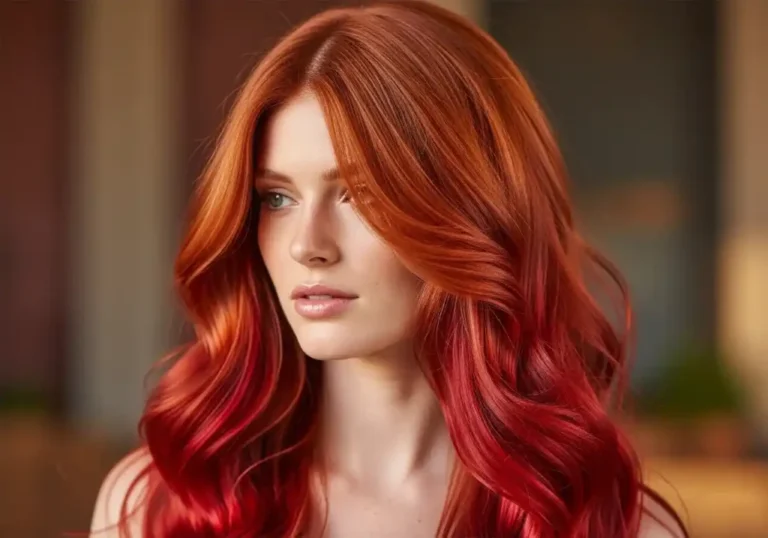
Some hairstyles never really disappear. They simply wait for the right moment to feel fresh again. The best 90s hairstyles bring back familiar shapes while adding modern texture, softer finishes, and easier styling. This guide rounds up 25 nostalgic looks for different lengths, textures, and personalities. You will find polished options, playful cuts, low-maintenance ideas, and statement styles. Each look includes practical details you can save as haircut inspiration or show your stylist.
1. The Rachel-Inspired Layered Cut
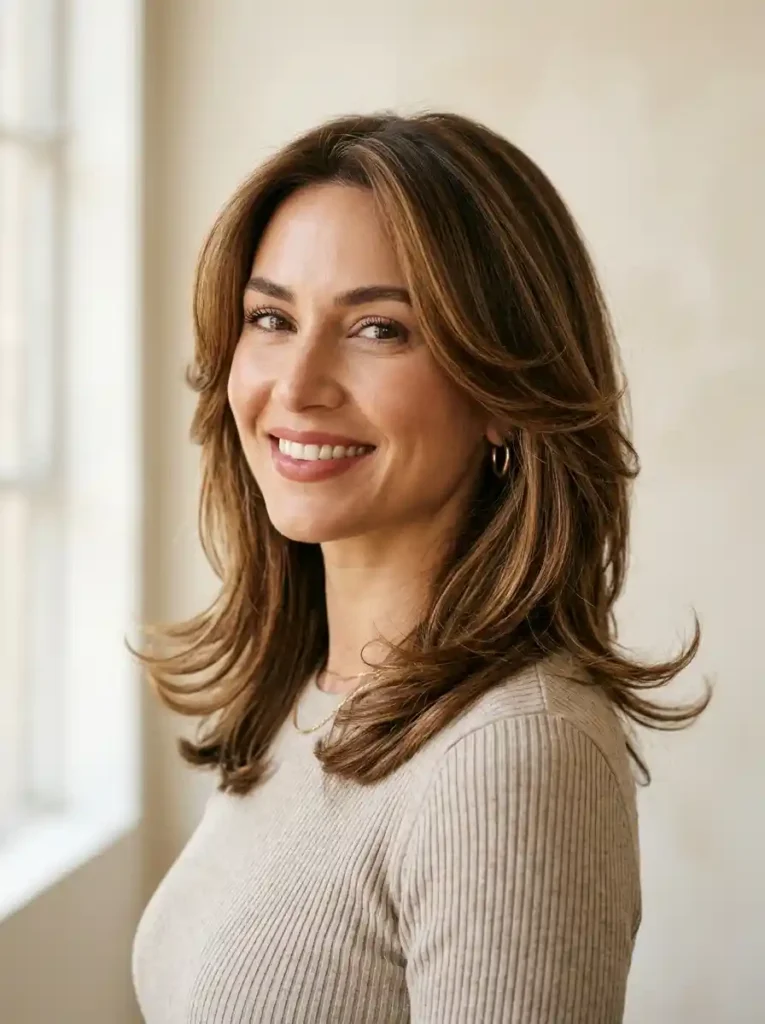
The Rachel-inspired cut remains one of the most recognizable 90s hairstyles. It uses layered sections around the face and crown to create noticeable movement. Shoulder-length hair gives the shape a balanced, wearable finish. Warm brunette shades can make the layers especially visible. This cut suits anyone who enjoys volume without committing to very long hair. It also works well for medium-density hair because the layers create movement while keeping enough fullness through the ends.
Styling requires a round brush, moderate heat, and a little patience. Direct the front sections away from the face while drying the layers upward. Finish with lightweight hairspray instead of heavy wax. Stylist Tip: Ask for blended layers rather than sharply disconnected sections. That adjustment keeps the nostalgic shape but makes the haircut easier to wear between salon appointments. A subtle bend through the ends also creates a softer contemporary finish.
2. Butterfly Layers With 90s Volume
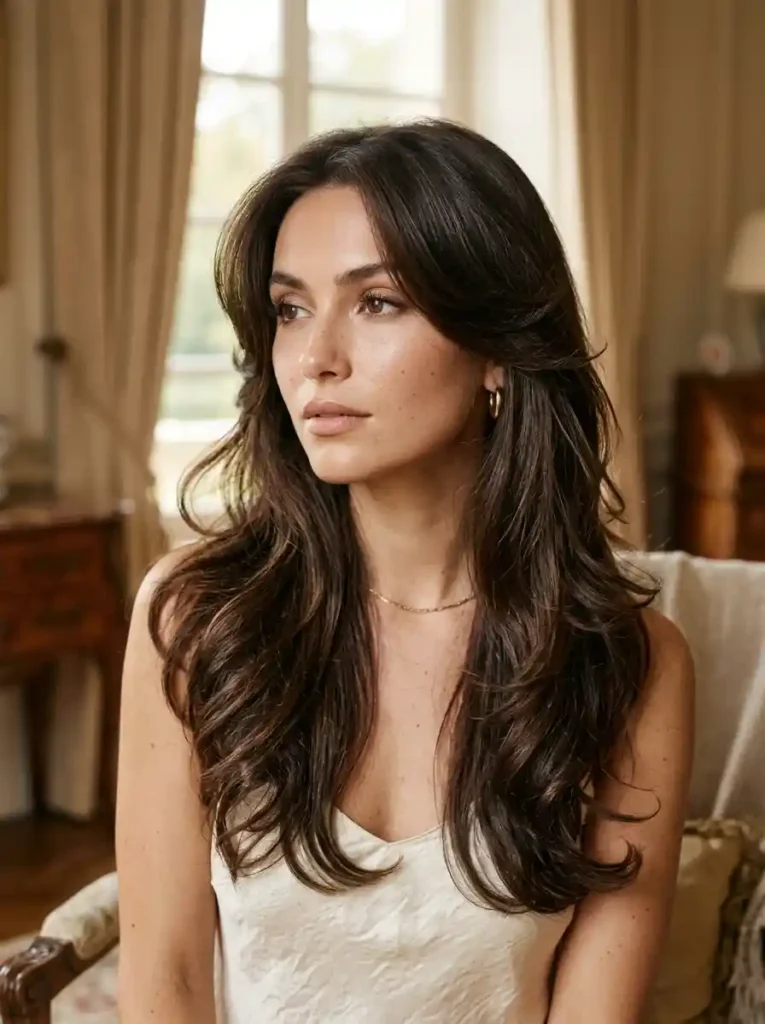
Butterfly layers combine long hair with shorter pieces around the face. The result feels full, bouncy, and distinctly nostalgic. Unlike a short layered haircut, most of the length stays intact. This makes the style appealing to people who want movement without losing their long hair. It looks especially striking with a smooth blowout and curved ends. Fine to medium hair can benefit from strategic layering because the shape adds visible lift around the crown.
Ask your stylist to preserve the perimeter while adding shorter face-framing pieces. Styling works best when sections are lifted away from the face during blow-drying. Large rollers can create lasting volume without producing tight curls. Pro Tip: Keep the shortest layer near a flattering facial point rather than choosing one standard length. This small adjustment makes the haircut feel personalized and helps the layers blend naturally.
3. Sleek 90s Chin-Length Bob
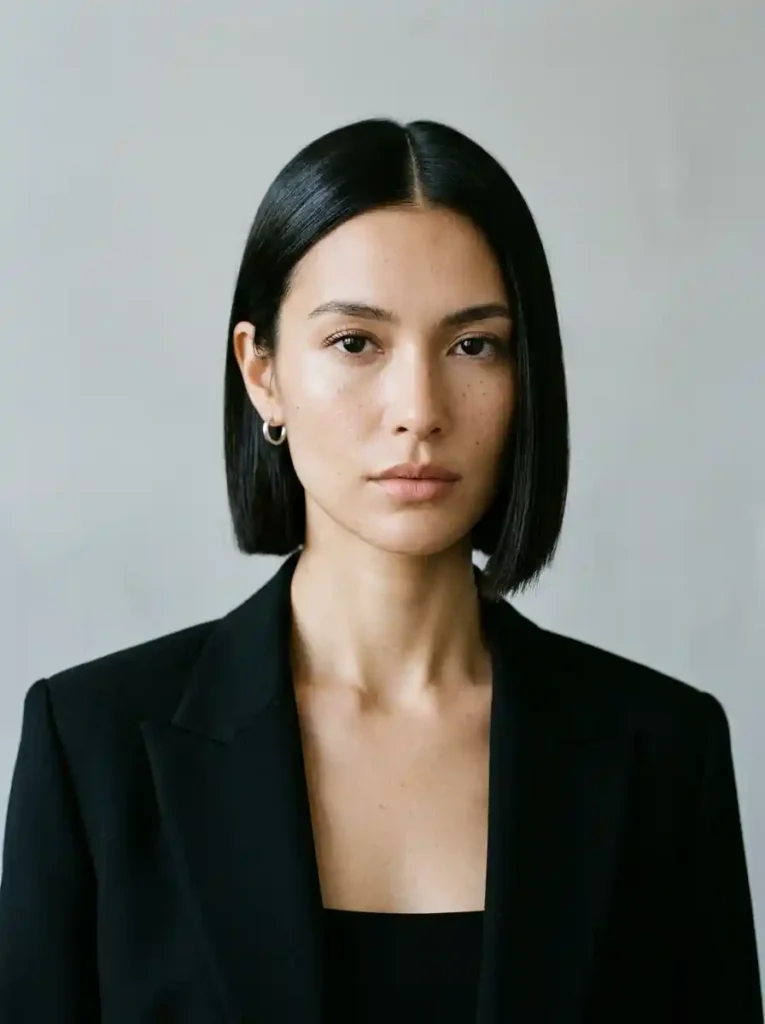
A sleek chin-length bob captures the clean side of 90s beauty. Its defining feature is a strong, simple silhouette with little layering. Straight hair makes the geometric shape especially noticeable. A center part gives the haircut a polished appearance, while a side part creates a softer variation. This style suits people who prefer structured hair and clear lines. It can also make fine hair appear visually denser because the ends remain relatively full.
The haircut looks best when the perimeter is trimmed precisely. Use a heat protectant before straightening, then smooth small sections with a flat iron. Avoid excessive oil, which can make the style appear flat. Common Mistake: Removing too much weight from the ends can weaken the bob’s signature shape. Ask for a clean baseline and minimal internal texturing if you want an authentic 90s finish.
4. Flipped-Out Ends
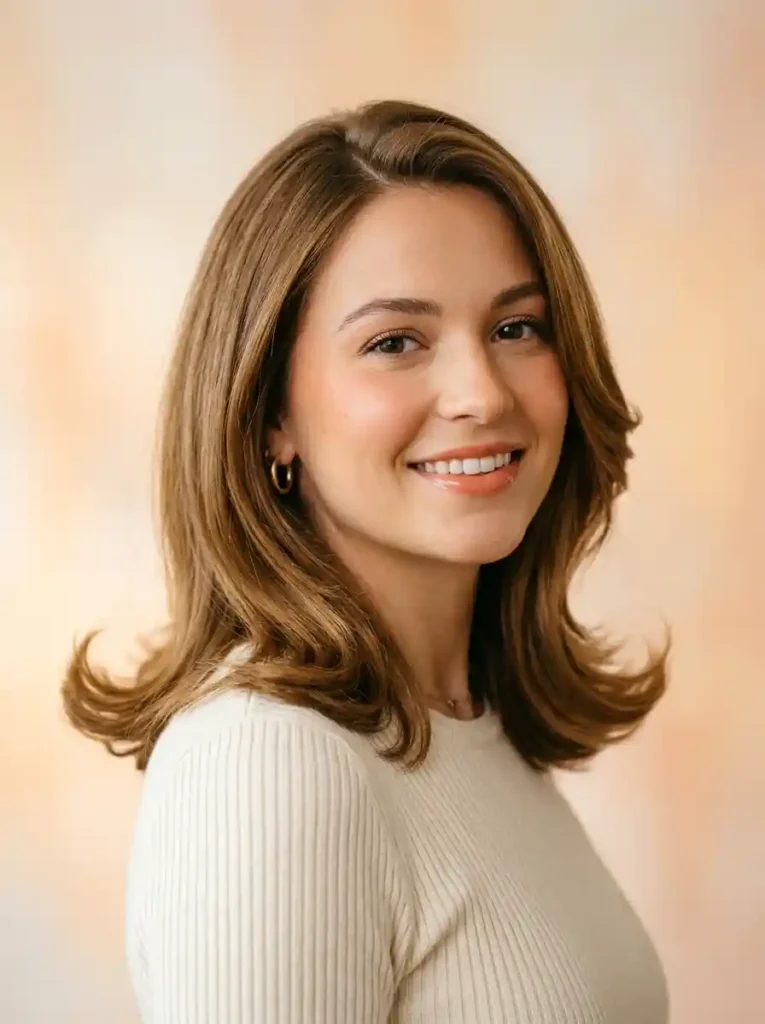
Flipped-out ends offer a simple way to create a recognizable 90s silhouette. The hair can remain shoulder length or slightly longer, with the ends curved outward instead of inward. This shape looks playful without requiring a dramatic haircut. It works particularly well on straight or lightly wavy hair. A side part adds extra retro character, while a center part creates a cleaner modern interpretation. The technique also brings movement to otherwise simple lengths.
Use a medium round brush or large curling iron to shape the final few inches. Keep the roots relatively smooth so the ends remain the main feature. A light finishing spray can help preserve the bend. Stylist Tip: Do not over-curl the ends. The ideal flip looks soft and airy, not stiff. For naturally wavy hair, straighten the roots first and shape only the perimeter for a relaxed result.
5. Curtain Bangs With Long Layers
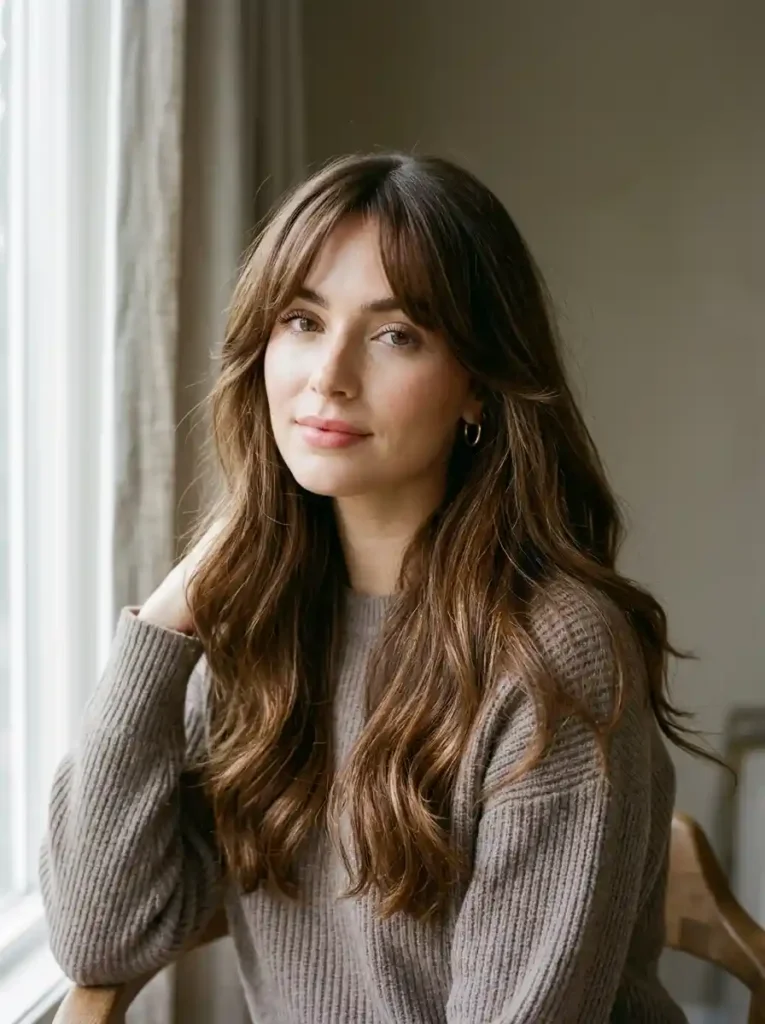
Curtain bangs were a defining feature of 90s-inspired styling because they frame the face without creating a heavy fringe. The center opening keeps the forehead visible while longer pieces sweep toward the cheeks. Pairing them with long layers creates a fluid transition into the rest of the haircut. This option suits people who want a noticeable change without losing length. It also works beautifully with naturally wavy hair and soft blowouts.
Ask for bangs that become gradually longer toward the cheekbones. That shape gives you more styling flexibility as the fringe grows. Blow-dry the bangs away from the face using a round brush, then allow them to cool before releasing. Pro Tip: Use less product near the roots because heavy styling cream can collapse the airy shape. A lightweight spray gives better movement and keeps the curtain opening defined.
6. High 90s Blowout
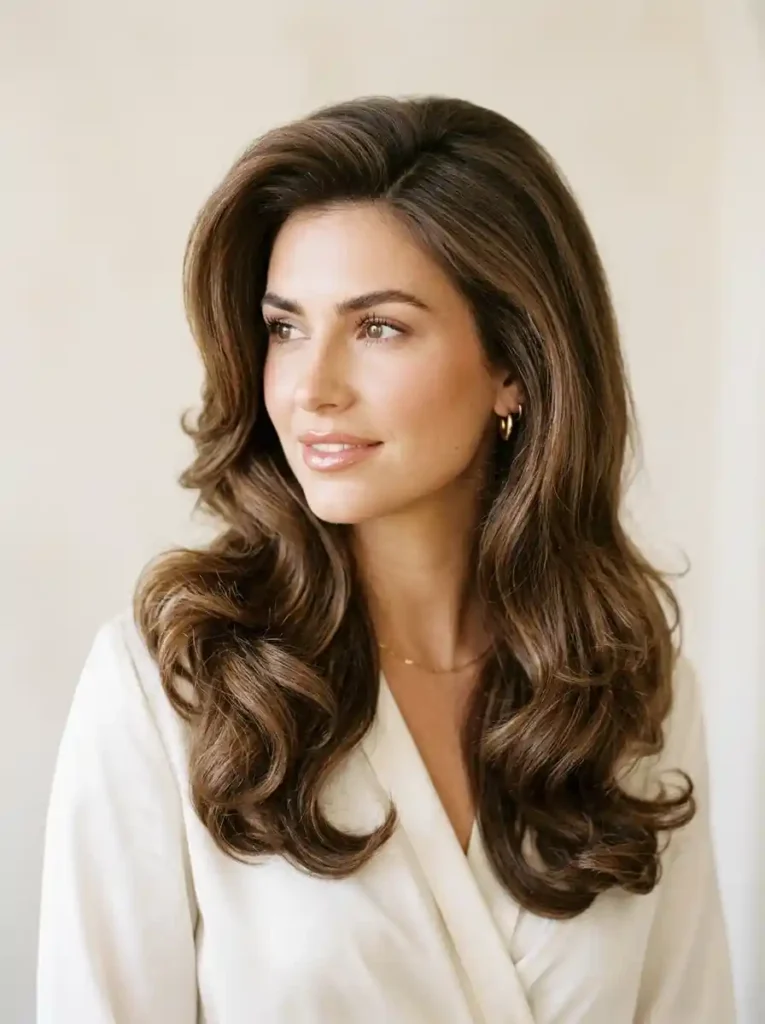
The high 90s blowout focuses on volume rather than a particular haircut. Hair appears lifted at the roots, rounded through the mid-lengths, and softly curved at the ends. The finish feels glamorous while remaining approachable. This style works particularly well with medium or long hair that has enough density for movement. People who enjoy polished styling may prefer this option for events, photos, or days when they want their haircut to look especially full.
Start with volumizing mousse on damp roots and blow-dry using a large round brush. Roll each finished section loosely while it cools. Remove the rollers only after the hair has cooled completely. Common Mistake: Brushing everything immediately can remove the shape. Instead, separate the sections gently with your fingers. This keeps the volume soft and prevents the hairstyle from looking overly sculpted or dated.
7. Mini Face-Framing Layers
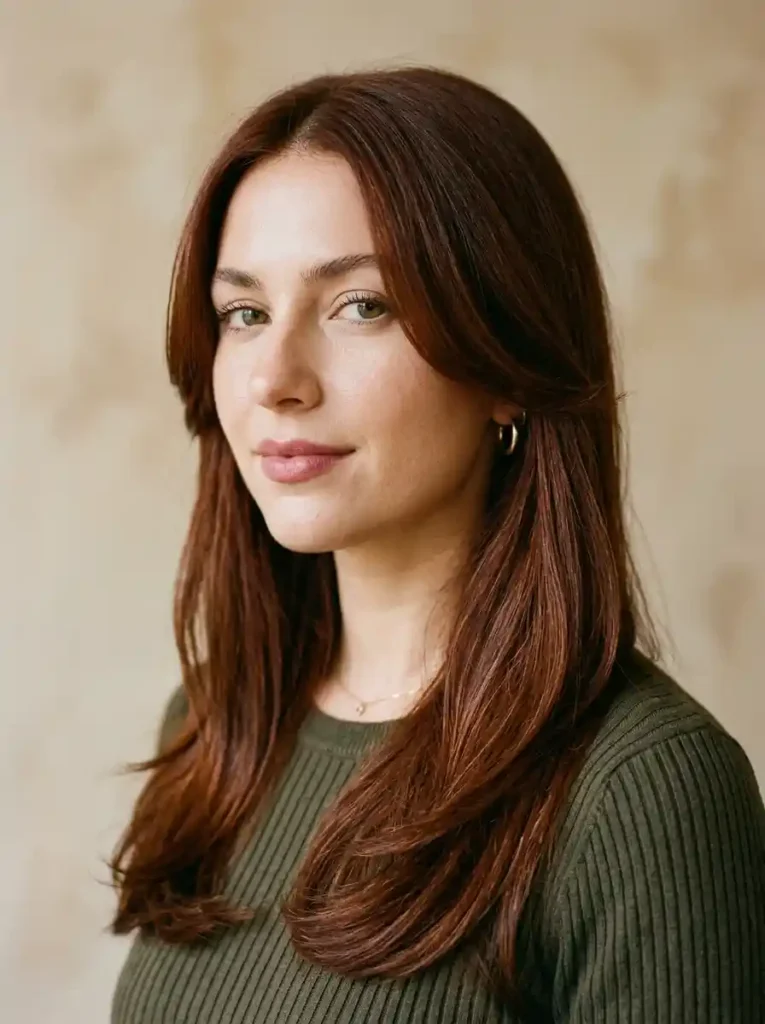
Mini face-framing layers create a subtle 90s effect without dramatically changing the overall haircut. The shorter sections sit around the cheekbones and jaw before blending into longer hair. This gives the face a defined frame while preserving length behind it. The look suits people who enjoy understated changes and easy styling. It is particularly useful for long, straight hair that can sometimes feel visually heavy around the front.
Request narrow, blended layers instead of a thick curtain of short pieces. Style them with a small round brush and direct them slightly outward. This creates gentle separation without excessive volume. Stylist Tip: The shortest section should not be chosen randomly. Your stylist can position it near the cheekbone, jaw, or chin depending on where you want the frame to sit. That placement makes the result more intentional.
8. Wispy 90s Bangs
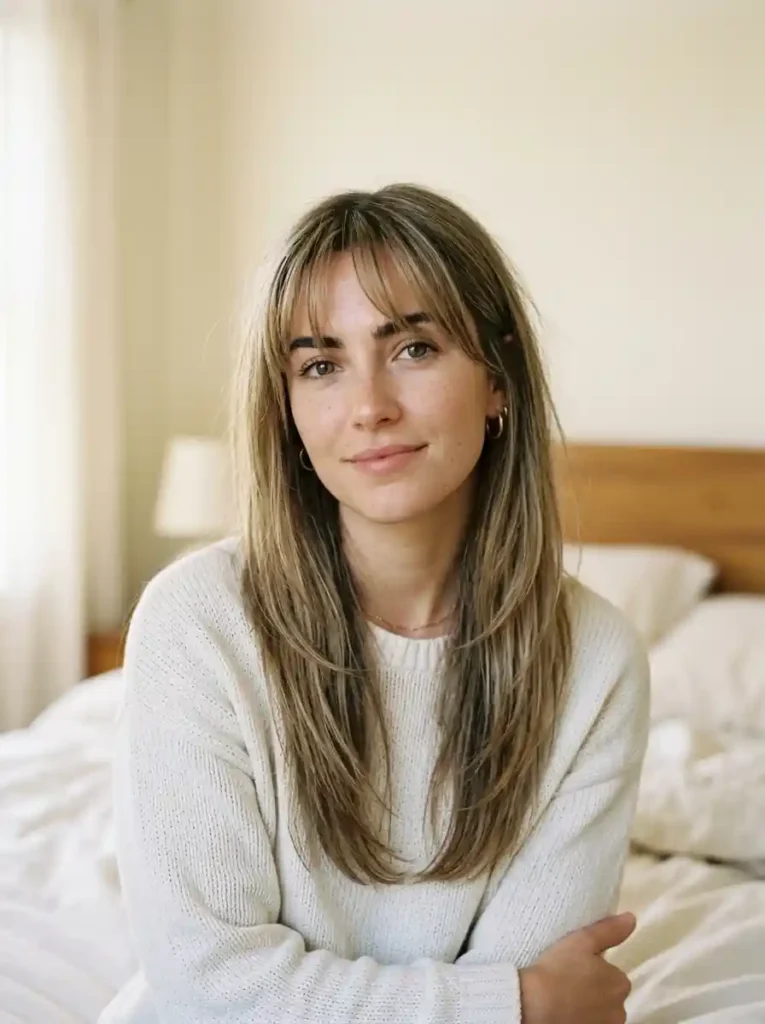
Wispy bangs offer a lighter alternative to thick, blunt fringe. The ends are separated and delicate, allowing small spaces between sections. This gives the hairstyle an effortless 90s appearance. The fringe can be paired with long layers, a bob, or medium-length hair. People who like noticeable bangs but dislike heavy coverage may prefer this option. It can also feel less visually intense than a dense fringe, especially with naturally fine hair.
Ask your stylist to keep the fringe light rather than removing large sections from the front. Blow-dry it forward first, then separate the pieces with your fingers. A tiny amount of styling cream can control flyaways. Common Mistake: Overusing flat irons can make wispy bangs look rigid. Their charm comes from slight separation and movement. Trim them regularly if you want the eyebrow-grazing shape to remain consistent.
9. The 90s Claw-Clip Twist
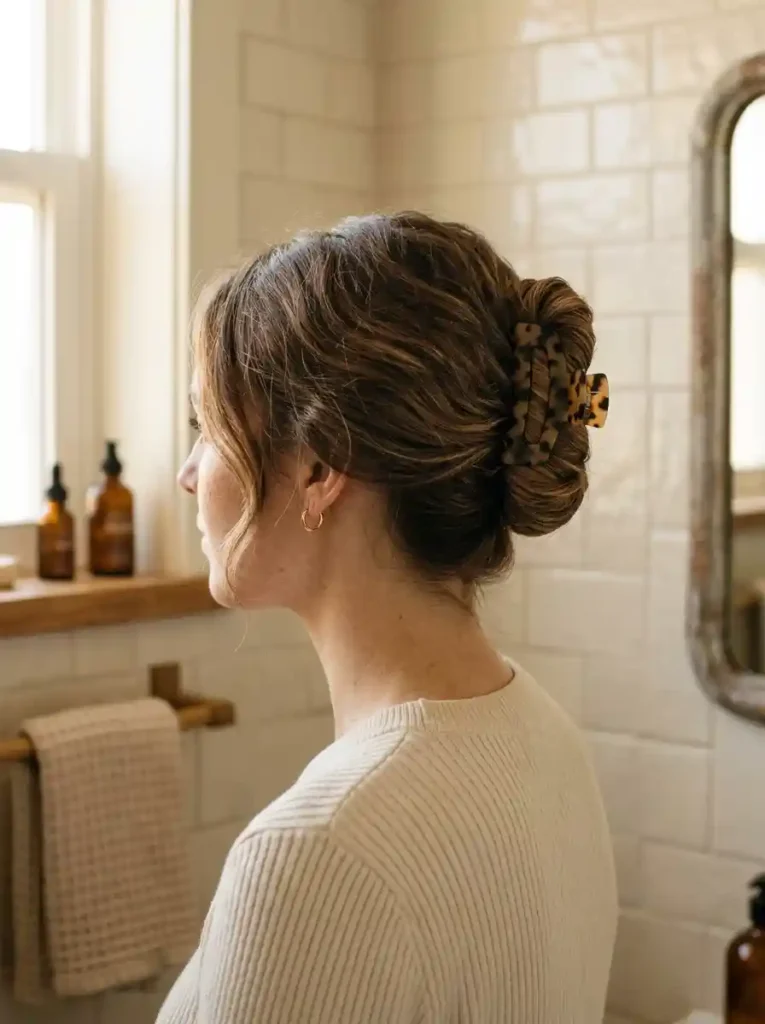
The claw-clip twist is one of the easiest ways to bring 90s styling into everyday routines. Hair is gathered loosely and secured upward, leaving the ends tucked or slightly visible. Face-framing strands create softness around the front. This option works well for medium and long hair, especially when you want an intentional style without heat styling. It suits casual outfits, workdays, errands, and relaxed weekends.
Twist the hair upward before securing it, then loosen the crown slightly with your fingertips. Choose a clip that can hold your hair without squeezing painfully. Pro Tip: If your hair slips from clips, lightly roughen the roots with dry texture spray before twisting. Avoid making the twist perfectly tight. A slightly imperfect finish looks more authentic to the relaxed 90s aesthetic and gives the style comfortable movement.
10. Double Mini Buns
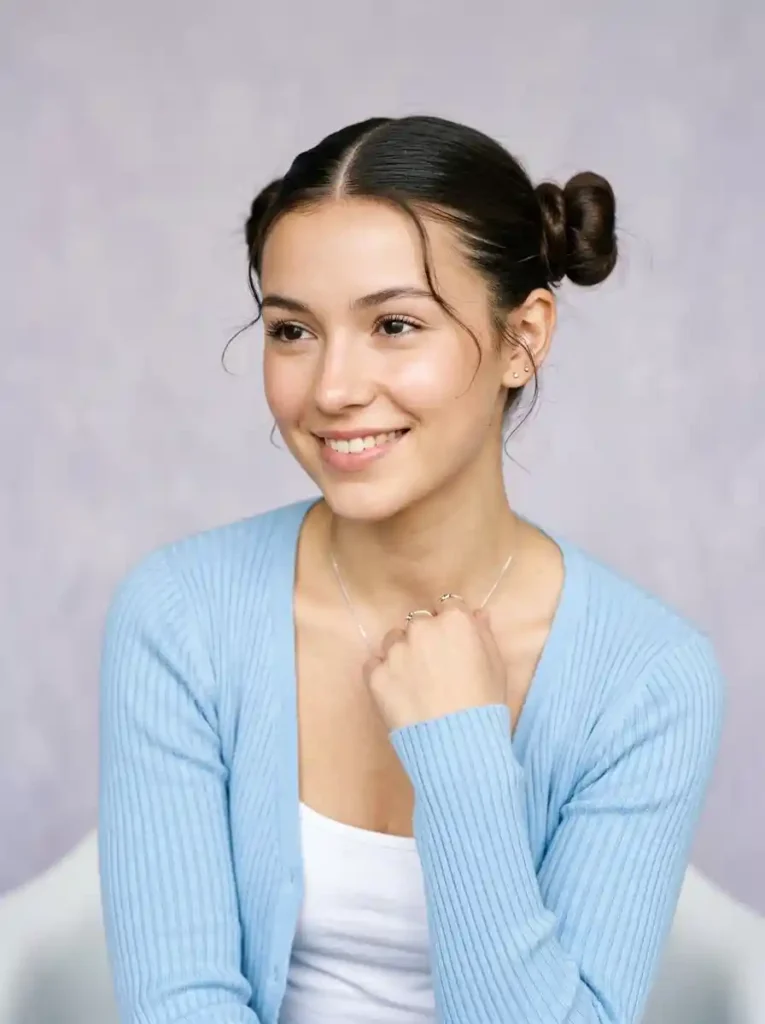
Double mini buns bring a playful side to 90s hairstyle inspiration. Two compact buns sit high or slightly behind the crown, creating a balanced silhouette. The center part adds definition, while small loose strands prevent the look from feeling too severe. This style works best for medium or long hair that can gather securely. It suits festivals, casual outings, themed parties, and anyone who enjoys expressive styling.
Create a clean center part before dividing the hair evenly. Twist each section firmly and secure the buns with small elastics and pins. Leave the edges soft if you prefer a less polished result. Stylist Tip: Placement changes the personality of this hairstyle. Higher buns feel playful, while lower buns create a more understated interpretation. Use a small amount of gel around the part if you want sharper definition without flattening the entire style.
11. Soft Side-Part Layers
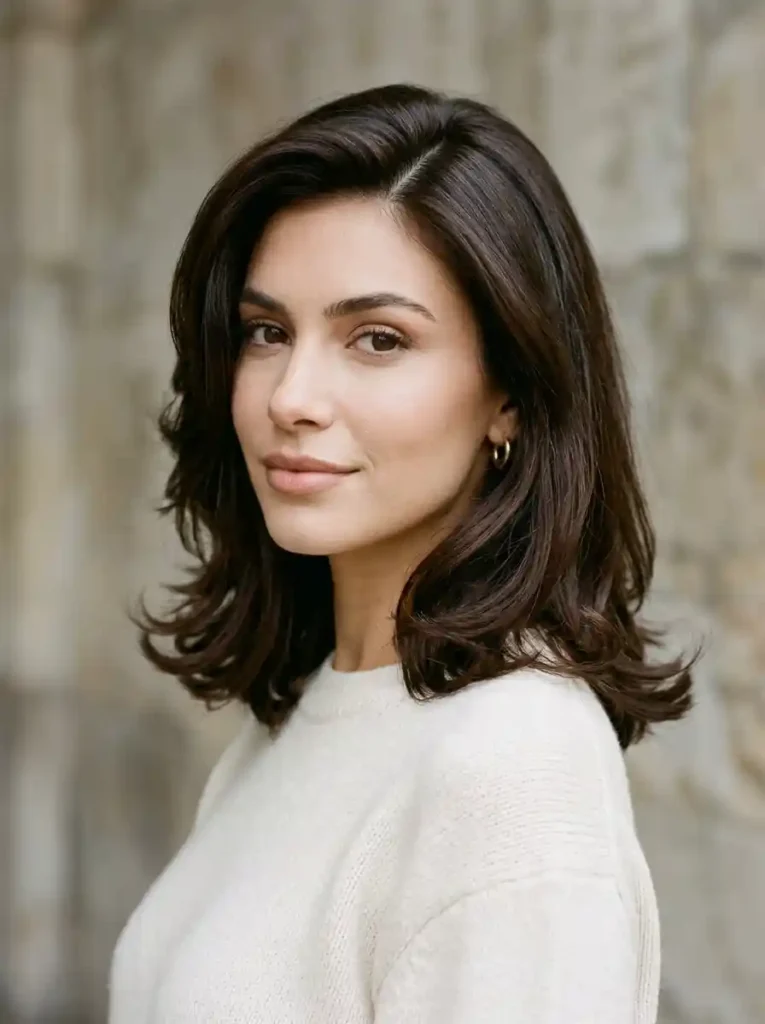
A soft side part can instantly change the mood of a layered haircut. The hair sweeps naturally across the forehead, creating height near the crown and movement through the front. Shoulder-length layers keep the look practical and versatile. This option suits people who prefer volume but do not want dramatic bangs. It can work with straight, wavy, or lightly textured hair, depending on how much smoothing and shaping the finish requires.
Ask your stylist to keep the part flexible rather than cutting the entire haircut around one fixed line. Blow-dry the front upward and backward to encourage lift. Pro Tip: Change the part while your hair is damp, then let it dry into the new direction. This makes styling easier than forcing a dry part into place. A lightweight root spray can add support without creating a stiff finish.
12. Long Shag With 90s Texture
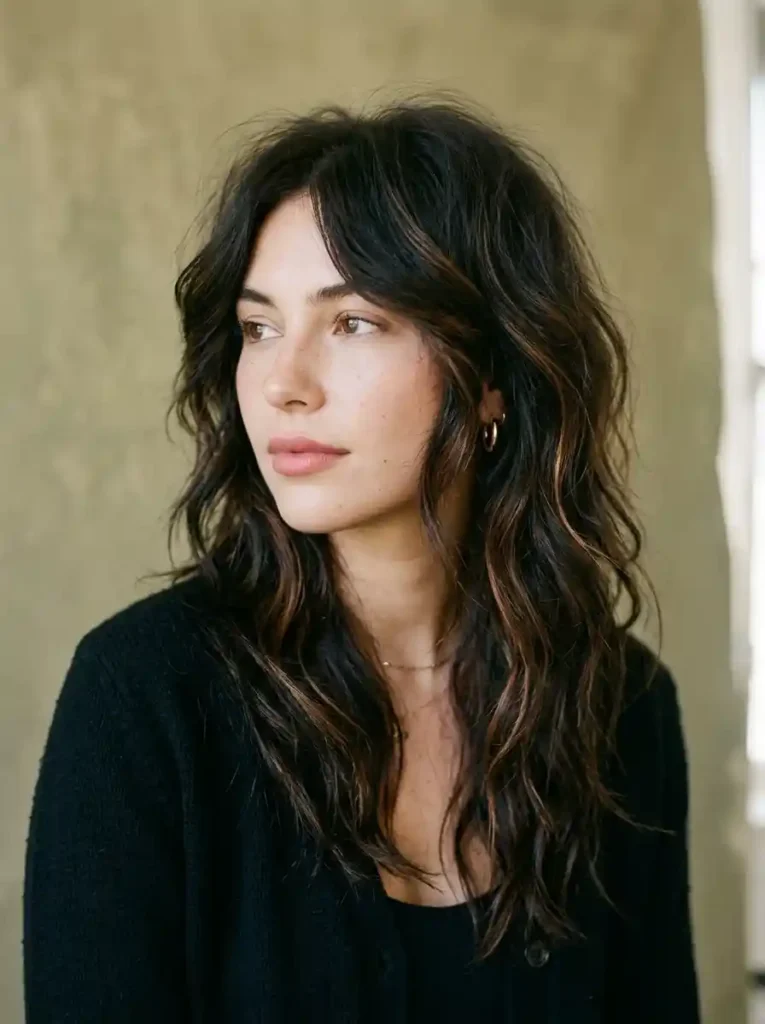
A long shag gives 90s nostalgia a more textured direction. Layers begin higher around the crown and gradually become longer toward the perimeter. The ends look separated rather than perfectly rounded. This creates movement for people who enjoy a relaxed, slightly rebellious finish. The cut works especially well with naturally wavy or textured hair because the existing pattern helps reveal the layers.
Ask for blended shag layers if you want movement without an overly choppy silhouette. Scrunch a lightweight curl cream into damp hair and allow it to air-dry or diffuse gently. Common Mistake: Removing too much weight from already fine hair can make the ends look sparse. Ask your stylist to preserve enough perimeter density. That balance keeps the shag textured while still giving the haircut a healthy, substantial outline.
13. Bubble Ponytail
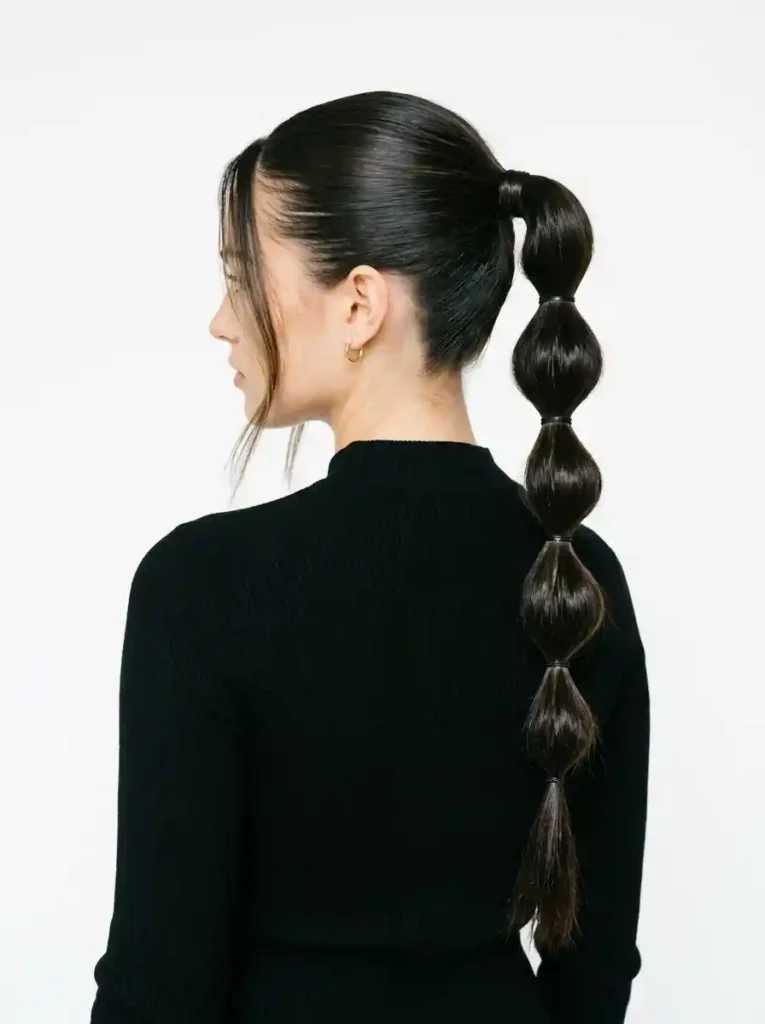
The bubble ponytail turns a simple ponytail into a graphic statement. Several elastics divide the length into rounded sections, creating a chain-like silhouette. Smooth roots keep the look polished while the bubbles add playful texture. This style works best with medium to long hair and can be adapted for casual or dressier settings. It is especially useful when you want an eye-catching look without changing your haircut.
Secure the ponytail at your preferred height, then add small elastics at regular intervals. Gently pull each section outward to create rounded volume. Pro Tip: Use clear or color-matched elastics for a seamless finish. Keep the spacing consistent if you want a polished result. For a softer interpretation, loosen the bubbles slightly and leave a few fine strands around the temples instead of creating a completely sleek hairline.
14. Baby Braids With Loose Hair
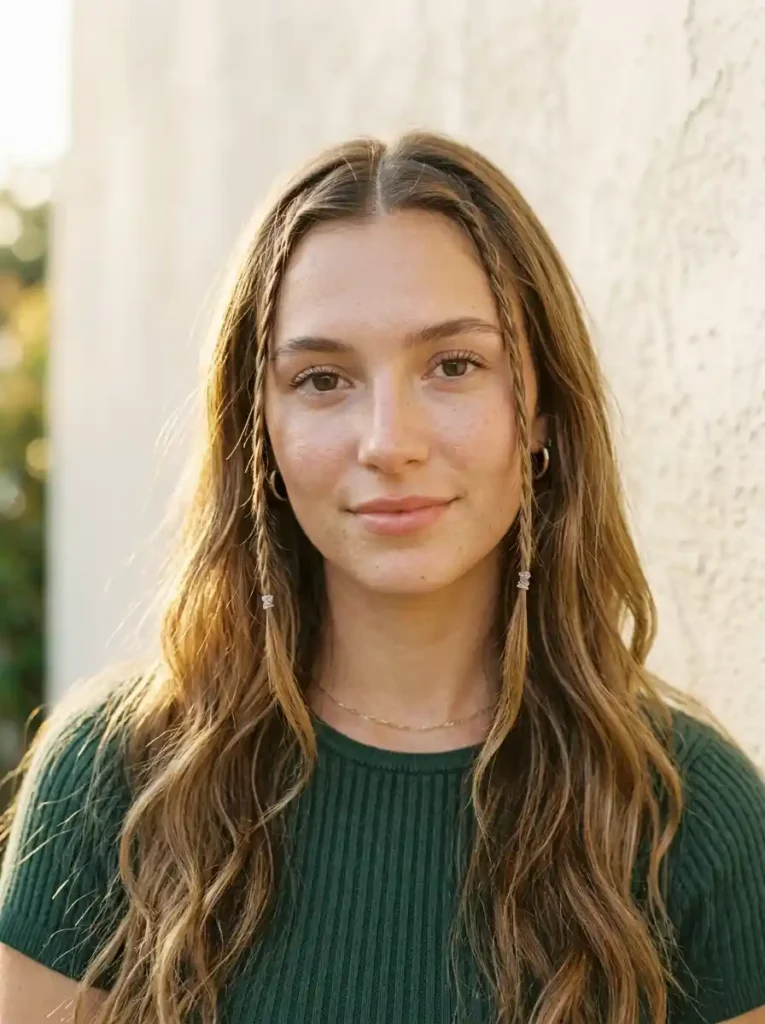
Tiny front braids create a distinctly nostalgic detail without requiring a major haircut. Two narrow braids sit near the temples while the remaining hair stays loose. Waves or gentle bends give the style a relaxed finish. This idea suits people who want a temporary 90s update rather than a permanent change. It also works across many hair lengths as long as the front sections are long enough to braid.
Separate two small sections near the temples and braid them loosely toward the ends. Secure each braid with a tiny elastic that matches your hair color. Stylist Tip: Keep the braids narrow because oversized sections can change the look completely. For extra texture, gently loosen the braid after securing it. Avoid excessive tension around the hairline, especially if you plan to wear the style for several hours.
15. Sleek Low Ponytail
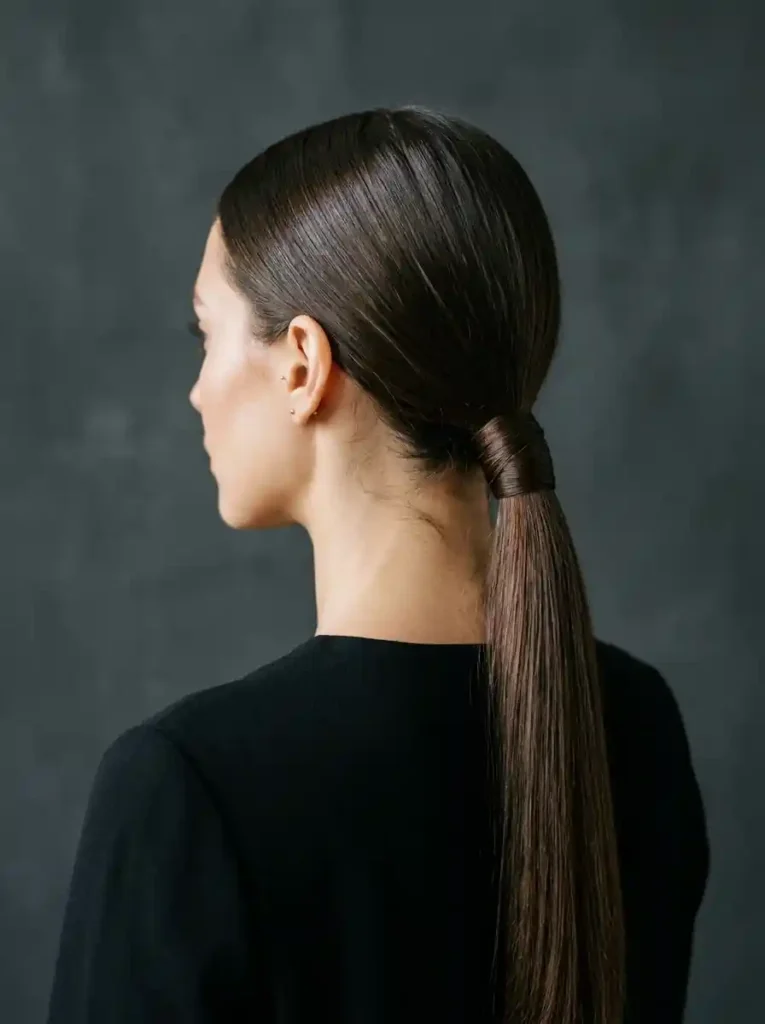
The sleek low ponytail captures the minimalist side of 90s hair fashion. Hair is parted cleanly and gathered close to the neck, creating a simple vertical line through the back. A wrapped section can hide the elastic and make the finish look polished. This style suits straight or easily smoothed hair. It works particularly well for professional settings because the silhouette is neat without requiring elaborate accessories.
Apply a small amount of smoothing cream to damp hair before blow-drying it downward. Use a fine brush to create the center part and gather the ponytail evenly. Common Mistake: Applying too much oil can make the roots appear greasy rather than glossy. Choose a lightweight finishing product instead. If your hair has natural texture, embrace a few soft bends through the ponytail rather than forcing every strand completely straight.
16. Half-Up Mini Pony
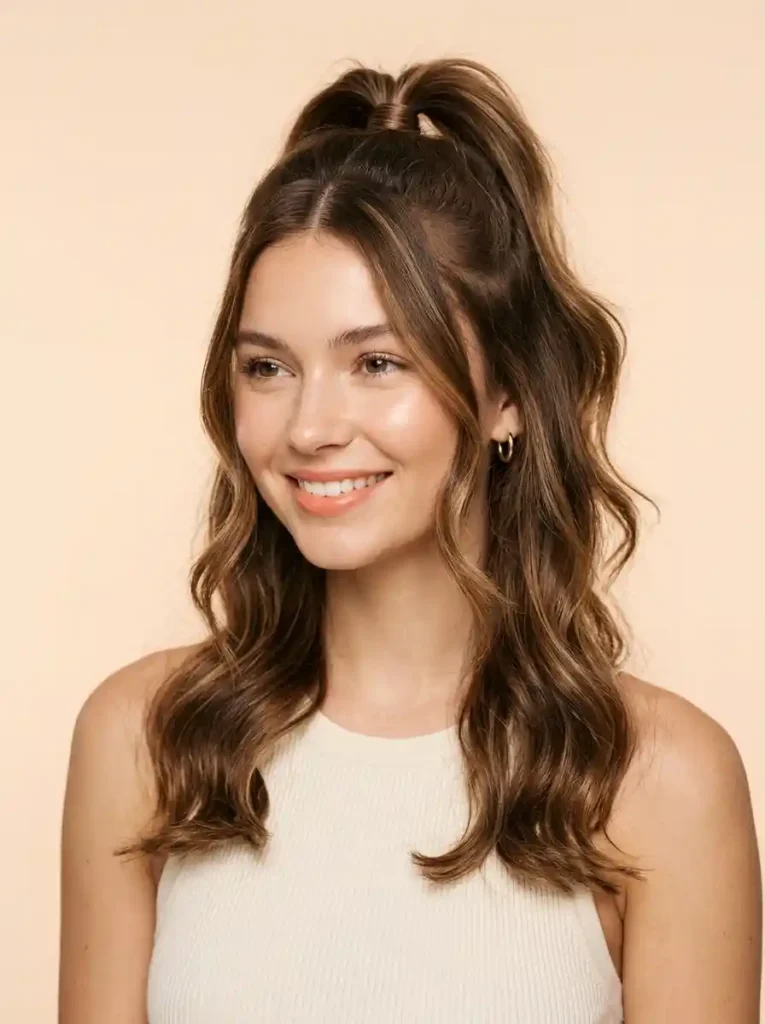
A half-up mini ponytail adds height without pulling all the hair away from the face. The upper section is secured high while the remaining hair falls naturally around the shoulders. This creates a playful silhouette with plenty of movement. It works well with medium and long hair, especially when the lower lengths have natural waves. The style suits casual outfits and gives simple everyday hair a noticeable nostalgic detail.
Gather only the hair above the temples and crown, then secure it high enough to create gentle lift. Leave the lower section loose and lightly textured. Pro Tip: Tease the underside of the upper section very lightly if your hair lacks volume. Avoid aggressive backcombing, which can create tangles and unnecessary breakage. A small scrunchie or fabric-covered elastic can make the ponytail feel softer while maintaining the playful shape.
17. Feathered Face Frame
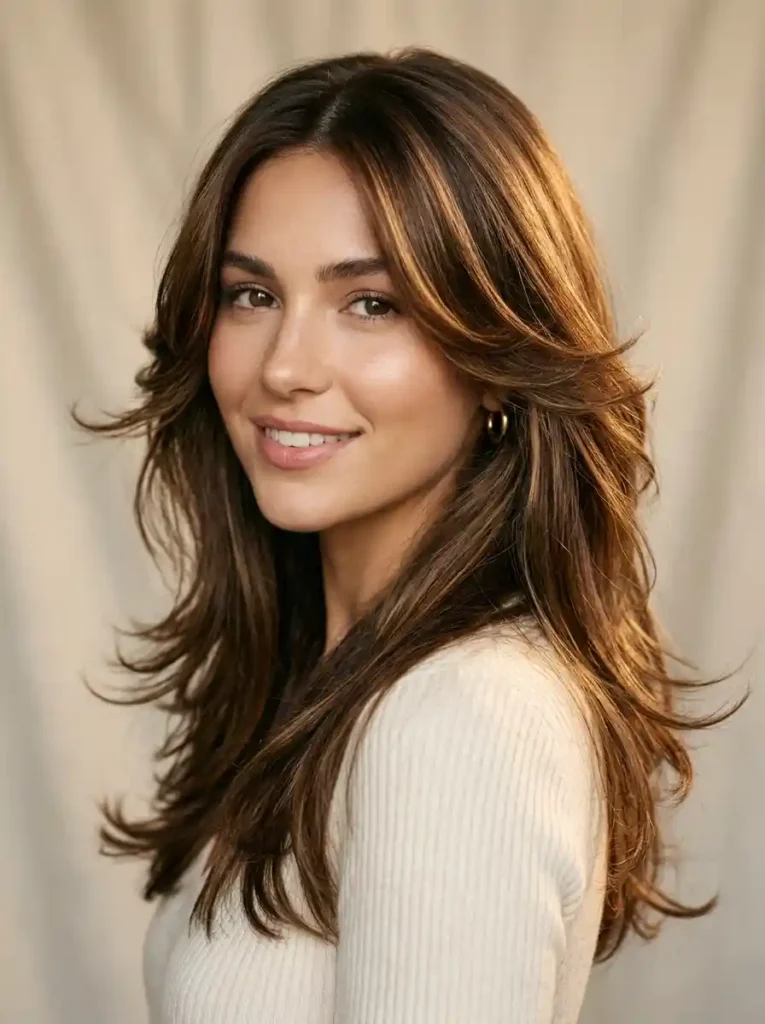
Feathered layers create movement through the front without looking heavily chopped. The sections sweep outward from the face and blend into longer lengths. This gives the haircut a soft, flowing shape that feels unmistakably retro. It suits medium to thick hair particularly well because the layers have enough density to move visibly. People who prefer romantic volume may enjoy this style more than a sharper, geometric haircut.
Use a round brush to direct the front layers away from the face while drying. Keep the brush moving continuously to avoid creating a hard bend. Stylist Tip: Ask for feathering that blends into the sides instead of stopping abruptly. This creates a smoother transition as the hair grows. A flexible hairspray can preserve the direction while keeping the layers touchable and natural throughout the day.
18. Crimped 90s Texture
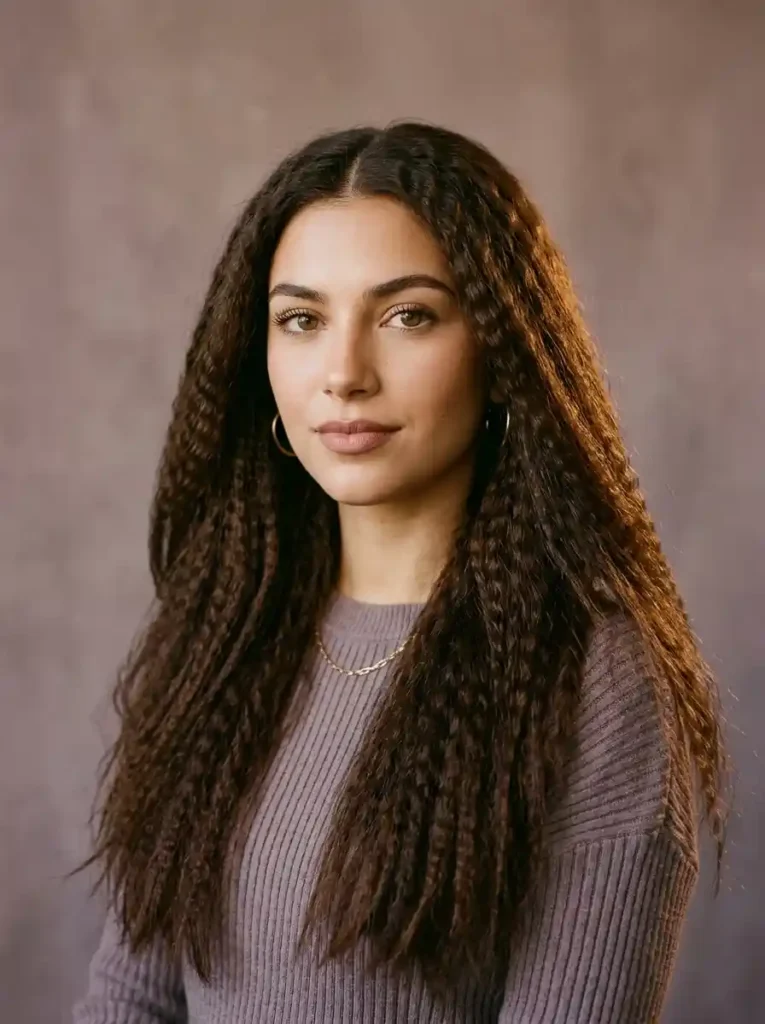
Crimped texture brings strong 90s character to otherwise simple hair. Instead of curls, the hair develops repeated narrow waves that create visible texture and volume. The effect can be subtle or dramatic depending on the size of the crimping tool. Long hair provides enough surface area to showcase the pattern. This idea works for parties, photoshoots, themed events, or anyone wanting a bolder interpretation of nostalgic styling.
Apply heat protectant before creating sections, then work methodically from roots toward the ends. Let each section cool before brushing or separating it. Common Mistake: Crimping every strand with maximum heat can create excessive dryness and stiffness. Try crimping only the underlayers for hidden volume. This gives the hair a fuller appearance while leaving the top layer smoother and more modern.
19. 90s Textured Pixie
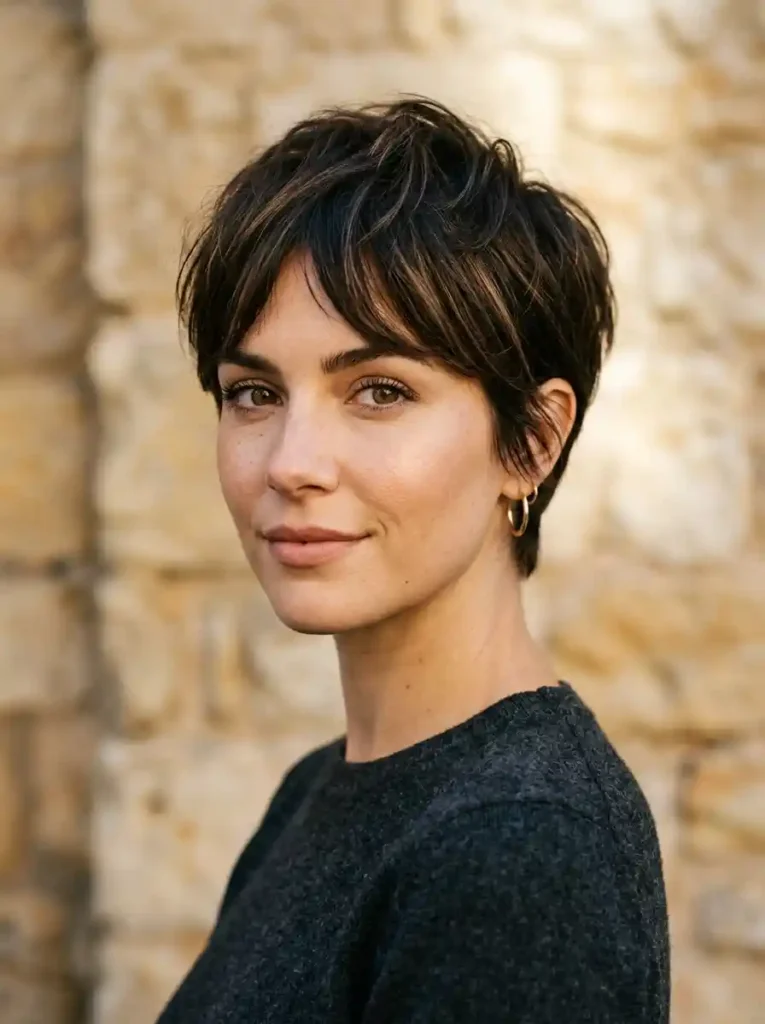
A textured pixie offers a short interpretation of 90s hairstyle inspiration. The sides stay neat while the crown and fringe retain enough length for separation and movement. The shape can look polished or slightly tousled depending on styling. It suits people who prefer short hair and want a haircut with personality. Straight and slightly wavy textures are particularly easy to shape with this silhouette.
Ask for a tapered outline with longer pieces through the top. Work a small amount of matte styling paste through dry hair using your fingertips. Pro Tip: Product placement matters more than product quantity. Concentrate it on the crown and fringe rather than coating the entire head. Schedule trims when the tapered shape starts losing definition. Keeping the perimeter controlled allows the longer top layers to remain the visual focus.
20. Low Twin Pigtails
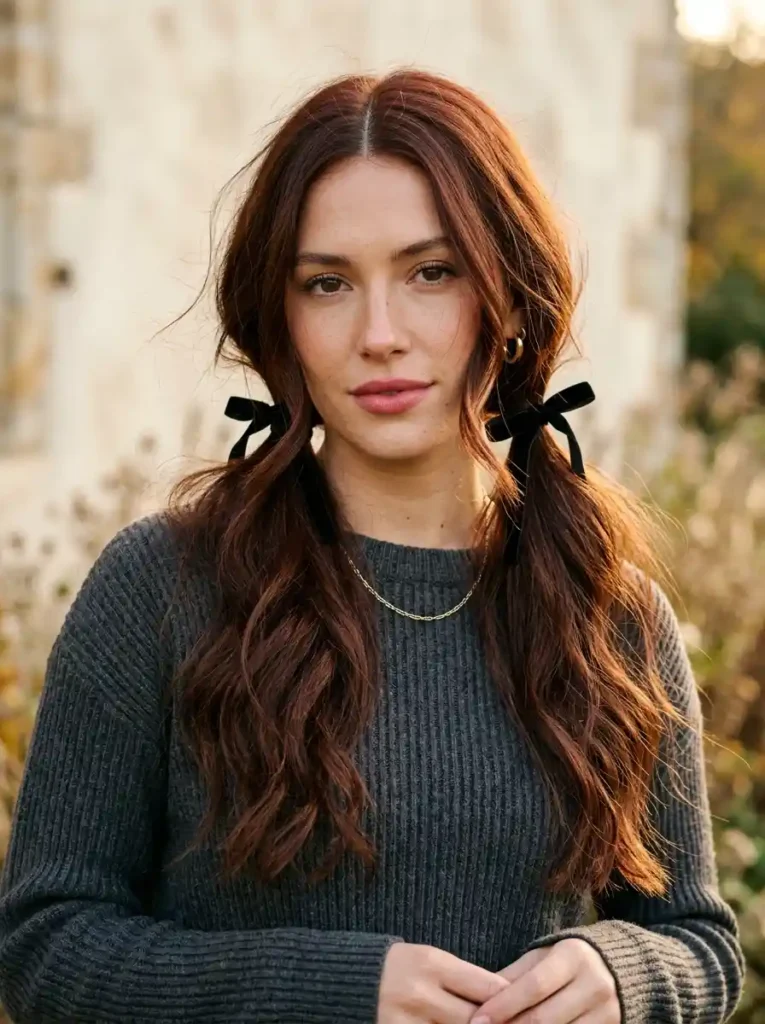
Low twin pigtails offer a playful but softer take on 90s styling. The hair is divided evenly and secured near the nape, allowing the lengths to fall naturally. Loose strands around the face keep the look relaxed rather than childish. Long and medium hair can both work well with this shape. The style is useful for casual days, nostalgic outfits, festivals, and simple photos where you want a recognizable retro detail.
Create a clean center part before dividing the hair into equal sections. Secure each side at a similar height so the silhouette remains balanced. Stylist Tip: Choose soft fabric ties when you want a relaxed finish. If your hair is very straight, add loose bends before securing the pigtails. This creates movement through the lengths and prevents the style from looking overly flat or rigid.
21. Rounded Shoulder-Length Cut
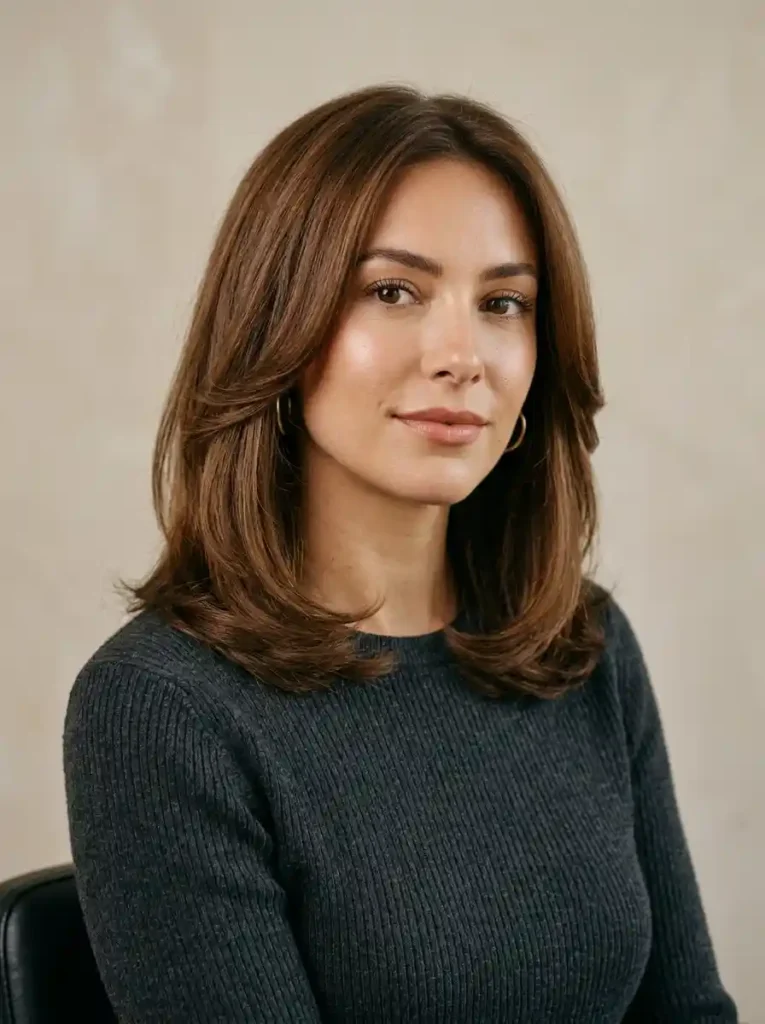
A rounded shoulder-length cut balances volume, movement, and manageable length. The ends curve softly around the shoulders instead of falling in a sharp line. Subtle layers help the shape retain lift without creating a heavily textured appearance. This option suits people who want a polished haircut that remains practical. It can work particularly well with medium-density hair because the rounded outline keeps the style looking substantial.
Ask for gentle internal layers and a softly rounded perimeter. Blow-dry the hair with a medium or large round brush to encourage the curved silhouette. Common Mistake: Over-layering the lower half can make the shape lose its fullness. Tell your stylist if maintaining density through the ends is important. A small amount of smoothing cream can enhance shine without removing the volume that defines this nostalgic haircut.
22. Spiky 90s Updo
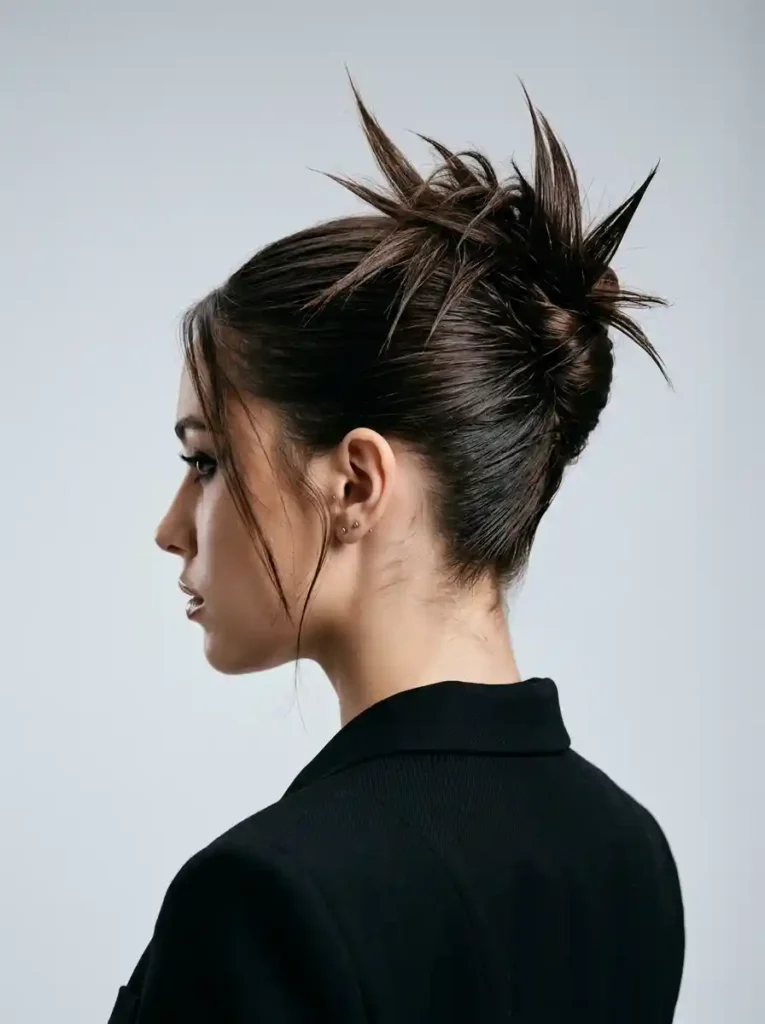
The spiky updo represents the edgier side of 90s hairstyle trends. Hair is pulled upward and secured, while selected ends remain pointed and visible. Smooth sides contrast with the textured crown, creating a graphic shape. This idea suits people who enjoy bold styling and want something more distinctive than a traditional bun. It works best when the hair has enough length to secure but does not need to reach the waist.
Gather the hair tightly toward the crown and secure it before shaping the exposed ends. Use a flexible gel or styling wax to separate individual spikes. Pro Tip: Build the structure first, then refine the ends. Adding too much product at the beginning can make the entire style heavy. Keep a few small strands loose around the ears if you want the updo to feel less severe and more wearable.
23. Soft Curly 90s Layers
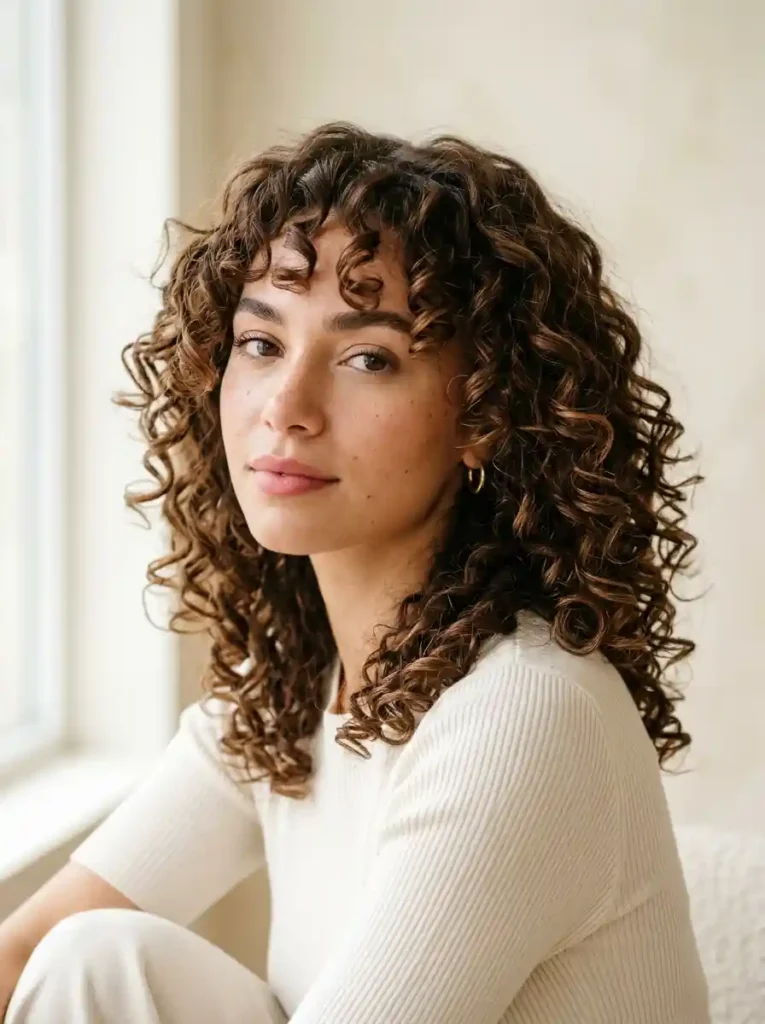
90s-inspired layering can work beautifully with naturally curly hair when the shape respects the curl pattern. Rounded layers give curls room to expand while keeping the overall silhouette balanced. Face-framing sections can add definition without forcing the hair into a straight style. This option suits people who want nostalgic volume while embracing their natural texture. It can work across several curl patterns when the haircut is adjusted for shrinkage.
Discuss your natural curl behavior with your stylist before choosing the shortest layer. Curly hair can appear significantly shorter when dry, so cutting decisions should account for shrinkage. Stylist Tip: Shape the hair according to its natural pattern instead of copying a straight-hair reference exactly. Use a curl-friendly leave-in product and diffuse gently if extra volume is desired. Avoid excessive brushing once the curls have formed.
24. Ribbon-Tied Half-Up Style
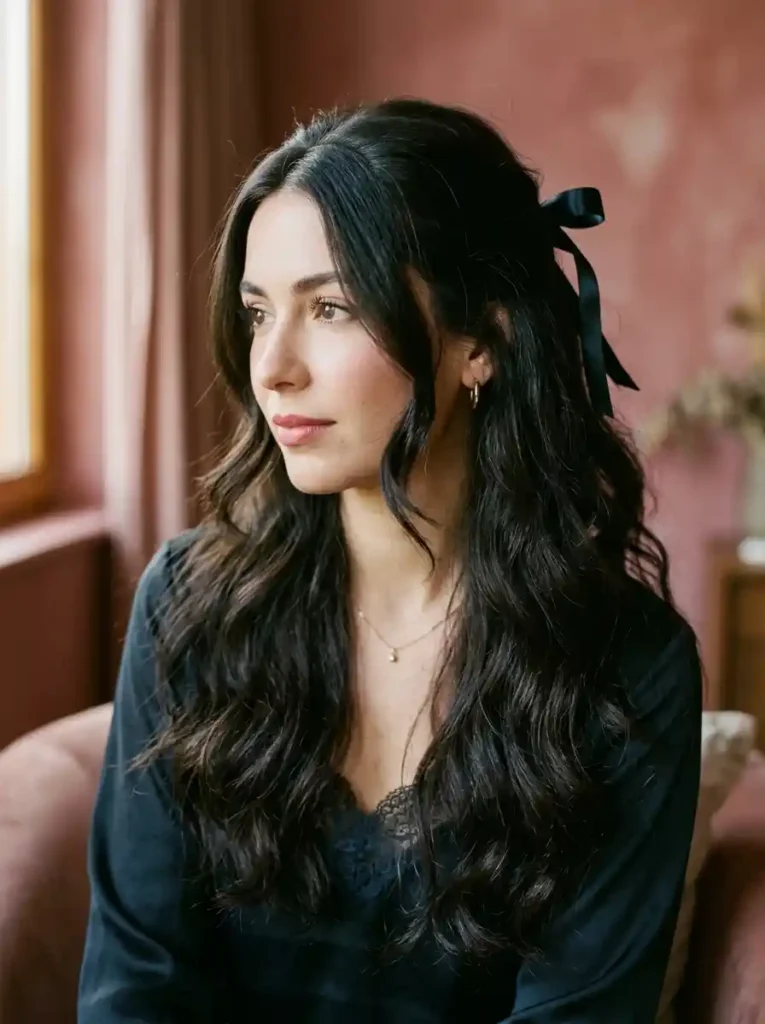
A ribbon-tied half-up style adds a delicate accessory to classic 90s hair. The upper section is gathered away from the face while the lower lengths remain loose and softly textured. A narrow ribbon provides the nostalgic detail without overwhelming the haircut. This style suits medium and long hair, especially for dinners, celebrations, portraits, or romantic outfits. It offers an easy way to change your look without cutting or coloring your hair.
Gather the top section loosely and secure it before tying the ribbon around the elastic. Choose a narrow ribbon so the accessory complements rather than dominates the hairstyle. Pro Tip: Add texture to the lower lengths before creating the half-up section. Loose waves help the style hold its shape and give the ribbon more contrast. If your hair is fine, lightly tease the crown before securing the top section.
25. The Classic 90s Supermodel Layers
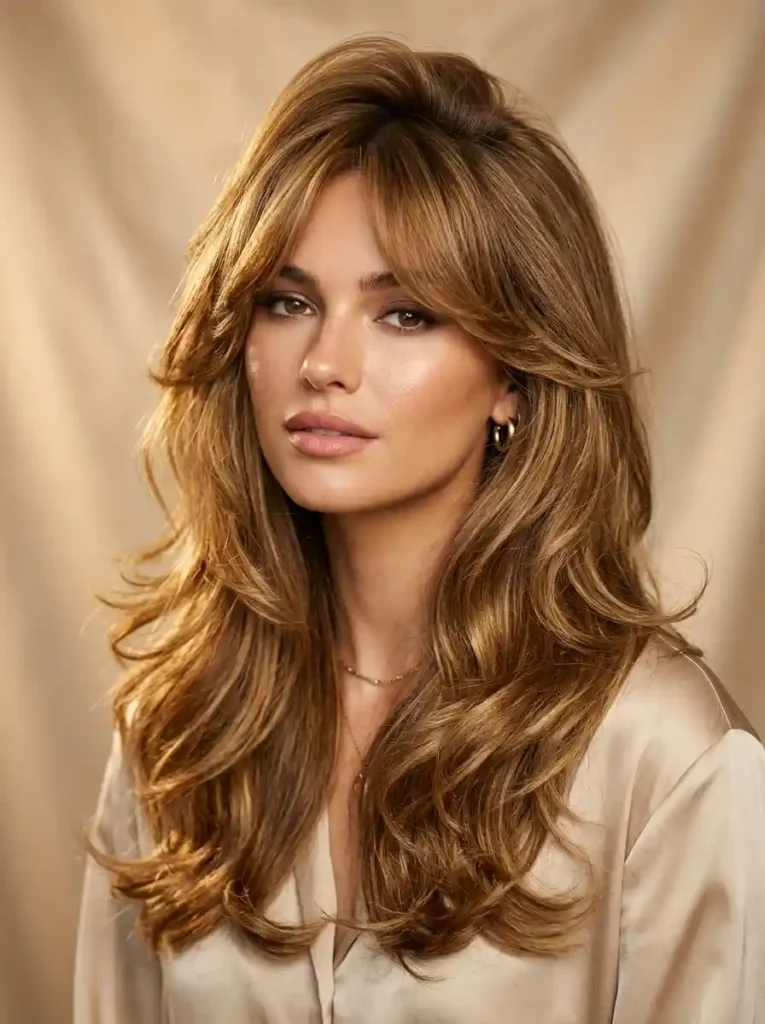
Supermodel-inspired layers combine several signature 90s elements into one glamorous haircut. The shape includes volume at the crown, sweeping face-framing layers, and large movement through the lengths. Soft highlights can emphasize the layered structure without requiring a dramatic color change. This look suits people who enjoy polished styling and noticeable volume. Long hair provides the strongest canvas, but medium lengths can be adapted for a lighter version.
Ask for long layers with shorter pieces around the face and enough weight remaining through the ends. Style with large rollers or a round brush for broad, smooth movement. Common Mistake: Using small curling tools can create curls that look too tight for this style. Choose larger sections and larger barrels instead. Finish by separating the waves gently with your fingers. The goal is flowing volume rather than defined individual curls.
Frequently Asked Questions
What are the most popular 90s hairstyles?
Popular 90s hairstyles include layered blowouts, sleek bobs, curtain bangs, claw-clip twists, feathered layers, flipped ends, and playful updos. The best choice depends on your hair texture and preferred maintenance level.
Are 90s hairstyles good for fine hair?
Yes. Sleek bobs, subtle face-framing layers, and carefully placed blowout layers can work well for fine hair. Keeping enough density through the ends helps prevent a sparse appearance.
Can 90s hairstyles work with curly hair?
Absolutely. Layering can enhance natural curls when the haircut accounts for shrinkage and curl pattern. Rounded layers often provide balanced volume without forcing curls into a straight shape.
How do I make a 90s hairstyle look modern?
Use softer layering, natural texture, subtle color, or less dramatic volume. Modern styling often keeps the original 90s shape while making the finish lighter and more relaxed.
Which 90s hairstyle is easiest to maintain?
Claw-clip twists, low ponytails, baby braids, and simple layered cuts are among the easiest options. Their styling requirements are generally lower than highly volumized blowouts.
Should I bring a reference photo to my stylist?
Yes. A clear reference helps your stylist understand the desired length, layering, texture, and overall shape. Also explain how you normally wear your hair so the cut fits your routine.
Conclusion
The best 90s hairstyles do more than recreate an old trend. They borrow familiar shapes and adapt them to modern hair routines, textures, and personal preferences. You can choose polished layers, a sleek bob, playful accessories, natural curls, or dramatic volume. Start with the haircut that matches your daily routine, then customize the details with texture, bangs, color, or styling. Save your favorite look before your next salon visit.