
Short hair has a way of making your everyday style feel fresh, effortless, and a little more exciting. Whether you’re ready to trade long layers for a chic bob or simply want a new way to wear your current haircut, the right short hairstyle can bring out your features, complement your personal style, and make getting ready feel much easier. The best part? You don’t have to choose a dramatic transformation to enjoy a beautiful change.
From softly textured pixie cuts and timeless French bobs to playful curly crops and modern layered styles, there are plenty of cute short hairstyles for women to explore this year. Some look polished with minimal effort, while others offer room to experiment with volume, texture, accessories, and creative styling.
In this guide, you’ll discover 23 stylish short haircut ideas for different hair textures, face shapes, and lifestyles. You’ll also find practical tips for styling, maintaining your cut, and making each look your own. Whether you prefer a sophisticated finish or a relaxed, tousled appearance, there’s a short hairstyle here to inspire your next salon appointment.
1. The Classic French Bob
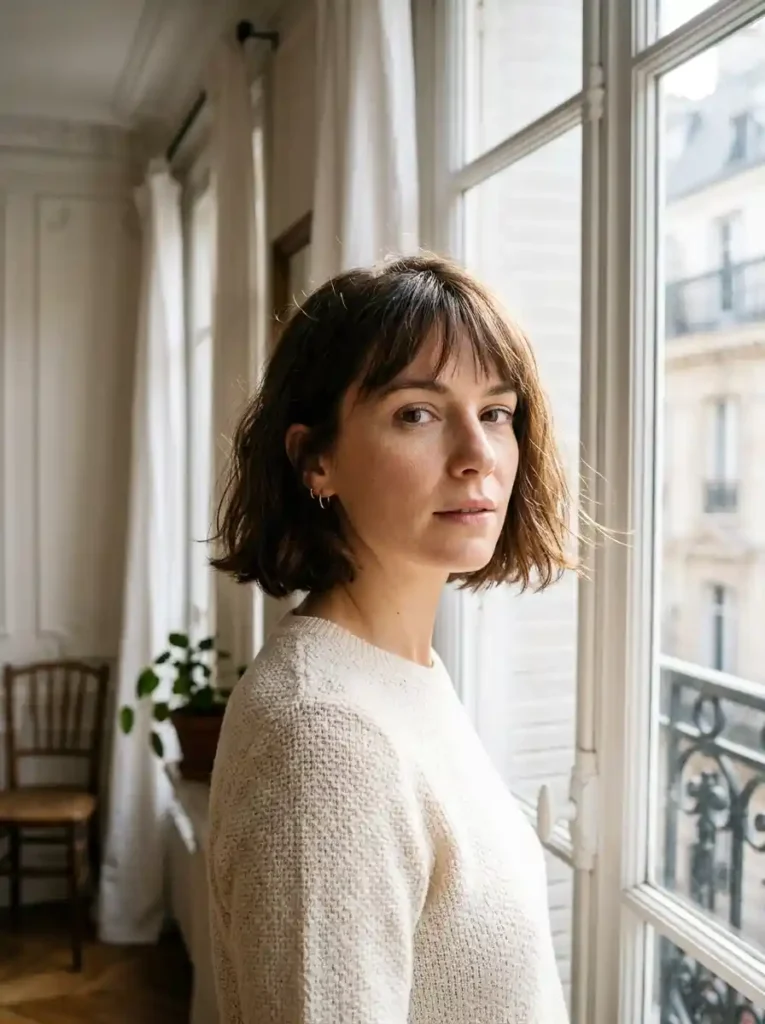
The classic French bob is a beautiful choice if you love haircuts that feel timeless without looking overly polished. Typically cut around the jawline, it frames the face while creating a neat, balanced silhouette. Soft bangs or a slightly uneven fringe add that relaxed, Parisian-inspired character. This style works particularly well on straight and gently wavy hair, although a skilled stylist can adapt the shape for thicker textures by adjusting the weight and layering.
Styling doesn’t need to be complicated. Apply a small amount of lightweight styling cream to damp hair, then blow-dry with a round brush or let natural waves form as your hair dries. Ask your stylist whether a blunt or softly textured finish will suit your density best. Because the ends define this haircut, schedule trims approximately every six to eight weeks to preserve its shape and keep the outline looking intentional.
2. The Textured Pixie Cut
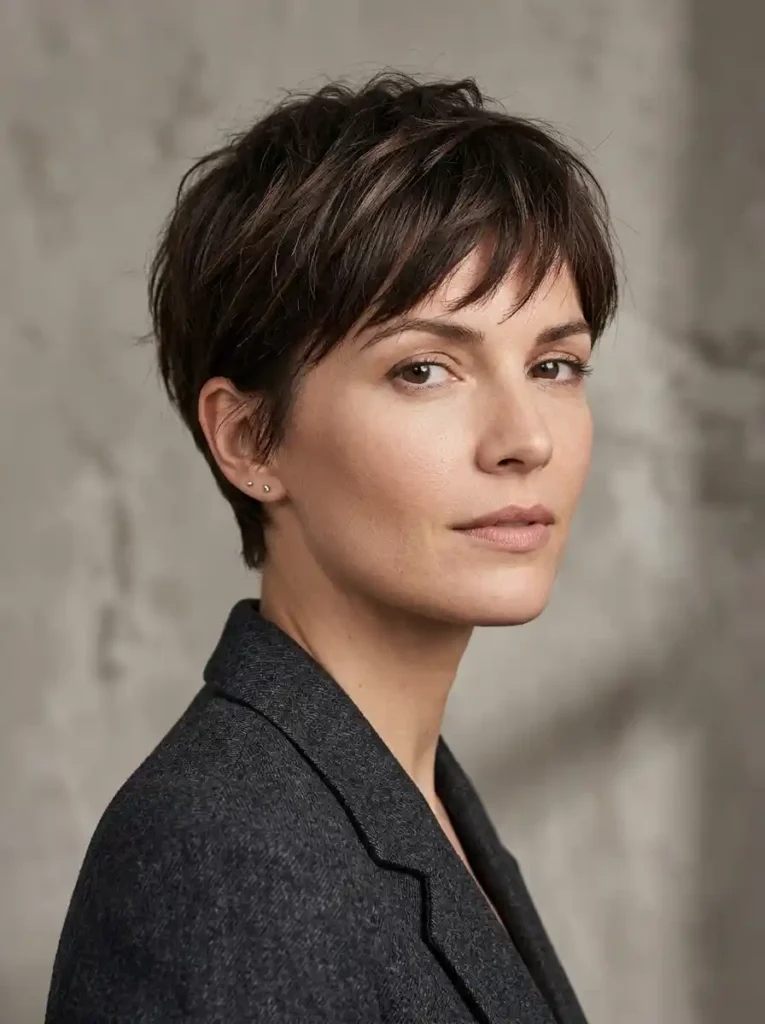
A textured pixie is ideal for women who want a short hairstyle with personality and a defined silhouette. The sides and back are kept relatively close, while the crown remains longer to create movement and dimension. Unlike a very sleek pixie, this version embraces separated pieces and a slightly undone finish. It can be particularly flattering for fine hair because carefully placed layers create the appearance of fullness without requiring a long styling routine.
To style it, work a pea-sized amount of matte paste through dry hair, lifting the roots and separating a few pieces with your fingertips. Avoid using too much product, which can make the haircut look heavy or greasy. Bring inspiration photos to your appointment, especially if you prefer longer fringe or softer sides. A pixie usually benefits from regular maintenance, often every four to six weeks, to prevent the tapered areas from losing their clean shape.
3. The Soft Layered Bob

If you want short hair without the sharply defined edges of a blunt bob, consider a softly layered version. This haircut sits around the chin or slightly below, with delicate internal layers that allow the ends to move naturally. It suits women who enjoy a relaxed, feminine appearance and want their hair to feel lighter around the face. Depending on the placement of the layers, the shape can work beautifully with straight, wavy, or moderately thick hair.
For everyday styling, use a lightweight volumizing mousse at the roots and a heat protectant through the lengths. Blow-dry with a medium round brush, directing the front sections away from your face for a gentle lift. If your hair already has natural movement, scrunching in a small amount of styling cream may be enough. Ask your stylist to avoid excessive thinning if your ends are fine, since too many layers can make the bottom of the haircut appear sparse.
4. The Curly Short Bob
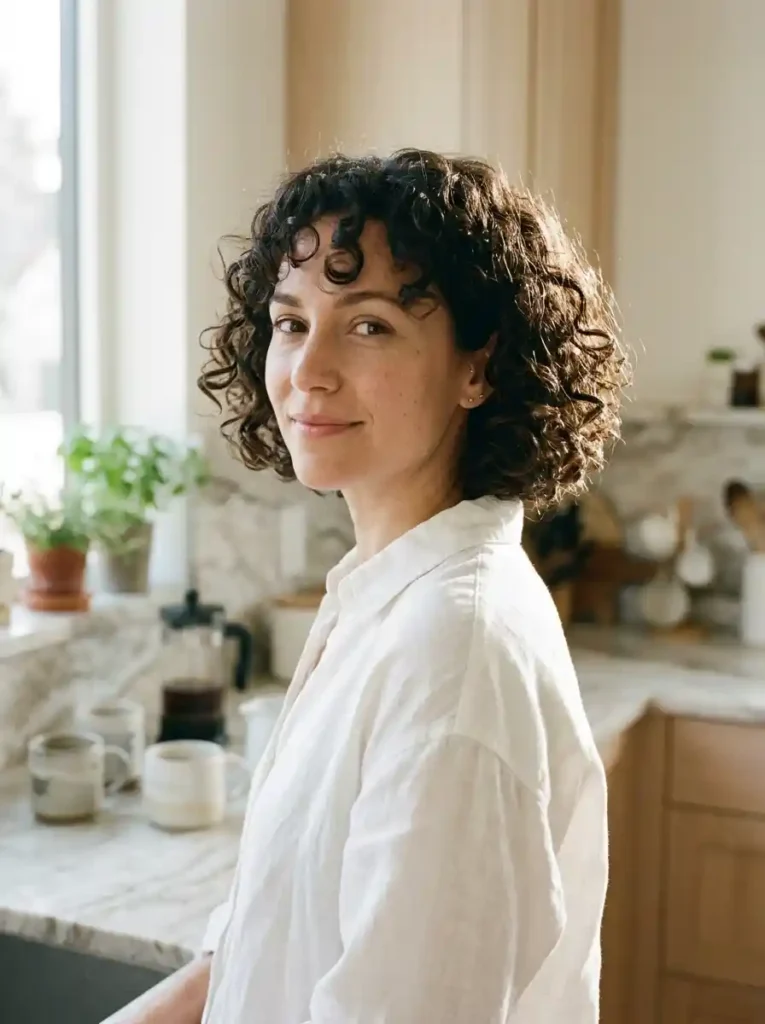
A curly short bob celebrates natural texture while giving curls a shape that feels deliberate rather than bulky. The length usually falls between the cheekbones and jaw, with carefully distributed layers that help the curls form a balanced outline. This cut is especially appealing if you want to reduce the weight of longer hair without losing the fullness that makes curls beautiful. Your curl pattern, shrinkage, and density should guide the final length more than a reference photo alone.
Ask your stylist to assess your curls in their natural state and explain how much shorter they may appear when dry. At home, apply leave-in conditioner and curl cream to soaking-wet or damp hair, depending on your routine, then diffuse on low heat or air-dry. Avoid brushing the curls once dry if you want to preserve their definition. A satin pillowcase and occasional deep-conditioning treatment can also help reduce friction and keep your hairstyle looking soft.
5. The Chic Blunt Bob
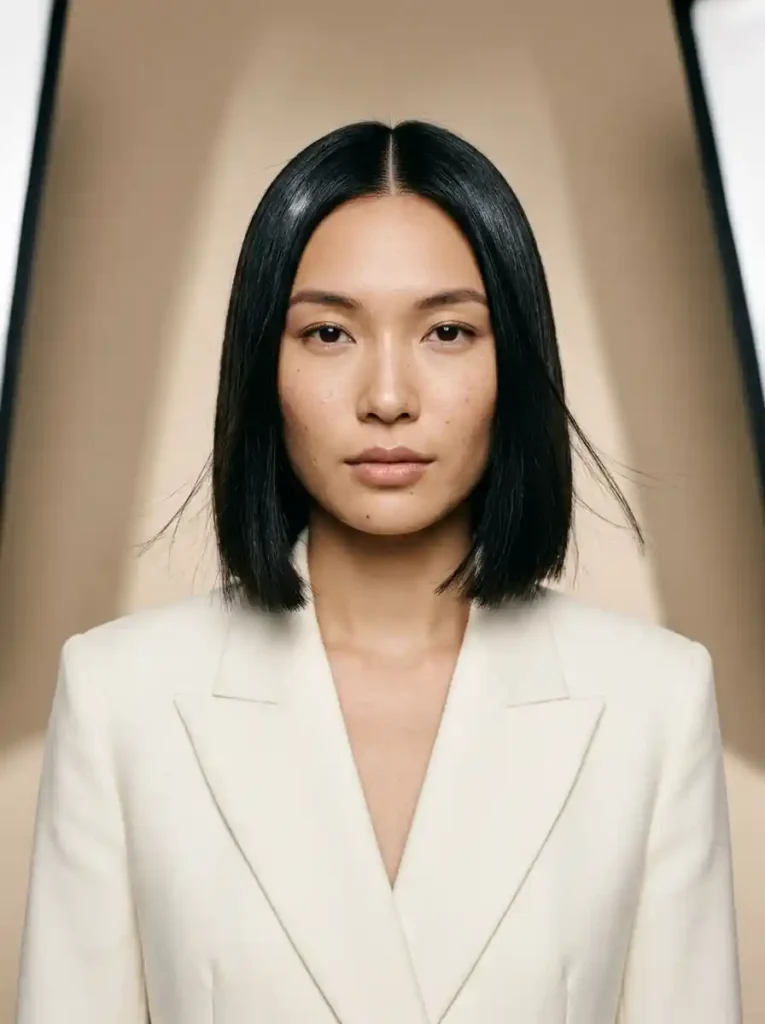
The blunt bob is a strong option for women who appreciate clean lines and a polished appearance. Its defining feature is a relatively even perimeter, which can make fine or medium-density hair look visually fuller at the ends. Worn at chin length or slightly lower, it creates a striking frame around the jaw and neck. A center part gives it a modern feel, while a side part introduces softness and can change the balance of the overall silhouette.
Keeping this haircut smooth is easier when you start with the right preparation. Apply heat protectant, then blow-dry in small sections using a paddle brush or round brush. A flat iron can refine the finish, but use moderate heat and avoid repeated passes over the same section. If your hair naturally curls or waves, discuss the amount of daily styling you’re comfortable with before choosing a very precise blunt shape. Regular trims help maintain the clean line that makes this cut distinctive.
6. The Side-Swept Pixie
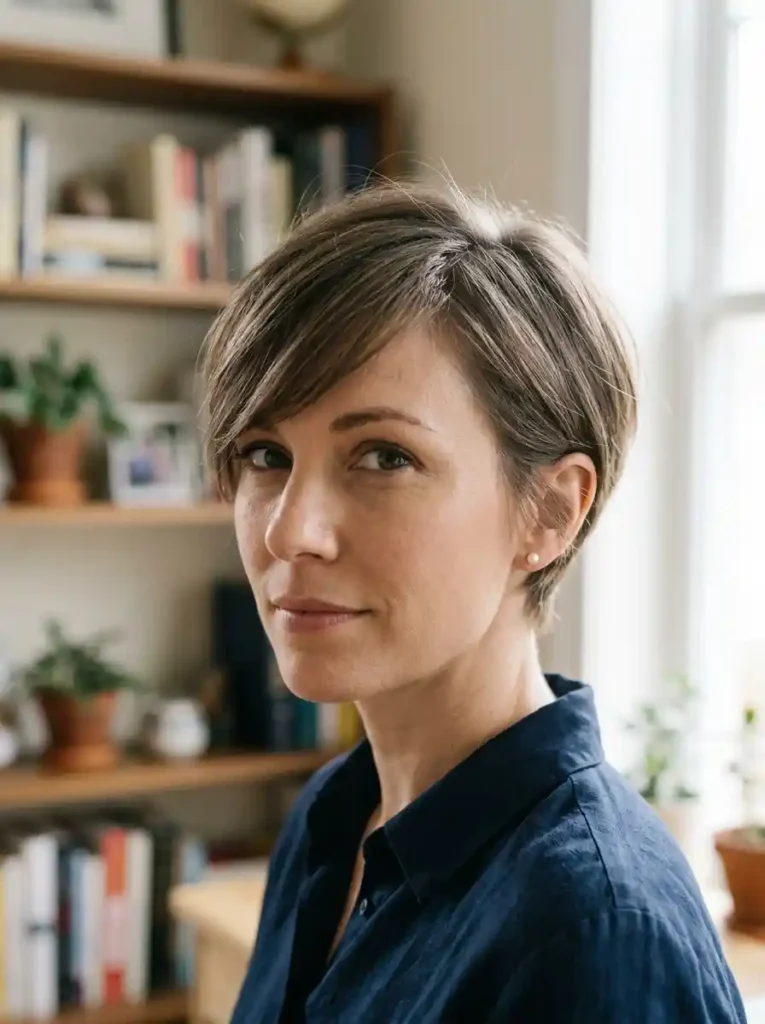
A side-swept pixie offers the convenience of short hair while retaining a softer, more flexible fringe. The longer front section draws attention toward the eyes and can create an appealing diagonal line across the forehead. This makes it a useful option if you want a pixie that feels less exposed than a very short crop. It works with many hair textures, although the fringe length and direction should be tailored to your natural growth pattern.
To create the signature sweep, blow-dry the fringe in the opposite direction from where you intend to wear it, then guide it into place with your fingers. This technique can encourage movement and prevent the front from falling flat. Finish with a light styling cream rather than a heavy wax. If you have a pronounced cowlick, show it to your stylist before cutting the fringe. The right starting length can make everyday styling significantly easier and reduce the need for constant adjustment.
7. The Wavy Lob

A wavy lob, or long bob, is a practical choice if you want a shorter haircut without committing to hair above the jawline. The length usually rests between the chin and shoulders, allowing enough room to create ponytails, loose waves, or simple half-up styles. Soft movement keeps the cut from looking too rigid, making it a lovely option for casual outfits as well as more polished occasions. It can also be a comfortable transition from long hair.
Create loose waves with a medium-barrel curling iron, alternating the direction of each section so the result looks less uniform. Leave the last inch or two of the ends relatively straight for a relaxed finish, then brush lightly once the hair has cooled. A texturizing spray adds separation without requiring tight curls. If your hair is very thick, ask for discreet internal layers to reduce bulk; if it’s fine, retain enough weight around the perimeter to preserve fullness.
8. The Shaggy Short Bob
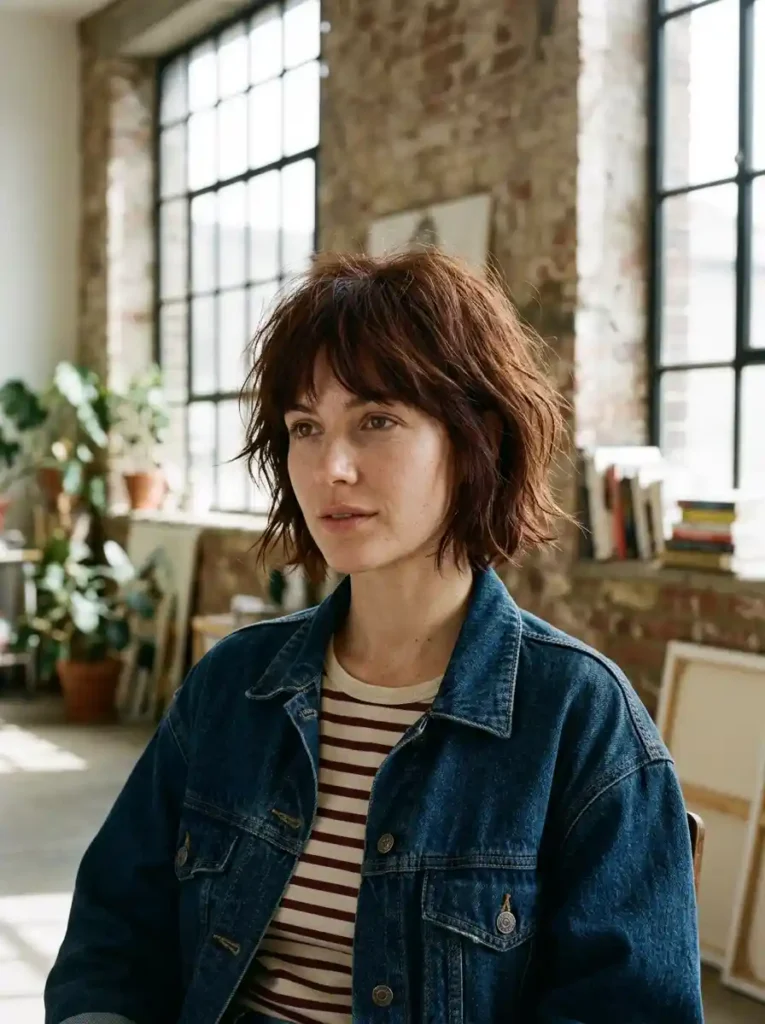
The shaggy short bob is perfect for anyone who prefers texture over a perfectly smooth finish. It combines a bob’s recognizable shape with layered pieces around the crown, sides, and fringe. The result feels casual, slightly rebellious, and full of movement. This haircut often works well on naturally wavy hair because the existing texture helps create its relaxed appearance, but straight hair can also wear it beautifully with a little styling support.
After washing, apply a small amount of mousse or texture cream, then scrunch the hair while it dries. A diffuser can help encourage waves without flattening the crown. If you prefer heat styling, create a few loose bends rather than curling every section identically. Ask your stylist how the layers will sit when your hair air-dries, particularly if you have a strong natural part. Too many short layers can create unwanted bulk, so the placement matters as much as the overall length.
9. The Bixie Haircut
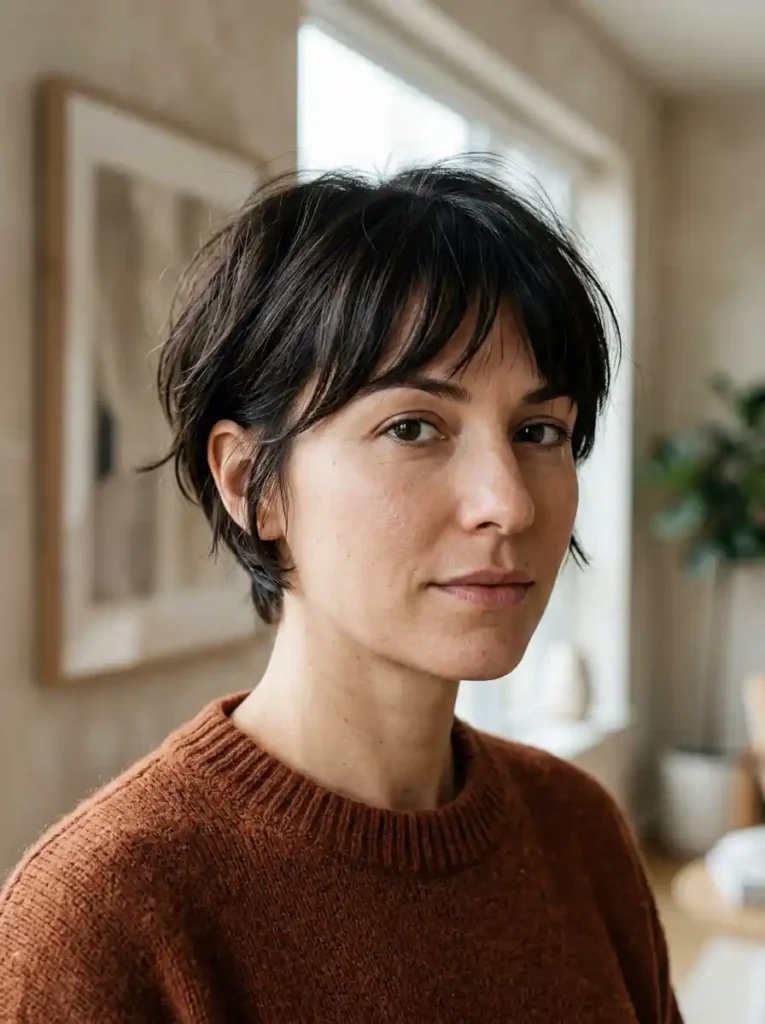
The bixie blends the shape of a pixie with the length and softness of a bob. It usually features shorter sections around the back and sides, while the crown and front remain long enough to create movement around the face. This makes it a useful middle ground if you like short hair but aren’t ready for a traditional pixie. The haircut can feel playful or sophisticated depending on the fringe, texture, and amount of volume.
One advantage of a bixie is its styling flexibility. You can smooth the front for a neat appearance, add texture for a casual finish, or tuck one side behind your ear. Use a lightweight root-lifting product if the crown tends to fall flat, and keep heavier conditioners away from the roots. During your consultation, discuss how the back should sit against your head and whether you prefer a rounded or more piecey finish. Those details determine how distinctly pixie-like or bob-like the final cut appears.
10. The Short Haircut with Curtain Bangs
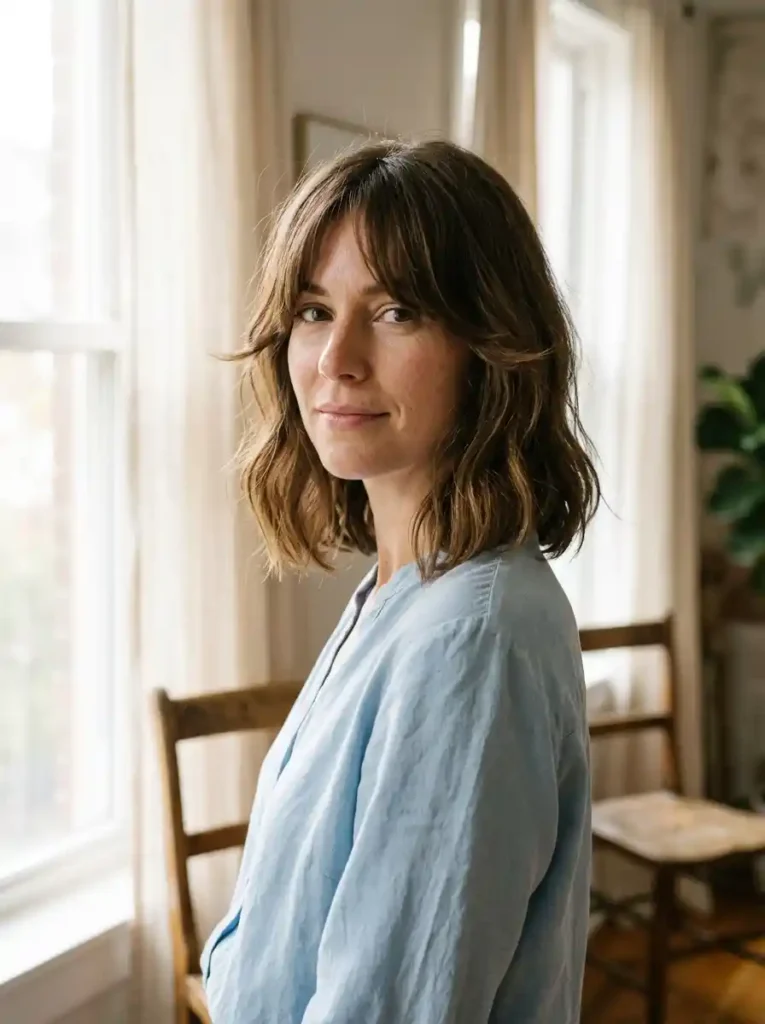
Curtain bangs add movement around the forehead and cheekbones without the commitment of a thick, straight fringe. Paired with a short bob or compact lob, they create a soft frame that can make the entire haircut feel more personalized. The center part allows the bangs to open outward, blending into the side sections rather than creating a hard line. This combination is especially appealing if you want a change that feels noticeable without removing much length.
The main styling consideration is directing the bangs away from the face. While the hair is damp, use a small round brush to guide each side outward, alternating the airflow as needed to encourage a natural bend. A lightweight styling spray can help the fringe hold its shape without becoming stiff. If your hair has a strong cowlick at the front, tell your stylist before cutting. Curtain bangs need enough length and the right graduation to fall naturally rather than separating awkwardly.
11. The Tapered Natural Crop
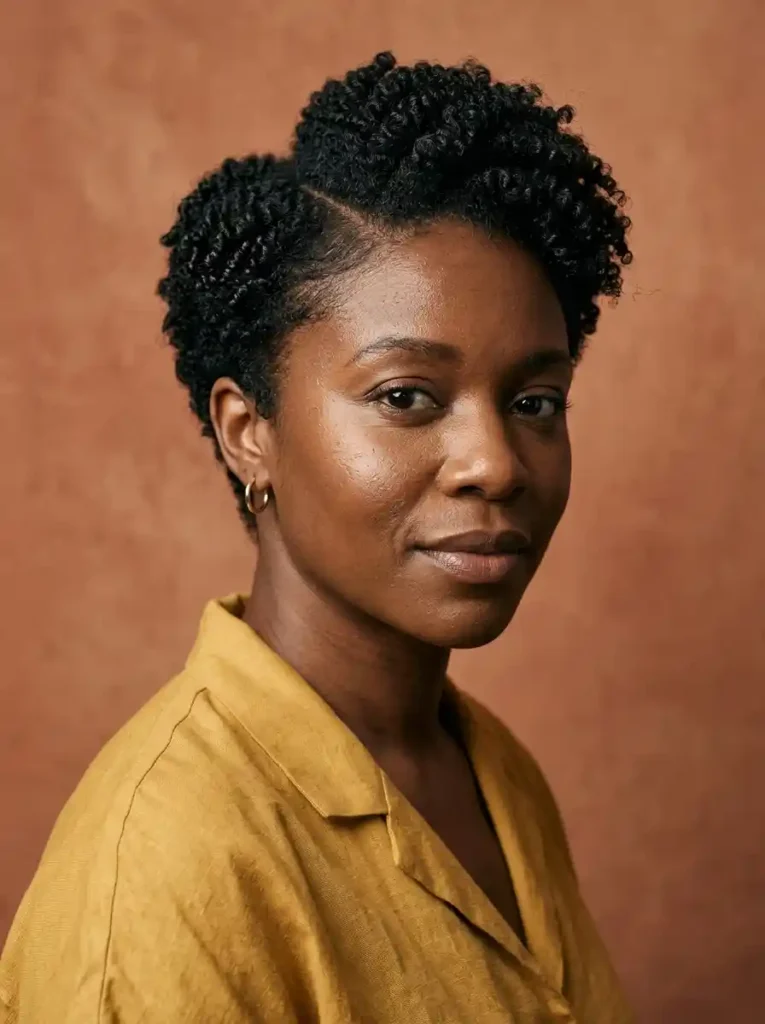
A tapered natural crop highlights the beauty of tightly coiled hair while keeping the sides and nape neatly shaped. The top can remain slightly longer to showcase natural volume, create a rounded silhouette, or accommodate a defined part. This cut is especially useful if you want a shorter routine without sacrificing the individuality of your curl pattern. The shape can be adapted to different densities, from compact and close-fitting to fuller and more sculptural.
Moisture and gentle handling are central to maintaining this style. Apply a leave-in conditioner or moisturizing styling cream suited to your hair, then use a small amount of gel if you want extra definition. A satin bonnet or pillowcase helps reduce overnight friction, while a soft brush can neaten the hairline when appropriate. Ask your stylist how often your tapered sections need reshaping and how to maintain the top between appointments. Your routine should support your hair’s texture rather than force it into an unfamiliar pattern.
12. The Asymmetrical Bob
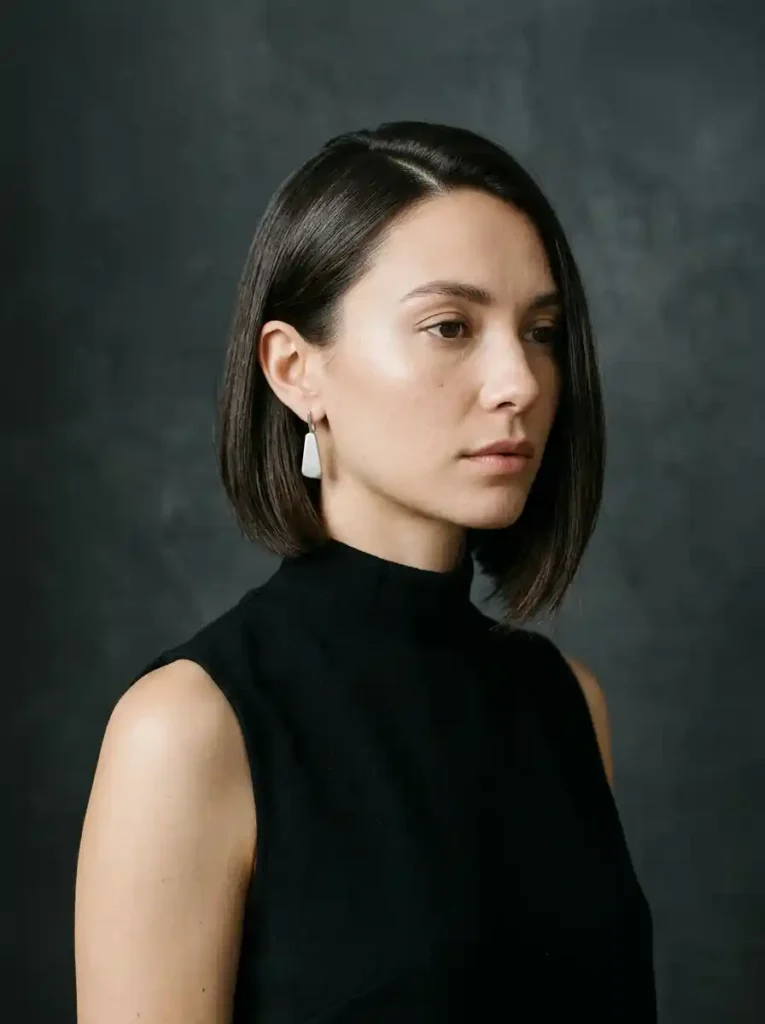
An asymmetrical bob introduces visual interest through an intentionally uneven outline. One side may sit slightly longer than the other, or the difference can be more pronounced for a dramatic, fashion-forward look. This shape is particularly appealing if you enjoy structured haircuts but want something more distinctive than a standard bob. A deep side part often enhances the effect, although the precise angle should be chosen to complement your hairline and preferred styling direction.
Because the cut relies on its outline, precision matters. Ask your stylist to show you how the asymmetry looks from the front, side, and back before deciding on the degree of difference. For a sleek finish, blow-dry with a paddle brush and use a small amount of smoothing serum through the ends. If you have naturally wavy hair, consider how much the shape changes when your texture returns. A slightly softer asymmetry may be easier to maintain between salon visits.
13. The Wispy Pixie with Micro Bangs
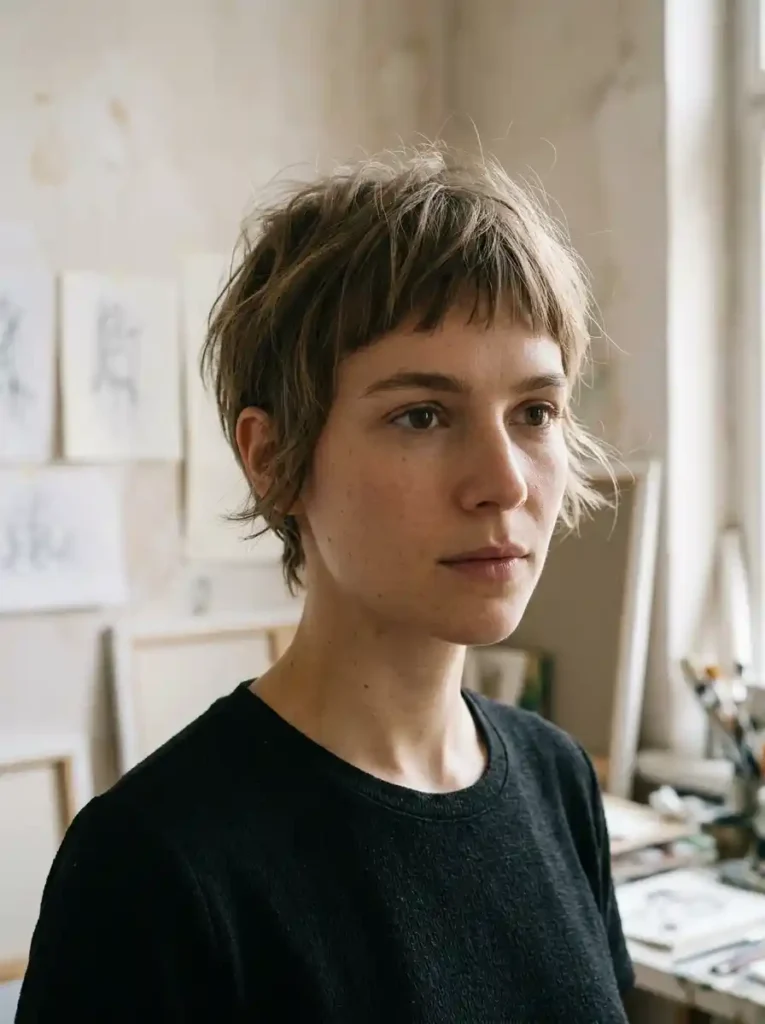
Micro bangs bring a distinctive edge to a wispy pixie, creating a short fringe that highlights the forehead and draws attention to the eyes. The surrounding layers remain soft, preventing the haircut from feeling too severe. This look suits women who enjoy expressive styling and don’t mind a more noticeable fringe. It can work on straight or gently textured hair, but the natural direction of the front sections should influence how short the bangs are cut.
To keep the fringe airy, use very little product and separate individual pieces with your fingertips. A quick blow-dry with a small brush can direct the hair into place, but excessive smoothing may remove the texture that makes this style interesting. Discuss your comfort with forehead exposure before choosing micro bangs, since the length leaves limited room for adjustment. Trims may be needed more frequently than with longer fringes, especially if you want the short line to remain crisp.
14. The Voluminous Curly Pixie
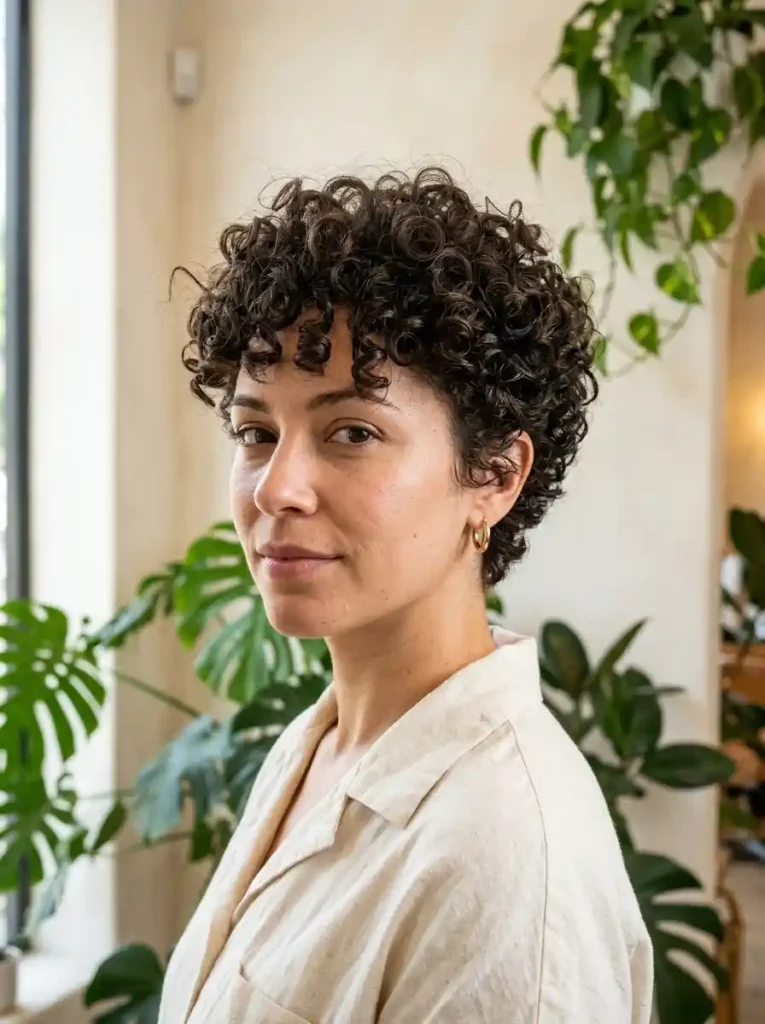
A curly pixie allows natural curls to become the main feature of a short haircut. The sides and back can be kept compact while the top retains enough length to create a rounded, lively shape. This is a wonderful option if you want a style that feels expressive but doesn’t require long lengths to look complete. The right cut can also distribute volume more evenly, helping prevent the sides from expanding while the crown appears flat.
Start styling with damp hair and a curl-enhancing leave-in product, then gently scrunch upward to encourage definition. Use a diffuser on low heat or let your curls air-dry without repeatedly touching them. Once the hair is completely dry, separate a few curls if you want additional fullness. Avoid cutting based solely on wet measurements, because curls can shrink considerably. A stylist familiar with your curl pattern can determine where to remove weight while preserving the silhouette you want.
15. The Sleek Ear-Length Bob

An ear-length bob is a bold but elegant option for women who want their haircut to feel clean and intentional. Ending around the ears, it reveals the neckline and creates a compact silhouette that pairs beautifully with statement earrings, high collars, and tailored clothing. The sleek finish gives it a refined appearance, while a slight side part can soften the geometry. Because the length is relatively short, the shape of the cut becomes a defining part of the look.
For a smooth finish, apply heat protectant before blow-drying and guide the hair close to the head with a paddle brush. A small amount of lightweight serum can control flyaways, but avoid coating the roots. If you wear glasses regularly, bring them to your salon consultation so your stylist can assess how the side sections fall around the frames. This haircut often needs regular trims to maintain its compact outline, particularly if your hair grows quickly at the nape.
16. The Layered Short Shag
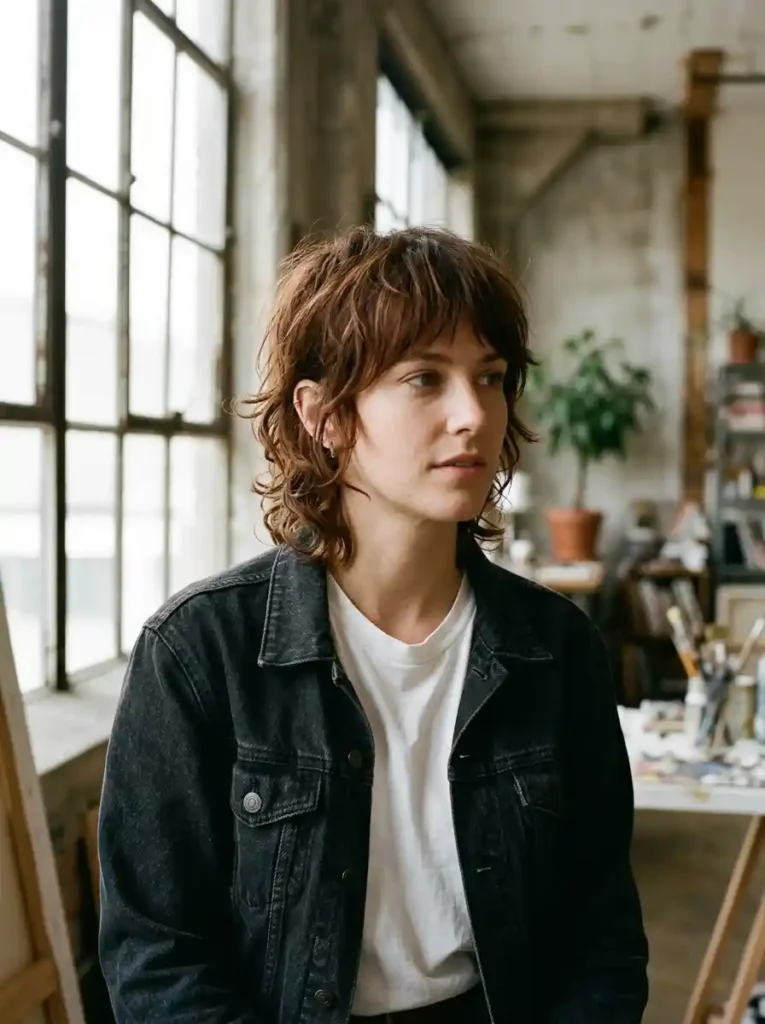
The layered short shag is a great choice if you like hair that looks lively rather than meticulously arranged. Its defining features include shorter crown layers, uneven ends, and a fringe that blends into the sides. Unlike a classic bob, the outline is less uniform, giving the haircut a casual, lived-in quality. It can work especially well with natural waves, although straight hair can benefit from styling products that create separation and movement.
After washing, distribute a small amount of texturizing mousse through the mid-lengths and roots, then dry using your fingers rather than forcing every strand into place. If you use a curling iron, add only a few bends to avoid losing the haircut’s natural irregularity. Ask your stylist to consider your hair density carefully; too many short layers can create excessive volume around the crown. The best shag balances movement with a shape that still feels comfortable and wearable in everyday life.
17. The Chin-Length Bob with Flipped Ends
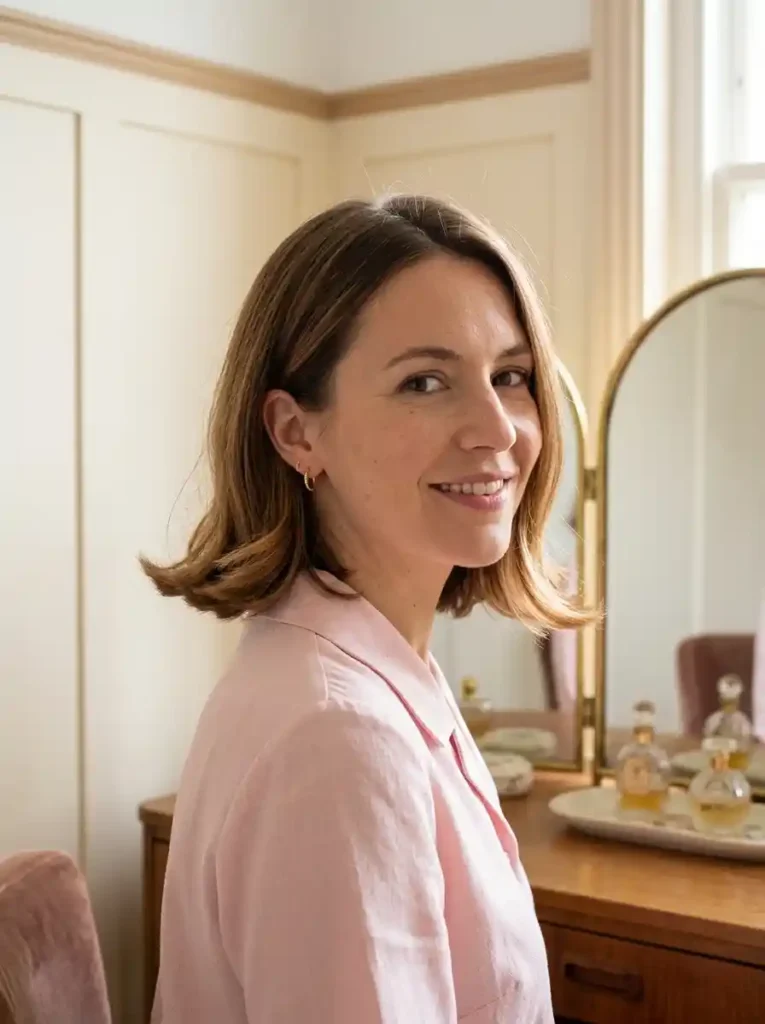
Flipped ends add a playful twist to a chin-length bob without requiring a completely different haircut. The overall shape stays simple, while the ends turn slightly outward to create movement and a subtle retro influence. This look is ideal if you enjoy experimenting with styling but prefer a manageable base cut. It works especially well on straight hair or hair that holds a bend, although a blow-dryer and brush can create the effect on many textures.
To achieve the flip, blow-dry the ends outward using a round brush, or use a flat iron to create a small outward curve. Keep the bend gentle rather than sharply curled for a modern finish. A light flexible-hold spray can help the ends maintain their direction without making the hair stiff. If you want the style to last through a busy day, allow the hair to cool completely before brushing or adjusting the shape. The technique is simple enough for occasional wear or everyday styling.
18. The Short Bob with a Deep Side Part
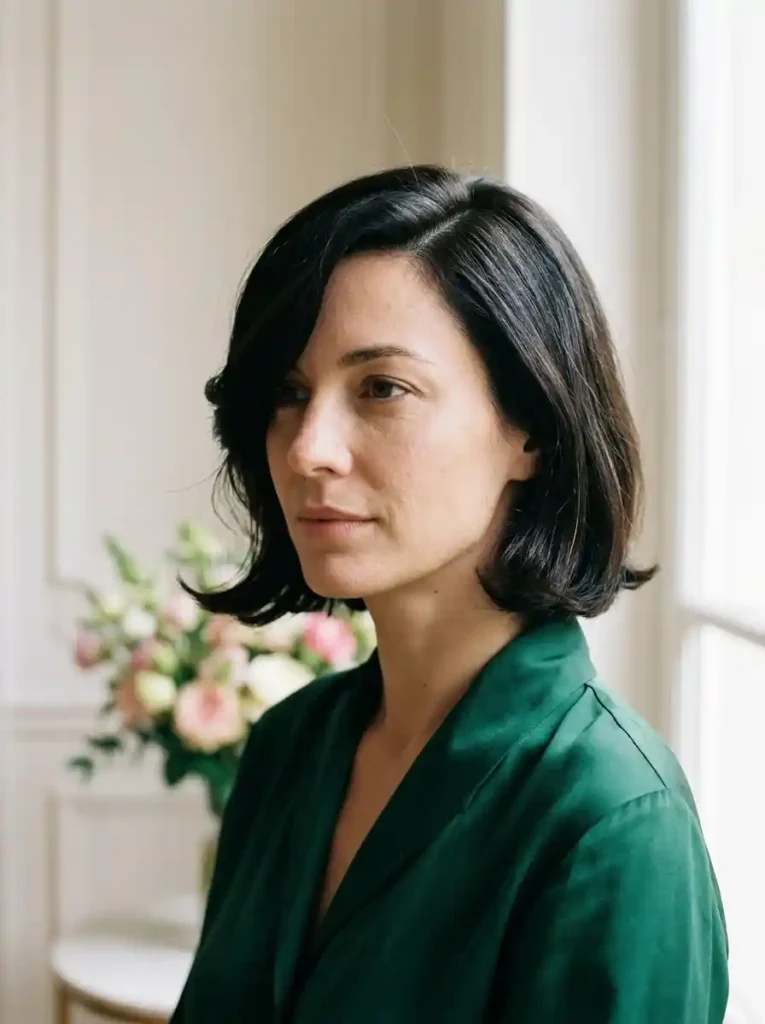
A deep side part can completely change the mood of a short bob. By shifting more hair to one side, it creates asymmetry, movement, and a little extra lift at the roots. This is a useful styling choice if you want a classic haircut to feel more glamorous without adding layers or changing the length. It can also provide a softer alternative to a center part, particularly when the front sections are long enough to sweep across the forehead.
To create the look, establish the part while your hair is damp and blow-dry the roots in the opposite direction before sweeping them into place. This can help prevent the heavier side from falling flat. Use a light volumizing spray if necessary, but avoid excessive teasing, which may make the shape appear uneven. If your hair naturally separates in a different direction, experiment before committing to a permanent part. The beauty of this approach is that you can change it whenever you want a fresh appearance.
19. The Short Feathered Bob
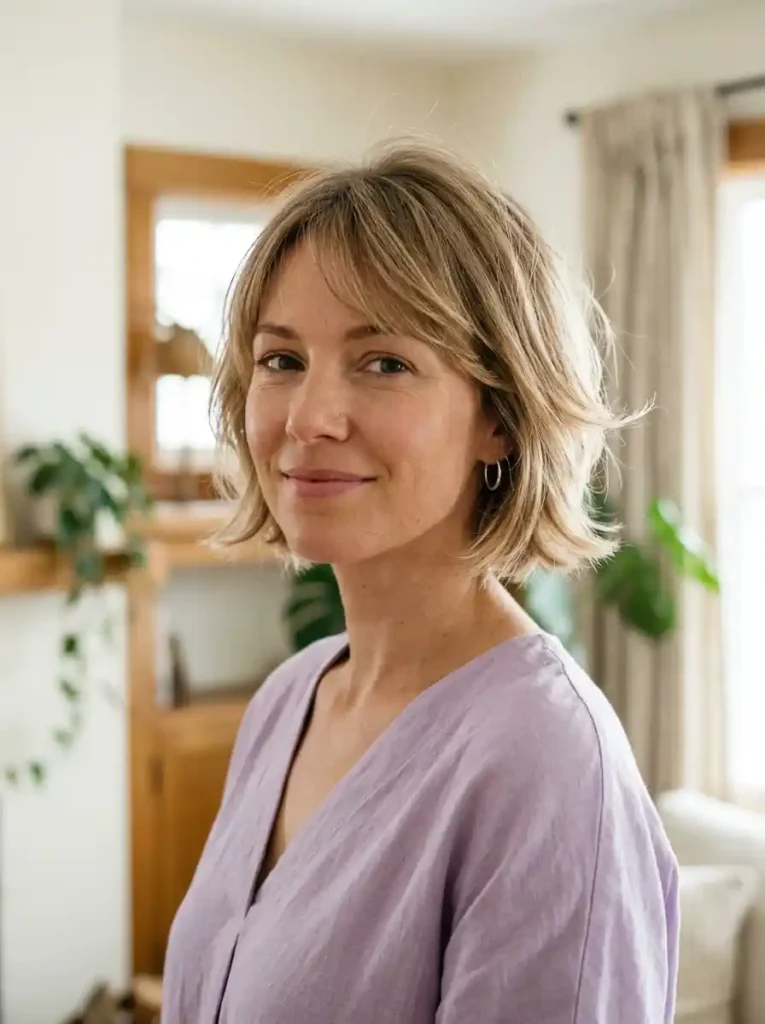
A feathered bob is all about lightness and movement. Instead of ending in a heavy, solid line, the layers are shaped to flow away from the face and create a softer outline. This makes the haircut appealing if you enjoy a polished style with a little bounce. The feathering can be subtle around the cheekbones or more noticeable throughout the crown, depending on your hair density and how much volume you prefer.
For a classic finish, use a round brush to lift the roots and direct the front sections away from your face. A medium-hold styling product can help maintain the shape, but a heavy wax may weigh down the airy ends. If your hair is fine, ask your stylist to preserve enough density through the perimeter instead of removing too much bulk. The goal is to create movement without sacrificing fullness. A light blow-dry technique usually produces a softer result than repeatedly passing a flat iron over every section.
20. The Short Bob with Wispy Bangs

Wispy bangs bring softness to a short bob without the visual weight of a thick fringe. Their lightly separated strands allow glimpses of the forehead, creating a delicate frame around the eyes. Paired with a jaw-length cut, they offer a sweet, approachable look that can be styled casually or dressed up for an occasion. This combination works particularly well if you want to experiment with bangs but prefer a less structured result than a blunt fringe provides.
The key to keeping wispy bangs attractive is avoiding excessive product. Use a small brush to guide them into place while drying, then separate the strands gently with clean fingers. If your forehead becomes oily during the day, a little dry shampoo at the roots may help refresh the fringe. Ask your stylist to leave the bangs slightly longer initially if you’re uncertain about the ideal length. You can always refine them after seeing how they behave with your natural hairline and everyday routine.
21. The Modern Bowl-Inspired Cut
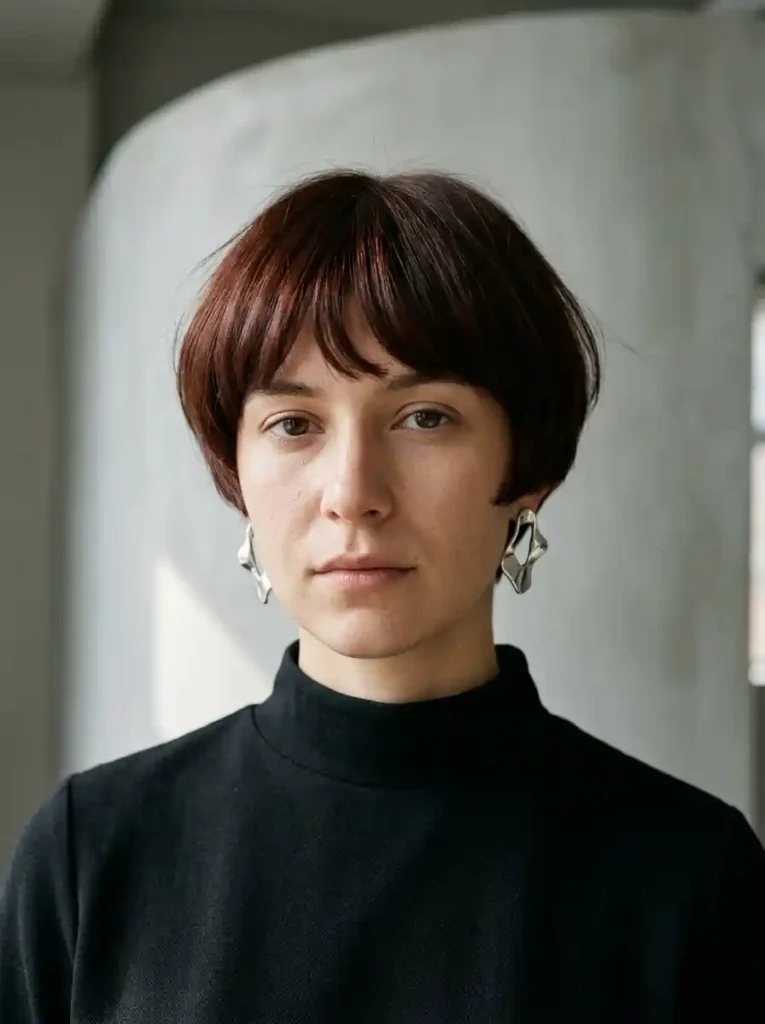
The modern bowl-inspired cut takes a recognizable rounded shape and softens it with contemporary texture. The fringe and sides form a curved outline around the head, while subtle layering keeps the result from looking overly rigid. This is a distinctive option for women who enjoy fashion-forward haircuts and want a style that stands out without relying on bright color or elaborate accessories. The effect can be dramatic or understated depending on the length and softness of the perimeter.
Because the shape is so specific, consultation is particularly important. Ask your stylist to discuss how the rounded line will interact with your forehead, ears, and natural hair growth. For daily styling, a smoothing cream and controlled blow-dry can help maintain the curve, while a little texturizing product adds separation where needed. Hair that grows quickly around the fringe or sides may require more frequent shaping. If you prefer a softer result, request a textured variation rather than a perfectly uniform edge.
22. The Short Bob with Subtle Balayage
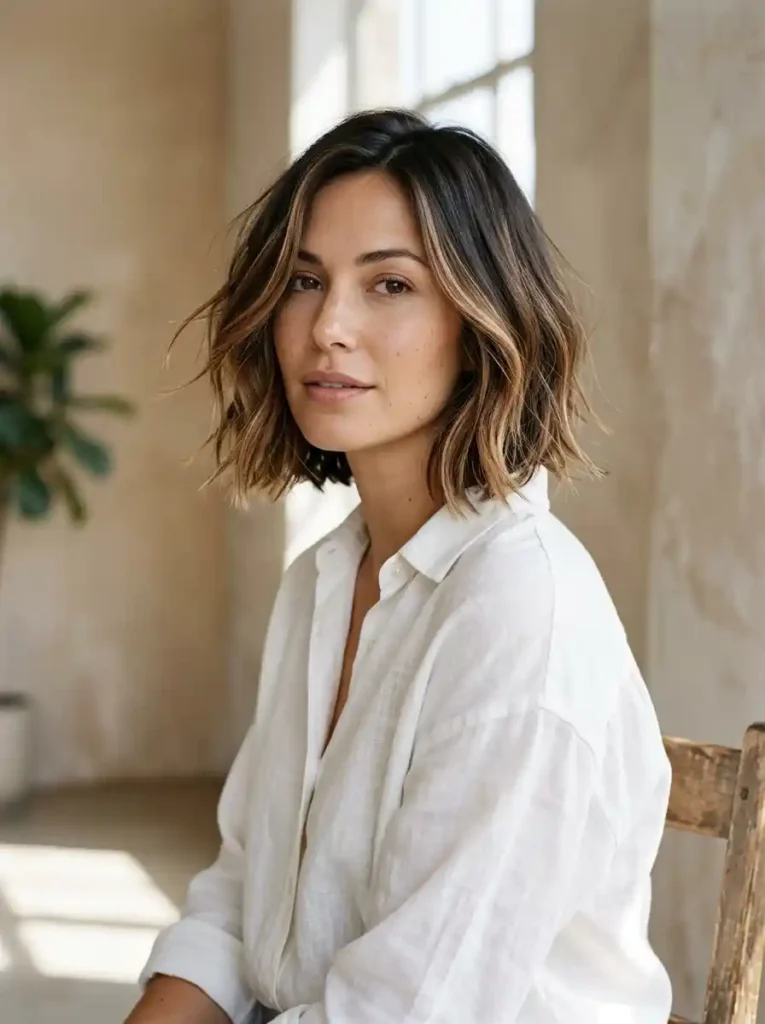
Subtle balayage can give a short bob extra dimension without changing the haircut itself. Softly blended highlights around the face and through the ends create visual movement, helping layers appear more distinct. Caramel, honey, or beige tones can complement different brunette bases, while cooler shades may suit naturally ash-toned hair. The best result looks blended rather than striped, with enough depth at the roots to preserve a natural appearance as the color grows out.
Color placement should take your haircut and maintenance preferences into account. Face-framing highlights can brighten the front, while a lighter concentration near the ends emphasizes texture. Ask your colorist how the chosen shades will look in natural daylight and whether your hair needs extra conditioning after lightening. Use color-safe shampoo and a suitable conditioner, and protect your hair from excessive heat. Balayage can reduce the need for frequent root touch-ups compared with an all-over color, although glossing and toning may still be useful.
23. The Effortless Air-Dried Short Cut
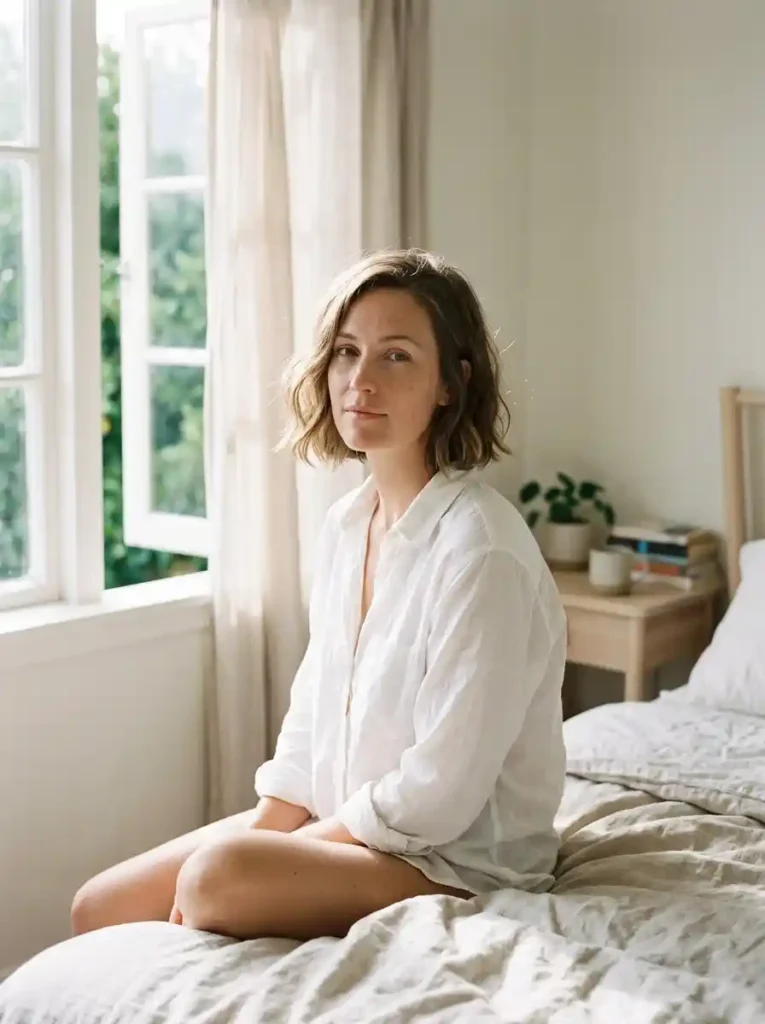
An air-dried short cut is a wonderful choice if you want your hairstyle to work with your natural texture instead of requiring daily heat styling. The shape can be a short bob, a lightly layered crop, or a soft chin-length cut, depending on how your hair naturally falls. The important detail is choosing a haircut that looks intentional when left alone. This makes the style particularly appealing for busy mornings, relaxed weekends, and anyone who prefers a low-maintenance beauty routine.
Start by applying a leave-in conditioner or lightweight styling cream to damp hair, concentrating on areas that tend to frizz or lose definition. Arrange your part, gently shape the ends with your fingers, and allow the hair to dry without repeatedly touching it. If your roots need lift, clip them loosely while drying and remove the clips once the hair is set. During your salon consultation, explain how much time you want to spend styling so your stylist can create a shape that supports your natural routine.
Conclusion
Finding the right short hairstyle is about more than following a trend. It’s about choosing a cut that complements your features, works with your natural texture, and fits comfortably into your everyday life. A sleek blunt bob can offer a polished finish, while a textured pixie, curly crop, or layered shag brings movement and individuality. Even small changes, such as adding curtain bangs, switching your part, or introducing subtle balayage, can make a familiar haircut feel new.
Before your next salon appointment, save two or three inspiration photos and consider what you like about each one: the length, the shape, the fringe, or the styling. Share your daily routine and maintenance preferences with your stylist so the finished cut feels realistic for you.
Most importantly, choose a hairstyle that makes you feel confident rather than one you feel obligated to maintain. The best short haircut is the one you’ll genuinely enjoy wearing, styling, and making your own throughout the year.

