
Short hair can feel wonderfully fresh, but choosing the right cut is not always easy. You may want something cute without sacrificing versatility, or a style that looks polished without demanding daily effort. The good news is that short hair offers plenty of room for personality. These 20 cute short hairstyles for women cover soft, classic, playful, and modern looks, so you can compare different shapes before your next haircut.
1. Soft French Bob
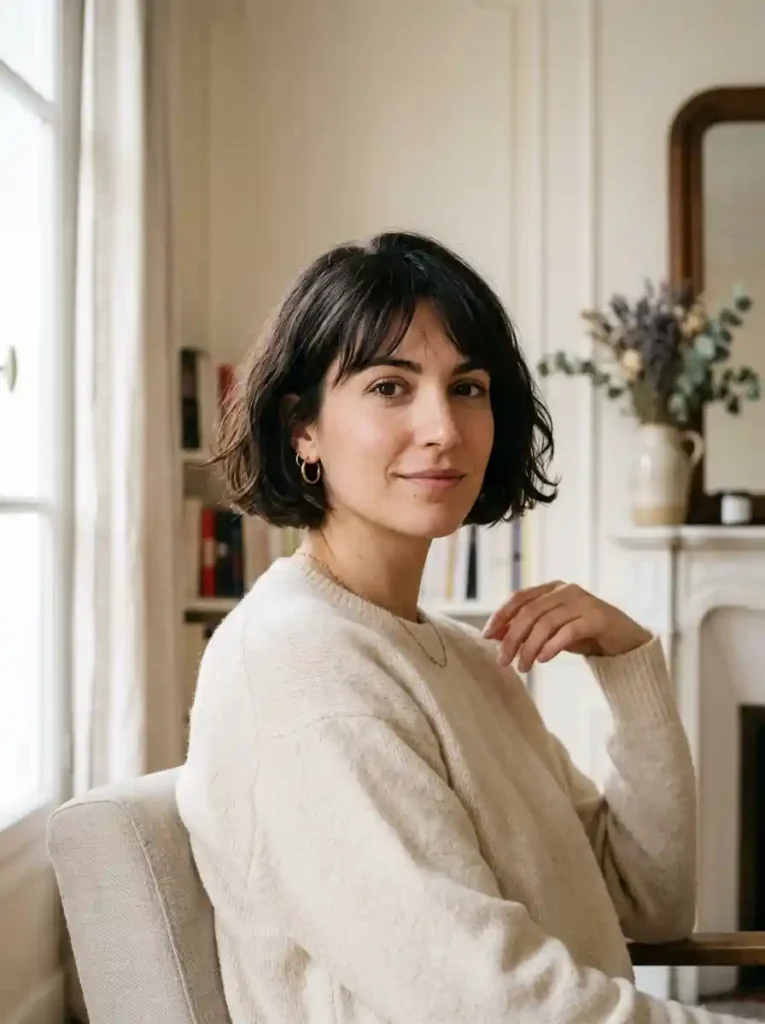
The French bob has a charming shape that feels polished without looking overly formal. Its chin-skimming length creates a clear outline around the face. Soft ends keep the cut from appearing too severe. A light fringe adds character while blending naturally into the haircut. This version suits straight or lightly wavy hair especially well. It can also work beautifully with medium-density strands because the compact shape preserves visual fullness. The result feels timeless, feminine, and effortlessly chic.
Styling this bob does not require elaborate tools. Apply a lightweight styling cream, then let the hair air-dry or use a small round brush. Encourage the ends to curve inward slightly for a classic finish. Stylist Tip: Keep the perimeter strong if your hair is fine, because excessive layering can make the ends appear thinner. If you prefer less maintenance, ask for a fringe that can easily grow into face-framing pieces between appointments.
2. Textured Chin Bob
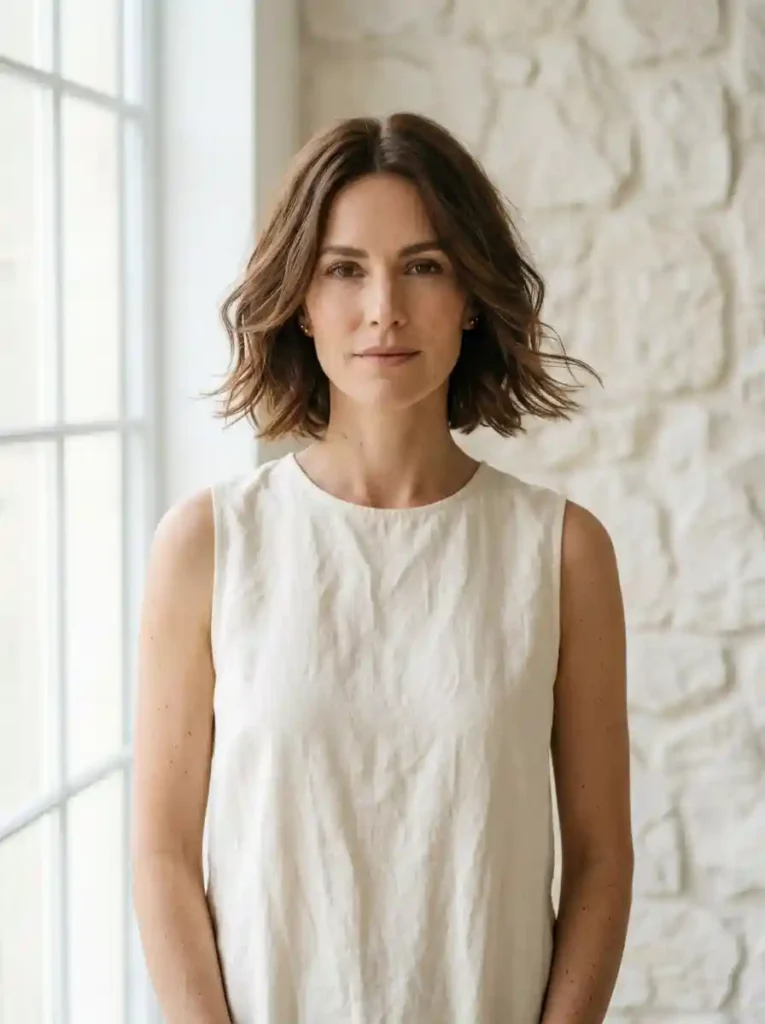
A textured chin bob offers more movement than a traditional one-length cut. Choppy ends create a casual shape that feels current and easygoing. The style works especially well for naturally straight or wavy hair that needs more visual movement. Medium-density hair can benefit from carefully placed layers because they reduce heaviness without removing too much body. A center part keeps the look modern, while a slightly off-center part creates a softer, less structured finish around the face.
For everyday styling, mist damp hair with a light texture spray and scrunch gently. A diffuser can enhance natural waves without making them overly defined. Straight hair can be wrapped loosely around a curling iron for subtle bends instead. Common Mistake: Too many short layers can create unwanted bulk near the crown. Ask your stylist to concentrate texture toward the ends when you want movement without excessive volume.
3. Sleek Blunt Bob
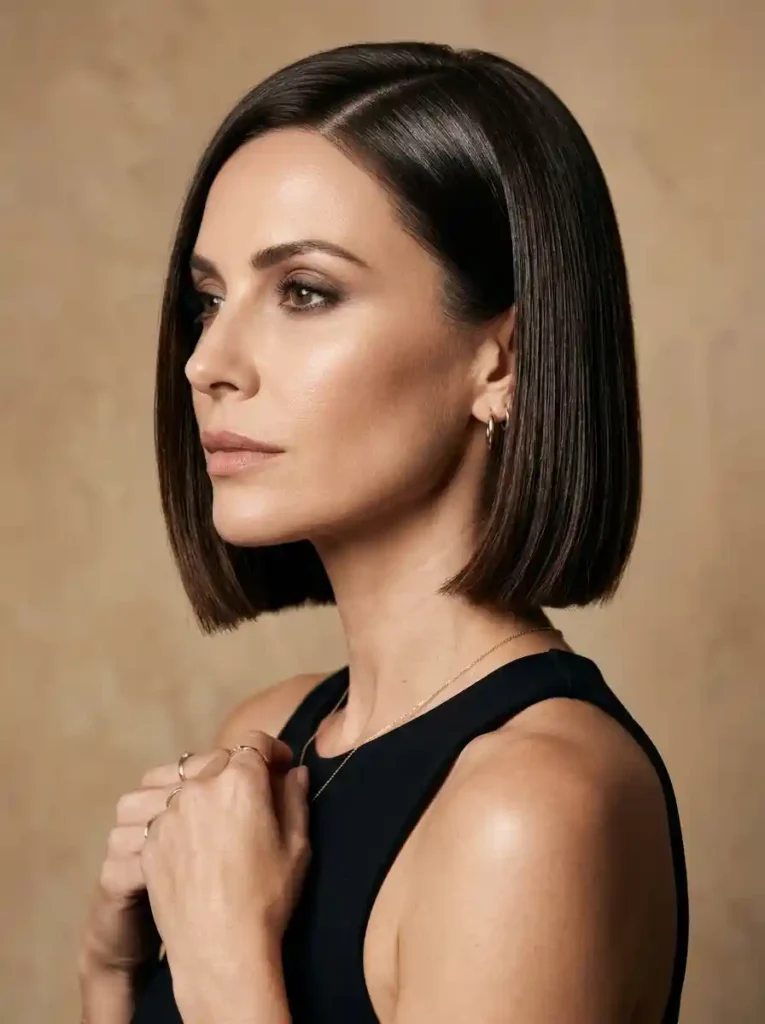
A blunt bob creates a strong, graphic silhouette with very little layering. The clean perimeter can make the ends appear visually fuller, which is useful for fine or low-density hair. A jaw-length cut also highlights the neck and creates a defined frame around the face. Straight hair shows the precise shape most clearly, although gently wavy hair can create an interesting softer version. Choose this style when you prefer structure over a deliberately tousled finish.
The sleek effect depends on keeping the surface smooth and the ends controlled. Use a heat protectant before blow-drying, then finish with a flat iron if needed. A small amount of lightweight serum can add shine without making the roots greasy. Pro Tip: Ask for the perimeter to be checked while your hair is dry if your texture changes noticeably after washing. This can help your stylist refine the final shape more accurately.
4. Curly Pixie
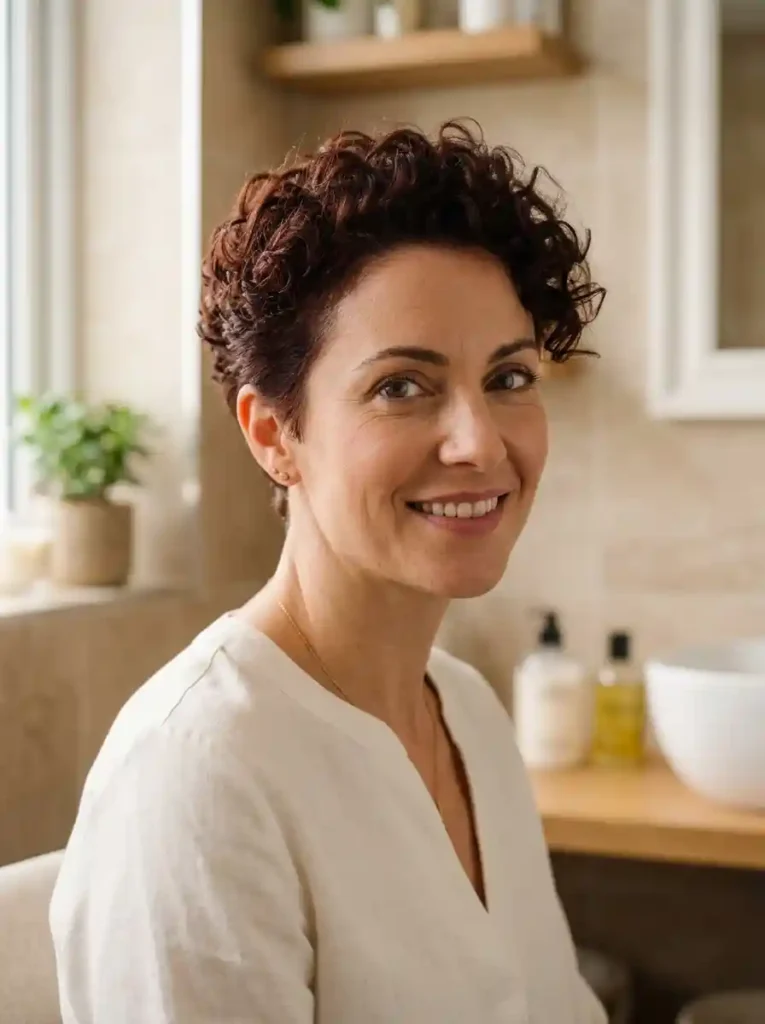
A curly pixie proves that short hair can celebrate natural texture rather than hide it. The sides remain neat while the top retains enough length for curls to form visible shapes. This contrast gives the haircut personality without requiring a large amount of hair. It can suit tight curls, loose curls, or mixed curl patterns when the cut is customized carefully. The result feels energetic, expressive, and especially appealing for anyone ready to make their natural texture the focus.
Curly hair should usually be cut with its natural behavior in mind. A stylist experienced with curls can account for shrinkage and uneven curl patterns. Apply leave-in conditioner followed by a small amount of curl cream to damp hair. Allow the curls to dry naturally or use a diffuser on low heat. Stylist Tip: Avoid judging the final length while the curls are soaking wet. Shrinkage can significantly change how short the finished haircut appears.
5. Bixie With Wispy Bangs
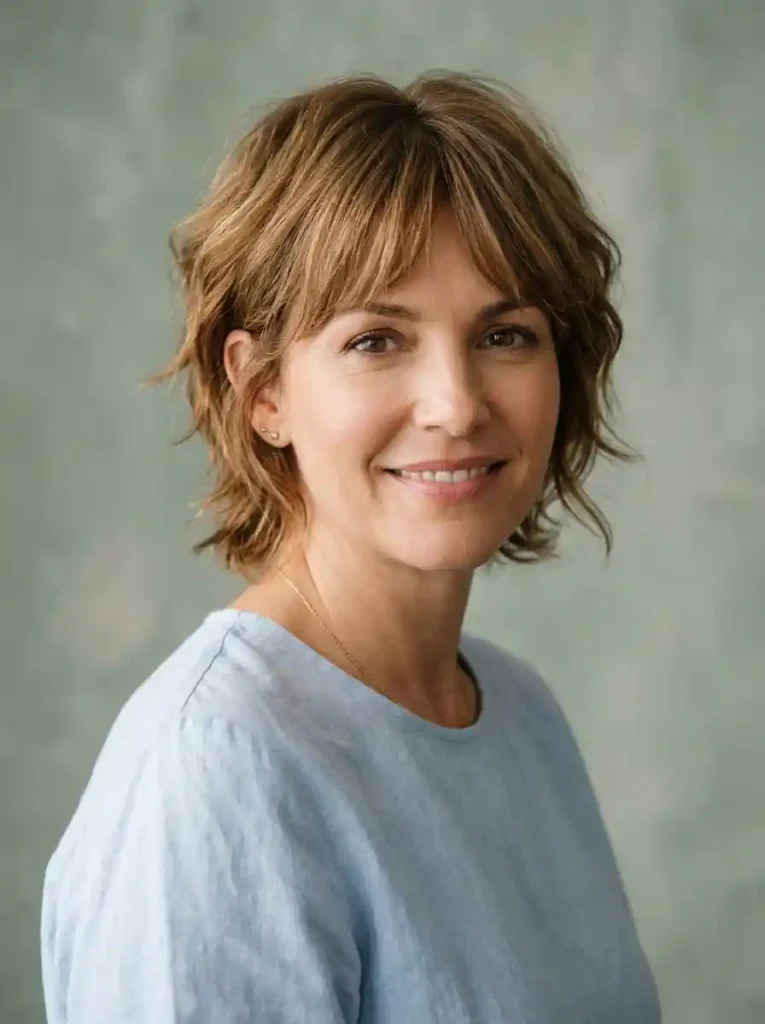
The bixie combines the compact shape of a pixie with the softer length of a bob. Wispy bangs make the transition around the forehead feel light rather than heavy. This haircut is useful for someone who wants a short style but is not ready for a very cropped silhouette. The longer sections around the ears and nape provide styling flexibility. It can look polished when smooth or playful when tousled, making it a versatile choice for changing moods.
The bixie benefits from lightweight products that preserve movement. Work a small amount of styling cream through damp hair, then shape the longer pieces with your fingers. Bangs can be brushed forward or swept sideways as they grow. Common Mistake: Overloading the hair with wax can make the layers collapse. Start with a tiny amount and add more only where definition is needed. Regular trims help preserve the balanced shape between pixie and bob.
6. Wavy French Crop

A wavy French crop gives short hair a relaxed shape with a distinctly modern edge. The cropped fringe creates definition across the forehead, while natural waves soften the overall silhouette. This option works particularly well for hair that bends or waves without needing heavy styling. The short sides keep the haircut tidy, while the textured top prevents it from feeling rigid. It suits people who enjoy an understated look with a little personality and visible natural movement.
To style this crop, use a lightweight curl cream or texture lotion on damp hair. Scrunch the top gently and let it dry without repeatedly touching it. A diffuser can add lift when the hair tends to lie flat. Pro Tip: Ask for the fringe to be tailored to your natural wave pattern. A fringe that is cut too long while wet may shrink higher than expected once dry, especially with stronger wave patterns.
7. Layered Jaw-Length Bob
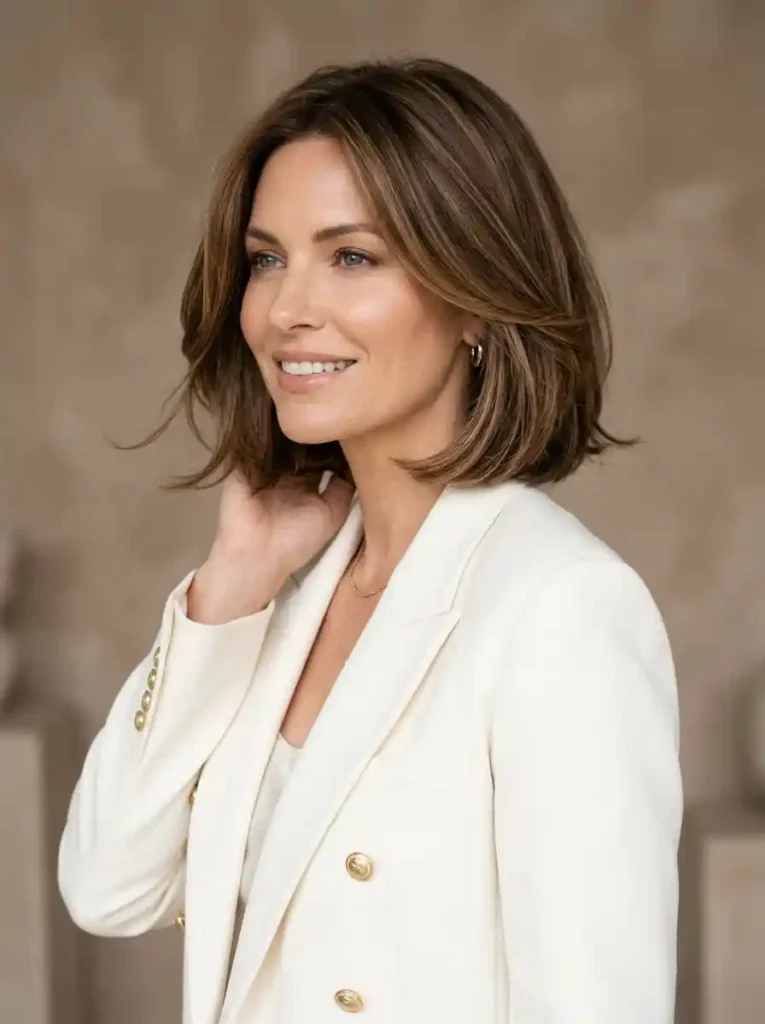
A layered jaw-length bob adds movement while keeping the recognizable shape of a classic bob. Longer internal layers can prevent the haircut from feeling heavy, especially when the hair has moderate density. Face-framing pieces soften the area around the cheeks without dramatically changing the perimeter. This design works well for someone who wants a polished haircut with more movement than a blunt bob. It can also transition smoothly between professional styling and casual everyday looks.
Use a round brush when you want smooth volume around the ends. For a relaxed finish, allow the hair to air-dry and add gentle bends with a styling iron. Stylist Tip: Internal layers are often more useful than visible short layers for this shape. They can create movement while keeping the outer line strong. If your hair is thick, ask your stylist to remove weight strategically rather than simply adding many layers throughout the haircut.
8. Shaggy Pixie
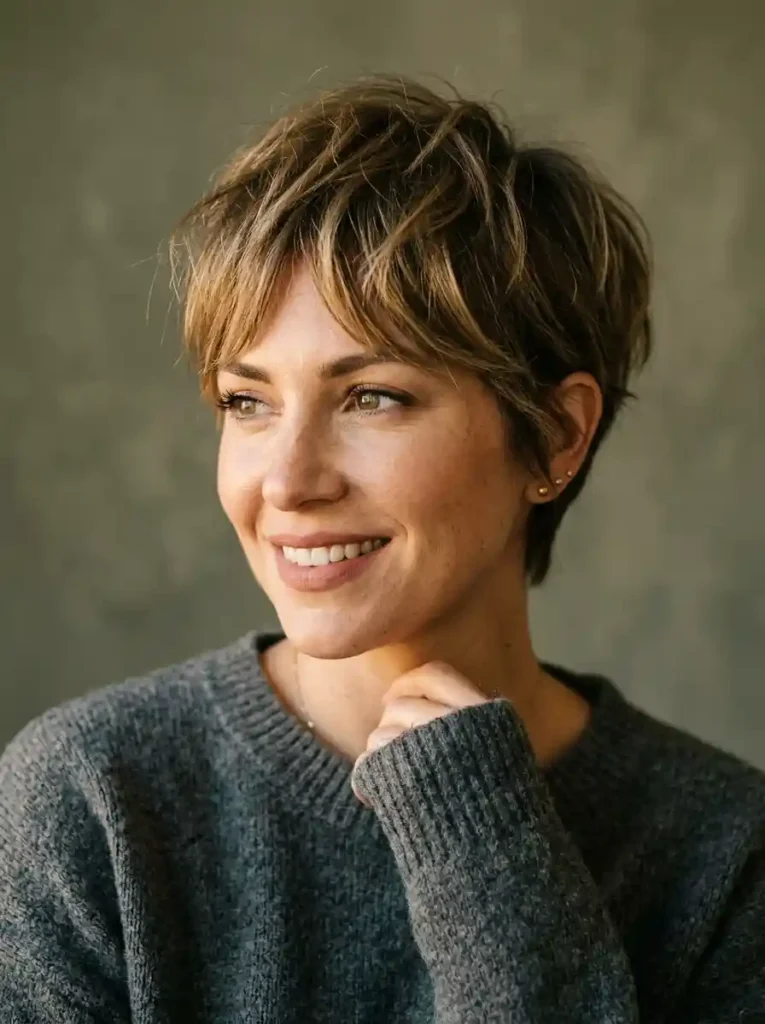
A shaggy pixie brings a deliberately undone quality to short hair. Instead of a smooth, uniform silhouette, it uses uneven layers to create separation and movement. The longer crown adds styling flexibility, while tapered sides keep the overall shape compact. This haircut can be especially appealing for people who dislike overly polished styles. Straight, wavy, and lightly curly textures can all work, although the layering should be adjusted to prevent unwanted bulk.
Styling is simple when the haircut has enough built-in texture. Apply a pea-sized amount of matte paste to dry hair and pinch individual pieces into place. Avoid coating the entire head because that can make short layers look heavy. Common Mistake: Requesting extreme thinning throughout the haircut may reduce the texture’s strength. Ask your stylist to create movement through cutting first, then use minimal product to define the finished shape.
9. Rounded Bob With Side Bangs
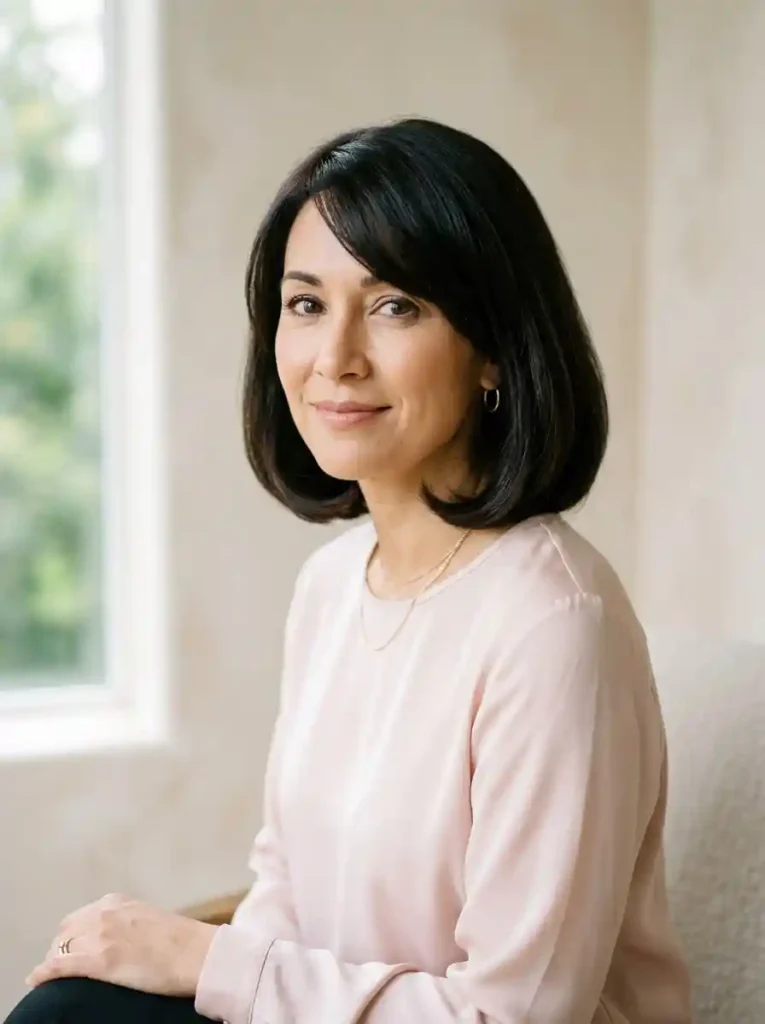
A rounded bob creates a soft, controlled silhouette around the lower face. Its curved ends give the haircut a gentle appearance, while side bangs add movement across the forehead. This shape can work especially well for straight or slightly wavy hair that naturally follows a smooth outline. The style feels classic without looking dated. It also offers a useful middle ground for anyone who wants short hair but prefers a softer appearance than a sharply blunt bob.
Blow-dry the ends with a medium round brush to encourage their curved shape. Keep the airflow directed downward to reduce unnecessary frizz and preserve smoothness. Side bangs can be swept away from the face with a smaller brush. Stylist Tip: Bring a reference photo showing the exact length you prefer. A one-inch difference can noticeably change where the bob sits around the jaw and neck, so visual references help communicate your goal clearly.
10. Tousled Micro Bob
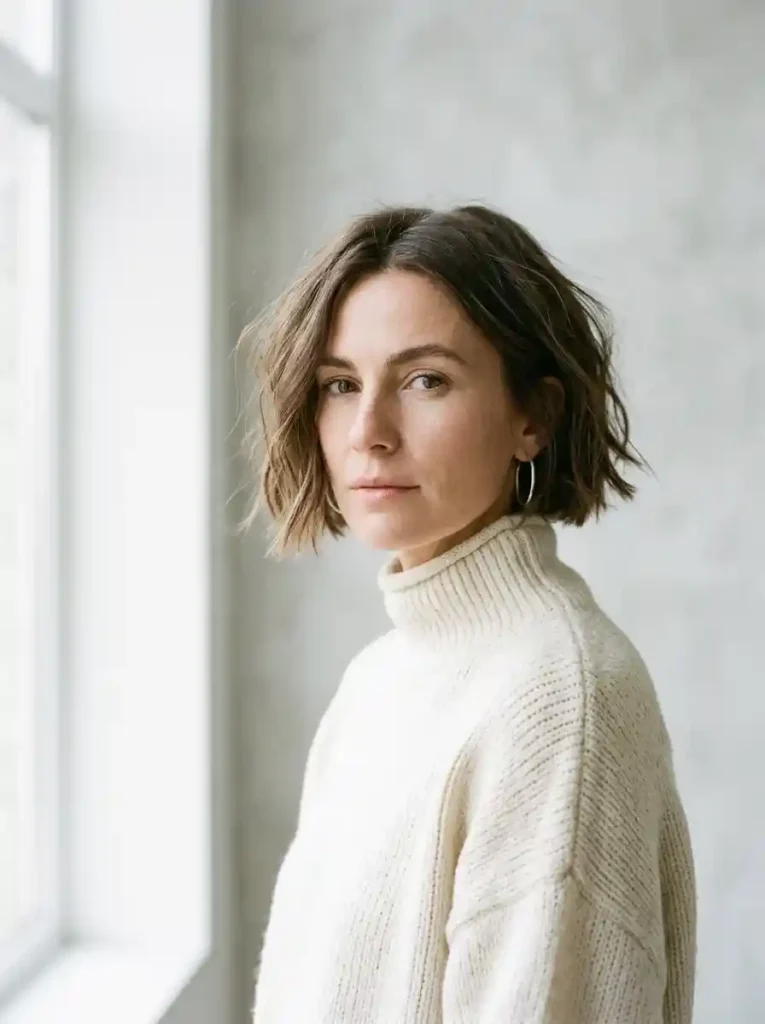
The micro bob sits higher than a traditional bob and creates a striking, compact silhouette. Its short length draws attention toward the cheekbones, ears, and neck. A slightly tousled finish keeps the haircut from looking overly precise. This style suits people who enjoy noticeable changes and do not mind regular trims. It can be especially effective on straight or lightly wavy hair because the short perimeter remains easy to see while subtle bends add softness.
Because the cut is short, small styling choices can change its character. Use a texture spray for separation or a smoothing cream for a cleaner finish. Letting a few pieces bend naturally can make the style feel less formal. Pro Tip: Discuss your growth-out plan before choosing a micro bob. Ask where the cut will land after six to eight weeks, especially if you want an easier transition into a longer bob.
11. Feathered Pixie
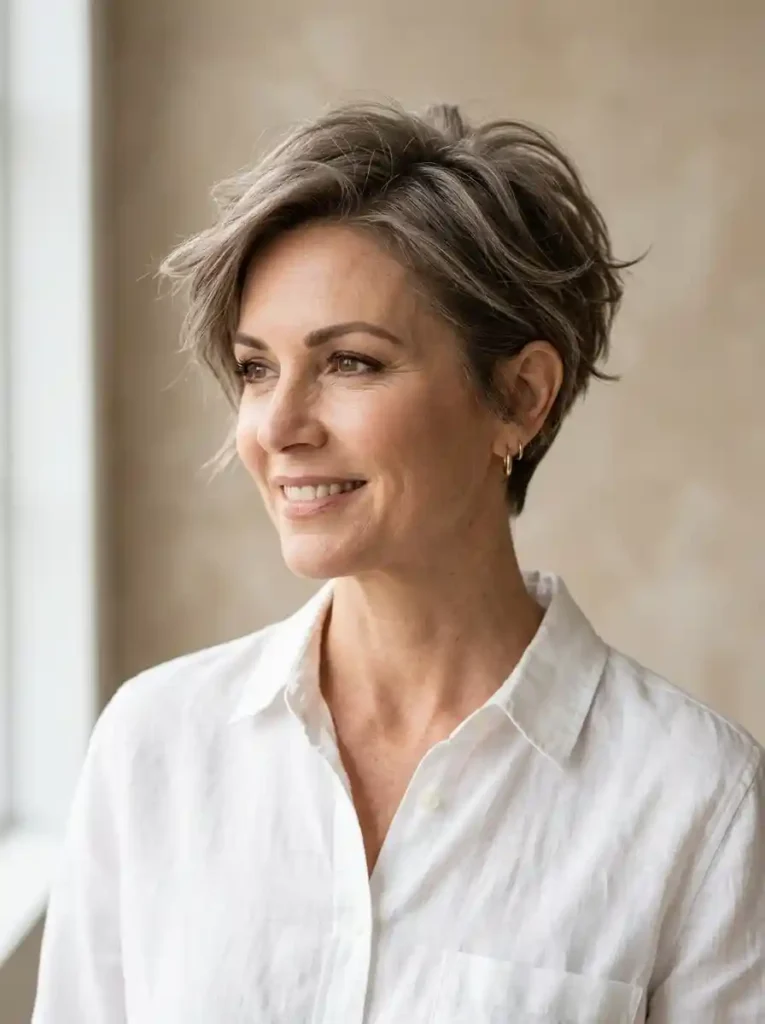
A feathered pixie feels light because its layers are designed to move rather than sit heavily. The longer top can be swept backward, sideways, or slightly forward depending on the desired finish. Feathered sections around the temples soften the transition into the face. This style is a strong option for someone who wants a cropped haircut with a graceful shape. It can also suit finer hair when the layering is controlled and the crown retains enough density.
A lightweight volumizing mousse can help create lift without making the haircut stiff. Blow-dry the top with your fingers, directing it in the desired direction. Finish with a small amount of flexible paste on the ends. Stylist Tip: Fine hair often benefits from fewer, strategically placed layers rather than aggressive thinning. Tell your stylist whether you want volume or a flatter silhouette, because the cutting approach should support your styling preference.
12. Chin Bob With Curtain Bangs
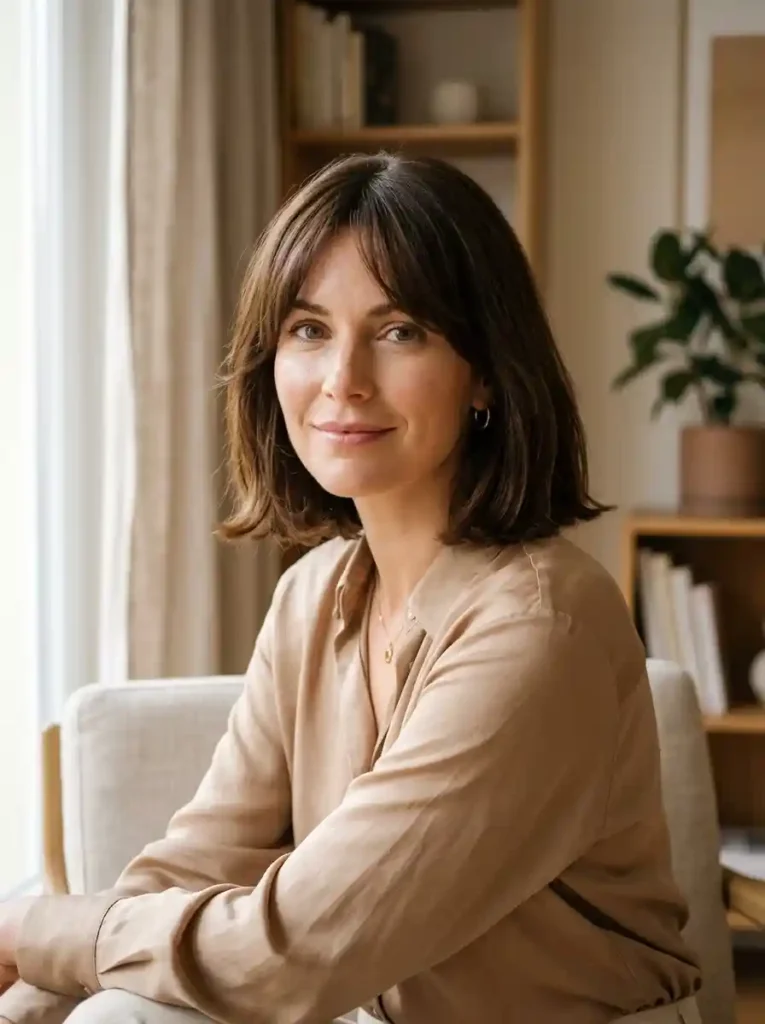
Curtain bangs give a classic chin bob a softer, more flexible frame. The center-parted fringe opens naturally around the forehead and blends into longer pieces near the cheeks. This combination works well when you want some movement around the face without committing to a full straight-across fringe. The bob itself provides structure, while the bangs keep the appearance relaxed. Straight and softly wavy hair can both support this look with appropriate styling.
Blow-dry the bangs away from the face using a small round brush, then allow them to cool before separating them. This helps establish their curved direction. The rest of the bob can remain smooth or receive loose waves. Common Mistake: Cutting curtain bangs too short can make them harder to sweep naturally. Ask for a longer starting point if you want a softer grow-out. Your stylist can remove additional length after seeing how the hair falls.
13. Textured Crop With Baby Bangs
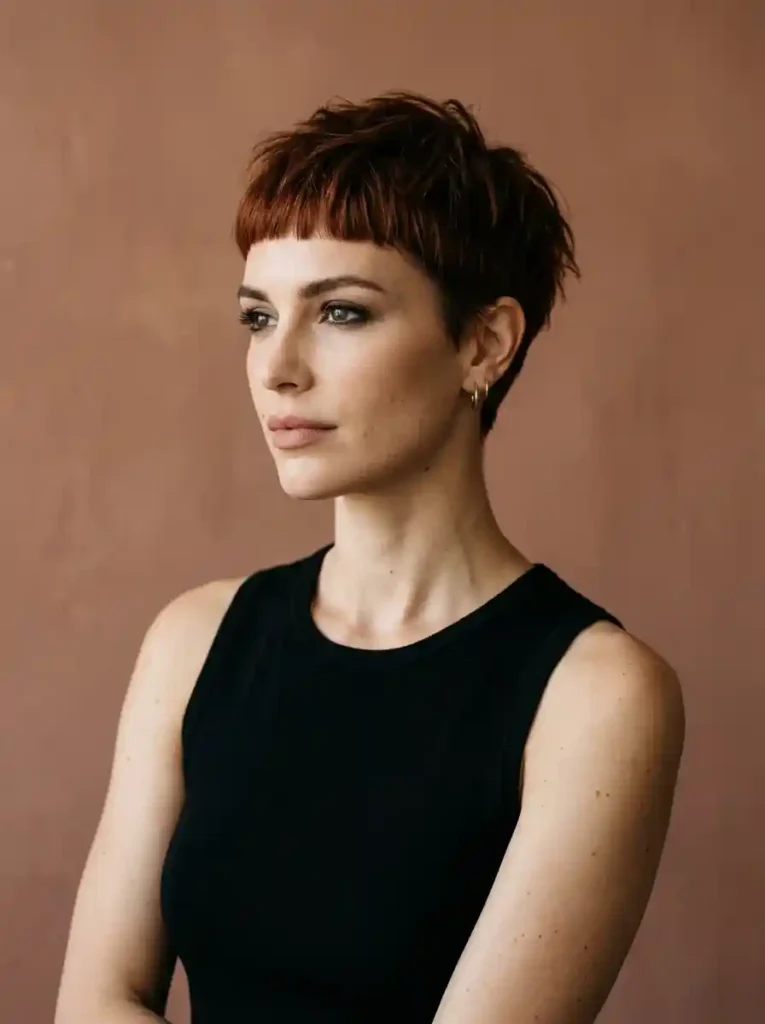
A textured crop with baby bangs creates a bold, graphic look without requiring long hair. The very short fringe becomes the main focal point, while choppy layers across the crown provide contrast. This haircut suits people who enjoy distinctive styling and do not mind making their fringe part of their daily look. Straight hair shows the geometric shape clearly, while naturally textured hair can make the top appear softer and more irregular.
Baby bangs need regular attention because even small amounts of growth change their proportions. Style them with a tiny amount of smoothing cream or leave them naturally textured for a less formal effect. Pro Tip: Ask your stylist to cut the fringe gradually if you are uncertain about the length. Starting slightly longer allows adjustments after you see how the shape interacts with your eyebrows, forehead, and natural hair movement.
14. Soft Graduated Bob
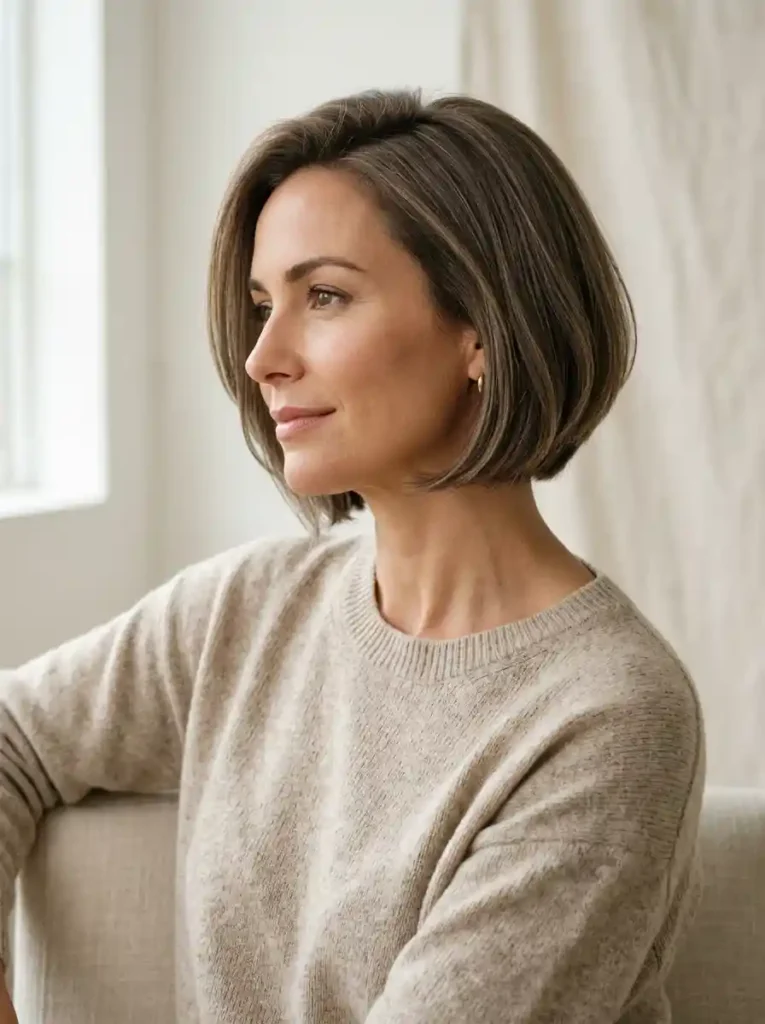
A graduated bob creates a subtle difference in length from the back toward the front. This structure gives the haircut shape without relying on dramatic layers. The shorter nape can make the silhouette feel neat, while the longer front pieces preserve softness around the face. It often works well for straight or gently wavy hair. People who want a polished haircut with visible structure may appreciate this design, especially when they prefer controlled styling over deliberately messy texture.
The shape becomes easiest to maintain when the back is blow-dried close to the head and the front is directed slightly forward. Use a smoothing product if your ends tend to puff outward. Stylist Tip: Tell your stylist how often you realistically plan to trim the haircut. A graduated shape depends on its length relationships, so regular maintenance helps preserve the intended balance between the nape and front sections.
15. Messy Layered Crop
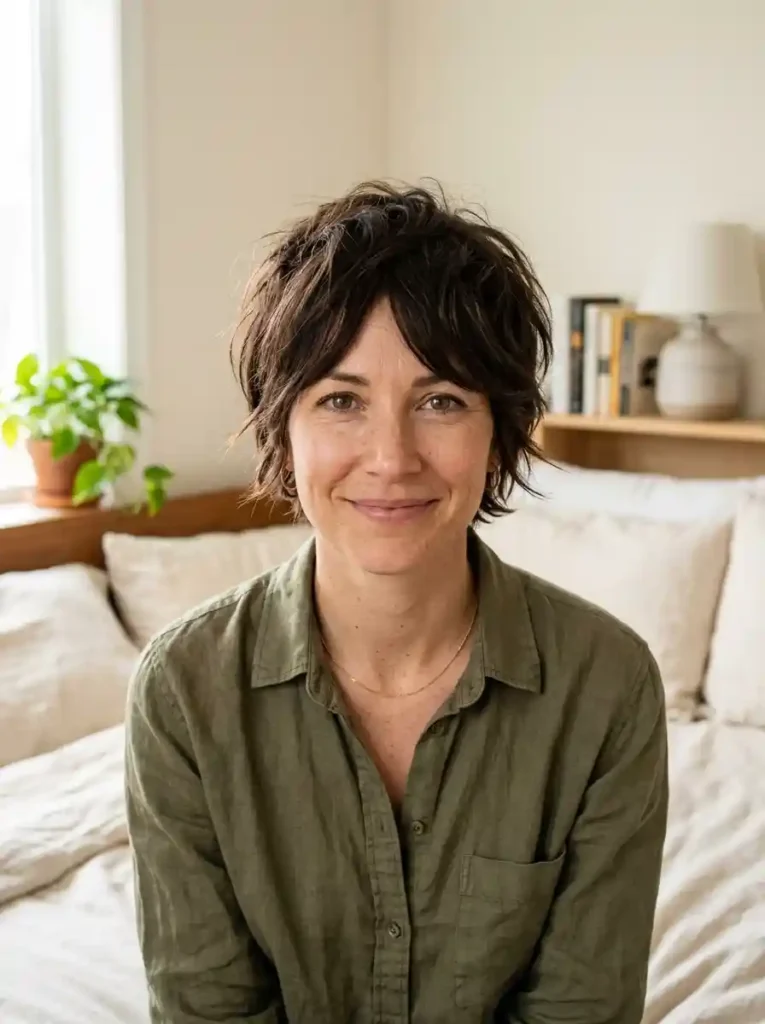
A messy layered crop is designed for movement rather than precision. Its short layers create separation across the crown, while a slightly longer top provides enough length to change the direction. The result feels casual and energetic without needing elaborate styling. This haircut can work well for naturally straight or wavy hair, particularly when the texture responds well to lightweight products. It is a useful option for anyone who wants a short haircut that looks intentionally relaxed.
Work a small amount of styling paste through damp or dry hair, depending on how much definition you need. Twist a few pieces with your fingers and leave the rest imperfect. Common Mistake: Trying to make every section identical defeats the purpose of the haircut. Ask your stylist for controlled irregularity rather than random layers. The goal is movement with a clear overall shape, not an unstructured haircut that becomes difficult to style.
16. Soft Side-Parted Pixie
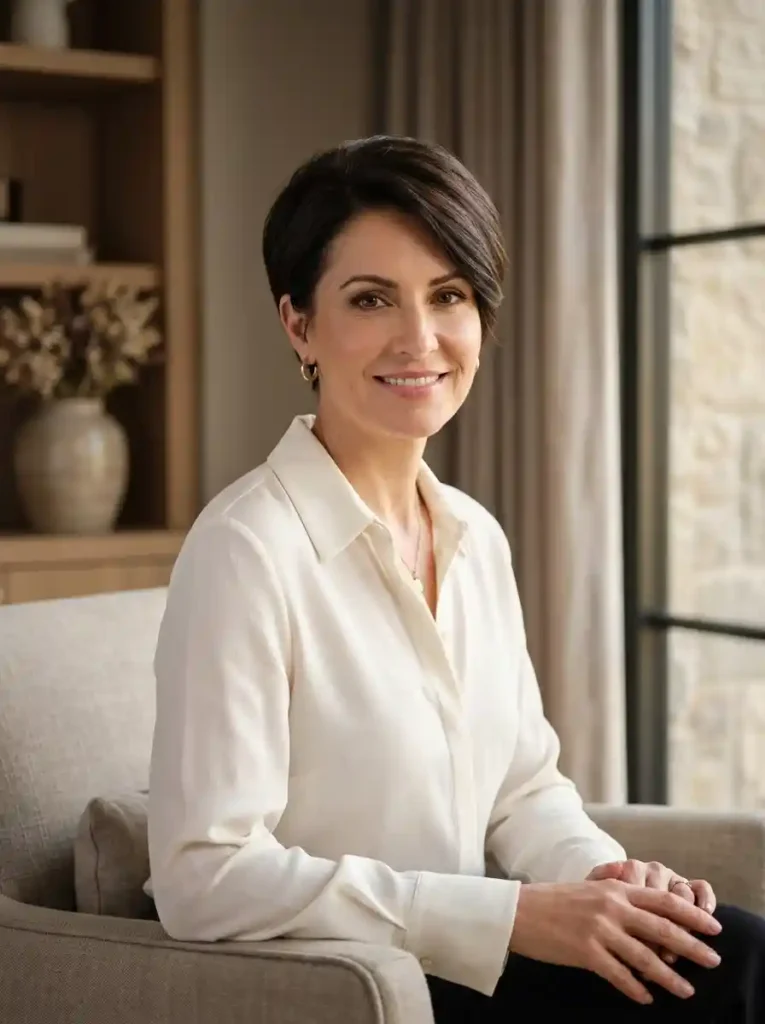
A side-parted pixie offers a softer alternative to a heavily textured crop. The longer top can sweep across the forehead, creating movement without adding substantial length. Tapered sides keep the haircut compact and tidy. This style works particularly well for people who want short hair with a polished appearance. Straight and gently wavy textures can both support it. The side part also gives the haircut flexibility because the top can be rearranged for different occasions.
For a sleek finish, use a lightweight styling lotion and a narrow brush while blow-drying. For more volume, direct the top upward before sweeping it sideways. Pro Tip: Avoid heavy gel if you want the haircut to remain touchable. Flexible products preserve the soft movement that makes this pixie feel less severe. Ask for enough length on top to change the part if you like switching your styling direction.
17. Curved Bob With Face-Framing Layers
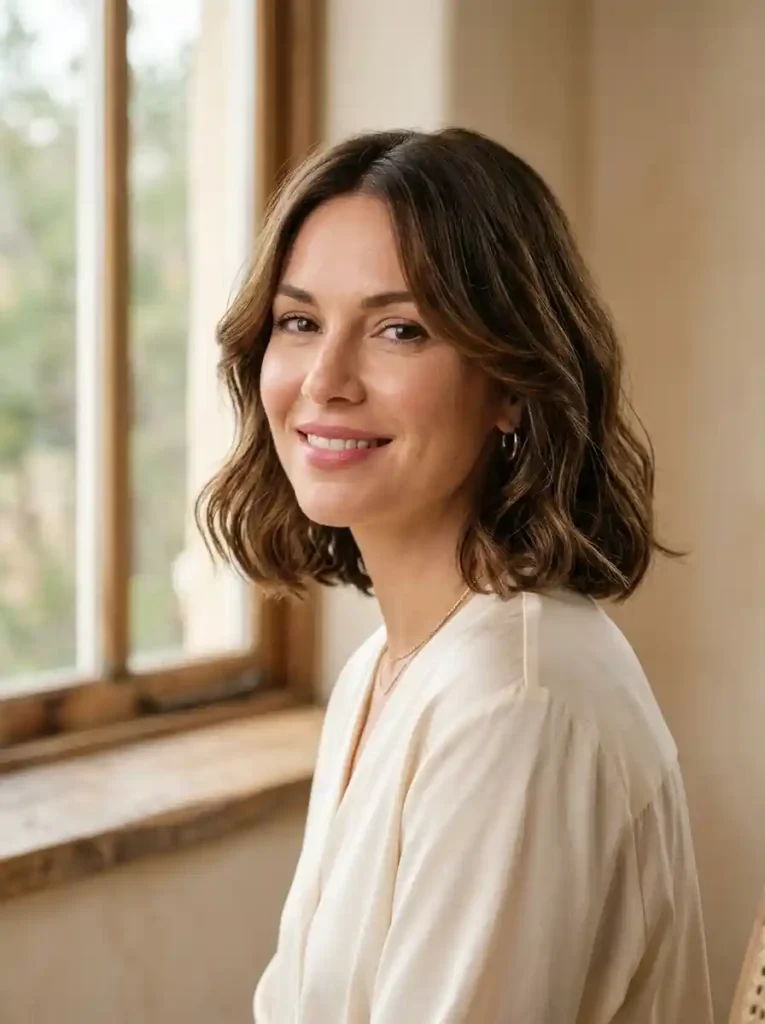
A curved bob with face-framing layers balances structure with softness. The rounded perimeter creates a neat outline, while longer front pieces gently connect the haircut to the face. This design can be helpful when a straight bob feels too rigid but a heavily layered cut feels too casual. It suits straight, wavy, and lightly textured hair when the front layers are customized carefully. The style also provides an easy foundation for both smooth and softly waved finishes.
To style the shape, direct the front sections away from the face with a round brush. Leave the ends slightly curved rather than forcing them into a tight curl. Stylist Tip: Face-framing layers should reflect your preferred starting point. If you want subtle framing, ask for the shortest section to begin near the jaw rather than the cheek. This creates movement while keeping the overall haircut understated and easy to manage.
18. Tapered Natural Texture Cut
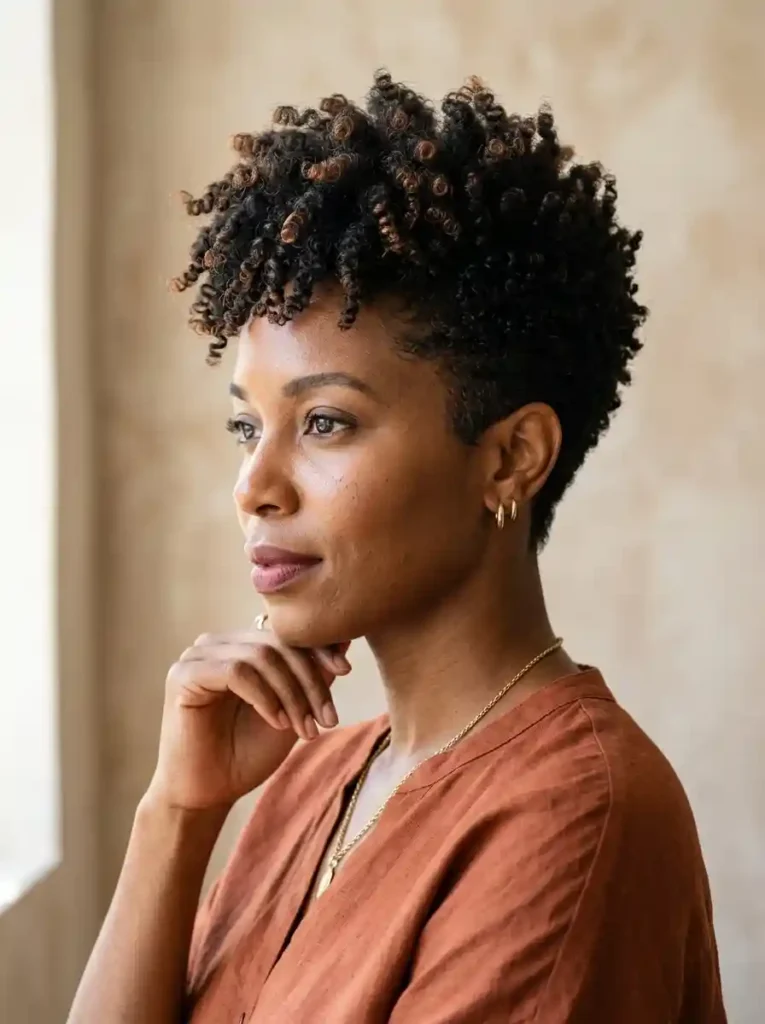
A tapered natural texture cut keeps the sides and nape shorter while allowing curls or coils to remain fuller on top. This creates a clear silhouette without requiring the entire hairstyle to have the same length. The contrast can highlight natural texture beautifully and give the haircut a strong, modern shape. It works especially well for people who enjoy defined curls and want a shorter routine around the sides while preserving personality through the top.
Moisture and definition are usually more important than extensive heat styling. Apply leave-in conditioner followed by a curl-defining product, then shape the curls with your fingers. Let the hair dry naturally or use a diffuser carefully. Stylist Tip: Discuss shrinkage before deciding the top length. Coily hair can appear considerably shorter once dry, so your stylist should account for the finished curl pattern rather than relying only on wet length.
19. Collarbone-Short Lob
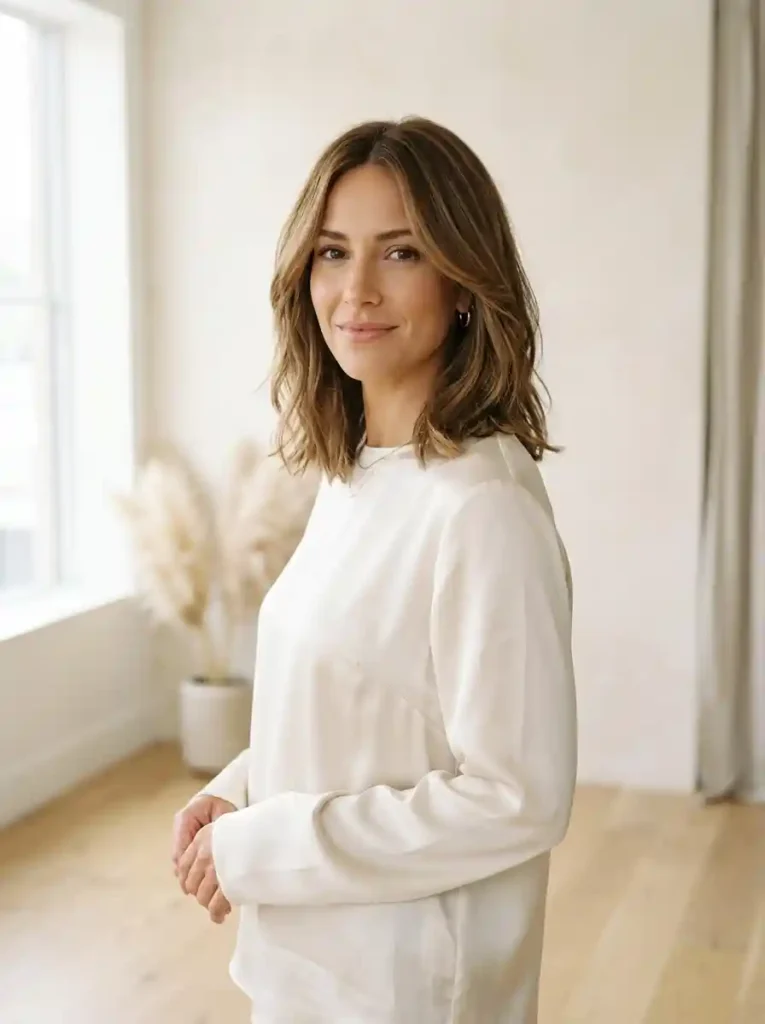
A short lob is ideal when you want the feeling of short hair without committing to a chin-length cut. The collarbone area provides enough length for ponytails, clips, and loose waves. Long layers prevent the shape from becoming heavy while preserving the overall length. This option works across many textures and is especially practical for someone transitioning from longer hair. It also offers more styling flexibility than very short cuts while still looking noticeably fresh.
Use a large curling iron to create loose bends, or braid damp hair overnight for heat-free texture. Smooth the ends when you want a more professional appearance. Pro Tip: If you are nervous about going shorter, start with a lob and remove additional length later. This approach lets you experience a shorter silhouette while keeping enough hair for easy styling changes and a more gradual transition.
20. Soft Pixie Bob With Long Bangs
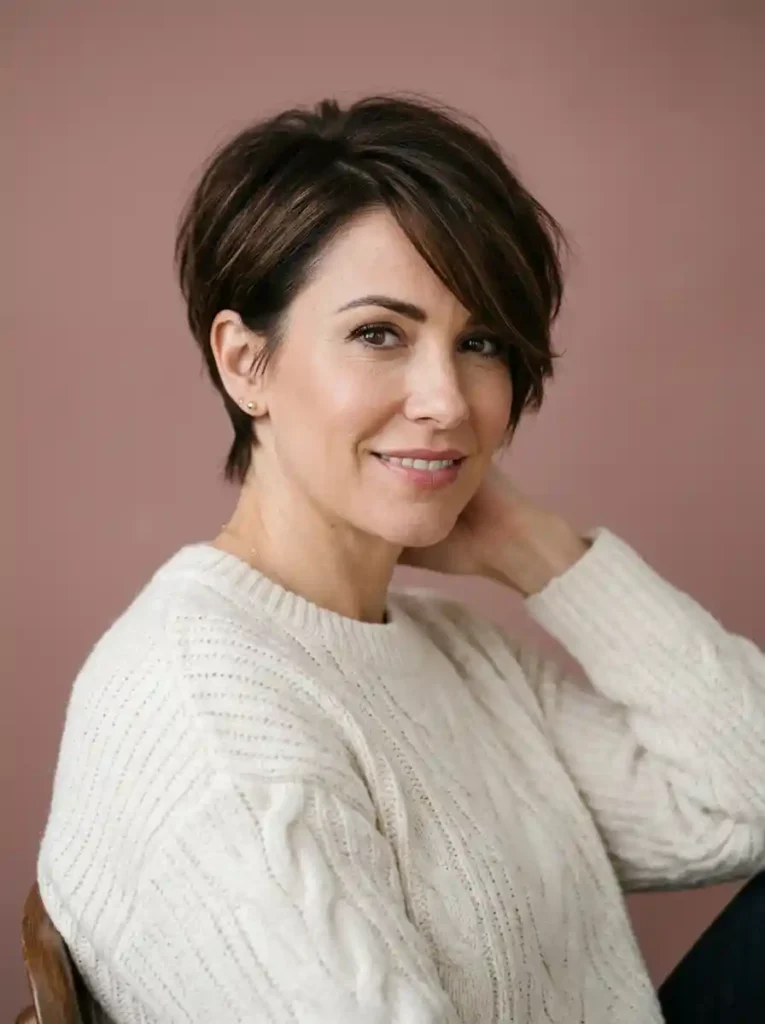
A soft pixie bob combines short sides with enough length through the top and front to create movement. Long bangs give the haircut a graceful focal point and make it feel less cropped. This design suits people who want a significant change but still want several ways to style the front. Straight hair can look sleek, while waves create a softer appearance. The haircut also provides an appealing transition between a classic pixie and a short bob.
Style the longer front with a round brush for smoothness or use a small curling iron for a gentle bend. The sides usually need little product beyond a light styling cream. Stylist Tip: Tell your stylist which direction you naturally part your hair. The longer fringe should be shaped around that preference so it falls naturally instead of requiring constant repositioning. Regular trims can maintain the contrast between the tapered sides and longer front.
Frequently Asked Questions
Which short hairstyle is easiest to maintain?
A blunt or softly layered bob can be relatively simple to maintain because it requires fewer styling steps. Your natural texture still affects the routine.
What short haircut works well for fine hair?
A blunt bob can help fine hair look visually fuller because the strong perimeter preserves density at the ends. Avoid excessive thinning unless your stylist recommends it.
Can short hairstyles work with naturally curly hair?
Yes. Curly hair can look excellent in pixies, tapered cuts, bobs, and textured crops. The haircut should account for curl pattern and shrinkage.
How often should a short haircut be trimmed?
Many short cuts look their best with trims roughly every four to eight weeks. The ideal schedule depends on how quickly your hair grows and how precise the shape is.
Are bangs difficult to maintain?
Bangs often need more frequent trimming than the rest of the haircut. Longer curtain or side-swept bangs usually offer an easier grow-out than very short fringe.
How do I choose between a bob and a pixie?
Choose a bob if you want more styling flexibility and length. Choose a pixie if you prefer a lighter haircut and are comfortable with a shorter silhouette and more frequent shape maintenance.
Conclusion
The best short haircut is one that fits your texture, routine, and personal style. A polished bob can offer structure, while a textured crop brings more movement and personality. Pixies can feel light and expressive, while longer lobs provide extra styling flexibility. Use these 20 cute short hairstyles for women as inspiration, then ask your stylist to adjust the cut for your natural hair. Save your favorite look before your next salon visit.


