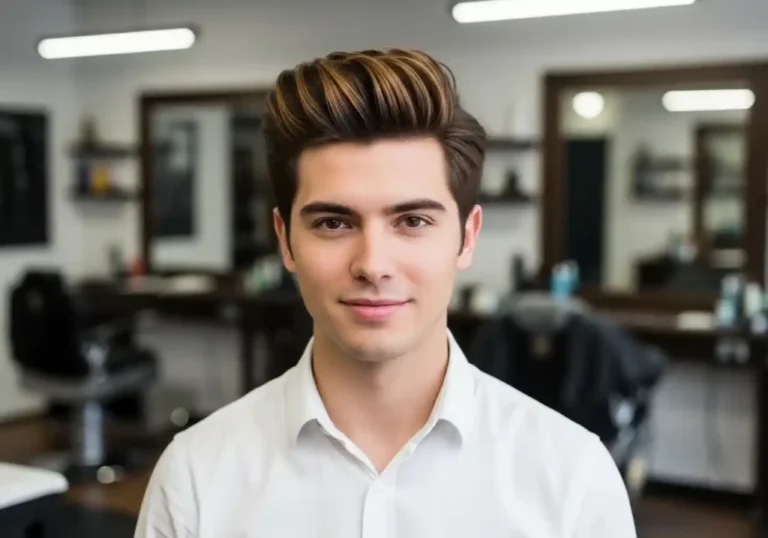
A great haircut can completely change how you look and feel, and the modern men’s undercut makes that transformation surprisingly easy. With its distinctive contrast between shorter sides and longer hair on top, this versatile style offers plenty of room for personal expression. Whether you prefer a clean professional appearance, textured everyday styling, or something bold and adventurous, these 24 modern undercut haircut ideas will help you discover a look that complements your hair type, face shape, and lifestyle.
1. Classic Modern Undercut

The classic modern undercut remains a dependable choice for men who appreciate a polished appearance without sacrificing individuality. Its defining feature is the noticeable difference between the closely trimmed sides and the longer top section. You can wear the upper hair neatly combed backward, slightly parted, or loosely textured depending on the occasion. This flexibility makes the haircut appropriate for everyday activities, office environments, and evening outings without requiring an entirely different hairstyle.
For the best result, ask your barber to keep the sides evenly short while leaving enough length on top to experiment with different finishes. A medium-hold styling product provides control without making the hair look stiff. Men with straight or slightly wavy hair usually find this version particularly manageable. Schedule regular trims every three to four weeks to maintain the clean outline and prevent the sides from becoming noticeably bulky.
2. Textured Undercut with Messy Top

If perfectly arranged hairstyles feel too formal, a textured undercut offers a more relaxed alternative. The shorter sides create a sharp foundation, while the longer upper section features irregular layers that produce movement and natural-looking volume. Rather than looking carefully sculpted, the finished hairstyle appears intentionally effortless. It works especially well for men who enjoy casual clothing, modern streetwear, and hairstyles that look attractive without appearing overly polished.
A lightweight matte clay or texturizing paste helps separate the strands while maintaining flexibility. Work a small amount through slightly damp or dry hair, using your fingers to create an uneven finish instead of forcing everything into position. Ask your barber for choppy layers on top and a clean undercut underneath. This style is particularly useful for adding visual fullness to fine hair, although thicker hair may need some weight removed.
3. Slicked-Back Undercut

The slicked-back undercut brings together traditional grooming and contemporary contrast. The longer top is directed backward, creating a streamlined silhouette that looks particularly impressive when paired with neatly maintained sides. Unlike a conventional short business haircut, this version retains enough length to make a noticeable style statement. It suits men who prefer structured clothing and appreciate a hairstyle that can transition naturally from professional settings to formal occasions.
Start with towel-dried hair and distribute a small amount of pomade evenly from the front toward the back. Use a comb for a defined finish or your fingers for slightly softer movement. Men with naturally straight or manageable wavy hair will generally find the styling process easier. Avoid applying excessive product near the roots, as this can make the hairstyle appear greasy rather than deliberately polished.
4. Low Fade Undercut

A low fade undercut is an excellent option if you want a modern haircut without making the sides look extremely dramatic. The gradual taper begins close to the ears and neckline, creating a smooth transition into the longer upper section. This placement keeps the overall silhouette balanced and gives the hairstyle a cleaner appearance. It is particularly appealing to men who want something fashionable that remains appropriate for everyday professional environments.
Ask your barber to keep the fade relatively low and preserve sufficient length above the temples. The top can be styled forward, sideways, or with a little natural lift, depending on your preference. A lightweight styling cream is often enough to maintain definition without creating unnecessary stiffness. Because the fade grows out gradually, you can usually maintain its appearance with regular visits every three to four weeks.
5. High Fade Undercut

For men who enjoy bold hairstyles, the high fade undercut creates an unmistakable contrast between the sides and top. The fade begins higher around the temples, making the upper hair appear more prominent and giving the overall haircut a sharper silhouette. This design works particularly well with thick hair because the longer section can hold volume and texture. It also complements athletic and contemporary streetwear-inspired personal styles.
The secret to making this haircut look balanced is choosing the right amount of length on top. Very short sides paired with excessive height can create proportions you might not enjoy, so discuss your preferred silhouette before the barber starts cutting. A matte styling paste helps lift the upper section while maintaining separation. Remember that high fades reveal regrowth more quickly, meaning frequent maintenance is important if you prefer consistently sharp edges.
6. Mid Fade Undercut

A mid fade undercut offers a practical middle ground between subtle and dramatic hairstyles. The fade starts around the middle of the sides, creating noticeable contrast without exposing as much of the head as a high fade. This placement allows the longer hair to remain the main feature while giving the haircut a clean, contemporary finish. It is a versatile option for men who want something stylish without committing to an especially extreme appearance.
You can personalize the upper section with a quiff, side part, brushed-back finish, or loose texture. Tell your barber how much contrast you prefer and whether you want the fade blended smoothly into the upper hair. A small amount of styling cream or clay will help maintain your chosen shape. This haircut works across several hair types, although the best fade height depends on your head shape and natural growth pattern.
7. Side-Part Undercut

The side-part undercut is ideal when you want a haircut that looks organized without becoming old-fashioned. A defined part separates the longer upper section, while the shorter sides provide a contemporary foundation. This combination creates a neat appearance that works particularly well with business clothing, smart casual outfits, and occasions where a little extra polish makes a difference. You can choose a subtle part or a more noticeable division depending on your taste.
For styling, create your part while the hair is slightly damp, then direct the longer section across the head using a comb. A flexible pomade offers enough hold to preserve the shape while allowing some natural movement. If your hair naturally separates in a particular direction, ask your barber to work with that growth pattern. Avoid making the part excessively deep unless you specifically want a more defined, high-contrast appearance.
8. Curly Hair Undercut
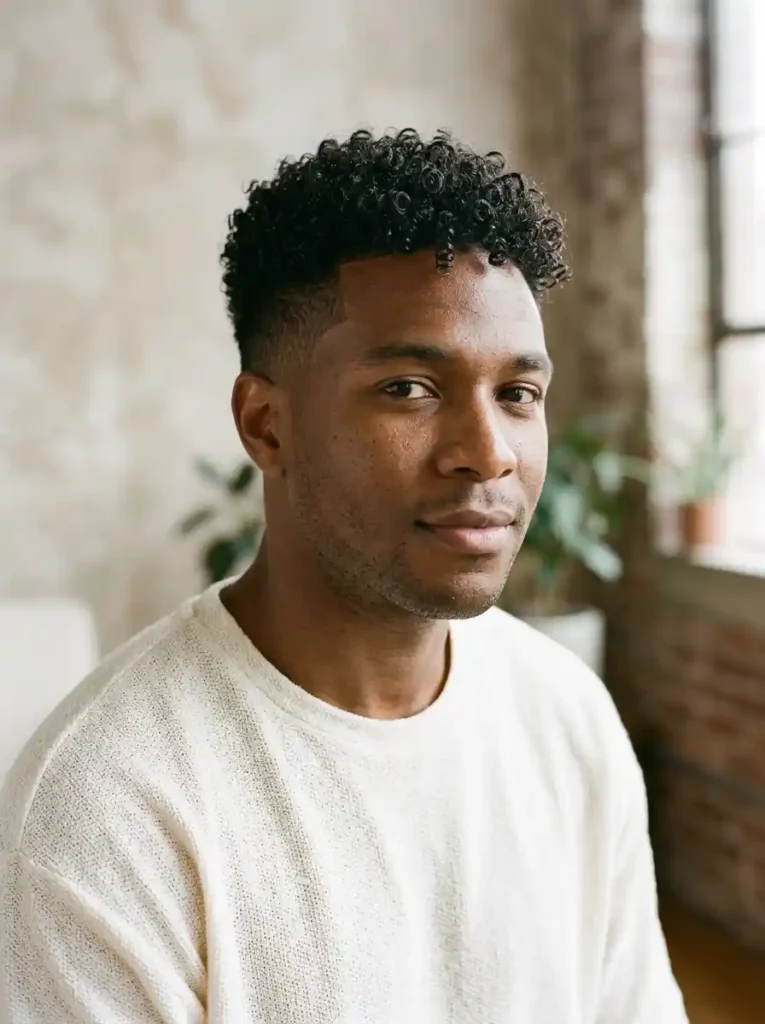
Curly hair brings natural personality to an undercut, creating an attractive contrast between defined curls and closely trimmed sides. Keeping the sides short allows the upper curls to become the focal point without making the overall hairstyle feel too heavy. You can preserve your natural curl pattern, experiment with different lengths, or add subtle layering to create more movement. This haircut is especially appealing to men who want to celebrate their natural texture.
Moisture is essential for maintaining healthy-looking curls. Use a suitable leave-in conditioner or curl cream to define the upper section without weighing it down. Ask your barber to cut the curls according to their natural shrinkage, since dry curls can appear considerably shorter than wet hair. Avoid brushing the finished hairstyle excessively because this can disrupt curl definition and create unwanted frizz. Regular conditioning also helps maintain softness and manageability.
9. Wavy Undercut

A wavy undercut makes the most of natural movement instead of trying to force every strand into a perfectly straight shape. The short sides provide a neat outline, while the longer upper section allows waves to form naturally. Depending on your preferred finish, you can wear the waves loosely forward, sweep them sideways, or create a slightly messy appearance. The result feels relaxed but still has enough structure to look intentional.
To style this haircut, apply a lightweight sea salt spray or curl-enhancing cream to damp hair. Scrunch the upper section gently and let it air-dry or use a diffuser on low heat. Ask your barber for layers that encourage movement without removing too much density. Avoid heavy gels that flatten the waves and make them appear stiff. This hairstyle is especially useful for men who want to work with their natural hair texture.
10. Pompadour Undercut

The pompadour undercut is a statement haircut for men who enjoy noticeable height and a carefully styled silhouette. Its defining feature is the substantial volume at the front, which gradually sweeps backward over the crown. The undercut sides make this raised section appear even more prominent. Although the hairstyle has vintage inspiration, its cleaner proportions and modern finishing techniques give it a distinctly contemporary appearance.
This look works best when you have enough length and density at the front to create lasting volume. Apply a volumizing mousse before blow-drying, lifting the roots with a brush to establish the desired shape. Finish with a small amount of pomade or styling cream. Men with very fine hair may prefer a softer pompadour rather than an extremely tall version, which can require considerable daily styling effort.
11. Quiff Undercut
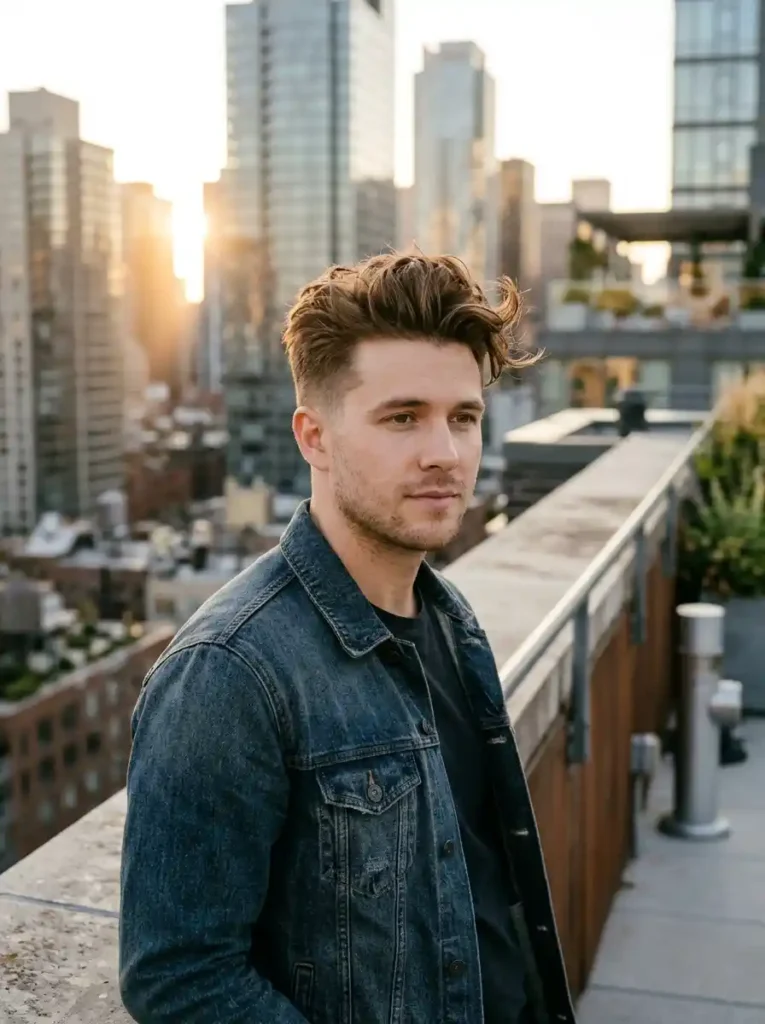
If you like hairstyles with height but prefer something less dramatic than a pompadour, the quiff undercut deserves attention. The front section is lifted and directed backward or slightly sideways, producing a relaxed wave of volume. Short sides keep the silhouette controlled, while the upper section adds character. It is a particularly useful choice for men who want a haircut that looks equally good with casual and smart outfits.
Begin by applying a little volumizing product to damp hair and blow-drying the front upward with a round brush. Use your fingers to soften the shape instead of creating an overly rigid finish. The barber should leave enough length at the front to create the lift comfortably. If your hair tends to fall flat, a lightweight texture powder can provide additional root volume without making the hairstyle feel heavy.
12. French Crop Undercut

The French crop undercut combines a short forward fringe with closely trimmed sides, making it an appealing option for men who prefer minimal daily styling. Instead of directing the hair backward or creating substantial height, the upper section falls naturally toward the forehead. The result is modern, understated, and relatively easy to maintain. It can also create a balanced appearance for men who prefer less attention on the upper forehead.
Ask your barber for textured layers across the top and a fringe length that complements your facial proportions. You can keep the fringe straight for a sharper look or slightly uneven for a softer finish. A small amount of matte clay is usually sufficient to define the texture. This haircut is particularly convenient for straight and slightly wavy hair, although curly hair can also work with an appropriately adjusted fringe.
13. Disconnected Undercut

A disconnected undercut is designed for men who prefer a more noticeable contrast than a traditional blended haircut provides. Instead of gradually fading the sides into the top, the barber creates a distinct separation between the two lengths. This produces a bold silhouette that immediately draws attention to the upper hairstyle. You can wear the longer section slicked back, textured, parted, or loosely styled depending on your personal preference.
Communication with your barber is especially important because the separation line determines the character of this haircut. Explain how visible you want the contrast and whether you prefer an entirely shaved lower section or a slightly longer finish. Styling the top with a medium-hold product helps maintain its shape. Keep in mind that disconnected styles can look less balanced as they grow out, so regular maintenance is worthwhile.
14. Undercut with Long Hair
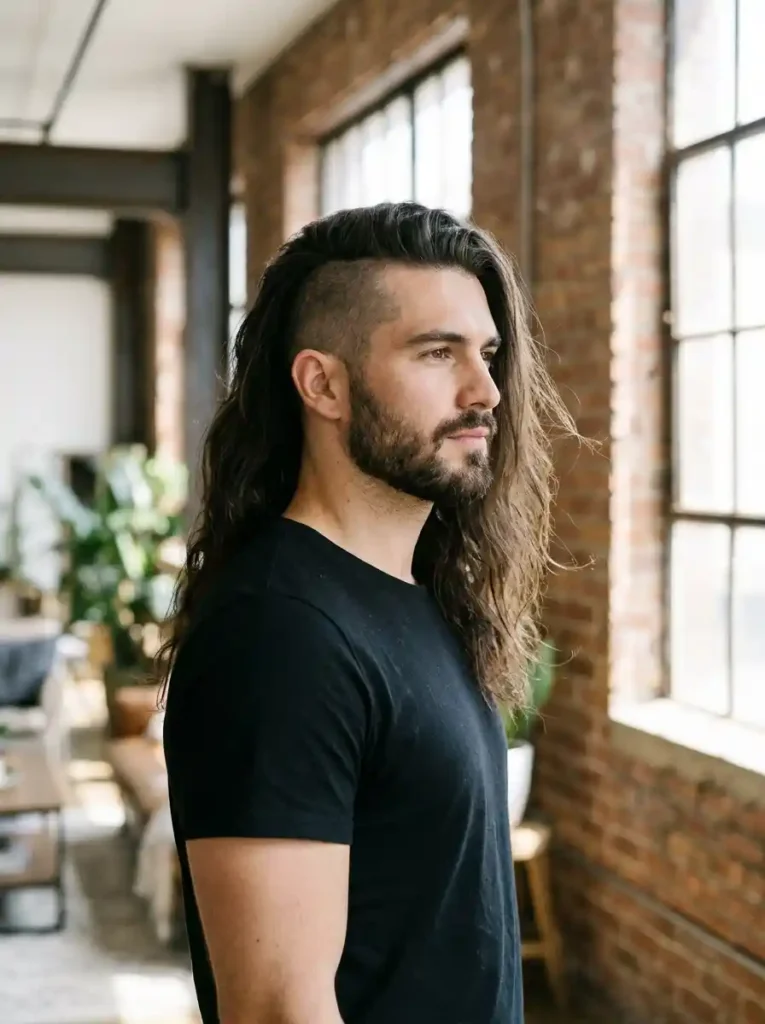
Keeping long hair does not mean giving up the sharp appearance of an undercut. This combination leaves considerable length across the upper section and back while removing hair from the lower sides. The contrast creates an expressive hairstyle that can look dramatic when worn loose and surprisingly neat when tied into a bun or ponytail. It is particularly suitable for men who enjoy longer hairstyles but want a more defined overall shape.
Before choosing this cut, consider how you normally wear your hair and how visible you want the shaved sections to be. Your barber can position the undercut so that the longer layers conceal it when necessary. Use conditioner regularly and avoid excessive heat styling to protect the length. Because the shaved sections grow out at a different rate from the longer hair, occasional reshaping will help maintain the intended silhouette.
15. Undercut with Beard

Pairing an undercut with a beard creates a coordinated appearance that gives attention to both the hairstyle and facial hair. The short sides provide a clean outline, while the longer top adds structure above the face. A well-maintained beard can complement this contrast, particularly when its shape follows your natural jawline. You can choose a short boxed beard, medium stubble, or fuller facial hair depending on your preferred grooming style.
The key is making sure the beard and haircut look intentional together. Ask your barber to consider the temple area, sideburn transition, and beard length when shaping the undercut. Keeping the neckline tidy and trimming stray facial hairs regularly makes a noticeable difference. If your beard is especially thick, avoid creating an excessively sharp transition that feels disconnected from your overall appearance. A balanced outline generally produces a more natural finish.
16. Tapered Undercut
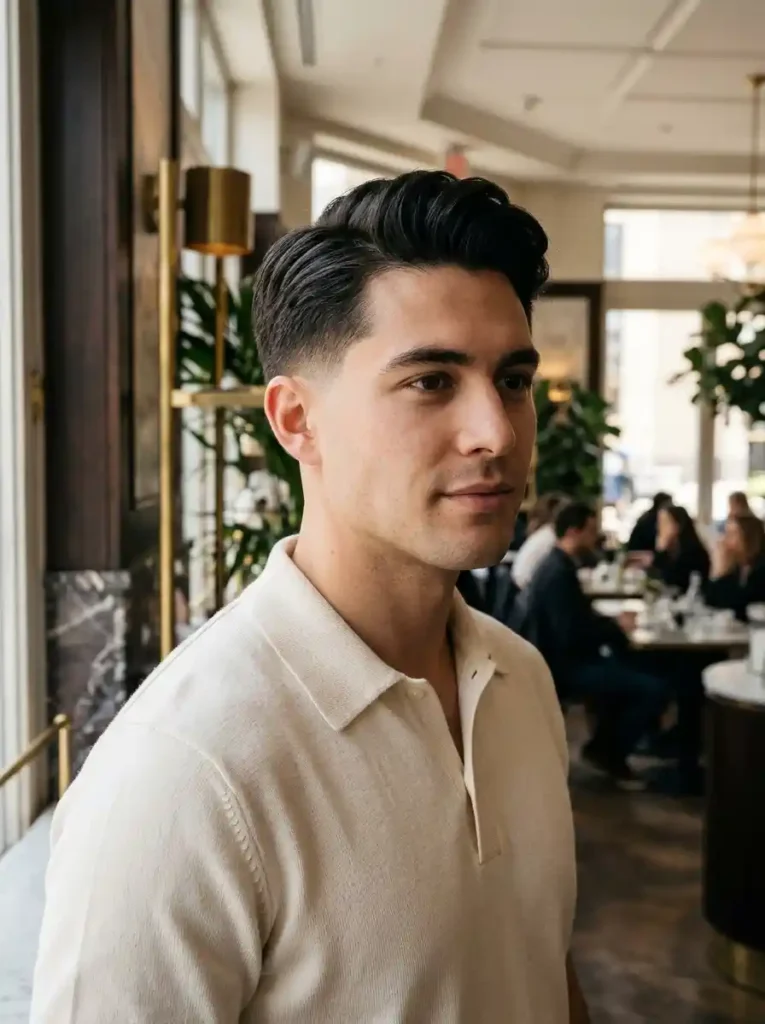
The tapered undercut offers a softer alternative for men who want clean sides without an extremely short fade. Hair gradually becomes shorter around the sideburns and neckline, producing a controlled finish that looks particularly natural. The upper sides retain slightly more length, helping the hairstyle maintain a balanced shape. This makes it a sensible choice for men who prefer understated grooming rather than dramatic contrast.
You can combine the taper with a side part, brushed-back top, or textured styling to create different appearances without changing the basic haircut. Tell your barber whether you want the taper to remain subtle or become more noticeable around the temples. A lightweight cream is usually enough to control the longer section. Regular neckline and sideburn cleanups help preserve the tidy finish, especially if you prefer a consistently groomed appearance.
17. Undercut with Spiky Top

For a more expressive hairstyle, an undercut with a spiky top creates height and definition without requiring extremely long hair. The shorter sides make the upper spikes stand out, while textured styling gives the haircut a youthful, energetic appearance. You can keep the spikes relatively soft for everyday wear or create a more pronounced finish for occasions when you want your hairstyle to attract attention.
Ask your barber to leave enough length on top for individual sections to stand upright while keeping the overall shape manageable. Apply a small amount of matte wax or strong-hold paste, then separate the strands using your fingertips. Avoid using too much product, as heavy buildup can make the spikes collapse together. This haircut is particularly effective on thick, straight hair that naturally holds an upward direction.
18. Comb-Over Undercut

The comb-over undercut offers a refined appearance while maintaining enough contrast to feel modern. The upper hair is directed diagonally across the head, creating a defined shape that can look polished without becoming overly formal. Short sides keep the overall silhouette neat and prevent excessive bulk around the temples. It is an excellent option for men who appreciate structured hairstyles but want more flexibility than a traditional business cut.
Start with slightly damp hair and use a comb to establish the direction of the upper section. A flexible styling cream or light pomade will provide enough control while preserving movement. Ask your barber to leave sufficient length across the crown so the hair can lie naturally rather than looking stretched. This hairstyle suits many face shapes, although the direction and height of the comb-over can be adjusted for better balance.
19. Undercut with Fringe

An undercut with a fringe gives the hairstyle a distinctive front-focused appearance. The shorter sides keep the silhouette neat, while the longer upper section falls toward the forehead. You can choose a straight fringe, a slightly parted version, or an irregular textured finish depending on your personality. This design is particularly appealing to men who enjoy contemporary fashion and prefer their hair to frame rather than expose the forehead.
The right fringe length makes all the difference. Ask your barber to consider your forehead, hairline, and natural growth direction before deciding how much hair should fall forward. A lightweight styling cream can keep the fringe controlled without making it look flat. Men with naturally thick hair may benefit from subtle internal layering to reduce bulk. Avoid cutting the fringe too short initially because a little extra length provides more opportunities for adjustment.
20. Faux Hawk Undercut

The faux hawk undercut provides the bold character of a mohawk-inspired hairstyle without requiring completely shaved sides or an extreme central strip. The hair on top is styled upward and inward, creating a raised central shape that becomes the main feature. Its shorter sides maintain a cleaner outline, making the look easier to incorporate into everyday personal style than a traditional dramatic mohawk.
Ask your barber to leave enough length through the center while keeping the sides closely trimmed. The upper hair should gradually form the desired ridge rather than appearing like separate spikes. Apply a small amount of strong-hold styling paste and use your fingers to guide the hair toward the middle. This style works particularly well with thick hair, although men with finer hair can achieve a softer version using volumizing products.
21. Buzz Cut Undercut

If you prefer low-maintenance grooming, a buzz cut undercut provides a clean and uncomplicated alternative to longer hairstyles. The top remains short and closely clipped, while the sides are shaved even shorter to create a noticeable difference in length. Although the styling possibilities are limited, the haircut makes up for that with its simplicity. It is especially convenient for men who do not want to spend time blow-drying or applying styling products.
Discuss clipper guard lengths with your barber before starting because even small differences can change the overall appearance. A slightly longer top creates more visible contrast, while a very short finish looks more uniform. You will need regular trimming to maintain the distinction between the sections. Since the scalp becomes more exposed, using appropriate sun protection when outdoors is also a sensible part of maintaining this haircut.
22. Asian-Inspired Undercut

An Asian-inspired undercut often emphasizes the natural density and straight texture of the hair while introducing modern layering across the top. The shorter sides create definition, and the longer upper section can be shaped into a soft fringe, side sweep, or slightly rounded silhouette. This approach works especially well for men who enjoy contemporary Korean and Japanese-inspired grooming aesthetics without needing to copy one particular celebrity hairstyle.
Ask your barber to consider how your straight hair naturally falls before selecting the upper length. Too much weight can make the top look flat, while excessive thinning may remove the fullness that gives this haircut its character. Lightweight styling cream can provide separation and a natural finish. If you prefer a softer appearance, request a gradual transition around the temples instead of an extremely disconnected side section.
23. Undercut with Hard Part

A hard-part undercut is a distinctive variation for men who appreciate clearly defined lines and structured grooming. The barber creates a precise shaved part that separates the longer upper hair from the shorter side section. This detail makes the haircut more noticeable than a natural side part and gives it a crisp, intentional appearance. It pairs particularly well with a comb-over or slicked-back top.
Because the shaved line is a defining feature, choosing its position carefully is important. Discuss whether you prefer a subtle line or a more prominent separation, taking your natural parting direction into account. Use a comb and lightweight pomade to keep the upper section organized. The main maintenance consideration is regrowth: the hard part becomes less distinct as hair grows, so regular touch-ups are necessary to preserve its sharp appearance.
24. Layered Undercut with Natural Volume

A layered undercut with natural volume is a great choice if you want a hairstyle that looks full without appearing excessively styled. The shorter sides provide a defined foundation, while carefully cut layers across the top create movement and prevent the upper section from looking heavy. Rather than relying on a dramatic quiff or slicked-back finish, this haircut celebrates the hair’s natural shape and texture.
The layering technique should reflect your hair density and preferred length. Men with thick hair may need additional weight removed, while finer hair usually benefits from more conservative layering to preserve fullness. Blow-dry the roots gently or use a lightweight volumizing cream to encourage natural lift. Avoid applying heavy wax throughout the upper section, as it can flatten the movement that makes this particular undercut attractive.
Conclusion
Choosing the right modern men’s undercut is about finding a balance between personal style, natural hair texture, and everyday practicality. From the clean appearance of a classic undercut to the bold contrast of a disconnected design, these 24 ideas demonstrate just how many ways you can personalize this popular haircut. You don’t necessarily need an extreme transformation to achieve something noticeable; even a subtle fade, textured top, or carefully shaped fringe can make a meaningful difference.
Before booking your next barbershop appointment, consider how much time you want to spend styling your hair, how frequently you can schedule trims, and which features you would like your haircut to highlight. Save your favorite inspiration photos and discuss the details with your barber rather than relying on a haircut name alone. The best undercut isn’t simply the trendiest option—it’s the one that makes you feel confident, comfortable, and genuinely happy with your appearance.