
Thin hair can look flat quickly, especially when a haircut removes too much weight. The good news is that the right shape can create movement without sacrificing precious fullness. These hairstyles for thin hair focus on smart lengths, flattering textures, and easy styling techniques. You will find polished bobs, soft layers, playful bangs, and effortless updos. Each idea offers a different way to make fine strands look intentional, stylish, and beautifully finished.
1. Sleek Blunt Bob
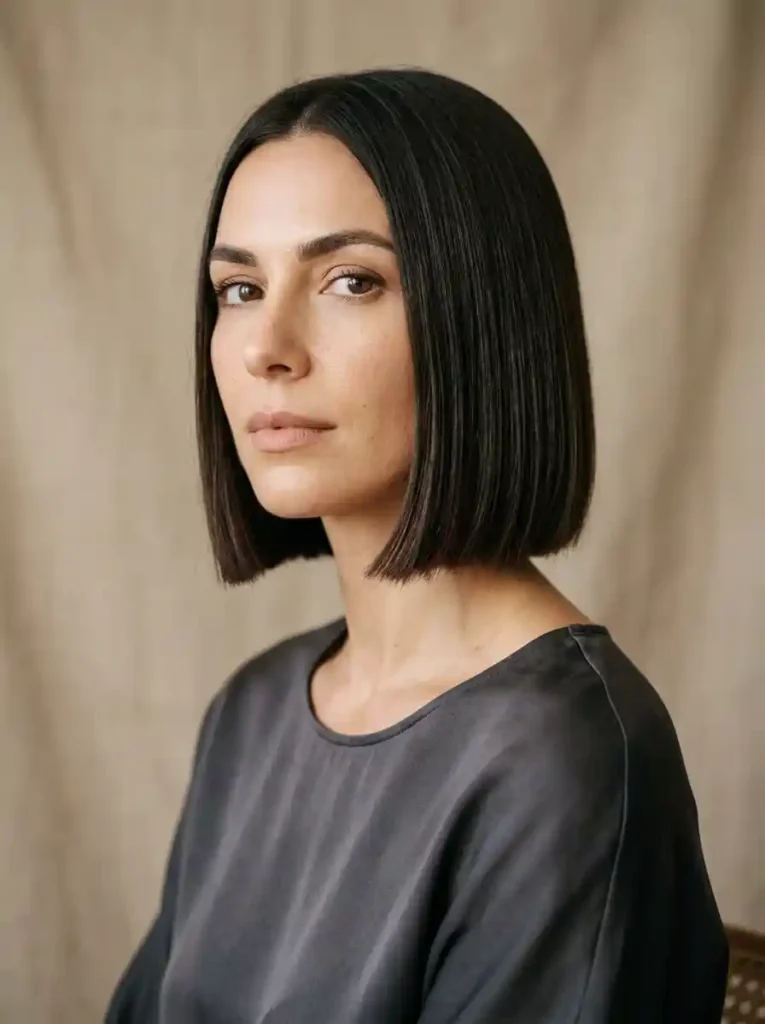
A sleek blunt bob gives thin strands a stronger visual outline. Its even ends create a clean shape without removing too much density. Chin length can highlight the jaw while keeping the haircut modern and polished. Straight or slightly wavy hair often shows this silhouette especially well. A deep brunette, soft black, or warm chestnut shade can add visual richness. This style suits anyone who prefers simple elegance and a haircut that looks finished with minimal effort.
Ask your stylist to keep the perimeter strong and avoid excessive thinning. A small amount of internal shaping can prevent the bob from feeling stiff. Blow-dry the roots upward, then smooth the ends with a round brush. For natural texture, use a lightweight cream instead of heavy oil. Stylist Tip: Thin hair often benefits from preserving weight at the bottom, so aggressive texturizing may work against the desired fuller appearance.
2. Collarbone-Length Lob
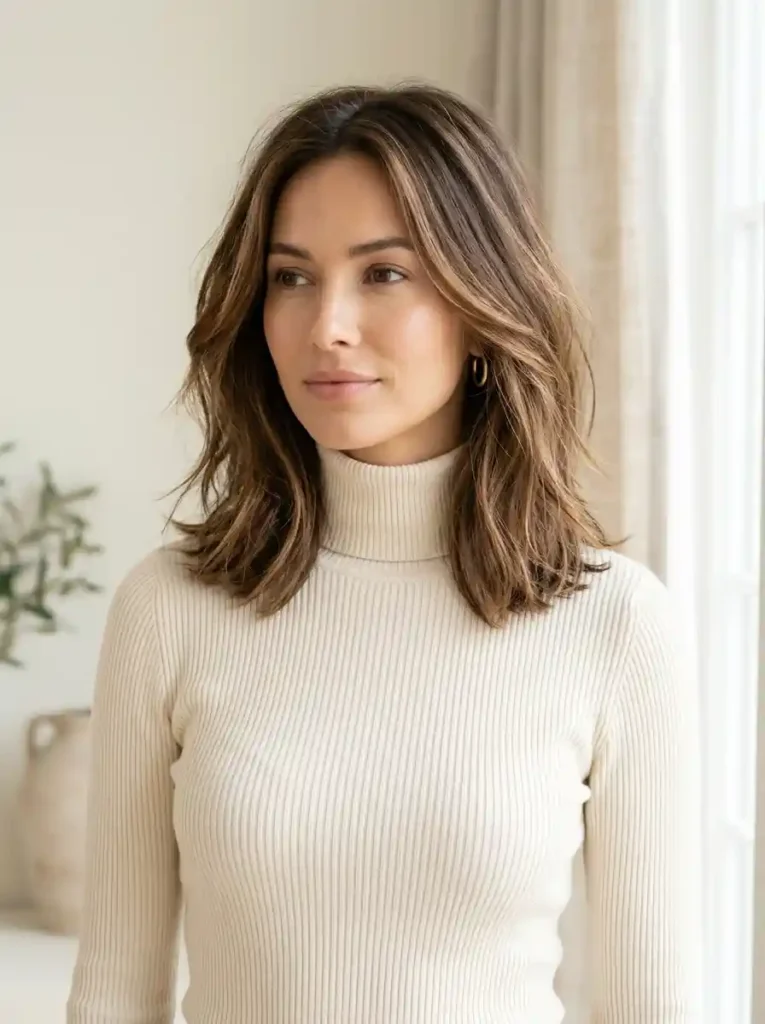
A collarbone lob offers more versatility than a short bob. The extra length allows soft bends, ponytails, clips, and loose waves. Keeping the ends fairly full helps thin hair retain a substantial outline. Gentle movement through the lower sections prevents the cut from appearing overly flat. Warm brown, beige blonde, or subtle dimensional color can enhance the shape without overwhelming delicate strands. This option is especially appealing for someone who wants a medium-length haircut with an easy, sophisticated personality.
For styling, create a slight bend rather than tight curls. Alternate the direction of a curling iron through the midlengths, then brush everything lightly with your fingers. Keep products concentrated away from the roots if your hair becomes oily quickly. Pro Tip: Ask for long internal layers rather than many short layers. This creates movement while preserving enough weight around the perimeter for a fuller-looking finish.
3. Soft Face-Framing Layers
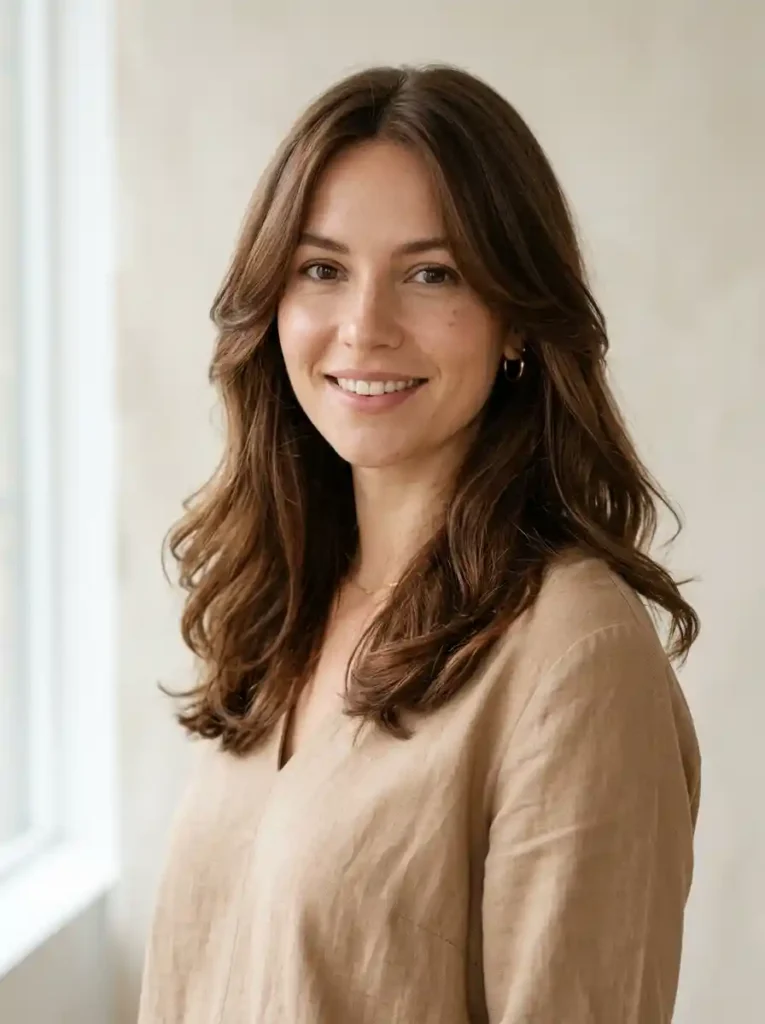
Soft face-framing layers can brighten a medium-length haircut without removing fullness everywhere. The shortest pieces can begin near the cheekbones or chin, depending on your preferred shape. Longer sections keep the rest of the hair visually substantial. This approach works particularly well when you want movement around the face but dislike heavily layered ends. It suits straight, softly wavy, and lightly textured hair. Subtle highlights can also emphasize the layered shape without requiring dramatic color changes.
The key is controlling where the layers begin. Ask your stylist for blended pieces that connect gradually into the longer lengths. Style the front sections away from your face using a medium round brush. Avoid piling heavy styling products onto fine strands. Common Mistake: Requesting too many short layers can make thin hair look less dense. Strategic placement usually creates more impact than adding layers throughout the entire haircut.
4. Wispy Curtain Bangs
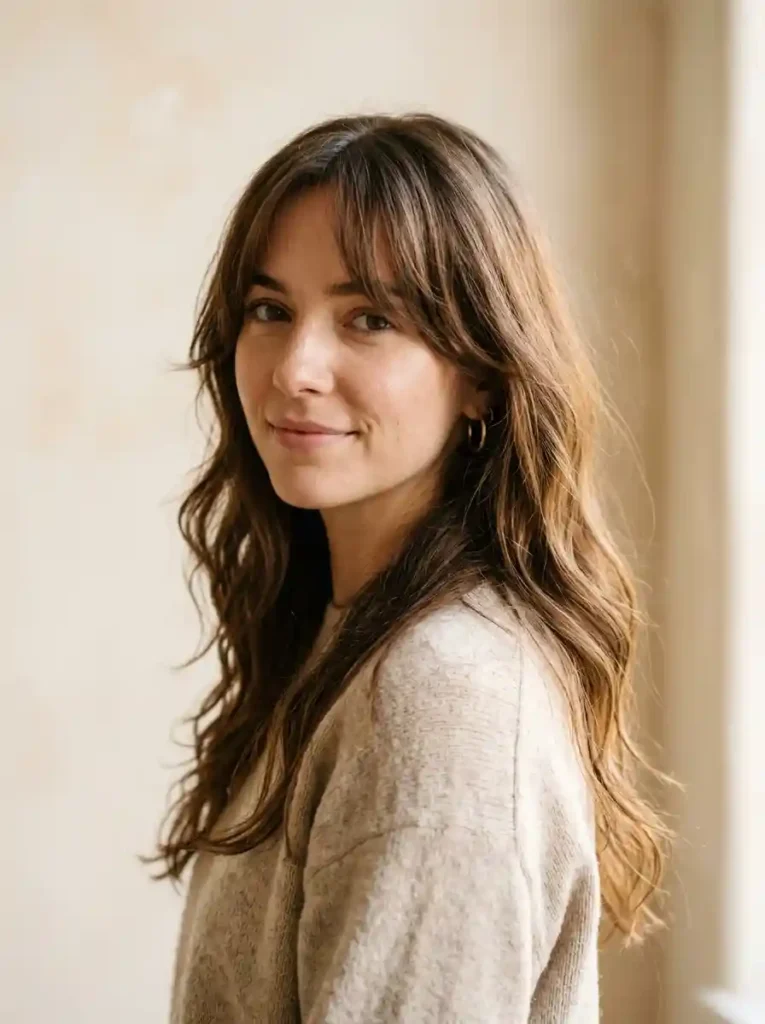
Wispy curtain bangs offer a softer alternative to a heavy fringe. Their center part creates a light opening across the forehead while delicate pieces frame the eyes and cheekbones. They work beautifully with shoulder-length cuts, lobs, and longer styles. Fine strands can actually suit this airy effect because the fringe does not require a thick block of hair. The result feels romantic and relaxed without making the entire haircut highly layered. It is a lovely option for subtle change.
Style curtain bangs with a small round brush and direct them slightly outward. Let them cool before separating the pieces with your fingers. A lightweight volumizing spray can provide lift without creating stiffness. Stylist Tip: The best curtain bang length depends on your natural growth pattern. If your fringe tends to separate strongly, work with that movement instead of forcing a perfectly solid shape every morning.
5. Textured Pixie Cut
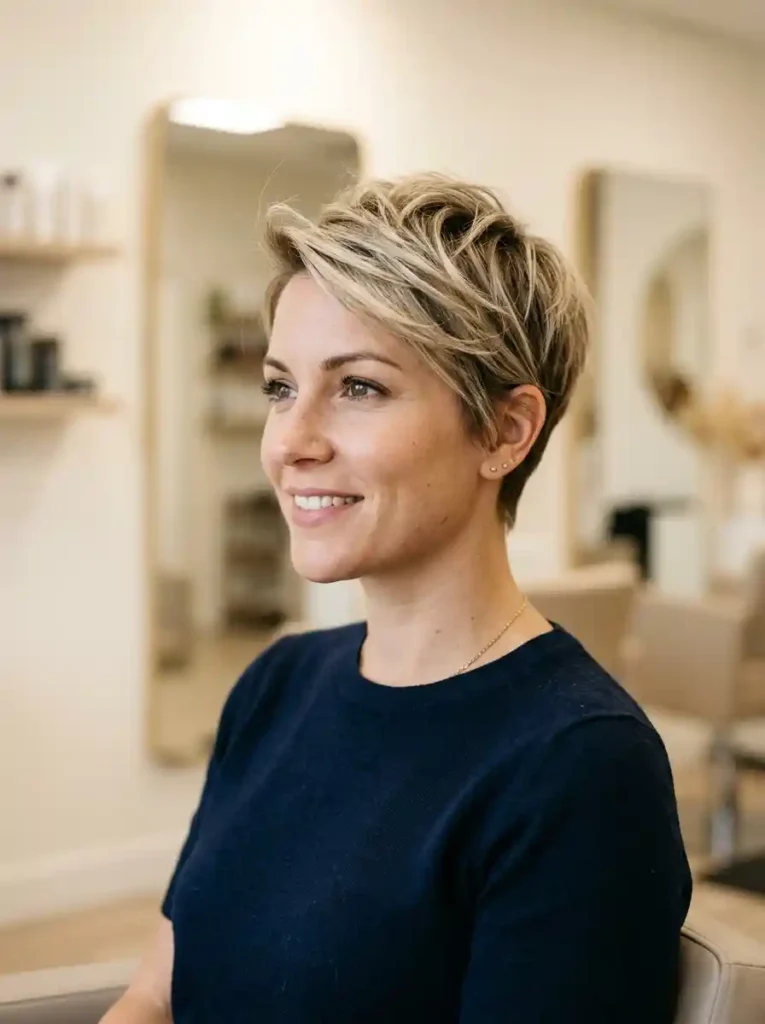
A textured pixie can make thin hair feel purposeful rather than difficult to manage. Shorter sides create a neat foundation, while slightly longer crown pieces provide styling flexibility. Piecey texture can add visual separation without requiring long lengths. This haircut suits people who enjoy a confident, low-length look and do not mind regular trims. It can work with straight hair or naturally soft texture. A cool blonde, brunette, or silver tone can make the individual pieces especially noticeable.
Use a pea-sized amount of lightweight styling paste on dry hair. Pinch small sections at the crown instead of coating the entire head. This keeps the texture defined while preventing fine strands from collapsing. Regular trims help preserve the intended shape. Pro Tip: Ask for a longer crown if you like styling options. Those extra centimeters can create more lift, movement, and directional texture without making the cut feel bulky.
6. One-Length Shoulder Cut
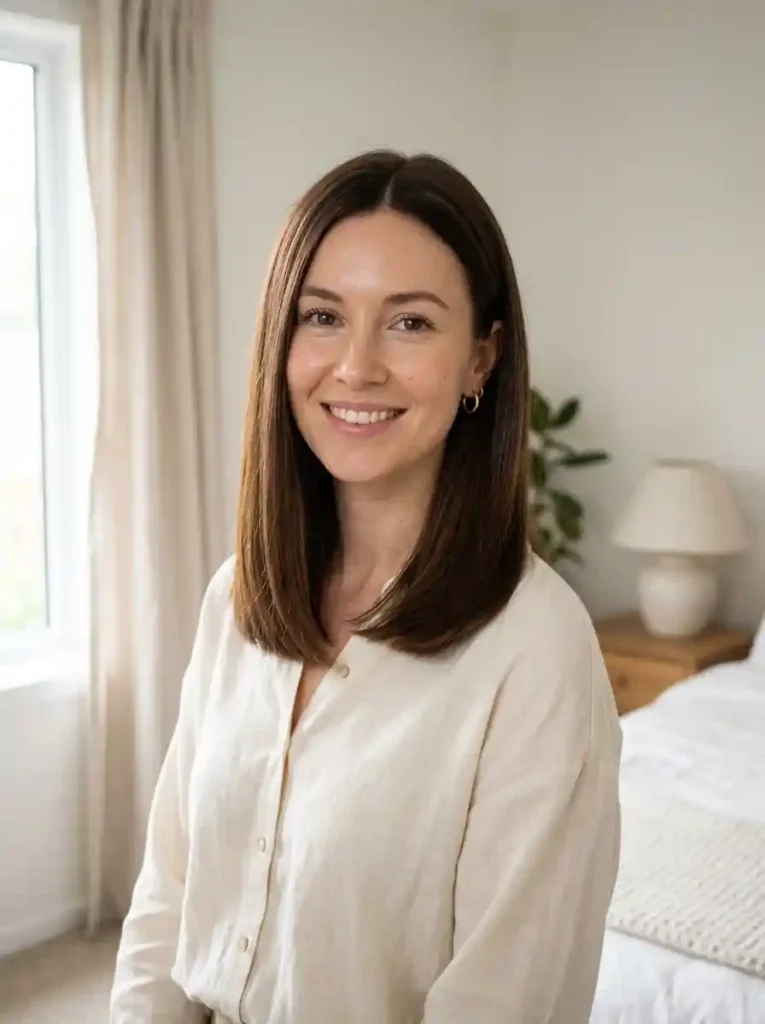
A one-length shoulder cut is simple, refined, and surprisingly versatile. Keeping the hair at one strong length preserves visual weight from roots through ends. The shoulder position also provides enough length for ponytails and simple updos. This haircut suits people who prefer a neat silhouette rather than obvious layering. Straight hair shows its precise outline beautifully, while gentle waves can soften the shape. Rich brunette, glossy black, and warm blonde shades all complement this clean structure.
To style it, focus on smoothness and controlled root volume. Blow-dry with a paddle brush, then add a small bend at the ends if desired. Avoid heavy smoothing oils near the scalp. Common Mistake: Cutting the ends too far below the shoulders can encourage awkward flipping as the hair meets the collar. A carefully chosen length can make the entire haircut easier to manage.
7. Soft Shag With Long Layers
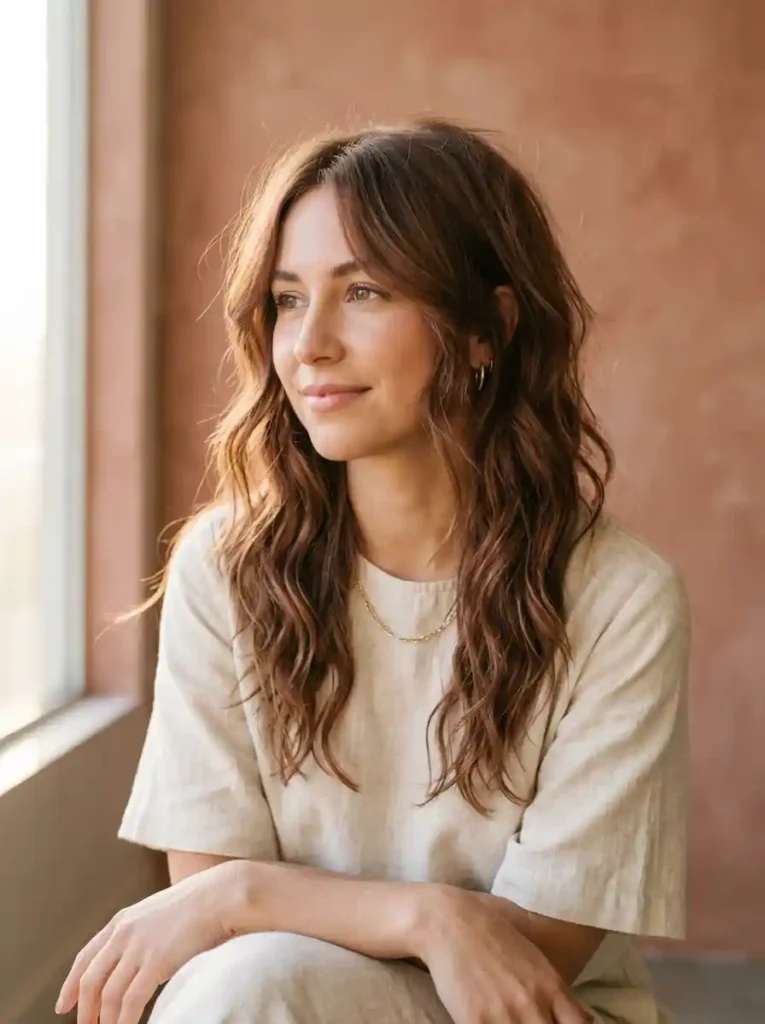
A soft shag brings movement to thin hair without relying on extremely short layers. The crown receives gentle texture, while longer pieces preserve the overall length. This creates an undone shape that feels modern rather than overly polished. It suits naturally wavy hair especially well, although straight hair can also be styled into a relaxed version. Soft copper, warm brown, and dimensional blonde shades can highlight the different sections of the haircut beautifully.
Ask for blended layers rather than a heavily razored finish. Use a lightweight mousse on damp hair, then scrunch gently while air-drying. If your hair is straight, create loose bends with a wide barrel iron. Stylist Tip: Fine hair usually needs restraint around the crown. Too much thinning can reduce the support needed for volume, so texture should be concentrated strategically rather than distributed everywhere.
8. Side-Parted Chin Bob
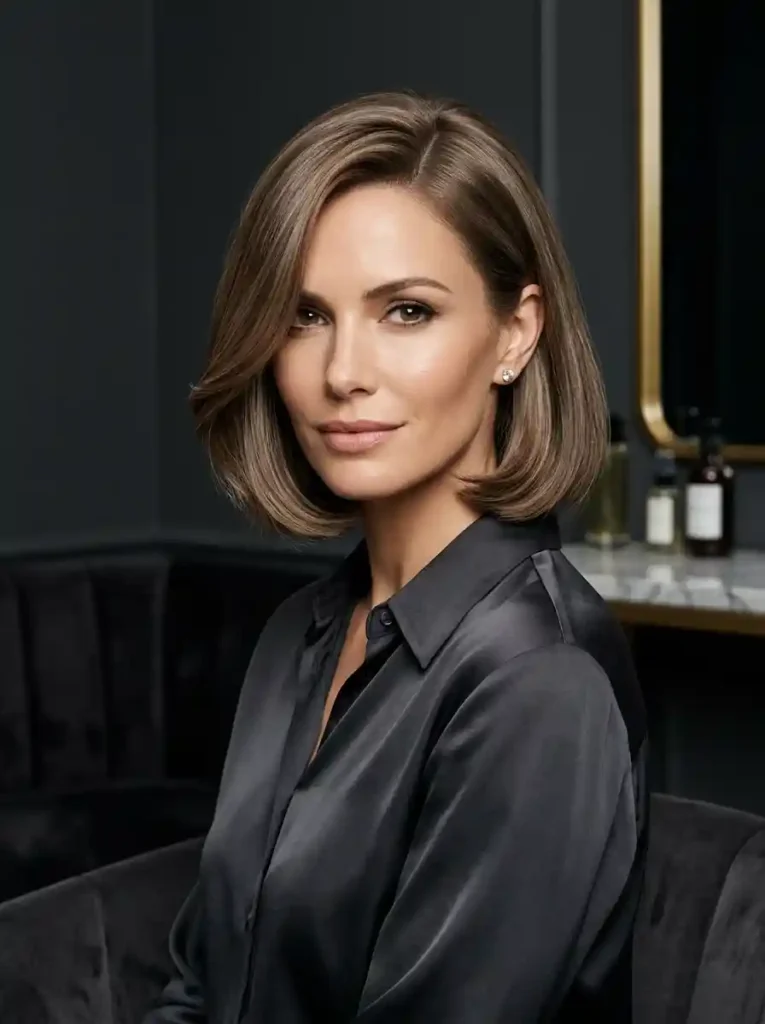
A side part can instantly change the character of a classic chin bob. The uneven visual balance creates height at the crown and directs attention toward the eyes. Keeping the ends softly curved prevents the haircut from feeling severe. This style works well for straight or lightly wavy thin hair. It suits someone who wants a polished look with a little more personality than a traditional center-parted bob. The side sweep also photographs beautifully from an angled perspective.
Start with a lightweight root-lifting foam before blow-drying the part. Use a round brush to guide the heavier side away from the scalp. Finish with a flexible spray rather than a stiff formula. Pro Tip: Change your part gradually if your hair has a strong natural direction. Working with your growth pattern can create longer-lasting lift and reduce daily styling effort.
9. Long Hair With Invisible Layers
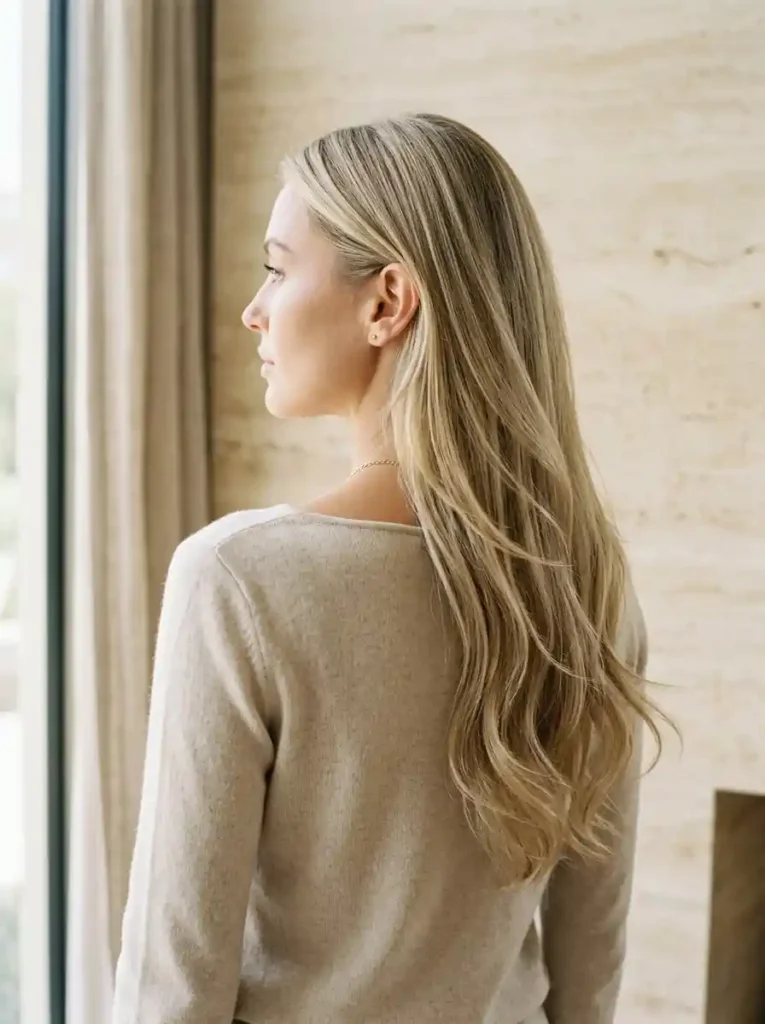
Long hair can remain flattering when the layering is subtle and carefully placed. Invisible layers create movement without making the ends appear overly sparse. The technique works best when most of the length remains intact. It is ideal for someone who loves long hair but wants more shape around the face and body. Straight hair shows the polished length clearly, while soft waves reveal the hidden movement. This option also provides plenty of styling flexibility for braids and ponytails.
Ask your stylist to preserve the outer perimeter while adding very subtle internal movement. Use a lightweight leave-in conditioner through the midlengths and ends. A large round brush can create soft body without excessive heat. Stylist Tip: Fine long hair can become weighed down by rich products. Use small amounts and apply them below the ear level whenever possible.
10. Rounded French Bob
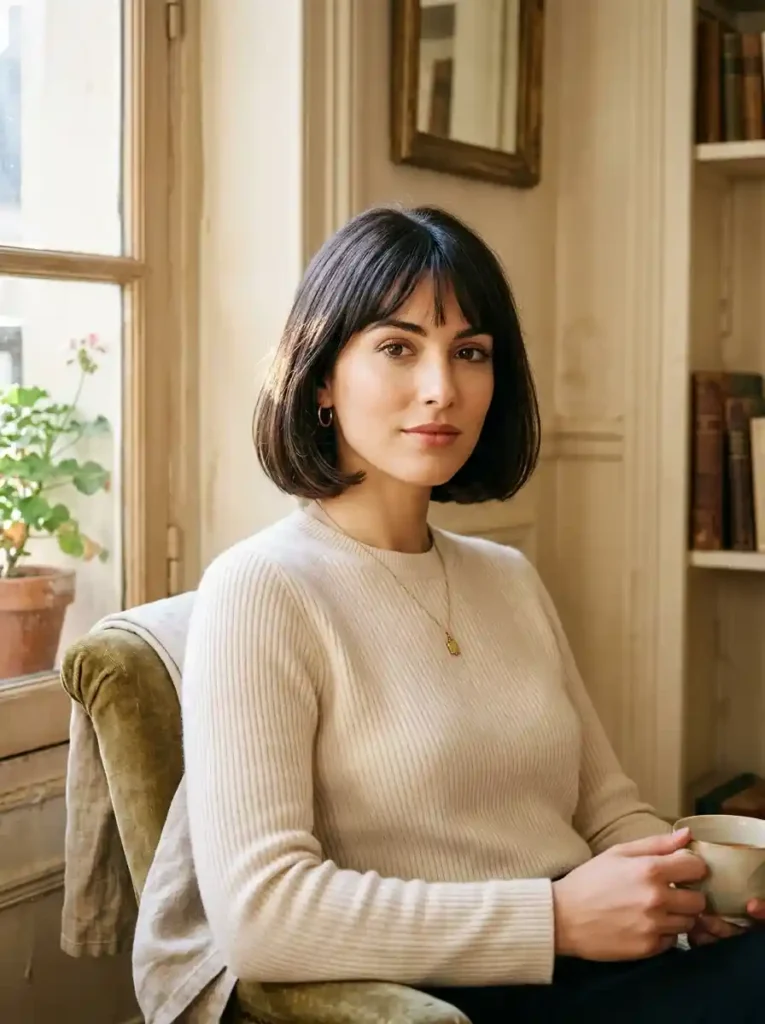
A rounded French bob adds structure while keeping the silhouette soft. The jaw-length shape gives thin hair a defined outline, while the curved ends create a gentle, feminine finish. A light fringe can make the style feel distinctly French without requiring a dense bang. This haircut suits straight hair and loose natural waves. It is a strong choice for someone who wants a fashion-forward short style that still feels wearable and uncomplicated.
Use a small round brush to curve the ends inward as you dry. For a less polished finish, allow a few natural pieces to remain loose. Keep fringe products minimal because heavy formulas can separate delicate strands. Common Mistake: Making the fringe too thick can reduce the airy quality of the haircut. A lighter section often creates a more balanced result with fine hair.
11. Voluminous Short Crop
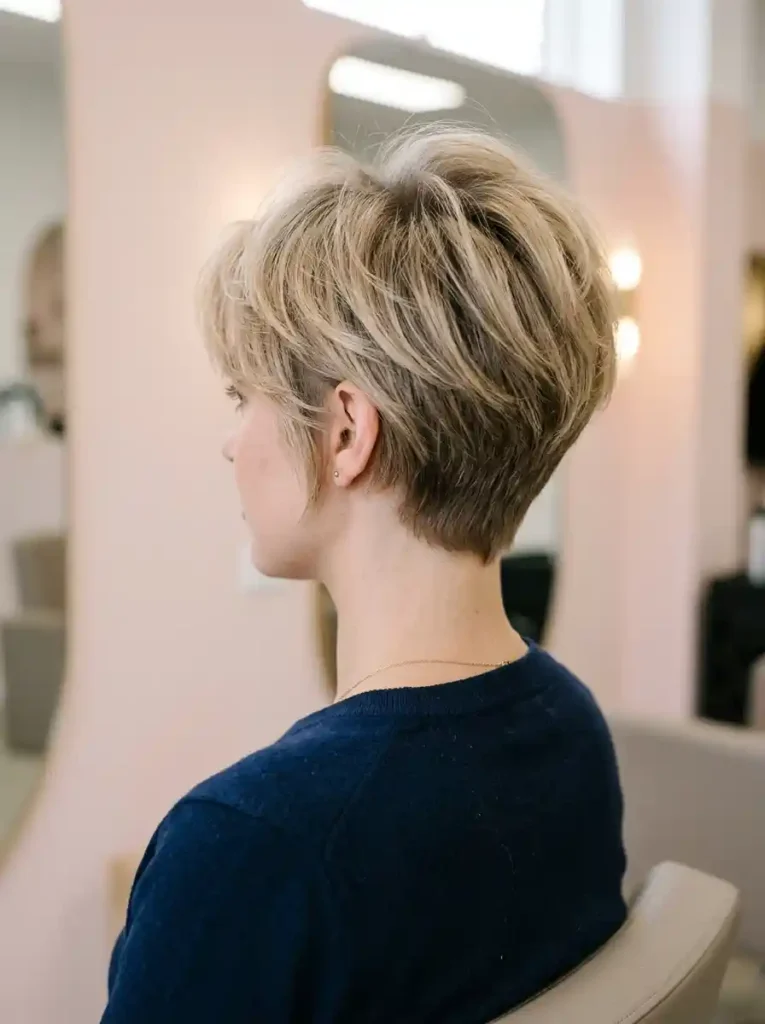
A short crop can create the impression of stronger density by concentrating shape around the crown. The sides remain neat while the top carries controlled height and texture. This makes the haircut particularly useful for people whose thin hair tends to fall flat when worn longer. It feels modern, practical, and expressive. A dimensional blonde or softly highlighted brunette can further emphasize the different directions of the cropped pieces.
Apply volumizing mousse to damp roots before drying upward. Use your fingertips to direct the crown instead of brushing everything flat. Finish with a tiny amount of matte paste on selected pieces. Pro Tip: Volume products work best when applied sparingly. Too much product can add weight and cause fine hair to lose the lift you worked to create.
12. Wavy Lob With Center Part
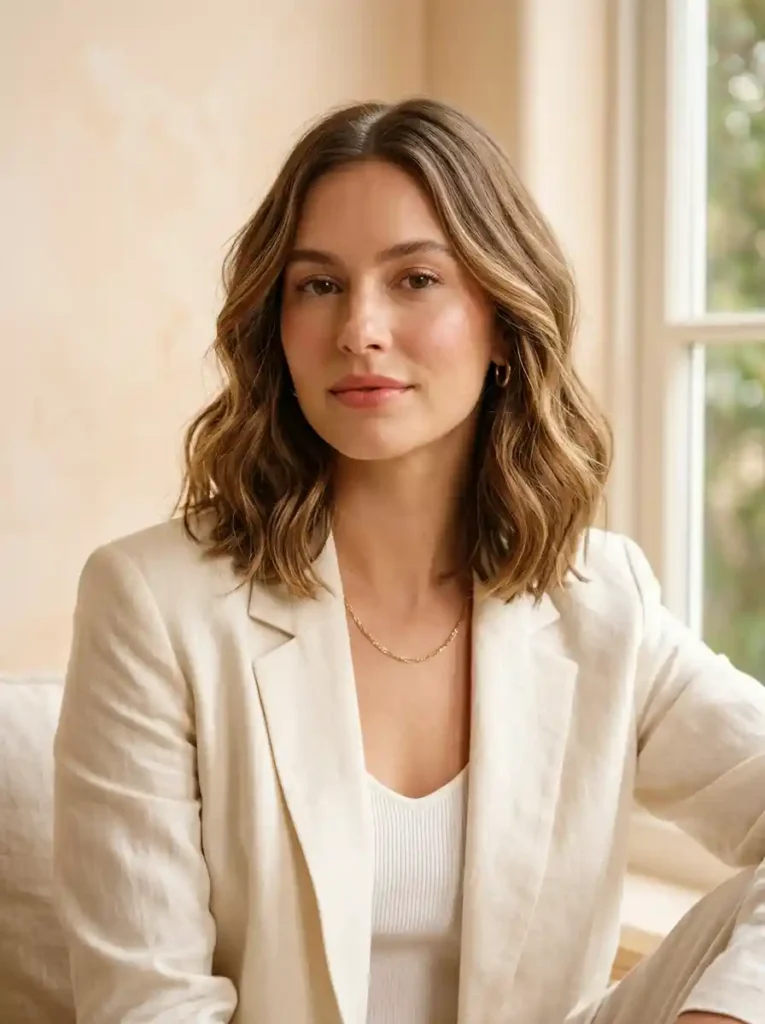
A center-parted wavy lob combines structure with relaxed movement. The length keeps the ends substantial, while loose waves create visual dimension throughout the haircut. A center part gives the style a clean, balanced appearance. This look works especially well for naturally wavy hair because the texture does much of the styling work. It can also suit straight hair when gentle waves are added with a curling iron or overnight braiding technique.
Apply mousse to damp hair and twist a few larger sections while drying. For heat styling, use a wide barrel and leave the ends slightly straighter. Stylist Tip: Avoid brushing waves aggressively after styling. Use your fingers or a wide-tooth comb so the texture remains separated instead of becoming flat and fuzzy.
13. Blunt Lob With Side Bangs
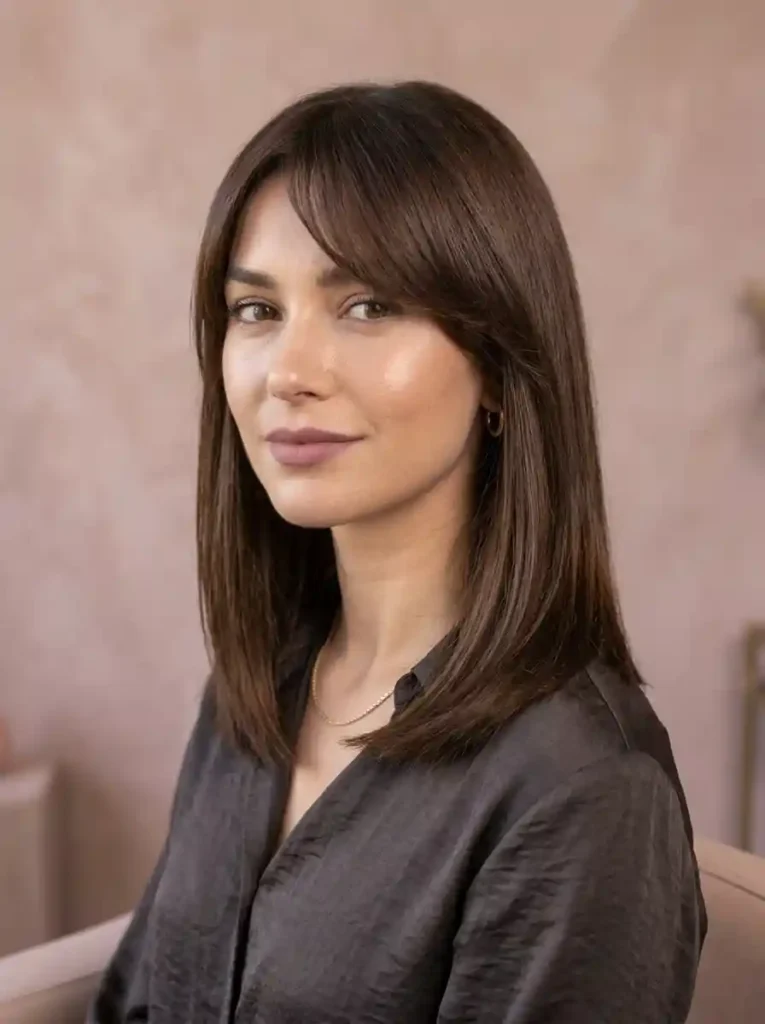
A blunt lob with side bangs offers a polished shape with a flattering diagonal detail. The full perimeter helps preserve the appearance of density, while the side fringe adds movement around the forehead. This combination works well for straight thin hair that needs structure. It also provides an easy way to change the look without committing to a full fringe. The result feels professional enough for work while remaining stylish for weekends and special occasions.
Dry the bangs first because they can set quickly in the wrong direction. Sweep them sideways with a small round brush, then smooth the lob with a larger brush. Pro Tip: Keep the side bang slightly longer if you want easier styling. A longer fringe can blend into the haircut when you decide to grow it out.
14. Feathered Shoulder Cut
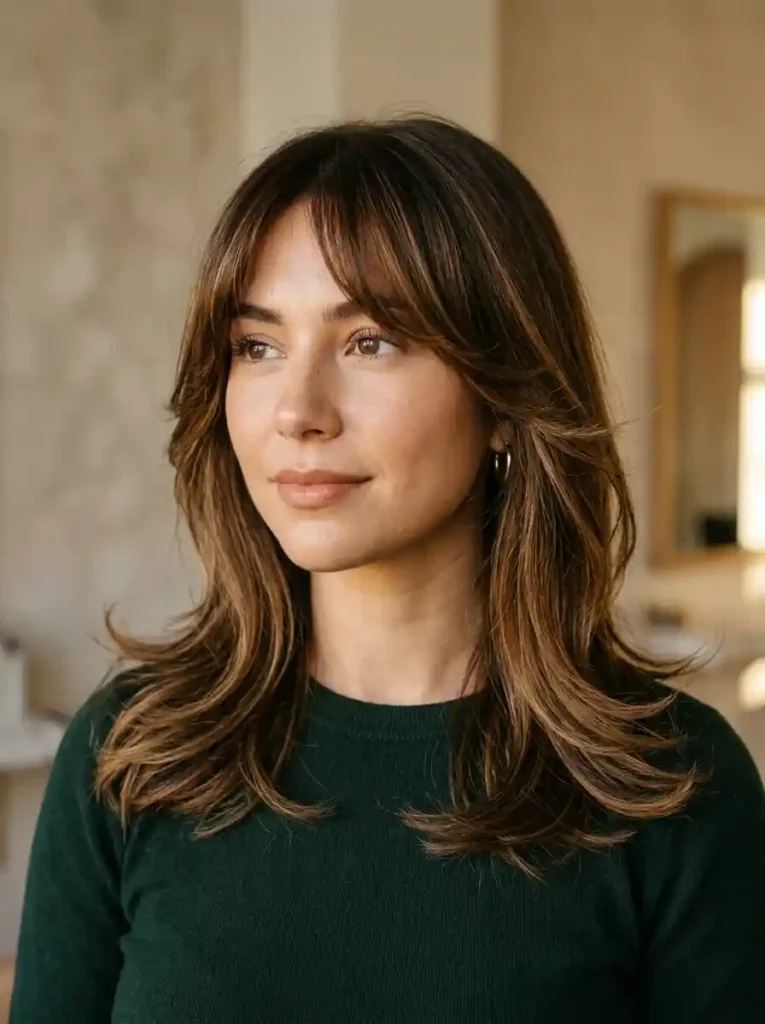
A feathered shoulder cut adds movement without creating a heavily layered silhouette. The ends sweep softly outward, giving the hair a light, breezy finish. Keeping the base relatively full helps the style retain structure. This haircut suits straight hair and gentle waves, especially when you enjoy a little retro influence. Honey blonde, champagne, and warm brunette tones can make the feathered sections more noticeable without looking overly dramatic.
Use a medium round brush to direct the front sections away from the face. Roll the ends outward briefly, then let them cool before brushing lightly. Common Mistake: Overworking every section can make the style look stiff. Leave some pieces natural so the feathering feels soft and modern rather than overly formal.
15. Messy Textured Bob

A messy textured bob gives thin hair a carefree personality. Instead of aiming for perfect smoothness, the haircut uses loose bends and separated ends to create visual movement. The short length keeps the overall shape compact, while subtle texture prevents it from looking flat. This style suits people who prefer relaxed beauty over polished perfection. It can work with straight hair, natural waves, or hair that already has a slightly tousled pattern.
Use a lightweight texturizing mist on damp hair, then scrunch or twist small sections. Once dry, loosen the shape with your fingers. Avoid heavy waxes that can make fine strands stick together. Stylist Tip: Texture should look irregular rather than evenly distributed. Leaving a few smoother areas creates contrast and makes the movement appear more natural.
16. Long Curtain Bangs With Lob
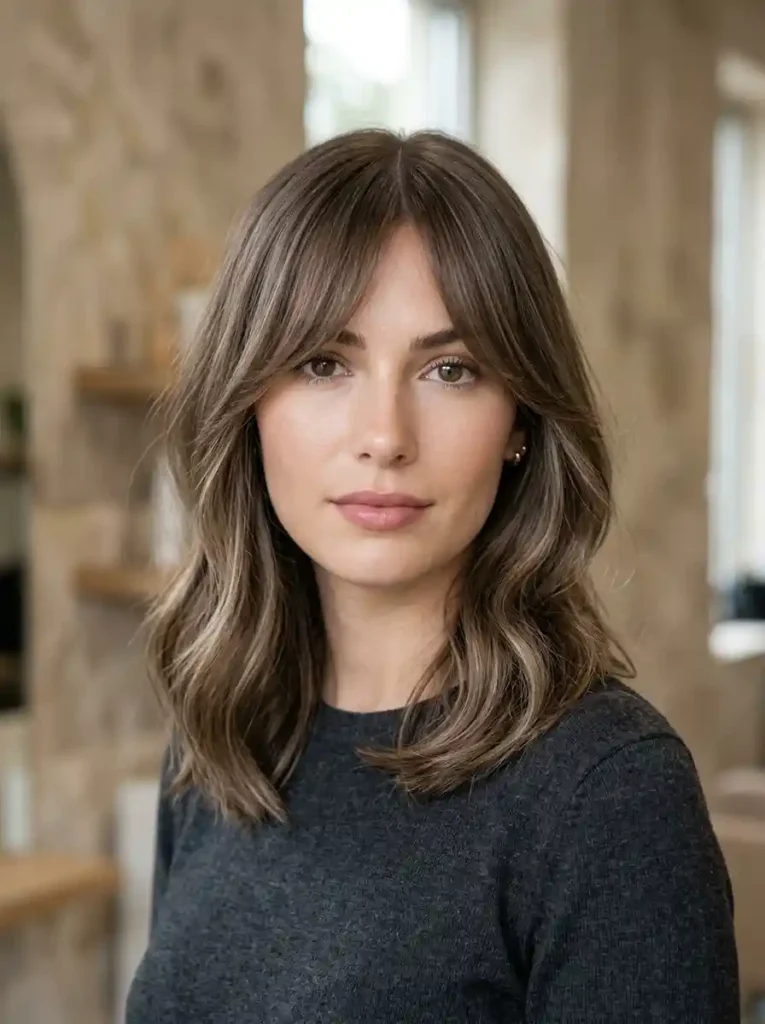
Long curtain bangs provide face-framing detail while keeping most of the haircut intact. Their cheekbone-length shape blends naturally into a lob, creating movement without sacrificing the main silhouette. This option is useful when you want bangs but prefer an easy grow-out process. The style looks polished with a smooth blowout and relaxed with loose waves. It works particularly well when thin hair needs shape near the face rather than layers throughout the ends.
Blow-dry the bangs outward using a medium round brush. Allow them to cool around the brush before releasing them. Keep the lob lightly textured through the lower half. Pro Tip: Longer curtain bangs can be easier to maintain than short fringe because they blend into the surrounding haircut as they grow.
17. Layered Midi Cut
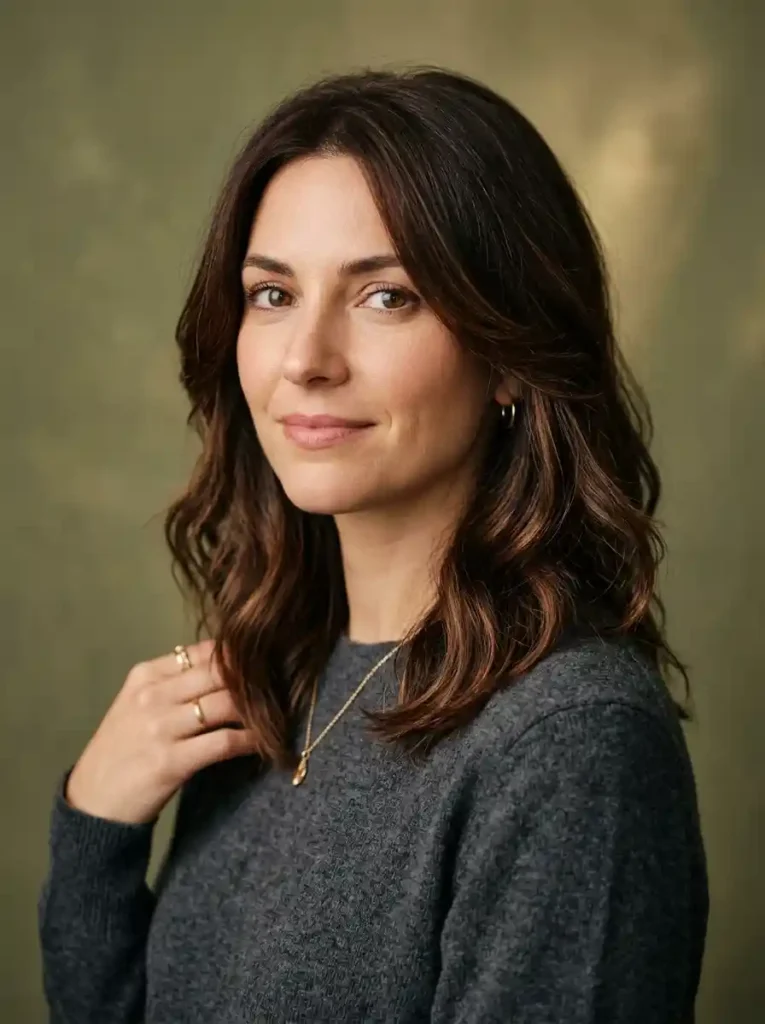
A layered midi cut sits in a versatile middle ground between a lob and longer hair. Its length offers styling freedom, while soft layers prevent the shape from feeling heavy. The key is keeping the layers long and blended. This helps thin hair move without creating visibly sparse ends. The style works for straight, wavy, and lightly curly textures. It is especially useful for anyone who wants movement but still needs enough length for ponytails and half-up styles.
Ask for layers that begin below the cheekbones or chin, depending on your desired framing. Style with a large round brush for soft volume. Stylist Tip: Fine hair often looks fuller when the shortest layers do not sit too close to the ends. Maintaining a solid lower section gives the haircut a stronger visual foundation.
18. Sleek Ear-Length Bob
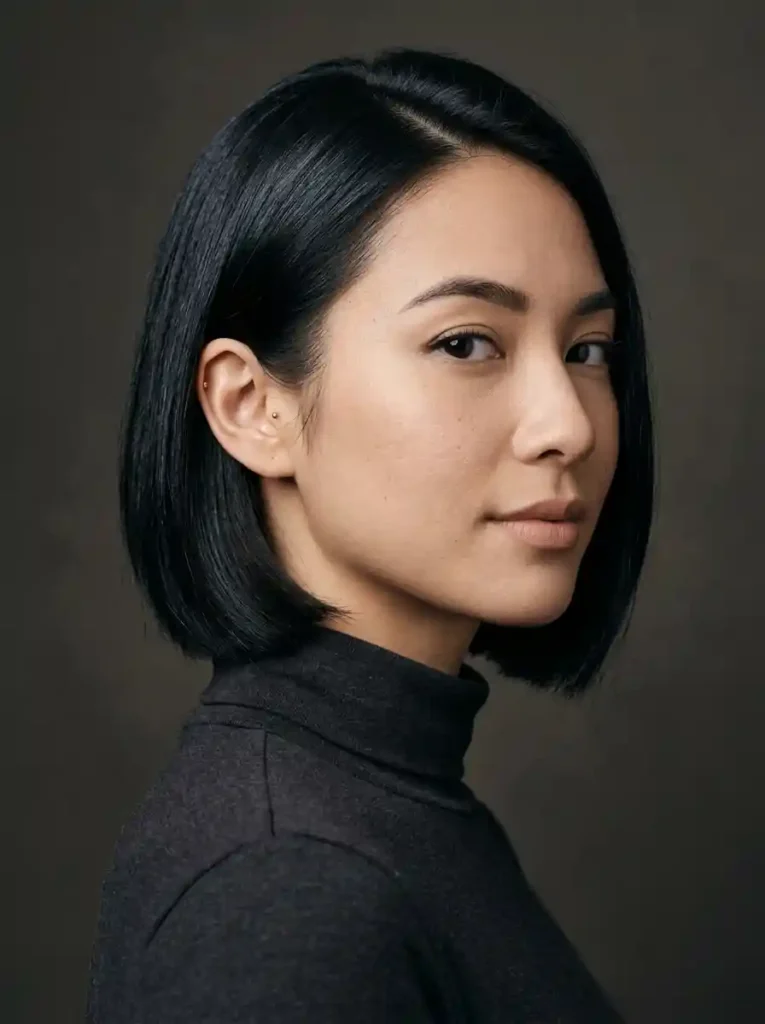
An ear-length bob makes a bold statement with very little visual weight. Its compact shape can make the haircut feel intentionally dense and architectural. The short length also reduces the space where fine strands can become limp. This look is ideal for someone who enjoys clean lines and a modern aesthetic. Straight hair shows the precision best, while slightly wavy hair can create a softer, less geometric interpretation.
Keep the ends crisp with regular trims and use a smoothing cream sparingly. Blow-dry with a paddle brush for a sleek finish. Common Mistake: Applying too much shine serum can flatten the roots and make the haircut lose its shape. Place any finishing product mainly on the ends.
19. Soft Curly Bob
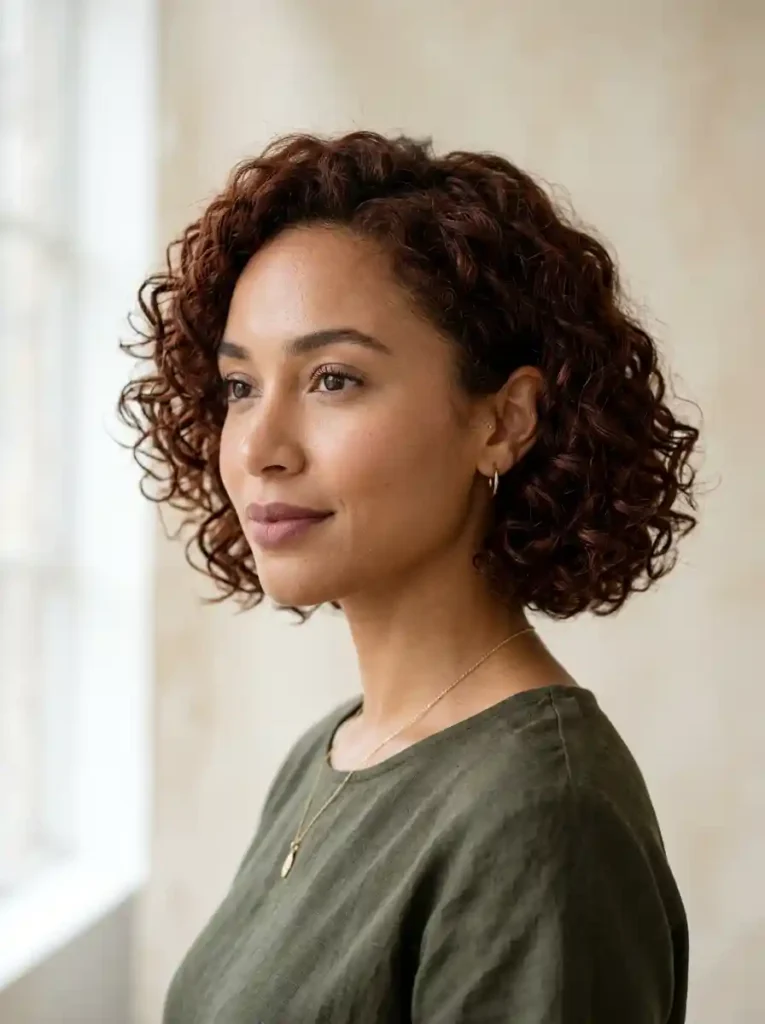
A soft curly bob can give thin hair a lively, rounded silhouette. Shortening the length allows curls to spring upward instead of being pulled down by excessive weight. The jaw-length shape keeps the style compact while defined curls add dimension. This haircut works especially well for people with naturally loose or medium curls. Warm auburn, chocolate, and honey tones can bring additional depth to the individual curl patterns.
Use a lightweight curl cream followed by a small amount of mousse. Scrunch gently and allow the hair to dry without repeated touching. Pro Tip: Curly thin hair often needs hydration without heavy buildup. Choose lightweight formulas and refresh only the areas that have lost definition instead of adding product everywhere.
20. Wispy Layered Bangs With Long Hair
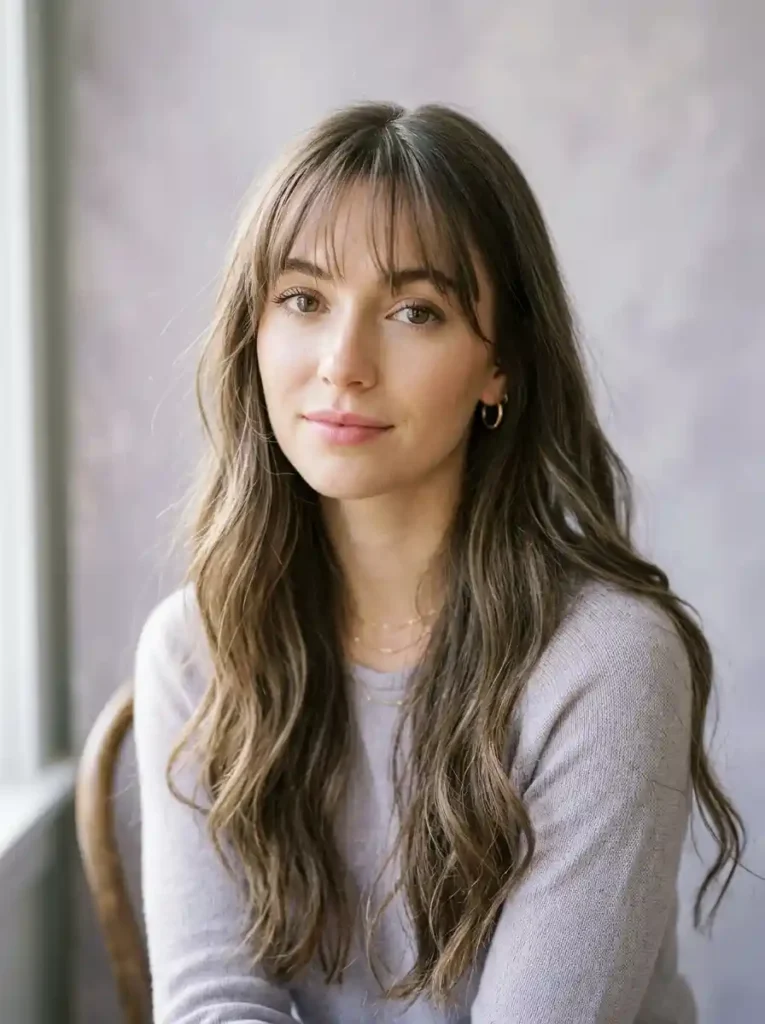
Wispy layered bangs offer a gentle update for long thin hair. The fringe adds interest around the face while the longer lengths remain mostly intact. Because the bangs are separated into lighter pieces, they do not create the heavy block that some thick fringes produce. This style works well for straight and softly wavy hair. It is a good choice when you want a noticeable change but do not want to sacrifice your long haircut.
Dry the fringe forward first, then separate it with your fingertips. Keep the remaining hair smooth or add loose waves for contrast. Stylist Tip: Bring reference photos showing your preferred bang density. “Wispy” can mean different things, and the amount of hair removed should match your natural density.
21. Half-Up Volume Style
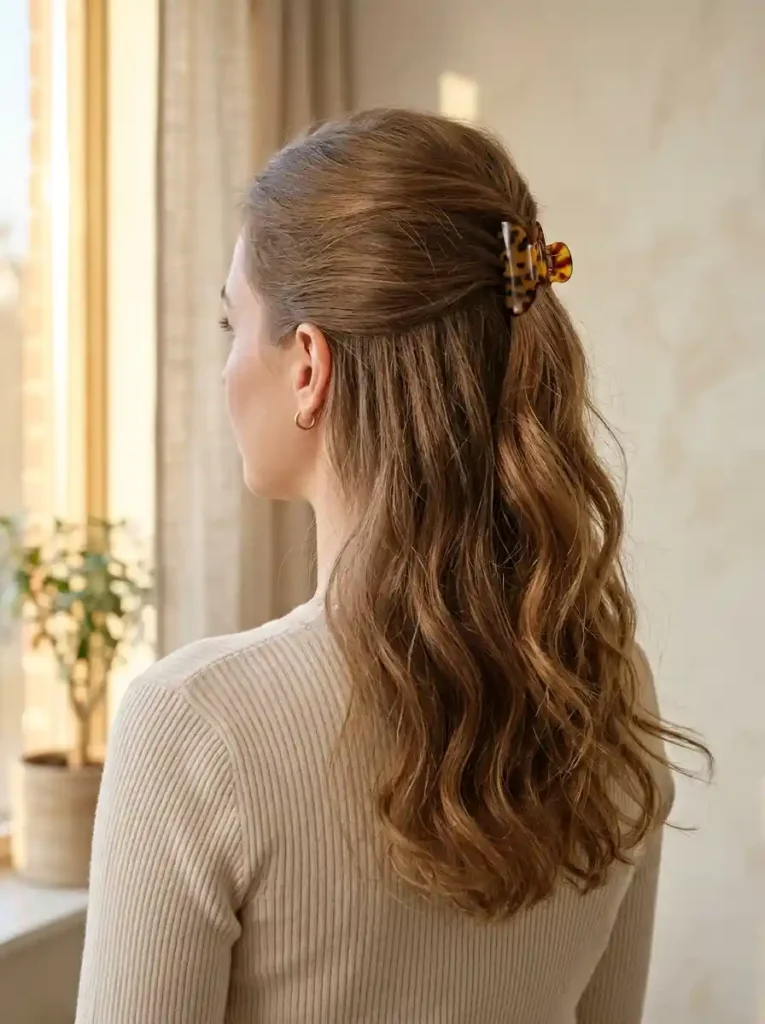
A half-up style can create the feeling of volume without requiring a complicated haircut. The top section is lifted gently while the lower lengths remain loose and soft. This approach works particularly well for medium or long thin hair. A simple clip adds structure without pulling tightly at the roots. The result can feel polished enough for events while remaining easy enough for everyday wear. Loose waves make the silhouette look relaxed and dimensional.
Tease the crown lightly with a fine comb before securing the upper section. Keep the tension gentle so the roots stay comfortable. Common Mistake: Pulling the half-up section too tightly can flatten the crown and make the lower hair appear thinner. A slightly relaxed hold usually creates a softer, fuller-looking result.
22. Low Textured Ponytail
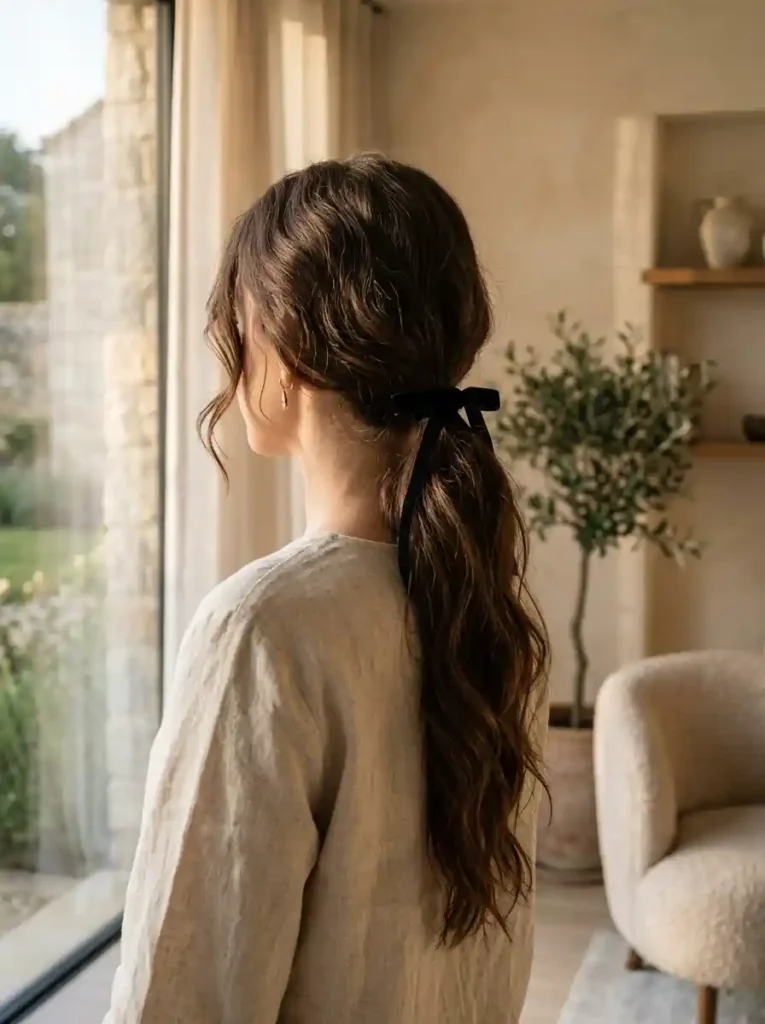
A low textured ponytail is a practical option when you want your hair secured without making it look overly tight. Soft waves give the ponytail body, while a little crown lift prevents the top from appearing completely flat. Loose face-framing strands keep the style relaxed. This look works best with medium or long hair and suits casual outings, office days, and low-key celebrations. A simple ribbon or understated tie can finish the style elegantly.
Create loose waves before gathering the hair at the nape. Use your fingers instead of a brush to preserve texture. Gently loosen the crown after securing the ponytail. Pro Tip: Position the tie close to the base of the head without pulling aggressively. Excess tension can flatten the roots and make the hairstyle less comfortable.
23. Voluminous Side-Swept Waves
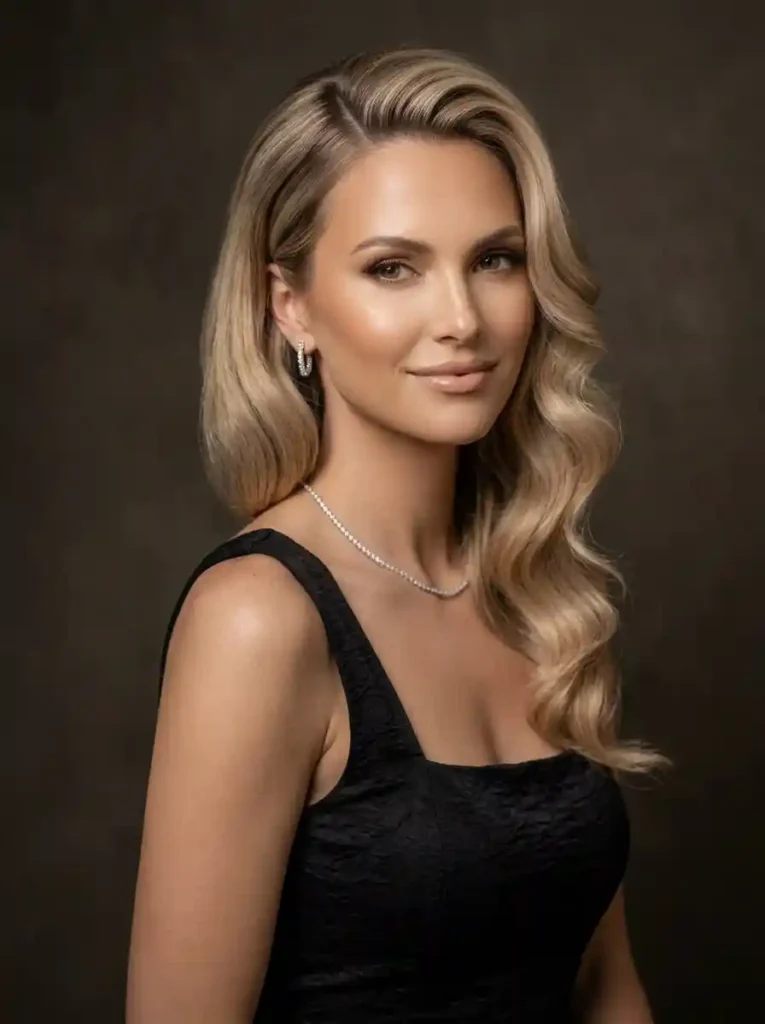
Side-swept waves create movement through direction rather than heavy layering. The deep side part shifts the visual focus and can add lift near the crown. Large waves keep the texture soft instead of making the hair look overly busy. This style works beautifully for medium-length thin hair and is especially appealing for dinners, celebrations, or photographs. Dimensional blonde, brunette, and copper colors can emphasize the wave pattern.
Set the roots first with a lightweight volumizing product. Curl larger sections away from the face, then pin them briefly while cooling. Brush gently and sweep everything over one shoulder. Stylist Tip: Larger sections create broader waves, which often look more natural on thin hair than many small curls.
24. Polished Tucked Bob
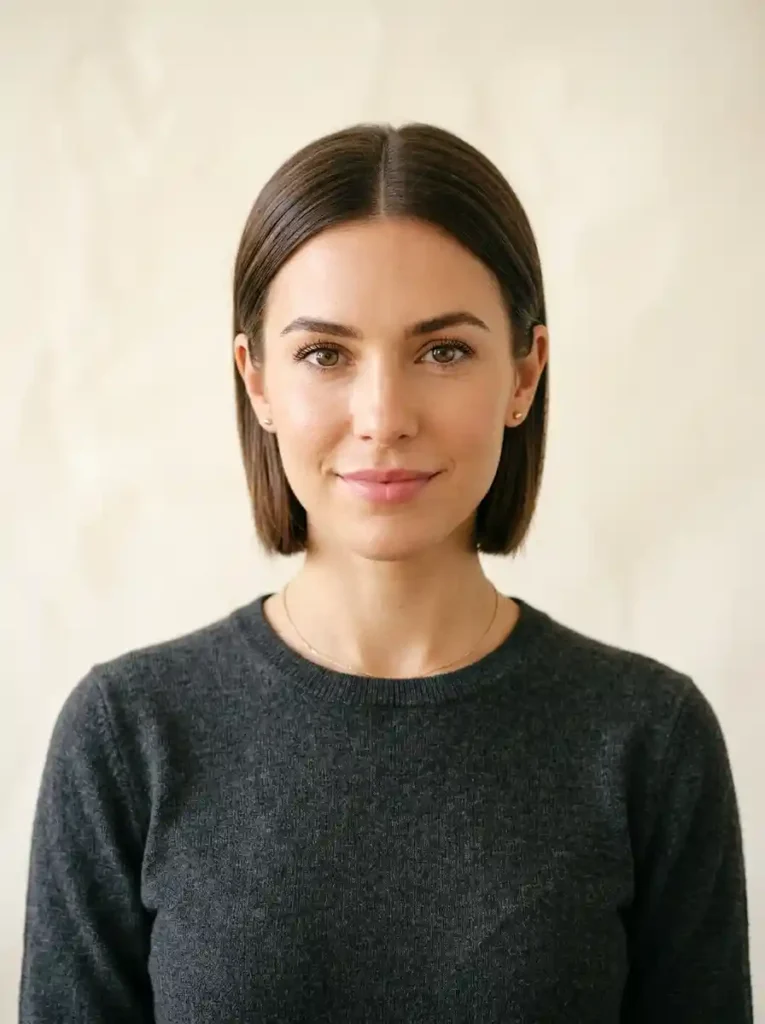
A polished tucked bob creates a clean silhouette with very little styling complexity. Tucking the front behind the ears exposes the jawline while keeping the hair controlled. The strong ends provide visual structure, which can be helpful when thin strands lack natural fullness. This style suits straight hair particularly well and works for professional settings or minimalist wardrobes. It can also transition easily into an evening look with a bold accessory or stronger makeup.
Apply a small amount of smoothing cream from the midlengths downward. Use a paddle brush for a sleek finish, then tuck each side behind the ears. Pro Tip: Avoid flattening the crown completely. A small amount of natural root lift keeps the style from appearing too severe and helps balance the precise ends.
25. Soft Romantic Updo
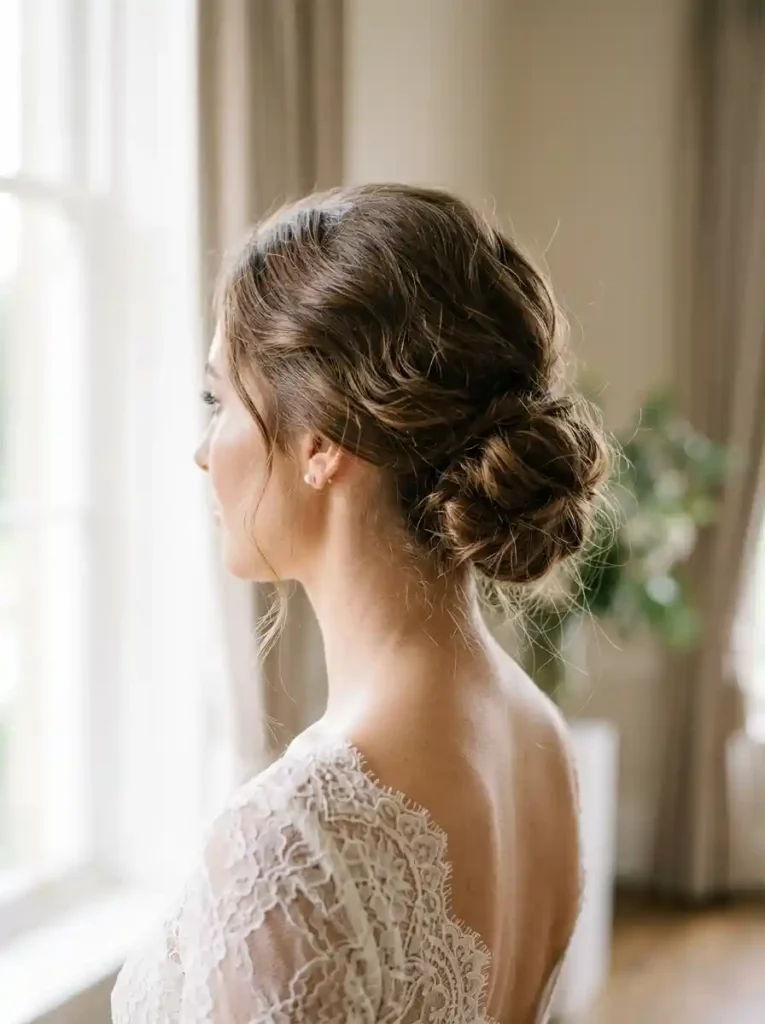
A soft romantic updo proves that thin hair can look elegant without requiring excessive volume. Loose tendrils and gentle crown height create an airy silhouette, while the low bun keeps the style secure. This option works especially well for weddings, dinners, parties, and other special occasions. Medium-length hair can be enough for this shape when the sections are pinned strategically. Natural waves provide extra texture and help the finished updo feel relaxed.
Add dry texture spray before gathering the hair so the pins have more grip. Backcomb only the crown lightly, then twist small sections into the bun. Secure with pins that match your hair color. Stylist Tip: Build the updo in small sections rather than twisting all the hair together. Smaller sections create more visible texture and help the style stay balanced.
Frequently Asked Questions
What hairstyles make thin hair look fuller?
Blunt bobs, strong lobs, one-length cuts, and carefully placed layers can create a fuller-looking outline. The best choice depends on your natural texture and density.
Are layers good for thin hair?
Yes, but the placement matters. Long, blended layers can add movement while preserving weight. Too many short layers may make the ends appear less dense.
Is short hair better for thin hair?
Short hair is not automatically better, but shorter cuts can make fine strands easier to shape. Bobs and crops often provide strong silhouettes with less weight pulling the hair downward.
Can curtain bangs work with thin hair?
Yes. Wispy or long curtain bangs can add face-framing detail without requiring a dense section of hair. Their length can also make grow-out easier.
How can I add volume without making thin hair heavy?
Use lightweight mousse or root spray, focus product near the roots, and avoid applying rich oils heavily. Gentle blow-drying can also create lift without excessive product.
How often should thin hair be trimmed?
Trim timing depends on the haircut and how quickly you want to preserve its shape. Short, precise styles usually need more frequent maintenance than long cuts.
Conclusion
The best hairstyles for thin hair balance movement with enough weight to keep the shape looking intentional. A blunt bob may suit someone who loves clean lines, while a soft shag may appeal to someone who prefers texture. Long curtain bangs, polished lobs, layered midi cuts, and easy updos offer even more options.
Your natural texture, preferred length, styling routine, and maintenance tolerance should guide the final choice. Bring a few favorite reference images to your stylist and discuss how each shape can be adjusted for your density.
Save your favorite look before your next salon visit, and use these ideas as inspiration for a cut that feels distinctly yours.


