
A round face can make choosing a new haircut feel surprisingly tricky. Some cuts add width where you may not want it, while others can feel too severe. The right shape can add movement, create vertical lines, and frame your features naturally. These 20 flattering haircut ideas for a round face cover short, medium, and long styles. You will also find practical tips for layers, bangs, texture, and styling.
1. Long Layered Haircut
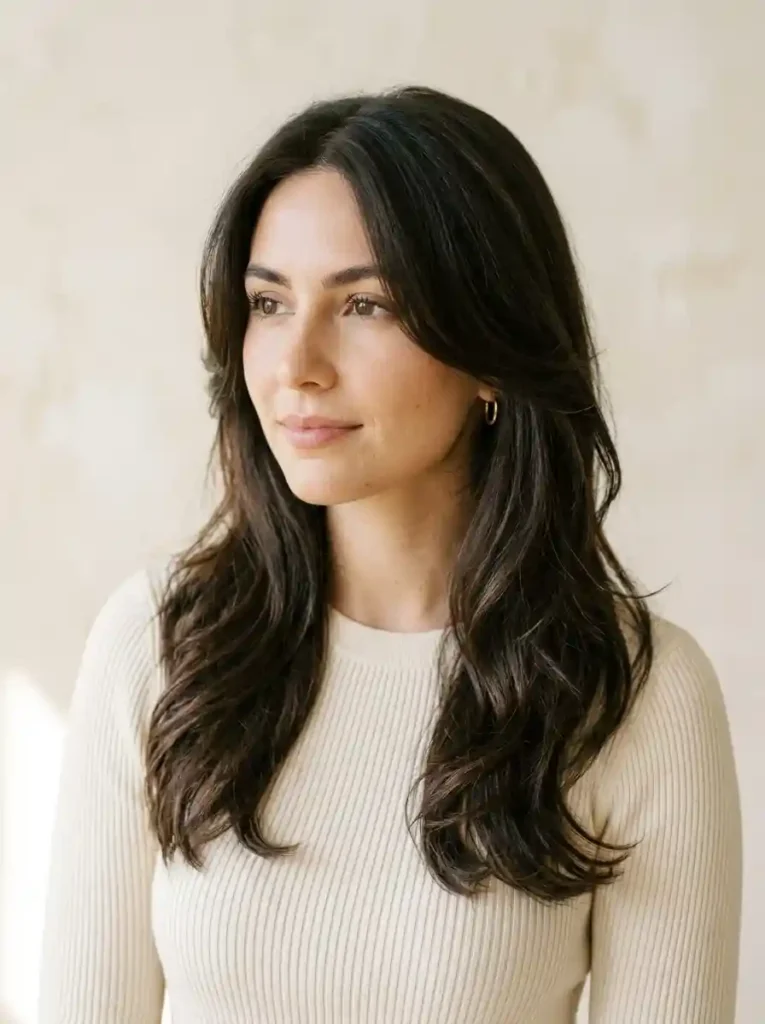
Long layers are a reliable choice when you want movement without shortening your hair. The added length creates a vertical line that can complement rounded facial proportions. Layers beginning below the chin keep the sides from becoming overly bulky. Soft waves can further emphasize the flowing shape. This haircut works particularly well for medium or thick hair because the layers remove some weight while preserving plenty of length. It also offers many styling possibilities.
Ask your stylist to keep the shortest layers below the widest part of your cheeks. That placement helps create a smoother transition around the face. Use a round brush for a polished finish, or air-dry for softer movement. Stylist Tip: Avoid very short layers directly beside the cheeks if you prefer a longer visual line. Longer face-framing pieces usually provide more styling flexibility and easier grow-out.
2. Angled Bob
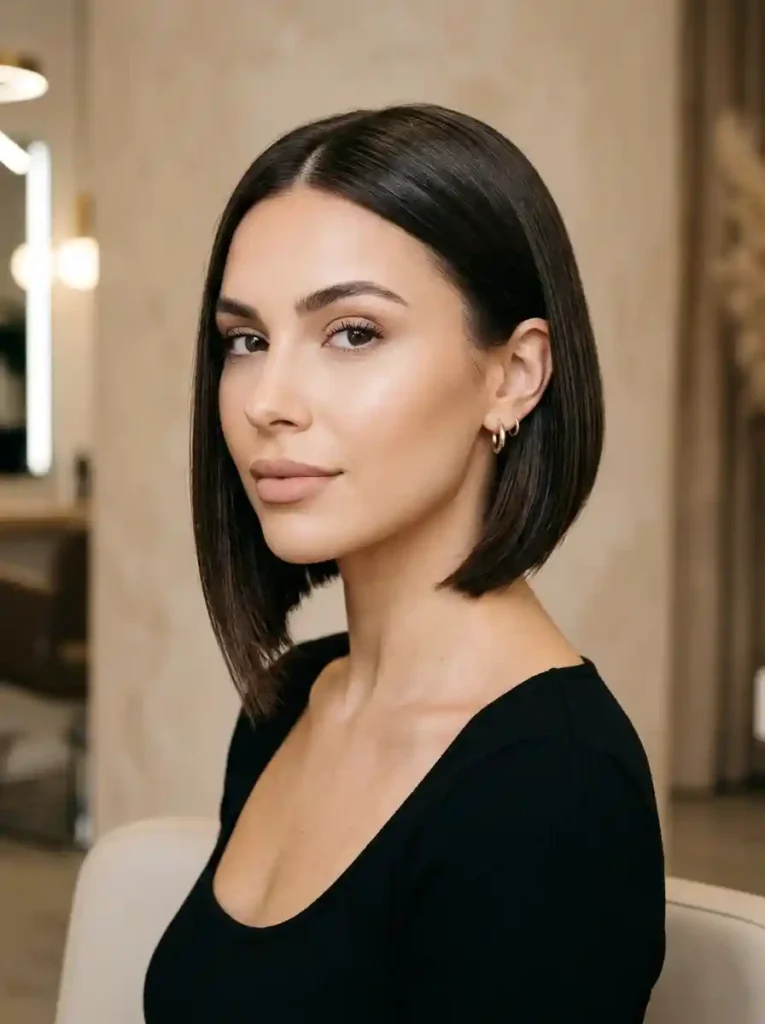
An angled bob creates a diagonal line that gives a classic haircut more visual direction. The back remains shorter, while the front sections extend toward the jaw. This shape can complement a round face by creating a longer-looking outline around the sides. Straight hair shows the angle especially clearly. Slightly wavy hair can soften the structure while preserving its overall shape. Choose a longer front if you prefer a subtle effect.
For styling, blow-dry the front sections downward and slightly forward. A flat iron can sharpen the angle when you want a sleek finish. Pro Tip: Avoid ending the front at the widest point of the cheeks if you want less emphasis there. Ask for the front to reach slightly below that area. This creates a more elongated visual line while keeping the bob modern and easy to maintain.
3. Side-Swept Bangs With Medium Layers
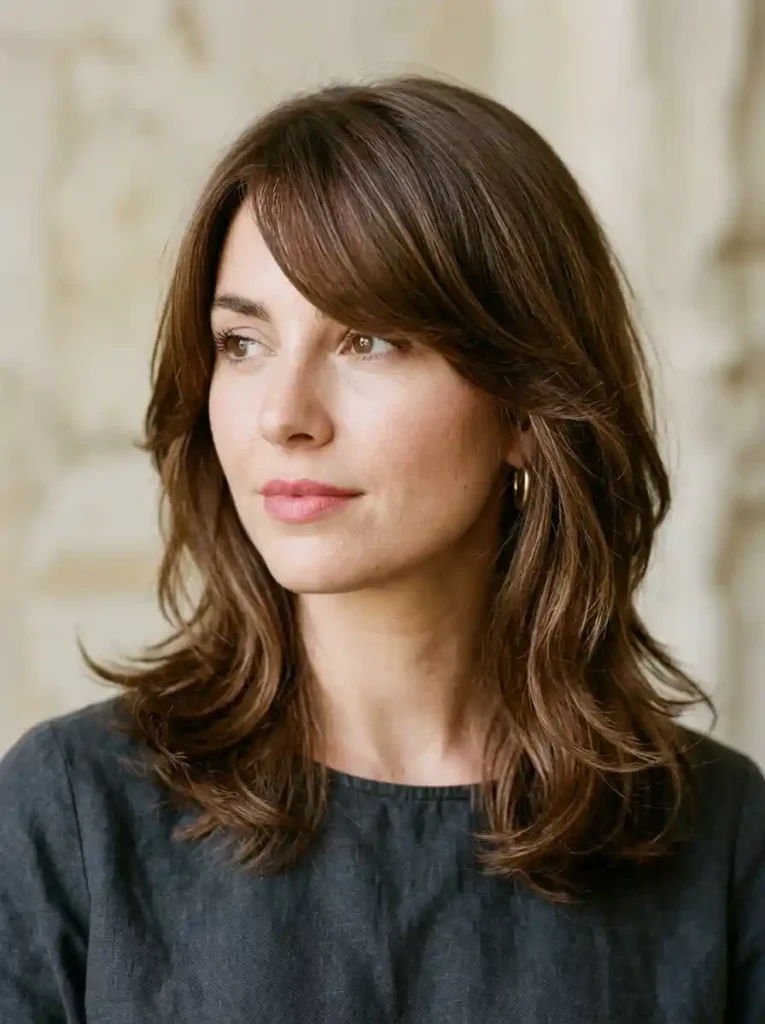
Side-swept bangs add a diagonal element that can visually break up a rounded outline. Combined with medium layers, they create movement around the face without adding heavy width. This haircut works well for people who want bangs but prefer something longer and more flexible. The layers can remain smooth or become softly textured. A warm brunette shade also helps highlight the different sections without making the haircut look overly busy.
Blow-dry the fringe across your forehead using a medium round brush. Direct the roots slightly upward before sweeping them sideways. Common Mistake: cutting side bangs too short at the first appointment. Longer fringe gives you more control over the direction and allows easier adjustment. Ask your stylist to blend the bangs into the surrounding layers. That creates a continuous shape instead of an obvious separate fringe.
4. Shoulder-Length Shag
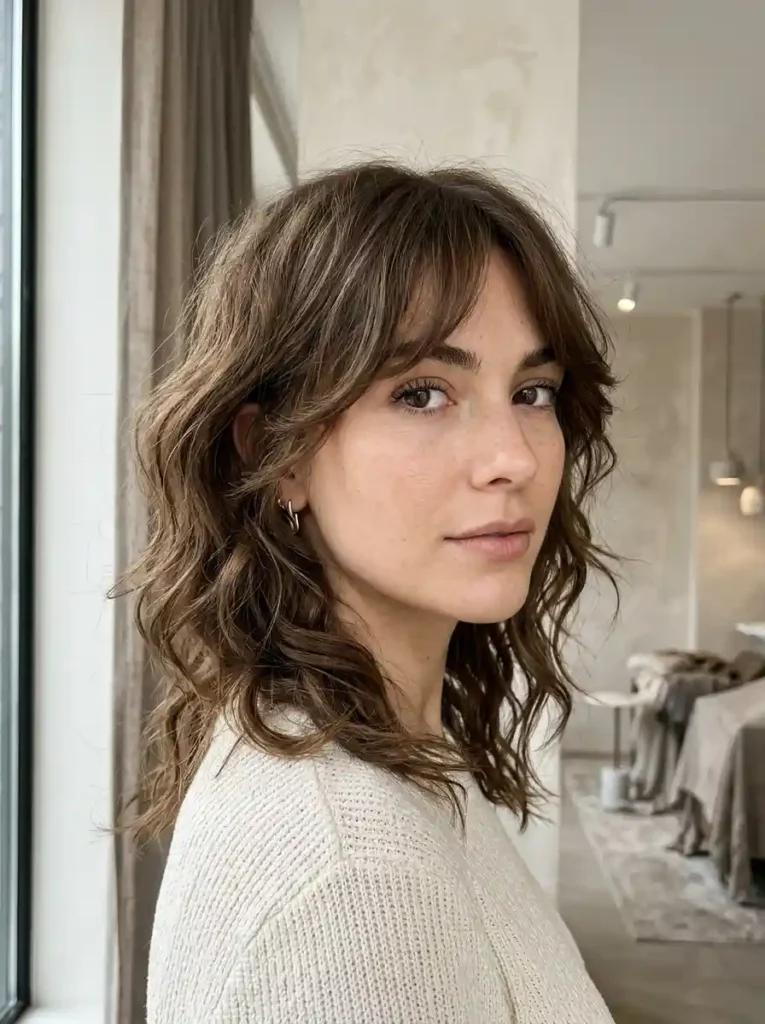
A shoulder-length shag brings texture and movement without requiring very short hair. Its layers create separation through the crown and sides, while feathered pieces frame the face. The combination can complement a round face because the texture creates vertical movement instead of one solid horizontal shape. This haircut suits naturally wavy hair especially well. It also works for straight hair when styled with loose bends and lightweight texture products.
Ask for the shortest face-framing layers to sit below the cheek area. This keeps the shape balanced while maintaining the shaggy character. Use mousse at the roots and texture cream through the ends. Stylist Tip: Thick hair may need internal weight removal before creating the final shag shape. Fine hair usually benefits from fewer layers and a stronger perimeter. Your natural density should guide the amount of texture.
5. Long Hair With Curtain Bangs
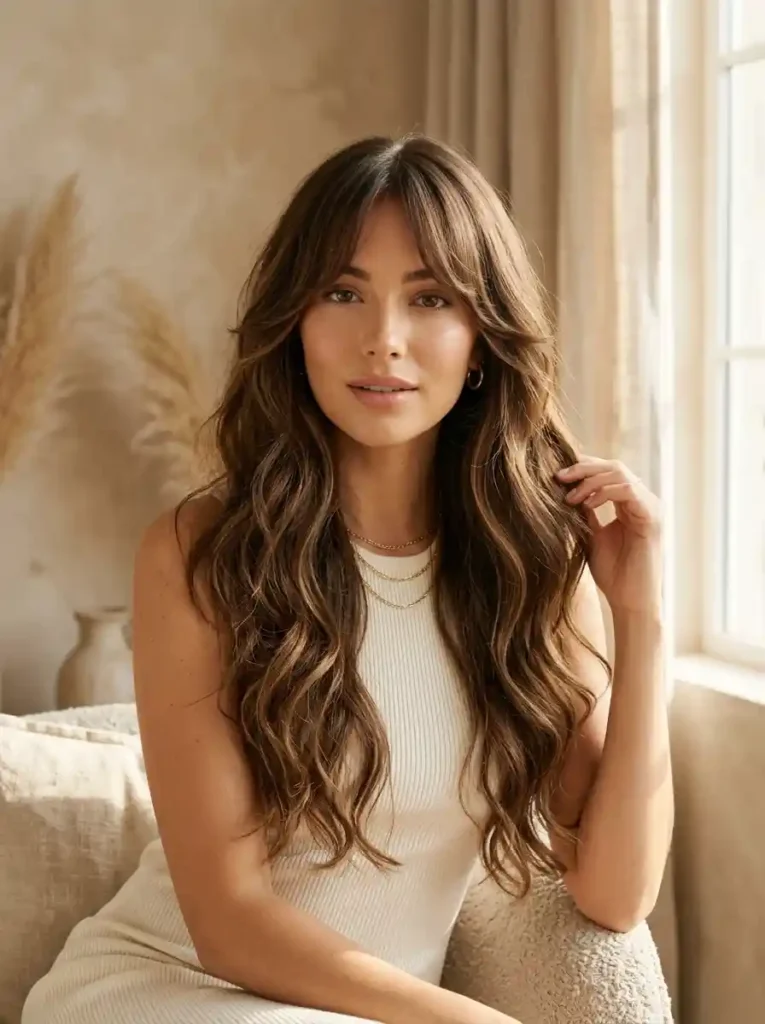
Curtain bangs can soften a long haircut while keeping plenty of length. Their center opening creates two diagonal sections that blend into longer face-framing layers. This shape provides movement around the forehead and cheeks without creating a strong horizontal line. Long hair keeps the overall silhouette extended. The style suits people who want a noticeable update without giving up their current length. It can look polished or relaxed depending on the texture.
Style each side of the fringe away from the face using a round brush. Let the bangs cool before gently arranging them. Pro Tip: Request curtain bangs that gradually connect to your longest layers. A disconnected fringe can require more styling each morning. Longer bangs are also easier to sweep aside when you want your forehead fully visible. This makes the haircut adaptable for different occasions and styling preferences.
6. Collarbone Layered Cut
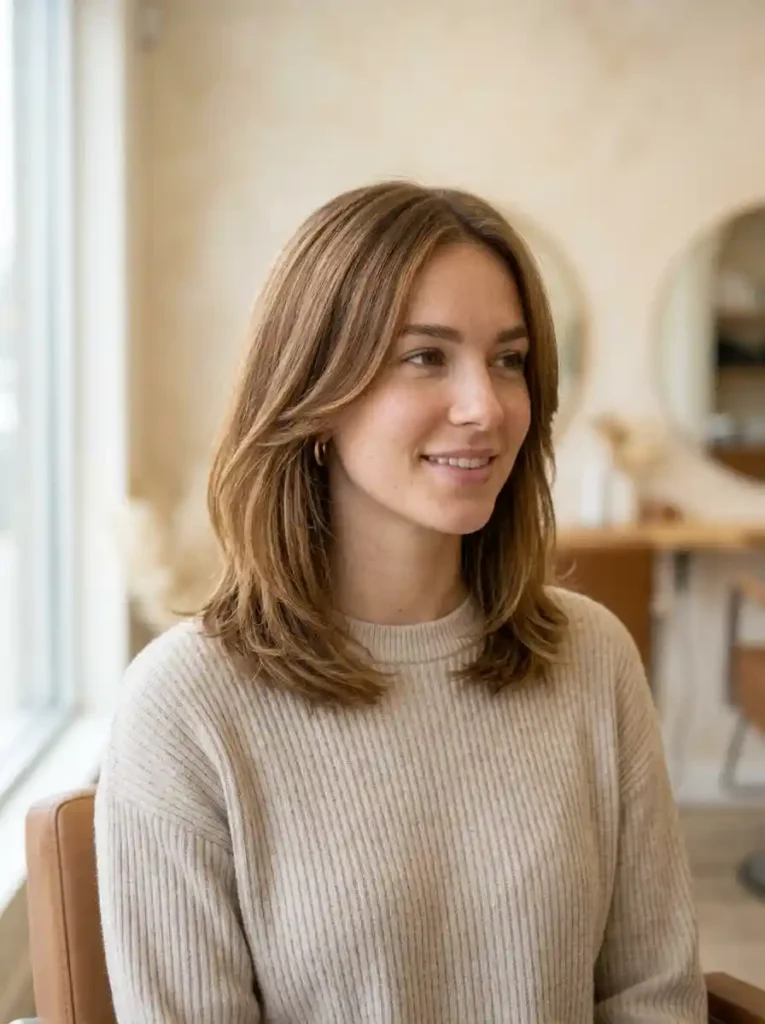
A collarbone haircut provides a useful middle ground between short and long styles. Its length extends beyond the jaw while remaining easy to manage. Long layers add movement without creating excessive volume near the cheeks. This makes the cut especially versatile for people who want a flattering everyday shape. It works across straight, wavy, and lightly curly textures. The collarbone length also allows simple ponytails and other practical styling options.
Ask for layers that begin around or below the jaw. This keeps the upper sides relatively controlled while adding movement lower down. Blow-dry with a large round brush for smooth volume. Common Mistake: starting multiple short layers near the cheekbones when you want a longer visual line. Instead, request longer face-framing sections. They provide movement while keeping the haircut balanced and easier to style.
7. Textured Lob
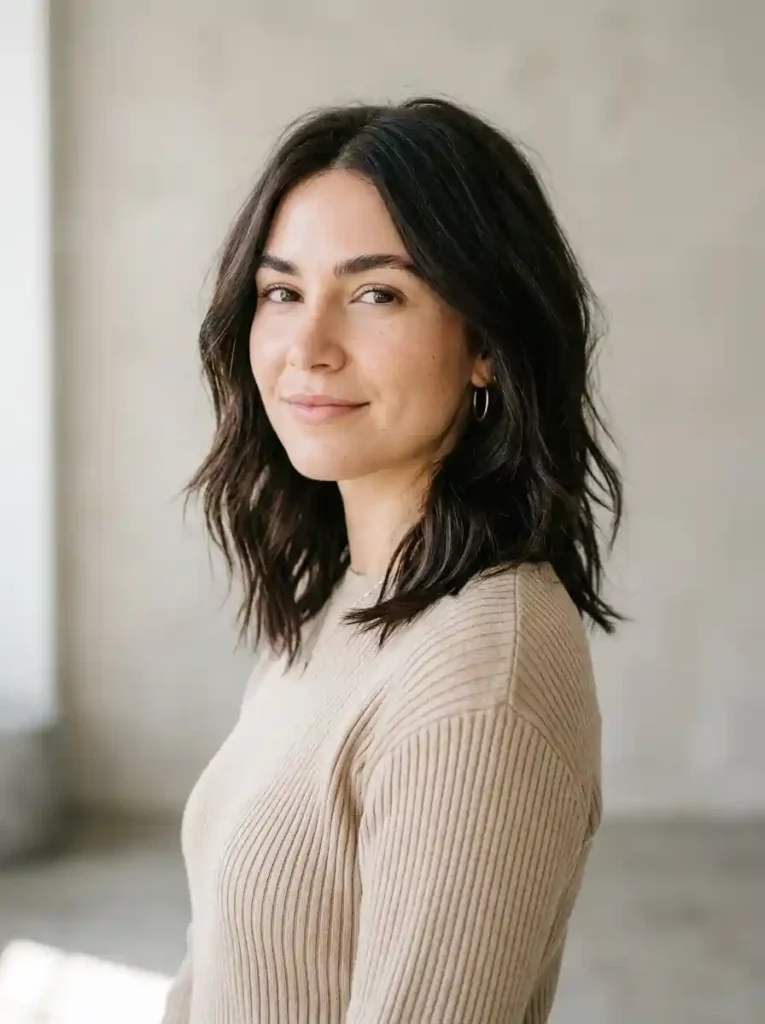
A textured lob offers the structure of a bob with more length and movement. The ends are lightly separated, creating a less rigid silhouette. Longer length can complement rounded facial proportions by drawing the eye downward. The textured finish works particularly well for people who dislike perfectly polished hairstyles. Straight hair can be styled with loose bends, while naturally wavy hair may need very little work.
Apply a small amount of texture cream to damp hair. Scrunch the ends and let them dry naturally for a relaxed finish. Stylist Tip: Keep the perimeter reasonably full if your hair is fine. Too much texturizing can make the ends appear sparse. For thick hair, controlled internal layering can remove excess weight. Tell your stylist whether you usually wear the lob straight, wavy, or air-dried.
8. Long Side-Parted Layers
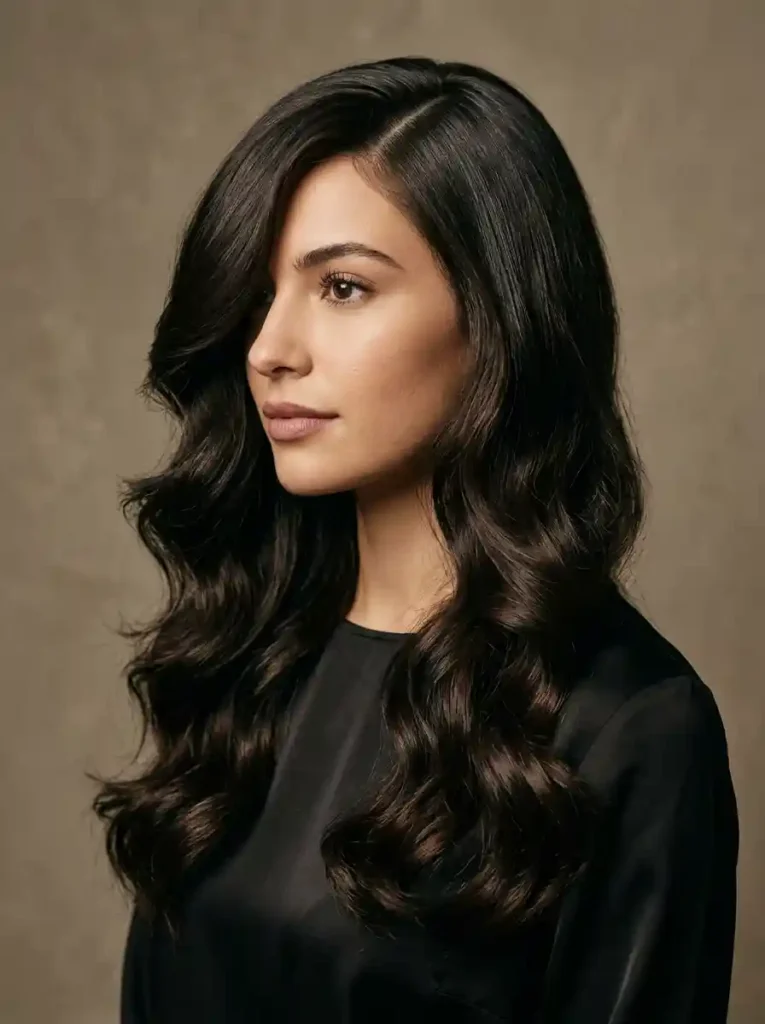
A deep side part changes how the layers fall around the face. The sweeping front section creates an angled line instead of a symmetrical frame. Long layers then continue that movement through the lengths. This can be a useful option if you want a dramatic change without cutting much hair. The style works especially well for medium and thick hair because the side part creates visible volume and dimension.
Create the side part while your hair is damp. Blow-dry the roots in the opposite direction first, then sweep them into position. Stylist Tip: Ask for balanced layers if you frequently change your part. That keeps the haircut wearable from different directions. Large waves can enhance the layered effect, while straight styling gives the haircut a cleaner, more sophisticated appearance.
9. Pixie With Long Side Fringe
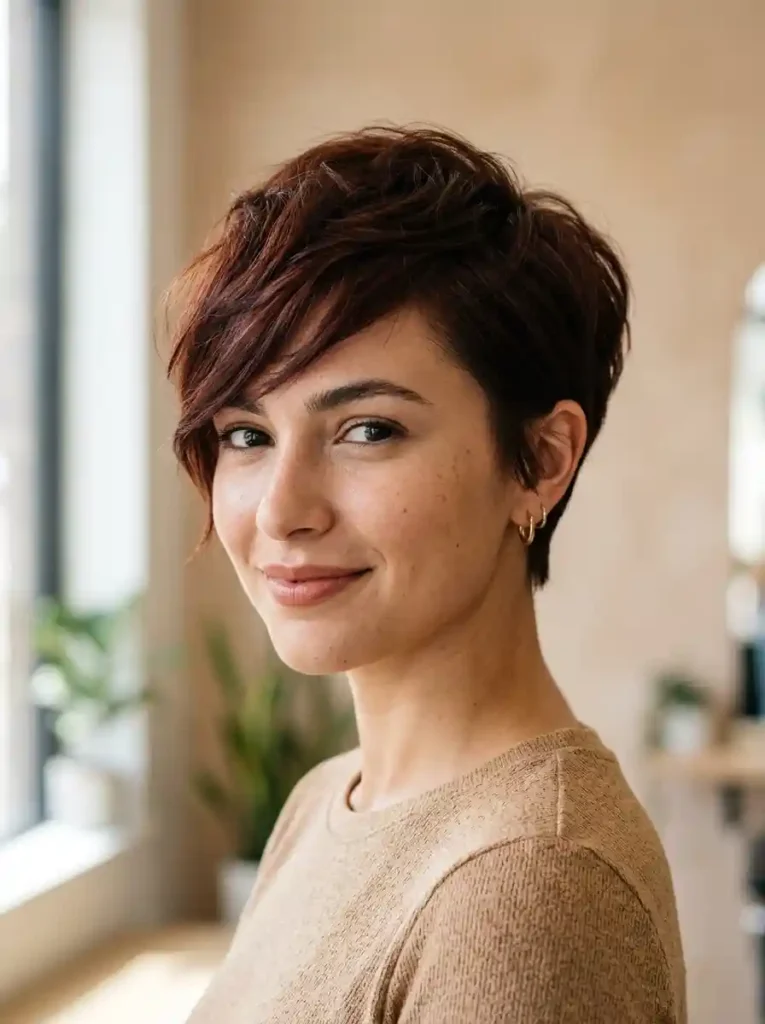
A pixie can work beautifully when the top and fringe retain enough length. The longer side fringe creates a diagonal line that contrasts with the rounded facial outline. Tapered sides keep the haircut compact while the crown provides texture. This option suits people who enjoy short hair and want a bold change. It can also highlight the eyes and cheek area without relying on excessive styling.
Use a small amount of lightweight styling paste to define the crown and fringe. Avoid applying too much product because short hair can become stiff quickly. Common Mistake: choosing an extremely rounded pixie shape with equal volume everywhere. Ask for slightly more height on top and directional fringe. That creates a more varied silhouette and gives you greater styling control.
10. Asymmetrical Bob
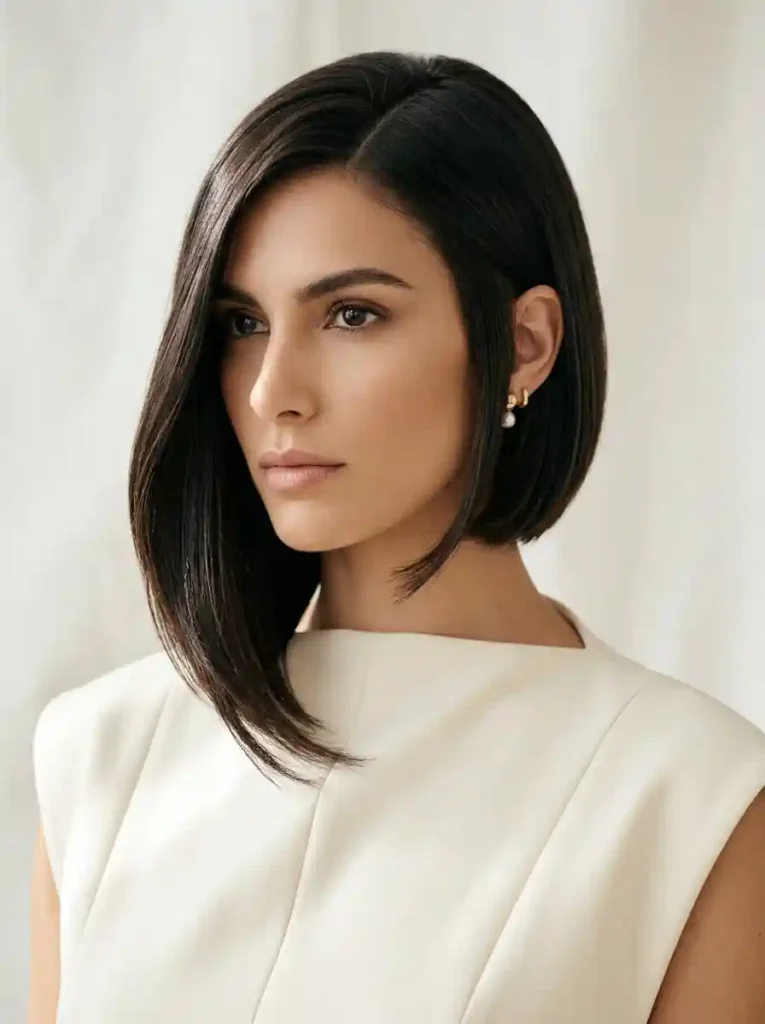
An asymmetrical bob gives a classic short haircut a stronger directional shape. One side remains slightly longer, creating a diagonal line around the face. The difference can be subtle or more pronounced depending on your preference. Straight hair makes the contrast especially visible. This style suits people who want a modern haircut with clear structure. It can also be customized without making the entire cut dramatically shorter.
Discuss the exact length difference with your stylist before the cut. A small variation can create a sophisticated effect without feeling extreme. Pro Tip: Keep the longer side below the widest part of the cheek area if you want more length through the front. Use a smoothing cream and flat brush for a sleek result. Loose bends can soften the asymmetrical shape for casual styling.
11. Butterfly-Inspired Layers
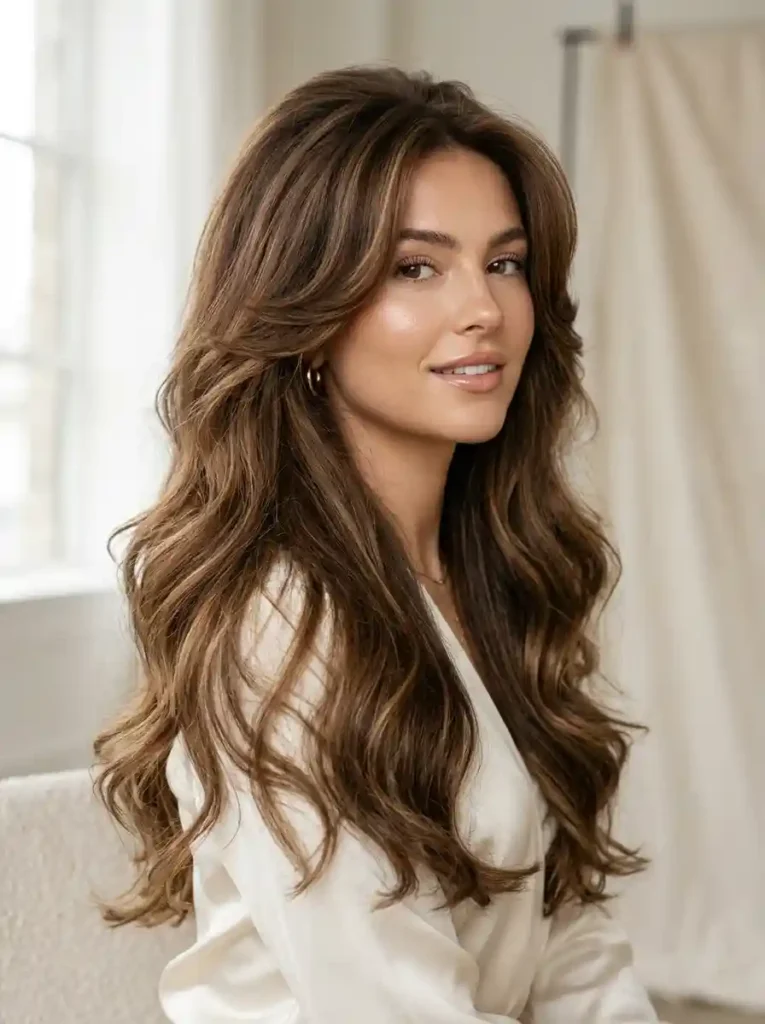
Butterfly-inspired layers create a dramatic difference between shorter upper sections and longer lower lengths. The upper layers add movement around the face, while the remaining length continues downward. This creates a flowing silhouette with plenty of styling flexibility. The cut works particularly well for thick or medium-density hair. People who want volume without losing long hair may find this shape especially appealing.
Use a large round brush to lift the upper sections while keeping the lower lengths smooth. Large rollers can also create soft volume. Stylist Tip: Make sure the shortest layers do not end directly at the fullest part of your cheeks. Positioning them slightly lower can create a smoother frame. Ask for blended transitions if you want the haircut to remain elegant rather than heavily feathered.
12. Soft Wolf Cut
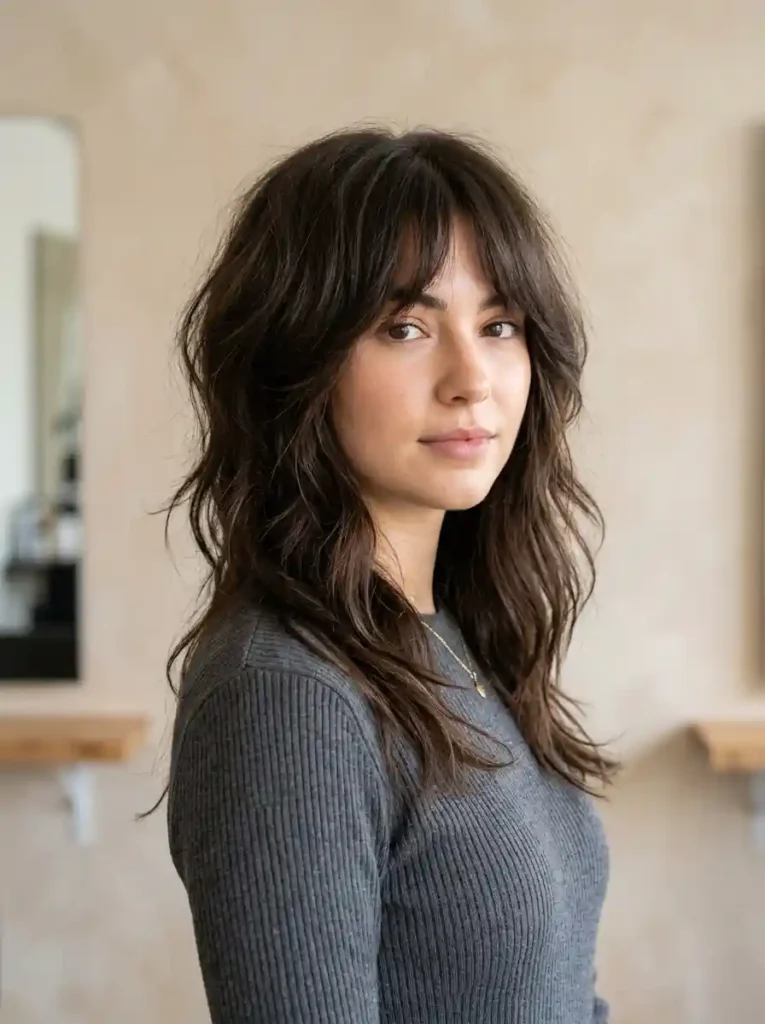
A softer wolf cut combines shaggy texture with a more controlled silhouette. The crown has movement, while longer sections maintain enough length around the shoulders. Wispy layers create texture without making the haircut extremely dramatic. This version can suit people who want an expressive style but prefer softer transitions. Natural waves make the texture especially easy to showcase.
Ask for a softer version if you do not want dramatic crown volume. Use mousse through the roots and texture cream through the ends. Common Mistake: choosing very short upper layers without considering your styling routine. Shorter sections may require more daily shaping. Keep the crown layers longer if you prefer air-drying. Your stylist can adjust the amount of texture based on your natural hair density.
13. V-Cut With Face-Framing Layers
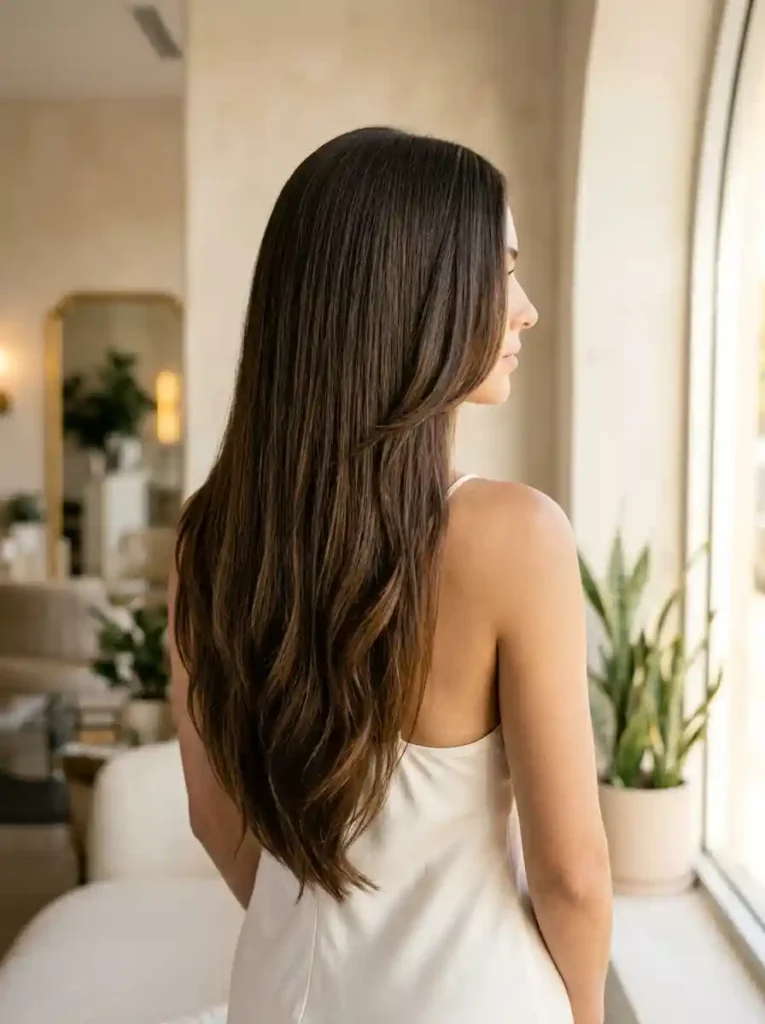
A V-shaped haircut creates a gradual point through the back while maintaining generous length. Face-framing layers add movement near the front without making the sides overly wide. This combination works well when you want long hair with a defined shape. The lower point draws attention toward the length rather than keeping the visual focus around the cheeks. It suits straight and wavy hair particularly well.
Ask your stylist to keep the face-framing sections longer than the cheek area. This preserves a smooth transition into the V-shaped back. Pro Tip: A subtle V usually looks softer than an extremely sharp point. Bring a reference showing the desired depth. Style with loose waves to reveal the layers, or wear the hair straight when you want the haircut’s geometry to stand out.
14. Chin-Length Bob With Side Part
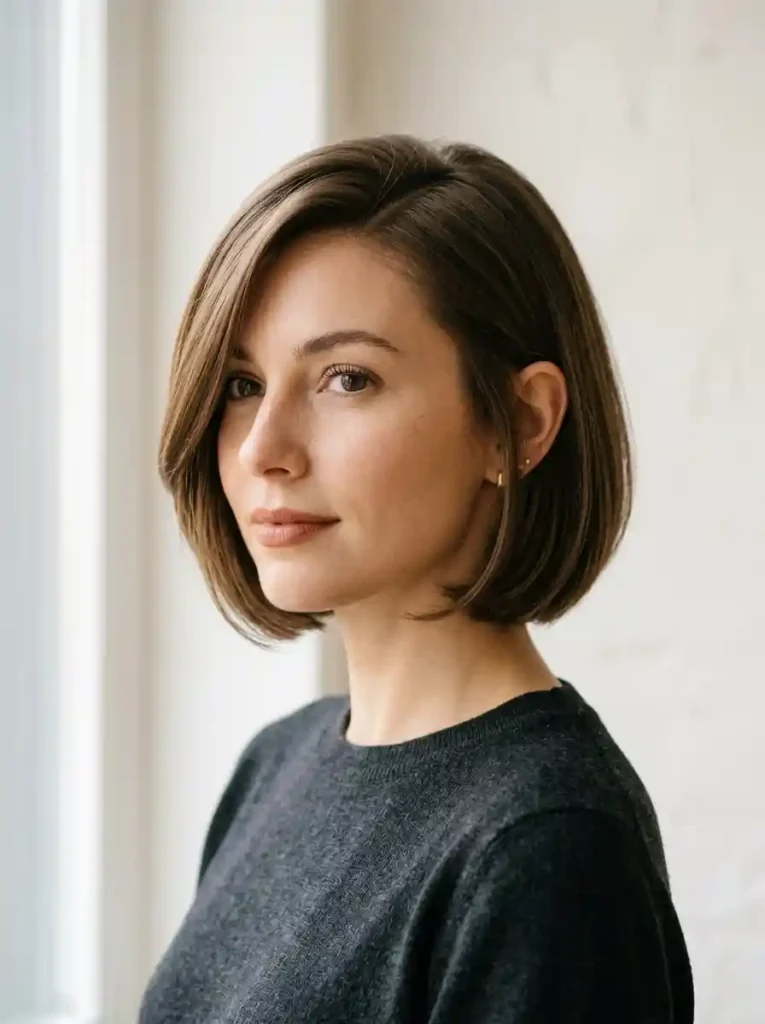
A chin-length bob can work well when its shape avoids excessive width around the cheeks. A deep side part introduces an angled line and adds asymmetrical movement. Slight graduation at the back keeps the shape controlled. This haircut suits straight hair especially well, although gentle waves can create a softer version. It is a practical choice for someone who wants a short, polished haircut.
Ask for the front sections to fall slightly below the widest point of your face if you prefer more length. Blow-dry the roots upward before directing the hair sideways. Stylist Tip: Avoid creating too much volume at the sides. Keep the crown lifted while allowing the lower sections to remain relatively smooth. This gives the bob a balanced profile without relying on excessive product.
15. Mid-Length Hair With Wispy Bangs
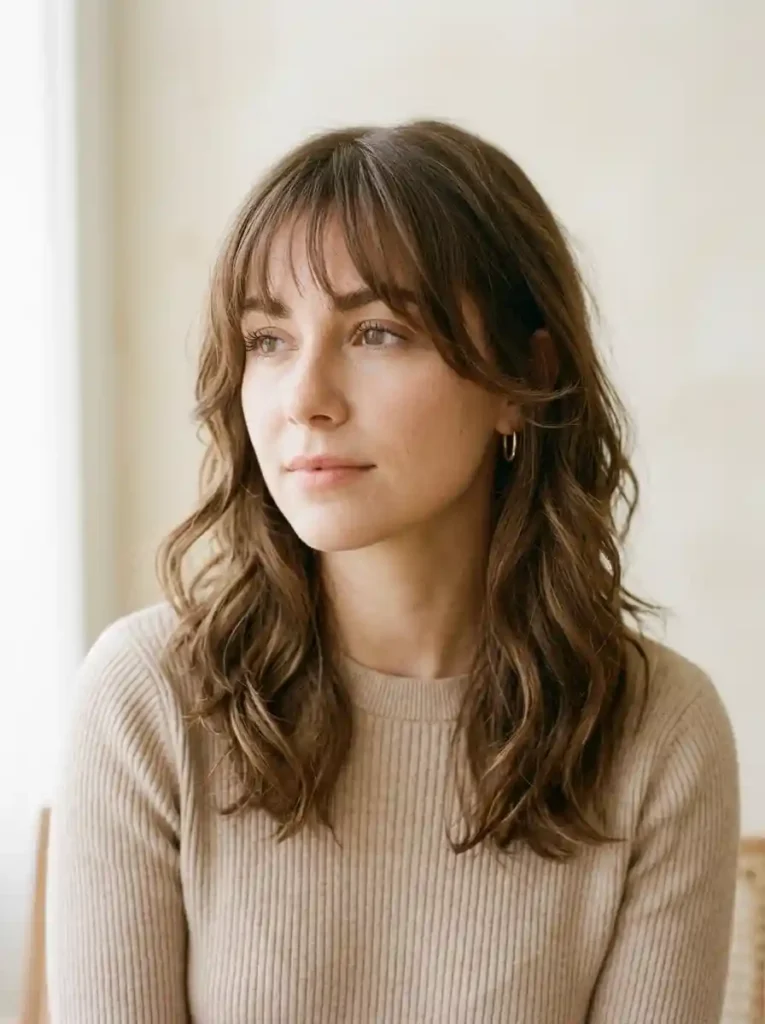
Wispy bangs provide fringe detail without creating a heavy horizontal line across the forehead. When paired with medium-length layers, they create movement throughout the haircut. The longer sides help connect the fringe to the rest of the style. This makes the cut flexible for straight or wavy textures. It is a softer alternative to a full blunt fringe and can be easier to blend as it grows.
Dry the fringe first using a small round brush. Keep the product light so the individual sections remain airy. Did You Know? Wispy bangs can behave differently depending on natural growth patterns. Ask your stylist to observe how your fringe naturally separates before deciding its final shape. Longer side pieces can provide a smoother transition and give you more options when you want the bangs swept away.
16. Layered Hair With Face-Framing Waves
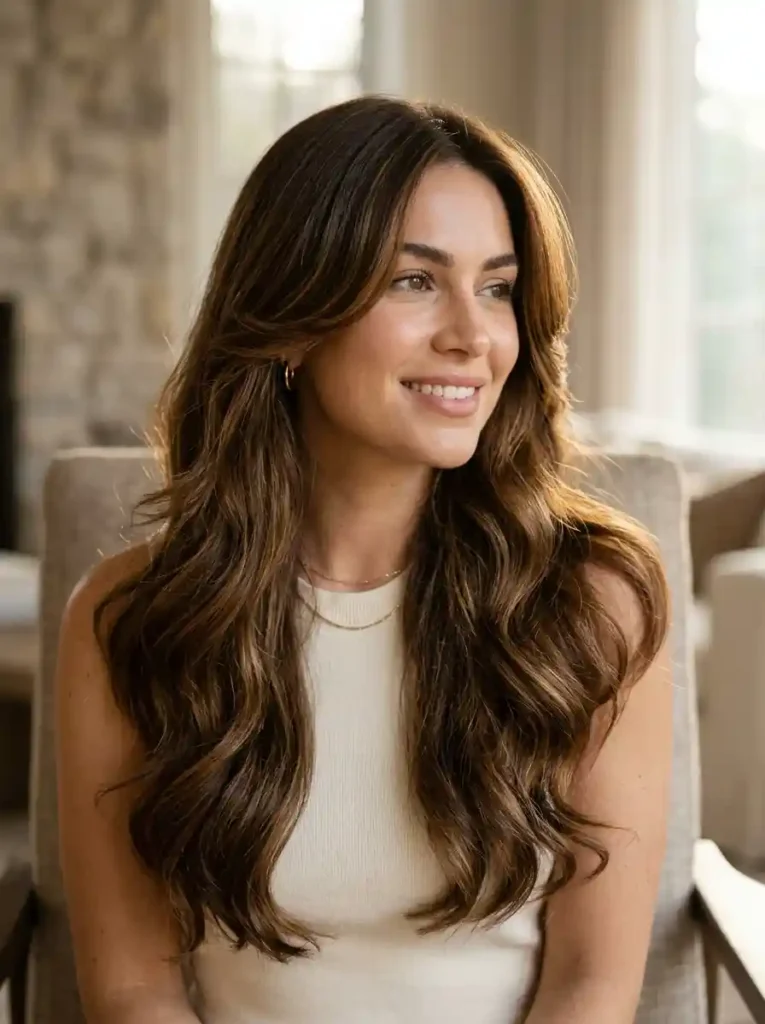
Face-framing waves can add movement while keeping the upper sides relatively controlled. The waves begin lower around the jaw and continue through the lengths. This creates a flowing shape that avoids concentrating volume beside the cheeks. The style works particularly well on medium to long hair. Subtle highlights can make the movement more visible, although the haircut works equally well with a single color.
Use a large-barrel styling tool to create loose bends rather than tight curls. Start below the cheek area and alternate the wave direction through the lengths. Pro Tip: Leave the roots relatively smooth if you want a longer visual line. Excessive root volume can change the silhouette. Finish by gently separating the waves with your fingers rather than brushing them aggressively.
17. Shoulder-Length Blunt Cut With Long Front Layers
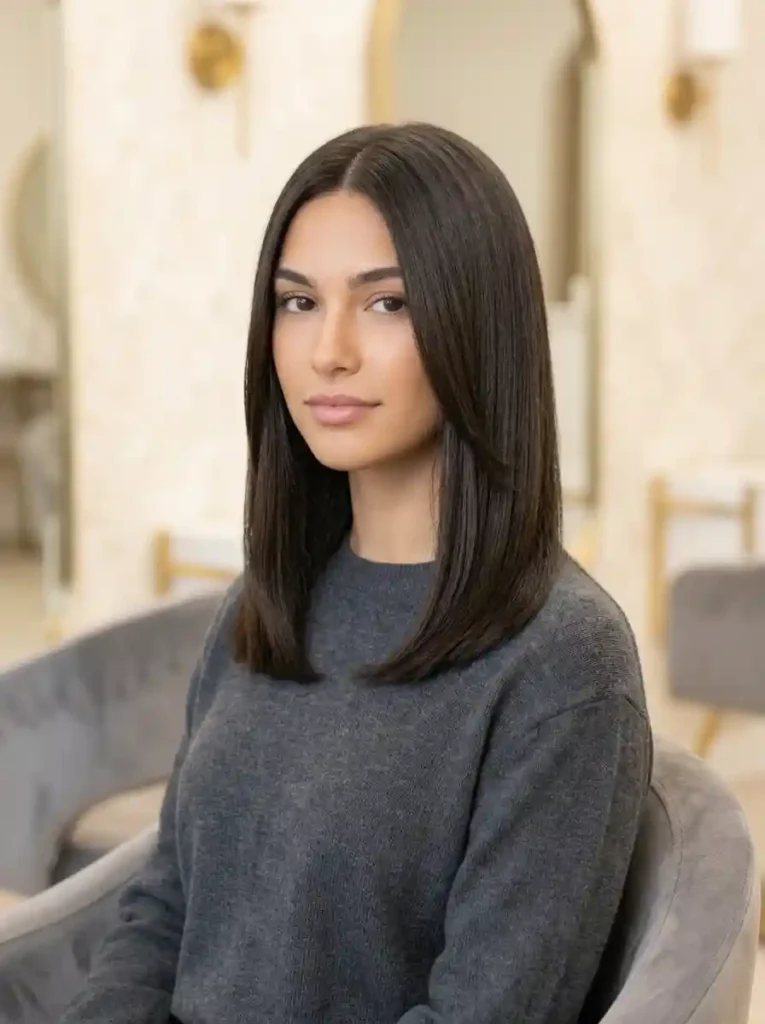
A strong shoulder-length perimeter provides structure, while long front layers add movement around the face. This combination gives you the fullness of a blunt cut without creating one solid shape. The length falls beyond the jaw and continues toward the shoulders. Straight hair highlights the contrast between the clean ends and softer face framing. It is useful for people who want a polished haircut with subtle detail.
Ask your stylist to keep the lower edge strong while layering only the front sections. This preserves the haircut’s weight. Stylist Tip: Avoid adding many layers throughout the back if you want a fuller-looking perimeter. Style the front with a slight bend away from the face. Keep the rest smooth for a modern contrast. This haircut also grows out cleanly when the front layers are kept long.
18. Curly Layered Shoulder Cut
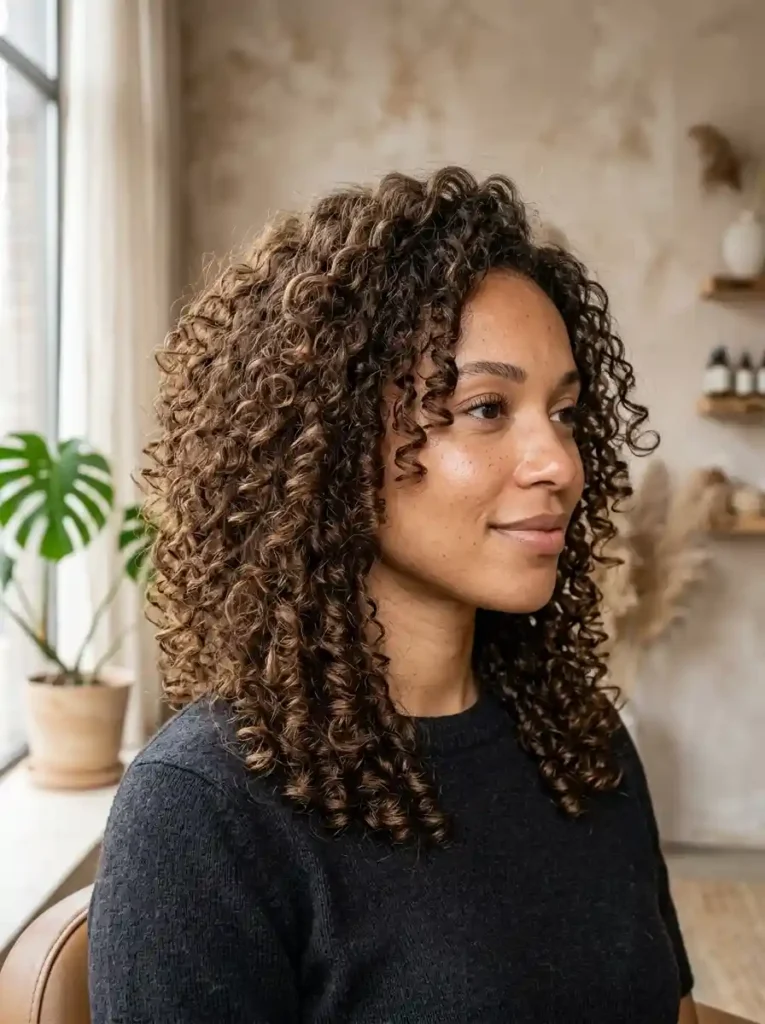
Curly hair benefits from layers that allow individual curls to move independently. A shoulder-length cut provides enough space for the curls to form a longer silhouette. Longer face-framing sections can keep the shape from becoming overly rounded around the cheeks. The result has natural volume without requiring the hair to be straightened. This style works across several curl patterns, although the exact layering should reflect shrinkage and density.
Discuss your natural curl pattern with your stylist before choosing the length. Curly hair can appear shorter when dry because of shrinkage. Stylist Tip: Consider shaping the hair while dry if your stylist uses that technique for your curl type. Apply curl cream to damp sections, then allow the curls to set without excessive brushing. A diffuser can provide additional definition when needed.
19. Long Shag With Curtain Fringe
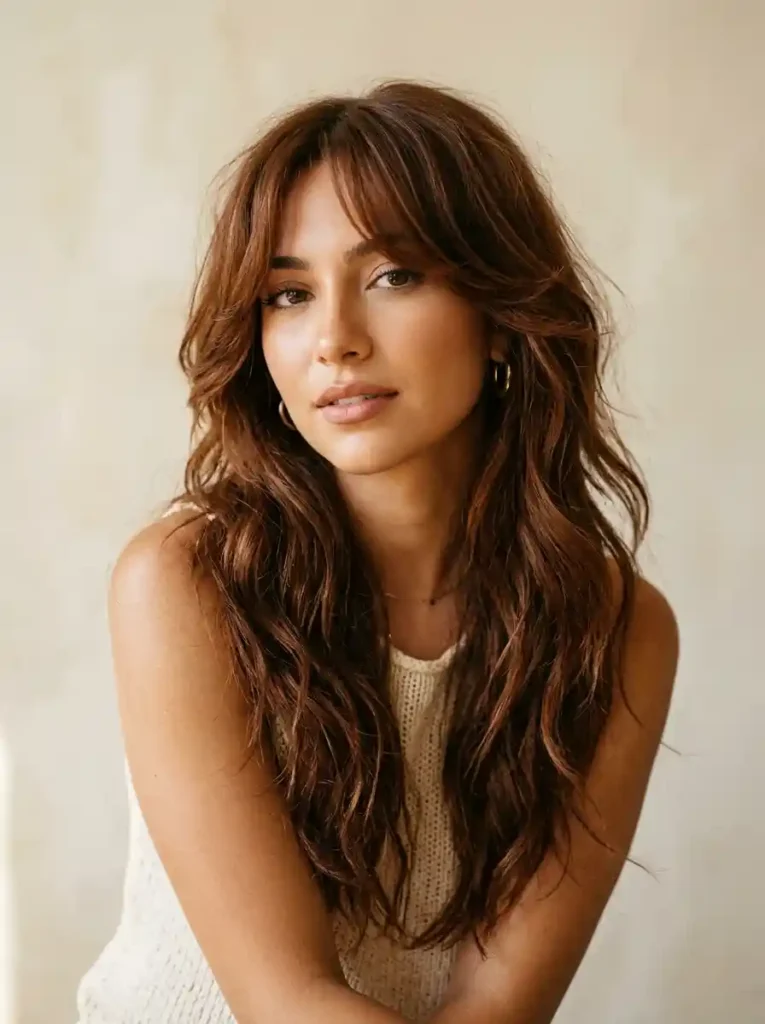
A long shag combines substantial length with plenty of texture. The crown layers create movement, while longer sections keep the overall silhouette extended. Curtain fringe connects the forehead to the longer face-framing pieces. This creates a soft transition instead of a strong horizontal line. The style works especially well for naturally wavy hair and can also be created on straight hair with lightweight texture products.
Ask for long, blended layers if you want the haircut to remain easy to manage. Avoid overly short crown pieces unless you enjoy styling them regularly. Pro Tip: Long shags look more balanced when the face-framing sections gradually increase in length. Use mousse for volume and texture cream for separation. Air-drying can preserve natural waves, while a diffuser can enhance definition when more shape is desired.
20. Long Hair With Soft U-Shaped Layers
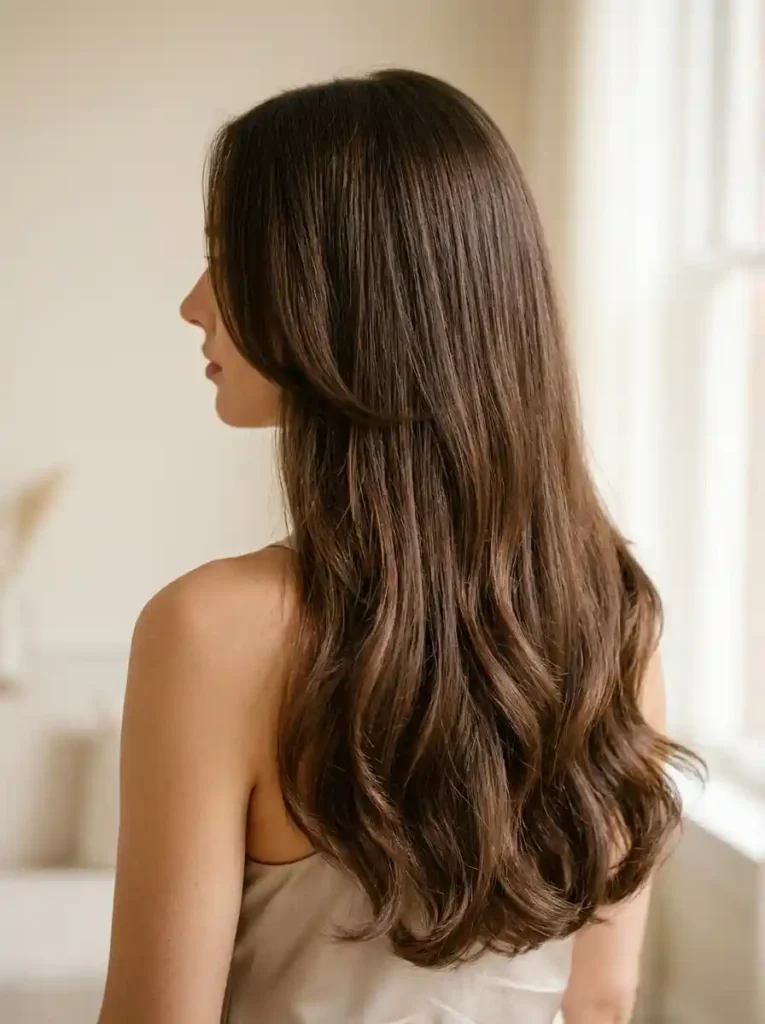
A soft U-shaped cut creates a rounded perimeter that keeps the longest sections centered. Face-framing layers add movement near the front while the overall length remains substantial. This shape provides a softer alternative to a sharply pointed V-cut. It works well for straight, wavy, and lightly textured hair. The long silhouette can complement rounded facial proportions without requiring dramatic changes to the haircut.
Ask your stylist for a shallow U if you want the ends to remain relatively full. Longer face-framing pieces can begin below the jaw for a smoother outline. Stylist Tip: Use a large round brush to create gentle movement without excessive volume at the sides. If you have thick hair, internal layering can reduce weight while preserving the U-shaped perimeter. Regular trims help maintain the curve as the hair grows.
Frequently Asked Questions
What haircut is best for a round face?
Long layers, angled bobs, side-swept bangs, textured lobs, and shoulder-length cuts are useful options. The best choice depends on your hair texture, density, and preferred styling routine.
Are bangs good for a round face?
Yes. Side-swept, curtain, and wispy bangs can work well because they introduce diagonal or broken lines. Very blunt, heavy bangs create a stronger horizontal effect.
Is short hair suitable for a round face?
Yes. Short hair can work beautifully when the haircut has direction or height. Angled bobs and pixie cuts with longer side fringe are two useful options.
Should layers start at the cheeks?
Not necessarily. If you want less emphasis around the cheeks, ask for longer layers that begin below the cheekbones or jaw. This creates a smoother transition.
Is long hair flattering for a round face?
Long hair can complement a round face when it includes thoughtful layering or movement. Very heavy, one-length hair may feel less dynamic, especially around the sides.
Can curly hair work with these haircuts?
Yes. Curly hair can use layers to create movement and control weight. The haircut should account for curl pattern, density, and shrinkage before the final length is chosen.
Conclusion
The most flattering haircut for a round face is not about following one strict rule. It is about choosing a shape that complements your natural proportions and styling habits. Long layers can add flow, angled cuts create direction, and well-placed bangs can introduce softer lines. Texture also gives many styles more movement and personality. Save the ideas that match your hair type and preferred length, then show your favorites to your stylist before your next appointment.


