
Sometimes your hair feels stuck between wanting a fresh change and avoiding a dramatic chop. A bob can solve that dilemma with surprising versatility. The right length, texture, fringe, and finish can completely change the personality of the cut. These bob hairstyles range from sleek and sophisticated to soft, tousled, and playful. This guide shares 22 distinctive ideas, plus practical styling tips, so you can find haircut inspiration that feels realistic for your hair and lifestyle.
1. Glossy Chin-Length Bob
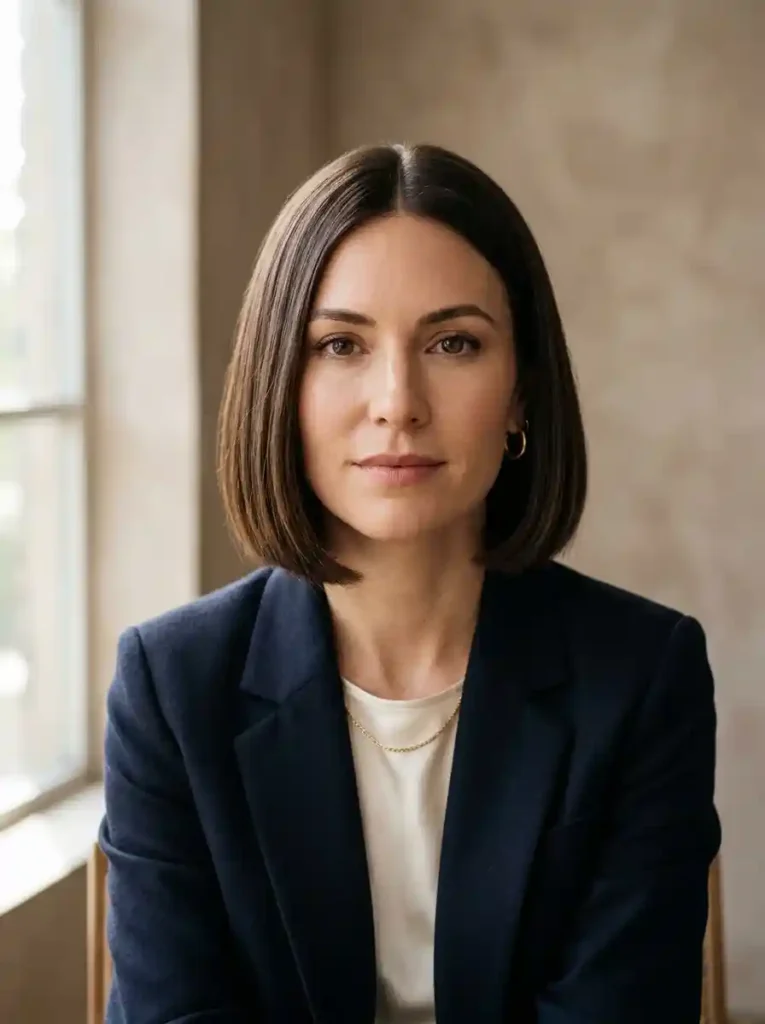
A glossy chin-length bob creates a clean silhouette without feeling overly severe. The ends sit close to the jaw, giving the haircut a polished, intentional shape. Straight hair shows the precision especially well, while naturally smooth waves can create softer movement. Deep brunette, black, or warm chestnut shades all complement this refined style. This option often suits people who enjoy minimalist beauty and want their haircut to look finished with relatively little visual fuss.
Styling is easiest when the hair is dried smoothly with a paddle brush or round brush. A lightweight smoothing product can reduce flyaways without making the roots flat. Stylist Tip: Ask for subtle internal shaping if your hair is very thick. Removing some weight underneath can help the ends sit neatly. If your hair naturally flips outward, use a flat iron briefly at the tips instead of forcing the entire hairstyle perfectly straight.
2. Soft French Bob
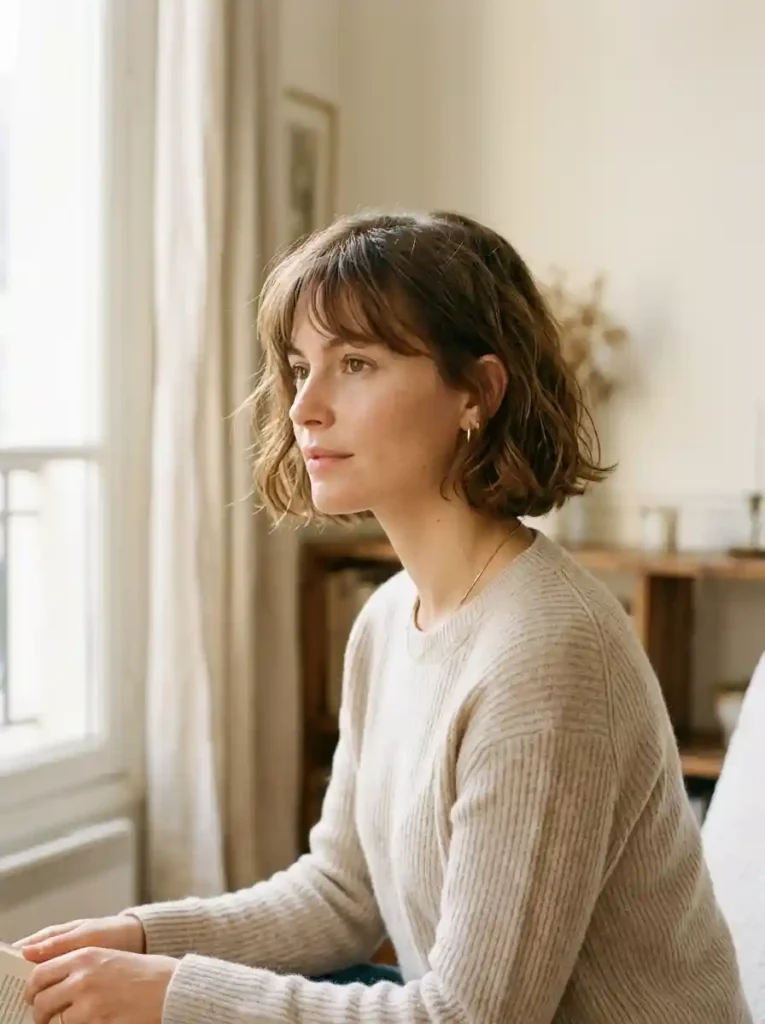
The soft French bob feels romantic because it combines structure with imperfect movement. Its shorter length usually falls around the cheek or upper jaw area, while a loose fringe adds softness. Natural texture makes the ends look lively rather than overly sculpted. Warm brunette, honey brown, or muted copper can enhance its relaxed character. This haircut suits readers who want a recognizable bob but prefer something less sleek and formal than a sharply tailored version.
To style it, apply a small amount of texturizing cream to damp hair and let the ends dry naturally. A diffuser can encourage waves without creating excessive volume. Common Mistake: Avoid applying heavy styling products near the roots. They can make a short bob look greasy and limp. For a more polished finish, gently bend a few front pieces with a small iron. Keep the shape slightly irregular so the haircut retains its effortless character.
3. Blunt Shoulder-Grazing Bob
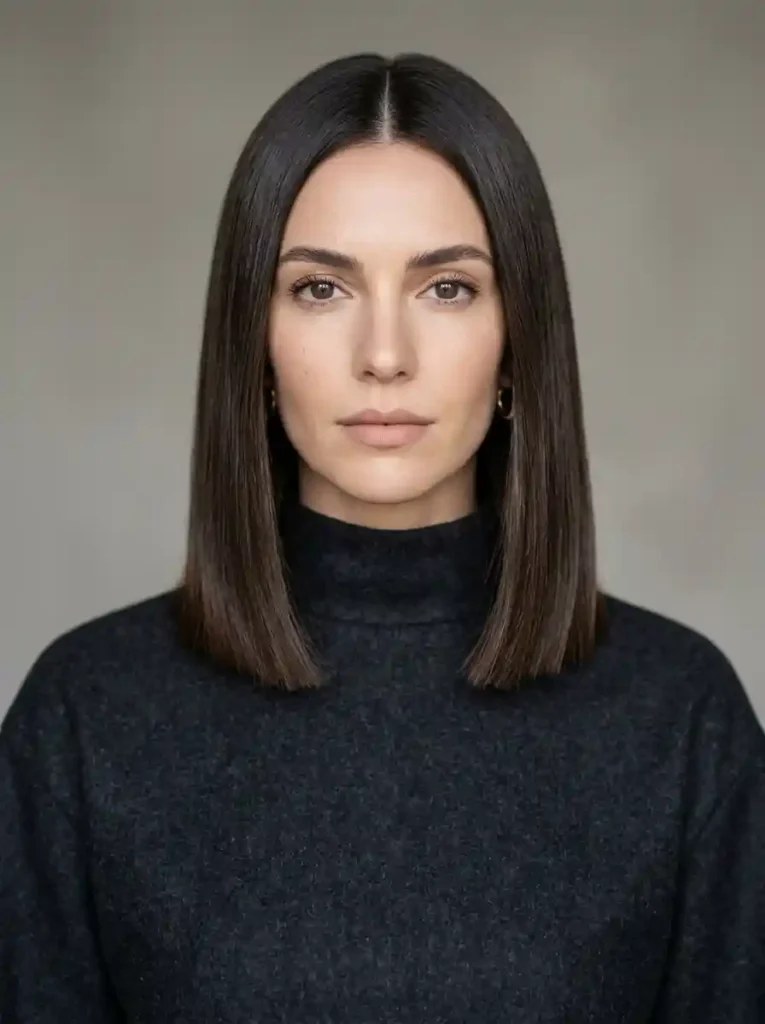
A shoulder-grazing blunt bob offers more length while preserving the graphic appeal of a strong perimeter. The ends form a clear line near the shoulders, creating a fuller-looking outline through the lower section. This shape works particularly well for straight or moderately wavy hair. It also provides enough length for simple ponytails and half-up styles. The overall effect feels modern and sophisticated without requiring the commitment of a very short haircut.
Maintaining the sharp edge requires regular trims because uneven growth quickly softens the silhouette. Blow-dry the hair downward using a large brush for a smooth result. Pro Tip: Ask your stylist to keep the perimeter strong while adding minimal internal texture if your hair is exceptionally dense. Too much layering can remove the visual weight that makes this haircut distinctive. A center part emphasizes symmetry, while a side part gives the same cut a softer finish.
4. Layered Collarbone Bob

A layered collarbone bob provides movement without becoming a heavily layered haircut. The longer length reaches the collarbone, while carefully placed layers create shape around the face and ends. Soft waves make the layers especially visible, but straight hair can also show the graduated movement. This version suits anyone who likes bob proportions but wants more versatility. The extra length also makes tying the hair back easier for work, exercise, or busy mornings.
Ask for face-framing layers that connect gradually with the rest of the haircut. This prevents the front from looking disconnected. To style it, use a round brush for volume or a diffuser for natural waves. Stylist Tip: Medium-density hair usually needs less internal removal than very thick hair. Removing too much weight can make the ends appear thin. If your hair is fine, keep the lower perimeter fuller and use only a few strategic layers near the face.
5. Wavy Italian Bob
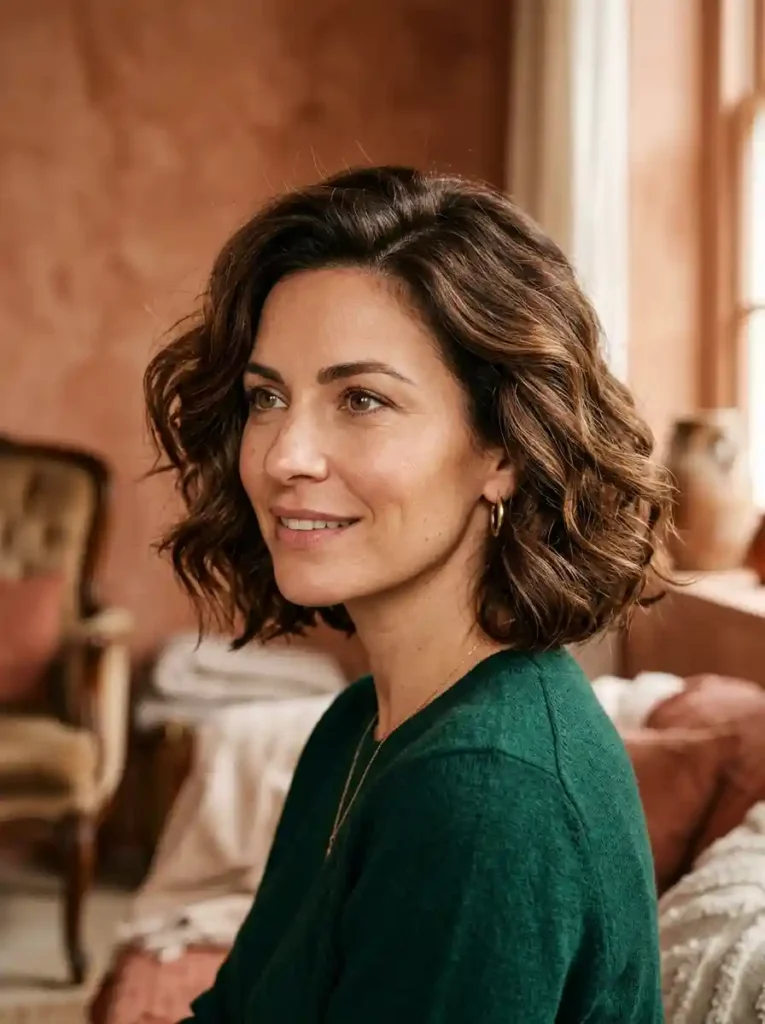
The wavy Italian bob emphasizes fullness, movement, and an elegant rounded silhouette. It usually sits between the jaw and shoulders, giving the haircut enough length to create substantial volume. A deep side part can enhance the sweeping shape, especially when paired with naturally wavy hair. Rich brunette, caramel, or dark auburn shades complement its warm, sophisticated mood. This style is appealing for anyone who wants a bob that looks intentionally voluminous rather than sharply minimal.
Use mousse or a lightweight curl cream before drying to support the natural wave pattern. A diffuser can preserve volume while reducing frizz. Pro Tip: Do not over-layer dense wavy hair when requesting this shape. Excessive layers may create unwanted puffiness around the sides. Instead, ask for controlled shaping around the perimeter. A small amount of smoothing serum on the finished ends can define the waves while keeping the overall silhouette soft.
6. Sleek Side-Part Bob
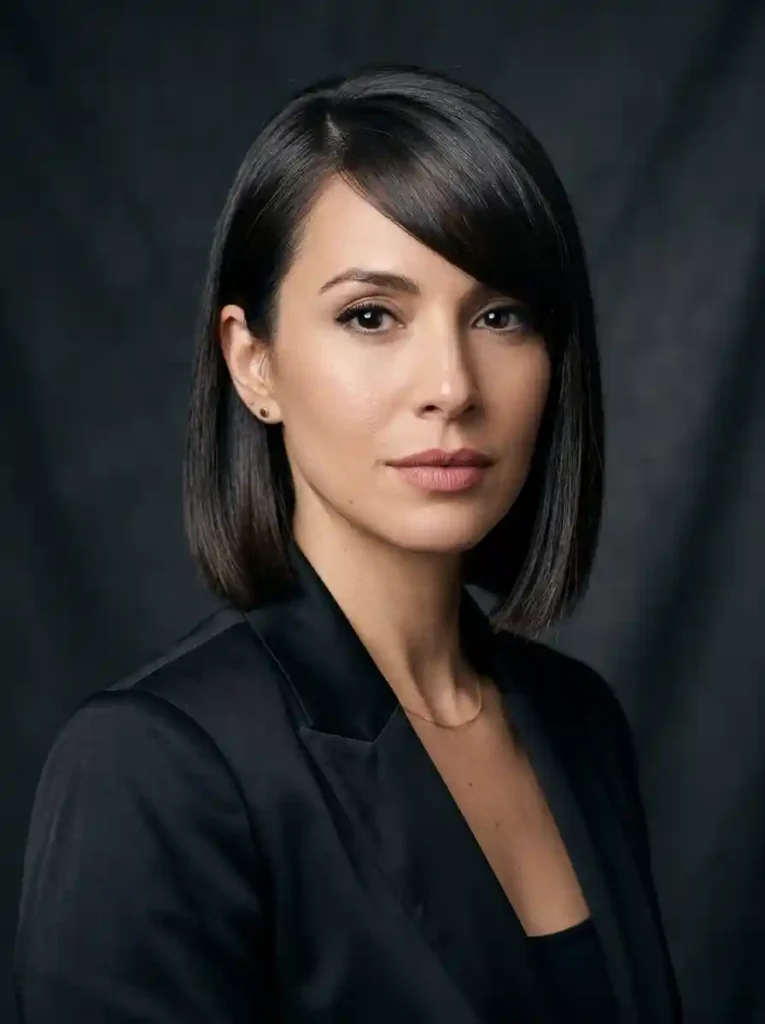
A sleek side-part bob changes the familiar bob shape through its parting and styling direction. One side sweeps naturally across the forehead, while the opposite side can be tucked behind the ear. The clean length usually lands around the jaw or upper neck. Straight hair highlights the glossy finish, although gently smoothed waves can also work. This look suits people who enjoy polished hairstyles with a subtle dramatic quality rather than obvious layers or fringe.
Create the side part while the hair is damp so it dries in the desired direction. Use a smoothing brush and low heat to keep the finish controlled. Common Mistake: Avoid using too much oil to create shine. Heavy products can separate fine hair and make the bob look flat. For extra structure, tuck one side behind the ear and leave the other side loose. This creates asymmetry without changing the actual haircut.
7. Curved Jawline Bob
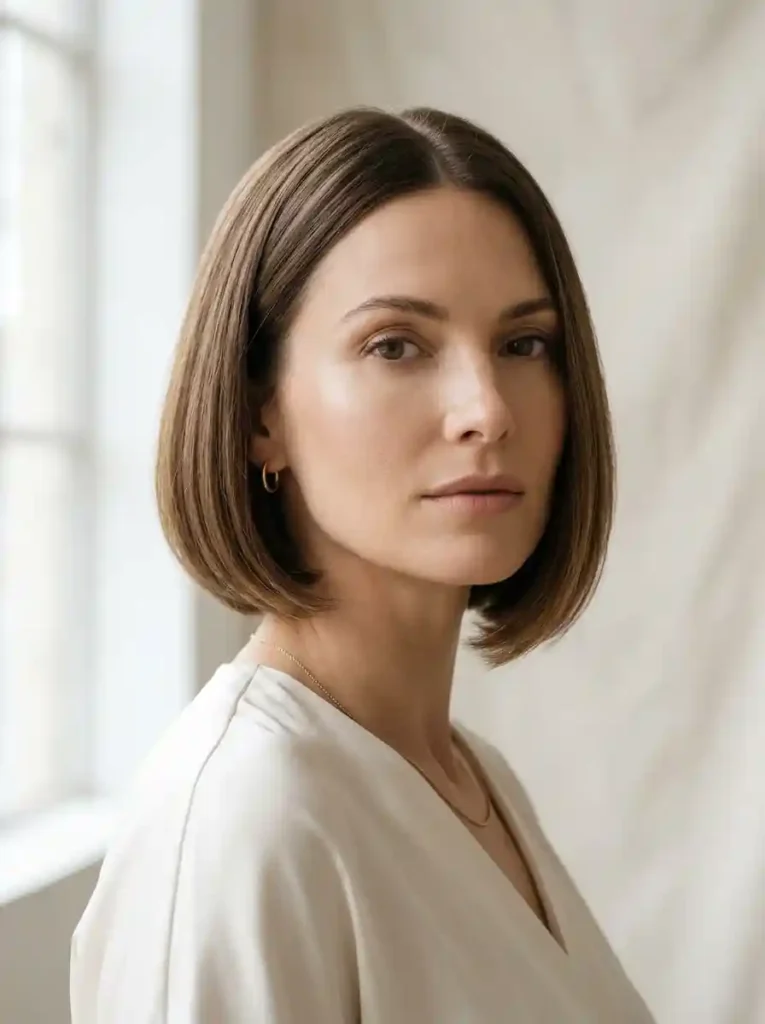
The curved jawline bob follows the natural contour of the face instead of creating a completely straight perimeter. The back can be slightly shorter, while the front remains subtly longer. This creates a graceful shape that feels tailored but not overly geometric. Straight or lightly textured hair shows the curve most clearly. The design is especially attractive for people who want a polished bob with a little more softness around the face and neckline.
Ask your stylist to create a gentle curve rather than an exaggerated angled bob. The transition should look intentional from every viewing angle. Stylist Tip: Bring a reference showing the exact front length you prefer. A difference of even a few centimeters can noticeably change the silhouette. For daily styling, smooth the roots and use a round brush to curve the ends inward. Keep the finish light so the haircut remains airy.
8. Textured Micro Bob
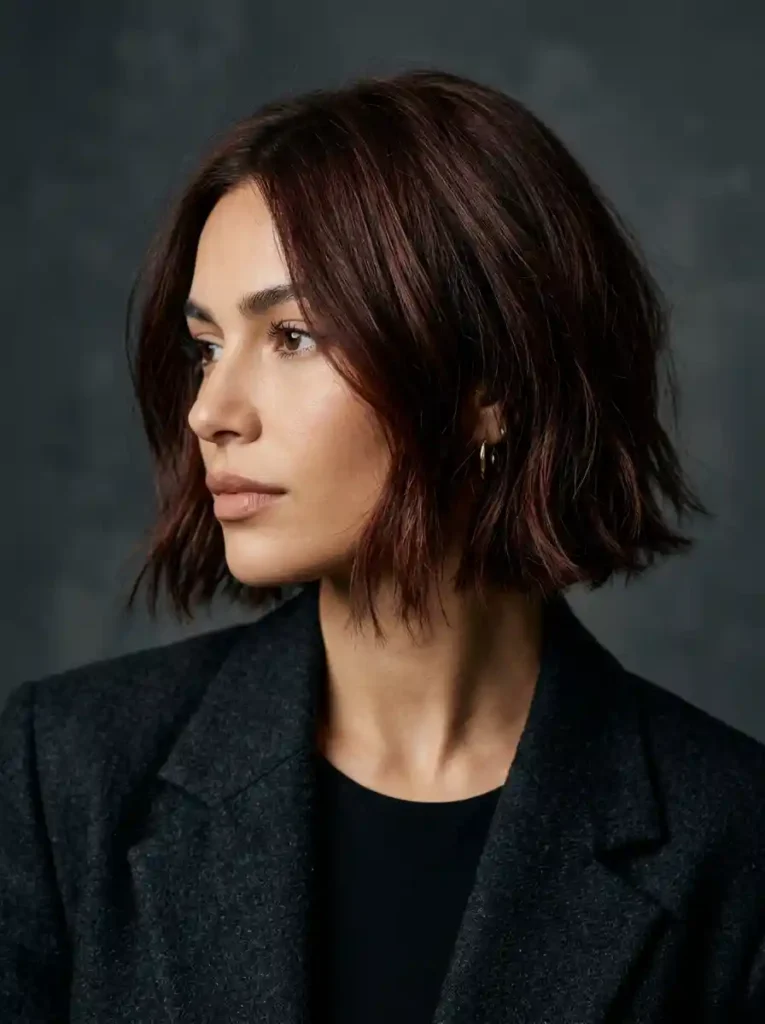
A textured micro bob makes a stronger statement through its compact length and separated ends. The cut sits above the jaw, exposing more of the neck and creating a lightweight appearance. Short internal pieces give the haircut movement rather than a solid block shape. Dark copper, espresso, or soft black can make the texture more noticeable. This idea suits confident wearers who enjoy distinctive short cuts and do not mind giving their haircut a clear visual identity.
Styling takes only a small amount of product because too much can weigh down short strands. Rub a pea-sized texture paste between your fingers, then pinch the ends into place. Pro Tip: Ask for texture mainly where the hair needs movement. Removing too much throughout the entire cut can make fine hair appear sparse. Micro bobs also show growth quickly, so schedule trims when the shape begins touching the jaw differently than intended.
9. Bob With Curtain Bangs
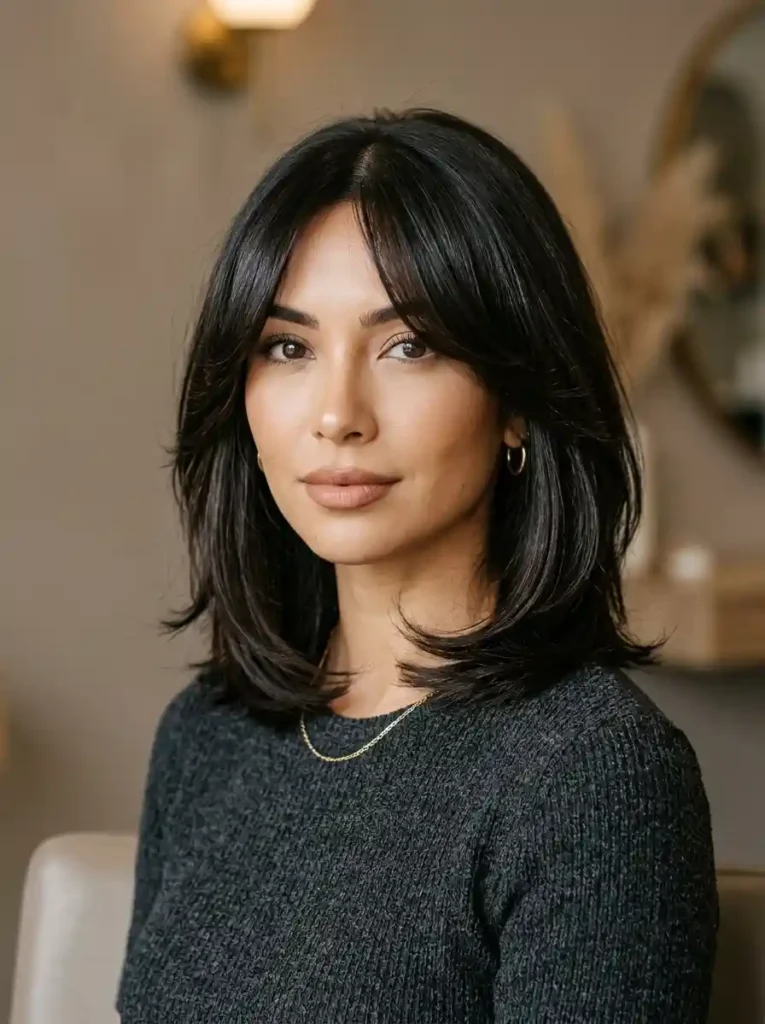
Curtain bangs give a classic bob a softer, more face-framing personality. The fringe parts near the center and gradually sweeps toward the temples, creating a gentle transition into the sides. A jaw-length or slightly longer bob works well with this shape. Loose waves add movement, while straight hair creates a cleaner finish. This variation is useful for anyone who wants a noticeable update without adding heavy blunt bangs across the forehead.
Curtain bangs require more styling than a bob without fringe, but the routine can remain simple. Use a small round brush to direct each side away from the face while drying. Common Mistake: Cutting the fringe too short can make the center opening difficult to control. Ask for enough length to sweep sideways comfortably. If your hair is naturally wavy, have the bangs cut with your normal texture considered. Their final length can change significantly after drying.
10. Wispy Bang Bob
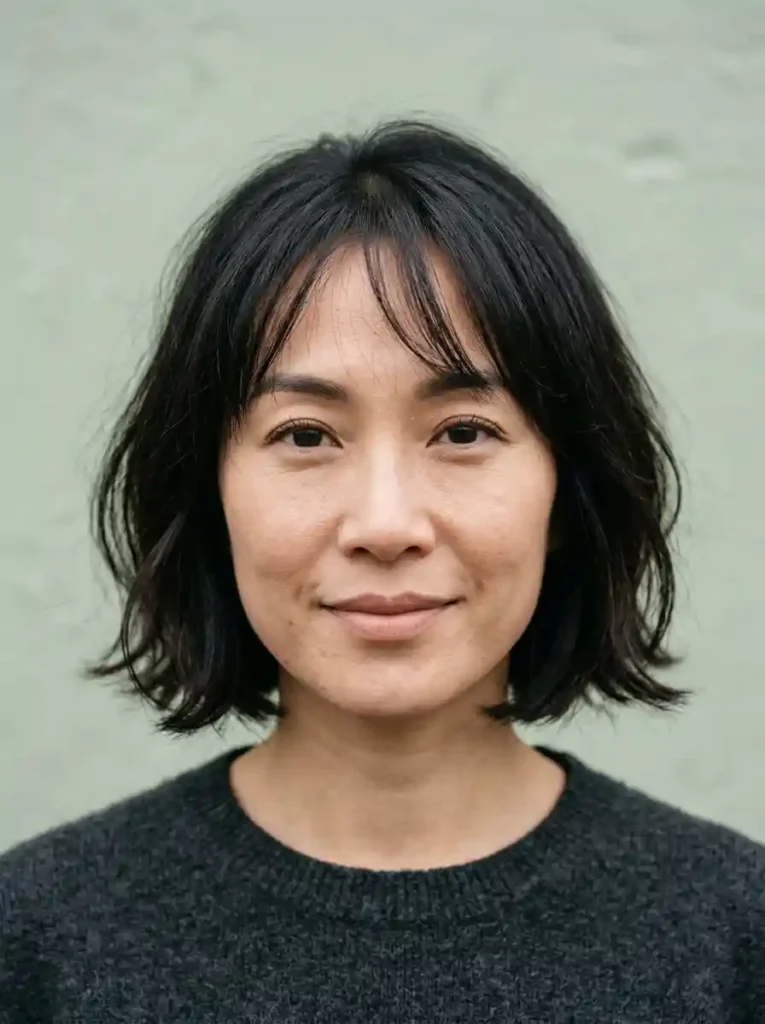
A wispy bang bob feels lighter than a traditional fringe because the bangs contain visible separation between individual pieces. The bob itself can remain fairly simple, allowing the fringe to provide the personality. This works especially well with fine or medium-density hair that does not need extensive layering. Slightly curved ends create a soft silhouette. The overall look feels youthful and relaxed without relying on exaggerated volume or complicated styling.
Dry the bangs first because they can quickly settle into unwanted directions. Use a small brush and gentle airflow while moving them from side to side. Stylist Tip: Ask for a soft, adjustable fringe rather than a very thick section. A lighter bang can be worn straight, parted slightly, or swept aside as it grows. Keep the bob perimeter relatively full if your hair is fine, since excessive layering can reduce the appearance of density.
11. Curly Rounded Bob

A curly rounded bob celebrates natural texture instead of forcing every strand into a straight shape. The silhouette curves around the head, with carefully balanced layers supporting the curls. The final length depends on how much the curls shrink when dry. This style can look especially expressive in rich brunette, black, copper, or dimensional brown shades. It suits people who want their natural curls to remain the main feature rather than treating texture as something to eliminate.
Curly hair should generally be shaped with shrinkage in mind, because wet and dry lengths can differ significantly. Use curl cream and a diffuser on low heat to encourage definition. Pro Tip: Ask for curl-by-curl shaping if your pattern varies across your head. A uniform cutting approach may create uneven volume after drying. Avoid aggressive brushing once the curls are dry. Separate only the areas that need extra lift or definition.
12. Soft A-Line Bob
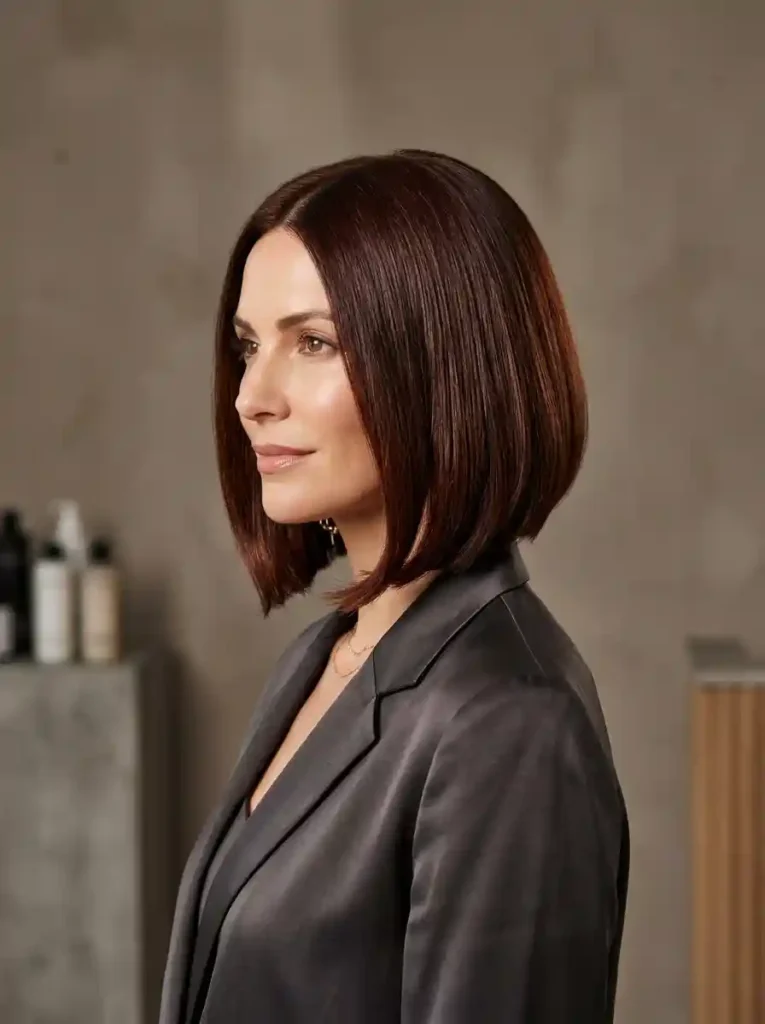
A soft A-line bob creates movement through a gradual front-to-back length difference. The nape remains shorter, while the front pieces extend toward the collarbone or jaw. Unlike a dramatic angled bob, this version uses a subtle transition for a more wearable silhouette. Straight hair makes the line especially clear, while gentle waves soften it further. This option suits anyone who wants a tailored shape with more interest than an evenly cut bob.
The angle should be customized to your preferred level of drama. A small difference between the front and back creates a restrained look, while a stronger angle feels more fashion-forward. Stylist Tip: Ask to see the haircut from the side before the final detailing. The profile reveals the A-line most clearly. Use a round brush to direct the front pieces forward and slightly inward. This helps preserve the intended shape during everyday styling.
13. Shaggy Bob With Choppy Layers
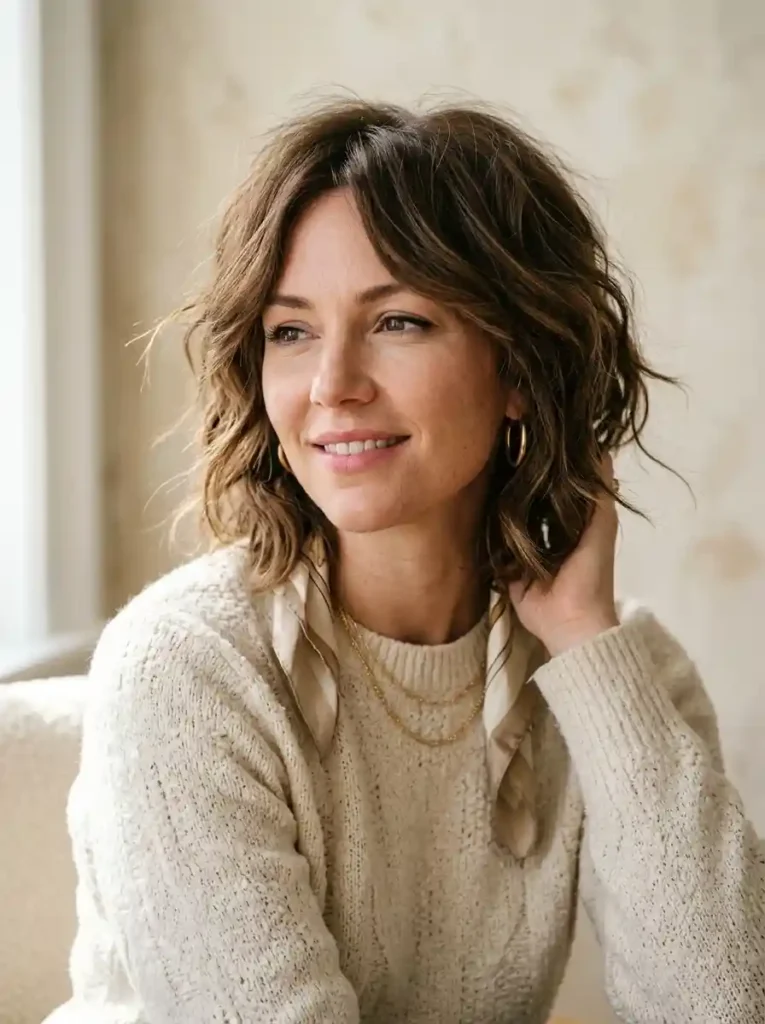
A shaggy bob brings more texture and irregularity to the classic bob shape. Choppy layers break up the perimeter, while shorter pieces around the crown create movement. Loose waves make the cut look especially lively, but straight hair can also show the deliberately uneven ends. Subtle highlights can emphasize the layers without overwhelming the haircut. This idea works for readers who prefer relaxed styles and want their bob to feel energetic rather than perfectly polished.
Styling should enhance separation rather than create rigid definition. Apply a lightweight mousse to damp hair, then scrunch or loosely twist sections while drying. Common Mistake: Avoid requesting too many short layers without considering hair density. Thick hair can become overly bulky, while fine hair may lose its fullness. Tell your stylist whether you want a soft shag or a stronger shaggy haircut. That distinction helps control how dramatic the layers become.
14. Inverted Bob With Volume
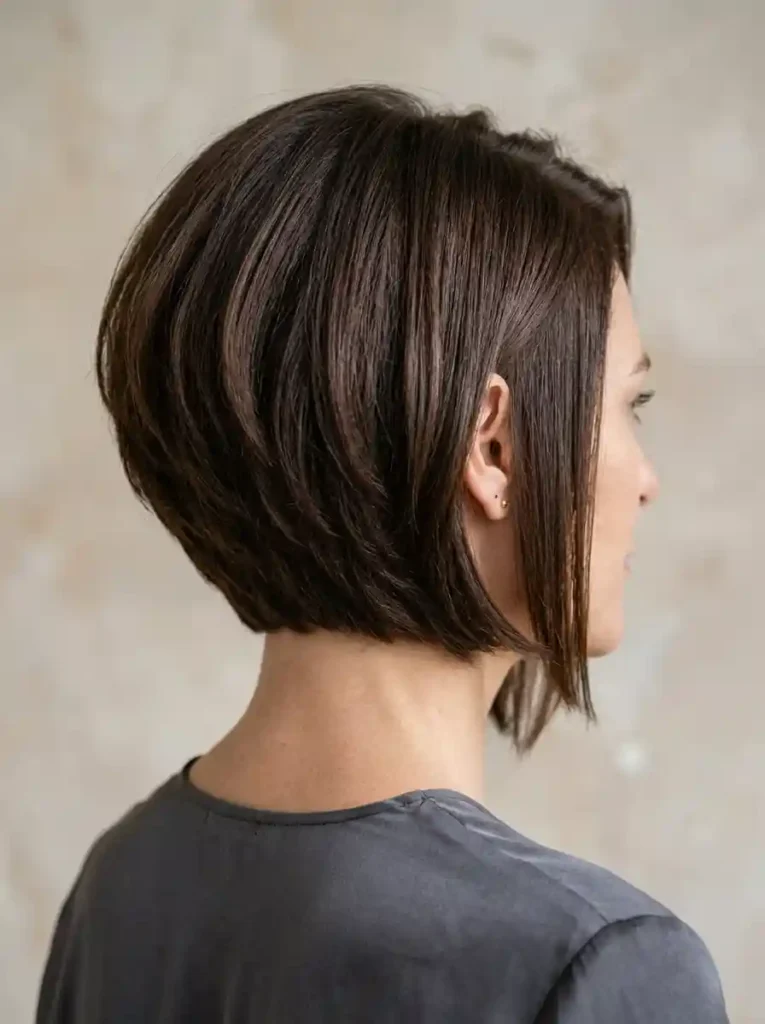
An inverted bob builds visible shape at the back while keeping the front longer. Stacked sections around the nape create volume and help the haircut maintain a rounded silhouette. The front can finish near the jaw, creating a clear contrast between the two areas. Straight and slightly wavy textures can both work well. This style appeals to anyone who wants a structured bob with noticeable dimension from the side and back.
The stacking should be adjusted carefully for hair density. Too much graduation can create excessive bulk in thick hair. Stylist Tip: Ask your stylist to show how much stacking they plan to create before cutting. For daily styling, direct the shorter back sections downward with a round brush while keeping the front smoother. Regular trimming helps preserve the stacked shape, especially around the neckline where growth can quickly change the profile.
15. Long Bob With Face-Framing Layers

A long bob, often called a lob, offers one of the easiest transitions for someone nervous about shorter hair. The length usually falls around the collarbone, leaving enough hair for ponytails and other simple styles. Face-framing layers add movement around the cheeks without dramatically thinning the ends. Soft waves create an effortless finish, while straight styling makes the cut look more polished. This is a versatile choice for people who want change without losing much length.
A lob works well when the front layers blend gradually into the rest of the haircut. Ask for the shortest face-framing piece to start where you want attention around the face. Pro Tip: Keep the bottom edge fairly full if your hair is fine. This preserves visual density while still allowing movement around the front. For styling, alternate the direction of loose waves so the finished texture looks natural rather than uniformly curled.
16. Copper Bob With Soft Texture
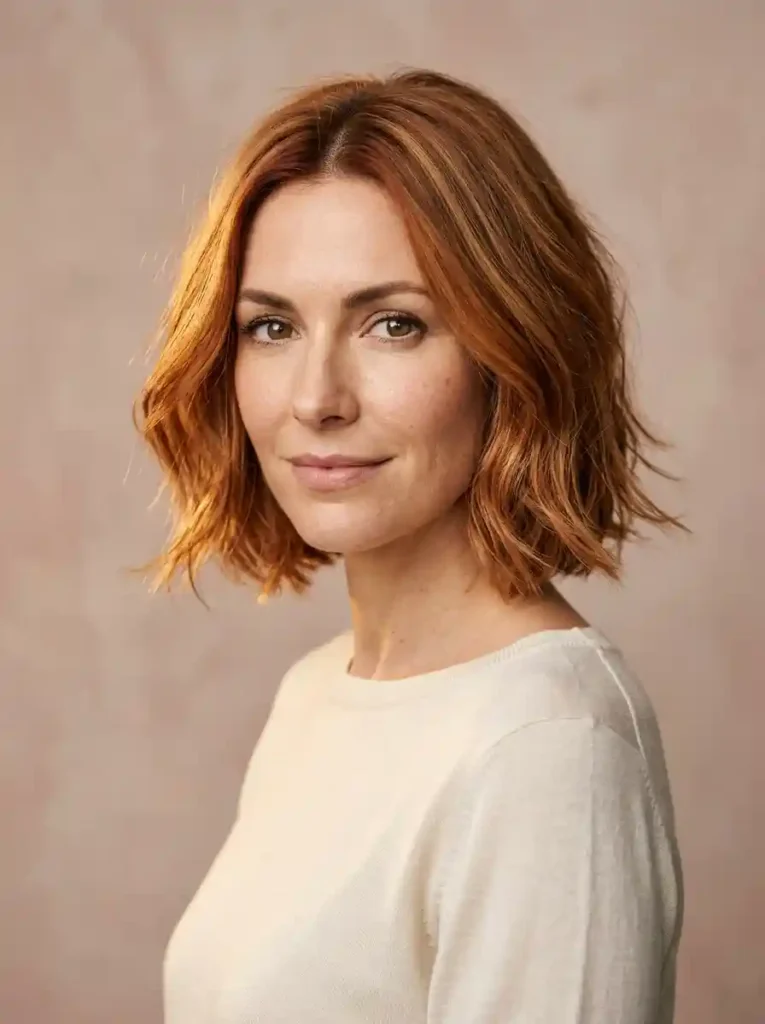
A copper bob combines a recognizable haircut with a color choice that immediately changes its mood. The length can sit at the chin or slightly below, while soft texture prevents the bright shade from looking overly formal. Copper works across several bob shapes, but loose ends and gentle waves give it a particularly modern feel. This idea suits anyone who wants their haircut and color to make a visible statement while keeping the overall shape wearable.
Color-treated hair benefits from gentle styling and careful heat use. Apply a heat protectant before using irons or blow-dryers, and avoid excessive daily heat. Stylist Tip: Show your colorist a reference for the copper intensity you prefer. Copper can range from muted auburn to brighter orange-gold tones. Your natural base affects the final result. Keep the haircut simple if the color is bold, so the overall look remains balanced rather than visually crowded.
17. Jaw-Length Bob With Flipped Ends
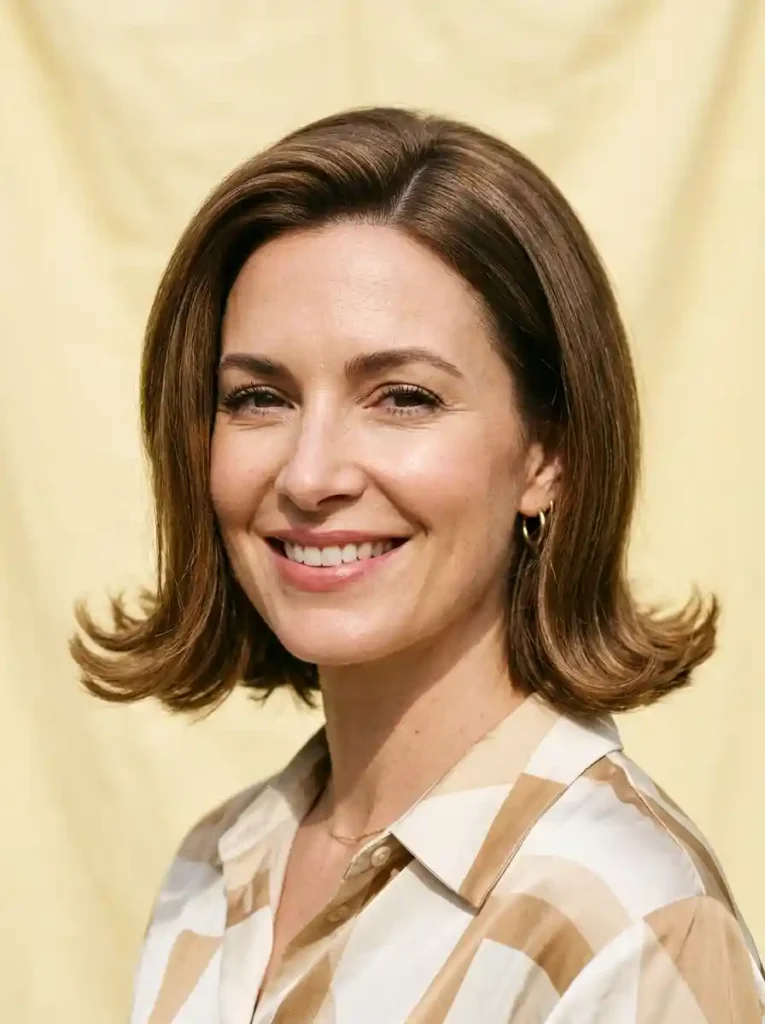
Flipped ends give a traditional jaw-length bob a playful retro influence. The crown remains relatively smooth, while the lower sections curve outward instead of turning inward. This creates movement around the jaw and gives the haircut a lighter visual finish. The effect works with straight or gently wavy hair and looks especially striking in medium brunette, blonde, or warm brown shades. It is ideal for readers who enjoy recognizable styling details.
Create the flip with a round brush or a medium-barrel curling iron, directing the final inch outward. Let each section cool before loosening it. Common Mistake: Avoid curling the entire length into tight waves. The goal is a smooth base with movement concentrated at the ends. A light hairspray can help hold the shape without making it stiff. If your hair is naturally thick, use smaller sections so the ends bend evenly.
18. Deep Side-Part Lob
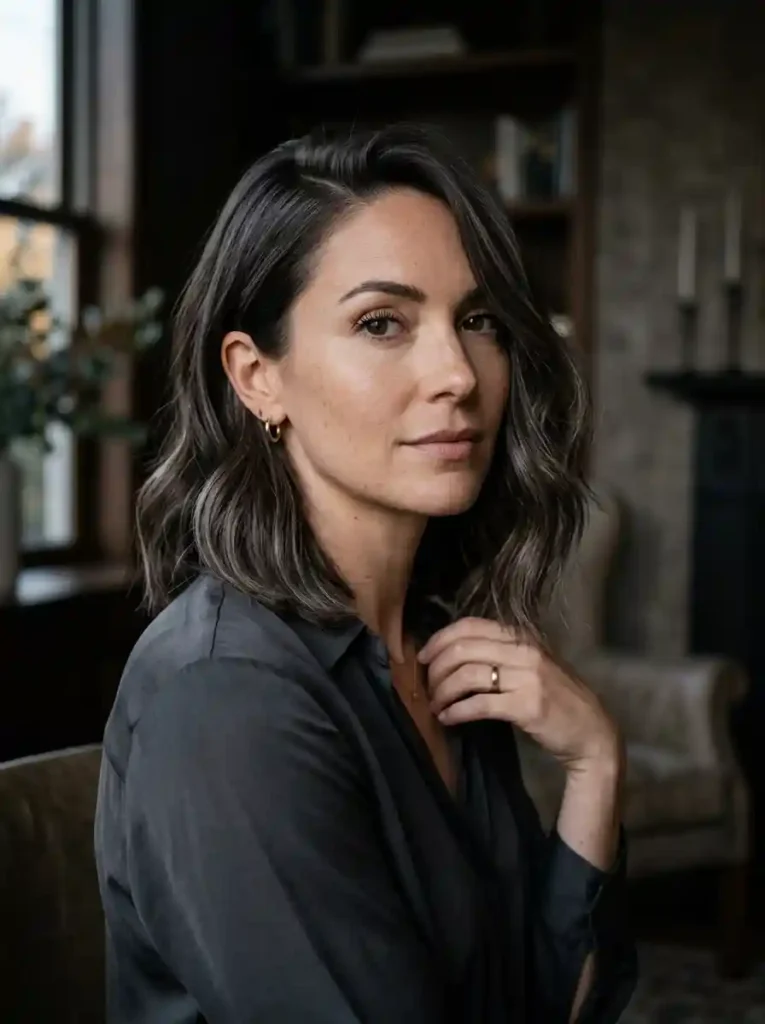
A deep side-part lob adds asymmetry without requiring an asymmetrical haircut. The longer length gives the hair movement, while the dramatic part creates a sweeping front section. Loose waves soften the overall shape and keep the look approachable. This version suits people who want a polished hairstyle that can transition from daytime to evening. It also offers a simple way to refresh an existing lob without changing the haircut significantly.
Create the part slightly above the natural separation if you want a more dramatic sweep. Blow-dry the roots in the opposite direction first, then settle them into the final part. Pro Tip: If your hair is very fine, avoid placing too much product at the crown. Root volume works better when the base remains lightweight. Finish by tucking the smaller side behind the ear. This creates definition while keeping the hairstyle comfortable and practical.
19. Bottleneck Bang Bob

Bottleneck bangs create a distinctive fringe shape that starts narrower in the center and gradually widens toward the temples. Paired with a bob, they create a softer transition between the forehead and the side sections. A chin-length cut with gentle layers works particularly well because the fringe can flow into the face-framing pieces. This variation suits readers who like bangs but want more movement than a traditional straight-across fringe provides.
Style the center section forward first, then direct the outer bang pieces diagonally toward the cheekbones. A small round brush gives the fringe enough bend without creating excessive volume. Stylist Tip: Discuss your natural hairline before choosing this fringe. Cowlicks can influence where the center section naturally separates. Ask for enough length around the sides so the bangs can blend into the bob as they grow. This makes the transition easier between trims.
20. Platinum Blunt Bob
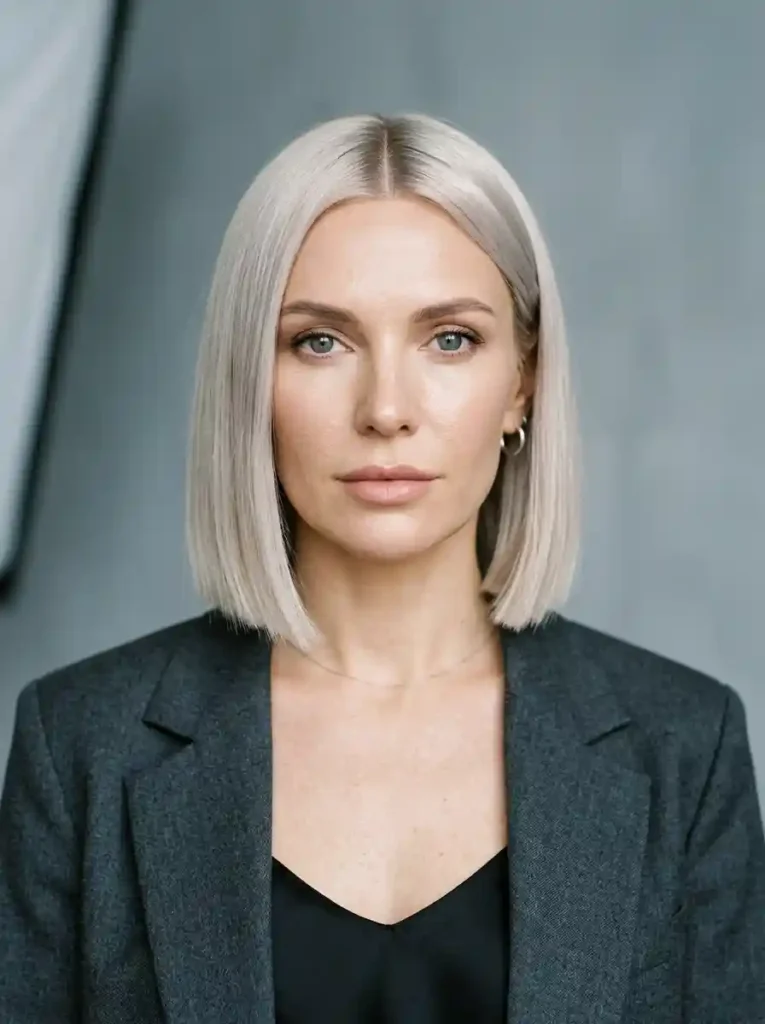
A platinum blunt bob creates maximum impact through the combination of bright color and a precise shape. The chin-length perimeter keeps the haircut visually strong, while the cool blonde shade adds a modern editorial quality. Straight hair shows the clean edge most clearly. This idea works for anyone who enjoys a bold appearance and is prepared for the extra care that lightened hair often requires. The haircut itself remains simple, letting the color provide much of the drama.
Platinum color typically requires more maintenance than natural brunette or darker shades. Use products designed for color-treated hair and minimize unnecessary heat. Common Mistake: Do not expect the same maintenance routine as an uncolored bob. Lightening can affect hair condition, so discuss your current hair history with a professional before major color changes. Keep the cut blunt if you want maximum visual density through the ends, especially when the hair is fine.
21. Tousled Bedhead Bob

The tousled bedhead bob is designed to look intentionally relaxed rather than perfectly arranged. Its length usually sits around the jaw or neck, while loose waves and separated ends create casual movement. A few flyaways add realism and prevent the style from appearing overly polished. This version works particularly well for naturally wavy or slightly unruly hair. It suits people who prefer hairstyles that look better with some natural imperfection.
Start with damp hair and apply a lightweight wave-enhancing cream through the mid-lengths and ends. Scrunch gently, then allow the hair to air-dry or use a diffuser. Pro Tip: Avoid brushing the finished waves aggressively. Instead, loosen them with your fingers and reshape individual sections. If your hair is straight, create a few irregular bends rather than uniform curls. The varied direction helps produce the relaxed texture associated with this bob.
22. Polished Bob With Subtle Highlights
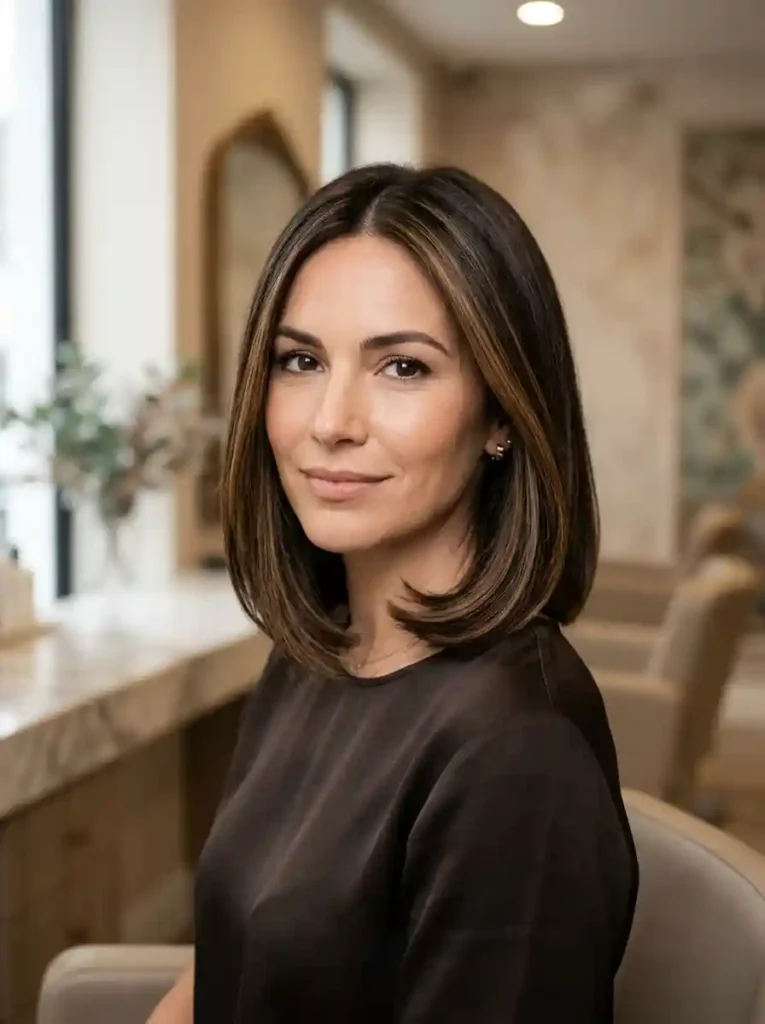
A polished bob with subtle highlights offers a balanced choice for readers who want refinement without dramatic color contrast. The cut can sit between the jaw and shoulders, while delicate caramel or honey pieces add dimension. Keeping the highlights understated allows the shape to remain the main feature. Straight styling creates a clean finish, although soft bends can make the color variation easier to notice. This is a versatile option for professional and everyday settings.
Ask your colorist to place lighter pieces where they naturally catch the light instead of creating an all-over bright effect. This approach keeps the color soft as it grows. Stylist Tip: Coordinate the highlight placement with the haircut. Face-framing pieces can brighten the front, while a few upper-layer highlights reveal movement. For styling, smooth the hair with a paddle brush and finish with a lightweight shine product. Avoid heavy oils if your hair is fine.
Frequently Asked Questions
Which bob is easiest to maintain?
A longer bob, especially one without heavy bangs or intricate layers, is usually easier to maintain. It offers more styling flexibility and tends to grow out more gracefully.
Is a bob suitable for fine hair?
Yes. A blunt or softly structured bob can help fine hair appear visually fuller. Keeping the ends relatively strong often creates more density than excessive layering.
Can bob hairstyles work with curly hair?
Absolutely. Curly bobs should be shaped according to the natural curl pattern and expected shrinkage. Strategic layering can help balance volume while preserving definition.
How often should a bob be trimmed?
Many people refresh a precise bob every six to eight weeks. Longer or more textured versions can often go longer before the shape noticeably changes.
What bob works well without daily styling?
A textured bob, wavy lob, or softly layered cut can work well with natural movement. These shapes do not depend on perfectly straight ends to look intentional.
Should bangs be cut with a bob?
Bangs are optional. Curtain bangs, wispy bangs, and bottleneck bangs can soften a bob, while leaving the forehead open creates a cleaner, lower-maintenance finish.
Conclusion
The best bob hairstyles are not defined by one perfect length or finish. A small change in the perimeter, part, texture, fringe, or color can create a completely different look. Consider how your natural hair behaves before choosing a cut. Think about styling time, maintenance, and the amount of length you want to keep. Save your favorite haircut inspiration before your next salon visit, and use the details to explain exactly what you want.


