
Curly hair can look incredible, yet the wrong haircut can make your curls feel bulky, uneven, or difficult to style. A good cut should work with your natural pattern instead of fighting it. The right shape can also make daily styling much easier. These 23 gorgeous haircuts for curly hair cover short, medium, and long lengths. You will find soft layers, bold shapes, bangs, bobs, and low-maintenance ideas worth saving for your next salon visit.
1. Rounded Curly Bob
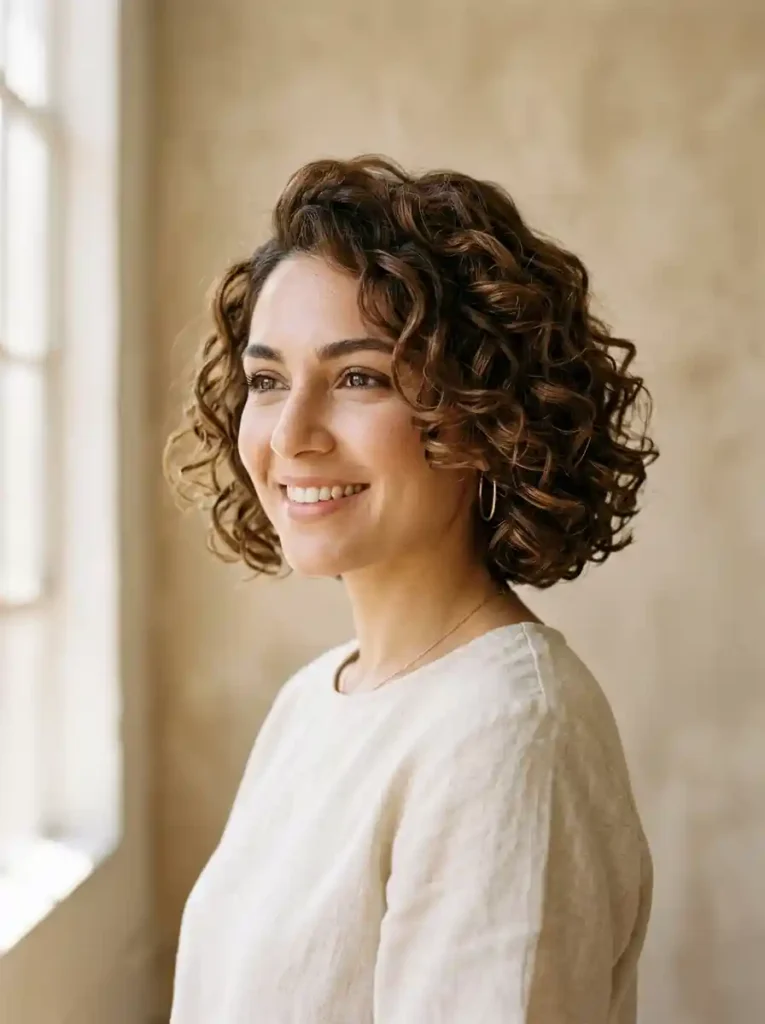
A rounded curly bob creates a strong silhouette without sacrificing the personality of natural curls. The ends sit around the chin, while the shape gently curves toward the back. This structure suits medium to dense curls that need controlled volume. Warm brown, deep brunette, or natural black shades all complement the rounded form. The result feels polished but not overly formal. It is especially appealing for anyone who wants shorter hair with a clearly defined shape and plenty of movement.
The cut works best when the stylist considers curl shrinkage before establishing the final length. Ask for the perimeter to remain intentional, rather than overly thinned. Styling can stay simple with leave-in conditioner and a lightweight curl cream. A diffuser can encourage even drying while preserving the rounded silhouette. Stylist Tip: Curly bobs often need slightly different lengths around the head because curls contract differently as they dry.
2. Long Curly Layers
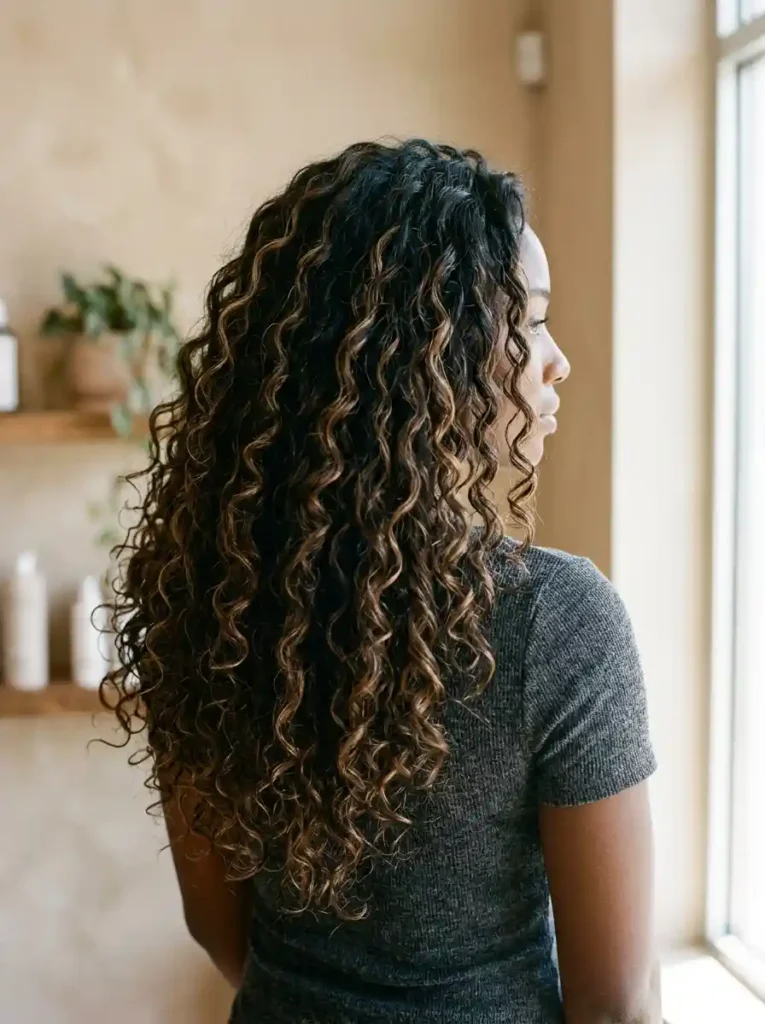
Long layers give curly hair movement while preserving the length many people love. Instead of creating a single heavy mass, the layers distribute weight through the shape. This can help dense curls spring upward and create a more balanced outline. The style works particularly well for medium to tight curl patterns. Subtle highlights can add dimension without distracting from the texture. It is a strong choice for anyone who wants flowing curls that still feel light and expressive.
Maintenance depends on how dramatically the layers are cut. Ask for gradual internal movement if you want a softer result. A curl-friendly cleanser, conditioner, and leave-in product can help maintain definition between washes. Refreshing sections with water and a small amount of styling cream can revive flattened curls. Pro Tip: Avoid requesting heavy thinning without discussion, because removing too much bulk can sometimes create unwanted frizz or uneven curl behavior.
3. Curly Shag with Curtain Bangs
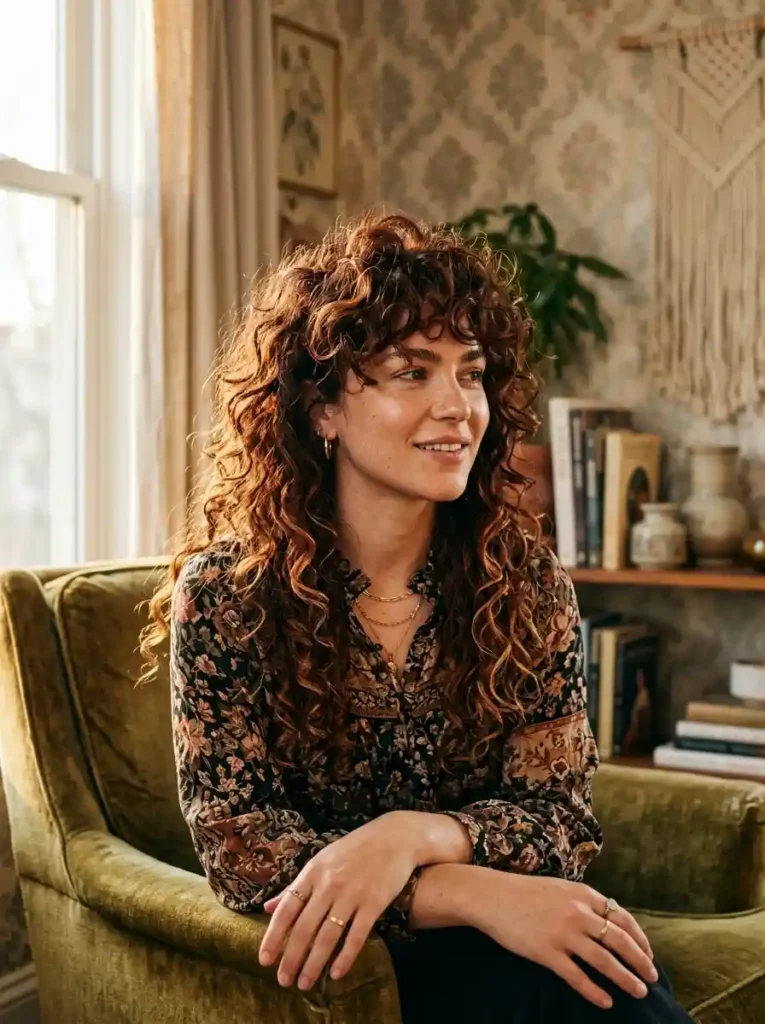
A curly shag brings noticeable texture and personality to medium-length hair. Shorter layers around the crown create lift, while longer sections maintain enough length for a relaxed silhouette. Curtain bangs add softness around the forehead and blend naturally into the surrounding layers. This haircut suits people who enjoy volume and a slightly undone finish. It can work beautifully with loose curls, waves, and mixed textures. The overall appearance feels playful, artistic, and deliberately effortless.
The key is controlling how much layering goes near the crown. Too many short pieces can create more volume than expected. Ask your stylist for a shape that matches your natural curl expansion. Curtain bangs usually need gentle styling with damp fingers or a small brush. Common Mistake: Cutting curly bangs based on their wet length can leave them unexpectedly short after drying. Always discuss shrinkage before the fringe is shaped.
4. Chin-Length Curly Shag
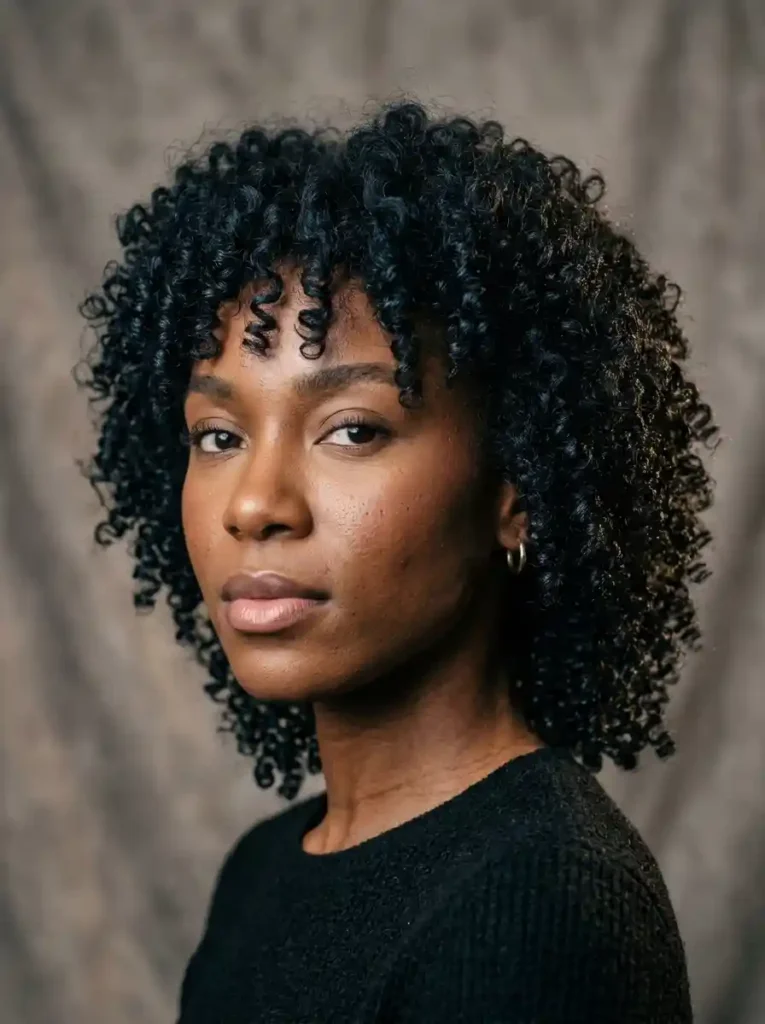
A chin-length curly shag combines the compactness of a bob with the movement of a layered cut. Shorter pieces give the crown a lifted appearance, while textured ends prevent the shape from looking too solid. The style is especially interesting for tight curls and coils that naturally create strong volume. Dark hair makes the texture look rich and dimensional. This haircut suits someone who wants a distinctive shape that feels modern, energetic, and less conventional than a traditional rounded bob.
Styling becomes easier when the layers follow the natural direction of the curls. Apply styling products while the hair remains thoroughly damp, then scrunch gently. Diffusing upside down can increase root lift, while air drying creates a softer finish. Stylist Tip: Ask for controlled tapering rather than aggressive thinning. Curly hair often benefits from preserving density at the ends so the silhouette remains intentional.
5. Shoulder-Length Curly Lob
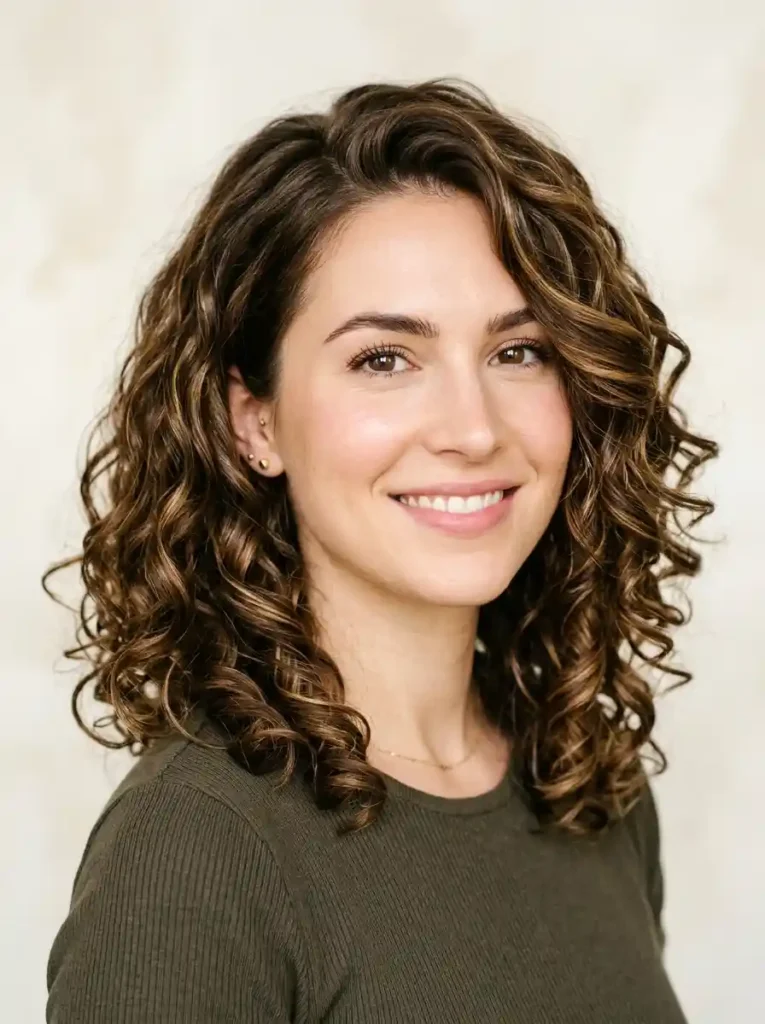
A curly lob offers a useful middle ground between short and long hair. The shoulder-length shape gives curls enough room to move while remaining easier to manage than very long hair. Soft face-framing pieces can prevent the cut from feeling too heavy around the cheeks. This option works particularly well for loose curls and waves with moderate density. Chestnut, chocolate, honey, or natural brunette shades can emphasize the varied texture without overpowering the haircut.
The lob is versatile because it can be worn naturally or styled for a smoother finish. Ask your stylist to account for shrinkage and where the curls naturally sit. A lightweight mousse can provide hold without making the ends feel stiff. Pro Tip: Keep the perimeter slightly fuller if your curls are fine. A stronger edge can make the haircut appear denser without adding unnecessary product or excessive layering.
6. Short Curly Pixie
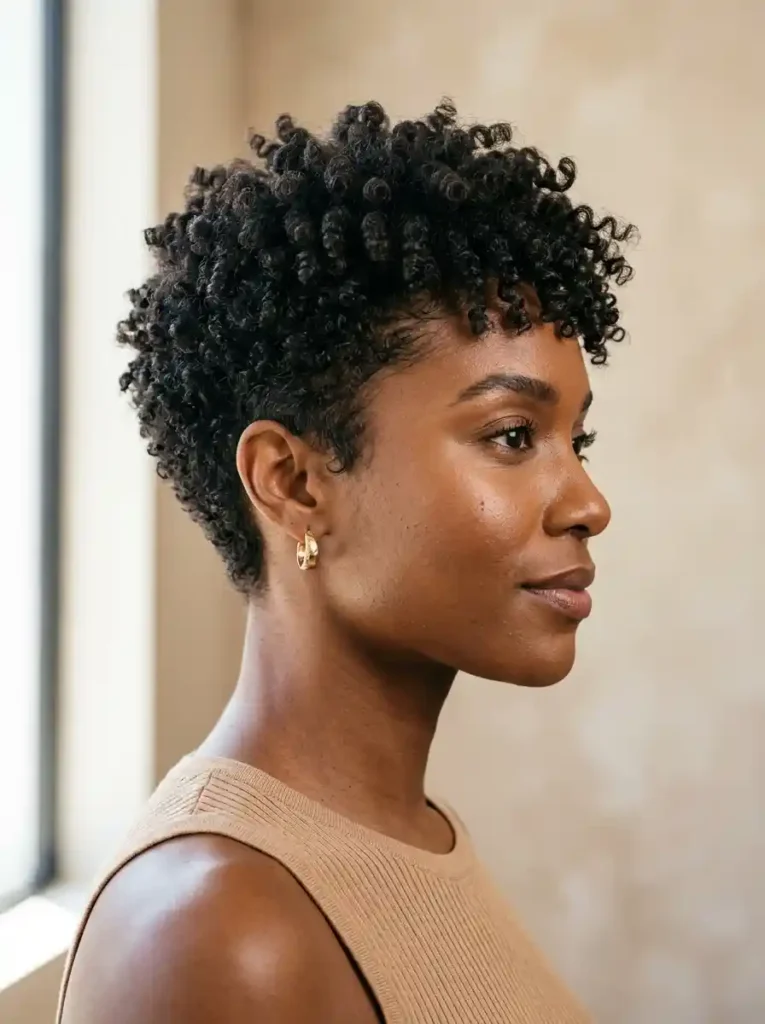
A curly pixie creates a bold shape with very little length around the sides and back. Keeping extra texture on top lets natural curls remain visible instead of disappearing into the crop. The contrast between the shorter edges and fuller crown gives the haircut a modern outline. It can suit tight curls, coils, and compact waves when the shape is customized carefully. This look appeals to anyone who wants a confident haircut that feels fresh, expressive, and distinctly low in length.
Short hair does not always mean zero maintenance. The shape may need regular trims to keep the sides and neckline clean. Styling can be as simple as applying a small amount of curl cream and allowing the curls to settle naturally. Common Mistake: Taking the sides too short without considering the curl pattern can make the top appear disconnected. Ask your stylist to create a gradual transition between the cropped areas and the longer curls.
7. Curly Bob with Side-Swept Bangs
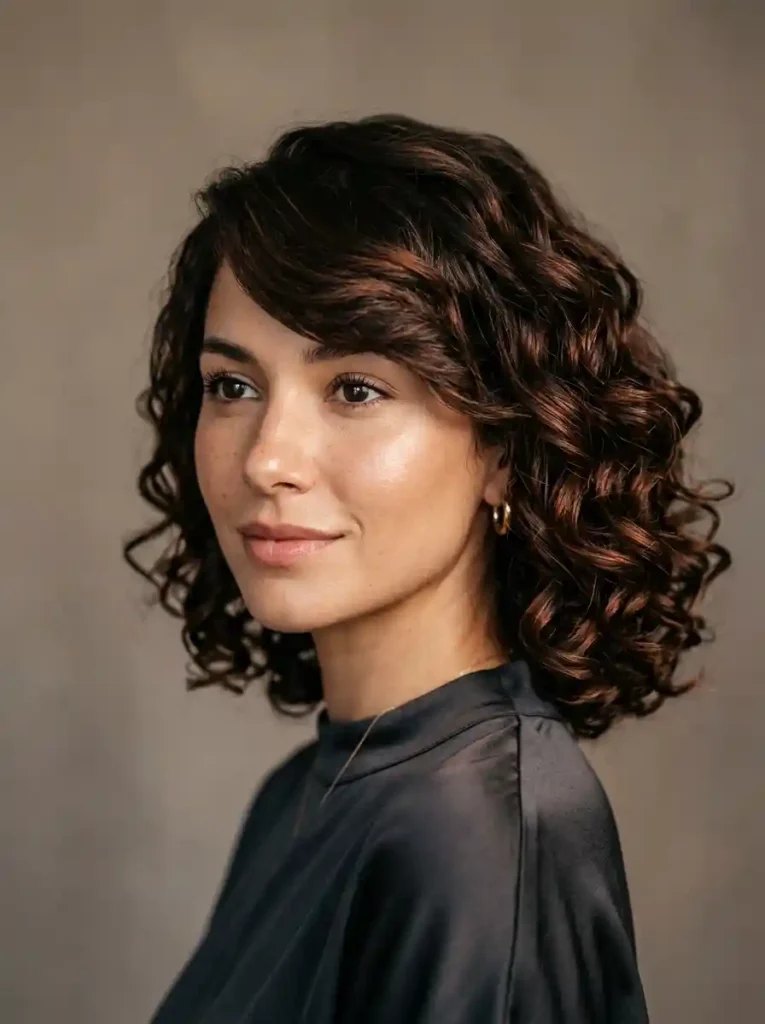
Side-swept bangs give a curly bob a softer and more asymmetrical feeling. Rather than forming a straight fringe, the front curls move diagonally across the forehead. This creates an interesting focal point while maintaining the compact shape of the bob. Medium curls often show the sweep clearly, especially when they have enough length to bend naturally. The haircut suits someone who wants a romantic variation without committing to a heavily layered or dramatically short hairstyle.
Styling the fringe separately can make the shape easier to control. Use a small amount of lightweight product and guide the curls toward the preferred side while damp. Avoid brushing the dry curls, which can disturb definition. Stylist Tip: Ask for the bangs to be cut with their natural curl pattern visible. The final dry position matters more than the temporary wet shape when creating an accurate side sweep.
8. Layered Curly Wolf Cut
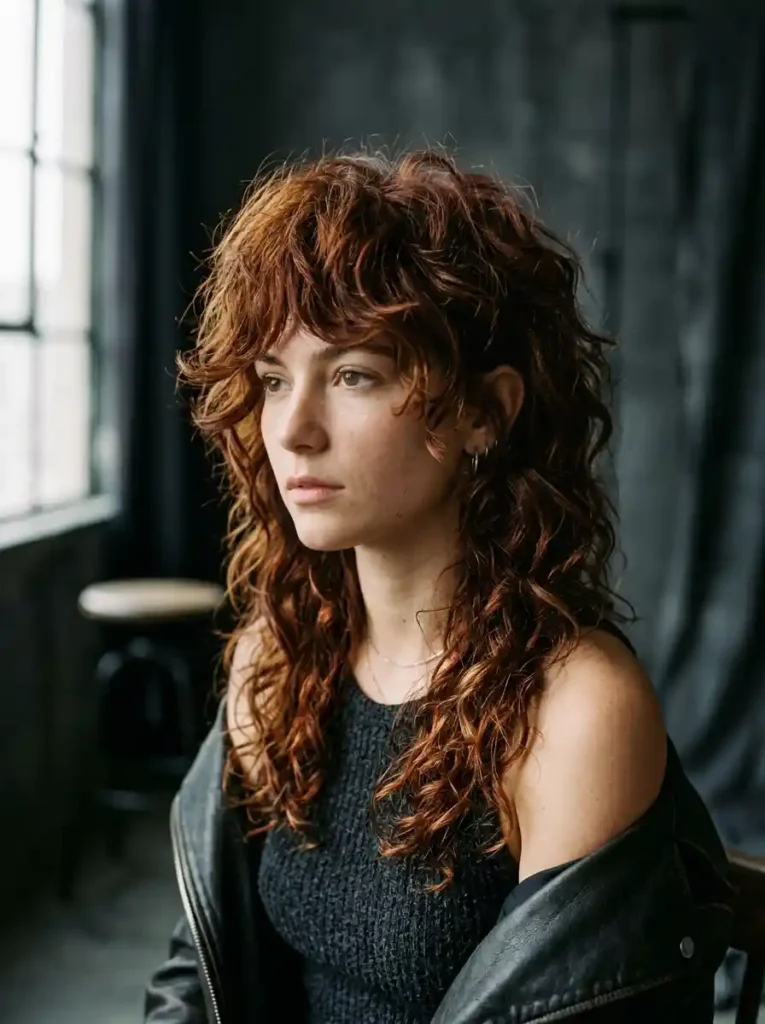
A curly wolf cut combines strong crown layering with longer, textured lengths. The shape creates noticeable contrast between the lifted upper section and the more relaxed ends. It feels bolder than a traditional layered haircut and works well for people who enjoy visible texture. Medium curls and loose coils can show the layered structure particularly well. Copper, brunette, or black shades all suit the dramatic silhouette. This is an appealing choice when you want movement without losing a rebellious edge.
The amount of crown layering should match your hair density. Very dense curls may need careful shaping to avoid excessive expansion. Ask for longer lower sections if you want the cut to retain a stronger sense of length. Pro Tip: Bring several photos showing the desired silhouette, not just the front view. A wolf cut depends heavily on the relationship between the crown, sides, and back.
9. Curly Bob with Face-Framing Layers
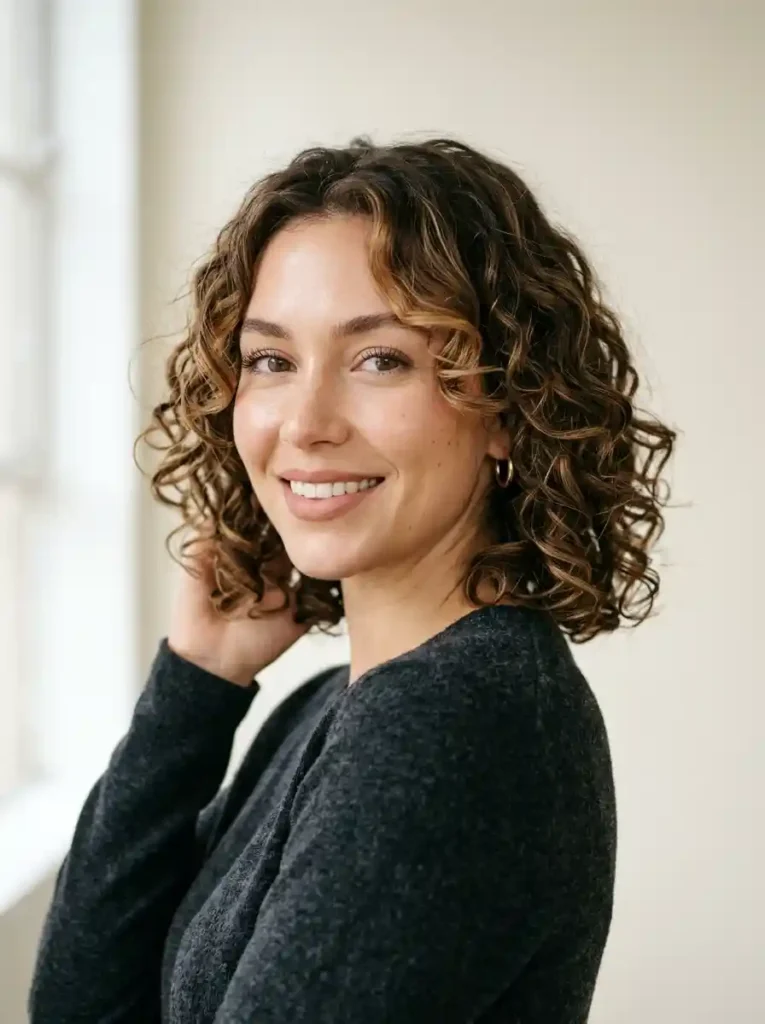
Face-framing layers can make a curly bob feel lighter around the front without dramatically changing its overall length. The shortest pieces follow the cheek and jaw area, then gradually blend into the rest of the cut. This approach works well for people who want movement near the face but still prefer a recognizable bob shape. It can be customized for different curl sizes and densities. The result looks polished, soft, and intentional while retaining natural texture.
When requesting this haircut, explain where you want the shortest face-framing piece to fall. Curl shrinkage can change its apparent position after drying. Styling is easiest when the front curls are encouraged to form naturally instead of being stretched straight. Stylist Tip: A subtle face frame often works better than dramatic steps when the goal is everyday versatility. Gradual transitions can also make grow-out less noticeable.
10. Long Curly Cut with Wispy Bangs
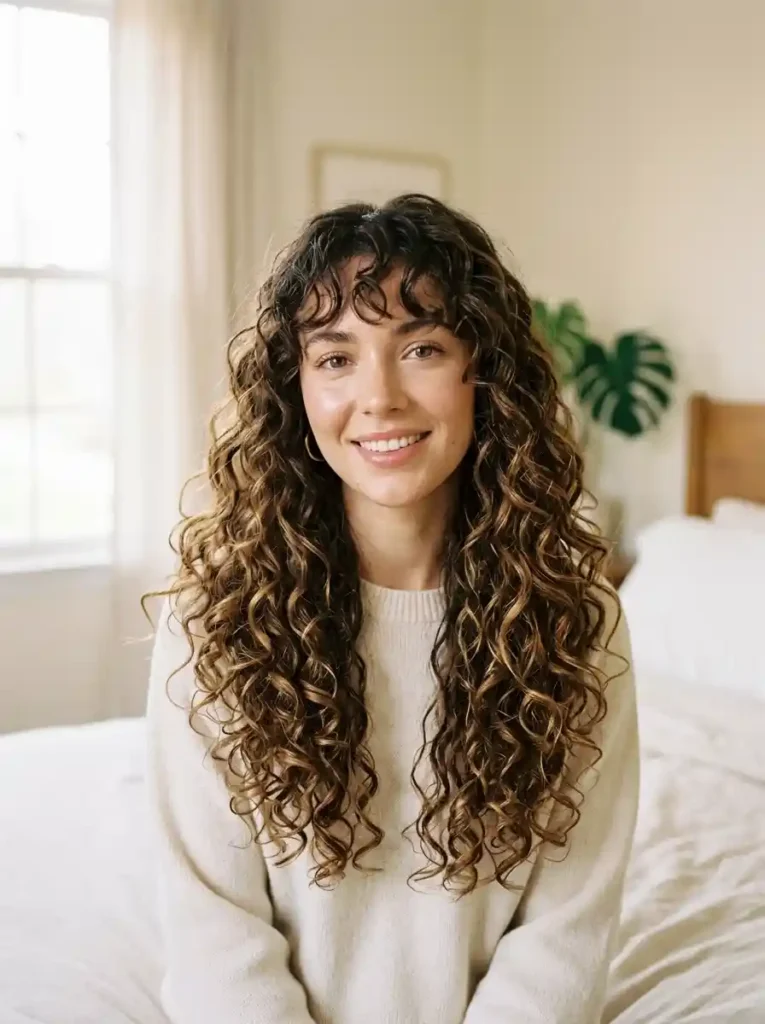
Wispy bangs bring a lighter touch to long curly hair. Instead of forming a dense fringe, the shorter curls are separated into airy sections that reveal some forehead. Long layers keep the rest of the haircut flowing and balanced. This combination works particularly well for loose to medium curls because the texture can remain soft and visible. The look feels romantic without becoming overly polished. It suits anyone who wants a noticeable change while keeping substantial length.
The fringe needs enough length to accommodate curl contraction. Ask your stylist to create wispy separation rather than removing too much density from the entire front. Styling can involve gently scrunching the bangs with damp hands. Common Mistake: Over-thinning curly bangs may cause them to lose shape and become frizzy. Keep the fringe purposeful and allow the natural curl pattern to provide much of its texture.
11. Curly French Bob
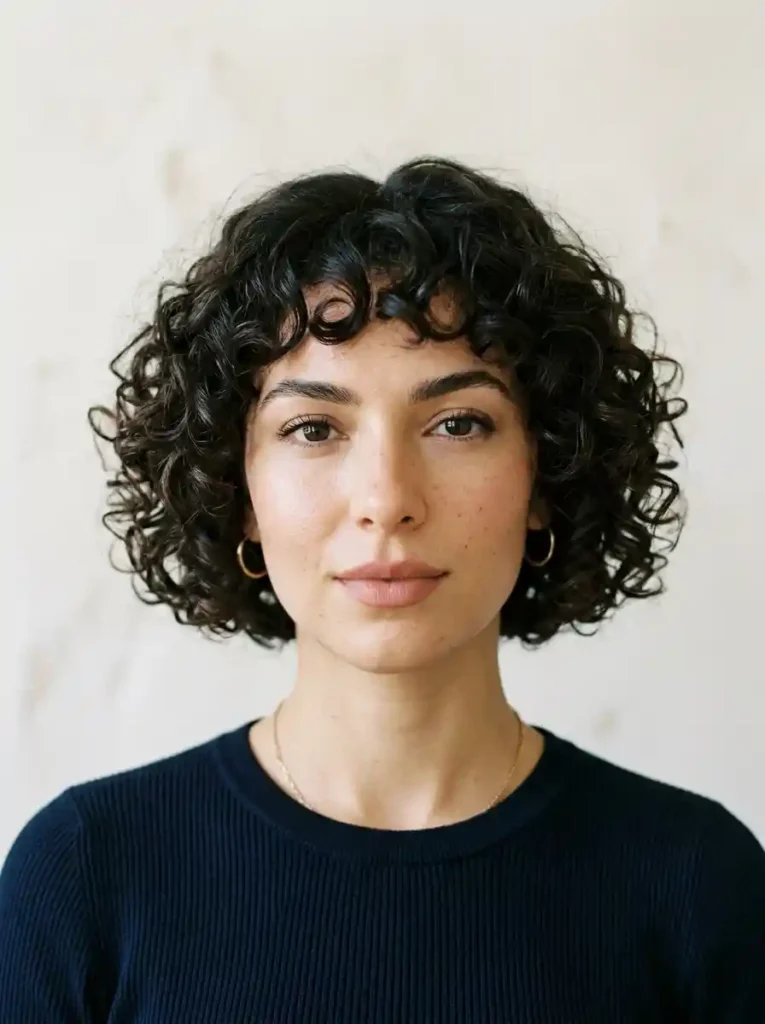
A curly French bob feels chic because its compact shape has a clear visual identity. The length typically sits around the cheekbone or jaw, with a short fringe adding character. Natural curls soften the structured outline and keep the style from looking rigid. This haircut can suit people who enjoy shorter shapes and visible texture. Dark, rich shades emphasize the compact silhouette beautifully. It is especially appealing for someone seeking a sophisticated haircut with a playful, slightly vintage influence.
The fringe should be customized to the curl pattern and desired level of forehead coverage. Ask for enough length to allow the curls to bend naturally. A small amount of styling cream can enhance separation without weighing down the cut. Pro Tip: French-inspired shapes look strongest when the perimeter remains deliberate. Avoid excessive texturizing if you want the haircut to retain its graphic outline as it grows.
12. Voluminous Curly Cut with Rounded Layers
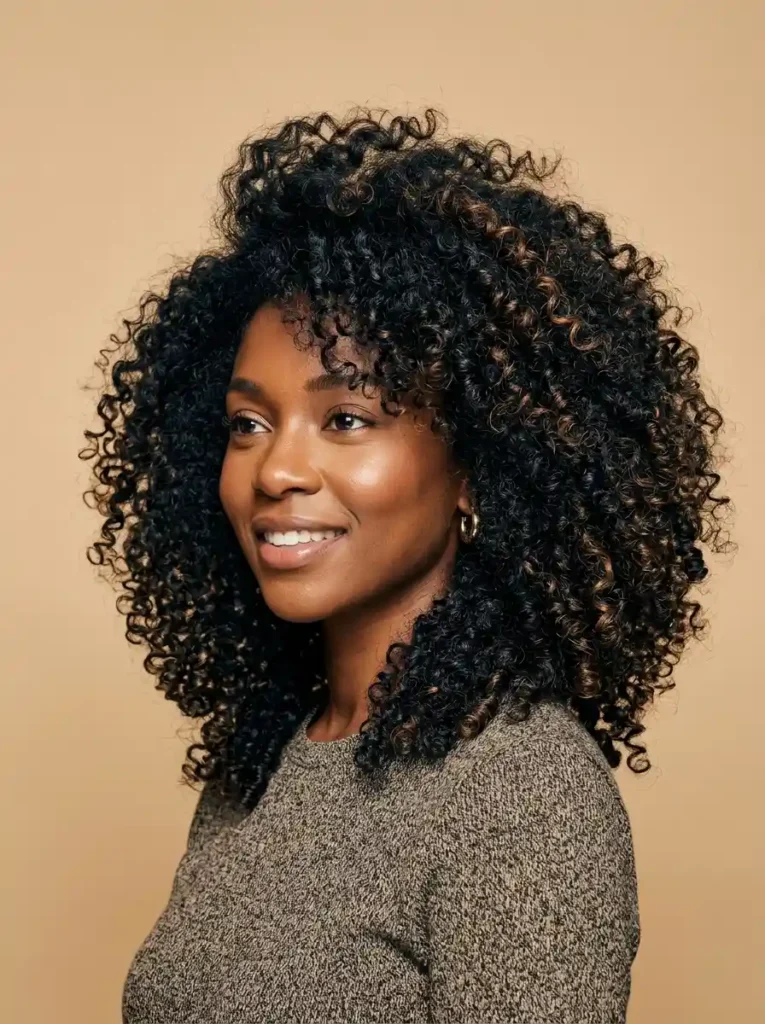
Rounded layers can help dense curly hair develop a balanced, full silhouette. Instead of removing volume randomly, the haircut distributes it across the head. The result has fullness at the crown, sides, and lower sections without appearing like one heavy block. This shape works particularly well for thick curls and coils. It is ideal for people who love big hair and want the volume to look deliberate. Natural black and deep brunette shades make the texture especially striking.
This cut depends on careful weight management. Ask your stylist where you want the widest part of the shape before cutting begins. Products should support definition without flattening the roots. A diffuser can help maintain volume during drying. Stylist Tip: Dense curls often need strategic layering rather than aggressive thinning. Preserving enough weight at the perimeter can keep the finished shape from becoming too triangular.
13. Curly Collarbone Cut

A collarbone cut offers enough length for ponytails and loose styles while avoiding the weight of very long curls. The ends sit around the collarbone, creating a flattering transition between shorter and longer shapes. Soft layers can prevent the lower section from becoming overly dense. This length suits loose curls, waves, and medium curl patterns especially well. It feels versatile and approachable, making it a useful option for someone who wants a noticeable haircut without a dramatic change.
Ask your stylist to check the haircut when your curls are fully dry before finalizing the perimeter. Styling can remain simple with a lightweight leave-in conditioner and mousse. For extra definition, scrunch sections upward while damp. Pro Tip: The collarbone is a useful length for people who want versatility. It can usually be worn down, clipped back, or gathered into several simple styles without requiring very long hair.
14. Curly Pixie with Longer Top
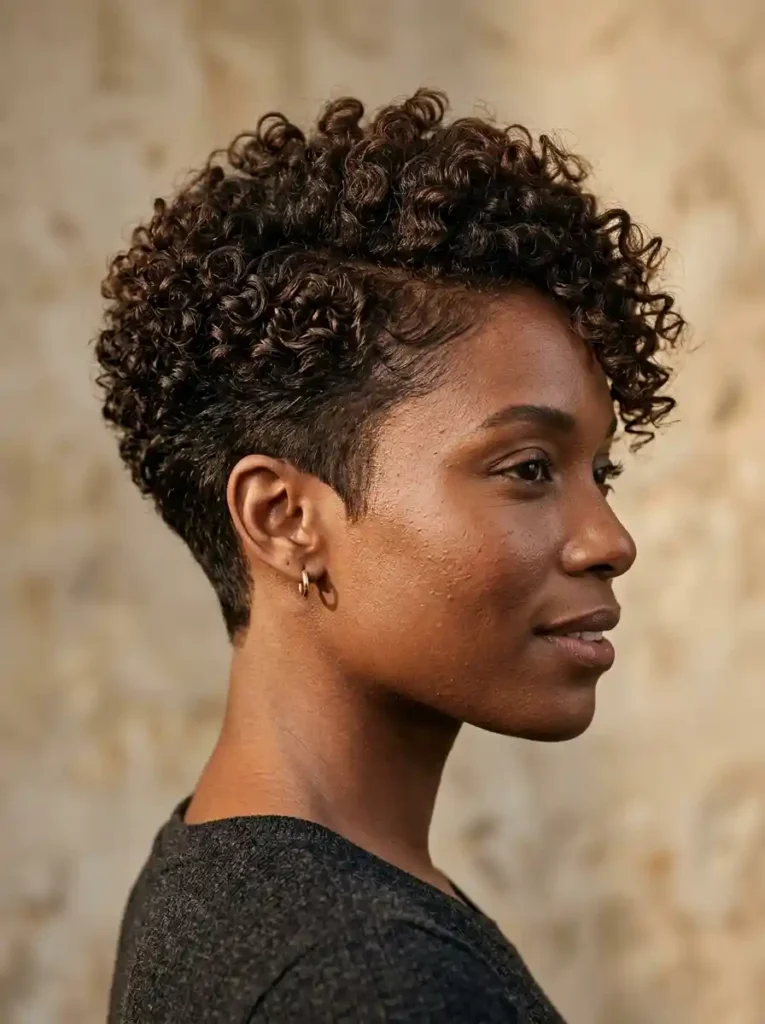
A longer-top curly pixie gives short hair more styling flexibility. The sides remain neat while the crown keeps enough length for curls to form a visible textured layer. This creates a modern contrast between the clean edges and fuller top. It works well for tight curls and compact ringlets that naturally hold shape. The style appeals to anyone who wants a short haircut but still enjoys playing with texture and direction.
The longer top can be styled forward, upward, or slightly sideways depending on the curl pattern. Use a small amount of product to avoid making the curls look heavy. The sides may require more frequent trimming than the crown. Stylist Tip: Tell your stylist how you usually part or position your hair. The top layers should be shaped around your preferred direction rather than assuming every curly pixie will be worn the same way.
15. Soft Curly Shag
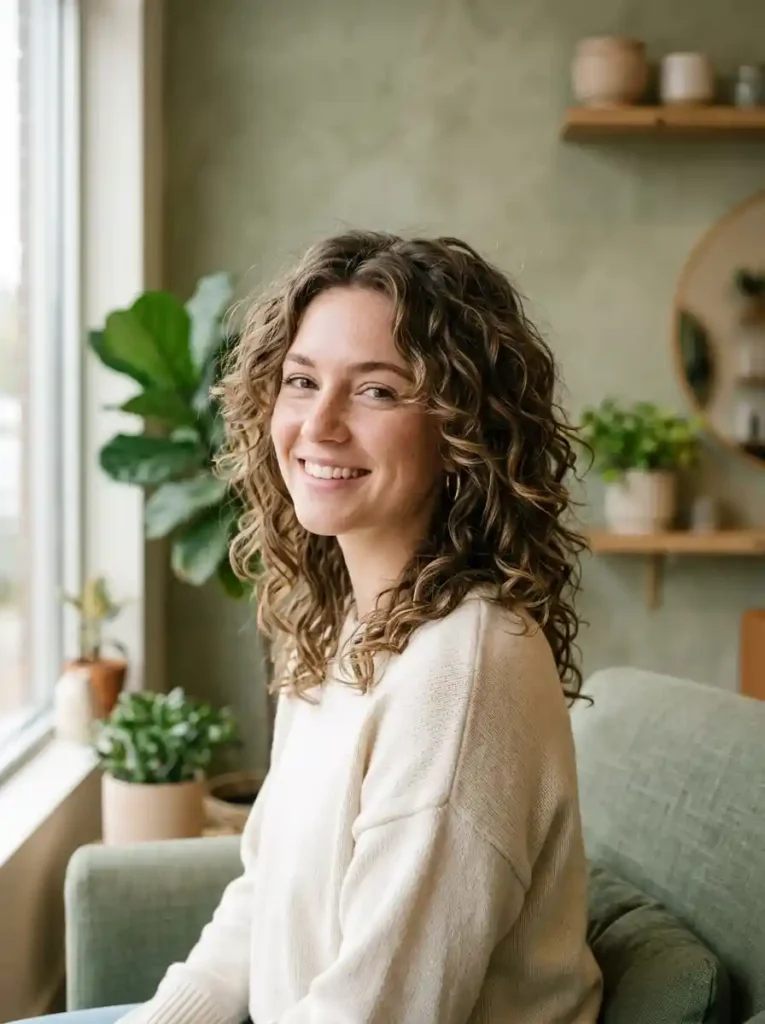
A soft curly shag offers the movement of a shag without an aggressively choppy outline. The layers are blended more gradually, creating lift around the face and crown while preserving a relaxed lower shape. It works beautifully for loose curls and wavy-curly textures that need more movement. The softer structure also makes it easier to wear casually. This haircut is ideal for someone who likes textured styles but does not want an extremely dramatic silhouette.
The key difference is the transition between layers. Ask for blended sections rather than sharply separated steps. Styling can be done with mousse or lightweight gel applied to damp hair, followed by gentle scrunching. Pro Tip: If your hair is fine, keep the lower layers relatively substantial. Removing too much length can make the ends appear sparse and reduce the sense of fullness you want from a shag.
16. Curly Inverted Bob
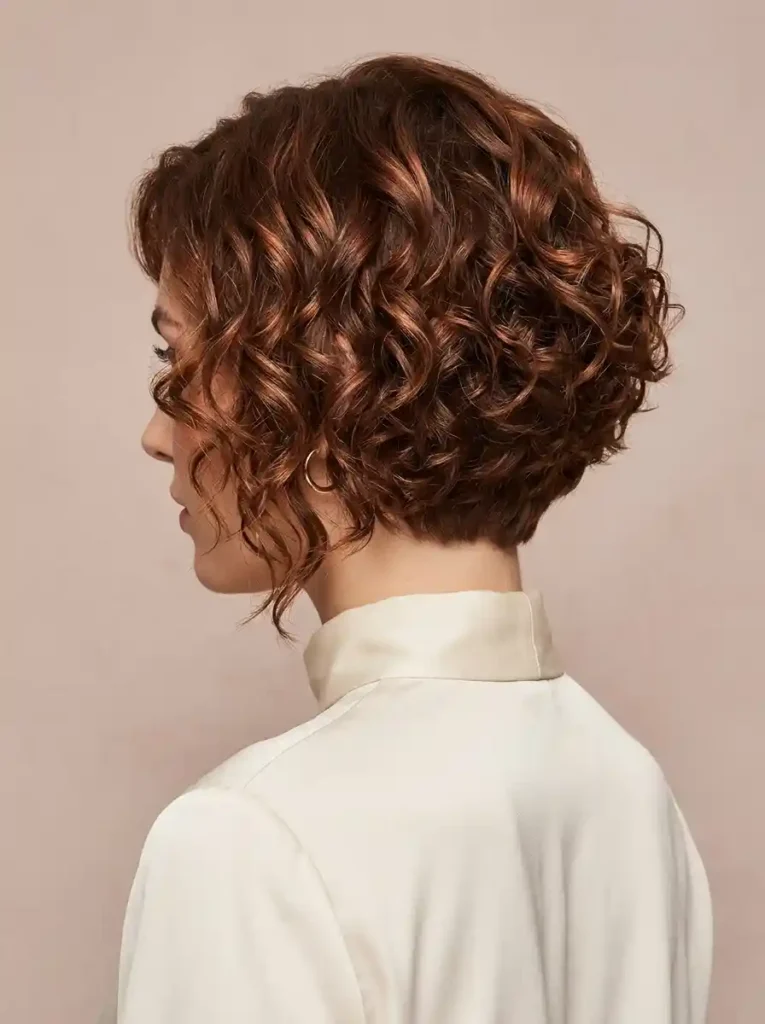
An inverted curly bob creates a noticeable change in length from the back toward the front. The shorter back gives the haircut a lifted profile, while longer front sections frame the face. Curls soften the transition and create lively movement around the edges. This shape suits medium-density hair that benefits from controlled volume. It is a strong choice for anyone who wants a structured haircut with more visual interest than a traditional one-length bob.
Because curls can make the back appear shorter than expected, dry cutting or dry checking can be useful. Ask your stylist to preserve enough length in the front for your preferred framing. Common Mistake: Making the back too short can exaggerate the stacked effect. A moderate difference between front and back often creates a more wearable result, especially for naturally springy curls.
17. Curly Cut with Cheekbone Layers
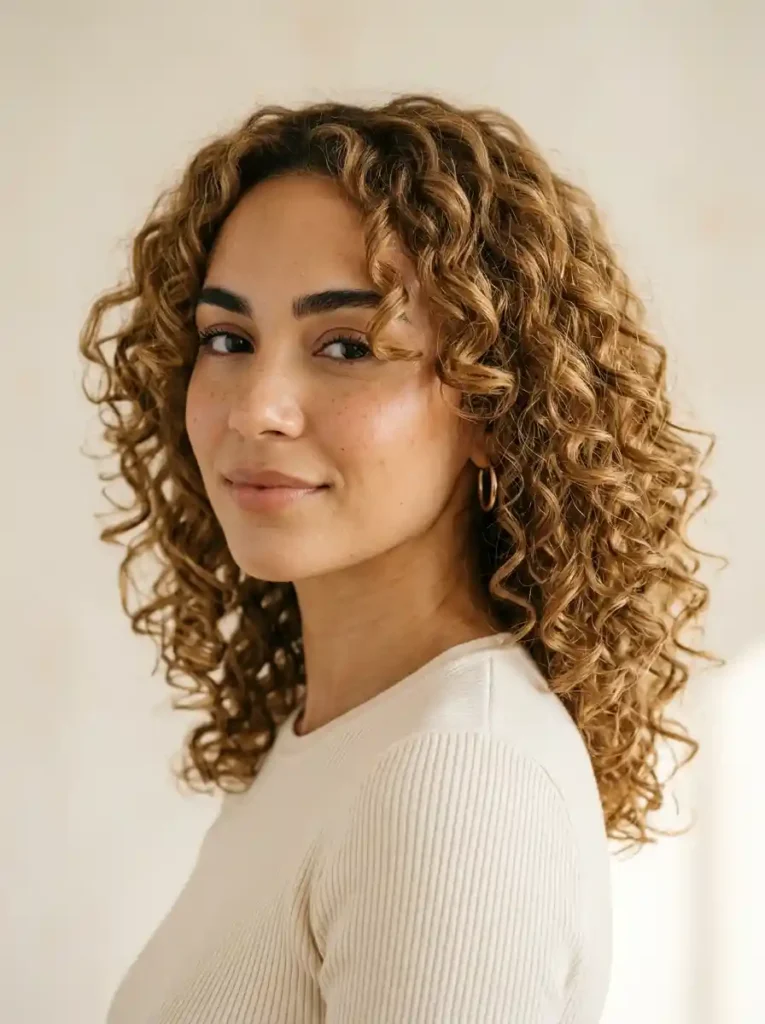
Cheekbone layers place the shortest face-framing section near the upper cheek area. This creates movement around the face without requiring bangs across the forehead. The rest of the curls can remain medium length, giving the haircut a balanced appearance. The idea works well for loose and medium curls that naturally form soft ringlets. It can also add interest to an otherwise simple haircut. The result feels feminine, relaxed, and easy to personalize.
Ask your stylist to identify where your curls naturally sit after drying. That position should guide the shortest face-framing section. Styling requires little more than encouraging the front curls to form their natural pattern. Stylist Tip: Keep the face frame connected to the surrounding layers. A sudden length change can look disconnected, while gradual blending creates a softer and more intentional result.
18. Long Curly U-Cut
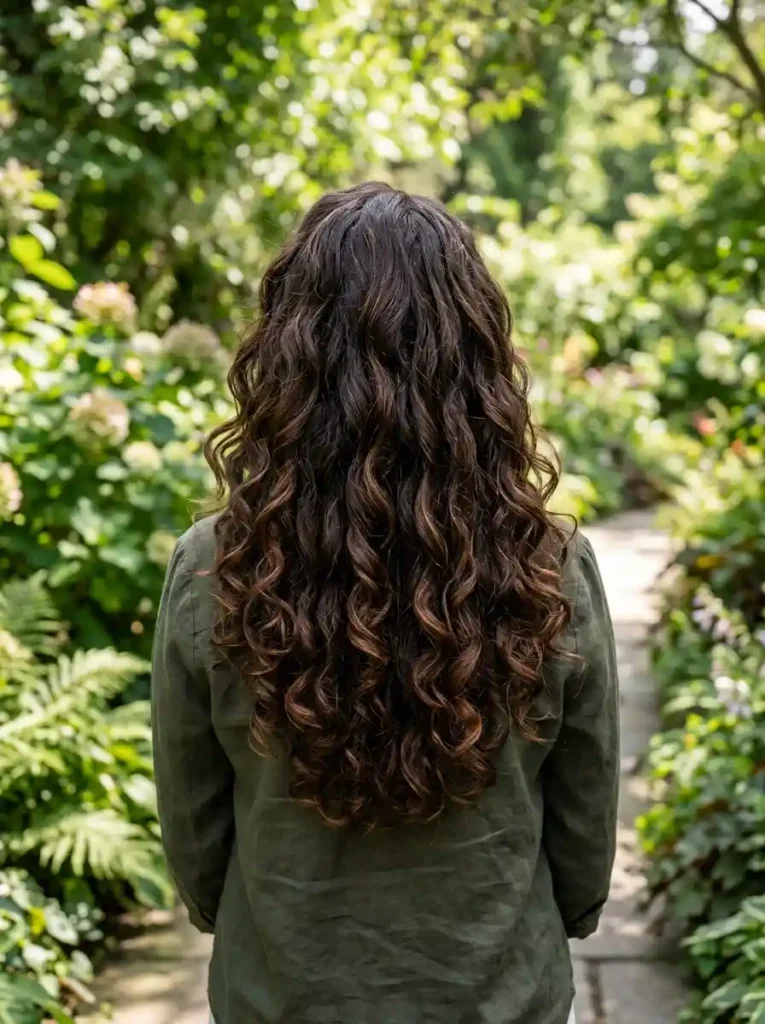
A U-shaped cut preserves long curly hair while creating a softer perimeter. The center back remains slightly longer, while the sides gradually curve upward. This shape allows curls to cascade without forming a blunt horizontal edge. It works particularly well for people who want to keep significant length. Loose and medium curls can show the gradual outline clearly. The result feels classic and flowing, making it a dependable option for long-hair enthusiasts.
A U-cut requires less dramatic layering than many curly styles. Ask for subtle shaping if preserving length is your priority. Regular conditioning can help the ends remain flexible and defined. Pro Tip: If your curls are very dense, a few carefully placed layers can prevent the U shape from feeling too heavy. The goal is movement without losing the visual length that makes the cut appealing.
19. Curly Bob with Micro Bangs
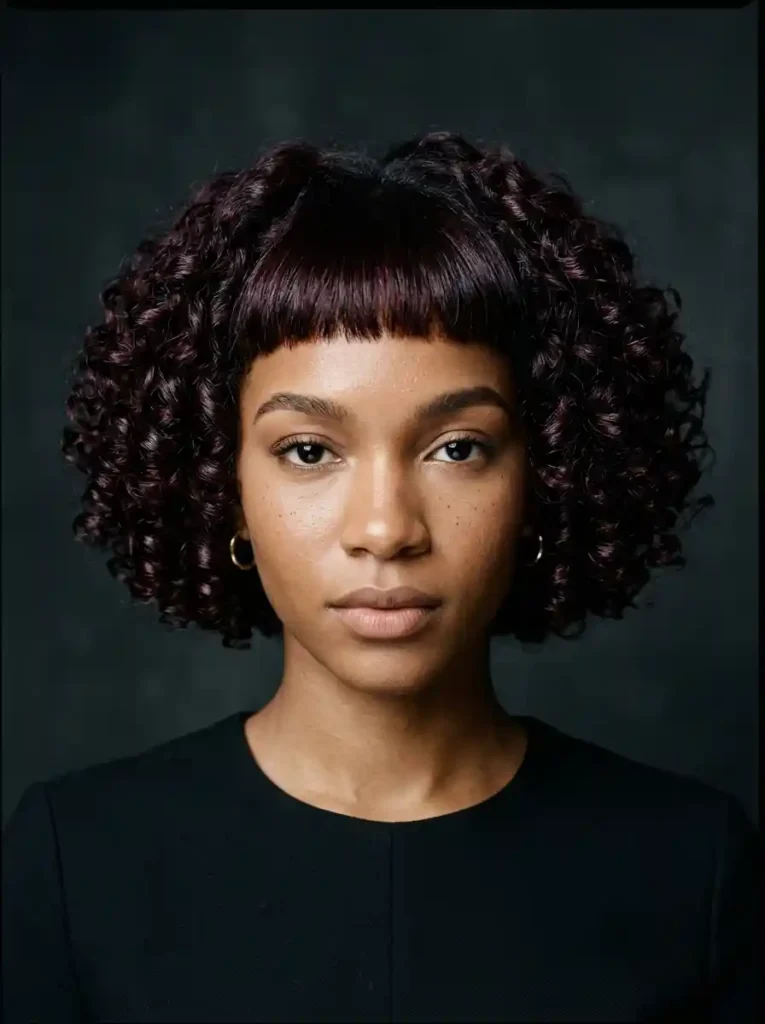
Micro bangs create a striking contrast with a curly bob. The fringe sits noticeably above the eyebrows, allowing the natural curl pattern to form a compact textured edge. The rest of the bob can remain rounded and full. This option is best for someone comfortable with a more distinctive haircut. Tight and medium curls can both work, provided the fringe length is carefully adapted to shrinkage. The result feels artistic, youthful, and confidently unconventional.
Micro bangs require commitment because small length changes can become highly visible. Discuss your natural curl contraction before cutting. Styling usually involves minimal product and gentle finger placement while the fringe dries. Common Mistake: Cutting the fringe too short while the hair is wet can produce an unexpectedly high result. Leave enough length for the curls to spring upward naturally before making final adjustments.
20. Layered Curly Cut with Curtain Fringe
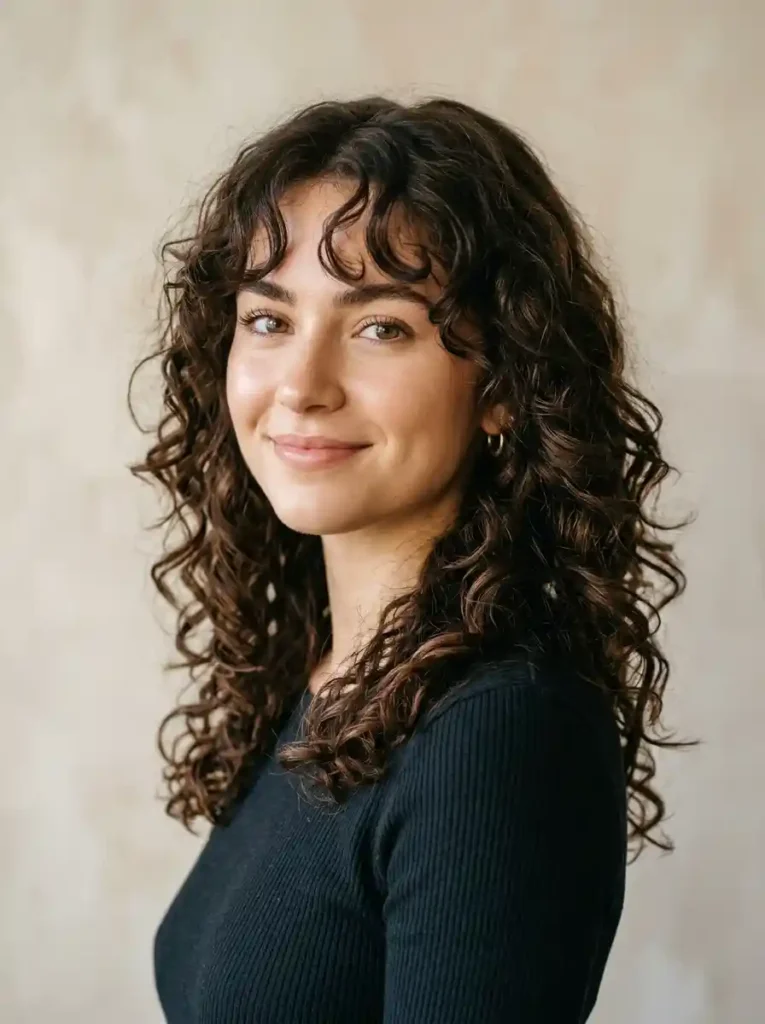
A curtain fringe can soften a layered curly haircut while adding a clear focal point around the face. The center part allows the shorter curls to open outward and blend into longer layers. This style works especially well for medium to loose curl patterns. It can create a relaxed, romantic look without requiring a heavy straight fringe. The layered structure keeps the overall haircut lively, while the curtain shape adds softness and visual framing around the forehead.
Styling the fringe while damp helps establish its center opening. Use your fingers to guide each side outward, then allow the curls to dry naturally or with a diffuser. Pro Tip: Ask for the shortest fringe pieces to blend into the next layer. This connection makes the haircut easier to maintain and reduces the chance of the bangs looking like a separate section.
21. Tapered Curly Cut
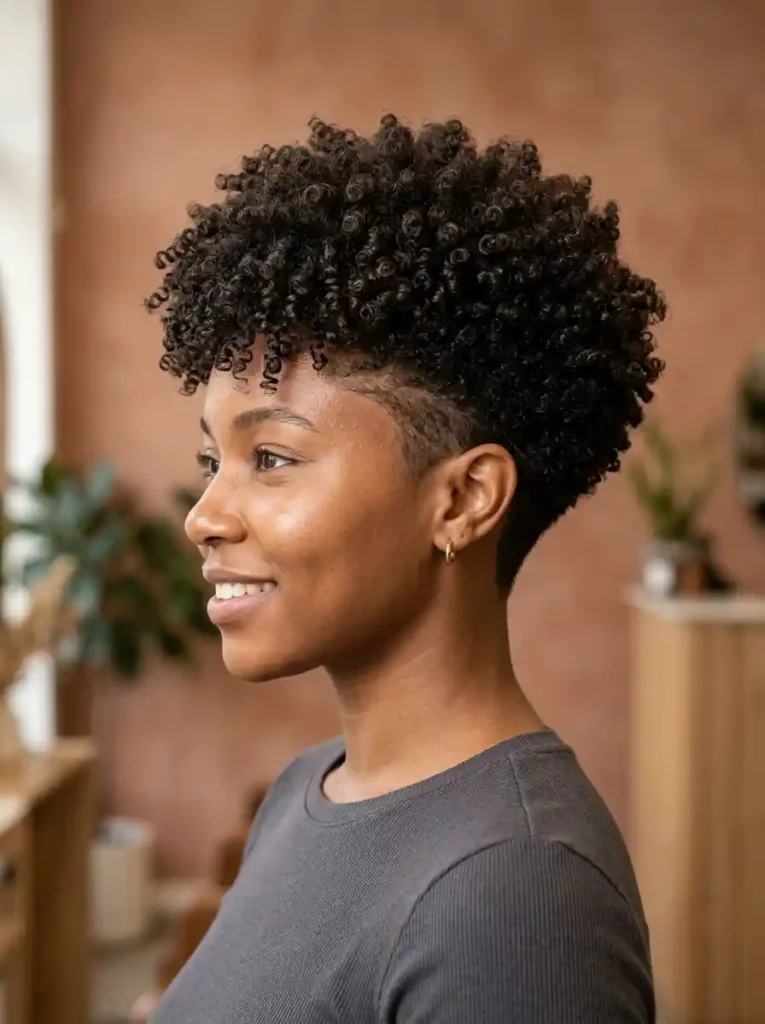
A tapered curly cut creates a clean outline while keeping natural texture on top. The sides and neckline become progressively shorter, creating a neat transition toward the fuller crown. This shape works especially well for tight curls and coils that hold definition naturally. It offers a strong silhouette without requiring long layers or extensive styling. The look appeals to people who prefer a polished haircut with visible texture and a practical everyday shape.
The taper can be customized to be subtle or dramatic. Ask your stylist where you want the shortest section to begin. Daily styling may only require a curl refresher and light moisture. Stylist Tip: A gradual taper usually grows out more smoothly than a sudden undercut. If you want easier maintenance between appointments, request a blended transition around the temples and neckline.
22. Medium Curly Cut with Rounded Ends
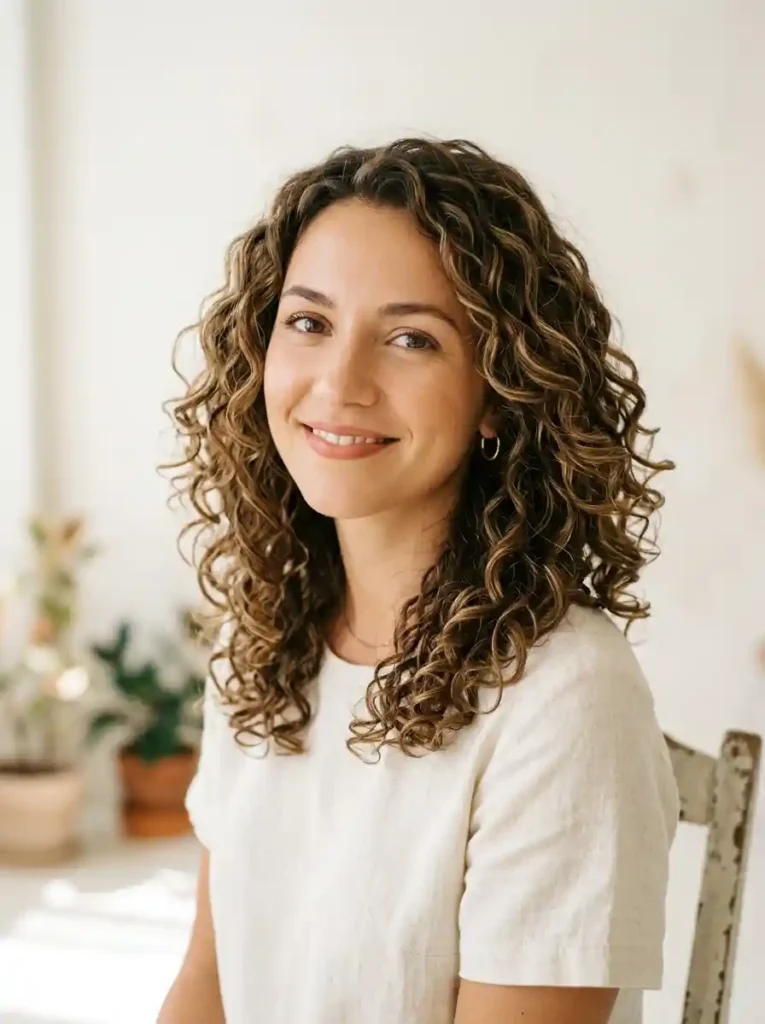
Rounded ends create a softer alternative to sharp or heavily textured perimeters. The medium length gives curls room to expand while keeping the overall shape manageable. Subtle internal layers add movement without creating obvious steps. This haircut can work particularly well for medium-density curls that need balance rather than dramatic volume. It is a useful choice for someone who wants natural texture to remain the focus. The finished look feels soft, healthy, and understated.
Ask your stylist to preserve enough density around the bottom edge. Excessive texturizing can make rounded ends lose their fullness. Styling can be kept simple with a moisturizing leave-in product followed by a light hold gel. Pro Tip: Check how the curls group together before deciding whether more layering is needed. Sometimes better hydration and styling technique can create movement without cutting away additional weight.
23. Curly Lob with Long Layers
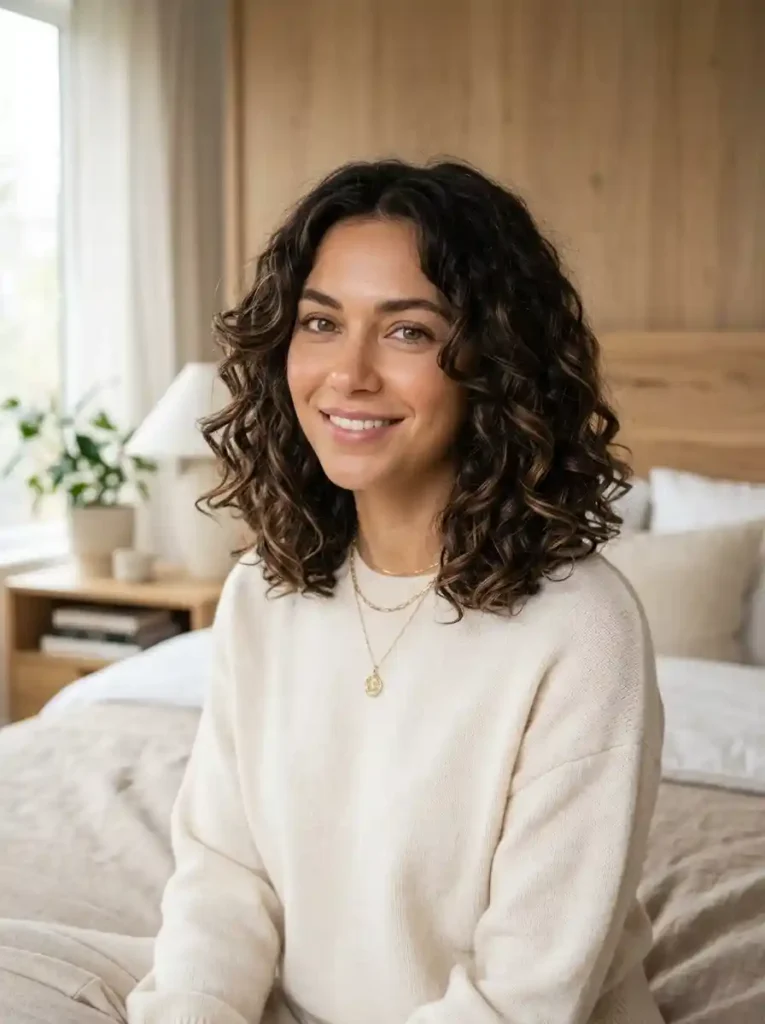
A curly lob with long layers offers movement without making the haircut feel heavily layered. The length sits between the shoulders and upper chest, while subtle layers encourage the curls to separate naturally. This approach works well for people who want a fuller lower shape with more movement around the face and ends. Large ringlets and loose curls can show the layering beautifully. It is a versatile choice for anyone who wants a polished look that still feels relaxed.
Long layers are easier to grow out than very short, choppy sections. Ask your stylist to keep the transitions blended if you want flexibility between appointments. Use a leave-in conditioner followed by a light styling gel for definition and hold. Stylist Tip: If your curls lose shape easily, avoid layering every section. Keeping strategic weight can help the curls maintain stronger, more consistent grouping throughout the day.
Frequently Asked Questions
What haircut is best for curly hair?
There is no single best haircut for every curl pattern. Layered bobs, lobs, shags, pixies, and long layered cuts can all work well. The best choice depends on curl type, density, length, and desired maintenance.
Are layers good for curly hair?
Layers can work very well for curly hair because they distribute weight and create movement. The amount of layering should match the hair’s density and natural curl behavior.
Should curly hair be cut wet or dry?
Either method can work, depending on the stylist and haircut. Dry cutting can make curl placement and shrinkage easier to assess, while wet cutting can help establish a consistent base shape.
Are bangs suitable for curly hair?
Yes. Curly bangs can look excellent when their length and shape account for natural shrinkage. Curtain, wispy, side-swept, and short bangs are all possible options.
How often should curly hair be trimmed?
Many people benefit from trimming curly hair when the shape loses definition or the ends become difficult to manage. The ideal schedule varies with length, haircut structure, growth, and styling habits.
How can I choose a curly haircut?
Consider your natural curl pattern, hair density, preferred length, daily styling routine, and desired volume. Bring several reference photos and explain how you normally wear your curls.
Conclusion
The right curly haircut should support your natural texture rather than force it into an unfamiliar shape. Short bobs, layered shags, long cuts, pixies, lobs, and face-framing styles all offer different ways to work with curls. Your density and curl pattern matter just as much as the haircut itself. Before your appointment, save a few ideas that match your preferred length and maintenance level. Then discuss shrinkage, volume, and styling habits with your stylist. Save your favorite look before your next salon visit.


