
Sometimes your hair does not need a dramatic change. It simply needs a new shape, fresh movement, or a smarter styling approach. The right haircut can make your everyday routine feel completely different without becoming difficult to manage.These fresh hair ideas cover different lengths, textures, colors, and maintenance levels. You will find wearable options for fine hair, thick hair, waves, curls, and straight textures. Each idea also includes practical styling advice and a Pinterest-ready visual concept.
1. Soft Face-Framing Layers
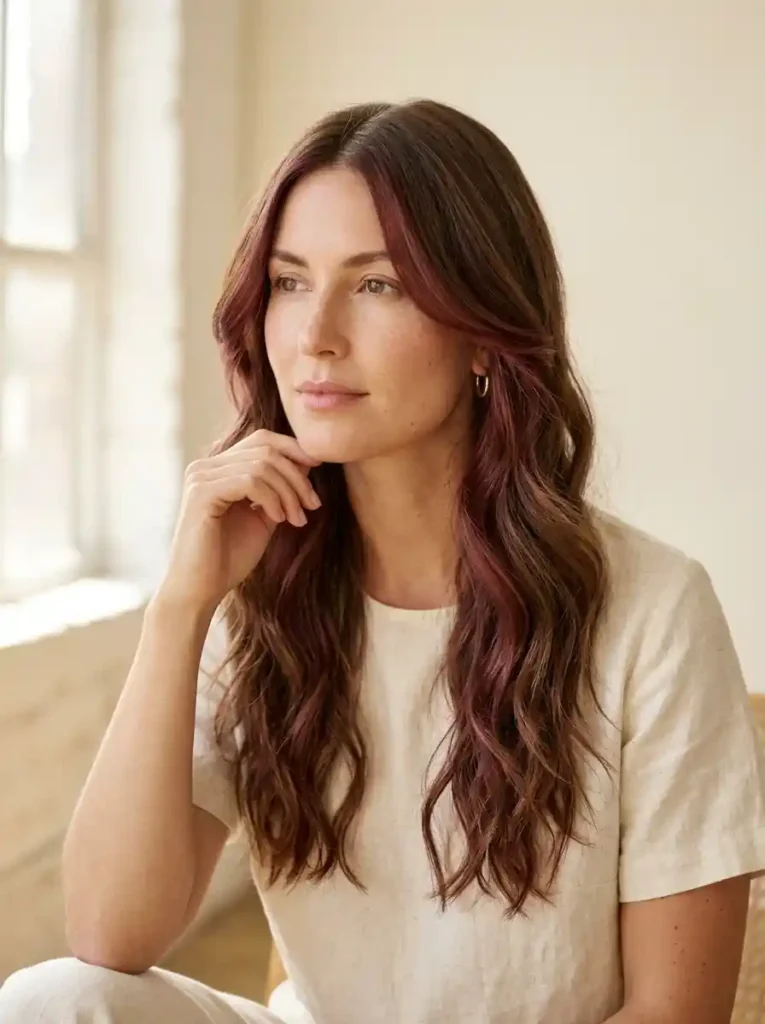
Soft face-framing layers add movement without making the haircut feel heavily layered. The shortest pieces gently follow the sides of the face. Longer sections keep the overall shape polished and versatile. This option suits medium to long hair particularly well. Straight hair shows the clean transitions clearly, while waves create softer movement. People wanting a noticeable refresh without losing much length may find this approach especially appealing. The result feels modern, feminine, and easy to personalize.
Ask your stylist to place the shortest layer where you want attention directed. Cheekbone layers create more definition, while chin-length pieces offer softer framing. Keep the lower layers longer if you prefer a fuller appearance. Styling can stay simple with a round brush or large curling iron. Stylist Tip: Face-framing pieces should be tailored to your natural part and texture. That adjustment helps the layers blend naturally instead of requiring daily repositioning.
2. Airy Textured Bob
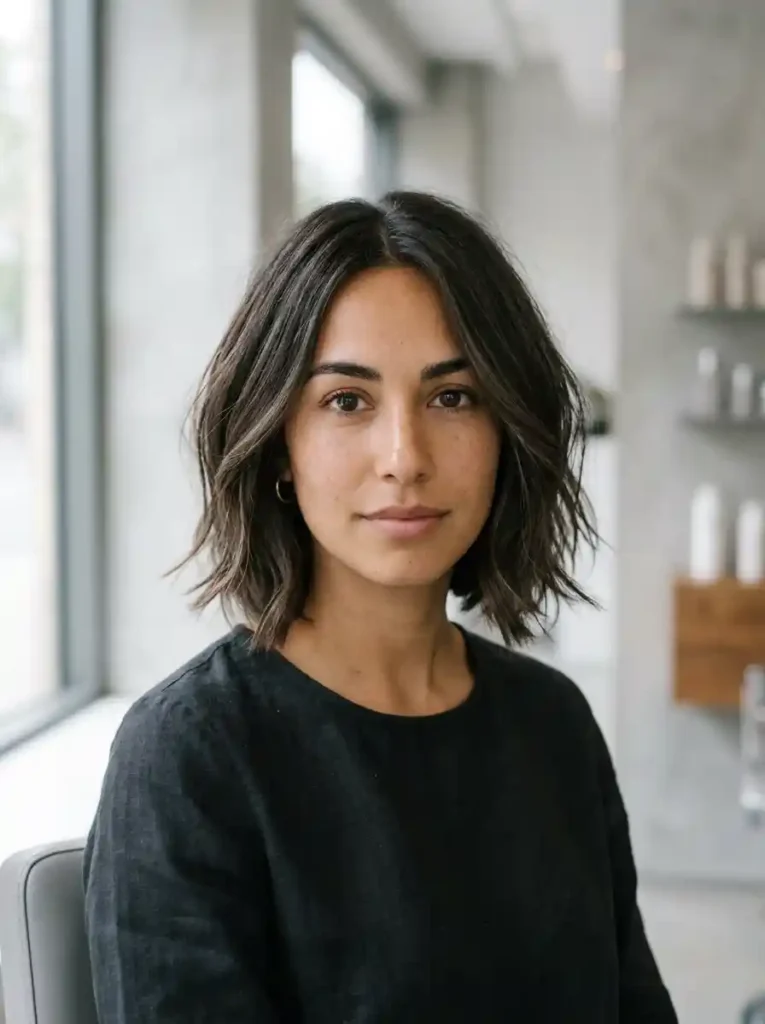
A textured bob gives short hair a relaxed, contemporary personality. The ends are lightly separated instead of appearing perfectly blunt. This creates movement while keeping the silhouette compact and defined. It can work beautifully with straight, slightly wavy, or fine hair. The jaw-length shape also creates a strong visual outline around the head. Choose this idea if you want a shorter haircut that still feels casual rather than overly formal or structured.
Texture is easiest to maintain when the cut follows your natural density. Ask for subtle internal texture instead of excessive thinning. A lightweight styling cream can separate the ends without making them greasy. Air-drying works well for naturally wavy hair, while a flat iron can create sleeker definition. Pro Tip: Fine hair usually benefits from strategic texture, not aggressive thinning. Too much removal can make the ends appear sparse.
3. Long Butterfly Layers
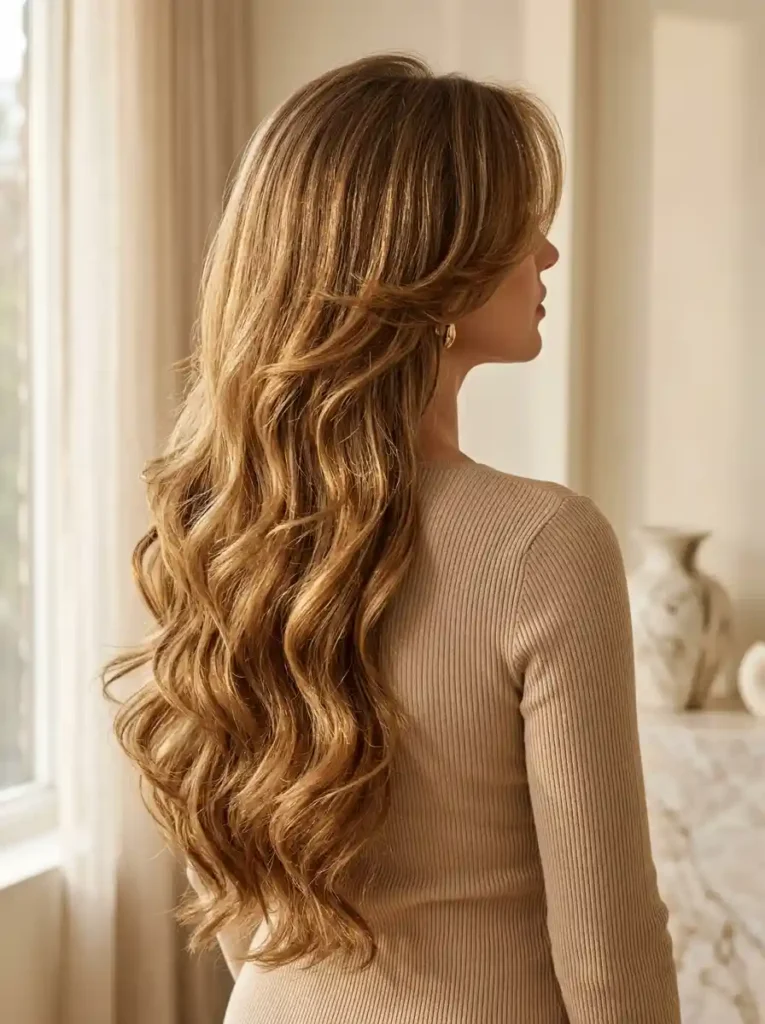
Butterfly layers create a glamorous shape while preserving substantial length. Shorter upper layers add volume around the face and crown. The lower sections remain long, creating a flowing contrast between lift and length. This style works especially well for medium to thick hair that can support visible layering. Large waves make the layers especially noticeable. It is a strong choice for anyone who wants a dramatic haircut refresh without committing to short hair.
Styling requires some volume work because the shape depends on lifted layers. Use a round brush to direct shorter sections away from the face. Large rollers can create lasting movement with less heat exposure. Thick hair may need internal weight removal for easier styling. Common Mistake: Removing too much length from the bottom can weaken the signature contrast. Keep the longest perimeter substantial for the classic butterfly effect.
4. Modern Curtain Bangs
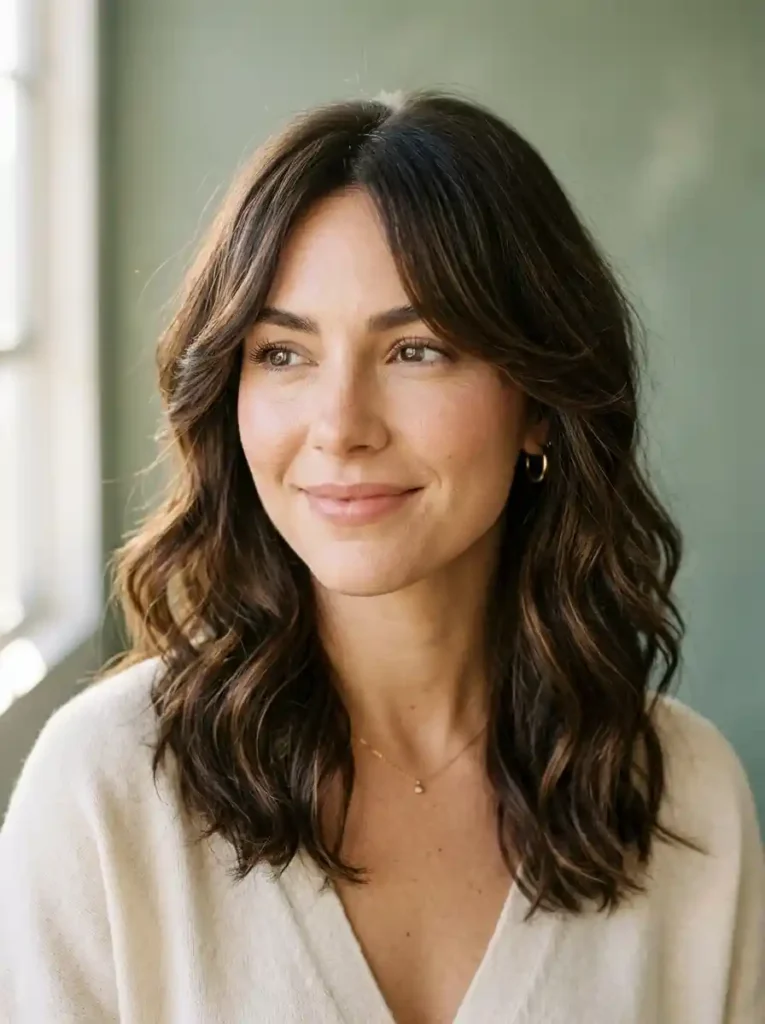
Curtain bangs remain a flexible way to change your hairstyle without cutting dramatic fringe. They part through the center and gradually lengthen toward the sides. This creates a soft frame around the upper face. Longer versions blend easily into layered hair, while shorter versions make a stronger statement. They can suit straight, wavy, and curly textures when properly shaped. Choose them when you want visible change while keeping most of your existing length.
Styling is easier when the bangs are dried away from the face immediately after washing. Use a small round brush and direct each side outward. A lightweight spray can help preserve the shape without stiffness. Cowlicks may require slightly different parting or drying directions. Stylist Tip: Bring your usual part to the appointment. Bangs should be cut with your real styling habits in mind, not an artificial salon part you never wear.
5. Collarbone Shag

A collarbone shag combines relaxed texture with a practical medium length. Choppy layers create movement around the crown, while the ends remain loose and airy. The shape feels casual without becoming excessively short. It works particularly well with naturally wavy or textured hair. Straight hair can also wear it with styling support. This option suits people who enjoy undone volume and want their haircut to retain personality between salon appointments.
Ask for layers that match your natural texture rather than copying a reference photograph exactly. Waves may shrink as they dry, so your stylist should account for that movement. Use mousse or lightweight curl cream for definition. Avoid heavy oils near the roots because they can flatten the crown. Pro Tip: A shag looks best when its texture feels intentional. Ask for controlled irregularity rather than identical layers throughout the haircut.
6. Blunt Shoulder-Length Cut
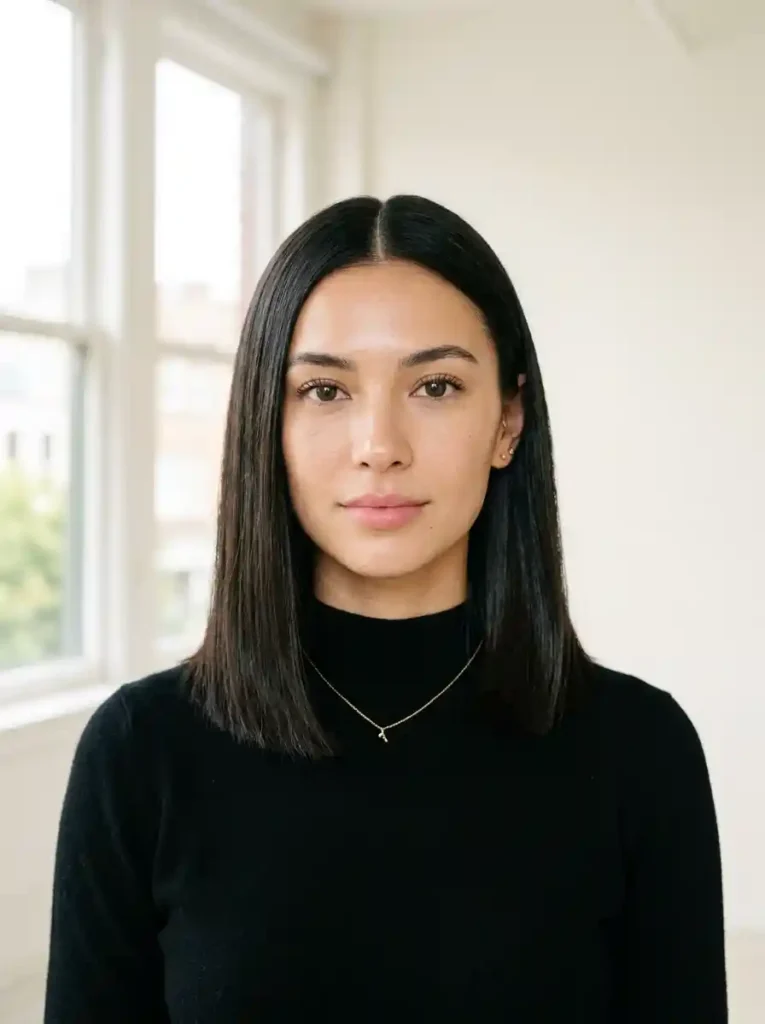
A blunt shoulder-length cut offers a clean change without requiring very short hair. The ends form a strong line that can make the haircut feel polished and intentional. It works especially well for straight or gently wavy hair. Fine hair can benefit from the solid perimeter because it creates a fuller-looking outline. The shoulder length also provides flexibility for ponytails, clips, waves, and sleek styling. It is ideal for people who prefer simplicity over complicated layering.
Maintenance focuses on preserving the crisp perimeter. Ask your stylist to keep the ends relatively solid if fullness is your priority. Slight internal shaping can improve movement without weakening the outer line. Use a heat protectant before straightening or curling. Expert Insight: Hair often bends at shoulder level, which can affect how a blunt cut sits. Discuss your natural hair movement before choosing the exact length.
7. Wispy Bottleneck Bangs
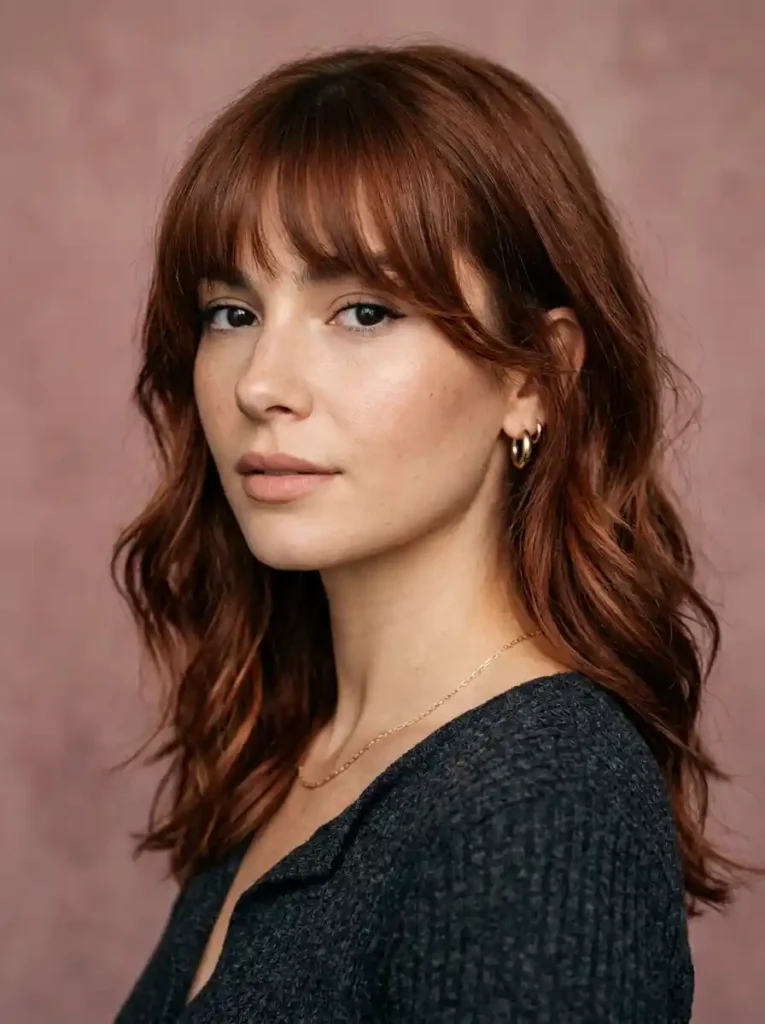
Bottleneck bangs offer a softer alternative to full straight fringe. They begin narrower near the center and widen toward the temples. The gradual shape creates a gentle transition into surrounding layers. This makes them useful for people who want fringe without a severe horizontal line. They work with medium and long hair particularly well. Fine, wispy texture gives the style a light appearance and keeps the overall haircut from feeling too heavy.
Ask for enough length at the sides to blend into your haircut. The center can remain shorter while the outer sections gradually extend downward. Blow-dry the fringe with a small brush, moving it slightly outward. A small amount of styling cream can control flyaways. Common Mistake: Cutting bottleneck bangs too uniformly can remove their defining shape. The center and outer sections should have visibly different lengths.
8. Curly Rounded Layers
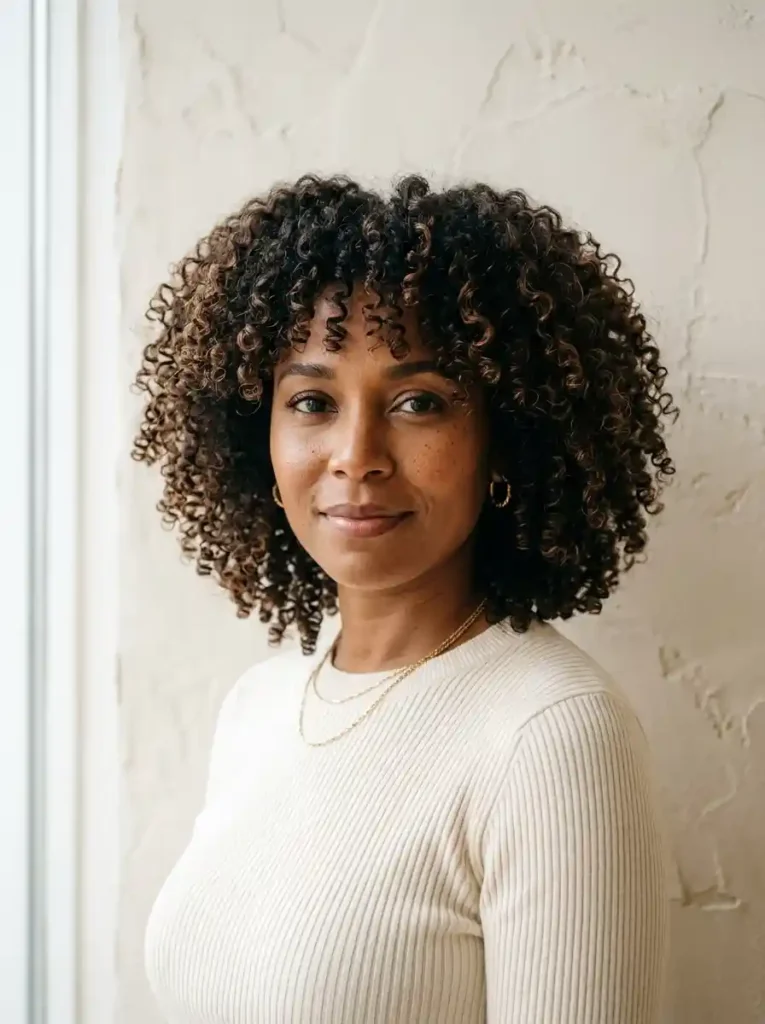
A rounded curly cut gives curls a balanced shape instead of a heavy triangular outline. Layers distribute volume around the head while allowing individual curls to form naturally. The result can feel full, lively, and intentionally sculpted. This idea works best when the haircut is designed for dry or naturally curly hair behavior. It suits medium to dense curls that need shape without sacrificing their natural texture. The rounded silhouette also photographs beautifully from several angles.
Curly hair should be shaped with shrinkage and curl pattern in mind. Ask your stylist how the curls will sit after drying before choosing the final length. Apply curl cream to soaking-wet hair, then diffuse or air-dry gently. Avoid brushing dry curls unless you intentionally want volume. Stylist Tip: Curl-by-curl shaping can help prevent uneven weight distribution when different sections have different curl patterns.
9. Glossy Long Layers
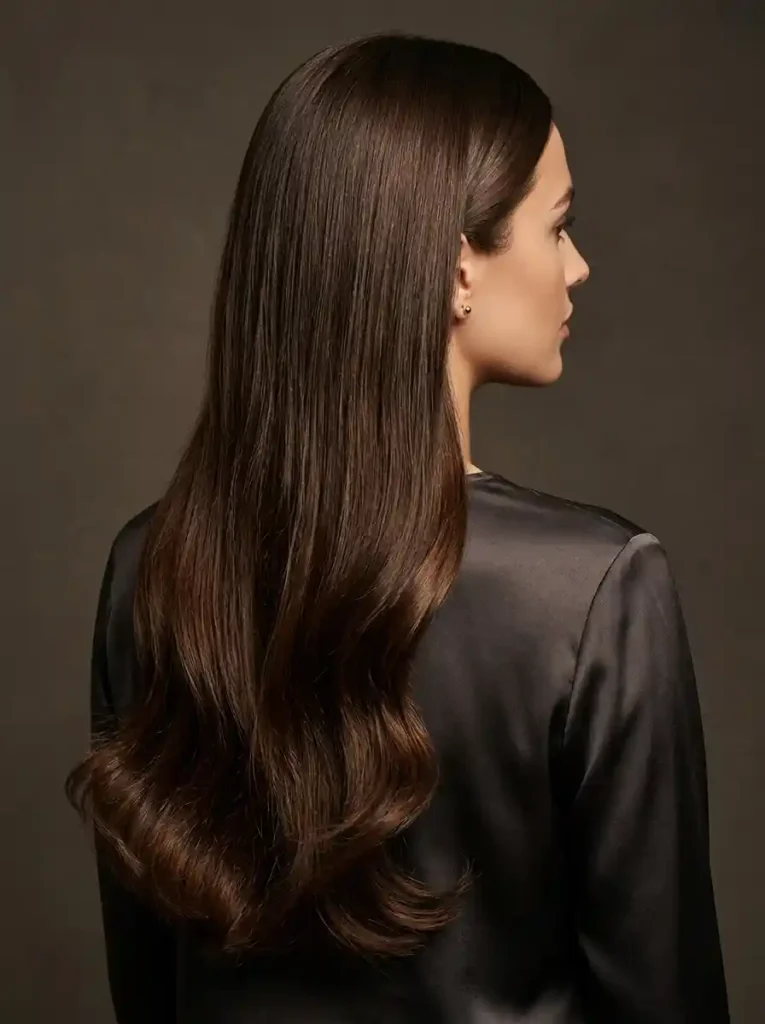
Long layers refresh lengthy hair without dramatically changing its overall silhouette. The layers create movement through the lower sections while preserving a substantial perimeter. This works especially well for thick or medium-density hair that feels visually heavy when cut in one solid shape. Sleek styling highlights the gradual transitions. Soft waves reveal them even more clearly. Choose this option if you love long hair but want more dimension and less visual heaviness.
Ask your stylist to keep the shortest layer comfortably below the shoulders if you prefer a conservative change. Thick hair may benefit from subtle internal shaping. Use a smoothing cream before blow-drying, then finish with a lightweight serum on the ends. Pro Tip: Long layers should follow the natural fall of your hair. Excessively short layers can create unwanted bulk around the upper back.
10. Textured French Bob
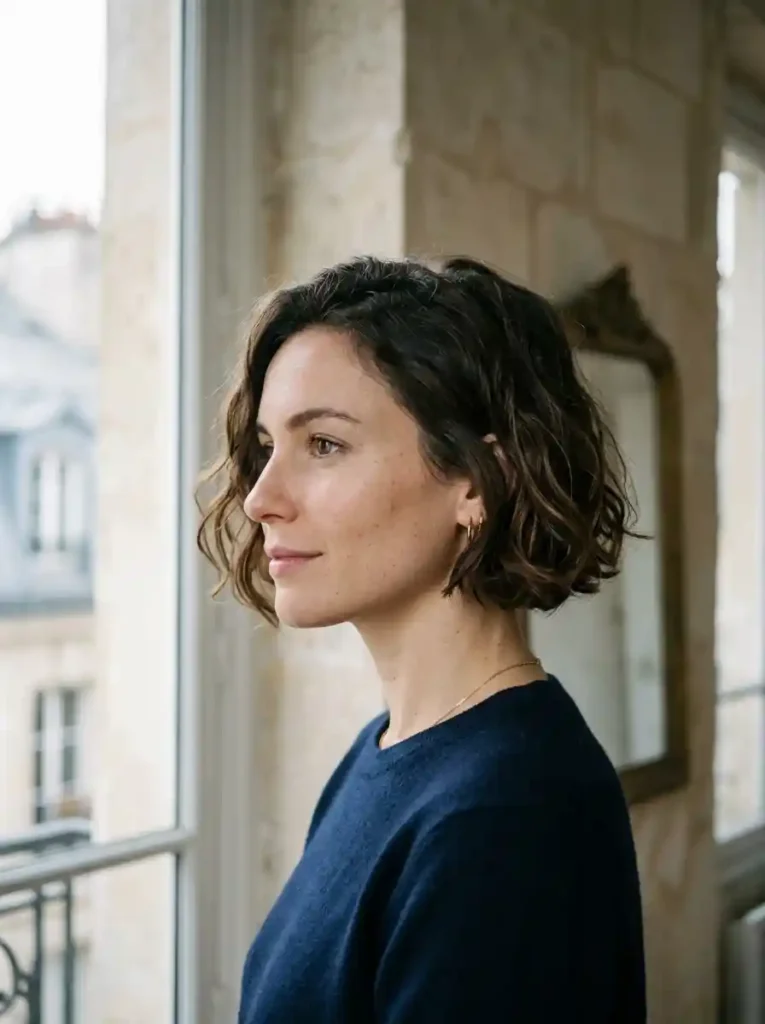
A textured French bob feels polished while retaining a relaxed, slightly imperfect finish. Its shorter length creates a defined outline near the jaw. Soft texture keeps the shape from looking overly rigid. This haircut works particularly well with fine to medium-density hair and naturally straight or wavy textures. It can feel elegant with minimal styling. Choose it when you want a noticeable length change with a strong editorial personality.
Maintenance depends on how precise you want the perimeter. Ask for lightly textured ends rather than excessive thinning. Air-dry with a small amount of styling cream for a casual finish. A round brush can create more polish when desired. Expert Insight: Short bobs expose the neckline and jaw area more than longer cuts. Discuss your preferred visual balance before setting the final perimeter length.
11. Long Shag with Curtain Fringe
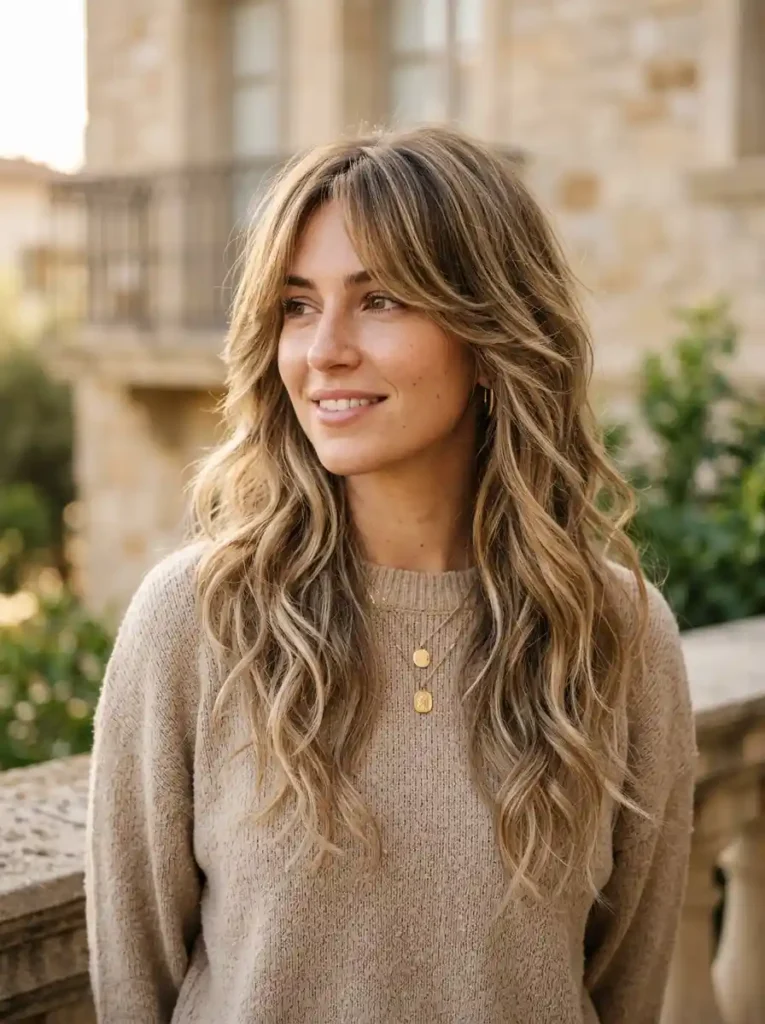
A long shag provides movement without requiring a short haircut. Its layered crown adds lift, while the lower sections remain long enough for versatile styling. Curtain fringe connects the face to the textured upper layers. This combination suits people who enjoy relaxed, slightly rebellious hair with plenty of movement. Wavy and naturally textured hair can show the shape with minimal effort. Straight hair can use curling or texturizing techniques for similar separation.
Request long layers that preserve enough weight through the ends. This keeps the haircut wearable for ponytails and other simple styles. A texturizing mousse can enhance natural waves without creating stiffness. Diffuse from below to encourage volume. Common Mistake: Too much thinning throughout the haircut can make long shag layers look stringy. Strategic layering usually creates better movement than aggressive texturizing.
12. Copper Midi Cut
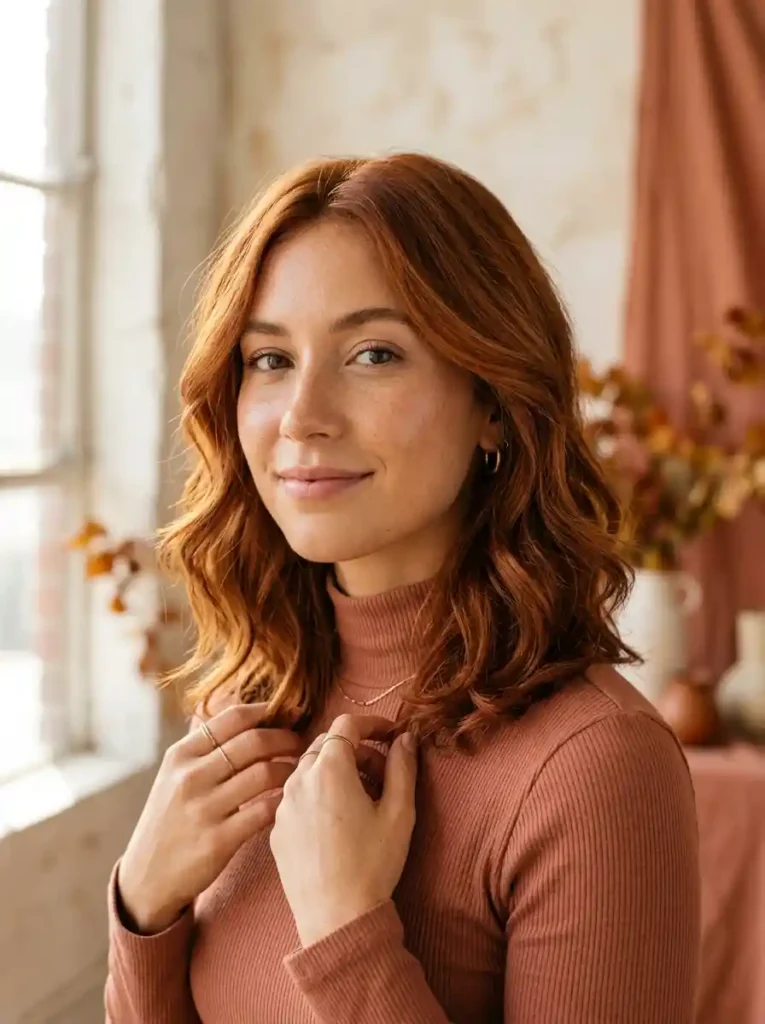
A copper midi cut combines a practical medium length with warm, noticeable color. The collarbone shape remains versatile while soft layers keep the ends from feeling heavy. Copper tones can range from muted auburn to brighter ginger, depending on the starting color and desired finish. Loose waves help reveal dimensional color. This idea suits anyone who wants a visual refresh without choosing either very short hair or extremely dramatic layering.
Color maintenance should be discussed before committing to a copper shade. Ask your colorist whether a softer or deeper copper will work better with your existing hair. Use products designed for color-treated hair and limit unnecessary high-heat styling. Pro Tip: A dimensional copper often looks more natural than one flat shade because subtle tonal variation creates depth and movement.
13. Side-Parted Volume Cut
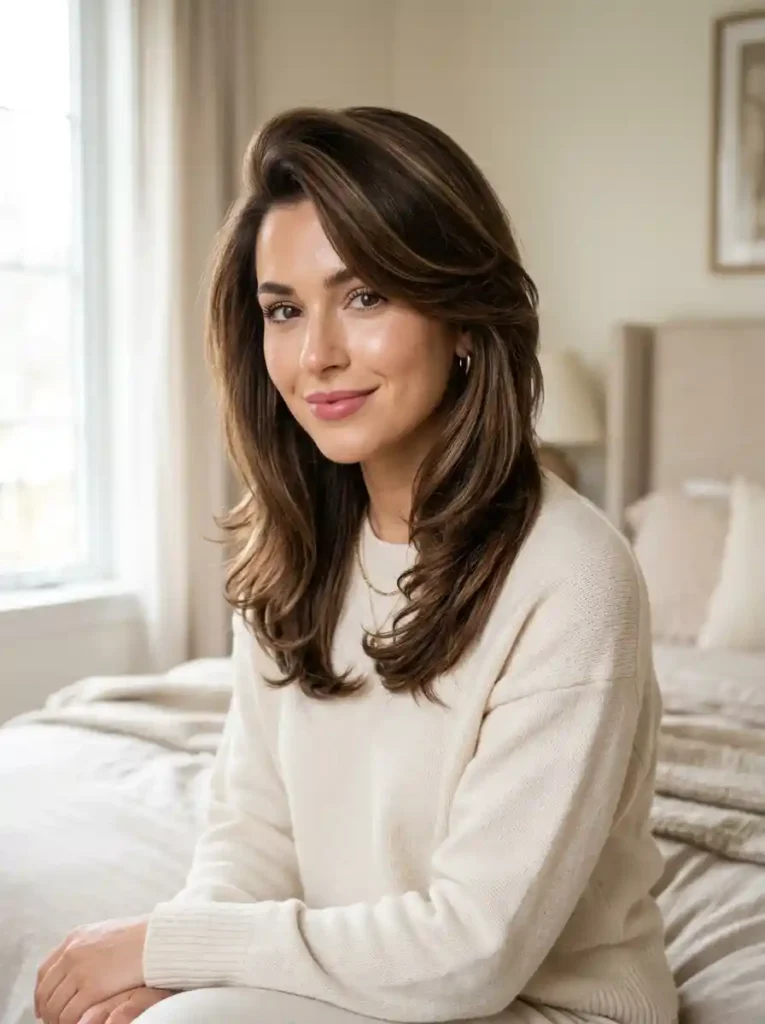
A side-parted volume cut offers a different effect from center-parted styles. The asymmetrical part creates natural height at the crown and gives the front section a sweeping shape. Medium-length layers support the volume without making the haircut overly complicated. This option works well for straight, wavy, and blow-dried textures. It suits people who want a polished change that still feels familiar and easy to wear.
Start styling the part while the roots are damp. Blow-dry the larger section upward before directing it sideways. Velcro rollers can add lift without requiring intense heat. Keep heavier products away from the scalp. Stylist Tip: Your natural growth pattern matters more than trends when choosing a side part. A stylist can position the part where the hair naturally settles for easier maintenance.
14. Soft Wolf Cut

A soft wolf cut blends shag-inspired layers with a more controlled silhouette. It creates volume near the crown while keeping the lower sections lighter and textured. This version avoids an extremely choppy appearance, making it easier for everyday wear. It suits medium to thick hair particularly well. Naturally wavy textures can enhance the shape without much effort. Choose it when you want visible movement and personality without an exaggerated haircut.
Ask for softer transitions if you want a wearable version. Your stylist can keep more length through the lower sections while adding crown movement. Mousse can build volume, while a small amount of texture paste defines the ends. Pro Tip: The balance between crown volume and lower length determines how dramatic the haircut feels. Keeping more weight below creates a softer result.
15. Wispy Shoulder-Length Layers

Wispy shoulder-length layers offer movement without creating a heavily sculpted haircut. The ends stay light and soft, while subtle layers prevent the length from looking flat. This style can work particularly well for fine or medium-density hair. Gentle bends reveal the texture and create a relaxed finish. It is a useful option for people who want their haircut to look fresh but still appropriate for work, school, or everyday routines.
Fine hair needs careful layering because excessive removal can reduce the appearance of fullness. Ask for light surface layers and a stronger lower perimeter. Style with a volumizing mousse at the roots and a light blow-dry through the ends. Common Mistake: Asking for many short layers simply to create movement can make fine hair look thinner. Strategic placement usually gives a better balance.
16. Glossy Black Long Bob
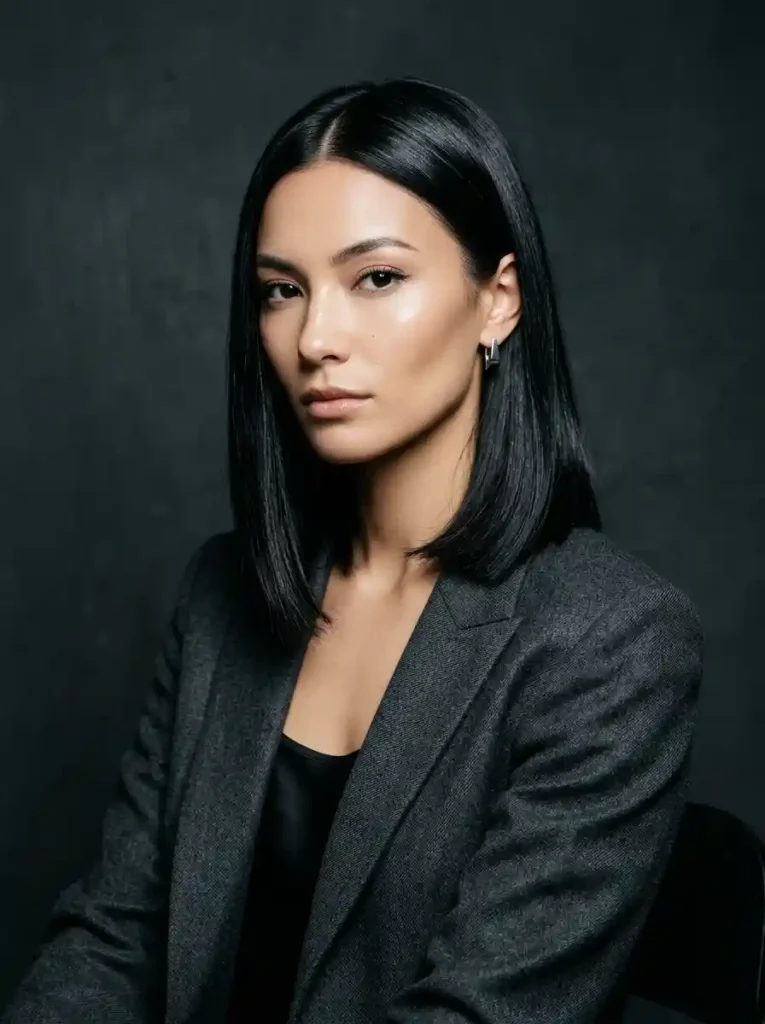
A glossy black long bob creates a clean, confident silhouette. The length sits between a traditional bob and shoulder-length hair, making it easier to style in several ways. A precise perimeter gives straight hair a particularly polished appearance. Deep black color emphasizes shine and shape. This option suits people who prefer sleek styling over visible texture. It can also provide a strong visual change without requiring a very short haircut.
Keep the ends clean and use a heat protectant before straightening. A smoothing product can enhance shine, but heavy oils may weigh down fine hair. Ask for a subtle angle if you want movement toward the face. Expert Insight: Dark, sleek hair can reveal uneven ends quickly. Regular shaping helps preserve the sharp outline that makes this haircut distinctive.
17. Natural Curl Shoulder Cut
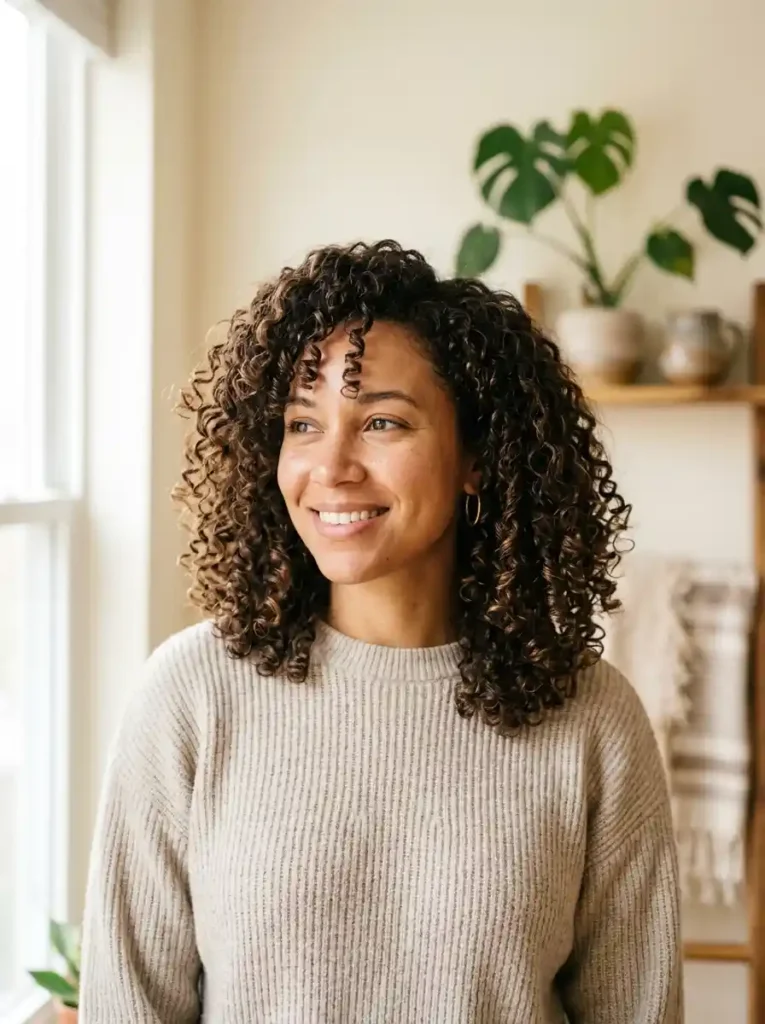
A shoulder-length curly cut gives natural texture room to expand while maintaining a manageable overall length. Carefully placed layers prevent the shape from becoming too heavy at the bottom. Defined curls create volume without needing excessive styling. This haircut can work across several curl patterns when customized properly. It suits people who want to celebrate natural texture while keeping enough length for ponytails, clips, and other everyday options.
Curly hair often appears shorter after drying, so discuss your preferred dry length before cutting. Apply styling products while the hair is wet to encourage curl formation. Diffusing can add volume, while air-drying gives a softer finish. Stylist Tip: Ask how your curl pattern behaves around the crown and front. Those areas often need different layering to keep the overall silhouette balanced.
18. Face-Framing Money Pieces
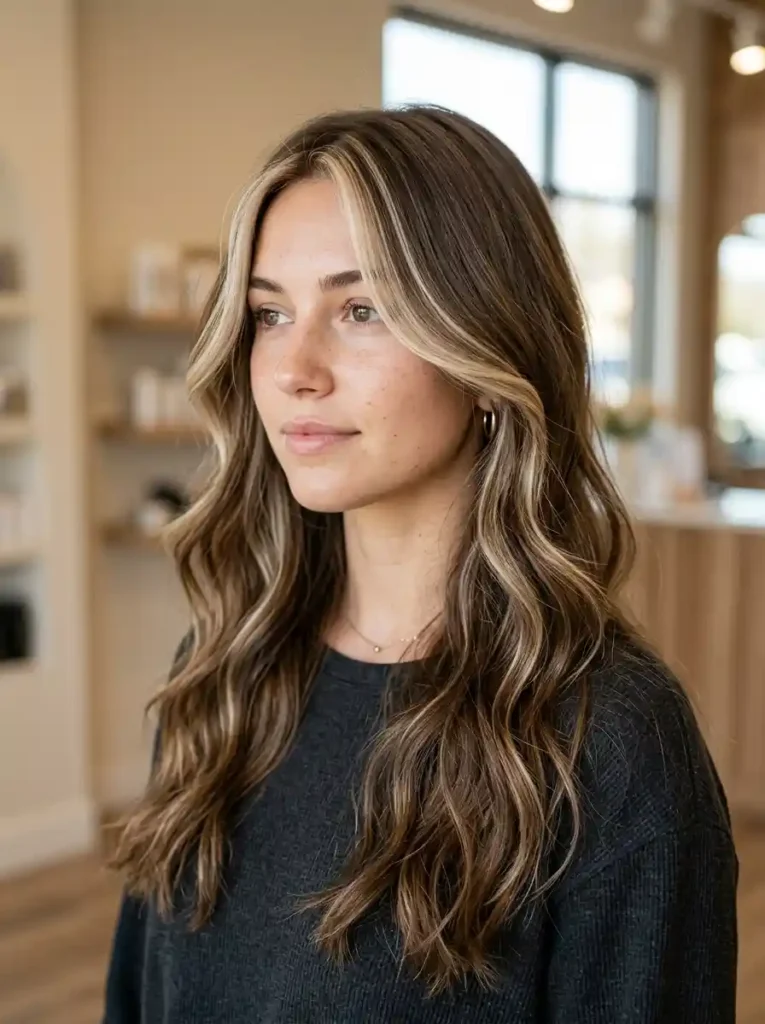
Face-framing highlights create a noticeable update without changing the entire haircut. Lighter pieces around the front draw visual attention toward the face and add contrast to the base color. The effect can be bold or subtle depending on the width and brightness of the highlights. This idea works with long, medium, and layered hair. It suits people who want a color refresh while keeping most of their natural shade intact.
Ask your colorist for a gradual transition if you prefer low-contrast results. Stronger pieces require more upkeep as the root grows. A toner may help maintain the intended shade after lightening. Pro Tip: The placement matters as much as the brightness. Narrow highlights can look more blended, while wider panels create a stronger statement.
19. Feathered Seventies Layers
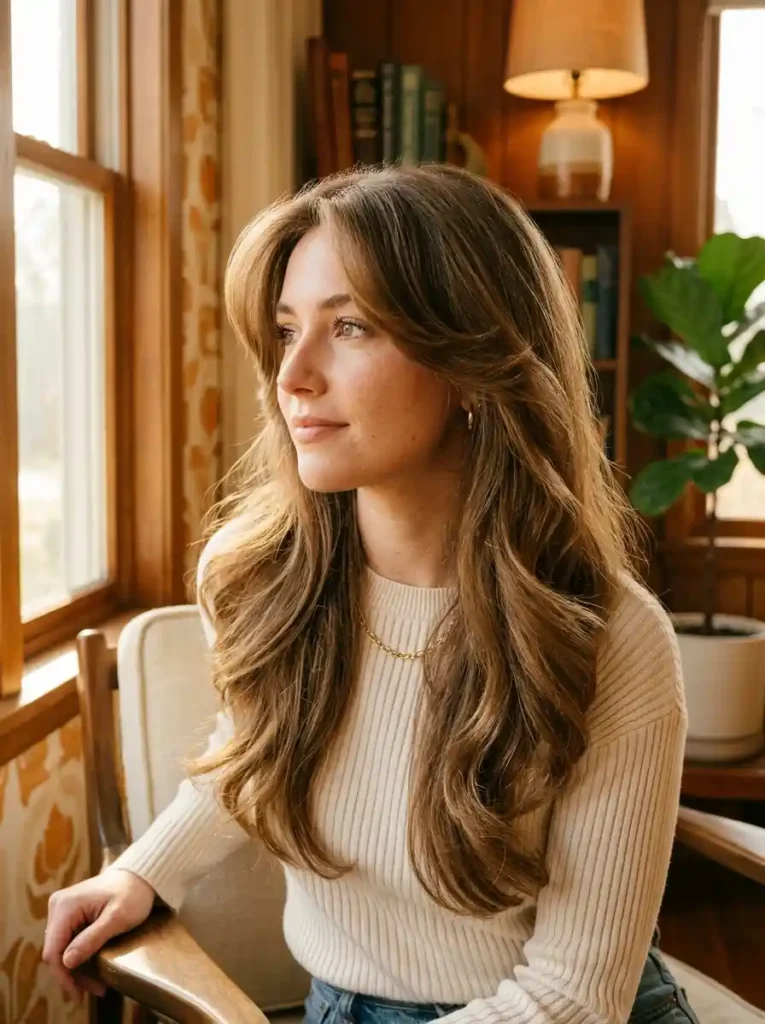
Feathered layers bring retro movement into a modern, wearable haircut. The front sections sweep outward, while longer layers create a flowing shape through the sides and back. This style looks especially expressive when blow-dried with volume. Medium to thick hair can support the shape well, while finer hair may need strategic layering. It suits people who enjoy polished movement and a noticeable nod to classic beauty styling.
Use a round brush to direct the front sections away from the face. Roll the brush outward rather than simply smoothing downward. Large rollers can provide volume with less direct heat. Ask for long, blended layers if you want a modern interpretation. Common Mistake: Making every layer too short can create a dated silhouette. Keeping the lengths graduated and fluid makes the style feel fresher.
20. Chin-Length Curly Bob

A chin-length curly bob creates a compact shape while allowing curls to remain the main feature. The rounded perimeter supports volume and gives the haircut a deliberate outline. It works particularly well for naturally curly hair with consistent curl patterns. The shorter length can feel fresh without requiring complex daily styling. Choose this idea if you want your curls to become the central visual focus rather than hiding them under excessive length.
Curly bobs need careful attention to shrinkage and density. Ask for a dry-cutting approach if your stylist uses one and understands your curl pattern. Refresh curls with water and a small amount of curl cream between washes. Avoid heavy brushing once dry. Expert Insight: Short curly hair can expand wider than expected. Discuss the desired width as well as the desired length before cutting.
21. Sleek U-Shaped Layers
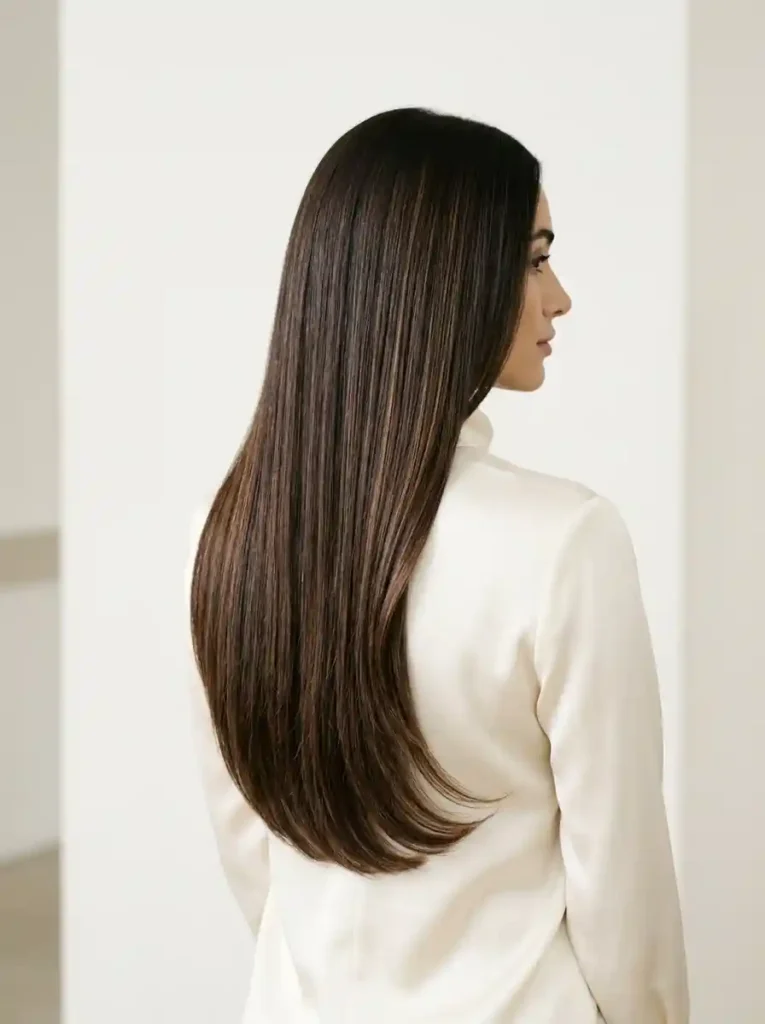
A U-shaped haircut keeps the center back longer while gently curving upward toward the sides. The result gives long hair a softer silhouette than a straight horizontal perimeter. Subtle layers can add movement without changing the overall length dramatically. This shape works especially well for medium to thick long hair. It suits people who want their length preserved while making the back view feel more intentional and polished.
Ask your stylist to keep the center noticeably longer if you want a defined U shape. Fine hair may need fewer layers to maintain density through the ends. Blow-drying with a paddle brush keeps the finish smooth. Stylist Tip: Bring a rear-view reference when requesting this shape. The U curve is easiest to communicate visually because small changes affect the overall silhouette.
22. Soft Blonde Root Melt
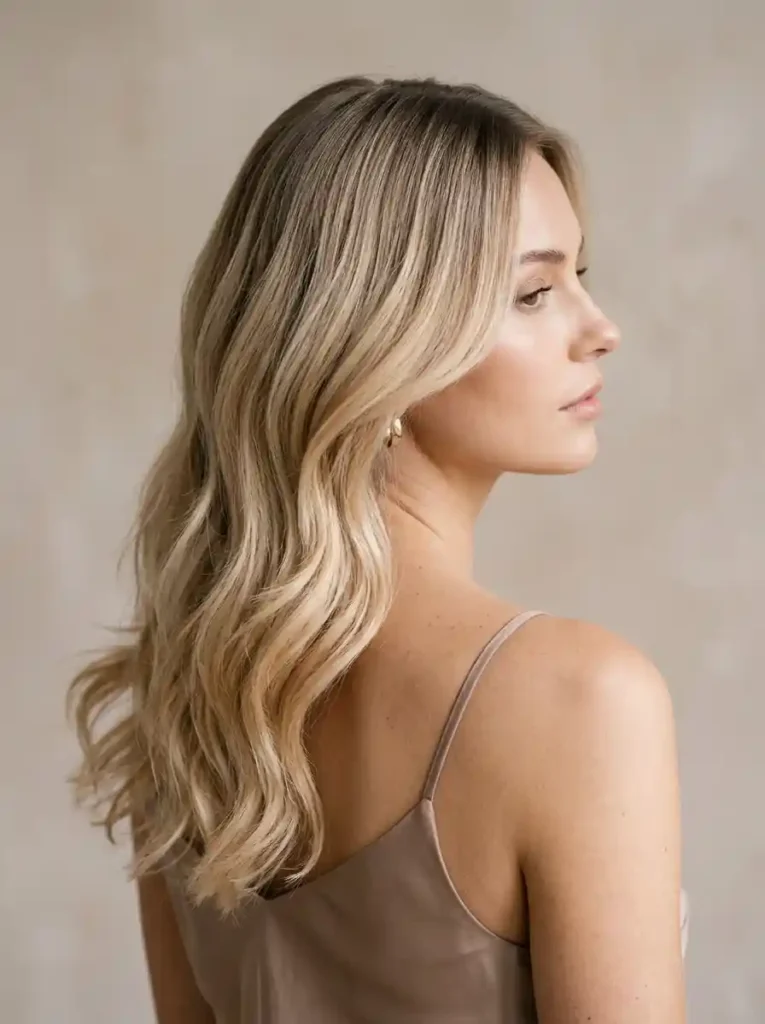
A soft blonde root melt creates gradual color movement from the roots through the lengths. The darker starting area blends gently into lighter blonde sections instead of forming a hard line. This can give blonde hair a dimensional, lived-in appearance. Medium-length waves help reveal the transition between shades. It suits people who want a brighter overall look while preferring softer regrowth than a uniform light blonde.
Your colorist can adjust the root depth and blonde tone based on your starting color. Beige, honey, champagne, and cooler blonde shades create different effects. Ask about maintenance before choosing the lightest option. Pro Tip: Color placement should account for your haircut. Layers can make certain highlights appear brighter, so the cut and color should be planned together.
23. Textured Pixie with Longer Top
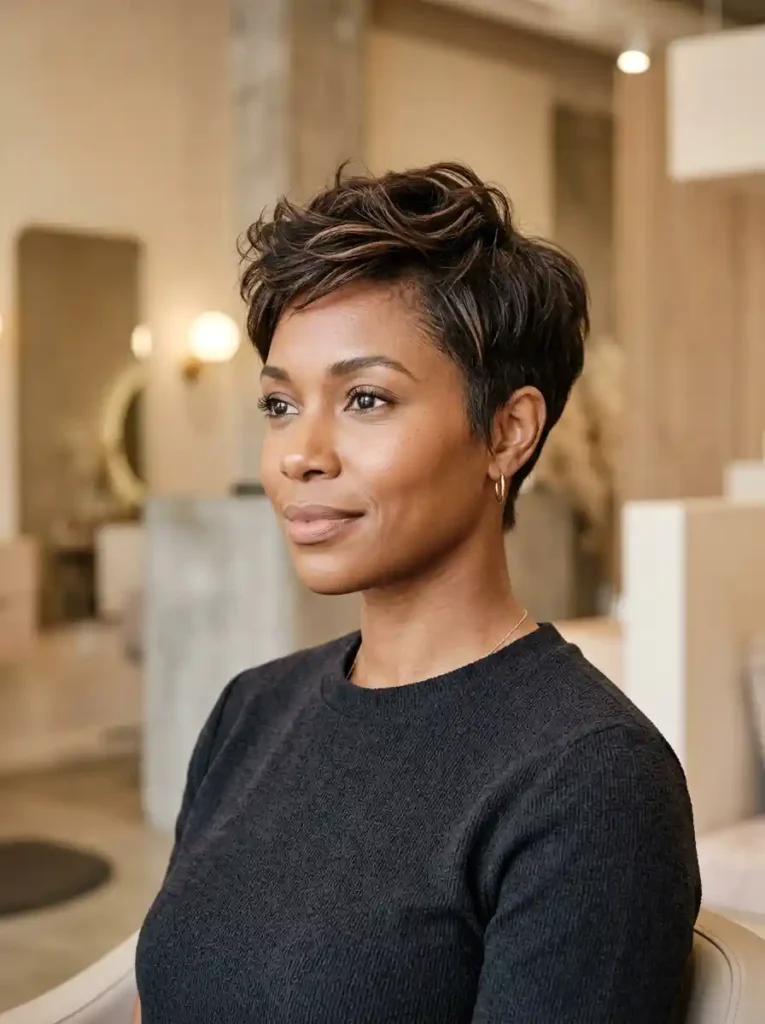
A textured pixie with a longer top creates a dramatic refresh while keeping styling possibilities open. Shorter sides provide a clean structure, while the longer crown adds softness and movement. Piecey texture prevents the haircut from looking overly rigid. It works especially well for people comfortable with shorter lengths and regular shaping. Straight, wavy, and some curly textures can adapt to the cut with different styling techniques.
Ask your stylist how frequently the sides and neckline will need reshaping. Use a small amount of matte paste to separate the top without creating stiffness. Fine hair may need lightweight volumizing products instead. Stylist Tip: The top length determines much of the styling flexibility. Keep it longer if you want options for sweeping, lifting, or creating textured definition.
Frequently Asked Questions
What is the easiest haircut to refresh without losing much length?
Face-framing layers are one of the easiest updates. They add movement around the face while preserving most of the overall length.
Which fresh hair ideas work well for fine hair?
Blunt cuts, soft shoulder-length layers, and carefully placed long layers can work well for fine hair. Avoid excessive thinning, which may reduce visible fullness.
Are curtain bangs high maintenance?
Long curtain bangs are usually easier to maintain than short blunt fringe. They can blend into surrounding layers as they grow.
Can these styles work with naturally curly hair?
Yes. Curly hair needs customized shaping because shrinkage and curl patterns affect the final result. Rounded layers and curly bobs can work especially well.
How do I choose a new haircut?
Start with your natural texture, preferred length, styling time, and hair density. Then show your stylist reference images that resemble your actual hair.
How often should a haircut be refreshed?
The timing depends on the style. Short precise cuts usually need more frequent shaping, while long layered styles can often go longer between appointments.
Conclusion
A fresh haircut does not have to mean starting over. Small changes can create movement, shape, softness, or stronger definition. The best hair ideas are the ones that fit your natural texture and everyday routine.
Think about the length you want to keep, the styling time you can manage, and the amount of maintenance you prefer. Then use your favorite reference as a starting point for a personalized consultation.
Save your favorite look before your next salon visit. You can also share this guide with someone searching for their next style.


