
Watching your hair grow can feel frustrating when every month seems to bring barely any visible change. Breakage, dryness, heat damage, and poor nutrition can make progress even harder to notice. The good news is that simple habits can support healthier hair and help you protect the length you already have. This guide shares 24 practical ways to help make hair grow faster while reducing preventable damage. You will also find easy routines, nutrition tips, and styling ideas worth saving.
1. Eat Enough Protein

Hair is largely made from a protein called keratin, so adequate protein intake matters for normal hair production. Low protein intake can contribute to noticeable hair shedding in some people. Build meals around practical sources such as eggs, fish, poultry, beans, lentils, yogurt, tofu, or other protein-rich foods. You do not need an expensive diet. A balanced plate with regular protein portions can support overall nutrition while helping your hair receive the building blocks it needs.
Pro Tip: Spread protein across your meals instead of relying on one large serving. This approach makes balanced eating easier to maintain throughout the week. Vegetarians can combine beans, lentils, tofu, dairy, eggs, or other suitable foods. If you suspect your diet lacks enough protein, review your usual meals before buying supplements. Food-first nutrition is usually the simplest starting point for supporting healthy hair and protecting the length you already have.
2. Check Your Iron Intake
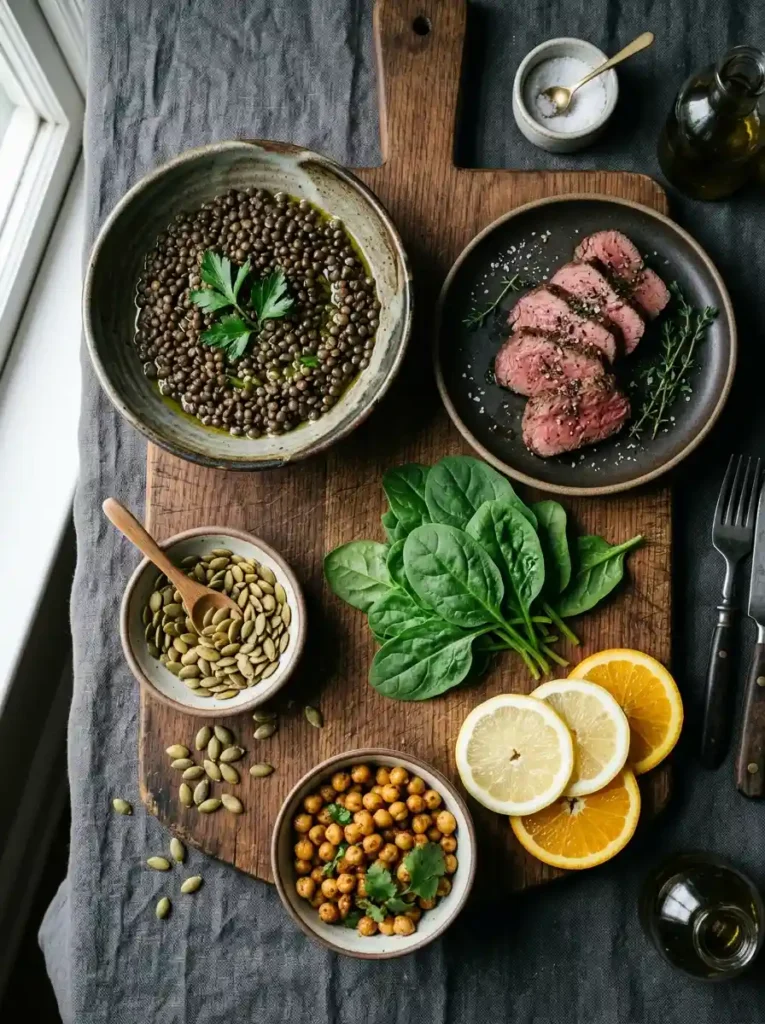
Iron deficiency can contribute to hair shedding, especially when iron stores become significantly low. Instead of automatically taking an iron supplement, focus first on iron-containing foods and consider discussing persistent shedding with a healthcare professional. Useful options include lentils, beans, leafy greens, meat, seafood, and fortified foods. Pairing plant-based iron sources with vitamin C foods can improve iron absorption and make balanced meals more nutrient-friendly.
Common Mistake: Taking iron simply because your hair seems thinner is not always appropriate. Too much iron can cause problems, and supplements may interact with certain medicines or health conditions. If you have ongoing shedding, fatigue, or other concerning symptoms, ask a clinician whether testing makes sense. Identifying an actual deficiency is more useful than guessing. A targeted approach can help you address nutrition without adding unnecessary supplements to your routine.
3. Eat More Colorful Produce

A varied diet supplies vitamins, minerals, and other nutrients needed for normal body functions, including healthy skin and hair. Add color to your meals with berries, citrus, leafy greens, peppers, carrots, tomatoes, beans, and other produce. Variety matters more than chasing one so-called hair superfood. Different foods provide different nutrients, so a broad diet is a practical way to support your overall nutritional needs without making meals complicated.
Stylist Tip: Think about adding one fruit or vegetable to each meal rather than changing your entire diet overnight. Breakfast might include berries, while lunch gets leafy greens and dinner includes roasted vegetables. This simple habit improves dietary variety without creating a restrictive routine. If you have dietary limitations, focus on the foods you tolerate well. Healthy hair starts with supporting the whole body, not finding one magical ingredient that promises overnight results.
4. Drink Enough Water

Water is essential for normal body functions, but drinking extra water does not directly force hair to grow faster. Staying adequately hydrated can support general health and may help prevent the dryness associated with dehydration. Your needs vary with activity, climate, diet, and other factors. Rather than following a rigid amount, drink regularly and pay attention to thirst. Hydration works best as one small part of a broader hair-care routine.
Did You Know? Hair dryness is often caused by the condition of the hair shaft, not simply by how much water you drink. Damaged hair can lose moisture easily and feel rough even when you are well hydrated. Use gentle cleansing and conditioning habits alongside regular fluid intake. If your environment is hot or dry, you may need more fluids. Aim for consistent hydration rather than treating water as a special hair-growth remedy.
5. Massage Your Scalp Gently

A gentle scalp massage can make a relaxing addition to your routine and may help you become more aware of scalp comfort. Use the pads of your fingers rather than scratching with your nails. Work in small circular movements across the scalp for several minutes. The goal is comfortable pressure, not aggressive rubbing. A massage should feel soothing rather than painful, especially if your scalp is sensitive or irritated.
Common Mistake: Pressing too hard can cause unnecessary irritation and tangling, particularly with textured or fragile hair. Keep your movements controlled and avoid dragging the hair itself. You can massage before washing if that feels comfortable, then cleanse normally. There is not enough evidence to treat scalp massage as a guaranteed growth accelerator, so view it as a gentle care habit. Relaxation and consistent scalp care are useful benefits on their own.
6. Keep Your Scalp Clean

A clean scalp creates a comfortable environment for healthy hair care. Shampoo removes excess oil, sweat, styling residue, and environmental buildup from the scalp. How often you wash depends on your oil production, hair texture, lifestyle, and styling routine. Oily scalps may need more frequent cleansing, while dry or tightly curled hair may benefit from less frequent washing. The best schedule is the one that keeps your scalp comfortable without excessive dryness.
Pro Tip: Apply shampoo mainly to the scalp rather than scrubbing the entire length aggressively. The lather that travels downward during rinsing usually cleans the lengths sufficiently. Use your fingertips gently and rinse thoroughly. If your scalp becomes persistently itchy, flaky, painful, or inflamed, consider professional advice instead of simply changing products repeatedly. Scalp comfort is an important part of a sustainable routine, especially when you are trying to retain healthy length.
7. Condition Your Lengths Regularly

Conditioner helps improve slip, softness, and manageability, which can make hair easier to detangle and less prone to mechanical damage. Focus conditioner on the mid-lengths and ends, especially if your scalp becomes oily quickly. The right formula depends on your hair texture and level of dryness. Fine hair may need a lightweight conditioner, while coarse or curly hair often benefits from richer conditioning.
Stylist Tip: Give conditioner enough contact time to coat the strands before rinsing. Use your fingers or a wide-tooth comb to distribute it gently when appropriate. Avoid piling long hair tightly on top of your head during washing because that can increase tangling. Softer, easier-to-manage hair is less likely to suffer unnecessary snapping during brushing. Protecting your existing strands is one of the most practical ways to support visible length.
8. Detangle From the Ends Up
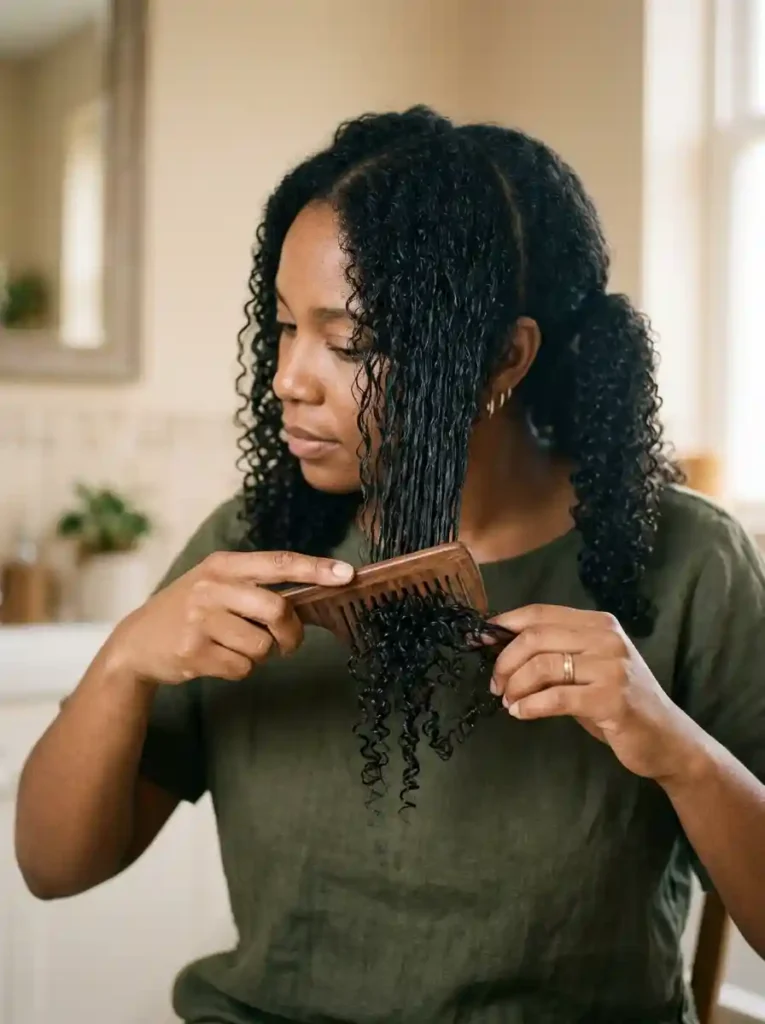
Starting at the roots can pull knots downward and create unnecessary tension throughout the strand. Beginning at the ends allows you to remove small tangles gradually before working higher. This method is especially useful for long, curly, coily, or easily tangled hair. Work in manageable sections and use conditioner or a suitable detangling product when needed. Gentle handling can reduce breakage and make daily styling feel much easier.
Common Mistake: Ripping a brush through a large knot usually creates more stress than solving the problem gradually. Pause when you meet resistance and loosen the tangle with your fingers first. Choose a comb or brush that suits your texture and detangle at a time when your hair is easiest to manage. For many curly textures, working in sections while conditioned can provide better slip and reduce unnecessary pulling.
9. Reduce Frequent Heat Styling

Frequent high heat can damage the hair shaft, especially when tools are used at very high temperatures or repeatedly on the same sections. Damaged strands may become brittle and break before they reach the length you want. You do not have to abandon heat styling completely. Reduce frequency when possible, use appropriate protection, and avoid repeatedly passing a hot tool over one section.
Pro Tip: Let hair become mostly dry before using a hot styling tool when the technique allows it. Choose the lowest temperature that achieves your desired result, and keep the tool moving. Heat protectant can help reduce thermal damage, but it does not make unlimited heat exposure harmless. Alternating polished heat-styled looks with air-dried styles gives your strands recovery time and can help preserve length over months.
10. Avoid Very Tight Hairstyles

Repeated tension from very tight ponytails, buns, braids, or extensions can stress the hair and scalp. Hairstyles that pull strongly around the hairline deserve particular care. Choose looser versions when possible, especially for everyday wear. Changing your part and hairstyle can also prevent the same areas from experiencing constant tension. Comfortable styling is often better for long-term hair retention than forcing every look into a tight, sleek shape.
Common Mistake: Wearing a tight style because it feels comfortable at first does not guarantee that it is gentle. Pain, tenderness, headaches, or broken hairs around the hairline are warning signs to loosen the style. Use soft ties and avoid repeatedly securing hair in exactly the same place. If thinning develops around areas under repeated tension, stop the stressful style and seek professional advice if the change continues.
11. Sleep on a Smooth Surface

Friction during sleep can contribute to tangling and mechanical wear, especially for long, curly, dry, or fragile hair. A smooth pillowcase may reduce some friction compared with rougher fabrics. You can also loosely braid long hair or gather it gently before sleeping. The goal is to minimize pulling and tangling without creating a tight overnight hairstyle. Small nighttime changes can make morning detangling much easier.
Stylist Tip: Do not make an overnight braid so tight that it pulls around the scalp. A loose braid, relaxed twist, or soft pineapple can work for some textures. Experiment with the method that keeps your hair contained without creating tension. If you wake with severe tangles, focus on reducing friction and securing the ends gently. Better nighttime handling will not change your biological growth rate, but it can help protect existing length.
12. Trim Split Ends When Needed
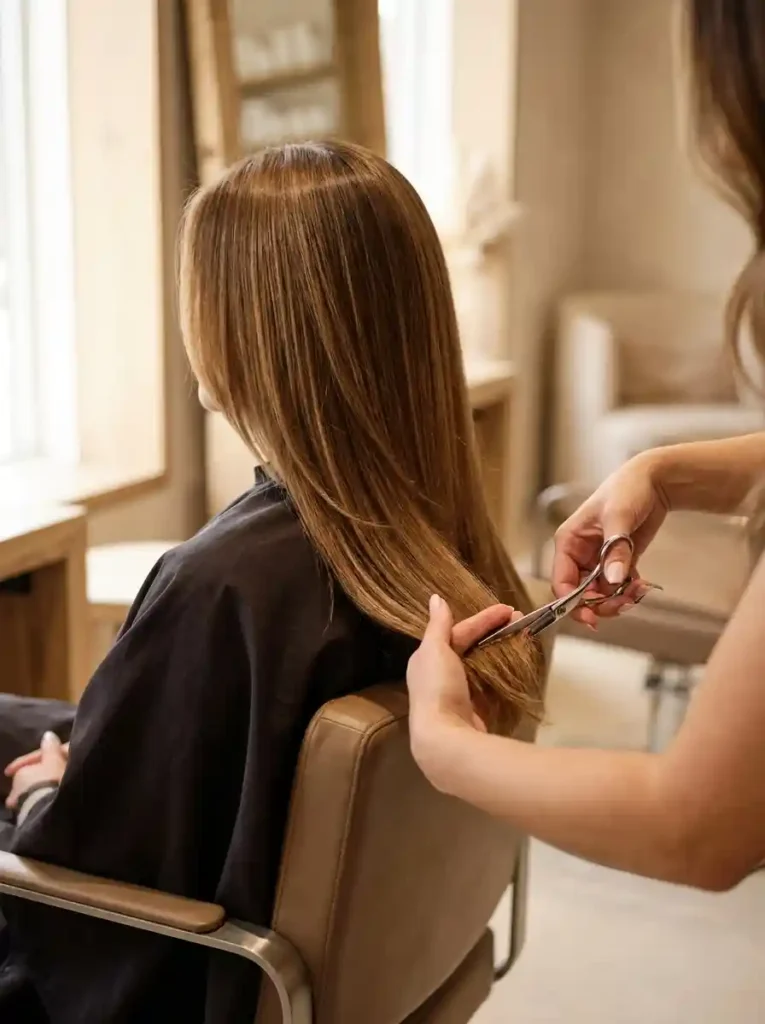
Trimming does not make hair grow faster from the scalp because growth happens at the follicle. However, removing badly split or damaged ends can prevent splits from traveling farther up the strand. This can help you retain more usable length over time. The right trimming schedule depends on your hair condition, styling habits, and desired length. Focus on the condition of your ends rather than following an arbitrary calendar.
Common Mistake: Cutting hair very frequently in the hope of speeding growth can make length goals harder to reach. Instead, inspect your ends and trim when damage becomes noticeable or difficult to manage. If you use bleach or frequent heat, you may need more maintenance. If your ends remain strong, you may need less. A stylist can help remove damage while preserving as much healthy length as possible.
13. Protect Hair From the Sun

Extended sun exposure can affect the hair shaft, particularly when hair is already dry, chemically treated, or color-treated. Protective habits can help reduce environmental wear. Wear a hat during long periods outdoors and consider hairstyles that keep fragile ends covered when appropriate. UV exposure does not simply stop hair growth, but protecting the existing shaft can help reduce dryness, fading, and breakage.
Pro Tip: A lightweight hat is especially useful during long outdoor activities. Choose a comfortable style that does not create excessive pressure around the hairline. After swimming or heavy sweating, rinse your hair when practical and follow with suitable conditioning. These habits matter because visible length depends on retaining the strands that have already grown. Protecting your hair from environmental stress is a simple way to support that goal.
14. Be Gentle With Wet Hair

Wet hair can be more vulnerable to stretching and mechanical damage, so rough handling may lead to unnecessary breakage. After washing, gently squeeze out excess water rather than twisting the hair tightly. A soft towel or microfiber wrap can reduce rough friction. When detangling is necessary, use an appropriate tool and work carefully through sections. Your routine should prioritize controlled movements rather than speed.
Common Mistake: Rubbing wet hair vigorously with a bath towel can create friction and tangles. Instead, press or blot gently, then allow the hair to dry gradually. If you have curly hair, scrunching with a soft fabric can help maintain its pattern while limiting rough handling. This small adjustment can make wash days gentler. Less mechanical stress means fewer broken strands competing with the natural growth coming from your scalp.
15. Limit Harsh Chemical Processing

Bleaching, repeated relaxing, and frequent permanent chemical treatments can weaken the hair shaft. Damaged hair may become dry, porous, brittle, and more likely to break. If you enjoy color or chemical styling, spacing services farther apart can reduce cumulative stress. Consider less aggressive changes when possible, especially if your ends already feel fragile. Healthy-looking length depends heavily on how well the existing hair survives these processes.
Stylist Tip: Tell your stylist about previous chemical services before starting another treatment. Overlapping lightener or relaxer onto already processed hair can increase damage. Ask whether a lower-impact technique can achieve a similar result. Regular conditioning can improve feel, but it cannot completely reverse structural damage. If your hair is breaking heavily, pause additional processing and concentrate on gentle care until the condition improves.
16. Choose Gentle Hair Accessories
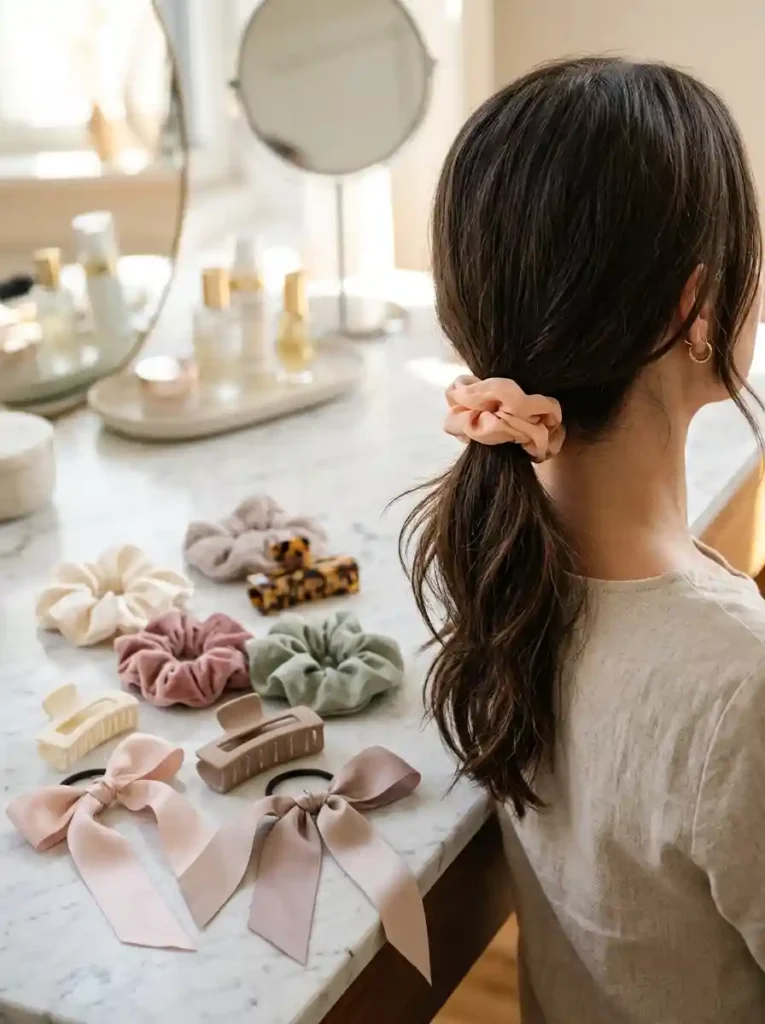
Hair accessories can create repeated friction or tension when they grip too tightly or catch individual strands. Choose smooth, snag-resistant options that hold your hair without requiring excessive pressure. Fabric-covered ties and carefully designed clips can be useful alternatives to rough elastics. The best accessory depends on your hair density and style. Fine hair may need lighter options, while thick hair may require wider or stronger accessories.
Pro Tip: Pay attention to how your hair looks after removing an accessory. If you see many snapped strands, deep creases, or feel pulling, try a different design. Avoid accessories with rough seams or exposed metal that can catch hair. Rotating your hairstyles also reduces repeated stress in one location. A small accessory change can make daily styling gentler without forcing you to give up ponytails, buns, or practical updos.
17. Avoid Brushing More Than Necessary
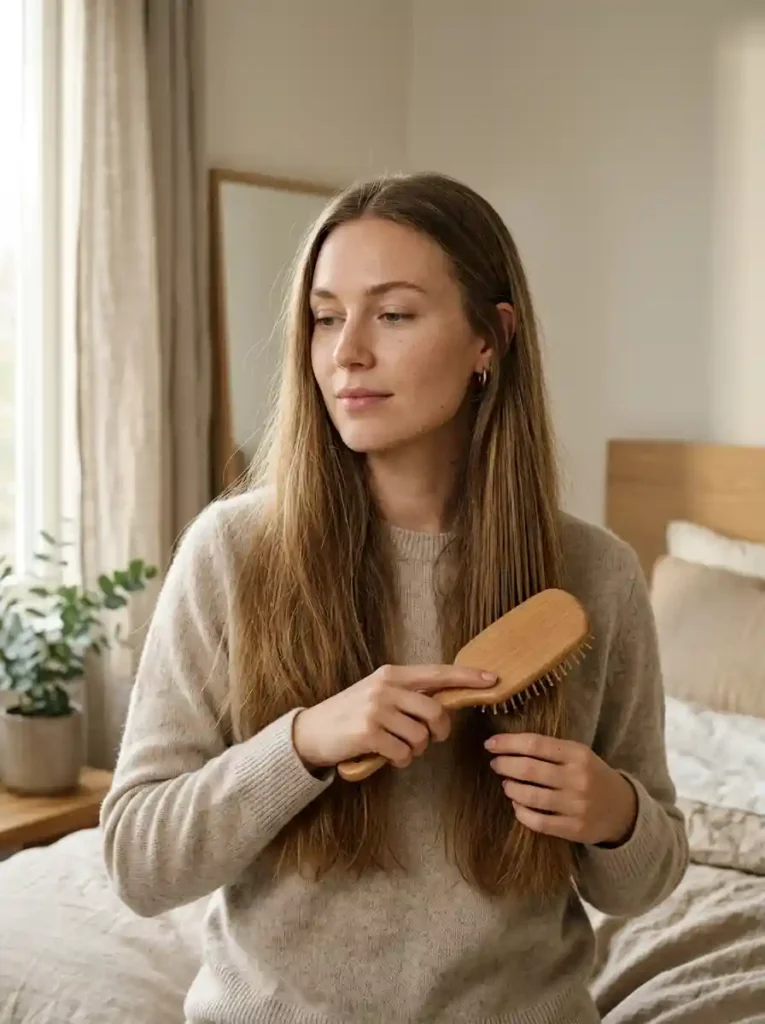
Brushing can help arrange hair, but more brushing is not automatically better for growth. Excessive or forceful brushing can create mechanical stress and break fragile strands. Brush when you need to detangle or style rather than following a fixed number of strokes. Choose a tool suited to your texture, and start gently at the ends when knots are present. The goal is smooth handling, not repeatedly pulling through already manageable hair.
Did You Know? The old idea that brushing hair many times daily guarantees faster growth is not supported by strong evidence. Your follicles determine growth beneath the scalp, while brushing affects the hair shaft above it. Gentle grooming can keep hair neat, but aggressive brushing may cause the opposite problem by increasing breakage. If your hair is already fragile, fewer deliberate passes may be better than frequent grooming throughout the day.
18. Use a Wide-Tooth Comb for Curls
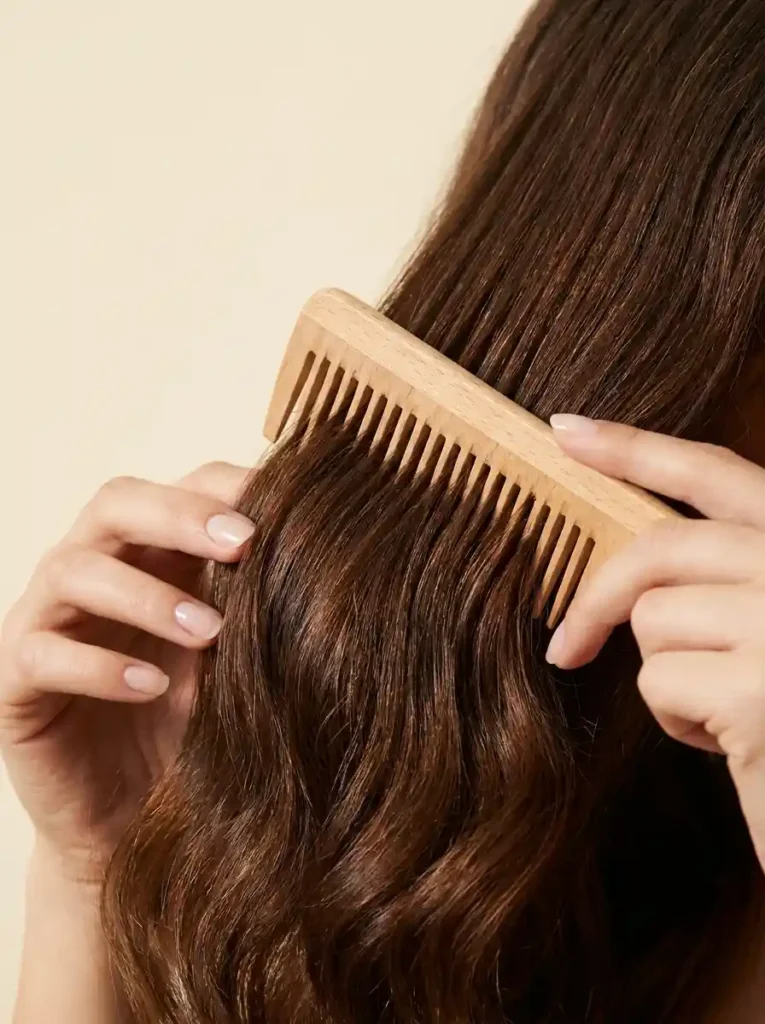
Curly and coily hair can be more vulnerable to dryness and breakage because its shape creates more points of friction. A wide-tooth comb can help separate curls while reducing unnecessary pulling when used gently. Many people find detangling easier when hair is conditioned and divided into sections. Work from the ends upward and pause whenever you meet resistance. This approach helps preserve curl definition while reducing mechanical stress.
Common Mistake: Trying to force a narrow brush through tightly tangled curls can create unnecessary breakage. Instead, divide the hair into smaller sections and add more slip when needed. Your preferred tool may vary depending on curl pattern and density. The key is controlled detangling rather than a specific product or brush. If your curls feel constantly dry, focus on conditioning and gentle handling before adding more styling steps.
19. Give Your Hair a Break From Extensions

Extensions can create extra weight and tension, depending on their attachment method, length, and how tightly they are installed. Repeated or prolonged tension may contribute to breakage or hair loss around stressed areas. If you wear extensions, choose a qualified professional and pay attention to comfort. Taking breaks can give your natural hair and scalp time away from added weight and repeated pulling.
Stylist Tip: Extensions should not feel painful, cause headaches, or make your scalp feel constantly tight. Those sensations are signs to reassess the installation. Keep added hair at a manageable weight and avoid placing excessive tension around already fragile edges. If you notice thinning or broken hairs where extensions attach, remove the source of stress and consider professional advice. Protective styling should protect your hair, not create ongoing tension.
20. Avoid Smoking

Smoking affects circulation and overall health, and it is associated with several conditions that can also affect skin and hair health. Quitting or avoiding tobacco supports your broader wellbeing rather than acting as a quick hair-growth trick. If you smoke and want to stop, evidence-based cessation support can make the process easier. Think of this as a whole-body habit that may support healthier conditions for your hair over time.
Pro Tip: Do not replace smoking with unproven hair supplements marketed as quick fixes. If quitting feels difficult, consider structured support from a healthcare professional or an established cessation program. Hair changes can have many causes, and stopping tobacco does not guarantee a specific cosmetic result. However, reducing tobacco exposure is a meaningful health decision. Your hair routine works best when it sits alongside habits that support your overall health.
21. Manage Chronic Stress

Significant physical or emotional stress can sometimes contribute to temporary increased shedding. Stress is not always avoidable, but regular sleep, movement, relaxation, and social support can help you manage its effects. Do not blame yourself for every period of shedding because hair changes have many possible causes. A healthy routine should support your wellbeing rather than create another source of pressure.
Did You Know? Some stress-related shedding can appear weeks or months after a significant trigger rather than immediately. That delay can make the cause difficult to recognize. If shedding becomes sudden, severe, patchy, or persistent, speak with a healthcare professional. Avoid responding by dramatically restricting food or buying numerous supplements. Identifying the underlying cause is more useful than assuming stress alone explains every change in your hair.
22. Prioritize Consistent Sleep

Sleep supports many normal body processes, so maintaining a consistent sleep routine is a useful part of general health. Poor sleep does not automatically cause slow hair growth, but ongoing sleep disruption can affect overall wellbeing. Aim for a regular bedtime and wake time when possible. Combine good sleep habits with balanced nutrition, gentle hair care, and stress management rather than expecting one lifestyle change to transform your hair.
Common Mistake: Sacrificing sleep to spend extra time styling your hair can work against your broader wellness goals. Simplify your nighttime routine with a loose protective style and gentle accessories. Keep your bedroom comfortable, dark, and quiet when possible. If sleep problems continue despite good habits, consider discussing them with a healthcare professional. Consistency matters more than creating a perfect bedtime routine that becomes difficult to maintain.
23. Treat Your Hair According to Its Texture
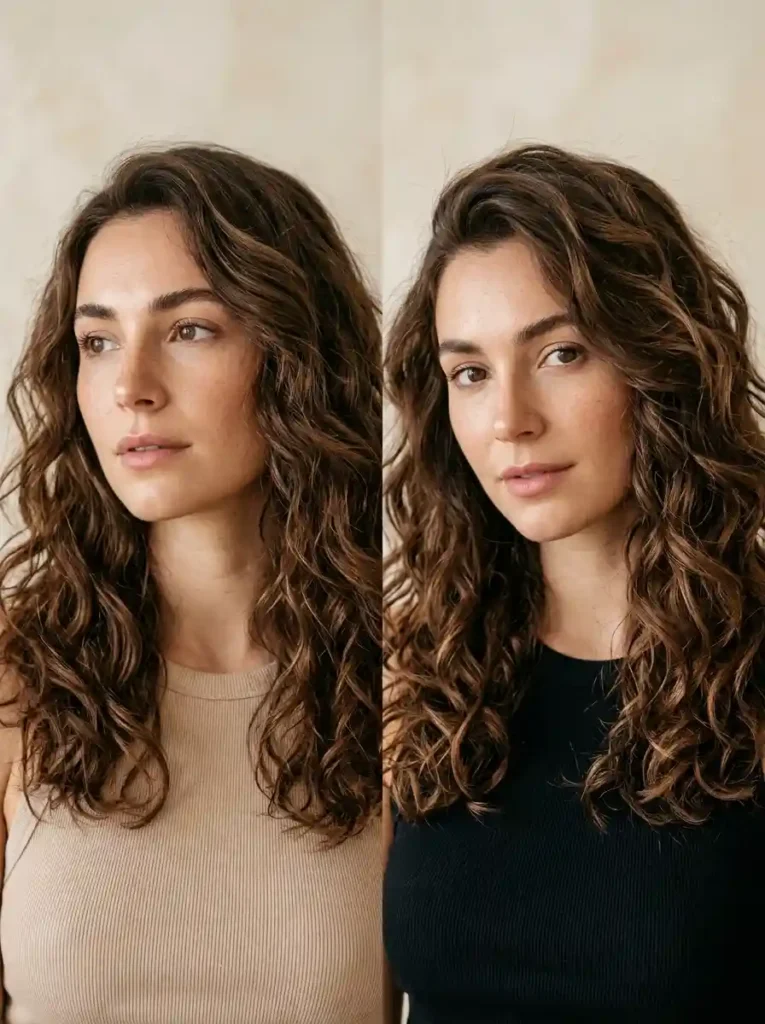
Hair texture changes how strands respond to washing, brushing, heat, moisture, and styling. Fine straight hair may become weighed down by heavy products, while coarse curly or coily hair may need more conditioning and careful detangling. Instead of copying another person’s routine exactly, observe how your own hair behaves. Texture-aware care can reduce unnecessary manipulation and make your routine easier to maintain consistently.
Stylist Tip: Start by identifying whether your main concern is oiliness, dryness, tangling, breakage, or scalp discomfort. Then adjust one part of your routine at a time. This prevents you from changing everything at once and losing track of what helps. Your hair texture can also change with chemical treatments, age, hormones, or environmental conditions. A flexible routine usually works better than following rigid rules designed for a different hair type.
24. See a Professional for Persistent Hair Loss

Sometimes slow growth is not the real issue. Excessive shedding, widening part lines, bald patches, sudden thinning, or scalp symptoms can have medical causes that require proper evaluation. Nutritional deficiencies, hormonal changes, medications, illness, and other conditions can affect hair. A healthcare professional can assess your symptoms and decide whether testing or treatment is appropriate. Getting the cause right is more useful than repeatedly changing cosmetic products.
Pro Tip: Keep notes about when the shedding started and whether anything changed beforehand. Mention recent illness, major stress, dietary changes, medications, or chemical treatments during an appointment. Avoid starting multiple supplements before discussing them with a professional because some can be unnecessary or harmful in excess. If you notice sudden or patchy hair loss, seek medical guidance promptly. Early evaluation can make the next steps clearer.
Frequently Asked Questions
How fast does hair normally grow?
Scalp hair grows at an individual rate influenced by genetics, age, health, hormones, and other factors. Most people should not expect dramatic changes within days or weeks.
Can you actually make hair grow faster?
You cannot reliably override your natural growth rate with a single trick. Healthy nutrition, scalp care, and reduced breakage can help support normal growth and improve length retention.
Does trimming make hair grow faster?
No. Trimming removes damaged ends and does not change follicle activity. However, regular maintenance can reduce problems caused by severe splitting and help preserve healthier-looking ends.
Which foods support healthy hair growth?
Protein-rich foods, iron-containing foods, fruits, vegetables, whole grains, and other nutrient-dense foods support overall nutrition. A varied diet is more useful than relying on one special food.
Can tight hairstyles cause hair loss?
Repeated tension from tight hairstyles can contribute to traction-related hair loss. Looser styles and regular changes in hairstyle can reduce stress on vulnerable areas.
When should I see a professional about hair loss?
Seek professional advice for sudden, severe, patchy, or persistent hair loss. A clinician can look for possible medical, nutritional, hormonal, or medication-related causes.
Conclusion
Healthy hair growth is less about finding one miracle trick and more about protecting the hair you already have. Focus on balanced nutrition, gentle scalp care, lower tension, sensible heat use, and careful detangling. Remember that growth happens at the follicle, while breakage happens along the hair shaft. Supporting both areas gives you a more realistic path toward longer, healthier-looking hair.


