Brunette hair has a beautiful depth all on its own, but sometimes a small change in color can make your entire look feel refreshed. If your brown hair has started looking a little flat, or you want something different without committing to a dramatic transformation, lowlights might be exactly what you need. By weaving darker shades through your existing color, a skilled stylist can create dimension, emphasize your haircut, and give your hair a richer, more naturally blended appearance.
The best part is that lowlights for brunette hair are incredibly versatile. You can choose soft espresso ribbons, deep chocolate accents, cool ash-brown tones, or subtle caramel-brown contrasts, depending on your natural color and personal style. Some combinations look polished and understated, while others create beautiful movement that catches the light whenever you turn your head.
In this guide, you’ll discover 22 beautiful brunette lowlight ideas, from barely-there tonal changes to dimensional combinations for long layers, bobs, and textured cuts. You’ll also find practical tips for choosing flattering shades, maintaining your color, and explaining your preferred look to your stylist.
1. Rich Chocolate Brown Lowlights
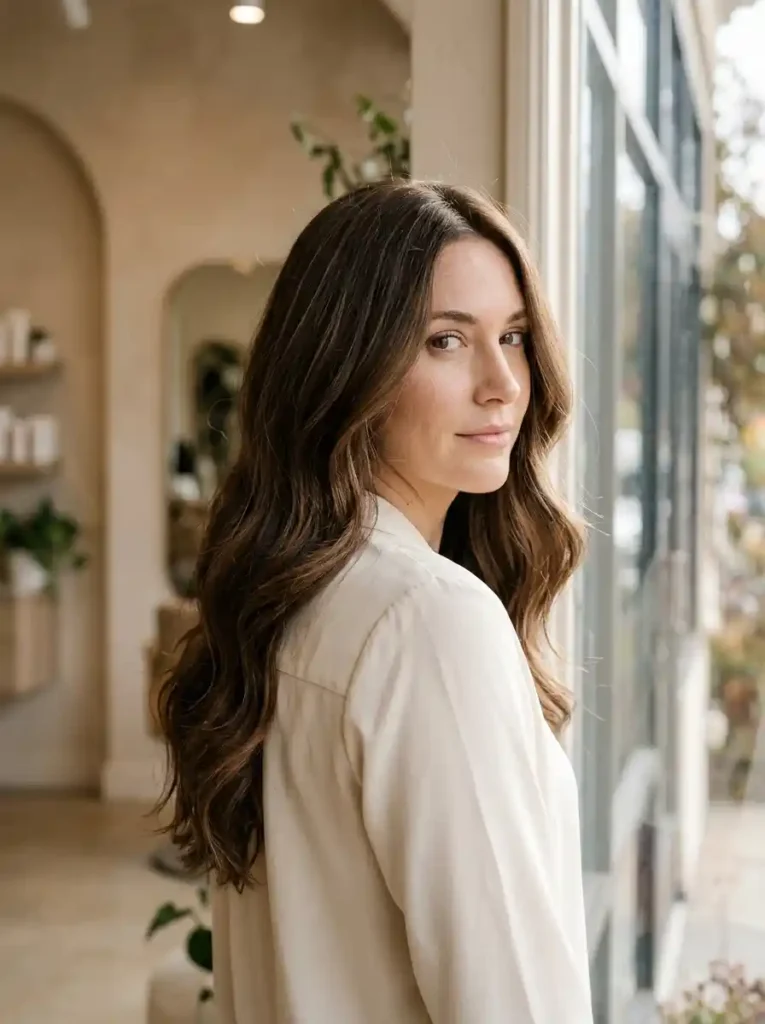
Rich chocolate-brown lowlights are an excellent starting point if you want your brunette hair to look deeper without losing its natural warmth. The combination works especially well on medium brown or chestnut hair, where darker ribbons create contrast that becomes noticeable as the hair moves. Instead of introducing an entirely new color, this approach enhances the richness already present in your base shade. The result feels polished, dimensional, and suitable for everything from everyday styling to special occasions.
Ask your colorist to incorporate chocolate tones that are one or two levels darker than your existing color. Placing them beneath the crown, around the mid-lengths, and through the interior layers helps preserve brightness around your face. This technique is particularly attractive on long, layered cuts because the darker sections emphasize movement. For maintenance, use a color-safe shampoo and conditioner, minimize excessive heat, and schedule color refreshes according to how quickly your roots grow and how noticeable the contrast becomes.
2. Espresso Lowlights on Dark Brunette Hair
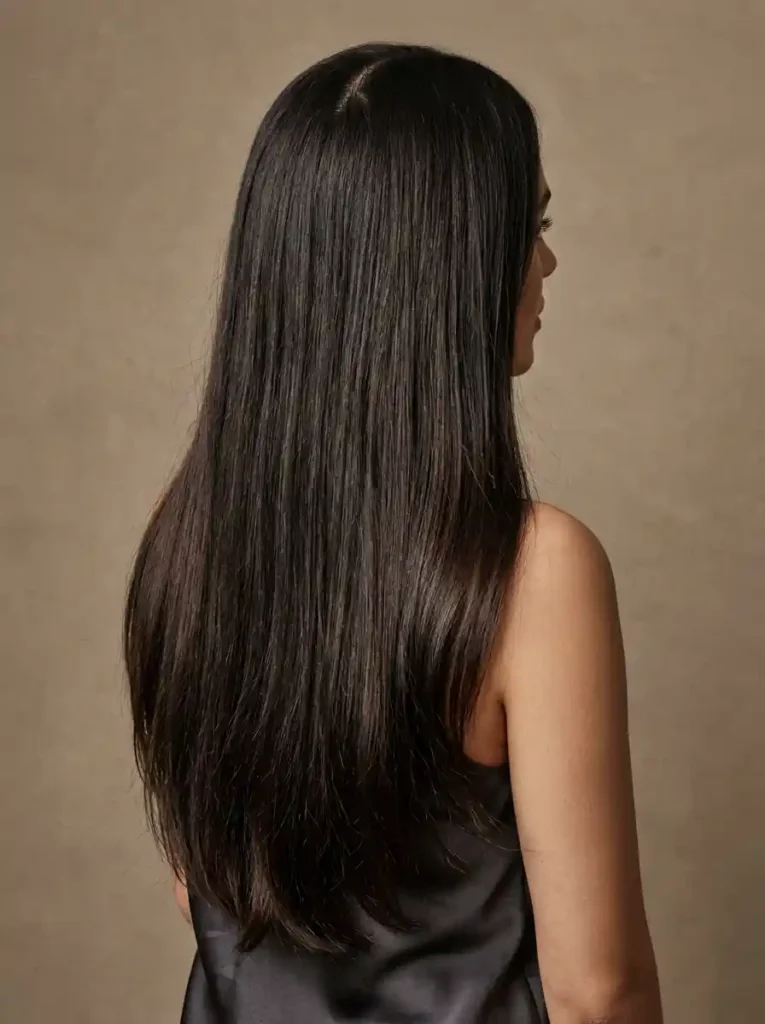
Espresso lowlights offer a sophisticated way to add tonal depth to dark brunette hair without introducing obvious color contrast. Deep coffee-brown strands blend beautifully with naturally dark brown bases, making this option ideal for anyone who prefers understated color. The effect is especially noticeable on sleek hair, where differences in tone become visible through reflected light. Rather than looking striped or heavily highlighted, the finished style has a rich, almost liquid appearance that complements minimalist clothing and classic hairstyles.
For the most natural result, ask your stylist to select an espresso shade that remains distinguishable from your base under daylight. If your hair is already very dark, subtle placement may be more effective than adding numerous lowlights throughout the head. A smoothing cream can help showcase the tonal variation on straight styles, while loose waves reveal the depth from different angles. If your ends are dry or porous, discuss their condition before coloring, since damaged sections can absorb pigment unevenly.
3. Ash Brown Lowlights for a Cool-Toned Finish
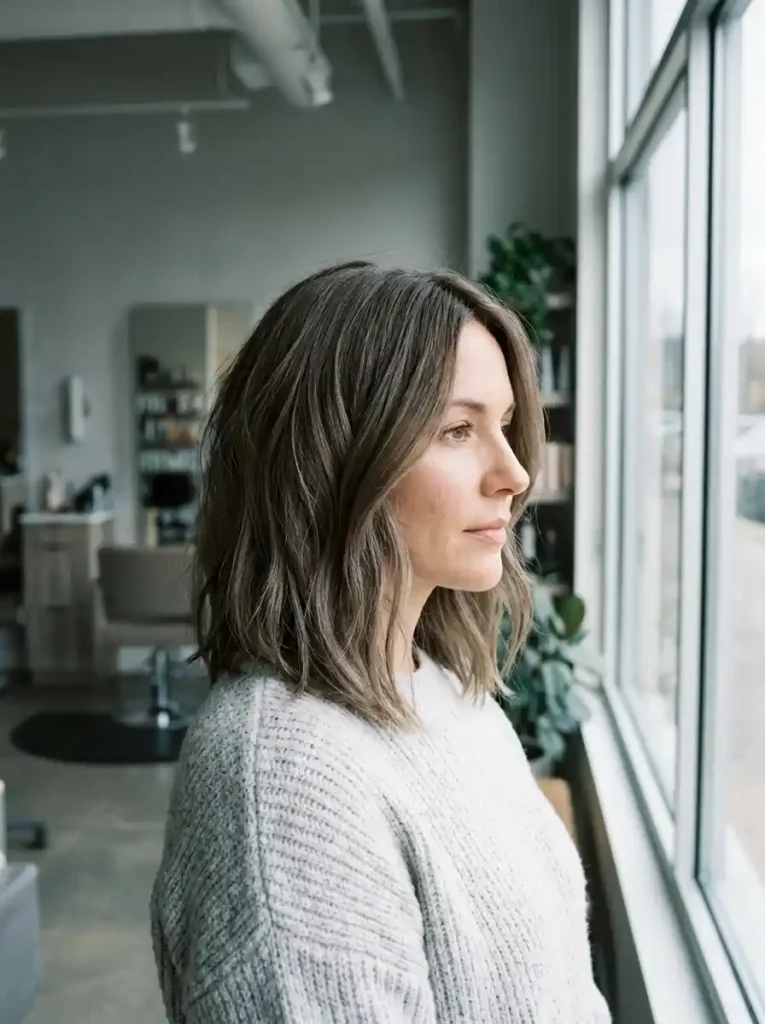
Ash-brown lowlights are a beautiful choice when you prefer a cooler brunette palette without strong golden or copper undertones. These muted brown shades can add definition to medium brown hair while keeping the overall result soft and modern. They work particularly well with smoky brunette colors and softly textured haircuts, where subtle tonal changes create movement without looking overly dramatic. The key is choosing an ash shade that complements your existing color instead of making the entire hairstyle appear flat or gray.
Before your appointment, explain whether you want a distinctly cool result or simply less visible warmth. Your stylist can assess your base color and choose an appropriate ash-brown formula, since the same shade may appear differently on naturally warm hair and previously colored lengths. A gentle, color-safe routine will help maintain the finish. If your hair tends to develop unwanted warmth, ask your stylist whether an occasional toning treatment is suitable rather than using strong purple products intended primarily for blonde hair.
4. Caramel Brown Lowlights for Soft Contrast
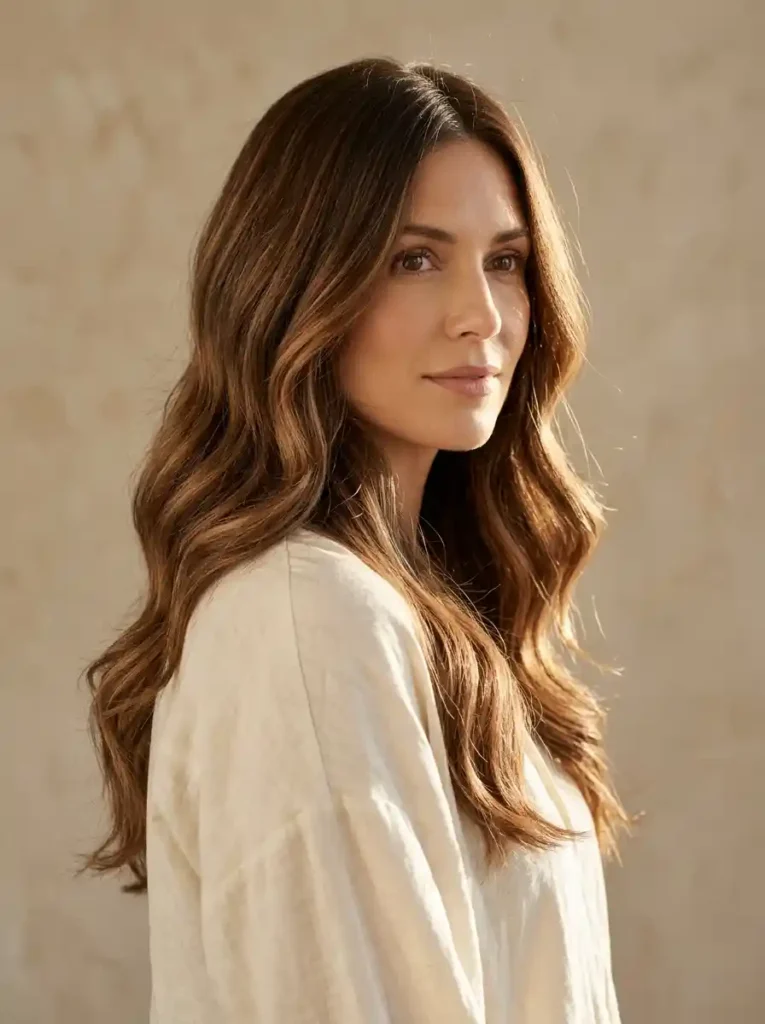
Caramel-brown lowlights are worth considering if you want brunette hair with warmth, softness, and visible dimension. Although caramel is often used as a highlight shade, deeper caramel-brown tones can also create attractive lowlights when placed against lighter brown sections. The result has a cozy, multidimensional quality that works especially well on chestnut bases. On long waves, the alternating tones give each curve more definition, helping the hairstyle appear thoughtfully colored without relying on an extreme contrast between light and dark.
The best caramel-brown shade depends on how light your existing brunette color is. If your base is medium brown, choose a caramel tone that is sufficiently deep to read as a lowlight rather than a highlight. Ask for blended placement through the mid-lengths and ends, with enough separation to reveal the color when styled. If your hair is naturally very dark, your stylist may recommend a different approach to achieve visible dimension. Keep your expectations realistic and discuss the reference photo in natural lighting.
5. Black-Brown Lowlights for Dramatic Dimension
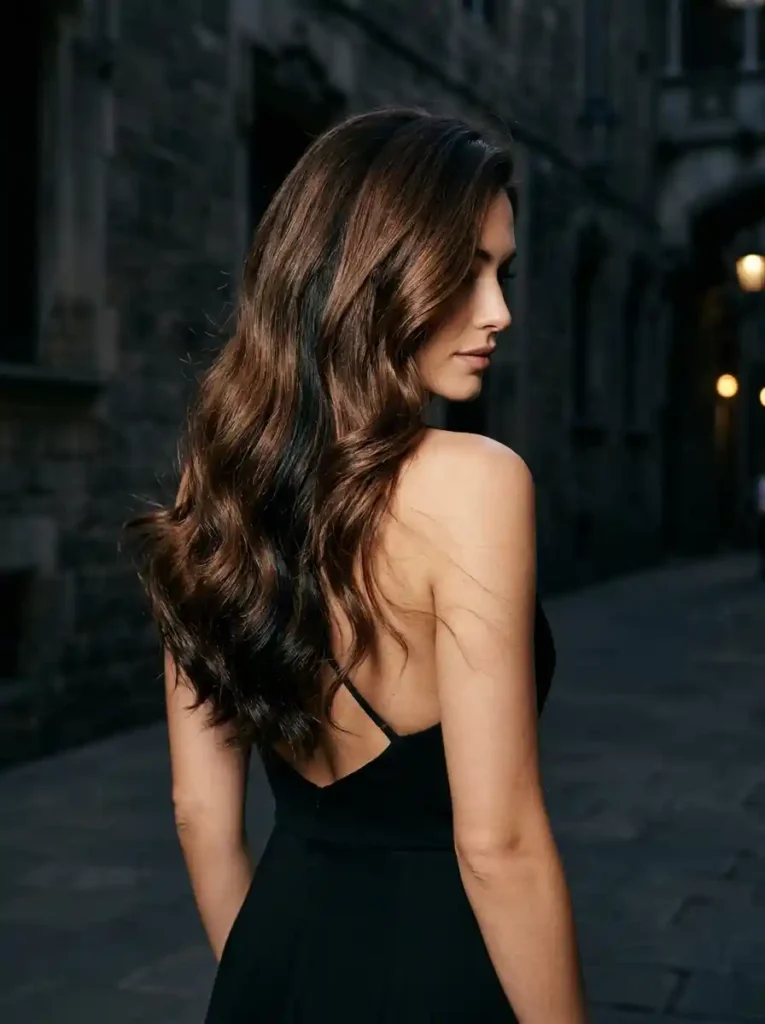
Black-brown lowlights create a strikingly rich finish for brunettes who enjoy deep color and pronounced dimension. Instead of coloring the entire head black, a stylist can introduce very dark brown sections beneath a brunette base. This preserves the impression of brown hair while giving the overall style more depth. The effect suits thick hair, long layers, and dramatic waves particularly well, although it can also bring subtle definition to shorter cuts. The difference between the shades should remain visible rather than disappearing into one uniform dark mass.
If you already have very dark brown hair, ask for a strand assessment to determine whether black-brown lowlights will be visible enough to justify the appointment. Strategic placement matters more than adding large amounts of color. Keeping some of your original brunette shade exposed allows the darker pieces to create contrast. Because deep artificial pigments can be difficult to remove later, discuss your long-term color plans before choosing this look. A glossing service may also help maintain a smooth, reflective finish between color appointments.
6. Chestnut Lowlights for Naturally Warm Brunettes
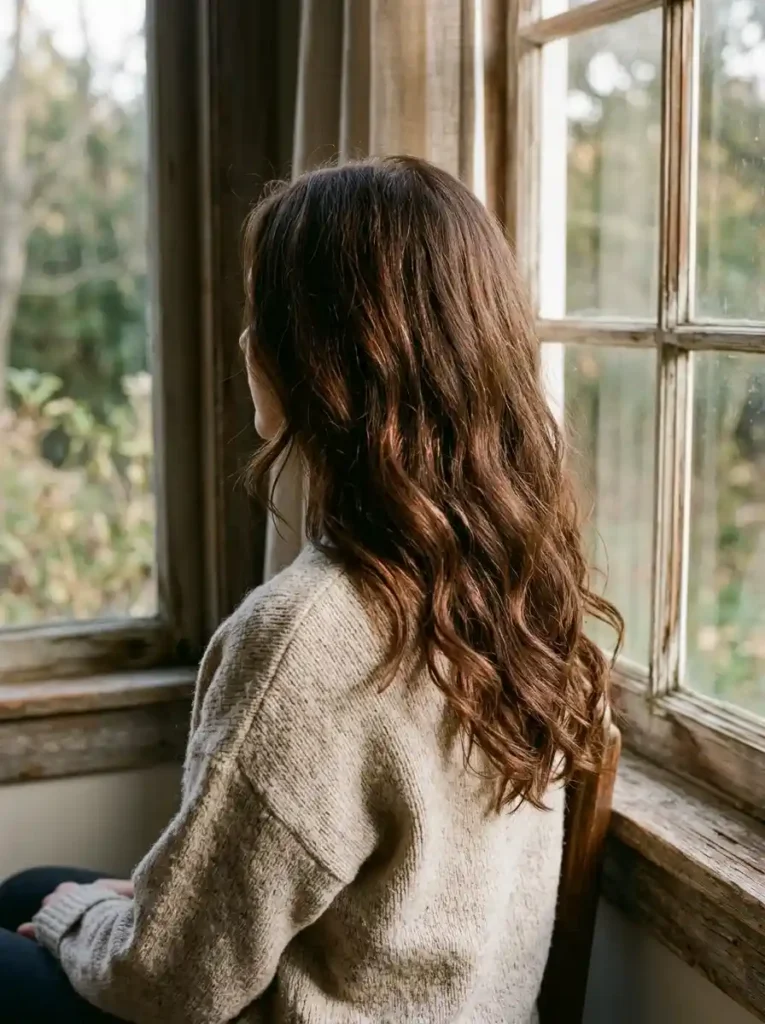
Chestnut lowlights complement brunettes who naturally have warm, reddish, or golden undertones. Their gentle warmth creates a layered brunette finish without introducing the brighter appearance associated with copper highlights. On medium brown hair, chestnut sections can make the color look richer and more nuanced, especially in natural daylight. They are particularly appealing on loose curls and brushed-out waves, where the curved strands reveal different shades. If you prefer a classic brunette look rather than a fashion-forward color change, chestnut is a versatile option.
To make the result look believable, ask your stylist to keep the chestnut shade close to your natural depth and avoid placing every section at the same distance apart. A scattered pattern usually creates a softer effect than evenly spaced ribbons. Chestnut can also emphasize existing warmth, so discuss your preferred balance if your hair tends to look reddish in sunlight. A sulfate-free, color-safe cleansing routine and occasional professional gloss can help preserve the richness without requiring frequent full-head color appointments.
7. Mushroom Brown Lowlights for Modern Brunettes
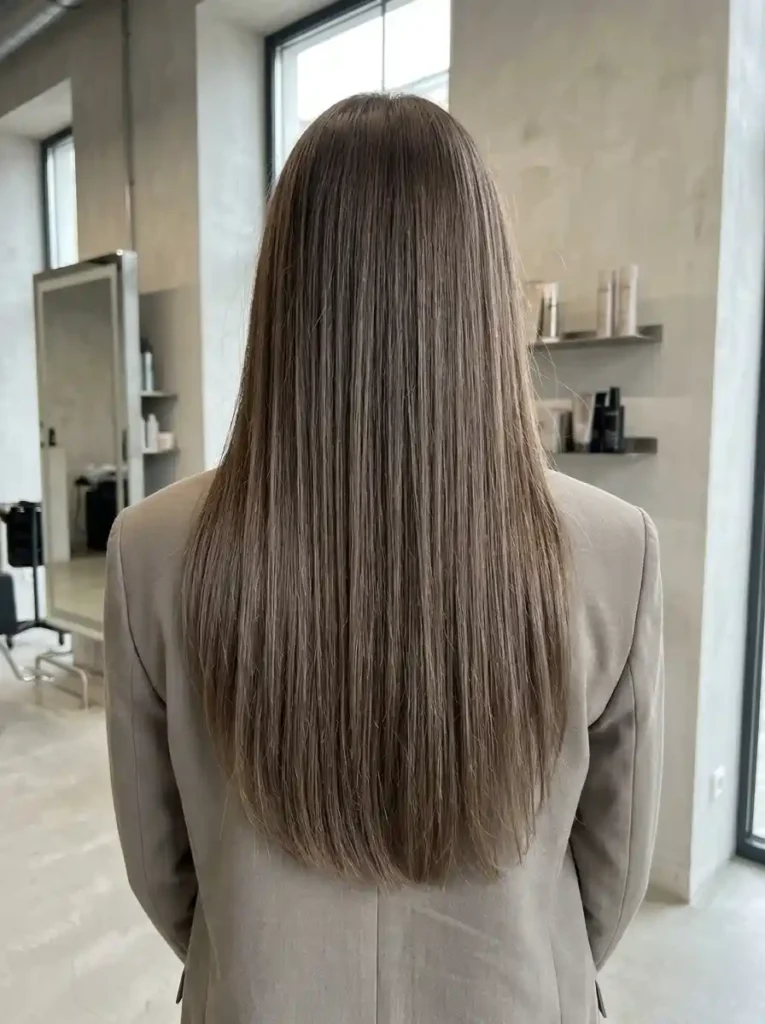
Mushroom-brown lowlights are ideal for anyone drawn to understated, neutral hair color. The shade sits between warm brown and cool taupe, making it a useful option when traditional golden or reddish brunette tones feel too warm. Against a compatible medium-brown base, mushroom tones create subtle depth without looking excessively dark. The overall effect is contemporary and refined, especially on straight hair, blunt cuts, and smooth layered styles. The final color should still read as brunette rather than turning into an overly gray or muted finish.
Your stylist will need to assess the undertones already present in your hair before recommending a mushroom formula. Previously colored hair can respond unpredictably, and a neutral-looking reference image may contain a carefully balanced mixture of cool and warm tones. Bring a photograph taken in daylight to communicate the finish you prefer. Mushroom brown may require periodic toning to preserve its muted appearance, so ask about realistic upkeep before committing. A good color plan should suit both your desired result and the amount of salon maintenance you enjoy.
8. Subtle Lowlights for a Natural Brunette Look
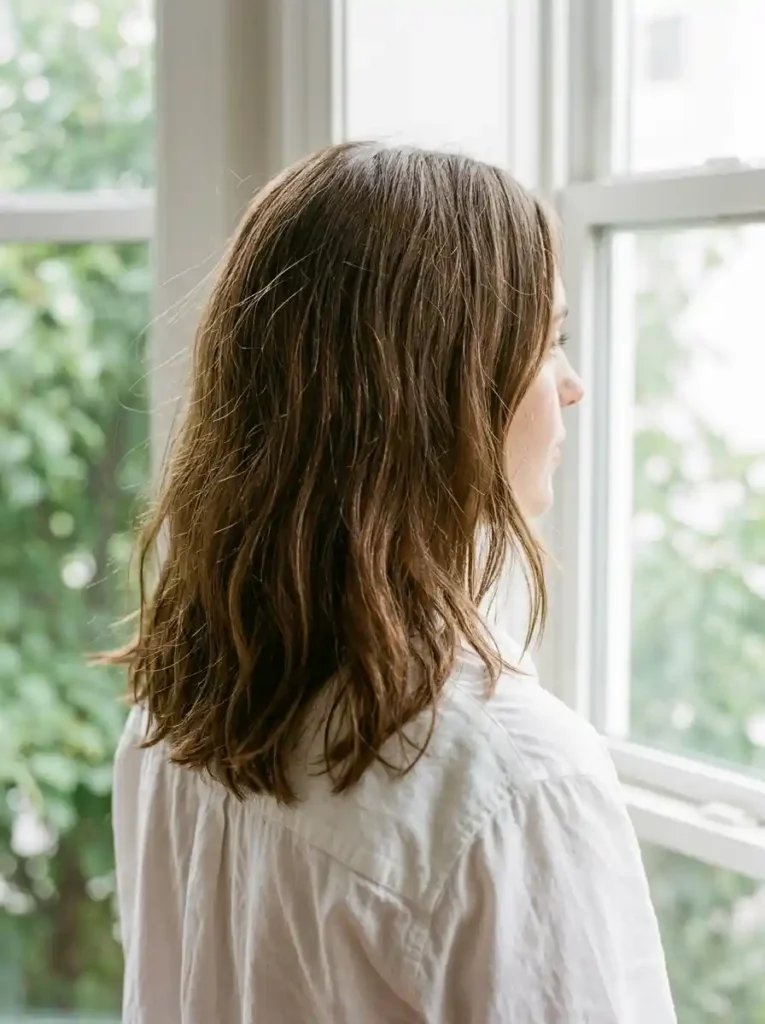
Not every brunette needs a dramatic color transformation. Subtle lowlights are perfect when you want your hair to look naturally dimensional rather than obviously colored. By introducing a few slightly deeper brown sections, your stylist can create gentle contrast while preserving the appearance of your original shade. This approach suits people who prefer understated beauty, wear their hair casually, or want a first experience with dimensional color. The result is particularly convincing when the darker tones blend seamlessly with your natural base.
For the most believable finish, request lowlights only a shade or two deeper than your existing hair, with careful placement through the interior sections. Avoid choosing a dramatic reference photo if your priority is a barely noticeable change. Your haircut and styling routine also influence the outcome: loose bends can reveal tonal differences, while very sleek hair may make them less obvious. This technique can be a sensible low-commitment option, although permanent color may still require maintenance as your roots grow or your hair is trimmed.
9. Face-Framing Brunette Lowlights
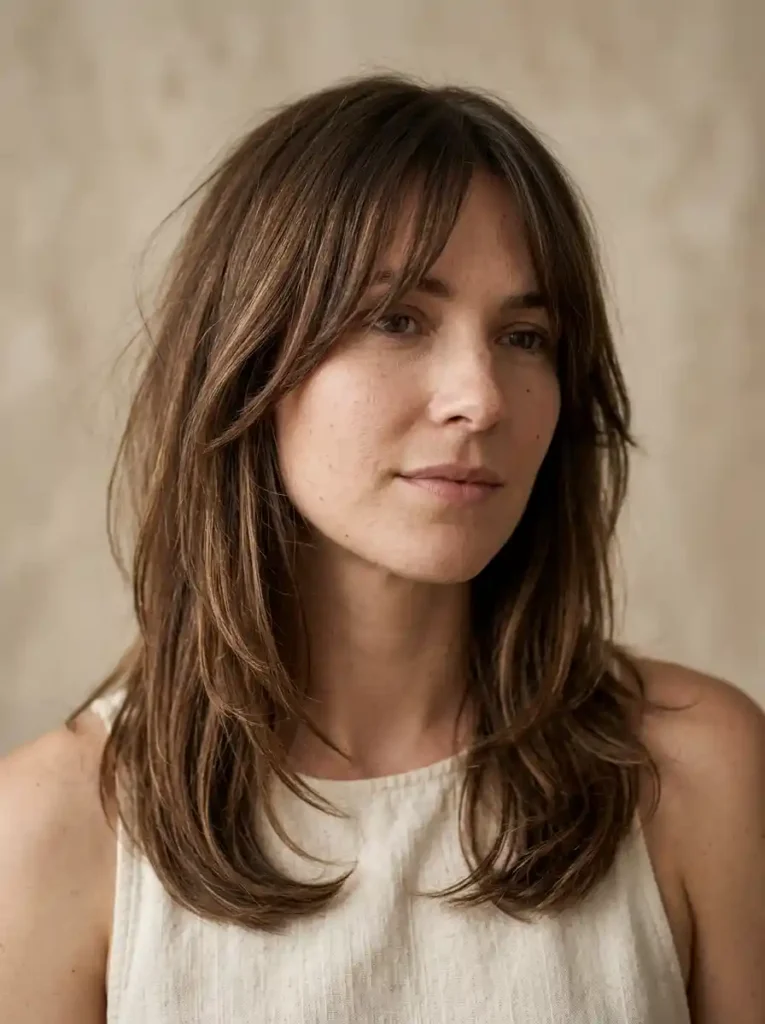
Face-framing lowlights offer a slightly different way to approach dimensional brunette color. Instead of focusing entirely on the back of the head, this technique uses deeper sections near the temples and around the front layers to emphasize the shape of the haircut. It can create a more sculpted appearance, particularly with curtain bangs, long layers, or collarbone-length styles. The effect is subtle but purposeful, giving the front of the hairstyle definition without requiring a high-contrast color throughout the entire head.
Placement is important because the darkest pieces can either complement the face or create a heavier-looking frame. Ask your stylist to consider your parting, fringe, and preferred everyday hairstyle before deciding where to place the lowlights. If you frequently wear your hair tied back, the front sections should still blend naturally with the rest of the color. Bring reference photos showing both the front and side views. This helps communicate how much contrast you want around your face and prevents the finished look from feeling disconnected.
10. Dimensional Lowlights for Long Layered Hair
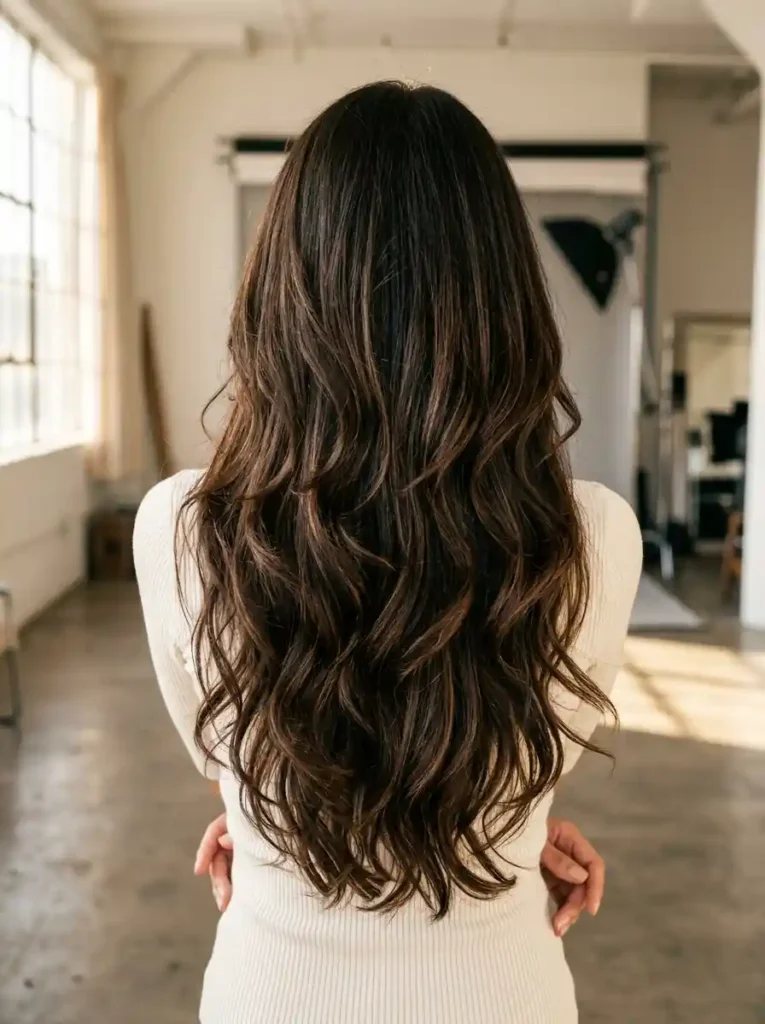
Long layered hair provides plenty of space for lowlights to create visible dimension. Deeper sections tucked beneath the upper layers can emphasize the haircut, making each curve and transition easier to see. This is particularly effective when the hair has face-framing pieces, long curtain bangs, or soft layers through the ends. Rather than relying on lighter streaks, the stylist uses darker tones to create depth, allowing the natural movement of the hairstyle to become the main feature.
Ask for a placement plan that follows your actual layers instead of applying lowlights in uniform horizontal sections. This helps the darker tones appear naturally connected to the haircut. If you often wear your hair in loose waves, let your stylist know, since the pattern can be designed to show through the curves. Long hair also means colored ends may experience more friction and heat exposure, so regular conditioning and careful detangling are important. Schedule trims as needed to maintain the shape and prevent dry ends from distracting from the color.
11. Brunette Lowlights on a Sleek Bob
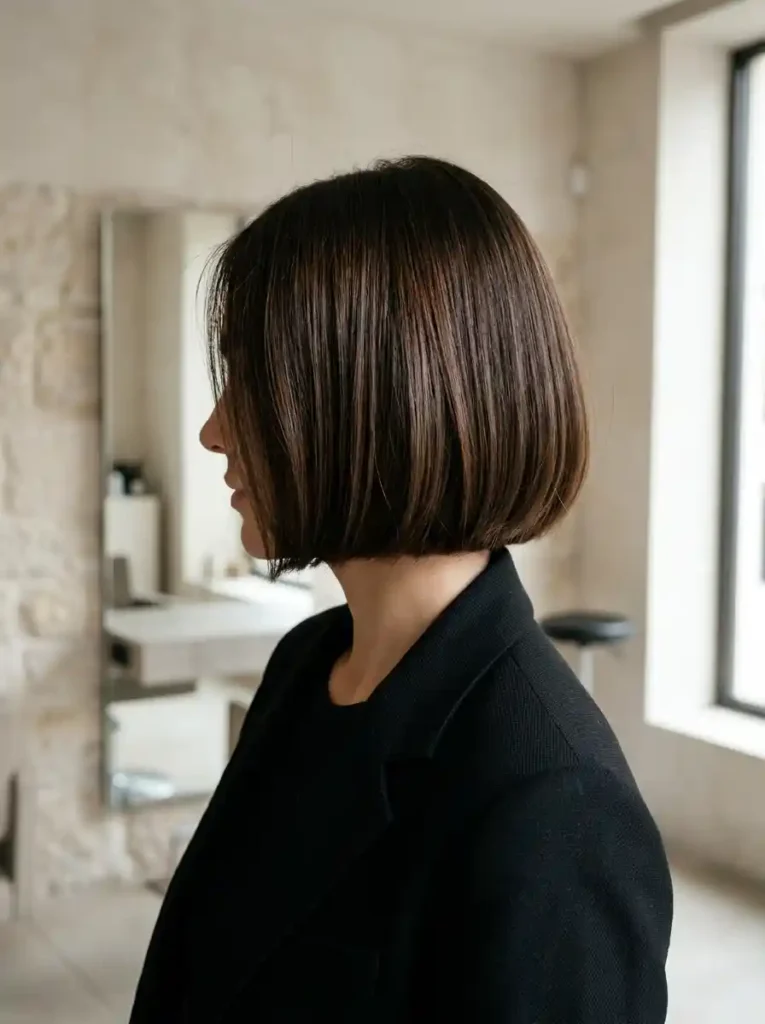
A sleek bob can make lowlights especially noticeable because the compact shape concentrates attention on the color and haircut together. Fine, deeper brown sections add definition without interrupting the clean outline of a blunt or slightly beveled bob. This option is appealing if you want a sophisticated change but prefer a polished style over long, flowing waves. The dimensional effect can also help a simple bob feel more personalized, particularly when the underlying color is otherwise uniform.
For a crisp finish, ask your stylist to keep the lowlights fine and strategically placed rather than creating obvious bands. The distribution should work with the direction of your part and the way the bob curves around your jawline. Since short haircuts show their shape clearly, regular trims help preserve the intended result. You may not need frequent color appointments if the lowlights are subtle and blended, but root growth and repeated styling can gradually change the overall appearance. A heat protectant is useful if you straighten your bob regularly.
12. Curly Brunette Hair with Dark Lowlights
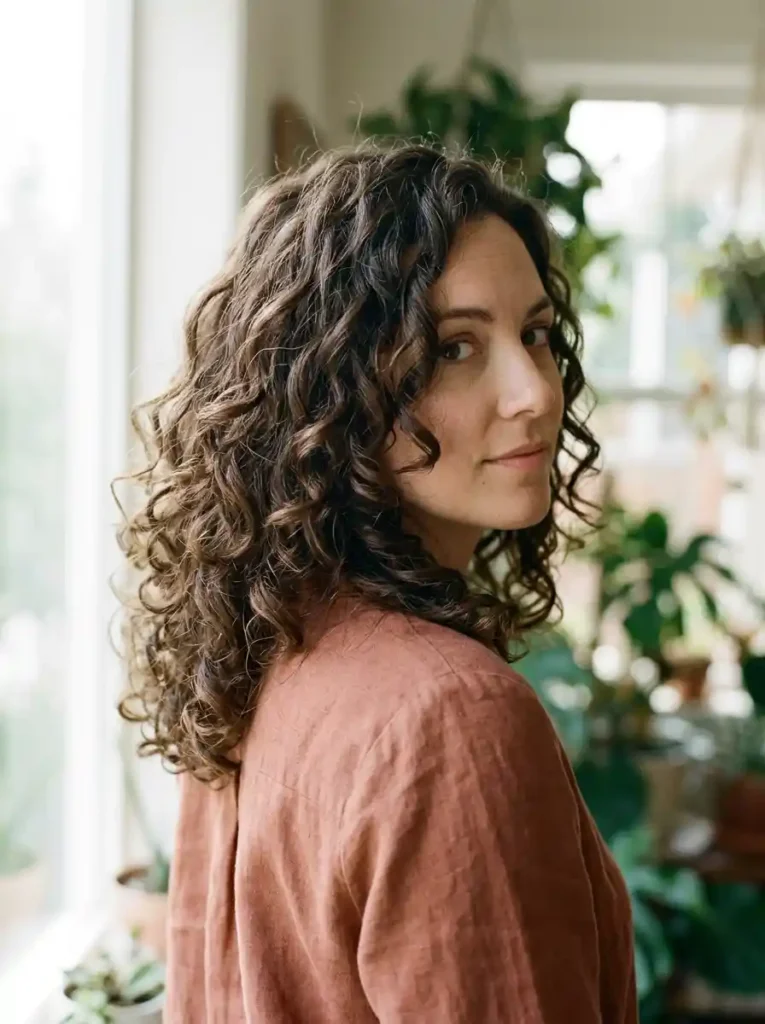
Dark lowlights can bring definition to curly brunette hair by creating contrast between neighboring curls. Because curls naturally form shadows, deeper brown sections can emphasize the shape and separation of the ringlets without requiring extensive lightening. This is a lovely choice if you want your curls to appear more dimensional while keeping the overall color rich. The effect can work on loose spirals, tighter ringlets, and layered curly cuts, provided the color placement respects the way your curls naturally fall.
Curly hair needs a thoughtful color consultation because its condition, density, and porosity influence the final result. Ask your stylist to examine your curls in their natural pattern and avoid designing the color solely around a straightened reference image. Deep lowlights can be strategically placed where they will remain visible rather than disappearing inside dense sections. Maintain moisture with a conditioner suited to your curl type, use a gentle detangling method, and limit unnecessary heat. If your curls already feel dry or fragile, discuss their condition before scheduling a color service.
13. Warm Mocha Lowlights for Everyday Elegance
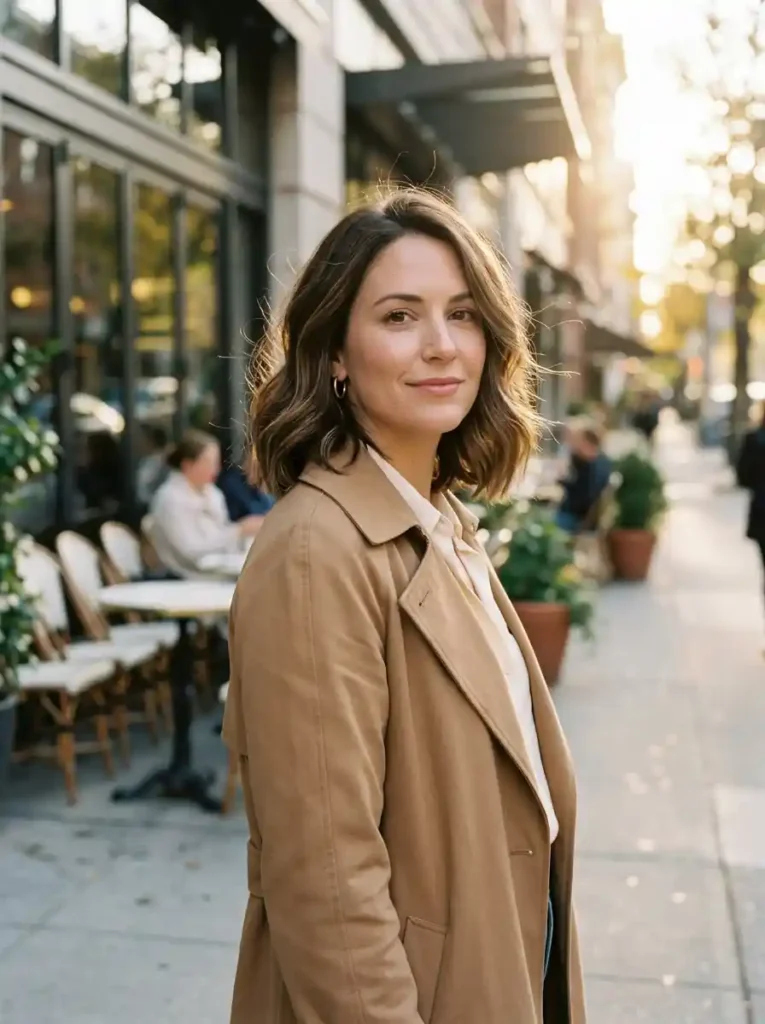
Warm mocha lowlights offer a balanced option between deep chocolate and lighter caramel tones. The color has a soft coffee-brown character that can complement a variety of medium brunette bases without appearing too red or too ashy. It is especially attractive for people who want a noticeable improvement in dimension but still need a hairstyle that feels appropriate for work, weekends, and formal occasions. The finish is understated, with the warmth becoming more visible in daylight than under indoor lighting.
When discussing mocha with your stylist, bring examples that show the actual depth you want, since the term can describe several different brown shades. A warm mocha formula may be ideal for one person and too golden for another. Ask for a blend that complements your natural root color so the grow-out remains harmonious. Soft waves can make the lowlights more visible, but straight styles will also showcase the subtle tonal variation. A color-safe conditioner and occasional salon gloss can help preserve a rich, polished finish.
14. Mahogany Lowlights for a Rich Brunette Finish
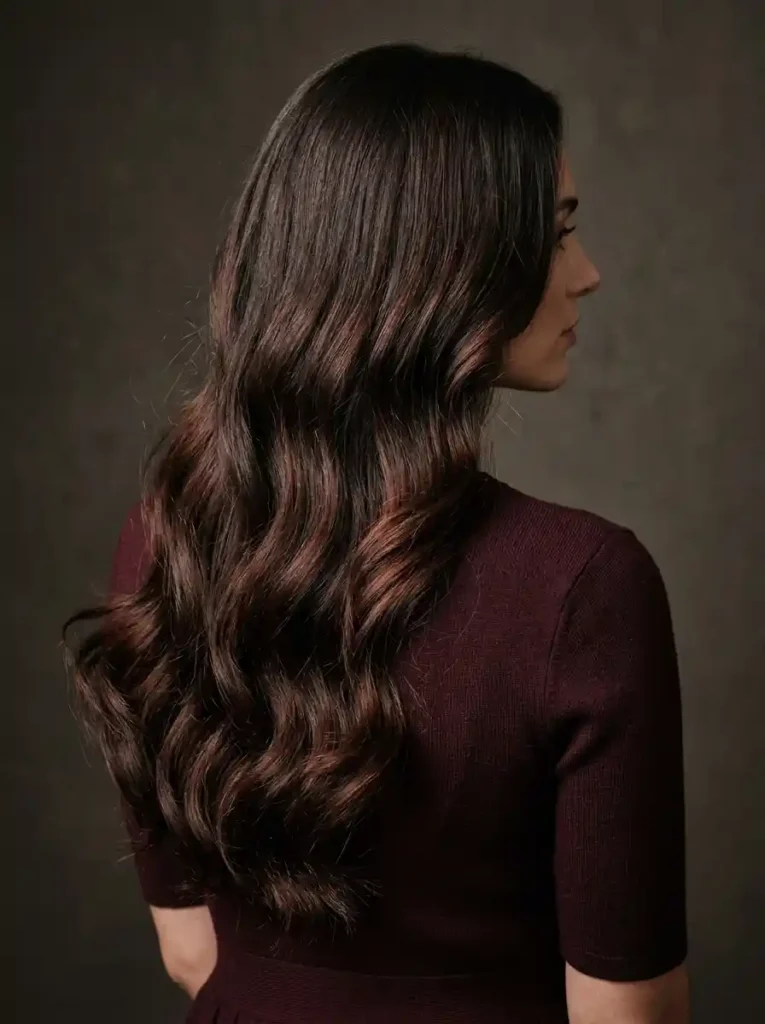
Mahogany lowlights introduce a restrained red-brown dimension that can make brunette hair feel richer and more expressive. Unlike bright red coloring, this approach relies on deep, muted tones that blend into a brown base. The effect is particularly attractive on dark chocolate hair, where the mahogany becomes noticeable when light falls across the waves. If you enjoy warm colors but do not want a distinctly red hairstyle, a subtle mahogany blend can provide personality while maintaining a sophisticated brunette appearance.
The key is controlling how much red undertone enters the formula. Ask your colorist to show you examples of deep mahogany rather than vivid burgundy, especially if you want a natural-looking result. Existing color can affect how these tones appear, so a professional assessment is helpful before choosing a formula. Red-based shades may change in appearance as they fade, making color-safe care worthwhile. If your hair is exposed to frequent sunlight or heat styling, ask your stylist how to preserve the desired depth between appointments.
15. Beige-Brown Lowlights for a Soft Neutral Blend
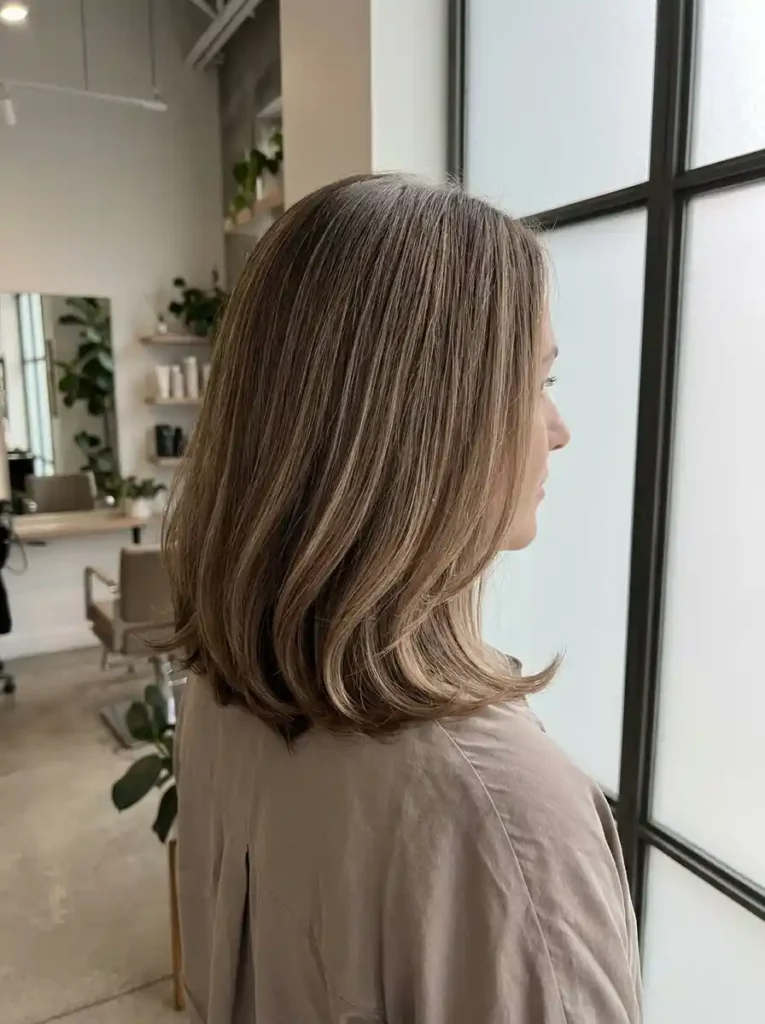
Beige-brown lowlights are a good option if you want a neutral brunette finish that sits comfortably between cool and warm color families. They can help create a soft transition in light brown hair without adding strong golden, red, or smoky undertones. The result is understated and versatile, making it suitable for professional settings and everyday wear. On a lob or medium-length layered cut, the gentle tonal variation gives the hair definition without overpowering the shape.
Because beige shades can vary considerably, it helps to explain whether you prefer a sandy neutral, a slightly cool taupe, or a warmer beige-brown. Your stylist can then select a tone that works with the underlying pigment in your hair. This is particularly important if your lengths have previously been lightened or colored. Ask for the lowlights to be blended softly at the root and through the lengths. The goal is a cohesive brunette palette, not a patchwork of unrelated shades that compete for attention.
16. Lowlights for Brunette Hair with Curtain Bangs
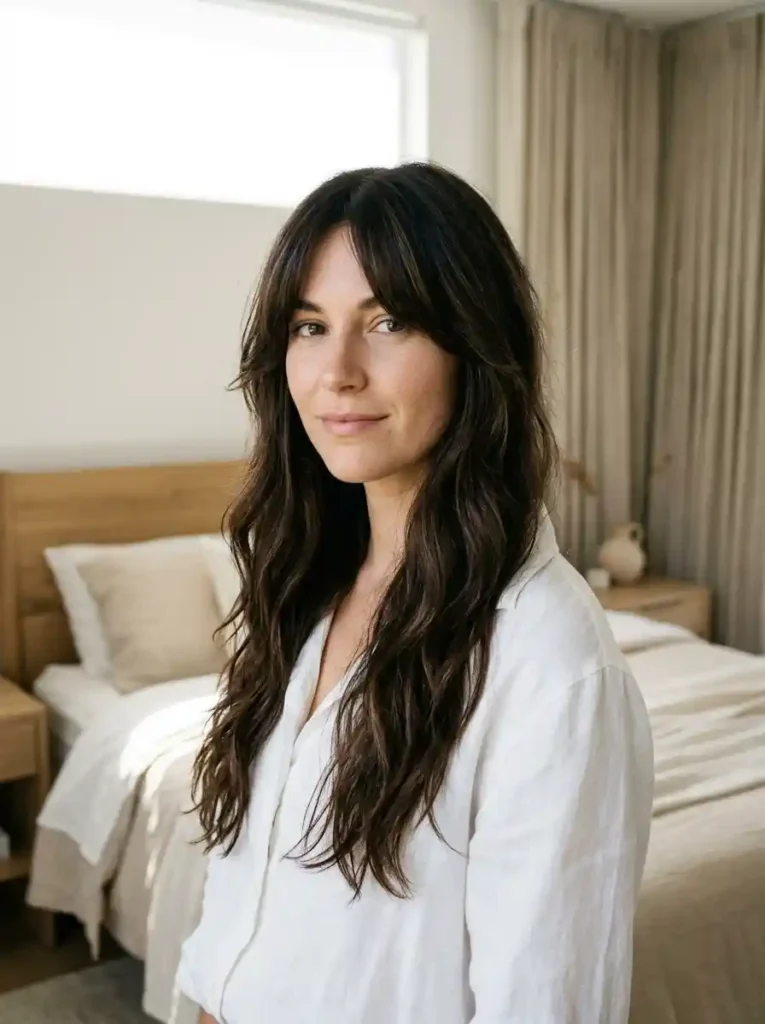
Curtain bangs already create movement around the forehead and cheekbones, and lowlights can help emphasize that shape. Slightly deeper brown strands woven through the surrounding layers create visual definition without requiring bright highlights. This combination is particularly attractive if your brunette hair looks uniform near the face or if your fringe blends too seamlessly into the rest of your haircut. The result keeps the overall color rich while giving the front sections a more intentional, sculpted appearance.
Tell your stylist how you usually wear your bangs, because a center part, a deep side part, and a rounded fringe reveal color differently. Lowlights should complement the direction of the hair rather than forming a dark block around the forehead. If you frequently blow-dry your bangs, use moderate heat and a suitable protectant to maintain their shape. Curtain bangs also require regular trimming to stay balanced, so coordinate haircut maintenance with color appointments when convenient. This helps preserve both the fringe and the dimensional effect.
17. Bronde Hair with Deeper Brunette Lowlights
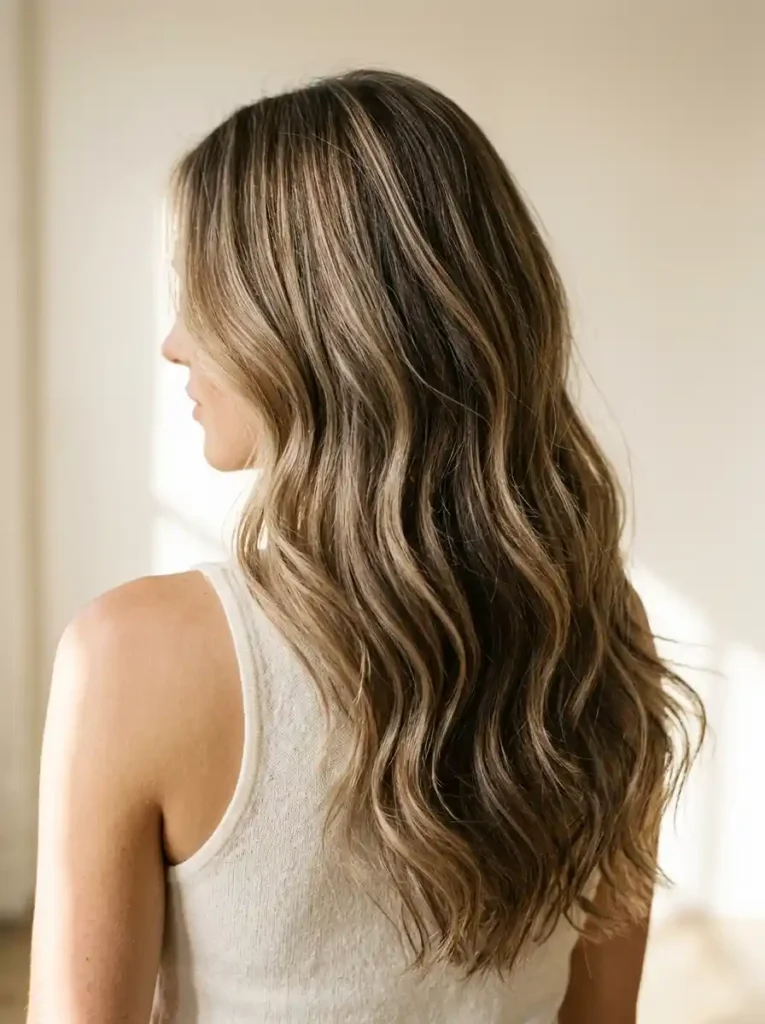
If your brunette hair has gradually become lighter through highlights, bronde lowlights can help restore the depth that may have disappeared. By weaving medium or dark brown sections among beige and blonde pieces, your stylist can create a more balanced color with greater contrast. This approach is useful when the ends look noticeably lighter than the roots or when the overall hairstyle has become too uniformly bright. The final result can still feel light and airy, but the brunette dimension gives it structure.
Before adding lowlights, discuss how much of your existing blonde you want to preserve. A few strategically placed deeper sections may be enough to restore balance, while a more extensive application can create a distinctly darker result. Previously lightened hair may absorb color differently from untreated roots, so a strand test and professional formulation can be helpful. Ask your stylist to blend the deeper tones rather than placing them in obvious stripes. A maintenance plan should account for both the brunette sections and the longevity of your lighter pieces.
18. Golden-Brown Hair with Deep Lowlights
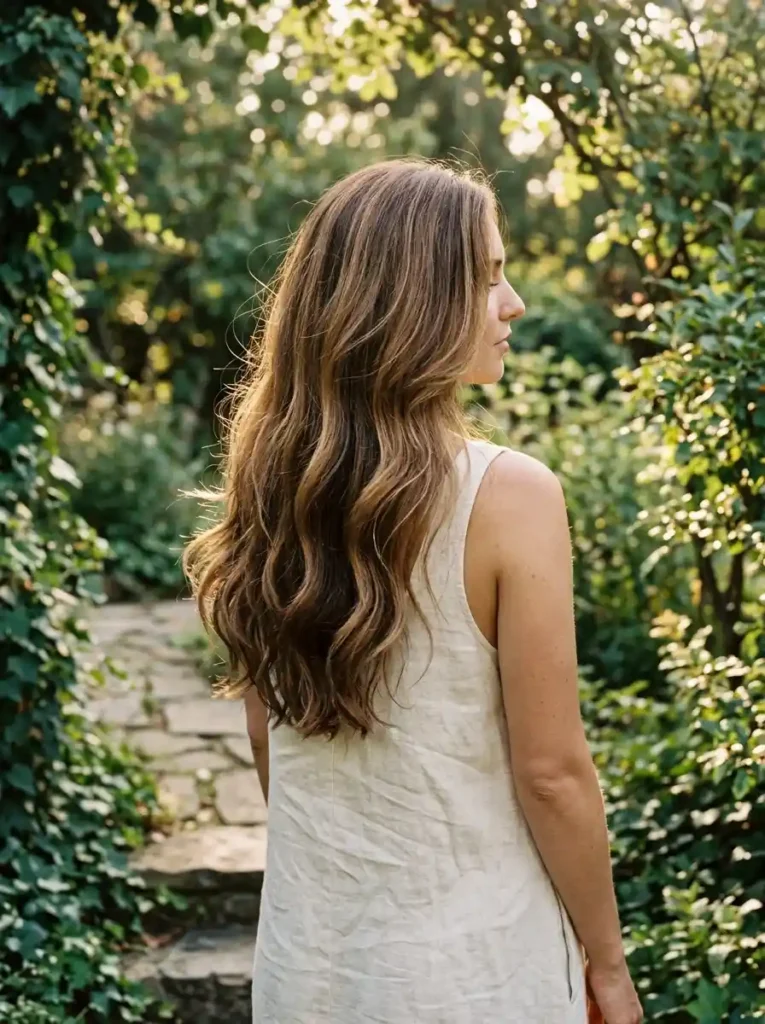
Golden-brown brunette hair can look beautiful with deeper lowlights because the contrast prevents the overall color from appearing overly uniform. Chocolate or medium espresso sections create depth beneath the warmer surface tones, allowing the golden-brown color to remain visible without dominating the entire hairstyle. This combination is especially appealing on long waves, where light moves across the surface while darker strands define the underlying shape. It offers a practical option if you enjoy warmth but want a more grounded brunette appearance.
Your stylist should choose the darker shade based on the actual depth of your golden-brown base, not just the color shown in a filtered photograph. If the contrast is too strong, the hair may look striped; if it is too subtle, the added color may barely register. Discuss how you usually style your hair so the lowlights can be placed where they will show naturally. To protect the warmer surface tones, use products designed for colored hair and avoid excessive high-heat styling.
19. Subtle Auburn-Brown Lowlights
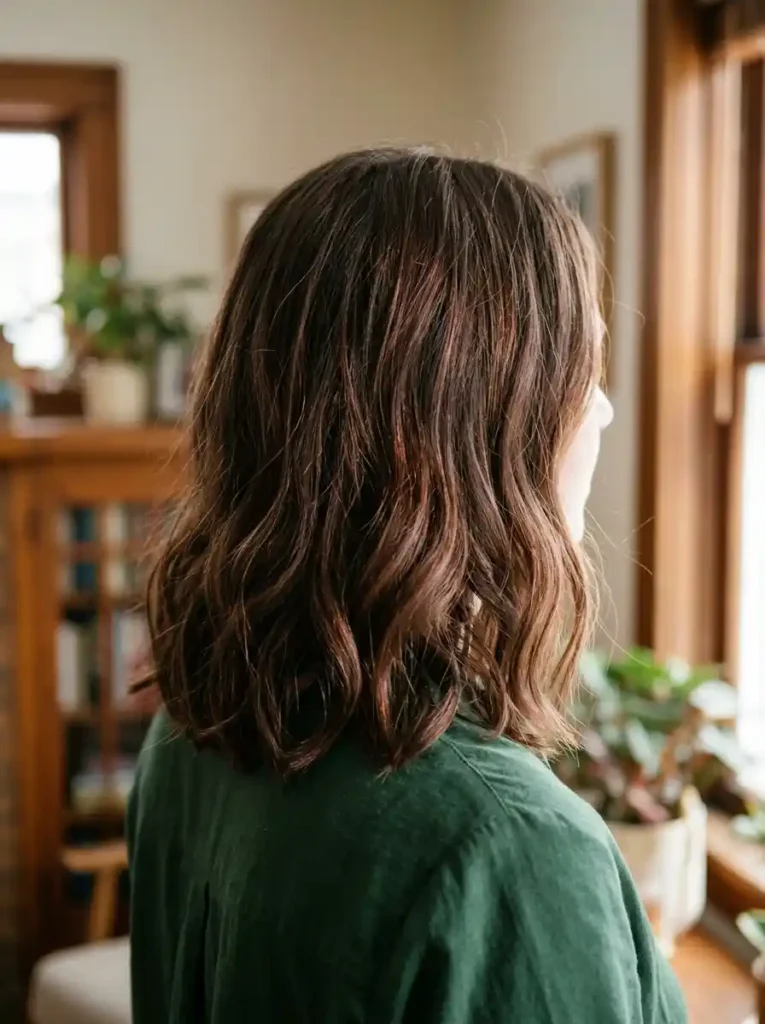
Auburn-brown lowlights are a gentle way to add reddish depth to brunette hair without choosing an obviously red color. The tones can be especially appealing if your natural hair already contains subtle warmth or if you enjoy autumn-inspired color palettes. Compared with brighter copper shades, auburn-brown remains grounded in the brunette family and usually looks more understated. On medium-length waves, the color creates small flashes of warmth as the strands shift, adding interest without dramatically changing your overall appearance.
The right auburn shade should be selected according to your base color and how much red you want to see in different lighting. Ask for muted auburn-brown rather than vivid copper if subtlety is your priority. Your stylist may recommend a small amount of color concentrated through the interior layers to avoid overwhelming the natural brunette base. Since red-based pigments can change in appearance as they fade, use a color-safe routine and discuss whether occasional glossing would help maintain the intended tone.
20. Lowlights for a Brunette Pixie Cut
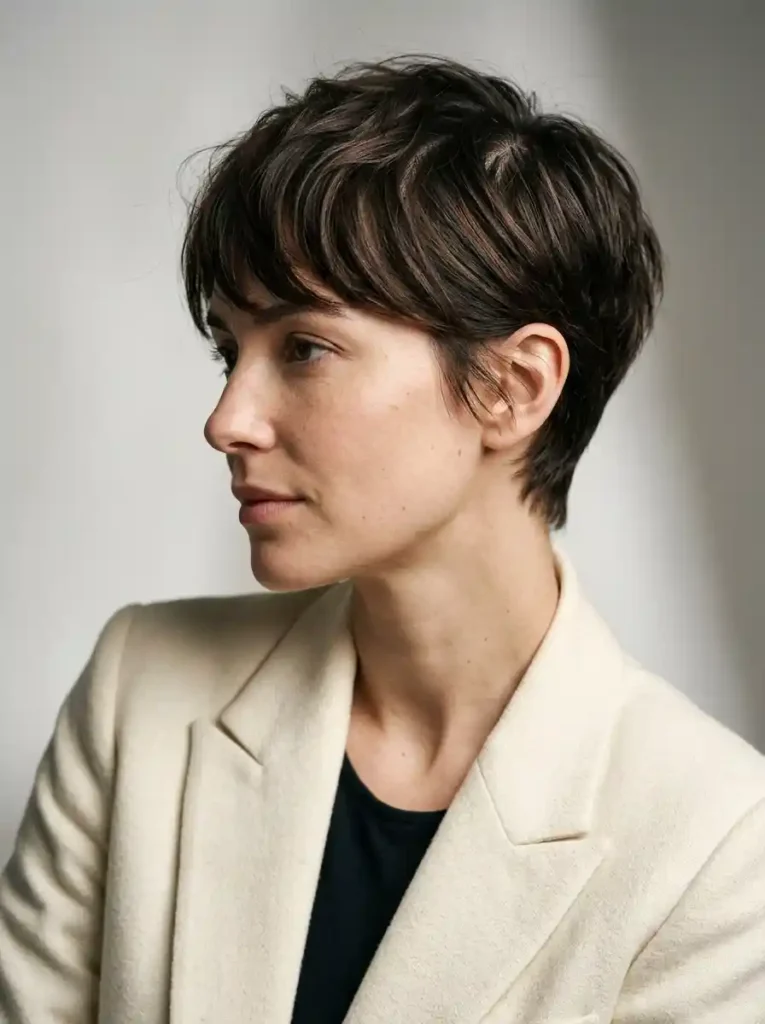
Lowlights can add definition to a pixie cut without relying on length or dramatic styling. Deeper brown sections placed through the longer top layers help distinguish individual pieces and emphasize the haircut’s shape. This is a useful option if your short brunette hair looks like one solid color or if you want more texture without introducing blonde highlights. The result can feel modern and polished while keeping the overall style low-key, especially when the darker tones remain close to your natural shade.
Because a pixie cut is short, placement needs to be especially precise. Ask your stylist to focus on the longer sections where the tonal variation will remain visible, rather than applying color indiscriminately across the head. The shape will also grow out quickly, so regular trims may be more important than frequent color refreshes. If you style the top with a texturizing cream, choose a lightweight formula that does not leave a heavy coating. This allows the different strands and subtle color variations to remain visible.
21. Deep Brunette Lowlights for Thick Hair
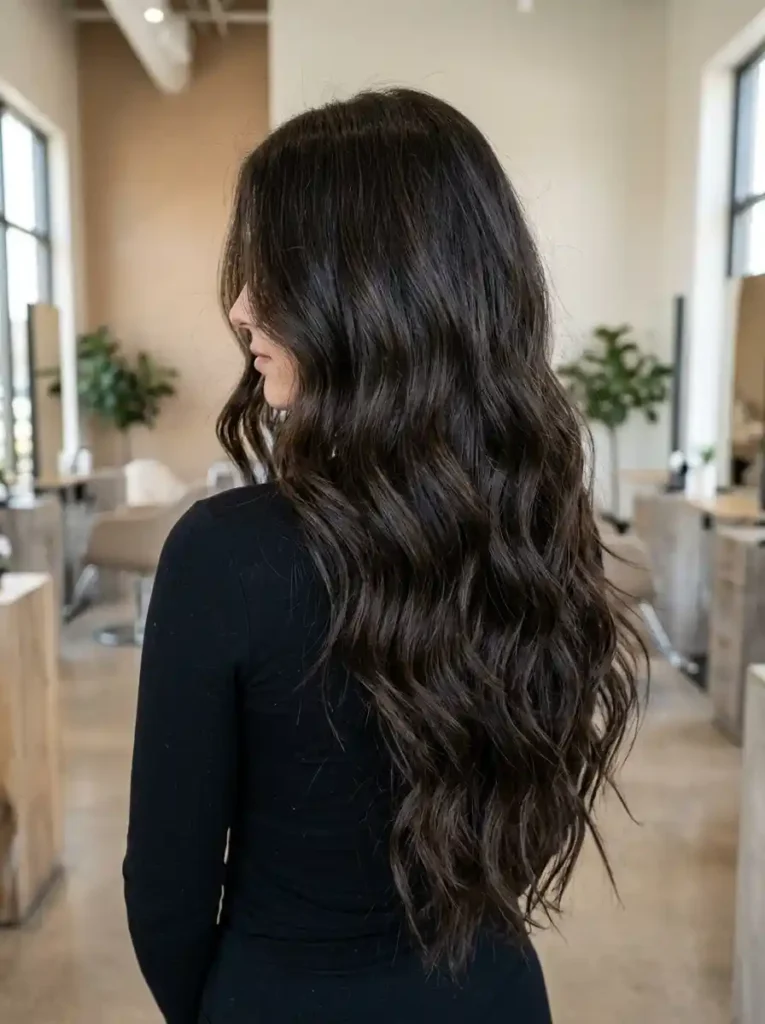
Thick brunette hair can sometimes appear like a single solid shape, particularly when it is very dark or cut with minimal layering. Deep lowlights create subtle separation between sections, helping the hair look more dimensional without making it lighter overall. This technique works well for people who want to preserve their natural brunette depth while bringing out the movement of waves or long layers. The effect is often understated when the hair is still, but becomes more visible as the style moves.
Your stylist should consider hair density and section size before applying the color. Very thick hair may need carefully planned placement to ensure the darker pieces are visible rather than hidden beneath the outer layer. Ask whether a few strategically positioned lowlights would achieve your goal more effectively than a dense application. For home care, concentrate conditioner on the lengths and ends, and detangle gently to reduce breakage. If you use curling tools to showcase your layers, apply heat protectant and choose a temperature appropriate for your hair’s condition.
22. Glossy Brunette Lowlights for a Polished Finish
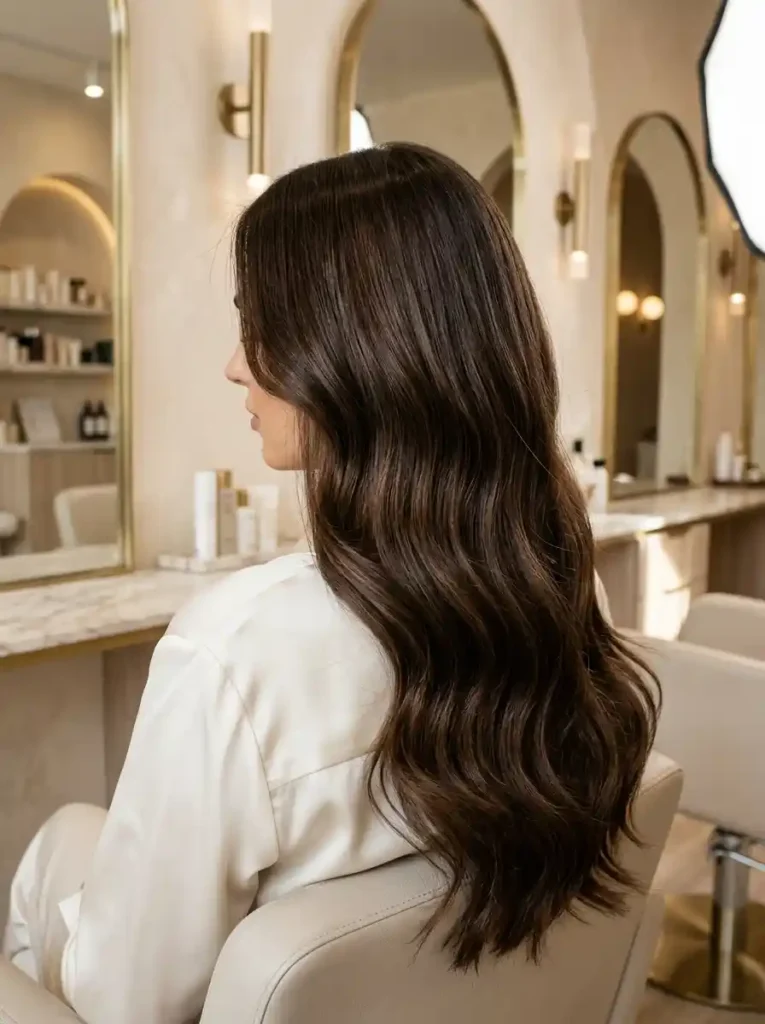
Glossy brunette lowlights combine tonal depth with a smooth, polished finish. Rather than creating a dramatic contrast, the technique focuses on blending deep chocolate or espresso sections into the existing brunette color so the overall result looks cohesive. This can be especially attractive on healthy-looking, well-conditioned hair, where gentle reflections help reveal the differences between shades. The look suits classic waves, sleek blowouts, and simple center-parted styles, making it a versatile choice if you want color that feels refined rather than trend-driven.
To achieve this effect, discuss both color and hair condition with your stylist. A glossing treatment may enhance shine and refine the overall tone, but it cannot repair structural damage or replace good conditioning habits. Ask for a shade combination that complements your natural color and a placement plan that remains attractive when your hair is worn straight or wavy. At home, limit excessive heat, use a suitable protectant, and avoid overwashing if your hair becomes dry. These small habits help maintain a smooth appearance between appointments.
Conclusion
Brunette lowlights offer plenty of ways to refresh your hairstyle without abandoning the richness of brown hair. Whether you love espresso depth, soft chocolate ribbons, cool mushroom tones, warm chestnut shades, or a carefully balanced bronde finish, the best choice is one that complements your existing color and feels comfortable with your personal style.
Before booking your appointment, consider three things: your natural hair depth, the haircut you wear most often, and how much maintenance you are willing to manage. Save a few reference photos that show the front, sides, and back of your preferred look, and ask your stylist which tones will work with your current hair color. Remember that lighting, previous color treatments, and hair condition can all affect the final result.
You do not need a dramatic transformation to make your brunette hair feel new. Sometimes, a few thoughtfully placed darker strands are enough to add depth, emphasize your layers, and give your everyday hairstyle a more polished finish.