
Blonde hair is beautiful in every season, but sometimes an all-over blonde color can start to look a little flat, overly bright, or difficult to maintain. If you love your blonde but want something that feels fresher without making a dramatic change, soft lowlights might be exactly what your hair needs. By weaving slightly darker shades through lighter strands, you can create natural-looking dimension, richer color, and a more blended finish.
The best part is that lowlights are incredibly versatile. You can choose delicate beige ribbons for a subtle refresh, warm caramel tones for a sun-kissed effect, or deeper mushroom shades for a sophisticated, cool-toned look. They can also help soften harsh highlights, add visual fullness to fine hair, and make your blonde grow out more gracefully.
In this guide, you’ll discover 21 soft lowlight ideas for blonde hair, from barely-there color combinations to more noticeable dimensional blends. Each look offers inspiration for different blonde shades, hair lengths, and personal styles, along with practical tips to help you discuss your preferred result with your colorist.
1. Beige Blonde Lowlights for Effortless Dimension
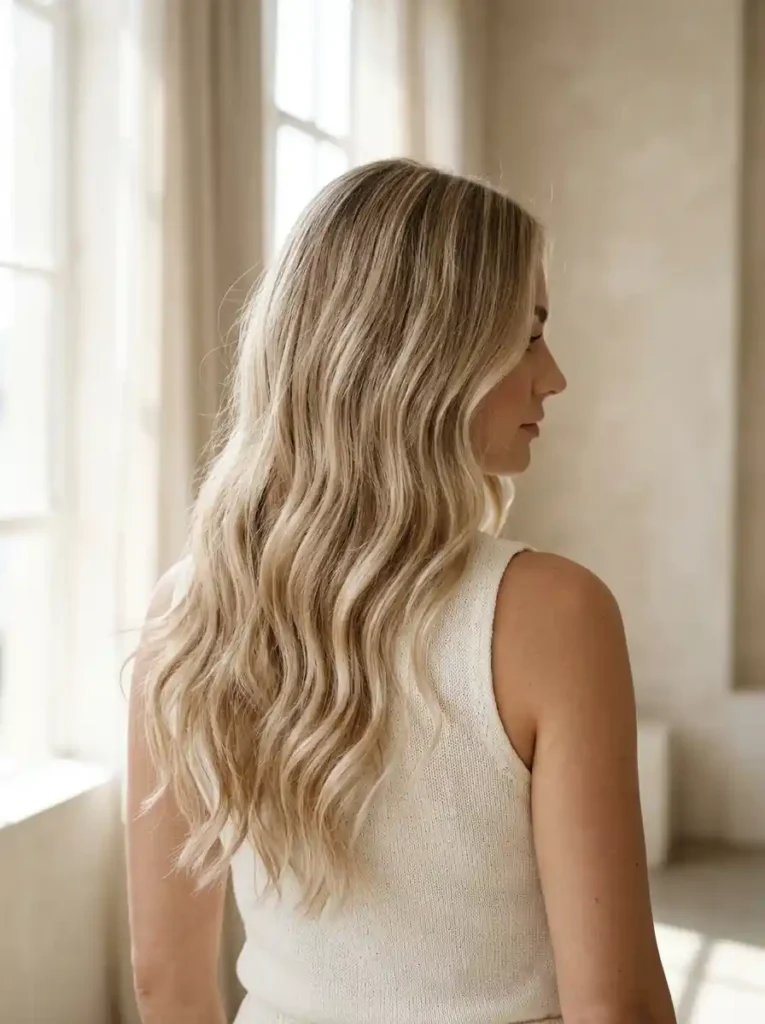
Beige blonde lowlights are ideal if you want your hair to look more dimensional without introducing a dramatic color change. The muted, sandy undertones blend beautifully with neutral blonde highlights, creating a balanced finish that looks natural in different lighting. Ask your colorist for fine, strategically placed sections rather than thick contrasting streaks. This approach works especially well on long layers, shoulder-length cuts, and softly waved styles where the subtle shifts between shades can catch the light.
To keep the result sophisticated, choose a lowlight shade only a few levels darker than your existing blonde. Beige tones can help bridge the gap between overly icy highlights and warmer natural roots, making the overall color appear more cohesive. A color-safe shampoo and regular conditioning treatments help preserve softness and shine. If your hair is already very light, discuss strand placement and processing carefully with your stylist so the finished look remains blended rather than developing obvious dark bands.
2. Honey Blonde Lowlights for Warm, Sunlit Hair
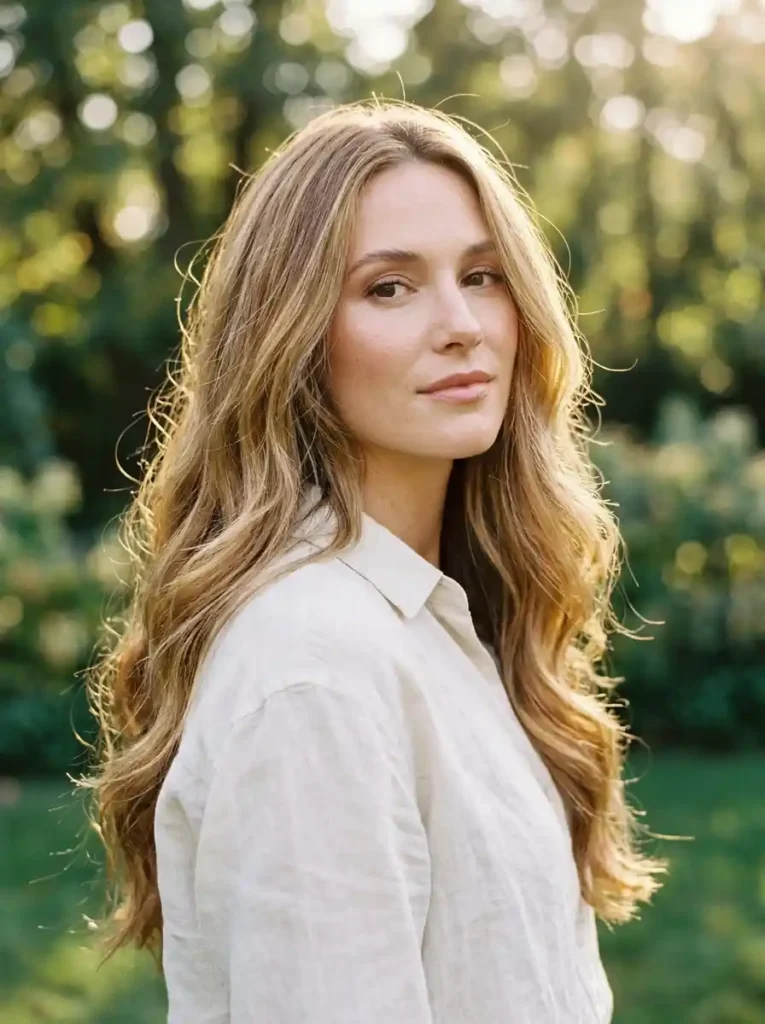
Honey blonde lowlights bring warmth and depth to blonde hair without making it look noticeably darker overall. Their golden undertones pair especially well with buttery highlights, creating a rich finish reminiscent of naturally sunlit hair. This combination can be particularly flattering if your blonde already has warm or neutral tones. Ask for fine honey ribbons through the crown and mid-lengths, with a few softer pieces near the face to maintain brightness where it matters most.
This look is worth considering if your current blonde feels pale or slightly washed out. Honey lowlights can restore visual richness, particularly when paired with loose waves that reveal different shades as the hair moves. To avoid an overly brassy result, explain whether you prefer a golden finish or a more muted caramel-honey blend. Your stylist can adjust the formula accordingly. Use a moisturizing mask regularly, since hydrated hair reflects light more evenly and helps warm blonde color look polished rather than dull.
3. Mushroom Blonde Lowlights for a Cool, Modern Finish
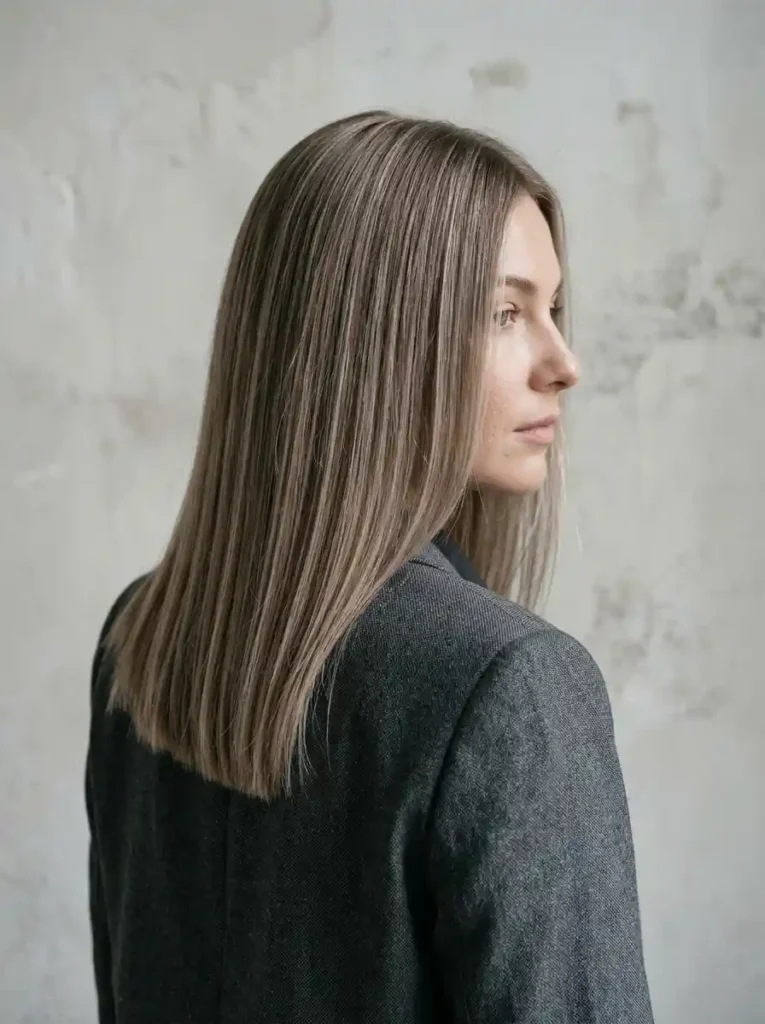
Mushroom blonde lowlights offer a refined alternative to traditional golden shades. Their taupe, beige-brown, and muted ash undertones create a cool, understated blend that works beautifully with neutral blonde or naturally darker roots. This color combination is especially appealing if you prefer a modern, minimalist aesthetic. It can also soften the contrast between bright salon highlights and your natural base, giving the hair a more integrated appearance without sacrificing the lightness you enjoy.
For the most believable result, avoid choosing an extremely dark ash shade against very pale blonde hair unless you specifically want stronger contrast. Instead, ask for a customized taupe formula that complements your existing color. Mushroom tones may need adjustments depending on your hair’s underlying warmth and previous color history. A stylist can help prevent the finished shade from looking muddy or overly gray. Sleek bobs, polished blowouts, and soft bends all show off this sophisticated lowlight combination beautifully.
4. Caramel Lowlights on Blonde Hair for Rich Contrast
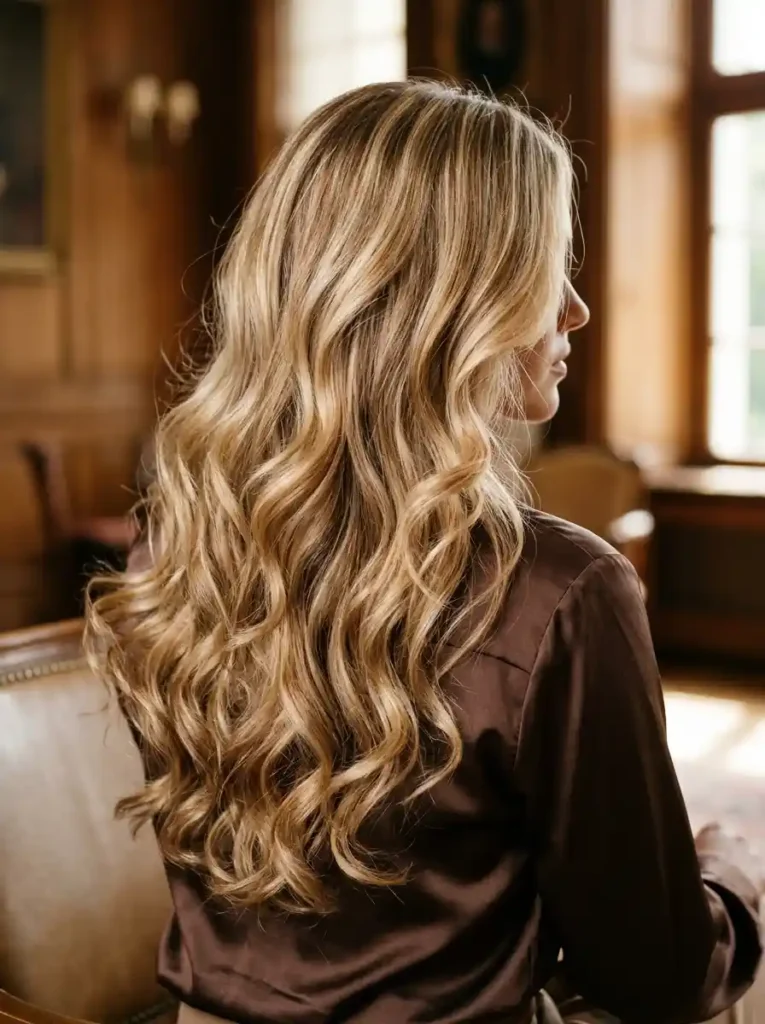
Caramel lowlights are an excellent choice when you want your blonde to feel richer and more defined. The warm brown-gold shade creates more visible depth than beige lowlights while remaining softer than a traditional brunette transformation. It pairs especially well with golden blonde, dark blonde, and creamy champagne shades. For a balanced result, ask your colorist to distribute caramel pieces through the interior layers rather than placing every darker section directly on top.
The key to keeping caramel lowlights elegant is choosing a shade that complements your existing blonde instead of competing with it. If your hair is very light and cool, a neutral caramel may blend more naturally than an intensely orange-gold formula. Large curls and brushed-out waves reveal the tonal variation particularly well, but straight hair can showcase the placement just as effectively. Consider refreshing the tone during your regular color appointment rather than repeatedly darkening the same sections, which can lead to unnecessary buildup.
5. Champagne Blonde with Soft Sandy Lowlights
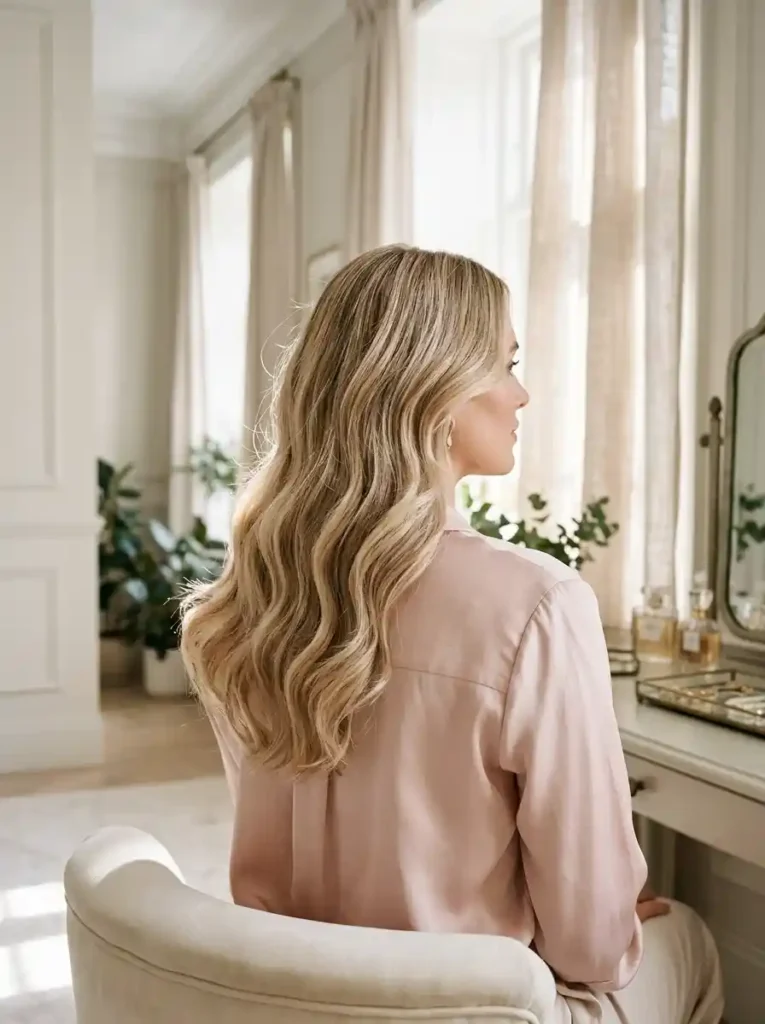
Champagne blonde can look incredibly elegant, but a very uniform finish sometimes lacks the depth that makes hair appear naturally varied. Sandy lowlights introduce a slightly deeper, neutral-beige shade that grounds the lighter champagne pieces. The result feels soft and sophisticated rather than strongly striped. This combination suits people who enjoy a luminous blonde but want more definition through the lengths. It works particularly well with long layers, curtain bangs, and medium-length cuts with movement.
When requesting this color, describe the finish you want rather than relying on the shade names alone. Champagne can lean cool, neutral, or slightly warm depending on the formula, while sandy lowlights vary in depth. Your colorist should assess the existing blonde and place darker pieces where they will create dimension without hiding the brighter sections. For styling, a large-barrel curling iron or a loose blowout can reveal the blend. A lightweight heat protectant helps maintain smoothness without weighing down fine hair.
6. Rooted Blonde with Seamless Soft Lowlights
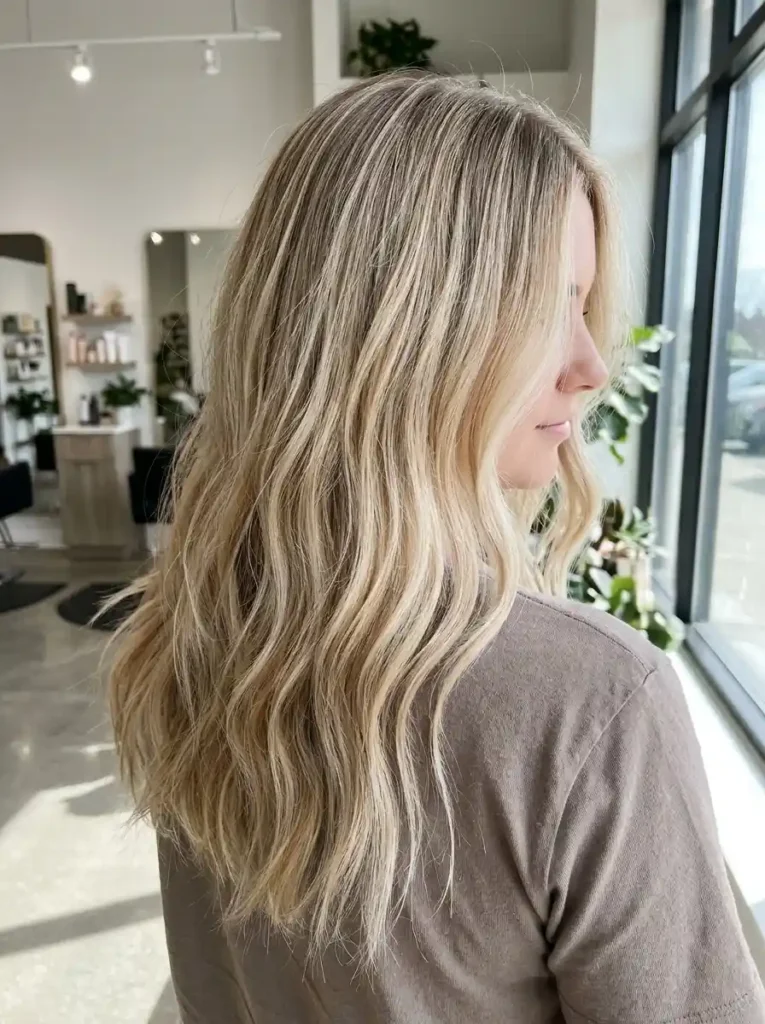
A rooted blonde look with soft lowlights is a practical option for anyone who wants a dimensional color that does not require frequent root touch-ups. The darker root area blends into fine lowlights through the lengths, creating a gradual transition from natural-looking depth to lighter ends. This can be particularly helpful if your natural hair is dark blonde or light brown and your previous highlights created a strong line of regrowth.
Ask your stylist to distinguish between the root melt and the lowlights, because they serve different purposes. The root melt softens the transition near the scalp, while lowlights add variation farther down the hair. Together, they can create a cohesive result that grows out more gently than uniformly bright blonde. Your appointment schedule will depend on your natural color, contrast, and desired brightness. If you enjoy wearing your hair in a ponytail or loose bun, request thoughtful placement around the hairline so the color remains blended when your hair is pulled back.
7. Pearl Blonde with Subtle Taupe Lowlights
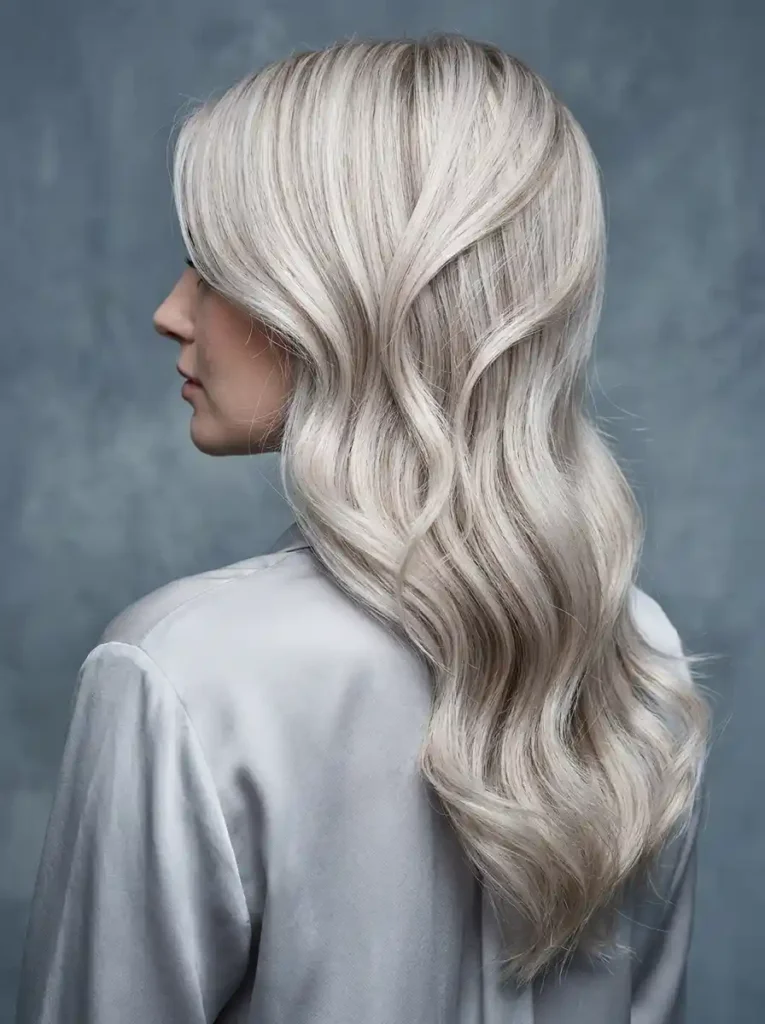
Pearl blonde is prized for its luminous, refined appearance, but very pale hair can sometimes look visually uniform. Fine taupe lowlights add a quiet contrast that makes the pearly strands appear more distinct without introducing obvious brown streaks. This is a lovely option if you prefer cool-toned blonde and want to preserve its brightness. It is especially effective on medium-length hair with soft movement, where the lowlights create depth without overwhelming the lighter surface.
Because pearl blonde often requires significant lightening, hair condition should guide the coloring plan. Ask your stylist to assess the porosity of your ends before applying a darker formula, as highly porous hair can absorb pigment unevenly. A gentle, strand-tested approach can help produce a softer result. Use a nourishing conditioner and avoid excessive heat styling to support the smooth texture that makes pearl blonde look its best. If you use purple shampoo, apply it according to the product instructions rather than assuming more frequent use will improve every cool blonde shade.
8. Buttery Blonde with Soft Golden-Brown Lowlights
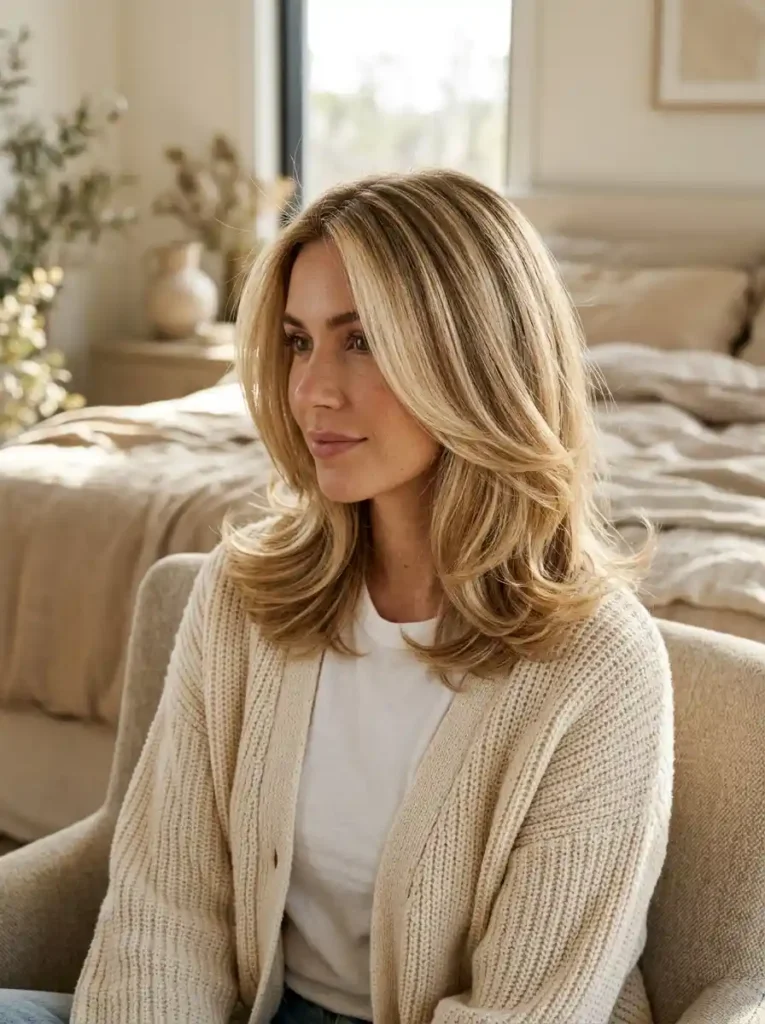
Buttery blonde has a soft, creamy warmth that feels inviting without being as intensely golden as some traditional blonde shades. Adding golden-brown lowlights gives this color more structure, especially around the lower layers and underneath the crown. The combination is ideal if your blonde looks overly uniform or you want a warmer seasonal refresh without moving into a full caramel color. Shoulder-length cuts and layered blowouts help display the blend through natural movement.
For a wearable result, ask for lowlights that echo the warmth already present in your blonde rather than introducing a contrasting red or copper tone. The darker sections should provide depth, not become the dominant color. A round-brush blowout can lift the roots and turn the ends slightly inward, revealing the different tones as the hair moves. If you prefer an effortless everyday routine, loose bends created with a flat iron can achieve a similar effect without requiring a salon-style finish every morning.
9. Vanilla Blonde with Delicate Dark Blonde Lowlights
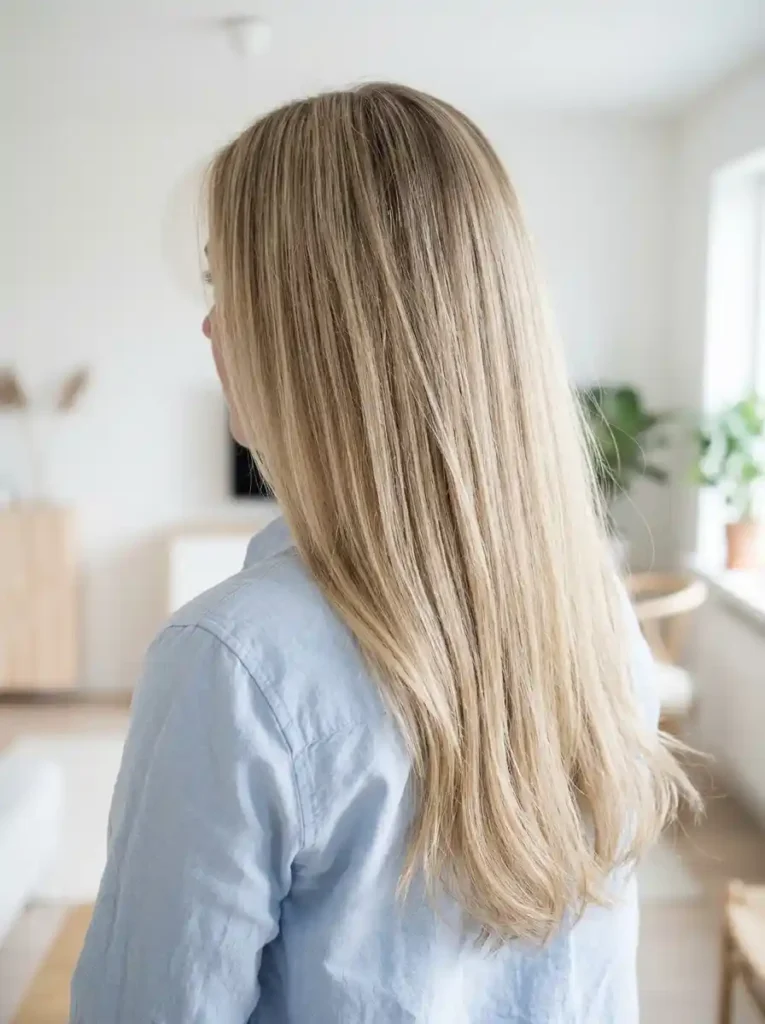
Vanilla blonde sits between pale cream and soft neutral blonde, making it a versatile base for delicate dark blonde lowlights. The slightly deeper strands restore definition while keeping the overall color light and airy. This pairing is particularly suitable for people who want a subtle change that remains recognizable as blonde from every angle. Fine lowlights can also help visually break up large areas of solid-looking color, especially on long, straight hair.
The most important detail is choosing a dark blonde shade that feels connected to your natural base. If the lowlights are too deep or too warm, they can appear disconnected from the vanilla blonde. Ask for thin sections placed at varying intervals instead of perfectly uniform stripes. Straight styling makes placement easy to appreciate, while a gentle bend through the ends prevents the finish from looking too flat. To maintain a fresh appearance between appointments, focus on conditioning and gentle brushing rather than frequent corrective toning.
10. Bronde Lowlights for a Blonde-Brunette Blend
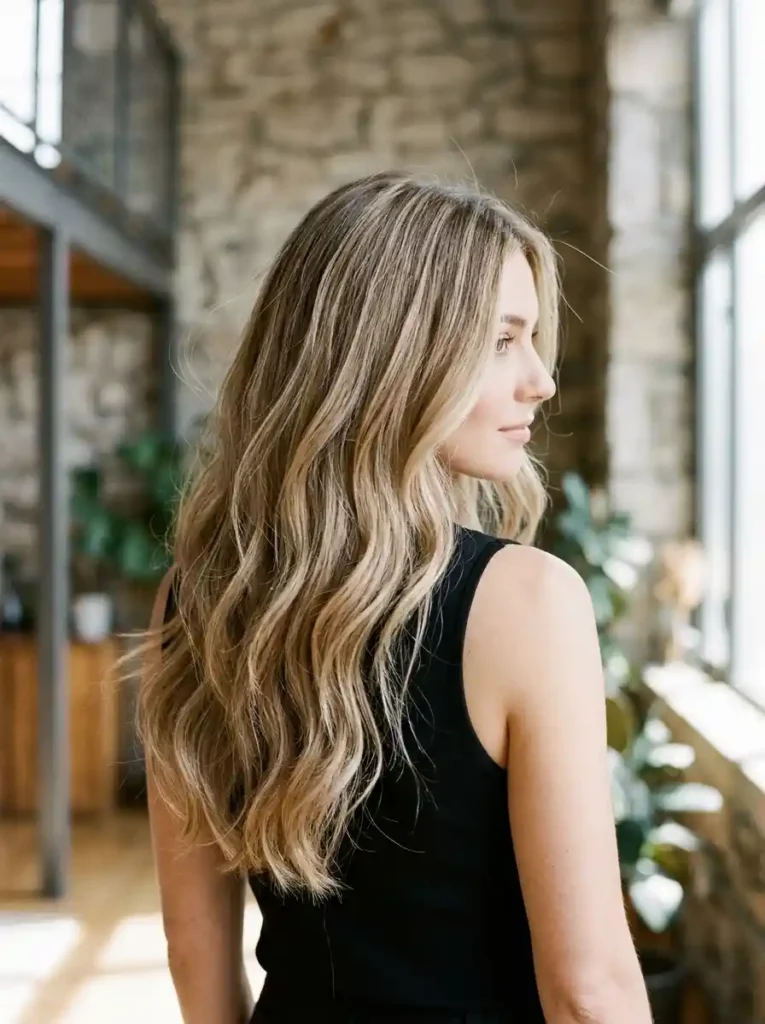
Bronde is a useful choice if you love blonde but are ready for a little more depth. By combining light brown lowlights with blonde highlights, your colorist can create a balanced shade that sits comfortably between the two. This approach is especially appealing for natural brunettes who have been wearing highlights and want a softer transition back toward their base color. It also suits dark blonde hair that needs more definition without a complete color overhaul.
Unlike a single all-over brunette color, bronde preserves lighter sections around the face and through the lengths. Ask your stylist to identify which blonde pieces should remain bright and where deeper sections will create the most natural balance. The placement can be customized to your haircut, parting, and styling habits. Bronde often works well with less frequent highlighting, although the actual maintenance depends on your starting shade. A gloss may help refresh tone and shine, but it cannot replace every service needed to maintain your specific color.
11. Rose Beige Blonde with Muted Brown Lowlights
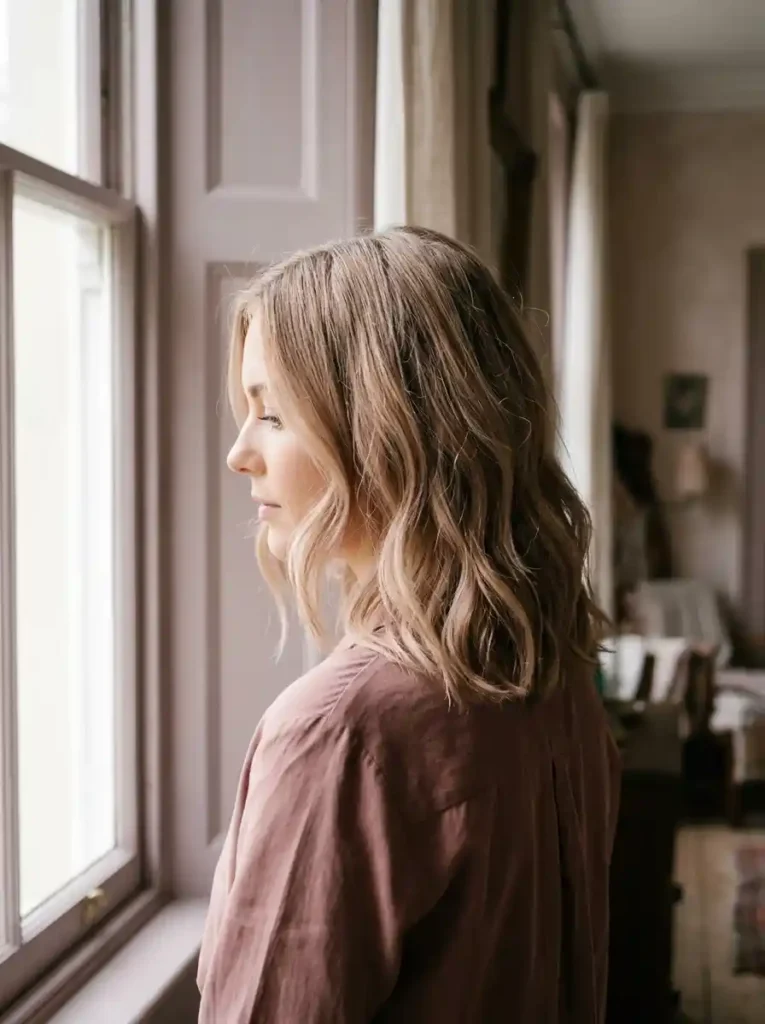
Rose beige blonde introduces a subtle rosy cast to a neutral blonde base, creating a distinctive color that remains wearable rather than overtly pink. Muted brown lowlights add structure to the soft blush tones, preventing the overall shade from appearing too flat. This combination can suit anyone who enjoys understated fashion colors but wants something more natural than vivid rose gold. It looks particularly attractive on shoulder-length layers, soft waves, and textured lob haircuts.
To get the right balance, ask for a beige foundation with a restrained rosy tone and lowlights that lean neutral rather than strongly red. The goal is a nuanced color, not a collection of visibly pink and brown stripes. Your stylist may recommend a gloss to refine the tonal finish, depending on your starting color and hair condition. Because rosy tones can fade differently from natural blonde shades, ask how the color is expected to change over time and whether a tinted conditioner would be appropriate for your specific formula.
12. Ash Blonde with Soft Light-Brown Lowlights
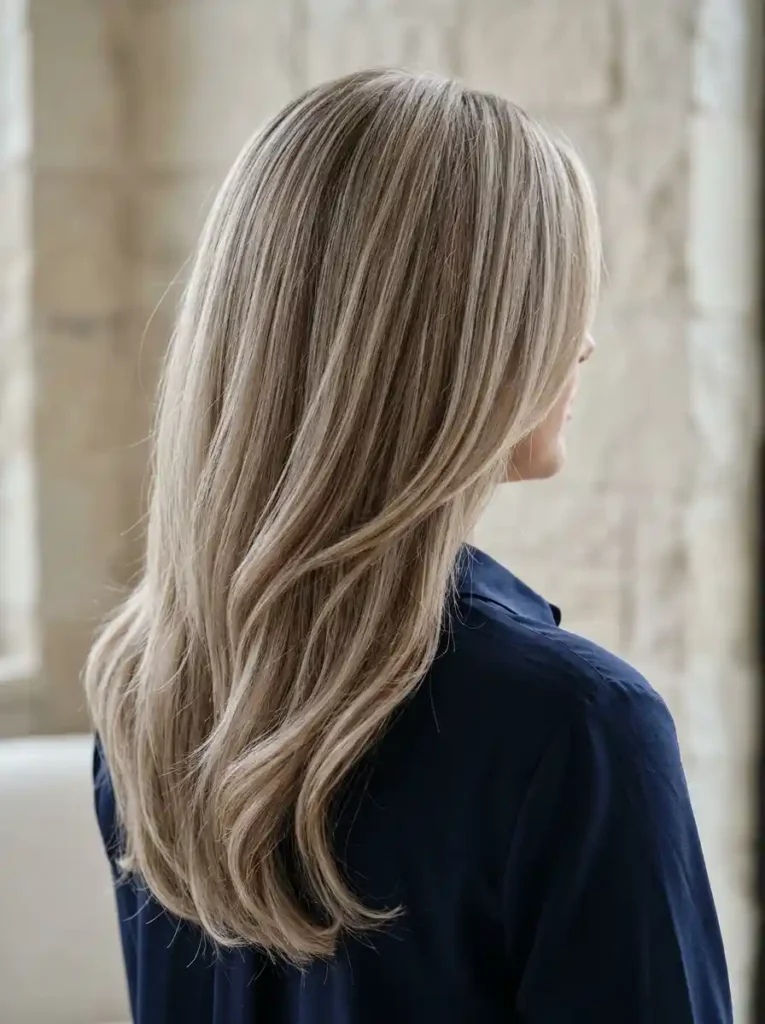
Ash blonde can be strikingly elegant, especially when the shade is clean and even. However, when every strand sits at a similar level, the overall finish may appear less dimensional than you would like. Soft light-brown lowlights add contrast without introducing excessive warmth, helping define layers and create a more natural-looking blend. This pairing is well suited to people who prefer cool-toned hair and want a subtle refresh rather than a major shift in color.
Your colorist should consider the underlying pigment in both your current blonde and the chosen lowlight formula. A neutral light brown may blend more naturally than an extremely ashy brown, which can sometimes look dull against certain blonde bases. Explain whether you want the darker pieces to be noticeable in daylight or barely visible indoors. A smooth blowout or relaxed waves will reveal the tonal variation, while a blunt cut can make the result look especially modern and precise.
13. Creamy Blonde with Toasted Almond Lowlights
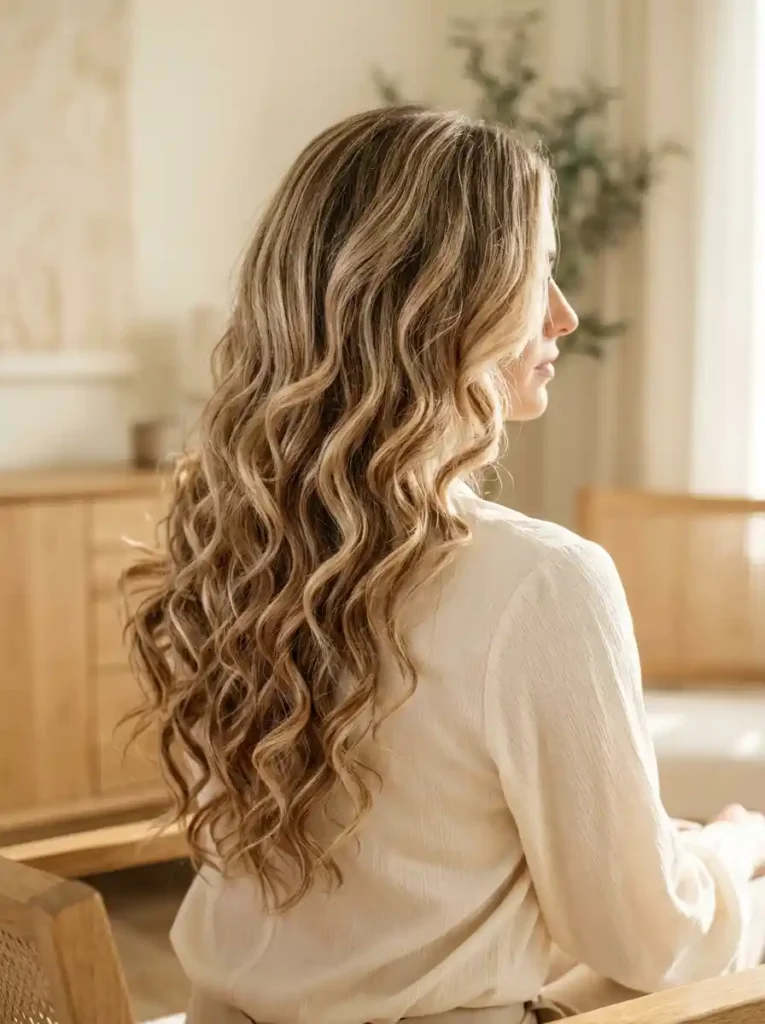
Toasted almond lowlights add a soft, nutty depth to creamy blonde hair. The shade is generally more muted than caramel and less cool than mushroom brown, making it a useful middle ground for anyone who wants dimension without an obvious golden or gray cast. It pairs beautifully with creamy highlights and layered haircuts, creating a rich finish that still reads as blonde. The color is particularly effective when darker pieces are scattered through the mid-lengths and lower layers.
This combination works best when the almond shade complements the warmth already present in your blonde. If your hair is very pale, ask for a gentle, customized depth rather than a strong brown contrast. Toasted almond can be especially attractive on long curls because the darker sections create definition between the lighter curves. For everyday styling, try a loose braid overnight on dry or slightly damp hair, following safe drying practices for your hair type, to create relaxed waves that reveal the dimensional color without excessive heat.
14. Strawberry Blonde with Soft Copper-Brown Lowlights
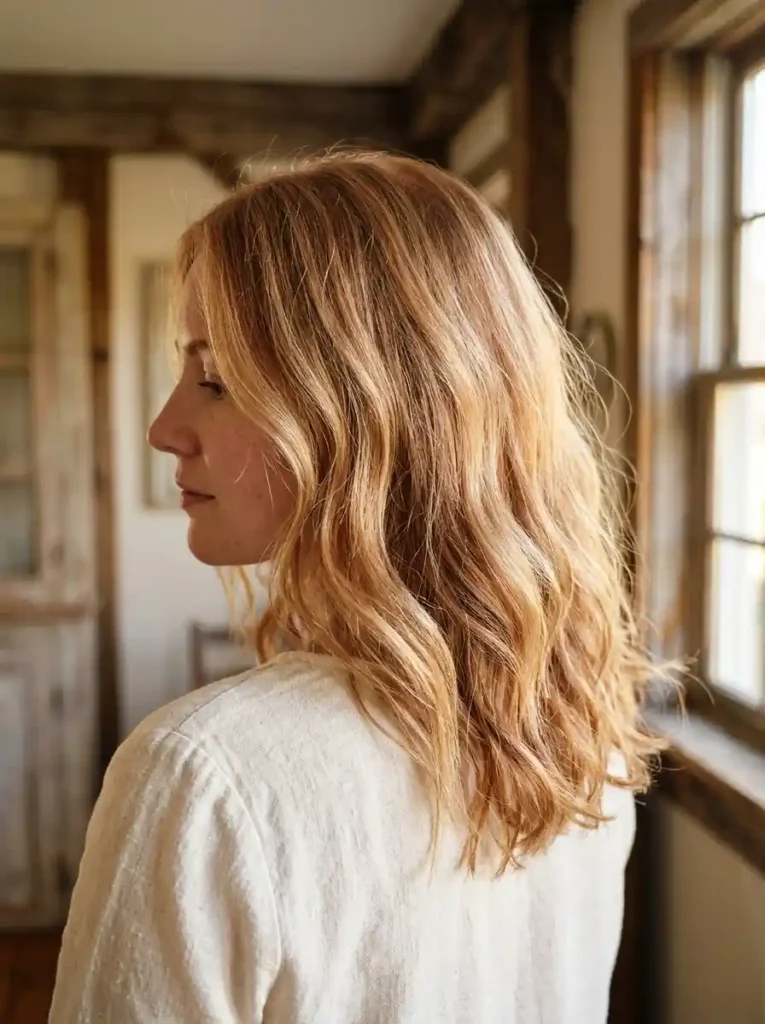
Strawberry blonde combines blonde brightness with a gentle red-gold undertone, making it an appealing option for anyone who wants warmth without committing to a distinctly red hairstyle. Copper-brown lowlights introduce subtle depth that can make the lighter strawberry pieces appear more defined. This combination suits naturally warm blonde shades and can be adapted for different lengths, from textured bobs to long, loose waves. The key is maintaining a soft transition between the lighter and darker tones.
Before choosing this color, discuss how much copper you want to see in natural daylight. A muted copper-brown lowlight creates a gentler result than a saturated auburn shade, particularly on pale blonde hair. Warm tones can fade or shift depending on your starting color, so your stylist may recommend a gloss or color-depositing product for maintenance. Avoid choosing a home color solely from a photograph, since lighting and existing pigment influence the final result. A customized salon formula offers better control over the warmth and depth.
15. Dimensional Blonde Bob with Hidden Lowlights
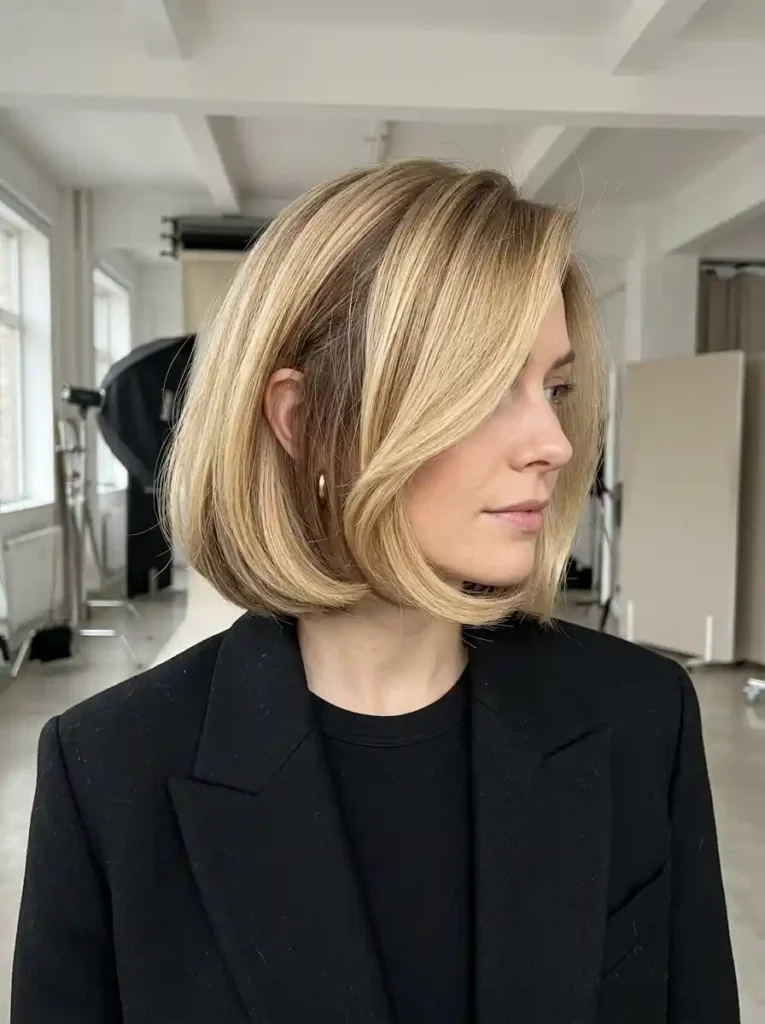
A blonde bob does not need bold streaks to gain dimension. Hidden lowlights placed beneath the surface layers can add depth while allowing the top of the hairstyle to remain bright. This technique is especially attractive on blunt bobs, where small changes in tone become visible as the hair swings or curves around the jawline. It is also a smart option if you want your color to look polished and understated rather than heavily highlighted.
Ask your stylist to consider the shape of your bob before deciding where the darker pieces should sit. Lowlights concentrated beneath the crown can create a soft shadow, while placement toward the ends can make the haircut appear more defined. The best approach depends on whether your hair is fine, thick, straight, or naturally wavy. A smooth blow-dry with a round brush can reveal the hidden dimension, but the color should still look attractive when you wear the bob in its natural texture.
16. Soft Lowlights for Fine Blonde Hair
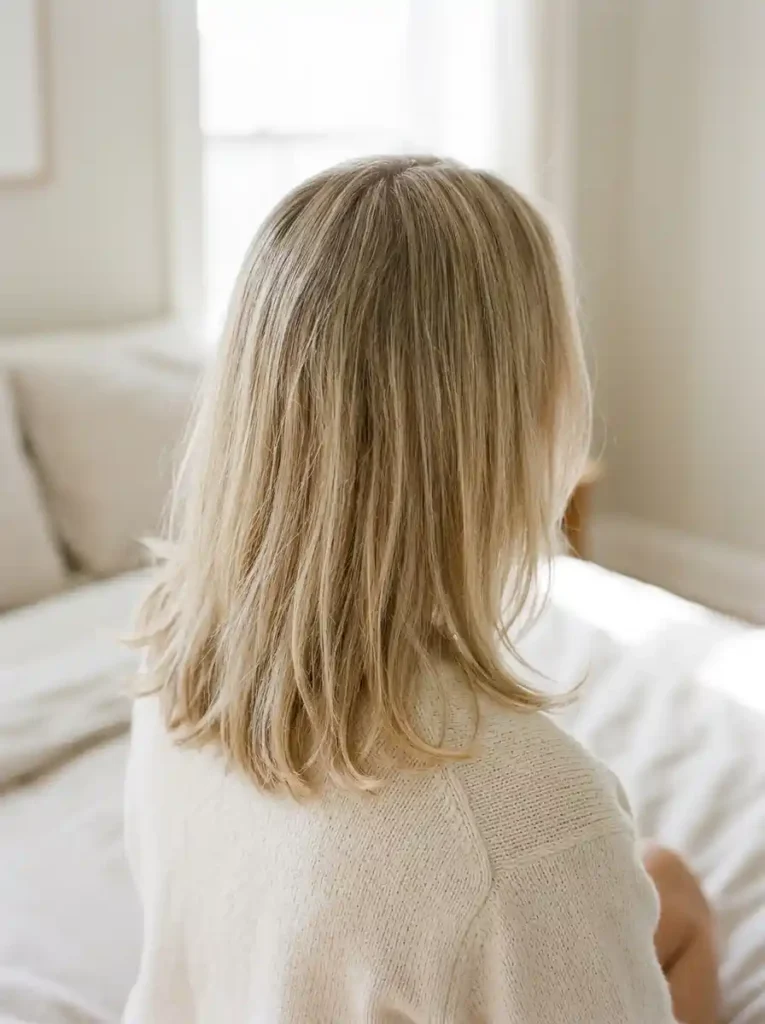
Fine blonde hair can sometimes appear less defined when the color is very uniform. Carefully placed lowlights introduce visual contrast, helping individual sections stand apart without adding physical thickness. The most natural result usually comes from using fine sections and a shade close to your natural base. This keeps the overall appearance light while creating a little more depth around the crown, underneath the top layer, and through the ends of a bob or layered cut.
Placement matters more than simply choosing a darker color. Too many lowlights or overly deep sections may make fine hair look visually heavy, so explain that you want dimension while preserving brightness. Ask your stylist to concentrate on strategic areas rather than covering the entire head evenly. Styling products should also be lightweight; a small amount of volumizing mousse at the roots can help create lift without coating the strands. Remember that color can change how fullness is perceived, but it does not increase the actual density of your hair.
17. Soft Lowlights for Thick Blonde Hair
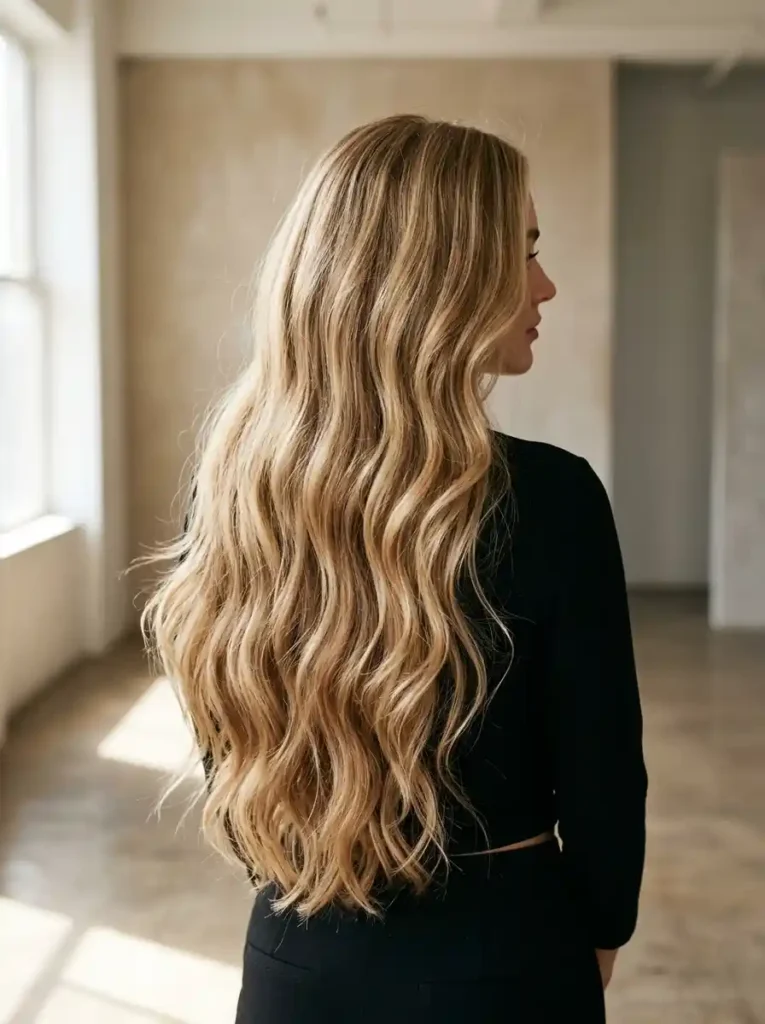
Thick blonde hair offers plenty of space for dimensional color, but an overly uniform shade can make long lengths look visually dense. Soft lowlights help separate the layers and reveal movement, particularly when the hair is styled in loose waves. Chestnut-beige or neutral light-brown shades can provide enough contrast to show the shape of the haircut without making the overall color feel dramatically darker. This approach works well for long layers, butterfly cuts, and substantial shoulder-length styles.
For thick hair, ask your stylist to assess how the color will look both with the hair down and when it is tied back. Strategic placement through the interior layers can create depth, while lighter sections near the surface preserve brightness. Because thick hair may require more product and styling time, choose a maintenance plan that fits your routine. A smoothing cream or lightweight oil applied sparingly to the ends can enhance shine, making the different blonde and brown tones easier to appreciate.
18. Golden Beige Lowlights for a Natural-Looking Blend
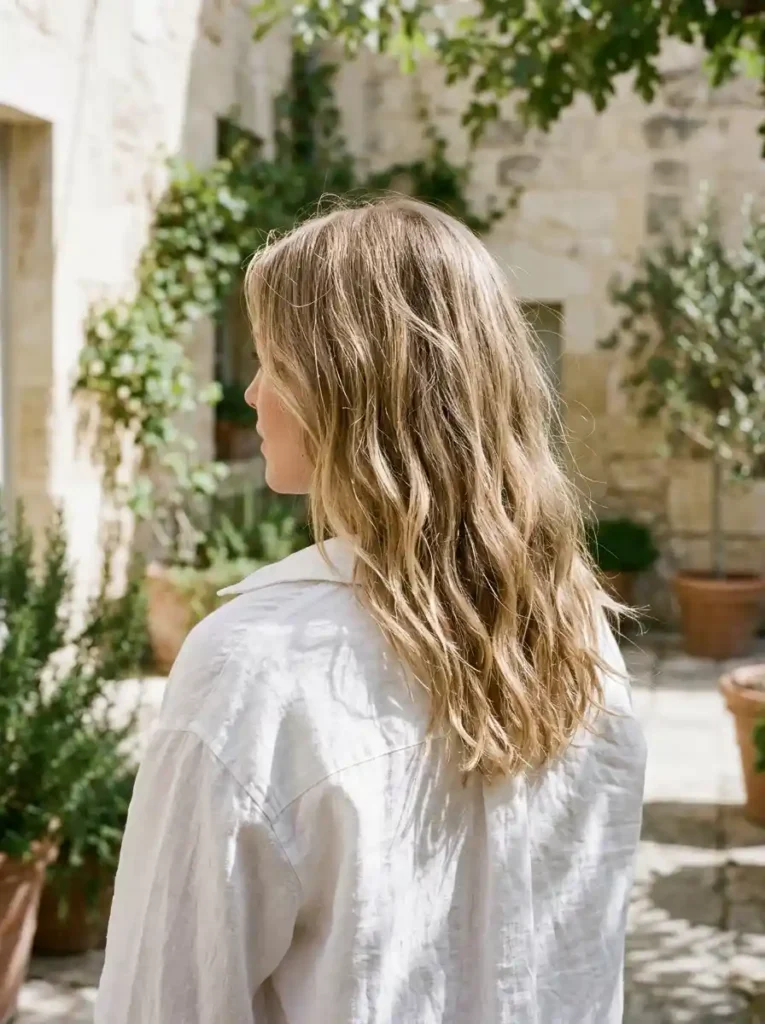
Golden beige lowlights are a versatile choice for anyone who wants blonde hair to look naturally varied. They combine a hint of warmth with a muted beige base, creating a softer alternative to pronounced caramel streaks. The result is especially appealing if your current color falls between golden and neutral blonde. Rather than emphasizing a dramatic contrast, the goal is to introduce enough tonal variation that your hair looks dimensional in both sunlight and indoor lighting.
For a natural finish, ask for irregularly spaced, fine sections that follow your haircut instead of repeating the same pattern across the head. A few slightly deeper pieces underneath can create shadow, while brighter strands around the face keep the overall result fresh. This technique is adaptable to straight, wavy, or curly textures, although the placement should reflect how your hair naturally falls. Bring inspiration photos taken in realistic lighting so your stylist can better understand the balance of warmth, brightness, and depth you prefer.
19. Soft Lowlights on Long Blonde Layers
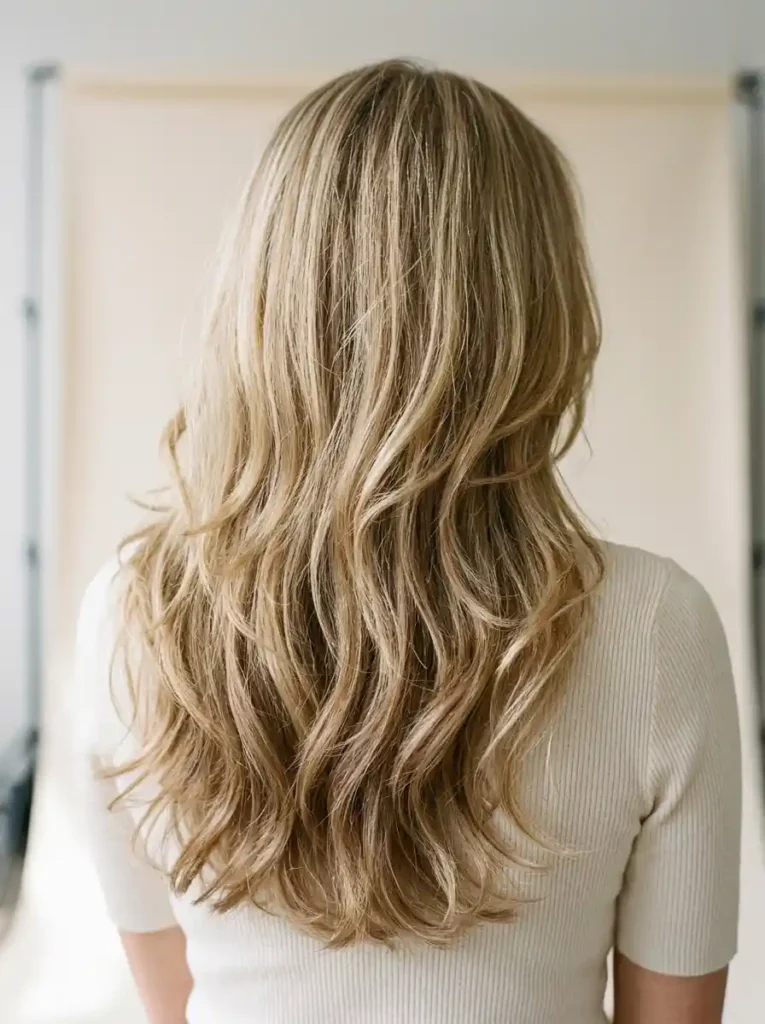
Long blonde layers offer an ideal canvas for lowlights because the different lengths naturally overlap and reveal subtle changes in color. Fine light-brown sections can add definition between layers, helping the hairstyle look more structured without relying on strong contrast. This is particularly useful if you enjoy a bouncy blowout or long waves and want the haircut to remain visible even when your blonde is very light. The result can be customized from barely noticeable to moderately dimensional.
Tell your stylist how you typically wear your hair before deciding on placement. If you usually wear a center part and loose waves, the color can be distributed to complement that shape. If you prefer a ponytail, the interior sections and hairline deserve attention as well. Ask for lowlights that follow the natural fall of your layers, with brighter pieces preserved where you want light to reflect. Regular trims will also help maintain the movement that makes this combination look particularly beautiful.
20. Soft Lowlights for Blonde Hair with Curtain Bangs
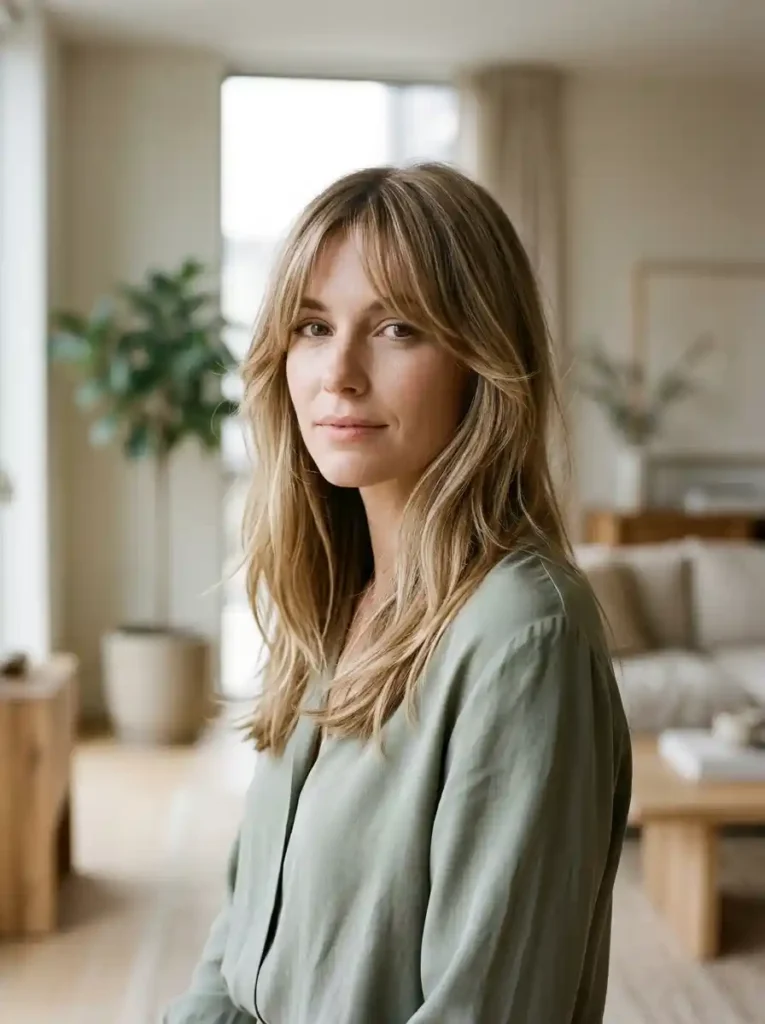
Curtain bangs create a natural focal point, so the color around the face can make a noticeable difference to the overall style. Soft lowlights through the surrounding layers add depth, while brighter blonde pieces around the fringe keep the face-framing area from appearing too dark. This combination is ideal if you want your haircut to feel more defined without changing the length or committing to a dramatic color shift. It works especially well on collarbone cuts and long, softly layered styles.
When planning the color, decide whether you want the bangs themselves to remain predominantly blonde or include a few subtle darker strands. A lighter fringe generally creates a brighter appearance, while carefully placed lowlights through the connecting layers help the haircut blend naturally into the rest of the hair. Because curtain bangs need regular shaping to maintain their silhouette, ask your stylist how the color will look as the fringe grows. A round brush and low heat can help direct the bangs away from the face without flattening their natural movement.
21. Lived-In Blonde with Soft Mocha Lowlights
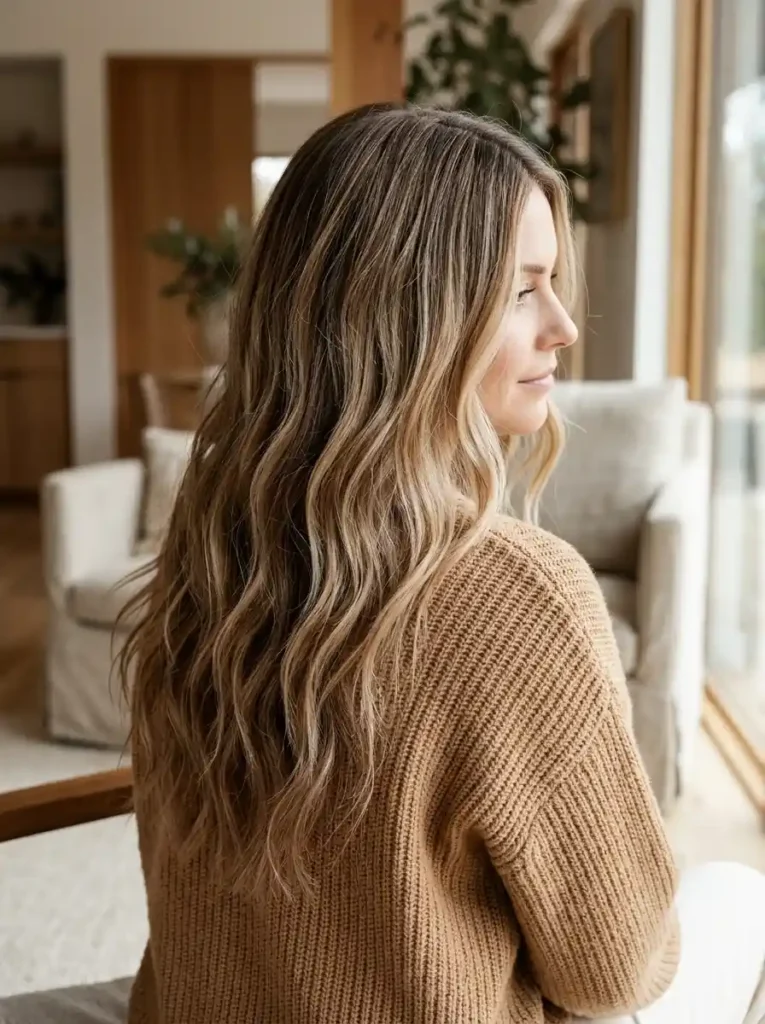
Lived-in blonde with mocha lowlights is a strong option if you want a richer color that still looks relaxed and natural. The mocha sections introduce gentle brunette depth, while the lighter pieces maintain the brightness associated with blonde hair. Combined with a softly blended root, this approach can create a color that grows out more gracefully than a uniformly bright blonde. It is especially appealing if you prefer casual waves, longer layers, and a style that does not look overly finished.
The ideal formula depends on how light your current blonde is and how much natural depth you want to restore. Ask for mocha lowlights that complement your root color rather than creating a sharp division between the scalp and lengths. You can also discuss preserving a few brighter face-framing pieces if you enjoy a luminous finish. Although lived-in color may reduce the need for frequent root maintenance, toning, glossing, and haircuts can still be useful. Your stylist can recommend a schedule based on your color history and desired level of brightness.
Conclusion
Soft lowlights can refresh blonde hair in surprisingly versatile ways. Whether you prefer creamy beige, warm honey, cool mushroom, or deeper mocha tones, the right combination can add dimension while preserving the brightness that makes blonde hair appealing. The best choice depends on your existing shade, natural root color, haircut, hair texture, and how much maintenance you want.
Before your next salon appointment, save two or three inspiration photos that show the level of contrast you like. Tell your colorist whether you want barely visible depth, a warmer finish, or a more noticeable blonde-and-brunette blend. It also helps to discuss your hair’s condition and how often you’re comfortable returning for color maintenance.
Most importantly, remember that beautiful lowlights are about balance, not simply going darker. A few thoughtfully placed shades can make your blonde feel more personalized, natural, and dimensional while giving your familiar hairstyle a fresh new perspective.


