
Lived-in hair color is the secret to beautiful, dimensional hair that looks naturally sun-kissed, grows out gracefully, and never feels overly polished. Whether you love warm caramel ribbons, cool brunette tones, or soft blonde balayage, the right color can brighten your complexion without demanding frequent salon visits. These 21 lived-in color ideas offer inspiration for every base shade, hair length, and personal style, along with practical tips to help you choose a look that feels effortlessly yours.
1. Soft Caramel Balayage on Brunette Hair
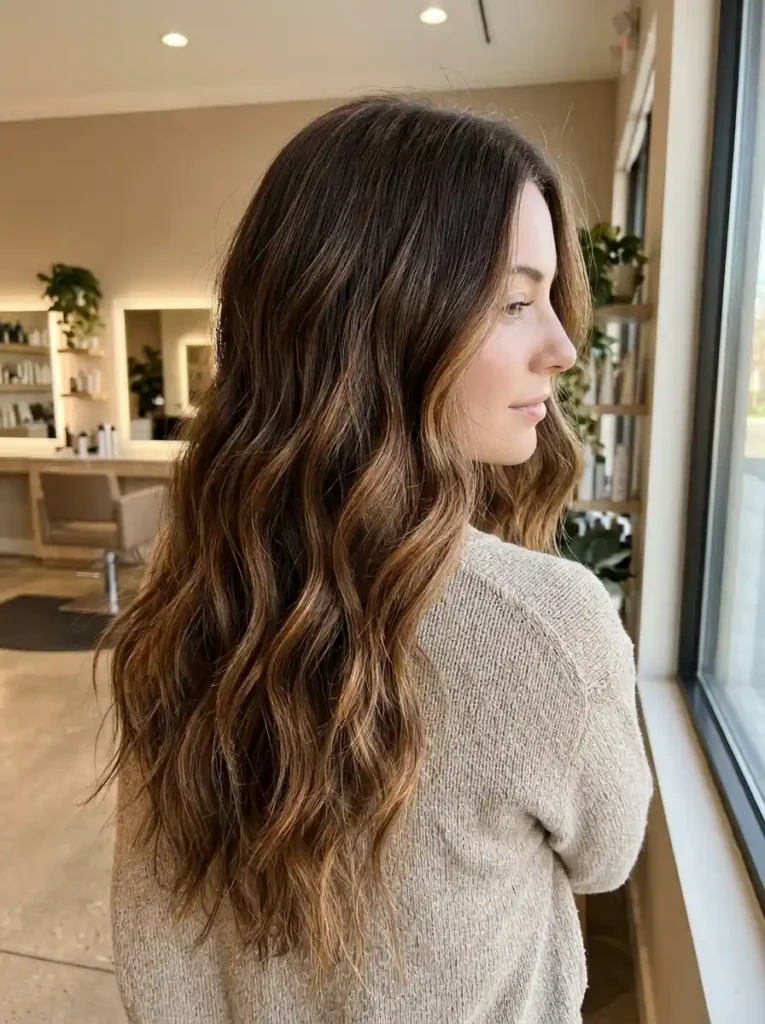
Caramel balayage is an excellent introduction to lived-in hair color because it adds warmth without completely changing your brunette base. The hand-painted highlights create movement through the lengths, while the darker roots keep the overall appearance soft and natural. Ask your colorist for caramel tones that complement your existing brown shade rather than dramatic blonde streaks. This approach works particularly well on medium to long hair, where the gradual color transitions have plenty of room to shine.
For everyday styling, loose waves help reveal the different caramel tones without requiring an elaborate routine. A lightweight heat protectant and a few minutes with a curling iron can create enough texture to make the color stand out. Keep your roots close to your natural shade to reduce the appearance of regrowth between appointments. If your hair tends to pull orange, discuss a more neutral caramel formula with your stylist before choosing your final shade.
2. Honey Blonde Balayage with Natural Roots
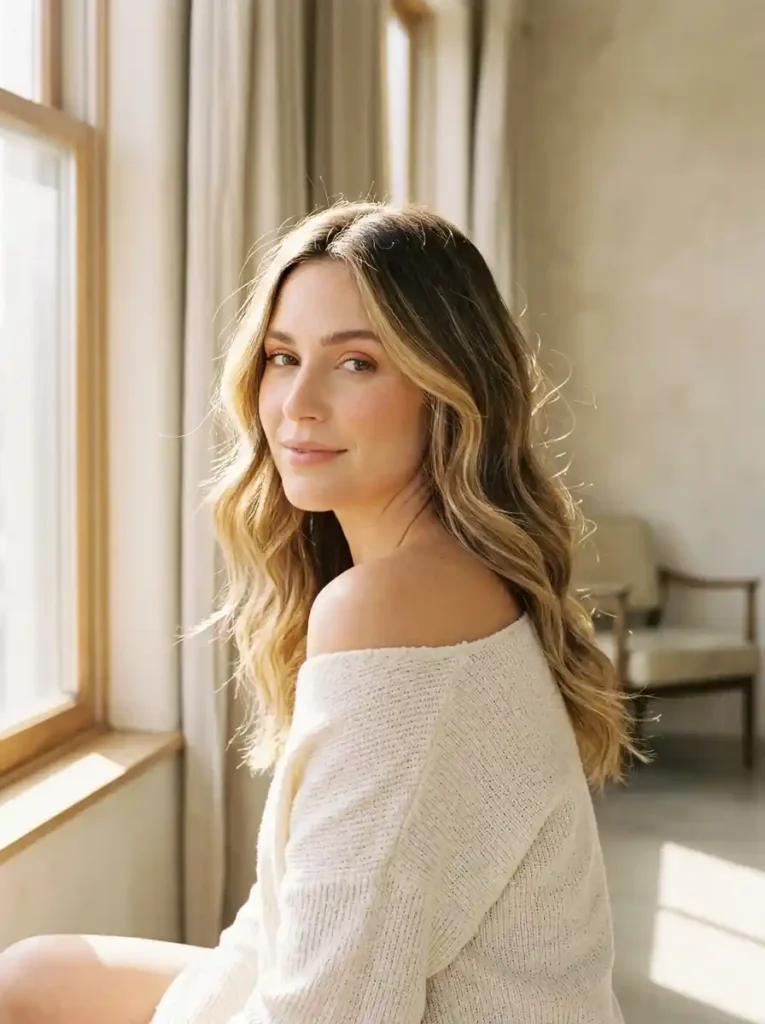
Honey blonde is a lovely option for anyone who wants brighter hair without the stark contrast of a full blonde transformation. Its golden tones create a sunlit effect, especially when concentrated around the front sections and lower lengths. Ask your colorist to blend the highlights gradually into your natural root color. This keeps the result dimensional rather than stripey and makes it easier to maintain as your hair grows. The shade can be adapted for dark blonde, light brown, and existing blonde bases.
To keep honey blonde looking fresh, use a color-safe shampoo and a nourishing conditioner that supports softness and shine. If your hair becomes overly golden over time, ask your stylist whether occasional toning would help rather than reaching immediately for a strong purple shampoo. Honey tones generally look most convincing when the highlights vary slightly in brightness. For a relaxed finish, wear the hair in natural waves or a simple blowout that allows the golden pieces to catch the light.
3. Mushroom Brown for a Cool-Toned Finish
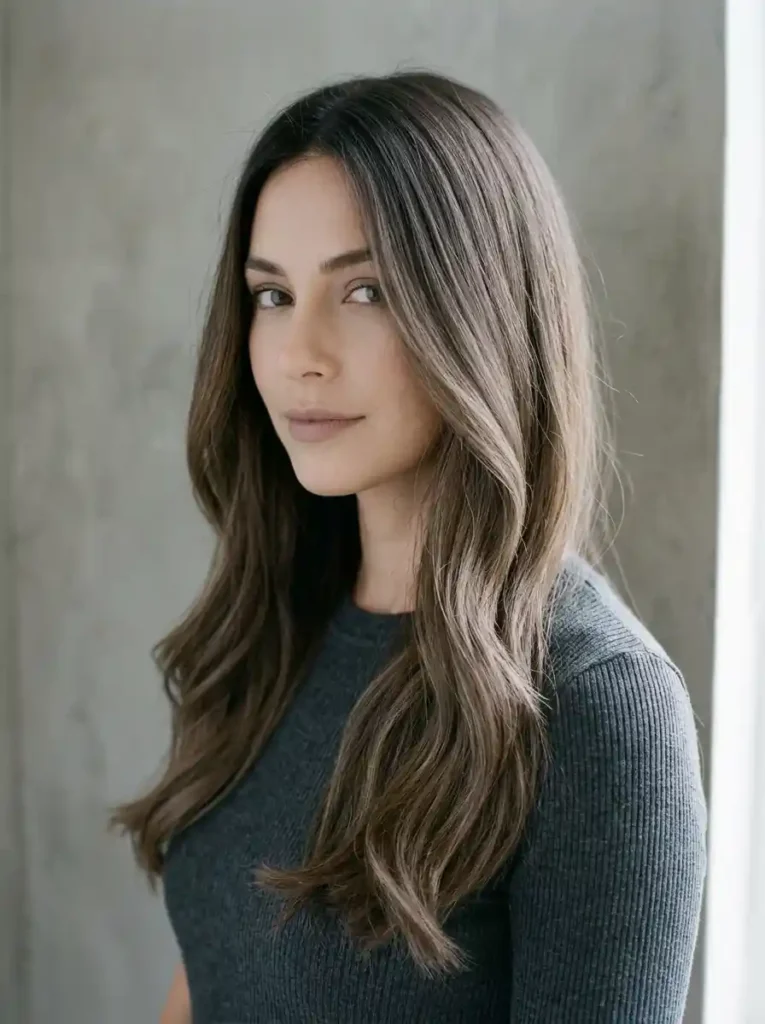
Mushroom brown is ideal if you prefer understated color without strong golden or reddish undertones. This sophisticated brunette shade blends cool brown, taupe, and muted beige, creating dimension that looks especially beautiful in natural daylight. It can be a useful choice for people whose existing brown hair tends to appear too warm after lightening. Your stylist may combine carefully placed highlights with a gloss to achieve the desired finish. The goal is a soft, smoky effect, not an overly gray or flat result.
Because cool-toned colors can gradually become warmer, your maintenance routine should focus on preserving both shine and tonal balance. A color-safe shampoo, regular conditioning, and heat protection help keep highlighted hair looking smooth. Ask your stylist whether a neutral-cool gloss between major appointments would be appropriate for your hair. Mushroom brown is particularly striking with sleek layers, soft curtain bangs, or a textured lob. Keep some natural depth around the roots so the color remains dimensional rather than looking uniformly dyed.
4. Bronde Balayage for the Best of Both Worlds
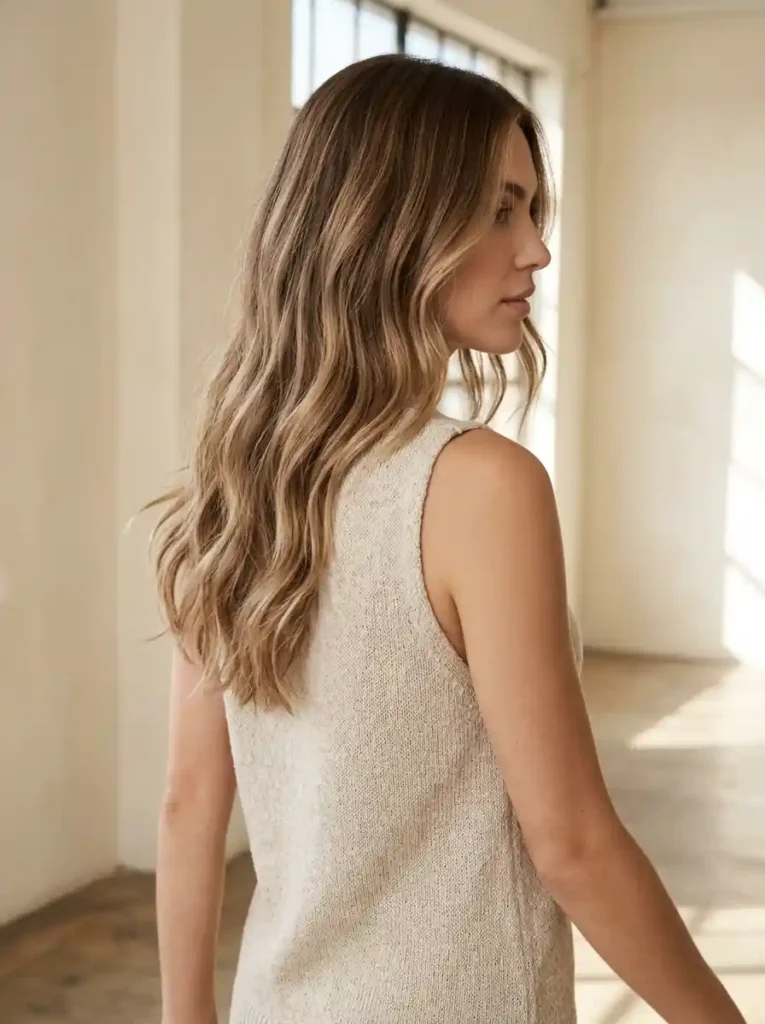
Bronde combines brunette and blonde in a way that feels balanced rather than dramatically light or dark. It suits anyone who wants visible brightness while keeping enough depth for the hair to look naturally rich. Ask for a mixture of beige, neutral gold, and brown tones tailored to your starting color. The most convincing results feature irregular highlights instead of perfectly uniform streaks. Because the root area stays relatively close to your natural shade, bronde balayage can be a practical choice for busy schedules.
The beauty of bronde is its flexibility: you can lean warmer in summer or choose a more neutral finish when you want a subdued look. Styling with a round brush creates polished movement, while loose waves emphasize the contrast between lighter and darker sections. If your hair is already highlighted, your stylist may be able to refresh the existing dimension instead of lightening every section again. Discuss your hair’s condition before adding more bleach, particularly if the ends are dry or fragile.
5. Face-Framing Blonde for a Brighter Look
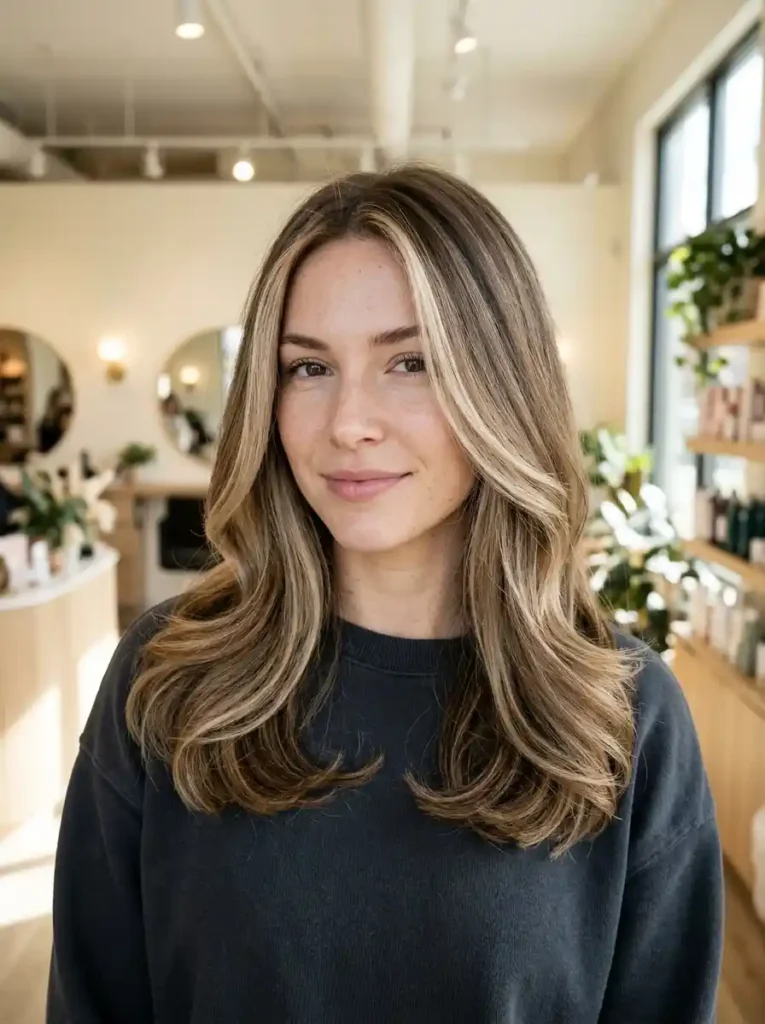
Face-framing blonde adds brightness around the hairline without requiring a full head of highlights. The lighter pieces draw attention toward the eyes and cheekbones, while the darker lengths maintain a naturally dimensional appearance. This technique can work on brunettes, brondes, and existing blondes, although the placement and lightness should reflect your base color. Tell your stylist whether you prefer a barely noticeable glow or a more defined money-piece effect. A gradual blend at the roots helps the result grow out more gracefully.
This look is especially effective on shoulder-length cuts, layered hair, and styles with curtain bangs because the lighter sections move around the face. However, the front pieces may need extra care if they are significantly lighter than the rest of your hair. Apply conditioner carefully through the lengths, use heat protection, and avoid repeatedly curling the same fragile sections. If you want a subtle change before committing to brighter highlights throughout your hair, face-framing blonde offers a manageable starting point.
6. Chocolate Brown with Cinnamon Ribbons
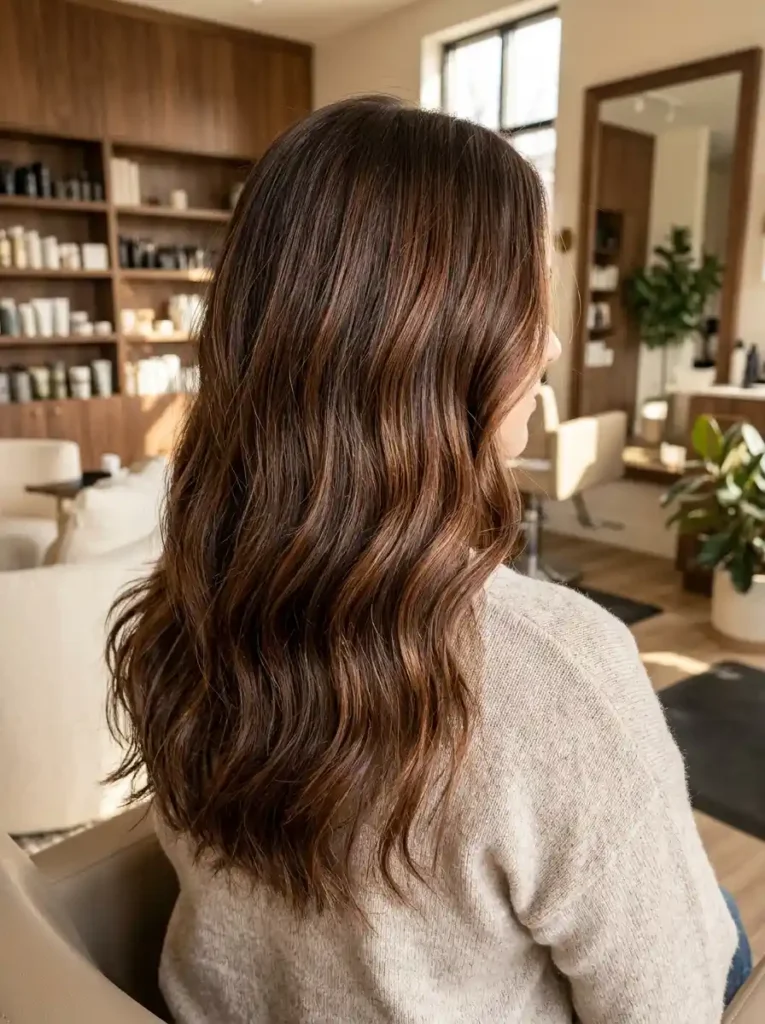
Cinnamon ribbons bring subtle warmth to chocolate-brown hair without requiring a complete color transformation. The reddish-brown and chestnut tones create dimension that becomes especially noticeable when the hair moves or catches the sunlight. This option is appealing if traditional blonde highlights feel too bright for your personal style. Ask your colorist for warm, muted ribbons rather than vivid copper sections, particularly if you want the result to remain understated. The contrast should enhance your base shade instead of overpowering it.
Warm brunette colors are relatively easy to style because they look beautiful on straight hair, soft waves, and natural curls. A shine-enhancing leave-in product can make the different tones more visible without weighing down the hair. If your hair has previously been colored very dark, achieving lighter cinnamon sections may require a careful consultation and more than one appointment. Avoid expecting a dramatic result in a single session if preserving hair condition is important. Your stylist can recommend a realistic level of warmth for your starting shade.
7. Beige Blonde with a Shadow Root
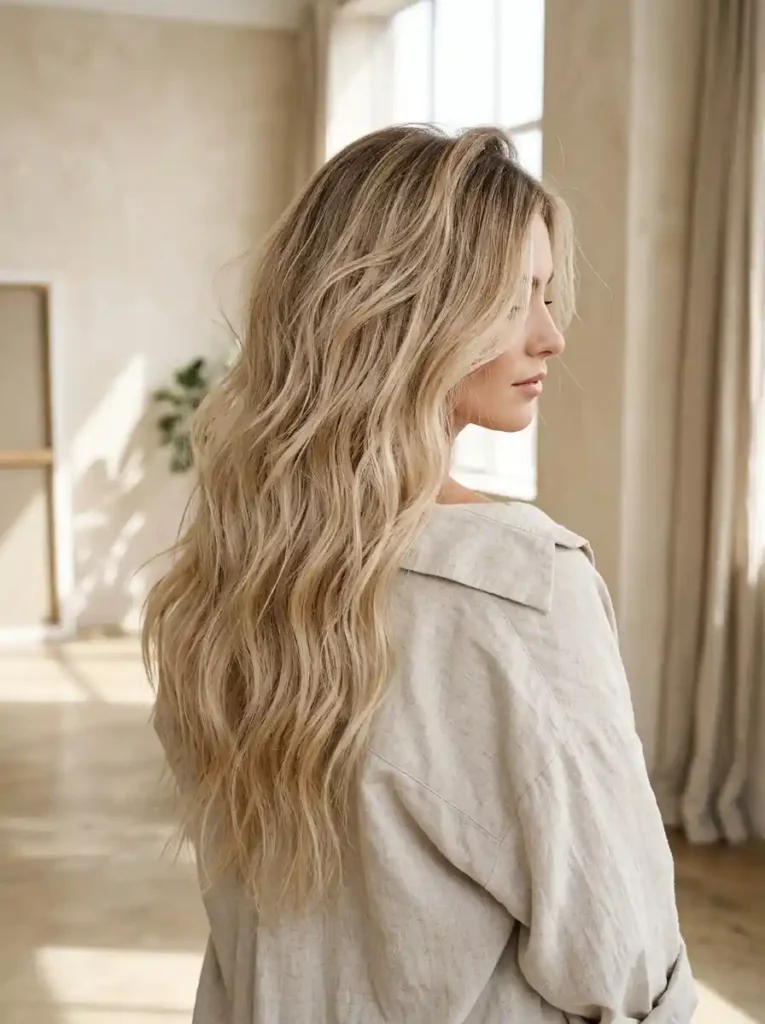
Beige blonde offers a balanced alternative to strongly golden or platinum hair. Its neutral finish can look soft and sophisticated, especially when paired with a shadow root that preserves depth near the scalp. This technique is useful if you like brighter lengths but dislike seeing an obvious line of regrowth after a few weeks. Ask for a beige tone that complements your skin and existing hair color, since the same formula can appear warmer or cooler depending on the underlying pigment.
To maintain the blended effect, your stylist may recommend occasional glossing rather than frequent root lightening. Beige blonde often looks particularly attractive in loose waves, but a smooth blowout can reveal the evenness of the transition just as beautifully. Use a moisturizing conditioner and a heat protectant to help prevent the lighter ends from becoming rough. If your hair naturally grows in quite dark, keep the shadow root intentional and softly diffused rather than extending it so far that the blonde looks disconnected.
8. Golden Bronde for a Sun-Kissed Finish
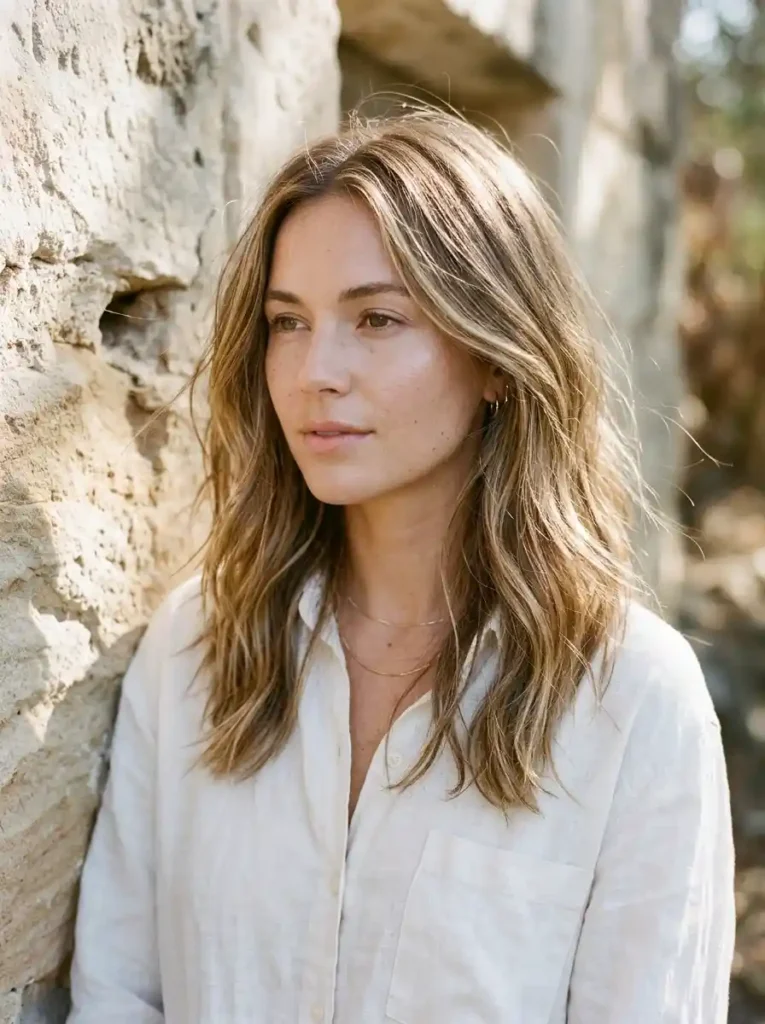
Golden bronde is a warmer variation of classic bronde, combining light brown with honey and soft gold highlights. It is a good choice if you enjoy a sun-kissed finish but do not want to become fully blonde. The warmth gives the hair a lively appearance, while the brunette base keeps the result grounded and natural. Ask your colorist to concentrate the brighter pieces where sunlight would naturally hit, such as the temples, outer layers, and ends, rather than distributing them evenly everywhere.
Golden tones can become more noticeable in bright sunlight, so consider how the shade looks both indoors and outdoors before choosing your final formula. A nourishing mask can help highlighted hair maintain softness, particularly if you regularly use hot tools. This color works beautifully with long layers, shoulder-length cuts, and loose beach-inspired waves. For a less polished finish, allow your natural texture to show through instead of curling every section. The goal is a relaxed blend that looks attractive even when styled simply.
9. Rooted Platinum Blonde with Soft Dimension
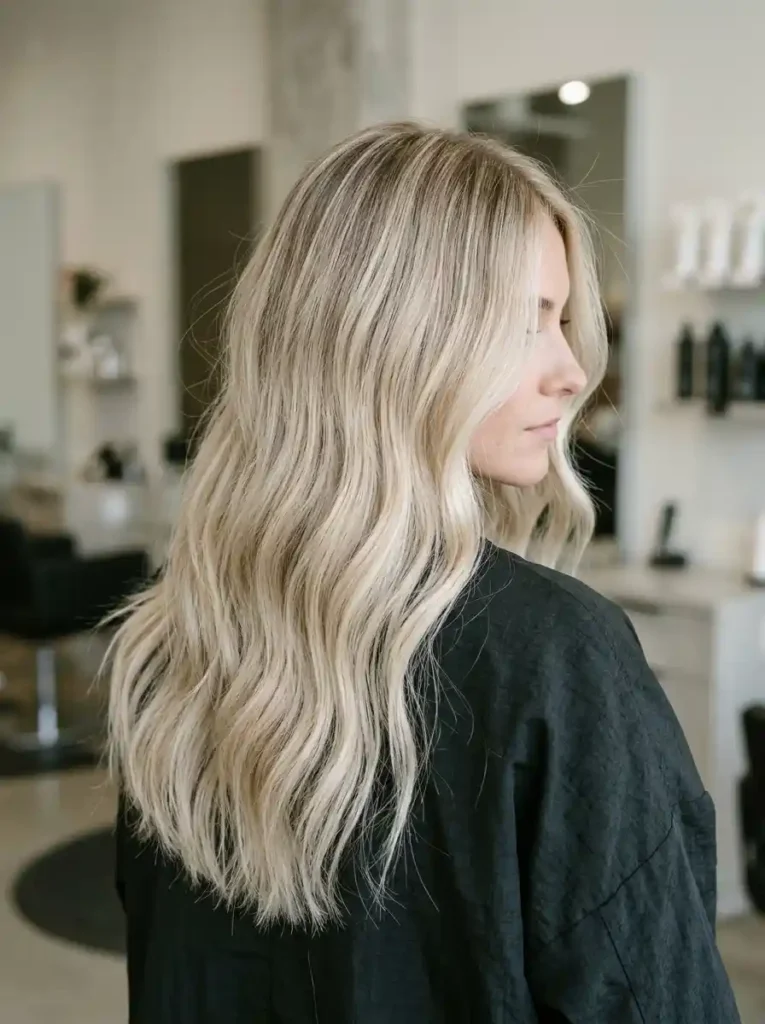
Rooted platinum is a striking option for people who love very light blonde hair but want a softer transition near the scalp. Keeping some depth at the roots can make the overall color feel less severe than a uniform platinum shade. However, achieving pale blonde usually requires substantial lightening, particularly on naturally dark hair. Discuss your hair history, texture, and condition with your stylist before committing. A gradual transition over multiple appointments may be the more responsible route if your hair has previous permanent color.
This shade requires more thoughtful maintenance than darker lived-in colors, even when the roots are blended. Use a shampoo designed for color-treated hair, condition regularly, and ask your stylist how often a toner may be needed. Purple shampoo can help counter unwanted yellow tones, but excessive use may leave the hair looking dull or uneven. Limit unnecessary heat styling and protect the hair from environmental stress. If you love the platinum effect but prefer less upkeep, consider a deeper root and creamy beige lengths instead of icy white blonde.
10. Espresso Brown with Subtle Mocha Highlights
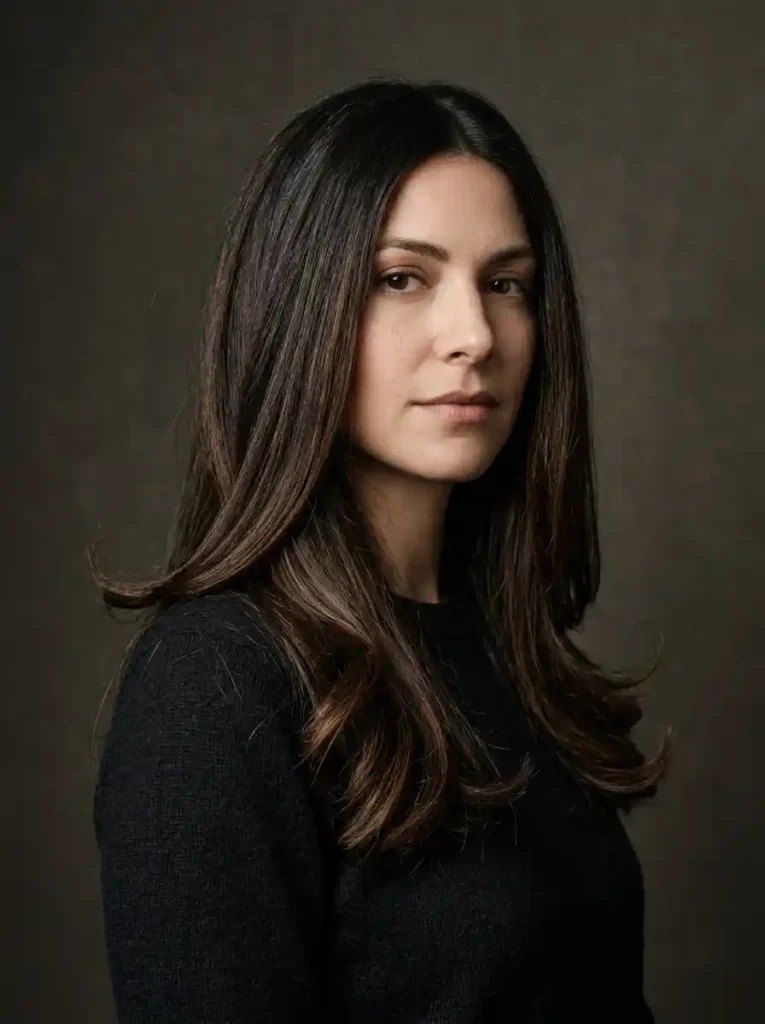
Espresso brown is ideal for anyone who wants a rich, dark base with just enough dimension to keep it from looking flat. Subtle mocha highlights add movement without creating a dramatically lighter overall result. This approach works particularly well for people who prefer low-key hair color or want to enhance naturally dark hair while maintaining its depth. Ask your colorist for fine, understated ribbons that are only a few shades lighter than your base. The contrast should be noticeable in good lighting, not resemble chunky streaks.
Because the highlight difference is gentle, this color looks beautiful on sleek hair as well as soft waves. A smoothing serum or lightweight shine product can help emphasize the depth of the espresso base. If your hair is naturally black or has repeated dark permanent dye, discuss whether lightening is necessary and how to protect the ends. Avoid overprocessing the same sections during future appointments. Maintaining healthy-looking texture is particularly important for dark hair, where dryness and uneven shine can become more visible.
11. Strawberry Blonde with a Natural Root Melt
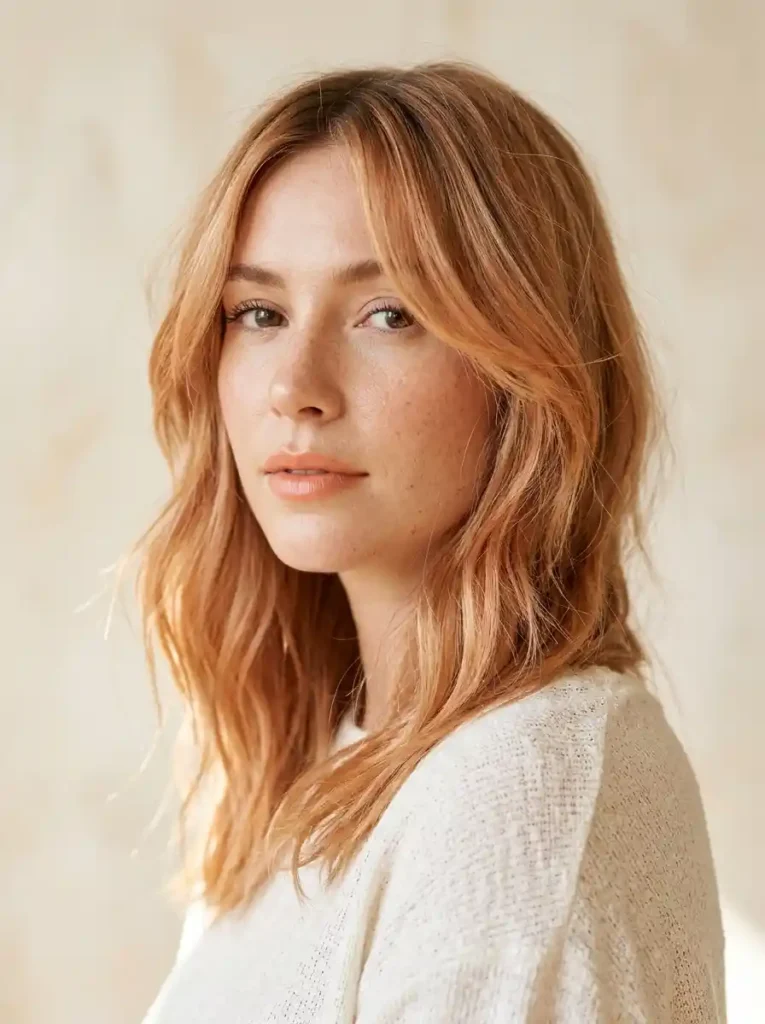
Strawberry blonde brings a gentle reddish glow to lived-in color without the intensity of a vivid copper transformation. The shade blends soft gold, peach, and light copper, creating warmth that can be tailored to suit different natural bases. A root melt keeps the scalp area closer to your original color, helping the transition look softer as your hair grows. If you are considering this shade, bring reference photos that show the level of red you prefer. Strawberry blonde can range from delicate peachy gold to noticeably copper.
Warm red-based shades may fade differently from traditional blonde or brunette colors, so ask your stylist about the best maintenance routine for your formula. Color-safe washing, cooler rinse water, and reduced heat exposure can help preserve the tone. A gloss may be useful when the color begins to look less vibrant, although the timing depends on your hair and products. This shade pairs especially well with soft layers and natural waves, which allow the warm variations to catch the light without appearing overly uniform.
12. Ash Brown Balayage for Understated Dimension
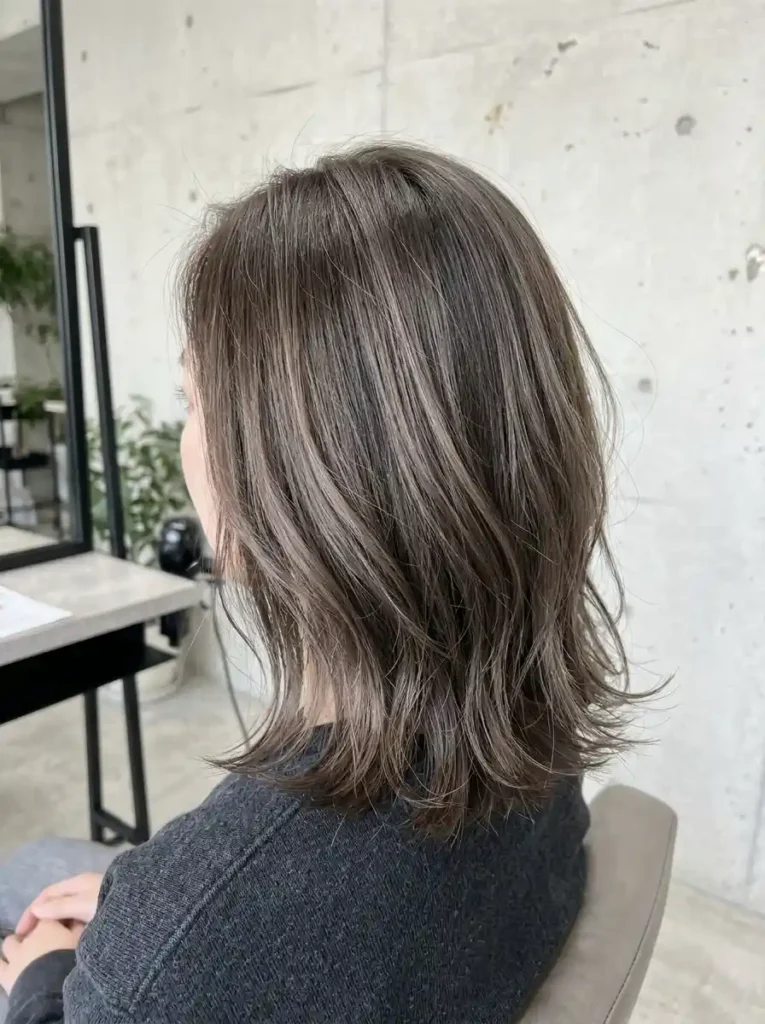
Ash-brown balayage suits anyone who wants visible dimension without golden or copper undertones. Its muted brown and taupe shades create a sophisticated finish, especially on hair that naturally leans cool. Rather than lifting every section, your colorist can place highlights selectively to create depth around the outer layers and ends. If your hair tends to reveal strong warmth after lightening, explain that preference during your consultation. A customized toner may help achieve the intended finish, although your starting color affects the final result.
Ash tones can lose their cool appearance as the toner fades, so avoid assuming that a single salon appointment will permanently maintain the same shade. Your stylist may recommend occasional glossing, depending on your hair’s porosity and how quickly the color shifts. Keep the ends conditioned, particularly if you have a textured lob or layers that are frequently heat-styled. Ash brown looks especially appealing when the haircut has natural movement. A simple air-dry cream can enhance that texture without making the finish look stiff or overly arranged.
13. Rooted Champagne Blonde with Soft Waves
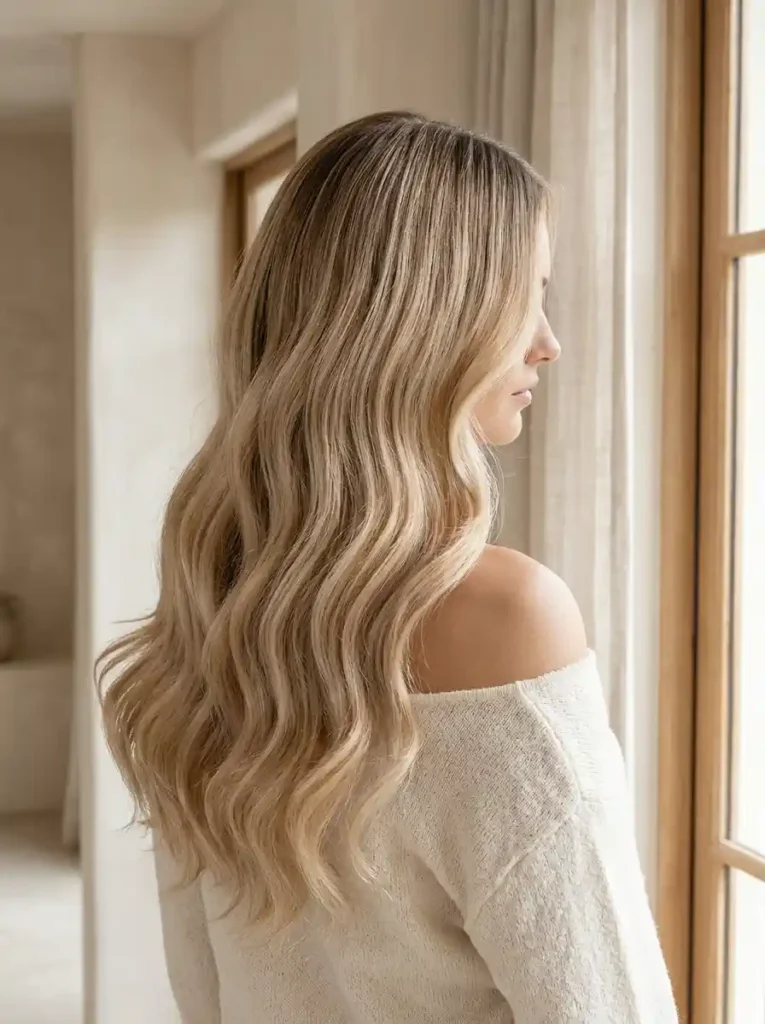
Champagne blonde combines creamy beige with a restrained golden glow, making it a versatile alternative to very icy or intensely yellow blonde. A darker root adds dimension and reduces the contrast between your natural regrowth and the highlighted lengths. This can be especially useful if you love blonde hair but do not want the appearance of freshly colored roots every few weeks. Ask your stylist to customize the champagne tone to your existing color and skin undertones rather than relying on a one-shade-fits-all formula.
Soft waves help showcase the different blonde tones, but the color should still look attractive when worn straight or tied back. Because lightened hair can become dry, prioritize conditioner, heat protection, and gentle detangling. If your hair is naturally dark, ask about the number of sessions required to achieve champagne blonde without compromising its condition. A softly blended root is not a substitute for maintenance, but it can make appointments easier to schedule around your routine. The final result should feel luminous rather than excessively bleached.
14. Chestnut Brown with Golden Face-Framing Pieces
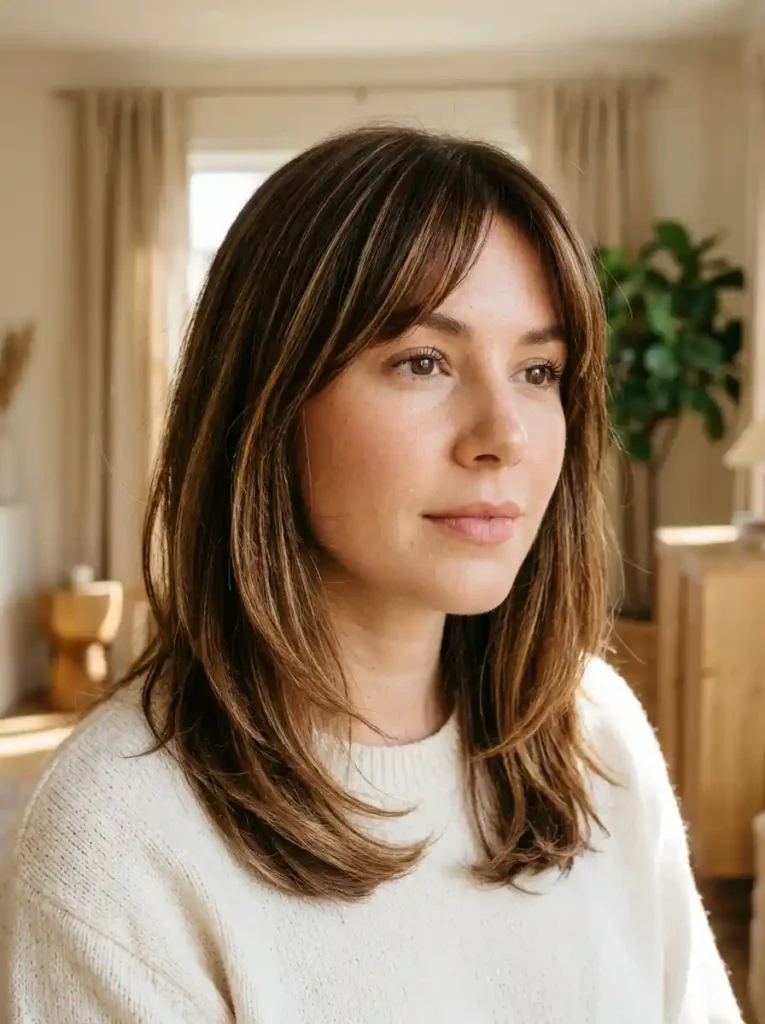
Chestnut brown offers warmth and richness without requiring the brightness of traditional blonde highlights. Adding a few golden-brown pieces near the face makes the color feel more dimensional while preserving most of your natural depth. This is a useful option if you want a noticeable refresh but are not ready for a dramatic color change. Your stylist can adjust the golden tones to be subtle or more visible, depending on how much contrast you enjoy and how your current hair responds to lightening.
The face-framing sections can brighten a layered haircut, a shoulder-length bob, or long hair with a fringe. To keep the color looking cohesive, ask for the lighter pieces to connect softly with the warmer tones throughout the lengths. Styling with a round brush can create a smooth, flattering shape, while a casual air-dry gives the color a more relaxed feel. If you prefer fewer salon visits, keep the highlight placement concentrated around the front and lower lengths instead of introducing frequent root-to-end color.
15. Dimensional Black Hair with Soft Brown Balayage
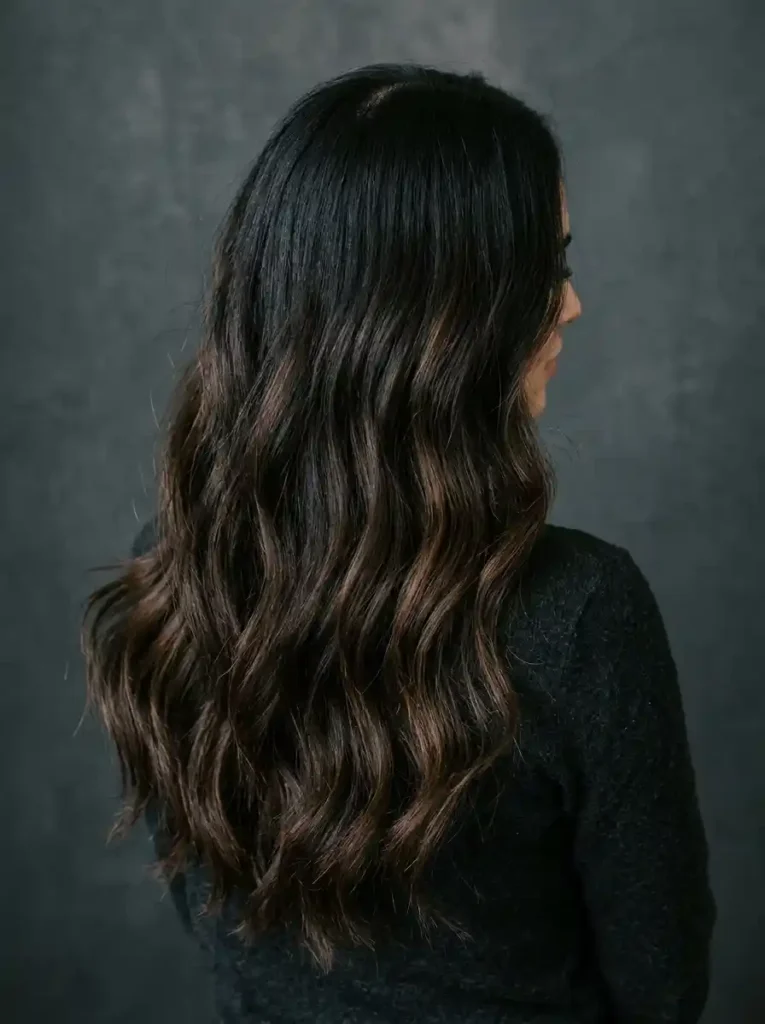
Black hair can look beautifully dimensional without becoming visibly blonde or dramatically lighter. Soft chocolate balayage introduces brown reflections that appear when the hair moves, creating depth while preserving its naturally dark character. This approach is especially appealing if you love dark hair but find a uniform color too flat. Ask for subtle, strategically placed sections rather than broad highlights. If your hair is naturally black, your stylist can assess whether the desired effect requires lightening or whether a tonal gloss would provide enough variation.
The most important part of this look is preserving the distinction between deep roots and softly illuminated lengths. A lightweight conditioner and a small amount of shine serum can emphasize the reflective quality of dark hair without creating a greasy appearance. If your hair has previously been dyed black, lifting it to brown may be more complicated than expected, so discuss your color history honestly. Maintain realistic expectations about how much brightness is achievable in one appointment. Subtle brown dimension can be enough to refresh the entire look.
16. Sandy Blonde Balayage for a Beachy Finish
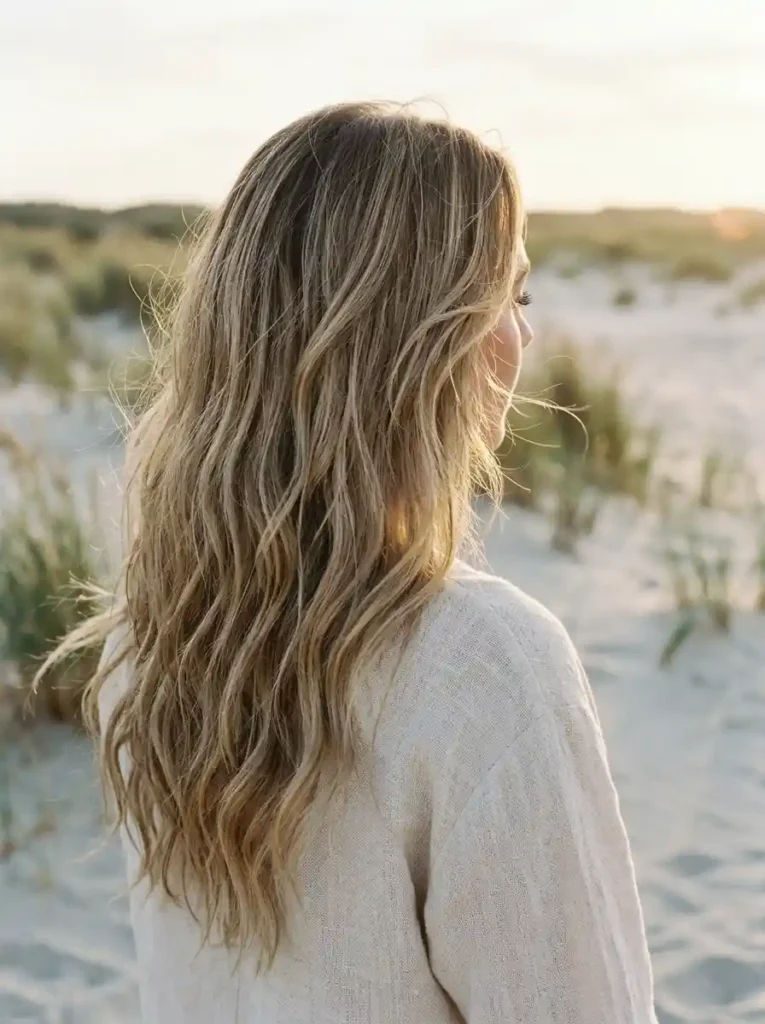
Sandy blonde creates a relaxed, beach-inspired appearance by blending beige, wheat, and muted golden tones. Unlike a uniform platinum shade, it retains enough natural depth to look soft and believable. It is a strong option if you want a lighter overall appearance without losing the subtle variations that make lived-in color attractive. Ask your colorist to leave the roots slightly deeper and distribute the highlights irregularly through the lengths. This placement helps the result resemble naturally lightened hair rather than a sharply defined salon pattern.
The beachy effect does not require elaborate styling or a trip to the coast. A light texturizing spray and loose braids can create gentle bends, while natural waves offer an even easier finish. If you swim frequently, rinse your hair after swimming and follow your stylist’s advice about protecting color-treated strands. Sun exposure and frequent washing can affect both tone and condition, so maintain moisture and use appropriate protection. Sandy blonde works best when the finish remains soft and touchable instead of overly dry or heavily textured.
17. Mocha Brown with Subtle Honey Highlights
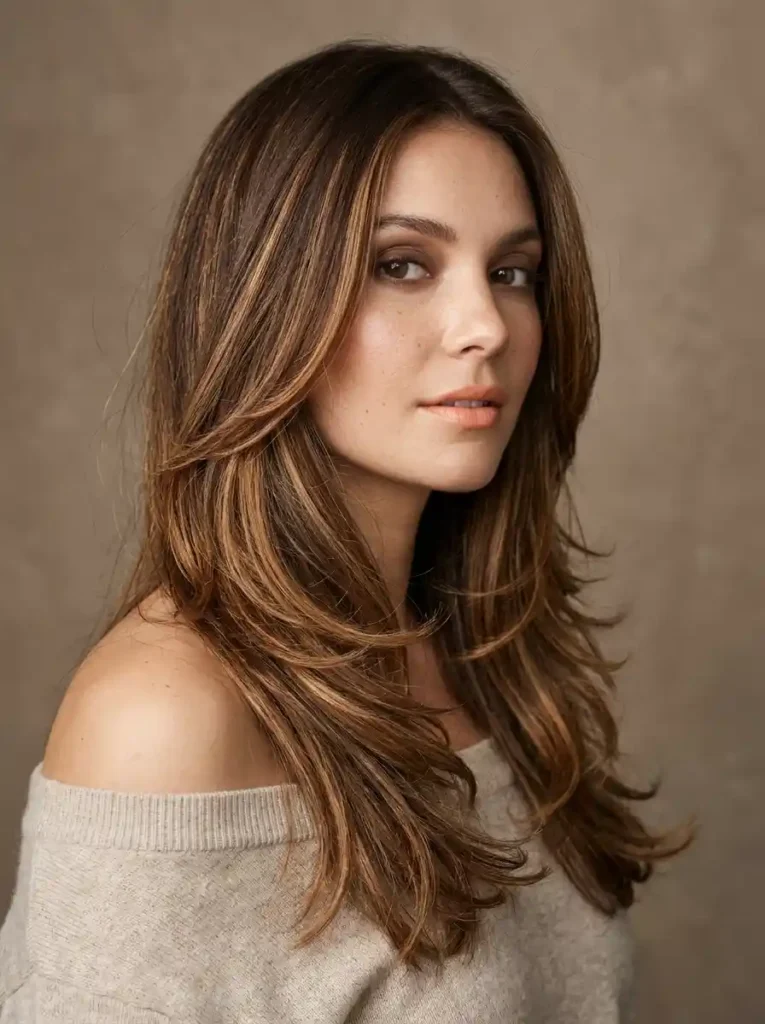
Mocha brown sits between deep chocolate and lighter neutral brown, making it an excellent base for subtle honey highlights. The combination adds warmth and movement without making the hair look substantially lighter overall. It is especially suitable if you want a polished brunette shade that still shows dimension in photographs and natural light. Ask your stylist to keep the honey pieces fine and blended, with a few brighter sections around the outer layers. The contrast should feel soft enough to complement your natural base color.
This combination works on straight, wavy, and lightly curled hair, so you do not need to change your usual styling habits. A round-brush blowout can make the lighter ribbons more noticeable, while loose bends create a casual, lived-in finish. To avoid unnecessary damage, ask your colorist whether existing highlights can be refreshed instead of repeatedly lightening the same areas. Use a nourishing conditioner and minimize excessive heat. The result should retain a rich brunette appearance, with honey accents providing just enough brightness to make the hair feel refreshed.
18. Rose Brown for a Subtle Pink Undertone
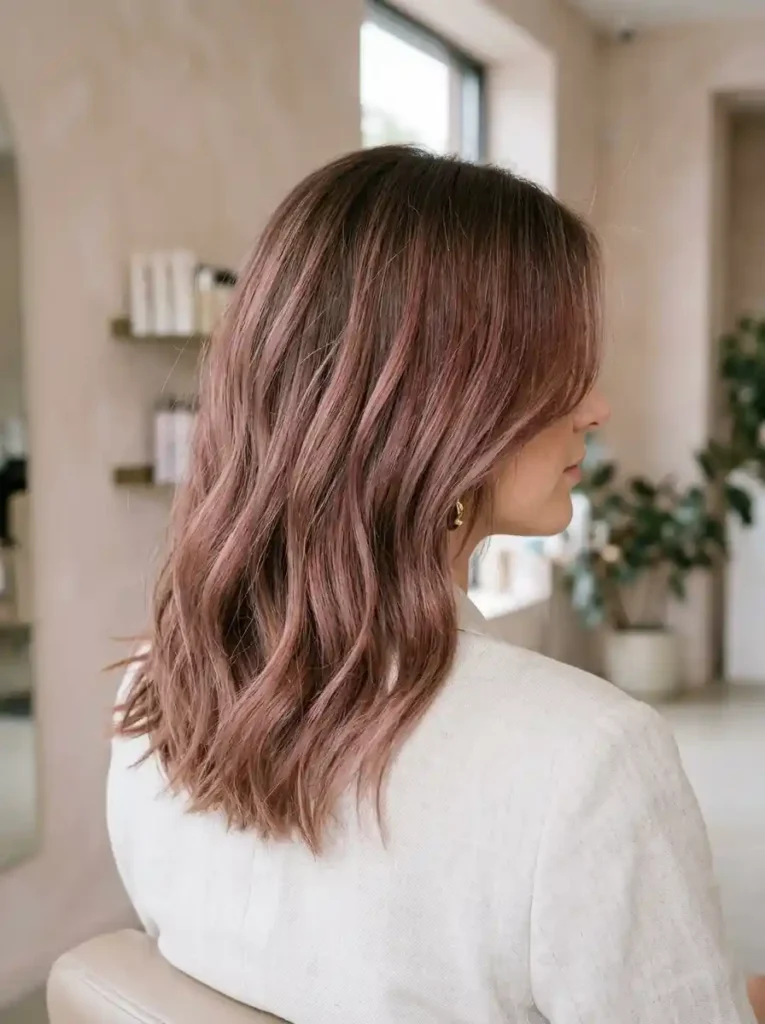
Rose brown offers a fresh alternative to traditional brunette color by introducing a muted pink undertone into a brown base. The effect can be subtle enough for everyday wear while still feeling distinctive in sunlight. It works particularly well for anyone who wants a gentle color change without committing to bright fashion shades. Ask your stylist to keep the rose tone dusty or rosy mocha if you prefer an understated finish. Your natural base and previous color treatments will influence how clearly the pink undertone appears.
Because rose pigments may fade or shift with washing, maintenance is worth discussing before your appointment. A color-safe shampoo and conditioner can help preserve the finish, while excessive heat may accelerate fading. Your stylist might suggest a tinted gloss or color-depositing product suited to the specific formula. Rose brown pairs beautifully with softly layered cuts and loose waves, but it also looks elegant in a smooth lob. If you are unsure about pink tones, start with a restrained rosy gloss before choosing more noticeable highlights.
19. Soft Copper Balayage on Light Brown Hair
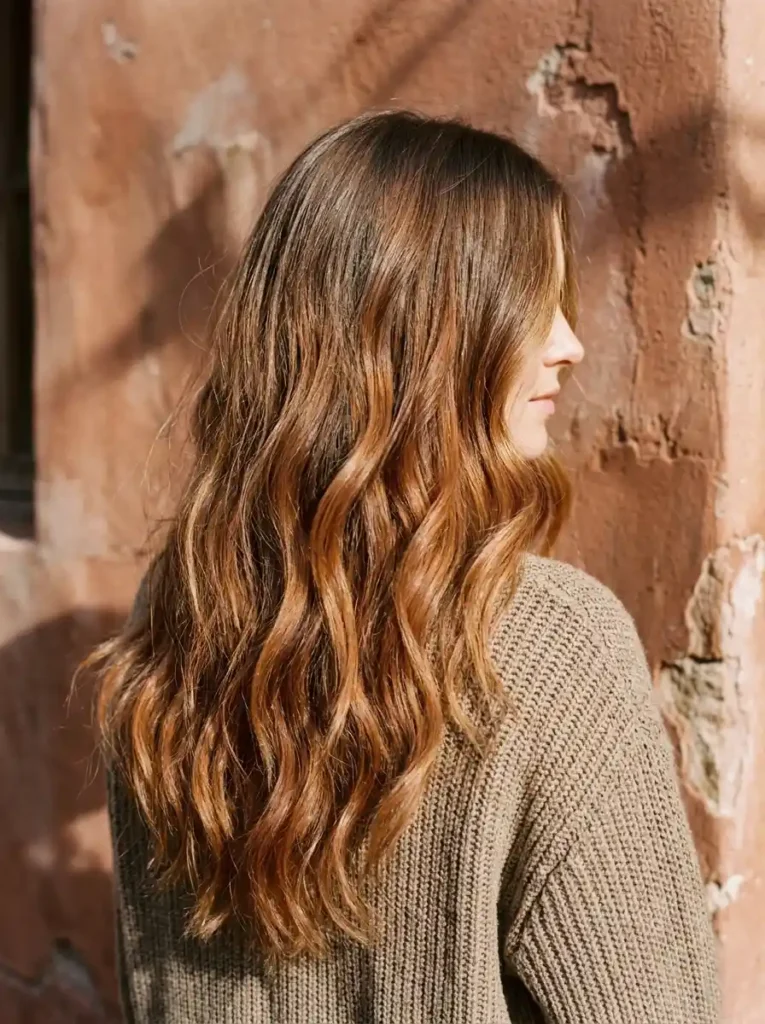
Soft copper balayage introduces a warm, autumn-inspired glow without requiring an all-over red transformation. The brown base anchors the look, while amber and copper sections add brightness and movement. It is a good choice if you enjoy warm hair colors but want to keep your roots natural and your overall appearance relatively low-maintenance. Ask your stylist to tailor the copper intensity to your starting shade. Muted copper usually offers a more understated effect than bright orange-red, particularly when blended gradually through the lengths.
Warm copper tones can fade noticeably, so use gentle, color-safe products and avoid washing more frequently than your hair needs. Your stylist can advise whether a gloss or color-refreshing treatment would help maintain the desired warmth. This shade looks particularly beautiful with soft waves, textured layers, and natural curls because the changing shapes reveal different copper reflections. If your hair is already dry or previously lightened, discuss conditioning treatments before adding more color. The best result combines warm dimension with a finish that still looks healthy and touchable.
20. Lived-In Blonde on a Textured Bob
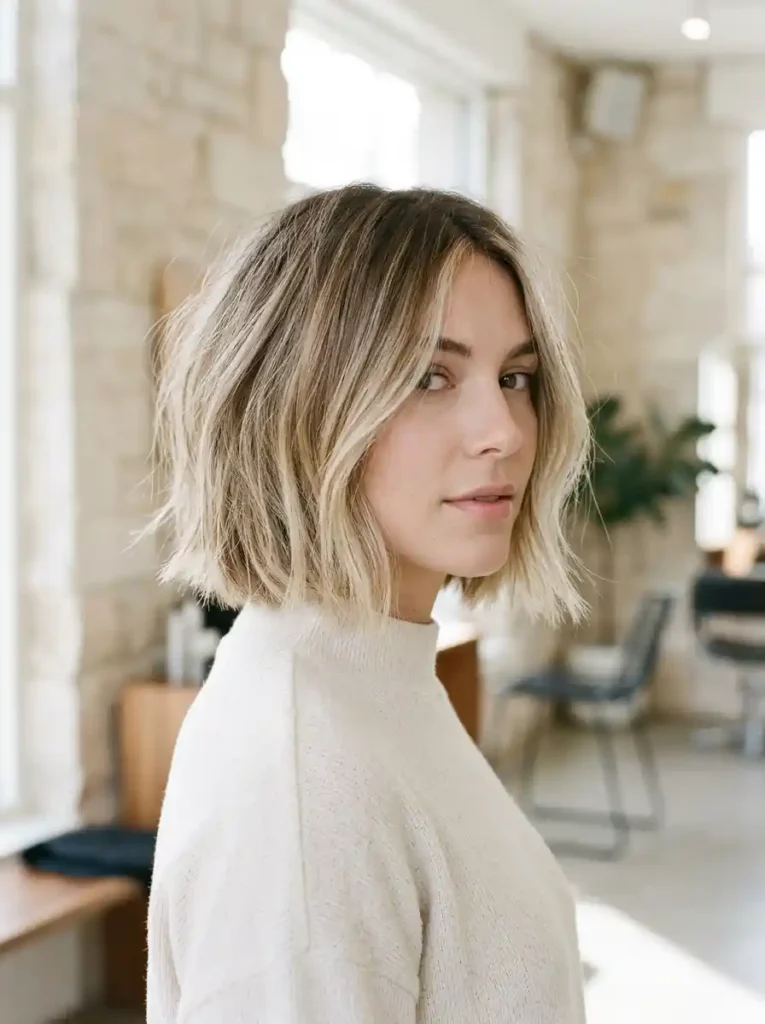
Lived-in blonde works exceptionally well on a textured bob because the shorter shape makes subtle highlights visible without needing extensive color throughout the hair. Fine beige-blonde pieces can brighten the ends and emphasize the haircut’s movement, while a natural root creates a softer transition. This is a practical option if you want a fresh, modern look but do not enjoy long styling routines. Ask your stylist to consider how the bob falls when dry, ensuring the highlights enhance the shape rather than creating disconnected light patches.
A textured bob often needs little more than a lightweight styling cream or a quick blow-dry to look intentional. You can enhance its movement by bending a few sections with a flat iron, but avoid repeatedly applying heat to the same highlighted pieces. The haircut itself will require trimming more frequently than long hair if you want to preserve its shape, even when the color grows out gracefully. If you prefer a relaxed salon schedule, discuss balancing regular trims with less frequent highlight appointments to suit your routine.
21. Natural Brunette Balayage with Soft Beige Ends
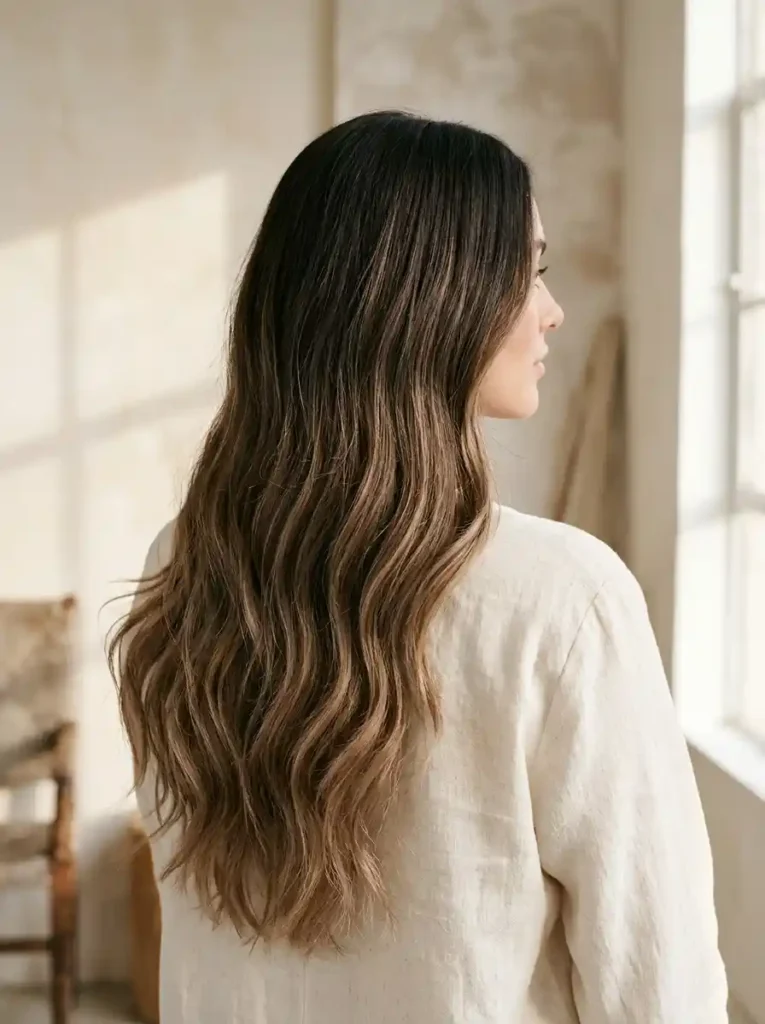
If you love your natural brunette color but want a small change, beige-ended balayage offers a restrained way to introduce dimension. The upper lengths remain close to your natural shade, while the lower sections gradually become lighter and softer. This placement makes the color feel subtle and allows regrowth to blend naturally. Ask your stylist to avoid a distinct horizontal line between the brown and beige sections. The transition should be gradual, with a few delicate ribbons connecting the darker areas to the lighter ends.
This is one of the more adaptable lived-in color options because it does not depend on dramatic contrast to look attractive. It can work on long layers, straight hair, and loose waves, making it easy to personalize without changing your preferred hairstyle. Since the ends are the lightest part, give them extra conditioning attention and use heat protection when styling. You can also ask your colorist to refresh only selected pieces during future visits. The aim is a soft, natural-looking finish that grows out gracefully while keeping your brunette base recognizable.
Conclusion
The best lived-in hair color is one that complements your natural shade, suits your personal style, and fits comfortably into your maintenance routine. From caramel balayage and honey blonde to mushroom brown, rose brown, and subtle brunette dimension, these ideas show how small, carefully placed color changes can create beautiful results without requiring a dramatic transformation.
Before booking your appointment, save two or three reference photos that show the tone, contrast, and root blend you like most. Bring pictures of both the color you want and the colors you would prefer to avoid. Your stylist can then consider your starting shade, previous treatments, hair condition, and desired upkeep to create a realistic plan.
Remember that lived-in color is about thoughtful placement, not simply choosing a fashionable shade. A beautifully blended result should suit your hair even on ordinary days, whether you wear it in loose waves, a sleek blowout, or a quick ponytail. Choose the look that makes you feel confident, and let your natural beauty guide the final details.


