
Changing your hair color can be one of the easiest ways to refresh your personal style, whether you want a subtle glow, a noticeable transformation, or something completely different from your usual look. The right shade can bring out your natural features, add dimension to your haircut, and make even a familiar hairstyle feel new again. The trick is finding a color that looks beautiful not only in salon photos but also in everyday lighting and with your regular styling routine.
From creamy blondes and rich brunettes to coppery reds, dimensional balayage, and unexpected fashion shades, there are plenty of ways to experiment without choosing a color that feels difficult to maintain. Some trends create a soft, natural finish, while others deliver bold contrast and a more expressive look.
In this guide, you’ll discover 20 fresh hair color ideas, along with inspiration for different hair lengths, textures, and personal styles. You’ll also find practical tips for choosing a flattering shade, discussing your desired result with your colorist, and keeping your new color looking its best between salon appointments.
1. Creamy Vanilla Blonde
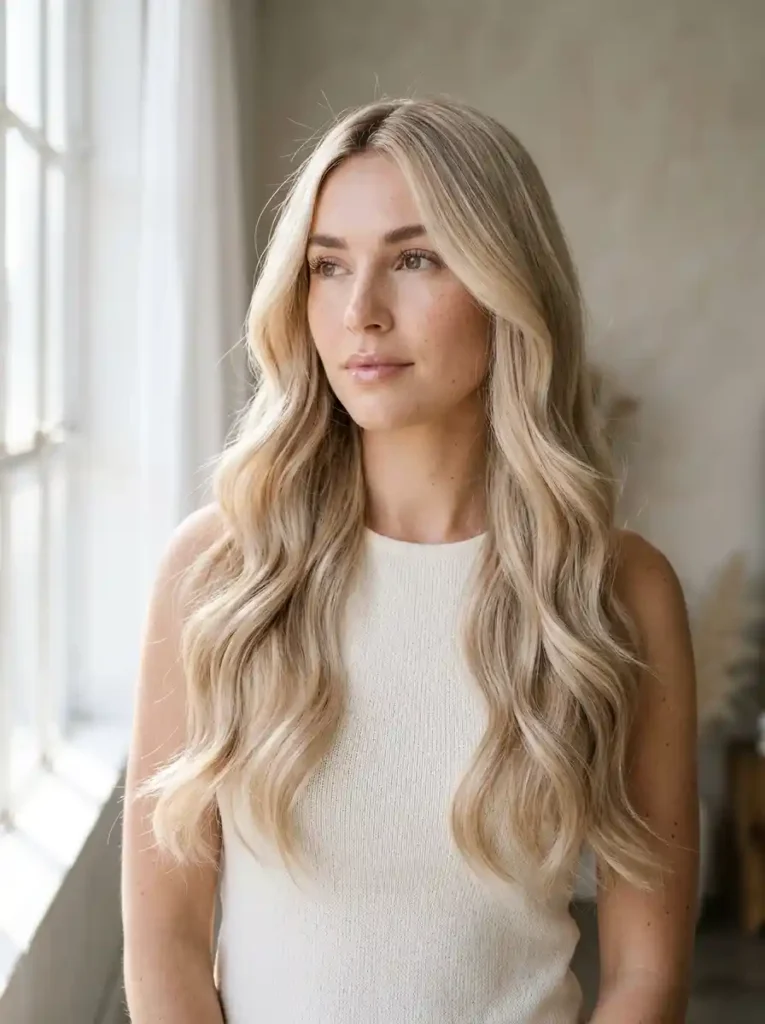
Creamy vanilla blonde offers a softer alternative to icy platinum, combining pale golden, buttery, and neutral beige tones for a luminous finish. It works particularly well for anyone who loves blonde hair that feels polished without appearing overly cool or stark. Ask your colorist to customize the balance of warmth and neutrality to complement your complexion. Fine highlights around the face can create brightness, while slightly deeper roots help the color blend naturally as your hair grows.
Because achieving this shade may require significant lightening, especially on darker starting colors, a gradual coloring plan can help protect your hair’s condition. Use a color-safe shampoo, a moisturizing conditioner, and a weekly nourishing treatment to maintain softness. Purple shampoo can help control unwanted yellow tones, but excessive use may make creamy blonde look dull or overly cool. For everyday styling, loose waves or a smooth blowout reveal the delicate tonal variations that make this hair color especially appealing.
2. Cherry Cola Brunette
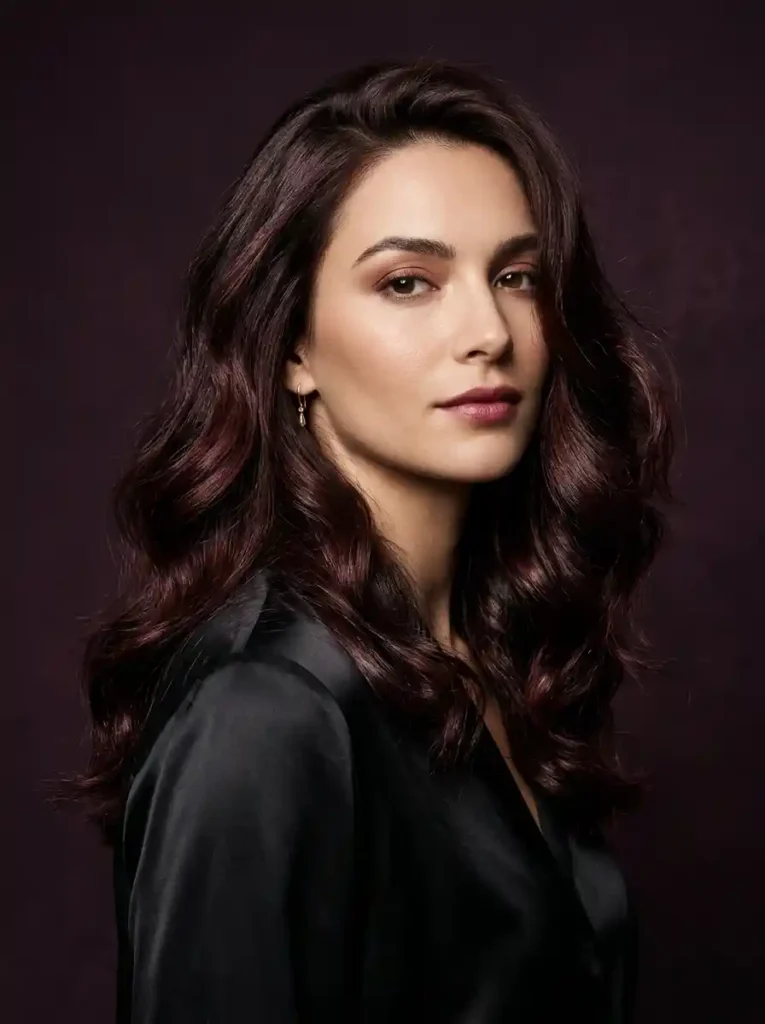
Cherry cola brunette brings together deep chocolate brown, burgundy, and cherry-red undertones for a color that looks understated indoors but reveals its richness in sunlight. It is an appealing option if you want to experiment with red without committing to a bright copper or vivid crimson. The darkest versions feel sophisticated and subtle, while stronger red reflections create more noticeable dimension. Ask your stylist to adjust the red intensity according to your natural base and preferred level of contrast.
Red pigments can fade faster than many people expect, so preserving the richness of cherry cola brunette requires thoughtful aftercare. Wash with lukewarm water, choose products designed for color-treated hair, and limit frequent high-heat styling. A tinted gloss or salon refresh can restore the red reflections when they begin to soften. This shade looks especially striking on layered cuts, long waves, and sleek bobs, where movement allows the burgundy tones to catch the light instead of appearing like a flat, uniform brown.
3. Honey Blonde Balayage
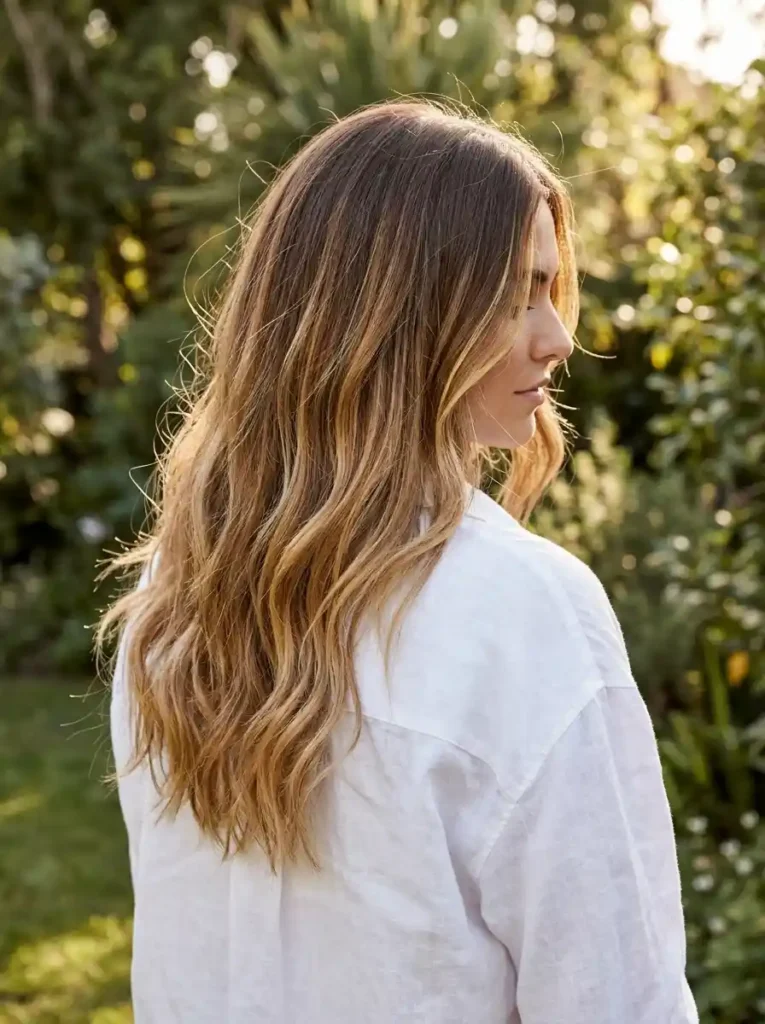
Honey blonde balayage creates a sunlit effect by blending golden blonde ribbons into a darker base. Unlike traditional highlights that can appear uniform from the roots, balayage allows the brightness to concentrate where the hair naturally catches light. This makes it a useful choice for brunettes who want a lighter appearance without immediately coloring their entire head. The honey tones can be adjusted toward caramel or pale gold, depending on your starting color, complexion, and preference for warmth.
One advantage of this technique is that the softer root transition often makes regrowth less obvious than with an all-over blonde color. Your stylist can position brighter pieces around the face and through the ends to add movement without sacrificing depth. To maintain the finish, use a moisturizing mask and heat protectant, especially if the ends have been lightened. Balayage typically needs less frequent root maintenance than traditional highlights, although toning appointments may still be necessary to keep the blonde looking balanced.
4. Expensive Brunette
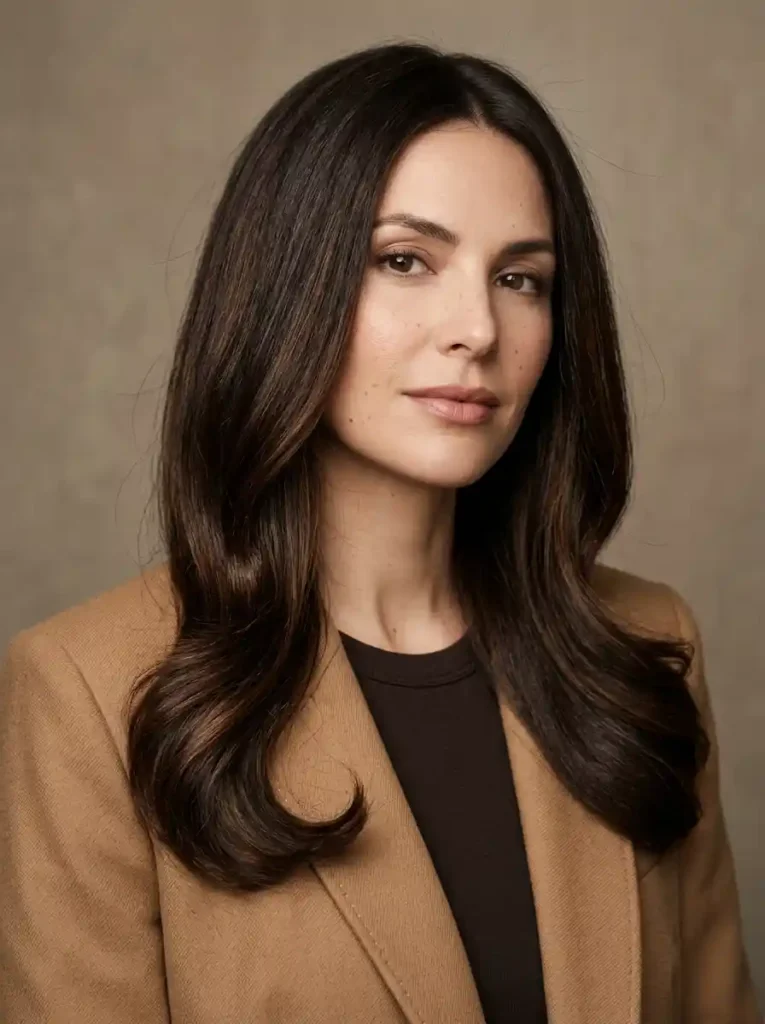
Expensive brunette is all about making brown hair look exceptionally rich, dimensional, and healthy. Rather than relying on dramatic streaks, the color combines closely related shades such as espresso, chocolate, and soft mocha. The result is subtle enough for a professional setting but interesting enough to give your hair a refreshed appearance. It is particularly appealing if you prefer darker colors and want an upgrade that preserves depth instead of transforming your look into a much lighter shade.
The secret to achieving this finish is thoughtful placement and a balanced gloss, not simply choosing the darkest brown available. Ask your colorist for delicate tonal variations that complement your natural base and avoid excessive contrast between individual sections. A smoothing serum can help reflect light across the hair, while regular conditioning supports a polished finish. This color pairs beautifully with blunt cuts, long layers, and bobs because the restrained tonal differences make the haircut itself appear more defined and intentional.
5. Copper Penny Red
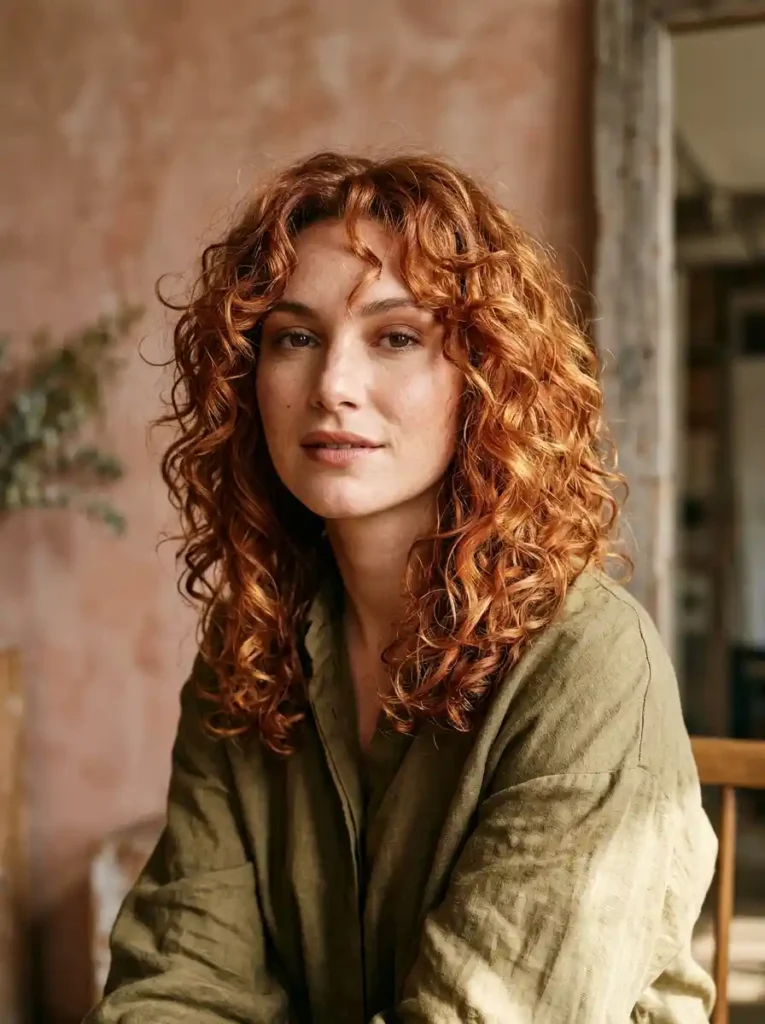
Copper penny red is a vivid yet wearable choice for anyone drawn to warm, fiery hair colors. Its signature look combines bright copper with golden and auburn undertones, creating a finish reminiscent of polished copper metal. Depending on your preference, the shade can lean toward soft ginger or a more saturated orange-red. It often looks especially beautiful when customized to your natural coloring, so bring reference photographs that show your preferred intensity rather than requesting copper without further explanation.
Red and copper shades generally require more attention to fading than natural-looking brunettes. A color-safe routine, cooler rinses, and fewer unnecessary washes can help preserve the tone between appointments. Your stylist may recommend a customized gloss when the color loses its brightness. Copper penny also works wonderfully with curly cuts, shaggy layers, and softly tousled bobs because texture creates small variations in light and shadow. If you prefer understated styling, a simple blow-dry can still show off the shade’s distinctive warmth.
6. Mushroom Brown
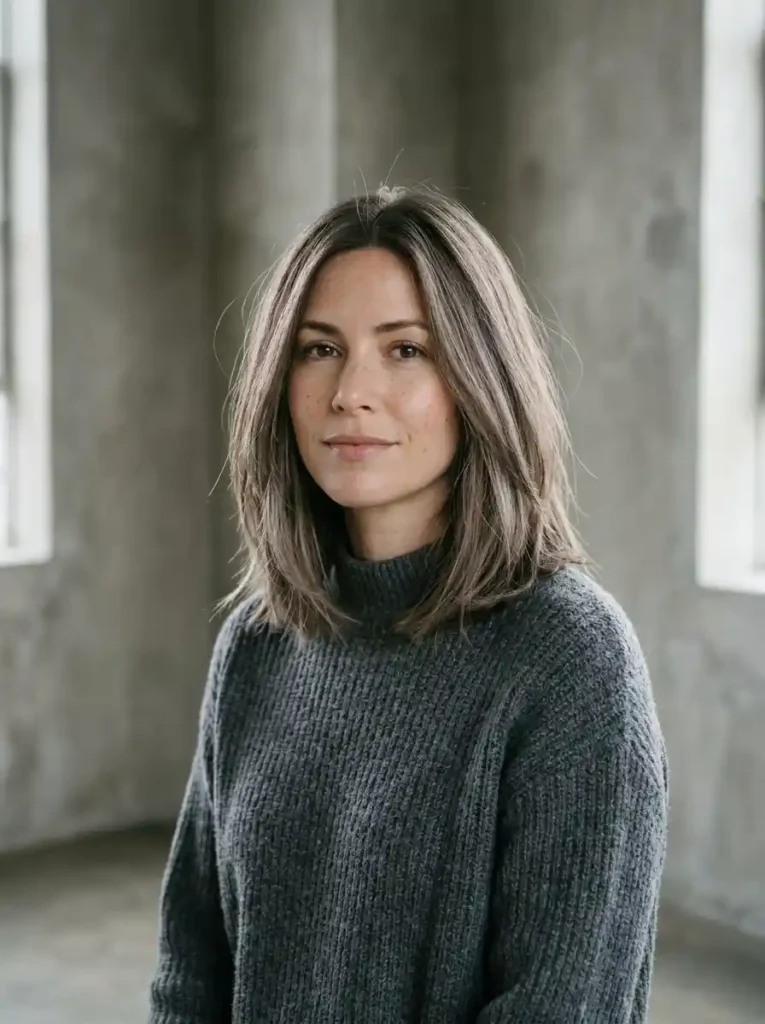
Mushroom brown is ideal if you love brunette hair but prefer a cooler, more muted appearance than traditional chocolate or caramel shades. Inspired by taupe and ash-brown tones, it creates a smoky finish that feels modern without relying on dramatic color contrasts. The shade can be customized from light beige-brown to deeper mushroom brunette, making it suitable for different starting colors. Your colorist should consider your natural undertones and the amount of lightening needed before choosing the final formula.
Cool brown shades can develop unwanted warmth as the color gradually fades, especially when the underlying hair has naturally golden or orange pigments. A stylist-recommended toning product can help maintain the smoky finish without overcorrecting the color. Mushroom brown looks particularly effective on straight lobs, softly layered hair, and loose waves, where its subtle tonal differences remain visible. If your hair is naturally dark, ask whether a gloss or carefully placed highlights could achieve your preferred result without unnecessary lightening throughout the entire head.
7. Rose Gold Blonde
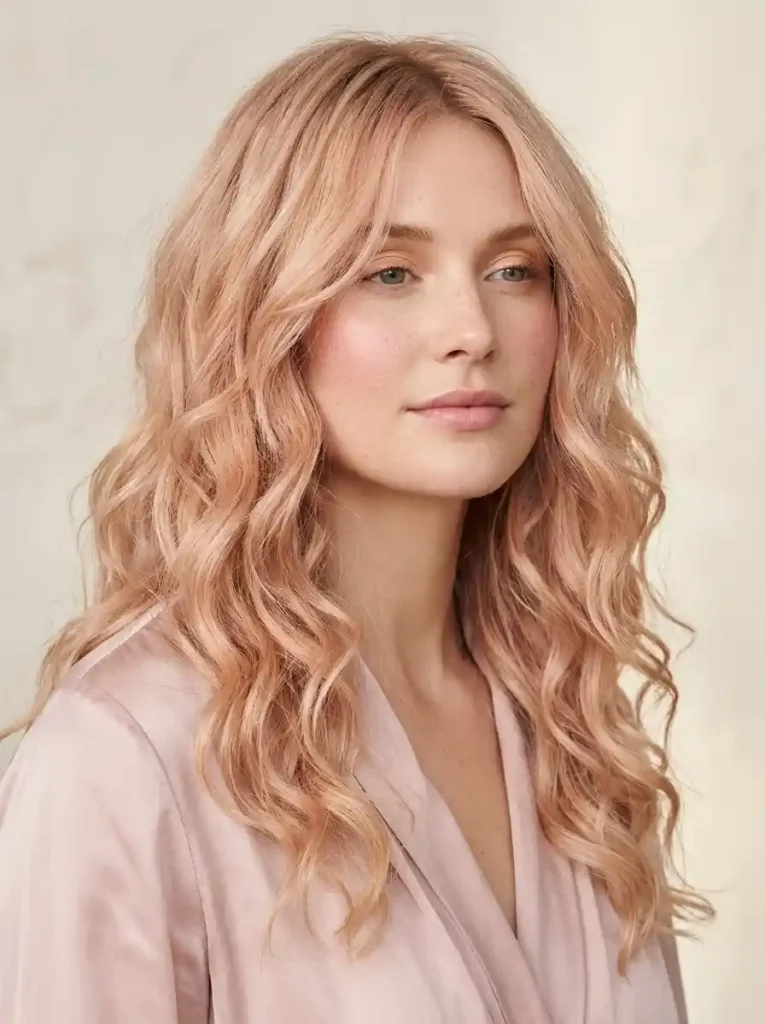
Rose gold blonde combines champagne blonde with a gentle pink or peach tint, creating a romantic color that feels more distinctive than conventional golden blonde. Depending on the formula, the result can be barely pink or noticeably rosy, so decide how much color you want before your appointment. This shade is especially attractive if you enjoy feminine, softly expressive styles but do not want a highly saturated fashion color. Your natural base and existing highlights will influence how clearly the rosy tones appear.
For the clearest rose gold finish, your hair may need to be light enough for the pink tones to show accurately. If your hair is dark, your stylist can explain whether partial lightening or a more subtle rose-brown variation is the better approach. Pastel shades often fade relatively quickly, so a color-depositing conditioner approved by your stylist can help extend the effect. Loose curls, braided styles, and soft blowouts all complement rose gold because they reveal the interplay between the blonde foundation and delicate pink reflections.
8. Mocha Melt
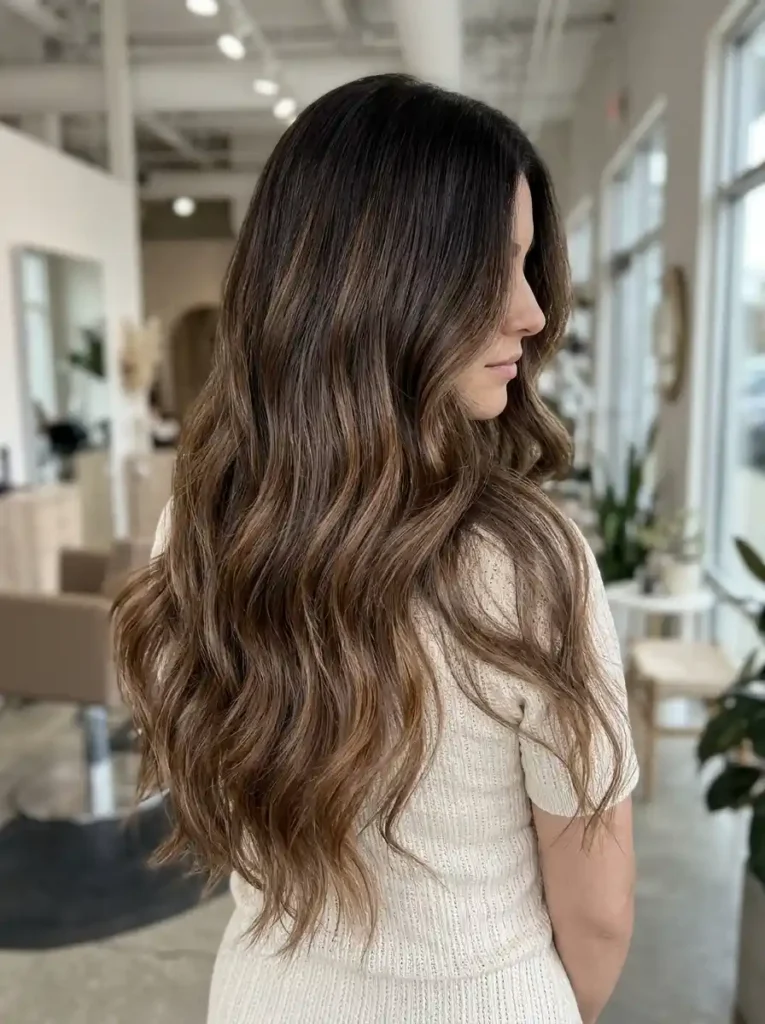
Mocha melt is a beautiful choice when you want your hair color to have depth at the roots and softness through the lengths. It blends espresso or dark brown into medium mocha and lighter chocolate tones without creating a sharply defined line between colors. The gradual transition adds dimension while keeping the overall look brunette. It is particularly useful for anyone who wants a noticeable refresh but prefers to avoid the upkeep of a fully lightened head or high-contrast highlights.
Ask your colorist to keep the transition gradual and to place the lighter mocha tones where they will complement your haircut. On long layers, the color can create a flowing, dimensional effect; on a shoulder-length bob, it gives the ends a little extra visual brightness. A gloss helps keep the brown tones looking polished, while a moisturizing treatment protects previously lightened sections. Since the roots remain relatively deep, regrowth can be easier to manage than with a single-process lighter color.
9. Buttercream Blonde
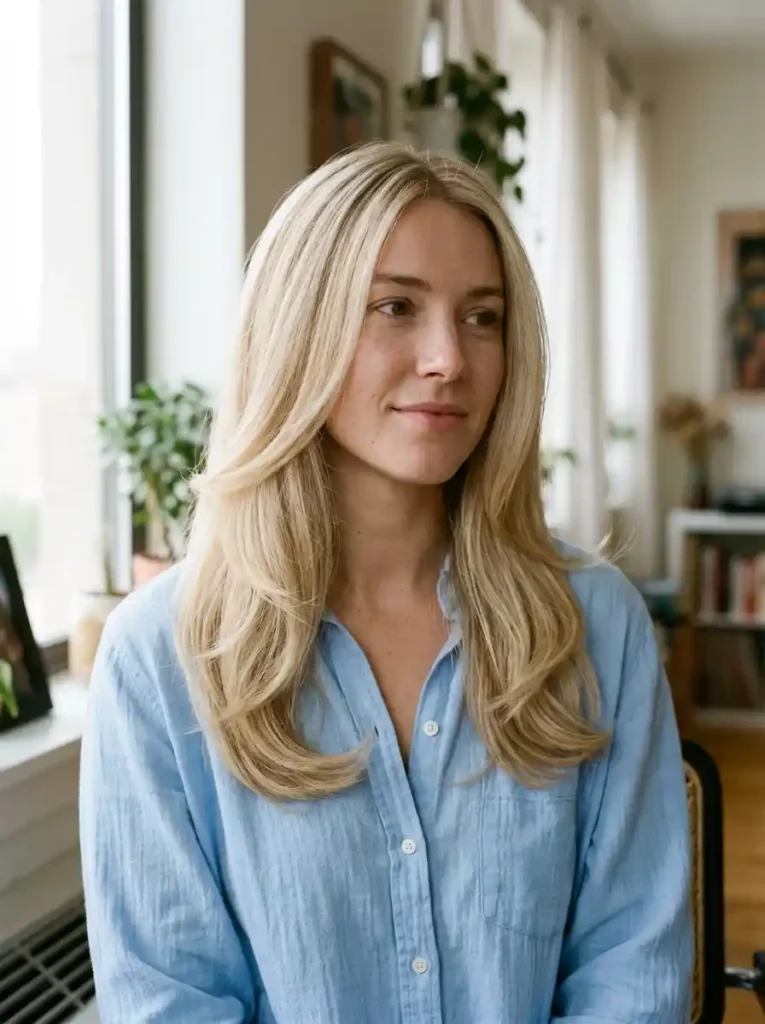
Buttercream blonde brings warmth and softness to lighter hair without the strong golden intensity of traditional honey blonde. Its creamy, pale-yellow undertones create a bright appearance that can feel more natural than icy platinum. This shade suits people who want a luminous blonde finish with a little warmth, although the exact balance should be tailored to their complexion and starting color. Ask for a reference that shows the desired level of creaminess, since some interpretations lean beige while others look distinctly golden.
Maintaining buttercream blonde means keeping the hair hydrated while preventing unwanted brassiness from becoming too noticeable. Use a gentle shampoo and a rich conditioner, and introduce purple shampoo only when your stylist recommends it for your particular tone. Regular trims can help keep lightened ends looking healthy, especially if you wear your hair long. Buttercream blonde looks beautiful with a smooth blowout, relaxed waves, or a simple ponytail, making it versatile enough for both everyday outfits and more polished occasions.
10. Cinnamon Brown
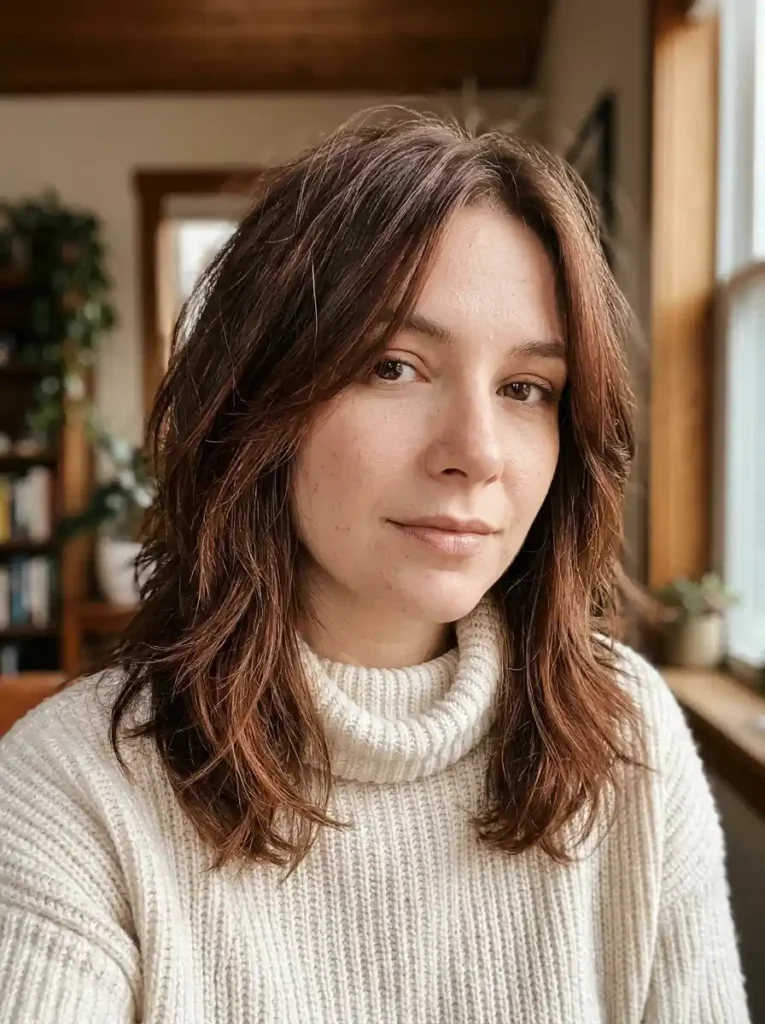
Cinnamon brown sits between classic brunette and warm auburn, adding a gentle reddish glow without becoming a fully copper hair color. The brown foundation keeps the result grounded, while cinnamon reflections make the hair appear richer and more dimensional. It is an excellent option if you want to explore red tones gradually or refresh naturally brown hair with added warmth. Your stylist can adjust the intensity to create anything from a subtle reddish sheen to more visible cinnamon highlights.
The shade is particularly effective on layered cuts because the warm ribbons become more noticeable as the hair moves. If you already have dark brown hair, a gloss or carefully placed color accents may be enough to achieve a restrained version, depending on your starting shade. To maintain the balance between brown and red, choose color-safe products and avoid frequent clarifying shampoos unless necessary. Cinnamon brown pairs beautifully with natural waves, textured bobs, and polished straight styles, giving you plenty of options for everyday styling.
11. Bronde: The Best of Blonde and Brunette
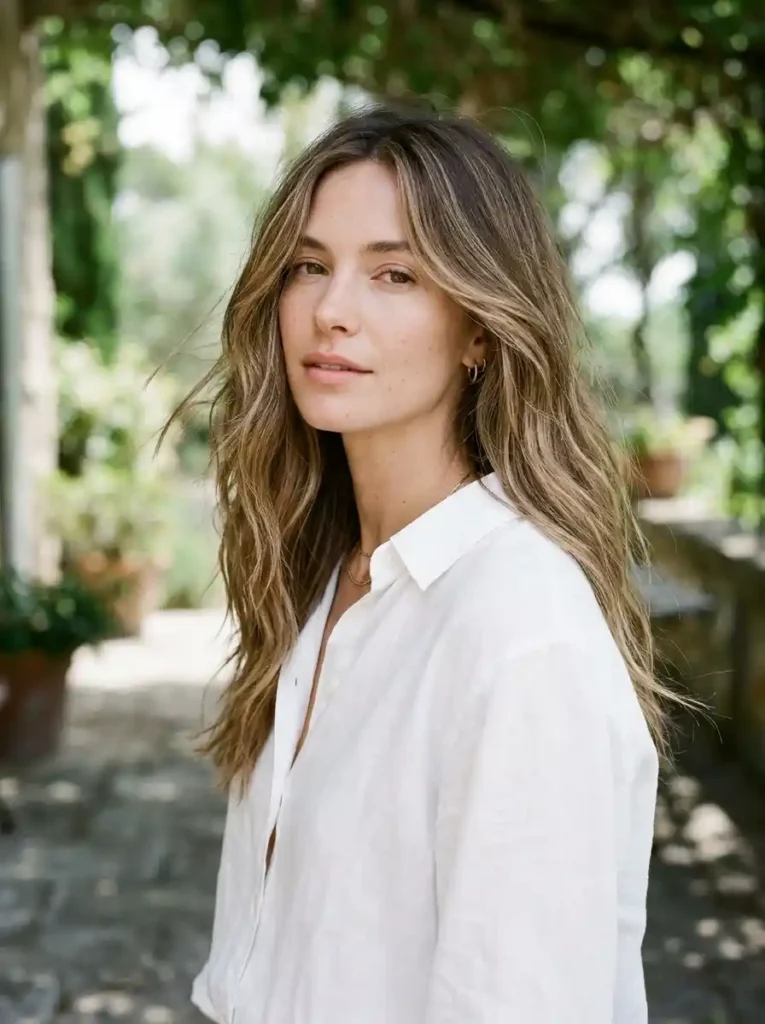
Bronde combines brunette depth with blonde brightness, making it a versatile option if you cannot decide between staying brown and going lighter. Its beauty comes from balance: the base remains rich enough to feel natural, while lighter ribbons bring movement around the face and through the ends. You can customize bronde toward sandy beige, golden caramel, or cooler taupe depending on your preferences. It is especially useful for brunettes who want a visible change without committing to an all-over blonde transformation.
For a believable result, ask your stylist to keep some depth near the roots and vary the placement of lighter pieces throughout the hair. This creates dimension without making every section equally bright. Bronde can work on short, medium, and long hair, although the placement should reflect your haircut and parting. Use color-safe shampoo and conditioner, and consider occasional gloss appointments to maintain the balance between warm and cool tones. The result is an adaptable color that looks attractive with both casual waves and sleek styling.
12. Midnight Blue-Black
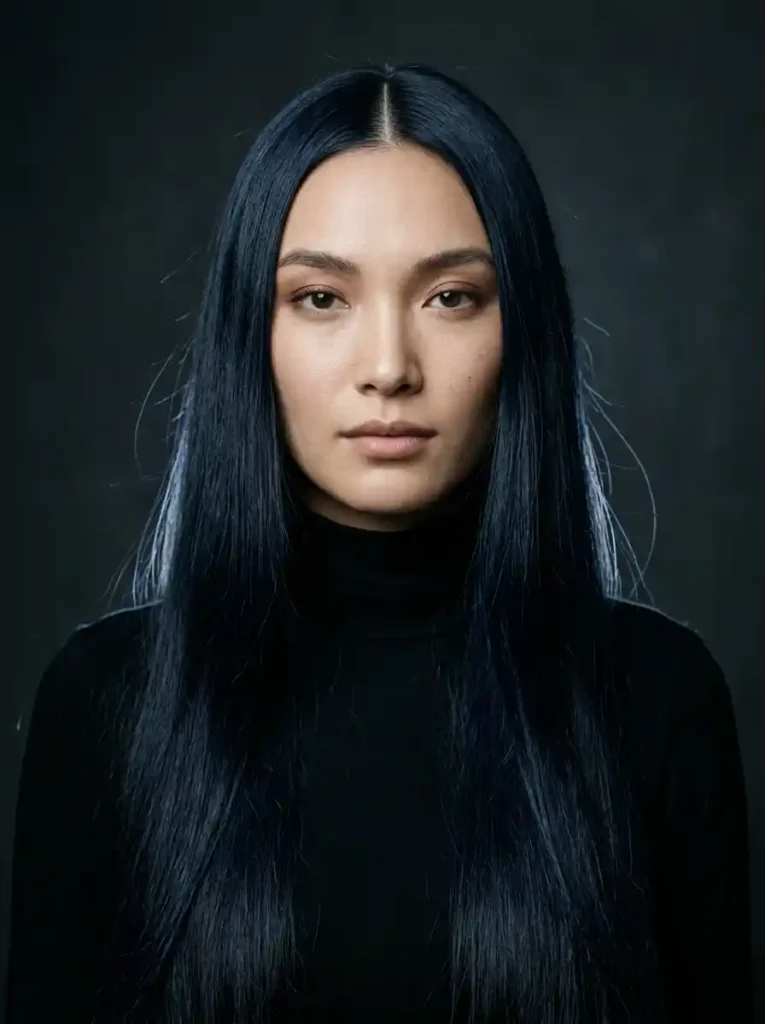
Midnight blue-black is a dramatic choice for anyone who loves dark hair but wants something more distinctive than a standard black shade. The color appears nearly black in softer lighting, while blue reflections become visible under brighter or directional light. This makes it a subtle way to experiment with fashion-inspired color without choosing a vivid blue. Discuss the desired level of blue with your colorist, because some formulas create a barely noticeable sheen while others deliver a more obvious navy finish.
Deep, cool colors can be difficult to remove if you later decide to go lighter, so consider your long-term preferences before making the change permanent. A strand test may help you understand the result and potential color-removal process. For maintenance, use gentle color-safe products and limit excessive heat, which can reduce shine. Midnight blue-black looks especially striking on sleek bobs, long straight hair, and glossy layers. A smooth finish helps reflect light, making the blue undertones easier to appreciate without additional styling.
13. Peach Copper
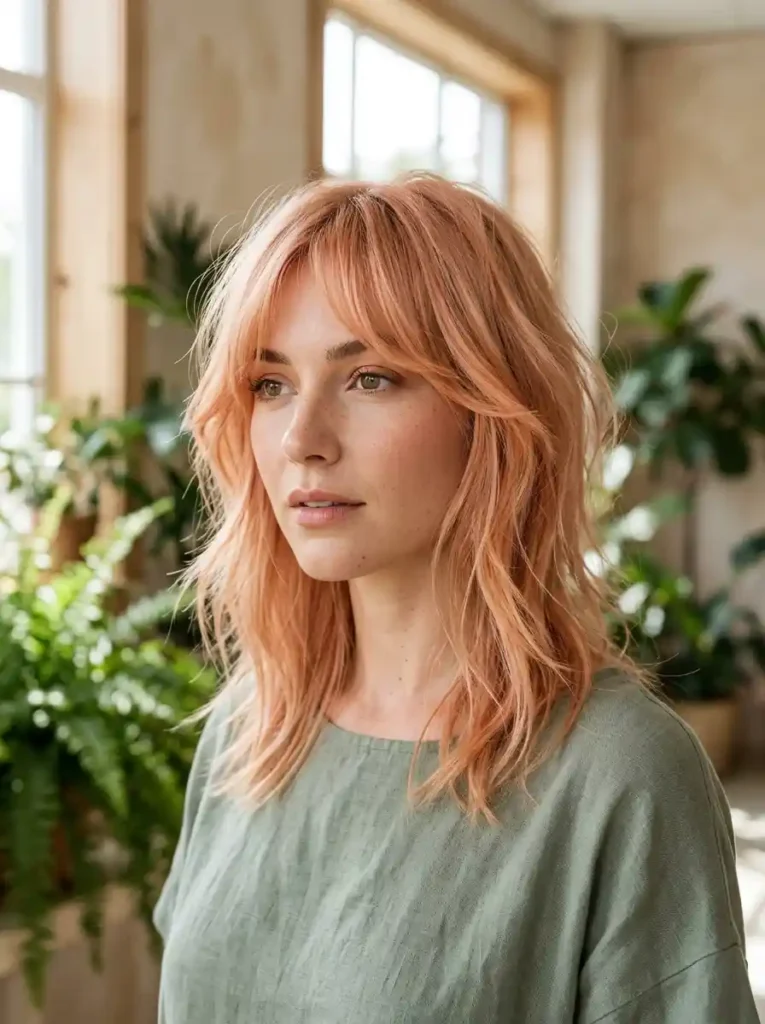
Peach copper is a lighter, softer interpretation of copper hair, blending apricot and golden-red tones with a gentle peachy finish. It is a lovely option if you want a warm transformation that feels playful without the intensity of a deep copper or crimson shade. The final color can range from delicate strawberry-peach to a more saturated apricot copper. Your colorist should account for your natural base and the lightness needed to make the peach tones visible.
Because lighter peach shades can lose their delicate character as pigments fade, a maintenance plan is particularly important. Ask about a personalized color-depositing product or occasional gloss to preserve the balance between peach and copper. This shade often looks beautiful with shaggy layers, curtain bangs, and soft curls because texture makes the color appear lively rather than flat. If you prefer low-maintenance styling, the color can still stand out on a simple shoulder-length cut, provided the shade is tailored to your desired level of brightness.
14. Smoky Silver
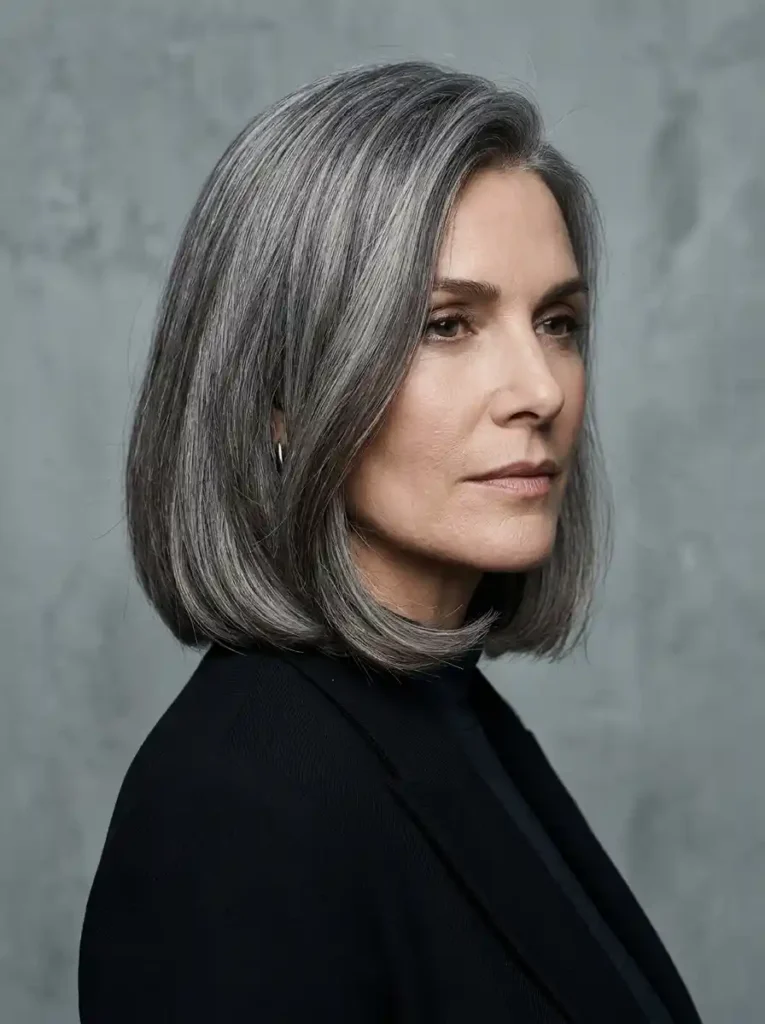
Smoky silver combines cool gray, pewter, and muted charcoal tones for a sophisticated alternative to bright platinum blonde. It can be especially appealing if you want to embrace naturally graying hair or explore a deliberate silver transformation. The shade may be light and airy or deeper and more metallic, depending on your starting color. Ask your colorist to discuss the necessary lightening process, since reaching a clear silver result from dark hair can require multiple appointments.
Silver hair generally needs careful upkeep because warm underlying pigments can become visible as the toner fades. A stylist-recommended purple or silver shampoo may help maintain coolness, but overuse can leave some shades looking dull or violet-tinted. Deep conditioning is equally important if the hair has undergone substantial lightening. Smoky silver looks striking on precision bobs, textured pixie cuts, and longer layered styles. Its success depends as much on hair condition and a well-planned color process as it does on the final metallic tone.
15. Caramel Face-Framing Highlights
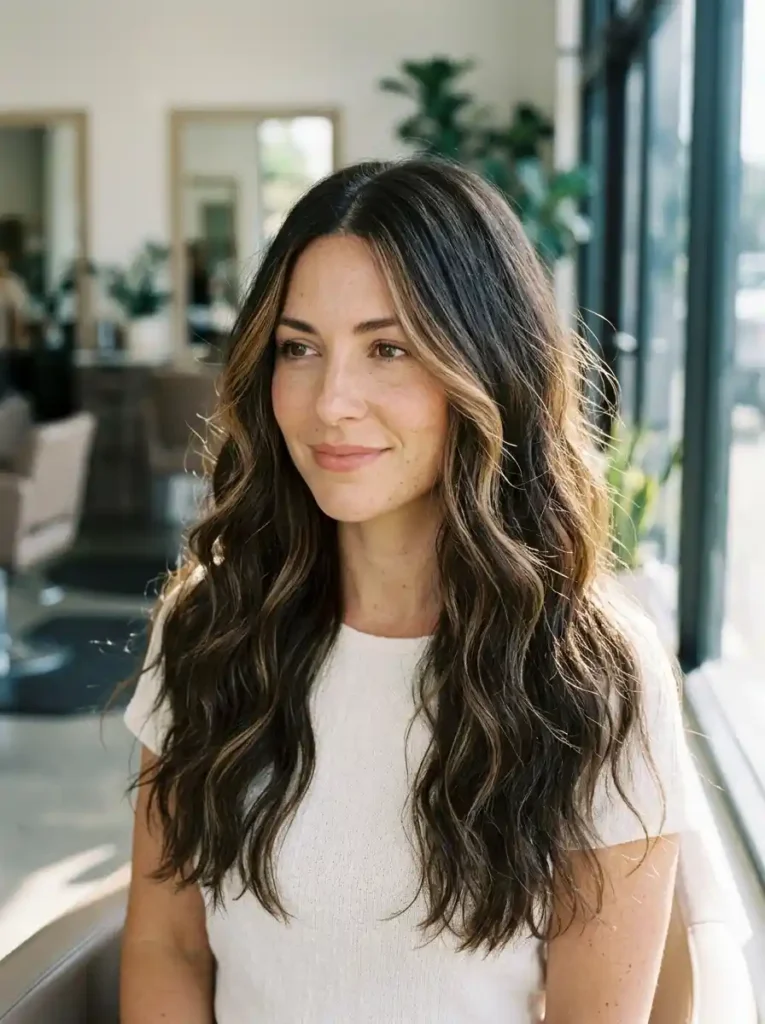
Caramel face-framing highlights offer a noticeable refresh without requiring a full-head color transformation. A few lighter pieces around the temples and front layers draw attention to the haircut while creating brightness against a darker base. The caramel tones can be subtle and toasted or more golden, depending on how much contrast you prefer. This technique is particularly appealing if you want your hair to look more dimensional in photographs while keeping most of your natural brunette color intact.
Placement makes a significant difference, so ask your colorist to consider how you usually part and style your hair. Highlights that look beautiful with a center part may sit differently when you wear a deep side part or pull your hair into a ponytail. Keeping the brighter pieces blended into surrounding brown hair helps prevent harsh stripes. A gloss can maintain the caramel tone, while regular conditioning protects lightened sections. This approach is also a practical way to try lighter hair before deciding whether you want more extensive highlights later.
16. Strawberry Blonde
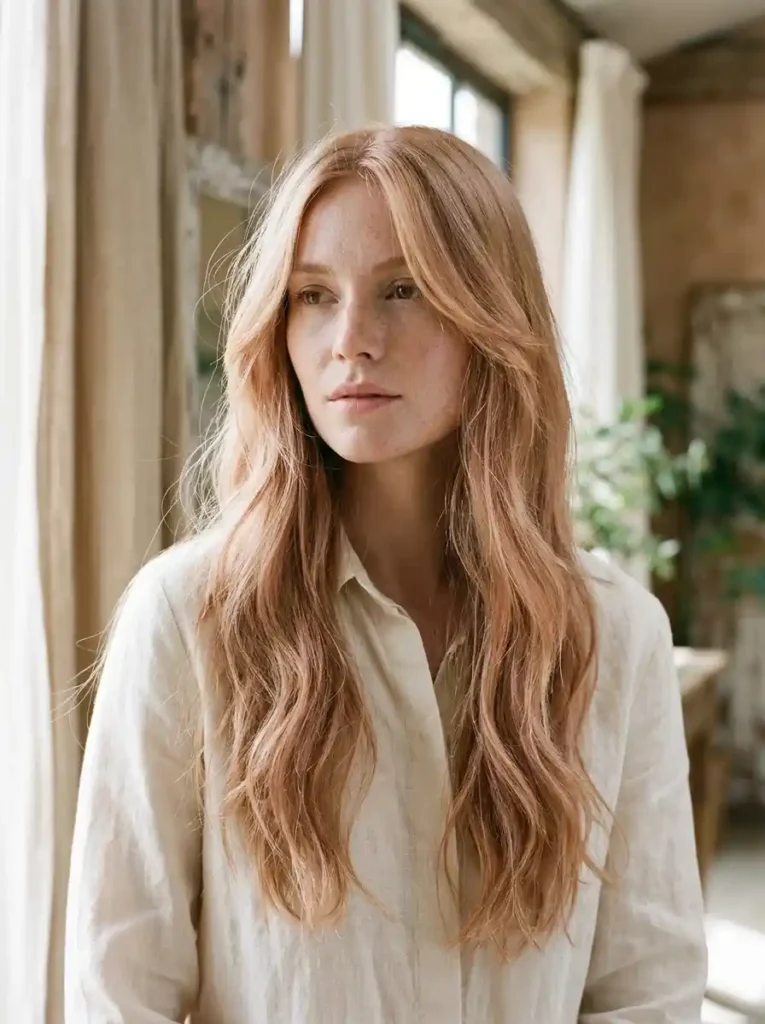
Strawberry blonde combines the brightness of blonde with a subtle red tint, producing a soft, warm color that feels distinctive without looking overly bold. Depending on the formula, it can lean toward golden apricot or a delicate pinkish copper. This shade is worth considering if you love blonde hair but want something with a little more personality. Your stylist can customize the depth and warmth to complement your natural hair color and achieve a result that feels harmonious rather than artificial.
Strawberry blonde can be challenging to maintain because its subtle red pigments may fade, leaving the blonde foundation more noticeable. Ask your stylist whether a color-depositing conditioner would help preserve the desired warmth between appointments. Avoid assuming that one inspiration photograph will look identical on every starting color; existing highlights, previous dyes, and natural undertones all influence the result. Soft waves and layered cuts are excellent styling choices because they reveal the blend of golden and reddish tones without requiring complicated everyday styling.
17. Chocolate Cherry Hair
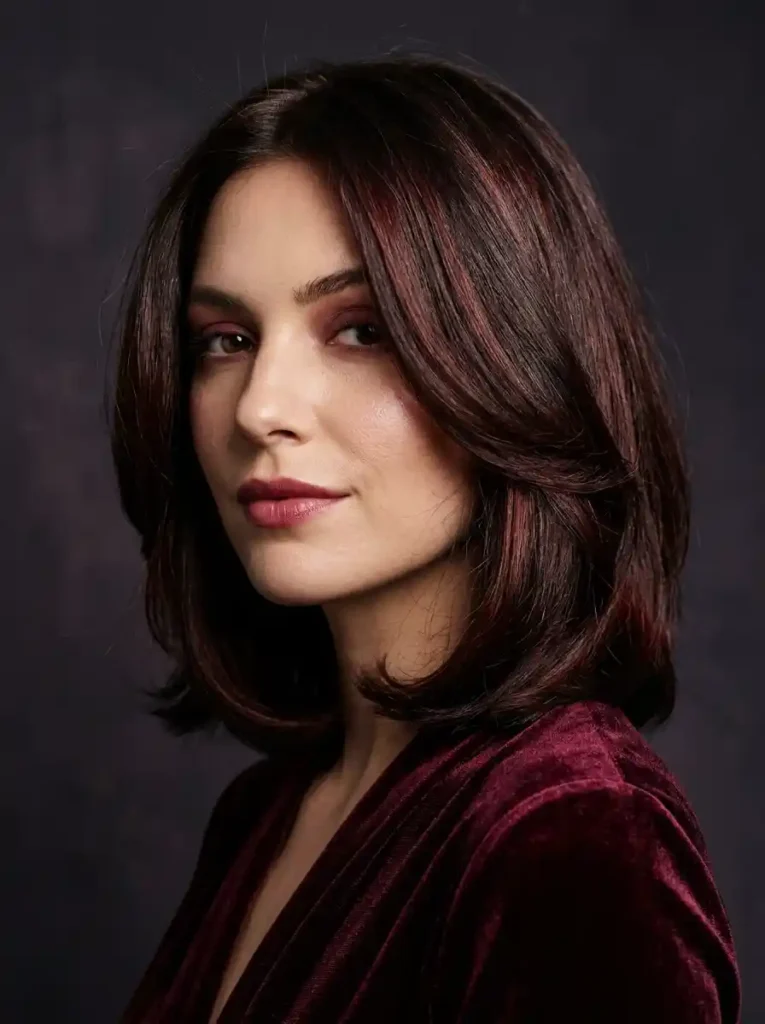
Chocolate cherry hair is a rich brunette shade with red undertones that become more noticeable when light hits the hair. Compared with cherry cola, which often emphasizes deeper burgundy and wine reflections, chocolate cherry can retain a warmer, cocoa-brown appearance. The distinction is subtle, and the two shades sometimes overlap in salon terminology. Bring photographs showing the exact balance you like, then ask your colorist to customize the red intensity rather than relying on the name alone.
This color is particularly attractive if you want a seasonal refresh that still feels wearable throughout the year. Its dark foundation can create a dramatic effect without requiring the brightness of copper or vivid red. Keep the finish glossy with color-safe shampoo, a nourishing conditioner, and occasional salon gloss treatments as needed. On bobs and layered cuts, the movement helps reveal the cherry reflections. If you prefer straight hair, a smooth blowout can also showcase the color, especially under natural daylight or softly directed indoor lighting.
18. Sandy Beige Blonde
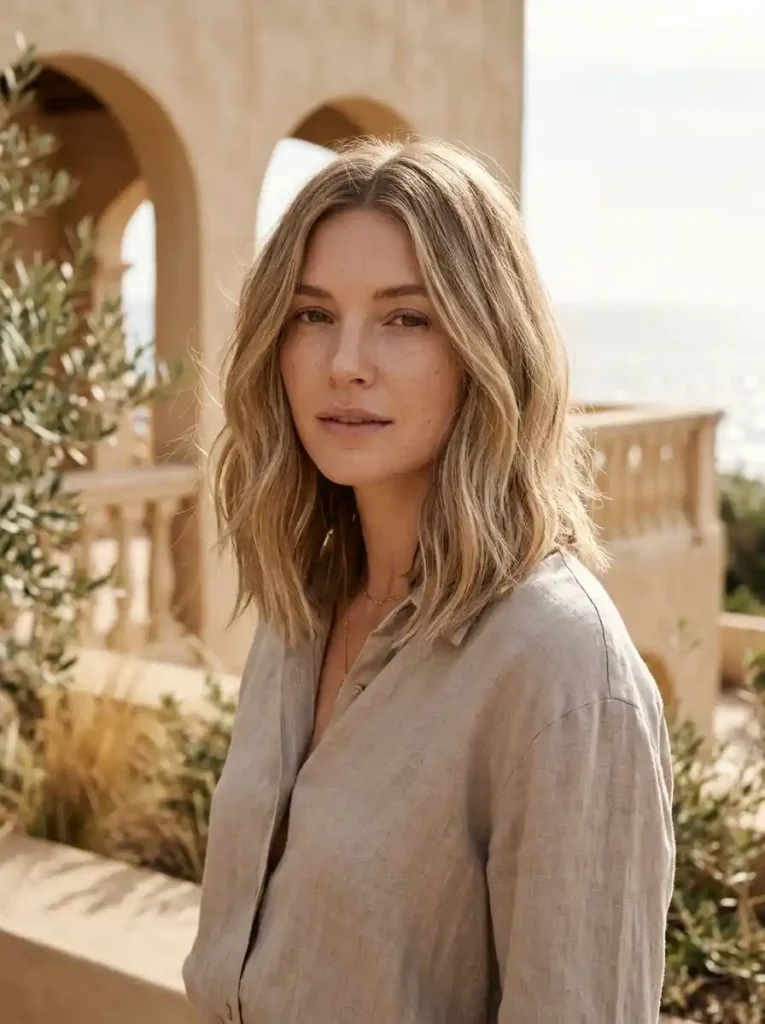
Sandy beige blonde offers a balanced alternative to very warm golden blonde and cool platinum. Its mixture of beige, wheat, and muted golden tones creates a natural-looking finish that works well for people who want brightness without an obvious yellow or icy cast. It can be achieved through carefully blended highlights, an all-over color on a suitable starting base, or a customized combination of techniques. Ask your stylist whether a slightly deeper root would help the color blend more naturally as it grows.
Because beige blonde sits between warm and cool, maintaining the balance is more important than making the hair as pale as possible. Excessive toning can remove the softness that makes this shade appealing, while fading may reveal warmer undertones. A customized gloss can help restore the intended finish when needed. Sandy beige blonde looks especially lovely on shoulder-length cuts, long layers, and relaxed waves. Its neutral character also makes it easy to pair with a variety of clothing colors, from crisp white to earthy brown and muted green.
19. Golden Bronde Ribbons
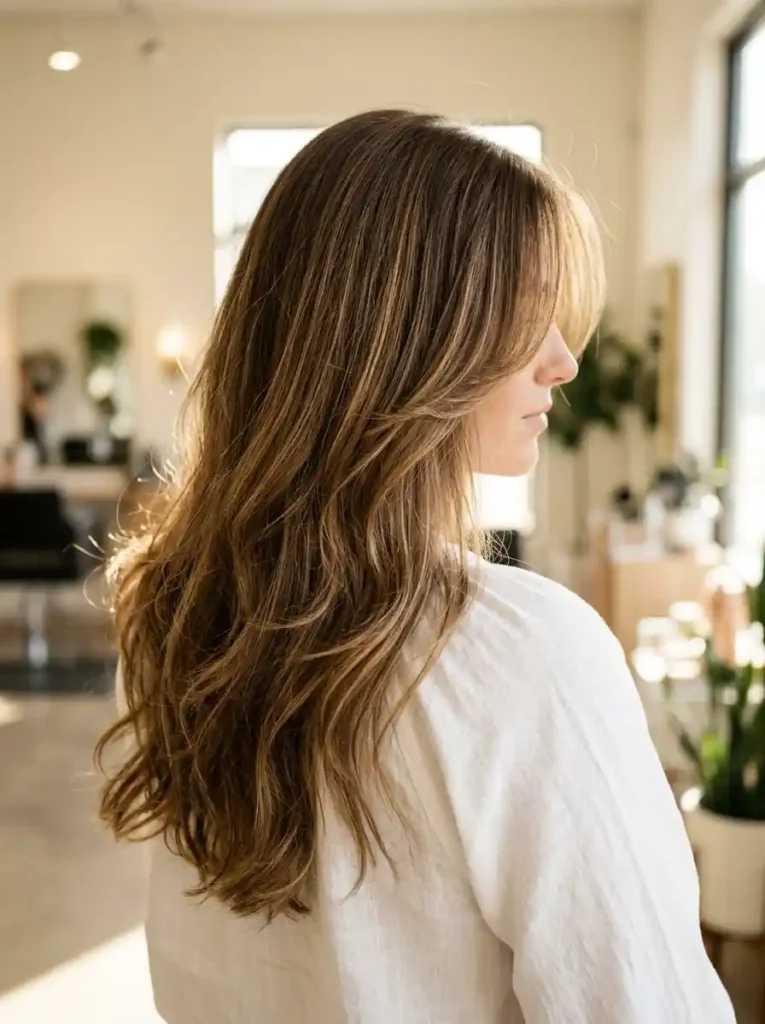
Golden bronde ribbons are perfect if you like your brunette base but want more visible warmth and movement than a subtle brown gloss can provide. Thin golden blonde sections are blended through the hair, creating brightness that appears especially noticeable when the hair is curled or styled in layers. Compared with a full balayage, this approach can concentrate the lightness in selected areas while preserving plenty of depth. The gold can be adjusted from soft wheat to richer honey, depending on your preferred level of warmth.
To avoid a striped appearance, ask for fine, varied highlights that follow your haircut and natural movement. Your stylist can keep the root area deeper while adding brighter pieces around the face and through the ends. This makes the overall color feel connected instead of divided into separate sections. Golden bronde ribbons may require periodic toning, especially if the blonde begins to look brassy. A lightweight leave-in conditioner and heat protectant can help keep highlighted lengths smooth, reflective, and manageable between appointments.
20. Soft Lavender Brown
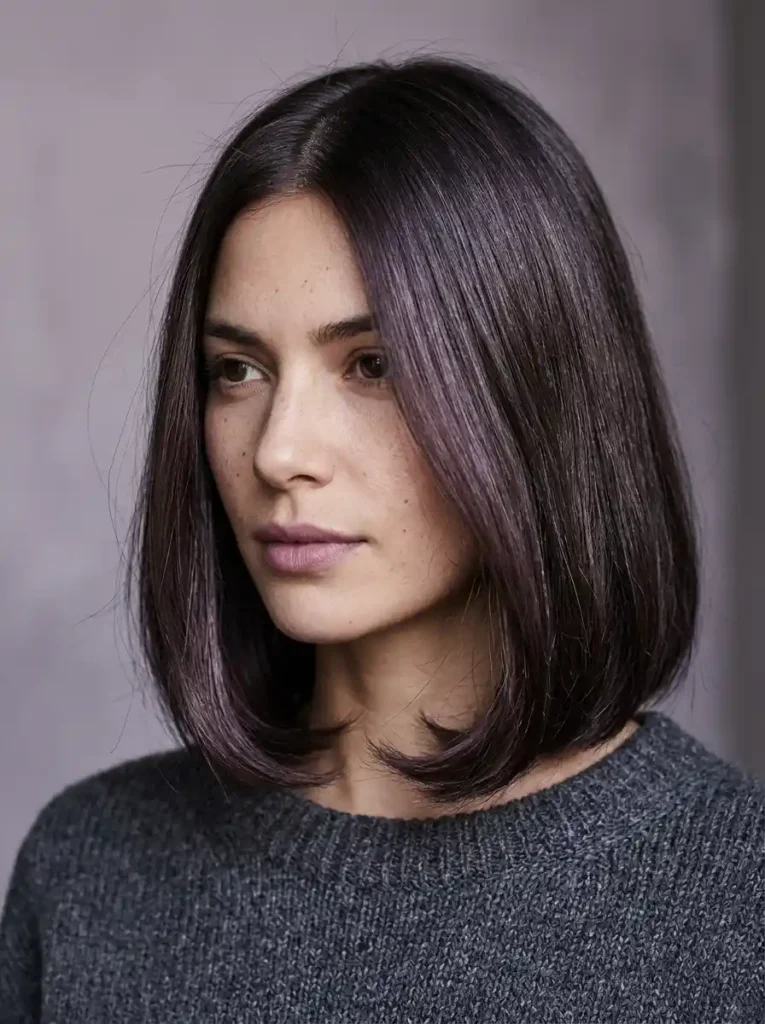
Soft lavender brown is a creative option for anyone who wants something different from traditional brunette shades without choosing an intensely vivid fashion color. The base remains brown, while muted lavender or plum undertones create a cool, slightly unexpected finish. Depending on the formula and lighting, the purple influence may appear as a gentle sheen rather than an obvious color change. Discuss your expectations with your stylist, especially if you want the lavender to be visible in everyday indoor lighting rather than only in direct sunlight.
The final result depends on your existing hair color and the pigments used, so a consultation is important before committing. Some versions may be achievable with a tinted gloss on suitable hair, while others require pre-lightening to make the lavender tones more noticeable. Because fashion pigments can fade unevenly, ask how the color will evolve over several washes and whether a personalized maintenance product is appropriate. Soft lavender brown pairs beautifully with sleek bobs, loose waves, and minimalist styling, making it a distinctive choice that still feels wearable.
Conclusion
With so many beautiful shades to consider, the best choice is the one that fits your personal style, starting hair color, and willingness to maintain it. Before booking your appointment, save two or three reference photographs that show the exact tones and placement you like. Images taken in natural light are especially useful because they reveal whether a shade leans golden, neutral, cool, or red.
Think about upkeep, too. A dimensional balayage or blended brunette may allow more flexibility between salon visits, while vivid copper, pastel pink, and cool silver can require more frequent refreshing. If you’re unsure about a dramatic transformation, start with face-framing highlights, a gloss, or a subtle tonal change.
Finally, discuss your hair’s condition and coloring history with your stylist before lightening or applying a new shade. The most flattering result isn’t necessarily the trendiest color; it’s the one that makes you feel confident, suits your everyday routine, and leaves your hair looking its best.


