
Fine hair can be beautiful, soft, and incredibly versatile, but finding a haircut that delivers the right amount of volume without sacrificing movement can feel like a challenge. Some styles fall flat by midday, while others look fuller in the salon than they do at home. The secret often lies in choosing a cut that works with your natural texture, hair density, face shape, and everyday styling routine.
The good news? You don’t need thick hair to enjoy a gorgeous, dimensional hairstyle. The right haircut can create the appearance of fullness, add flattering structure around your face, and make your hair easier to manage. From chic short bobs and airy layers to sophisticated lobs and modern pixies, there are plenty of options worth considering this year.
Whether you prefer a polished, professional look or something relaxed and effortlessly undone, these 24 flattering fine hair haircut ideas offer inspiration for your next salon appointment. You’ll also discover practical styling tips to help your chosen cut look its best long after you leave the chair.
1. The Classic Blunt Bob
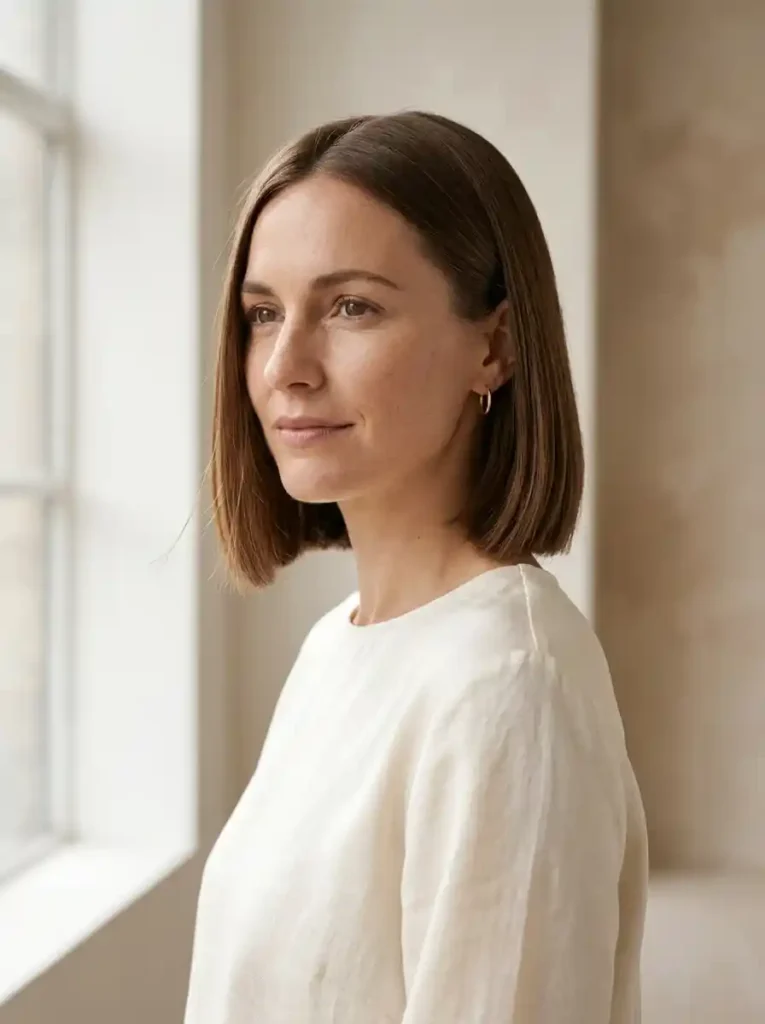
A classic blunt bob is one of the most reliable haircuts for making fine hair appear fuller. Its defining feature is a strong, even perimeter that keeps the ends from looking wispy or overly layered. Falling around the chin, this cut creates a clean silhouette that works particularly well on straight or slightly wavy textures. Ask your stylist to assess your natural density before choosing the exact length, since a carefully positioned hemline can make a noticeable difference.
Styling doesn’t need to be complicated. Apply a lightweight volumizing mousse near the roots, then blow-dry with a round brush or paddle brush, directing the hair slightly inward at the ends. A deep side part can introduce extra lift without adding layers. Avoid heavy oils and thick smoothing creams throughout the lengths, as these may flatten the shape. For a contemporary finish, tuck one side behind your ear and let the opposite side frame your cheekbone.
2. The Shoulder-Length Lob

The long bob, commonly called a lob, offers the flexibility of longer hair while avoiding some of the weight that can pull fine strands downward. A cut that lands between the chin and shoulders provides enough length for ponytails, half-up hairstyles, and loose waves. For a fuller-looking result, ask for a relatively solid perimeter with only minimal internal layering. This balance preserves the appearance of density while allowing the hair to move naturally instead of forming a heavy, triangular shape.
For everyday styling, blow-dry the roots in the opposite direction from your preferred part before switching them back into place. This simple technique encourages a little natural-looking lift. If you want waves, use a medium-barrel curling iron and alternate the direction of the curls, leaving the ends slightly straighter. Finish with a flexible-hold spray rather than a sticky product that makes strands clump together. A lob is especially practical if you want a flattering haircut that feels polished without demanding a lengthy morning routine.
3. The French Bob with Soft Bangs
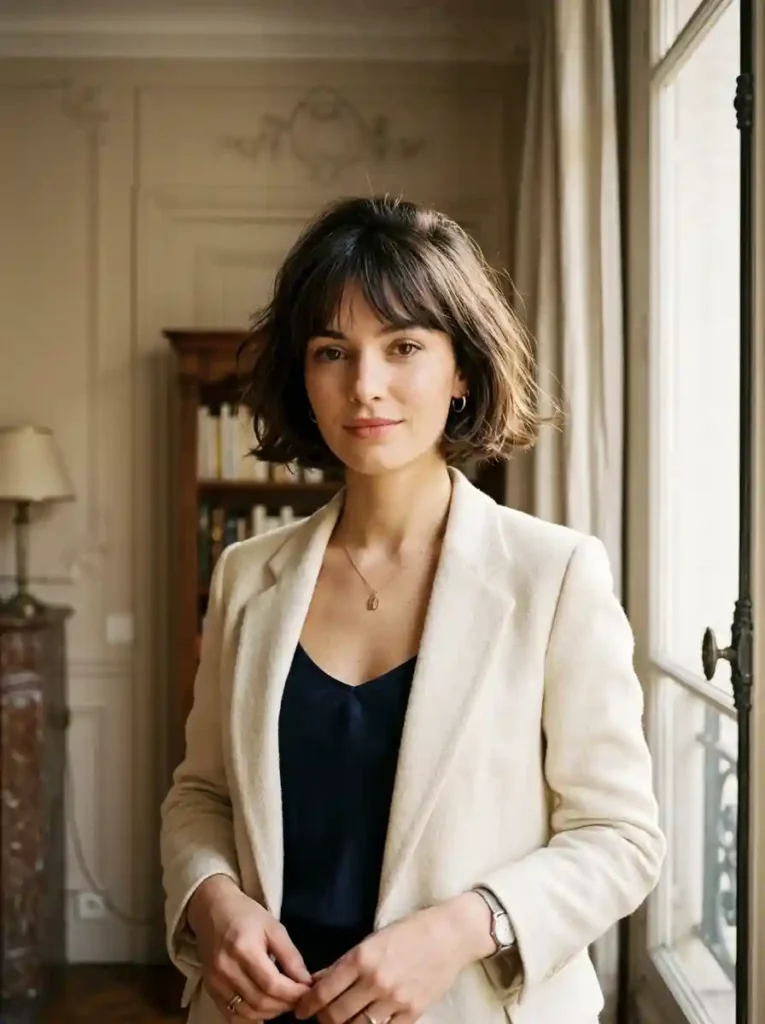
A French bob brings personality to fine hair through its compact shape and face-framing fringe. Usually cut around the jaw or slightly higher, it creates a defined outline that can make delicate ends look more substantial. Soft bangs draw attention to the eyes and give the style a relaxed, artistic quality. This haircut is particularly appealing if you enjoy shorter hair and don’t mind a little regular styling. Your stylist can adjust the length of the fringe and sides to complement your facial proportions.
The most wearable version doesn’t need to look perfectly uniform. Work a small amount of lightweight styling cream through damp hair, then allow it to air-dry partially before using a diffuser or low-heat dryer. Separate the fringe with your fingertips rather than flattening it against your forehead. If your hair is very straight, a tiny bend at the ends can add softness. Because bangs grow quickly, schedule occasional fringe trims to maintain the shape without committing to a complete haircut.
4. The Soft Pixie Cut
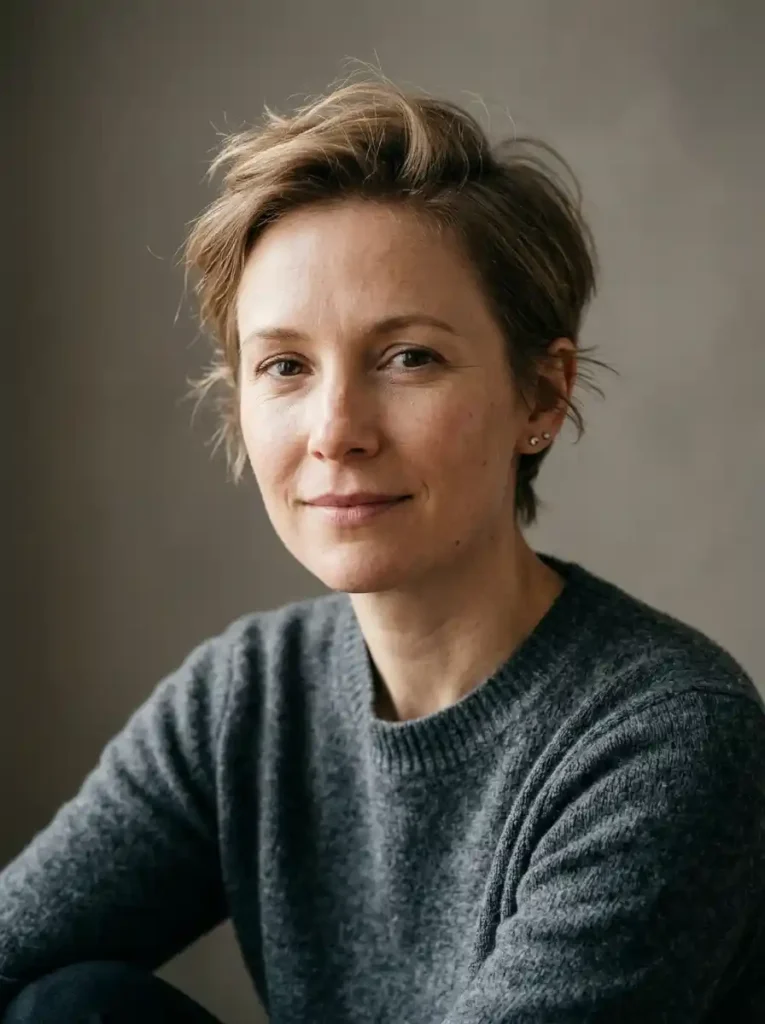
A soft pixie is a smart choice if you want a low-weight haircut that emphasizes your facial features. Keeping the sides neat while leaving a little length at the crown creates contrast and gives fine hair room to move. The cut can be tailored with a longer fringe, a slightly rounded silhouette, or more visible texture depending on your preferences. Bring reference photographs to your appointment, but ask your stylist to adapt the shape to your growth patterns, cowlicks, and natural hairline.
Daily styling can take only a few minutes. Apply a pea-sized amount of lightweight volumizing cream to damp hair, then lift the crown with your fingers while blow-drying. A small dab of matte paste can define individual pieces once the hair is dry. Use products sparingly, since too much can separate the strands and expose more scalp than you intended. Regular trims, typically every four to six weeks depending on the desired shape, help the pixie remain intentional rather than growing into an uneven silhouette.
5. The Long Bob with Curtain Bangs
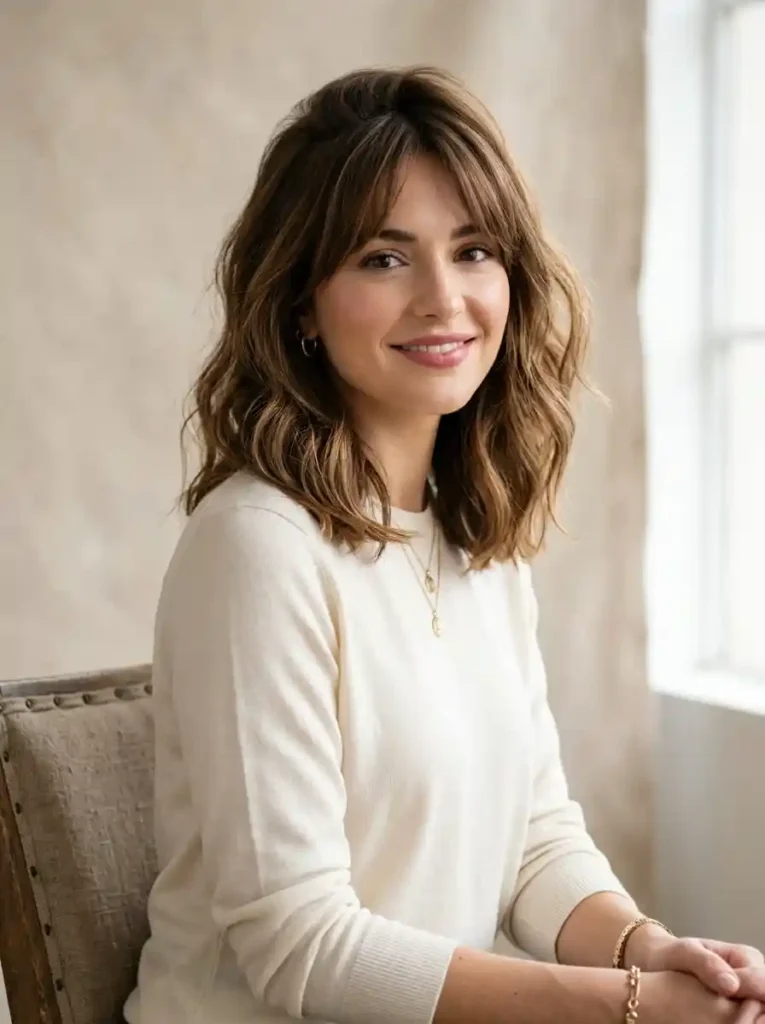
Curtain bangs can add shape and visual interest to a long bob without requiring a full fringe across the forehead. Their center part creates a soft opening around the face, while the longer sides blend into the rest of the haircut. For fine hair, the key is keeping the bangs light rather than removing too much hair from the front section. A collarbone-length perimeter helps retain fullness, making this a useful option if you want a noticeable update without going dramatically shorter.
To style the fringe, use a small round brush and direct each side away from the center part, rolling the ends backward toward the temples. Let the hair cool before adjusting the shape with your fingers. The remaining lengths can be blow-dried straight or styled with loose bends for added movement. If your hair separates easily at the front, a light mist of root-lifting spray may help. Ask your stylist to cut the fringe long enough to tuck away when you want a different look.
6. The Textured Chin-Length Bob

A textured chin-length bob offers a softer alternative to a perfectly blunt cut. Its lightly separated ends create movement, while the shorter length helps prevent fine hair from being weighed down. The important distinction is between subtle texture and excessive thinning. Ask your stylist to remove only enough internal weight to encourage movement, keeping the outer edge sufficiently full. This style suits naturally straight hair that needs shaping as well as fine, slightly wavy hair that benefits from a more relaxed outline.
For styling, scrunch a small amount of lightweight mousse into damp hair and dry it using a diffuser or a low-heat setting. If your hair is straight, create a few loose bends with a curling iron, concentrating on the middle lengths rather than the ends. Separate the finished shape with your fingertips instead of brushing everything smooth. A little dry texture spray can add grip, but avoid applying it repeatedly throughout the day, since product buildup can make fine strands feel dull and heavy.
7. The Bixie Haircut
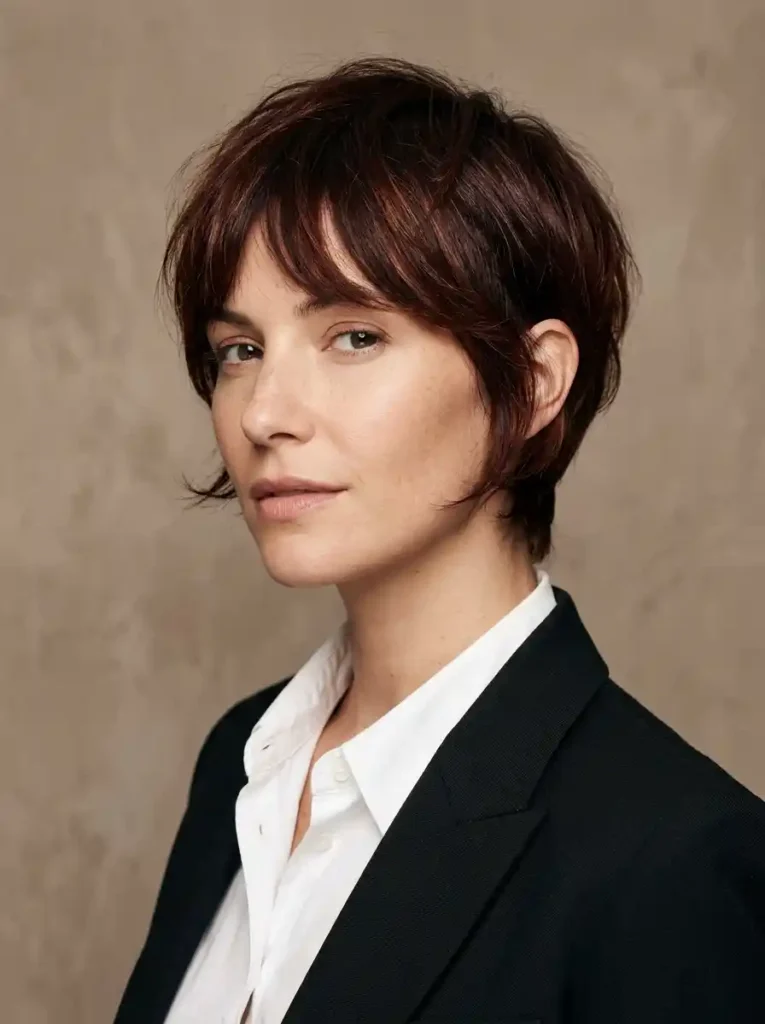
The bixie sits between a bob and a pixie, making it appealing if you want a short haircut without committing to a very close crop. The crown can be shaped for lift, while the longer sections around the ears and nape soften the overall silhouette. Fine hair often benefits from this distribution of length because it creates movement without requiring extensive layering throughout the head. Your stylist can make the cut more structured or more tousled, depending on how much styling you enjoy.
To bring out the shape, apply a lightweight root-lifting product to damp hair and dry the crown upward with your fingers. Use a small round brush around the fringe if you prefer a smoother finish. Once dry, pinch a few ends with a tiny amount of texturizing paste for definition. The bixie usually needs regular shaping to maintain its balance as the shorter pieces grow. If you’re transitioning from a pixie, this cut can also serve as a stylish intermediate stage while your hair gains length.
8. The A-Line Bob
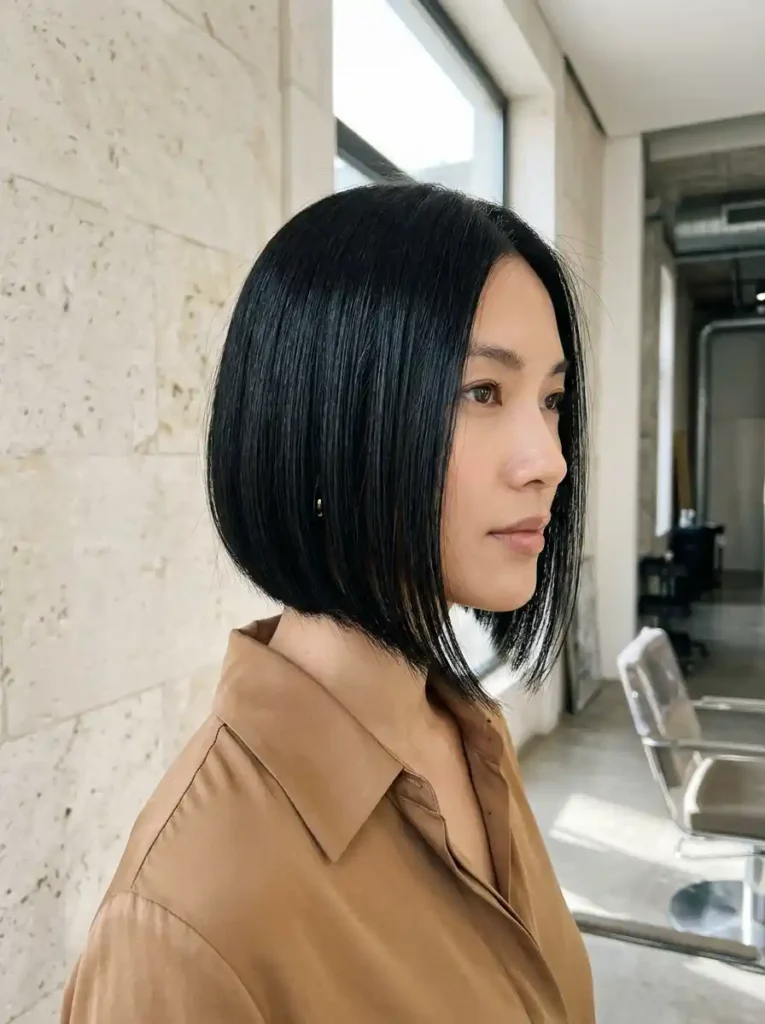
An A-line bob creates a distinct silhouette through its slightly shorter back and longer front sections. This angled shape gives fine hair structure without depending on heavy layers for volume. It can be especially effective for straight hair, where the clean lines remain visible and the longer front pieces frame the face. The angle doesn’t have to be dramatic; a subtle graduation often looks more wearable and requires less effort to style. Ask your stylist how the shape will sit with your natural neckline and hair growth.
For a smooth finish, use a heat protectant and blow-dry the back and sides in controlled sections, directing the ends toward the face if you like a curved shape. A flat iron can refine the outline, but avoid repeatedly passing it over the same strands. If you prefer a less formal look, add a gentle bend to the front pieces while keeping the back relatively sleek. Regular trims are useful because the precision of an A-line bob becomes less obvious as the back grows out.
9. The Shoulder-Length Cut with Minimal Layers
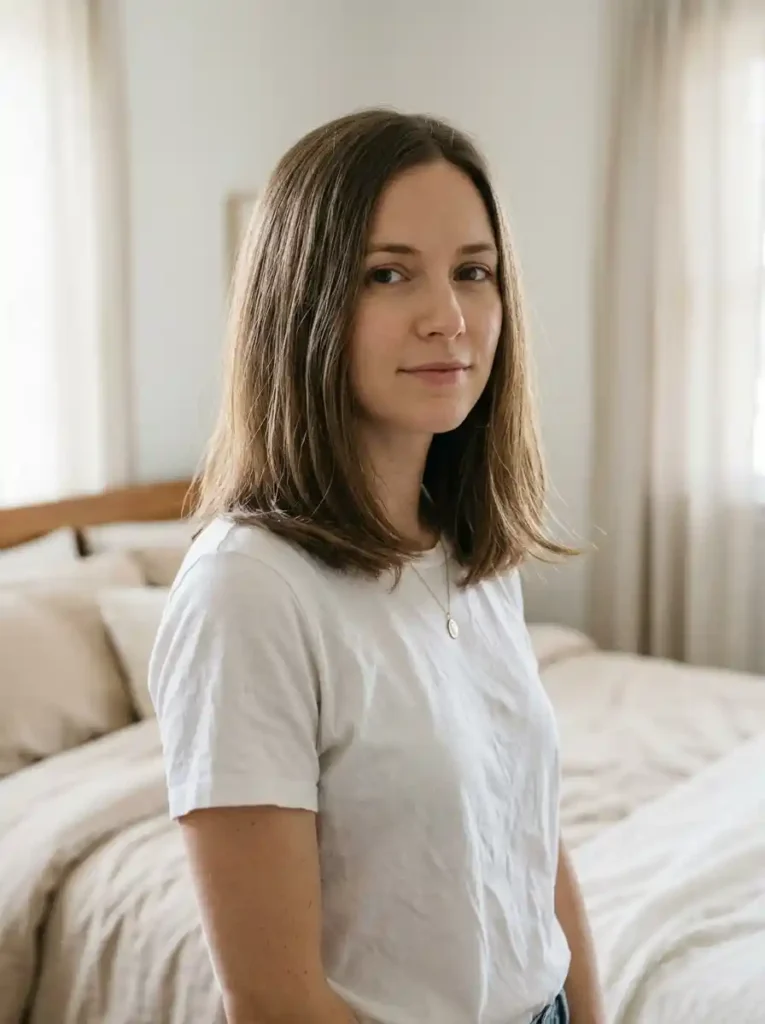
Sometimes the most flattering fine hair haircut is the one that keeps things simple. A shoulder-length cut with minimal layers preserves the density of the ends while offering enough length for everyday versatility. It works well if your hair tends to look thin at the bottom or if previous layering has left the lengths uneven. The subtle layers should be long enough to blend into the overall shape, creating movement without leaving the perimeter looking transparent.
This haircut is easy to personalize through your parting, styling method, and finish. Blow-dry the roots with a lifting spray, then smooth the lengths using a paddle brush. For extra body, place a few large rollers at the crown while the hair cools. Avoid asking for extensive thinning or numerous short layers unless your stylist has a clear reason for using them. If you enjoy tying your hair back, tell your stylist so the final length and front sections remain practical for ponytails and clips.
10. The Wispy Fringe Bob
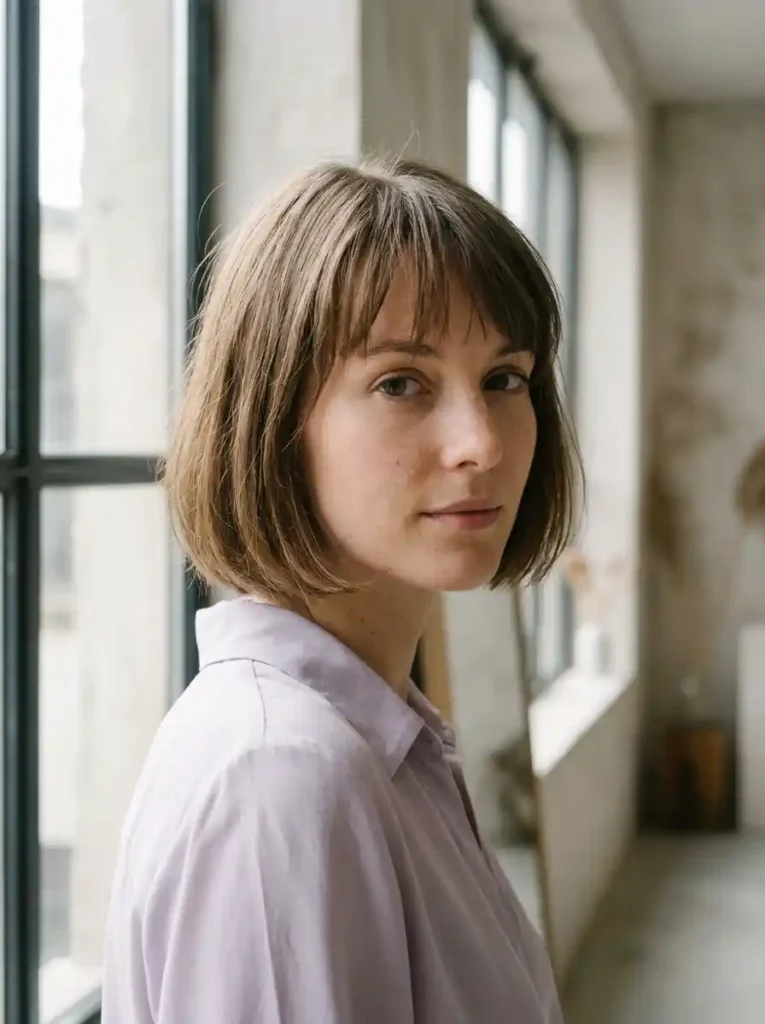
A wispy fringe bob gives fine hair a fresh focal point without the visual weight of thick, blunt bangs. The lightly separated fringe draws attention to the eyes while allowing the forehead to remain partially visible. Paired with a jaw-length bob, it creates a balanced shape that feels both modern and approachable. This style is worth considering if you want bangs but worry that a dense fringe might consume too much of your front hair or require substantial daily maintenance.
Use a small round brush to guide the fringe into place while drying, moving the brush gently from side to side to prevent a strong part from forming. A low heat setting helps maintain a soft finish. Keep the bob itself relatively smooth, or introduce a few subtle bends if you prefer more movement. Avoid heavy hairspray on the fringe, since stiff strands can quickly look separated. A light fringe trim between regular appointments will help preserve the airy shape as the hair grows.
11. The Shaggy Lob
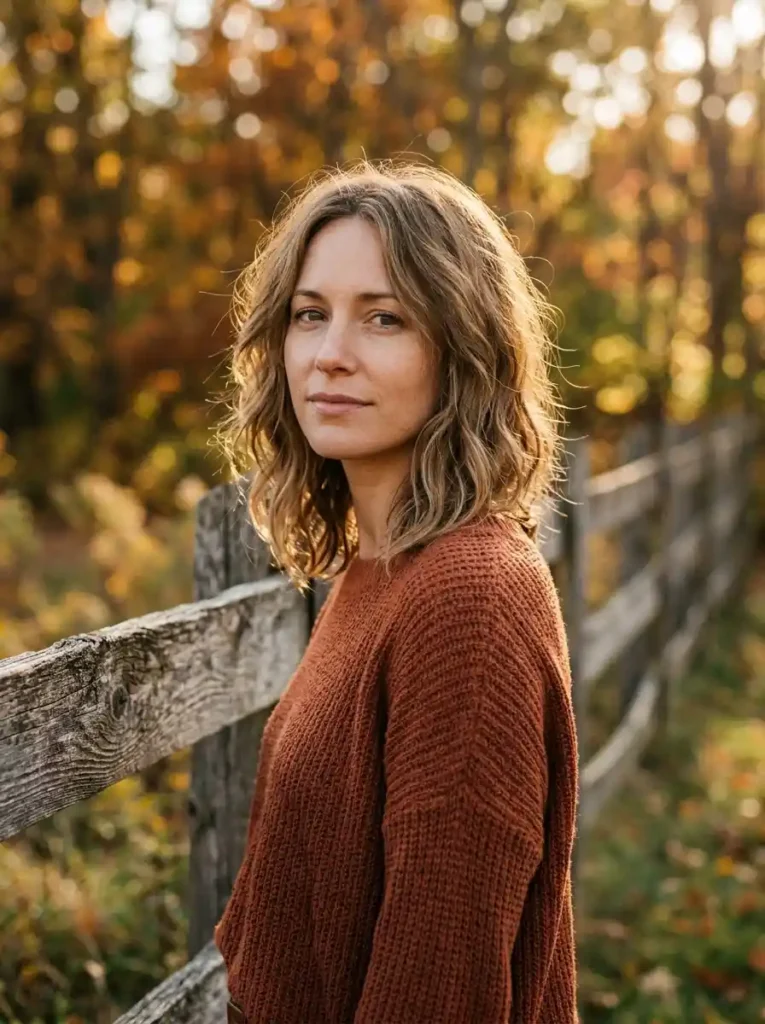
A shaggy lob introduces a relaxed, lived-in quality to shoulder-length fine hair. Its layers create separation and movement, while face-framing pieces prevent the cut from feeling heavy around the cheeks. The trick is adapting the shag to your actual hair density. A heavily layered version can make very fine ends look sparse, so ask for a softer interpretation with enough length left around the perimeter. This style is particularly attractive if your natural texture is wavy or if you enjoy an intentionally undone finish.
To style it, scrunch a lightweight mousse or wave-enhancing lotion into damp hair and let it air-dry, or use a diffuser for extra definition. If your hair is straight, add a few loose waves around the face and crown rather than curling every section uniformly. Finish by separating the pieces with your fingertips. A shaggy lob doesn’t need perfect symmetry, which makes it forgiving on busy mornings. Refresh flattened roots with a small amount of dry shampoo, concentrating the product near the scalp.
12. The Side-Parted Bob
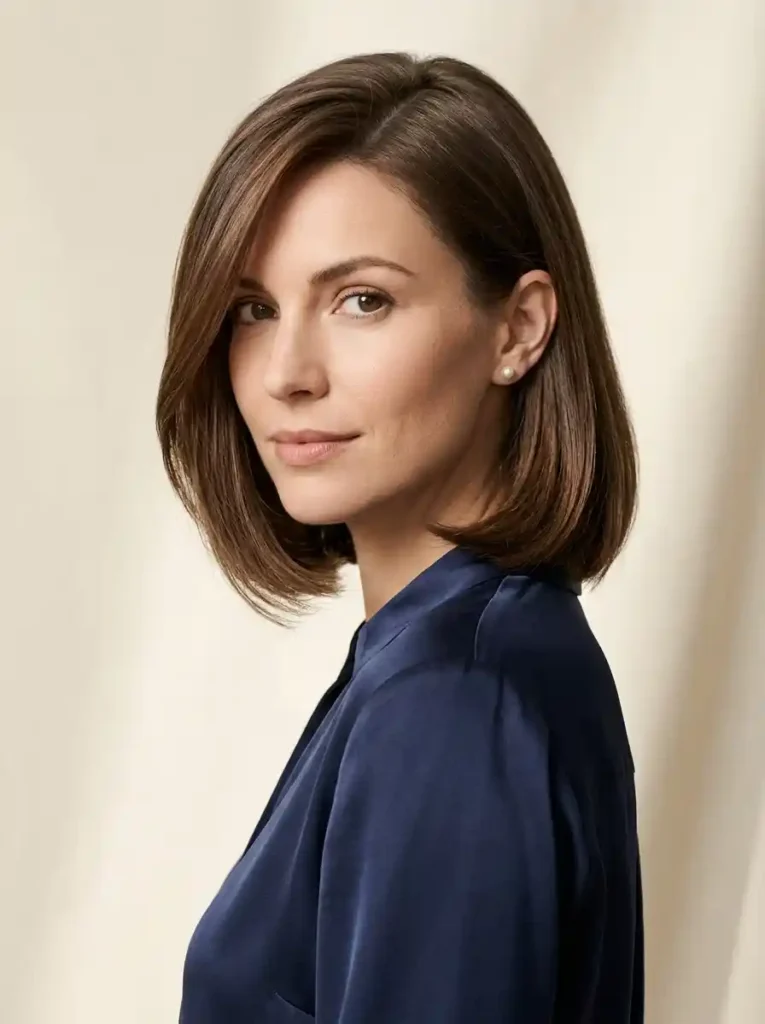
Changing your part can transform the appearance of a fine hair bob without changing its length. A deep side part shifts the distribution of hair across the crown, creating an asymmetrical shape that may appear fuller on one side. This is a useful option if a center part makes your roots look flat or if you want a more dressed-up finish. The bob itself can be blunt or softly rounded, depending on whether you prefer a structured outline or a more relaxed shape.
Start with damp roots and create the side part slightly farther over than you normally would. Blow-dry the roots in the opposite direction, then sweep them into the desired position once dry. This helps encourage lift without teasing or using excessive product. A lightweight finishing spray can keep the shape in place while allowing the hair to move. If your natural part repeatedly returns to the center, work with your growth pattern rather than forcing a dramatic change that requires constant correction.
13. The Rounded Bob
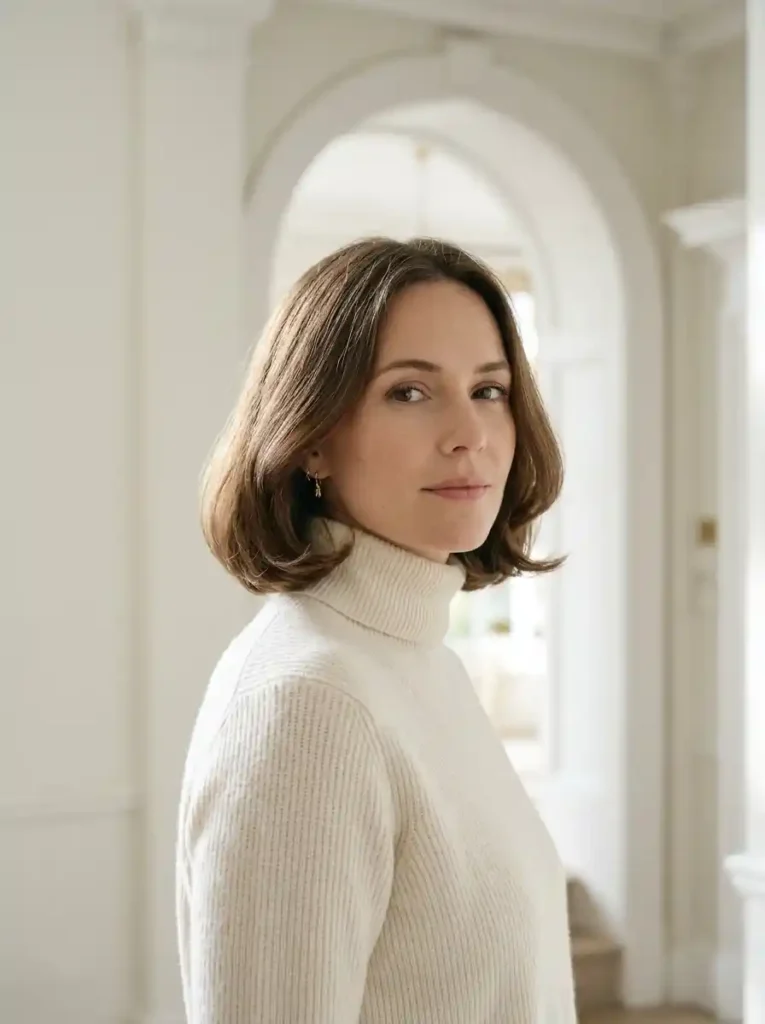
A rounded bob offers a softer alternative to sharp geometric cuts. Its curved outline follows the shape of the head and jaw, helping fine hair look cohesive instead of flat or stringy at the ends. The style can be cut around the chin or slightly below it, depending on your face shape and neck length. For fine hair, a restrained amount of graduation at the back may help the shape sit neatly, while the outer edges remain sufficiently solid to preserve fullness.
The rounded finish comes mainly from how the hair is dried. Use a medium round brush to guide the ends inward, lifting slightly at the roots before smoothing the surface. If your hair is naturally straight, a brief pass with a low-temperature styling tool can refine the curve. Apply heat protectant beforehand and avoid heavy silicone-rich products that may weigh down the shape. This haircut suits people who enjoy a polished appearance and are comfortable spending a few extra minutes on a controlled blow-dry.
14. The Long Pixie with Side-Swept Bangs
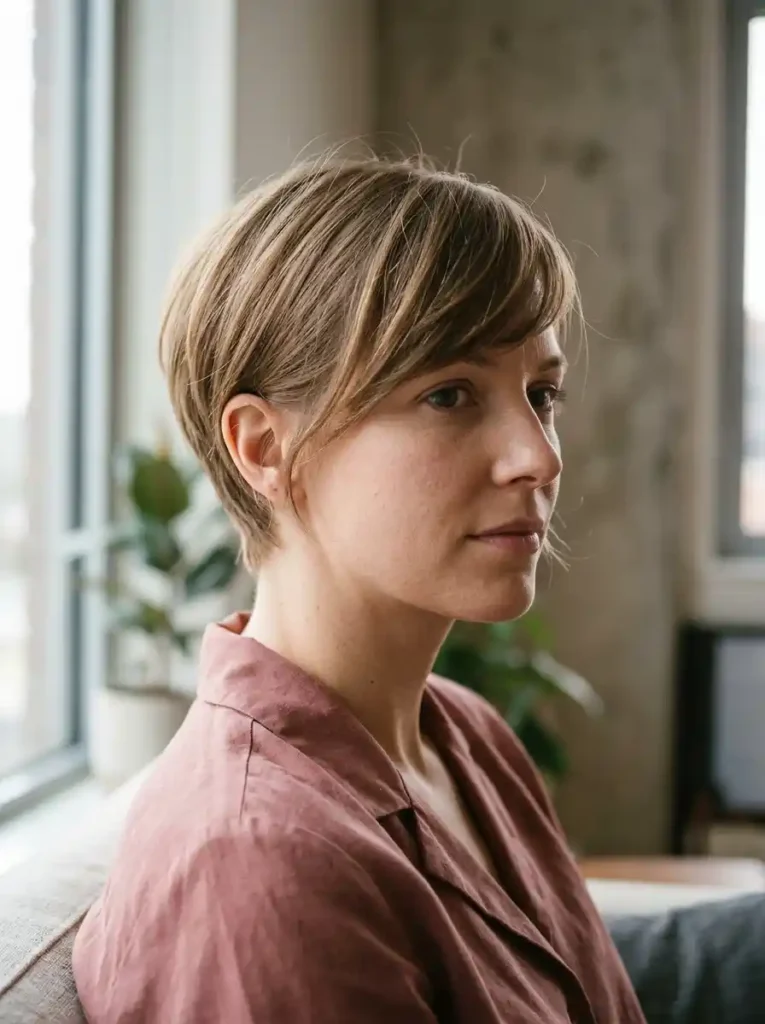
A long pixie is a good option if you like short hair but want more styling flexibility than a traditional cropped pixie provides. The longer fringe can be swept sideways, pushed forward, or loosely blended into the crown, giving you several looks from one haircut. Keeping the sides relatively neat creates contrast and helps the top appear more substantial. Discuss how your hair falls when dry, particularly if you have a cowlick near the forehead that could affect the direction of the fringe.
For a soft side-swept finish, apply a light styling lotion to damp hair and use a small brush to direct the fringe across the forehead. Lift the roots at the crown with your fingers while drying. Once the hair is dry, smooth individual pieces into place with a tiny amount of flexible paste. Avoid slicking everything flat with gel if volume is your priority. Because the fringe is a defining feature, occasional trims help preserve its direction and keep it from becoming awkwardly heavy around the eyes.
15. The Collarbone-Length Cut with Face-Framing Layers
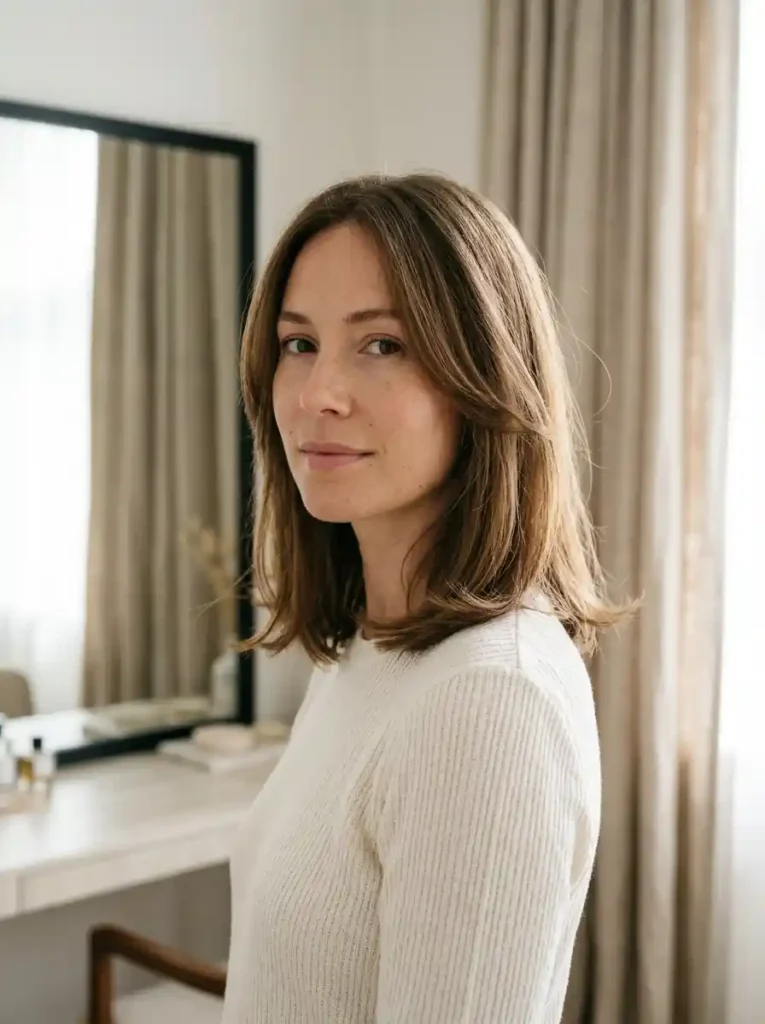
Face-framing layers can bring attention to the eyes, cheekbones, and jaw without removing too much weight from the back of fine hair. On a collarbone-length cut, longer front pieces create movement while the remaining lengths retain a fuller outline. The placement matters more than the number of layers: starting too high or cutting too many short sections can leave fine hair looking sparse. Ask your stylist to blend the framing pieces gradually and preserve a strong perimeter wherever possible.
For a salon-style finish, blow-dry the front sections away from your face using a round brush, allowing the ends to fall naturally into the longer lengths. A large curling iron can create a similar effect when used sparingly. Keep the back smooth or add just a little movement at the ends to avoid overwhelming the silhouette. This haircut is versatile enough for casual wear, office styling, and special occasions, and it can be tied back while leaving a few flattering strands around the face.
16. The Modern Bowl-Inspired Pixie
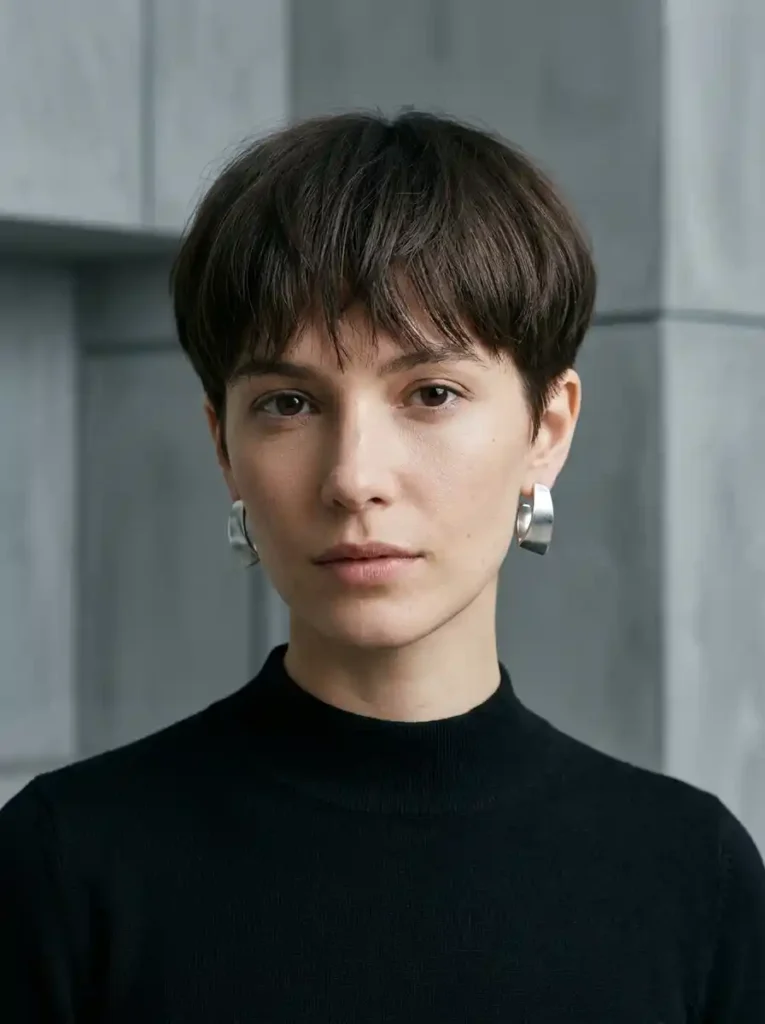
A modern bowl-inspired pixie is for anyone who wants a short cut with a clear, distinctive shape. Unlike the more traditional bowl cut, a contemporary version can be softened around the fringe and sides to avoid a severe, uniform appearance. The rounded top gives the hairstyle a defined outline, while the shorter sides keep the overall weight manageable. Fine hair can work well with this silhouette when the cut is tailored to the natural hairline and doesn’t rely on excessive thinning.
Styling is usually straightforward, but precision matters. Apply a small amount of lightweight cream to damp hair and direct the top into its intended curve with a brush or your fingers. A low-heat dryer helps smooth the shape without creating unnecessary frizz. If the hair is very straight, a tiny amount of finishing balm can emphasize the outline. Plan for regular maintenance because this haircut depends on carefully controlled proportions. Before committing, ask your stylist to show how the fringe and crown will look as they grow out.
17. The Wavy Bob
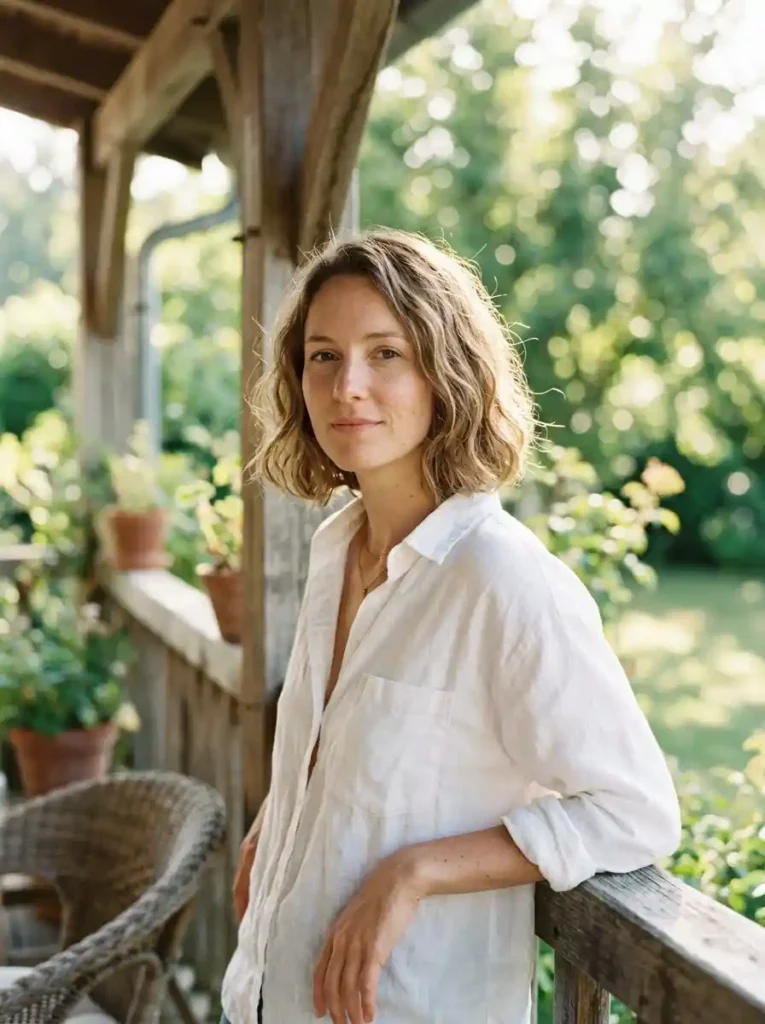
A wavy bob celebrates natural texture while keeping the overall length compact enough to maintain shape. Fine hair often looks appealing with loose, irregular waves because the bends create visual dimension without requiring thick layers. The best version follows your natural wave pattern instead of forcing every section into the same curl. Ask for a shape that remains balanced when dry, since wavy hair can shrink or expand depending on humidity, styling products, and how the strands are positioned.
After washing, distribute a lightweight curl cream or mousse through damp hair, then gently scrunch upward. Use a diffuser on a low setting if you need faster drying, keeping your hands away from the hair until it is mostly dry. If you use a curling iron, alternate directions and leave the last inch relatively straight for a relaxed effect. Avoid brushing the waves once they have formed, as this can create frizz and reduce definition. Refresh the next day with a little water and a gentle scrunch.
18. The Asymmetrical Bob
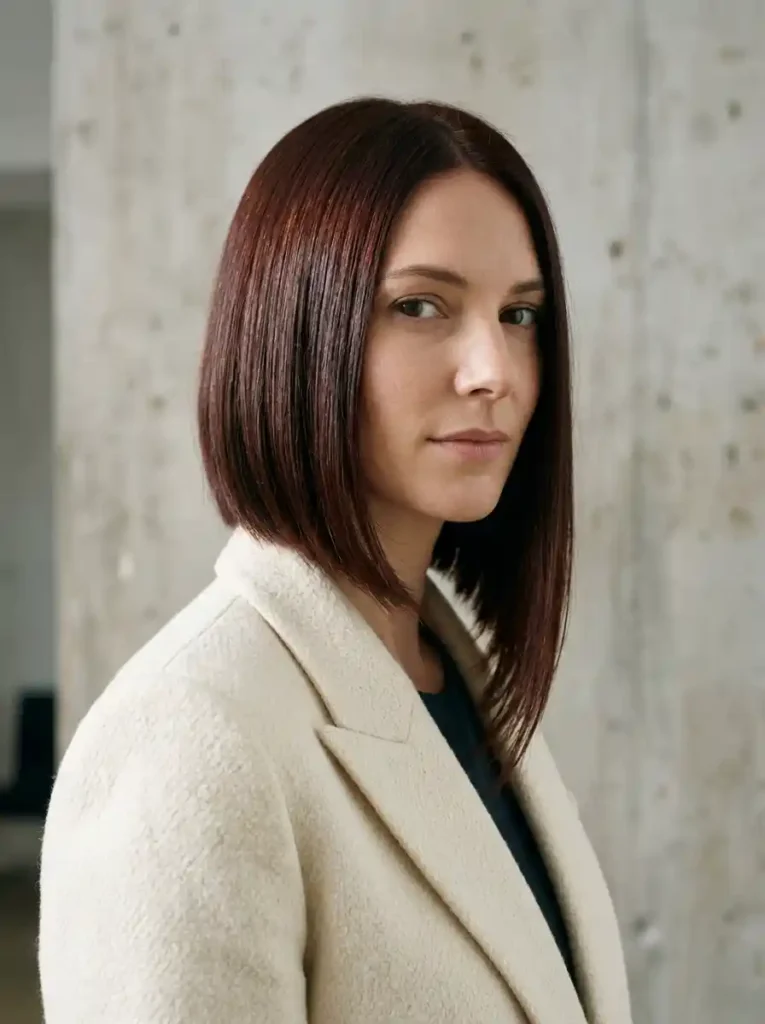
An asymmetrical bob adds interest through unequal lengths rather than layers or elaborate styling. One side sits slightly longer than the other, creating a directional line that can make fine hair appear more structured. The difference can be subtle for everyday wear or more pronounced if you prefer a bold statement. This haircut works especially well on straight or gently wavy hair, where the angled outline remains visible. Ask your stylist to consider how the shape will look from the front, sides, and back.
To maintain the clean silhouette, blow-dry in sections using a paddle brush and finish with a small amount of lightweight smoothing serum on the ends. A flat iron can sharpen the line if needed, but a natural finish is equally attractive. Keep the roots lifted rather than slicking the entire style flat. Because the asymmetry is intentional, regular trims help prevent the longer side from losing its relationship to the shorter one as the hair grows.
19. The Soft Layered Midi Cut

If you prefer to keep your hair long, a soft layered midi cut offers movement without sacrificing all of your length. The key is to use long, blended layers rather than many short sections that can leave fine ends looking thin. A gently shaped perimeter maintains the appearance of density, while a few strategically placed layers help the hair move around the shoulders. This cut is particularly useful if your current hairstyle feels heavy at the roots but flat through the middle.
For styling, apply a lightweight volumizing product near the scalp and a small amount of heat protectant through the lengths. Blow-dry in sections, lifting the roots before smoothing the ends. Large rollers can introduce soft body without creating tight curls. If your hair is prone to splitting at the bottom, discuss trimming away damaged ends before adding layers. Longer fine hair also benefits from gentle detangling and reduced heat exposure, which help preserve the condition of the lengths between appointments.
20. The Textured Crop
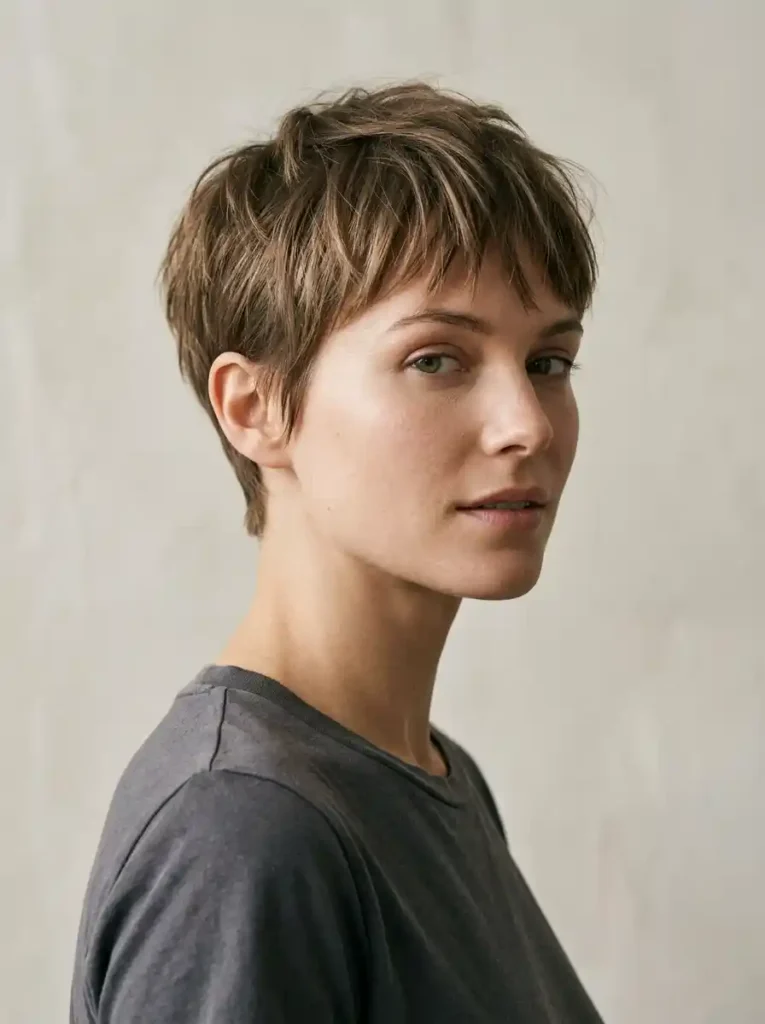
A textured crop is a practical short haircut that puts the emphasis on shape and detail rather than length. Its shorter sides keep the outline tidy, while the top can be cut into small, irregular sections that create a sense of movement. For fine hair, the goal is controlled texture, not aggressive thinning. A stylist who understands your growth patterns can position the shorter pieces to encourage lift and avoid exposing unwanted gaps around the crown or temples.
This cut responds well to minimal styling. Work a little lightweight mousse through damp hair, then dry it while lifting the roots with your fingers. Once dry, use a small amount of matte paste to define selected sections rather than coating the entire head. The result should feel flexible, not stiff. A textured crop is especially convenient if you dislike long blow-drying sessions, although frequent trims are useful for keeping the sides neat and the top balanced.
21. The Center-Parted Sleek Lob
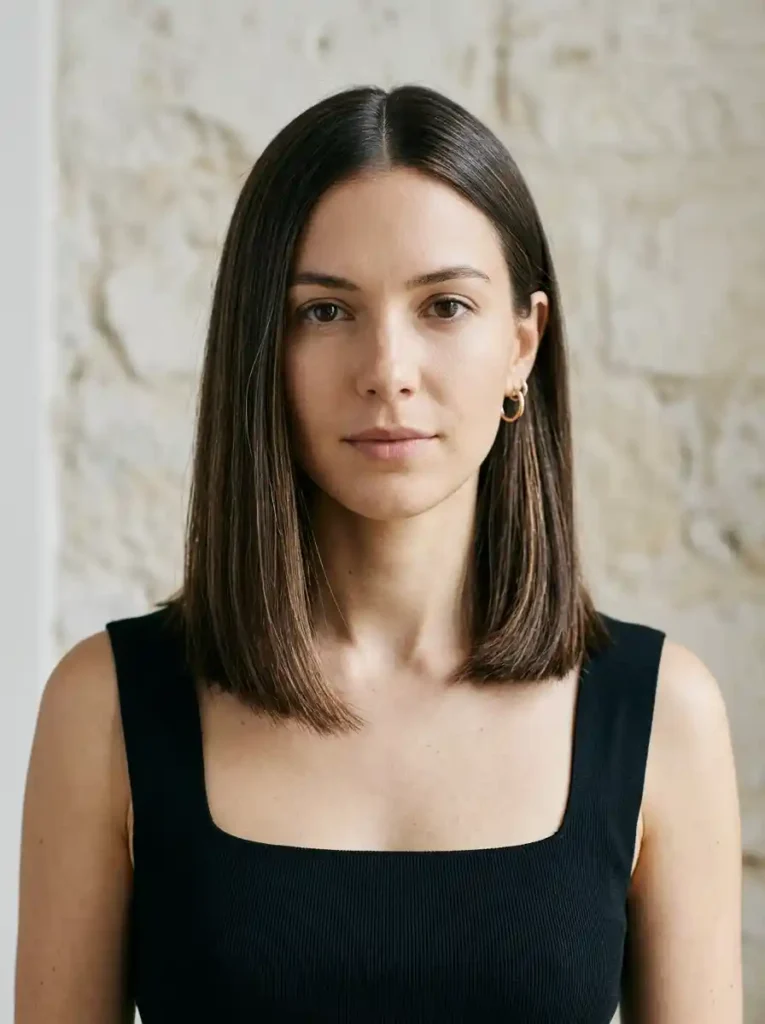
A center-parted sleek lob is ideal if you appreciate a clean, modern hairstyle with very little visual clutter. The symmetrical part gives the cut a balanced appearance, while the blunt or nearly blunt ends help maintain the impression of fullness. It works particularly well with straight fine hair, though slightly wavy hair can also wear the look with a quick smoothing routine. The most flattering length usually sits near the shoulders without resting heavily against them, allowing the ends to maintain their shape.
Begin with a heat protectant and blow-dry the roots in small sections, keeping the center part neat but not overly flat. Smooth the lengths with a paddle brush, then use a flat iron only where necessary. A lightweight shine spray applied sparingly to the ends can enhance the polished finish. If your scalp becomes visible at the part, experiment with shifting it a fraction to one side or lifting the roots before the hair cools. A sleek finish should look healthy and flexible rather than stiff.
22. The Feathered Short Bob
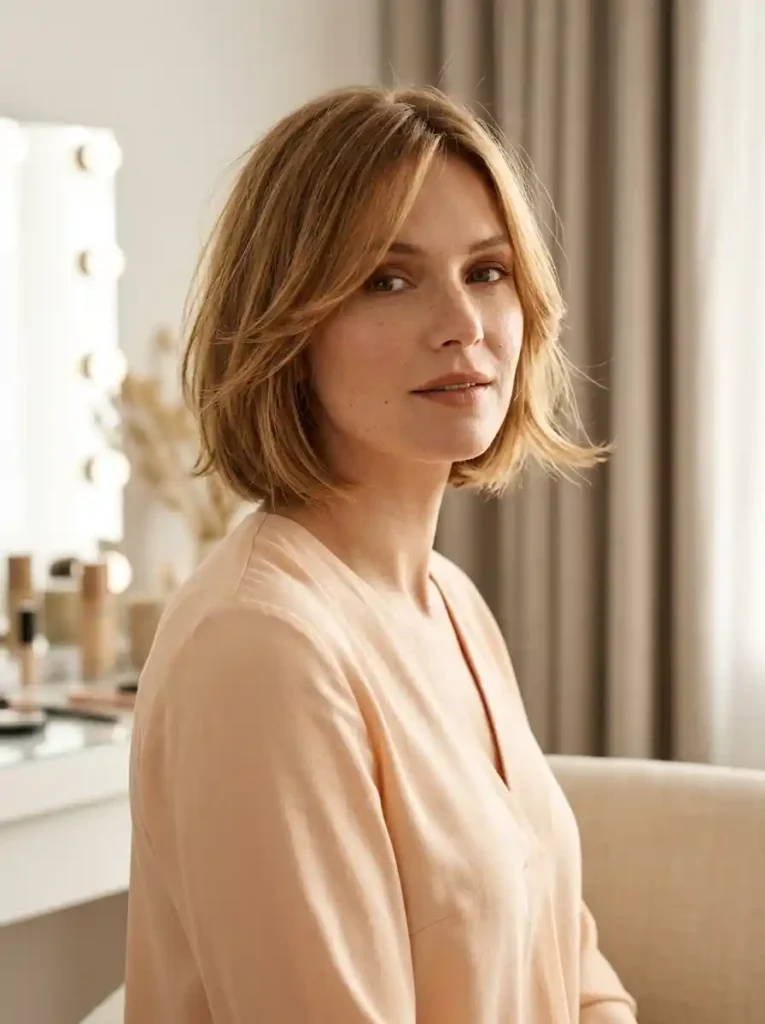
A feathered short bob introduces softness through ends that sweep away from or toward the face. Unlike a heavily layered shag, feathering can be concentrated around the front and sides while leaving the overall perimeter relatively full. This makes it a useful choice if you want movement without losing the sense of density at the bottom. The shape can feel classic or modern depending on the length, parting, and degree of outward movement. Ask your stylist to keep the feathering subtle if your hair is especially delicate.
For a traditional blowout, use a medium round brush to lift the roots and direct the ends into a gentle curve. You can turn the front pieces outward for a more retro-inspired effect or inward for a softer finish. A lightweight styling lotion provides control without making the strands stiff. Avoid overusing a hot brush on the same sections, especially if your ends are fragile. This cut is a good fit if you enjoy a polished hairstyle and don’t mind refreshing the shape with a brush after washing.
23. The Grown-Out Pixie Bob
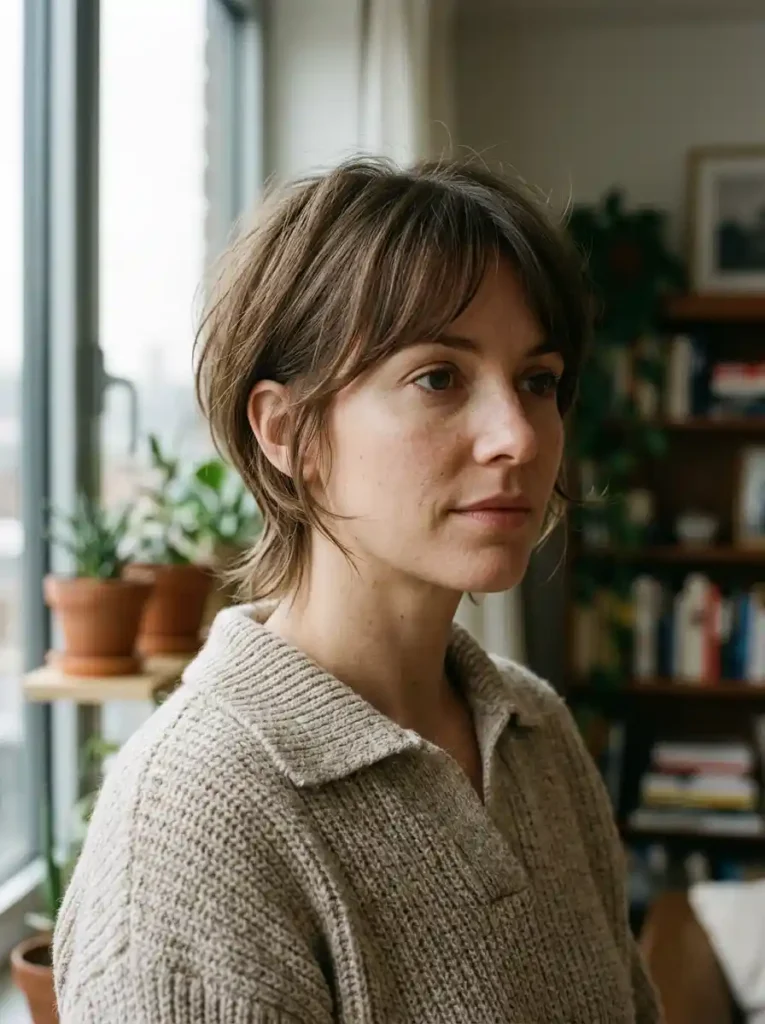
The grown-out pixie bob is a flattering option if you’re transitioning from very short hair or want a short style with more softness around the face. It retains the airy crown of a pixie while allowing the sides and back to gain length, creating a shape that feels less cropped. Fine hair can benefit from the balance between short and longer sections, provided the ends are shaped deliberately. Instead of waiting for every section to reach the same length, ask your stylist to maintain a cohesive silhouette throughout the growing process.
During the transition, use a lightweight mousse to lift the roots and encourage the longer pieces to sit naturally. A small round brush can direct the fringe away from the face, while a touch of flexible paste controls any awkward ends around the ears. Resist the urge to keep trimming the entire haircut to its original pixie length if growing it out is your goal. Strategic shaping around the neckline and fringe can make the in-between stages look intentional rather than unfinished.
24. The Long Haircut with Soft Butterfly Layers
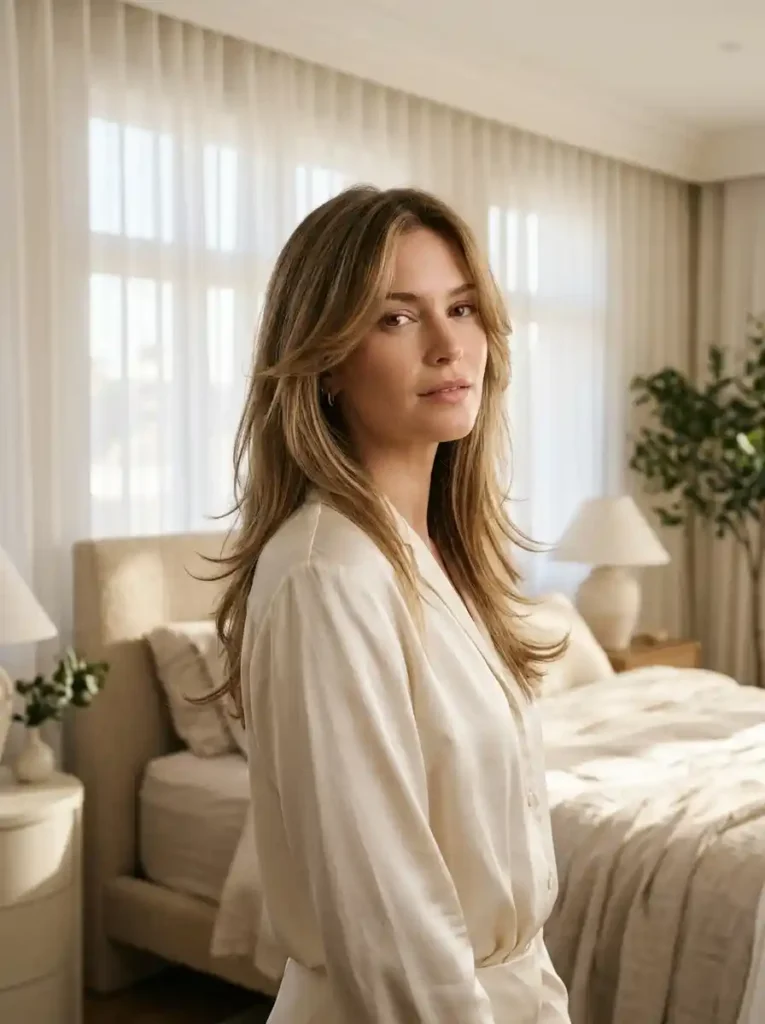
Butterfly-inspired layers are appealing if you love long hair with the movement of a shorter face-framing style. Shorter pieces around the front create shape and draw attention toward the cheekbones, while the longer sections preserve length at the back. For fine hair, the cut needs careful customization: too many short layers can leave the ends looking sparse, particularly if your hair is already delicate. Ask your stylist for blended framing and enough length through the lower sections to maintain a balanced, fuller-looking outline.
This hairstyle looks most defined when the front layers are styled away from the face. Use a round brush or large rollers to create a soft curve, then let the sections cool before gently separating them. Keep the longer lengths smooth or add loose bends for a more relaxed appearance. A lightweight volumizing spray at the roots can help support the blowout, but heavy creams may reduce its movement. If you prefer air-drying, request a version of the cut that still looks attractive without a full salon finish.
Conclusion
The best haircut for fine hair isn’t necessarily the shortest, the most layered, or the one that looks voluminous in a salon photograph. It’s the cut that works with your natural texture, creates a shape you love, and fits comfortably into your daily routine. A blunt bob can emphasize fuller-looking ends, a lob offers practical versatility, and a pixie or bixie can create a beautifully lightweight silhouette. Meanwhile, carefully placed face-framing layers bring movement to longer styles without automatically sacrificing length.
Before your next salon appointment, save two or three inspiration photos and discuss your hair density, growth patterns, preferred maintenance schedule, and usual styling habits. Ask your stylist which details can be adapted to your individual hair rather than copying a reference photograph exactly.
Most importantly, choose a haircut that makes you feel confident wearing your hair as it naturally is. With the right shape and a few thoughtful styling techniques, fine hair can look modern, dimensional, and effortlessly flattering.


