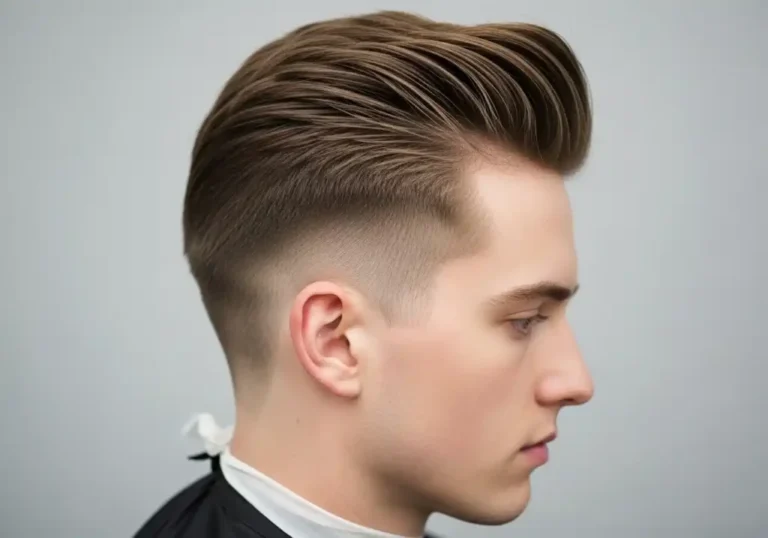
Espresso hair color has a way of making dark hair look incredibly polished without sacrificing its natural depth. From glossy, almost-black brunette shades to dimensional chocolate ribbons and soft caramel accents, there are plenty of ways to make this rich color your own. Whether you prefer a subtle refresh or a noticeable transformation, these 22 espresso hair color ideas will help you find a flattering look, understand which techniques create the best results, and discover how to keep your brunette color looking beautiful.
1. Classic Glossy Espresso Brown
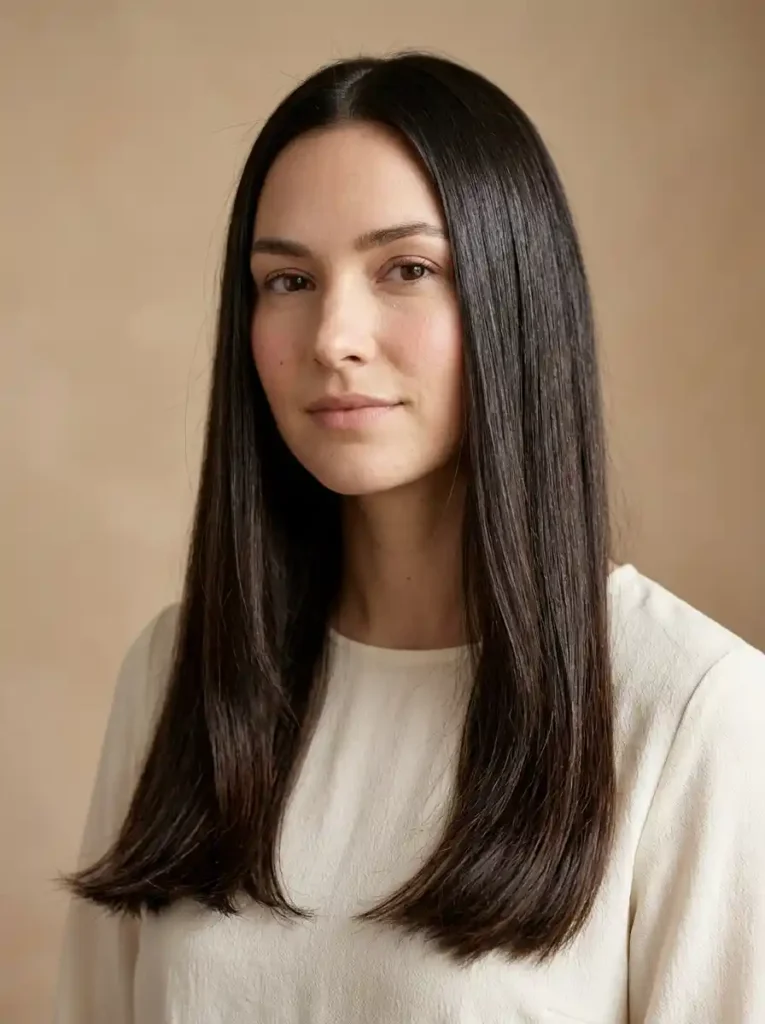
Classic espresso brown is the perfect starting point if you love deep, elegant hair without noticeable highlights. This rich brunette shade sits between dark chocolate and soft black, creating a sophisticated finish that complements many hair lengths and textures. Its beauty comes from the balance of depth and reflection rather than obvious color variation. A sleek blowout or smooth, straight hairstyle makes the glossy surface especially noticeable, while a simple center part gives the overall look a timeless, understated quality.
To achieve this shade, ask your colorist for a deep neutral espresso brunette with a reflective gloss rather than an inky, flat black. Your natural starting color will influence whether you need a permanent color service, a demi-permanent tint, or simply a gloss treatment. Use a color-safe shampoo, condition regularly, and limit excessive heat styling to preserve shine. If your hair already has a dark brown base, enhancing its richness may be all you need for a noticeable refresh.
2. Espresso Brown With Caramel Balayage
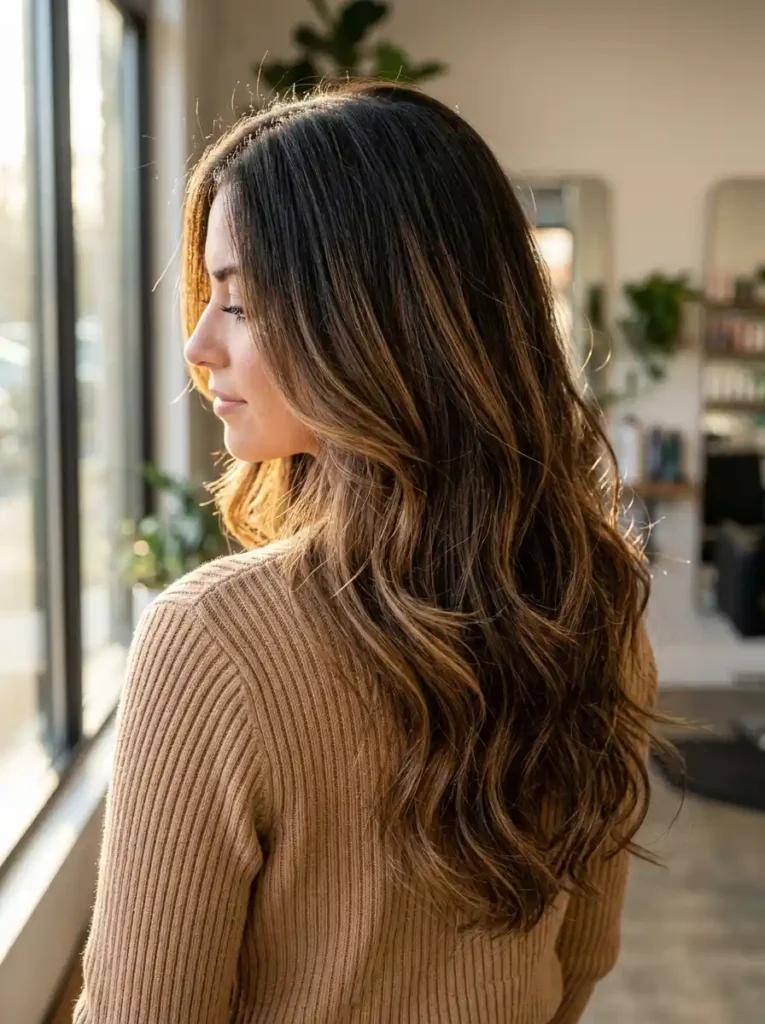
Caramel balayage brings warmth and movement to espresso hair without replacing its dark, luxurious foundation. The hand-painted highlights create a gradual transition from deep brown roots to lighter chocolate-caramel lengths, making this option ideal if you want dimension without frequent root appointments. It works particularly well on long layers, soft waves, and butterfly cuts, where different strands overlap and reveal varying tones. The finished effect feels sunlit rather than striped, giving dark brunette hair a more textured, multi-dimensional appearance.
Ask your stylist to keep the caramel pieces concentrated around the mid-lengths and ends, with a few delicate ribbons near the face if you want additional brightness. The right caramel shade depends on your underlying color and desired warmth, so bring reference photos showing both the highlights and the root depth. Because lightened sections can become dry, use a nourishing conditioner and occasional hair mask. A toner or gloss can also help maintain the intended caramel tone as the color gradually fades.
3. Espresso Hair With Soft Chocolate Highlights
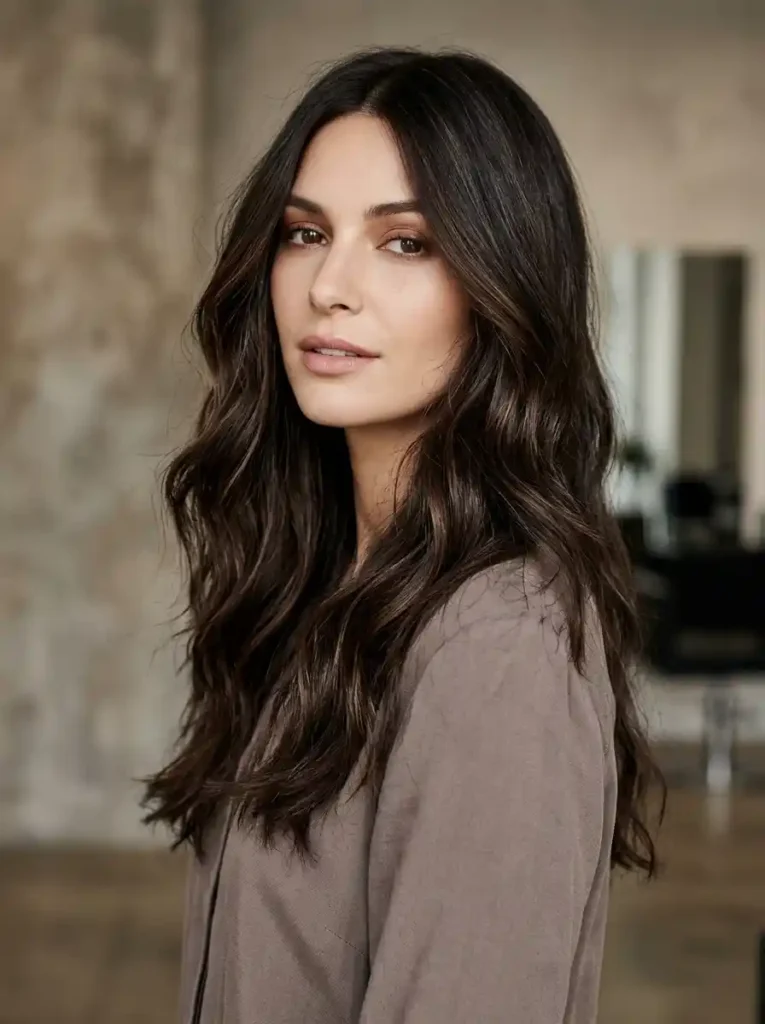
If you want your espresso hair to look fuller and more dimensional while remaining unmistakably brunette, soft chocolate highlights are a beautiful compromise. These delicate lighter strands introduce gentle contrast without the golden warmth of caramel or the brightness of blonde balayage. The result is especially appealing on medium-length cuts, long layers, and loose waves, where the tonal differences become visible as the hair moves. From a distance, the color looks consistently rich; closer up, subtle variations make it feel more natural and intricate.
For a believable finish, ask for fine chocolate-brown highlights that remain close to your base shade. Your stylist can distribute them selectively through the top layers and around the sides rather than coloring every section equally. This approach preserves depth at the roots and avoids an overly highlighted appearance. Chocolate tones are also useful if you prefer a lower-maintenance brunette color, since their subtle contrast can grow out softly. A shine-enhancing gloss between appointments helps maintain the distinction between the different brown shades.
4. Espresso Brown With Face-Framing Highlights
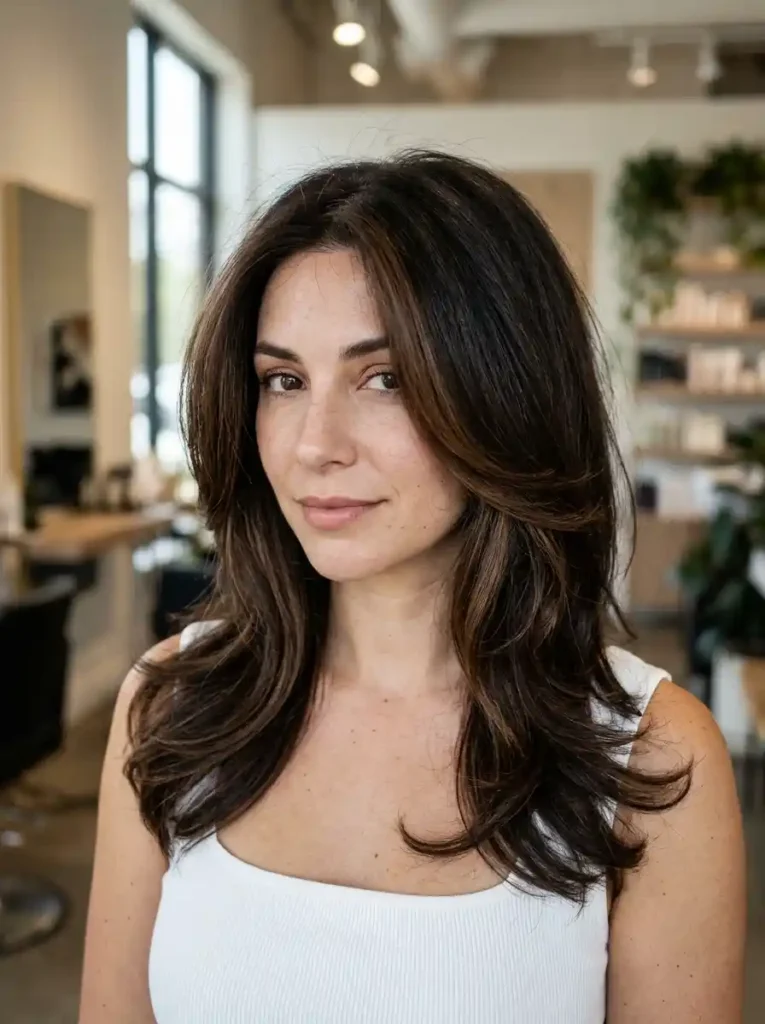
Face-framing highlights offer a strategic way to brighten espresso hair without committing to an all-over color transformation. A few lighter strands near the front draw attention to the haircut and create contrast around the face, while the remaining dark brunette lengths preserve richness. Depending on the placement, the effect can feel subtle and sophisticated or more noticeable and contemporary. This technique pairs beautifully with curtain bangs, long layers, and a rounded blowout because the front pieces move naturally around the cheekbones.
Choose chocolate, chestnut, or soft caramel accents according to how much contrast you want and how your hair responds to lightening. Tell your stylist whether you prefer the brighter pieces to begin near the temples, cheekbones, or lower jaw, since each placement creates a different effect. Keep the highlights blended rather than forming two obvious stripes beside the face. When styling, use a round brush to curve the front sections away from your features. A lightweight serum can add definition without making the hair look greasy.
5. Cool-Toned Espresso Brunette
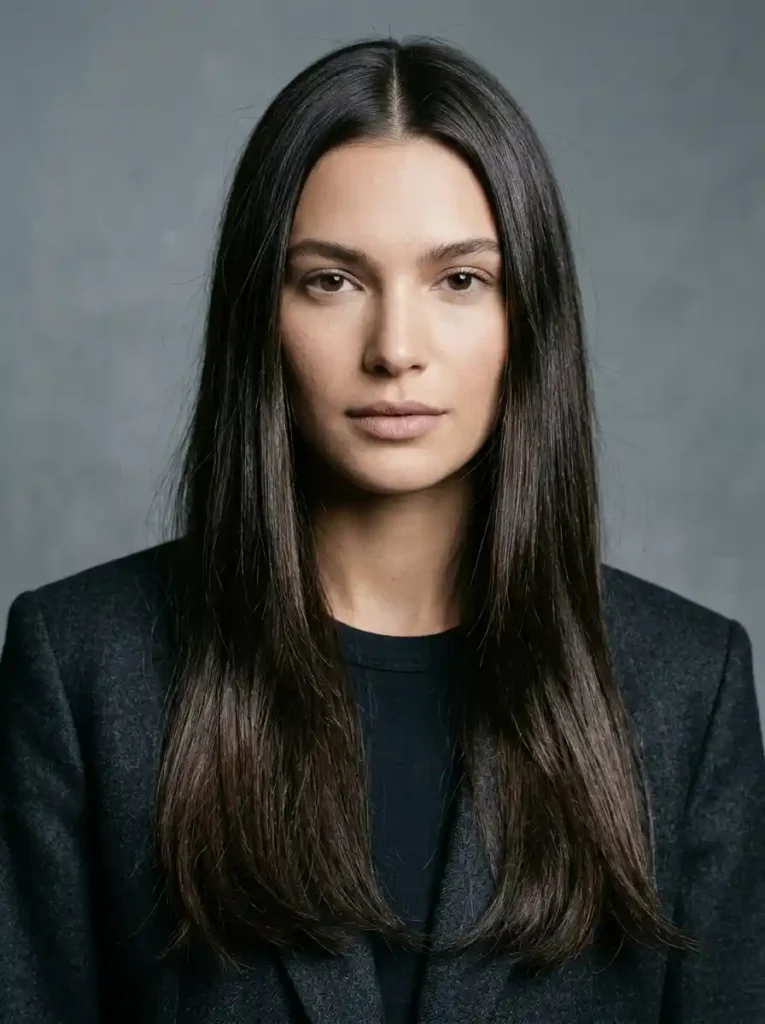
Cool-toned espresso is an excellent option if you prefer a brunette shade that feels sleek, smoky, and understated. Rather than reflecting obvious golden or reddish tones, this color leans toward neutral brown or soft ash, depending on your starting shade and the formula used. It looks especially polished with straight hairstyles, blunt cuts, and clean center parts. The cool undertone can also create a beautiful contrast with lighter clothing and minimalist styling, making the hair itself the focal point.
The key is choosing a cool brunette formula that complements your natural coloring without making the result look unnaturally gray. Ask your stylist to assess your underlying pigment and explain how much warmth is likely to appear as the color fades. If your hair naturally pulls warm, maintaining a cool finish may require occasional professional toning. Avoid repeatedly applying strong ash products without guidance, since excessive toning can make the color appear dull. A clear or brunette-enhancing gloss can restore reflection while keeping the overall shade deep.
6. Warm Espresso With Chestnut Undertones
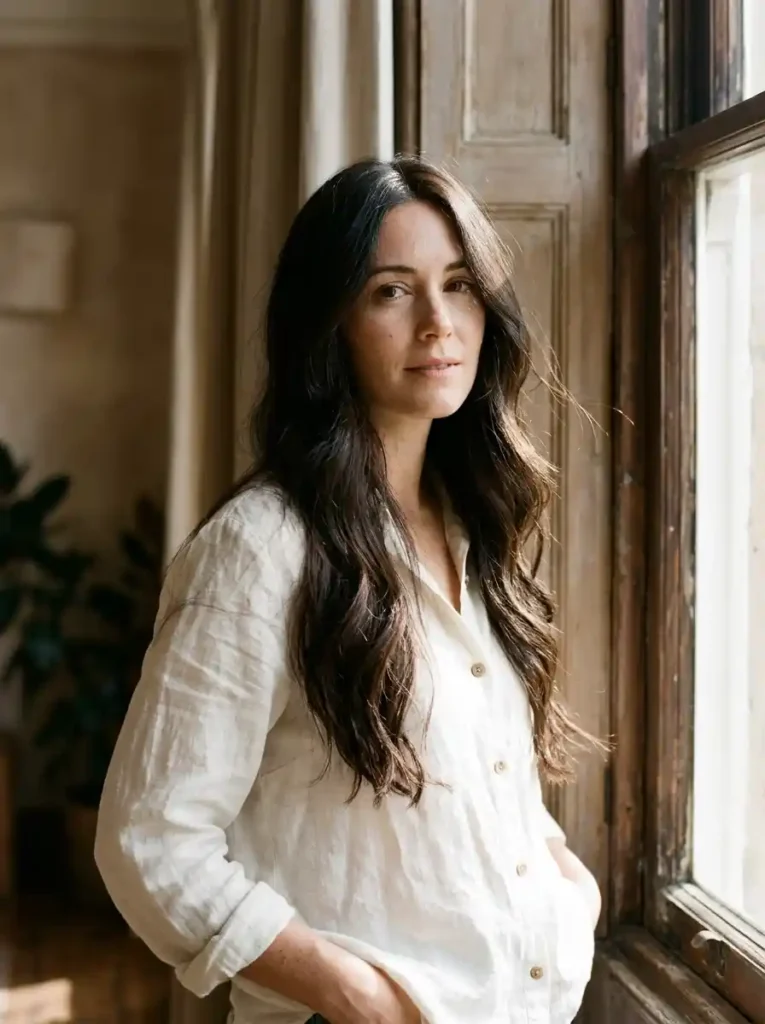
Warm espresso with chestnut undertones gives dark brunette hair a softer, more inviting character. The base remains deep and sophisticated, but hints of reddish-brown or warm chestnut become visible when light catches the hair. Unlike pronounced auburn, this variation does not need to look distinctly red; its appeal lies in a subtle warmth that enriches the brunette foundation. It is particularly attractive on flowing waves, layered cuts, and natural blowouts, where the changing light reveals the color’s complexity.
When discussing this look with your stylist, describe the warmth you want rather than relying on a shade name alone. Chestnut can range from muted brown-red to a richer reddish brunette, so reference pictures are helpful. If your hair is naturally dark, a gloss may add tonal richness, while a lighter starting base may need a different color formula. Protect the finish by washing with lukewarm water and using products formulated for colored hair. If unwanted orange tones develop, seek a customized salon adjustment instead of applying a strong toner yourself.
7. Espresso Brown With Honey Highlights
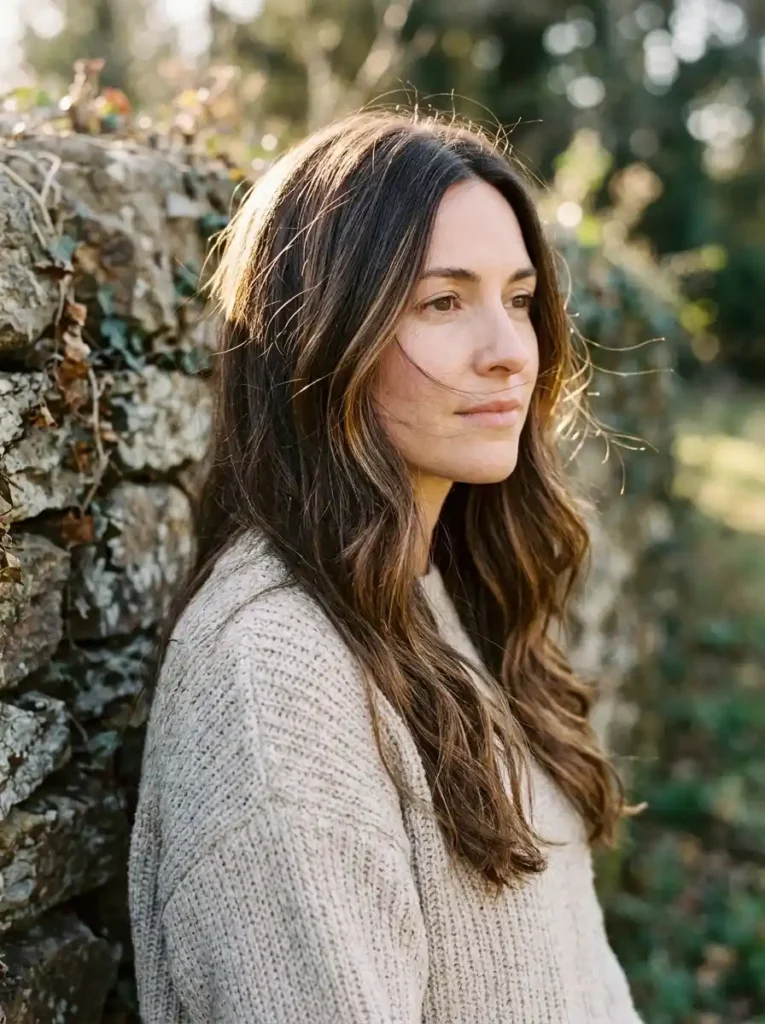
Honey highlights offer a brighter, warmer interpretation of espresso hair while retaining the depth that makes brunette shades so appealing. These golden-brown accents create more visible contrast than chocolate highlights, especially around the face and upper layers. They are a strong choice if your dark hair sometimes looks flat in photographs or you want a sunlit finish without going blonde. Loose waves and long layers help distribute the lighter tones naturally, allowing the base color to remain the dominant feature.
For the most flattering result, choose honey tones that complement your desired level of warmth and the amount of lightening your hair can tolerate. Fine highlights often create a softer appearance than thick, widely spaced sections. Ask your stylist to blend the roots and avoid lifting every strand to the same brightness. Honey-colored pieces may need toning as they fade, and lightened hair benefits from regular conditioning. If you prefer an easier grow-out, keep the highlights concentrated away from the scalp and add just a few brighter strands near the front.
8. Espresso Brown With Burgundy Undertones
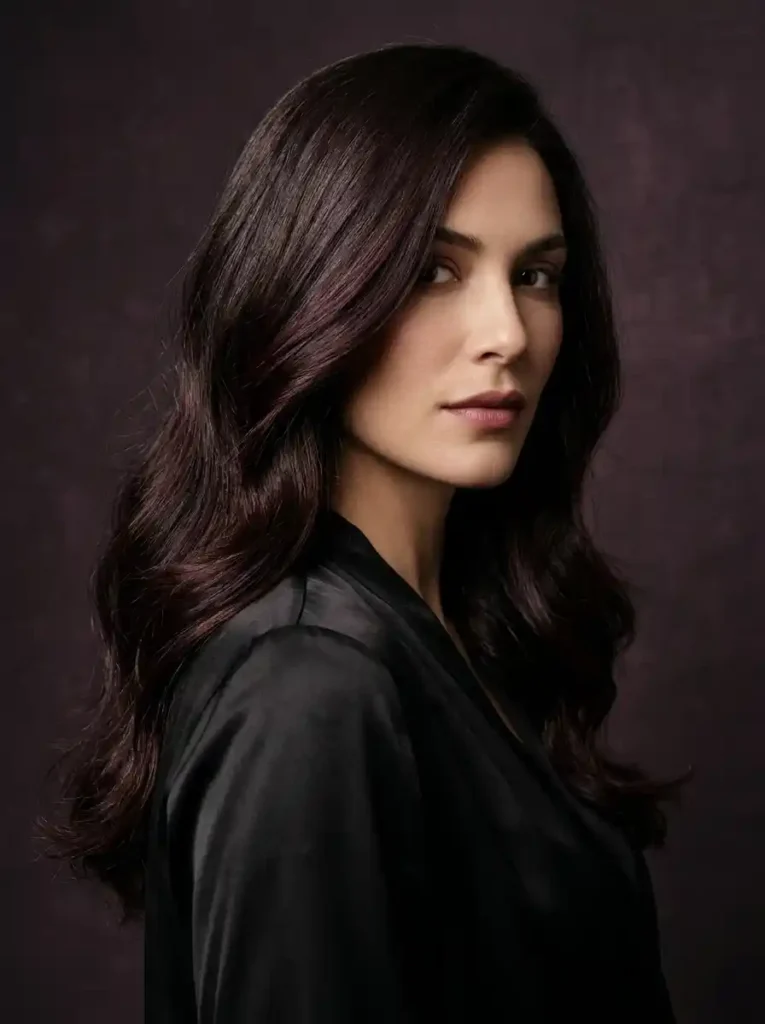
Burgundy undertones give espresso hair a distinctive richness without requiring a vivid red transformation. The deep brown foundation keeps the overall color wearable, while subtle wine or plum reflections add personality under indoor and outdoor lighting. This option works particularly well for anyone who enjoys darker, moodier hair colors and wants something more individual than classic brunette. Glossy waves can reveal the red-violet dimension, while a straight style keeps the overall appearance understated and sleek.
The finished result depends heavily on your natural hair color and the burgundy formula your stylist selects. If you want only a hint of wine, request a dark brunette base with subtle burgundy reflections rather than an all-over vivid red. More visible burgundy may require lightening or a different coloring approach, depending on your starting shade. Red-toned pigments can fade noticeably, so use color-safe products and avoid unnecessarily frequent washing. Discuss maintenance before your appointment, especially if you want to keep the red undertone consistent over time.
9. Espresso Brown With Copper Ribbons
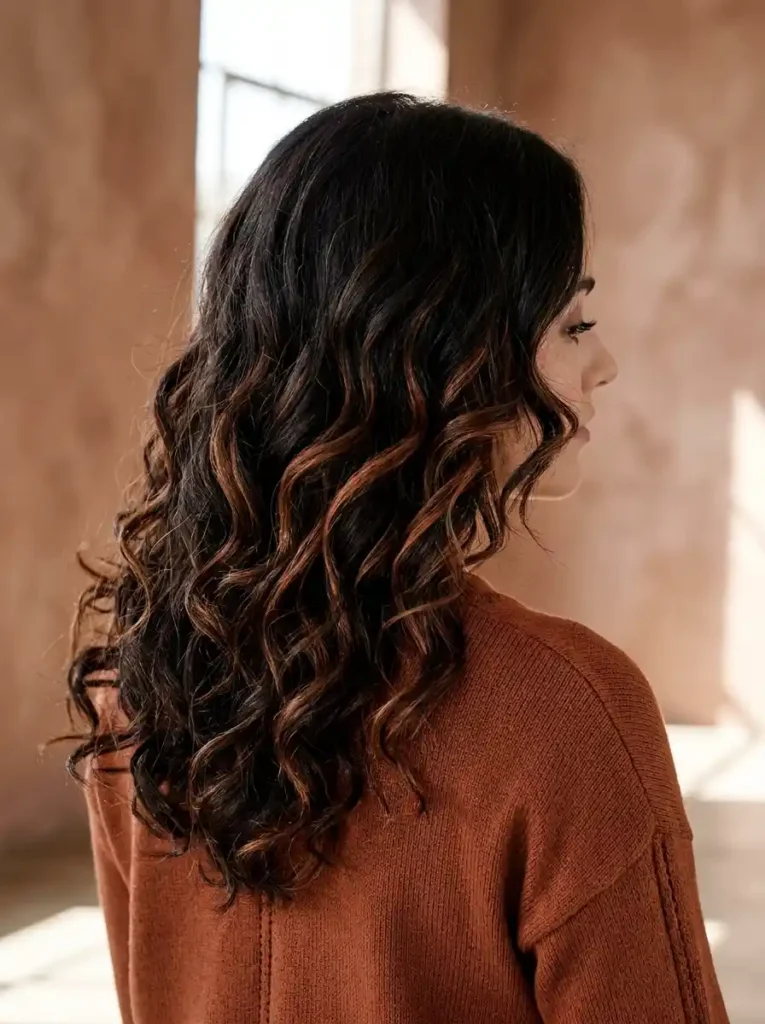
Copper ribbons bring a more expressive warmth to espresso hair than conventional brown highlights. The effect combines a dark, almost coffee-colored foundation with carefully placed copper-brown strands that catch the light as the hair moves. Because the lighter pieces are narrow, the finished color can remain sophisticated rather than looking uniformly red. This idea is especially effective on naturally wavy or curly hair, where the copper details appear and disappear through the texture, creating a layered visual effect.
To keep the look refined, ask for copper-brown accents instead of bright orange or vivid copper if you prefer a wearable brunette result. Placement matters: ribbons through the mid-lengths and ends usually create a softer transition than prominent sections near the roots. Copper pigments may lose intensity with repeated washing, and pre-lightened strands can become porous. Use a moisturizing conditioner and ask your colorist whether a tinted gloss would help maintain the desired warmth. If your hair is fragile, prioritize its condition before pursuing substantial lightening.
10. Espresso Brown With Subtle Babylights
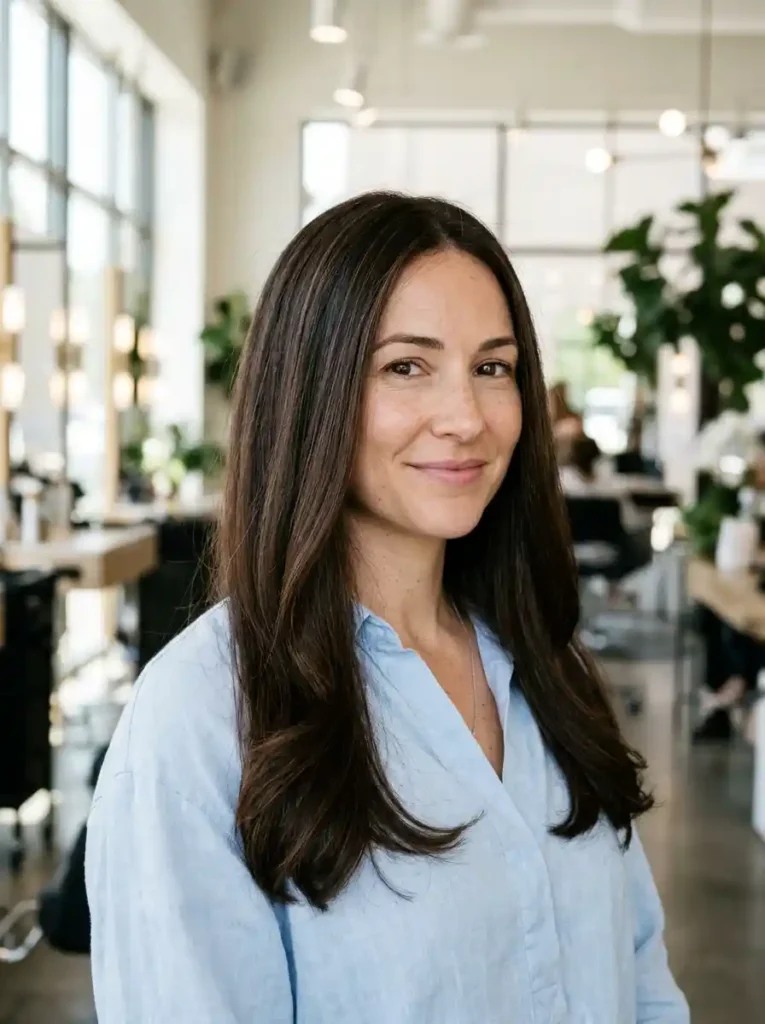
Babylights are ideal for anyone who wants dimension without the obvious appearance of traditional highlights. These very fine sections create delicate tonal variation throughout espresso hair, making the color appear softer and more intricate in natural light. The result is particularly suitable for people who love a dark brunette finish but dislike hair that looks completely uniform. Because the lighter pieces are small, the overall effect remains subtle, whether your hair is worn straight, curled, or gathered into a loose ponytail.
Ask for finely woven mocha or soft brown babylights rather than high-contrast blonde pieces if you want to preserve the richness of espresso. Your stylist can concentrate them around the crown and outer layers, leaving the deeper color visible underneath. Although the highlights are delicate, lightening still requires thoughtful aftercare, especially on previously colored hair. Use a gentle shampoo, condition the ends consistently, and schedule touch-ups according to how quickly your roots grow. This is a useful option for gradual color changes rather than a dramatic one-day transformation.
11. Espresso Brown With Mushroom Brown Dimension
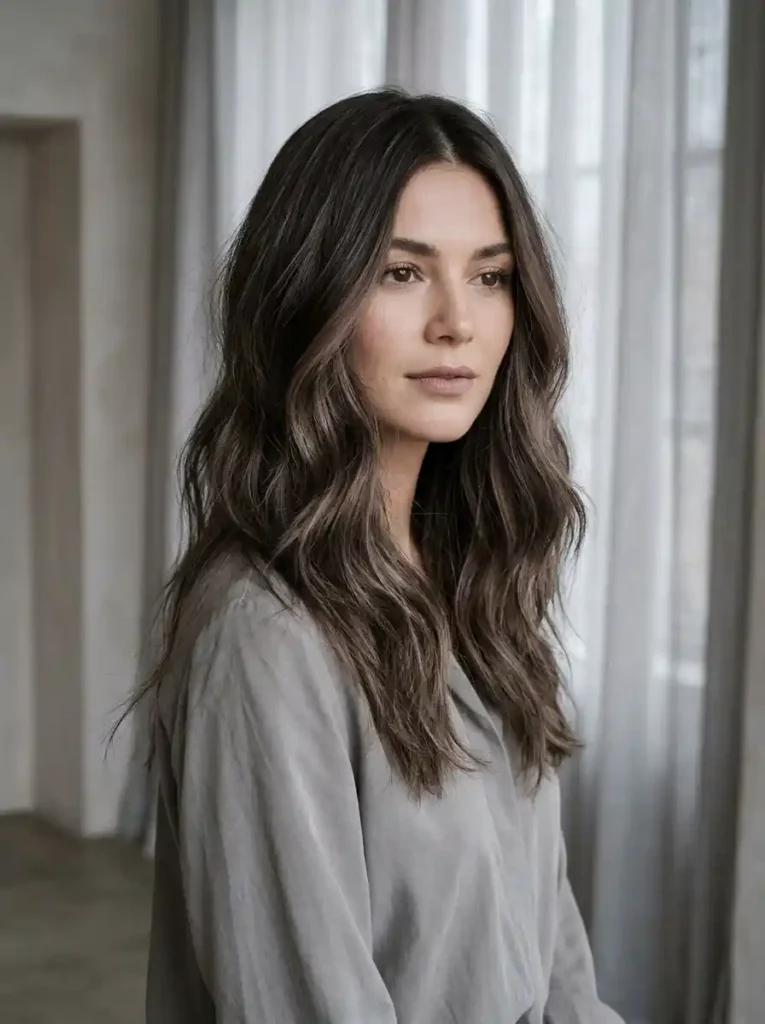
Mushroom-brown dimension is an appealing choice if you like neutral, earthy hair colors rather than golden or reddish brunette shades. Subtle taupe and muted brown accents soften the depth of espresso hair while preserving a cool, contemporary finish. This combination can look especially elegant on long layers and softly waved cuts, where the smoky tones blend together without creating obvious stripes. It also offers a different direction from classic chocolate highlights for anyone seeking a quieter, less warm brunette transformation.
The challenge is finding the right balance between coolness and depth. Ask your stylist to assess whether mushroom tones can be achieved from your current color without excessive lightening, and share examples that show the desired level of contrast. Very cool shades may fade or reveal underlying warmth, particularly if your hair has been colored previously. A tailored gloss can help maintain the muted finish, but repeated toning should be approached carefully. Keep the haircut’s texture healthy, since dry, rough ends can make sophisticated neutral colors look less polished.
12. Espresso Brown With Money-Piece Highlights
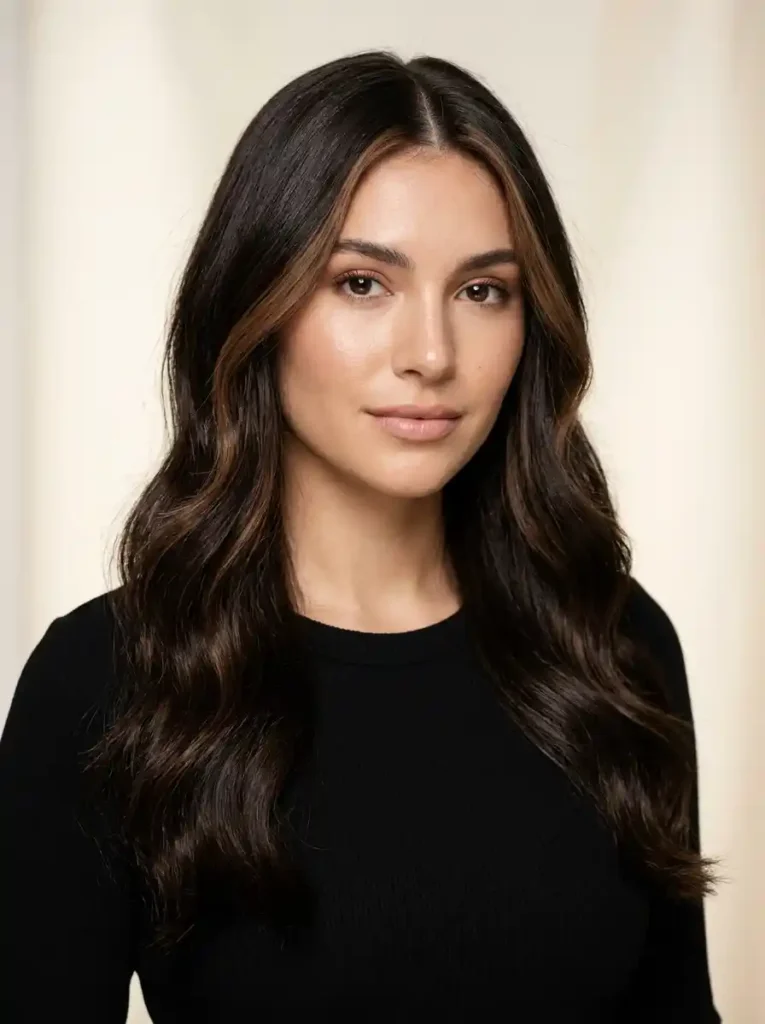
Money-piece highlights offer a more noticeable face-framing effect than delicate babylights. On espresso hair, the front sections can be lifted to a lighter chocolate, caramel, or beige-brown shade while the rest of the hair stays dark. This placement creates a clear focal point and works particularly well with curtain bangs, long layers, and center-parted styles. It is a useful option if you want a visible change without highlighting the entire head, although the result can look bold depending on how light the front pieces become.
Before choosing this technique, decide whether you prefer softly blended brown accents or a more striking contrast. Bring reference photos showing the thickness and starting point of the lighter sections, since small placement differences can change the overall look. Ask your stylist to soften the transition around the hairline if you want an understated finish. The front pieces may require more frequent toning than the dark base, especially if they are lightened significantly. Use heat protection when styling and avoid excessive straightening that can make the lighter sections appear dry.
13. Espresso Brown With Toffee Balayage
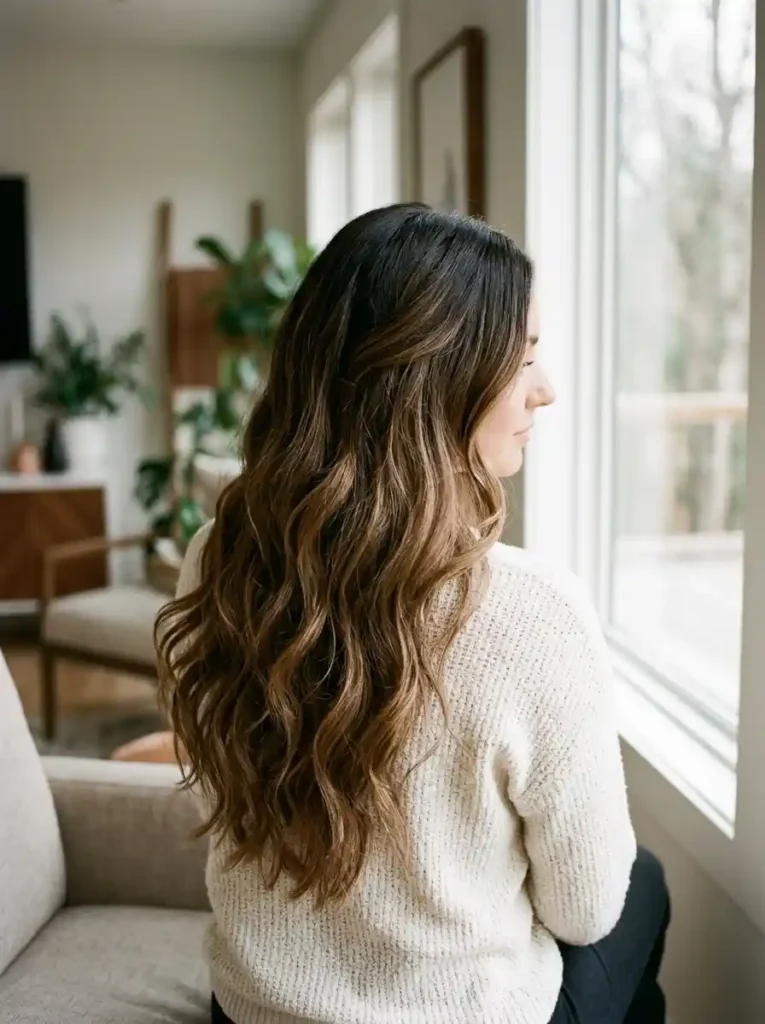
Toffee balayage is a lovely middle ground between subtle chocolate highlights and brighter caramel accents. Its warm, medium-brown ribbons add visible dimension while maintaining the overall richness of espresso hair. The gradual placement from darker roots to lighter ends can make long hair look more textured, especially when styled into loose curls or a layered blowout. Unlike a solid lighter brunette shade, balayage allows the deeper base to remain prominent, creating a result that feels naturally blended rather than uniformly colored.
Ask your colorist to customize the toffee tone so it complements your existing brunette shade instead of turning too orange or too golden. Keeping the root area dark generally makes the transition softer as your hair grows. To maintain the lighter lengths, use a moisturizing mask when needed and protect the hair from excessive heat. If you want a more subtle result, limit the toffee pieces to the outer layers. For greater dimension, your stylist can weave a few ribbons through the interior sections as well.
14. Short Espresso Bob With Glossy Finish
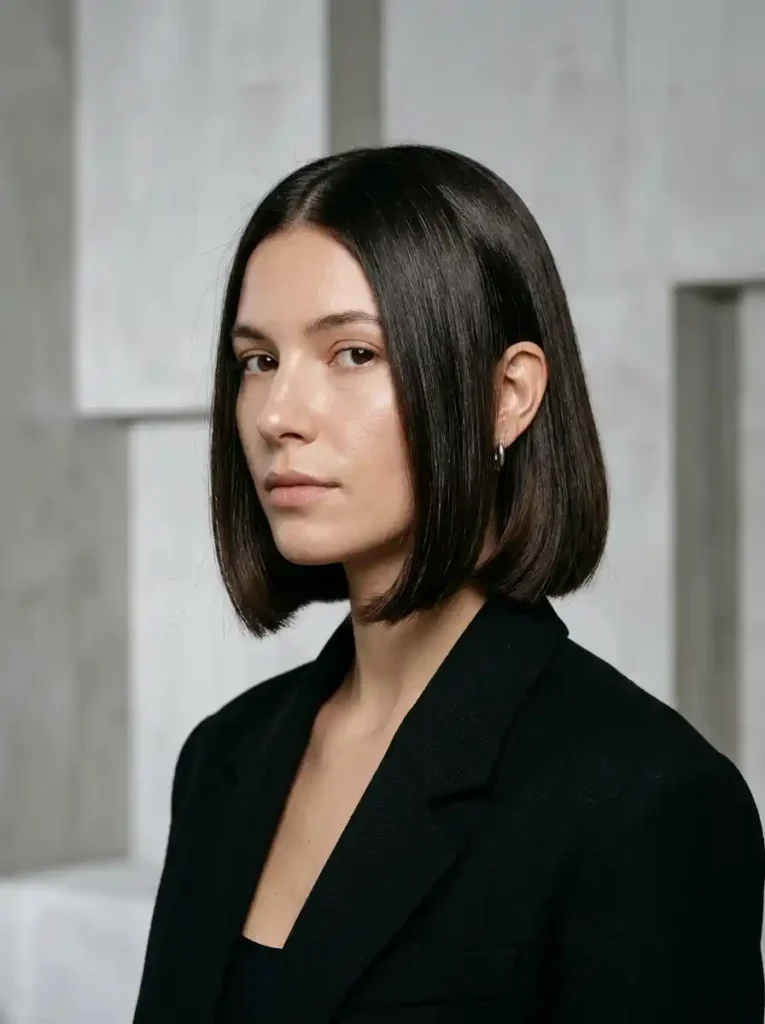
A short espresso bob proves that rich brunette color does not need long hair to make an impression. The deep shade emphasizes the haircut’s outline, while a glossy finish highlights the clean shape of a blunt or slightly graduated bob. This pairing feels modern, polished, and easy to dress up or down. A chin-length cut with a center part creates a minimalist effect, while a side part or gently curved ends can introduce softness without losing the precision that makes the style distinctive.
For the best result, consider both your natural texture and how much styling you want to do each morning. A blunt bob may require more regular trims to maintain its clean perimeter, especially if you want the ends to sit at an exact length. Ask your stylist for an espresso shade with enough tonal richness to avoid looking flat under indoor lighting. A heat protectant and smoothing cream can help control flyaways, but use lightweight products so the hair remains bouncy rather than coated. Regular gloss treatments can refresh the reflective finish.
15. Espresso Brown With Long Curtain Bangs
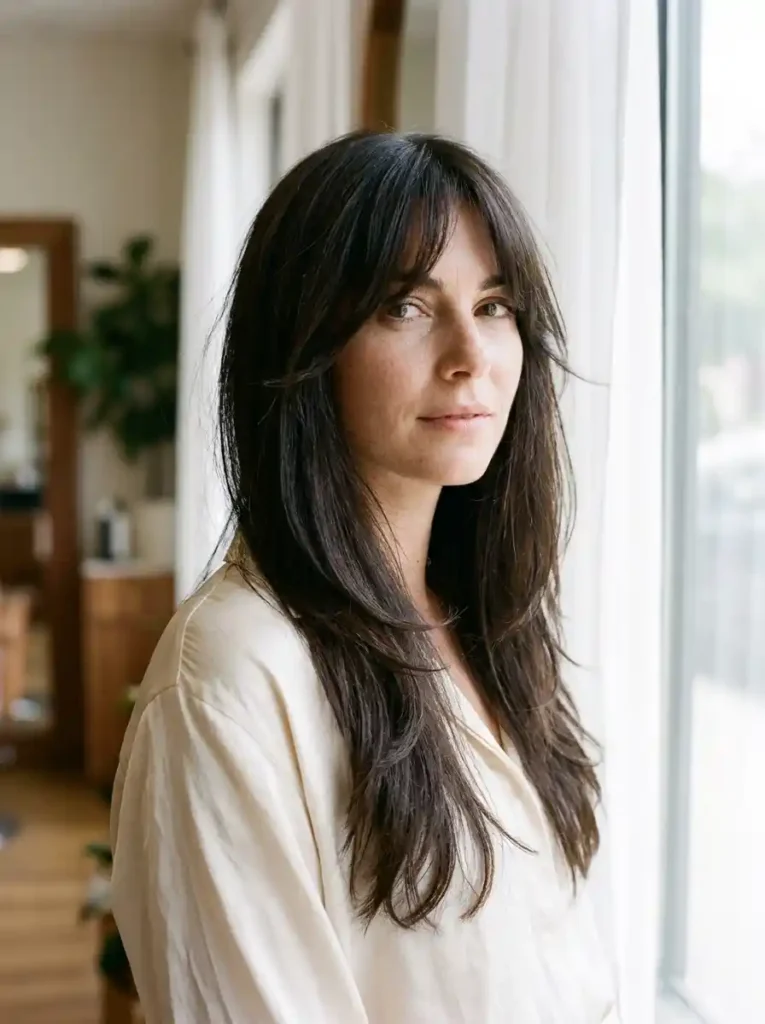
Curtain bangs give espresso hair movement around the face without requiring highlights or a major color change. The dark brunette shade makes the layered fringe look defined, while the longer pieces blend into the rest of the haircut. This combination suits people who want a noticeable style update but prefer to keep their natural-looking color. It works on straight and wavy hair, although the thickness of the fringe and the amount of daily styling should be adjusted to your texture and preferred maintenance level.
Ask your stylist to shape the bangs according to where your hair naturally parts and how they fall when dry. Longer curtain bangs can be easier to grow out than a short, dense fringe, making them a practical starting point if you are uncertain. Use a small round brush or blow-dry the front sections away from your face for a soft curve. Avoid applying heavy oils directly to the fringe, since this area can become greasy quickly. A simple trim between full haircuts helps preserve the intended shape.
16. Espresso Brown With Soft Beach Waves
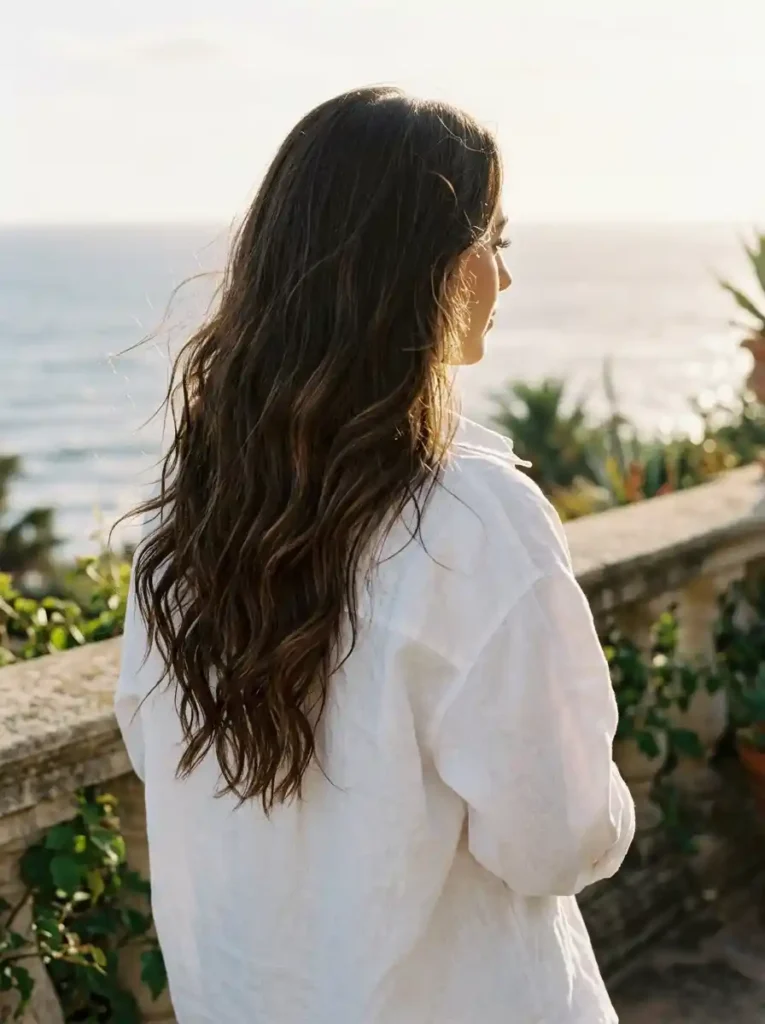
Beach waves give espresso hair a relaxed finish that contrasts beautifully with its naturally rich, dark appearance. Instead of looking perfectly polished, the hair has gentle bends, soft volume, and movement that reveals the brown tones in different lighting. This styling idea is especially useful if your hair is naturally wavy or you want to make a long brunette cut feel less formal. It can also showcase subtle highlights without requiring a highly structured curl pattern or a complicated styling routine.
To recreate the look, apply a lightweight heat protectant before using a curling wand, or enhance your natural waves with a suitable styling cream. Alternate the direction of the bends and leave the ends relatively loose for a more relaxed finish. Avoid using too much texturizing spray, which can leave dark hair looking dull or feeling stiff. If your hair is naturally straight, a few well-placed waves may be enough to create movement. A clear gloss can add shine while preserving the casual, undone effect.
17. Espresso Brown on Natural Curls
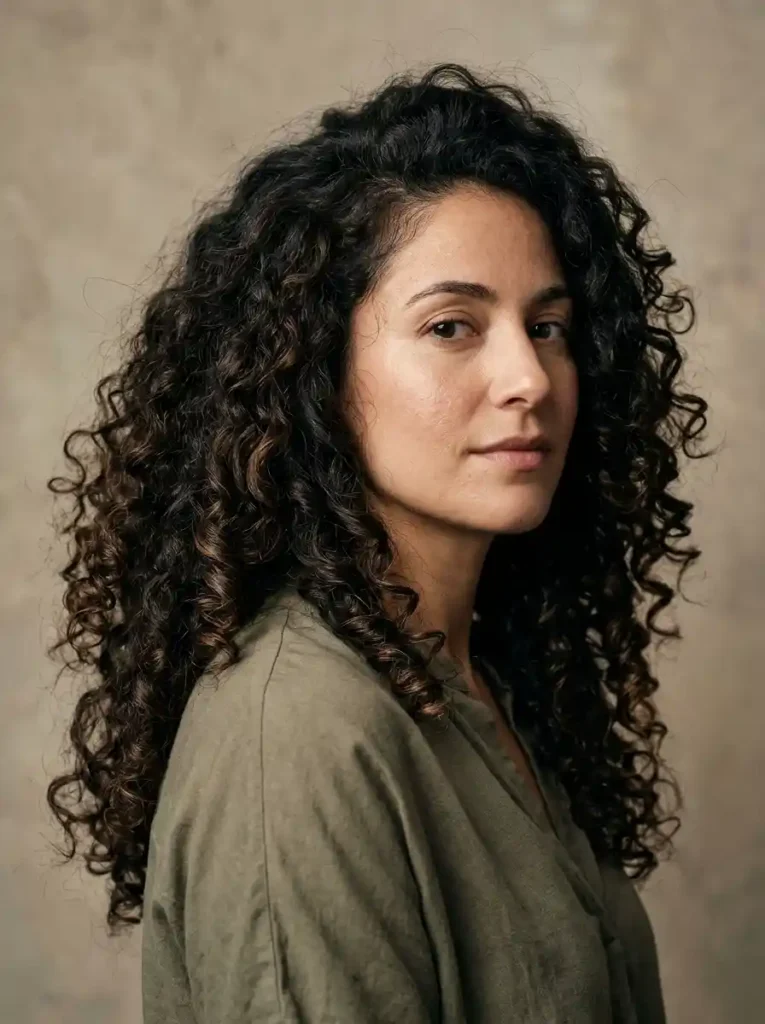
Espresso brown can look particularly striking on natural curls because the curved strands catch light at different angles. Even without highlights, the hair can reveal subtle brown reflections that give the overall color depth. Keeping the base dark allows the natural curl pattern to remain the main feature, whether your hair forms tight coils, defined ringlets, or looser curls. This approach is ideal if you want a rich color refresh without introducing the additional dryness that extensive lightening may cause.
The most important consideration is preserving curl health and definition. Before coloring, discuss your hair’s condition, previous treatments, and natural porosity with a stylist experienced in textured hair. If you choose to add lighter pieces later, a conservative approach may help minimize unnecessary damage. Use a moisturizing cleanser, a conditioner suited to your curl pattern, and a leave-in product that supports definition without excessive buildup. Dry the hair gently with a microfiber towel or cotton T-shirt, and avoid rough handling that can disrupt the curl pattern and increase frizz.
18. Espresso Brown With Subtle Ombre Ends
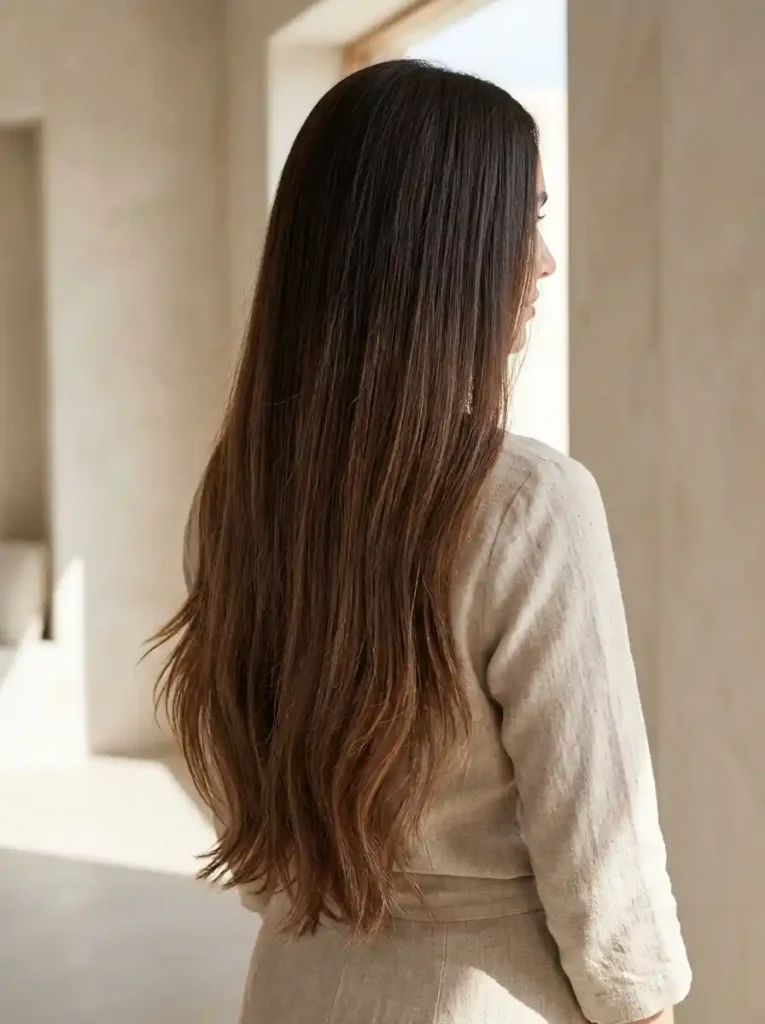
A subtle ombre creates a gradual shift from dark espresso roots to lighter brown ends, giving long hair dimension without changing the entire head of color. Compared with balayage, which can involve scattered highlights throughout the lengths, ombre usually emphasizes a more noticeable transition toward the bottom. When the color difference is restrained, the result feels sophisticated and understated. It works particularly well on long, straight hair and loose waves, where the gradual fade is visible without competing with the haircut.
Ask your stylist to keep the transition soft and choose an end color only a few levels lighter if you want a natural-looking effect. A harsh dividing line can make the result appear less blended, so discuss where the lighter section should begin and how quickly it should develop. Since the ends are the lightest part, they may need more conditioning than the roots. Regular trims help remove rough or split ends, while a color-safe routine can preserve the difference between the deep base and the lighter finish.
19. Espresso Brown With Cinnamon Highlights
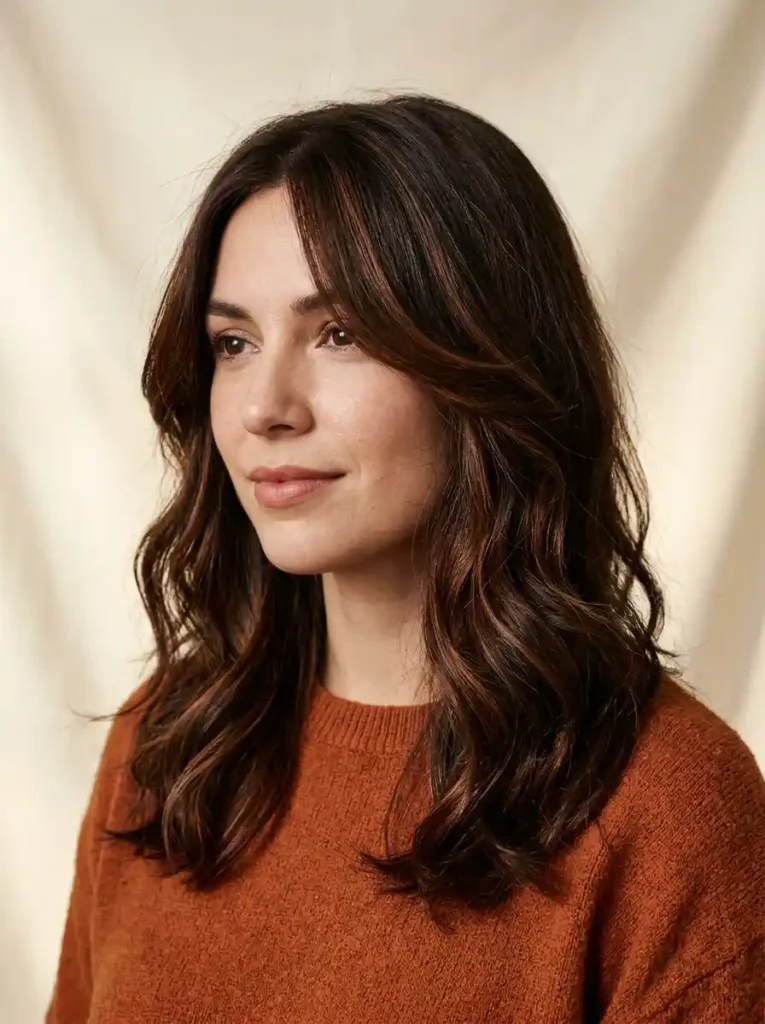
Cinnamon highlights add warmth to espresso hair while staying closer to brunette than copper or vivid red. The effect combines a dark coffee-colored base with soft reddish-brown accents that appear especially attractive in natural light. It is a good option if traditional chocolate highlights feel too neutral but you do not want the stronger statement of burgundy or bright copper. Layered cuts and loose waves allow the cinnamon ribbons to show through naturally, adding movement without overwhelming the dark foundation.
Ask for muted cinnamon or reddish-brown tones rather than intense orange if you want a sophisticated, everyday finish. The final shade will depend on your starting color, previous dye history, and the amount of lightening required. Keep the lighter pieces healthy with regular conditioning, and discuss how the tone may change as it fades. If your hair naturally develops warm undertones, your stylist can use that characteristic to create dimension rather than fighting it with repeated toning. Choose styling products that enhance shine without leaving a heavy coating.
20. Espresso Brown With Subtle Plum Highlights
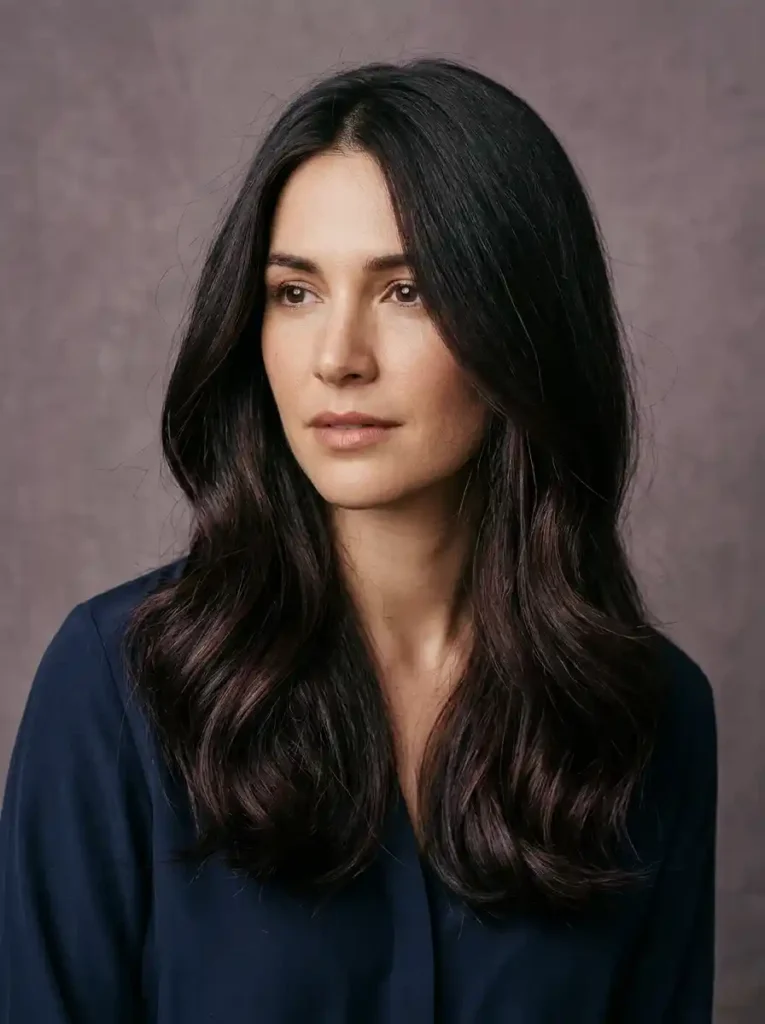
Plum highlights offer a creative alternative to conventional brown dimension while remaining relatively understated when blended into an espresso base. These accents can appear dark brown indoors and reveal a muted violet or plum reflection in brighter light. The effect is suitable for anyone who wants something distinctive without committing to vivid purple hair. Long layers and softly curled ends help distribute the color, while a sleek style makes the dark, reflective finish feel more modern and refined.
For a subtle result, ask your stylist to incorporate plum-brown tones through selected sections rather than applying a bright fashion color throughout your hair. The visibility of the plum depends on your starting shade and whether lightening is necessary. Some formulas fade toward a warmer or less noticeable brown, so discuss realistic expectations and maintenance before your appointment. A color-safe shampoo can help reduce premature fading, while a gloss may refresh the reflective undertone. If you prefer very low maintenance, keep the plum accents sparse and avoid a high-contrast placement.
21. Espresso Brown With a Soft Root Melt
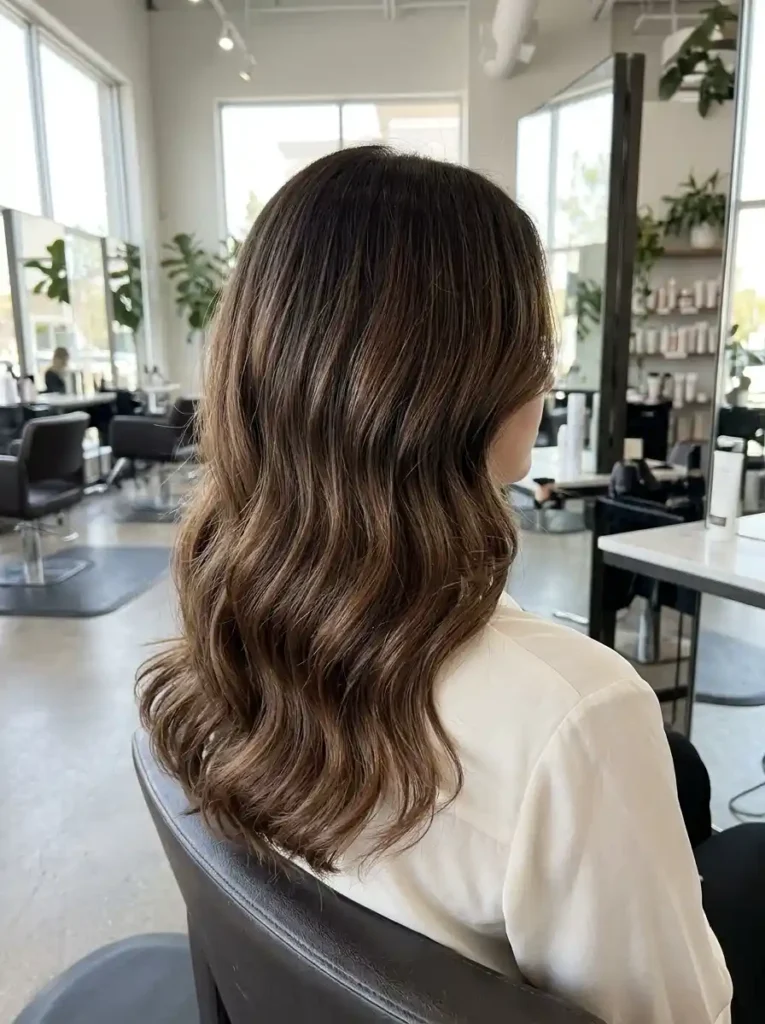
A soft root melt is a useful technique when you want espresso hair with a blended, natural-looking transition between the roots and lighter lengths. Instead of creating a sharp boundary, your stylist blends the deeper shade into the surrounding brown tones, allowing the color to grow out more gradually. This approach works well with balayage, subtle highlights, and previously lightened ends. It is particularly appealing if you dislike obvious root lines but still want the depth and dimension that come from combining multiple brunette shades.
The exact formula should be based on your natural root color, existing highlights, and the level of contrast you want to preserve. Ask your stylist to keep enough depth at the roots while blending the transition thoroughly into the lengths. A root melt does not eliminate maintenance entirely, but it can make regrowth less visually abrupt than a sharply defined color boundary. To preserve the finish, avoid repeatedly applying permanent color over the entire head when only a refresh is needed. Targeted glossing may be sufficient between larger appointments.
22. Espresso Brown With a Glass-Hair Finish
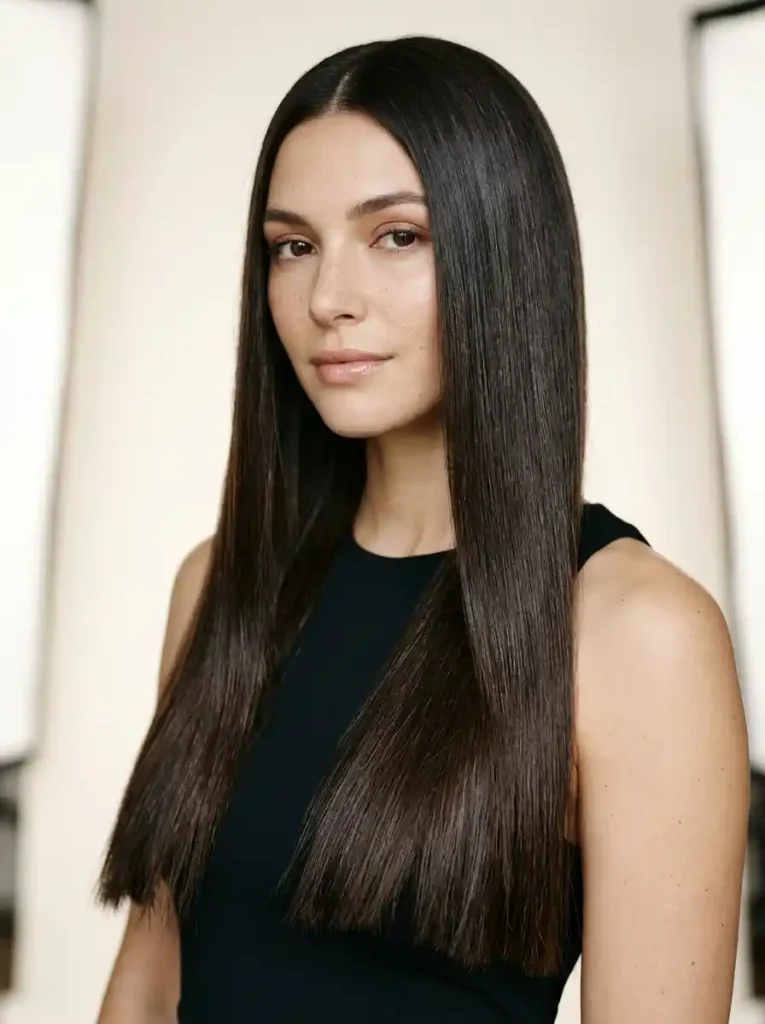
Glass hair focuses on the surface quality of espresso brunette color rather than adding highlights or changing the shade. The goal is an exceptionally smooth, reflective finish that makes deep brown hair appear polished and luxurious. This styling technique pairs especially well with long, blunt cuts, precise center parts, and healthy-looking ends. It is a strong choice for anyone who loves minimalist beauty and prefers a consistent dark color over visible balayage, colorful undertones, or high-contrast dimension.
To create the finish, begin with a conditioning routine suited to your hair type and use a heat protectant before blow-drying or straightening. Work in manageable sections, keeping the temperature appropriate for your hair’s condition rather than automatically choosing the highest setting. A lightweight smoothing serum can tame flyaways, but too much product may weigh down the roots. If your color looks dull despite careful styling, ask your stylist about a clear gloss or brunette-enhancing treatment. Healthy ends and gentle handling make a bigger difference than shine products alone.
Conclusion
Espresso hair color offers much more than one deep brunette shade. You can keep things classic with a glossy, uniform finish, introduce subtle dimension with chocolate babylights, or make a bolder change with caramel balayage, burgundy undertones, and cinnamon ribbons. Your haircut, natural texture, starting color, and preferred maintenance routine all influence which option will work best for you.
Before booking a salon appointment, save two or three reference photos that show the actual color you want, not just a hairstyle you like. Pay attention to the root depth, highlight placement, and warmth of the brunette tones. Ask your colorist what is achievable from your current hair condition and how much upkeep the result will require.
Most importantly, choose a shade that feels comfortable for your everyday life. The best espresso hair color is one that complements your personal style, suits your preferred level of maintenance, and makes you excited to wear your hair naturally or styled.