
Warm cinnamon hair color brings together rich reddish-brown tones, soft copper reflections, and golden warmth for a look that feels both cozy and effortlessly stylish. Whether you prefer a subtle change or a noticeable transformation, this versatile shade offers plenty of ways to personalize your color. From glossy cinnamon brunette to dimensional copper balayage, these 25 ideas will help you discover a flattering option, understand the differences between each style, and find inspiration for your next salon appointment.
1. Classic Warm Cinnamon Brown
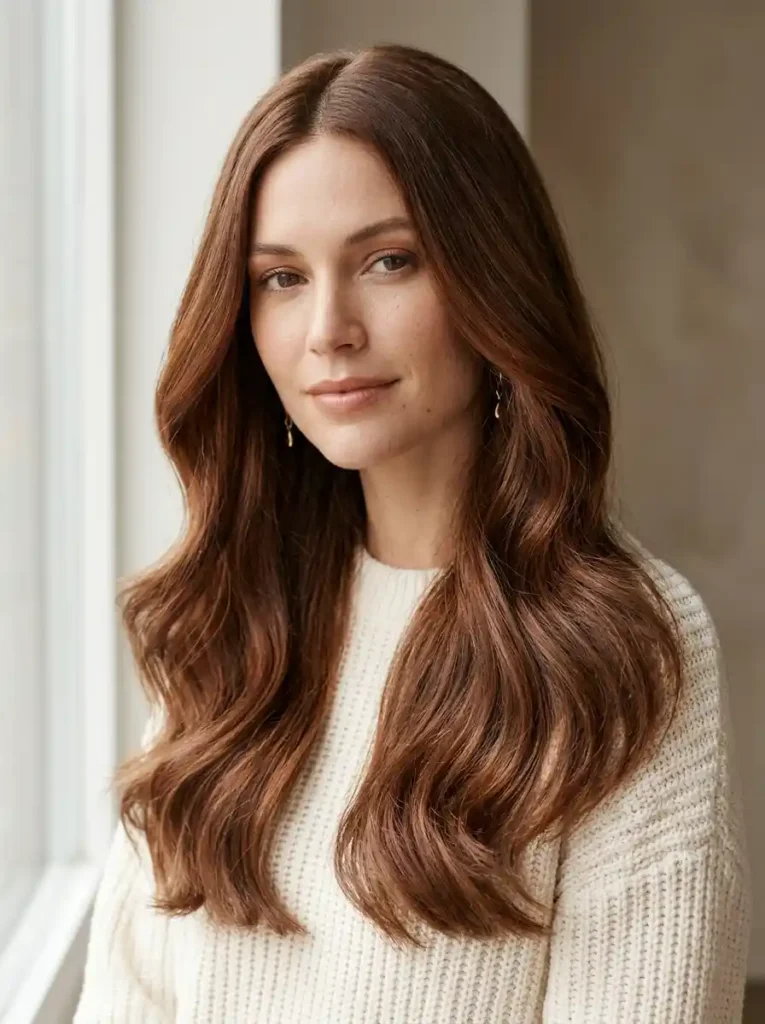
Classic warm cinnamon brown is an excellent starting point if you want a noticeable color refresh without committing to bright copper or vivid red. Its balanced combination of brunette depth and cinnamon warmth creates a rich, multidimensional appearance that looks beautiful in both natural daylight and indoor lighting. The shade works particularly well on medium to dark brown bases, where the reddish undertones can add warmth without making the overall color feel dramatically lighter.
Ask your colorist for a cinnamon-brown formula with subtle copper or auburn reflects rather than a strong red finish. A gloss treatment can enhance shine and help the color look polished between appointments. If your hair is naturally very dark, your stylist may recommend a strand test before lightening it to achieve the desired warmth. Finish with loose waves or a smooth blowout to showcase the color’s different tones as your hair moves.
2. Cinnamon Copper Balayage
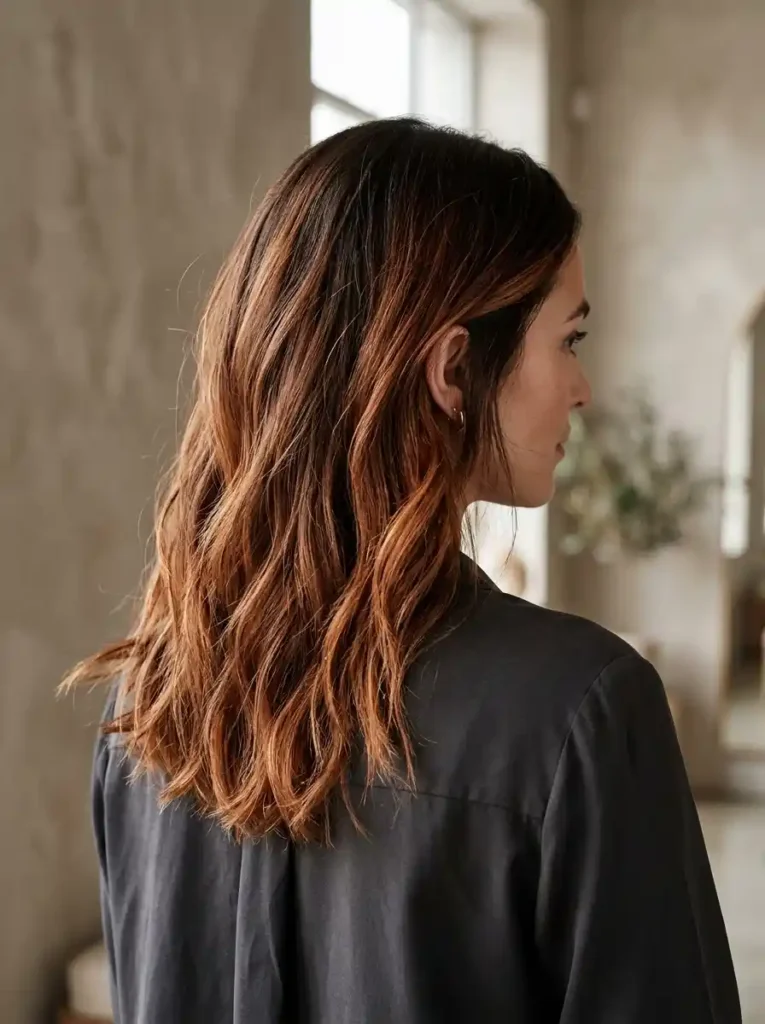
Cinnamon copper balayage is ideal if you love warm hair color but want more dimension than a single all-over shade provides. Hand-painted highlights create a gradual transition from a deeper brunette base to glowing cinnamon and copper lengths. Because the roots remain relatively natural, the result can grow out more softly than traditional highlights. This approach suits people who want their hair to look brighter around the ends without losing the richness of their natural base color.
For the most natural result, ask your stylist to concentrate the copper tones where light would naturally catch your hair, particularly around the mid-lengths and lower layers. The amount of contrast can be adjusted to suit your preference, from barely noticeable warmth to a more vivid copper finish. Use a color-safe shampoo and a nourishing conditioner to protect the highlighted sections. A few loose waves will help reveal the balayage placement better than a uniformly straight style.
3. Dark Cinnamon Brunette
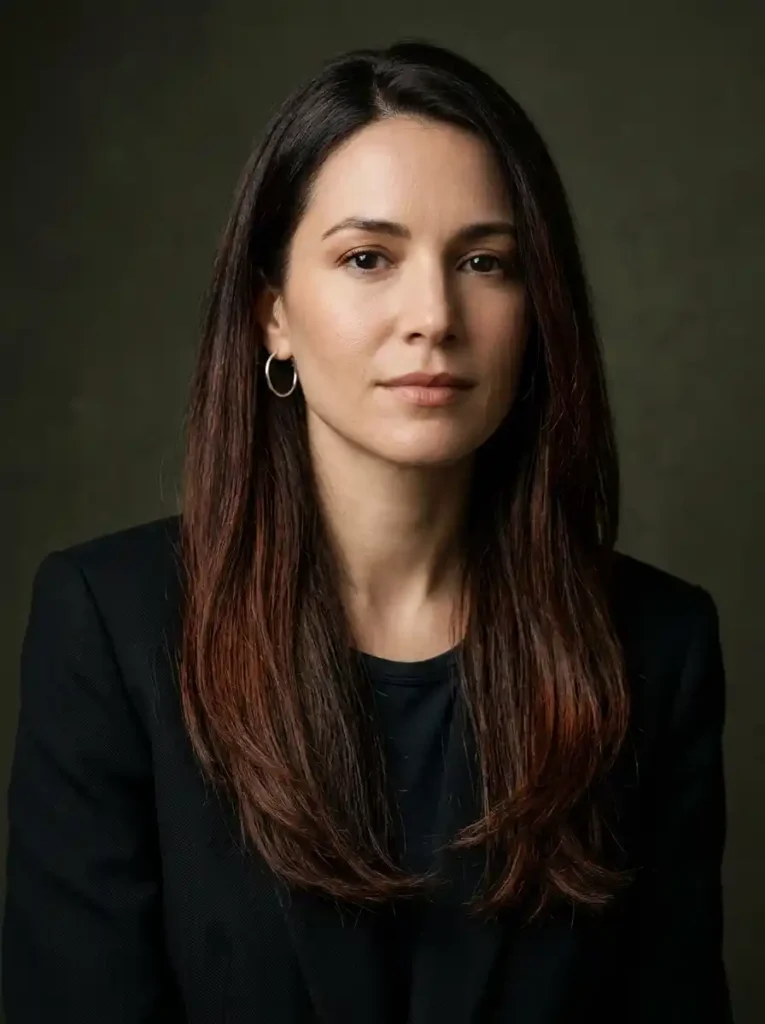
Dark cinnamon brunette offers a sophisticated way to experiment with reddish warmth while keeping the overall impression deep and understated. The base remains close to espresso or dark chocolate brown, while cinnamon reflects appear when light strikes the hair. This makes the shade particularly appealing if you prefer elegant, low-contrast color rather than obvious red highlights. It can also be a comfortable transition for brunettes who want something different without moving into a much lighter color family.
To keep this shade looking rich instead of flat, ask your colorist to build subtle warmth into the formula rather than relying on a uniform, overly red finish. A clear or tinted gloss can help maintain a reflective surface between coloring sessions. Dark cinnamon hair looks especially striking in a sleek blowout, a low ponytail, or long layers that catch the light. If your ends are porous, ask about a conditioning treatment to help the color appear more even.
4. Light Cinnamon Brown
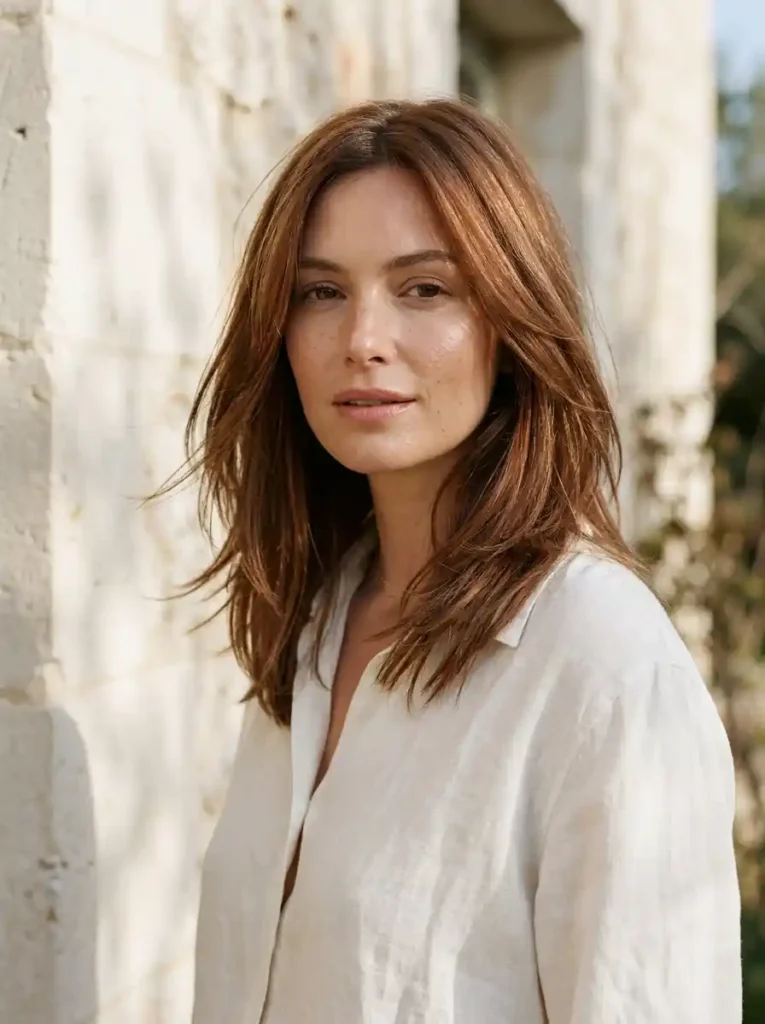
Light cinnamon brown is a lovely option if you want a warm brunette shade that feels lighter and softer than traditional chocolate brown. Its gentle reddish and golden undertones can brighten the overall appearance without pushing the color into vivid ginger territory. It works especially well on naturally light brown hair or on hair that can safely be lifted to a lighter level. The finished look can feel airy and understated while still providing enough warmth to make the color interesting.
When discussing this shade with your stylist, bring reference photos taken in natural daylight because indoor lighting can make cinnamon tones look more orange or more brown than expected. A soft root shadow can preserve depth while keeping the lighter lengths blended. Consider adding long layers if your hair tends to look heavy in one solid color. To maintain the shade, limit excessive heat styling and use a heat protectant whenever you blow-dry or curl your hair.
5. Cinnamon Auburn Hair
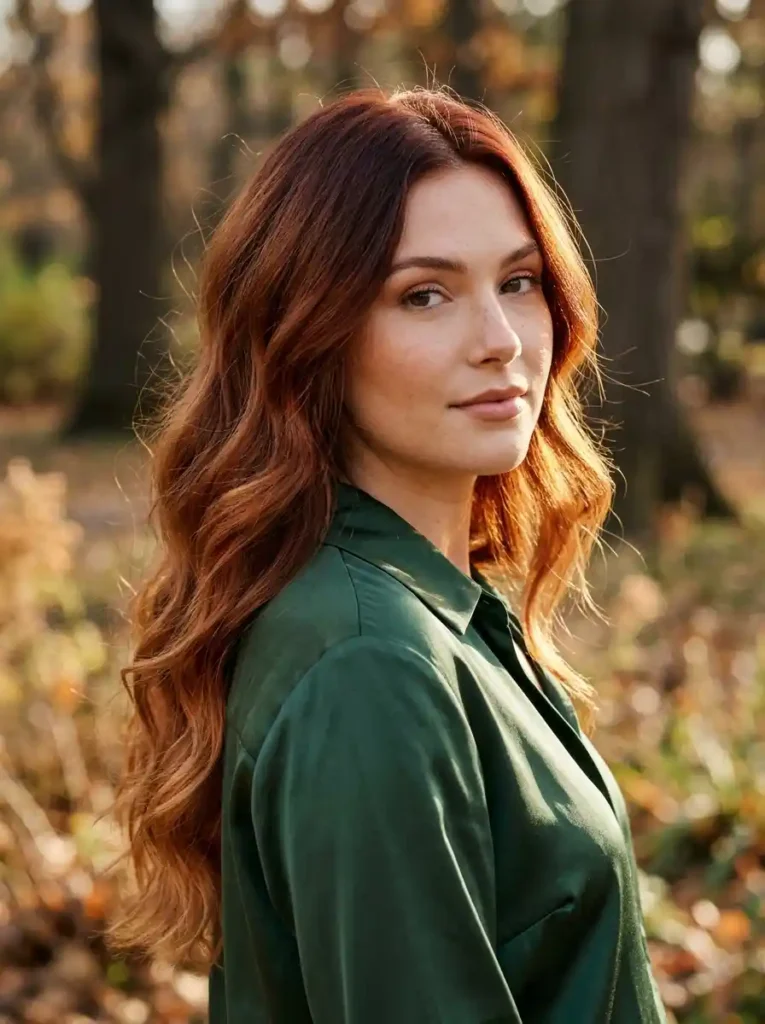
Cinnamon auburn is a beautiful choice if you want your hair to lean more visibly red while retaining the grounded richness of brown. The shade sits between classic auburn and copper, creating a warm finish that feels colorful without necessarily looking fiery. It can be customized with deeper brown roots for a subtle result or brighter reddish reflections for more impact. The combination is particularly attractive on layered hair, where different sections reveal varying degrees of warmth.
Because red-based color can fade noticeably with repeated washing, maintenance matters when choosing cinnamon auburn. Ask your stylist whether a tinted gloss or color-depositing conditioner is appropriate for your specific formula. Washing less frequently with lukewarm water and a color-safe shampoo can help preserve the richness. Before choosing a particularly vibrant version, consider your existing color history and natural base, since previously colored hair may respond differently from untreated hair.
6. Cinnamon Balayage on Black Hair
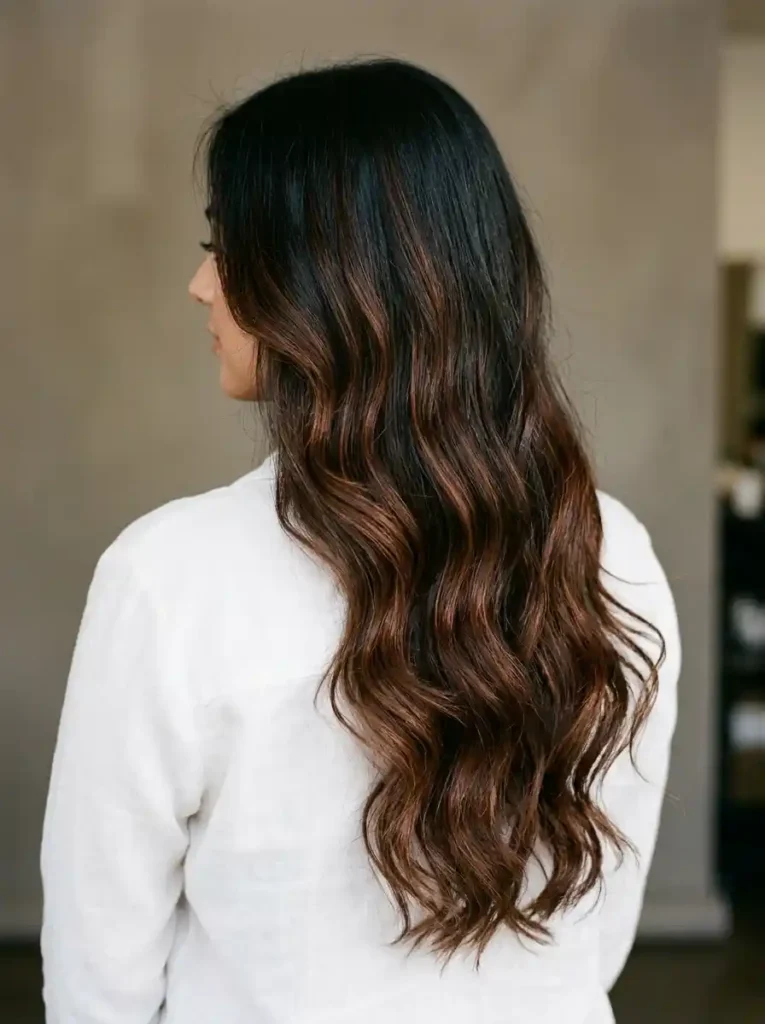
Cinnamon balayage on black hair provides a striking contrast between a deep natural-looking base and warm, reflective lengths. Instead of coloring every strand, your stylist can place cinnamon highlights strategically to create movement and visual depth. This is particularly useful if you love your dark hair but feel that a solid black shade looks too uniform. The result can range from discreet reddish reflections to clearly defined cinnamon ribbons, depending on how much contrast you prefer.
Achieving visible cinnamon tones on very dark hair may require lightening selected sections before applying the desired shade. Ask your stylist to assess your hair’s condition and explain how much lift is realistic in one appointment. Avoid requesting extremely bright copper if your priority is a soft, blended finish. A bond-building treatment may be recommended during chemical services, and occasional gloss appointments can help keep the highlighted sections looking cohesive with the darker base.
7. Cinnamon Hair with Golden Highlights
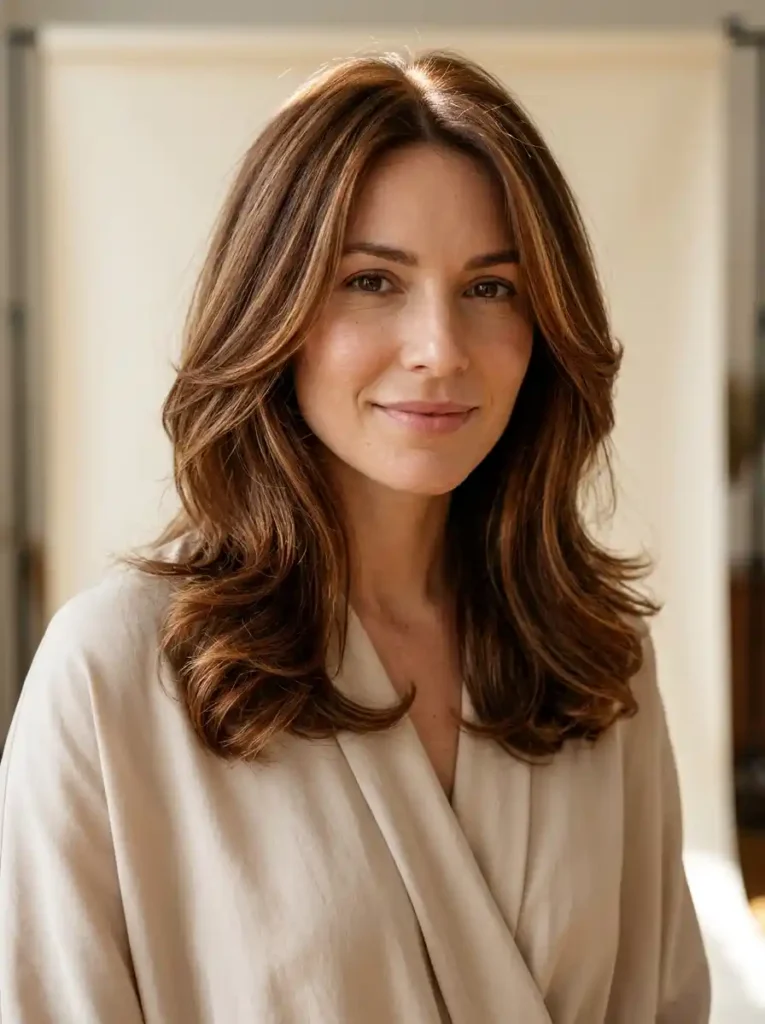
Golden highlights add a sunlit quality to cinnamon hair without eliminating its reddish-brown character. The golden pieces create contrast against the warmer base, helping layers look more dimensional and giving the overall style a softer, brighter finish. This combination is particularly useful if you enjoy warm brunette colors but want more light around your face. Depending on placement, the highlights can look delicate and blended or more noticeable through the front and upper layers.
For a balanced result, ask your stylist to keep the golden pieces relatively fine and mix them with cinnamon-toned sections. Too much yellow or very pale blonde can compete with the reddish base, so discuss the desired level of contrast before coloring. Golden accents often look beautiful with a round-brush blowout or large, soft curls. Use a nourishing mask regularly, especially if the highlighted sections have been lightened, to maintain softness and reduce the appearance of dry ends.
8. Cinnamon Hair with Curtain Bangs

Curtain bangs give cinnamon hair a face-framing shape that makes the color feel especially intentional. The shorter front sections catch the light around the forehead and cheekbones, while the warm brown and copper tones add dimension to the movement. This combination works with medium-length cuts and longer layers, making it a versatile choice if you want a hairstyle update alongside your color refresh. Curtain bangs can also provide a softer alternative to blunt fringe.
Your stylist should tailor the bang length to your hair texture, natural part, and preferred styling routine. If your hair has a strong cowlick, discuss how the fringe will sit when air-dried before committing to a precise cut. A round brush or blow-dry brush can help create the characteristic outward curve, but avoid excessive heat directly on the shorter pieces. Keep the cinnamon shade balanced with a gloss when needed, especially if the front sections receive frequent heat styling.
9. Cinnamon Rose Brown
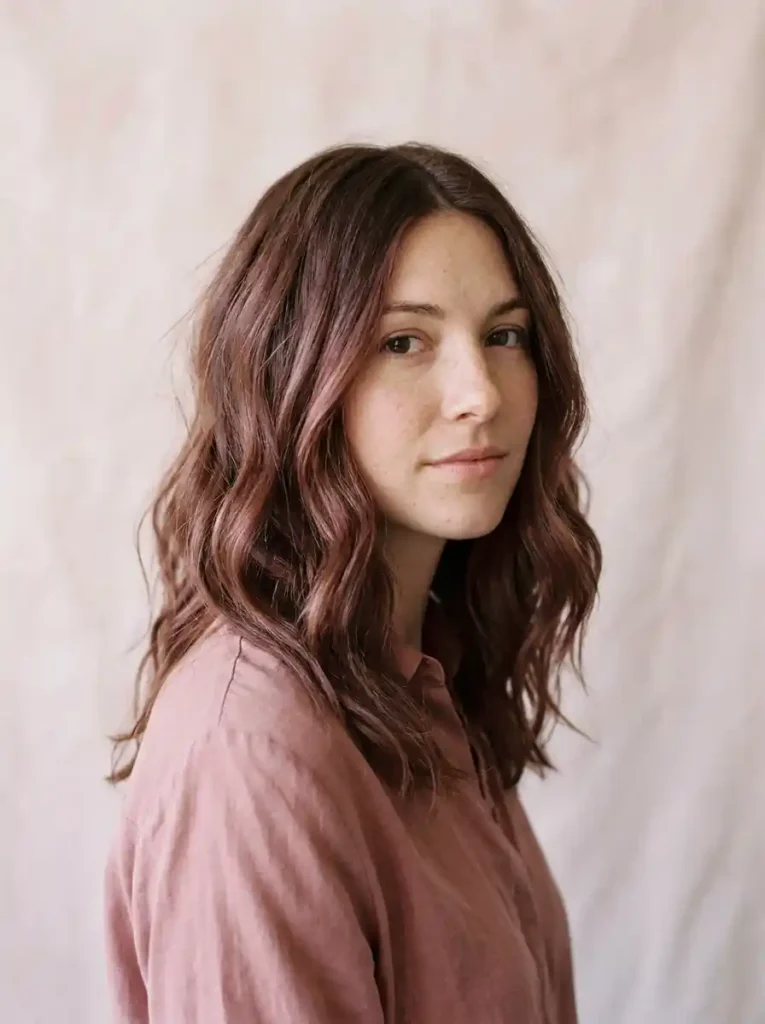
Cinnamon rose brown is ideal if you want warmth with a softer, more romantic undertone. Instead of leaning strongly toward orange copper, this variation blends cinnamon brown with subtle rosy reflections that can appear almost muted pink in certain lighting. The effect is distinctive without being overly bright, making it an appealing choice for someone who enjoys modern brunette colors with a gentle twist. Its exact appearance depends on the underlying base and the pigments chosen by your colorist.
Bring photos of the specific rose-brown balance you like, because some versions appear more reddish while others look cooler and more mauve. Ask your stylist to explain how the shade may fade on your existing color, especially if your hair has previously been lightened. A color-depositing product formulated for your particular tone may help maintain the rosy finish. Pair the color with soft waves or a relaxed lob to complement its understated character without making the overall look feel too formal.
10. Cinnamon Ombre Hair
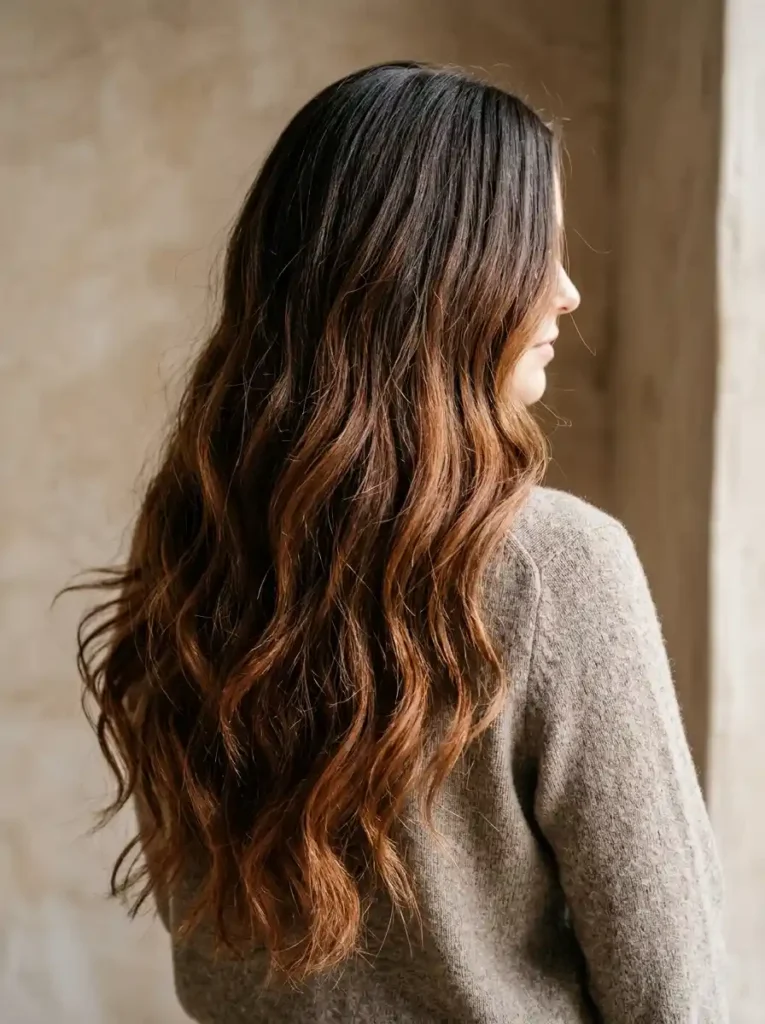
Cinnamon ombre creates a gradual color journey from darker roots to warmer, lighter ends. Unlike highlights scattered throughout the hair, ombre emphasizes the lower lengths, making it a useful option if you want a visible transformation without changing your natural-looking root area. The contrast can be subtle and sophisticated or more pronounced, depending on how much cinnamon and copper you want at the ends. Long hair provides the most space for a smooth, gradual transition.
To avoid a harsh line between shades, ask your colorist for a blended transition rather than a distinct horizontal band. The placement should suit your haircut, since shorter layers may require a different approach to keep the gradient balanced. Because the lighter ends can become dry, schedule trims as needed and apply conditioner carefully through the lengths. Ombre is often convenient for grow-out, but the warm ends may still need occasional toning or refreshing to prevent the color from becoming dull.
11. Cinnamon Chocolate Brown
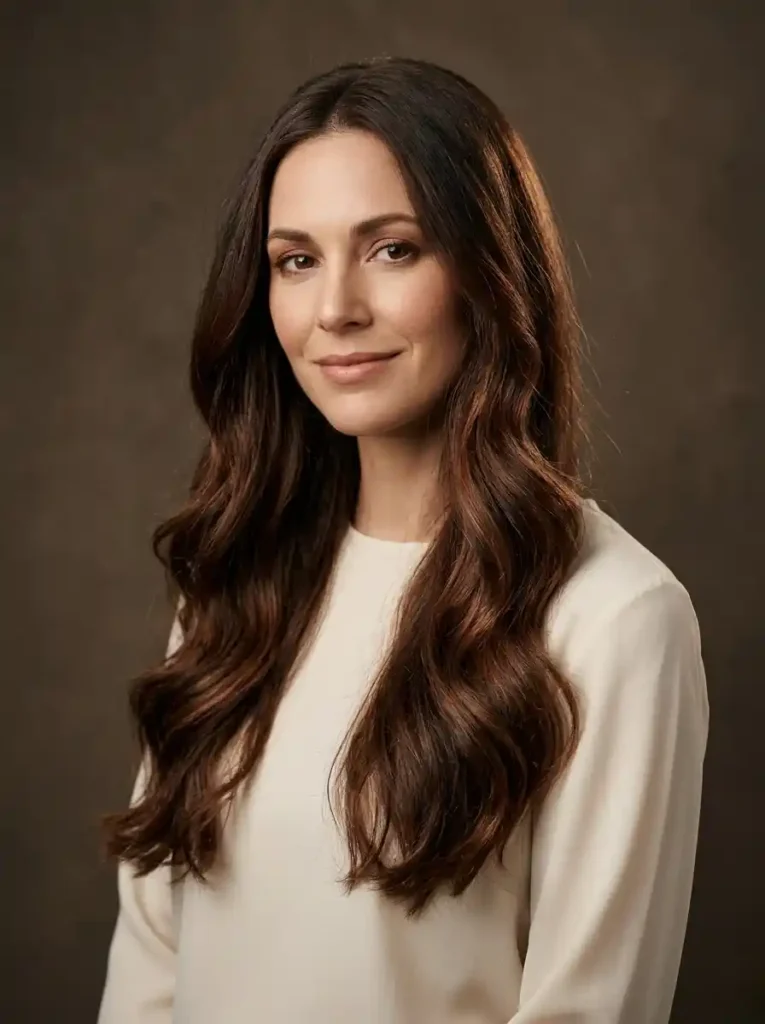
Cinnamon chocolate brown combines the comforting richness of chocolate hair with a subtle red warmth that keeps the shade from looking flat. It is an especially practical choice if you want something richer than light brown but less intense than copper or auburn. The cinnamon undertones appear when light catches the hair, giving it a multidimensional finish without requiring highly contrasting highlights. This variation can suit long layers, shoulder-length cuts, and sleek styles equally well.
When requesting the color, describe whether you want a chocolate base with cinnamon reflections or a more evenly blended reddish-brown finish. Those approaches can produce noticeably different results, even when the names sound similar. A gloss may be enough to refresh previously colored hair, while a larger color change may require a more involved service. Keep the finish polished with a lightweight smoothing product, avoiding heavy oils at the roots if your hair tends to lose volume quickly.
12. Soft Cinnamon Blonde

Soft cinnamon blonde is a lighter, more delicate interpretation of the cinnamon trend. It blends blonde or dark-blonde tones with gentle copper and reddish-gold warmth, creating a result that feels brighter than cinnamon brunette without becoming intensely orange. This shade can work beautifully if your natural hair is already light or if you are comfortable with the additional lightening needed to achieve the desired result. Its appeal lies in the balance between luminous blonde and understated cinnamon.
Before booking, discuss the amount of lightening your hair needs and whether the finished shade will require multiple appointments. Lightened hair can become more porous, so conditioning and heat protection should be part of your routine. Ask for a root blend if you prefer a softer grow-out rather than a sharply defined line. Because blonde-based cinnamon shades may shift as they fade, your colorist can recommend a suitable toner or gloss schedule based on your washing habits and hair condition.
13. Cinnamon Hair with Face-Framing Highlights
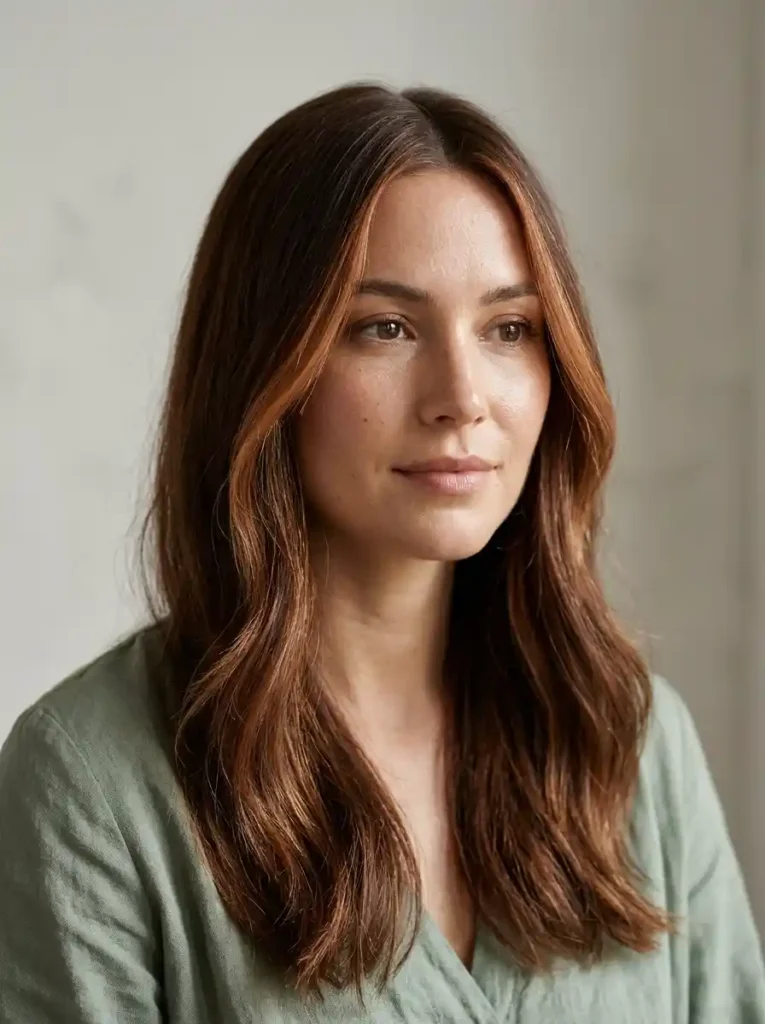
Face-framing cinnamon highlights provide a focused way to brighten your hairstyle without coloring the entire head. A few lighter sections near the front draw attention to the movement around your face, while the remaining cinnamon-brown hair maintains depth. This technique is useful if you want a visible change but prefer a relatively restrained color service. The highlights can be narrow and delicate for a natural finish or slightly wider for a stronger contrast.
Ask your stylist to position the lightest pieces according to your haircut and natural part, rather than copying a placement designed for someone else’s hair. Very bright front sections can look disconnected if the rest of the color remains too dark, so subtle supporting highlights may help create continuity. Protect the lightened pieces with a suitable conditioner and heat protectant. When styling, direct the front sections away from your face with a round brush to show how the cinnamon tones blend into the base.
14. Cinnamon Hair with Soft Waves

Soft waves are a styling choice rather than a separate color formula, but they can make cinnamon hair appear particularly dimensional. The curved sections reflect light differently, revealing the balance between brown depth and reddish warmth. This look is ideal if your color is relatively uniform and you want to show its natural richness without adding more highlights. It also works well with balayage, auburn blends, and chocolate-cinnamon shades.
For a relaxed finish, use a medium-barrel curling iron or create loose bends with a flat iron, leaving the ends slightly straighter if you prefer a modern appearance. Always apply heat protectant and allow each section to cool before brushing the waves gently into shape. A lightweight finishing cream can reduce frizz without weighing the hair down. If your color has multiple tones, avoid overly heavy styling products that create a greasy coating and make the highlights less visible.
15. Cinnamon Pixie Cut
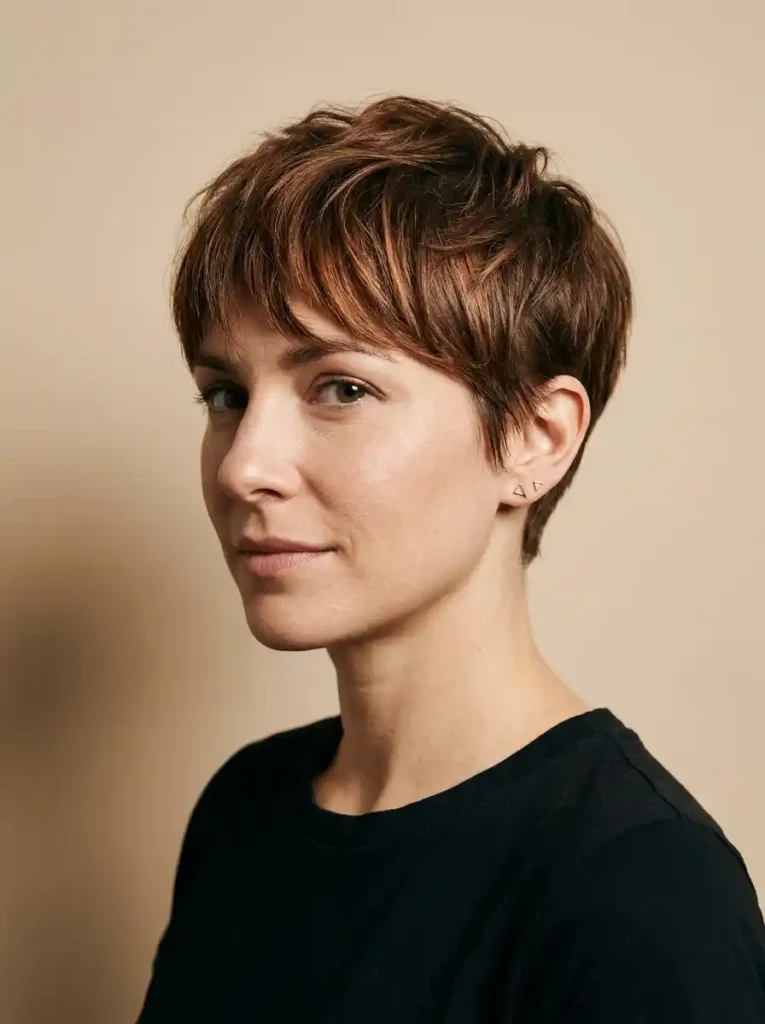
A cinnamon pixie cut proves that warm hair color can look striking even without long lengths or elaborate styling. The shorter shape places attention on the cut itself, while cinnamon tones add depth to the crown and fringe. Subtle copper accents can emphasize the textured pieces, helping the haircut look more defined. This is a good option if you prefer a practical length but still want a color that feels expressive and carefully customized.
Discuss the haircut and color together so your stylist can position the warmest tones where they support the shape. A few brighter pieces through the top may provide dimension, while a deeper cinnamon base keeps the result grounded. Short hair can require frequent trims to preserve its silhouette, even if the color itself grows out easily. For everyday styling, work a small amount of lightweight texture paste through the crown, keeping the finish flexible rather than stiff or overly glossy.
16. Cinnamon Layered Hair
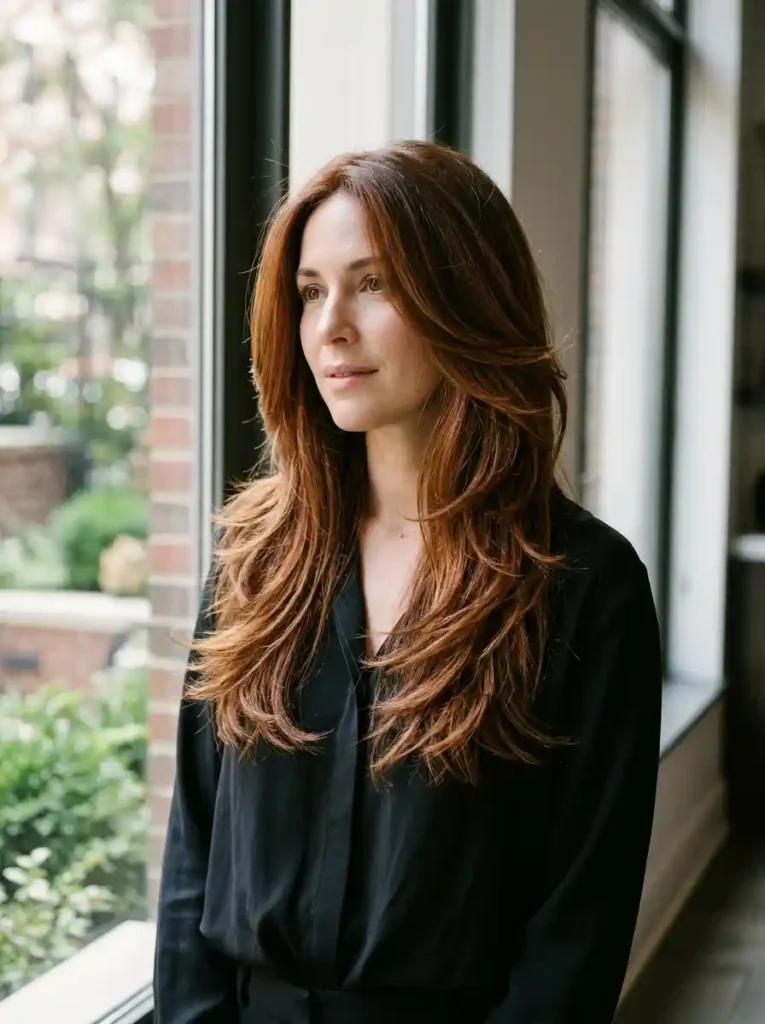
Layers can make cinnamon hair look fuller and more dynamic by creating surfaces that catch light at different angles. Rather than relying on strong color contrast, this style uses movement to reveal the reddish and copper undertones already present in the hair. It is particularly useful for long or thick hair that feels heavy at the ends. Face-framing layers can also soften the outline of a haircut while keeping enough length for ponytails and updos.
Ask your stylist to adapt the layers to your hair density and natural texture. Too many short layers can reduce fullness at the ends, especially if your hair is fine, so the cut should be planned around the silhouette you want. Cinnamon color can be kept uniform or enhanced with a few delicate highlights through the upper layers. Blow-drying with a round brush or using large rollers can emphasize the feathered shape without requiring tight curls or excessive heat.
17. Cinnamon Red Velvet Hair
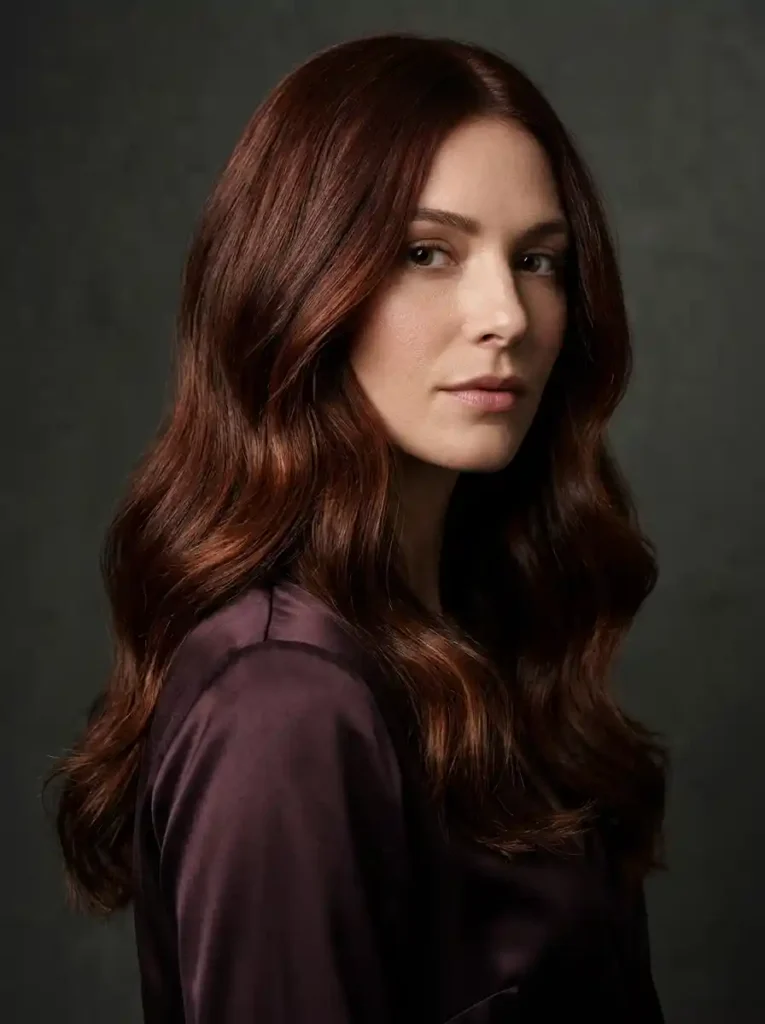
Cinnamon red velvet is a deeper, more dramatic variation for anyone who wants a richer red-brown appearance. It blends cinnamon warmth with dark red undertones, producing a shade that looks especially luxurious in smooth, reflective hair. Compared with lighter copper cinnamon, this option has more depth and can appear almost burgundy in low light. It is worth considering if you enjoy statement color but still want a brunette foundation rather than a bright, fiery red.
Because red pigments can fade unevenly, ask your stylist how the color will behave as it softens and whether a gloss will help preserve the intended depth. A color-depositing conditioner may be useful, provided its undertone matches your formula. Keep your styling routine gentle, especially if your hair has been lightened beforehand. Smooth waves, a polished blowout, or a low bun can showcase the richness of this shade without competing with its already noticeable color.
18. Cinnamon Hair with Caramel Ribbons
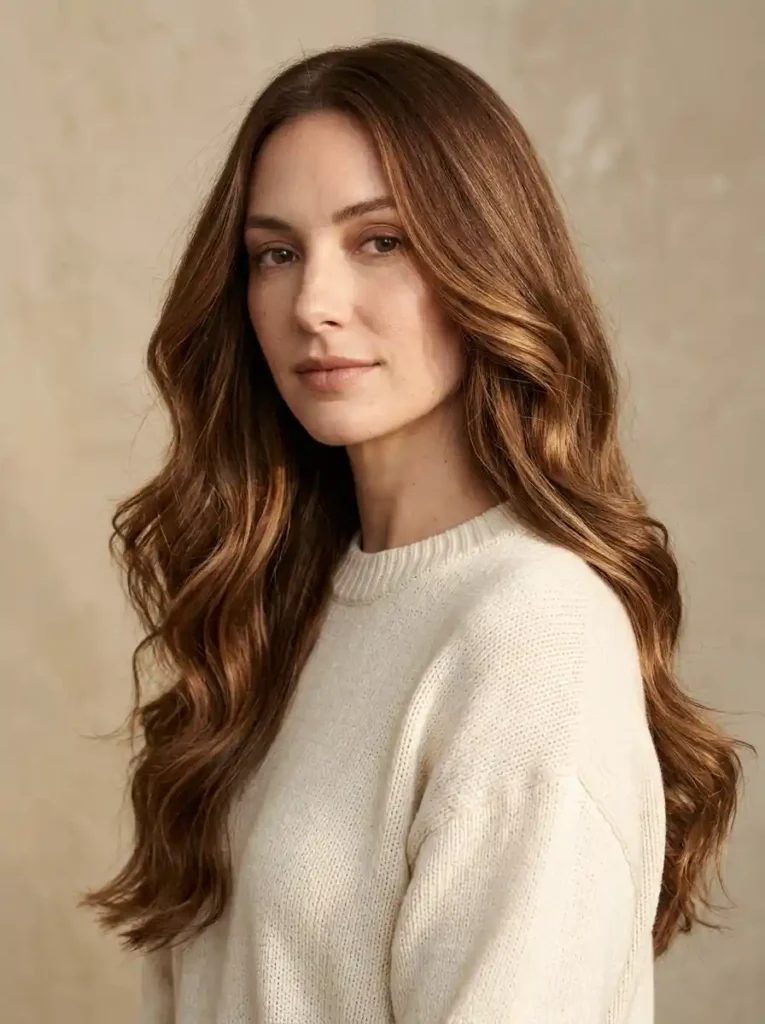
Caramel ribbons offer a softer alternative to bright blonde highlights while adding noticeable dimension to cinnamon hair. The warm golden-brown strands complement the reddish base, creating a blended color that feels rich rather than sharply contrasted. This approach is particularly appealing if you want your hair to look more luminous without moving too far from brunette territory. The effect is easy to customize, with a few fine ribbons for subtle brightness or more concentrated pieces for extra depth.
Ask your colorist to select a caramel tone that harmonizes with the cinnamon base instead of becoming noticeably yellow or pale. Placing the ribbons through the mid-lengths and ends can add movement while leaving the roots natural. If you wear your hair straight, request a delicate blend that looks smooth rather than striped. For waves and curls, slightly more variation can create attractive dimension. Maintain the lighter sections with conditioner and occasional professional toning when necessary.
19. Cinnamon Hair with Natural Dark Roots
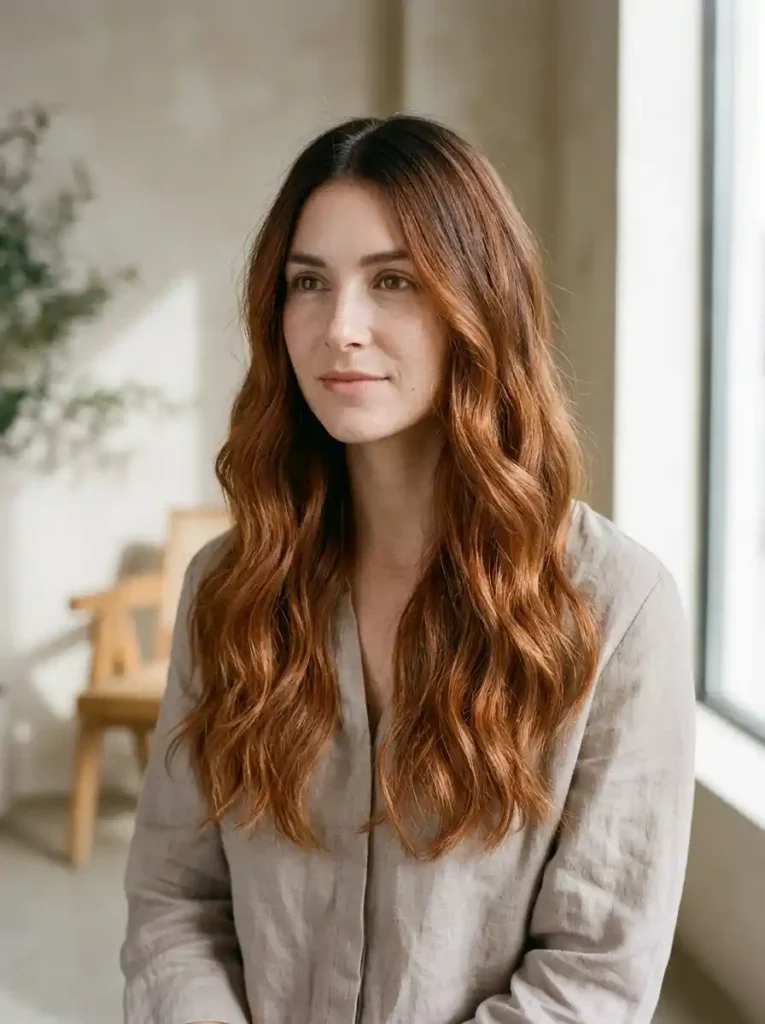
Cinnamon hair with natural dark roots is a practical choice if you want warmth through the lengths without committing to frequent root touch-ups. The darker root area adds contrast and helps the cinnamon shade look more dimensional, especially when the color gradually becomes warmer toward the ends. This technique works with several cinnamon variations, including copper, auburn, and light reddish brown. It is particularly convenient for people who prefer a softer, lived-in finish over a uniform salon color.
The key is deciding how much root contrast feels intentional for your style. A subtle shadow root creates a gentle transition, while leaving more natural regrowth visible can produce a bolder effect. Ask your colorist to blend the transition carefully so it does not resemble an accidental color band. Because the lengths may be lighter or more porous, they might need different maintenance from the roots. A tailored gloss can refresh the cinnamon tones while preserving the deeper root area.
20. Cinnamon Brown Lob
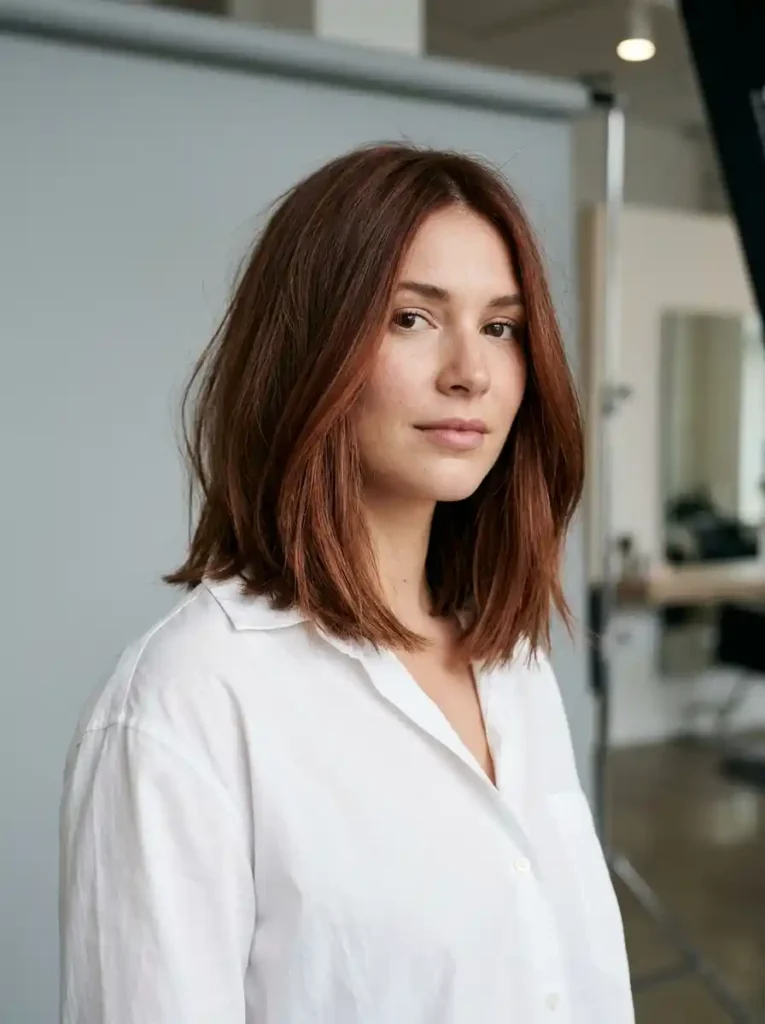
A cinnamon brown lob combines a manageable haircut with a warm color that looks polished without feeling overly formal. The collarbone-length shape offers enough room for soft waves but remains shorter and easier to handle than long hair. Cinnamon undertones add visual interest to the clean outline, especially when the ends move or catch the light. This combination works for many personal styles, from minimalist and professional to relaxed and fashion-forward.
Ask for a lob length that suits your neck, hair density, and styling habits. A blunt perimeter can make fine hair appear fuller, while gentle internal layers may help thicker hair sit more comfortably. If you want the color to remain subtle, choose a cinnamon-brown gloss or a few finely blended warm accents instead of a dramatic highlight pattern. The cut may need regular trims to maintain its shape, while color appointments can be scheduled according to your formula and preferred level of richness.
21. Cinnamon Curly Hair
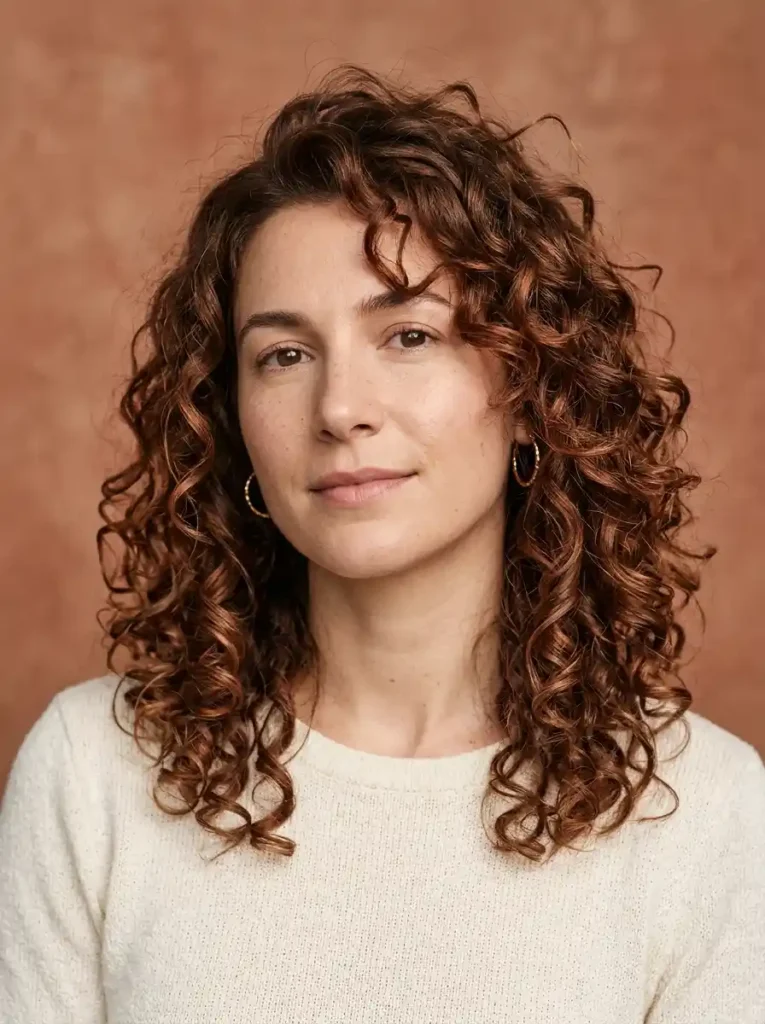
Cinnamon color can bring beautiful dimension to naturally curly hair because the curves of each ringlet create changing patterns of light and shadow. Warm reddish-brown undertones add depth without requiring bold, contrasting highlights. If you want a more defined result, a stylist can place a few cinnamon-copper accents where they will be visible through the outer layers. The approach should preserve the natural curl pattern rather than treating curls as if they were straight hair.
Before coloring, discuss your curl history, current moisture levels, and any previous chemical treatments. Curly hair can be more vulnerable to dryness, particularly when lightening is involved, so the safest color plan may be more gradual. Use a conditioner suited to your curl type and apply styling products evenly to encourage definition. Avoid brushing dry curls aggressively, as this can disrupt their shape. A diffuser on low heat or gentle air-drying can help preserve both the color’s dimension and the hair’s natural texture.
22. Cinnamon Hair with Subtle Copper Lowlights
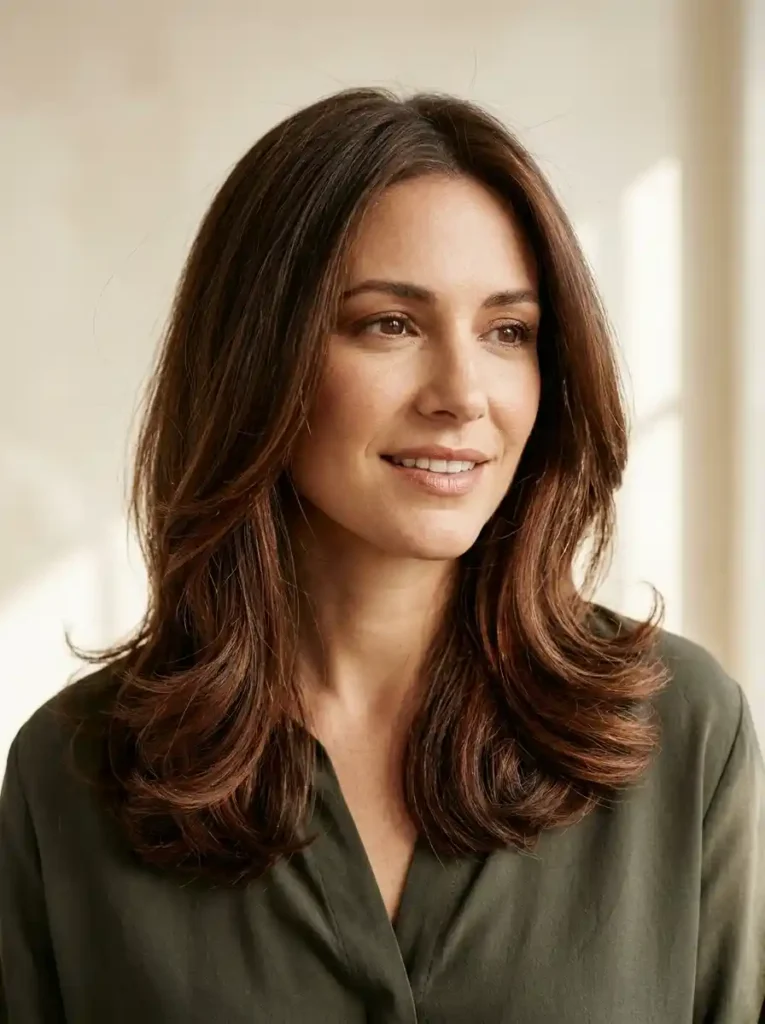
Lowlights are a useful option if your hair already contains lighter pieces and you want to bring back depth without making everything darker. Subtle cinnamon-copper lowlights introduce warmer shadows through the lengths, helping the overall color look more complex and less washed out. This is especially appealing for previously highlighted brunette hair or a cinnamon shade that has become too uniform. The effect is quieter than adding bright highlights, but it can make the finished color feel richer.
Ask your stylist to assess the existing highlights before choosing the lowlight placement. Adding too many dark pieces can make the hair appear heavy, while carefully spaced sections can restore dimension. A gloss may also be appropriate if your goal is to refine the tone rather than create a major contrast. This technique often looks beautiful in straight styles because the color differences remain visible along the lengths. Regular conditioning helps maintain a smooth finish so the tonal variation appears intentional.
23. Cinnamon Hair with Wispy Fringe

A wispy fringe gives cinnamon hair a soft, slightly undone finish that feels different from the fuller shape of curtain bangs. The fine fringe creates a light frame around the eyes, while the warm hair color adds gentle dimension to the surrounding layers. This pairing can suit a shoulder-length cut, a long layered hairstyle, or a textured bob. It is a good choice if you want your haircut to feel fresh without relying on a dramatic color transformation.
The fringe should be customized to your hair density and how much time you want to spend styling it. Fine sections are easier to reshape but can separate or become oily more quickly, so a lightweight styling product is often preferable to heavy creams. If your hair has a strong natural growth pattern, ask your stylist how the fringe will behave without heat. Keep the cinnamon tone coordinated throughout the front and lengths so the face-framing area looks integrated rather than like a separate color panel.
24. Cinnamon Hair with a Glossy Finish
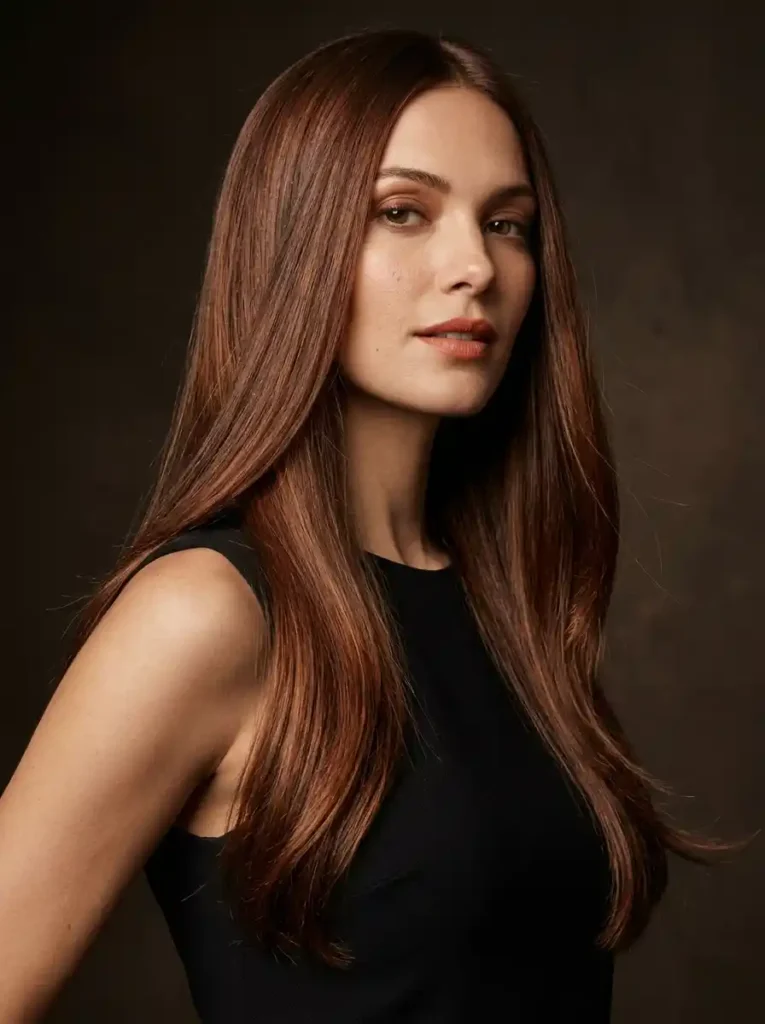
A glossy finish can make even a relatively simple cinnamon-brown color look refined and expensive. The smooth surface reflects light more evenly, helping the reddish and copper undertones appear richer without requiring additional highlights. This style is especially effective if you prefer sleek hair or have a haircut with clean lines. It also gives a uniform cinnamon shade a polished appearance, making it a useful option when you want to focus on shine rather than color contrast.
To achieve the look, start with a conditioner suited to your hair type and use a heat protectant before blow-drying. A smoothing serum can help control frizz, but apply it sparingly so the hair does not become greasy or weighed down. Ask your stylist about a gloss treatment if your color looks dull or has lost tonal clarity. Remember that shine depends on hair condition and styling as well as color, so avoid excessive heat and schedule trims when split ends become noticeable.
25. Cinnamon Balayage on a Short Bob
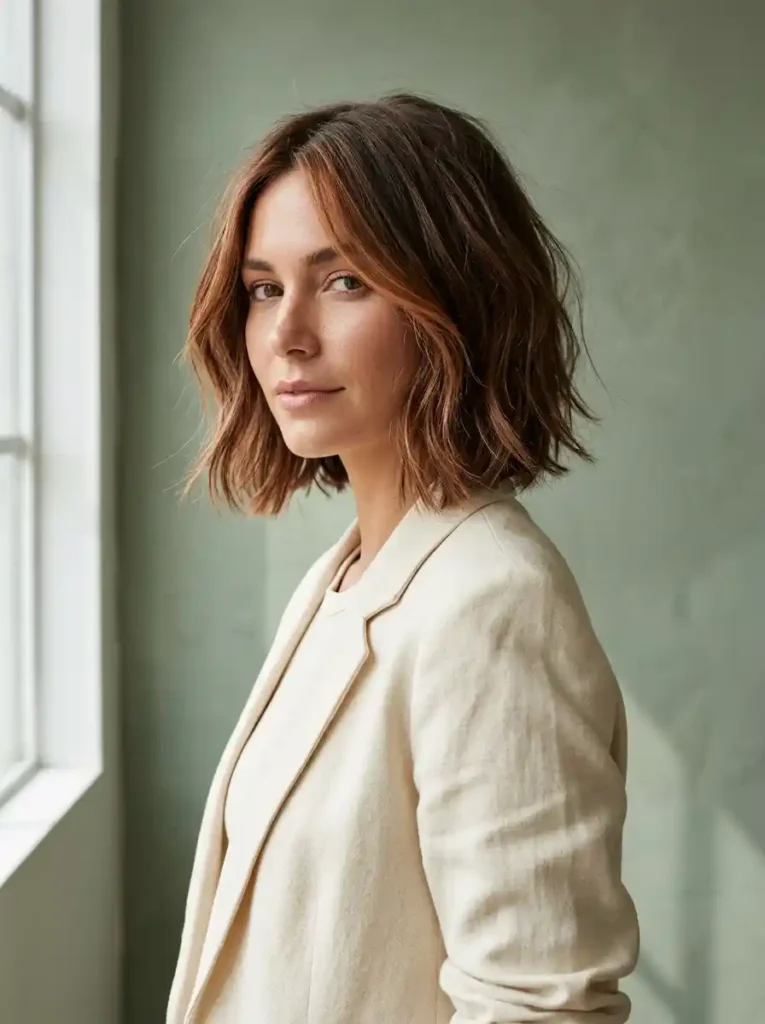
Cinnamon balayage on a short bob brings warmth and movement to a haircut that might otherwise look like one solid block of color. Fine highlights through the ends and front pieces emphasize the bob’s shape, while the brunette base preserves depth around the crown. This option works well if you want a contemporary hairstyle with visible dimension but do not have long hair for a traditional balayage gradient. The result can be understated or more noticeable depending on the contrast selected.
Short hair requires thoughtful highlight placement because every colored section contributes to the overall silhouette. Ask your stylist to work with the direction of the cut, placing cinnamon accents where they enhance the front and textured ends. Avoid excessively thick highlights if you prefer a blended finish. A small amount of texturizing cream can help separate the ends and show the warm tones. Because the haircut may need frequent trims, coordinate color appointments with your maintenance routine to keep both the shape and shade looking fresh.
Conclusion
Choosing a warm cinnamon hair color is about finding the right balance of depth, warmth, and dimension for your personal style. If you prefer understated elegance, dark cinnamon brunette and cinnamon chocolate brown offer rich color without dramatic contrast. For a brighter transformation, cinnamon copper balayage, golden highlights, and cinnamon auburn create more visible warmth. Short cuts, curls, layers, and face-framing details provide additional ways to make the shade feel uniquely yours.
Before booking your appointment, save two or three reference photos that show the color in natural daylight, and discuss your current hair color, condition, and maintenance preferences with your stylist. Remember that the same cinnamon shade can look different depending on your starting color, lighting, and hair texture. A personalized consultation will help you choose a realistic result and determine whether highlights, an all-over color, or a gloss is the best approach. With thoughtful color placement and a manageable care routine, cinnamon hair can be a beautiful, versatile update for your next look.

