
Brunette hair is having a moment, and it is easy to understand why. From rich espresso shades and glossy chocolate brown to soft caramel ribbons and sun-kissed balayage, brown hair offers endless ways to refresh your look without losing the depth and versatility that make it so beautiful. Whether you prefer a subtle change or a noticeable transformation, the right brunette shade can complement your complexion, highlight your features, and bring new life to your favorite hairstyle.
The secret is finding a combination of color, dimension, and styling that feels right for you. Some brunette looks rely on seamless highlights for a naturally illuminated finish, while others embrace dramatic contrast, warm undertones, or cool, smoky hues. Hair length, natural color, maintenance preferences, and styling habits can all influence which option works best.
In this collection, you will discover 24 gorgeous brunette hair ideas, including sophisticated solid colors, dimensional balayage, face-framing highlights, and modern combinations that look beautiful in everyday life. Each idea includes inspiration for recreating the look, along with practical details to discuss with your stylist. If you are ready for a fresh hair transformation, these brunette styles will help you find your next favorite look.
1. Rich Espresso Brunette
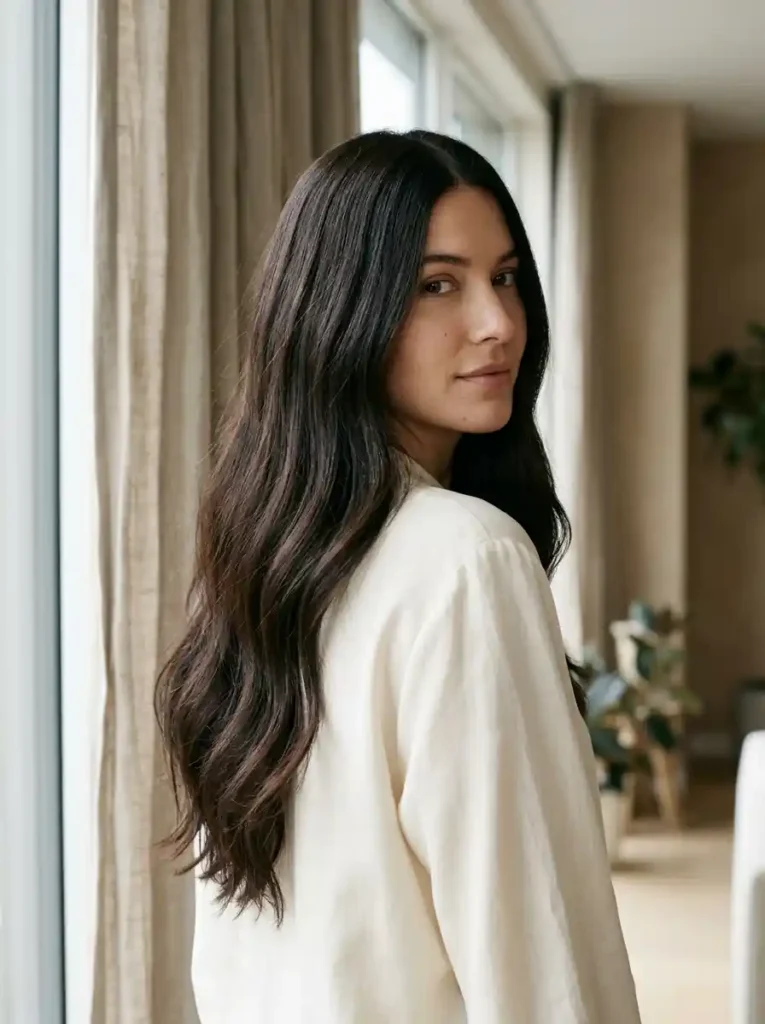
Rich espresso brunette is an elegant choice if you love deep, saturated color with a polished finish. This nearly black shade has a brown foundation that creates richness without looking flat or overly harsh. It works particularly well on naturally dark hair because the transition is relatively subtle, making it easier to maintain than a dramatic lightening transformation. Ask your colorist for a neutral or slightly warm espresso formula that complements your skin’s undertones and existing hair color.
To keep this shade looking luxurious, focus on shine and condition rather than excessive styling. A lightweight leave-in conditioner, heat protectant, and smoothing serum can help create a reflective finish without weighing down your lengths. If your hair is naturally lighter, you may need more frequent root appointments to preserve the uniform depth. A center part and sleek blowout emphasize the sophisticated character of espresso brunette, while loose waves make the color appear softer and more dimensional.
2. Chocolate Brown Balayage
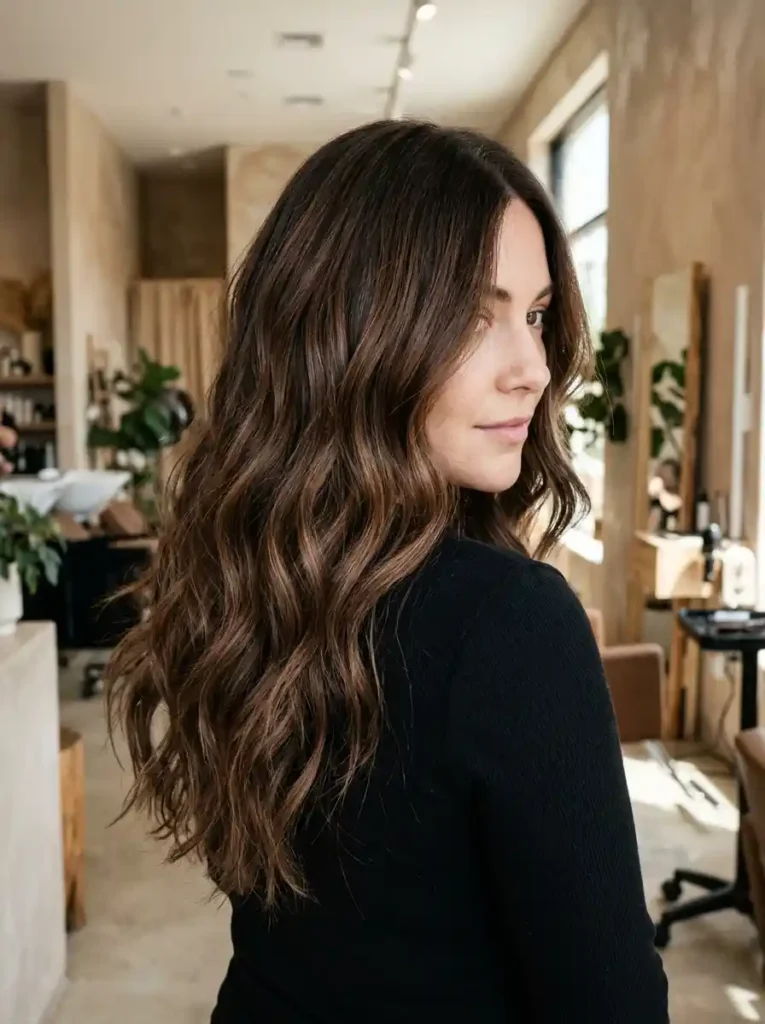
Chocolate brown balayage combines a deliciously rich brunette base with lighter brown pieces that brighten the lengths without creating an obvious striped effect. The hand-painted placement gives the color a gradual transition, so the overall result looks soft and naturally blended. This technique is especially appealing if you want more dimension but prefer to avoid frequent root touch-ups. Your stylist can keep the highlights concentrated around the mid-lengths and ends for a subtle effect or bring them closer to the face for extra brightness.
Loose waves are an excellent way to show off the different tones because they reveal how the chocolate base shifts into lighter mocha accents. For everyday styling, use a curling wand with a medium barrel, alternating the direction of each section and leaving the ends slightly straighter. A color-safe shampoo and regular conditioning treatments help maintain softness after lightening. Before your appointment, bring reference photos showing your preferred contrast level, since balayage can range from barely noticeable to distinctly sunlit.
3. Caramel-Highlighted Brunette
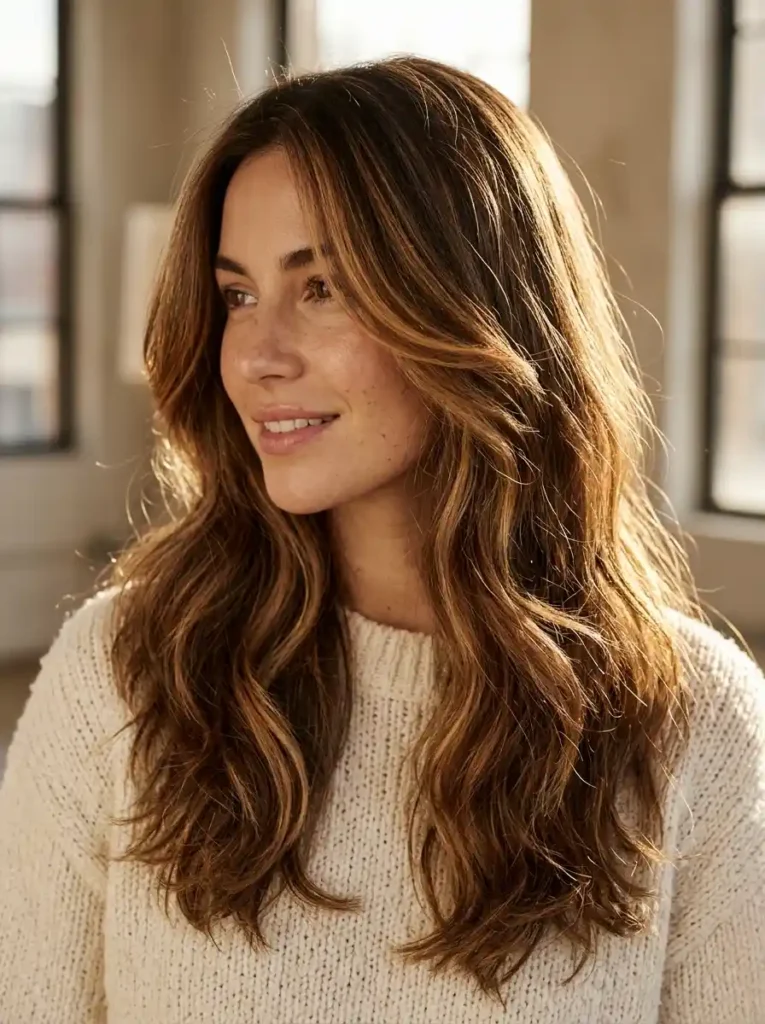
Caramel highlights are ideal when you want brunette hair to feel warmer, brighter, and more dimensional. The golden-brown pieces contrast gently with a darker base, creating movement without requiring an all-over color change. Ask your stylist to select a caramel shade that harmonizes with your natural hair color and complexion. Softer caramel tends to blend beautifully into medium brown hair, while deeper golden accents can add noticeable warmth to dark brunette lengths.
Placement makes a significant difference to the final result. Fine highlights scattered through the mid-lengths create a natural sunlit effect, while a few brighter pieces near the face can emphasize your features. If you wear your hair in waves, ask for the lightness to follow the shape of your layers rather than forming straight, uniform bands. Because caramel tones can gradually lose their freshness, a color-depositing gloss or salon toner may help maintain the desired warmth between major highlighting appointments.
4. Cool Ash Brown Brunette
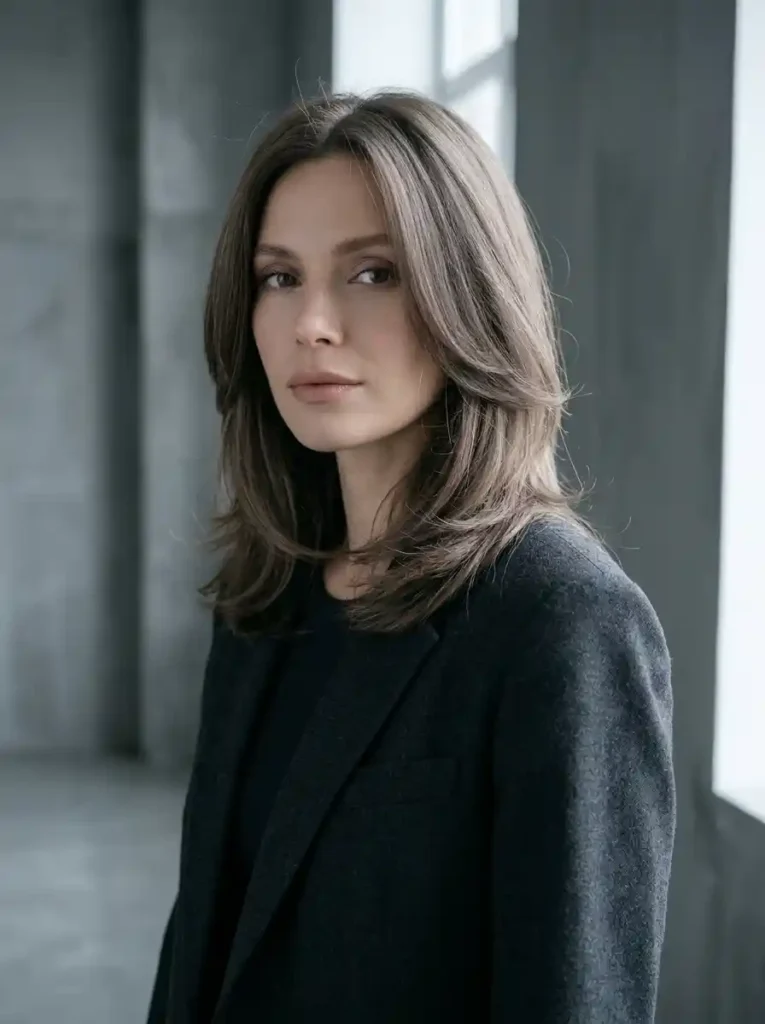
Cool ash brown is a sophisticated option for anyone who prefers understated color without strong golden or reddish undertones. Its muted taupe finish gives brunette hair a smoky quality that feels modern and refined. Depending on your starting shade, achieving this look may involve lightening before toning, especially if your hair naturally pulls warm. A professional color consultation helps determine how cool the result can realistically be while preserving the condition and integrity of your hair.
This shade looks especially beautiful with smooth layers, polished bobs, and relaxed waves that reveal its subtle tonal variations. To maintain the intended color, use a color-safe shampoo and ask your stylist whether an occasional blue-toning product would be appropriate for your hair. Avoid using toning products too frequently, since excessive use can leave some hair looking dull or uneven. If your complexion naturally suits warmer colors better, a neutral ash brown with a hint of beige may feel more flattering than an extremely smoky finish.
5. Honey Brunette Balayage
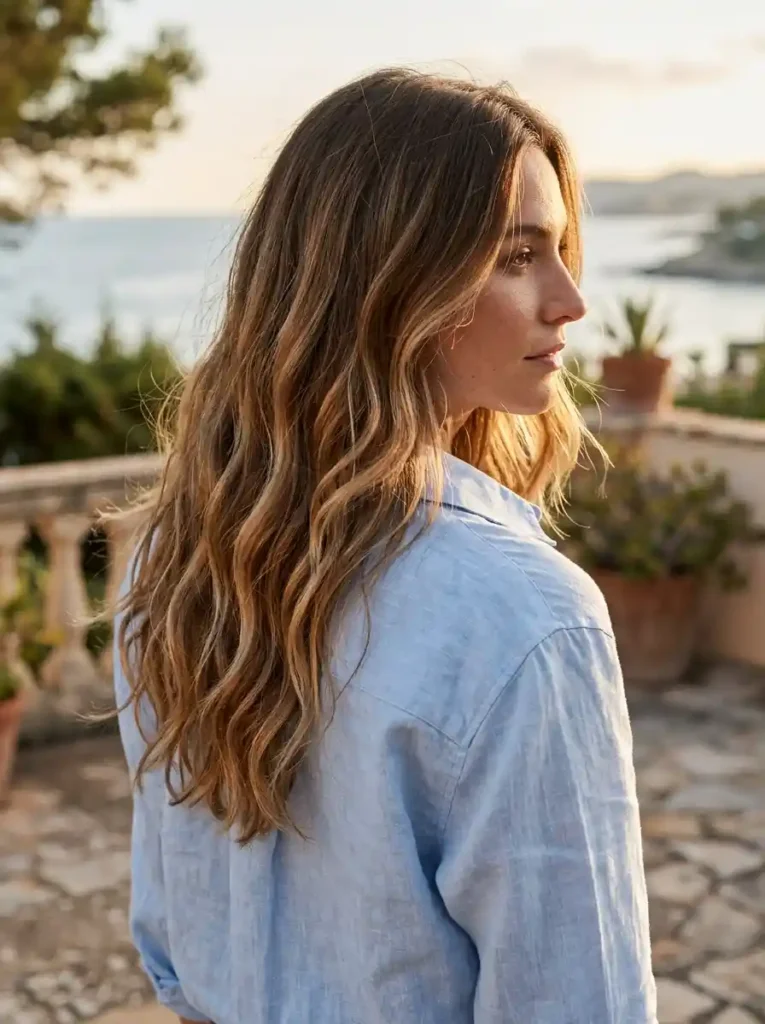
Honey brunette balayage offers a brighter, sunnier interpretation of brown hair while preserving enough depth at the roots to keep the overall look grounded. The combination of brown and honey tones creates the impression of natural light reflecting through the hair, particularly around the face and ends. It can be customized for different starting shades, although very dark hair may require multiple lightening sessions to achieve a soft honey finish without unnecessary damage.
For a balanced result, ask for a brunette root area that gradually blends into honey-colored ribbons rather than a sharp division between dark and light. This approach also makes regrowth less obvious as your hair grows. Soft waves, long layers, and textured ponytails show off the variation beautifully. Since honey shades can become brassy or lose their brightness over time, discuss an appropriate toning schedule with your colorist and use moisturizing products designed for highlighted hair.
6. Mushroom Brown Hair
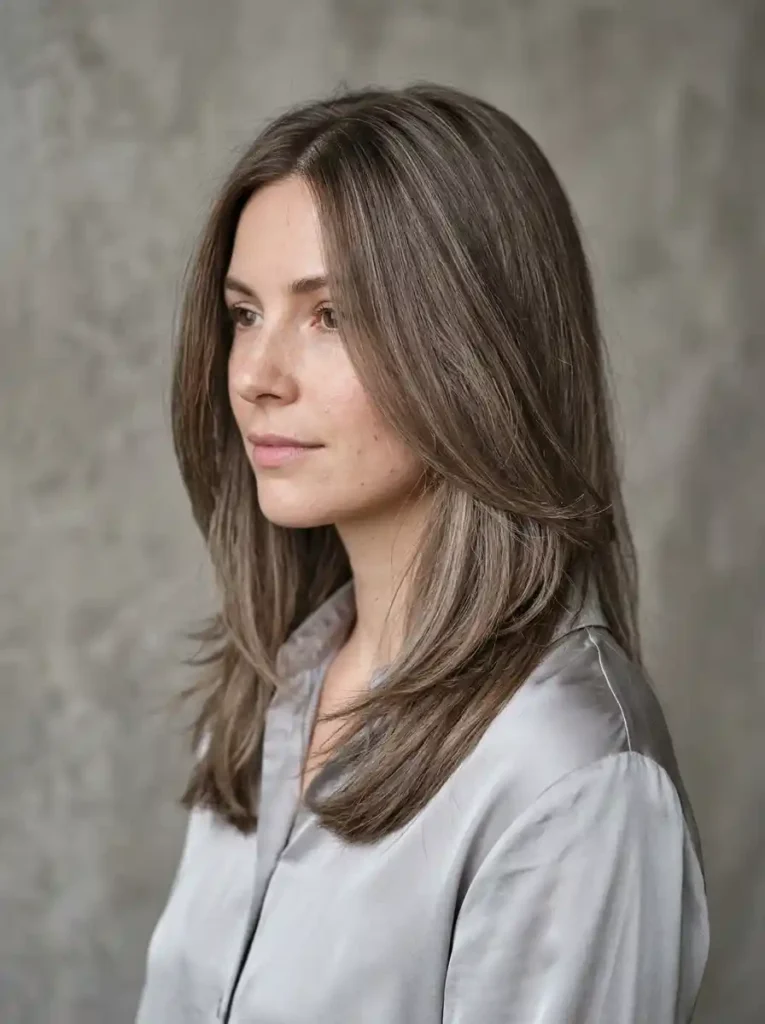
Mushroom brown is a muted brunette shade that combines neutral brown with beige and cool taupe undertones. Rather than looking golden or coppery, it creates a softly blended, earthy finish. The color is especially appealing if you want dimension that feels subtle instead of bright. Your stylist may use a combination of carefully placed highlights and toning to create the characteristic mushroom effect, adjusting the balance of cool and neutral shades to suit your starting color.
The best styling approach is one that lets the understated color speak for itself. A softly layered cut, a smooth lob, or loose bends can reveal the different tones without making the hair appear overly styled. Because the shade relies on carefully balanced undertones, maintenance matters: natural warmth may become more visible as the toner fades. Schedule gloss appointments when needed, and avoid repeatedly applying strong toners without professional guidance. Mushroom brown is particularly versatile for people who appreciate a contemporary, low-key aesthetic.
7. Chestnut Brown With Warm Undertones
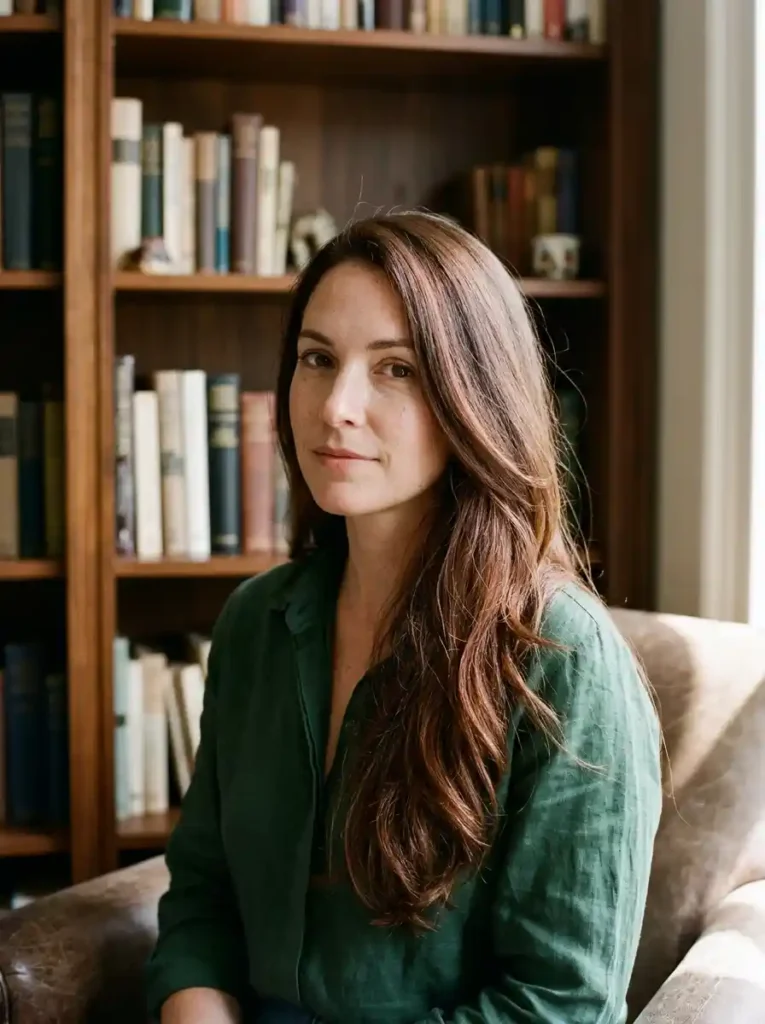
Chestnut brown is a timeless brunette choice with gentle warmth that becomes especially noticeable in natural light. Its brown foundation keeps the color wearable, while subtle reddish or cinnamon undertones add depth and richness. It is a lovely option if you want something more expressive than a neutral brown but are not ready for a distinctly red hair color. Your colorist can tailor the warmth, choosing a softer chestnut for a natural finish or a deeper variation for a more dramatic result.
This shade works beautifully with long layers because the changing angles catch different reflections throughout the hair. A round-brush blowout can emphasize smoothness, while loose curls make the warmer undertones more apparent. To keep chestnut brown from looking faded, consider a salon gloss that refreshes its richness between permanent color appointments. If your natural hair already contains warm pigments, your stylist may be able to enhance them without extensive lightening. Mention any previous color treatments before deciding on a formula.
8. Brunette With Face-Framing Highlights
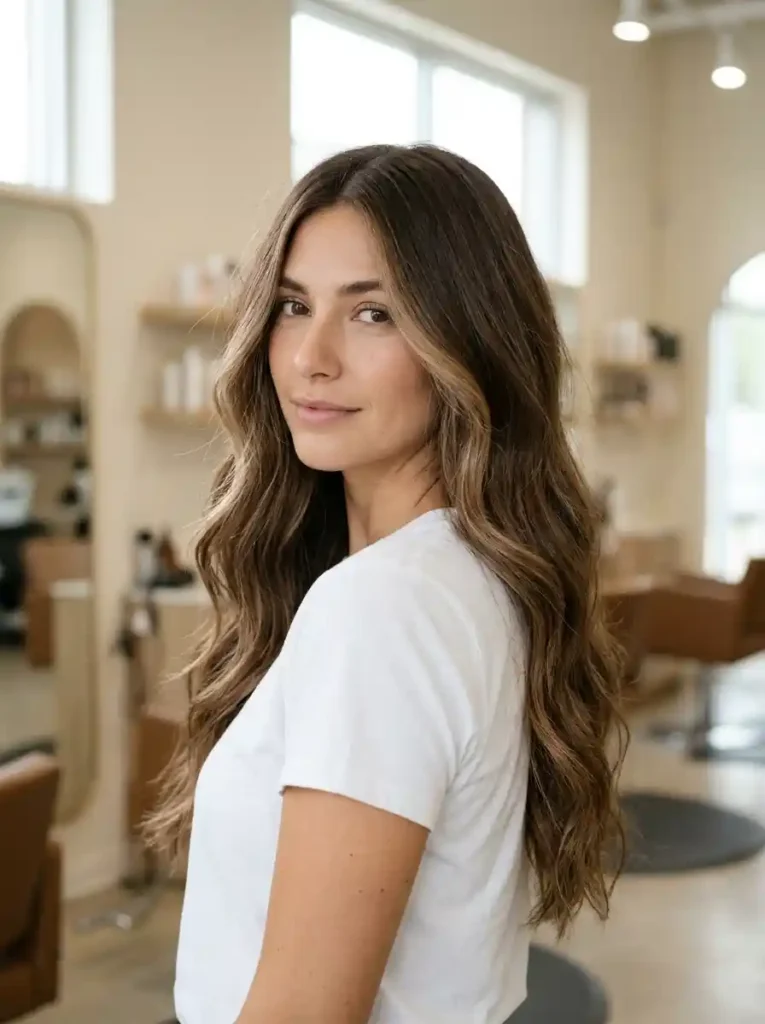
Face-framing highlights brighten the front sections of brunette hair while allowing most of the natural or base color to remain unchanged. This makes them a useful option if you want a visible update without highlighting your entire head. The lighter pieces can be delicate and blended or slightly bolder, depending on your preference. Ask your stylist to place the brightness around your temples and cheekbones in a way that complements your haircut, parting, and usual styling habits.
One advantage of this technique is its versatility. The highlighted sections stand out when your hair is worn down, but they also add interest to ponytails, half-up styles, and loose braids. Choose beige, caramel, or honey tones according to the effect you want rather than selecting a shade solely because it looks attractive in a photograph. Keep the front pieces conditioned, since they are often exposed to frequent heat styling and environmental wear. A small amount of lightweight smoothing cream can help them blend naturally with the rest of your hair.
9. Dark Chocolate Brown Hair
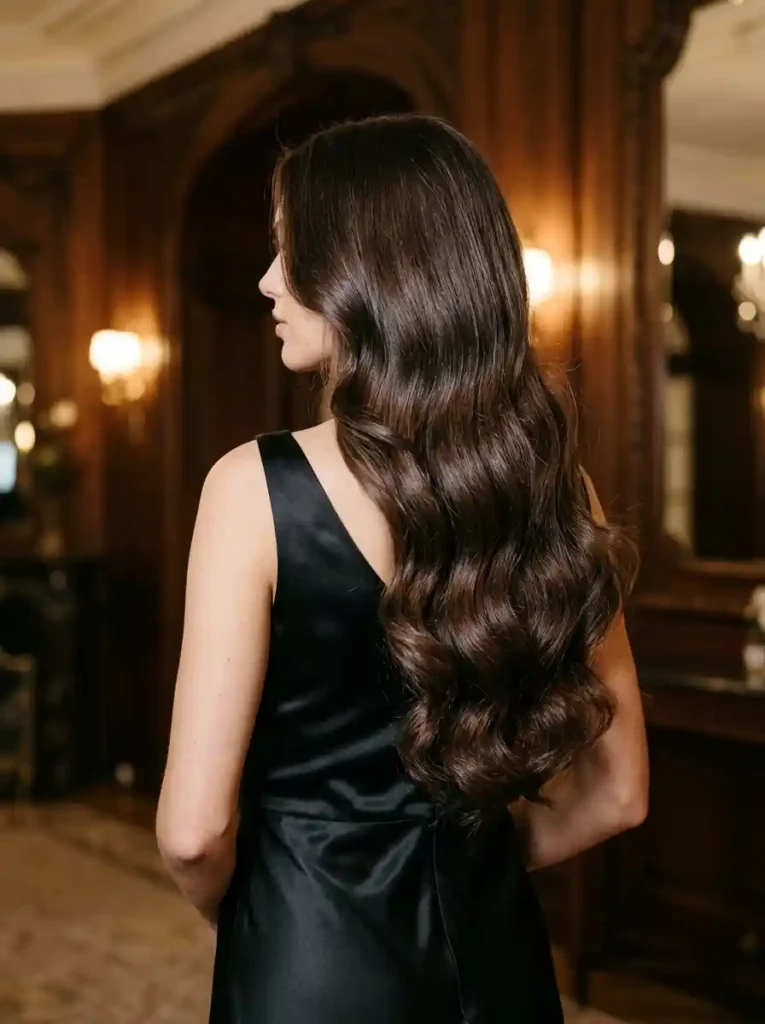
Dark chocolate brown is a beautiful middle ground between classic medium brown and near-black brunette. Its deep cocoa tone gives hair a substantial, glossy appearance without requiring the almost-black intensity of espresso. This shade suits people who want a rich, sophisticated color that remains recognizably brown in daylight. If your natural hair is already dark, your stylist may be able to create the effect with a gloss or color refresh rather than a significant chemical transformation.
A well-maintained dark chocolate shade looks especially striking on long, smooth waves, but it can also make a blunt bob feel sleek and intentional. The key is preventing the surface from looking dry or coated with too much product. Use a moisturizing conditioner, protect your hair when using hot tools, and apply a small amount of shine serum to the ends if necessary. When discussing the color, bring photographs taken in daylight as well as indoor lighting, since deep brunette shades can appear dramatically different depending on the environment.
10. Bronde Balayage
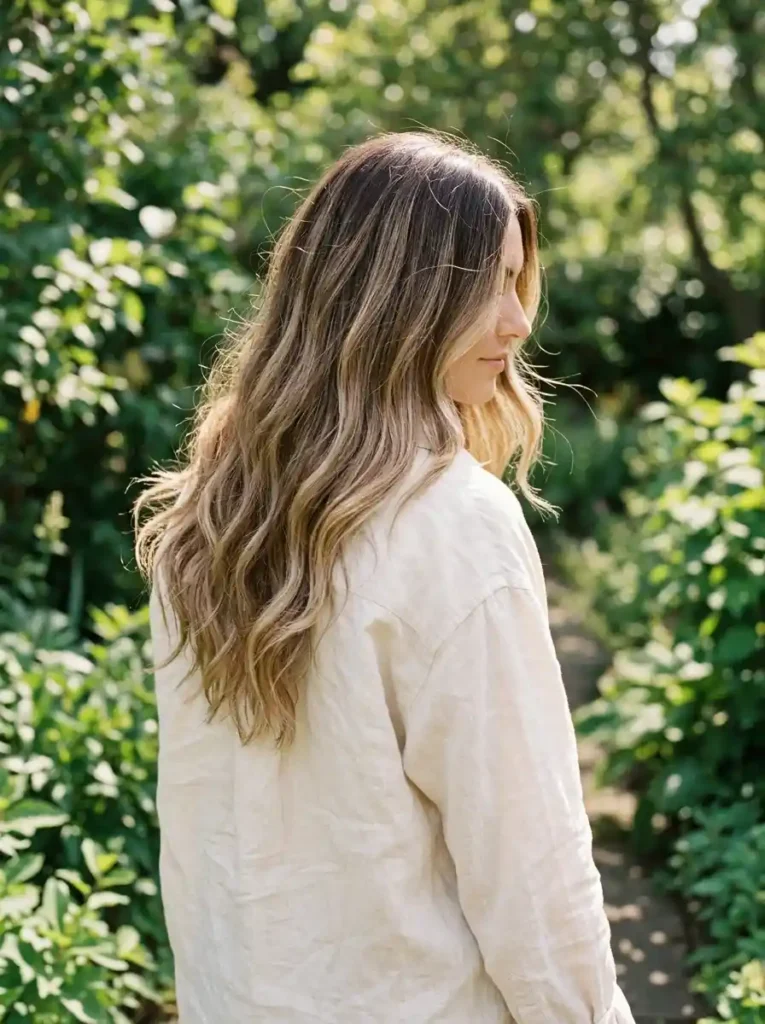
Bronde balayage blends brunette and blonde into a balanced color that offers more brightness than traditional brown without becoming fully blonde. Its appeal lies in the gradual shift between darker roots and lighter mid-lengths, which creates movement and visual softness. The finished shade can lean beige, golden, or neutral depending on your preference. Because the process may involve substantial lightening on naturally dark hair, a staged approach can be a sensible way to achieve the look while protecting hair quality.
This color is especially attractive on layered cuts and loose waves, where the lighter ribbons become visible as the hair moves. It also looks lovely in simple half-up styles that expose different sections of the balayage. Ask your stylist how much contrast is appropriate for your starting shade and whether several appointments would produce a healthier result. Use a heat protectant consistently and avoid excessive hot-tool temperatures. A gloss can help keep the brunette and blonde tones harmonious as the color evolves.
11. Mocha Brown Hair
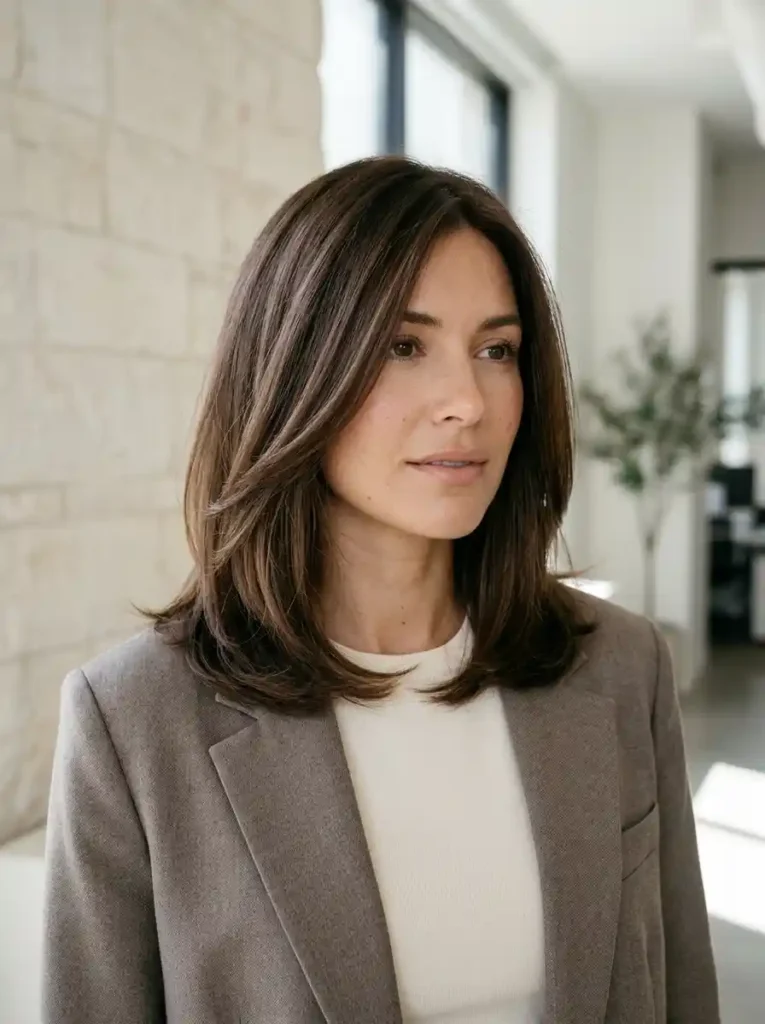
Mocha brown is a versatile shade for anyone who wants brunette hair that feels rich but not overly dark or warm. Inspired by the tones of coffee with milk, it sits comfortably between deeper chocolate and lighter neutral brown. Depending on your existing color, mocha can be created as an all-over shade or enhanced with delicate tonal variations. It is particularly appealing if you prefer an understated result that looks refined at work, on weekends, and for special occasions.
A collarbone-length cut with a rounded blowout brings out the smooth character of mocha brown, while subtle layers prevent the overall shape from appearing heavy. If your hair naturally fades warm, ask your stylist whether a neutralizing gloss would help maintain the desired balance. For a more dimensional version, consider fine highlights only one or two levels lighter than your base. The difference should be noticeable in movement rather than appearing as separate stripes. This restrained approach keeps the look elegant and relatively easy to grow out.
12. Copper-Infused Brunette
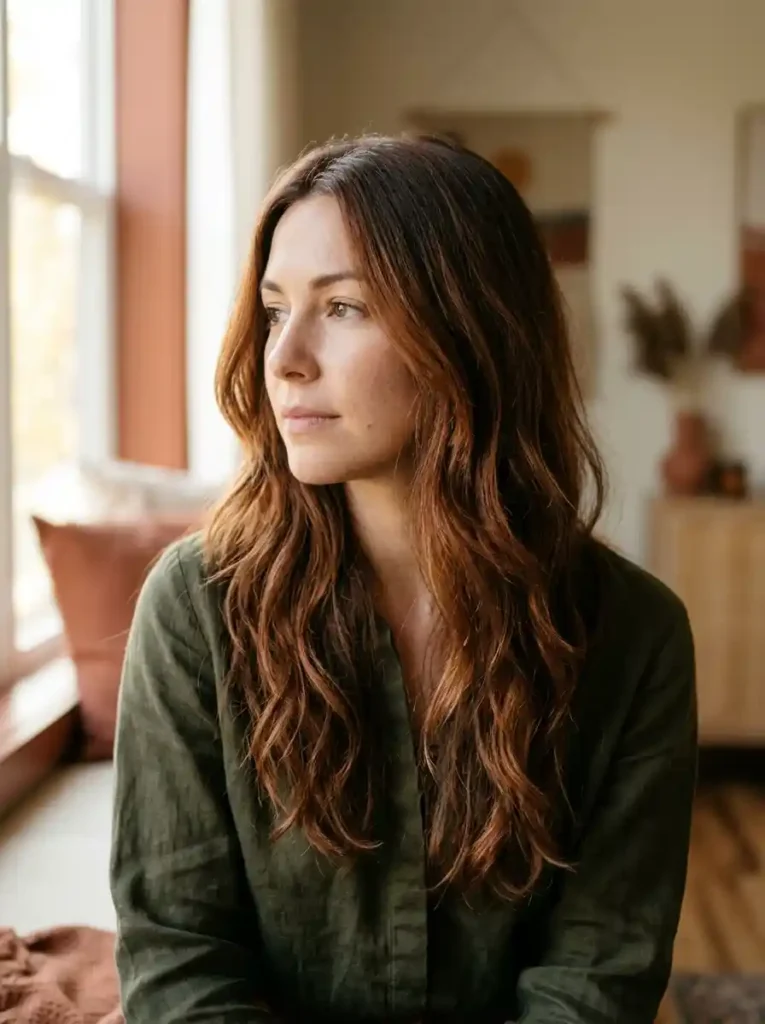
Copper-infused brunette is a warm, expressive option for people who love brown hair but want a little more personality. The brown base keeps the overall look grounded, while copper and cinnamon reflections add a reddish glow that becomes more noticeable in sunlight. You can choose a subtle version with a few warm ribbons or a richer all-over copper-brown formula. Your colorist should consider your existing pigment and color history before selecting the right balance of brown and copper.
This shade looks especially appealing with textured layers, loose waves, and natural movement that reveal its changing undertones. Warm pigments can fade with washing and sun exposure, so color-safe products and a suitable conditioning routine help preserve the finish. Ask whether a tinted gloss or color-depositing conditioner would be appropriate for refreshing the copper between appointments. If you prefer a restrained result, request that the copper remain concentrated through the mid-lengths rather than dominating the roots. That creates warmth without losing the unmistakable brunette character.
13. Brunette With Subtle Babylights
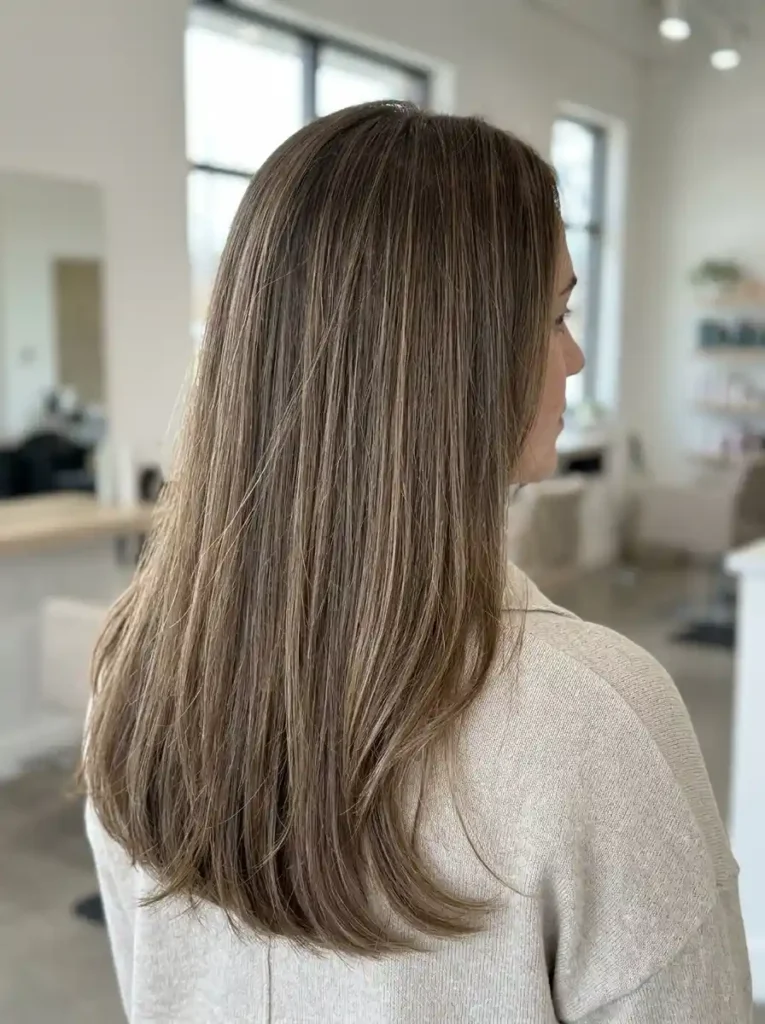
Babylights are exceptionally fine highlights designed to create a delicate, naturally illuminated effect. On brunette hair, they add subtle dimension without the stronger contrast of traditional highlights. This makes them a good choice if you want your color to look more detailed in daylight while remaining understated indoors. Your stylist can use a shade close to your base color for a barely-there result or choose a slightly lighter beige-brown for more noticeable brightness.
Because the highlighted strands are fine, babylights can blend beautifully as your hair grows, although the maintenance schedule depends on their placement and your natural regrowth. They work particularly well on straight hair, where individual tonal variations become visible, and on waves, where they create a soft shimmer. Tell your colorist whether you usually wear a center part, side part, or ponytail so the placement reflects your everyday styling. After lightening, use conditioner regularly and avoid treating delicate highlighted sections as though they have the same needs as untouched hair.
14. Golden Brown Brunette
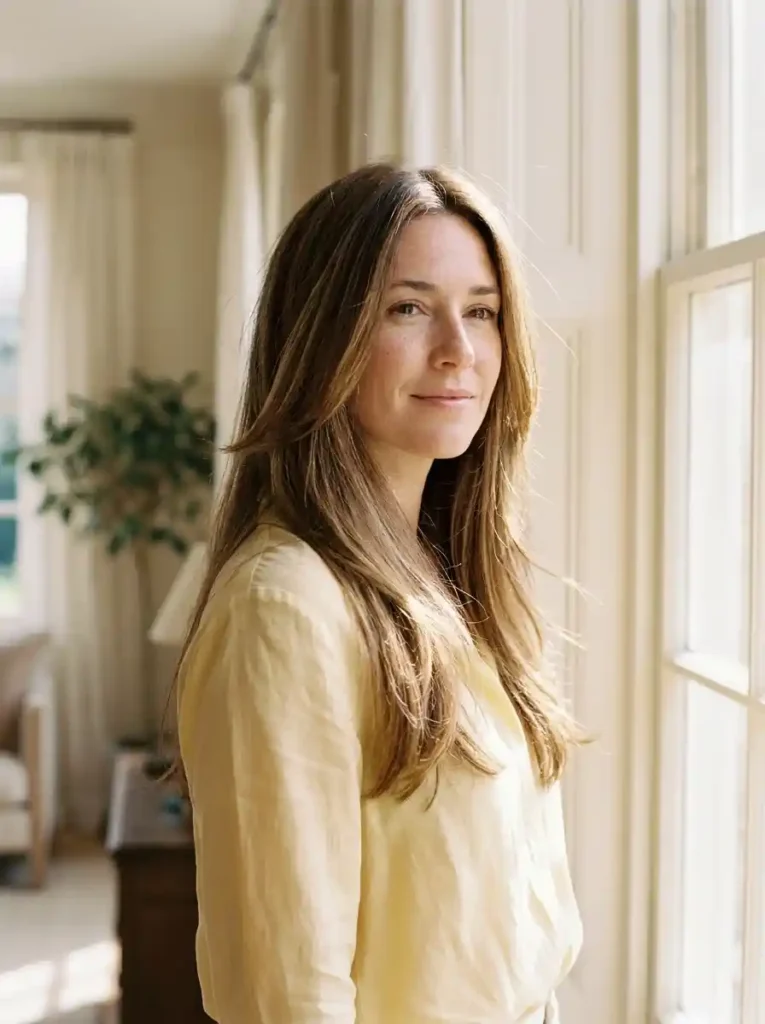
Golden brown brunette brings warmth and brightness to brown hair without requiring a dramatic blonde transformation. Its golden undertones create a sunlit effect that feels particularly beautiful on medium brown bases. The shade can be applied more uniformly for a soft overall warmth or introduced through fine highlights for added dimension. If you already have naturally warm hair, a carefully selected gloss may enhance the existing color, while darker or cooler starting shades may require a more involved salon process.
This color pairs nicely with flowing layers, soft curls, and a classic blowout that allows light to reflect across the lengths. To keep it from becoming too yellow or brassy, ask your stylist to choose a golden tone that remains balanced with your base color. Use a color-safe shampoo and avoid unnecessary washing with very hot water. If you prefer a subtle result, keep the roots a little deeper than the ends. The gentle gradient creates a natural appearance and gives the hairstyle a little more visual movement.
15. Brunette Money Pieces
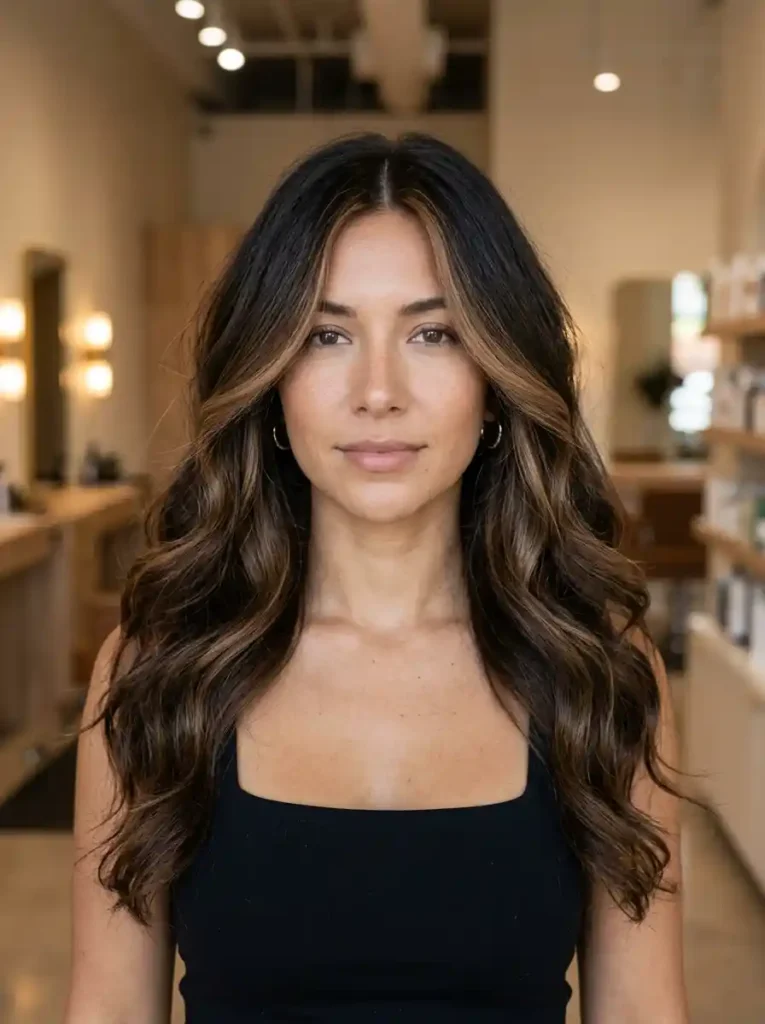
Money pieces are brighter front sections that frame the face and create a noticeable contrast with the surrounding brunette hair. Unlike very subtle face-framing highlights, this look often makes the front strands a defining feature of the color. Caramel, honey, and beige shades are popular options, but the best choice depends on your base color and how dramatic you want the result to appear. Ask your stylist to blend the transition carefully so the front sections complement rather than compete with the rest of your hair.
This technique is especially effective if you often wear your hair down or pull it into a ponytail, since the lighter pieces remain visible around the face. It can also add interest to curtain bangs and long, face-framing layers. Because the front sections are prominent, they may need refreshing sooner than the rest of your highlights. Use a heat protectant when styling them, and avoid excessive bleaching at every appointment. A slightly softer version can offer the same framing effect with a more natural grow-out.
16. Cinnamon Brown Hair
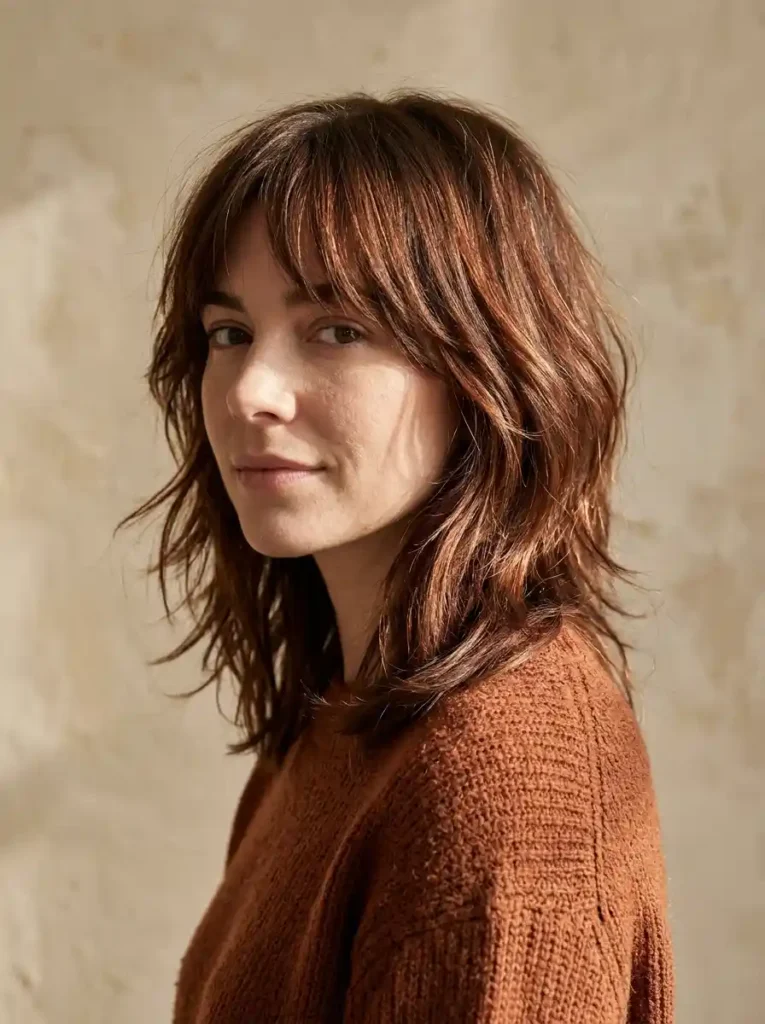
Cinnamon brown is a warm brunette shade with gentle reddish undertones that create depth without turning the hair fully auburn. It is a lovely choice for autumn-inspired color, but its richness can look equally beautiful throughout the year. Depending on your preference, cinnamon can be incorporated into a medium brown base through subtle tonal highlights or used as the dominant shade for a stronger transformation. A professional colorist can adjust the warmth to suit your starting point and desired intensity.
A shag haircut or softly layered lob works especially well with cinnamon brown because the texture reveals the different tones as the hair moves. If you prefer a more classic hairstyle, smooth shoulder-length layers can give the shade a polished finish. Warm brunette pigments may fade over time, so discuss how often you should refresh the color and whether a tinted gloss would help. When styling, use a lightweight texturizing spray sparingly to preserve movement without obscuring the natural shine that makes this color attractive.
17. Cool-Toned Dark Brunette
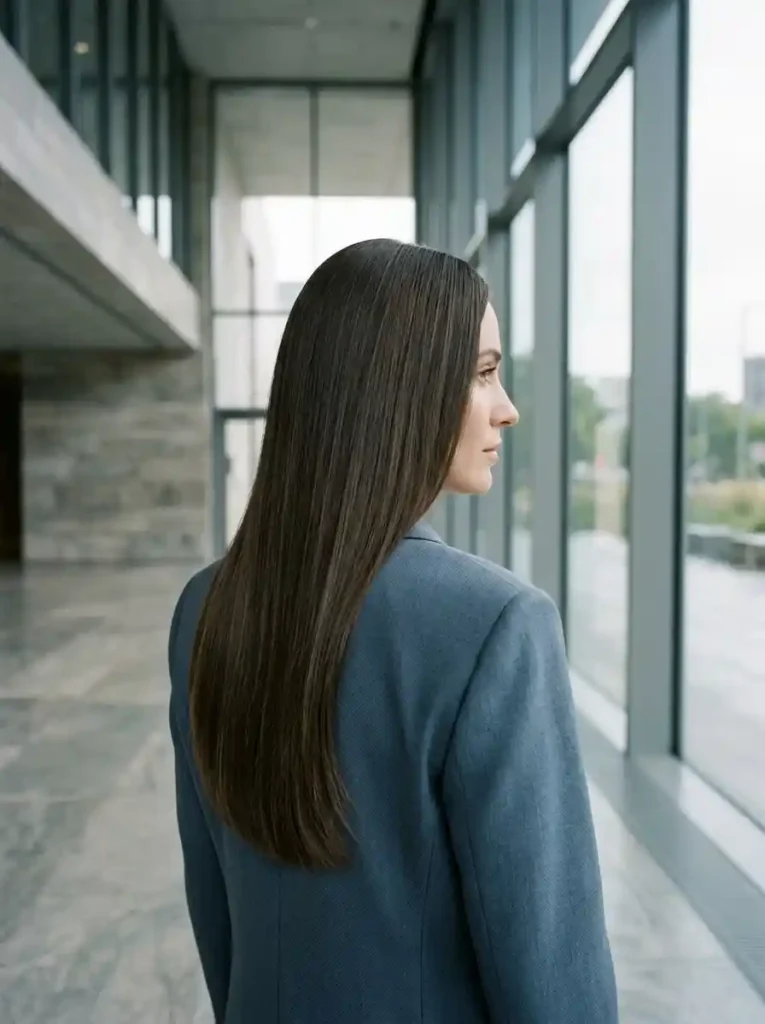
A cool-toned dark brunette shade offers a sleek alternative to warm chocolate or chestnut. Its restrained undertones create a polished, understated finish that can appear almost black in dim lighting while revealing its brown depth outdoors. If your natural color is already dark, achieving this effect may involve little more than a carefully chosen color gloss. If your hair has previously been dyed warm, your stylist may need to address the existing undertones before creating a balanced cool result.
This color is particularly striking with straight, glossy hair and clean haircuts such as blunt lobs or long, even layers. It can also look beautiful in low, polished buns where the deep shade adds a refined finish. Keep the routine simple: use a suitable conditioner, limit unnecessary heat exposure, and avoid layering on heavy oils that make the roots appear greasy. If you want the color to remain soft rather than harsh, ask for a neutral-cool brown instead of an extremely flat, inky formula.
18. Light Brown Brunette With Beige Highlights
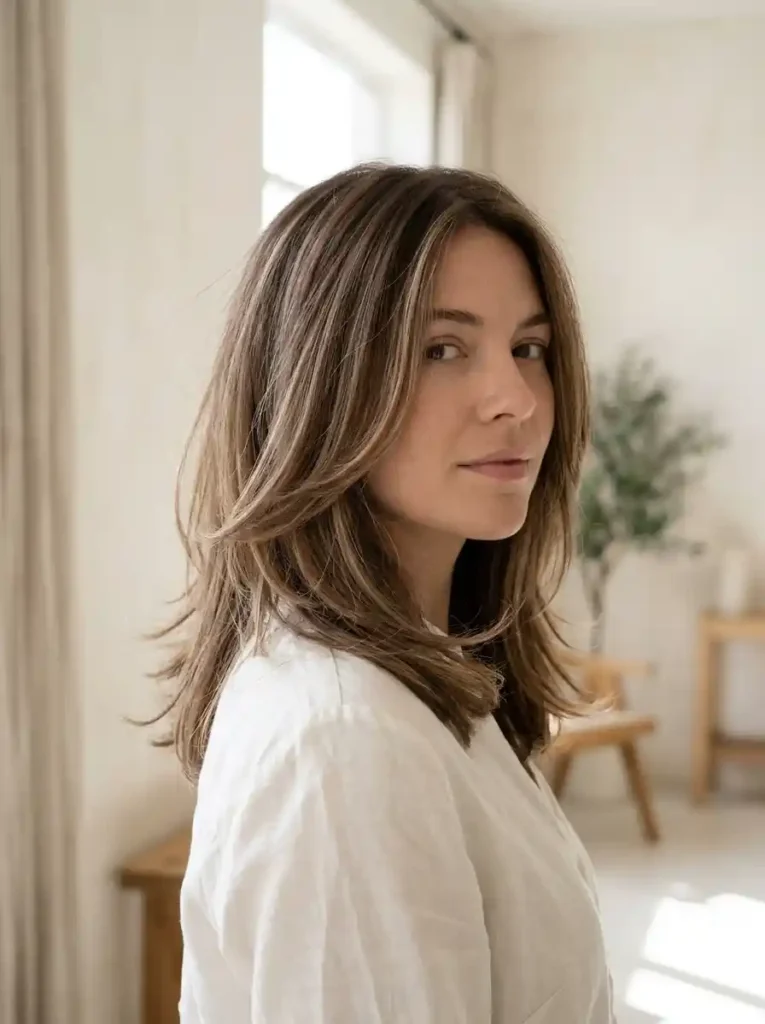
Light brown brunette with beige highlights is a gentle way to brighten your hair while maintaining a natural brown foundation. The beige pieces add softness and dimension without the pronounced golden warmth of honey or caramel. This combination works especially well if you want a lighter overall appearance but are not interested in moving fully into blonde territory. Ask your colorist to keep the highlights fine and blended so the transition looks intentional rather than like separate stripes.
Butterfly layers, a shoulder-length blowout, or a softly textured lob can showcase this combination beautifully. The curved sections reveal different shades as the hair moves, giving the color a fuller visual effect without requiring dramatic contrast. If your hair is naturally dark, a gradual approach may help protect its condition while moving toward a lighter base. Keep highlighted ends conditioned and schedule gloss appointments when the beige tone starts looking dull. Choosing a neutral beige rather than an overly pale shade can also simplify maintenance.
19. Brunette With Rose-Brown Highlights
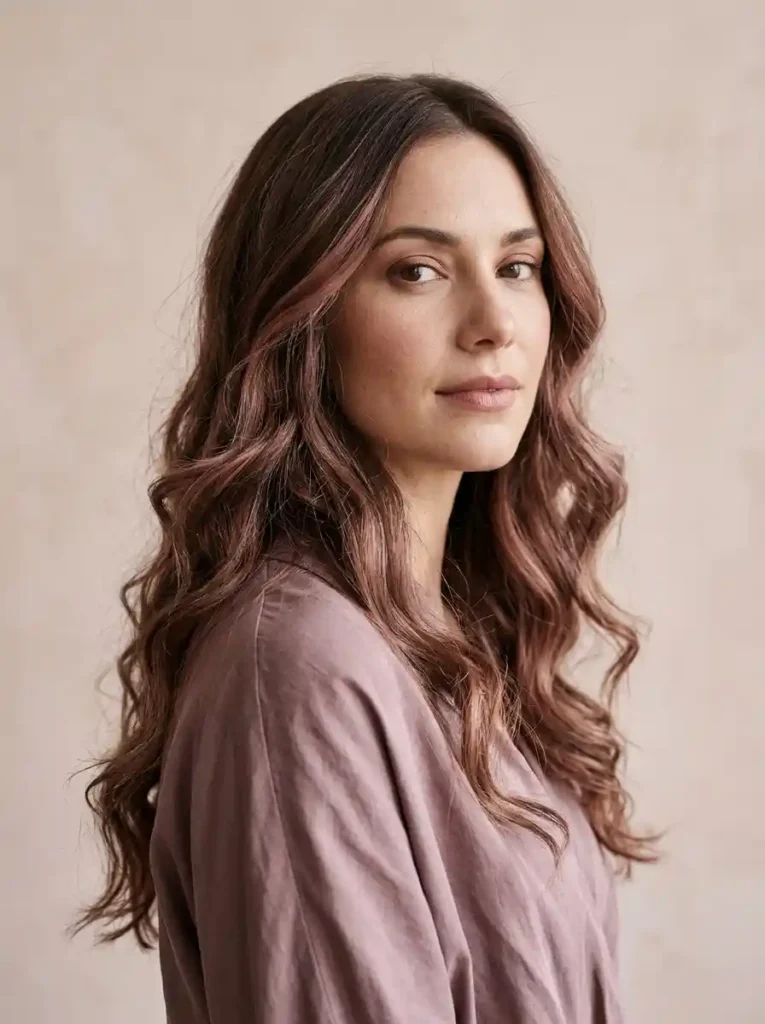
Rose-brown highlights introduce a delicate rosy undertone to brunette hair without creating the intensity of bright pink fashion color. The result can look understated in indoor lighting and reveal a muted rose sheen when the light catches the hair. It is an appealing choice if you want something different from traditional caramel or blonde highlights. The exact finish depends on your starting color, and darker hair may need some lightening before the rosy tones become clearly visible.
For a balanced result, ask your stylist to keep the rose color soft and concentrated in selected ribbons rather than distributing it too heavily across the entire head. Loose curls and layered cuts help the different tones blend together naturally. Since rose shades can fade faster than many conventional brunette colors, consider whether you are comfortable with regular glossing or color-refresh appointments. A color-safe routine and reduced heat styling can help preserve the finish. If you prefer very low maintenance, a muted rose-brown gloss may be more practical than extensively lightened highlights.
20. Bronde With a Shadow Root
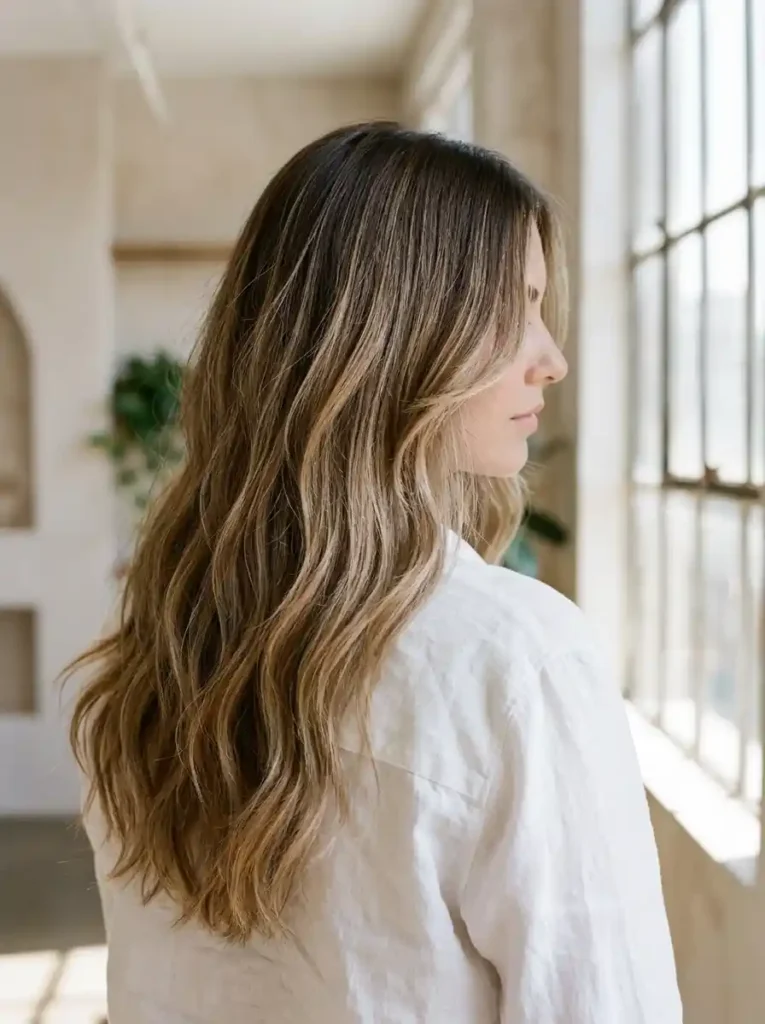
A shadow-root bronde look combines a deeper brunette root area with lighter bronde lengths, creating a smooth transition rather than a sharp line between colors. This technique is particularly useful if you enjoy brighter ends but do not want to maintain a uniformly light root. Your stylist can blend the root shade into the highlights according to your natural color, making the result more subtle or more contrasting as desired. It is also a practical option for people transitioning away from frequent full-head coloring.
Long layers and loose waves reveal the gradual movement from brown roots to lighter ends, but the color also works with straight hair and simple ponytails. Before committing, ask how light your lengths need to become and whether several sessions would be preferable. A shadow root can reduce the visibility of regrowth, although the lighter sections still need appropriate conditioning and occasional toning. For a natural finish, keep the root area close to your own brunette shade rather than creating an unnecessarily dark band.
21. Glossy Classic Medium Brown
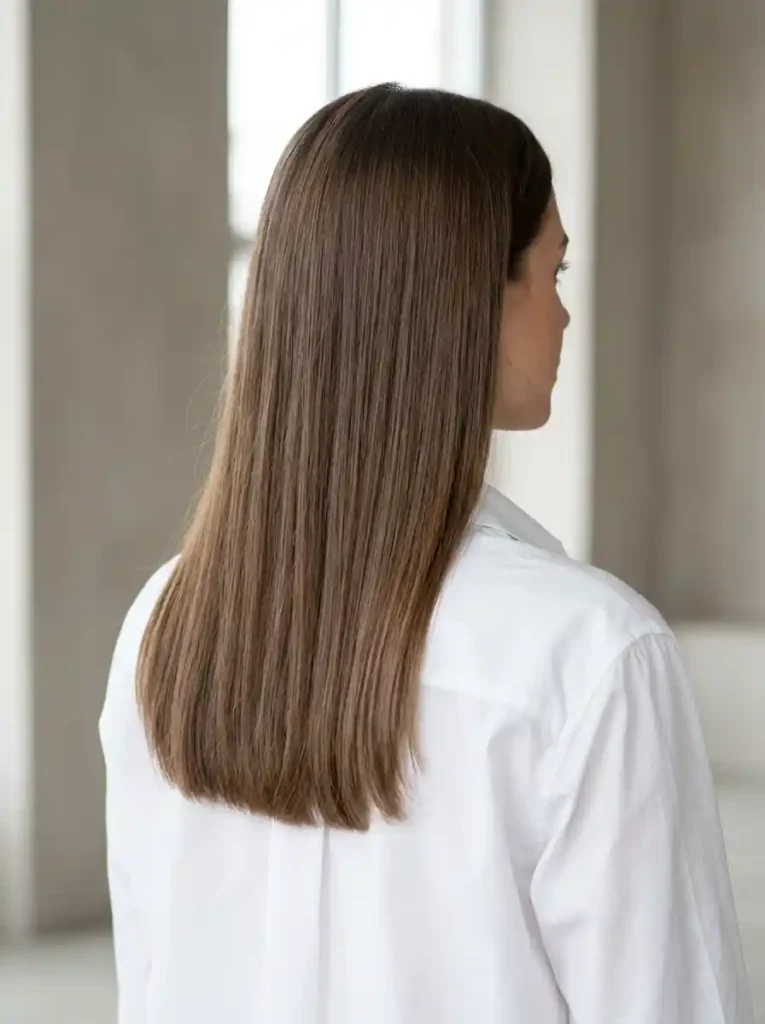
Classic medium brown is proof that beautiful brunette hair does not need elaborate highlights to feel fresh. This balanced shade offers enough depth to look rich while remaining lighter and softer than espresso or dark chocolate. It can be especially appealing if you prefer a cohesive color that looks polished without obvious tonal variation. Depending on your natural hair, a gloss or carefully matched permanent formula may be sufficient to create the desired result.
A blunt cut, smooth long layers, or a softly rounded lob gives this shade a clean, modern appearance. The overall finish depends heavily on hair condition, so prioritize gentle cleansing, regular conditioning, and heat protection rather than relying on shine products alone. If you color your hair at home, avoid repeatedly overlapping permanent dye on previously colored lengths, since this can create unnecessary buildup and uneven results. A professional can often refresh the mid-lengths and ends with a more suitable formula while preserving the root color.
22. Brunette With Subtle Auburn Balayage
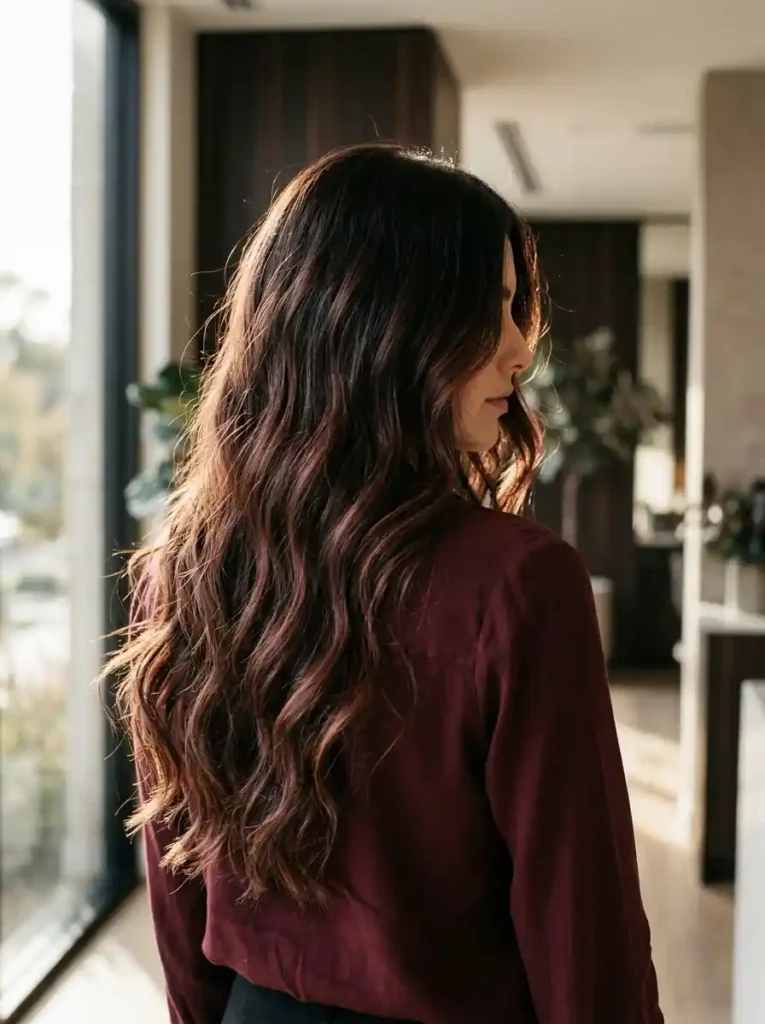
Subtle auburn balayage is a beautiful choice if you want to add warmth to brunette hair without committing to a full red transformation. The deeper brown base creates a natural foundation, while mahogany or auburn ribbons add dimension through the lengths. The color can be kept very restrained for a barely visible red-brown reflection or made more noticeable with brighter pieces. Your stylist should select the placement and tone according to your natural color and the level of maintenance you prefer.
This technique looks particularly attractive on long waves, where the auburn sections appear and disappear as the hair moves. It also works well with layered medium-length cuts that prevent the color from looking concentrated at the ends. Warm red pigments can change with washing and sunlight, so ask about a suitable color-refresh routine before your appointment. If you want a low-commitment introduction to auburn, begin with a few balayage ribbons rather than lightening large sections. You can always adjust the intensity during a future visit.
23. Brunette With Blonde Peekaboo Highlights
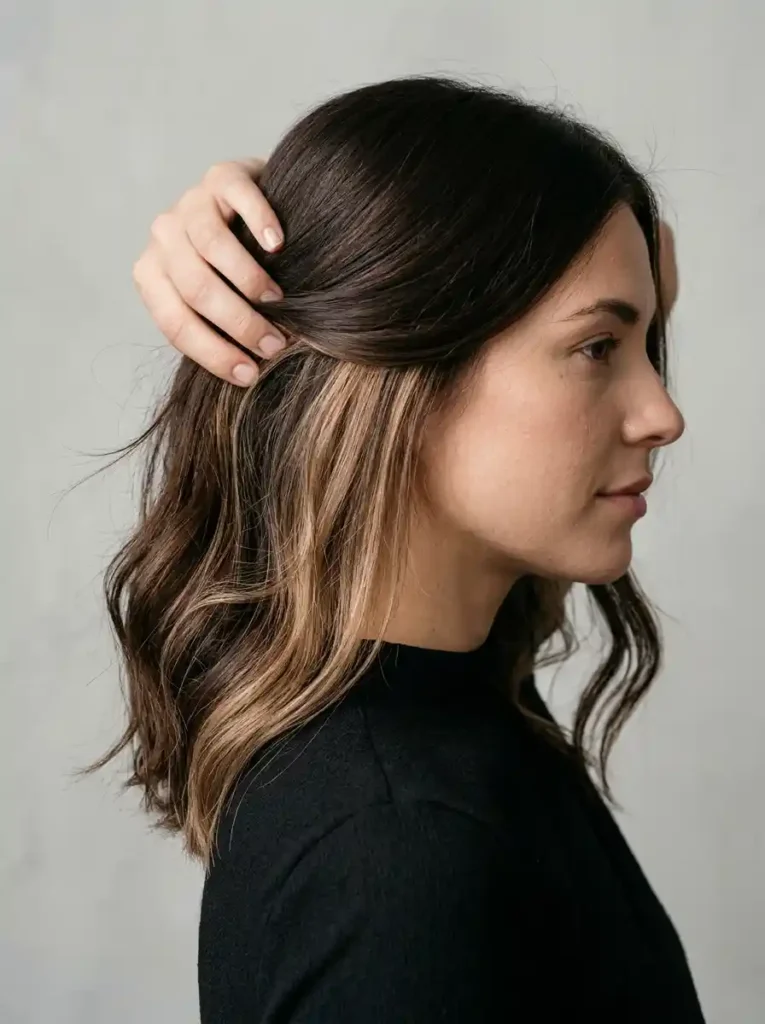
Peekaboo highlights add lighter color beneath the top layers of brunette hair, creating an unexpected detail that appears when the hair moves, is braided, or is tied up. Beige blonde is one option, but caramel or lighter brown can produce a softer effect. This technique is especially appealing if you enjoy creative color but need your everyday hairstyle to remain relatively understated. Ask your stylist to position the highlights where they will be visible with your usual parting and preferred hair length.
Because the lighter sections sit beneath the surface, you can control how much contrast appears simply by changing your styling. Wear your hair down for a subtle finish, or choose a half-up style to reveal more of the color. Peekaboo placement can also be customized for short bobs and longer layers. Lightened sections still need proper conditioning, even when they are hidden from view. Discuss the contrast level beforehand, since very pale blonde beneath dark brown hair may require more lightening and maintenance than a caramel or beige-brown alternative.
24. Soft Brunette Balayage With Long Layers
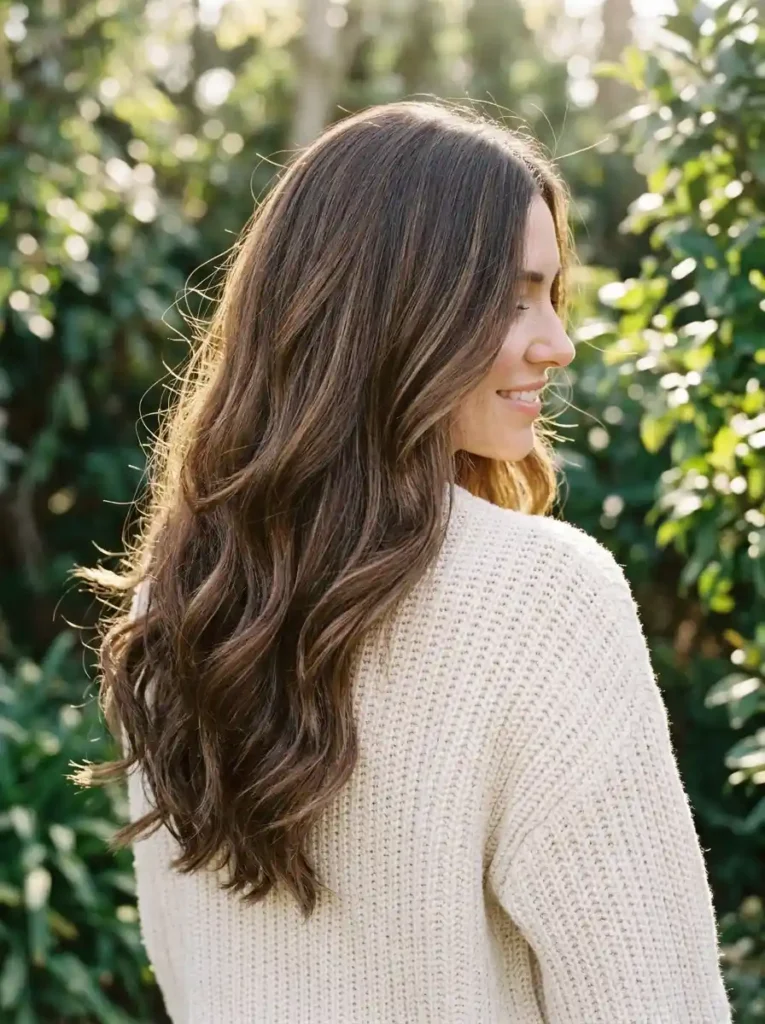
Soft brunette balayage paired with long layers is a versatile option if you want movement, dimension, and a natural-looking finish in one hairstyle. The brown base remains the main feature, while carefully blended lighter pieces follow the shape of the cut. Rather than relying on dramatic contrast, this approach uses gradual tonal changes to make the lengths appear more dynamic. Ask your stylist for fine, strategically placed ribbons that complement your natural base and avoid making the ends significantly lighter than you want.
Long layers help the color look fluid because the different sections overlap as the hair moves. You can wear the style in loose waves, a smooth blowout, or a casual half-up hairstyle without losing its appeal. To maintain the finish, use a nourishing conditioner, protect the lengths from heat, and schedule a gloss when the color starts to look less balanced. This combination is also easy to personalize: keep the highlights close to your base for a subtle effect, or introduce a few brighter face-framing pieces for extra definition.
Conclusion
The best brunette hair color is not necessarily the lightest, darkest, or most complicated option. It is the one that suits your natural coloring, complements your haircut, and fits comfortably into your everyday routine. Rich espresso and dark chocolate shades offer timeless depth, while caramel, honey, and bronde balayage introduce brightness without sacrificing a brunette foundation. Cooler mushroom tones, warm chestnut hues, and creative rose-brown accents provide even more ways to make brown hair feel personal.
Before booking your appointment, save two or three reference photos that show the color you like in natural lighting. Tell your stylist how much maintenance you are comfortable with, whether you use heat tools regularly, and how your hair has been colored previously. These details will help turn inspiration into a realistic plan.
A thoughtful color choice, a suitable cut, and consistent hair care can make your new brunette look feel beautiful long after you leave the salon.


